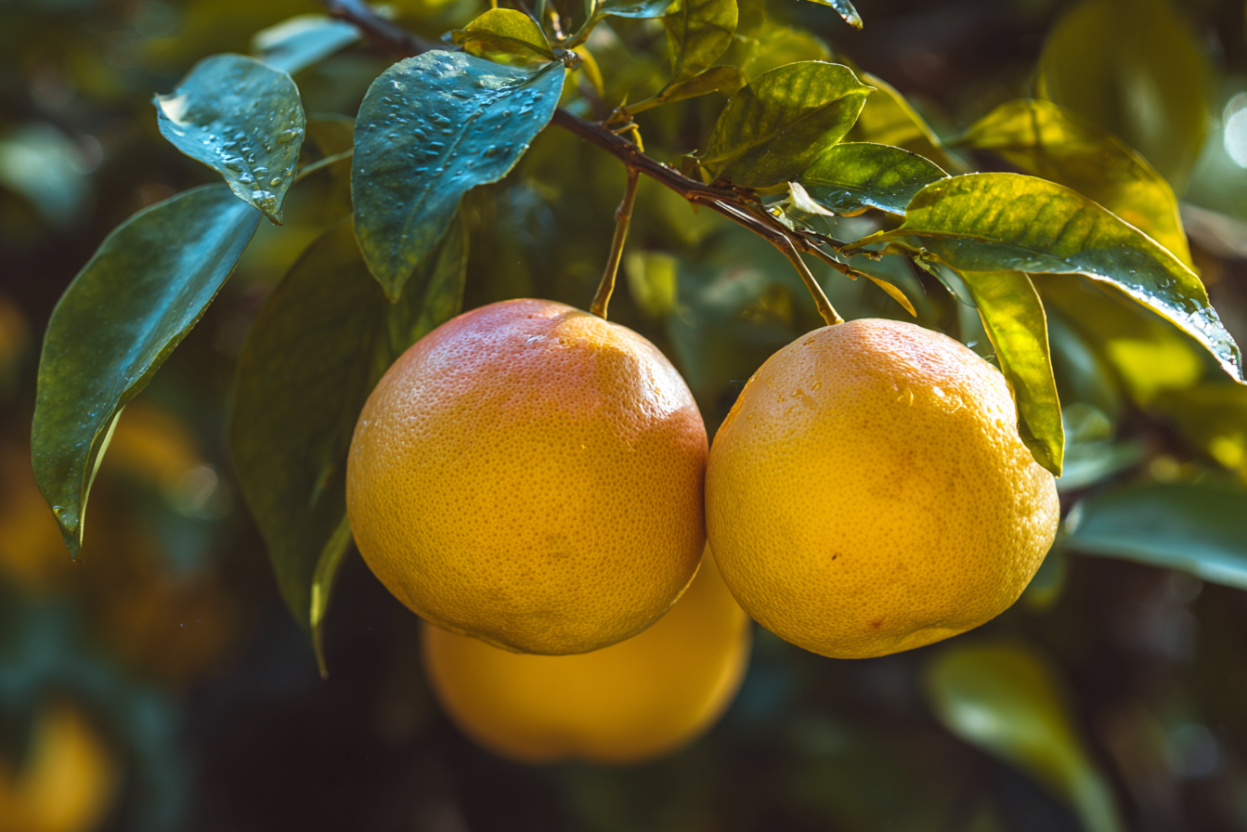
Grapefruit (Citrus × paradisi)
If you have been struggling with stubborn weight, rising cholesterol, or blood sugar concerns that keep you up at night, you are not alone — and the answer may already be sitting in your refrigerator. Grapefruit is one of the most studied fruits in modern nutritional science, with research spanning cardiovascular support, metabolic health, and immune function. Yet for all its fame, most people barely scratch the surface of what this remarkable citrus can do.
This extraordinary fruit is one of many gifts the Creator embedded into nature for our benefit. Grapefruit did not emerge by accident — it arose from God’s own design, a natural cross of two fruits He had already placed on this earth, the sweet orange and the pomelo. Like every good and perfect gift, it comes from above.
The Plant
Common Names: Grapefruit, Pink Grapefruit, Red Grapefruit, White Grapefruit, Ruby Red, Rio Red, Star Ruby, Pomelo Hybrid, Toronja (Spanish), Pamplemousse (French)
Botanical Name: Citrus × paradisi Macfad.
Family: Rutaceae (the Rue or Citrus family — shared with oranges, lemons, limes, and kumquats; known for aromatic oil glands and fragrant flowers)
Description
Grapefruit is a large, subtropical evergreen tree that can reach heights of 15 to 25 feet at maturity, though some specimens grow to 45 feet. Its canopy spreads 10 to 15 feet wide, dense with dark green, glossy, oval leaves that measure 3 to 6 inches long. The leaves release a pleasant citrus fragrance when crushed. In spring, the tree produces clusters of highly fragrant, waxy white flowers with four petals — a sensory experience beloved by growers and pollinators alike.
The fruit is large and round to oblate, typically 4 to 6 inches in diameter and weighing 8 ounces to over a pound. The thick, pithy rind ranges from pale yellow to deep golden-orange, depending on variety. Flesh color varies significantly: white and blonde varieties have pale yellow flesh, pink varieties display a rosy blush, and red varieties — such as the Ruby Red and Rio Red — are a vivid deep crimson. The fruit grows in grape-like clusters on the branch, which is the origin of its common name.
Major cultivated varieties include Ruby Red (the most popular, producing seedless red flesh), Rio Red (developed in Texas with very deep red flesh), Star Ruby (the reddest flesh of all commercially grown varieties), Marsh (a white variety, seedless and mildly flavored), and Duncan (a white variety with seeds, prized for exceptional flavor).
Origin
Grapefruit is one of the few citrus fruits that originated in the New World rather than Asia. It arose naturally on the island of Barbados in the early 18th century as an accidental hybrid between the sweet orange (Citrus sinensis) and the pomelo (Citrus maxima). It was first described by Reverend Griffith Hughes in 1750, who called it “the forbidden fruit” of Barbados. Captain Shaddock, an English sea captain, is credited with bringing pomelo seeds to the Caribbean — and the crossing with sweet oranges already growing there produced grapefruit.
From Barbados, grapefruit spread to Jamaica, then to Florida by the early 1800s where Count Odette Philippe is credited with introducing it near Tampa around 1823. Texas began cultivating it in the 1890s in the Rio Grande Valley, and the accidental discovery of the Ruby Red mutation in 1929 transformed the industry. Today, grapefruit is grown commercially in the United States (Florida and Texas lead production), China, Mexico, South Africa, Turkey, Israel, and throughout subtropical and tropical regions worldwide.
Brief History
Grapefruit’s history is uniquely brief compared to most medicinal plants. Because it emerged as a hybrid only about 300 years ago, it lacks the millennia of documented traditional use found with older citrus species. However, its rapid adoption reflects the power of its nutritional profile. By the late 19th century, Florida growers had made grapefruit a commercial crop. The discovery of the Ruby Red mutation in 1929 at a grove in Texas’s Rio Grande Valley sparked a pink and red grapefruit revolution. The “Grapefruit Diet” of the 1930s first brought the fruit national attention as a weight management tool — a reputation that modern research has continued to validate. Texas A&M University later developed the Rio Red and Star Ruby varieties using radiation mutagenesis in the 1970s and 1980s, producing fruits with deeper color and higher lycopene content.
Growing & Cultivation
Climate & Zones
Grapefruit trees thrive in USDA Plant Hardiness Zones 9 through 11, with optimal fruit production in Zones 10 and 11. They are subtropical evergreens that require consistently warm conditions and are among the most cold-sensitive of all citrus. Mature trees can withstand brief dips to 25°F (−4°C), but sustained freezing temperatures below 28°F (−2°C) can severely damage or kill them. The ideal temperature range for growth and fruit development is 70°F to 90°F (21°C to 32°C). In cooler climates (Zones 7–8), grapefruit can be grown in large containers — minimum 15 gallons — and brought indoors before temperatures drop below 45°F to 50°F (7°C to 10°C).
Soil Requirements
Grapefruit trees prefer well-draining, sandy loam soil with a slightly acidic to neutral pH between 6.0 and 6.8. They do not tolerate waterlogged conditions, which rapidly cause root rot (Phytophthora species). Heavy clay soils should be amended with organic compost and sand to improve drainage. For container growing, a quality citrus-specific potting mix works well. Roots primarily develop in the upper 18 to 24 inches of soil, so preparing the planting area to that depth is essential.
Water & Sunlight
Young trees need regular watering — one to three times per week during their first year to establish a strong root system. Once established, deep watering once every seven to fourteen days during the growing season is usually sufficient. Reduce watering in fall and winter. Overwatering is the most common cause of grapefruit tree death — more so than frost, pests, or neglect. The soil should be moist at depth but never saturated. Test by pushing a finger one inch into the topsoil: if dry, water thoroughly.
Grapefruit trees require full sun — a minimum of 6 to 8 hours of direct sunlight daily. Adequate sunlight is non-negotiable for fruit development, sweetness, and the production of lycopene (the compound that gives red varieties their color). When growing indoors during winter in colder zones, place trees near a large south-facing window and supplement with grow lights if natural light is insufficient.
Propagation
Grafting: Commercially, all quality grapefruit trees are produced by grafting — a bud or scion from a known, high-quality cultivar is fused onto disease-resistant rootstock (commonly trifoliate orange or sour orange). This ensures genetic fidelity, earlier fruiting, cold tolerance, and pest resistance. Grafted trees may bear fruit in as little as two to three years.
Seed: Growing from seed is possible but impractical for fruit production. Seed-grown trees are genetically unstable, may take 8 to 12 years to fruit (if ever), and typically produce inferior, bitter, or no fruit. University of Florida IFAS research indicates that over 97% of seed-grown citrus never produce marketable fruit. Seeds are useful only as a botanical experiment, not as a path to reliable harvest.
Cuttings: Semi-hardwood cuttings can be rooted with difficulty. Rooting hormone is required, and success rates are modest. This method is rarely used commercially.
Planting
The ideal planting window is spring, after the last frost, or early fall. Space trees 12 to 25 feet apart, at least 12 feet from buildings, fences, or pathways. Dig the planting hole twice as wide and as deep as the root ball. Backfill with native soil amended with compost, ensuring the graft union remains above the soil line. Water deeply after planting. Apply 2 to 3 inches of organic mulch around the root zone, keeping it 12 inches from the trunk to prevent rot and fungal disease.
Companion plants that support citrus include marigolds (which deter aphids and nematodes), basil, lavender, nasturtiums, and legumes (which fix nitrogen). Avoid planting near walnut trees, which produce juglone that can harm citrus roots.
Harvesting
Grapefruit typically ripens from late fall through winter, with harvest season running November through May depending on region and variety. The fruit does not continue to ripen after picking, so harvest at peak maturity. Ripe fruit feels heavy for its size, has smooth skin with good color, and yields slightly to gentle pressure. Twist and pull to detach from the branch. Fruit left on the tree through winter will continue to sweeten and grow larger, though an extended stay may reduce the following year’s yield.
Drying & Storage
Fresh grapefruit stores well at room temperature for one to two weeks, or in the refrigerator for four to six weeks. The peel can be zested and dried in a dehydrator at 95°F to 115°F for use in cooking, tea blends, and potpourri. Dried peel retains its fragrance and flavonoid content well. Store dried peel in an airtight container away from heat and light; it will maintain quality for six months to a year. Grapefruit segments can also be frozen for use in smoothies.
Pest & Disease Management
Common pests include citrus leafminer, aphids, scale insects, spider mites, and whiteflies. For organic management, neem oil sprays, insecticidal soaps, and encouraging beneficial insects (ladybugs, lacewings) are effective first-line defenses. Citrus canker (a bacterial disease), citrus greening (HLB — Huanglongbing), root rot, and melanose are the most serious diseases. Good cultural practices — proper spacing, air circulation, clean pruning tools, and avoiding overhead watering — prevent most disease issues. Remove and destroy any fallen leaves or fruit promptly, as decomposing debris harbors pests and pathogens.
Companion Planting
Grapefruit trees benefit from companions including marigolds, nasturtiums, chives, dill, fennel, comfrey (as a nutrient accumulator), and nitrogen-fixing clover or vetch as a ground cover. Avoid planting near corn (which competes for nutrients) and walnut trees.
The Healing of Growing
Growing a grapefruit tree offers benefits well beyond the harvest. The act of gardening itself — hands in soil, time spent outdoors, the rhythm of nurturing a living thing — has been extensively researched for its healing effects. Studies have shown that gardening reduces cortisol levels, improves mood, and supports immune function. The soil itself contains beneficial bacteria (Mycobacterium vaccae) with documented antidepressant effects in animal studies. When you step barefoot onto the earth to tend your grapefruit tree, you engage in grounding (earthing), which research from the Journal of Environmental and Public Health suggests may reduce inflammation and improve sleep. When you grow your own grapefruit, the healing begins long before you take the first bite.
Nutritional Profile
Macronutrients
Per one-half of a medium grapefruit (approximately 154g of pink/red flesh):
Calories: 52 | Protein: 0.9g | Total Carbohydrates: 13.1g | Dietary Fiber: 2.0g | Sugars: 8.5g | Total Fat: 0.2g | Saturated Fat: 0g | Water: 136g (approximately 91% water by weight). Grapefruit is remarkably low in calories and rich in water, making it one of the most hydrating fruits available. A single serving provides meaningful fiber to support digestive health.
Vitamins
Vitamin C: 38.4mg (43% DV) — Supports immune function, collagen production for skin and connective tissue integrity, and acts as a powerful antioxidant protecting cells from oxidative damage. Grapefruit is one of the most accessible dietary sources of this essential vitamin.
Vitamin A: 1,150 IU (23% DV, primarily as beta-carotene in pink/red varieties) — Supports vision, immune function, skin health, and cellular communication. Pink and red grapefruits contain significantly more vitamin A than white varieties due to their lycopene and beta-carotene content.
Thiamin (B1): 0.05mg (4% DV) — Essential for energy metabolism and nervous system function.
Folate (B9): 16mcg (4% DV) — Critical for DNA synthesis, cell division, and particularly important during pregnancy for neural tube development.
Pantothenic Acid (B5): 0.35mg (7% DV) — Involved in fatty acid synthesis and energy production.
Minerals
Potassium: 166mg (5% DV) — Supports heart rhythm, muscle contraction, nerve signaling, and helps counter the effects of sodium on blood pressure. Many Americans are deficient in this mineral.
Magnesium: 11mg (3% DV) — Essential for over 300 enzymatic reactions, supports muscle and nerve function, blood sugar regulation, and bone health.
Calcium: 27mg (2% DV) — Supports bone and dental health, muscle contraction, and nerve transmission.
Phosphorus: 18mg (1% DV) — Works with calcium for bone and teeth structure; involved in energy production.
Phytonutrients & Active Compounds
Grapefruit’s most remarkable nutritional features lie in its unique phytochemical profile:
Naringenin and Naringin — The signature flavanones of grapefruit, responsible for its characteristic bitter taste. Research suggests naringenin exhibits antioxidant, anti-inflammatory, lipid-lowering, and insulin-sensitizing properties. A clinical study found that naringin supplementation (400mg/day for 8 weeks) reduced plasma total cholesterol by 14% and LDL cholesterol by 17% in hypercholesterolemic subjects.
Lycopene (in pink and red varieties) — A potent carotenoid antioxidant associated with cardiovascular protection and cell health. Red grapefruit is one of the richest fruit sources of lycopene. Its antioxidant capacity is among the highest of any carotenoid.
Beta-carotene — A precursor to vitamin A with strong antioxidant activity, found in higher concentrations in pink and red varieties.
Limonoids (Limonin) — Unique citrus compounds with research-supported antioxidant activity. Studies indicate limonoids may support cell health and detoxification pathways.
Furanocoumarins (Bergamottin, Dihydroxybergamottin) — These compounds are responsible for grapefruit’s well-known interaction with pharmaceutical medications. They irreversibly inhibit the CYP3A4 enzyme in the small intestine, affecting the metabolism of numerous drugs. While this is a critical safety consideration (see Safety section), the compounds themselves have been studied for potential anticancer and antimicrobial properties.
Pectin — A soluble fiber found abundantly in grapefruit pith and membranes. Pectin has been associated with cholesterol reduction and improved gut health by acting as a prebiotic to support beneficial gut bacteria.
Nutrient Notes
The vitamin C in grapefruit is highly bioavailable and enhanced by the fruit’s natural citric acid content. For maximum nutritional benefit, consume fresh grapefruit rather than pasteurized juice — pasteurization destroys some vitamin C and many heat-sensitive phytochemicals. Interestingly, research from Texas A&M University found that blending whole grapefruit yields significantly higher flavonoid levels than juicing or hand-squeezing, because blending captures more of the pith and membrane where these compounds concentrate. Pink and red varieties consistently contain higher levels of lycopene, beta-carotene, and overall antioxidant capacity compared to white varieties. The body absorbs lycopene more efficiently when consumed with a small amount of healthy fat, so pairing grapefruit with avocado or a drizzle of olive oil in a salad may enhance this benefit.
Culinary Uses
Edible Parts
Flesh (segments): The primary edible portion, consumed fresh, juiced, or cooked. Ranges from tart-sweet (red varieties) to sharp and tangy (white varieties). Juice: Used fresh in beverages, cocktails, dressings, and marinades. Zest (outer peel): The thin, colorful outer layer of the rind is intensely aromatic and used in baking, sauces, and garnishes. Use only the colored portion — the white pith beneath is very bitter. Peel: Can be candied, dried for tea, or used to make marmalade. Seeds: Not typically consumed, though grapefruit seed extract (GSE) is commercially produced for its antimicrobial properties.
Flavor Profile
Grapefruit offers a complex taste profile: a primary note of bright, tangy citrus acidity layered with secondary notes of bitterness (from naringin), sweetness, and subtle floral undertones. Red and pink varieties are sweeter and less bitter than white varieties. The aroma is unmistakable — fresh, zesty, and invigorating with a slight resinous quality from the peel oils. Cooking mellows the bitterness and accentuates sweetness. Drying the peel intensifies the aromatic compounds while reducing bitterness. The flavor intensity is strong and distinctive.
Preparation
The classic method is to halve the fruit crosswise and eat segments directly with a serrated spoon. For segments (“supremes”), slice off the top and bottom, cut away the rind and pith following the fruit’s curve, then slice between the membranes to release individual segments. To reduce bitterness, remove the thin membrane surrounding each segment. For juicing, roll the fruit firmly on a counter before cutting to break internal membranes and maximize juice yield. Grapefruit can be broiled with a sprinkle of brown sugar or honey for a warm breakfast, grilled as a complement to seafood, or roasted to caramelize its sugars.
Culinary Pairings
Grapefruit pairs beautifully with seafood — particularly shrimp, scallops, and salmon — where its acidity cuts richness and brightens flavor. It complements avocado, fennel, arugula, and radicchio in salads. Compatible herbs include mint, basil, rosemary, and cilantro. It works wonderfully with honey, agave, brown sugar, vanilla, ginger, and cinnamon. For fats, olive oil, coconut oil, and butter all pair well. As a cocktail ingredient, grapefruit juice is the star of the Paloma and an essential component in many classic and modern drinks.
Storage
Store whole grapefruit at room temperature for up to one week or in the refrigerator crisper drawer for four to six weeks. Cut grapefruit should be refrigerated in an airtight container and consumed within three to four days. Grapefruit zest freezes well for up to six months. Juice can be frozen in ice cube trays for convenient use in cooking and beverages.
Ready to cook with Grapefruit? View Recipes on Chefts →
Wellness & Therapeutic Uses
Traditional Uses
Because grapefruit is a relatively young fruit (only about 300 years old), its traditional use history is shorter than many medicinal plants. However, the broader citrus family — including its parent species, the pomelo and sweet orange — has been used in traditional medicine for centuries. In the Caribbean, where grapefruit originated, the fruit and its peel were used as a digestive tonic and fever reducer. In Traditional Chinese Medicine, citrus peel (Chen Pi) has long been valued for its ability to move qi, support digestion, and resolve phlegm. In Ayurvedic medicine, sour citrus fruits are used to stimulate digestive fire (agni) and support metabolic function. In early American folk medicine, grapefruit was embraced for appetite regulation and as a “cleansing” fruit. By the 1930s, it was at the center of one of the first popular dietary programs — the “Grapefruit Diet” — built on the observation that grapefruit consumption seemed to support weight management.
Modern Research
Weight Management and Metabolic Support: A frequently cited clinical trial published in the Journal of Medicinal Food (2006) studied 91 obese adults and found that those who consumed half a fresh grapefruit before each meal for 12 weeks lost significantly more weight than the placebo group. Fresh grapefruit also significantly improved insulin resistance. (Fujioka et al., 2006, USA). A case study published in 2019 found that naringenin supplementation increased metabolic rate and improved insulin sensitivity in a human subject with untreated diabetes.
Cardiovascular Support: A systematic review and meta-analysis of randomized clinical trials found that grapefruit consumption was associated with modest reductions in body weight, blood pressure, and lipid levels (Onakpoya et al., 2017, UK). A clinical trial involving 57 patients who had recently undergone coronary bypass surgery found that consuming one red grapefruit daily for 30 days significantly reduced total cholesterol, LDL cholesterol, and triglyceride levels compared to the control group, with red grapefruit outperforming white. (Gorinstein et al., 2006, Israel). A clinical trial of 48 healthy menopausal women found that consuming 340mL of grapefruit juice daily for 6 months significantly improved arterial stiffness. (Reviewed in Salehi et al., 2019, International).
Cholesterol Support: The flavonoid naringin has been studied in a human clinical trial where 400mg per day for 8 weeks reduced total cholesterol by 14% and LDL cholesterol by 17% in hypercholesterolemic subjects, while also increasing antioxidant enzyme activity. (Reviewed in Alam et al., 2014, USA).
Antioxidant and Cell Protection: Research from the University of Messina, Italy (2016) demonstrated that grapefruit peel extracts exerted strong cytoprotective effects on neuroblastoma cell lines. Naringenin has shown significant antioxidant activity in both in vitro and in vivo studies, with a comprehensive review identifying its ability to modulate oxidative stress, inflammation, and lipid and glucose metabolism. (Reviewed in Nouri et al., 2021, International).
Anti-inflammatory: A comprehensive review of naringin’s regulatory mechanisms found evidence of anti-inflammatory effects across multiple disease models, including neuroinflammation, cardiovascular inflammation, joint inflammation, and gastrointestinal inflammation. Naringin modulates key inflammatory pathways including NF-κB and various cytokines. (Ahmad et al., 2024, International).
Gastroprotective: A study published in the World Journal of Gastroenterology found that grapefruit seed extract demonstrated gastroprotective activity against ethanol- and stress-induced gastric lesions in animal models, mediated through prostaglandin, nitric oxide, and sensory nerve pathways (Brzozowski et al., 2005, Poland).
Antimicrobial: Naringenin and its derivatives have demonstrated antimicrobial activity against both Gram-positive and Gram-negative bacteria, including antibiotic-resistant strains such as MRSA. (Reviewed in Stamm et al., 2022, Poland). Grapefruit seed extract has shown activity against bacterial, viral, and fungal pathogens in laboratory studies.
Liver and Fatty Liver Support: A systematic review of naringenin’s effects on non-alcoholic fatty liver disease (NAFLD) found that it modulates energy balance, lipid and glucose metabolism, inflammation, and oxidative stress through multiple mechanisms. The authors concluded naringenin may be a promising approach for NAFLD management. (Nouri et al., 2021, Iran).
Body Systems Supported
Cardiovascular system: Research suggests support for healthy cholesterol levels, blood pressure, and arterial flexibility. Digestive system: Traditionally used to stimulate digestion, support appetite regulation, and may offer gastroprotective effects. Immune system: High vitamin C content and antimicrobial phytochemicals support immune defense. Integumentary system (skin): Antioxidants including vitamin C and lycopene support skin health and collagen production. Endocrine system: Research suggests naringenin may support insulin sensitivity and metabolic function. Nervous system: Naringenin’s neuroprotective properties have been demonstrated in animal and in vitro studies.
Body Compounds Affected
The phytochemicals in grapefruit may influence several body compounds. Insulin: Fresh grapefruit consumption has been associated with improved insulin sensitivity in clinical trials. Cortisol: The aromatherapy use of grapefruit essential oil has been associated with sympathetic nervous system activation and potential stress modulation. Cytokines (inflammatory markers): Naringenin has been shown to modulate pro-inflammatory cytokines including TNF-alpha, IL-1, and IL-6 in research models. Nitric oxide: Grapefruit flavanones may support endothelial function through nitric oxide pathways, as suggested by clinical trials on arterial stiffness. Serotonin: The vitamin C in grapefruit is a cofactor in the synthesis of serotonin, supporting mood and emotional wellbeing through nutritional pathways.
Methods of Use
Fresh Consumption
The simplest and most effective method. Half a grapefruit before meals is the most studied approach. Choose pink or red varieties for higher antioxidant content. Consume the whole segment including the thin membranes when possible for maximum flavonoid and pectin benefit.
Tea/Infusion
Grapefruit peel tea: Use 1 tablespoon of dried grapefruit peel per cup of hot water (200°F/93°C). Steep for 10 to 15 minutes. The peel contains high concentrations of flavonoids and aromatic compounds. May be consumed 1 to 3 times daily. Combine with fresh ginger for a warming digestive blend.
Juice
Fresh-pressed grapefruit juice retains most vitamins and phytochemicals. For maximum flavonoid content, blend whole segments (including pith) rather than juicing. A standard serving is 8 ounces. Be aware that juice concentrates the sugars while removing fiber.
Grapefruit Seed Extract (GSE)
Commercially produced from grapefruit seeds and pulp, GSE is available as a liquid concentrate or capsule. It has been studied for antimicrobial properties. Typical dosages range from 10 to 15 drops of liquid concentrate in water, or 100 to 200mg in capsule form, 1 to 3 times daily. Quality varies significantly between brands.
Cosmetic & Beauty Uses
Skin Benefits
Grapefruit offers multiple benefits for skin health. Its high vitamin C content supports collagen synthesis, promoting skin firmness and elasticity while helping to brighten the complexion and even out skin tone. The antioxidants — lycopene, beta-carotene, and flavonoids — help protect skin cells from environmental damage and oxidative stress. Naringenin has been studied for anti-inflammatory effects that may benefit acne-prone and irritated skin. Grapefruit’s natural astringent properties help minimize the appearance of pores and balance sebum production, making it particularly suited for oily and combination skin types. The citric acid in grapefruit acts as a gentle natural exfoliant, supporting cell turnover and revealing brighter skin beneath.
Hair Benefits
For hair and scalp, grapefruit’s antiseptic and clarifying properties help cleanse the scalp of excess oil, product buildup, and debris. The vitamin C supports collagen production around hair follicles, which may help strengthen hair. Its astringent nature can help with oily scalp conditions. A grapefruit peel rinse can add shine and a pleasant scent to hair. The antimicrobial properties of grapefruit seed extract have been used to support scalp health and address dandruff.
Application Methods
Facial toner: Dilute fresh grapefruit juice 1:3 with water or witch hazel and apply with a cotton pad. The natural acids gently tone and brighten. Always patch test first, as citric acid can irritate sensitive skin. Face mask: Mix fresh grapefruit juice with honey and a small amount of oat flour for a brightening, hydrating mask. Leave on for 10 to 15 minutes and rinse. Infused oil: Dried grapefruit peel can be infused in jojoba or sweet almond oil over 2 to 4 weeks for a fragrant body oil. Bath addition: Add fresh grapefruit slices or a handful of dried peel to bathwater for an aromatic, skin-softening experience. Hair rinse: Steep dried grapefruit peel in hot water, cool, and use as a final rinse after shampooing for added shine and scalp clarification.
DIY Formulation Notes
When incorporating grapefruit into homemade cosmetics, use grapefruit essential oil at no more than 1 to 2% concentration in facial products and 2 to 4% in body products. Grapefruit essential oil is photosensitive — avoid sun exposure for at least 12 hours after topical application. For shelf stability, add vitamin E oil as a natural preservative to infused oils. Grapefruit pairs well with carrier oils including jojoba, rosehip, argan, and sweet almond. Avoid combining grapefruit preparations with retinol or strong chemical exfoliants, as this may cause excessive irritation.
Grapefruit is among the botanicals being explored for holistic cosmetic applications, where the wisdom of traditional beauty practices meets modern understanding of skin science.
Essential Oil Profile
Extraction
Grapefruit essential oil is primarily produced by cold pressing (expression) of the fruit’s outer rind. This mechanical process crushes the peel to release the oil-containing glands without heat, preserving the full spectrum of volatile compounds. Cold-pressed grapefruit oil retains the most authentic aroma and complete phytochemical profile. Steam distillation is also used commercially, though it typically yields an oil with slightly different character and lower levels of certain trace compounds. The oil can also be obtained through CO₂ extraction, which captures a broader range of compounds. It takes approximately 100 to 150 pounds of grapefruit rinds to produce one pound of essential oil, which contributes to its moderate price point among citrus oils.
Chemical Constituents
Grapefruit essential oil’s composition is dominated by d-Limonene (88–95%), a monoterpene with extensively studied antioxidant, anti-inflammatory, and antimicrobial properties. GC-MS analysis has identified over 24 compounds including: β-Myrcene (1.5–2.5%) — analgesic, anti-inflammatory; α-Pinene (0.5–1%) — anti-inflammatory, bronchodilator; Sabinene (0.5–0.6%) — antioxidant; Nootkatone (0.05–0.3%) — a sesquiterpene ketone responsible for grapefruit’s distinctive scent despite being present in trace amounts; Carvone — digestive support; Octanal and Decanal — aldehydes contributing to the fresh, bright aroma; and Caryophyllene — anti-inflammatory sesquiterpene.
Aroma Profile
Grapefruit essential oil is classified as a top note in perfumery. Its scent is fresh, bright, sweet-tart, and unmistakably citrus with a slightly bitter undertone and subtle green, herbaceous nuances. It is lighter and less sharp than lemon oil, more complex than orange oil. The aroma dissipates relatively quickly (2 to 4 hours in fragrance evaluation), though the sesquiterpene components — particularly nootkatone — provide modest persistence beyond typical citrus oils. It blends beautifully with other citrus oils (bergamot, lemon, lime, orange), floral oils (lavender, ylang-ylang, geranium, jasmine, neroli), woody oils (cedarwood, cypress, sandalwood, frankincense), and spice oils (ginger, black pepper, cinnamon).
Therapeutic Properties
Research and traditional aromatherapy use suggest the following properties (using compliant language): may support a healthy immune response; may promote energized, uplifted mood; traditionally used to support lymphatic circulation and healthy metabolism; may help reduce feelings of stress and mental fatigue; has demonstrated antimicrobial activity against various bacteria and fungi in laboratory studies; may support healthy appetite regulation; traditionally used as a digestive support when applied topically to the abdomen (diluted).
How to Use
Diffusion
Add 4 to 6 drops to an ultrasonic diffuser. Diffuse for 30 to 60 minutes in a well-ventilated room. Grapefruit oil is excellent for morning energy, workspace focus, and creating an uplifting atmosphere. It combines well with peppermint (1:1 ratio) for an energizing blend, or with lavender (1:1) for a balanced, calming yet bright combination.
Topical Application
Always dilute before applying to skin. Standard adult dilution: 2 to 3% (12 to 18 drops per ounce of carrier oil). Sensitive skin: 1% (6 drops per ounce). Children over 6: 0.5 to 1% (3 to 6 drops per ounce). Elderly: 1 to 2%. Suitable carrier oils include jojoba, sweet almond, fractionated coconut oil, and grapeseed oil. Apply to the back of the neck, wrists, abdomen, or bottom of feet. CRITICAL: Cold-pressed grapefruit oil contains furanocoumarins and is photosensitive. Avoid direct sun exposure on treated skin for 12 to 18 hours after application. Steam-distilled grapefruit oil is generally considered non-phototoxic.
Quality & Sourcing
When purchasing grapefruit essential oil, look for: a single botanical name (Citrus × paradisi or Citrus paradisi) on the label; GC/MS testing available from the company; specification of extraction method (cold-pressed vs. steam distilled, as their safety profiles differ); sourcing from reputable growers (common origins include Mexico, USA, Israel, South Africa, Brazil). Red flags for adulteration include unusually low price, an overly sweet scent (may indicate added synthetic limonene), and lack of batch-specific testing documentation.
Blending
Grapefruit pairs exceptionally well with: Citrus family: bergamot, lemon, lime, sweet orange, tangerine. Florals: lavender, ylang-ylang, geranium, jasmine, neroli. Woods: cedarwood, cypress, frankincense, sandalwood. Herbs: rosemary, basil, peppermint, clary sage. Spices: ginger, black pepper, cardamom, cinnamon. A popular uplifting blend: 3 drops grapefruit + 2 drops peppermint + 1 drop rosemary. A calming evening blend: 3 drops grapefruit + 3 drops lavender + 1 drop frankincense.
Aromatherapy & Scent
The Aroma
The living grapefruit tree and its fresh fruit emit a distinctive, invigorating citrus fragrance. Fresh grapefruit peel, when scratched or zested, releases a burst of bright, sweet-tart aroma that is simultaneously uplifting and refreshing. The scent is strongest when the fruit is cut open or when the peel is freshly broken. Leaves release a subtler, green-citrus fragrance when crushed. Blossoms are intensely fragrant — sweet, floral, and honeyed — with the heady quality shared by all citrus flowers. Scent is strongest during warm hours of the day and after rain, when moisture releases volatile compounds from the leaves and fruit.
Dried grapefruit peel retains a warm, concentrated citrus scent that is sweeter and less sharp than the fresh peel, with slightly caramelized undertones. Dried peel maintains its fragrance for 6 to 12 months when stored in airtight containers away from heat and light. The intensity is moderate compared to fresh — less vibrant but warmer and more mellow.
How Scent Affects Your Body
When you inhale the aroma of fresh grapefruit, volatile molecules released by the fruit enter your nose and contact olfactory receptor neurons in the nasal epithelium. These receptors send electrical signals directly to the limbic system — the brain’s emotional processing center — and the hypothalamus, which governs hormone production and the autonomic nervous system. This pathway is unique among the senses: smell bypasses conscious thought and affects the body within seconds. The hypothalamic response can alter heart rate, blood pressure, breathing patterns, cortisol production, and mood-related neurotransmitter activity before you even consciously register what you are smelling.
Emotional & Mood Effects
The scent of grapefruit is widely recognized in aromatherapy as energizing and uplifting. Research in animal models has shown that inhaling grapefruit essential oil stimulates sympathetic nervous system activity — the “alert and focused” branch of your autonomic nervous system — which may explain why many people experience increased energy, mental clarity, and a sense of optimism when exposed to this scent. It is commonly used to combat mental fatigue, support a positive outlook, and promote motivation. The scent also has a clarifying and focusing quality that makes it popular for workspaces. Some aromatherapists report that grapefruit scent may help reduce stress-driven cravings, particularly for sugary foods.
Body Compounds Affected
Aromatherapy research, while still developing, suggests that citrus scents may influence several body compounds. The sympathetic nervous system stimulation associated with grapefruit aroma may modulate norepinephrine (promoting alertness) and dopamine pathways (supporting motivation and pleasure). Some animal studies suggest that limonene-rich citrus scents may help reduce cortisol levels over time when used consistently. The mood-uplifting effects reported by users suggest possible influence on serotonin pathways, though direct human studies on grapefruit aroma and specific neurotransmitter levels remain limited.
Ways to Experience the Scent
Beyond essential oil diffusion, there are many ways to enjoy grapefruit’s aromatherapy benefits. Grow a grapefruit tree indoors (in a large container with adequate light) to enjoy its fragrant blossoms and the scent of ripening fruit. Place fresh grapefruit peel in a bowl on your kitchen counter for natural air freshening. Crush fresh leaves while gardening to release their green citrus scent. Create dried peel sachets for drawers and closets. Simmer fresh or dried peel on the stove with cinnamon sticks and cloves for a warming, fragrant home scent. Add fresh grapefruit slices or dried peel to your bath for an invigorating aromatic soak. Place a small bowl of dried peel on your bedside table for a gentle citrus presence overnight.
Color Therapy
The Colors of Grapefruit
Grapefruit is a remarkably colorful plant. The outer rind ranges from pale yellow (white varieties) to deep golden orange with a warm pink blush (red varieties). The flesh presents a stunning spectrum: white and blonde varieties offer a pale, translucent yellow; pink varieties display a soft rosy blush; and red varieties — Ruby Red, Rio Red, Star Ruby — are a vivid, jewel-toned crimson. Leaves are deep, glossy green year-round. Blossoms are pure white with hints of cream. The seeds are pale cream to tan. This range encompasses yellow, orange, pink, red, green, and white — offering a broad palette of light wavelengths.
Color Wavelengths
The dominant colors of grapefruit fruit fall in two wavelength ranges. The yellow-orange rind emits light in the 570–620nm range, associated with warmth, optimism, mental stimulation, and digestive support according to color therapy principles. The pink and red flesh emits light in the 620–700nm range, associated with vitality, energy, stimulation, warmth, and increased circulation. The green leaves reflect light at 495–570nm, linked to balance, calm, heart-centered energy, and the restorative effects of nature connection.
How Grapefruit’s Color Affects the Body
Color therapy research suggests that visual exposure to warm colors (yellow, orange, pink, red) can increase metabolic rate, stimulate appetite and digestion, promote a sense of warmth and vitality, and uplift mood. This aligns remarkably well with grapefruit’s traditional associations with energy, metabolism, and digestive support. Having a bowl of colorful grapefruit in your kitchen provides a subtle but consistent exposure to warm-spectrum light. The deep green of grapefruit foliage offers the calming, restorative balance of green wavelengths — creating a complementary visual experience between the energizing fruit and the grounding tree. Cut flowers from a grapefruit tree (fragrant white blossoms against dark green leaves) bring the purifying energy of white-spectrum light into any room.
Body Compounds Affected
While color therapy research is still emerging, studies on light exposure suggest that warm-spectrum light may influence serotonin production (supporting mood), cortisol regulation (particularly through morning exposure to warm light), and melatonin cycles. Exposure to natural green environments has been associated with reduced cortisol and improved parasympathetic nervous system activity.
Using Grapefruit for Color Therapy
Display fresh grapefruit prominently in your kitchen or dining area — a bowl of pink or red grapefruit adds a beautiful warm energy to any space. Eat the rainbow by including grapefruit as your “red/pink” fruit in a diverse, colorful diet. Grow a grapefruit tree in a sunny indoor location where its deep green foliage provides visual grounding while the bright fruit offers an energizing contrast. When choosing varieties, select red and pink varieties for the greatest visual impact and the highest lycopene content — where color therapy and nutrition converge.
Frequency & Vibration
The Frequency of Grapefruit
According to bio-frequency research pioneered by Bruce Tainio of Tainio Technology, essential oils emit measurable electromagnetic frequencies. Grapefruit essential oil has been reported at approximately 96 MHz — which places it in the higher range among essential oils. For context, a healthy human body is said to vibrate between 62 and 78 MHz, cold and flu symptoms may onset around 58 MHz, and degenerative disease has been associated with frequencies below 42 MHz. Fresh herbs and produce are reported to vibrate in the 20–27 MHz range, while dried herbs are lower (12–22 MHz). Essential oils as a category are among the highest-frequency natural substances measured.
It is important to note that this is an area where research is still emerging. Frequency measurements of essential oils and human biofields are not universally accepted in mainstream science, though the underlying physics of molecular vibration is well established. Use language from proponents of vibrational medicine when interpreting these measurements.
Human Frequency Interaction
The principle of entrainment — borrowed from physics — suggests that when two oscillating systems interact, the stronger or higher-frequency system tends to influence the weaker. Proponents of vibrational medicine believe that exposure to high-frequency substances such as essential oils may support the body’s own frequency. According to this framework, being around living grapefruit plants, consuming fresh grapefruit, and especially using grapefruit essential oil may help maintain or raise personal vibrational frequency. This aligns with the broader observation that people tend to feel more energized and vital when surrounded by living plants and consuming fresh, whole foods.
Essential Oil Frequency
The cold-pressed grapefruit essential oil frequency of approximately 96 MHz is among the higher citrus oils. Rose essential oil, for reference, is reported at 320 MHz (the highest measured), while many therapeutic-grade oils fall in the 46–118 MHz range. The concentration process of extracting essential oil from plant material appears to significantly increase measurable frequency compared to the whole plant or dried material.
Vibrational Applications
To use grapefruit for frequency support, consider: diffusing grapefruit essential oil in your living and working spaces; consuming fresh grapefruit daily as a high-vitality food; growing a grapefruit tree in your environment for the living plant’s energetic presence; combining grapefruit aromatherapy with other high-frequency practices such as prayer, meditation, gratitude, and time in nature. According to bio-frequency research, negative thoughts may lower body frequency by 12 MHz, while positive thoughts may raise it by 10 MHz — suggesting that intentional engagement with high-frequency plants is most effective when paired with a positive, grateful mindset.
The Living Plant
Benefits of Presence
Simply being in the presence of a living grapefruit tree offers benefits that go beyond anything you could extract, consume, or distill. Research on biophilic design — the human need for connection with nature — demonstrates that living plants in the home or workplace reduce stress, improve attention, increase productivity, and enhance overall wellbeing. A grapefruit tree offers a particularly rich sensory experience: deep green foliage that soothes the visual system, fragrant blossoms that directly stimulate mood-enhancing pathways, and the tactile satisfaction of tending a fruit-bearing tree. Studies on patients in healthcare settings have shown that those with views of greenery or living plants in their rooms recover faster and report less pain.
Air Purification
While grapefruit trees were not among the specific species tested in the NASA Clean Air Study, citrus trees as a group are recognized as effective air purifiers. All green, photosynthesizing plants absorb carbon dioxide and release oxygen. Grapefruit trees, with their dense, evergreen foliage, provide continuous oxygen production year-round. Their relatively large leaf surface area makes them more effective at gas exchange than many smaller houseplants. Citrus trees also help regulate indoor humidity through transpiration, which can benefit respiratory health in dry environments.
Phytoncides
Grapefruit trees release phytoncides — volatile organic compounds emitted by plants that have antimicrobial properties. Citrus phytoncides include limonene, linalool, and other terpenes. Forest bathing (shinrin-yoku) research from Japan has demonstrated that exposure to phytoncides increases Natural Killer (NK) cell activity in the human immune system — your body’s first line of defense against abnormal cells. While most forest bathing research focuses on coniferous forests, the principle extends to citrus groves. Having a living grapefruit tree in your home provides a small-scale, continuous source of these beneficial volatile compounds. The fragrant blossoms and the aromatic peel of ripening fruit both contribute to the phytoncide environment.
Visual & Psychological Benefits
Attention Restoration Theory (ART), developed by environmental psychologists Rachel and Stephen Kaplan, explains why being around plants reduces mental fatigue and restores the capacity for focused attention. Green environments provide “soft fascination” — gentle engagement that allows the brain’s directed attention systems to rest and recover. A grapefruit tree, with its beautiful form, glossy leaves, fragrant flowers, and colorful fruit, provides a rich, multi-season visual experience that supports this restorative process. The simple act of watching fruit develop from blossom to ripeness over months creates a connection to natural rhythms that modern life often disrupts.
Growing Indoors vs Outdoors
Grapefruit trees can thrive indoors in a large container (15+ gallons) with adequate light — at least 6 to 8 hours of bright, direct sunlight or supplemental grow lights. Dwarf and semi-dwarf varieties are best suited for indoor culture. Maintain indoor temperatures above 55°F, provide moderate humidity, and ensure excellent drainage. Indoor trees may produce fruit after 3 to 5 years, though yields will be smaller than outdoor trees. In Zones 9–11, outdoor growing offers the full range of benefits: larger tree size, greater phytoncide production, direct connection to the earth and outdoor air, and the grounding benefits of outdoor gardening. Where climate permits, outdoor growing is ideal; where it does not, an indoor grapefruit tree brings the healing presence of a living citrus into any space.
Touch & Physical Interaction
Gardening Therapy
Horticultural therapy — the use of gardening as a healing modality — is an established therapeutic practice used in hospitals, rehabilitation centers, and mental health facilities. Working with a grapefruit tree engages this modality beautifully. The regular care routine — watering, fertilizing, pruning, monitoring for pests — provides gentle, purposeful physical activity and a sense of responsibility that supports mental health. The reward cycle of tending a fruit tree from bloom to harvest provides a deeply satisfying sense of accomplishment and connection to the rhythms of creation.
Soil Contact Benefits
When you garden barefoot or with bare hands, you engage in grounding (earthing) — making direct physical contact with the earth. Research published in the Journal of Environmental and Public Health suggests that this contact facilitates the transfer of free electrons from the earth into the body, which may have anti-inflammatory and stress-reducing effects. The soil itself contains Mycobacterium vaccae, a beneficial soil bacterium that research has shown stimulates serotonin production in animal models, effectively functioning as a natural antidepressant. Contact with diverse soil microorganisms also supports the human microbiome, contributing to immune resilience. Every time you put your hands in the soil to tend your grapefruit tree, you are receiving benefits that no supplement can replicate.
The Tactile Experience
A grapefruit tree offers a rich sensory experience through touch. The leaves are smooth, waxy, and leathery — cool and glossy on the upper surface, slightly softer beneath. Running your fingers along a leaf releases its gentle citrus scent. The fruit itself has a distinctive texture: the rind is slightly bumpy with fine oil glands, firm yet yielding under gentle pressure when ripe. The weight of a ripe grapefruit in your hand — substantial, solid, warm from the sun — is deeply grounding. Harvesting engages the whole hand in a satisfying twist-and-pull motion. Even the bark has character: somewhat rough and textured on mature wood, smoother on new growth. The blossoms are waxy and delicate, almost velvety to the touch.
Harvesting & Processing
The harvest ritual itself is meditative. Walking through a grapefruit grove or stepping up to your container tree, feeling the fruit for ripeness, gently twisting it from the branch — this is a deeply human act that connects you to thousands of years of humanity’s relationship with fruit-bearing trees. Processing grapefruit engages multiple senses: the bright spray of essential oils when you cut through the rind, the smooth wet texture of the segments, the rhythmic motion of zesting, the meditative process of peeling and sectioning. Drying peel involves the gentle repetition of slicing thin strips and arranging them for dehydration. These seemingly simple tasks provide grounding, present-moment awareness, and a sense of participation in something larger than yourself.
Water-Based Applications
Teas & Infusions
Grapefruit Peel Tea: Use 1 to 2 tablespoons of dried grapefruit peel per cup of water at 200°F (93°C). Steep 10 to 15 minutes for a full-bodied infusion. The peel contains concentrated flavonoids, limonene, and aromatic compounds. Can be enjoyed hot or iced, 1 to 3 cups daily. For a cold infusion, place peel in room-temperature water and steep 4 to 8 hours in the refrigerator for a milder, less bitter result. Hot infusion extracts more bitter compounds (naringin) and volatile oils, while cold infusion is smoother and gentler.
Grapefruit Flesh Water: Add fresh grapefruit slices or segments to a pitcher of water and refrigerate for 2 to 8 hours. This creates a lightly flavored, vitamin-C-rich infused water that encourages hydration.
Herbal Baths
A grapefruit bath is an invigorating, skin-supportive experience. Add 4 to 6 thick slices of fresh grapefruit — or a generous handful of dried peel — to warm bathwater (98°F to 104°F). Soak for 15 to 20 minutes. The citric acid acts as a gentle skin softener and exfoliant, while the essential oils released by the warm water create an aromatherapy experience. This bath may benefit oily or congested skin, fatigue, and low mood. Alternatively, add 5 to 8 drops of grapefruit essential oil to a tablespoon of carrier oil or unscented bath salts, then add to the bath. For a foot bath, use 2 to 3 slices or 3 to 5 drops of essential oil in warm water. Soak feet for 15 to 20 minutes — particularly refreshing after a long day on your feet.
Hydrosols
Grapefruit hydrosol (the water byproduct of steam distillation) is available from some specialty suppliers. It carries a gentle version of the essential oil’s aromatic and therapeutic properties at a much lower concentration, making it suitable for sensitive skin and direct application. Grapefruit hydrosol can be used as a facial mist, toner, or room spray. It is generally non-phototoxic (unlike the cold-pressed essential oil), making it a safer topical option for daytime use.
Compresses
A warm grapefruit compress can be made by soaking a cloth in warm grapefruit peel infusion and applying it to areas of muscle tension or abdominal discomfort. The warmth combined with the aromatic compounds provides a soothing, relaxing effect. A cool compress using chilled grapefruit-infused water can be applied to the face or neck for a refreshing, skin-tightening effect that helps reduce puffiness.
Steam Inhalation
Add 3 to 5 drops of grapefruit essential oil — or a generous handful of fresh grapefruit peel — to a bowl of steaming hot water. Drape a towel over your head and the bowl, keeping your face 10 to 12 inches from the water. Breathe deeply for 5 to 10 minutes. This method may benefit sinus congestion, mental fatigue, and low energy. The steam carries volatile limonene and other aromatic compounds directly to the olfactory system and respiratory passages. Caution: keep eyes closed during steam inhalation, as citrus oil vapors can irritate the eyes.
Hair Rinses
A grapefruit peel hair rinse helps clarify the scalp, remove product buildup, and add shine. Steep a generous handful of dried grapefruit peel in 2 cups of hot water for 20 to 30 minutes. Strain, cool to a comfortable temperature, and pour over freshly shampooed hair as a final rinse. Do not rinse out — allow hair to air dry. The mild acidity helps close the hair cuticle, resulting in smoother, shinier hair. The astringent properties benefit oily scalps. Use 1 to 2 times per week.
Historical, Cultural & Biblical Significance
Biblical References
Grapefruit is not directly mentioned in Scripture, as it did not exist as a species until the 18th century. However, its parent fruit, the citron (Citrus medica), has strong connections to biblical tradition. The “fruit of the goodly tree” (pri etz hadar) mentioned in Leviticus 23:40 has been identified in Jewish tradition as the etrog (citron), used in the Feast of Tabernacles (Sukkot) for millennia. The broader citrus family — oranges, lemons, and their relatives — were known in the ancient Near East and traded along routes connecting Egypt, Mesopotamia, Persia, India, and China. While grapefruit itself is a young fruit, it carries the heritage of a plant family deeply woven into the biblical world.
Ancient Civilizations
Though grapefruit specifically did not exist in the ancient world, its ancestral species were well known. The pomelo (Citrus maxima), one of grapefruit’s parent species, has been cultivated in Southeast Asia for thousands of years and was known in China as early as 100 BC. Citrus fruits were prized by the Egyptians, Greeks, and Romans for both their medicinal properties and their fragrance. Theophrastus (4th century BC), the Greek “father of botany,” described citrus cultivation. Dioscorides, the Greek physician whose De Materia Medica (1st century AD) remained the authoritative medical text for 1,500 years, documented citrus for digestive complaints, as an antidote to poisons, and for freshening breath. Pliny the Elder described citrus in his Natural History. Arab traders spread citrus cultivation throughout the Mediterranean during the Islamic Golden Age, and Crusaders brought citrus knowledge back to Northern Europe.
Eastern Traditions
In Traditional Chinese Medicine, citrus peel (Chen Pi — typically mandarin peel) has been used for over 700 years to regulate qi, support digestion, dissolve phlegm, and strengthen the spleen. While grapefruit specifically was not part of the classical TCM pharmacopoeia, modern TCM practitioners use it similarly to other citrus for digestive stagnation and dampness. In Ayurvedic medicine, sour citrus fruits are considered stimulants of the digestive fire (agni), particularly beneficial for Vata and Kapha constitutional types. Citrus is used to improve appetite, aid digestion, and clear congestion. These traditions observed the design of the Creator working through citrus — and their observations align with what modern research confirms about grapefruit’s metabolic, digestive, and immune-supportive properties.
Indigenous Knowledge
Because grapefruit originated in the Caribbean in the 18th century, its indigenous use history begins there. Caribbean islanders adopted grapefruit for digestive support, fever reduction, and as a general health tonic. As grapefruit cultivation spread to Florida and Texas in the 19th century, it became integrated into American folk medicine traditions. In Latin American herbal medicine, grapefruit and its peel are used for digestive support, parasites, and skin conditions. In parts of West Africa and Southeast Asia, where grapefruit was introduced by colonial and trade routes, local herbalists incorporated it into their existing frameworks of citrus-based healing.
European Heritage
Grapefruit arrived in Europe primarily as a curiosity and a commercial fruit rather than a medicinal plant, given its relatively recent origin. However, it quickly became integrated into the European love affair with citrus. The French named it pamplemousse (a name it shares with pomelo in French), and it was grown in Mediterranean gardens by the 19th century. The “Grapefruit Diet” that swept America and Europe in the 1930s was one of the first modern diet trends, based on the belief — now partially supported by clinical research — that grapefruit consumption before meals supports weight management. This popularized grapefruit as a “health food” globally.
Cultural Symbolism
Grapefruit has come to symbolize freshness, vitality, and a health-conscious lifestyle. Its inclusion in breakfast culture — the “grapefruit half” with a serrated spoon — became an icon of healthy morning routines. In the language of gifts, citrus fruits traditionally symbolize abundance, prosperity, and good health. In Texas, where the Ruby Red grapefruit was designated the official State Fruit in 1993, it represents agricultural innovation and regional pride. The Texas Rio Grande Valley grapefruit industry became a cornerstone of the state’s agricultural identity in the 20th century.
Safety & Precautions
Contraindications
Grapefruit should be avoided or consumed only with medical guidance in individuals taking medications metabolized by the CYP3A4 enzyme system (see Drug Interactions below). Individuals with citrus allergies should avoid grapefruit in all forms. People with severe gastroesophageal reflux disease (GERD) or active stomach ulcers may find grapefruit’s high acidity aggravating.
Drug Interactions
THIS IS THE MOST CRITICAL SAFETY CONSIDERATION FOR GRAPEFRUIT.
Grapefruit contains furanocoumarins — primarily bergamottin and dihydroxybergamottin — that irreversibly inhibit the CYP3A4 enzyme in the small intestine. CYP3A4 is responsible for metabolizing over 60% of all marketed medications. When this enzyme is blocked, medications that would normally be partially broken down in the gut enter the bloodstream at higher-than-intended levels, potentially leading to dangerous side effects or toxicity. Research published in the Canadian Medical Association Journal identified over 85 drugs with which grapefruit may interact adversely. One whole grapefruit or approximately 200mL (less than one cup) of grapefruit juice is sufficient to cause clinically relevant changes. The effect persists for up to 72 hours because the enzyme must be resynthesized by the body — simply spacing grapefruit and medication does not eliminate the risk for drugs taken daily.
Categories of medications with known or potential grapefruit interactions include:
Statins (cholesterol medications): Atorvastatin (Lipitor), simvastatin (Zocor), lovastatin (Mevacor) — increased risk of muscle damage (rhabdomyolysis). Note: pravastatin and rosuvastatin are generally considered safe with grapefruit. Calcium channel blockers (blood pressure): Felodipine, nifedipine, amlodipine — risk of excessive blood pressure reduction. Benzodiazepines: Triazolam (Halcion), midazolam (Versed), diazepam (Valium) — excessive sedation. Immunosuppressants: Cyclosporine, tacrolimus — nephrotoxicity. Anticoagulants: Some blood thinners may be affected. Certain anti-arrhythmic drugs: Amiodarone, dronedarone. Some anti-cancer drugs: Various chemotherapy agents. Antihistamines: Fexofenadine (Allegra) levels may actually be reduced (a different mechanism involving OATP transporters). Erectile dysfunction drugs: Sildenafil (Viagra) — risk of low blood pressure. Some anti-anxiety and antidepressant medications: Buspirone, sertraline (at higher levels).
If you take ANY medication, consult your physician or pharmacist before consuming grapefruit regularly. Seville oranges, pomelos, and limes may cause similar interactions. Sweet oranges (navel, valencia) do not contain significant furanocoumarins and are generally considered safe.
Pregnancy & Nursing
Grapefruit fruit and juice are generally considered safe during pregnancy when consumed in normal dietary amounts. The high vitamin C and folate content may be beneficial. However, due to the drug interaction potential, pregnant women taking any medications (including prenatal vitamins with certain drug interactions) should verify safety with their healthcare provider. Grapefruit essential oil should be used with caution during pregnancy — consult a qualified aromatherapist or healthcare provider before use. Not recommended during pregnancy or breastfeeding in concentrated supplemental forms (such as grapefruit seed extract capsules) without guidance from a qualified healthcare provider.
Children
Grapefruit flesh and juice are generally safe for children over age 2 in moderate amounts, though the bitter taste means many children naturally avoid it. The high acidity may cause stomach upset in some children. Grapefruit essential oil should be used at reduced dilution (0.5 to 1%) for children over 6, and avoided in children under 2. Grapefruit seed extract is not recommended for children without healthcare provider guidance.
Elderly
Elderly individuals warrant extra caution because they are more likely to be taking multiple medications with potential grapefruit interactions. They may also be more sensitive to the effects of CYP3A4 inhibition, as liver and kidney function naturally decline with age, reducing the body’s ability to process elevated drug levels. Grapefruit essential oil should be diluted to 1 to 2% for topical use in older adults.
Pets
Dogs: TOXIC (peel, seeds, plant material). According to the ASPCA, grapefruit is toxic to dogs. The peel, seeds, and plant material contain essential oils and psoralens that can cause vomiting, diarrhea, depression, and potential dermatitis. While the flesh is not considered toxic, its high acidity can cause digestive upset. Keep all grapefruit rinds and plant material away from dogs.
Cats: TOXIC. Grapefruit peel, plant material, and especially grapefruit essential oil are toxic to cats. Cats lack certain liver enzymes needed to process the compounds in citrus essential oils. Even small exposure can cause vomiting, diarrhea, depression, and skin irritation. Never use grapefruit essential oil around cats. Keep all grapefruit plant material out of their reach.
Horses: TOXIC. The ASPCA lists grapefruit as toxic to horses due to essential oils and psoralens.
If you suspect your pet has ingested grapefruit peel, seeds, or plant material, contact your veterinarian or the ASPCA Animal Poison Control Center at (888) 426-4435 immediately.
Allergies & Sensitivities
Citrus allergies, while uncommon, can range from mild oral allergy syndrome (itching or tingling in the mouth) to more serious reactions. Cross-reactivity may occur in individuals allergic to other citrus fruits. Grapefruit essential oil can cause skin irritation or allergic contact dermatitis in sensitive individuals — always perform a patch test before topical use. Cold-pressed grapefruit essential oil is photosensitive due to furanocoumarin content; avoid sun exposure on treated skin for 12 to 18 hours after application.
Dosing Guidelines
Fresh fruit: Half a grapefruit 1 to 3 times daily is the most commonly studied dosage. Juice: 8 ounces (240mL) per serving, up to 3 times daily. Dried peel tea: 1 to 2 tablespoons per cup, 1 to 3 cups daily. Grapefruit seed extract (liquid): Typically 10 to 15 drops in water, 1 to 3 times daily (follow product-specific instructions). Essential oil (diffusion): 4 to 6 drops per session, 30 to 60 minutes. Essential oil (topical): Dilute to 2 to 3% in carrier oil for adults. Do not take grapefruit essential oil internally unless under the guidance of a qualified practitioner using certified therapeutic-grade oil.
Quality & Sourcing
Choose organic grapefruit when possible, as conventionally grown citrus may carry pesticide residue on the peel — particularly important if using the peel for tea, zesting, or cosmetic applications. For grapefruit seed extract, select reputable brands that provide third-party testing, as some commercial GSE products have been found to contain synthetic antimicrobial additives. For essential oil, verify purity through GC/MS testing and confirm the extraction method matches your intended use (cold-pressed for full aroma; steam-distilled for non-phototoxic topical use).
Signs of Adverse Reaction
Mild reactions: Stomach upset, heartburn, mouth irritation, skin redness or itching after topical application. Serious reactions (seek medical attention): Severe skin rash, difficulty breathing, swelling of face or throat (rare allergic reaction), signs of drug toxicity (unusual muscle pain when taking statins, excessive drowsiness when taking sedatives, abnormal heart rhythm, severe dizziness or fainting).
Disclaimer
This information is for educational purposes only. It is not intended to diagnose, treat, cure, or prevent any disease. Always consult with a qualified healthcare provider before using any herbal product, especially if you are pregnant, nursing, taking medications, or have a medical condition. The drug interaction potential of grapefruit is significant — always verify safety with your pharmacist or physician if you take any medications. If you experience any adverse reaction, discontinue use immediately and seek medical attention.
Want Personalized Guidance?
Every body is unique. What works for one person may not be right for another. If you’d like personalized support in incorporating grapefruit into your wellness journey — especially if you are navigating medication interactions or complex health concerns — consider working with a qualified practitioner who can assess your individual needs.
Sources & References
Peer-Reviewed Studies
- The effects of grapefruit on weight and insulin resistance: relationship to the metabolic syndrome – Journal of Medicinal Food, 2006, USA
- Red grapefruit positively influences serum triglyceride level in patients who have undergone coronary artery bypass grafting – Journal of Agricultural and Food Chemistry, 2006, Israel
- The effect of grapefruits (Citrus paradisi) on body weight and cardiovascular risk factors: A systematic review and meta-analysis – Critical Reviews in Food Science and Nutrition, 2017, UK
- The Therapeutic Potential of Naringenin: A Review of Clinical Trials – Pharmaceuticals, 2019, International
- Effect of Citrus Flavonoids, Naringin and Naringenin, on Metabolic Syndrome and Their Mechanisms of Action – Advances in Nutrition, 2014, USA
- Regulatory mechanism and therapeutic potentials of naringin against inflammatory disorders – Heliyon, 2024, International
- A Comprehensive Systematic Review of the Effects of Naringenin on Risk Factors for NAFLD – Advances in Nutrition, 2021, Iran
- Naringenin Increases Insulin Sensitivity and Metabolic Rate: A Case Study – Diabetes, Metabolic Syndrome and Obesity, 2019, USA
- Naringenin and Its Derivatives — Health-Promoting Phytobiotic against Resistant Bacteria and Fungi in Humans – Antibiotics, 2022, Poland
- Grapefruit-seed extract attenuates ethanol- and stress-induced gastric lesions via activation of prostaglandin, nitric oxide and sensory nerve pathways – World Journal of Gastroenterology, 2005, Poland
- Bioactive Flavonoids, Antioxidant Behaviour, and Cytoprotective Effects of Dried Grapefruit Peels – Oxidative Medicine and Cellular Longevity, 2016, Italy
- Grapefruit (Citrus paradisi Macfad) Phytochemicals Composition Is Modulated by Household Processing Techniques – Journal of Food Science, 2012, USA
- Chemical Composition, Antimicrobial, Antioxidant, and Antiproliferative Properties of Grapefruit Essential Oil Prepared by Molecular Distillation – Molecules, 2020, China
Drug Interaction & Safety Sources
- Grapefruit–medication interactions: Forbidden fruit or avoidable consequences? – Canadian Medical Association Journal, 2013, Canada
- Two major grapefruit juice components differ in time to onset of intestinal CYP3A4 inhibition – Clinical Pharmacology & Therapeutics, 2004, USA
- Drug Interactions with Grapefruit Juice – Drugs.com, Updated 2025
- Grapefruit — Toxic and Non-toxic Plants – ASPCA Animal Poison Control
Institutional Sources
- Grapefruit, raw, pink and red, all areas — Nutrient Data – USDA FoodData Central
- Review of phytochemical and nutritional characteristics and food applications of Citrus L. fruits – Frontiers in Nutrition, 2022
Gardening & Soil Research
- Identification of an immune-responsive mesolimbocortical serotonergic system: potential role in regulation of emotional behavior – Neuroscience (Mycobacterium vaccae study), 2007, UK