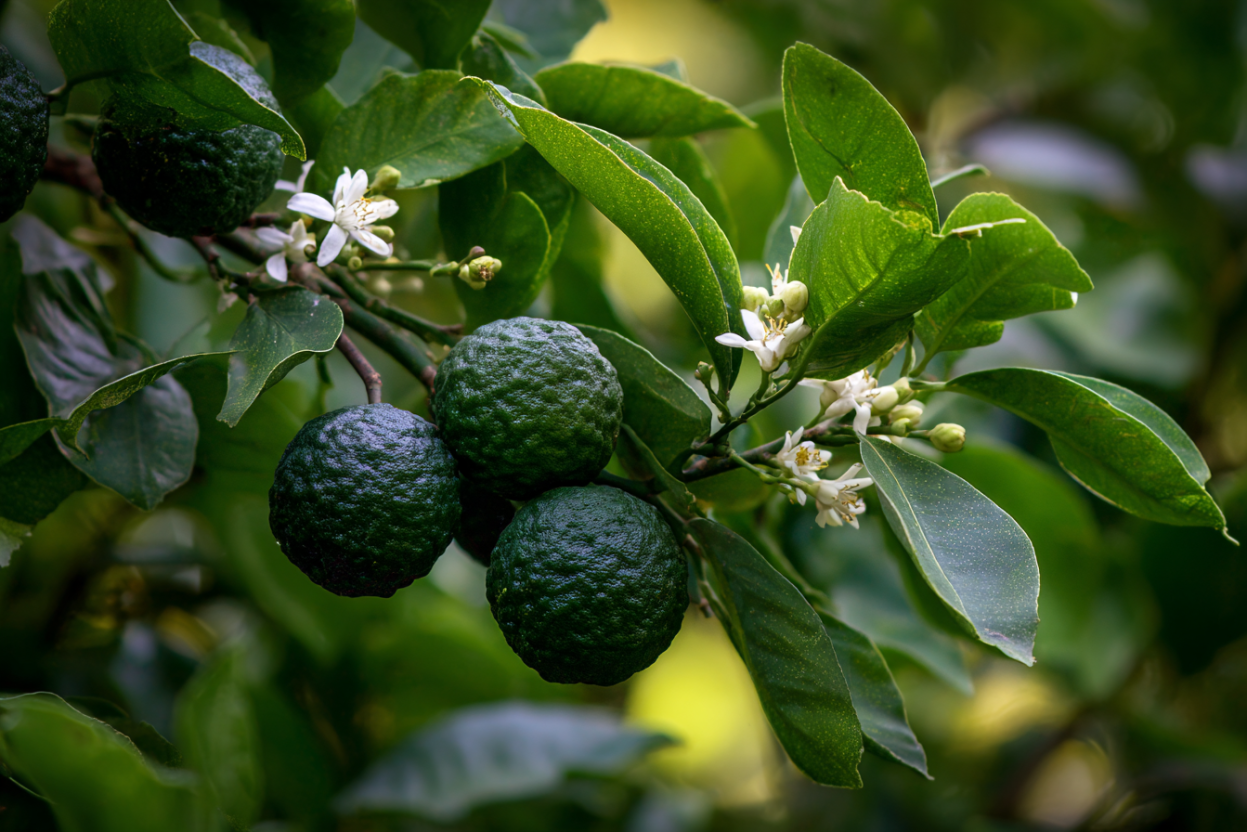
Makrut Lime (Citrus hystrix)
If you have ever struggled with sluggish digestion, persistent skin breakouts, or that heavy, weighed-down feeling that comes with chronic inflammation, you are far from alone. Millions of people wrestle with these issues daily, often unaware that a small, bumpy-skinned citrus from the tropics has been supporting human wellness for centuries. Makrut lime is one of the most underappreciated members of the citrus family, yet its leaves, rind, and essential oils carry a concentration of bioactive compounds that modern research is only beginning to fully appreciate.
This remarkable plant is one of many gifts the Creator embedded into nature for our benefit. Long before gas chromatography could identify citronellal or limonene, long before any laboratory existed, makrut lime was already here — provided by a Designer who knew we would need it.
This information is for educational purposes only and is not intended to diagnose, treat, cure, or prevent any disease. Always consult with a qualified healthcare provider before making changes to your health regimen.
The Plant
Common Names: Makrut Lime, Thai Lime, Wild Lime, Leech Lime, Mauritius Papeda, Combavas
Botanical Name: Citrus hystrix DC.
Family: Rutaceae (the citrus family, which includes oranges, lemons, grapefruits, and all other citrus)
Description
Citrus hystrix is a thorny, multi-stemmed evergreen shrub or small tree that typically grows between 6 and 15 feet tall in cultivation, though it can reach up to 25 feet in ideal tropical conditions. The plant’s most distinctive visual feature is its double-lobed leaf — the leaf blade sits atop a broadly winged petiole (leaf stalk) of nearly equal size, giving each leaf an unmistakable hourglass or figure-eight shape. The leaves are glossy, dark green, leathery, and intensely aromatic when crushed, releasing a bright, clean citrus fragrance unlike any other lime.
The stems are densely branched and armed with sharp thorns — the species name hystrix comes from the Greek word for “hedgehog” or “porcupine,” a nod to these spiny defenses. In spring and intermittently throughout the year in tropical climates, the tree produces small, four-to-five-petaled white flowers tinged with pink. These fragrant blossoms give way to the fruit: small, round limes roughly two inches in diameter, covered in a bumpy, warty, wrinkled green rind that turns greenish-yellow when fully ripe. The fruit contains very little juice compared to common limes, and the juice is intensely sour and bitter. The rind, however, is packed with essential oils.
Origin
Makrut lime is native to tropical Southeast Asia, with its origins most likely in the Indonesian archipelago — possibly the island of Sumbawa. It has been cultivated for centuries across Indonesia, Thailand, Malaysia, Laos, Cambodia, Vietnam, the Philippines, and into southern China and northeastern India. Through trade routes and colonial exchange, it eventually spread to Mauritius, Réunion Island, Madagascar, and parts of tropical Africa, the Caribbean, Hawaii, and southern Florida. Today it is grown worldwide as both a culinary herb and an ornamental, thriving wherever warm, humid conditions prevail.
Brief History
The earliest documented uses of makrut lime come from Southeast Asian culinary and medicinal traditions stretching back hundreds of years. In Indonesia, the fruit juice and rind have long been central to jamu — traditional herbal medicine — where they are known as jeruk obat, literally “medicine citrus.” In Thailand, the aromatic leaves became an irreplaceable component of curry pastes, soups, and stir-fries. In Malaysia and across the Indonesian islands, the fruit was halved and rubbed into the hair as a natural shampoo, a practice still in use today. The plant arrived in European botanical awareness primarily through Dutch and Portuguese colonial trade in the 17th and 18th centuries. One of the earliest English-language references appears in Emanuel Bonavia’s 1888 work The Cultivated Oranges, Lemons Etc. of India and Ceylon, where the fruit was described with great excitement as a possible ancestor of all limes.
A note on naming: This plant has historically been called “kaffir lime” in English. Because the word “kaffir” is a deeply offensive racial slur in parts of Africa, the botanical and culinary communities have widely adopted the name “makrut lime” or “Thai lime” instead. Halethia uses “makrut lime” throughout this entry.
Growing & Cultivation
Climate & Zones
Makrut lime is winter-hardy in USDA Zones 10 through 12, where temperatures rarely dip below 40°F (4°C). In Zones 9a through 9b, trees may survive outdoors with frost protection but will drop leaves in response to cold snaps. For gardeners in cooler climates — including much of the continental United States — makrut lime thrives beautifully as a container plant that can be moved indoors when nighttime temperatures drop below 50°F. Many home growers in Zones 7 and 8 have successfully maintained healthy makrut trees for over a decade by overwintering them in sunny rooms or greenhouses.
Soil Requirements
This citrus prefers well-draining, slightly acidic soil with a pH between 5.5 and 6.5. Sandy loam is ideal. For container growing, use a high-quality organic potting mix amended with about one-third coarse material — perlite, bark chips, or shredded cedar — to ensure excellent drainage and root aeration. Makrut lime is extremely susceptible to root rot in soggy conditions. If your native soil is heavy clay, raised beds or containers are strongly recommended.
Water & Sunlight
Full sun is essential — at least six to eight hours of direct sunlight daily. More sun means more leaves, more flowers, and more fruit. Indoors, place near a south-facing window. Supplement with a grow light if natural light is limited. Water deeply and thoroughly, then allow the top inch of soil to dry before watering again. In hot weather, this may mean watering two to three times per week. In winter, reduce watering significantly. Overwatering is the most common cause of failure with this plant. Makrut lime also appreciates high humidity. Indoor growers should mist regularly, use a pebble tray, or place a humidifier nearby.
Propagation
Seed: Seeds can be started in moist, well-draining soil at 70–80°F. Germination takes two to four weeks. Seed-grown trees may take five or more years to fruit, and may not be true to the parent variety.
Cutting: Semi-ripe stem cuttings taken in early summer are the preferred home-propagation method. Take four-inch tip cuttings with two to three leaf nodes, dip the cut end in rooting hormone, insert into moist potting mix, and enclose in a plastic bag to maintain humidity. Expect rooting in six to eight weeks.
Grafting: Commercially, makrut lime is often grafted onto disease-resistant rootstock such as Poncirus trifoliata or Volkamer lemon. Grafted trees fruit much sooner than seed-grown trees.
Layering: Air layering in early spring is also effective. Select a healthy branch, wound it slightly, apply rooting hormone, wrap with moist sphagnum moss and plastic, and wait for roots to form before severing.
Planting
Plant in spring after all danger of frost has passed. Space outdoor trees 8 to 12 feet apart. For containers, start with an 18- to 24-inch pot with drainage holes and step up as the tree grows. Use a citrus-specific fertilizer every six to eight weeks during the growing season (spring through fall). Reduce feeding in winter. Companion planting with basil, marigolds, and nasturtiums can help deter common citrus pests while adding beauty to the garden.
Harvesting
Leaves: Makrut lime leaves can be harvested year-round. Pick mature, fully expanded, dark green, glossy leaves for the best flavor. Avoid stripping too many at once. The immature purple-tinged new leaves are also edible and exceptionally tender.
Fruit: Harvest limes when they are still green and firm for the most aromatic rind. The fruit will turn yellowish-green when fully ripe. Use a sharp knife or pruning shears to avoid damaging the branch.
Drying & Storage
Fresh leaves can be stored in a sealed bag in the refrigerator for up to two weeks, or frozen for up to a year with minimal flavor loss. Freezing is the preferred preservation method for leaves, as it retains the volatile oils far better than drying. Dried leaves lose much of their aromatic potency but can be stored in an airtight container in a cool, dark place for six to twelve months. The zest can be dried or frozen. Fruit rinds can be sliced thin, dried at low temperature (below 115°F for raw preservation), and stored in sealed jars.
Pest & Disease Management
Common pests include aphids, spider mites, mealybugs, and scale insects. Inspect regularly, especially where leaves meet stems. Organic control methods include neem oil spray, insecticidal soap, and introducing ladybugs or lacewings as beneficial predators. Citrus leaf miner may affect new growth — remove affected leaves and apply neem. Root rot from overwatering is the most serious disease concern. Ensure excellent drainage at all times.
Companion Planting
Makrut lime grows well with basil, lemongrass, marigolds, nasturtiums, and chives, which can help deter pests and attract pollinators. Avoid planting near large trees that would shade the citrus or compete heavily for water and nutrients.
The Healing of Growing
Growing makrut lime offers benefits beyond the harvest itself. The act of gardening — hands in soil, feet on the ground, time spent outdoors — has been shown to reduce cortisol, improve mood, and support immune function. The soil contains beneficial bacteria (Mycobacterium vaccae) with documented antidepressant effects (Lowry et al., 2007, PNAS). Tending a living makrut lime tree connects you to the rhythm of seasons, to the patience of growth, and to the satisfaction of providing for yourself and your family from the earth. When you grow your own makrut lime, you receive healing before you ever consume it.
Nutritional Profile
While makrut lime fruit is rarely eaten fresh due to its intense sourness and minimal juice, the leaves and rind are consumed regularly in Southeast Asian cooking and carry significant nutritional and phytochemical value.
Key Nutrients
Vitamin C: The rind and juice contain vitamin C, a powerful antioxidant that supports immune function, collagen production, and the protection of cells from oxidative damage.
Vitamin A and Carotenes: The leaves are a source of vitamin A precursors, supporting eye health, skin integrity, and immune function.
B-Complex Vitamins: Makrut lime leaves contain thiamin, riboflavin, niacin, pyridoxine, and pantothenic acid — all essential for energy metabolism, nervous system function, and the production of neurotransmitters like serotonin.
Folate: Important for DNA synthesis and repair, cell division, and especially critical during pregnancy for fetal development.
Calcium: Supports bone health, muscle function, and nerve signaling.
Iron: Essential for oxygen transport in the blood and energy production.
Potassium: Helps regulate fluid balance, muscle contractions, and nerve signals. Supports healthy blood pressure.
Magnesium: Essential for over 300 enzymatic reactions, supports muscle and nerve function, blood sugar regulation, and bone health.
Zinc, Manganese, Copper, Selenium: Trace minerals that support immune function, antioxidant defense, and enzyme activity.
Phytonutrients & Active Compounds
Citronellal: The dominant compound in the leaf essential oil (up to 80% in some analyses). A monoterpenoid with documented anti-inflammatory, antimicrobial, and insect-repellent properties.
Limonene: The major compound in the rind oil. Research suggests limonene may support immune function and has been studied for its potential anti-cancer activity in animal models.
β-Pinene and Sabinene: Monoterpenes found in both leaves and rind with demonstrated anti-inflammatory and bronchodilatory effects.
Flavonoids: Including rutin and quercetin, which act as powerful antioxidants, supporting cardiovascular health and reducing inflammation. The rind extract is particularly rich in flavonoids.
Coumarins and Furanocoumarins: Over 28 coumarin compounds have been isolated from makrut lime. These are being studied for their anti-inflammatory and potential anticancer properties, though furanocoumarins also contribute to photosensitivity.
Tannins: Polyphenolic compounds with astringent, antimicrobial, and antioxidant properties.
Citric Acid: A natural organic acid that aids in mineral absorption and has mild antimicrobial effects.
Nutrient Notes
Because makrut lime is used primarily as a flavoring agent rather than consumed in large quantities, its nutritional contribution comes through regular, consistent use over time — much like other culinary herbs and spices. The true power of this plant lies in its extraordinarily concentrated phytochemical profile. Even small amounts of the leaves or rind deliver a dense payload of bioactive terpenes, flavonoids, and coumarins. The B-vitamins in the leaves support serotonin production, while the magnesium content may help regulate cortisol — linking daily culinary use to long-term nervous system support.
Culinary Uses
Edible Parts
Leaves: The most prized culinary component. Used fresh, frozen, or (less ideally) dried. The leaves are torn, shredded, or rolled and sliced into very thin ribbons (chiffonade). They are added to soups, curries, stir-fries, rice dishes, fish cakes, and salads. Often used whole during cooking and removed before serving, similar to bay leaves.
Rind/Zest: The bumpy rind is intensely aromatic and is grated or finely diced into curry pastes, marinades, and spice blends. It is also dried and preserved. On Réunion Island and Madagascar, the zest is used to flavor rums and Creole dishes.
Juice: Very sour and bitter, used sparingly. Traditionally used as an acidulant in Indonesian curries and pickles.
Flowers: Edible and fragrant, though not commonly used in cooking.
Flavor Profile
Makrut lime leaves deliver a bright, intensely citrusy, floral aroma unlike any other citrus. The flavor is complex — lime-forward with floral, slightly herbal, and almost perfume-like notes. The rind is more pungent and astringent, with a deep citrus bitterness. When cooked, the leaves mellow slightly but retain their distinctive character. When dried, they lose much of their aromatic intensity but still contribute a gentle citrus undertone.
Preparation
For soups and curries, tear fresh leaves in half to release their oils and add during cooking. For salads and raw applications, remove the tough center rib and slice the leaves into razor-thin ribbons. The rind should be grated on a microplane or finely minced. No blanching or special preparation is required for the leaves, though bruising them before adding to a dish maximizes flavor release.
Culinary Pairings
Makrut lime pairs beautifully with lemongrass, galangal, Thai basil, chili, ginger, garlic, coconut milk, fish sauce, shrimp paste, turmeric, and coriander. It complements proteins like chicken, shrimp, fish, and tofu. It enhances rice, noodle soups, and coconut-based curries. The zest can be added to baked goods, cocktails, and infused vinegars for a Southeast Asian twist on Western preparations.
Storage
Fresh leaves keep in a sealed plastic bag in the refrigerator for about two weeks. For long-term storage, freeze fresh leaves flat on a tray, then transfer to a freezer bag — they will retain their flavor for up to a year. Dried leaves should be stored in an airtight container away from light and heat. Whole fruit stores in the refrigerator for two to three weeks.
Ready to cook with Makrut Lime? View Recipes on Chefts →
Wellness & Therapeutic Uses
Traditional Uses
Makrut lime has a deep history in traditional medicine across Southeast Asia. In Indonesia, the fruit juice and rind are central to jamu (traditional herbal medicine), where Citrus hystrix is known as jeruk obat — literally “medicine citrus.” The rind and leaves have traditionally been used for digestive complaints, stomach aches, and dyspepsia. In Malaysia, the fruit is halved and rubbed onto the scalp as a shampoo to remove dirt, grease, and head lice. In Thai traditional medicine, the leaves and rind have been used for oral hygiene, applied to the gums to promote dental health and eliminate harmful bacteria. In Ayurvedic and Siddha medical systems in India, the fruit peel and leaves have been used to address various inflammatory ailments. Across the region, the fruit juice is used as a natural cleanser for both the body and for household items.
Modern Research
Antimicrobial Activity: Research suggests the essential oil of makrut lime exhibits significant antibacterial activity. A 2023 study published in Heliyon demonstrated that makrut lime essential oil showed antibacterial activity against clinical isolates of both methicillin-resistant Staphylococcus aureus (MRSA) and methicillin-susceptible S. aureus (MSSA), including multidrug-resistant strains. The oil also showed synergistic effects when combined with the antibiotic gentamicin (Sreepian et al., 2023, Thailand). The essential oil from leaves has also shown moderate effectiveness against fungal species including Candida albicans.
Antioxidant Properties: Multiple studies have demonstrated strong antioxidant activity in makrut lime extracts. A study on leaf extracts showed significant free radical scavenging activity through DPPH, CUPRAC, and nitric oxide scavenging assays (Md Othman et al., 2022, Pharmaceuticals). The rind extract, rich in flavonoids, has shown particularly high antioxidant capacity. A 2009 study found that makrut lime leaf extract showed protective effects against oxidative stress in HepG2 liver cells (Laohavechvanich et al., Science Asia, Thailand).
Anti-inflammatory Effects: A 2022 study assessed the safety and anti-inflammatory activity of C. hystrix peel essential oil on human skin cells. The oil demonstrated noticeable anti-inflammatory effects at roughly half the potency of diclofenac sodium, while showing no cytotoxicity to normal human keratinocytes, melanocytes, or fibroblasts, even after 72 hours of exposure (Dosoky et al., 2022, Biomedicine & Pharmacotherapy).
Metabolic Disorder Support: A comprehensive 2022 review examined 50 studies on makrut lime’s effects on metabolic disorders. The review found that bioactive compounds from the plant exhibited potential antidiabetic, antihyperlipidemic, and anti-obesity activity in animal models, as well as potential prevention of hypertension development. These effects are attributed to the combined action of β-pinene, sabinene, citronellal, citronellol, and the plant’s flavonoid content (Abidin et al., 2022, Pharmaceuticals, Malaysia).
Anticholinesterase Activity: Compounds isolated from the leaves and roots of makrut lime have shown cholinesterase inhibitory activity, which is of interest in the context of cognitive support and neurodegenerative conditions (Niamthiang & Sawasdee, 2013, Thailand).
Hepatoprotective Effects: Preclinical studies suggest that phytochemicals from makrut lime may offer protective effects for the liver, with research indicating cardio- and hepatoprotective activity in animal models.
Body Systems Supported
Digestive System: Traditional use for stomach aches, dyspepsia, bloating, and nausea. The carminative and mildly astringent properties of the leaves and rind may support healthy digestion.
Immune System: The antimicrobial, antifungal, and antioxidant compounds may support the body’s natural defense systems.
Nervous System: Citrus essential oil aromatherapy has been associated with anxiolytic and mood-supportive effects in clinical research. Citronellal, the dominant compound in the leaf oil, has demonstrated sedative effects in animal models.
Cardiovascular System: Antioxidant flavonoids and lipid-modulating compounds may support heart health.
Respiratory System: The essential oil from leaves has shown antibacterial activity against respiratory tract pathogens including Streptococcus pneumoniae, Haemophilus influenzae, and Staphylococcus aureus.
Integumentary System (Skin): Antioxidant and anti-inflammatory properties support skin health. Anti-tyrosinase activity may support even skin tone.
Endocrine System: Research on metabolic disorder support suggests potential benefits for blood sugar regulation and lipid metabolism.
Body Compounds Affected
Research suggests makrut lime and its bioactive compounds may influence several body compounds. The antioxidant activity helps modulate inflammatory markers including cytokines and prostaglandins. The essential oil’s interaction with the olfactory system and subsequent limbic system activation may influence serotonin and GABA pathways — citrus essential oils as a class have been shown to exert anxiolytic effects mediated through the serotonergic system (5-HT1A receptor). The metabolic effects observed in animal studies suggest influence on insulin signaling and lipid metabolism pathways. The vitamin C content supports nitric oxide production, important for vascular health.
Methods of Use
Tea/Infusion
Use 3–5 fresh or frozen leaves (torn) per cup of hot water. Steep for 5–10 minutes. Can be combined with lemongrass, ginger, or honey. Drink one to three cups daily.
Tincture
Leaves or rind can be tinctured in alcohol (typically vodka or grain alcohol) at a ratio of approximately 1:5 plant material to menstruum. Allow to extract for four to six weeks, shaking daily. Typical dosage is 15–30 drops in water, one to three times daily. Consult a qualified herbalist for personalized guidance.
Culinary Integration
Regular incorporation of makrut lime leaves and zest into cooking is one of the most accessible and enjoyable ways to receive the plant’s benefits. Adding leaves to soups, curries, rice, and stir-fries provides consistent, low-dose exposure to the plant’s bioactive compounds.
Steam Inhalation
Add torn fresh leaves or a few drops of essential oil to a bowl of hot water. Lean over with a towel tented over your head and breathe the steam for 5–10 minutes. May support respiratory comfort and mental clarity.
Cosmetic & Beauty Uses
Skin Benefits
Makrut lime is increasingly valued in modern skincare for its potent antioxidant, antimicrobial, and anti-inflammatory properties. The essential oil and leaf extracts contain citronellal and limonene, which research suggests may help purify the skin, combat acne-causing bacteria, and reduce the appearance of blemishes. A 2022 study found that the peel essential oil demonstrated over 80% anti-tyrosinase activity at tested concentrations — tyrosinase inhibition is of interest for addressing hyperpigmentation and supporting a more even skin tone. The oil was also found to be non-cytotoxic to normal human keratinocytes, melanocytes, and fibroblasts (Biomedicine & Pharmacotherapy, 2022). The natural citric acid content provides gentle exfoliation, while flavonoids like rutin and quercetin help protect the skin from environmental damage.
Skin types that may benefit: oily and acne-prone skin (thanks to its purifying and astringent properties), dull or uneven skin (tyrosinase inhibition and antioxidant activity), and aging skin (antioxidant protection against free radical damage).
Hair Benefits
The traditional Southeast Asian practice of using makrut lime as a hair rinse has a strong basis in the plant’s chemistry. The essential oil from the peel has demonstrated the ability to inhibit Candida albicans — a microorganism associated with dandruff — at concentrations as low as 1%. The natural acidity of the juice helps remove buildup, cleanse the scalp, and add shine. The oil’s antimicrobial properties support scalp health, while the stimulating citrus compounds may promote circulation to hair follicles. Traditionally, the juice has also been used to combat head lice.
Application Methods
Infused Oil: Steep dried makrut lime rind or leaves in a carrier oil (jojoba, sweet almond, or coconut) for 2–4 weeks. Strain and use as a facial oil, body oil, or scalp treatment. Use at a concentration of approximately 1–3% for facial application.
Toner: Brew a strong infusion of the leaves, let cool, and use as a facial toner. The natural astringent and antimicrobial properties help tighten pores and cleanse the skin.
Hair Rinse: Simmer 5–6 makrut lime leaves and the rind of one fruit in two cups of water for 10 minutes. Cool, strain, and pour over clean, wet hair as a final rinse. Do not rinse out. Adds shine, cleanses buildup, and supports scalp health.
Bath: Add torn fresh leaves and sliced fruit to a warm bath for an aromatic, skin-softening soak.
Face Mask: Combine finely grated rind with honey and yogurt for a brightening, antimicrobial mask. Apply for 10–15 minutes, then rinse.
DIY Formulation Notes
When incorporating makrut lime into homemade products, keep the essential oil dilution at 1–2% for facial products and up to 3% for body products. The essential oil is phototoxic — avoid sun exposure for 12 hours after topical application of products containing the expressed oil. Pairs well with carrier oils like jojoba (for facial use) and coconut oil (for body and hair use). Avoid combining with other potentially sensitizing ingredients in high concentrations. Homemade preparations containing fresh plant material should be refrigerated and used within one to two weeks.
Makrut lime is among the botanicals being explored for holistic cosmetic applications, where the wisdom of traditional beauty practices meets modern understanding of skin science.
Essential Oil Profile
Extraction
Makrut lime yields two distinct essential oils depending on the plant part used. Leaf oil is obtained through steam distillation or hydrodistillation of fresh leaves and twigs. Rind (peel) oil is obtained through cold pressing or hydrodistillation of the fruit peel. The chemical profiles of these two oils differ significantly. Leaf oil is dominated by citronellal, while rind oil is dominated by limonene and β-pinene. The yield from peel hydrodistillation is approximately 1.35% (w/w).
Chemical Constituents
Leaf Oil Major Compounds:
Citronellal (60–80%): A monoterpenoid aldehyde. The dominant compound. Research suggests anti-inflammatory, antimicrobial, antifungal, and insect-repellent properties. Responsible for the distinctive lemony-citrus scent.
Citronellol: An alcohol related to citronellal. Calming, antimicrobial. Used widely in perfumery.
Linalool: A monoterpene alcohol with well-documented calming and anxiolytic effects.
Sabinene: A monoterpene with antioxidant and anti-inflammatory properties.
Limonene (minor in leaves): A monoterpene with antioxidant and potential immune-supporting properties.
Rind (Peel) Oil Major Compounds:
D-Limonene (25–41%): The dominant rind compound. Antioxidant, studied for potential anticancer properties in animal models.
β-Pinene (21%): Anti-inflammatory, bronchodilatory.
Sabinene (15%): Antioxidant, anti-inflammatory.
Terpinen-4-ol (14%): Antimicrobial, anti-inflammatory. Also a primary component of tea tree oil.
α-Terpineol (13%): Antibacterial, pleasant floral aroma.
Citronellal (minor in rind): Present but not dominant in the peel oil.
Aroma Profile
The leaf oil is a top-to-middle note with a fresh, green, intensely citrusy, slightly herbaceous aroma. It is bright and clean with remarkable depth — less “candy-sweet” than orange or lemon oils, more complex and botanical. The rind oil is also a top-to-middle note, somewhat deeper and more resinous than typical citrus oils due to its high β-pinene and terpinen-4-ol content. Both oils blend well with other citrus oils (bergamot, lemon, sweet orange), florals (ylang-ylang, geranium), and woody notes (frankincense, cedarwood, sandalwood).
Therapeutic Properties
Using compliant language, makrut lime essential oil has been associated with the following properties: antimicrobial, antifungal, anti-inflammatory, antioxidant, analgesic (mild), calming/relaxing, energizing/uplifting (depending on context and individual response), insect repellent, decongestant, and skin-purifying.
How to Use
Diffusion
Add 3–5 drops to an ultrasonic diffuser. Run for 30–60 minutes. Creates an uplifting, clean, fresh atmosphere. Excellent for mental clarity and mood support.
Topical Application
Standard adult dilution: 2–3% (approximately 12–18 drops per ounce of carrier oil). Sensitive skin: 1% (6 drops per ounce). Children over 6: 0.5–1% (3–6 drops per ounce). IMPORTANT: Makrut lime oil (especially cold-pressed rind oil) is phototoxic. Avoid direct sun exposure or UV light on treated skin for at least 12 hours after application. Preferred carrier oils include jojoba, sweet almond, fractionated coconut, and grapeseed.
Quality & Sourcing
Look for oils that provide a GC/MS (Gas Chromatography/Mass Spectrometry) report, which confirms the chemical composition and purity. The report should show the expected major constituents (citronellal for leaf oil, limonene/β-pinene for rind oil). Source from reputable suppliers who use organic or wild-harvested plant material. Be aware that “lime” essential oil on the general market is usually from Citrus aurantifolia (common lime), not Citrus hystrix. Confirm the botanical name before purchasing.
Blending
Makrut lime blends beautifully with bergamot (for mood support), frankincense (for grounding depth), ylang-ylang (for a calming floral note), eucalyptus and lemon (for respiratory support and air purification), and tangerine (for a sweet, uplifting citrus blend). A calming evening blend might include 2 drops makrut lime leaf, 2 drops lavender, and 1 drop frankincense in a diffuser.
Aromatherapy & Scent
The Aroma
The living makrut lime plant is intensely aromatic even before you touch it. Simply brushing past the tree releases a bright citrus fragrance. When you crush a leaf between your fingers, the scent explodes — clean, electric, piercingly citrusy with a complexity that is simultaneously floral and herbal. It is unlike the scent of common limes, lemons, or oranges. There is a depth and green freshness that is uniquely makrut. The scent is strongest on warm days, after rain, and when leaves are young and tender. Dried leaves retain a gentler version of this aroma, somewhat muted and more earthy, for several months if stored properly. The fresh rind, when scratched or grated, releases a deeper, more resinous citrus punch with piney, terpene-forward notes.
How Scent Affects Your Body
When you inhale the aroma of makrut lime, volatile molecules — primarily citronellal, limonene, and linalool — are drawn through the nasal passages, where they contact olfactory receptor neurons in the olfactory epithelium. These receptors send electrical signals directly to the olfactory bulb and from there to the limbic system — the emotional center of the brain, including the amygdala and hippocampus — and to the hypothalamus, which controls hormonal responses. This pathway is direct. It bypasses conscious thought. Your body begins to respond to the scent before your thinking mind has decided how to react. This is why a single breath of a familiar fragrance can instantly shift your mood, trigger a memory, or calm your nervous system.
Emotional & Mood Effects
The scent of makrut lime is generally experienced as clarifying, uplifting, and energizing, while simultaneously promoting a sense of calm focus — not sedating, but centering. This dual quality (alert yet relaxed) is characteristic of citrus aromas in general and is attributed to the interplay of limonene (uplifting) and citronellal/linalool (calming). A meta-analysis of 44 randomized controlled trials involving over 3,400 patients found that citrus essential oils as a class were effective in reducing both state and trait anxiety, with measurable reductions in systolic blood pressure and heart rate (Li et al., 2023, Frontiers in Public Health).
Body Compounds Affected
The anxiolytic activity of citrus essential oils has been linked to the serotonergic system, specifically through the 5-HT1A receptor pathway. Research on closely related citrus species suggests that inhaling these oils may increase serotonin activity while not interfering with physiological levels of melatonin or cortisol. Linalool, a component of makrut lime leaf oil, has been shown to influence GABA pathways, supporting its calming effects. The overall effect of citrus aromatherapy has been associated with reduced cortisol, modulated sympathetic nervous system activity, and enhanced parasympathetic tone (Ferrara et al., 2022, Plants, PMC).
Ways to Experience the Scent
Beyond purchasing the essential oil, there are many accessible ways to enjoy makrut lime’s aroma. Grow the plant on a sunny windowsill and brush the leaves as you pass by. Tear fresh leaves and add them to a vase of warm water near your desk. Crush a few leaves in your hands and cup them over your nose for an instant mood shift. Add dried leaves to sachets for closets and drawers. Simmer leaves and rind slices on the stove with water for a natural room fragrance. Add fresh or frozen leaves to a warm bath. Tuck dried leaves under your pillow. Include the leaves in herbal smoking blends (where legal, in minimal amounts, and only for adults without respiratory conditions).
Color Therapy
The Colors of Makrut Lime
The makrut lime plant presents a rich palette of therapeutic colors. The leaves are a deep, glossy green — dark and saturated in maturity, with new growth emerging in a striking purple-bronze that gradually transitions to green. The flowers are white with a gentle pink tinge. The fruit is green throughout most of its life, turning yellowish-green when fully ripe. The rind’s distinctive bumpy texture catches light in a way that adds visual depth and interest.
Color Wavelengths
Green light falls in the 495–570nm wavelength range — the center of the visible spectrum and the color the human eye is most sensitive to. Purple light falls in the 380–450nm range, at the short-wavelength, high-energy end of the spectrum. White is full-spectrum light.
How Green Affects the Body
In color therapy, green is considered the most balancing color — associated with the heart, harmony, calm, and renewal. It is the dominant color of the natural world, and exposure to green environments has been consistently associated with reduced stress, lower blood pressure, and improved mood in research. Green is often used to create restful, restorative environments. The purple of new growth adds a spiritual, meditative quality — purple is associated with calming the nervous system and supporting introspection. Having a makrut lime tree in your living space provides continuous, passive exposure to these beneficial color wavelengths.
Body Compounds Affected
Research on exposure to green environments and green wavelengths suggests influence on cortisol reduction, improved parasympathetic nervous system activation, and potential support for serotonin and beta-endorphin production — all of which contribute to the well-documented mood and stress-reduction benefits of being around plants and natural greenery.
Using Makrut Lime for Color Therapy
Place a potted makrut lime tree in a room where you spend significant time — a home office, kitchen, or bedroom. The deep green foliage provides continuous visual calm. Bring cut branches indoors and place in a vase for a burst of living green and citrus fragrance. When the tree produces flowers, enjoy the white blossoms as a visual cleanser and mood brightener. Pay attention to the seasonal color changes — the purple new growth is a beautiful reminder of renewal and transformation.
Frequency & Vibration
The Frequency of Makrut Lime
According to bio-frequency research, including measurements conducted by Bruce Tainio using a calibrated frequency monitor, essential oils vibrate at frequencies significantly higher than the human body. While a specific published frequency measurement for makrut lime (Citrus hystrix) essential oil is not widely documented in the available literature, citrus essential oils as a class are generally measured in the range of 52–75 MHz. For context, the healthy human body is believed to vibrate between 62 and 78 MHz. When frequency drops below 58 MHz, the onset of cold and flu symptoms has been observed. Disease states are associated with frequencies below 58 MHz.
Human Frequency Interaction
Proponents of vibrational medicine believe that exposure to higher-frequency substances — including essential oils, fresh plants, and whole foods — may support the body’s own vibrational state through a principle called entrainment, where a stronger, more coherent frequency influences a weaker or less coherent one. According to this framework, simply being around a living, healthy makrut lime tree, handling fresh leaves, or diffusing the essential oil may help support the body’s natural frequency. Consuming fresh, whole-plant preparations (teas from fresh leaves, for instance) would carry the plant’s vibrational signature into the body.
Essential Oil Frequency
Frequency measurements suggest that essential oils — particularly those that are pure, unadulterated, and therapeutic-grade — vibrate at some of the highest frequencies of any natural substance. The concentrated process of extracting the volatile compounds from the plant creates a substance of exceptional energetic density. Makrut lime oil, with its rich monoterpene and monoterpenoid composition, falls within the range documented for citrus family oils.
Vibrational Applications
To use makrut lime for frequency support, grow the living plant where you spend time. Handle the leaves regularly. Diffuse the essential oil during meditation, prayer, or rest. Drink fresh leaf tea. Combine these practices with other high-frequency activities — prayer, gratitude, time in nature, whole-food nutrition — for a synergistic effect on overall well-being.
Note: Bio-frequency research is an emerging field. While measurable frequencies have been documented, the specific mechanisms by which plant frequencies interact with human frequencies are still being investigated. The information above reflects the current state of this developing area of study.
The Living Plant
Benefits of Presence
Simply being around a living makrut lime tree provides measurable health benefits that go beyond any extraction, tea, or oil. Research on indoor plants demonstrates that their presence reduces stress, improves attention, increases productivity, and enhances overall psychological well-being. The visual beauty of makrut lime’s glossy, sculptural leaves — combined with its intense, uplifting fragrance — makes it an exceptionally therapeutic houseplant. A 1984 study by Roger Ulrich published in Science famously demonstrated that hospital patients with views of vegetation recovered faster and required less pain medication than those facing a blank wall.
Air Purification
While makrut lime was not included in the original NASA Clean Air Study, citrus plants in general contribute to indoor air quality through oxygen production and the release of volatile organic compounds with antimicrobial properties. The makrut lime tree releases citronellal and limonene into the air from its leaves even when not crushed — these compounds have documented antimicrobial and insect-repellent effects, effectively providing passive air purification in the room where the tree is kept.
Phytoncides
The makrut lime tree releases phytoncides — volatile antimicrobial organic compounds emitted by plants to protect themselves from pathogens and herbivores. Research on forest bathing (shinrin-yoku) has demonstrated that inhaling phytoncides from trees increases the activity and number of Natural Killer (NK) cells — a type of white blood cell critical for immune defense. The intense aromatic output of makrut lime suggests a robust phytoncide release, potentially offering a small-scale “forest bathing” effect in your own home. A study by Qing Li et al. (2006, Japan) demonstrated that phytoncide exposure significantly increased NK cell activity and the expression of anti-cancer proteins (Li et al., 2006, International Journal of Immunopathology and Pharmacology).
Visual & Psychological Benefits
The deep green color of makrut lime foliage activates the visual calming response associated with natural environments. Attention Restoration Theory (Kaplan, 1995) proposes that exposure to natural stimuli — including plants — allows the brain’s directed attention mechanisms to rest and recover, reducing mental fatigue. The physical beauty and living presence of the tree also fosters a sense of connection, responsibility, and nurture — all of which support psychological health.
Growing Indoors vs Outdoors
Makrut lime thrives indoors with adequate light (south-facing window or supplemental grow light), proper watering, and humidity management. Indoor growing allows year-round access to leaves and scent, and it is the most practical option for most North American gardeners. Outdoor growing in Zones 9–12 provides full sun exposure, natural pollination, better fruit production, and the added benefits of time spent outdoors. Whether indoors or out, the simple act of caring for this tree — watering it, pruning it, watching new leaves unfurl — provides its own quiet form of healing.
Touch & Physical Interaction
Gardening Therapy
Horticultural therapy — the practice of using gardening and plant care as a therapeutic modality — is an established field recognized by healthcare systems worldwide. Working with a makrut lime tree engages multiple senses simultaneously: the texture of the leaves, the scent released by handling, the visual beauty of the foliage, and the satisfying rhythm of care. Tending this plant provides mindful, present-moment engagement that can break the cycle of anxious or repetitive thought. The thorns on the stems even require a gentle attentiveness that keeps you focused.
Soil Contact Benefits
When you pot, repot, or tend soil around your makrut lime, you expose yourself to beneficial soil microorganisms. Mycobacterium vaccae, a naturally occurring soil bacterium, has been shown in research to activate serotonin-producing neurons in the brain, producing effects similar to antidepressant medication (Lowry et al., 2007). If you garden outdoors with bare feet, you also benefit from grounding/earthing — the transfer of free electrons from the earth into your body, which research associates with reduced inflammation, improved sleep, and normalized cortisol rhythms.
The Tactile Experience
The makrut lime tree offers a rich tactile experience. The mature leaves are smooth, waxy, and leathery — cool to the touch with a satisfying firmness. New leaves are softer and slightly velvety. Running your fingers along the double-lobed shape of the leaf is a uniquely calming, meditative sensation. The rind of the fruit is rough, bumpy, and nobby — an interesting textural contrast. Be mindful of the thorns, which are sharp. The act of tearing a leaf, bruising it between your fingers, and bringing it to your nose engages touch, smell, and mindfulness in a single, grounding moment.
Harvesting & Processing
Harvesting makrut lime leaves — selecting the right ones, gently pulling or snipping them, gathering them into a pile — is a quiet, meditative act. Slicing leaves into chiffonade for cooking requires focused, precise knife work that brings you fully into the present moment. Grating the bumpy rind on a microplane is a sensory-rich experience — the texture in your hand, the spray of essential oil mist, the intensifying aroma. Even drying and storing the leaves or rind for later use carries its own rhythm of care and provision.
Water-Based Applications
Teas & Infusions
Hot Infusion: Use 3–5 fresh leaves (torn or lightly crushed) or 5–7 frozen leaves per cup of near-boiling water (200–212°F). Steep for 5–10 minutes, covered. Strain and drink. For a stronger preparation, use more leaves and steep longer. Add honey, ginger, or lemongrass if desired. May be consumed one to three times daily.
Cold Infusion: Place 6–8 leaves and a few thin slices of rind in a quart of cool water. Refrigerate overnight (8–12 hours). The cold infusion extracts a gentler, more delicate flavor and is excellent for warm weather. Can be served over ice with honey.
Herbal Baths
Add a generous handful of fresh or frozen leaves and the sliced rind of one or two fruits to a warm bath. Allow to steep for a few minutes before entering. Soak for 20–30 minutes. The essential oils released by the leaves provide aromatherapy benefits through both inhalation and absorption. The natural antimicrobial properties of the plant support skin cleanliness, while the warm water opens pores and promotes relaxation. For a foot bath, use a smaller basin with a few leaves and rind slices. Particularly beneficial after a long day for both physical and mental decompression.
Compresses
Hot Compress: Brew a strong infusion of leaves (about 10 leaves per cup of water, steeped 15 minutes). Soak a clean cloth in the warm infusion, wring out, and apply to the area of concern. May provide comfort for muscle tension, joint stiffness, or congestion when applied to the chest or forehead.
Cold Compress: Prepare the same infusion, allow to cool, then refrigerate. Apply cold, soaked cloth to areas of inflammation, puffiness, or headache. The cooling effect combined with the plant’s anti-inflammatory compounds may offer soothing support.
Steam Inhalation
Add 5–6 torn fresh leaves (or 2–3 drops of essential oil) to a bowl of very hot water. Lean over the bowl with a towel draped over your head to trap the steam. Breathe slowly and deeply for 5–10 minutes. This method delivers the plant’s volatile compounds directly to the respiratory tract and the olfactory system simultaneously. Traditionally used for sinus congestion, respiratory discomfort, and headaches. Use caution with children and anyone with breathing difficulties. Do not use boiling water near the face.
Hair Rinses
Simmer 5–6 leaves and the grated rind of one fruit in two cups of water for 10 minutes. Allow to cool to a comfortable temperature. Strain. After shampooing, pour the rinse over your hair and work it into the scalp. Do not rinse out. Alternatively, use as a final rinse by pouring over hair and allowing it to dry. Benefits include natural scalp cleansing, removal of product buildup, enhanced shine, and antimicrobial support for dandruff-prone scalps. This is a practice with deep roots in Malaysian and Indonesian tradition.
Historical, Cultural & Biblical Significance
Biblical References
Makrut lime (Citrus hystrix) is not directly mentioned in Scripture. However, the citrus family was known in the biblical world — citrus fruits, including the citron (Citrus medica), were present in ancient Israel and are believed by some scholars to be the “fruit of a goodly tree” referenced in Leviticus 23:40 (KJV) in connection with the Feast of Tabernacles. The broader biblical theme of God providing plants for food, medicine, and blessing is richly affirmed. As Genesis 1:29 (KJV) declares: “And God said, Behold, I have given you every herb bearing seed, which is upon the face of all the earth, and every tree, in the which is the fruit of a tree yielding seed; to you it shall be for meat.”
Ancient Civilizations
Citrus fruits have been cultivated for thousands of years. The citron was known to ancient Egyptians and was widely used in Greek and Roman medicine. While makrut lime specifically is a Southeast Asian species not widely known in the ancient Mediterranean world, the citrus family as a whole was valued by Hippocrates, Dioscorides, and Pliny for its cleansing, digestive, and antimicrobial properties. The Chinese were cultivating citrus species by at least the 4th century BC, and the movement of citrus along the Silk Road brought various species into contact with Middle Eastern and eventually European civilizations.
Eastern Traditions
In Traditional Chinese Medicine, citrus peels (known as chen pi) have been used for centuries to support digestion, move qi (vital energy), and resolve dampness and phlegm. While the specific species used in TCM is typically Citrus reticulata (mandarin), the principles of using aromatic citrus peel for digestive and respiratory support apply broadly across the genus and reflect an understanding of the therapeutic properties that modern research confirms in makrut lime.
In Ayurveda, citrus fruits are valued for their sour taste (amla rasa), which is understood to stimulate digestion (agni), clear the channels (srotas), and reduce kapha (heaviness and congestion). Citrus hystrix has been specifically used in Ayurvedic and Siddha medical systems in India for addressing inflammatory ailments. The Southeast Asian civilizations observed that this particular citrus provided powerful antimicrobial, cleansing, and digestive benefits — and their observations align with what modern research confirms about the plant’s phytochemical profile.
Indigenous Knowledge
The indigenous peoples of Southeast Asia have the deepest and most sustained relationship with makrut lime. In Indonesia, the plant is so valued medicinally that it carries the name jeruk obat (medicine citrus). Indonesian jamu — a traditional herbal medicine system stretching back centuries — uses the fruit juice and rind extensively. In Malaysia, the fruit has been used as a natural shampoo and scalp treatment for generations. In Thailand, the leaves are not just culinary — they are part of the traditional pharmacopeia for oral health, digestive support, and fever management. In Cambodia, the fruit is used in lustral water for ceremonial cleansing. Across the region, these cultures observed God’s design in this plant and documented what worked — their knowledge is validated by modern science.
European Heritage
Makrut lime entered European awareness primarily through colonial-era botanical exploration. Dutch and Portuguese traders and naturalists documented the plant during their Southeast Asian expeditions in the 17th and 18th centuries. European interest was primarily botanical and culinary rather than medicinal, as the plant did not grow in European climates. However, the broader European tradition of valuing citrus for health — from the use of lemons to prevent scurvy to the extensive French aromatherapy tradition — provides a context for understanding makrut lime’s properties. Today, the plant is grown in European conservatories and greenhouses and is increasingly appreciated by chefs, herbalists, and aromatherapists across the continent.
Cultural Symbolism
In many Southeast Asian cultures, makrut lime carries symbolic significance related to purification, protection, and good fortune. The plant is often found near homes, and the fruit and leaves are used in cultural ceremonies such as weddings and housewarming rituals. The intensely cleansing scent and the fruit’s association with cleanliness contribute to its symbolic role as a purifier. In Réunion Island, the plant is known as “combava” and its zest is an essential component of Creole cuisine, connecting it to the cultural identity of the island’s people.
Safety & Precautions
Contraindications
Makrut lime is generally regarded as safe when used in normal culinary amounts. However, individuals with known allergies to citrus should exercise caution. The furanocoumarins present in the plant (especially in the rind and expressed oil) can cause phototoxic reactions — applying the juice or essential oil to skin followed by sun exposure can result in burns, blistering, or hyperpigmentation. Avoid topical application of concentrated preparations before sun exposure.
Drug Interactions
While specific drug interaction studies for Citrus hystrix are limited, the presence of furanocoumarins raises a potential concern for interactions similar to those documented for grapefruit (Citrus paradisi). Furanocoumarins can inhibit cytochrome P450 3A4 (CYP3A4) enzymes in the gut, potentially affecting the metabolism of numerous medications. If you are taking any prescription medications — especially blood thinners, blood pressure medications, statins, immunosuppressants, or sedatives — consult with your healthcare provider before consuming makrut lime in therapeutic (non-culinary) amounts. Normal culinary use (a few leaves in a soup) is generally not a concern, but concentrated preparations (tinctures, juices, supplements) may carry greater risk.
Pregnancy & Nursing
There is insufficient safety data on the use of makrut lime in medicinal concentrations during pregnancy or breastfeeding. Normal culinary use of the leaves as a seasoning is generally considered safe. However, concentrated preparations, essential oil ingestion, and therapeutic doses should be avoided during pregnancy and nursing without guidance from a qualified healthcare provider. Essential oil of makrut lime should not be applied topically during pregnancy except under professional guidance.
Children
Culinary use of makrut lime leaves is generally appropriate for children. For topical essential oil use, extra dilution is required: 0.25–0.5% for children under 6 (1–3 drops per ounce of carrier oil), and 0.5–1% for children ages 6–12. Do not apply essential oil near the face, nose, or mouth of young children. Do not give essential oil internally to children. Steam inhalation should be closely supervised and avoided in very young children.
Elderly
Older adults may have increased skin sensitivity and may be taking medications with potential interaction risk. Use lower dilution rates for topical applications (1%). Be particularly attentive to potential drug interactions, especially with cardiovascular medications. Normal culinary use is appropriate.
Pets
Dogs: Caution. While some sources suggest makrut lime is less toxic to dogs than other citrus species, the essential oils (limonene, linalool) and psoralens found in citrus plants are generally classified by the ASPCA as toxic to dogs. Plant material, rind, and essential oils can cause vomiting, diarrhea, depression, and potential dermatitis. Small amounts of fruit flesh are less concerning. Keep essential oil diffusers well ventilated and ensure dogs cannot access concentrated oil, leaves, or rind in large quantities.
Cats: Toxic. Cats are significantly more sensitive to citrus essential oils than dogs. Limonene and linalool can cause liver damage, central nervous system depression, drooling, vomiting, and diarrhea in cats. Do not diffuse makrut lime (or any citrus) essential oil in enclosed spaces with cats. Keep the plant out of reach. If your cat ingests plant material, contact your veterinarian or the ASPCA Animal Poison Control Center at (888) 426-4435 immediately.
Horses: Caution. Citrus plants (family Rutaceae) are generally listed as toxic to horses by the ASPCA due to essential oils and psoralens.
Allergies & Sensitivities
Individuals with allergies to other citrus fruits may cross-react to makrut lime. The furanocoumarins in the rind and expressed oil can cause phototoxic dermatitis — skin that has been exposed to the juice or oil and then to sunlight may develop painful burns and lasting pigmentation changes. Always perform a patch test before applying any new preparation to large areas of skin. Gloves are recommended when handling large quantities of fruit or rind, especially before sun exposure.
Dosing Guidelines
Tea: 3–5 fresh leaves per cup, 1–3 cups daily. Tincture: 15–30 drops, 1–3 times daily. Essential oil (topical): 1–3% dilution. Essential oil (diffusion): 3–5 drops, 30–60 minutes per session. Do not exceed reasonable daily amounts. Discontinue use and consult a healthcare provider if any adverse reaction occurs.
Quality & Sourcing
Purchase essential oils from suppliers who provide GC/MS testing. Be aware that “lime oil” on the market is usually from Citrus aurantifolia, not C. hystrix. Confirm the botanical name. For fresh leaves and fruit, buy from reputable Asian grocery stores or grow your own. Organic sources are preferred to avoid pesticide exposure. Avoid oxidized essential oil, as it can cause increased skin sensitization.
Signs of Adverse Reaction
Mild reactions: Skin redness, irritation, or tingling at the site of topical application. Mild stomach upset from excessive consumption.
Serious reactions requiring medical attention: Severe skin burns (especially with sun exposure after application), difficulty breathing, swelling of the face or throat, severe abdominal pain, or persistent vomiting.
Disclaimer
This information is for educational purposes only. It is not intended to diagnose, treat, cure, or prevent any disease. Always consult with a qualified healthcare provider before using any herbal product, especially if you are pregnant, nursing, taking medications, or have a medical condition. If you experience any adverse reaction, discontinue use immediately and seek medical attention.
Want Personalized Guidance?
Every body is unique. What works for one person may not be right for another. If you’d like personalized support in incorporating makrut lime into your wellness journey, consider working with a qualified practitioner who can assess your individual needs.
Sources & References
Peer-Reviewed Studies
- Potential Therapeutic Effects of Citrus hystrix DC and Its Bioactive Compounds on Metabolic Disorders – Pharmaceuticals, 2022, Malaysia
- Antibacterial efficacy of Citrus hystrix (makrut lime) essential oil against clinical multidrug-resistant MRSA and MSSA isolates – Heliyon, 2023, Thailand
- Assessment of safety and health-benefits of Citrus hystrix DC. peel essential oil in an in vitro model of skin conditions – Biomedicine & Pharmacotherapy, 2022
- Citrus Essential Oils in Aromatherapy: Therapeutic Effects and Mechanisms – Plants (MDPI), 2022
- Essential oils for treating anxiety: a systematic review of randomized controlled trials and network meta-analysis – Frontiers in Public Health, 2023
- The Effects of Essential Oils on the Nervous System: A Scoping Review – Molecules, 2023
- Essential Oils and Anxiolytic Aromatherapy – Natural Product Communications, 2009
- Phytoncides (wood essential oils) induce human natural killer cell activity – Li Q et al., International Journal of Immunopathology and Pharmacology, 2006, Japan
- Identification of an immune-responsive mesolimbocortical serotonergic system: potential role in regulation of emotional behavior (Mycobacterium vaccae) – Lowry et al., PNAS, 2007
- A Review of Genetic Taxonomy, Biomolecules Chemistry and Bioactivities of Citrus Hystrix DC. – Biosciences Biotechnology Research Asia, 2017
Review Articles & Comprehensive Sources
- Citrus hystrix: A review of phytochemistry, pharmacology and industrial applications research progress – Arabian Journal of Chemistry, 2023
- The medicinal and nutritional role of underutilized citrus fruit Citrus hystrix (Kaffir lime): a review – Drug Invention Today, 2014, India
Institutional & Botanical Sources
- Citrus hystrix – Plant Finder – Missouri Botanical Garden
- Citrus hystrix | makrut lime – Royal Horticultural Society (RHS)
- Toxic and Non-toxic Plants: Lime – ASPCA Poison Control
Historical References
- Bonavia, E. (1888). The Cultivated Oranges, Lemons Etc. of India and Ceylon. W.H. Allen & Co., London. (Earliest English-language reference to “Caffre-lime”)