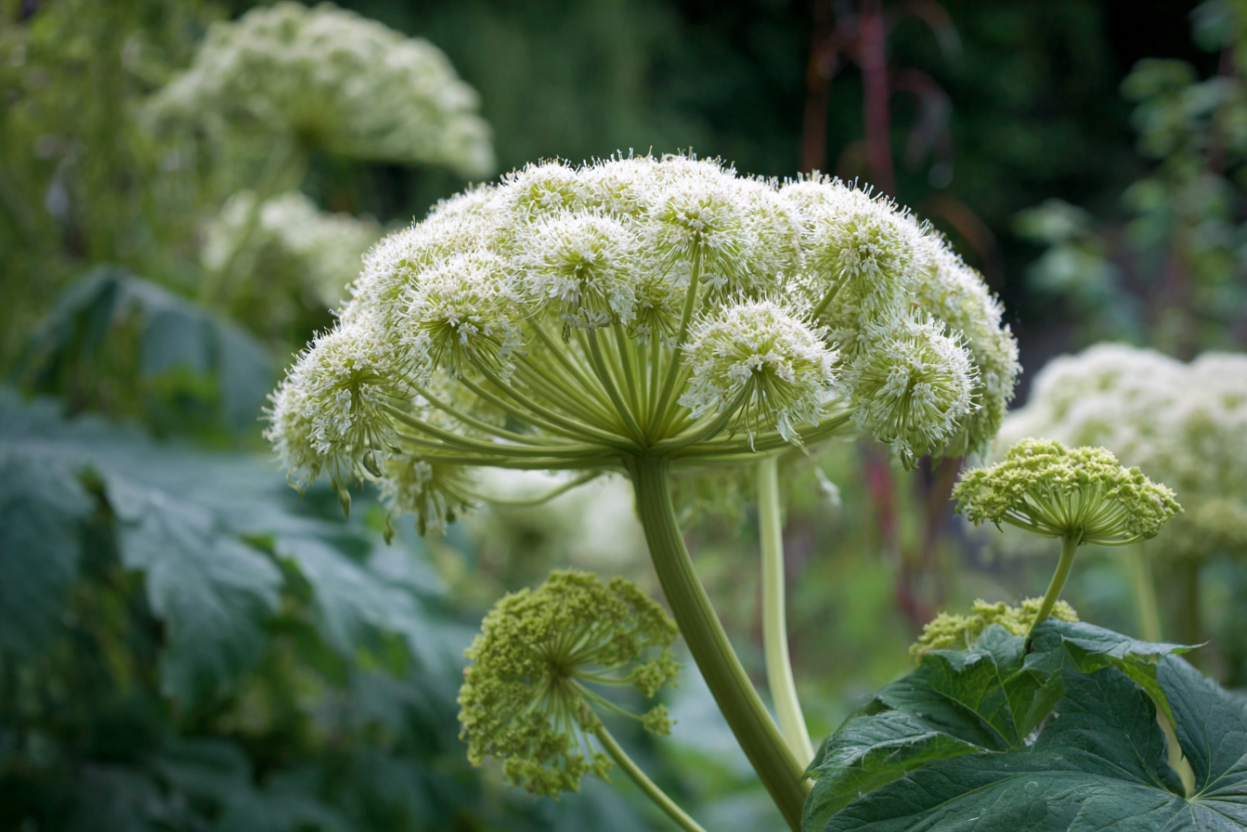
If you struggle with anxiety, sluggish digestion, or a nervous system that never seems to settle, you are not alone — and nature may have provided support you have not yet discovered. Angelica has been called upon by healers across the world for centuries, relied upon for calming frayed nerves, soothing troubled stomachs, and restoring a sense of grounded peace to the body.
This remarkable plant is one of many gifts the Creator embedded into nature for our benefit. Its very name — derived from “archangel” — points to a long-held belief that its healing power was so extraordinary, it must have come from a divine source. Long before laboratories existed, Angelica was already here, provided by a Creator who knew we would need it.
The Plant
Common Names: Angelica, Garden Angelica, Norwegian Angelica, Holy Ghost, Wild Celery, Archangel Root, Root of the Holy Ghost, Herb of the Angels
Botanical Name: Angelica archangelica L. (syn. Archangelica officinalis Hoffm.)
Family: Apiaceae (Carrot family — the same family as carrots, celery, parsley, dill, and fennel)
Description
Angelica is a stately, imposing biennial herb that commands attention in any garden. In its first year, it produces a low rosette of bold, bright green compound leaves — large, deeply toothed, and divided into three principal groups, each subdivided into three smaller leaflet clusters. By its second year, the plant sends up a stout, hollow, ridged stem that can reach six to eight feet in height, sometimes more. The stems are green to purplish and slightly downy, with a diameter that can exceed two inches at the base.
In midsummer of the second year, Angelica produces large, globe-shaped flower heads composed of numerous small greenish-yellow to greenish-white flowers arranged in compound umbels — those flat-topped, umbrella-like clusters characteristic of the carrot family. Each umbel can span six to ten inches across, creating a dramatic display that attracts bees, butterflies, and other pollinators. After flowering, the plant produces pale yellowish-brown, oblong, winged fruits (seeds) before completing its life cycle. Beneath the soil lies a thick, fleshy, spindle-shaped taproot that is strongly aromatic.
One of Angelica’s most distinctive features is its scent. When any part of the plant is crushed or bruised — leaf, stem, root, or seed — it releases a complex, warm, musky aroma with notes reminiscent of juniper, licorice, and celery, underlaid with an earthy, slightly peppery warmth. This scent is unmistakable and is what first drew ancient herbalists to explore its properties.
Origin
Angelica is native to the cool, northern regions of Europe and Asia — particularly Scandinavia, Iceland, Greenland, and northern Russia. It thrives naturally in damp meadows, along riverbanks, in fens, and near coastal areas where the soil remains consistently moist. From these northern origins, Angelica spread southward through Europe via trade routes and monastery gardens during the medieval period. It was introduced to the British Isles, central Europe, and eventually to North America, where a closely related species, Angelica atropurpurea (purple-stem angelica), was already being used by Native American peoples.
Brief History
Angelica’s recorded use dates to at least the tenth century in Scandinavian cultures, where it was cultivated as both food and medicine. Viking-era peoples consumed the stems and roots as a vegetable and relied on it during harsh winters. By the medieval period, Angelica had become a staple of European monastery gardens — monks preserved and propagated it alongside other medicinal plants, and it gained a reputation as a protector against illness, including during the devastating plague years of the fourteenth and fifteenth centuries. Its association with the Archangel Michael (or Raphael, depending on the tradition) solidified its revered status. It was said the plant revealed itself to a monk in a dream as a remedy for plague, and the timing of its bloom near the feast day of St. Michael the Archangel (May 8 in the old calendar) cemented the name.
Angelica became a key flavoring ingredient in European liqueurs and digestifs — it remains an essential botanical in Chartreuse, Benedictine, and various gins. In Scandinavia, particularly in Sámi and Icelandic cultures, Angelica has been used continuously for over a thousand years as food, medicine, and a cultural touchstone.
Growing & Cultivation
Climate & Zones
Angelica thrives in USDA Hardiness Zones 4 through 9, with optimal performance in Zones 4 through 7 where cooler conditions prevail. It is native to northern climates and prefers cool, moist growing environments. In warmer zones (8 and above), it benefits significantly from afternoon shade to protect it from heat stress. Angelica can tolerate frost and cold temperatures down to -30°F (-34°C), making it well-suited for northern gardens. However, it does not perform well in prolonged heat above 85°F (29°C). In hot climates, treat it as a cool-season biennial and provide consistent moisture and shade.
Soil Requirements
Angelica requires deep, rich, moist, well-draining loam with a pH between 6.0 and 7.5. It responds well to soil high in organic matter — amending with compost or well-rotted manure before planting is ideal. The soil should retain moisture without becoming waterlogged. Heavy clay soils should be amended with organic matter and sand to improve drainage. Container growing is possible but requires a very large, deep container (at least 12–18 inches deep) due to Angelica’s substantial taproot. Use a rich, humus-based potting mix for containers.
Water & Sunlight
Angelica is a moisture-loving plant that needs consistent watering. It naturally grows along streams and in damp meadows, so it does not tolerate drought. Water deeply and regularly, keeping soil evenly moist but not saturated. Mulching around the base helps retain soil moisture and regulate temperature. Overwatering signs include yellowing lower leaves and root rot.
Full sun to partial shade is ideal. In northern climates (Zones 4–6), full sun is fine. In warmer areas (Zones 7–9), partial shade — especially afternoon shade — is essential. Angelica can tolerate dappled shade under deciduous trees, mimicking its natural woodland-edge habitat. Indoors, it requires bright, indirect light and is generally challenging to grow as a houseplant due to its size and moisture needs.
Propagation
Seed: Angelica is most commonly grown from seed, but seed viability drops quickly — use fresh seed whenever possible. Seeds require light for germination (do not cover; press gently onto the soil surface) and benefit from cold stratification. Sow fresh seeds in late summer to early fall directly outdoors, or cold-stratify stored seeds for 2–4 weeks before spring sowing. Germination takes 14–30 days at soil temperatures of 50–60°F (10–15°C). Start in peat pots to minimize root disturbance when transplanting, as Angelica’s taproot is sensitive.
Division: Established clumps can occasionally be divided in early spring, though this is less reliable than seed propagation due to the sensitive taproot.
Self-Seeding: If allowed to flower and set seed, Angelica self-sows prolifically. Many gardeners rely on this natural cycle to maintain a continuous patch — simply let second-year plants drop their seeds, and new rosettes will appear the following spring.
Planting
Best planted in early spring or fall. Space plants 18–24 inches apart in rows 36 inches apart. When transplanting seedlings, do so when they are small (3–4 inches tall) to avoid disturbing the developing taproot. Companion plants include chervil, dill, and other moisture-loving herbs. Avoid planting near carrots or parsnips, as they share pests and diseases within the Apiaceae family.
Harvesting
Different parts are harvested at different times. Leaves can be harvested carefully in the first year, taking only a few at a time so as not to damage the main stem. Stems are harvested in late spring of the second year, before flowering, when they are still tender. Roots are best harvested in the fall of the first year or early spring of the second year, before the plant sends up its flower stalk — this is when the root’s medicinal compounds are most concentrated. Seeds are collected in late summer of the second year when they begin to turn brown.
Harvest roots by digging deeply around the plant to lift the entire taproot without breaking it. Wash thoroughly and slice for drying. Harvest leaves in the morning after the dew has dried. Cut stems at the base when they are young and hollow.
Drying & Storage
Roots should be sliced thinly and dried in a dehydrator at 95–115°F (35–46°C) or air-dried in a warm, well-ventilated area. Leaves can be air-dried by hanging small bundles upside down in a dark, dry location. Seeds are air-dried on screens. Store all dried material in airtight glass containers away from light and heat. Dried root maintains potency for up to one year. Dried leaves are best used within six months. Seeds retain viability for sowing only a few months but remain useful as a spice longer.
Pest & Disease Management
Angelica is relatively trouble-free but may attract aphids, which feed on the sap of young growth. These can be managed with a strong spray of water, insecticidal soap, or by encouraging ladybugs and lacewings. Slugs and snails may target young plants in moist conditions — use diatomaceous earth or copper barriers. Crown rot and powdery mildew can occur in poorly drained or overly humid conditions. Ensure good air circulation and avoid overhead watering. Leaf miners occasionally tunnel through foliage but rarely cause serious damage.
Companion Planting
Angelica grows well alongside other moisture-loving herbs such as mint, lemon balm, and chervil. Its large umbel flowers attract beneficial insects including parasitic wasps, hoverflies, and lacewings, making it an excellent companion for vegetable gardens. Avoid planting near carrots, parsnips, and celery (same family — shared pests and diseases).
The Healing of Growing
Growing Angelica offers benefits beyond the harvest itself. The act of gardening — hands in soil, bare feet on earth, time spent outdoors — has been shown to reduce cortisol, improve mood, and support immune function. The soil contains beneficial bacteria (Mycobacterium vaccae) with documented antidepressant effects. When you grow your own Angelica, you receive healing before you ever consume it. There is something deeply grounding about tending a plant whose name means “angel” — a quiet invitation to slow down, touch the earth, and remember the Creator who designed it all (Lowry et al., 2007 — M. vaccae antidepressant research).
Nutritional Profile
While Angelica is not typically consumed in large quantities like a leafy green vegetable, all parts of the plant are edible and offer nutritional value. The stems, leaves, seeds, and roots each contribute unique compounds to the diet.
Macronutrients
Angelica stems and leaves are low in calories and provide modest amounts of carbohydrates and fiber. Like most herbs, it is not a significant source of protein or fat. Its nutritional value lies less in macronutrient density and more in its rich phytonutrient and mineral content.
Vitamins
Angelica contains measurable amounts of Vitamin C, supporting immune function and collagen production. It also provides B-vitamins, including small amounts of niacin and riboflavin, which support energy metabolism and nervous system function. The fresh leaves contain Vitamin E, contributing antioxidant protection at the cellular level.
Minerals
The root is a source of iron, important for oxygen transport in the blood and energy production. Angelica also provides calcium, supporting bone health and muscle function; magnesium, essential for over 300 enzymatic reactions, muscle and nerve function, and blood sugar regulation; and potassium, which supports cardiovascular function and fluid balance.
Phytonutrients & Active Compounds
This is where Angelica truly distinguishes itself. The plant is rich in a remarkable array of bioactive compounds:
Coumarins and Furanocoumarins: Angelica’s signature compounds. These include angelicin, bergapten, xanthotoxin (methoxsalen), imperatorin, isoimperatorin, phellopterin, and archangelicin. Research suggests these compounds demonstrate anti-inflammatory, antimicrobial, antiviral, anxiolytic, and potential antidepressant activity. They are also responsible for the plant’s photosensitizing properties.
Volatile Oils (Essential Oil Compounds): The root, seeds, and leaves are rich in monoterpenes and sesquiterpenes — including α-pinene, β-phellandrene, δ-3-carene, limonene, α-phellandrene, myrcene, and macrocyclic lactones. These contribute to Angelica’s distinctive aroma and many of its therapeutic properties.
Flavonoids: Including quercetin and isoquercitrin, which are potent antioxidants that help protect cells from oxidative damage and support cardiovascular health.
Phenolic Acids: Including ferulic acid and chlorogenic acid, which demonstrate antioxidant and anti-inflammatory activities.
Polysaccharides: Found primarily in the root, these may support immune function and gut health.
Nutrient Notes
Angelica’s primary nutritional value lies in its concentrated phytochemicals rather than standard vitamin-mineral content. Its coumarins are unique among commonly available herbs, and many are not found in significant amounts elsewhere in the diet. Consuming Angelica as a tea, tincture, or culinary ingredient provides these specialized compounds in a bioavailable form. The B-vitamins and iron in Angelica root may support serotonin production and energy metabolism, while its magnesium content may help regulate cortisol — connecting food to the body’s stress-response system.
Culinary Uses
Edible Parts
All parts of Angelica archangelica are edible — leaves, stems, roots, seeds, and even the flowers. Each part offers a different culinary experience:
Stems: The most famous edible part. Young, tender stems are candied (a classic European confection), cooked as a vegetable similar to celery, or added to stews and soups. The hollow stems can also be used as natural drinking straws for herbal infusions.
Leaves: Young leaves can be used fresh in salads, as a garnish, or as an aromatic herb in cooking. Older leaves become bitter and are better dried for tea.
Roots: Prepared similarly to parsnip or celeriac. The root can be sliced and added to soups, stews, and broths. It is also dried and used in tea blends. Historically, the root has been the primary part used for tinctures and infusions.
Seeds: Used as a spice, similar to fennel or anise seeds. They flavor baked goods, desserts, and liqueurs.
Flowers: Edible and make attractive garnishes. They can be added to salads or used in herbal vinegars.
Flavor Profile
Angelica has a complex, warm flavor profile. The primary taste is musky, earthy, and slightly sweet, with strong secondary notes of licorice, anise, and juniper, and a subtle celery-like freshness. There is a gentle bitterness — characteristic of its role as a digestive bitter — and a warming, slightly peppery finish. When dried, the flavor intensifies and becomes more concentrated. When cooked, the bitterness mellows and the sweet, aromatic qualities come forward. The intensity is moderate to strong, depending on the plant part — roots and seeds are strongest, leaves are mildest.
Preparation
Fresh young stems can be peeled and eaten raw, chopped into salads, or prepared like celery in stir-fries and braises. For candying, stems are cut into sections, blanched, then simmered in sugar syrup until translucent and dried — a classic French confection used to decorate cakes and pastries. Leaves are best used fresh or quickly wilted into dishes at the end of cooking to preserve their delicate aroma. Roots require thorough washing, slicing, and longer cooking times. Seeds can be lightly toasted to bring out their flavor before grinding.
Culinary Pairings
Angelica pairs beautifully with rhubarb (a classic combination in Scandinavian cuisine), stone fruits, citrus, juniper berries, cardamom, and ginger. It complements fatty fish like salmon, pork, and game meats. In beverages, it pairs with gin botanicals, bitters, and herbal liqueurs. Butter, cream, and mild cheeses complement its earthy sweetness.
Storage
Fresh stems and leaves should be stored in the refrigerator wrapped in a damp paper towel inside a plastic bag — they will keep for about one week. Roots can be stored like carrots in a cool, dark place for several weeks, or dried for long-term storage. Seeds should be dried thoroughly and stored in airtight containers in a cool, dark place, where they will remain flavorful for up to a year. Stems can also be frozen — blanch briefly, then freeze on a sheet pan before transferring to freezer bags.
Ready to cook with Angelica? View Recipes on Chefts →
Wellness & Therapeutic Uses
Traditional Uses
Angelica holds a distinguished place in the healing traditions of nearly every culture that encountered it. In European folk medicine, it was regarded as one of the most important medicinal herbs from the medieval period onward. It was used primarily for digestive complaints — flatulence, bloating, colic, indigestion, and loss of appetite — as well as for respiratory conditions including coughs, bronchitis, and chest congestion. During plague outbreaks, it was burned as a fumigant, chewed as a prophylactic, and infused in vinegar as a protective tonic.
In Kashmiri and Indian folk medicine, Angelica has been used for anxiety, anorexia, migraine, and other nervous system conditions. In Ayurveda, the plant is recognized for its warming, digestive, and carminative properties, classified with a cool potency and a pungent, bitter taste that supports digestive fire without creating excess heat. It is associated with antispasmodic and carminative actions in the gut.
In Traditional Chinese Medicine, while the closely related Angelica sinensis (Dong Quai) is more prominent, A. archangelica shares recognition within the broader Angelica genus. The genus has been used in TCM for blood regulation, pain relief, respiratory support, and as a warming tonic for over two thousand years.
Scandinavian and Nordic cultures used Angelica root as a digestive bitter, a warming circulatory tonic during long winters, and a treatment for respiratory ailments. The Sámi people of northern Scandinavia used it as both food and medicine, and it remains culturally significant in Iceland, where it has been consumed for over a millennium.
Native American peoples used the closely related Angelica atropurpurea (purple-stem angelica) extensively. Tribes including the Iroquois, Mohegan, and Cherokee used it for colds, fever, digestive troubles, and as a ceremonial fumigant. The root was chewed for sore throats and chest complaints.
Modern Research
Modern scientific investigation has begun to validate many of Angelica’s traditional uses. The following findings come from peer-reviewed research:
Anxiety and Mood Support: Multiple animal studies have demonstrated significant anxiolytic (anti-anxiety) activity from Angelica archangelica extracts. In a study using rats on the elevated T-maze and forced swimming tests, various extracts of A. archangelica showed clear anxiolytic profiles comparable to diazepam, supporting its traditional use for nervous conditions (Kumar et al., 2012 — Journal of Traditional and Complementary Medicine, India). Additionally, specific coumarins (imperatorin and isoimperatorin) isolated from the plant demonstrated anxiety-reducing effects in animal models (Kumar et al., 2013 — Progress in Neuro-Psychopharmacology & Biological Psychiatry, India).
Antidepressant Activity: Coumarins isolated from Angelica archangelica roots — specifically angelicin, bergapten, and scopoletin — demonstrated in vivo monoamine oxidase A (MAOA) inhibitory activity. MAOA is a key target of antidepressant drugs. The study showed these compounds reduced brain MAOA activity in a mouse model of depression, comparable to the standard MAOA inhibitor clorgyline (Kaur et al., 2020 — ACS Omega, India).
Anti-inflammatory Activity: The essential oil of Angelica archangelica has been shown to reduce proinflammatory cytokine interleukin-6 (IL-6) levels in cell models challenged with lipopolysaccharide, a potent inflammatory trigger. The oil demonstrated anti-inflammatory capacity at non-toxic concentrations (Fraternale et al., 2018 — Planta Medica, Italy).
Antimicrobial Activity: The root essential oil exhibited significant antimicrobial activity against pathogenic bacteria including Clostridium difficile, C. perfringens, Enterococcus faecalis, and the fungus Candida albicans, while showing weaker activity against beneficial gut bacteria like bifidobacteria and lactobacilli — suggesting it may support a healthier gut microbial balance (Fraternale et al., 2014 — Journal of Medicinal Food, Italy).
Antiviral Activity: Compounds derived from the fruits — particularly imperatorin and phellopterin — demonstrated antiviral activity against Herpes simplex virus type 1 (HSV-1) in laboratory studies, suggesting potential for development as natural antiviral agents (Rajtar et al., 2017 — Food and Chemical Toxicology, Poland).
Fibromyalgia Support: An optimized extract of Angelica archangelica roots demonstrated beneficial effects in a mouse model of fibromyalgia, reducing pain sensitivity, improving motor ability and cognition, and halting inflammatory cytokine elevation and brain oxidative stress (Kaur et al., 2020 — Journal of Food Science, India).
Antitumor Activity: A leaf extract showed antiproliferative activity against breast cancer cells in vitro and reduced tumor growth in mice — 9 out of 11 mice receiving the extract developed no or very small tumors compared to significantly larger tumors in the control group (Sigurdsson et al., 2005 — In Vivo, Iceland).
Gastroprotective Activity: Angelica has been validated by the European Scientific Cooperative on Phytotherapy (ESCOP) for dyspeptic complaints including mild gastrointestinal spasms, sluggish digestion, flatulence, fullness, and loss of appetite — applications based on extensive long-term traditional use in humans.
Body Systems Supported
Digestive System: Angelica is first and foremost a digestive herb. As an aromatic bitter, it stimulates gastric secretion, promotes bile flow, relieves gas and bloating, and soothes intestinal spasms. This is its most well-documented and broadly supported application.
Nervous System: Research supports anxiolytic and antidepressant potential through MAOA inhibition and GABA modulation. Traditional use for anxiety, nervous tension, and stress-related digestive complaints is well-documented across multiple cultures.
Respiratory System: Traditionally used as an expectorant for bronchitis, coughs, and chest congestion. The warming, aromatic essential oils may help clear the airways.
Immune System: Antimicrobial and antiviral properties suggest broad immune support. The antimutagenic properties of both water and alcohol extracts have been documented (Angelica antimutagenic study, 1994, Russia).
Cardiovascular System: Traditional use as a circulatory tonic, particularly in cold climates where it was used to warm the extremities and support healthy blood flow.
Musculoskeletal System: Anti-inflammatory properties and traditional use for rheumatic conditions and joint discomfort.
Body Compounds Affected
Serotonin: Through MAOA inhibition, coumarins from Angelica may help maintain available serotonin levels. By inhibiting the enzyme that breaks down serotonin, the plant may support mood, sleep, and appetite regulation.
GABA: The anxiolytic activity demonstrated in animal models suggests modulation of GABAergic pathways — the same system targeted by benzodiazepines (like diazepam) for anti-anxiety effects.
Cortisol: As a calming, nervine herb, Angelica may help modulate the body’s stress response. The reduction in anxiety markers in animal studies suggests influence on the hypothalamic-pituitary-adrenal (HPA) axis.
Cytokines (IL-6, TNF-α): The essential oil has been shown to reduce IL-6 levels in inflammatory cell models, suggesting direct influence on inflammatory signaling pathways.
Dopamine/Norepinephrine: MAOA inhibition affects the metabolism of multiple monoamines, not just serotonin, potentially influencing dopamine and norepinephrine availability as well.
Methods of Use
Tea/Infusion
Use 1–2 teaspoons of dried root (chopped) or 1 tablespoon of dried leaf per cup (8 oz) of hot water. For root tea, a decoction is preferred — simmer root pieces in water for 10–15 minutes, then strain. For leaf tea, steep in just-boiled water for 5–10 minutes. Drink 1–3 cups daily. Root tea has a stronger medicinal action; leaf tea is milder and more aromatic.
Tincture
Angelica root tincture is typically prepared using dried root in a 1:5 ratio with 45–60% alcohol. A standard dosage range is 1–3 mL (approximately 20–60 drops), taken 2–3 times daily, diluted in water or juice. Tincture allows for concentrated, easily dosed consumption of the plant’s bioactive compounds.
Capsule/Powder
Dried root powder can be encapsulated. Traditional dosage ranges from 3–6 grams of crude root per day, divided into multiple doses. Standardized extracts may differ; follow manufacturer guidelines.
Poultice/Compress
A warm compress made with strong Angelica root decoction may be applied externally to sore muscles and joints for its warming, anti-inflammatory properties.
Cosmetic & Beauty Uses
Skin Benefits
Angelica root extract offers notable benefits for the skin, primarily through its anti-inflammatory, antioxidant, and antimicrobial properties. It has traditionally been used topically for skin conditions including dull, congested skin, minor irritations, and inflammatory skin complaints. The flavonoids and phenolic acids in Angelica help protect skin cells from oxidative damage, while the antimicrobial action of its essential oil may help maintain healthy skin flora. Skin types that may benefit include oily and combination skin (due to antimicrobial properties), mature skin (antioxidant protection), and dull or congested skin (circulatory-stimulating properties).
Important Caution: Due to the furanocoumarins in Angelica (particularly bergapten and xanthotoxin), topical preparations can increase photosensitivity. Any topical product containing Angelica should be used with appropriate sun protection, and Angelica root essential oil should never be applied undiluted to skin before sun exposure.
Hair Benefits
Angelica root infusions have been used traditionally as scalp treatments and hair rinses. The antimicrobial and anti-inflammatory properties may support a healthy scalp environment, potentially beneficial for those dealing with dandruff, itchiness, or scalp congestion. The warming circulatory effect may promote blood flow to the scalp, which is associated with supporting healthy hair growth. A strong root decoction can be used as a final hair rinse after shampooing for added shine and scalp health.
Application Methods
Infused Oil: Dried Angelica root can be infused into a carrier oil (jojoba, sweet almond, or olive) by placing dried root pieces in oil and letting them steep for 4–6 weeks in a dark location, shaking occasionally. Use the strained oil in facial serums, body oils, or massage blends. Start with a small percentage (5–10% of total blend) due to photosensitivity concerns.
Face Steam: Add a teaspoon of dried root or a few fresh leaves to a bowl of steaming water and lean over it with a towel draped over your head for 5–10 minutes. This helps open pores and delivers the aromatic compounds directly to the skin.
Bath Additions: Add strong Angelica root decoction or a muslin bag of dried root to bathwater for a warming, skin-soothing soak.
DIY Formulation Notes
Angelica root infused oil pairs well with carrier oils like jojoba (for facial products) and sweet almond (for body products). Do not combine with other photosensitizing ingredients (citrus essential oils, retinol) in leave-on products. Homemade preparations using dried root should be stored in the refrigerator and used within 2–4 weeks. Always perform a patch test before applying any Angelica-containing product to a larger area of skin.
Angelica is among the botanicals being explored for holistic cosmetic applications, where the wisdom of traditional beauty practices meets modern understanding of skin science.
Essential Oil Profile
Extraction
Angelica essential oil is produced by steam distillation of the dried roots (Angelica Root Oil) or the seeds/fruits (Angelica Seed Oil). Root oil is more commonly used therapeutically and has a deeper, more complex aroma. Seed oil is lighter and often preferred in perfumery. The yield is relatively low — requiring approximately 200–300 pounds of root material to produce one pound of essential oil — which is why Angelica root essential oil commands a higher price than many common essential oils. The approximate shelf life of the oil is about 5 years when stored properly.
Chemical Constituents
The essential oil from Angelica archangelica roots contains a complex mixture of compounds:
Monoterpenes (dominant class, 60–80% of oil): α-Pinene (15–29%), δ-3-carene (14–17%), limonene (13–16%), α-phellandrene (7–9%), β-phellandrene, β-myrcene, and camphene. These contribute to the oil’s fresh, woody, slightly camphoraceous top notes and its antimicrobial, anti-inflammatory, and uplifting properties.
Sesquiterpenes (10–19%): Including β-caryophyllene, germacrene D, α-humulene, and various cadinene isomers. These contribute to the warm, earthy base notes and provide anti-inflammatory and calming effects.
Macrocyclic Lactones (3–6%): Including tri-, penta-, and heptadecanolide. These unique compounds are responsible for the distinctly musky, warm character of Angelica root oil — a signature scent note not commonly found in other essential oils.
Seed oil is dominated by β-phellandrene (33–63%) and α-pinene (4–13%), giving it a lighter, more herbaceous character.
Aroma Profile
Angelica Root Essential Oil is classified as a base note in perfumery. Its scent is earthy, warm, rich, and musky, with herbaceous and slightly peppery top notes that evolve into a deep, sweet, balsamic warmth. The initial impression is green and peppery, transitioning to a rich, root-like, woodsy heart, and drying down to a warm, musky, amber-like base. It blends beautifully with citrus oils (bergamot, grapefruit), other earthy oils (vetiver, patchouli), spice oils (cardamom, ginger, black pepper), floral oils (lavender, geranium, clary sage), and resinous oils (frankincense, myrrh).
Therapeutic Properties
Using compliant language, Angelica Root Essential Oil may offer the following properties based on traditional use and available research:
Antimicrobial, anti-inflammatory, carminative (gas-relieving), digestive stimulant, expectorant, nervine (calming to the nervous system), antispasmodic, warming and circulatory-stimulating, grounding and emotionally balancing.
How to Use
Diffusion
Add 2–4 drops to a diffuser for a grounding, calming atmosphere. Angelica root oil is particularly suited for evening diffusion to promote relaxation and a sense of peace before sleep. Limit diffusion to 30–60 minutes at a time. Blends well with lavender (for sleep), frankincense (for meditation), and ginger (for warmth).
Topical Application
Always dilute before skin application. Standard adult dilution: 1–2% (6–12 drops per ounce of carrier oil). Sensitive skin: 0.5–1%. Children over 6: 0.5%. Elderly: 1%. Critical: Angelica root oil is photosensitive due to its furanocoumarin content — do NOT apply to skin that will be exposed to UV light within 12–24 hours. Apply to soles of feet (a non-sun-exposed area) for systemic absorption without photosensitivity risk.
Quality & Sourcing
When purchasing Angelica essential oil, look for the full botanical name (Angelica archangelica) on the label, along with the plant part (root vs. seed), extraction method (steam distilled), and country of origin. Request GC/MS (Gas Chromatography/Mass Spectrometry) testing results to verify purity and composition. Reputable suppliers will provide this. Key sourcing regions include France, Hungary, Germany, and Belgium. Be aware that Angelica oil is sometimes adulterated with synthetic musks or cheaper oils — purchase only from trusted suppliers who provide third-party testing.
Blending
Angelica Root Oil’s deep, earthy character makes it an excellent anchor for blends. Suggested combinations include: Angelica + Lavender + Bergamot (calming evening blend); Angelica + Ginger + Cardamom (digestive warming blend); Angelica + Frankincense + Vetiver (deep grounding and meditation blend); Angelica + Clary Sage + Geranium (hormonal balance support). Use Angelica sparingly in blends — 1–2 drops alongside stronger-scented oils — as its base note character will anchor and round out any blend.
Aromatherapy & Scent
The Aroma
Fresh Plant Aroma: The living Angelica plant emits a warm, green, herbaceous scent that becomes dramatically more intense when any part is touched, brushed, or bruised. The leaves release a celery-like freshness with a subtle musky undertone. The roots, when freshly cut, are strongly aromatic — earthy, warm, and deeply musky with sweet anise-like and peppery notes. The scent is strongest in the warmth of the afternoon, after rain (when volatile oils are released by moisture), and when the plant is handled. Simply walking past a large Angelica plant on a warm day, you will catch its fragrance in the air.
Dried Plant Aroma: Drying concentrates the scent and shifts it toward deeper, warmer, more balsamic and musky notes. The green freshness diminishes while the earthy, root-like character strengthens. Dried Angelica root retains its potent scent for many months — up to a year or more when stored properly in sealed containers. Dried leaves are milder but still pleasantly aromatic.
How Scent Affects Your Body
When you inhale the scent of Angelica, volatile aromatic molecules released by the plant enter your nose and make contact with olfactory receptors — specialized nerve cells in the nasal cavity. These receptors translate the chemical information into electrical signals that travel directly to the limbic system, the brain’s emotional center, and the hypothalamus, which controls hormone production. This pathway bypasses conscious thought entirely — your body begins responding to the scent before your thinking brain processes what you are smelling. This is why certain scents can instantly shift mood, trigger memories, or calm the nervous system within seconds.
Emotional & Mood Effects
The scent of Angelica is primarily grounding, calming, and centering. Its deep, earthy warmth encourages a sense of rootedness, safety, and emotional stability. It is often described as comforting — like being enveloped in warmth. For those experiencing anxiety, restlessness, or emotional overwhelm, Angelica’s aroma may help bring a sense of settled calm. It is also mildly energizing in a restorative way — not stimulating, but revitalizing, as if restoring depleted reserves. This makes it particularly useful during periods of stress, grief, fatigue, or recovery from illness.
Body Compounds Affected
Based on available research and traditional aromatherapy understanding, the scent of Angelica may influence several body compounds. Its calming, anxiolytic properties suggest a potential role in lowering cortisol (the stress hormone) and supporting GABA activity (the calming neurotransmitter). The grounding, comforting quality of the scent may stimulate serotonin pathways, supporting mood and emotional wellbeing. As a deeply warming, comforting scent, it may also influence oxytocin release — the “bonding” hormone associated with feelings of safety and connection.
Ways to Experience the Scent
Beyond essential oil diffusion, there are many ways to experience Angelica’s aroma. Grow the plant in your garden and brush against it as you pass — this releases the fresh scent beautifully. Place fresh-cut stems in a vase on your kitchen counter. Crush a fresh leaf between your fingers and inhale while gardening. Make dried root sachets for dresser drawers or pillows. Simmer a few pieces of dried root in water on the stove for a natural room fragrance. Add dried root to bathwater for an aromatic soak. Brew a cup of Angelica root tea and inhale the steam before drinking. These whole-plant approaches allow you to benefit from the full aromatic spectrum — not just the concentrated essential oil.
Color Therapy
The Colors of Angelica
Angelica is predominantly a green plant — its bold, bright green leaves and stems dominate the visual impression throughout most of its life cycle. The flowers are greenish-yellow to chartreuse, creating soft, luminous globes of light when in bloom. As seeds mature, they transition to pale yellowish-brown. The stems may carry tones of purple or reddish-purple, particularly at the base. The root, when freshly cut, is cream to pale yellowish with brown skin.
Color Wavelengths
Green (495–570nm): The dominant color of Angelica — its massive, lush foliage — falls in the green wavelength range, which sits at the center of the visible light spectrum. Yellow-Green/Chartreuse (approximately 550–570nm): The flower color sits at the boundary between green and yellow. Purple (380–450nm): The stem accents fall in the violet/purple wavelength range.
How Angelica’s Colors Affect the Body
Green is the color of balance, calm, and renewal. It is associated with the heart center and feelings of harmony, restoration, and connection to the natural world. Being in the presence of Angelica’s abundant green foliage may promote a sense of equilibrium — not stimulating, not sedating, but centering. Green wavelengths are associated with reduced stress, lowered blood pressure, and a feeling of being “at ease.” The yellow-green of the flowers adds a gentle uplifting, clarifying quality — supporting mental alertness without overstimulation. The subtle purple of the stems, at the opposite end of the spectrum, contributes a calming, meditative quality. Together, Angelica presents a visual palette that balances center (green), clarity (yellow), and calm (purple).
Body Compounds Affected
Exposure to green environments has been associated with reduced cortisol levels and increased parasympathetic nervous system activity. The color green may support serotonin balance through its calming, nature-connected associations. Research on nature exposure and green spaces consistently demonstrates reductions in stress hormones and improvements in mood-related neurochemistry.
Using Angelica for Color Therapy
Place a living Angelica plant in spaces where you seek balance and calm — near a reading area, in a home office, or by a meditation space. Its bold green presence brings a strong connection to nature indoors. Use cut flower stems in arrangements for their soft chartreuse glow. In the garden, let Angelica’s towering green presence serve as a visual anchor point — a place your eyes can rest when scanning the landscape. If you eat Angelica’s green stems or leaves, you are literally “eating the green” — consuming the pigment chlorophyll, which has its own documented health benefits including antioxidant activity and support for healthy blood.
Frequency & Vibration
The Frequency of Angelica
While specific MHz measurements for Angelica archangelica essential oil are not as widely published as for some other oils, Angelica Root Oil is generally categorized among the higher-frequency essential oils — consistent with its traditionally revered status as a spiritually significant plant. According to bio-frequency research, essential oils range from approximately 52 MHz (basil) to 320 MHz (rose). Angelica root oil is estimated to fall in the moderate to high range, which aligns with its use as a grounding yet spiritually elevating oil. For reference, the healthy human body vibrates between 62–78 MHz, with disease onset correlating with frequencies below 58 MHz.
Human Frequency Interaction
According to proponents of vibrational medicine, essential oils with frequencies higher than the human body’s baseline may help “entrain” the body’s frequency upward through the principle of entrainment — where a stronger vibration influences a weaker one. Being in the presence of living Angelica plants, or using the essential oil, may support the body’s natural frequency. Frequency measurements suggest that consuming fresh, living foods and using high-quality essential oils may help maintain the body’s electromagnetic balance. Angelica’s long history as a plant associated with spiritual protection and healing may reflect an intuitive understanding of its frequency-raising properties.
Essential Oil Frequency
The extraction process (steam distillation) concentrates the plant’s volatile compounds, and proponents of bio-frequency research believe this also concentrates the plant’s vibrational energy. The root oil, extracted from the plant’s grounding organ, carries a unique vibrational signature that is both stabilizing and elevating — a rare combination that may explain its traditional dual role as both calming and restorative.
Vibrational Applications
To use Angelica for frequency support, consider growing the living plant in your environment (living plants emit their frequencies continuously), diffusing the essential oil during meditation or prayer, applying diluted oil to the soles of the feet before quiet time, or simply spending time near Angelica plants in the garden. Combining Angelica with other high-frequency practices — prayer, gratitude, time in nature, clean whole foods — may create a supportive vibrational environment for wellness.
Note: Frequency measurement of essential oils is an area where research is emerging. The information above reflects the work of bio-frequency researchers and proponents of vibrational medicine and should be considered within that context.
The Living Plant
Benefits of Presence
Simply being near a living Angelica plant offers benefits that go beyond any extract or preparation. Research on biophilic design — the human need for connection with nature — consistently demonstrates that the presence of plants in living and working spaces reduces stress, improves mood, increases productivity, and supports overall psychological wellbeing. Angelica, with its dramatic size (up to 8 feet tall), bold green foliage, and pleasant aroma, makes a particularly impactful living presence. Its visual scale creates a sense of being surrounded by nature, even in a garden setting.
Air Purification
While Angelica archangelica has not been specifically tested in the NASA Clean Air Study, plants in the Apiaceae family are known to produce oxygen through photosynthesis and contribute to air humidity regulation. The large leaf surface area of Angelica means it offers significant photosynthetic capacity — converting carbon dioxide to oxygen and increasing the overall air quality of its immediate environment. Outdoor Angelica plantings contribute to the green space benefits well-documented in environmental health research.
Phytoncides
Angelica, as an intensely aromatic plant, releases phytoncides — antimicrobial volatile organic compounds that plants emit to protect themselves from pathogens. These compounds disperse into the surrounding air and have been documented to increase human Natural Killer (NK) cell activity, which plays a role in immune surveillance. Forest bathing (shinrin-yoku) research from Japan has demonstrated that phytoncide exposure increases NK cell count and activity for up to a week after exposure. While most forest bathing research focuses on trees (particularly conifers), the principle applies to any aromatic plant — and Angelica is exceptionally aromatic. Spending time near a large Angelica plant may provide a miniature forest-bathing experience.
Visual & Psychological Benefits
Research consistently demonstrates that viewing plants reduces cortisol, improves attention (attention restoration theory), and accelerates healing — hospital patients with views of greenery recover faster than those without. Angelica’s dramatic stature and abundant foliage make it an excellent specimen plant for creating restorative garden spaces. Its presence can transform a garden corner into a sense of enclosure and shelter — a natural “room” that feels safe and calming.
Growing Indoors vs Outdoors
Angelica is challenging to grow indoors due to its size, deep taproot, and preference for cool, moist conditions. It is best experienced as an outdoor garden plant. However, young first-year plants can be kept in large containers on a cool porch, patio, or balcony with partial shade and consistent moisture. For those in apartments or without garden access, visiting botanical gardens or public herb gardens that grow Angelica can provide the living-plant presence experience. Outdoors, Angelica thrives in partially shaded, moist areas — perfect for that damp corner of the garden where other plants struggle.
Touch & Physical Interaction
Gardening Therapy
Working with Angelica engages you in horticultural therapy — a recognized therapeutic practice with documented benefits for mental health, cognitive function, and physical rehabilitation. Planting, tending, watering, and harvesting Angelica provides purpose-driven physical activity in a natural setting. The plant’s dramatic growth — from a small rosette to an eight-foot flowering tower in two seasons — provides a tangible sense of accomplishment and connection to the rhythm of life.
Soil Contact Benefits
When you garden with Angelica — particularly when planting or harvesting the root — your hands come into direct contact with soil. This soil contact provides several documented benefits. Grounding/earthing occurs when your bare skin touches the earth, allowing the transfer of electrons from the ground into your body, which research suggests may reduce inflammation and improve sleep. The soil itself contains Mycobacterium vaccae, a beneficial bacterium that has been shown to stimulate serotonin production and act as a natural antidepressant. Exposure to diverse soil microbes also supports the human microbiome and immune system through the “old friends” hypothesis — our immune systems developed in close contact with these organisms and benefit from ongoing exposure.
The Tactile Experience
Angelica offers a rich tactile experience. The leaves are broad, slightly glossy on top and softer beneath, with a satisfying heft and substance. Running your fingers along a leaf releases the scent immediately — combining touch with aromatherapy in one gesture. The stems are smooth, hollow, and cool to the touch — there is something uniquely satisfying about grasping a thick, hollow Angelica stem. The root, when freshly dug, is firm, fleshy, and slightly fibrous, with the earthy resistance of a well-anchored plant giving way under the fork. Handling the dried root is warm and papery, and it crunches pleasantly when snapped for tea preparations.
Harvesting & Processing
Harvesting Angelica root is a deeply grounding experience. Digging deeply to free the taproot requires patience and care. Washing the soil from the freshly dug root, slicing it, and laying it out to dry engages multiple senses simultaneously — the earthy aroma intensifies with every cut, the textures shift from firm to fibrous, and the process demands mindful attention. Stripping and bundling leaves for drying, collecting seed heads in late summer, and processing any part of the plant provides the kind of repetitive, purposeful, sensory-rich activity that is deeply calming to the nervous system — a moving meditation.
Water-Based Applications
Teas & Infusions
Root Decoction (preferred for root): Add 1–2 teaspoons of dried, chopped Angelica root to 2 cups of cold water. Bring slowly to a boil, then reduce heat and simmer gently for 10–15 minutes. Strain and drink warm. This method extracts the deeper, more resinous compounds from the tough root material. Drink 1–3 cups daily for digestive support.
Leaf/Flower Infusion: Place 1 tablespoon of dried leaf (or 2 tablespoons fresh) in a cup. Pour just-boiled water over the herb and steep for 5–10 minutes, covered. Strain and drink. This produces a lighter, more aromatic tea suited for mild digestive discomfort, relaxation, or as a pleasant after-dinner drink.
Cold Infusion (overnight): Place 2 tablespoons of dried root in a quart jar of room-temperature water. Cover and let steep overnight (8–12 hours) in the refrigerator. Strain and drink throughout the following day. Cold infusions extract different compounds than hot methods and may be gentler on sensitive stomachs.
Herbal Baths
Angelica root makes an exceptional herbal bath addition. Add 1–2 cups of strong root decoction (prepared by simmering ¼ cup dried root in 4 cups water for 20 minutes, then straining) to warm bathwater. Alternatively, place a muslin bag filled with ¼ cup dried root directly into the running bath. Soak for 20–30 minutes. The warm, aromatic bath combines hydrotherapy (warm water therapy) with aromatherapy (the scent rising with the steam) and may provide soothing relief for muscle tension, joint discomfort, and general stress. The warming quality of Angelica makes it especially beneficial for cold, achy conditions. Foot baths are an excellent alternative — use the same decoction in a basin of warm water and soak feet for 15–20 minutes.
Hydrosols
Angelica root hydrosol (the aromatic water produced as a byproduct of steam distillation) is available from specialty suppliers. It carries a gentle version of the root’s earthy, musky aroma and contains trace amounts of the water-soluble compounds from the distillation process. Hydrosol can be used as a facial toner (misted on skin), added to bathwater, used as a room spray, or taken internally in small amounts (1 tablespoon in water). It is far gentler than the essential oil and does not carry the same photosensitivity risk, making it a more accessible option for topical use.
Compresses
Hot Compress: Prepare a strong Angelica root decoction (2 tablespoons root in 2 cups water, simmered 15 minutes). Soak a clean cloth in the warm (not scalding) liquid, wring out slightly, and apply to sore muscles, stiff joints, or the abdomen for digestive cramping. Cover with a dry towel to retain heat. Reapply as needed for 15–20 minutes.
Cold Compress: Prepare the same decoction, allow to cool, then refrigerate. Soak a cloth in the chilled liquid and apply to areas of inflammation, minor swelling, or tension headaches.
Steam Inhalation
Add 1–2 teaspoons of dried Angelica root to a bowl of steaming hot water. Drape a towel over your head and the bowl and breathe deeply through your nose for 5–10 minutes. This delivers aromatic volatile compounds directly to the respiratory tract and may benefit congestion, sinus discomfort, and chest tightness. The warmth and moisture combined with Angelica’s expectorant properties make this a powerful traditional approach for respiratory complaints. Use caution with steam temperature to avoid burns.
Hair Rinses
Prepare a strong Angelica root or leaf infusion (2 tablespoons dried material in 2 cups boiling water, steeped 20 minutes, strained and cooled). After shampooing, pour the infusion through your hair as a final rinse. Do not rinse out. The antimicrobial and circulatory-stimulating properties may support scalp health, and the subtle earthy scent will linger pleasantly. This is a traditional practice in northern European folk herbalism for maintaining healthy, strong hair.
Historical, Cultural & Biblical Significance
Biblical References
Angelica archangelica is not directly mentioned by name in Scripture. However, the plant’s very name connects it deeply to the biblical narrative — “archangelica” refers to the archangels, messengers of God. According to European Christian tradition, the healing properties of this plant were revealed to a monk through a divine messenger (variously identified as the Archangel Michael or Raphael), and the plant came into bloom around the feast of St. Michael the Archangel. While this is tradition rather than Scripture, it reflects the early Christian understanding that God reveals His provision for healing through His creation.
The broader concept that God has provided healing through plants is deeply scriptural: “And by the river upon the bank thereof, on this side and on that side, shall grow all trees for meat, whose leaf shall not fade, neither shall the fruit thereof be consumed: it shall bring forth new fruit according to his months, because their waters they issued out of the sanctuary: and the fruit thereof shall be for meat, and the leaf thereof for medicine.” (Ezekiel 47:12, KJV)
While Angelica itself may not appear in the text, the principle it embodies — that the Creator placed healing in plants for humanity’s benefit — is one of the most consistent themes in all of Scripture.
Ancient Civilizations
Angelica was known and used by ancient Greek physicians, though primarily the broader Angelica genus and related umbelliferous plants. Dioscorides and Galen documented plants from this family for digestive and respiratory complaints. The plant became far more prominent in medieval European medicine, where it was cultivated extensively in monastery gardens from at least the 10th century onward. Monks preserved botanical knowledge through the Dark Ages, and Angelica was among the most prized plants in their medicinal gardens — used against plague, digestive complaints, and as a general tonic. Paracelsus, the 16th-century physician-alchemist, reportedly held Angelica in high regard as a therapeutic agent.
Eastern Traditions
In Traditional Chinese Medicine, the closely related Angelica sinensis (Dong Quai/Dang Gui) has been a cornerstone herb for over two thousand years — one of the most important herbs in the entire Chinese materia medica. While A. archangelica is the European species, the genus shares a deep history in Asian healing traditions. TCM uses Angelica species to nourish blood, regulate menstruation, alleviate pain, and moisten the intestines. In Ayurveda, Angelica archangelica has been used in the Kashmiri tradition for anxiety, nervous disorders, migraine, and digestive complaints, classified for its carminative and antispasmodic actions.
Indigenous Knowledge
Native American peoples used the closely related North American species Angelica atropurpurea extensively. The Iroquois, Mohegan, Cherokee, and many other tribes used the root as medicine for colds, fevers, flatulence, and general pain. The Menominee used it for sore throats, and several tribes used the aromatic root as a fumigant — burning it to purify the air. These indigenous peoples observed that the plant provided real, tangible healing benefits — they were documenting the design of the Creator, and their knowledge aligns with what modern research confirms about the Angelica genus’s properties.
In Scandinavian and Sámi cultures, Angelica has been used continuously for over a millennium. It was both food and medicine — the stems were eaten fresh or preserved, and the root was used therapeutically. In Iceland, Angelica has such cultural significance that it was historically protected by law. The Vikings carried it on voyages as a health provision and trade good.
European Heritage
Angelica’s European history is deeply intertwined with monastery gardens and the preservation of healing knowledge by religious orders during the medieval period. Benedictine and Cistercian monks cultivated it alongside other medicinal herbs, passing knowledge from generation to generation through handwritten herbals. Major herbalists including Nicholas Culpeper (17th century, England) documented Angelica as a warming, comforting herb useful for plague, digestive weakness, and respiratory complaints. John Gerard’s Herball (1597) and Culpeper’s writings placed Angelica among the most important herbs in the European pharmacy.
Angelica became a key ingredient in the great European liqueurs — Chartreuse (developed by Carthusian monks), Benedictine (by Benedictine monks), and various bitter digestifs (amaros) — preserving its medicinal application in palatable form. The tradition of candying Angelica stems originated in France and became a popular confection across Europe. These cultures saw the design of God in this plant — they documented what worked, and their observations continue to align with modern scientific understanding.
Cultural Symbolism
Throughout European culture, Angelica has symbolized protection, inspiration, and divine provision. It was carried during plague outbreaks as a symbol of hope and healing. In Scandinavian cultures, it represented resilience and nourishment during harsh northern winters. In the language of flowers, Angelica signifies inspiration and encouragement. Its association with archangels across multiple European cultures reflects a deep, widely-held belief that some plants carry a healing purpose that points beyond the natural to the divine.
Safety & Precautions
Contraindications
Angelica archangelica should be used with caution or avoided entirely in the following situations: individuals with known allergy to plants in the Apiaceae (carrot/celery) family; individuals with hormone-sensitive conditions (breast cancer, endometriosis, uterine fibroids, ovarian cancer) — due to potential hormonal effects; individuals scheduled for surgery (discontinue at least 2 weeks prior, as it may affect blood clotting); individuals with active peptic ulcers (may stimulate gastric secretion); individuals with liver disease (start at minimal doses, monitor liver enzymes).
Drug Interactions
Blood Thinners (Warfarin, Heparin, Aspirin): Angelica contains coumarins that may potentiate anticoagulant effects. Use with blood thinners should be monitored by a healthcare provider, as there is a risk of increased bleeding.
Antidepressants (SSRIs, MAOIs): Due to its MAOA inhibitory activity, Angelica may interact with antidepressant medications. Consult a healthcare provider before combining.
Diabetes Medications: Angelica may affect blood sugar levels. Monitor blood glucose closely if using alongside diabetes medications.
Photosensitizing Drugs: Furanocoumarins in Angelica increase skin sensitivity to UV light. Do not combine with other photosensitizing medications (certain antibiotics, retinoids, psoralen-based treatments) without medical guidance.
CYP450 Enzyme System: Angelica contains furanocoumarins (similar to those in grapefruit) that may inhibit CYP450 enzymes, potentially affecting the metabolism of many prescription drugs. If your medication carries a grapefruit warning, consult your healthcare provider before using Angelica.
Pregnancy & Nursing
Not recommended during pregnancy. Angelica has documented emmenagogue effects (stimulates menstrual flow) and certain coumarins may stimulate uterine contractions, which could threaten a pregnancy. There is insufficient safety data regarding breastfeeding — avoid use during nursing unless directed by a qualified healthcare provider.
Children
Use in children under 18 is not recommended due to a lack of safety evidence, according to the European Medicines Agency. For older children (over 12), mild preparations such as a weak tea in small amounts may be appropriate under the guidance of a qualified herbalist or healthcare provider. Essential oil should be used with extra caution in children — half the adult dilution rate (0.5%) applied only to non-sun-exposed areas, and never internally.
Elderly
Older adults may be more sensitive to Angelica’s effects. Start with lower doses (half the standard adult dose) and increase gradually. Monitor for interactions with medications, as elderly individuals often take multiple prescriptions. The potential interaction with blood thinners and cardiovascular medications is of particular concern in this population.
Pets
Dogs: Caution. The “Angelica tree” (Aralia spinosa, a different species) is listed as toxic by the ASPCA, but Angelica archangelica (garden angelica) itself is not listed on the ASPCA toxic plant database. However, the furanocoumarins may cause photosensitivity and potential gastrointestinal upset in dogs. Use caution and keep dogs from consuming large amounts of the plant.
Cats: Caution. Similar to dogs, garden Angelica is not specifically listed as toxic by the ASPCA, but cats are more sensitive to many plant compounds than dogs. Furanocoumarins may cause skin reactions or gastrointestinal upset. Keep cats from chewing on the plant. If ingestion occurs, monitor for vomiting, diarrhea, or skin irritation and consult a veterinarian if symptoms develop.
Horses: Unknown. Limited data available. Exercise caution.
Note: The ASPCA lists “Angelica tree” (Aralia spinosa) as toxic to dogs and cats, but this is a completely different plant from Angelica archangelica. Do not confuse the two.
Allergies & Sensitivities
Photosensitivity: This is the most significant safety concern with Angelica. The furanocoumarins (bergapten, xanthotoxin, imperatorin) can cause phototoxic skin reactions when the skin is exposed to UV light after contact with the plant or its preparations. This can include reddening, blistering, and hyperpigmentation. When using Angelica topically (including the essential oil), avoid sun exposure on treated areas for 12–24 hours.
Contact Dermatitis: Handling the fresh plant, particularly in sunlight, can cause skin irritation in sensitive individuals. Wear gloves when harvesting, especially on sunny days.
Cross-Reactivity: Those allergic to carrots, celery, parsley, or other Apiaceae family members may react to Angelica. Ragweed allergy sufferers should also exercise caution.
Always perform a patch test before using any Angelica preparation on the skin.
Dosing Guidelines
Traditional therapeutic dosage of dried root and rhizome: 3–6 grams per day, divided into 2–3 doses. Tincture (1:5, 45% alcohol): 1–3 mL, 2–3 times daily. Tea: 1–3 cups daily. Do not exceed these ranges without professional guidance. For extended use beyond 2–3 weeks, take periodic breaks (one week off for every two weeks of use) or consult a qualified practitioner.
Quality & Sourcing
Ensure you are purchasing Angelica archangelica — not a different species. Angelica can be confused with extremely toxic plants in the same family, including poison hemlock (Conium maculatum) and water hemlock (Cicuta maculata). Never wildcraft Angelica unless you are absolutely certain of identification by a qualified botanist. Purchase from reputable herb suppliers who verify species identity. Look for organic certification when possible to avoid pesticide residues.
Signs of Adverse Reaction
Mild reactions may include gastrointestinal discomfort (nausea, bloating, diarrhea), skin redness or itching, headache, or increased sensitivity to sunlight. Serious reactions requiring immediate medical attention include severe skin blistering after sun exposure, signs of unusual bleeding or bruising (if taking blood thinners), difficulty breathing, swelling of the face or throat (allergic reaction), or heart irregularities. Discontinue use immediately if any adverse reaction occurs.
Disclaimer
This information is for educational purposes only. It is not intended to diagnose, treat, cure, or prevent any disease. Always consult with a qualified healthcare provider before using any herbal product, especially if you are pregnant, nursing, taking medications, or have a medical condition. If you experience any adverse reaction, discontinue use immediately and seek medical attention.
Want Personalized Guidance?
Every body is unique. What works for one person may not be right for another. If you’d like personalized support in incorporating Angelica into your wellness journey, consider working with a qualified practitioner who can assess your individual needs.
Sources & References
Peer-Reviewed Studies
- Understanding the phytochemistry and molecular insights to the pharmacology of Angelica archangelica L. (garden angelica) and its bioactive components — Phytotherapy Research, 2021, India (Comprehensive review)
- Anti-anxiety activity of successive extracts of Angelica archangelica Linn. on the elevated T-maze and forced swimming tests in rats — Journal of Traditional and Complementary Medicine, 2012, India
- Coumarins from Angelica archangelica Linn. and their effects on anxiety-like behavior — Progress in Neuro-Psychopharmacology & Biological Psychiatry, 2013, India
- In Silico Studies and In Vivo MAOA Inhibitory Activity of Coumarins Isolated from Angelica archangelica Extract: An Approach toward Antidepressant Activity — ACS Omega, 2020, India
- The In Vitro Activity of Angelica archangelica L. Essential Oil on Inflammation — Planta Medica, 2018, Italy
- Essential oil composition and antimicrobial activity of Angelica archangelica L. (Apiaceae) roots — Journal of Medicinal Food, 2014, Italy
- Antiviral effect of compounds derived from Angelica archangelica L. on Herpes simplex virus-1 and Coxsackievirus B3 infections — Food and Chemical Toxicology, 2017, Poland
- Optimization of extraction conditions of Angelica archangelica extract and activity evaluation in experimental fibromyalgia — Journal of Food Science, 2020, India
- Antitumour activity of Angelica archangelica leaf extract — In Vivo, 2005, Iceland
- Medicinal properties of Angelica archangelica root extract: Cytotoxicity in breast cancer cells — Journal of Integrative Medicine, 2019, Brazil
- Study of the antimutagenic properties of Angelica archangelica by the micronucleus test — 1994, Russia
- Natural medicine: the genus Angelica — Current Medicinal Chemistry, 2004, UK (Comprehensive genus review)
- A Review of the Composition of the Essential Oils and Biological Activities of Angelica Species — Scientia Pharmaceutica, 2017, Korea
- Phytochemical Constituents, Folk Medicinal Uses, and Biological Activities of Genus Angelica: A Review — Molecules, 2022, Multiple countries
Traditional Medicine Sources
- Angelica — Medicinal Plant Lexicon (German Commission E / ESCOP reference) — European Pharmacopoeia and ESCOP monograph data
- Angelica Uses, Benefits & Dosage — Drugs.com Professional Monograph (comprehensive traditional and modern data)
- Angelica archangelica: Overview, Uses, Side Effects, Precautions — WebMD (consumer safety reference)
Institutional Sources
- ASPCA Toxic and Non-Toxic Plant List — American Society for the Prevention of Cruelty to Animals
- Angelica archangelica L. — USDA Plant Profile — United States Department of Agriculture
- How to Grow Angelica (Angelica archangelica) — University of New Hampshire Extension, 2020
Historical References
- Biological and Chemical Diversity of Angelica archangelica L. — Case Study of Essential Oil and Its Biological Activity — Agronomy, 2022, Serbia/Croatia (Includes historical context and cultural significance)
- Identification of an immune-responsive mesolimbocortical serotonergic system: role of Mycobacterium vaccae — Neuroscience, 2007, UK/USA (Soil bacteria antidepressant research)