If you’ve been struggling with blood sugar imbalances, persistent inflammation, or digestive discomfort, you’re far from alone — and nature may have already provided a powerful ally hiding in plain sight. Bay laurel, the very same leaf tucked into soups and stews around the world, has been used for thousands of years to support the body’s ability to regulate glucose, calm inflammation, and restore digestive ease. Modern research is now confirming what ancient civilizations knew by observation — this humble evergreen tree carries remarkable properties inside its aromatic leaves.
This plant is one of the Creator’s most enduring gifts to humanity. Long before any laboratory measured its compounds or any study documented its effects, the bay laurel was already here — placed in the earth by a Designer who knew exactly what the human body would need. From the Mediterranean hillsides where it first grew wild to kitchens and apothecaries across every continent, this tree has faithfully served generation after generation.
The Plant
Common Names: Bay Laurel, Sweet Bay, True Laurel, Bay Tree, Grecian Laurel, Noble Laurel, Laurel Tree
Botanical Name: Laurus nobilis L.
Family: Lauraceae (the Laurel family — a large family of aromatic, mostly tropical trees and shrubs that includes cinnamon, avocado, and sassafras)
Description
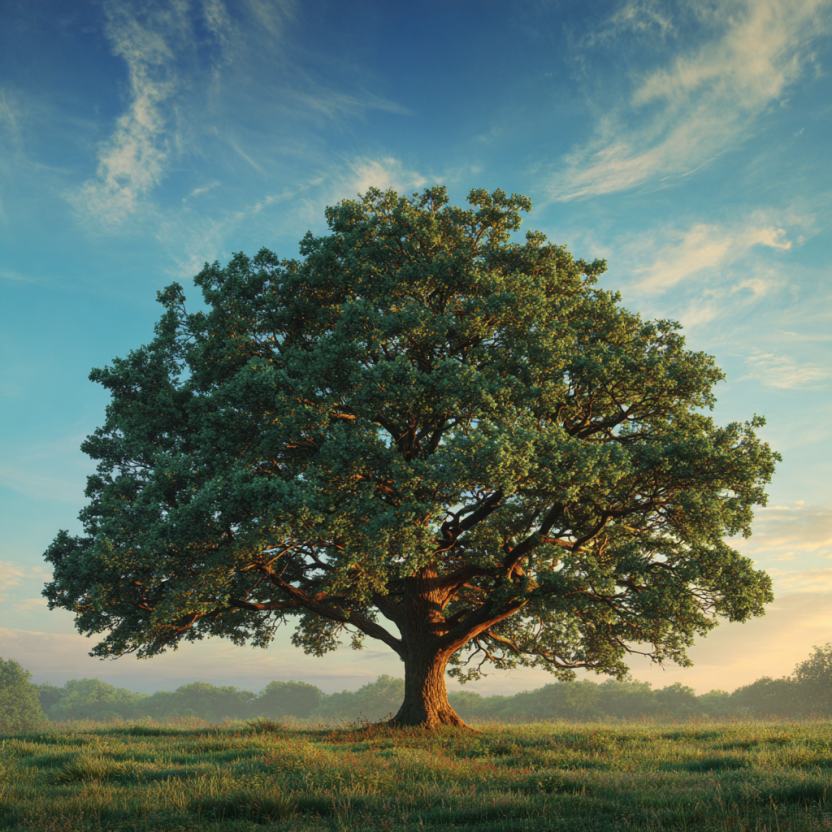
Bay laurel is an aromatic evergreen tree or large shrub that can reach 30 to 60 feet tall in its native habitat, though it is commonly kept much smaller through pruning or container growing. Its growth habit is dense and conical, with a thick canopy that provides deep shade. The bark is smooth and olive-green on younger branches, becoming grayish-brown and slightly fissured with age.
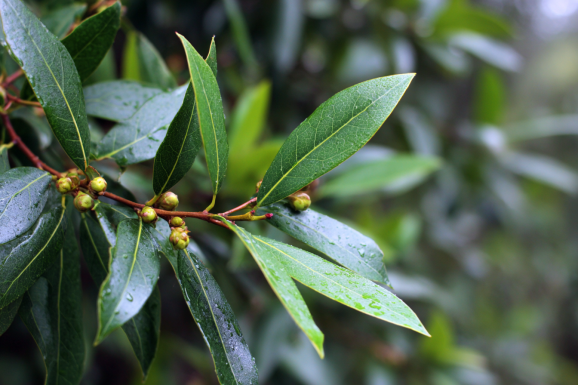
The leaves are the plant’s most recognizable and most used feature. They are thick, leathery, and lance-shaped (lanceolate), measuring 2 to 5 inches long and about 1 inch wide. Their upper surface is dark, glossy green, while the underside is paler and matte. Each leaf has a prominent central vein and smooth, slightly wavy margins. When crushed or torn, the leaves release a strong, warm, spicy-sweet aroma — a clear sign of the volatile essential oils contained within.
Bay laurel is dioecious, meaning individual trees are either male or female. The small, pale yellow-green flowers appear in clusters (umbels) in spring. Female trees produce small, dark purple to black berries (drupes), each about half an inch in diameter, containing a single seed. These berries are also aromatic and have been used historically for oil extraction.
Origin
Bay laurel is native to the Mediterranean region, with its original range spanning from the eastern Mediterranean — including modern-day Turkey, Syria, and Greece — westward through southern Europe and into parts of North Africa. It has been cultivated so extensively and for so long that it has naturalized throughout much of southern Europe, the Canary Islands, and parts of the Americas and Australia.
The tree thrives in warm, temperate climates with mild, wet winters and dry summers — the classic Mediterranean pattern. It grows wild in moist woodlands, rocky hillsides, and along valleys where its roots can reach water. Today, major commercial production occurs in Turkey, Greece, Italy, France, Spain, Morocco, and parts of Central America.
Brief History
Few plants carry as much historical weight as bay laurel. The ancient Greeks considered it sacred and wove its branches into crowns (laurel wreaths) to honor victors in the Pythian games at Delphi, as well as poets, scholars, and military heroes. The Latin word laureatus — “crowned with laurel” — gives us the modern words “laureate” and “baccalaureate.” The Romans continued and expanded this tradition, associating the tree with triumph and wisdom.
In ancient Egypt, bay leaves were among the aromatics used in preservation and funerary practices. Greek physicians Hippocrates and Dioscorides both documented the medicinal uses of bay laurel, prescribing it for digestive complaints and as a warming remedy. The Roman naturalist Pliny the Elder catalogued its uses extensively in his Naturalis Historia. Through the Middle Ages, European monastery gardens preserved bay laurel as both a culinary and medicinal herb. It spread to the Americas during the colonial era and has since become one of the most universally used culinary herbs on earth.
Growing & Cultivation
Climate & Zones
Bay laurel thrives in USDA Hardiness Zones 8 through 11. In Zone 8, it benefits from a sheltered location protected from harsh winter winds and extended freezes. Mature trees can tolerate brief dips to about 10°F (−12°C), but prolonged cold or icy winds can damage or kill foliage. In Zones 9 through 11, it grows vigorously as a permanent outdoor tree. Gardeners in colder zones (7 and below) can grow bay laurel successfully in containers, bringing it indoors during winter months. It makes an excellent patio or conservatory plant and adapts well to indoor conditions when given adequate light.
Soil Requirements
Bay laurel prefers well-draining, loamy to sandy soil with a slightly acidic to neutral pH of 6.0 to 7.0. It does not tolerate waterlogged or heavy clay soils, which can lead to root rot. If planting in heavy soil, amend generously with compost, perlite, or coarse sand to improve drainage. For container growing, use a high-quality potting mix blended with perlite or bark for aeration. The tree is relatively tolerant of poor soils once established, though richer soil produces more lush growth.
Water & Sunlight
Bay laurel prefers full sun to partial shade — ideally 6 or more hours of direct sunlight daily. It will tolerate partial shade, especially afternoon shade in hot climates, but growth may be slower and foliage less dense. Indoor plants need the brightest window available, ideally a south-facing exposure, or supplemental grow lights.
Water needs are moderate. Allow the top inch or two of soil to dry between waterings. Bay laurel is somewhat drought-tolerant once established, but it performs best with consistent moisture — not wet, not bone dry. Overwatering is the most common cause of problems, leading to yellowing leaves and root disease. Container plants need more frequent watering than in-ground specimens, especially during summer.
Propagation
Seed: Bay laurel seeds can be slow and difficult to germinate — often taking 3 to 6 months. Seeds must be fresh (viability drops rapidly after harvest). Sow in moist potting mix, cover lightly, and maintain warm temperatures (70–75°F). Patience is essential.
Semi-hardwood Cuttings: This is the most practical method for home growers. Take 4- to 6-inch cuttings from semi-hardwood growth in late summer. Strip the lower leaves, dip the cut end in rooting hormone, and place in a moist medium of perlite and peat. Maintain humidity with a plastic cover or mist regularly. Rooting typically takes 1 to 3 months.
Layering: Air layering or ground layering can produce rooted plants from an existing tree. Bend a low branch to the soil surface, wound the bark slightly, and pin it down under a mound of moist soil. Roots develop over several months.
Planting
Plant in spring after the last frost. Space in-ground trees 10 to 15 feet apart if growing as a specimen, or closer (4 to 6 feet) for a hedgerow. Dig a hole twice the width of the root ball and the same depth. Backfill with the native soil amended with compost. Water deeply after planting and mulch around the base to conserve moisture and moderate soil temperature. Bay laurel pairs well with other Mediterranean herbs — rosemary, thyme, lavender, and oregano all make excellent companions.
Harvesting
Bay leaves can be harvested at any time of year once the plant is well established (typically after its second year). Select mature, dark green leaves from the middle and lower portions of the tree. The most potent leaves are harvested in the morning after dew has dried, when essential oil concentration is highest. Pick individual leaves rather than stripping branches — this protects the plant and encourages bushy growth. Fresh leaves have a more bitter, less aromatic flavor than dried; they benefit from several days of wilting before use.
Drying & Storage
Air drying is the preferred method. Spread individual leaves in a single layer on a screen or rack in a warm, dry, well-ventilated area away from direct sunlight. Drying takes 1 to 2 weeks. Alternatively, press leaves between sheets of parchment paper under a weight for flat, attractively dried leaves. A food dehydrator set to 95–100°F works well for faster drying. Store dried leaves in airtight glass jars in a cool, dark place. Properly stored dried bay leaves retain good aroma and flavor for up to one year, though essential oil content gradually diminishes.
Pest & Disease Management
Bay laurel is relatively pest-resistant, though it can be affected by bay sucker (psyllid), scale insects, and occasional aphids. Bay sucker causes characteristic leaf curling and thickening at leaf margins. Organic control includes removing affected leaves, encouraging natural predators (ladybugs, lacewings), and spraying with neem oil or insecticidal soap. Root rot (Phytophthora) is the most serious disease concern, nearly always caused by overwatering or poor drainage. Powdery mildew may appear in humid, poorly ventilated conditions — improve air circulation and avoid overhead watering.
Companion Planting
Bay laurel grows well alongside other Mediterranean herbs including rosemary, sage, thyme, and lavender. It can serve as a taller backdrop plant in an herb garden. Bay is believed to help repel certain insects, making it a useful companion near vegetable gardens. Avoid planting near plants that require consistently moist soil, as bay’s preference for good drainage may conflict.
The Healing of Growing
Growing bay laurel offers benefits beyond the harvest itself. The act of gardening — hands in soil, bare feet on earth, time spent outdoors — has been shown to reduce cortisol, improve mood, and support immune function. The soil contains beneficial bacteria (Mycobacterium vaccae) with documented antidepressant effects. Tending a bay laurel tree connects you to a tradition spanning millennia — and the therapeutic value of that connection is real. When you grow your own bay laurel, you receive healing before you ever consume a single leaf.
Nutritional Profile
Note: Bay leaves are used primarily as a flavoring herb in small quantities, not consumed in bulk. The nutritional data below is per 100g of dried bay leaf (USDA FoodData Central, NDB #170917) for reference. The actual amount consumed in a typical dish is far smaller — usually 1 to 3 leaves — so direct nutritional contribution per serving is modest. The therapeutic value of bay leaf comes primarily from its phytonutrients and essential oils rather than macronutrients.
Macronutrients (per 100g dried)
Calories: 313 kcal | Protein: 7.6g | Total Carbohydrates: 75g | Dietary Fiber: 26g | Total Fat: 8.4g (Saturated: 2.3g, Monounsaturated: 1.6g, Polyunsaturated: 2.3g) | Sodium: 23mg
Vitamins
Vitamin A: 6,185 IU (206% DV) — Essential for vision, immune function, skin integrity, and cellular communication. Acts as a powerful antioxidant in its beta-carotene form.
Vitamin C: 46.5mg (52% DV) — Supports immune defense, collagen synthesis for skin and connective tissue, iron absorption, and acts as a potent antioxidant protecting cells from oxidative damage.
Vitamin B6 (Pyridoxine): 1.7mg (134% DV) — Critical for neurotransmitter synthesis (including serotonin and dopamine), amino acid metabolism, red blood cell production, and nervous system function.
Riboflavin (B2): 0.42mg (32% DV) — Supports energy production, cellular function, and the metabolism of fats, drugs, and steroids.
Niacin (B3): 2.0mg (13% DV) — Supports energy metabolism, DNA repair, and cellular signaling. Important for maintaining healthy skin, nerves, and digestion.
Folate (B9): 180mcg (45% DV) — Essential for DNA synthesis, cell division, and proper neural tube development. Particularly important during pregnancy and periods of rapid growth.
Minerals
Iron: 43mg (538% DV) — Essential for oxygen transport in the blood via hemoglobin, energy metabolism, and immune function. Bay leaf is one of the most iron-dense herbs by weight.
Calcium: 834mg (83% DV) — Critical for bone and tooth structure, muscle contraction, nerve signaling, and blood clotting.
Manganese: 8.2mg (355% DV) — A cofactor for the antioxidant enzyme superoxide dismutase (SOD), also supports bone formation, blood clotting, and carbohydrate metabolism.
Magnesium: 120mg (29% DV) — Involved in over 300 enzymatic reactions including muscle and nerve function, blood sugar regulation, bone development, and energy production.
Potassium: 529mg (16% DV) — Vital for fluid balance, muscle contraction (including heart rhythm), nerve transmission, and blood pressure regulation.
Zinc: 3.7mg (34% DV) — Supports immune function, wound healing, DNA synthesis, cell division, and the senses of taste and smell.
Copper: 0.42mg (46% DV) — Works with iron in red blood cell formation, supports collagen production, energy metabolism, and the immune system.
Phytonutrients & Active Compounds
Bay laurel’s therapeutic power comes largely from its rich array of bioactive phytochemicals:
1,8-Cineole (Eucalyptol): The dominant compound in bay leaf essential oil (27–69% of oil composition). Research suggests anti-inflammatory, bronchodilatory, analgesic, and antimicrobial properties. It may also support cognitive function and respiratory health.
Eugenol: Found in the leaves and essential oil. Exhibits well-documented analgesic (pain-relieving), antiseptic, and anti-inflammatory properties. Also used in dentistry for its numbing effect.
Linalool: A terpene alcohol with documented calming, anti-anxiety, and anti-inflammatory effects. Research indicates it may influence GABA receptors, supporting relaxation.
α-Terpinyl Acetate: A major monoterpene ester contributing to bay laurel’s aromatic profile, with antimicrobial and anti-inflammatory activity.
Parthenolide: A sesquiterpene lactone with studied anti-inflammatory and potential anticancer properties, also found in feverfew.
Flavonoids (Quercetin, Kaempferol, Catechins): Potent antioxidants that support cardiovascular health, reduce inflammation, and may help protect against cellular damage.
Polyphenols: Bay leaves are rich in polyphenolic compounds that exhibit insulin-potentiating activity — the likely mechanism behind the plant’s blood sugar support. These polyphenols appear to improve insulin receptor sensitivity.
Nutrient Notes
While the per-100g numbers are impressive, remember that a single dried bay leaf weighs only about 0.6g. The nutritional contribution per leaf is minimal in terms of vitamins and minerals. The real value lies in the phytonutrient compounds — the essential oils, polyphenols, and flavonoids — which are bioactive even at the trace amounts released during cooking or tea preparation. The B6 content supports serotonin and dopamine production, while the magnesium content may help regulate cortisol levels. The iron in bay leaf is non-heme iron; its absorption is enhanced by vitamin C, which is also present in the leaf.
Culinary Uses
Edible Parts
Leaves are the primary culinary part — used whole (fresh or dried) to flavor dishes, then removed before serving. Bay leaves are not typically chewed or eaten whole, as they remain tough and leathery even after cooking and can pose a choking hazard or cause gastrointestinal discomfort if swallowed. Ground bay leaf powder, however, is consumed directly as a seasoning.
Berries (fruit) of female trees have been used historically to produce bay laurel berry oil (also called laurel fruit oil or bay berry oil), used in traditional soap-making (Aleppo soap) and some culinary applications in Mediterranean countries, though this is less common today.
Flavor Profile
Fresh bay leaves have a sharp, slightly bitter, and intensely herbal flavor with prominent camphoraceous and eucalyptus-like notes. The flavor mellows significantly when dried — becoming warm, subtly sweet, slightly floral, and reminiscent of oregano and thyme with a hint of black tea. Dried bay is more balanced and versatile than fresh. When simmered in liquid, bay leaves release a complex, savory depth that enhances the overall flavor profile of a dish without dominating. The aroma is warm, spicy-sweet, with notes of clove and balsam.
Preparation
Bay leaves are almost always used whole — added at the beginning of slow-cooked dishes to allow the volatile oils to release gradually during cooking. They should be removed before serving. For faster infusion, the leaf can be torn or crushed slightly before adding. Ground bay leaf powder can be added directly to spice rubs, marinades, and seasoning blends. Fresh bay leaves may be used in the same way as dried, but are more potent — use about half the quantity. Bay leaves also infuse beautifully into oils, vinegars, milk, and cream for flavored preparations.
Culinary Pairings
Bay laurel pairs exceptionally well with slow-cooked meats (beef, lamb, poultry), beans and legumes, tomato-based sauces, soups, stews, rice dishes (biryani, pilaf), potatoes, and root vegetables. It complements other herbs including thyme, parsley, oregano, rosemary, and sage — and is a key component of the classic French bouquet garni. It enhances garlic, onion, black pepper, cumin, and cinnamon. Bay leaf added to grains or beans during cooking deepens flavor remarkably. It is used across Mediterranean, Indian, Caribbean, Middle Eastern, French, Italian, and Southern American cuisines.
Storage
Fresh bay leaves can be stored in a sealed plastic bag in the refrigerator for up to two weeks, or frozen for several months. Dried leaves should be kept in an airtight container in a cool, dark, dry place. Replace dried bay leaves annually for best flavor — once the leaf loses its aroma when crumbled, it has lost most of its volatile oils. Bay leaves can also be preserved by infusing into olive oil or vinegar, which captures their flavor while creating a flavored cooking medium.
Ready to cook with Bay Laurel? View Recipes on Chefts →
Wellness & Therapeutic Uses
Traditional Uses
Bay laurel has one of the longest documented histories of therapeutic use of any plant. Ancient Greek physicians Hippocrates and Dioscorides prescribed bay leaves for digestive complaints, respiratory conditions, and joint pain. Dioscorides, in his De Materia Medica (circa 65 AD), detailed bay laurel as a warming remedy for the stomach, a diuretic, and a poultice for wasp and bee stings. The Roman physician Galen similarly documented its warming and drying properties.
In Traditional Chinese Medicine (TCM), aromatic herbs with warming properties similar to bay laurel have been used to move stagnant qi, warm the middle burner (digestive system), and dispel cold-damp conditions. In Ayurvedic tradition, bay leaf (known as Tejpatta, though the Indian bay leaf is typically Cinnamomum tamala) is classified as a warming herb used for digestive support, respiratory conditions, and diabetes management.
European folk medicine employed bay laurel widely — as a stomachic (stomach tonic) and carminative (gas-relieving agent), for rheumatic pain when applied topically as a poultice or oil, for respiratory congestion when inhaled as steam, and as a mild sedative for restlessness. Middle Eastern traditional medicine has used bay leaf for earaches, stomach pain, skin rashes, and as an emetic. North African healers have incorporated bay laurel in remedies for diabetes management and digestive disorders for centuries.
Modern Research
Blood Sugar Support: One of the most significant modern findings involves bay leaf’s effect on glucose metabolism. A landmark human clinical trial (Khan et al., 2009, Pakistan — 40 participants with type 2 diabetes) found that consuming 1 to 3 grams of ground bay leaf daily for 30 days reduced fasting serum glucose by 21 to 26%, total cholesterol by 20 to 24%, LDL cholesterol by 32 to 40%, and triglycerides by 25 to 34%, while HDL cholesterol increased by 20 to 29%. These effects persisted during a 10-day washout period, suggesting sustained benefit. The active mechanism is believed to involve polyphenols that potentiate insulin receptor function. (PubMed: 19177188)
Anti-Inflammatory & Analgesic Activity: Research from the Institute Pasteur of Iran (Sayyah et al., 2003) demonstrated that bay laurel essential oil produced significant analgesic effects in animal models, comparable to morphine in tail-flick tests and comparable to the NSAID piroxicam for anti-inflammatory activity. The oil also showed moderate sedative effects at anti-inflammatory doses. These properties are attributed primarily to 1,8-cineole and eugenol content. (PubMed: 12916069)
Antimicrobial Activity: Multiple studies have confirmed that bay laurel essential oil and leaf extracts exhibit strong antibacterial activity against foodborne pathogens including Staphylococcus aureus, Listeria monocytogenes, Bacillus cereus, Escherichia coli, and Salmonella species. The oil also demonstrates antifungal activity against Candida albicans and several Aspergillus species. (PubMed: 21756182)
Gastroprotective Activity: A study from the University of Bologna (Speroni et al., 2011) found that bay laurel leaf extracts significantly reduced gastric damage in animal models. Both methanolic and chloroformic extracts showed gastroprotective effects, with the protection correlating to the extracts’ antioxidant capacity. These findings support the traditional use of bay leaf for stomach complaints. (PubMed: 21314364)
Liver Support (NAFLD): A 2025 study investigated the effect of bay laurel leaf water extract on non-alcoholic fatty liver disease (NAFLD) in both cell and animal models. The extract reduced lipid accumulation in hepatocytes and showed hepatoprotective effects in mice fed a high-fructose, high-fat diet, reducing inflammation and apoptosis markers. The active compound identified was isoquercetin. (PubMed: 40313587)
Antioxidant Activity: Bay laurel essential oil and extracts demonstrate strong reactive oxygen species (ROS) scavenging activity, including DPPH radical, hydroxyl radical, superoxide radical, and hydrogen peroxide scavenging. The oil’s antioxidant capacity was greater than that of its individual major components tested alone, suggesting synergistic effects among compounds. (PMC: 3813252)
Wound Healing: An animal study (Nayak et al., 2006) evaluated bay laurel’s wound healing properties and found moderate wound contraction, increased granulation tissue weight, and elevated hydroxyproline content (a marker of collagen formation) in treated animals compared to controls. (PubMed: 16597335)
Anticonvulsant Activity: The essential oil of bay laurel has shown anticonvulsant properties in animal models of induced seizures, supporting its traditional use in Iran for seizure disorders (Sayyah et al., 2002).
Potential Anticancer Properties: Lauroside B, a megastigmane glycoside isolated from bay laurel leaves, was found to suppress proliferation and induce apoptosis (programmed cell death) in three human melanoma cell lines by inhibiting NF-κB activation. Separately, cytotoxic sesquiterpenes and other compounds from bay leaf have shown preliminary in vitro activity against various cancer cell lines. These findings are early-stage and do not constitute treatment claims. (PubMed: 21188975)
Body Systems Supported
Digestive System: Carminative, stomachic, and gastroprotective properties. Traditionally used for bloating, indigestion, flatulence, and nausea. May support healthy gut motility.
Endocrine System: Research suggests support for healthy blood sugar regulation and insulin sensitivity. May support lipid metabolism and cholesterol balance.
Immune System: Antimicrobial, antiviral, and antifungal properties support the body’s defense mechanisms. Antioxidant activity helps protect immune cells from oxidative damage.
Nervous System: Mild sedative and calming effects. The essential oil has shown analgesic (pain-relieving) and anticonvulsant properties in research. Linalool and 1,8-cineole may support nervous system function.
Respiratory System: 1,8-cineole (eucalyptol) is a well-established expectorant and bronchodilator. Steam inhalation with bay leaves has been used traditionally for congestion, bronchitis, and sinus complaints.
Musculoskeletal System: Anti-inflammatory and analgesic properties support comfort in joints and muscles. Traditionally used as a topical application for rheumatic pain.
Cardiovascular System: Research indicates support for healthy cholesterol and triglyceride levels. Antioxidant properties may support cardiovascular health.
Integumentary System (Skin): Wound healing, antimicrobial, and anti-inflammatory properties support skin health when applied topically.
Hepatic (Liver) System: Emerging research suggests hepatoprotective effects, particularly related to fatty liver conditions.
Body Compounds Affected
Insulin: Bay leaf polyphenols have been shown to potentiate insulin function, improving insulin receptor sensitivity. This is the primary mechanism believed to underlie the blood sugar-lowering effects observed in human trials.
Prostaglandins & Inflammatory Cytokines: Bay laurel’s anti-inflammatory compounds (particularly 1,8-cineole, eugenol, and parthenolide) may modulate prostaglandin synthesis and reduce pro-inflammatory cytokines including TNF-α and IL-6, based on in vitro and animal research.
GABA: Linalool, a significant component of bay laurel, has been studied for its interaction with GABA receptors. This may contribute to the mild sedative and calming effects historically attributed to the plant.
Serotonin & Dopamine: Bay leaf’s high vitamin B6 content supports the synthesis of these neurotransmitters. B6 is a required cofactor in the conversion of tryptophan to serotonin and in dopamine production.
Cortisol: The calming, stress-relieving properties of bay laurel aromatherapy may support healthy cortisol regulation, though direct human studies on bay leaf and cortisol are limited.
NF-κB: Lauroside B from bay leaves has been shown to inhibit NF-κB activation — a master switch in inflammatory and immune responses — which may underlie both anti-inflammatory and potential anticancer effects.
Methods of Use
Tea/Infusion
Use 2 to 3 dried bay leaves (or 1 fresh leaf, torn) per cup of hot water. Pour boiling water over the leaves and steep covered for 10 to 15 minutes. Strain and drink. May be taken 1 to 3 times daily. Add honey or lemon if desired. This is the simplest and most accessible preparation method.
Ground Bay Leaf (Capsule or Powder)
Based on the human clinical trial by Khan et al., 1 to 3 grams of ground bay leaf per day has been used. Ground bay leaf can be encapsulated for convenience or added to food. This method delivers the water-soluble polyphenols associated with blood sugar support.
Tincture
Bay leaf tincture is prepared by macerating dried leaves in alcohol (typically vodka or grain alcohol) at a ratio of approximately 1:5 (herb to menstruum) for 4 to 6 weeks. Standard adult dosage is typically 1 to 2 mL (20–40 drops), taken 2 to 3 times daily.
Poultice/Compress
For topical application to sore joints or muscles, prepare a strong tea of bay leaves. Soak a cloth in the warm tea and apply to the affected area. Alternatively, grind dried leaves and mix with a small amount of warm water or carrier oil to create a poultice. Bay laurel berry oil has been used traditionally as a topical rub for arthritic and rheumatic conditions.
Steam Inhalation
Add 5 to 6 dried bay leaves to a large bowl of steaming water. Drape a towel over your head and the bowl, and inhale the steam for 5 to 10 minutes. This method delivers 1,8-cineole directly to the respiratory tract for congestion, sinus support, and bronchial comfort.
Cosmetic & Beauty Uses
Skin Benefits
Bay laurel offers notable benefits for skin health through its antimicrobial, anti-inflammatory, and antioxidant properties. The essential oil and leaf extracts may support skin prone to acne and blemishes due to strong antibacterial action against common skin pathogens. The anti-inflammatory compounds (eugenol, 1,8-cineole) may help calm irritated, inflamed, or reddened skin. The antioxidant content — particularly flavonoids and vitamin C — supports protection against oxidative stress, which contributes to premature aging.
Bay laurel is traditionally considered beneficial for oily and combination skin types. It has astringent properties that may help tighten pores and regulate excess sebum production. For mature skin, the antioxidant compounds may support cellular protection and skin vitality.
Hair Benefits
Bay leaf rinses have been used for centuries to promote scalp health, reduce dandruff, and enhance shine. The antimicrobial and antifungal properties may help address fungal contributors to dandruff and scalp irritation. The stimulating nature of the essential oil may promote circulation to the scalp when used in hair treatments, which traditionally has been associated with supporting healthy hair growth. Bay leaf tea rinses can add subtle shine and body to all hair types.
Application Methods
Infused Oil: Steep dried bay leaves in a carrier oil (jojoba, sweet almond, or olive oil) for 2 to 4 weeks in a warm, dark place, shaking occasionally. Strain and use as a body oil, massage oil, facial oil (for oily/acne-prone skin when blended with jojoba), or scalp treatment. Bay laurel berry oil (from the fruit) has been prized in traditional soap-making, particularly in the production of Aleppo soap, one of the oldest soaps in the world.
Facial Steam: Add 4 to 5 dried bay leaves to a bowl of steaming water and hold your face over the steam (at a safe distance) for 5 to 10 minutes. This opens pores, delivers antimicrobial volatile compounds to the skin, and promotes circulation.
Toner: Prepare a strong bay leaf tea, cool completely, and use as a toner with a cotton pad. The astringent and antimicrobial properties make this suitable for oily and blemish-prone skin. Store in the refrigerator and use within 5 to 7 days.
Bath Addition: Add a strong bay leaf tea (from 10 to 15 leaves) or a handful of dried leaves in a muslin bag directly to warm bathwater. The aromatherapy benefit combines with topical contact for a skin-soothing, calming experience.
DIY Formulation Notes
Bay laurel essential oil should be used at a maximum of 2% concentration in topical formulations (approximately 12 drops per ounce of carrier oil for adults). It blends well with carrier oils like jojoba, sweet almond, and coconut oil. In DIY products, it pairs well with lavender, rosemary, and tea tree essential oils. Always perform a patch test before widespread use, as bay laurel essential oil can cause contact dermatitis in sensitive individuals. Homemade bay leaf infusions and oils have a shorter shelf life than commercial products — use within 1 to 3 months and store in the refrigerator when possible.
Bay laurel is among the botanicals being explored for holistic cosmetic applications, where the wisdom of traditional beauty practices meets modern understanding of skin science.
Essential Oil Profile
Extraction
Bay laurel essential oil is obtained primarily through steam distillation of the fresh leaves and small twigs. This is the standard and preferred extraction method, producing the highest quality oil with a well-balanced chemical profile. The yield is relatively low — typically 1 to 3% (meaning it takes approximately 30 to 100 pounds of leaf material to produce 1 pound of essential oil), which accounts for its moderate price point. A separate fixed oil (bay laurel berry oil or laurel fruit oil) is produced by pressing or solvent extraction of the ripe berries — this is a different product with a different composition, used primarily in soap-making.
Chemical Constituents
The essential oil of Laurus nobilis leaves contains a complex array of bioactive compounds. Composition varies by geographic origin, harvest time, and growing conditions, but the primary constituents typically include:
1,8-Cineole (Eucalyptol): 27–69% — An oxide. Anti-inflammatory, expectorant, bronchodilatory, mucolytic, antimicrobial, and mildly analgesic. The dominant therapeutic compound.
α-Terpinyl Acetate: 10–14% — A monoterpene ester. Anti-inflammatory, antimicrobial, and antispasmodic. Contributes to the oil’s sweet, balsamic aroma.
Sabinene: 4–9% — A bicyclic monoterpene. Antioxidant, antimicrobial, and anti-inflammatory.
Linalool: 4–9% — A monoterpene alcohol. Calming, anti-anxiety, sedative, and antimicrobial. Interacts with GABA receptors.
Methyleugenol: 2–7% — A phenylpropanoid. Antimicrobial and analgesic. Note: methyleugenol in concentrated form has raised safety concerns regarding potential genotoxicity at very high doses in animal studies. In the context of whole-plant use and properly diluted essential oil application, exposure is extremely low.
Eugenol: 1–5% — A phenol. Analgesic, antiseptic, anti-inflammatory, and antioxidant.
α-Pinene & β-Pinene: 3–7% combined — Monoterpenes. Anti-inflammatory, bronchodilatory, and antimicrobial.
Terpinene-4-ol: 1–3% — A monoterpene alcohol with immune-modulating and antimicrobial properties.
Aroma Profile
Bay laurel essential oil is classified as a middle note in aromatherapy blending. Its scent is fresh, medicinal, slightly sweet, and warmly spicy with camphoraceous undertones and herbaceous top notes. The aroma is clear, clean, and penetrating — reminiscent of eucalyptus but warmer and more complex. Over time, the scent develops softer, balsamic undertones. It blends beautifully with eucalyptus, rosemary, lavender, cedarwood, juniper, clary sage, frankincense, and citrus oils (particularly bergamot and lemon).
Therapeutic Properties
Using research-supported, compliant language, bay laurel essential oil may be described as: antimicrobial, anti-inflammatory, analgesic (pain-relieving), expectorant, mucolytic, antispasmodic, carminative, digestive support, calming, mildly sedative, circulatory stimulant, and immune-supportive.
How to Use
Diffusion
Add 3 to 5 drops to an ultrasonic diffuser for respiratory support, mental clarity, or to create a calming atmosphere. Diffuse for 30 to 60 minutes at a time. Bay laurel pairs well with eucalyptus for respiratory blends, lavender for relaxation, or rosemary for focus.
Topical Application
Always dilute before applying to skin. Standard adult dilution: 2% (approximately 12 drops per 1 oz of carrier oil). Sensitive skin: 1% (6 drops per oz). Children over 6: 0.5–1% (3–6 drops per oz). Elderly: 1% (6 drops per oz). Not recommended for children under 6 without professional guidance. Apply diluted oil to sore muscles, joints, temples (for headache support), or chest (for respiratory support). Suitable carrier oils include jojoba, sweet almond, coconut, and olive oil.
Quality & Sourcing
When purchasing bay laurel essential oil, look for: the botanical name Laurus nobilis clearly stated (to avoid confusion with West Indian Bay — Pimenta racemosa — which is a different plant with a different oil), GC/MS testing results available from the supplier, country of origin listed, and sourcing from reputable brands that test for purity and adulteration. Be wary of extremely low-priced bay laurel oil, as it may be adulterated with synthetic 1,8-cineole or eucalyptus oil.
Blending
Bay laurel essential oil blends well with: Respiratory support: eucalyptus, peppermint, tea tree. Muscle and joint comfort: rosemary, black pepper, ginger. Calming/relaxation: lavender, clary sage, bergamot. Mental clarity: rosemary, lemon, peppermint. Immune support: tea tree, frankincense, oregano (well diluted). A simple blend ratio to start: 3 drops bay laurel + 3 drops lavender + 2 drops eucalyptus in 1 oz carrier oil for chest rub during seasonal respiratory challenges.
Aromatherapy & Scent
The Aroma
The living bay laurel tree emits a subtle, warm, spicy-herbaceous scent that intensifies when leaves are touched, brushed against, or warmed by sunlight. After rain, the volatile oils become especially noticeable in the air around the tree. Fresh leaves, when torn or crushed between the fingers, release a sharp, complex burst of eucalyptus, clove, and balsam notes — immediately invigorating and clarifying.
When dried, bay leaves develop a more mellow, refined, and sweetly herbaceous aroma — the familiar scent recognized instantly from kitchens around the world. Dried leaves retain their scent well for 6 to 12 months when stored in airtight containers. The aroma of the dried leaf is less sharp and more rounded than the fresh leaf, with warm, woody, and slightly floral undertones emerging.
How Scent Affects Your Body
When you inhale the aroma of bay laurel, volatile molecules released by the plant enter your nose and reach the olfactory epithelium — a small patch of specialized tissue high in the nasal cavity. Olfactory receptor neurons detect these molecules and send electrical signals directly to the limbic system (the brain’s emotional center) and the hypothalamus (which regulates hormones, body temperature, and autonomic functions). This pathway is unique — smell is the only sense that bypasses the thalamus and reaches the emotional brain directly. This means the body responds to scent within seconds, before conscious thought even processes what you are smelling.
Emotional & Mood Effects
The scent of bay laurel is generally described as clarifying, focusing, grounding, and gently warming. It tends to produce a state of calm alertness — energized but not agitated, clear but not overstimulated. It is often described as mentally clearing, helpful for concentration, and subtly uplifting. In aromatherapy practice, bay laurel is frequently used for building confidence, supporting focus during study or work, and promoting a sense of stability and inner strength.
Body Compounds Affected
The aroma of bay laurel’s primary compounds — 1,8-cineole and linalool — has been studied for effects on body chemistry. Research on 1,8-cineole inhalation suggests it may reduce systemic inflammation markers and support respiratory function. Linalool inhalation studies indicate potential GABA-modulating effects, which may promote relaxation without sedation. The overall aromatic profile may help lower cortisol (stress hormone) while supporting alertness, and may promote a mild increase in serotonin activity based on the calming-yet-focusing quality of the scent.
Ways to Experience the Scent
Beyond essential oil diffusion, there are many ways to enjoy bay laurel’s aroma: grow a bay laurel tree indoors or on your patio and brush against the leaves as you pass; place fresh cuttings in a vase of water on your desk; crush a dried leaf between your palms and inhale before meditation or study; tuck dried leaves into sachets for drawers and closets; simmer 3 to 4 dried bay leaves with cinnamon sticks and orange peel on the stove for a natural home fragrance; add dried leaves to a warm bath for both aromatic and topical benefits; place a dried leaf under your pillow for a subtly calming nighttime aroma.
Color Therapy
The Colors of Bay Laurel
Bay laurel presents a rich palette of colors across its parts and seasons. The leaves are deep, glossy, dark green on their upper surface — one of the richest greens in the herb garden. The underside of the leaf is a lighter, matte olive-green. New growth emerges in a brighter, more vivid yellow-green. The small spring flowers are a soft, pale yellow-green to cream color. The berries (on female trees) ripen from green to deep purple-black. The bark transitions from olive-green on young branches to warm gray-brown on mature wood.
Color Wavelengths
The dominant color of bay laurel — deep green — falls in the 495 to 570 nm wavelength range of the visible spectrum. This is the center of the spectrum, the color the human eye is most sensitive to, and the color most strongly associated with nature, balance, and renewal. The dark purple-black of the berries falls in the violet range (380–450 nm), while the pale yellow flowers fall in the yellow range (570–590 nm).
How Green Affects the Body
In color therapy, green is considered the most balancing color in the spectrum. It is associated with the heart center and is believed to promote feelings of harmony, calm, compassion, and renewal. Research on viewing green environments (forests, gardens, green spaces) has consistently demonstrated measurable reductions in heart rate, blood pressure, and cortisol levels. Green environments improve mood, reduce mental fatigue, and support recovery from stress. Having a deep-green bay laurel plant in your living or working space provides continuous visual exposure to this restorative wavelength.
Body Compounds Affected
Exposure to green wavelengths and green natural environments has been associated with reduced cortisol (the primary stress hormone), increased parasympathetic nervous system activity (rest-and-digest mode), and improved mood states that correlate with balanced serotonin and dopamine activity. The calming visual effect of green plants may also support healthy blood pressure and heart rate through nervous system regulation.
Using Bay Laurel for Color Therapy
Place a potted bay laurel tree in areas where you spend the most time — home office, living room, or kitchen. Its dense, glossy, dark green foliage provides a constant visual anchor to nature. In healthcare or high-stress environments, the presence of a bay laurel plant combines color therapy (deep green wavelength exposure) with aromatherapy (volatile compound release) and air quality benefits. For intentional color therapy, spend a few minutes each day simply gazing at the plant’s leaves, noting the interplay of light and shadow on the glossy surfaces — a simple mindfulness practice that compounds visual and psychological healing.
Frequency & Vibration
The Frequency of Bay Laurel
According to bio-frequency research pioneered by Bruce Tainio using a calibrated frequency monitor (BT3), essential oils and living plants emit measurable electromagnetic frequencies. While a specific published MHz measurement for bay laurel essential oil from Tainio’s original research is not widely documented in the same way as oils like rose (320 MHz) or frankincense (147 MHz), bay laurel is generally classified among the higher-frequency essential oils based on its chemical complexity and the dominance of oxygenated compounds (1,8-cineole, linalool, eugenol). Oils rich in oxygenated compounds tend to vibrate at higher frequencies than those dominated by simple hydrocarbons.
For reference, the healthy human body frequency range is generally cited as 62 to 78 MHz. Cold and flu symptoms are associated with drops to around 58 MHz. Disease processes may be associated with frequencies below 58 MHz, and cellular death begins at approximately 25 MHz.
Human Frequency Interaction
The principle of entrainment suggests that when two oscillating systems interact, the stronger frequency can influence the weaker one to synchronize. Proponents of vibrational medicine believe that exposure to high-frequency plants and essential oils may support the body’s own electromagnetic field. Being near a living bay laurel tree — touching its leaves, inhaling its volatile compounds, or using its essential oil — may introduce higher-frequency vibrations into your immediate environment. While this is an area where research is emerging and not yet established by conventional science, the concept aligns with measurable phenomena in physics (resonance, entrainment) and with the subjective experience many people report of feeling “uplifted” or “restored” after spending time with aromatic plants.
Essential Oil Frequency
Essential oils as a category consistently measure at higher frequencies than dried herbs, fresh foods, or processed substances. The distillation process concentrates not only chemical compounds but also, according to frequency researchers, the plant’s electromagnetic signature. Bay laurel essential oil, with its complex blend of oxygenated monoterpenes and phenylpropanoids, would be expected to register in the moderate-to-high frequency range among essential oils.
Vibrational Applications
To engage with bay laurel’s frequency: diffuse the essential oil during meditation, prayer, or quiet reflection. Keep a living bay laurel plant in your personal space. Combine bay laurel with other high-frequency practices — prayer, worship, time in nature, clean nutrition, and healthy relationships — for a holistic approach to maintaining a high personal frequency.
The Living Plant
Benefits of Presence
Bay laurel is far more than a source of dried leaves for your spice rack. The living tree, whether grown indoors in a container or outdoors in the garden, offers healing through its mere presence — a concept supported by decades of research on the health effects of plant proximity, biophilic design, and nature exposure.
Research consistently shows that people who spend time around living plants experience lower stress levels, improved mood, faster recovery from mental fatigue, and enhanced concentration. A study at the Norwegian University of Life Sciences found that the presence of indoor plants reduced stress-related symptoms including fatigue, coughing, headaches, and dry skin in office workers. Hospital patients with a view of plants or greenery have been shown to recover faster, require less pain medication, and report higher satisfaction with their care.
Air Purification
While bay laurel was not among the specific plants tested in the original NASA Clean Air Study, plants in the Lauraceae family are known to actively exchange gases with their environment. Bay laurel, as a densely leafed evergreen, contributes to oxygen production throughout the year (unlike deciduous plants that lose capacity in winter). Its thick, waxy leaves transpire moisture, helping to regulate indoor humidity — particularly beneficial in dry, heated indoor environments during winter months.
Phytoncides
Bay laurel is a notable producer of phytoncides — antimicrobial volatile organic compounds released by plants as part of their immune defense system. The same volatile oils that give bay leaves their distinctive scent (1,8-cineole, linalool, eugenol, terpinene-4-ol) are released continuously by the living plant, though at much lower concentrations than the essential oil. Forest bathing (shinrin-yoku) research from Japan has demonstrated that phytoncide exposure increases Natural Killer (NK) cell activity — a key component of the immune system’s ability to identify and destroy abnormal cells, including virus-infected cells and tumor cells. While most forest bathing research involves coniferous forests, the principle applies to any phytoncide-producing plant in your environment. A bay laurel tree in your home is a miniature forest bath, continuously releasing antimicrobial compounds into your air.
Visual & Psychological Benefits
The deep, glossy green of bay laurel’s foliage is visually calming. Attention Restoration Theory (ART), developed by Rachel and Stephen Kaplan, proposes that natural environments (and the presence of living plants) restore directed attention after mental fatigue in a way that built environments cannot. The act of caring for a living plant — watering, observing growth, pruning, harvesting — also provides structure, purpose, and the satisfaction of nurturing life. For individuals recovering from illness, dealing with grief, or managing stress, caring for a bay laurel tree can provide a gentle, grounding daily practice.
Growing Indoors vs Outdoors
Bay laurel adapts remarkably well to indoor growing, which is fortunate for gardeners outside its hardiness range. Indoors, place it in the brightest spot available — a south-facing window is ideal. Allow the soil to dry slightly between waterings; good drainage is essential. Indoor bay laurel may grow more slowly than outdoor specimens but will remain healthy and aromatic for years with proper care. Outdoors (Zones 8–11), the tree can be grown as a specimen, hedge, or container plant on a patio. In either setting, the presence benefits — aromatherapy, air quality, visual calming, and phytoncide release — are continuously available.
Touch & Physical Interaction
Gardening Therapy
Horticultural therapy — the practice of using gardening activities for therapeutic benefit — is an established discipline with applications in rehabilitation, mental health treatment, elder care, and community wellness programs. Working with bay laurel specifically offers the combined benefit of tactile engagement, aromatherapy (as leaves release fragrance when touched), and the satisfaction of growing a plant with immediate practical use in the kitchen and home apothecary.
Soil Contact Benefits
Tending a bay laurel plant — especially when gardening outdoors with bare hands or bare feet — provides direct contact with earth. Grounding (earthing) research has documented that direct contact with the earth’s surface allows the transfer of free electrons from the ground into the body, which may help neutralize positively charged free radicals and reduce systemic inflammation. Additionally, the soil bacterium Mycobacterium vaccae has been studied for its antidepressant-like effects. Research published in Neuroscience demonstrated that exposure to M. vaccae activated serotonin-producing neurons in the dorsal raphe nucleus of the brain. Simply digging in healthy, living soil while tending your bay laurel tree exposes you to these beneficial microbes.
The Tactile Experience
Bay laurel provides a unique tactile experience. The leaves are smooth, thick, leathery, and slightly stiff — satisfying to handle with a waxy surface that feels cool and clean to the touch. Running your thumb along the leaf surface or bending the leaf gently to hear the slight crackle of the essential oil cells releasing is a distinctly grounding sensory experience. The bark of older stems is smooth and slightly warm to the touch. Harvesting bay leaves — carefully selecting and plucking individual leaves — is a meditative, deliberate act. The slight resistance as the leaf separates from the stem, followed by the burst of fragrance, engages multiple senses simultaneously.
Harvesting & Processing
The process of harvesting, drying, and storing bay leaves is itself a therapeutic practice. Picking leaves in the morning, laying them out to dry, checking them over several days, bundling or jarring the finished product — these repetitive, purposeful actions have a meditative quality. They connect you to the rhythm of seasons and to the ancient human practice of gathering and preserving food and medicine. Processing bay leaves for tea, sachets, or culinary use is simple enough for anyone and rewarding enough to become a cherished routine.
Water-Based Applications
Teas & Infusions
Bay leaf tea is the most accessible and widely used water-based preparation. Use 2 to 3 dried whole bay leaves (or 1 large fresh leaf, torn to release oils) per 8 oz of water. Bring water to a full boil, pour over the leaves, cover, and steep for 10 to 15 minutes. Covering is important — it prevents the volatile oils from escaping with the steam. Strain and drink warm. The resulting tea is golden to amber in color, with a warm, slightly sweet, subtly spicy flavor. Hot infusion extracts the water-soluble polyphenols (associated with blood sugar support) as well as a portion of the volatile oils. Cold infusion (steeping in room temperature water for 4 to 8 hours) produces a milder tea with a slightly different compound profile — gentler on the stomach but with less volatile oil extraction.
Herbal Baths
Bay laurel has a long history in bathing traditions. Prepare a strong tea using 10 to 15 dried bay leaves steeped in 1 quart of boiling water for 20 minutes, then add the strained liquid to a warm bath (100–104°F). Alternatively, place dried bay leaves in a muslin bag and suspend it under the running bathwater. Soak for 15 to 20 minutes. This preparation is traditionally used for sore, achy muscles and joints, general relaxation, and skin soothing. The warm water opens pores and enhances absorption of the volatile compounds, while the steam carries the aromatic molecules to the respiratory system — combining hydrotherapy, aromatherapy, and topical application in a single practice. Foot baths offer a simpler alternative using the same concentrated tea in a basin of warm water.
Hydrosols
Bay laurel hydrosol (the water portion remaining after steam distillation of the essential oil) is commercially available, though less common than popular hydrosols like lavender or rose. It contains water-soluble aromatic compounds at very gentle concentrations, making it suitable as a facial toner, room spray, or gentle body mist. Bay laurel hydrosol has a fresh, clean, slightly herbal scent and offers mild antimicrobial and astringent properties suitable for all skin types, particularly oily and blemish-prone skin.
Compresses
Hot Compress: Prepare a strong bay leaf tea (4 to 5 leaves per cup). Soak a clean cloth in the warm tea, wring slightly, and apply to sore muscles, joints, or the abdomen (for digestive discomfort). Maintain warmth by covering with a dry towel. Apply for 15 to 20 minutes. The combination of warmth and bay leaf compounds promotes circulation and delivers anti-inflammatory compounds to the area.
Cold Compress: Prepare the same tea and chill in the refrigerator. Apply a soaked cloth to areas of swelling, headache (forehead and temples), or minor skin irritation. Cold bay leaf compresses combine the cooling, vasoconstrictive effect of cold therapy with the anti-inflammatory properties of the plant.
Steam Inhalation
Add 5 to 6 dried bay leaves (or 3 to 4 fresh leaves, torn) to a large bowl of just-boiled water. Drape a towel over your head and the bowl, close your eyes, and inhale the steam slowly through your nose and mouth for 5 to 10 minutes. The 1,8-cineole and other volatile compounds are carried directly to the respiratory tract, where they may support decongestion, open airways, and provide antimicrobial exposure to the sinus passages and bronchial tubes. This is one of the most traditional and effective methods of using bay laurel for respiratory comfort. Take breaks as needed and keep your face at a comfortable distance from the steam to avoid burns.
Hair Rinses
Prepare a strong bay leaf tea by simmering 8 to 10 dried bay leaves in 2 cups of water for 15 minutes. Cool to a comfortable temperature and strain. After shampooing, pour the bay leaf rinse through your hair as a final rinse, massaging gently into the scalp. You may leave it in or rinse with plain water after a few minutes. This rinse is traditionally used to promote shine, reduce dandruff, stimulate the scalp, and support healthy hair. Regular use (1 to 2 times per week) may provide cumulative benefits.
Historical, Cultural & Biblical Significance
Biblical References
Bay laurel appears in the King James Version of Scripture in Psalm 37:35: “I have seen the wicked in great power, and spreading himself like a green bay tree.” The Hebrew word used here is ezrach, meaning “native born” or “a tree in its native soil” — a tree that has never been transplanted and therefore grows with full vigor and deep roots. The King James translators rendered this as “a green bay tree” — the bay laurel — recognizing it as the evergreen, aromatic tree native to the Holy Land that best represented unstoppable, luxuriant growth.
The passage continues in Psalm 37:36 (KJV): “Yet he passed away, and, lo, he was not: yea, I sought him, but he could not be found.” The bay tree here serves as a powerful image — even the most firmly rooted, deeply established appearance of worldly power is temporary. The tree itself is not condemned; it is used as a symbol of how impressive and permanent earthly flourishing can appear. Bay laurel’s evergreen nature, dense canopy, and deep root system made it the perfect metaphor for this message. The ESV renders this same verse: “spreading himself like a green laurel tree.”
While this is the only direct mention of the bay tree in the KJV, laurel was abundant throughout the biblical landscape. It grew wild in the hills of ancient Israel, along the Mediterranean coast, and in the groves and valleys where much of biblical history unfolded. Its aromatic leaves, medicinal properties, and evergreen nature were well known to the people of Scripture.
Ancient Civilizations
Ancient Greece: Bay laurel held an extraordinarily prominent place in Greek culture. The laurel wreath (stephanos) crowned victors in the Pythian Games at Delphi, poets, scholars, and heroes. The physician Hippocrates (460–370 BC) prescribed bay laurel for digestive ailments and as a warming remedy. Dioscorides, in his De Materia Medica (circa 65 AD), documented bay leaf as useful for stomach disorders, urinary complaints, and insect stings. He recommended both the leaves and the berries.
Ancient Rome: The Romans adopted and expanded Greek laurel traditions. Victorious generals received laurel wreaths during triumphal processions. Pliny the Elder (23–79 AD) wrote extensively about bay laurel’s medicinal properties in his Naturalis Historia, noting its use for joint pain, respiratory conditions, and skin complaints. The Roman physician Galen (129–216 AD) classified bay laurel as hot and dry in temperament, prescribing it for conditions of cold and dampness — a categorization that influenced European herbalism for over a thousand years.
Ancient Egypt: Bay leaves have been found among Egyptian artifacts and are referenced in early medical papyri. The Ebers Papyrus (circa 1550 BC), one of the oldest known medical documents, references aromatic plants and their therapeutic applications, and the Lauraceae family was well known to Egyptian healers. Bay leaves were among the aromatics used in preservation practices and were valued for their insect-repellent properties.
Ancient Hebrew/Jewish Tradition: As noted above, bay laurel grew naturally in the Holy Land and was known to the Hebrew people. Its aromatic properties and evergreen nature made it a familiar element of daily life. The Talmud references various aromatic plants used in Jewish life, and bay laurel’s widespread presence in the eastern Mediterranean means it would have been part of the landscape in which biblical events unfolded.
Eastern Traditions
Traditional Chinese Medicine: While the specific species Laurus nobilis is not a primary herb in the classical TCM pharmacopeia, the Lauraceae family is well represented in Chinese medicine. Cinnamomum cassia (gui zhi / rou gui) is a close relative in the same family. The warming, aromatic, circulation-promoting properties attributed to bay laurel align closely with TCM herbs that warm the middle burner, move qi, and dispel cold-damp conditions.
Ayurveda: The Indian bay leaf (Cinnamomum tamala, known as Tejpatta) is widely used in Ayurvedic medicine, though it is a different species from Laurus nobilis. Both share similar aromatic and warming characteristics. In Ayurvedic classification, bay-type leaves are considered pungent and warming, suitable for balancing Kapha and Vata doshas. They are prescribed for digestive weakness (mandagni), respiratory congestion, and blood sugar imbalances — uses that parallel those documented for Laurus nobilis in Western and Middle Eastern traditions.
Unani Medicine: In the Greco-Arabic Unani medical tradition, bay laurel (Habb al-Ghar) has been used for centuries for joint pain, digestive complaints, headaches, and as a warming tonic. Unani physicians continued and expanded upon the Greco-Roman medical texts, preserving the knowledge of Hippocrates, Dioscorides, and Galen through the medieval period and transmitting it back to Europe.
Indigenous Knowledge
As a Mediterranean-origin plant, bay laurel’s history with indigenous peoples is primarily centered in the Old World. However, its uses among the native peoples of the Mediterranean basin — including the Berber peoples of North Africa, the rural communities of Turkey, Greece, and southern Italy — represent deep indigenous knowledge. In Turkey, bay laurel has been used in folk medicine for stomach pain, rheumatism, skin rashes, and respiratory complaints for centuries. In the Levant (Syria, Lebanon), bay laurel berry oil is a key ingredient in traditional Aleppo soap, which has been produced for over a thousand years and is prized for sensitive and problem skin.
European Heritage
During the Middle Ages, European monastery gardens preserved bay laurel as both a culinary and medicinal herb. The great medieval herbals — including those by Hildegard of Bingen (1098–1179) — documented its warming and digestive properties. Nicholas Culpeper’s Complete Herbal (1653) described bay laurel extensively, recommending it for stomach ailments, respiratory problems, and as a general tonic. John Gerard’s Herball (1597) similarly catalogued its uses. The tradition of the “physic garden” or “apothecary garden” in European monasteries and universities always included bay laurel among the essential medicinal plants.
During the Renaissance and colonial era, bay laurel traveled to the Americas and became established in suitable climates. It became a standard ingredient in French, Italian, and Spanish cooking traditions — the bouquet garni (bay leaf, thyme, and parsley bundled together) became a cornerstone of French cuisine and remains so today.
Cultural Symbolism
Across cultures, bay laurel has symbolized victory, honor, wisdom, achievement, and protection. The tradition of the laurel wreath as a symbol of academic achievement persists today in the words “baccalaureate” (from Latin bacca lauri, “laurel berry”) and “poet laureate.” In many Mediterranean cultures, bay branches were hung above doorways to welcome guests and signify a house of knowledge and good health. In wedding traditions across southern Europe, bay leaves have been included in arrangements as a symbol of prosperity and enduring love.
Various cultures throughout history observed that bay laurel provided warming, digestive, and respiratory support. They documented these uses through their respective medical traditions. While they may not have known the Creator by name, they were observing His design — and their observations align remarkably with what modern research confirms about bay laurel’s anti-inflammatory, antimicrobial, blood sugar-supporting, and gastroprotective properties.
Safety & Precautions
Contraindications
Bay laurel is generally considered safe when used in normal culinary quantities. In therapeutic doses (ground leaf capsules, concentrated teas, or essential oil use), the following contraindications apply: individuals scheduled for surgery should discontinue bay leaf supplements at least 2 weeks before surgery, as bay leaf may affect blood sugar levels and could interfere with blood sugar control during and after surgical procedures. People with known allergies to other members of the Lauraceae family should exercise caution.
Drug Interactions
Diabetes Medications: Bay leaf has been shown in human trials to lower blood sugar. When used concurrently with insulin or oral hypoglycemic medications (metformin, sulfonylureas, etc.), there is a risk of additive blood sugar lowering, potentially leading to hypoglycemia. Monitor blood sugar closely if using bay leaf therapeutically alongside diabetes medications.
Sedative Medications: Bay laurel has mild sedative properties. When combined with CNS depressant medications (benzodiazepines, barbiturates, certain sleep aids), there may be an additive sedative effect.
Pain Medications (NSAIDs, Opioids): Bay laurel’s analgesic properties, while mild in typical doses, could theoretically have additive effects with pharmaceutical pain relievers.
Blood Thinners: Some compounds in bay laurel may have mild anticoagulant effects. Use caution when combining therapeutic doses with warfarin, heparin, aspirin, or other anticoagulant/antiplatelet medications.
Pregnancy & Nursing
Bay leaf used in normal culinary quantities (1 to 3 leaves in a pot of soup) is generally considered safe during pregnancy. However, in therapeutic doses (ground leaf capsules, strong concentrated teas, essential oil), bay laurel is not recommended during pregnancy or breastfeeding without guidance from a qualified healthcare provider. Bay laurel has traditionally been classified as an emmenagogue (a substance that may stimulate menstrual flow), and the essential oil should be avoided during pregnancy. There is insufficient safety data for therapeutic doses during breastfeeding.
Children
Bay leaf used in cooking is considered safe for children. For therapeutic use (teas, supplements), bay leaf tea in dilute form (1 leaf per cup) may be appropriate for children over 6 in small amounts. Bay laurel essential oil should not be used on or around children under 6 years of age. For children ages 6 to 12, essential oil should be used only at very low dilution (0.5% maximum) and under adult supervision. Ground bay leaf supplements are not recommended for children without professional guidance.
Elderly
Elderly individuals may be more sensitive to bay laurel’s blood sugar-lowering and mild sedative effects. Lower doses are recommended when beginning therapeutic use. Pay special attention to potential interactions with common elderly medications — particularly diabetes medications, blood pressure medications, blood thinners, and sedatives. Monitor blood sugar and blood pressure if using bay leaf therapeutically.
Pets
Dogs: TOXIC. According to the ASPCA, bay laurel (Laurus nobilis) is toxic to dogs. The toxic principles are eugenol and other essential oils. Clinical signs include vomiting and diarrhea. Large ingestion of whole leaves can also cause gastrointestinal obstruction due to the rigid, indigestible leaf structure.
Cats: TOXIC. Bay laurel is toxic to cats. Eugenol is metabolized in the liver and can potentially cause hepatic damage in felines, whose livers process certain compounds differently than humans. Symptoms include vomiting, diarrhea, and loss of appetite.
Horses: TOXIC. The ASPCA also lists bay laurel as toxic to horses, with similar clinical signs.
If you suspect your pet has ingested bay laurel leaves, contact your veterinarian or the ASPCA Animal Poison Control Center at (888) 426-4435 immediately. Keep bay laurel trees and dried leaves out of reach of pets.
Allergies & Sensitivities
Bay laurel essential oil can cause allergic contact dermatitis in sensitive individuals. The primary sensitizing compounds are lactones present in the plant. Cross-reactivity may exist in individuals allergic to other plants in the Lauraceae family (cinnamon, avocado, sassafras) or in those sensitive to eugenol (also found in clove). Always perform a patch test before widespread topical use of bay laurel essential oil or infused oil. Apply a small amount of diluted oil to the inner forearm and wait 24 hours for any reaction.
Dosing Guidelines
Culinary use: 1 to 3 whole dried leaves per dish — generally recognized as safe (GRAS) by the FDA.
Tea: 2 to 3 dried leaves per cup, 1 to 3 cups per day.
Ground leaf supplement: 1 to 3 grams per day (based on the Khan et al. human trial).
Tincture: 1 to 2 mL (20–40 drops) 2 to 3 times daily.
Essential oil (topical): 2% dilution maximum for adults. 1% for sensitive skin. 0.5% for children over 6 and elderly.
Duration: For therapeutic supplement use, consider cycling — 30 days on, 10 days off — similar to the protocol in the diabetes trial. There is no established maximum duration for culinary use.
Quality & Sourcing
Purchase bay leaves from reputable spice suppliers. Look for whole, intact leaves with a strong aroma — if the leaves are dusty, pale, or odorless, they are past their prime. Be aware of confusion between Laurus nobilis (true bay laurel) and other “bay” leaves: California bay (Umbellularia californica) is much stronger and more camphoraceous; Indian bay leaf (Cinnamomum tamala) has a different flavor and aroma profile. For essential oil, verify the botanical name and request GC/MS testing. Organic sourcing is preferred to minimize pesticide exposure.
Signs of Adverse Reaction
Mild: Stomach upset, nausea, or mild skin irritation when used topically. These typically resolve when use is discontinued.
Moderate: Allergic skin reactions (redness, itching, blistering) from topical application. Diarrhea or vomiting from excessive ingestion.
Serious (seek medical attention): Signs of severe allergic reaction (difficulty breathing, swelling of face/throat, widespread rash), symptoms of hypoglycemia (shaking, dizziness, confusion, sweating) if using with diabetes medications, or signs of internal irritation (blood in stool, severe abdominal pain) after ingesting large quantities of whole leaves.
Disclaimer
This information is for educational purposes only. It is not intended to diagnose, treat, cure, or prevent any disease. Always consult with a qualified healthcare provider before using any herbal product, especially if you are pregnant, nursing, taking medications, or have a medical condition. If you experience any adverse reaction, discontinue use immediately and seek medical attention.
Want Personalized Guidance?
Every body is unique. What works for one person may not be right for another. If you’d like personalized support in incorporating bay laurel into your wellness journey, consider working with a qualified practitioner who can assess your individual needs.
Sources & References
Peer-Reviewed Studies
- Bay Leaves Improve Glucose and Lipid Profile of People with Type 2 Diabetes – Journal of Clinical Biochemistry and Nutrition, 2009, Pakistan/USA
- Analgesic and Anti-inflammatory Activity of the Leaf Essential Oil of Laurus nobilis Linn. – Phytotherapy Research, 2003, Iran
- Antioxidant and Antibacterial Activity of Essential Oil and Extracts of Bay Laurel Laurus nobilis Linnaeus (Lauraceae) from Portugal – Natural Product Research, 2012, Portugal
- Gastroprotective Effect and Antioxidant Properties of Different Laurus nobilis L. Leaf Extracts – Journal of Medicinal Food, 2011, Italy
- Effect of Water Extract of Bay Laurel (Laurus nobilis L.) on Non-Alcoholic Fatty Liver Disease (NAFLD) – Food & Nutrition Research, 2025, South Korea
- Effect of Laurus nobilis L. Essential Oil and its Main Components on α-glucosidase and Reactive Oxygen Species Scavenging Activity – Iranian Journal of Pharmaceutical Research, 2013, Iran
- Lauroside B, a Megastigmane Glycoside from Laurus nobilis, Induces Apoptosis in Human Melanoma Cell Lines by Inhibiting NF-κB Activation – Journal of Agricultural and Food Chemistry, 2011, Italy
- Evaluation of Wound Healing Activity of Allamanda cathartica L. and Laurus nobilis L. Extracts on Rats – BMC Complementary and Alternative Medicine, 2006, Trinidad
- Chemical Composition and Antimicrobial Activity of Laurus nobilis L. Essential Oils from Bulgaria – Molecules, 2019, Bulgaria
- Bay Laurel (Laurus nobilis L.) Essential Oil as a Food Preservative Source: Chemistry, Quality Control, Activity Assessment, and Applications – Foods, 2022, Greece
Review Articles
- Laurus nobilis Leaves and Fruits: A Review of Metabolite Composition and Interest in Human Health – Applied Sciences, 2023, International Review
- Bay Leaf (Comprehensive Chapter) – In: Herbal Medicine in India, PMC, 2020
Traditional Medicine & Historical Sources
- Dioscorides, De Materia Medica, circa 65 AD — documented bay laurel for digestive, urinary, and topical applications
- Pliny the Elder, Naturalis Historia, circa 77 AD — extensive documentation of bay laurel uses in Roman medicine
- Nicholas Culpeper, Culpeper’s Complete Herbal, 1653 — English herbal documenting bay laurel’s warming and digestive properties
Institutional & Safety Sources
- USDA FoodData Central — Spices, Bay Leaf (NDB #170917) – U.S. Department of Agriculture
- Bay Laurel — Toxic and Non-toxic Plants – ASPCA Animal Poison Control, USA