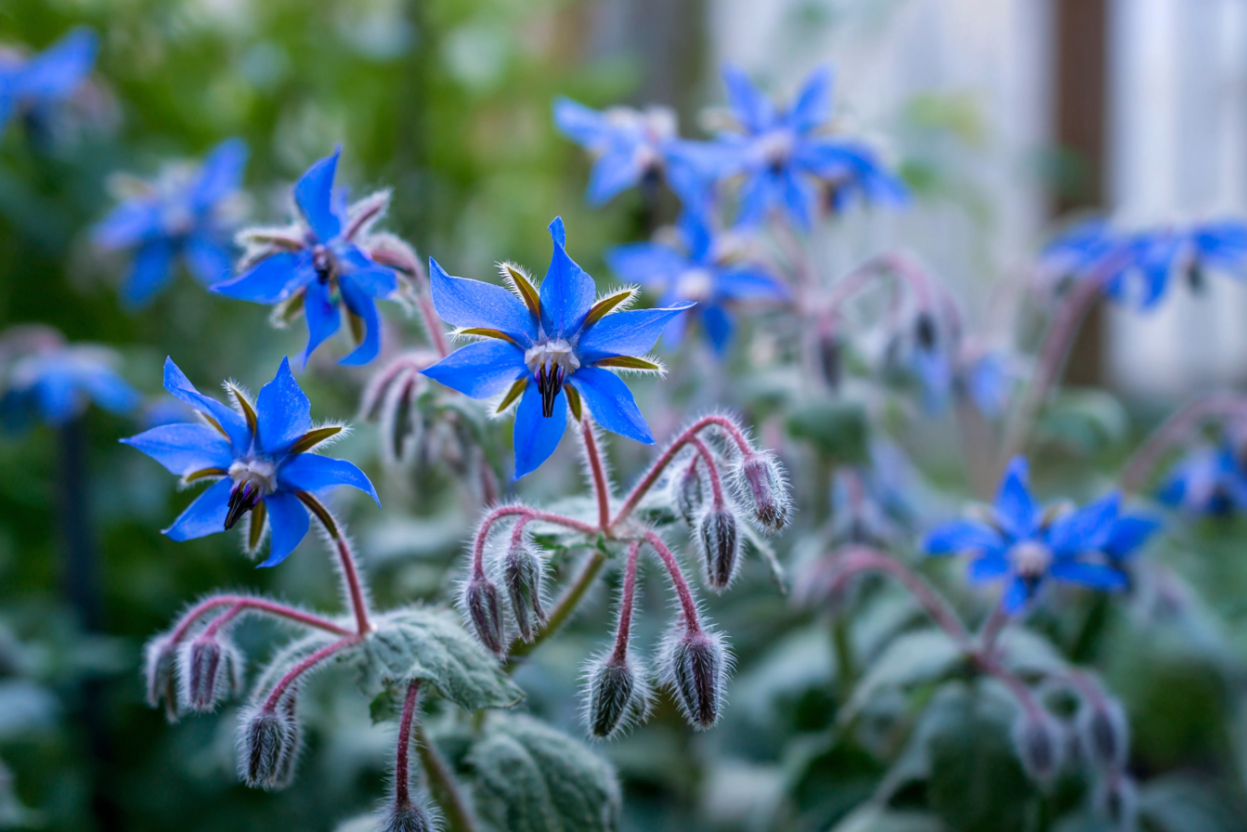
Borage (Borago officinalis) — The Starflower of Courage
If you struggle with inflammation, joint stiffness, stress, or skin that seems to be aging faster than you are — you are not alone. Millions of people deal with these concerns daily, often reaching for solutions that address symptoms rather than root causes. Nature, however, has been quietly providing answers for thousands of years, and one of the most remarkable sits in a humble plant with star-shaped blue flowers that has lifted spirits and soothed bodies since ancient times.
Borage is one of the Creator’s most generous gifts — a plant that offers nourishment, beauty, medicine, and even joy to those who spend time with it. From its seed oil, rich in the rare gamma-linolenic acid, to its brilliant blue flowers that have inspired courage in soldiers and poets alike, borage reveals the depth of design woven into every living thing by the One who made it all.
The Plant
Common Names: Borage, Starflower, Bee Bread, Bee Bush, Bee Plant, Burrage, Common Bugloss, Cool Tankard, Ox’s Tongue
Botanical Name: Borago officinalis L.
Family: Boraginaceae (the forget-me-not family, known for hairy stems and leaves, and coiled flower clusters called scorpioid cymes)
Description
Borage is an annual herbaceous plant that grows quickly and with vigor, reaching 60 to 90 centimeters (2 to 3 feet) in height with a bushy, branching habit. Its stems are hollow, fleshy, and covered in distinctive bristly white hairs — a hallmark of the Boraginaceae family. The leaves are broad, oval-shaped, and dark green with a crinkled, textured surface and coarse veining. They range from 5 to 30 centimeters in length. Young leaves are soft and tender, but as the plant matures, the leaves become larger, tougher, and increasingly covered in stiff, prickly hairs known as trichomes.
The true showpiece of borage is its flower. Each blossom is a five-petaled, perfectly formed star — intensely blue with a dark center cone of prominent stamens. The blue color is genetically dominant, though pink and white varieties also exist. Flowers appear in drooping clusters from early summer until the first fall frost, providing continuous color and a steady supply of nectar. The entire plant, when brushed or crushed, releases a light, fresh scent reminiscent of cucumber.
Origin
Borage is native to the Mediterranean region, with its origins most closely tied to the eastern Mediterranean, the Middle East, and North Africa. Some scholars place its earliest cultivation in Syria or southern Spain and Morocco. Over centuries, it spread throughout Europe — carried by Romans, traded along Mediterranean routes, and cultivated in monastery gardens. Today, borage has naturalized across most of Europe, North Africa, and North America. It grows wild along roadsides, in fields, and in disturbed soils, and it is commercially cultivated primarily as an oilseed crop in parts of Europe and Canada.
Brief History
Humans have cultivated borage for at least two thousand years. The first known written references come from Dioscorides (1st century CE) and Pliny the Elder (23–79 CE), both of whom described a plant called bouglōsson (ox tongue) that brought cheerfulness when added to wine. Pliny called it Euphrosinum — “merriment” — and believed it was the legendary nepenthe described in Homer’s Odyssey, the herb that banished sorrow and brought forgetfulness of grief. Roman soldiers consumed borage mixed with wine before battle, believing it gave them courage. This association with bravery may be the origin of the name itself — possibly from the Celtic borrach (courage), the Latin cor ago (“I stimulate the heart”), or the medieval Latin burra (rough-haired cloak). Medieval Crusaders floated borage flowers in their stirrup cups, and the old English saying “Sow borage, sow courage” persisted for centuries.
Throughout the Middle Ages, borage was a staple of European monastery gardens and was featured in the major herbals of the Renaissance. John Gerard wrote in 1597 that “the syrup made of the flowers of Borage comfort the heart, purge melancholy and quiet the frantic and lunatic person.” Nicholas Culpeper likewise recommended borage for melancholy, and its use as a medicinal and culinary herb continued unbroken through the centuries. Today, borage is commercially cultivated primarily for its seed oil — the richest known plant source of gamma-linolenic acid (GLA).
Growing & Cultivation
Climate & Zones
Borage is remarkably adaptable and can be grown successfully in USDA Hardiness Zones 2 through 11. It tolerates both heat and cool weather but will not survive a hard frost. In temperate climates, it grows as a spring-through-fall annual. In mild climates such as Zones 9 and 10, borage can be planted in fall for blooms throughout winter and spring. It thrives best when temperatures are between 60°F and 75°F (15–24°C). In extremely hot summers (above 90°F), plants may become stressed and benefit from afternoon shade or mulching to keep roots cool.
Soil Requirements
Borage is not fussy about soil. It performs well in sandy, loamy, or even clay soils as long as drainage is adequate. It tolerates a wide pH range of 4.5 to 8.5 but prefers slightly acidic to neutral soil (pH 6.0–7.0). Overly rich, nitrogen-heavy soil may produce lush foliage at the expense of flowers. Adding aged compost to the planting bed before sowing is sufficient — no heavy amendments are needed. Borage also grows well in containers at least 12 inches wide and deep to accommodate its taproot.
Water & Sunlight
Provide regular, even watering until the plant is established, then allow the soil to dry somewhat between waterings. Once established, borage is moderately drought-tolerant. Overwatering or soggy soil invites root rot. If the plant wilts from dryness, it typically bounces back quickly once watered. Plant in full sun for the most vigorous growth and prolific flowering, though borage will tolerate partial shade, especially in hotter climates. Six to eight hours of direct sunlight daily is ideal.
Propagation
Seed (Primary Method): Borage is best grown from direct-sown seed. Sow seeds ¼ to ½ inch deep in the garden after the last frost date, when soil has warmed to at least 60°F (15°C). Seeds germinate in 7 to 14 days. Cover seeds, as darkness aids germination. For an earlier start, seeds can be started indoors 6 to 8 weeks before the last frost in biodegradable pots (borage develops a taproot quickly and resents transplanting). Space plants 18 to 24 inches apart.
Self-Seeding: Borage is a prolific self-seeder. Healthy plants shed numerous black seeds that produce volunteer plants for years. Many gardeners plant borage once and enjoy it perpetually. Self-sown seedlings are easy to thin or transplant when young.
Planting
Sow directly where the plant will grow. Thin seedlings to 18–24 inches apart once they are 6 to 8 inches tall. Pinch back young plants at 6 inches to encourage bushier growth. Borage develops quickly and needs little attention once past the seedling stage. It can become floppy in wind, so interplant with sturdier companions or provide light staking.
Harvesting
Harvest young leaves in spring and early summer before they develop heavy bristly hairs. The most tender leaves are those gathered before flower buds open. Flowers can be snipped individually as soon as they open — they are at peak flavor and beauty on the day they first unfurl. Harvest in the morning after dew has dried for the best flavor and longest vase life. Regular harvesting (especially deadheading spent flowers) prolongs the bloom period considerably. If the plant looks tired in midsummer, prune back by half to encourage fresh, tender growth for a late-season harvest.
Drying & Storage
Borage leaves can be dried by hanging small bundles upside down in a warm, well-ventilated area out of direct sunlight. Dried leaves lose much of their cucumber flavor but retain some medicinal properties. Store dried material in airtight containers away from light and heat. Shelf life is approximately 6 to 12 months. Borage flowers can be frozen in ice cubes for decorative drink additions, or they can be candied for culinary use. Fresh leaves and flowers are best used immediately, as they wilt quickly.
Pest & Disease Management
Borage is wonderfully resistant to most pests and diseases. The main concern is black fly aphids, which can be managed with a simple horticultural soap spray. Powdery mildew may appear if the plant is watered overhead and cannot dry before nightfall — water at the base to prevent this. Grasshoppers are attracted to borage, which actually makes it useful as a trap crop to protect other garden plants. Good air circulation (achieved through proper spacing) prevents most fungal issues.
Companion Planting
Borage is one of the finest companion plants in the garden. It is especially beneficial planted near strawberries, tomatoes, cabbage, and squash. Borage is believed to strengthen the pest and disease resistance of nearby plants, particularly strawberries. Its scent may repel tomato hornworms and cabbage worms. As a prolific nectar producer, it attracts honeybees, bumblebees, parasitic braconid wasps, hoverflies, and lacewings — all of which aid pollination and natural pest control throughout the garden. Plant it near cucumbers and squash to boost pollination. Avoid planting near fennel, which can inhibit nearby plants.
The Healing of Growing
Growing borage offers benefits that extend far beyond the harvest. The act of gardening — hands in soil, time spent outdoors, the quiet rhythm of tending living things — has been shown to reduce cortisol, improve mood, and support immune function. The soil itself contains beneficial bacteria (Mycobacterium vaccae) with documented antidepressant effects. Studies in horticultural therapy demonstrate that simply caring for plants reduces anxiety, improves focus, and provides a sense of accomplishment. When you grow borage, you receive healing before you ever consume it — through the touch of the earth, the blue of the flowers, and the quiet companionship of something alive and growing.
Nutritional Profile
Macronutrients
Per 100 grams of raw borage leaves:
Calories: 21 kcal — Borage is a very low-calorie green, making it an excellent nutrient-dense addition to meals without caloric burden.
Protein: 1.8 g
Carbohydrates: 3.06 g
Fiber: Not separately quantified, but leaves contain notable fiber
Fat: 0.7 g (primarily unsaturated)
Saturated Fat: 0.17 g
Vitamins
Vitamin A: 210 mcg RAE (23% DV) — Essential for vision, immune function, and maintaining healthy skin and mucous membranes. Vitamin A also functions as an antioxidant that helps protect cells from oxidative damage.
Vitamin C: 35 mg (39% DV) — A powerful antioxidant that supports immune function, collagen production for skin and joint health, and protects cells from free radical damage. Borage is notably rich in this vitamin for a leafy green.
Vitamin B1 (Thiamine): 0.06 mg (5% DV) — Supports energy metabolism and nervous system function.
Vitamin B2 (Riboflavin): 0.15 mg (11.5% DV) — Essential for energy production, cellular function, and the metabolism of fats and drugs.
Vitamin B3 (Niacin): 0.9 mg (5.6% DV) — Supports digestive system health, skin health, and nervous system function. Helps convert food into usable energy.
Vitamin B6: 0.084 mg (6.5% DV) — Important for brain development, immune function, and the production of neurotransmitters including serotonin and dopamine.
Folate (B9): 13 mcg (3.25% DV) — Critical for DNA synthesis, cell division, and especially important during pregnancy for fetal development.
Minerals
Iron: 3.3 mg (41% DV) — One of the standout minerals in borage. Iron is essential for oxygen transport in the blood, energy production, and immune function. Borage provides a remarkably high percentage of daily iron needs for a leafy green.
Calcium: 93 mg (9.3% DV) — Supports bone density, muscle contraction, nerve signaling, and heart rhythm.
Magnesium: 52 mg (12.4% DV) — Essential for over 300 enzymatic reactions in the body, including muscle and nerve function, blood sugar regulation, bone health, and sleep quality.
Potassium: 470 mg (10% DV) — Critical for maintaining fluid balance, nerve signaling, and muscle contractions including heartbeat regulation.
Copper: 0.13 mg (14.4% DV) — Supports iron metabolism, connective tissue formation, and antioxidant defense systems.
Manganese: Notable amounts present — Involved in bone formation, blood clotting, and metabolism of amino acids and carbohydrates.
Phytonutrients & Active Compounds
Gamma-Linolenic Acid (GLA): While the leaves contain trace amounts, borage seeds are the richest known plant source of GLA (17–28% of seed oil), a rare omega-6 fatty acid with potent anti-inflammatory properties. The body converts GLA into dihomo-gamma-linolenic acid (DGLA), which produces anti-inflammatory prostaglandins. GLA-rich borage seed oil also contains significant linoleic acid (35–38%), oleic acid (16–20%), and nervonic acid.
Mucilage: Borage contains mucilaginous compounds — soothing, gel-like plant sugars that coat and protect mucous membranes. This makes borage traditionally valued for sore throats, coughs, and digestive comfort.
Tannins: Astringent polyphenolic compounds with antioxidant properties. They support tissue tightening and may provide mild antimicrobial effects.
Flavonoids: Present in the leaves and flowers, these antioxidants help neutralize free radicals and support cardiovascular health.
Pyrrolizidine Alkaloids (PAs): Borage leaves contain small amounts (2–10 ppm in dried herb) of pyrrolizidine alkaloids, including intermedine, lycopsamine, and amabiline. While these are present in low concentrations, they are an important safety consideration discussed in the Safety section below.
Nutrient Notes
Borage stands out among leafy greens for its exceptional iron content — over 40% of the daily value per 100 grams, rivaling spinach. The vitamin C present in borage enhances iron absorption, creating a natural synergistic pairing within the same plant. The B-vitamins in borage support serotonin and dopamine production, and its magnesium content may help regulate cortisol levels, connecting nutrition directly to mood and stress resilience.
Culinary Uses
Edible Parts
Leaves: Young, tender leaves are the primary edible part. They have a mild, refreshing cucumber flavor. As leaves mature, they become tougher and more bristly — cooking eliminates the prickly hairs. Mature leaves may develop a slightly bitter taste.
Flowers: The star-shaped blue flowers are entirely edible with a delicate, honey-like sweetness. They are prized as garnishes, in salads, frozen in ice cubes, or candied for decorating cakes and desserts.
Stems: Young stems are edible when peeled, though they are less commonly used than leaves and flowers.
Flavor Profile
Fresh borage leaves taste remarkably like fresh cucumber — cool, green, and mildly grassy. The flowers are subtly sweet with light honey and floral notes. When cooked, borage leaves become tender and mild, similar to spinach in both texture and flavor. Dried borage retains only a faint echo of its fresh cucumber character. The intensity of flavor is mild to moderate in young plants and increases in bitterness with maturity.
Preparation
Raw: Young leaves can be added directly to salads, sandwiches, or used to flavor water and cocktails. Flowers make stunning additions to salads, desserts, and summer beverages.
Cooked: Mature leaves should be sautéed, steamed, or boiled briefly — cooking removes the prickly hairs and tenderizes the leaves. Borage can be prepared exactly like spinach. In Italy, cooked borage is a traditional filling for ravioli. In Germany, it is one of the seven herbs in the famous Grüne Soße (green sauce) of Frankfurt.
Beverages: Before the invention of ice, borage was central to the English “cool tankard” — a refreshing drink of wine, water, lemon, and sugar infused with borage leaves and flowers. Borage was also an original ingredient in Pimm’s liqueur and remains the traditional garnish for the Pimm’s Cup cocktail.
Preserved: Flowers can be candied with egg white and sugar, frozen into ice cubes, or dried. In Poland, borage leaves are used as a pickling spice.
Culinary Pairings
Borage pairs beautifully with other cucumber-friendly flavors: lemon, dill, mint, yogurt, cream cheese, and fresh salad greens. It complements fish, eggs, and mild cheeses. The flowers brighten fruit salads, lemonade, gin cocktails, and desserts.
Storage
Fresh borage wilts quickly. Store in the refrigerator wrapped in a damp paper towel for 2 to 3 days at most. Flowers are extremely delicate and should be used within a day of picking. For longer storage, freeze flowers in ice cube trays or dry leaves in a well-ventilated area.
Ready to cook with borage? View Recipes on Chefts →
Wellness & Therapeutic Uses
Traditional Uses
Borage has one of the most consistent historical reputations of any herb: it brings courage, lifts the spirits, and comforts the heart. For over two thousand years, cultures across the Mediterranean and Europe have turned to borage for emotional and physical support.
In European herbal medicine since the Middle Ages, borage leaves and flowers were prepared as infusions to induce sweating (diaphoretic), to promote urination (diuretic), and to calm fevers. The herb was valued as a remedy for melancholy and was considered a heart tonic — not just for the physical organ, but for the emotional center of the person. In the European tradition, “heart medicines” were medicines for the spirit, used to comfort those suffering from depression, grief, and confusion. Borage stood alongside lemon balm, motherwort, and lily of the valley as a specific remedy for matters of the heart.
Traditional uses also included treatment of rheumatism, colds, and bronchitis. Infusions were used to support lactation in nursing mothers. The mucilaginous properties of borage made it valued for soothing sore throats, coughs, and irritated digestive tracts. The herb was also used to support adrenal function — a use that has gained renewed interest as modern life places increasing demands on the adrenal system.
Modern Research
Anti-Inflammatory Activity (GLA): The most extensively studied property of borage is the anti-inflammatory effect of its seed oil’s gamma-linolenic acid (GLA) content. Research suggests that GLA is converted in the body to dihomo-gamma-linolenic acid (DGLA), which produces anti-inflammatory prostaglandins (PGE1) and suppresses pro-inflammatory compounds including tumor necrosis factor-alpha (TNF-α). A 24-week randomized, double-blind, placebo-controlled trial of borage seed oil (GLA 1.4 g/day) in 37 individuals with rheumatoid arthritis found clinically important reductions in tender joints (36% reduction) and tenderness scores (45% reduction) compared to placebo (Leventhal et al., 1993). A Cochrane review of herbal therapy for rheumatoid arthritis found moderate evidence that GLA-containing oils, including borage seed oil, provide benefit for pain and disability (Cameron et al., 2011).
Skin Health: A study of 29 healthy elderly participants found that daily borage oil consumption (360–720 mg GLA) for two months significantly improved skin barrier function, reducing transepidermal water loss by 10.8%. Itching decreased from 34% of participants to 0%, and dry skin complaints dropped from 42% to 14% (Brosche & Platt, 2000).
Antioxidant & DNA Protection: Research demonstrated that borage seed oil is non-genotoxic (safe for DNA) and exhibits antimutagenic properties, protecting DNA from oxidative damage. Low doses of borage seed oil increased the health span in Drosophila models, and the oil exhibited cytotoxic activity against leukemia cells in vitro (Tasset-Cuevas et al., 2013).
Respiratory Support: The mucilage content of borage acts as an expectorant. A preliminary double-blind trial found that borage extract improved clinical findings of moderate asthma, though more research is needed. A combination of borage and echium seed oils produced anti-inflammatory effects in people with mild asthma by attenuating leukotriene production (Memorial Sloan Kettering, 2024).
Adrenal Support: Herbalists have traditionally used borage as a restorative tonic for the adrenal cortex, particularly after periods of stress or after exposure to corticosteroid medications. While modern clinical trials specifically on borage and adrenal function are limited, the traditional use is consistent with the understanding that GLA supports hormonal balance and that adrenal tissue has a high requirement for essential fatty acids.
Body Systems Supported
Musculoskeletal System: Research suggests GLA from borage seed oil may support joint comfort and mobility, particularly in conditions involving chronic inflammation.
Integumentary System (Skin): Both the oil and the herb itself have been traditionally and scientifically associated with skin barrier function, moisture retention, and soothing of irritated skin.
Respiratory System: The mucilaginous compounds soothe irritated airways. Traditional use as an expectorant and for coughs is supported by the plant’s chemistry.
Nervous System: The long historical association with mood support (“courage,” “cheerfulness”) is supported by the plant’s nutrient profile and its GLA content, which influences prostaglandin production and may affect neurotransmitter pathways.
Endocrine System: Traditional use as an adrenal tonic. The GLA in borage seed oil may support hormone regulation.
Immune System: The vitamin C, antioxidants, and anti-inflammatory compounds in borage support immune resilience.
Cardiovascular System: An 18-month trial showed that borage seed oil may help correct dyslipidemia — reducing total cholesterol, LDL, and triglycerides while increasing HDL (Zurier et al., 2014).
Body Compounds Affected
Prostaglandins (PGE1): GLA from borage seed oil is converted to DGLA, which produces the anti-inflammatory prostaglandin PGE1. This is the primary mechanism behind its joint and skin benefits.
TNF-alpha (Tumor Necrosis Factor): Research suggests that borage oil may suppress TNF-α by increasing intracellular cAMP levels, helping regulate the inflammatory cascade.
Cortisol: Traditional use as an adrenal tonic suggests a role in cortisol regulation. The magnesium content of the leaves also supports healthy cortisol metabolism.
Serotonin: The B-vitamins (B6, niacin, folate) in borage leaves are cofactors in serotonin synthesis. Memorial Sloan Kettering notes that aerial parts of borage demonstrate affinity for the serotonin transporter.
Cytokines: GLA has been shown to modulate inflammatory cytokine production, including interleukin-1 beta (IL-1β).
Methods of Use
Tea/Infusion
Use 2 grams of dried borage leaves and/or flowers per cup of boiling water. Steep for 10 to 15 minutes. Strain. May be consumed up to 3 times daily. The infusion has a mild, slightly mucilaginous quality. Best for respiratory and digestive support, and for its gentle calming effects.
Borage Seed Oil (Capsule)
Commercially available in softgel capsules. Clinical trials have used doses of 1 to 3 grams per day (providing 240–720 mg of GLA). Seek products certified free of pyrrolizidine alkaloids (PA-free). This is the most well-researched form for joint and skin support.
Fresh Leaves
Young, tender leaves can be eaten raw in salads or cooked like spinach. This provides the full spectrum of nutrients, mucilage, and trace amounts of GLA from leaf tissue.
Poultice/Compress
Fresh, bruised leaves can be applied as a poultice for minor skin irritations, insect bites, or inflammation. Wrap in cloth and apply to the affected area.
This information is for educational purposes only and is not intended to diagnose, treat, cure, or prevent any disease. Always consult with a qualified healthcare provider before making changes to your health regimen.
Cosmetic & Beauty Uses
Skin Benefits
Borage seed oil is one of the most valued botanical oils in skincare, prized for its remarkably high GLA content. GLA is essential for maintaining the skin’s lipid barrier — the protective layer that keeps moisture in and irritants out. Human skin cannot synthesize GLA from linoleic acid on its own, making dietary or topical supplementation especially valuable.
Research has demonstrated that borage seed oil supplementation improves skin barrier function in elderly individuals, reducing transepidermal water loss and alleviating dryness and itching. The oil is particularly suited for dry, mature, sensitive, and inflammation-prone skin. It may provide support for conditions such as eczema, rosacea-associated dryness, and general skin aging. The oil’s anti-inflammatory properties (via GLA conversion to DGLA) make it soothing for irritated skin.
A 2020 study demonstrated that lipase-treated borage oil also inhibits melanogenesis (melanin production), suggesting potential applications for hyperpigmentation and uneven skin tone (Park et al., 2020).
Hair Benefits
The GLA in borage seed oil may support scalp health by reducing inflammation and improving the lipid barrier of the scalp. This can benefit those experiencing dry scalp, dandruff, or thinning hair. Borage seed oil applied topically to the scalp or consumed as a supplement may improve hair shine and elasticity by supporting the fatty acid composition of hair follicle cells. Borage tea used as a final hair rinse after washing adds a subtle shine and may help soothe an irritated scalp.
Application Methods
Borage Seed Oil (Topical): Can be applied directly to skin as a facial oil or mixed into creams and lotions at 5–15% concentration. It absorbs well without heavy greasiness.
Infused Oil: Fresh or dried borage leaves and flowers can be infused in a carrier oil (jojoba, sweet almond, or olive) over 4–6 weeks for a gentler topical preparation.
Face Masks: Mashed fresh borage leaves combined with honey and yogurt create a soothing, hydrating mask for dry or irritated skin.
Toner: Cooled borage tea makes a gentle, anti-inflammatory facial toner. Apply with a cotton pad after cleansing.
Bath Additions: A strong borage tea added to bathwater provides soothing benefits for dry, irritated skin across the whole body.
DIY Formulation Notes
Borage seed oil is relatively stable but is best stored in dark glass bottles in a cool location. It pairs well with carrier oils such as jojoba, rosehip, and argan. Avoid combining with strongly astringent ingredients that could counteract its moisturizing effects. Homemade borage-infused preparations should be used within 2–3 months or stored in the refrigerator.
Borage is among the botanicals being explored for holistic cosmetic applications, where the wisdom of traditional beauty practices meets modern understanding of skin science.
Essential Oil Profile
Borage does not produce a commercially significant essential oil from steam distillation in the way that lavender or peppermint do. The aromatic compounds in borage leaves and flowers are relatively mild and do not yield concentrated essential oil in meaningful quantities.
However, borage seed oil — a fixed (carrier) oil extracted by cold pressing or solvent extraction from the seeds — is the commercially important product. It is not technically an essential oil but rather a fatty acid-rich carrier oil. Borage seed oil is the richest known plant source of gamma-linolenic acid (GLA), containing 17–28% GLA, which is approximately two to three times the GLA content of evening primrose oil.
Extraction
Borage seed oil is obtained primarily through cold pressing of the seeds, though solvent extraction and supercritical CO2 extraction methods are also used. Cold pressing from organic cultivation retains the maximum antioxidant content. The oil yield from seeds is approximately 31–34%.
Key Fatty Acid Constituents
Gamma-Linolenic Acid (GLA, 18:3 n-6): 17–28% — The signature compound. An omega-6 fatty acid with documented anti-inflammatory effects.
Linoleic Acid (LA, 18:2 n-6): 35–38% — Another essential omega-6 fatty acid important for skin health.
Oleic Acid (18:1 n-9): 16–20% — A monounsaturated fatty acid that supports cardiovascular and skin health.
Palmitic Acid: 10–11%
Stearic Acid: 3.5–4.5%
Eicosenoic Acid: 3.5–5.5%
Erucic Acid: 1.5–3.5%
Nervonic Acid: ~1.5% — A fatty acid of interest for neurological health.
δ-Tocopherol: 1,320 mg/kg — A powerful natural antioxidant form of vitamin E.
Quality & Sourcing
When purchasing borage seed oil, look for products that are certified PA-free (pyrrolizidine alkaloid-free). While PAs are found primarily in the leaves and stems, trace amounts can appear in seed oil if not properly processed. Reputable manufacturers test and certify their oils as PA-free. Choose cold-pressed, organic oil stored in dark glass. Check for GC/MS (gas chromatography-mass spectrometry) testing certificates as a quality indicator.
Blending
As a carrier oil, borage seed oil blends well with other carrier oils including evening primrose, rosehip, jojoba, and argan oil. It can be used as a base for essential oil dilutions. It pairs particularly well with anti-inflammatory essential oils such as frankincense, helichrysum, and chamomile.
Aromatherapy & Scent
The Aroma
Fresh Plant Aroma: Living borage has a clean, green, subtly vegetal scent with the hallmark fragrance of fresh cucumber. This scent is released most strongly when the leaves are crushed, bruised, or brushed against. In a garden setting, the aroma is mild — you must be close to the plant or handle it to fully experience the scent. On warm days or after rain, the cucumber-green fragrance intensifies slightly.
Dried Plant Aroma: Dried borage retains only a faint, hay-like scent with traces of its cucumber character. The volatile compounds responsible for the fresh scent dissipate substantially during drying. Dried material holds its subtle aroma for 3–6 months in proper storage.
How Scent Affects Your Body
When you inhale the aroma of fresh borage, volatile molecules enter through the nose and contact olfactory receptors in the nasal cavity. These receptors send signals directly to the limbic system (the brain’s emotional center) and the hypothalamus (which controls hormone release). This pathway bypasses conscious thought — your body responds to scent before you decide how to react. This is why a single whiff of a familiar aroma can instantly shift your mood or trigger a memory.
Emotional & Mood Effects
The fresh, cucumber-like aroma of borage is primarily cooling, calming, and refreshing. It is not a heavily aromatic herb like lavender or rosemary — its scent influence is gentler and more subtle. Those who spend time around the living plant often describe a sense of lightness, freshness, and mild uplift — consistent with its millennia-long reputation as the “herb of gladness.” The green, clean scent profile is associated with relaxation and mental clarity.
Body Compounds Affected
While specific studies on borage aroma and neurotransmitter effects are limited, research on green plant scents generally suggests that cucumber-like and herbaceous aromas may help lower cortisol levels and promote mild increases in serotonin activity. The visual experience of the blue flowers (discussed in Color Therapy below) may amplify these effects when experiencing the living plant.
Ways to Experience the Scent
Because borage does not produce a concentrated essential oil, experiencing its scent means engaging with the whole plant. Grow borage in a window box or near a patio where you brush against it regularly. Crush fresh leaves between your fingers while gardening. Add fresh leaves to a pitcher of cool water — the scent rises with the liquid. Simmer fresh borage leaves gently on the stove with lemon peel for a light, refreshing kitchen aroma. Place fresh sprigs in a small vase on a bedside table. These simple practices connect you to the plant in ways that a bottled product cannot replicate.
Color Therapy
The Colors of Borage
Borage presents a striking palette. Its most notable color is the vivid, intense blue of its star-shaped flowers — a true, deep blue that is surprisingly rare in the plant kingdom. The leaves are dark green with gray-green undertones. Young stems flush with reddish-purple tones. The tiny hairs that cover the plant appear silvery-white. Pink and white flower varieties also exist but are less common than the dominant blue form.
Color Wavelengths
Blue: 450–495 nm. Blue wavelengths are among the shortest in the visible spectrum, carrying higher energy. Blue is associated with the throat and thyroid in color therapy traditions.
Green: 495–570 nm. The balanced center of the visible spectrum. Green is associated with the heart center and represents balance and restoration.
How Blue Affects the Body
Blue light and the color blue have documented physiological effects. Blue is considered cooling, calming, and communication-enhancing. Exposure to blue light has been shown to lower heart rate and blood pressure and may reduce anxiety. In color therapy traditions, blue supports the throat, thyroid function, and honest communication. The fact that borage — an herb historically associated with “speaking courage” — bears blue flowers is a beautiful alignment between tradition and the science of color.
The green of borage’s abundant foliage provides the balancing, heart-centering, nature-connecting qualities associated with green wavelengths. Being around green living things activates the parasympathetic nervous system (“rest and digest”), reduces cortisol, and improves mood — this is the foundation of biophilic design.
Body Compounds Affected
Exposure to blue light has been studied for its effects on melatonin regulation (blue light suppresses melatonin, which is why it promotes alertness). The calming effect of blue environments may be associated with reduced cortisol and adrenaline. Green environments have been shown to increase parasympathetic nervous system activity and may support serotonin balance.
Using Borage for Color Therapy
Place a pot of blooming borage where you will see it regularly — a kitchen window, a desk area, or a front porch. The intense blue flowers provide a daily dose of the cooling, calming blue wavelength. Cut a small bouquet of blue borage flowers and place them where you need calmness — a bedside table, a workspace, or a healing room. Eating the blue flowers (in salads, on desserts, frozen in ice) is a way to literally “eat the color” — incorporating that wavelength into your body. Even simply pausing to gaze at a borage flower for 30 seconds can shift your nervous system toward calm.
Frequency & Vibration
The Frequency of Borage
While specific MHz measurements for borage as a living plant or as an essential oil are not widely documented in the published frequency literature (as borage does not produce a commercially distilled essential oil), its frequency profile can be understood in the context of plant vibration research. Living, flowering plants vibrate at measurable frequencies. According to bio-frequency researchers, a healthy human body operates between 62–78 MHz. Disease processes are associated with lower frequencies, and high-frequency plants are believed to support the body in maintaining its optimal range.
As a vigorously growing, rapidly flowering annual with potent biochemical activity, frequency research proponents would classify borage as a moderate to high frequency plant. The fact that borage has been historically associated with mood elevation and “gladness” — effects that align with higher vibrational states — supports this classification, though specific measurements are not yet published.
Human Frequency Interaction
According to the principle of entrainment, a stronger or more coherent frequency can influence a weaker or less coherent one. Proponents of vibrational medicine suggest that spending time around living, healthy plants may support the body’s own frequency. Growing borage, touching its leaves, consuming its nutrient-rich components, and simply being in its presence may contribute to maintaining the body’s energetic coherence — though this is an area where research is still emerging.
Vibrational Applications
Those interested in frequency-based wellness may consider growing borage in living spaces, combining time with borage plants with other high-frequency practices such as prayer, meditation, or time in nature. The living plant — rooted in soil, photosynthesizing sunlight, and producing vibrant flowers — represents a coherent, vital system that invites the body toward its own coherent state.
The Living Plant
Benefits of Presence
There is something uniquely restorative about having a living borage plant nearby. Its broad, textured leaves, constant cycle of blooming, and the buzz of bees it attracts create a miniature ecosystem that engages multiple senses simultaneously. Research on biophilic design — the human need to be near living things — shows that simply being in the presence of plants reduces stress, improves focus, and promotes emotional well-being. Borage, with its vigorous growth habit and generous flowering, provides an especially dynamic experience.
Air Purification
Borage has not been specifically included in the NASA Clean Air Study. However, like all actively growing, leafy green plants, borage contributes to indoor air quality through oxygen production and carbon dioxide absorption during photosynthesis. Its large leaf surface area contributes to humidity regulation. As an outdoor garden plant, it provides the full spectrum of atmospheric benefits associated with green growing spaces.
Phytoncides
All plants release volatile organic compounds (VOCs) as part of their natural defense systems. These include phytoncides — antimicrobial substances that protect the plant from bacteria, fungi, and insects. Forest bathing research has shown that inhaling phytoncides increases Natural Killer (NK) cell activity in the human immune system. While borage’s specific phytoncide profile has not been extensively studied, the compounds responsible for its cucumber-like scent are part of this volatile defense system, and time spent in a garden rich with borage and other herbs provides exposure to a complex cocktail of beneficial plant volatiles.
Visual & Psychological Benefits
Research consistently demonstrates that patients with views of plants and greenery heal faster, students who can see green from their desks perform better, and workers in offices with plants report lower stress and higher job satisfaction. Borage’s vivid blue flowers add an additional layer — the calming blue color provides visual relief that goes beyond what green foliage alone offers. The plant’s constant blooming cycle (flowers appearing continuously from early summer to fall) ensures weeks of visual engagement.
Growing Indoors vs Outdoors
Borage is best grown outdoors where it has full sun, room to spread, and access to pollinators. However, it can be grown indoors on a sunny windowsill or under grow lights if provided with adequate light (6+ hours of direct or strong indirect light), a deep container (12+ inches), and well-draining soil. Indoor borage will be smaller and may not flower as prolifically, but it still provides the benefits of a living presence and fresh leaves for culinary use. Outdoors, borage offers the full benefits of nature connection — the sound of bees working the flowers, the feel of the breeze, the grounding of feet on earth.
Touch & Physical Interaction
Gardening Therapy
Borage is an ideal plant for horticultural therapy. It is forgiving of imperfect care, grows quickly enough to provide rapid feedback, and the experience of harvesting its beautiful flowers and tasting its cucumber-flavored leaves engages multiple senses in a single activity. The simple act of tending a borage plant — watering it, watching for new blooms, harvesting leaves — creates a rhythm that anchors the practitioner in the present moment.
Soil Contact Benefits
Gardening with borage (especially barefoot in the soil or with bare hands) provides direct contact with the earth. Research on grounding/earthing suggests that electron transfer from the earth through direct skin contact may reduce inflammation and promote a calm nervous system. The soil itself hosts beneficial microorganisms including Mycobacterium vaccae, a soil bacterium that has been shown in research to stimulate serotonin production and exhibit antidepressant-like effects. Every time you dig, plant, or weed around your borage, your skin meets a community of microorganisms that your immune system has evolved to interact with.
The Tactile Experience
Borage offers a uniquely textured tactile experience. The leaves are covered in distinctive bristly hairs — stiff, white trichomes that feel fuzzy-rough to the touch in young plants and genuinely prickly in mature ones. The stems are thick, hollow, and slightly succulent. The flowers themselves are surprisingly delicate and silky, contrasting dramatically with the hairy foliage. Harvesting borage is a mindful experience — you must pay attention to which leaves are young and tender, which flowers are freshly opened, and where to place your hands to avoid the prickliest parts. This required attentiveness makes harvesting borage an inherently meditative activity.
Harvesting & Processing
The rhythm of harvesting borage — snipping tender young leaves, plucking individual star-shaped flowers, cutting stems for bouquets — engages both hands and mind. Processing borage (washing leaves, separating flowers for candying or freezing, chopping for cooking) is repetitive in a soothing way that allows the mind to rest. Bundling borage for drying, stripping leaves from stems, and preparing infusions are small, tangible acts that connect you to the seasons and to the plant itself.
Water-Based Applications
Teas & Infusions
Standard Infusion: Use 2 grams (approximately 1–2 teaspoons) of dried borage leaves and/or flowers per cup (8 oz) of boiling water. Steep for 10–15 minutes, covered, to retain volatile compounds. Strain and drink. May be consumed up to 3 times daily.
Fresh Leaf Infusion: Use a small handful of fresh young leaves per cup. Pour boiling water over leaves, steep 10 minutes. The resulting tea has a mild, slightly mucilaginous quality with a faint cucumber note.
Cold Infusion: For a refreshing summer drink, place fresh borage leaves and flowers in a pitcher of cool water and refrigerate for 4–8 hours. This gently extracts the cucumber flavor without the heat that can bring out bitterness.
Borage tea has been traditionally used to promote sweating during fevers, to support adrenal function, to soothe sore throats and coughs, and to promote mild relaxation.
Herbal Baths
Prepare a strong borage infusion (4–6 tablespoons of dried herb steeped in a quart of boiling water for 20 minutes, strained) and add to a warm bath. The mucilaginous compounds soothe dry, irritated skin, while the mild aromatics promote relaxation. A borage bath may be especially comforting during seasonal dry skin or after sun exposure. For a foot bath, use half the amount in a basin of warm water. Soak for 20–30 minutes.
Compresses
Warm Compress: Soak a clean cloth in warm borage tea and apply to areas of minor inflammation, stiffness, or muscle tension. Re-soak and reapply for 15–20 minutes. The mucilage soothes while the warmth promotes circulation.
Cool Compress: Chill borage tea and apply with a cloth to minor skin irritations, insect bites, or tired eyes. The cooling effect, combined with the anti-inflammatory properties, provides gentle relief.
Steam Inhalation
Add a generous handful of fresh borage leaves (or 2 tablespoons of dried) to a bowl of just-boiled water. Drape a towel over your head and the bowl. Breathe deeply through the nose for 5–10 minutes. The steam carries the mucilaginous and mildly volatile compounds into the nasal passages and airways, providing soothing support during congestion, coughs, or seasonal respiratory discomfort. Exercise caution with very hot steam to avoid burns.
Hair Rinses
A strong borage tea, cooled to lukewarm, makes a gentle hair rinse. Pour over freshly washed hair as a final rinse (do not rinse out). This may help soothe an itchy scalp, add subtle shine, and support scalp health. The mineral content of the infusion (particularly iron and silica) may contribute to hair strength over time with regular use.
Historical, Cultural & Biblical Significance
Biblical References
Borage is not directly mentioned by name in Scripture. However, the plant originates from the same eastern Mediterranean and Middle Eastern region where biblical events unfolded. Plants of the Boraginaceae family were known in the biblical world, and the broader category of “herbs of the field” (Genesis 3:18) certainly encompassed the wildflowers and useful herbs of the region. Borage may have been among the plants growing in ancient Hebrew gardens and fields, though no specific biblical text names it. What is certain is that the Creator who designed every plant — including this one — placed it in a region central to the biblical narrative.
Ancient Civilizations
Greek & Roman: The earliest written references to borage appear in Dioscorides’ De Materia Medica (1st century CE), where a plant called bouglōsson (“ox tongue”) is described as bringing cheerfulness when mixed with wine. Pliny the Elder called it Euphrosinum — “merriment” — and connected it to the legendary nepenthe of Homer’s Odyssey, the herb that banished sorrow. Galen (2nd century CE) repeated these claims. Roman soldiers reportedly consumed borage with wine before battle to promote courage. The Romans brought borage to Britain, where it became firmly established in culinary and herbal tradition.
Medieval Europe: During the Middle Ages, borage was cultivated extensively in monastery gardens — those remarkable centers of plant preservation where monks and nuns kept herbal knowledge alive through centuries of upheaval. The 11th-century School of Salerno declared that borage “warms the heart and brings good cheer.” The great herbalists of the Renaissance — Gerard (1597), Parkinson, and Culpeper — all recommended borage for melancholy and as a heart tonic. In European traditional medicine, “heart medicines” were understood as medicines for the spirit, and borage was a primary remedy in this category.
Before the age of refrigeration, borage was central to the English “cool tankard” or “claret cup” — a refreshing beverage of wine, water, lemon, sugar, and borage leaves and flowers. This tradition speaks to the plant’s accessibility and the pleasure it brought to daily life.
Eastern Traditions
Middle Eastern Medicine: The name “borage” may derive from the Arabic abu araq or abu buraq, meaning “father of sweat,” reflecting its traditional use as a diaphoretic (sweat-inducing herb) in Arabic medicine. In traditional Middle Eastern healing practices, borage was used to reduce fevers, support kidney function, and promote overall vitality.
Traditional Chinese Medicine: While borage itself is not a traditional TCM herb, the Boraginaceae family is well-represented in Chinese herbal medicine. The principles by which borage works — clearing heat, promoting fluid movement, supporting the adrenal system — align with TCM concepts of clearing damp-heat and nourishing yin.
Indigenous Knowledge
Borage is not native to the Americas, so it does not appear in pre-Columbian indigenous traditions. However, after European colonization introduced borage to North America, it was adopted into folk medicine traditions. Its self-seeding nature and adaptability allowed it to naturalize across much of the continent. Early American settlers valued it as a potherb, bee plant, and general tonic.
European Heritage
In European folk tradition, borage was so consistently linked to courage that Crusaders embroidered borage flowers on their scarves and women reportedly slipped borage into the drinks of men they hoped would find the courage to propose marriage. The Latin motto attributed to borage — “Ego borago gaudia semper ago” (“I, borage, bring always courage”) — encapsulates centuries of cultural affection for this plant. Charles Dickens included borage in a punch recipe alongside brandy, sherry, and cider, continuing the tradition of borage as a companion to convivial gatherings.
Borage was an original ingredient in Pimm’s liqueur and remains the traditional garnish for the iconic Pimm’s Cup cocktail to this day.
Cultural Symbolism
In the language of flowers (floriography), borage represents courage and emotional fortitude. In Victorian flower language, it suggested bluntness or directness — the boldness that comes when fear is set aside. Across cultures, the plant has been associated with gladness, bravery, and the lifting of spirits. These are not magical attributions — they are the accumulated observations of generations who found that being around this plant, consuming it, and growing it genuinely made people feel better.
These cultures observed that borage brought joy and courage. They documented this use across centuries and continents. While they may not have known the Creator by name, they were observing His design — and their observations align with what modern research confirms about borage’s influence on inflammation, essential fatty acid metabolism, and mood-related body chemistry.
Safety & Precautions
Contraindications
Borage should be used with caution or avoided entirely by individuals with liver disease or impaired liver function, due to the pyrrolizidine alkaloid (PA) content in the leaves and stems. The seed oil, when properly processed and certified PA-free, does not carry this same risk. Individuals scheduled for surgery should discontinue borage seed oil at least two weeks prior, as GLA may influence blood clotting.
Drug Interactions
Blood Thinners (Anticoagulants/Antiplatelets): Borage seed oil’s GLA content may have mild blood-thinning effects. Use caution if taking warfarin, heparin, aspirin, or other anticoagulant medications.
NSAIDs (Non-Steroidal Anti-Inflammatory Drugs): Research suggests that NSAID use may counteract the beneficial prostaglandin pathway activated by GLA, potentially reducing borage oil’s effectiveness.
Anticonvulsant Medications: A case report described seizures progressing to status epilepticus in a woman consuming 1,500–3,000 mg/day of borage oil. Those with seizure disorders or taking anticonvulsant medications should exercise caution.
Hepatotoxic Medications: Avoid combining borage leaf preparations (which contain PAs) with other substances that may stress the liver.
Blood Pressure Medications: Borage may lower blood pressure; caution is warranted in individuals already on antihypertensive medications.
Pregnancy & Nursing
Pregnancy: AVOID. Borage is not recommended during pregnancy. Research suggests that the prostaglandin E pathway activated by GLA may have teratogenic and labor-inducing effects. Additionally, pyrrolizidine alkaloids in the leaves pose a risk to the developing fetus.
Nursing: CAUTION. While borage has traditionally been used to promote lactation, the presence of pyrrolizidine alkaloids in the leaf makes internal use of the leaf ill-advised during breastfeeding. PA-free borage seed oil may be safer, but consultation with a qualified healthcare provider is essential.
Children
Internal use of borage leaf preparations is not recommended for infants or young children. Borage has been reported as the likely cause of several cases of methemoglobinemia in infants in Europe. If borage seed oil is considered for children (e.g., for eczema), doses should be reduced (clinical studies have used 1–2 g/day in children) and only PA-free certified oil should be used, under professional guidance.
Elderly
Elderly individuals may benefit from borage seed oil for skin and joint support, as demonstrated in clinical studies. However, as with all supplements, lower starting doses are prudent. Monitor for any interactions with existing medications, particularly blood thinners, blood pressure medications, and liver-related drugs.
Pets
Dogs: TOXIC. According to the ASPCA, borage (Borago officinalis) is toxic to dogs. The tannins and mucilage may cause vomiting, diarrhea, and dermatitis. Keep borage plants out of reach of dogs or fence garden areas appropriately.
Cats: TOXIC. Borage is listed as toxic to cats by the ASPCA, with the same clinical signs: vomiting, diarrhea, and dermatitis.
Horses: TOXIC. The ASPCA lists borage as toxic to horses.
If you suspect your pet has ingested borage, contact your veterinarian or the ASPCA Animal Poison Control Center at (888) 426-4435 immediately.
Allergies & Sensitivities
Individuals allergic to other members of the Boraginaceae family (comfrey, forget-me-not) may have cross-reactivity. The bristly hairs on borage leaves and stems can cause contact dermatitis (skin irritation) in some individuals — gloves are recommended when handling mature plants. Always perform a patch test before applying borage seed oil topically, especially on sensitive skin.
Dosing Guidelines
Borage Seed Oil (Capsules): Clinical trials have used 1–3 g/day in adults (providing 240–720 mg GLA). The German Federal Ministry of Health recommends no more than 10 mcg of unsaturated pyrrolizidine alkaloids per day (some sources recommend no more than 1 mcg/day). Use only PA-free certified products.
Borage Tea: 2 g dried herb per cup, up to 3 times daily, for short-term use. Internal use of borage leaf is not recommended for extended periods (beyond a few weeks) due to pyrrolizidine alkaloid content.
Fresh Leaves: Occasional culinary use of young, tender leaves is generally considered safe. The PA content in fresh leaves is low (2–10 ppm), and no adverse case reports have been attributed to food-level consumption of borage leaves.
Quality & Sourcing
The primary safety concern with borage is the pyrrolizidine alkaloid content. For seed oil, always purchase products certified PA-free by third-party testing. For whole herb use, source from reputable suppliers who test for PA levels. Organic cultivation is preferred to minimize pesticide exposure. Store all borage products away from light and heat.
Signs of Adverse Reaction
Mild: Bloating, nausea, indigestion, headache, soft stools, belching.
Serious (seek medical attention): Skin rash or hives, jaundice (yellowing of skin/eyes — may indicate liver stress), seizures or unusual neurological symptoms, difficulty breathing or swelling (allergic reaction).
Discontinue use immediately if any adverse reaction occurs.
Disclaimer
This information is for educational purposes only. It is not intended to diagnose, treat, cure, or prevent any disease. Always consult with a qualified healthcare provider before using any herbal product, especially if you are pregnant, nursing, taking medications, or have a medical condition. If you experience any adverse reaction, discontinue use immediately and seek medical attention.
Want Personalized Guidance?
Every body is unique. What works for one person may not be right for another. If you’d like personalized support in incorporating borage into your wellness journey, consider working with a qualified practitioner who can assess your individual needs.
Sources & References
Peer-Reviewed Studies
- The chemical composition, botanical characteristic and biological activities of Borago officinalis: a review – Asian Pacific Journal of Tropical Medicine, 2014, Iran
- Protective effect of borage seed oil and gamma linolenic acid on DNA: in vivo and in vitro studies – PLoS ONE, 2013, Spain
- Effect of borage oil consumption on fatty acid metabolism, transepidermal water loss and skin parameters in elderly people – Archives of Dermatological Research, 2000, Germany
- Treatment of rheumatoid arthritis with marine and botanical oils: an 18-month, randomized, and double-blind trial – Evidence-Based Complementary and Alternative Medicine, 2014, USA
- Herbal therapy for treating rheumatoid arthritis (Cochrane Review) – Cochrane Database of Systematic Reviews, 2011, International
- Treatment of rheumatoid arthritis with gammalinolenic acid – Annals of Internal Medicine, 1993, USA
- Borage oil reduction of rheumatoid arthritis activity may be mediated by increased cAMP that suppresses tumor necrosis factor-alpha – International Immunopharmacology, 2001, USA
- Borage oil in the treatment of atopic dermatitis – Nutrition, 2010, New Zealand
- Borage oil treated with immobilized lipase inhibits melanogenesis – Food & Function, 2020, Republic of Korea
- A combination of borage seed oil and quercetin reduces fat accumulation and improves insulin sensitivity in obese rats – Nutrients, 2020, Spain
- Evaluation of borage genotypes for nutraceutical value based on leaves fatty acids composition – Plants, 2021, Spain
- Health-promoting properties of borage seed oil fractionated by supercritical carbon dioxide extraction – Foods, 2021, Spain
Institutional Sources
- Borage Monograph – Memorial Sloan Kettering Cancer Center Integrative Medicine, 2024
- Borage Uses, Benefits & Dosage – Drugs.com (medically reviewed), 2026
- Borage — Toxic and Non-toxic Plants – ASPCA Animal Poison Control
- Borago officinalis L. Plant Profile – USDA Natural Resources Conservation Service
Traditional Medicine & Historical Sources
- Herbs in History: Borage – American Herbal Products Association
- Borage Monograph – HerbRally
- Ancient and Modern Uses of Plants in the Getty Villa Herb Garden – Getty Museum, 2020
- Borage – Wikipedia (general reference)