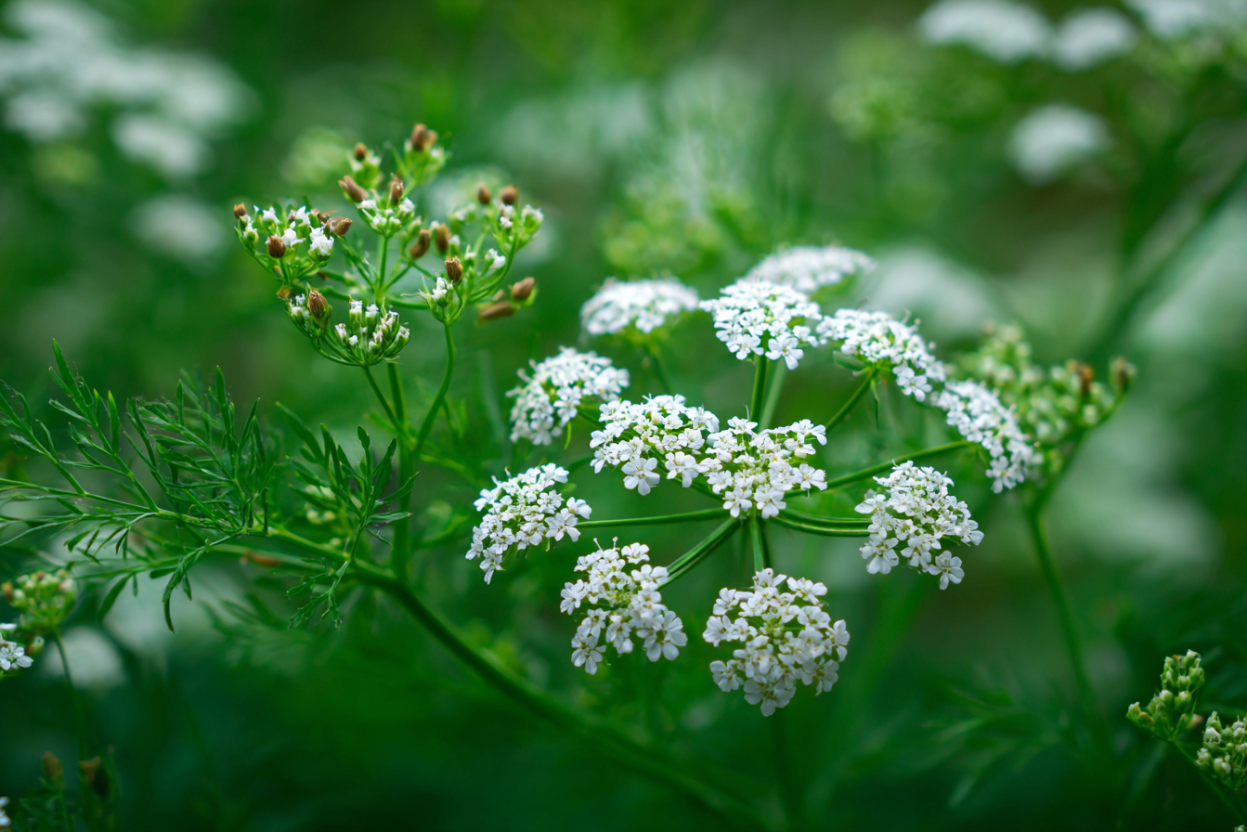
Caraway (Carum carvi)
If you have ever struggled with bloating after a meal, digestive discomfort that lingers for hours, or the frustrating cycle of weight that refuses to budge, you are far from alone. Millions of people wrestle with these challenges daily, and many are beginning to discover that the support they need may have been growing quietly in fields across Europe and Asia for thousands of years.
Caraway is one of those remarkable gifts embedded into creation for our benefit. A small, crescent-shaped fruit with an aroma that has graced kitchens and apothecaries for over five millennia, it speaks to a Creator who designed each plant with intention and purpose, knowing exactly what the human body would need.
This information is for educational purposes only and is not intended to diagnose, treat, cure, or prevent any disease. Always consult with a qualified healthcare provider before making changes to your health regimen.
The Plant
Common Names: Caraway, Meridian Fennel, Persian Cumin, Wild Cumin
Botanical Name: Carum carvi L.
Family: Apiaceae (Umbelliferae) — the carrot and parsley family, known for aromatic seeds, compound umbel flower clusters, and hollow stems
Description
Caraway is a biennial herbaceous plant, meaning it completes its life cycle over two years. In its first year, it produces a low rosette of finely divided, feathery leaves that resemble those of its close relatives — carrots, dill, and fennel. The leaves are bright green, thread-like in their divisions, and grow on stems reaching 20 to 30 centimeters (8 to 12 inches) tall.
In the second year, the plant sends up a main flowering stem that reaches 30 to 60 centimeters (12 to 24 inches) in height. Small white or pale pink flowers appear in compound umbels composed of five to sixteen unequal rays, each 1 to 6 centimeters long. These delicate flower clusters give way to the plant’s most prized feature: the crescent-shaped, brown fruits commonly called “seeds.” Each fruit is about 4 to 6 millimeters long, ridged with five pale stripes running lengthwise, and splits into two single-seeded halves when mature.
The plant grows from a slender, pale taproot that is itself edible, resembling a small parsnip. When any part of the plant is bruised or crushed, it releases a warm, slightly sweet aroma with hints of anise and citrus — a signature scent that has made caraway unmistakable for millennia.
Origin
Caraway is native to western Asia, Europe, and North Africa. Archaeological evidence suggests humans have cultivated and used this plant for at least 5,000 years, with seeds discovered in Neolithic-era settlements and ancient Egyptian tombs. From its origins, caraway spread along ancient trade routes throughout the Mediterranean, into Northern and Eastern Europe, and eventually to every inhabited continent.
Today, caraway grows wild across much of Europe and temperate Asia. It is commercially cultivated primarily in the Netherlands, Germany, Poland, Egypt, Canada, and Scandinavia. The plant has naturalized in parts of North America, particularly in the northern United States and southern Canada, where it can be found growing along roadsides and in meadows.
Brief History
Caraway’s history runs deep in human civilization. Seeds have been found in archaeological sites dating back to the third millennium BC. The ancient Egyptians valued caraway as both a food preservative and a digestive aid. Greek physician Dioscorides documented its use in the first century AD. Roman soldiers carried caraway as part of their provisions.
Throughout medieval Europe, caraway became a staple of monastery gardens, where monks carefully cultivated it for both culinary and medicinal purposes. The great Persian physician Ibn Sina (Avicenna) recommended caraway for weight management in the eleventh century — a recommendation that modern clinical research has begun to confirm. By the Renaissance, caraway had become one of the most widely used spices in European cooking, particularly in Germanic, Scandinavian, and Eastern European cuisines, where it remains beloved today.
Growing & Cultivation
Climate & Zones
Caraway thrives in USDA Hardiness Zones 3 through 8, making it an excellent choice for gardeners across a wide range of climates. It is a cool-season plant that performs best in regions with mild summers and cold winters. In warmer zones (8 and above), caraway can be grown as a fall-planted crop that overwinters and flowers in spring before the heat of summer arrives. Indoor growing is possible with sufficient light, though the plant’s taproot prefers the depth of garden soil.
Soil Requirements
Caraway prefers well-drained, loamy to sandy soil with a pH between 6.5 and 7.5 (slightly acidic to neutral). Heavy clay soils should be amended with compost and sand to improve drainage, as the taproot will rot in waterlogged conditions. The soil should be moderately fertile — overly rich soil tends to produce lush foliage at the expense of seed production. For container growing, use a deep pot (at least 12 inches) with a well-draining potting mix.
Water & Sunlight
Caraway needs full sun to partial shade, with at least six hours of direct sunlight daily for optimal growth and seed production. In hot climates, afternoon shade helps prevent bolting and stress. Water needs are moderate — keep soil consistently moist but never waterlogged during the first growing season. Once established, caraway is fairly drought-tolerant. Overwatering is more dangerous than underwatering; watch for yellowing lower leaves as a sign of too much moisture.
Propagation
Seed (primary method): Sow caraway seeds directly in the garden in early spring (after last frost) or in early fall. Seeds should be planted 1/4 inch deep, spaced about 8 to 12 inches apart, in rows 12 to 18 inches apart. Germination takes 10 to 14 days at soil temperatures of 55°F to 70°F (13°C to 21°C). Caraway does not transplant well due to its long taproot, so direct sowing is strongly preferred. If starting indoors, use deep biodegradable pots that can be planted directly into the soil to avoid disturbing the root.
Self-seeding: Caraway readily self-seeds if allowed to drop mature fruits. Many gardeners establish a self-sustaining patch by simply letting some plants complete their cycle each year.
Planting
The best time to plant caraway is in early spring or early fall. Fall planting in zones 6 and warmer allows the plant to establish roots before winter and produce seeds the following summer, effectively shortening the wait. Space plants 8 to 12 inches apart. Caraway makes an excellent companion plant for peas, beans, and strawberries. Avoid planting near fennel, as the two can cross-pollinate and produce off-flavor seeds.
Harvesting
Caraway seeds are harvested in the second year, typically in midsummer when the flower heads have dried and turned brown. Harvest on a dry morning after the dew has evaporated. Clip the seed heads when most have turned brown but before they shatter and scatter. Bundle stems and hang them upside down inside paper bags in a warm, well-ventilated area. As the fruits dry, they fall into the bag. Shake or rub the dried heads gently to release remaining seeds. The young leaves can be harvested in the first year for culinary use, and the taproot can be dug in late fall of the first year.
Drying & Storage
After harvesting, spread seeds on a screen or tray in a dry, well-ventilated area away from direct sunlight. Allow 7 to 10 days for complete drying. Seeds are ready for storage when they snap cleanly rather than bending. Store whole seeds in airtight glass containers in a cool, dark place. Properly stored, whole caraway seeds retain their flavor and potency for up to two years. Ground caraway loses volatile oils rapidly — grind only what you need, as ground seeds lose up to 70% of their aromatic compounds within two weeks.
Pest & Disease Management
Caraway is relatively pest-resistant. The most common issues include carrot fly (the plant is in the carrot family), aphids, and occasionally parsley worm (swallowtail butterfly larvae). Organic management includes row covers to prevent carrot fly, companion planting with alliums (onions, garlic) to deter pests, and hand-picking caterpillars. Diseases to watch for include powdery mildew and root rot — both largely preventable through proper spacing for air circulation and avoiding overwatering. Remove spent plant material after harvest to reduce overwintering fungal spores.
Companion Planting
Caraway grows well alongside peas, beans, strawberries, and most brassicas (cabbage, broccoli). Its flowers attract beneficial insects including parasitic wasps, lacewings, and hoverflies that help control garden pests. Avoid planting near fennel or dill, as cross-pollination can occur. Caraway’s deep taproot helps break up compacted soil, benefiting neighboring shallow-rooted plants.
The Healing of Growing
Growing caraway offers benefits beyond the harvest itself. The act of gardening — hands in soil, bare feet on earth, time spent outdoors — has been shown to reduce cortisol, improve mood, and support immune function. The soil contains beneficial bacteria (Mycobacterium vaccae) with documented antidepressant effects. Research published in Neuroscience demonstrated that contact with this soil bacterium activates serotonin-producing neurons in the brain. When you grow your own caraway, you receive healing before you ever consume it.
Nutritional Profile
Macronutrients
Per 100 grams of caraway seeds (USDA FoodData Central): Calories: 333 kcal. Protein: 19.8g. Carbohydrates: 49.9g. Dietary Fiber: 38g (100% DV — an exceptionally high source). Sugars: 0.6g. Total Fat: 14.6g (predominantly healthy unsaturated fats including oleic, linoleic, and petroselinic acids). Saturated Fat: 0.6g. Water: 10.5%.
Caraway is remarkably nutrient-dense for a spice. While typical culinary servings are small (1-2 teaspoons, or about 4-7 grams), even these modest amounts contribute meaningful nutrition, especially fiber and minerals.
Vitamins
Vitamin C: 21mg (25% DV) — Supports immune function, collagen production, and acts as a powerful antioxidant that protects cells from oxidative damage. Also enhances the absorption of non-heme iron from plant sources.
Thiamin (B1): 0.38mg (32% DV) — Essential for energy metabolism and nerve function. Helps convert carbohydrates into usable energy and supports proper cardiac function.
Riboflavin (B2): 0.38mg (29% DV) — Plays a critical role in energy production, cellular function, and the metabolism of fats, drugs, and steroids.
Niacin (B3): 3.6mg (24% DV) — Supports digestive health, skin health, and nerve function. Helps the body convert food into energy and plays a role in DNA repair.
Pyridoxine (B6): 0.36mg (21% DV) — Critical for brain development and function, helps the body make serotonin and norepinephrine (mood-regulating neurotransmitters), and supports melatonin production for healthy sleep.
Vitamin A: 18µg (2% DV) — Supports vision, immune function, and cell growth. Present primarily as carotenoid precursors including beta-carotene, lutein, and zeaxanthin.
Vitamin E: 2.5mg (17% DV) — A fat-soluble antioxidant that protects cell membranes from free radical damage and supports immune function.
Minerals
Iron: 16.2mg (90% DV) — Essential for red blood cell formation and oxygen transport throughout the body. Caraway is one of the richest plant-based sources of iron among common spices.
Calcium: 689mg (53% DV) — Critical for bone health, muscle contraction, nerve transmission, and blood clotting. Caraway provides more calcium per weight than many dairy products.
Magnesium: 258mg (61% DV) — Essential for over 300 enzymatic reactions, supports muscle and nerve function, blood sugar regulation, bone health, and energy production.
Phosphorus: 568mg (81% DV) — Works with calcium to build strong bones and teeth. Also essential for energy production and cell repair.
Potassium: 1,351mg (29% DV) — Vital for heart rhythm, muscle contractions, fluid balance, and blood pressure regulation.
Zinc: 5.5mg (50% DV) — Supports immune function, wound healing, protein synthesis, and DNA synthesis. Also important for taste and smell perception.
Manganese: 1.3mg (57% DV) — Supports bone formation, blood clotting, metabolism, and acts as a cofactor for the antioxidant enzyme superoxide dismutase.
Copper: 0.91mg (101% DV) — Essential for iron metabolism, red blood cell formation, and connective tissue health. Supports energy production and nervous system function.
Selenium: 12.1µg (22% DV) — A powerful antioxidant mineral that supports thyroid function and immune health.
Phytonutrients & Active Compounds
Carvone — The primary active compound in caraway (50-80% of essential oil content). A monoterpenoid ketone with documented carminative, antispasmodic, and antioxidant properties. Research suggests carvone may support digestive function by relaxing smooth muscle tissue in the gastrointestinal tract.
Limonene — The second most abundant compound (20-35% of essential oil). A monoterpene with antioxidant and anti-inflammatory properties. Studies indicate limonene may support healthy immune function and has been investigated for its potential role in supporting cellular health.
Flavonoid Antioxidants: Caraway contains lutein, beta-carotene, cryptoxanthin, and zeaxanthin. These carotenoid compounds protect cells from oxidative damage, support eye health, and may help reduce the risk of age-related conditions.
Polyphenols: Including quercetin and kaempferol derivatives that contribute to caraway’s anti-inflammatory and antioxidant capacity.
Additional volatile compounds: Alpha-pinene, carveol, thujone, furfural, cymene, gamma-terpinene, and linalool — each contributing to caraway’s complex therapeutic profile.
Nutrient Notes
The iron in caraway is non-heme (plant-based) and is best absorbed when consumed with vitamin C — conveniently, caraway contains its own vitamin C. The calcium is well-absorbed compared to many plant sources. For maximum nutritional benefit, lightly toasting or crushing caraway seeds before use releases volatile compounds and may improve the bioavailability of certain minerals. The extraordinarily high fiber content (38g per 100g) makes caraway one of the most fiber-dense foods available, though typical serving sizes are small.
Connection to Body Compounds
The B-vitamins in caraway — particularly B6 and niacin — are essential cofactors in the production of serotonin and dopamine, neurotransmitters that regulate mood, sleep, and emotional well-being. The high magnesium content may help regulate cortisol (the stress hormone) and supports GABA activity, promoting calm and relaxation. Iron supports healthy oxygen transport, which directly impacts energy levels and cognitive function.
Culinary Uses
Edible Parts
Nearly every part of the caraway plant is edible. The fruits (seeds) are the most widely used, prized for their warm, complex flavor. The young leaves can be used similarly to parsley — chopped fresh into salads, soups, and stews. The taproot is edible and was historically consumed as a winter root vegetable, similar to a small parsnip, with a mild, sweet flavor when cooked.
Flavor Profile
Caraway has a bold, warm, and slightly sweet taste with distinctive notes of anise, licorice, fennel, and citrus, finishing with a mild peppery warmth. The aroma is earthy and aromatic, intensifying when seeds are toasted or crushed. Fresh leaves taste milder, with a delicate parsley-like herbaceousness. When cooked, the flavor mellows and integrates deeply into surrounding ingredients. Dried seeds are more concentrated than fresh — a little goes a long way. Intensity is strong; caraway is assertive and recognizable even in small quantities.
Preparation
Whole seeds can be used raw or toasted. Toasting in a dry skillet for 1-2 minutes over medium heat intensifies flavor and releases aromatic oils. Seeds can be ground using a spice grinder or mortar and pestle. Fresh leaves require only washing and chopping. The root should be scrubbed, peeled, and can be roasted, boiled, or added to stews. For infusions, lightly crush seeds before steeping to release volatile oils.
Culinary Pairings
Caraway pairs beautifully with pork, beef, duck, and sausage (proteins); cabbage, sauerkraut, potatoes, beets, onions, and carrots (vegetables); rye, whole wheat, and pumpernickel (breads and grains); cumin, coriander, garlic, paprika, and thyme (other spices); butter, cream, and sharp cheeses like Havarti and Gouda; and apples, pears, and citrus in baked goods.
Storage
Fresh caraway leaves should be stored in the refrigerator wrapped in a damp paper towel (lasts 5-7 days). Whole dried seeds keep for up to two years in an airtight container in a cool, dark place. Ground caraway should be refrigerated and used within six months, as it loses volatile oils quickly. The root stores like a parsnip — in a cool cellar or refrigerator for several weeks.
Ready to cook with caraway? View Recipes on Chefts →
Wellness & Therapeutic Uses
Traditional Uses
Caraway has one of the longest documented histories of therapeutic use among all spice plants. Ancient Egyptian healers used caraway as a digestive aid and food preservative. Greek physician Dioscorides (first century AD) recommended it for digestive complaints and to support nursing mothers. Roman physicians including Pliny and Galen documented its carminative and stomachic properties.
In Traditional Chinese Medicine (TCM), caraway has been used to warm the middle burner, promote the flow of qi, and address digestive stagnation, bloating, and poor appetite. Ayurvedic medicine classifies caraway as warming and pungent, used to support digestive fire (agni), reduce ama (toxins), and promote healthy lactation.
The great Persian physician Avicenna (Ibn Sina, 980-1037 AD) recommended caraway for weight management in his monumental work The Canon of Medicine — a recommendation now supported by modern clinical trials. Throughout European folk medicine, caraway tea was the go-to remedy for infant colic, gas, bloating, indigestion, and to promote milk production in nursing mothers. German Commission E approved caraway for the treatment of dyspeptic problems including mild gastrointestinal spasms, bloating, and fullness.
Modern Research
Digestive Support: Caraway’s carminative and antispasmodic properties are its most well-documented benefits. A combination of caraway oil and peppermint oil has been studied in multiple clinical trials for functional dyspepsia (chronic indigestion), showing significant improvement in symptoms including pain, bloating, fullness, and nausea. The European Medicines Agency has recognized caraway for traditional use in digestive complaints. Caraway’s antispasmodic activity has been demonstrated in laboratory studies, where caraway extract significantly relaxed intestinal smooth muscle cells in a dose-dependent manner (in vitro study, Phytomedicine, 2010, Iran).
Weight Management Support: A randomized, triple-blind, placebo-controlled clinical trial involving 70 overweight and obese women found that 30 mL/day of caraway aqueous extract, combined with exercise and no dietary changes, produced significant reductions in weight, BMI, body fat percentage, and waist-to-hip ratio compared to placebo over 90 days, with no clinical side effects (human clinical trial, n=70, Evidence-Based Complementary and Alternative Medicine, 2013, Malaysia). A follow-up study from the same research group confirmed caraway’s appetite-suppressing effects using visual analog scale and ad libitum food intake assessment (Phytotherapy Research, 2016, Malaysia).
Anti-inflammatory Properties: In an animal model of inflammatory bowel disease (IBD), both caraway extract and essential oil reduced colon tissue inflammation as effectively as standard steroid medication (prednisolone). Both oral and intraperitoneal administration showed comparable efficacy, and even lower doses proved effective (animal study, Research in Pharmaceutical Sciences, 2014, Iran).
Antimicrobial Activity: Caraway essential oil has demonstrated significant inhibitory effects against methicillin-resistant Staphylococcus aureus (MRSA), affecting both planktonic bacteria and biofilm formation. The primary antimicrobial compounds identified are carvone and limonene (in vitro study, Molecules, 2023, China).
Antioxidant Activity: Caraway contains diverse antioxidant compounds including flavonoids, phenolic compounds, carvone, and limonene. Research has shown these compounds effectively scavenge free radicals and reduce lipid peroxidation, which may support cellular health and healthy aging (multiple in vitro studies).
Blood Sugar Support: Animal studies have shown that oral administration of caraway caused significant decreases in blood glucose levels and improved lipid profiles in diabetic rats (animal study, Saudi Medical Journal, 2011, Iran). Caraway essential oil also showed alpha-glucosidase inhibitory activity comparable to the standard drug acarbose when combined with coriander oil (in vitro study, Molecules, 2021, Tunisia).
Colon Health Support: Dietary supplementation of caraway at 60 mg/kg showed a modulatory role on tissue lipid peroxidation and improved antioxidant profiles in an animal model of colon carcinogenesis, preventing histopathological lesions (animal study, Journal of Pharmacy and Pharmacology, 2006, India).
Body Systems Supported
Caraway’s wide-ranging compounds may support multiple body systems: Digestive system (carminative, antispasmodic, antiulcerogenic properties); Immune system (immunomodulatory and antimicrobial activity); Nervous system (calming, stress-relieving properties of aroma compounds); Cardiovascular system (antioxidant support, potential lipid profile benefits); Respiratory system (traditional use as expectorant and decongestant); Endocrine system (potential blood sugar regulation, galactagogue properties); Urinary system (traditional diuretic use); and Integumentary system (antimicrobial and anti-inflammatory benefits for skin).
Body Compounds Affected
Research and traditional use suggest caraway may influence several body compounds. The B-vitamins (B6, niacin) in caraway are essential cofactors for serotonin and dopamine production. The high magnesium content supports GABA activity and may help regulate cortisol. The antispasmodic effects suggest interaction with acetylcholine pathways (demonstrated in laboratory studies). Anti-inflammatory compounds may modulate prostaglandins and pro-inflammatory cytokines (including TNF-alpha and IL-6). The limonene component has been shown to interact with the body’s antioxidant systems, potentially influencing nitric oxide pathways.
Methods of Use
Tea/Infusion
Use 1 to 2 teaspoons of lightly crushed caraway seeds per cup of hot water (just off boiling, approximately 200°F/93°C). Steep covered for 10 to 15 minutes. Strain and drink. May be consumed 2-3 times daily, typically after meals. Traditionally used for digestive comfort, bloating, and gas. This is one of the oldest and most gentle ways to use caraway.
Tincture
Caraway tinctures are prepared by macerating crushed seeds in alcohol (typically 40-60% ethanol) for 2-4 weeks. Typical dosage range is 1-4 mL, taken 2-3 times daily before or after meals. Tinctures offer a more concentrated preparation than tea.
Culinary Integration
The simplest way to incorporate caraway into your wellness routine is through regular culinary use. Adding caraway to breads, soups, stews, and vegetable dishes provides a gentle, daily dose of its beneficial compounds. One-half to one tablespoon (1 to 6.7 grams) of whole caraway divided into three daily doses has been suggested as safe and effective in some research.
Topical Application
Caraway oil diluted in a carrier oil (2-3%) may be applied to the abdomen in gentle circular massage for digestive discomfort. This traditional method is recognized in European herbal medicine practices.
Cosmetic & Beauty Uses
Skin Benefits
Caraway offers several properties of interest for skin health. Its antimicrobial compounds (carvone and limonene) may support clearer skin by discouraging the proliferation of bacteria associated with breakouts. Its antioxidant content (vitamin E, flavonoids, carotenoids) helps protect skin cells from oxidative stress and environmental damage. The anti-inflammatory properties may help soothe redness and irritation. Traditional use includes topical application for scabies and skin infections, where caraway oil was combined with thyme oil or castor oil. Caraway may benefit oily, combination, and acne-prone skin types most, though its antioxidant properties are relevant for mature skin as well.
Hair Benefits
Caraway tea or infused oil can be used as a scalp rinse to promote scalp health through its antimicrobial and anti-inflammatory action. The mineral content — particularly iron, zinc, and copper — supports healthy hair growth when consumed regularly. Traditional use includes caraway oil massage for the scalp to promote circulation and address dandruff.
Application Methods
For skincare, caraway can be used as an infused oil (steep crushed seeds in jojoba or sweet almond oil for 2-4 weeks), added to facial steams, or incorporated into DIY face masks with honey and yogurt. For hair, a strong caraway tea can serve as a final rinse after shampooing. The essential oil (properly diluted to 1-2%) can be added to existing creams, lotions, or carrier oils.
DIY Formulation Notes
When formulating with caraway, use essential oil at no more than 1-2% concentration in facial products and 2-3% in body products. Caraway oil blends well with carrier oils such as jojoba, sweet almond, and rosehip seed oil. Avoid combining with other strong essential oils in high concentrations. Homemade infused oils should be stored in dark glass containers and used within 3-6 months. Always perform a patch test before using any new topical preparation.
Caraway is among the botanicals being explored for holistic cosmetic applications, where the wisdom of traditional beauty practices meets modern understanding of skin science.
Essential Oil Profile
Extraction
Caraway essential oil is extracted primarily through steam distillation of the ripe dried fruits (seeds). The yield ranges from approximately 3% to 7% depending on the cultivar, growing conditions, and extraction method. This means roughly 14 to 33 pounds of seeds are needed to produce one pound of essential oil. Steam distillation produces the highest-quality oil with the most complete chemical profile. Hydro-distillation and microwave-assisted methods are also used commercially.
Chemical Constituents
Carvone (50-80%): A monoterpenoid ketone — the dominant compound responsible for caraway’s characteristic aroma. Documented carminative, antispasmodic, antioxidant, decongestant, and antimicrobial properties.
Limonene (20-35%): A monoterpene with antioxidant, anti-inflammatory, and mood-elevating properties. Also contributes to the oil’s citrus-like undertone. Has been researched for its potential role in supporting cellular health.
Minor constituents: Carveol, alpha-pinene, beta-pinene, gamma-terpinene, linalool, thujone, p-cymene, carvacrol, camphene, myrcene, and beta-caryophyllene. Beta-caryophyllene is a sesquiterpene that interacts with the body’s endocannabinoid system (CB2 receptors), potentially offering anti-inflammatory and calming effects.
Aroma Profile
Caraway essential oil is classified as a middle note in aromatherapy blending. The scent is warm, slightly sweet, spicy, and herbaceous with a distinctive anise-like undertone and citrus brightness. Intensity is moderate to strong. The aroma evolves from a sharp, fresh opening to a warmer, more rounded finish as it dries. It blends well with lavender, chamomile, coriander, ginger, orange, frankincense, and cardamom.
Therapeutic Properties
Using compliant language, caraway essential oil is recognized for properties including: carminative (may support gas and bloating relief), antispasmodic (may help relax smooth muscle), antimicrobial (may support the body’s defense against unwanted microorganisms), anti-inflammatory (may help manage inflammatory responses), expectorant (may support respiratory clearance), calming (may promote relaxation and reduce stress), and diuretic (may promote healthy fluid balance).
How to Use
Diffusion
Add 3-5 drops of caraway essential oil to an ultrasonic or nebulizing diffuser. Diffuse for 30-60 minutes at a time. The warm, grounding aroma promotes calm and may support digestive comfort when inhaled. Blends beautifully with 2-3 drops of lavender for relaxation or 2-3 drops of orange for an uplifting effect.
Topical Application
Always dilute caraway essential oil before applying to skin. Standard adult dilution is 2-3% (approximately 12-18 drops per ounce of carrier oil). For sensitive skin, use 1% (6 drops per ounce). For children over 6, use 0.5-1%. For elderly individuals, use 1%. Excellent carrier oil options include jojoba, sweet almond, and fractionated coconut oil. Apply to the abdomen in gentle clockwise massage for digestive support, or to temples and wrists for aromatic benefit.
Quality & Sourcing
When purchasing caraway essential oil, look for: 100% pure, therapeutic-grade oil with the botanical name Carum carvi listed on the label. Request or verify GC/MS (Gas Chromatography/Mass Spectrometry) testing results showing carvone content between 50-80% and limonene between 20-35%. Source from reputable suppliers who provide batch-specific testing. Primary production regions include Egypt, the Netherlands, Germany, and Poland. Be cautious of unusually inexpensive oils, which may be adulterated with synthetic carvone or limonene.
Blending
Caraway essential oil blends well with: Lavender (relaxation, skin support), Peppermint (digestive support — this combination is clinically studied for dyspepsia), Chamomile (calming, digestive support), Ginger (warming, digestive support), Sweet Orange (uplifting, digestive support), Frankincense (grounding, skin support), and Cardamom (digestive support, warming). For a digestive support blend, combine 3 drops caraway, 3 drops peppermint, and 2 drops ginger in 1 ounce of carrier oil.
Aromatherapy & Scent
The Aroma
The living caraway plant emits a subtle, warm fragrance when its feathery leaves are brushed or crushed between the fingers — a gentle herbaceous scent with sweet undertones. The flowers carry a mild, honey-like sweetness. However, it is the ripe fruits that release caraway’s full aromatic power: a rich, warm, slightly sweet fragrance with distinct notes of anise, citrus peel, and pepper. The scent is strongest when seeds are freshly crushed, during warm afternoons when volatile oils are most active, and after rain when moisture releases trapped aromatic molecules from the plant’s surfaces.
When dried, caraway seeds retain their aroma remarkably well — whole seeds stored properly maintain their characteristic scent for up to two years. The dried aroma is more concentrated and spicy compared to the fresh plant. Ground caraway releases an intense burst of fragrance but loses its aromatic potency quickly, which is why whole seeds are preferred for both culinary and aromatic use.
How Scent Affects Your Body
When you inhale the aroma of caraway, volatile molecules — primarily carvone and limonene — travel through the nose and contact olfactory receptors in the upper nasal cavity. These receptors send electrical signals directly to the limbic system (the brain’s emotional processing center) and the hypothalamus (the master hormone regulator). This pathway bypasses the conscious, analytical brain entirely. Your body begins responding to the scent before you even decide how you feel about it. This is why certain aromas can instantly shift your mood, trigger memories, or produce physical relaxation — the response happens at a speed and depth that conscious thought cannot match.
Emotional & Mood Effects
The warm, grounding aroma of caraway is generally associated with feelings of comfort, stability, and calm. Users and aromatherapists report that caraway’s scent may promote: a sense of grounding and centering (particularly during periods of stress or emotional upheaval), gentle calming without drowsiness, mental clarity and improved focus, a comforting “home” sensation — likely connected to its long cultural association with hearth and bread, and digestive ease through the gut-brain aromatic pathway.
Body Compounds Affected
While specific clinical trials on caraway aroma and neurotransmitter levels are limited, the general aromatherapy research is supportive. Limonene — a major component of caraway’s scent — has been studied for its effects on mood and stress. Research suggests that limonene inhalation may influence serotonin and dopamine levels in the brain, contributing to its mood-elevating properties. The calming effect of caraway’s aroma may be related to a reduction in cortisol activity, as documented in broader essential oil inhalation research. The beta-caryophyllene component interacts with the endocannabinoid system (CB2 receptors), which may contribute to the calming sensation.
Ways to Experience the Scent
Beyond essential oil diffusion, there are many ways to enjoy caraway’s aroma: grow the plant on a sunny windowsill or in your garden and brush the leaves as you pass; keep a small dish of whole seeds on your desk and crush a few between your fingers when you need a grounding moment; simmer whole seeds in water on the stove for a gentle room fragrance; add a handful of seeds to a warm bath; place dried seeds in a muslin sachet for your pillow, closet, or drawer; add crushed seeds to homemade potpourri blends; or simply enjoy the aroma while cooking — baking caraway rye bread fills a home with one of the most comforting scents known to European kitchens.
Color Therapy
The Colors of Caraway
Caraway presents a gentle palette drawn from the green and white spectrum. The leaves are a fresh, bright green — the color of vitality and new growth. The delicate flowers are white to pale pink, appearing in soft umbel clusters. The mature fruits (seeds) are a warm brown with lighter tan ridges. The root is pale cream to white. During its first year of growth, the rosette of feathery green foliage provides a soothing visual presence in any garden or windowsill.
Color Wavelengths
The dominant color of the growing caraway plant is green, which falls in the 495 to 570 nm range of the visible light spectrum. White flowers reflect the full visible spectrum (all wavelengths combined). These are among the most calming and balancing colors in the light therapy framework.
How Green Affects the Body
Green light — the dominant wavelength reflected by caraway’s foliage — occupies the center of the visible spectrum and is associated with balance, harmony, and restoration. In color therapy, green is considered the color of the heart center and is linked to feelings of calm, connection with nature, and emotional equilibrium. Research in environmental psychology consistently shows that exposure to green environments reduces physiological markers of stress, lowers blood pressure, and improves mood. White — reflected by caraway’s flowers — is associated with purification, clarity, and full-spectrum benefit.
Body Compounds Affected
Exposure to green environments and green light wavelengths has been associated with reduced cortisol levels, improved parasympathetic nervous system activity (rest-and-digest mode), and enhanced serotonin-related mood states. Studies on hospital patients with views of greenery showed faster recovery times compared to those without plant views.
Using Caraway for Color Therapy
Place a potted caraway plant on your desk, kitchen windowsill, or in a room where you spend significant time — the feathery green foliage provides continuous gentle visual therapy. In the garden, caraway’s bright green rosettes offer a calming visual anchor among other plants. When caraway flowers in its second year, the white umbels add a sense of lightness and clarity to the visual landscape. Even the brown seeds, when displayed in a glass jar, bring a warm, grounding earth tone into your living space. If caraway is part of your diet, you are also “eating the color” — consuming the pigment compounds (chlorophyll, carotenoids) that contribute to the plant’s color.
Frequency & Vibration
The Frequency of Caraway
While specific MHz frequency measurements for caraway are not as widely documented as some other plants, the essential oil — like all essential oils — vibrates at a measurable molecular frequency. According to bio-frequency research pioneered by Bruce Tainio using a calibrated frequency monitor (BT3), essential oils generally range from 52 MHz to 320 MHz. For reference, a healthy human body typically registers between 62 and 78 MHz. Disease onset has been associated with frequency drops below 58 MHz.
Caraway essential oil, being rich in monoterpenes (limonene) and monoterpenoid ketones (carvone), is expected to vibrate in the moderate-to-high frequency range among essential oils. Proponents of vibrational medicine suggest that exposure to higher-frequency substances may support the body’s own frequency, though this remains an area where research is still developing.
Human Frequency Interaction
The principle of entrainment suggests that when two vibrating systems interact, the stronger or more coherent frequency tends to influence the weaker one toward synchronization. According to bio-frequency research, surrounding yourself with high-frequency substances — including essential oils and living plants — may support the body in maintaining its optimal frequency range. Living plants in your home or garden are themselves vibrating biological systems, and their presence may contribute to the overall energetic environment of a space.
Essential Oil Frequency
The concentrated essential oil of caraway contains the highest vibrational energy of any form of the plant, as the distillation process concentrates the volatile aromatic compounds. While specific MHz readings for caraway oil vary by source, frequency measurements suggest that therapeutic-grade essential oils consistently measure higher than dried herbs, fresh herbs, or whole foods.
Vibrational Applications
To use caraway for frequency support, consider diffusing the essential oil during meditation or prayer. Keeping a living caraway plant in your home contributes to the overall vibrational environment. Consuming caraway tea or adding seeds to your food brings the plant’s frequency into your body directly. Combining caraway with other high-frequency practices — such as prayer, time in nature, gratitude, and quality nutrition — may create a synergistic effect on overall wellbeing.
The Living Plant
Benefits of Presence
Simply being near a living caraway plant provides benefits that go beyond any extract, tea, or oil. Research on biophilic design — the human need for connection with living systems — demonstrates that having plants in your environment reduces stress hormones, improves mood, enhances concentration, and even supports immune function. Caraway’s feathery, bright green foliage provides a particularly soft, pleasing visual texture that promotes calm and restores attention — a principle known as Attention Restoration Theory.
Air Purification
While caraway has not been specifically included in the NASA Clean Air Study, all green plants contribute to indoor air quality through photosynthesis — absorbing carbon dioxide and releasing oxygen. The aromatic compounds released by caraway (particularly from the leaves when touched or brushed) may also contribute antimicrobial volatile compounds to the surrounding air, similar to the phytoncides documented in forest bathing research. Living plants also help regulate indoor humidity through transpiration, which can support respiratory comfort.
Phytoncides
Caraway, like many aromatic plants in the Apiaceae family, releases volatile organic compounds into the surrounding air. These natural antimicrobial substances — known as phytoncides — have been studied extensively in the context of forest bathing (shinrin-yoku). Research from Japan has shown that exposure to plant-released phytoncides increases the activity and number of Natural Killer (NK) cells — a critical component of the body’s immune defense. While caraway is a small herb rather than a forest tree, growing it indoors places you in regular proximity to its aromatic emissions, providing a scaled-down version of this natural immune support.
Visual & Psychological Benefits
Research consistently demonstrates that environments containing plants improve human wellbeing. Studies in healthcare settings have shown that patients with views of plants recover faster, require less pain medication, and report higher satisfaction. Workplace studies show that the presence of indoor plants improves productivity, reduces absenteeism, and lowers stress. Growing caraway in your kitchen, windowsill, or garden gives you a daily connection to a living green system — a small but meaningful act of biophilic design in your personal space.
Growing Indoors vs Outdoors
Caraway can be grown indoors with some attention to its needs. Provide at least six hours of bright direct light (a south-facing window is ideal, or supplement with a grow light). Use a deep container (12+ inches) to accommodate the taproot. Keep soil moist but not waterlogged. Indoor caraway may not flower or produce seeds as readily as outdoor plants, but it will provide fresh foliage for culinary use and the visual and aromatic presence benefits. Outdoors, caraway thrives in garden beds, herb spirals, and even naturalized meadow settings, where it attracts beneficial pollinators and predatory insects.
Touch & Physical Interaction
Gardening Therapy
Working with caraway in the garden engages the body in meaningful, grounding activity. Horticultural therapy — the use of gardening as a therapeutic tool — is an established practice with documented benefits for mental health, physical rehabilitation, and cognitive function. The rhythmic tasks of sowing, tending, weeding, and harvesting caraway create a moving meditation that anchors the mind in the present moment and connects the body to the cycles of nature.
Soil Contact Benefits
When you garden with bare hands (and ideally bare feet), you make direct contact with the earth — an act with measurable physiological benefits. Grounding (earthing) research suggests that direct contact with the earth’s surface allows the transfer of free electrons into the body, which may reduce inflammation and support autonomic nervous system balance. Additionally, soil contains Mycobacterium vaccae, a beneficial bacterium that research has shown to activate serotonin-producing neurons in the brain, producing effects comparable to antidepressant medication. The simple act of putting your hands in the soil while planting caraway seeds offers immune and mood benefits before the first leaf ever emerges.
The Tactile Experience
Caraway offers a rich tactile experience. The leaves are delicate, soft, and feathery — almost fern-like to the touch, providing a gentle sensory experience. The stems are smooth and slightly ridged. Running your fingers through a growing caraway plant releases its aromatic oils and creates a multi-sensory moment of connection. Harvesting the dried seed heads is satisfying — the papery umbels crumble easily in the hand, releasing the small, crescent-shaped seeds. Rolling the seeds between your fingers reveals their ridged texture and releases an immediate burst of warm, spicy fragrance.
Harvesting & Processing
The harvest process itself is therapeutic. Clipping the seed heads, bundling the stems, hanging them to dry, and then gently rubbing the seeds free is a meditative, repetitive activity that encourages mindfulness. Cleaning and sorting the seeds — removing chaff and debris — is a quiet, focused task that calms the mind. Crushing seeds in a mortar and pestle for cooking or tea engages the hands, the nose, and the sense of accomplishment that comes from processing something you grew yourself. Each step is an opportunity to slow down, be present, and connect with the ancient rhythm of harvest.
Water-Based Applications
Teas & Infusions
Caraway tea is one of the most traditional and gentle ways to enjoy this plant’s benefits. Use 1 to 2 teaspoons of lightly crushed whole seeds per cup of water. Bring water to a near-boil (200°F/93°C) and pour over the seeds. Cover and steep for 10 to 15 minutes — covering is important to prevent the volatile oils from escaping with the steam. Strain and drink warm. May be consumed 2-3 times daily, traditionally taken after meals for digestive support. Cold infusion (steeping in cool water for several hours or overnight in the refrigerator) produces a milder, slightly different flavor profile and is refreshing in warm weather.
Herbal Baths
A caraway bath can be prepared by making a strong infusion (4-6 tablespoons of seeds steeped in one quart of boiling water for 20 minutes), straining, and adding the liquid to a warm bath. The warm water helps open pores and allows the aromatic compounds to be both absorbed through the skin and inhaled through steam. Soak for 15-20 minutes. This is traditionally used for muscle relaxation, digestive discomfort, and general relaxation. A caraway foot soak (using 2-3 tablespoons of seeds per basin) offers a less intensive alternative with similar aromatic benefits.
Hydrosols
Caraway hydrosol (also called floral water or hydrolat) is the aromatic water produced during steam distillation of the seeds. It contains water-soluble aromatic compounds at a much gentler concentration than the essential oil. Caraway hydrosol can be used as a facial toner for oily or blemish-prone skin, as a room spray for gentle aromatherapy, or added to bath water. It is considerably gentler than the essential oil and generally does not require dilution for topical use, though a patch test is always recommended.
Compresses
A warm caraway compress can be prepared by soaking a clean cloth in a strong caraway infusion (warm, not hot). Wring slightly and apply to the abdomen for digestive discomfort, or to sore muscles and joints for relief. The combination of warmth and aromatic compounds may support relaxation of smooth muscle tissue. Apply for 15-20 minutes. Repeat as needed. A cold caraway compress can be used for headaches or areas of inflammation — prepare the infusion, chill, and apply to the affected area.
Steam Inhalation
Add 1 tablespoon of crushed caraway seeds (or 2-3 drops of essential oil) to a bowl of steaming hot water. Drape a towel over your head and the bowl, close your eyes, and breathe deeply through your nose for 5 to 10 minutes. This method is traditionally used for respiratory congestion, sinus discomfort, and to promote mental clarity. The caraway vapors carry antimicrobial and anti-inflammatory compounds directly to the respiratory passages. Caution: keep your face at least 12 inches from the water surface to avoid steam burns.
Hair Rinses
A caraway hair rinse can be prepared by steeping 2-3 tablespoons of seeds in 2 cups of boiling water for 20 minutes, straining, and allowing to cool. After shampooing and conditioning, pour the rinse through your hair as a final step (do not rinse out). This may support scalp health through caraway’s antimicrobial properties, add subtle shine, and promote a healthy scalp environment. The rinse can be used 1-2 times per week.
Historical, Cultural & Biblical Significance
Biblical References
Caraway appears in Scripture through the Hebrew word ketsah, translated as “fitches” in the King James Version. In Isaiah 28:25-27, the prophet uses agricultural imagery — including caraway — to illustrate God’s wisdom and the care He takes with each of His children:
“When he hath made plain the face thereof, doth he not cast abroad the fitches, and scatter the cummin, and cast in the principal wheat and the appointed barley and the rie in their place?” (Isaiah 28:25, KJV)
“For the fitches are not threshed with a threshing instrument, neither is a cart wheel turned about upon the cummin; but the fitches are beaten out with a staff, and the cummin with a rod.” (Isaiah 28:27, KJV)
The passage teaches a profound truth: God uses different methods for different purposes. Just as the farmer knows that delicate caraway seeds cannot be threshed with a heavy sledge (which would destroy them), but must be gently beaten with a staff, so God knows exactly what each person needs and tailors His approach accordingly. The small, humble caraway seed is used to illustrate divine wisdom and gentle precision.
Ancient Civilizations
Caraway seeds have been found in archaeological sites dating to the Neolithic period (approximately 3000 BC). In ancient Egypt, caraway was used as both a food preservative and a digestive remedy, with seeds discovered in tomb sites. The Ebers Papyrus (circa 1550 BC) — one of the oldest preserved medical documents — references aromatic seeds of the carrot family used for digestive complaints.
Greek physicians held caraway in high regard. Dioscorides, the father of pharmacognosy, documented caraway’s digestive properties in his foundational work De Materia Medica (first century AD). Galen and Pliny the Elder also wrote about its carminative and stomachic qualities. Roman soldiers reportedly carried caraway among their provisions for its preservative properties and digestive support during long campaigns.
Eastern Traditions
In Traditional Chinese Medicine, caraway fruits have been used to warm the digestive system, dispel cold, relieve pain, and address conditions of qi stagnation in the middle burner. Chinese practitioners observed that caraway supported those with weak digestive fire and poor appetite — observations that align with what modern research confirms about caraway’s antispasmodic and carminative properties.
Ayurvedic medicine classifies caraway as pungent and warming, useful for balancing Kapha and Vata constitutions. It has been used for centuries in the Indian subcontinent to promote digestive fire (agni), reduce bloating and flatulence, and support lactation in nursing mothers. The eleventh-century Persian physician Avicenna (Ibn Sina) prominently featured caraway in his Canon of Medicine, recommending it for weight management and digestive health — prescriptions that modern clinical trials have validated.
Indigenous Knowledge
Native American tribes in regions where caraway naturalized adopted it as a digestive remedy and food flavoring. In Africa, caraway and its relatives in the Apiaceae family have been used in traditional healing systems across North Africa and the Horn of Africa for digestive complaints, respiratory conditions, and as galactagogues. While these cultures may not have known the Creator by name, they were observing His design — and their observations align with what modern research confirms about caraway’s properties.
European Heritage
Caraway became deeply embedded in European culture from the medieval period onward. Monastery gardens throughout Europe cultivated caraway for both culinary and medicinal purposes, and monastic herbals carefully documented its uses. During the Renaissance, herbalists Nicholas Culpeper and John Gerard included caraway in their influential writings. Culpeper noted caraway’s ability to “helpeth digestion” and “easeth the pains of the stomach.”
In Germanic and Scandinavian traditions, caraway became inseparable from daily food culture — rye bread, sauerkraut, cheese, and liqueurs like Kümmel and akvavit all feature caraway prominently. In Eastern Europe, it became central to Hungarian goulash and Polish cuisine. This deep cultural integration meant that Europeans were consuming caraway medicinally through their daily food — receiving its digestive, anti-inflammatory, and antimicrobial benefits with every meal, often without consciously thinking of it as medicine.
Cultural Symbolism
Across European cultures, caraway came to symbolize protection, fidelity, and domestic comfort. Caraway was traditionally added to bread given to travelers for protection on their journey. In many European wedding traditions, caraway seed cake was served — symbolizing warmth, nourishment, and the hope for a happy home. The plant’s association with hearth, home, and wholesome food made it a symbol of domestic stability and care.
Safety & Precautions
Contraindications
Caraway is generally considered safe when used in normal culinary amounts. However, concentrated forms (essential oil, high-dose extracts) should be used with caution. Individuals with liver or gallbladder disease should avoid caraway in therapeutic doses, as some evidence suggests it may inhibit gallbladder emptying. Those with known allergies to plants in the Apiaceae (carrot/parsley) family — including celery, fennel, dill, or anise — may experience cross-reactive allergic responses to caraway.
Drug Interactions
Caraway may interact with: Blood sugar medications — caraway has demonstrated blood glucose-lowering effects in animal studies, so individuals on diabetes medications should monitor blood sugar closely. Iron supplements and iron-containing medications — the high iron content of caraway may compound effects. Lithium — caraway’s diuretic properties may affect lithium excretion. CYP450 enzyme substrates — caraway extracts have shown effects on cytochrome P450 1A1 gene expression, which could theoretically affect the metabolism of medications processed through this pathway. Always consult your healthcare provider if you take any prescription medications before using caraway in therapeutic (concentrated) doses.
Pregnancy & Nursing
Caraway in normal culinary amounts is generally considered safe during pregnancy and breastfeeding. However, concentrated forms (essential oil, high-dose extracts, therapeutic supplements) are not recommended during pregnancy due to insufficient safety data and caraway’s traditional classification as an emmenagogue (may stimulate menstrual flow). Caraway has been traditionally used as a galactagogue (milk production promoter), but nursing mothers should consult their healthcare provider before using concentrated caraway preparations.
Children
Caraway in culinary amounts is safe for children. Mild caraway tea (half the adult concentration) has been used traditionally for infant colic, though this should be discussed with a pediatrician. Caraway essential oil is not recommended for children under 6 years in any form, and for children 6-12, it should only be used at reduced dilutions (0.5-1%) under adult supervision. The European Medicines Agency notes insufficient data on caraway oil use in individuals under 18 for therapeutic applications.
Elderly
Caraway is generally well-tolerated by older adults. However, because caraway may have mild diuretic effects and potential interactions with blood sugar and blood pressure medications — which are commonly used by elderly populations — lower doses and careful monitoring are advisable. Start with half the standard dose of any concentrated preparation and increase gradually.
Pets
Dogs: TOXIC — According to the ASPCA, caraway is toxic to dogs. The oils carvone and limonene can cause mild vomiting and diarrhea. Keep caraway seeds, essential oil, and concentrated preparations away from dogs.
Cats: TOXIC — According to the ASPCA, caraway is toxic to cats. Cats are particularly sensitive to essential oils. Keep all caraway preparations, especially essential oil, away from cats.
Horses: TOXIC — According to the ASPCA, caraway is toxic to horses. The toxic principles are the oils carvone and limonene.
If you suspect your pet has ingested caraway (especially essential oil or large amounts of seeds), contact your veterinarian or the ASPCA Animal Poison Control Center at (888) 426-4435 immediately.
Allergies & Sensitivities
Individuals with allergies to the Apiaceae family (carrots, celery, fennel, dill, parsley, anise, coriander) may experience cross-reactive allergic responses to caraway, ranging from mild oral allergy symptoms to more serious reactions. Approximately 15% of people may detect a soapy or off-putting note in caraway (similar to cilantro aversion), which appears to be genetically influenced. Caraway essential oil may cause skin sensitization in some individuals — always perform a patch test 24 hours before first topical use. Apply a diluted drop to the inner forearm, cover with a bandage, and check for any redness, itching, or irritation.
Dosing Guidelines
Culinary use: No limit on normal food amounts. Tea/infusion: 1-2 teaspoons of seeds per cup, 2-3 times daily. Whole seed intake: 1/2 teaspoon to 1 tablespoon (1-6.7 grams) daily, divided into three doses. Tincture: 1-4 mL, 2-3 times daily. Essential oil (topical, diluted): 2-3% for adults, 1% for sensitive skin, 0.5-1% for children over 6. Essential oil (internal): Not generally recommended without professional guidance. Duration: May be used regularly in culinary amounts. For therapeutic doses, consider cycling (e.g., 6 weeks on, 2 weeks off) or consult a qualified herbalist.
Quality & Sourcing
Purchase whole caraway seeds from reputable spice vendors. Avoid pre-ground caraway when possible, as adulteration with cheaper spices is more common in ground form. Seeds should be uniformly brown with pale ridges, firm, and aromatic when rubbed between fingers. Musty or stale-smelling seeds should be discarded. For essential oil, verify GC/MS testing and look for certified organic sources. Pesticide residue is a consideration — choose organic caraway when available.
Signs of Adverse Reaction
Mild reactions may include skin rash or irritation (topical use), mild nausea, or headache. Discontinue use if any of these occur. More serious reactions requiring medical attention include difficulty breathing, swelling of the face, lips, or throat (signs of allergic reaction), severe abdominal pain, or significant changes in blood sugar levels. If you experience any adverse reaction, discontinue use immediately and seek medical attention.
Disclaimer
This information is for educational purposes only. It is not intended to diagnose, treat, cure, or prevent any disease. Always consult with a qualified healthcare provider before using any herbal product, especially if you are pregnant, nursing, taking medications, or have a medical condition. If you experience any adverse reaction, discontinue use immediately and seek medical attention.
Want Personalized Guidance?
Every body is unique. What works for one person may not be right for another. If you’d like personalized support in incorporating caraway into your wellness journey, consider working with a qualified practitioner who can assess your individual needs.
Sources & References
Peer-Reviewed Studies
- Antiobesity Effect of Caraway Extract on Overweight and Obese Women: A Randomized, Triple-Blind, Placebo-Controlled Clinical Trial – Evidence-Based Complementary and Alternative Medicine, 2013, Malaysia
- Slimming and Appetite-Suppressing Effects of Caraway Aqueous Extract as a Natural Therapy in Physically Active Women – Phytotherapy Research, 2016, Malaysia
- Preliminary Safety Evaluation and Biochemical Efficacy of a Carum carvi Extract: Results from a Randomized, Triple-Blind, and Placebo-Controlled Clinical Trial – Journal of Agricultural and Food Chemistry, 2014, Malaysia
- Effects of Carum carvi L. (Caraway) Extract and Essential Oil on TNBS-Induced Colitis in Rats – Research in Pharmaceutical Sciences, 2014, Iran
- Relaxant Effect of Ethanol Extract of Carum carvi on Dispersed Intestinal Smooth Muscle Cells of the Guinea Pig – Phytomedicine, 2010, Iran
- Antimicrobial, Antioxidant, Anti-Acetylcholinesterase, Antidiabetic, and Pharmacokinetic Properties of Carum carvi L. and Coriandrum sativum L. Essential Oils – Molecules, 2021, Tunisia
- Comprehensive Study of Components and Antimicrobial Properties of Essential Oil Extracted from Carum carvi L. Seeds – Molecules, 2023, China
- Dose-Response Efficacy of Caraway on Tissue Lipid Peroxidation and Antioxidant Profile in Rat Colon Carcinogenesis – Journal of Pharmacy and Pharmacology, 2006, India
- The Effect of Oral Administration of Carum carvi on Weight, Serum Glucose, and Lipid Profile in Streptozotocin-Induced Diabetic Rats – Saudi Medical Journal, 2011, Iran
- Phytochemical Constituents and Biological Activities of Essential Oil Extracted from Irradiated Caraway Seeds – International Journal of Radiation Biology, 2023, Egypt
Review Articles
- Caraway as Important Medicinal Plants in Management of Diseases – Natural Products and Bioprospecting, 2019, Iran (Comprehensive Review)
- Cuminum cyminum and Carum carvi: An Update – Pharmacognosy Reviews, 2011, India (Comprehensive Review)
Institutional & Traditional Sources
- Caraway — ASPCA Animal Poison Control – ASPCA, USA (Pet Toxicity Reference)
- Caraway — Wikipedia – General reference for botanical and historical information
- German Commission E Monograph on Caraway — Approved for dyspeptic complaints
- European Medicines Agency (EMA) — Community Herbal Monograph on Carum carvi, Fructus (traditional use for digestive disorders)
Biblical References
- Isaiah 28:25, 27 (KJV) — “Fitches” (ketsah) referenced in agricultural parable illustrating God’s wisdom