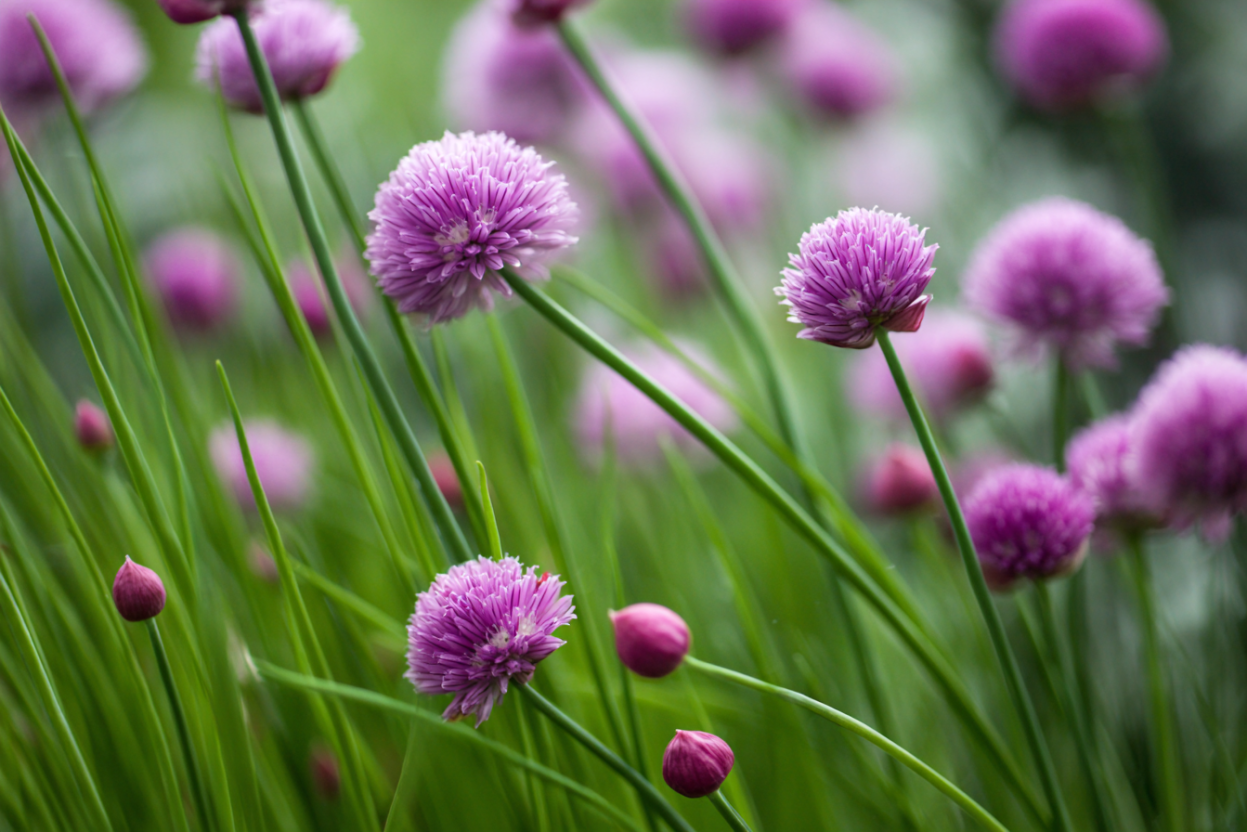
Chives (Allium schoenoprasum)
If you’ve been struggling with sluggish digestion, stubborn inflammation, or a cardiovascular system that needs support, you’re far from alone — and one of the most accessible allies in God’s pharmacy may already be growing in your garden. Chives, those slender green blades most people overlook as mere garnish, carry a concentrated arsenal of sulfur compounds, antioxidants, and vitamins that have quietly supported human health for over five thousand years.
This humble herb is one of countless gifts woven into creation by a Designer who knew exactly what the human body would need. Long before any laboratory analyzed its vitamin K content or isolated its organosulfur compounds, chives were already here — placed in the soil by a Creator whose provision is always ahead of our discovery.
The Plant
Common Names: Chives, Common Chives, Onion Chives, Wild Chives, Rush Leek, Cive
Botanical Name: Allium schoenoprasum L.
Family: Amaryllidaceae (formerly classified under Liliaceae/Alliaceae) — the same family that includes garlic, onions, leeks, shallots, and scallions
Description
Chives are a small, clump-forming herbaceous perennial that grows from slender underground bulbs. Each bulb produces hollow, tubular, grass-like leaves that are bright blue-green, soft in texture, and typically reach 12 to 18 inches tall. The leaves emerge in dense tufts and have a round cross-section, distinguishing them from the flat-leaved garlic chive (Allium tuberosum). When crushed or cut, the leaves release a mild, pleasant onion aroma — the hallmark of their allium heritage.
In mid-spring to early summer, chives produce globe-shaped flower heads on stiff, upright stems. Each inflorescence is composed of 10 to 30 tiny, star-shaped florets ranging from pink to pale purple, sometimes lavender. A papery bract surrounds the flower head, splitting open as the blossoms emerge. These flowers are not only ornamental but fully edible, with a slightly stronger onion flavor than the leaves. Pollinated flowers produce small, angular black seeds enclosed in a three-valved capsule.
The root system is shallow and fibrous, with clusters of small, elongated bulbs anchoring the plant. Unlike larger allium relatives, chives do not produce a substantial underground bulb — their value lives above the soil in those vibrant green blades and jewel-toned blossoms.
Origin
Chives are one of the few allium species truly native to both the Old World and the New World. Their natural range spans from Europe through temperate Asia to North America, where wild populations thrive along riverbanks, mountain meadows, and moist grasslands. The species name schoenoprasum derives from Greek words meaning “rush” and “leek” — a nod to the plant’s grass-like appearance.
Brief History
Chives have been used by humans for at least five thousand years. The Chinese were cultivating chives as early as 3000 BC, making them among the oldest cultivated herbs in recorded history. In Europe, formal cultivation began during the Middle Ages, roughly the 5th century, though wild chives had been gathered for food and medicine long before that. The word “chive” traces to the Latin cepa, meaning onion, which passed through Old French as cive. European colonists brought chives to North America for both culinary and medicinal purposes, though wild populations already grew across the continent. By the 19th century, Dutch farmers were feeding chives to their cattle to impart a distinctive flavor to milk — a testament to the plant’s deep integration into agrarian life.
Growing & Cultivation
Climate & Zones
Chives are remarkably cold-hardy perennials, thriving in USDA Zones 3 through 9. They tolerate freezing temperatures with ease, dying back to the ground in winter and returning vigorously each spring. In warmer climates (Zones 8-9, including most of Georgia), chives may remain semi-evergreen through mild winters. They perform well both outdoors and indoors, making them one of the most versatile herbs for home growers at virtually any latitude.
Soil Requirements
Chives prefer rich, well-draining soil with a pH between 6.0 and 7.0. They adapt to sandy, loamy, or even moderately clay soils, though they will not tolerate waterlogged conditions. For container growing, a quality potting mix amended with compost works well. If your garden soil is heavy clay, work in compost or aged manure to improve drainage and fertility.
Water & Sunlight
Chives thrive in full sun (6+ hours of direct sunlight daily) but will tolerate partial shade, though flowering may be reduced. Once established, they are moderately drought-tolerant, though consistent moisture produces the most tender, flavorful leaves. Water when the top inch of soil feels dry. Overwatering shows as yellowing leaves and soft, mushy base growth. For indoor growing, a bright south-facing windowsill or supplemental grow light provides adequate illumination.
Propagation
Seed: Start seeds indoors 6-8 weeks before last frost, sowing 1/4 inch deep. Germination takes 7-14 days at 60-70°F. Seeds can also be direct sown once soil temperatures reach 60°F. Sow in clusters of 10-15 seeds per group for a fuller look.
Division: The easiest and most common method. Lift established clumps every 2-3 years in spring or fall. Gently pull apart into smaller sections, each containing at least 5-8 bulblets. Replant immediately at the same depth. Division keeps plants vigorous and prevents overcrowding.
Planting
Space clumps 12-20 inches apart. Plant at the same depth they were growing previously. Chives make excellent companion plants for carrots (they may deter carrot fly), tomatoes, and roses. Avoid planting near beans and peas, as alliums can inhibit their growth. Chives also work beautifully as border plantings and in containers mixed with other culinary herbs like basil and parsley.
Harvesting
Begin harvesting when leaves reach about 6 inches tall. Cut stems down to 1-2 inches above the soil rather than snipping tips — this encourages vigorous regrowth. Harvest from the outside of the clump first. Morning harvesting yields the most flavorful leaves, as essential oils are most concentrated before the day’s heat. Flowers are best harvested just after they have fully opened. Regular harvesting throughout the growing season keeps the plant productive and prevents the leaves from becoming tough.
Drying & Storage
Fresh chives store in the refrigerator wrapped in a damp paper towel inside a plastic bag for up to one week. For long-term preservation, freezing is far superior to drying — simply chop and freeze in ice cube trays with a small amount of water or olive oil. If drying, use a dehydrator at 95-105°F or air-dry in a warm, well-ventilated space away from direct sunlight. Dried chives retain flavor for approximately 6 months when stored in an airtight container in a cool, dark location. Note that dried chives lose significant flavor compared to fresh or frozen.
Pest & Disease Management
Chives have remarkably few pest or disease problems. Their sulfur compounds naturally deter many insects. Occasional issues include thrips and onion fly. Organic management includes companion planting with strong-scented herbs, removing affected foliage promptly, and maintaining good air circulation. Chives are not favored by deer or rabbits. The only common disease concern is downy mildew in very humid conditions — prevent by ensuring adequate spacing and airflow.
Companion Planting
Chives are excellent companion plants. Their sulfur compounds may help repel aphids, Japanese beetles, and carrot fly. They grow well alongside carrots, tomatoes, peppers, roses, grapes, and most brassicas. Avoid planting near beans, peas, and asparagus.
The Healing of Growing
Growing chives offers benefits that extend well beyond the harvest. The act of gardening — hands in soil, bare feet on earth, time spent outdoors — has been shown to reduce cortisol, improve mood, and support immune function. The soil itself contains beneficial bacteria (Mycobacterium vaccae) with documented antidepressant effects, stimulating serotonin production in the brain. When you grow your own chives, you receive healing before you ever snip a single leaf. The simple, rhythmic act of tending these hardy little plants connects you to the earth, to the seasons, and to the Creator’s design for restoration through nature.
Nutritional Profile
Macronutrients (per 100g fresh chives)
Calories: 30 | Protein: 3.3g | Carbohydrates: 4.4g | Fiber: 2.5g (7% DV) | Sugars: 1.9g | Fat: 0.7g | Saturated Fat: 0.1g
Chives are a nutrient-dense, low-calorie herb — providing substantial micronutrients relative to their caloric content. While individual servings are small (typically 1 tablespoon or about 3g), regular use adds meaningful nutrition over time, particularly when used generously rather than as mere garnish.
Vitamins
Vitamin K: 212.7 µg (177% DV) — Chives are one of the richest herbal sources of vitamin K. This fat-soluble vitamin is essential for proper blood clotting and plays a critical role in bone health by supporting the production of osteocalcin, a protein needed for bone mineralization. Research suggests adequate vitamin K intake may help limit neuronal damage in the brain.
Vitamin A: 4,353 IU (145% DV) — Chives contain more vitamin A than any other allium family member. This comes primarily as beta-carotene and other carotenoids (including lutein and zeaxanthin), which support vision health, immune function, and skin integrity. These carotenoids also act as antioxidants, offering protection to cells throughout the body.
Vitamin C: 58.1 mg (97% DV) — A powerful water-soluble antioxidant that supports immune function, collagen synthesis, iron absorption, and protects cells from oxidative damage. Among all allium species, chives have been identified as having the highest vitamin C content.
Folate (B9): 105 µg (26% DV) — Essential for DNA synthesis, cell division, and proper fetal development during pregnancy. Folate also plays a role in the production of serotonin and dopamine, neurotransmitters involved in mood regulation.
Vitamin B6: 0.138 mg (8% DV) — Involved in over 100 enzymatic reactions in the body, including amino acid metabolism, neurotransmitter synthesis, and hemoglobin production.
Minerals
Iron: 1.60 mg (20% DV) — Essential for oxygen transport in the blood via hemoglobin. The vitamin C also present in chives enhances iron absorption, creating a synergistic nutritional pairing within the plant itself.
Copper: 0.157 mg (17% DV) — Supports the formation of red blood cells, maintains healthy bones and nerves, and contributes to iron metabolism. Copper also functions as a cofactor for several essential enzymes involved in energy production.
Manganese: 0.373 mg (16% DV) — A trace mineral involved in bone formation, blood clotting, and metabolizing amino acids, cholesterol, and carbohydrates. It also functions as part of the antioxidant enzyme superoxide dismutase (SOD).
Calcium: 92 mg (9% DV) — While not a primary calcium source, chives contribute to overall calcium intake. Calcium is critical for bone and tooth health, muscle function, nerve transmission, and blood clotting.
Potassium: 296 mg (6% DV) — An essential electrolyte that supports heart rhythm, muscle contraction, nerve signaling, and helps regulate blood pressure through vasodilatory effects on blood vessels.
Magnesium: 42 mg (10% DV) — Essential for over 300 enzymatic reactions in the body. Supports muscle and nerve function, blood sugar regulation, bone health, and energy production.
Phytonutrients & Active Compounds
Organosulfur Compounds: Chives contain thiosulfinates — including diallyl disulfide, diallyl trisulfide, and allyl propyl disulfide — which convert to allicin when the leaves are crushed or cut. Allicin has been studied for its ability to reduce LDL cholesterol production by inhibiting the HMG-CoA reductase enzyme in liver cells, and for its antibacterial, antiviral, and antifungal activities.
Flavonoids: Chives are rich in flavonoids, particularly kaempferol glycosides (identified as the dominant flavonols), quercetin, and the carotenoids lutein and zeaxanthin. These compounds demonstrate antioxidant, anti-inflammatory, and potential anticancer properties in research settings.
Anthocyanins: The purple flowers contain anthocyanin pigments — powerful antioxidants responsible for the blossoms’ color. Research has identified at least eight distinct anthocyanin compounds in chive flowers.
Choline: Present in small amounts, choline supports cell membrane structure, mood regulation, memory, muscle control, and nervous system function.
Nutrient Notes
The vitamin C content in chives enhances the bioavailability of the plant’s iron content — a built-in synergy. The fat-soluble vitamins (A and K) are best absorbed when consumed with a small amount of dietary fat, making the common practice of adding chives to butter, cream cheese, or oil-dressed dishes nutritionally intelligent. Among allium species, chives stand out for having the highest concentrations of both vitamin C and beta-carotene. The folate content supports serotonin and dopamine production, while the B6 content supports amino acid metabolism and neurotransmitter synthesis, meaning chives contribute to the body’s mood-regulating chemistry at multiple levels.
Culinary Uses
Edible Parts
Leaves (stems): The primary edible portion. Best used fresh, snipped with scissors just before serving. Mild, clean onion flavor. Cooking diminishes their delicate taste, so add at the very end of preparation or use raw.
Flowers: Fully edible with a slightly more pronounced onion flavor than the leaves. Pull apart the individual florets to scatter over salads, soups, or finished dishes. The flowers can also be infused into vinegar to create a beautiful pink chive blossom vinegar.
Unopened flower buds: Can be pickled or dried and ground into a mild onion-flavored spice.
Small bulbs: Edible, though rarely used due to their small size. They have a mild onion flavor and can be pickled or used like pearl onions in miniature.
Flavor Profile
Chives offer a clean, mild onion flavor with subtle grassy and slightly sweet notes. The taste is significantly gentler than onions, shallots, or garlic — making chives ideal where allium flavor is desired without overpowering other ingredients. Fresh chives are aromatic and bright; dried chives are considerably muted. Cooking weakens the flavor substantially, which is why chives are almost always added at the end of preparation or used raw.
Preparation
Snip chives with sharp scissors rather than chopping with a knife — scissors produce a cleaner cut and less bruising. Use raw as a finishing garnish over soups, eggs, potatoes, fish, salads, and cream-based dishes. When adding to hot foods, stir in during the last 30 seconds of cooking or sprinkle over the finished dish. Chives are a cornerstone of the classic French fines herbes blend alongside chervil, parsley, and tarragon. They can be blended into compound butters, stirred into soft cheeses, whisked into vinaigrettes, or folded into cream sauces.
Culinary Pairings
Chives complement eggs, potatoes, fish (especially salmon), chicken, cream cheese, sour cream, butter, lemon, dill, parsley, tarragon, chervil, and most mild-flavored vegetables. They pair beautifully with Mediterranean, French, Scandinavian, and American cuisines. Avoid combining with very strong spices that would overwhelm their subtle character.
Storage
Fresh chives keep about one week refrigerated, wrapped in a damp paper towel. For longer storage, chopping and freezing is the best method — frozen chives retain far more flavor than dried. If drying, use a low-temperature dehydrator and store in an airtight container. Chive blossom vinegar keeps for several months at room temperature and makes a lovely pantry staple.
Ready to cook with chives? View Recipes on Chefts →
Wellness & Therapeutic Uses
Traditional Uses
Chives have served as food-medicine across cultures for millennia. The Romans believed chives could relieve pain from sunburn and sore throat, and used them as a mild diuretic. Roman poet Marcus Valerius Martialis famously quipped about the herb’s pungent breath. In Traditional Chinese Medicine, allium vegetables including chives have been used for their warming properties — believed to support energy, enhance circulation, and aid digestive health. The bulbs of related species (Xie Bai) are used in TCM to unblock Yang energy, disperse cold phlegm, and direct Qi downward, traditionally prescribed for chest pain, angina, cough, and digestive complaints.
In India, the whole chive plant — including roots — was traditionally used to address coughs, colds, and digestive sluggishness, and as a blood purifier and detoxifying agent. European folk herbalists throughout the Middle Ages grew chives in monastery gardens, valuing their ability to support appetite, promote digestion, and ease respiratory congestion. John Gerard’s The Herball or Generall Historie of Plantes (1633) documented that chives “attenuate or make thinne, open, provoke urine” — consistent with traditional diuretic and digestive applications. Early American colonists specifically brought chives from Europe for medicinal use.
Modern Research
A comprehensive 2018 review published in Natural Product Research examined the phytochemistry and pharmacological activities of Allium schoenoprasum, confirming diverse potential including anti-inflammatory, anticancer, antioxidant, anthelmintic (anti-parasitic), and antihypertensive effects. The review identified sulfur compounds, phenolic compounds, flavonoids, saponins, and steroidal glycosides as the key bioactive constituents (Singh et al., 2018, India).
A 2014 study from Romania demonstrated that extracts from chive leaves exerted significant anti-inflammatory activity in rat models, working by inhibiting phagocytosis through reduction of nitro-oxidative stress (Parvu et al., 2014, published in the Journal of Physiology and Pharmacology).
Research on the antimicrobial properties of chives has shown that chive extracts demonstrate dose-dependent inhibition against Escherichia coli, Staphylococcus aureus, and Shigella dysenteriae, while notably not inhibiting beneficial Lactobacillus acidophilus — suggesting a selective antimicrobial action that may support gut health rather than disrupt it.
A 2008 study published in Bioscience, Biotechnology, and Biochemistry specifically analyzed the diallyl sulfide content of chives and confirmed antimicrobial activity against foodborne pathogenic bacteria (Rattanachaikunsopon and Phumkhachorn, 2008, Thailand).
A meta-analysis published in Gastroenterology (2011) found that consumption of large amounts of allium vegetables was associated with a reduced risk of gastric cancer (Zhou et al., 2011, China). Broader reviews of allium vegetables have linked regular consumption with reduced risk of colorectal, endometrial, ovarian, prostate, and upper aerodigestive tract cancers, attributed primarily to organosulfur compounds and their effects on detoxification enzymes.
Body Systems Supported
Cardiovascular System: Allicin in chives may help reduce LDL cholesterol by inhibiting HMG-CoA reductase in liver cells. It also releases nitric oxide, which may help reduce blood vessel stiffness. The potassium content supports healthy blood pressure through vasodilatory effects.
Digestive System: Chives have traditionally been used to promote appetite, ease indigestion, and support overall digestive function. Their fiber content supports bowel regularity, and their natural antibacterial properties may help maintain a balanced gut microbiome.
Immune System: High vitamin C content supports white blood cell production and immune function. The antimicrobial organosulfur compounds provide additional immune support.
Musculoskeletal System: Exceptionally high vitamin K content supports bone mineral density through the production of osteocalcin. Research suggests adequate vitamin K intake may help reduce fracture risk.
Nervous System: Choline content supports memory, mood, and cognitive function. Folate contributes to the production of serotonin and dopamine. Research on allicin suggests neuroprotective properties may limit neuronal damage.
Integumentary (Skin): Beta-carotene and vitamin C support skin health, collagen production, and protection from oxidative damage. Traditional use for sunburn relief aligns with the plant’s antioxidant and anti-inflammatory profile.
Body Compounds Affected
Serotonin & Dopamine: Folate in chives supports the methylation pathways involved in producing both serotonin and dopamine, key neurotransmitters for mood regulation, motivation, and emotional wellbeing.
Nitric Oxide: Allicin in chives promotes the release of nitric oxide, which relaxes blood vessels, supports healthy blood flow, and may help regulate blood pressure.
Inflammatory Markers (Cytokines, Prostaglandins): Research demonstrates that chive extracts reduce nitro-oxidative stress and inhibit inflammatory phagocytic activity, suggesting modulation of pro-inflammatory pathways.
Cholesterol (LDL): Allicin has been shown in laboratory studies to inhibit HMG-CoA reductase, potentially reducing LDL cholesterol production in liver cells.
Methods of Use
Culinary Consumption (Primary Method)
The most practical therapeutic approach is generous daily use of fresh chives in meals. Add liberally to eggs, soups, salads, fish, potatoes, and grain bowls. Use both leaves and flowers. Fresh consumption preserves the maximum level of volatile sulfur compounds responsible for many of the plant’s studied benefits.
Tea/Infusion
A mild chive tea can be prepared by steeping a small handful of fresh or dried chives in hot (not boiling) water for 5-10 minutes. Traditionally used to support digestion and as a gentle diuretic. Drink 1-2 cups as desired.
Fresh Juice
Fresh chive juice, obtained by pounding stems with a small amount of water and straining, has been used topically for skin and scalp applications and internally in small amounts for digestive support.
Cosmetic & Beauty Uses
Skin Benefits
Chives are rich in beta-carotene, vitamin C, and sulfur compounds that may support skin clarity and overall skin health. Beta-carotene promotes healthy skin cell turnover and may help reduce the appearance of blemishes, while vitamin C supports collagen synthesis — the structural protein responsible for skin firmness and elasticity. The plant’s antimicrobial and anti-inflammatory properties make it potentially supportive for skin prone to breakouts or irritation. The Romans historically used chives to soothe sunburned skin, a practice consistent with the plant’s documented antioxidant profile.
Hair Benefits
Chive extracts applied to the scalp may promote blood circulation to the follicles, supporting hair growth and scalp health. The sulfur content is particularly relevant — sulfur is a key component of keratin, the protein that forms the structure of hair. Vitamin C supports collagen production and iron absorption, both important for healthy hair growth. In India, chives are among the plant species traditionally included in hair care preparations.
Application Methods
Chive-infused oil: Chop fresh chives and steep in a carrier oil (olive, jojoba, or sweet almond) for 1-2 weeks in a cool, dark place, shaking occasionally. Strain and use topically for skin moisturizing, soothing sunburn, or as a scalp treatment.
Chive facial toner: Steep fresh chives in hot water for 10-15 minutes. Cool, strain, and store in a spray bottle in the refrigerator. Spritz onto clean skin to support pore clarity and provide antioxidant benefits. Use within one week.
Face mask: Puree fresh chives and apply to clean skin for 15-30 minutes. Rinse with cool water and follow with moisturizer. The beta-carotene and vitamin C may support skin radiance.
Hair rinse: Prepare a strong chive infusion by steeping a generous handful in hot water for 15 minutes. Cool, strain, and use as a final rinse after shampooing to promote scalp health and add shine.
DIY Formulation Notes
Chive-infused oils should be used within 2-4 weeks and stored in the refrigerator to prevent rancidity. Always perform a patch test before applying chive preparations to the face or sensitive areas, as some individuals may experience skin sensitivity to allium compounds. Carrier oils that pair well with chive infusions include jojoba (for oily/combination skin), sweet almond (for normal/dry skin), and olive oil (for hair treatments).
Chives are among the botanicals being explored for holistic cosmetic applications, where the wisdom of traditional beauty practices meets modern understanding of skin science.
Aromatherapy & Scent
The Aroma
Fresh chives emit a gentle, clean onion scent that is distinctly milder than garlic or onions. The aroma is most noticeable when the leaves are crushed, cut, or brushed against — releasing volatile sulfur compounds. The scent is strongest immediately after cutting, during warm afternoons when essential oils are active, and after rain when moisture releases volatile molecules from the plant’s surface. Walking through a patch of chives on a warm day, you’ll catch their green, subtly pungent fragrance carried on the breeze.
When dried, the aroma diminishes significantly — chives lose much of their volatile character during dehydration. Dried material retains only a faint, hay-like echo of the fresh scent and typically holds this diminished aroma for 3-6 months.
How Scent Affects Your Body
When you crush a chive leaf and inhale, volatile sulfur molecules and other aromatic compounds travel through your nasal passages to the olfactory receptors. These receptors convert chemical signals into nerve impulses that travel directly to the limbic system — the emotional center of the brain — and the hypothalamus, which regulates hormones. This pathway bypasses conscious thought entirely, meaning the body responds to scent before the mind decides how to react. This is why certain aromas can instantly shift mood, trigger memories, or affect physical state.
Emotional & Mood Effects
The scent of fresh chives is generally experienced as grounding and stimulating in a mild, pleasant way. The green, herbaceous quality connects to nature and growing things, which research links to stress reduction and improved mood. The mild pungency of the allium scent can be mildly clarifying and appetite-stimulating. For many people, the aroma of fresh herbs being prepared evokes feelings of comfort, home, and nourishment — psychologically powerful associations that support overall wellbeing.
Body Compounds Affected
While specific studies on chive aroma and neurotransmitter effects are limited, research on allium volatile compounds and green herbaceous scents suggests potential effects on cortisol (through general stress reduction associated with green/herbal aromas) and mild stimulation of appetite and digestive readiness through olfactory-gut pathways.
Ways to Experience the Scent
Growing chives on a kitchen windowsill provides daily aromatic interaction. Brushing your hand across the leaves while cooking releases fragrant compounds. Adding fresh-cut chives to finished dishes provides scent during the meal itself. In the garden, planting chives near walkways or doorways allows you to enjoy their scent as you pass.
Color Therapy
The Colors of Chives
Chives present two primary colors with therapeutic significance. The leaves are a vibrant, bright green — the color of spring growth, vitality, and renewal. The flowers range from pink to pale purple (lavender), adding a secondary color dimension. As the plant matures through the season, the green deepens slightly, and in autumn, the foliage may take on yellow tones before the plant enters dormancy.
Color Wavelengths
Green (leaves): Approximately 495-570nm in the visible spectrum. Green is the most balanced color in the spectrum, falling at the center of visible light. It is associated with calming, balancing, and heart-centered energy. Green environments have been extensively studied for their positive effects on mood, stress reduction, and attention restoration.
Violet/Purple (flowers): Approximately 380-450nm. Violet and purple wavelengths are associated with calming the nervous system, supporting meditative states, and promoting spiritual awareness. These shorter wavelengths carry the highest energy of all visible colors.
How These Colors Affect the Body
The predominant green of chive leaves provides the visual calming and balancing effects well-documented in environmental psychology. Studies consistently show that viewing green plants reduces stress, lowers blood pressure, and improves mood. The addition of purple flowers introduces a complementary dimension — the combination of green and purple creates a visually soothing yet gently stimulating palette. Having chives growing in your kitchen, on your patio, or in your garden provides ongoing, passive color therapy throughout the growing season.
Body Compounds Affected
Exposure to green environments has been associated with reduced cortisol levels (stress hormone) and improved parasympathetic nervous system activity. Research on hospital patients with views of greenery demonstrates faster healing and reduced need for pain medication — effects attributed in part to the physiological impact of green light wavelengths on the body.
Using Chives for Color Therapy
Place potted chives on a kitchen windowsill for daily green exposure while cooking. Plant them along garden walkways where you’ll see them regularly. Use the purple flowers as a centerpiece or table decoration to add calming violet tones to your living space. Eating chives — consuming their green and purple pigments directly — is a form of “eating the rainbow,” providing the carotenoid and anthocyanin compounds that give these colors their therapeutic character.
Frequency & Vibration
The Frequency of Chives
Specific MHz frequency measurements for fresh chives have not been widely published in the available bio-frequency literature. However, fresh herbs and living plants are generally understood to vibrate at frequencies higher than processed or dried foods. According to bio-frequency research pioneered by Bruce Tainio, a healthy human body typically resonates between 62-78 MHz, while fresh herbs as a category tend to measure in the 20-27 MHz range — above processed foods (0-5 MHz) but below essential oils, which can reach significantly higher frequencies.
As a living, actively growing plant, chives in your garden or on your windowsill vibrate at their natural frequency — interacting with your environment and potentially supporting the energetic quality of your living space.
Human Frequency Interaction
According to proponents of vibrational medicine, the principle of entrainment suggests that a stronger or more coherent frequency can influence a weaker or less coherent one. Being around living, healthy plants — and consuming fresh, unprocessed plant foods — may support the body’s own vibrational state. Consuming fresh chives, with their intact volatile compounds and living enzymes, preserves more of the plant’s natural energetic signature than dried or heavily processed forms.
Vibrational Applications
Growing fresh chives and consuming them immediately after harvesting maximizes exposure to the plant’s natural frequency. Combining chive consumption with other high-frequency practices — time in nature, deep breathing, prayer, gratitude — aligns with a holistic approach to supporting the body’s energetic health. This is an area where research is still emerging, and claims should be held with appropriate openness and humility.
The Living Plant
Benefits of Presence
The benefits of living chives extend beyond their culinary and medicinal uses. Simply having this plant in your environment — on a kitchen windowsill, in a container on the patio, or in the garden — provides measurable physiological and psychological benefits. Research on indoor plants consistently demonstrates reduced stress, improved mood, enhanced productivity, and faster recovery from mental fatigue when plants are present in living and working spaces. The bright green color of chive foliage contributes to these effects through the visual calming mechanisms described in color therapy research.
Air Purification
While chives were not included in the NASA Clean Air Study (which focused primarily on larger tropical houseplants), all green plants contribute to air quality through basic photosynthesis — absorbing carbon dioxide and releasing oxygen during daylight hours. The volatile sulfur compounds released by chives may also have mild antimicrobial effects on airborne bacteria in the immediate vicinity of the plant, though specific air purification studies on chives are limited. The humidity benefits of any indoor plant group — including evapotranspiration that adds moisture to dry indoor air — apply to potted chives as well.
Phytoncides
Chives do release volatile organic compounds — primarily sulfur-containing molecules — that have documented antimicrobial properties. While these are not traditionally classified as “phytoncides” in the same way as forest tree compounds studied in shinrin-yoku (forest bathing) research, they serve a similar biological function: protecting the plant from pathogens and potentially influencing the microbial environment in the plant’s immediate vicinity. Research on allium volatile compounds has confirmed antibacterial effects against multiple pathogenic bacteria.
Visual & Psychological Benefits
The tidy, grass-like growth habit of chives provides a clean, orderly visual presence that aligns with attention restoration theory — the idea that natural elements help the mind recover from directed attention fatigue. Watching chives grow, bloom, and regenerate after harvest provides a gentle, rhythmic connection to natural cycles. Research in healthcare settings has demonstrated that patients with views of plants or access to garden spaces experience reduced pain, shorter hospital stays, and better overall outcomes — reinforcing the healing value of plant presence.
Growing Indoors vs Outdoors
Chives adapt exceptionally well to indoor growing, making them one of the most accessible herbs for year-round presence in your living space. Indoors, provide a south-facing windowsill with at least 6 hours of light, or supplement with a grow light. Use a well-draining pot at least 6 inches deep. Outdoor growing allows the full expression of the plant — larger clumps, more vigorous flowering, natural pollinator interactions, and the added benefit of being part of a garden ecosystem. Ideally, grow chives in both locations: outdoors for abundance and connection to the earth, indoors for daily access and the presence benefits of a living plant in your home.
Touch & Physical Interaction
Gardening Therapy
Chives are an ideal plant for horticultural therapy — accessible, forgiving, rewarding, and suited to gardeners of all skill levels. The repetitive rhythm of snipping chive stems, dividing clumps, or simply brushing your hand through the foliage engages the body in mindful, low-stress physical activity that has been documented to reduce anxiety, lower blood pressure, and improve mood. For anyone recovering from illness, managing stress, or seeking a gentle entry point into gardening, chives offer nearly instant gratification — they grow back quickly after cutting, bloom reliably, and require minimal fussing.
Soil Contact Benefits
Tending chives in the garden — especially with bare hands and, when possible, bare feet — provides grounding (earthing) benefits. Direct contact with the earth allows the transfer of free electrons from the ground into the body, which research suggests may reduce inflammation, improve sleep, and normalize cortisol rhythms. The soil itself is home to Mycobacterium vaccae, a beneficial bacterium that has demonstrated antidepressant-like effects in animal studies by stimulating serotonin production. Every time you dig in the soil around your chive plants, you expose yourself to these microbiome benefits.
The Tactile Experience
Chive leaves feel smooth, cool, and slightly waxy between the fingers — hollow tubes that give gently when squeezed. Running your hand through a clump of chives produces a soft, satisfying rustling sensation. When you cut the stems, they release their distinctive mild onion fragrance onto your hands — an aromatherapeutic bonus built into the tactile experience. The flowers feel papery and delicate, with a texture that invites gentle handling. Harvesting chives engages fine motor skills and sensory awareness in a pleasant, meditative way.
Harvesting & Processing
The act of harvesting chives is inherently therapeutic: stepping outside or reaching to the windowsill, selecting stems, cutting close to the base with scissors, gathering the bright green snips into a hand or bowl. It is a small ritual of provision — of gathering food from the earth with your own hands. The repetitive motion of snipping, the clean scent released with each cut, the visual satisfaction of the vibrant green against your fingers — all of these sensory inputs ground the body in the present moment and connect you to the ancient human rhythm of harvest.
Water-Based Applications
Teas & Infusions
A gentle chive tea is prepared by placing a small handful of fresh-cut chive stems (about 1-2 tablespoons) in a cup of hot water — just below boiling, around 200°F. Steep for 5-10 minutes, covered, then strain. The resulting infusion is mild, with a light onion flavor. This preparation has traditionally been used to support digestion, stimulate appetite, and provide a gentle diuretic effect. Drink 1-2 cups daily as desired. For a stronger preparation, increase the amount of chive material or steep longer.
Herbal Baths
A chive herbal bath can be prepared by making a strong infusion (a large handful of fresh chives steeped in a quart of hot water for 15-20 minutes) and adding the strained liquid to warm bath water. The sulfur compounds and volatile aromatics in the bath may support skin health and provide a mild antibacterial environment. This preparation aligns with traditional use for soothing irritated or sunburned skin. A foot bath can be made using the same infusion in a basin — particularly useful for tired, aching feet.
Compresses
A warm compress can be prepared by soaking a clean cloth in a warm chive infusion and applying it to areas of minor skin irritation, insect bites, or muscle soreness. Hold in place for 10-15 minutes. The warmth encourages circulation while the plant compounds provide antimicrobial and anti-inflammatory support. Cool compresses using a refrigerated chive infusion may soothe minor sunburn or skin irritation — consistent with the Roman traditional use of chives for sunburn relief.
Steam Inhalation
Adding a handful of fresh chives to a bowl of steaming hot water and inhaling the vapors with a towel draped over the head may provide mild respiratory support during congestion. The volatile sulfur compounds released in the steam have antimicrobial properties. Inhale for 5-10 minutes, keeping eyes closed. This method aligns with traditional use of chives for colds, cough, and chest congestion.
Hair Rinses
A chive hair rinse is prepared by steeping a generous handful of fresh chives in hot water for 15 minutes, then cooling and straining. Use as a final rinse after shampooing — do not rinse out. The sulfur compounds and nutrients in the infusion may support scalp health, promote circulation to hair follicles, and add shine. For enhanced benefit, add a squeeze of fresh lemon juice to the cooled rinse.
Historical, Cultural & Biblical Significance
Biblical References
Chives (Allium schoenoprasum) are not directly named in Scripture. However, their close relatives — leeks, onions, and garlic — are specifically mentioned in the Bible. In Numbers 11:5 (KJV), the Israelites in the wilderness lamented: “We remember the fish, which we did eat in Egypt freely; the cucumbers, and the melons, and the leeks, and the onions, and the garlick.” The Hebrew word chatsir, translated “leeks,” and the words for onions (betsel) and garlic (shum) represent the allium family to which chives belong. These plants were so valued as food in the ancient world that their absence was among the Israelites’ chief complaints against wilderness life. The allium family was deeply embedded in the agriculture, cuisine, and daily sustenance of the biblical world — and chives, as a wild and cultivated member of this same family, grew across the same regions.
Ancient Civilizations
The Chinese were among the first to cultivate chives, with documented use dating to approximately 3000 BC — a record of nearly five thousand years. Chinese physicians valued allium vegetables for warming the body, supporting circulation, and aiding digestion. In ancient Egypt, allium vegetables were staple foods for laborers — the Greek historian Herodotus recorded that vast sums were spent on onions and garlic alone for the workers who built the great pyramids. The Romans embraced chives with particular enthusiasm. Pliny the Elder documented allium vegetables in his Natural History, and Roman physicians used chives to relieve sunburn, sore throat, and as a mild diuretic. The Roman poet Martialis wrote the enduring quip: “He who bears chives on his breath, is safe from being kissed to death.”
Eastern Traditions
In Traditional Chinese Medicine, allium vegetables are classified as warm in nature, with pungent and slightly bitter tastes. They are used to support the heart, lungs, and stomach meridians. Garlic chives (A. tuberosum), closely related to common chives, have been particularly valued in Chinese medicine for supporting Yang energy, warming the body from cold conditions, and as a reputed aphrodisiac. In Ayurvedic tradition, allium vegetables have been used to support digestive fire (agni), promote circulation, and as warming foods during cold seasons, though some Ayurvedic lineages classify alliums as rajasic (stimulating) and recommend moderate use.
Indigenous Knowledge
Wild chives are native to North America, and various indigenous peoples incorporated them into food and medicine. The mild allium was gathered as a spring green, providing fresh vitamins after long winters. The natural antimicrobial properties of wild alliums made them useful for food preservation and basic wound care. In India, particularly in northeastern regions such as Manipur, chives and related species are included in traditional hair care preparations and used for cough, cold, and digestive support.
European Heritage
European cultivation of chives began in earnest during the Middle Ages, with monastery gardens serving as critical repositories of herbal knowledge. Benedictine and other monastic orders grew chives both for the kitchen and the apothecary. John Gerard’s Herball (1633) and Nicholas Culpeper’s Complete Herbal both documented chives and their properties. Dutch farmers in the 19th century fed chives to cattle to flavor milk. Early European colonists to America brought chive plants specifically for medicinal purposes, planting them in their new-world kitchen gardens alongside other essential herbs.
Cultural Symbolism
In European folk tradition, bunches of dried chives were sometimes hung in the home, believed to ward off negative influences — reflecting a cultural association with protection and purification. In the language of flowers, chives symbolize usefulness — an understated but deeply practical virtue. Today, chives remain one of the world’s most widely grown culinary herbs, found in kitchen gardens from Mongolia to Montana, a testament to their enduring usefulness across every culture that has encountered them.
These cultures observed that chives provided digestive support, antimicrobial protection, and nutritional sustenance. While they may not have known the Creator by name, they were observing His design — and their observations align with what modern research confirms about chive’s properties.
Safety & Precautions
Contraindications
Chives consumed in normal culinary amounts are generally considered very safe for most adults. There are no widely documented contraindications for typical food use. Individuals with known allergy to allium family plants (onions, garlic, leeks) should exercise caution, as cross-reactivity may occur. Those scheduled for surgery should be aware that allium compounds may have mild blood-thinning effects.
Drug Interactions
Blood thinners (Warfarin, etc.): Chives are very high in vitamin K, which plays a direct role in blood clotting. Individuals on anticoagulant therapy (particularly warfarin/Coumadin) should maintain consistent chive intake rather than dramatically increasing or decreasing consumption, as significant changes in vitamin K intake can affect medication efficacy. Consult your healthcare provider about dietary vitamin K management.
Blood pressure medications: Chives may have mild blood-pressure-lowering effects. If you take antihypertensive medications, monitor your blood pressure when significantly increasing chive consumption.
Diabetes medications: Some allium compounds may affect blood sugar levels. Those on diabetes medications should monitor blood glucose when making substantial dietary changes.
Pregnancy & Nursing
Chives in normal food amounts are generally considered safe during pregnancy and breastfeeding. However, there is insufficient research on medicinal or concentrated doses during pregnancy. Stay on the safe side and use chives in typical culinary quantities if you are pregnant or nursing. The folate content is actually beneficial during pregnancy, supporting fetal development.
Children
Chives used as a culinary herb are generally safe for children of all ages in age-appropriate food amounts. They are a gentle way to introduce mild allium flavors to young palates. As with any food, introduce in small amounts to monitor for any allergic response.
Elderly
No special elderly-specific concerns beyond the drug interaction notes above. The high vitamin K content is actually beneficial for elderly individuals concerned about bone density, but those on anticoagulant therapy should maintain consistent intake and communicate with their healthcare provider.
Pets
Dogs: TOXIC. All allium family plants, including chives, contain N-propyl disulfide and other sulfur-containing oxidants (SCOs) that cause oxidative damage to red blood cells in dogs, potentially leading to hemolytic anemia (Heinz body anemia). Symptoms include vomiting, diarrhea, lethargy, weakness, panting, rapid heart rate, blood in urine, and pale gums. Signs may not appear for several days after ingestion. Toxic dose for dogs is greater than 0.5% of body weight. Japanese breeds (Akita, Shiba Inu) are particularly sensitive. Contact your veterinarian immediately if your dog ingests chives.
Cats: TOXIC. Cats are even more susceptible to allium toxicity than dogs. Even small amounts can cause red blood cell damage and anemia. Toxic dose for cats is greater than 5g/kg body weight. Keep all chive plants out of reach of cats.
Horses: TOXIC. The ASPCA lists chives as toxic to horses, with the same mechanism of red blood cell damage.
Birds: TOXIC. Birds are also indicated for allium toxicity.
If your pet ingests chives: Contact your veterinarian or the ASPCA Animal Poison Control Center at (888) 426-4435 immediately.
Allergies & Sensitivities
Individuals allergic to other allium family members (onion, garlic, leeks, shallots) may experience cross-reactive allergy to chives. Symptoms may include skin irritation, itching, redness, hives, or digestive upset. Topical application of chive preparations may cause contact dermatitis in sensitive individuals. Always perform a patch test before applying chive-based preparations to the face or sensitive skin.
Dosing Guidelines
As a culinary herb, 1-2 tablespoons of fresh chives daily is a common and safe amount. There is no established therapeutic dosage for chives, as they are primarily consumed as food. Excessive consumption may cause digestive upset, including stomach discomfort, nausea, or heartburn — consistent with overconsumption of any allium vegetable.
Quality & Sourcing
The freshest chives come from your own garden or windowsill. When purchasing, look for bright green, firm stems with no yellowing, wilting, or sliminess. Organic chives avoid pesticide residues. For dried chives, purchase from reputable spice companies with clear expiration dates. Growing your own ensures the highest quality and the preservation of volatile compounds.
Signs of Adverse Reaction
Mild reactions may include digestive discomfort, heartburn, or mild skin irritation from topical use. More significant reactions — such as widespread hives, difficulty breathing, swelling of the throat, or severe stomach pain — are rare but require immediate medical attention. Discontinue use at the first sign of any adverse reaction.
Disclaimer
This information is for educational purposes only. It is not intended to diagnose, treat, cure, or prevent any disease. Always consult with a qualified healthcare provider before using any herbal product, especially if you are pregnant, nursing, taking medications, or have a medical condition. If you experience any adverse reaction, discontinue use immediately and seek medical attention.
Want Personalized Guidance?
Every body is unique. What works for one person may not be right for another. If you’d like personalized support in incorporating chives into your wellness journey, consider working with a qualified practitioner who can assess your individual needs.
Sources & References
Peer-Reviewed Studies
- Allium schoenoprasum L.: a review of phytochemistry, pharmacology and future directions – Singh V, Chauhan G, Krishan P, Shri R. Natural Product Research, 2018;32(18):2202-2216, India
- Anti-inflammatory effects of Allium schoenoprasum L. leaves – Parvu AE, Parvu M, Vlase L, Miclea P, Mot AC, Silaghi-Dumitrescu R. Journal of Physiology and Pharmacology, 2014;65(2):309-15, Romania
- Diallyl sulfide content and antimicrobial activity against food-borne pathogenic bacteria of chives (Allium schoenoprasum) – Rattanachaikunsopon P, Phumkhachorn P. Bioscience, Biotechnology, and Biochemistry, 2008;72(11):2987-2991, Thailand
- Consumption of large amounts of Allium vegetables reduces risk for gastric cancer in a meta-analysis – Zhou Y, Zhuang W, Hu W, Liu GJ, Wu TX, Wu XT. Gastroenterology, 2011;141(1):80-89, China
- Structure and cytotoxicity of steroidal glycosides from Allium schoenoprasum – Timité G, Mitaine-Offer AC, Miyamoto T, et al. Phytochemistry, 2013;88:61-66, France
- Covalent anthocyanin-flavonol complexes from flowers of chive, Allium schoenoprasum – Fossen T, Slimestad R, Ovstedal DO, Andersen OM. Phytochemistry, 2000;54(3):317-23, Norway
- Comparative study on Allium schoenoprasum cultivated plant and tissue culture organs antioxidant status – Štajner D, et al. Phytotherapy Research, 2011, Serbia
Traditional Medicine & Ethnobotanical Sources
- Chives – Roots of Medicine – University of Iowa Libraries, Hardin Library for the Health Sciences
- Chives, Allium schoenoprasum – University of Wisconsin-Madison Extension, Horticulture
- Chive: Overview, Uses, Side Effects, Precautions, Interactions, Dosing – WebMD
Institutional & Nutritional Sources
- Chives, raw – FoodData Central – USDA Agricultural Research Service
- Chives – Toxic and Non-Toxic Plants – ASPCA Animal Poison Control
- Allium schoenoprasum Plant Profile – USDA PLANTS Database
Historical References
- Gerard, John. The Herball or Generall Historie of Plantes. 1633. — Referenced via University of Iowa Rare Book Room
- Numbers 11:5, King James Version — Biblical reference to allium family vegetables in ancient Egypt