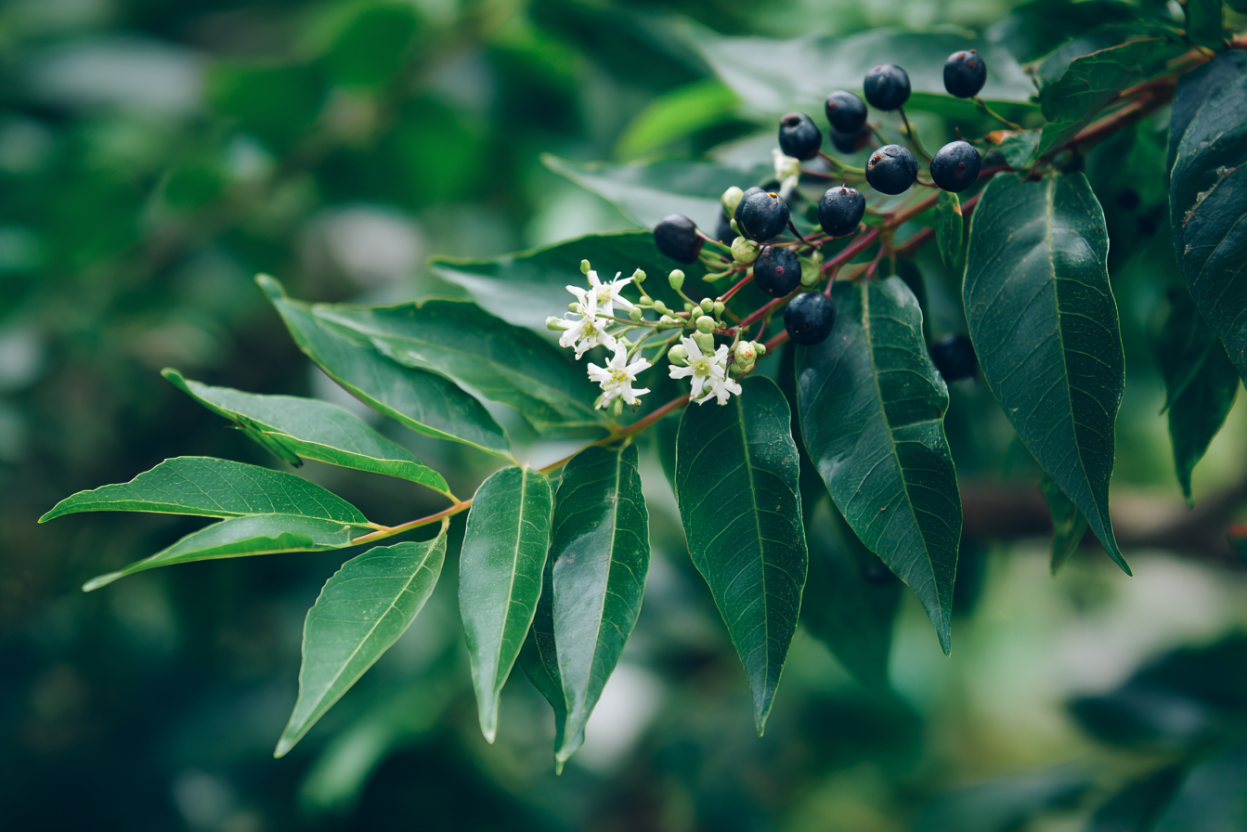
Curry Leaf (Murraya koenigii)
If you struggle with blood sugar balance, sluggish digestion, or persistent inflammation, you are far from alone — and the answer may already be growing in kitchens across South Asia. For thousands of years, curry leaf has been quietly supporting the health of millions, tucked into everyday meals as both flavor and medicine. Modern science is now catching up to what generations already knew.
This remarkable plant is one of many gifts the Creator embedded into nature for our benefit. Long before laboratories confirmed its antidiabetic, anti-inflammatory, and antioxidant properties, curry leaf was already here — provided by a Designer who knew we would need it.
This information is for educational purposes only and is not intended to diagnose, treat, cure, or prevent any disease. Always consult with a qualified healthcare provider before making changes to your health regimen.
The Plant
Common Names: Curry Leaf, Curry Tree, Sweet Neem, Kadi Patta (Hindi), Karapincha (Sinhalese), Karuveppilai (Tamil), Kari Bevu (Kannada), Meetha Neem
Botanical Name: Murraya koenigii (L.) Spreng.
Family: Rutaceae (the citrus or rue family, which also includes oranges, lemons, and grapefruits)
Description
Curry leaf grows as a small, aromatic evergreen tree or shrub that typically reaches 6 to 15 feet in height under cultivation, though it can grow taller in its native habitat. The trunk is slender, with grayish-brown bark, and the canopy is graceful and open. The compound leaves are the plant’s defining feature — each leaf is pinnately divided into 11 to 21 small, glossy, dark green leaflets arranged along a central stem. Each leaflet measures roughly 1 to 2 inches long and is oval-shaped with slightly serrated edges.
When the leaves are crushed or torn, they release a powerful, distinctive aroma — a complex blend of citrus, warm spice, and a faintly nutty sweetness that is entirely unique in the plant world. Small, fragrant, white flowers appear in clusters during spring and summer, attracting pollinators. These give way to small, round berries that ripen from green to dark purplish-black. While the ripe fruit flesh is edible, the seeds within are considered toxic and should not be consumed.
Origin
Curry leaf is native to the Indian subcontinent — specifically India, Sri Lanka, and Bangladesh — where it has been used for millennia. It thrives naturally in tropical and subtropical forests, growing as undergrowth in deciduous woodlands at elevations up to 5,000 feet. From its homeland, the plant spread through trade and migration to Southeast Asia, including Malaysia, Thailand, Cambodia, and Vietnam. Today it is cultivated in Australia, South Africa, parts of the Pacific Islands, and increasingly in the southern United States and other warm-climate regions worldwide. India remains the largest producer and consumer of curry leaves, with the southern state of Tamil Nadu leading commercial production.
Brief History
Curry leaf’s use stretches back at least 2,000 years in Ayurvedic medicine, where it was known as “krishnanimba” — literally, “black neem.” Ancient Tamil and Sanskrit texts document its use as a digestive tonic, a remedy for nausea, and a general strengthener. The plant was so deeply woven into South Indian daily life that it became nearly invisible — always present in the kitchen, always added to the pot, yet rarely given individual credit. Through Indian diaspora communities, curry leaf traveled to Malaysia, South Africa, Fiji, and the Caribbean. Its adoption into global cuisine has accelerated in recent decades as South Asian flavors have gained worldwide appreciation.
Growing & Cultivation
Climate & Zones
Curry leaf thrives outdoors year-round in USDA Hardiness Zones 9 through 12, where temperatures remain above 40°F. The ideal temperature range for active growth is 65°F to 90°F. In cooler climates (Zones 7–8), curry leaf can be grown successfully in containers that are moved indoors during winter. The plant may enter dormancy and shed leaves when temperatures drop below 50°F, but a healthy plant will rebound strongly in spring. Dwarf and miniature varieties are particularly well-suited for container culture and indoor growing.
Soil Requirements
Curry leaf prefers well-drained, slightly acidic to neutral soil with a pH between 6.0 and 7.0. It adapts to sandy, loamy, or clay soils as long as drainage is adequate — waterlogged roots are this plant’s primary enemy. For container growing, use a quality potting mix amended with perlite for drainage. The plant benefits from soil rich in organic matter; top-dressing with compost or well-rotted manure supports both nutrient availability and soil structure. Curry leaf has higher-than-average needs for iron and magnesium, so a citrus or palm fertilizer with micronutrients is often recommended.
Water & Sunlight
Provide full sun to partial shade — at least 6 to 8 hours of direct sunlight daily for optimal growth. In very hot climates, some afternoon shade prevents leaf scorch. Water moderately, allowing the top inch of soil to dry between waterings. Overwatering leads to root rot, the most common cause of curry leaf failure. During winter dormancy, reduce watering significantly. In humid climates, the plant requires less supplemental water. Misting is beneficial indoors where humidity is low.
Propagation
From Seed: Remove the outer husk of ripe berries and sow fresh seed about one-third inch deep in moist potting mix. Germination takes 1 to 3 weeks at 70–80°F. Bottom heat accelerates germination. Use only fresh seed, as viability drops rapidly with age. Plants from seed take 1 to 2 years to become established enough for regular harvest.
From Cuttings: Take 3- to 4-inch stem cuttings from semi-hardwood growth. Dip the cut end in rooting hormone and plant in a moist perlite-peat mix. Keep warm and humid. Roots should develop within 2 to 3 weeks.
From Root Suckers: Mature curry leaf trees often produce root suckers. These can be carefully separated with some root attached and potted up independently. This is the fastest method to a harvestable plant.
Planting
Plant in spring after the last frost date. Space trees 10 to 15 feet apart if planting multiple trees in the ground. For containers, start with a pot just slightly larger than the root ball — curry leaf prefers to be somewhat root-bound. Repot every 2 to 3 years. Companion plant with other tropical or subtropical edibles like turmeric, lemongrass, and ginger.
Harvesting
Leaves can be lightly harvested once the plant reaches about 1 foot in height, with regular harvesting beginning after the first full year of growth. Main production starts at about 3 years. Harvest individual leaflets or entire compound leaf stems from the outer portions of the plant, always leaving enough foliage for the plant to continue photosynthesizing. Morning harvest captures the highest essential oil content. Regular harvesting actually encourages bushier, more productive growth.
Drying & Storage
Fresh curry leaves are always preferred for flavor and nutrition. For storage, lay leaves in a single layer on a screen in a warm, dry, well-ventilated area away from direct sunlight. Dry at temperatures below 110°F to preserve volatile oils and nutrients. Alternatively, use a food dehydrator at its lowest setting. Store dried leaves in airtight glass containers away from light. Dried leaves retain usable flavor for 6 to 12 months, though potency diminishes over time. Freezing is an excellent alternative — place fresh leaves in a zip-lock bag with air removed and freeze; they retain much of their original flavor and nutrition.
Pest & Disease Management
Common pests include aphids, mealybugs, spider mites, and whiteflies. Treat infestations promptly with neem oil or insecticidal soap. Maintain good airflow around the plant to discourage fungal issues. Root rot from overwatering is the most serious disease threat. Yellowing leaves during winter are usually due to iron chlorosis and can be addressed with chelated iron supplements. Watch for citrus psyllid, as Murraya species can host this pest which vectors citrus greening disease.
Companion Planting
Curry leaf grows well alongside ginger, turmeric, lemongrass, holy basil, and chili peppers. Avoid planting near strongly allelopathic plants like walnut or eucalyptus. In the garden, curry leaf acts as a mild pest deterrent for some neighboring plants due to its aromatic volatile compounds.
The Healing of Growing
Growing curry leaf offers benefits beyond the harvest itself. The act of gardening — hands in soil, bare feet on earth, time spent outdoors — has been shown to reduce cortisol, improve mood, and support immune function. The soil contains beneficial bacteria (Mycobacterium vaccae) with documented antidepressant effects. When you grow your own curry leaf, you receive healing before you ever consume it. The ritual of stepping outside to pick fresh leaves for your evening meal connects you to the earth, to the rhythm of seasons, and to the quiet provision of the Creator who placed these things within our reach.
Nutritional Profile
Macronutrients
Per 100 grams of fresh curry leaves, the approximate nutritional content is: Calories: 108 kcal, Protein: 6.1 g, Carbohydrates: 18.7 g, Dietary Fiber: 6.4 g, Fat: 1.0 g, and Moisture: 63%. Dried curry leaf powder concentrates these values significantly, with studies documenting approximately 12.7 g protein, 61.3 g carbohydrates, 11.2 g fiber, and 3.3 g fat per 100 g of dried powder.
Vitamins
Vitamin A (as beta-carotene): Extremely high — fresh curry leaves contain approximately 12,600 IU per 100 g. Beta-carotene is a precursor the body converts to vitamin A, which supports vision, immune function, skin integrity, and cellular communication. Curry leaf is one of the richest plant sources of this nutrient.
Vitamin C (Ascorbic Acid): Approximately 4 mg per 100 g in fresh leaves — supports immune function, collagen production, and acts as a powerful antioxidant that protects cells from oxidative damage. Fresh leaves contain significantly more vitamin C than dried.
B-Complex Vitamins: Curry leaves provide thiamine (B1, approximately 0.89 mg/100 g), riboflavin (B2), niacin (B3, approximately 2.73 mg/100 g), pantothenic acid (B5), and pyridoxine (B6). These B-complex vitamins support enzyme synthesis, nervous system function, energy metabolism, and the production of neurotransmitters.
Vitamin E: Present in small but meaningful amounts — acts as a fat-soluble antioxidant that protects cell membranes from oxidative damage.
Minerals
Calcium: Exceptionally high — dried curry leaf powder contains approximately 2,218 mg per 100 g, making it an extraordinary plant-based calcium source. Calcium is essential for bone formation, muscle contraction, nerve transmission, and blood clotting.
Iron: Approximately 12.7 mg per 100 g of dried leaf powder. Iron is vital for hemoglobin production, oxygen transport, and energy metabolism. Curry leaf’s iron content makes it valuable for supporting healthy blood levels.
Magnesium: Approximately 147 to 568 mg per 100 g depending on source and preparation. Essential for over 300 enzymatic reactions, supports muscle and nerve function, blood sugar regulation, and bone health.
Potassium: Approximately 427 to 1,235 mg per 100 g. Supports heart function, fluid balance, nerve transmission, and muscle contraction.
Phosphorus: Approximately 68.7 mg per 100 g. Works with calcium for bone and tooth formation and plays a role in energy production and cell repair.
Zinc: Present in smaller amounts (approximately 2.5 mg/100 g). Supports immune function, wound healing, DNA synthesis, and protein production.
Phytonutrients & Active Compounds
Curry leaf’s true therapeutic power lies in its unique phytochemical profile, particularly its carbazole alkaloids — a class of compounds rarely found in such concentration in any other food plant. Key compounds include:
Mahanimbine: The most studied carbazole alkaloid in curry leaf, research suggests it may support blood sugar regulation, exhibit antioxidant activity, and influence pathways associated with cellular health.
Koenigine and Koenimbine: Additional carbazole alkaloids with documented antioxidant and free radical scavenging properties.
Girinimbine: Research indicates this compound may support the body’s natural inflammatory response by helping regulate levels of pro-inflammatory cytokines including TNF-α and IL-1β.
Polyphenols and Flavonoids: Curry leaves are rich in phenolic compounds (approximately 4.25% by weight in dried leaves) and flavonoids (approximately 7.43%), which act as potent antioxidants.
Beta-sitosterol: A plant sterol documented at 0.43 mg per gram of dried powder that has been associated with supporting healthy cholesterol levels.
Tannins and Saponins: Present in moderate amounts, these compounds contribute to curry leaf’s astringent properties and may support digestive health.
Nutrient Notes
The exceptionally high calcium content of dried curry leaf powder makes it a standout supplement option, particularly for those seeking plant-based calcium sources. The B-vitamins in curry leaf support serotonin production and nervous system function. The magnesium content may help regulate cortisol, the body’s primary stress hormone. For optimal nutrient absorption, consume curry leaves with a small amount of healthy fat (as traditionally done when tempering in oil or ghee) — this enhances the bioavailability of fat-soluble vitamins A and E. Iron absorption is enhanced when curry leaves are consumed alongside vitamin C-rich foods.
Culinary Uses
Edible Parts
The leaves are the primary edible portion and the part most widely used in cooking. They can be eaten fresh, dried, or powdered. The small ripe berries are edible and have a peppery, slightly sweet flavor, though they are not commonly consumed in Western cooking. The seeds inside the berries are toxic and must never be eaten. The bark and roots are used in traditional medicine but are not considered culinary ingredients.
Flavor Profile
Fresh curry leaves offer a complex flavor that is difficult to compare to any single ingredient. The primary notes are citrusy and warm with a slight nuttiness, underscored by a gentle bitterness and a faintly herbal, almost smoky quality. When heated in oil, the flavor deepens and mellows, becoming richly savory. Fresh leaves have the strongest, most vibrant flavor. Dried leaves retain a muted version of the fresh taste and are best used when fresh leaves are unavailable. The aroma is intensely fragrant — fresh, green, and complex.
Preparation
The most traditional and effective way to use curry leaves is in “tadka” or “tempering” — adding fresh leaves to hot oil or ghee at the start of cooking, where they sizzle and release their aromatic compounds into the fat. This infused oil then becomes the flavor base for dals, curries, rice dishes, and chutneys. Leaves can also be added to soups, stews, and sauces during cooking. Fresh leaves may be minced and sprinkled over finished dishes. Dried leaves can be crumbled into spice blends. Fresh curry leaves make an exceptional addition to coconut chutneys, yogurt-based raitas, and rice preparations. They pair well with mustard seeds, cumin, dried red chilies, urad dal, and asafoetida in South Indian cooking.
Culinary Pairings
Curry leaf pairs beautifully with: coconut (milk, oil, or shredded), lentils and legumes of all kinds, rice, yogurt, tamarind, ginger, garlic, mustard seeds, cumin, turmeric, chili peppers, tomatoes, and both fish and poultry. It is less commonly used with sweet preparations, though adventurous cooks have used it in ice cream and cocktails.
Storage
Fresh curry leaves keep in the refrigerator for up to two weeks when stored in a paper towel-lined container. For longer storage, freeze them flat on a baking sheet, then transfer to a freezer bag — they retain excellent flavor for 2 to 3 months frozen. Dried curry leaves store in an airtight container away from light for 6 to 12 months.
Ready to cook with curry leaf? View Recipes on Chefts →
Wellness & Therapeutic Uses
Traditional Uses
Curry leaf holds a place of deep respect in Ayurvedic medicine, where it has been used for over 2,000 years under the Sanskrit name “krishnanimba.” Ayurvedic practitioners have traditionally used it as a stomachic (digestive strengthener), carminative (gas-relieving), and tonic. The leaves were used to support digestion, relieve nausea and vomiting, manage diarrhea and dysentery, and promote appetite. In traditional South Indian medicine, fresh curry leaf juice was used for certain eye disorders, particularly to support against the development of cataracts. The bark and roots were used as a stimulant and for treating bites from venomous animals. In Siddha medicine (a traditional Tamil system), curry leaf was valued for its cooling, blood-purifying, and anti-inflammatory properties. Unani medicine also documents curry leaf as useful for supporting digestive and liver health.
Modern Research
Blood Sugar Support: This is among the most well-researched applications of curry leaf. Multiple animal studies have demonstrated that curry leaf extracts may support healthy blood glucose levels. A clinical study involving non-insulin-dependent diabetic patients found that supplementation with 12 g of curry leaf powder was associated with a transient reduction in both fasting and postprandial blood sugar levels (Iyer & Mani, 1990, India). The carbazole alkaloids mahanimbine and koenigine are believed to play key roles in this activity, potentially through antioxidant mechanisms and insulin-mimetic effects. A comprehensive 2024 review concluded that M. koenigii shows significant potential as a natural intervention for diabesity (PubMed, 2024).
Anti-inflammatory Activity: Compounds isolated from curry leaf — including girinimbine, murrayakonine A, and O-methylmurrayamine A — have been shown in laboratory studies to inhibit the release of pro-inflammatory mediators TNF-α and IL-6. Animal studies have demonstrated significant anti-inflammatory and analgesic activity using carrageenan-induced paw edema models (Balakrishnan et al., 2020, Malaysia — PMC Review).
Antioxidant Properties: Curry leaf is exceptionally rich in antioxidants. The carbazole alkaloids, polyphenols, and flavonoids all contribute to significant free radical scavenging activity. Studies on Wistar rats showed that curry leaf extract supported antioxidant enzyme levels including superoxide dismutase (SOD) and glutathione (GSH) (Immunomodulatory Study, 2011, India — PubMed).
Cholesterol & Lipid Support: Animal studies suggest curry leaf may support healthy cholesterol levels. The beta-sitosterol and fiber content, combined with the carbazole alkaloid activity, have been associated with reductions in total cholesterol, triglycerides, and LDL cholesterol in animal models.
Neuroprotective Potential: Emerging research suggests curry leaf compounds, particularly mahanimbine, may support brain health. Animal studies indicate potential protective effects against oxidative stress in neural tissues, with some researchers exploring connections to acetylcholine regulation — a neurotransmitter involved in memory and cognitive function (Balakrishnan et al., 2020 — PMC Review).
Antimicrobial Activity: Both the essential oil and leaf extracts of curry leaf have demonstrated antibacterial and antifungal activity in laboratory studies. The essential oil has shown effectiveness against pathogens including Pseudomonas aeruginosa, Streptococcus pyogenes, and Klebsiella pneumoniae (Priya et al., 2014, India — PMC).
Liver Support (Hepatoprotective): Animal studies have demonstrated that curry leaf extracts may support liver health. An aqueous extract showed protective effects against cadmium-induced oxidative stress in rat heart tissue, suggesting broader organ-protective potential (Abeysinghe et al., 2021 — PMC Review).
Body Systems Supported
Based on traditional use and modern research, curry leaf may support the following body systems: Digestive system (carminative, anti-diarrheal, appetite support), Endocrine system (blood sugar regulation, insulin support), Cardiovascular system (cholesterol support, antioxidant protection), Immune system (immunomodulatory activity, antimicrobial properties), Nervous system (neuroprotective potential, antioxidant protection), Integumentary system (skin and hair benefits from topical application), and the Hepatic system (liver protective effects).
Body Compounds Affected
Research suggests curry leaf may influence the following body compounds: TNF-α and IL-6 (inflammatory cytokines — curry leaf compounds have been shown to help modulate their release), Insulin (curry leaf’s hypoglycemic effects may involve insulin-mimetic activity and improved insulin sensitivity), Glutathione (GSH) and SOD (key antioxidant enzymes that curry leaf supports), Nitric Oxide (NO) (girinimbine has been shown to help regulate NO overproduction in inflammatory conditions), and Acetylcholine (emerging research suggests potential effects on this neurotransmitter involved in memory and cognition).
Methods of Use
Tea/Infusion
Use 8 to 10 fresh curry leaves (or 1 tablespoon dried) per cup of hot water. Steep for 5 to 10 minutes, covered. Strain and drink 1 to 2 cups daily. May be combined with ginger or lemon for flavor. Traditionally consumed on an empty stomach in the morning for digestive support.
Fresh Leaf Consumption
Chewing 5 to 8 fresh curry leaves on an empty stomach each morning is a traditional practice in South India for blood sugar support and digestive health. The leaves can also be blended into smoothies or green juices.
Dried Powder
Dried curry leaf powder can be added to foods, mixed into warm water, or taken in capsule form. Traditional dosage ranges are 3 to 12 grams of dried leaf powder daily, though individual needs vary.
Tincture
Curry leaf tinctures are available commercially. Typical dosage ranges are 30 to 50 drops, 2 to 4 times daily between meals. Always follow product-specific instructions.
Cosmetic & Beauty Uses
Skin Benefits
Curry leaf’s rich antioxidant content makes it beneficial for skin health. The high beta-carotene and vitamin E content support skin cell renewal and provide protection against oxidative damage from UV exposure and environmental pollutants. The anti-inflammatory properties may help soothe irritated skin. Traditional use includes applying curry leaf paste to burns, bruises, and insect bites for support in healing. The antimicrobial properties make it potentially useful for acne-prone skin.
Hair Benefits
Perhaps curry leaf’s most celebrated cosmetic application is for hair health. In Ayurvedic tradition, curry leaf has long been used to support hair strength, promote healthy hair growth, and address dandruff and itchy scalp conditions. The leaves are rich in proteins and beta-carotene, both of which support hair follicle health. The B-vitamins and iron content may help address nutritional deficiencies that contribute to hair thinning. Traditional methods include boiling curry leaves in coconut oil to create a nourishing hair oil, or using a curry leaf tea rinse after shampooing.
Application Methods
Curry Leaf Hair Oil: Warm a cup of coconut oil and add a generous handful of fresh curry leaves. Heat gently on low for 15 to 20 minutes until the leaves darken. Strain and cool. Massage into the scalp and hair, leave for 30 minutes to overnight, then wash. Use 2 to 3 times weekly.
Face Mask: Grind fresh curry leaves into a paste and mix with a small amount of yogurt or honey. Apply to clean skin for 15 to 20 minutes. The antioxidants and vitamins support skin brightness while the antimicrobial compounds may help with blemishes.
Hair Rinse: Steep a large handful of fresh curry leaves in boiling water. Cool, strain, and use as a final rinse after shampooing to add shine and support scalp health.
DIY Formulation Notes
Curry leaf infused oil can be incorporated into homemade hair serums, scalp treatments, and body oils at a rate of 10 to 25% of the total formulation. Pair with carrier oils like coconut, sesame, or jojoba. Homemade preparations should be used within 2 to 4 weeks when stored in the refrigerator. The green pigment of curry leaf can temporarily stain light-colored hair or skin, so patch test accordingly.
Curry leaf is among the botanicals being explored for holistic cosmetic applications, where the wisdom of traditional beauty practices meets modern understanding of skin science.
Essential Oil Profile
Extraction
Curry leaf essential oil is obtained by steam distillation of the fresh leaves. The typical yield ranges from 0.24% to 0.83% by weight, meaning it takes a large quantity of leaves to produce a small amount of oil. This relatively low yield contributes to the oil’s cost and limited commercial availability compared to more widely produced essential oils. Hydrodistillation and microwave-assisted hydrodistillation have also been studied, with the latter producing a slightly different chemical profile with enhanced antimicrobial activity.
Chemical Constituents
The essential oil of curry leaf shows remarkable chemical diversity depending on geographic origin, altitude, and growing conditions. GC-MS analyses across studies have identified over 90 different compounds. Major constituents commonly reported include:
Monoterpene Hydrocarbons: α-Pinene (13–56%), β-pinene (4–70%), sabinene (10–45%), β-phellandrene (7–50%), limonene (5%), myrcene (6%), and α-terpinene (5%). These compounds contribute fresh, pine-like, citrusy notes and are associated with airway support and antimicrobial properties.
Oxygenated Monoterpenes: Linalool (up to 33%), terpinen-4-ol (5–10%), and geranyl acetate (6%). These contribute floral, sweet notes and are associated with calming, anti-inflammatory properties.
Sesquiterpene Hydrocarbons: β-Caryophyllene (5–54%), α-selinene (6–10%), and α-humulene (1–9%). Caryophyllene is notable for its documented interaction with the body’s CB2 cannabinoid receptors, associated with anti-inflammatory effects.
Aroma Profile
Curry leaf essential oil is classified as a middle note in aromatherapy blending. The scent is warm, spicy, and herbaceous with distinct citrus undertones and a slightly green, leafy character. It is complex, aromatic, and unlike any other single essential oil. It blends well with citrus oils (bergamot, lemon, lime), warm spice oils (ginger, cardamom, cinnamon leaf), and grounding oils (vetiver, patchouli, sandalwood).
Therapeutic Properties
Research suggests the essential oil may be: antimicrobial (demonstrated against multiple bacterial and fungal species), antioxidant (significant free radical scavenging activity), anti-inflammatory (attributed to caryophyllene and other sesquiterpenes), and insect repellent (traditional and research-supported use).
How to Use
Diffusion
Add 3 to 5 drops to a diffuser for a warm, uplifting atmosphere. Particularly nice blended with citrus oils. Limit diffusion to 30 to 60 minutes at a time.
Topical Application
Always dilute before applying to skin. Standard adult dilution is 2% (approximately 12 drops per ounce of carrier oil). For sensitive skin, use 1% dilution. Excellent as a scalp treatment oil when diluted in coconut or jojoba oil. Perform a patch test before widespread use.
Quality & Sourcing
Due to the chemical diversity of curry leaf essential oil based on plant origin, always request GC/MS testing data from your supplier. Look for oils sourced from reputable producers in India or Sri Lanka. Be aware that composition varies significantly by region, so different batches may have different dominant compounds. There is limited risk of adulteration due to the oil’s low commercial demand, but always purchase from companies that provide third-party testing.
Blending
Curry leaf essential oil blends well with: bergamot, lemon, lime, ginger, cardamom, black pepper, cinnamon leaf, vetiver, sandalwood, and ylang ylang. For a digestive support blend, combine with ginger and peppermint. For a grounding, meditative blend, combine with vetiver and frankincense.
Aromatherapy & Scent
The Aroma
The fresh curry leaf plant emits a warm, spicy-citrus fragrance that intensifies when the leaves are touched, crushed, or warmed by the sun. The scent is most potent in the morning hours and immediately after a rain. Simply walking past a curry leaf plant and brushing the foliage is enough to release its aromatic compounds into the surrounding air. Fresh leaves have a bright, green, complex aroma with notes of citrus peel, warm spice, and a faintly nutty sweetness. Dried curry leaves retain a more subdued version of this fragrance — the citrus notes fade while the warm, earthy undertones concentrate. Dried leaves typically hold their scent for 4 to 6 months in proper storage.
How Scent Affects Your Body
When you smell curry leaf, volatile aromatic molecules are released from the plant and enter your nose with each breath. Olfactory receptor neurons in the nasal cavity detect these molecules and send electrical signals directly to the limbic system — the brain’s emotional center — and the hypothalamus, which controls hormone production. This pathway bypasses conscious thought, meaning the plant’s aroma affects your body chemistry before you even decide how you feel about the scent. This direct connection explains why smell can trigger powerful emotional responses and physiological changes within seconds.
Emotional & Mood Effects
The warm, complex aroma of curry leaf is generally experienced as grounding and comforting. The citrus notes provide mild uplift while the warm spice notes create a sense of security and nourishment. Many people report that the scent of curry leaves cooking evokes feelings of home, comfort, and nourishment — particularly those who grew up in South Asian households. This emotional connection can reduce stress and anxiety by activating positive memory associations. The α-pinene and linalool constituents in curry leaf’s volatile profile are individually associated with calming and focusing effects.
Body Compounds Affected
While specific research on curry leaf’s aroma and neurochemistry is still emerging, its constituent volatile compounds have been individually studied. Linalool, a major component, has been associated in research with anxiolytic effects and may support GABA receptor activity. α-Pinene has been linked to enhanced alertness and memory retention. β-Caryophyllene interacts with CB2 receptors, which may support the body’s natural stress response and promote a sense of calm. Collectively, these compounds suggest curry leaf’s scent may help modulate cortisol and support balanced nervous system function.
Ways to Experience the Scent
Beyond essential oil diffusion, you can experience curry leaf’s aroma by: growing the plant indoors near a sunny window and brushing the leaves as you pass; placing fresh cuttings in a vase of water in your kitchen; crushing leaves between your fingers while gardening; simmering fresh or dried leaves in water on the stove as a natural room freshener; adding fresh leaves to a hot bath; or placing dried leaves in a sachet under your pillow.
Color Therapy
The Colors of Curry Leaf
The curry leaf plant displays a rich palette of natural colors. The leaves are a deep, glossy, dark green — vibrant and saturated in mature growth, with lighter, bright green tones in new emerging foliage. The flowers are pure white to cream-colored, appearing in delicate clusters. The berries progress from bright green through red to a deep purplish-black when fully ripe. The bark is grayish-brown.
Color Wavelengths
The dominant green of curry leaf’s foliage falls within the 495 to 570 nm wavelength range of the visible light spectrum. The white flowers encompass the full visible spectrum. The dark purple-black berries represent wavelengths at the short end of the spectrum (380–450 nm violet range), combined with absorption of most other wavelengths.
How Green Affects the Body
Green is the color at the center of the visible spectrum and is widely associated in color therapy with balance, harmony, and restoration. Viewing green environments has been shown to reduce stress, lower blood pressure, and support emotional equilibrium. Green is associated with the heart center in many healing traditions, promoting feelings of compassion, connection, and renewal. The deep green of curry leaf’s glossy foliage provides a visually calming presence in any space.
Body Compounds Affected
Exposure to green environments has been associated with reduced cortisol levels and improved parasympathetic nervous system activity. Studies on nature views and green space exposure suggest that seeing living green plants supports serotonin production and may positively influence GABA activity, promoting a sense of calm.
Using Curry Leaf for Color Therapy
Place a potted curry leaf plant in living spaces or workspaces where its deep green foliage can provide ongoing visual calming. In kitchens, the presence of the living plant adds both beauty and function. The contrast of white flowers against dark green leaves during blooming creates a visually soothing combination. Including curry leaf’s rich green color in meals contributes to “eating the rainbow” — a practice where diverse food colors ensure a broad spectrum of phytonutrients.
Frequency & Vibration
The Frequency of Curry Leaf
While specific MHz frequency measurements for curry leaf have not been widely published in the available bio-frequency literature, essential oils as a category are among the highest-frequency substances measured. According to bio-frequency research pioneered by Bruce Tainio, essential oils typically measure between 52 and 320 MHz. Given curry leaf essential oil’s rich monoterpene and sesquiterpene content — compound classes associated with moderate to high frequencies — curry leaf likely falls within the moderate-to-high frequency range. The living plant, as with all living organisms, also emits a vibrational frequency from its metabolic and cellular processes.
Human Frequency Interaction
According to bio-frequency research, a healthy human body vibrates between 62 and 78 MHz. When frequency drops below 58 MHz, vulnerability to illness increases. The principle of entrainment suggests that higher-frequency substances can support the body’s frequency when it has dropped below optimal levels. Being around living plants, consuming fresh plant foods, and using essential oils are all practices that proponents of vibrational medicine believe may help maintain healthy frequency levels.
Vibrational Applications
To potentially support personal frequency through curry leaf: keep a living curry leaf plant in your home, consume fresh curry leaves regularly as part of your diet, use curry leaf essential oil in diffusion or diluted topical application, and spend time in nature near living plants. These practices align with traditional wisdom across many cultures that recognized the revitalizing effects of spending time around aromatic, living plants.
The Living Plant
Benefits of Presence
Simply having a living curry leaf plant in your environment provides benefits that go beyond any extract or preparation. Research on biophilic design demonstrates that the presence of living plants in indoor environments reduces stress, improves mood, enhances cognitive performance, and supports overall well-being. The visual beauty of curry leaf’s glossy foliage, combined with its aromatic emissions, creates a multi-sensory healing presence.
Air Purification
While curry leaf has not been specifically included in the NASA Clean Air Study, plants in the Rutaceae family are known for producing volatile organic compounds with antimicrobial properties. Curry leaf releases aromatic phytoncides — antimicrobial volatile compounds — into the surrounding air. Like other broadleaf evergreens, it contributes to oxygen production and helps regulate indoor humidity levels. Placing curry leaf plants in living spaces adds to the overall plant biomass that supports indoor air quality.
Phytoncides
Curry leaf is an active producer of phytoncides — the antimicrobial volatile organic compounds that plants release to protect themselves from pathogens. These same compounds, when inhaled by humans, have been associated in forest bathing research with increased Natural Killer (NK) cell activity and enhanced immune function. The aromatic compounds that give curry leaf its distinctive scent are themselves phytoncides, meaning that simply being near the plant provides exposure to these beneficial compounds.
Visual & Psychological Benefits
Research consistently shows that viewing plants reduces perceived stress and supports attention restoration — the ability to recover mental focus after sustained concentration. In healthcare settings, patients with views of greenery have been documented to recover faster. Having a curry leaf plant in your home or workspace provides these benefits continuously. Caring for the plant adds a dimension of purposeful nurturing that further supports psychological well-being.
Growing Indoors vs Outdoors
Curry leaf can be grown indoors in a bright south- or west-facing window that receives 6 or more hours of direct sunlight. Supplemental grow lights help during winter in northern climates. Indoor plants benefit from good air circulation and humidity levels above 40%. Outdoors, the plant offers stronger aromatic emissions, greater growth potential, and the added benefit of connecting you to the natural environment. In climates where outdoor growing is possible (Zones 9–12), placing the plant near a patio, kitchen door, or garden seating area maximizes both practical harvesting and presence-based benefits.
Touch & Physical Interaction
Gardening Therapy
Horticultural therapy is a well-established therapeutic practice, and working with curry leaf offers particularly rich sensory engagement. The act of pruning, harvesting, repotting, and caring for a curry leaf plant provides purposeful activity, connection to living systems, and the satisfaction of nurturing something that provides nourishment in return. For those managing stress, anxiety, or depression, the rhythmic, meditative quality of plant care can be profoundly grounding.
Soil Contact Benefits
When you work with your curry leaf plant — whether repotting, amending soil, or pulling weeds — your hands come into direct contact with soil. This contact provides measurable benefits. Grounding (or earthing) research suggests that direct skin contact with the earth transfers electrons that may help neutralize free radicals in the body. The soil bacterium Mycobacterium vaccae has been documented to trigger serotonin production when it comes into contact with human skin, providing a natural antidepressant effect. The microbiome benefits of regular soil exposure also support immune system diversity.
The Tactile Experience
Curry leaf offers a unique tactile experience. The leaflets are smooth and slightly waxy on top, with a softer texture underneath. Running your fingers along the compound leaf and gently stripping the leaflets from the stem is a satisfying, meditative gesture. When the leaves are crushed between your fingers, they release their aromatic oils — this act of touch simultaneously delivers aromatherapy. The bark is slightly rough and woody. The small berries, when ripe, are smooth and slightly yielding. Harvesting curry leaves engages multiple senses simultaneously — touch, smell, and sight — creating a fully embodied experience.
Harvesting & Processing
The harvest of curry leaves is a gentle, almost ceremonial act. Selecting the right stems, carefully stripping leaflets, sorting and preparing them for use — these repetitive, mindful movements slow the nervous system and create a meditative state. Stripping dried leaves from stems, crumbling them for storage, and grinding dried leaves into powder all provide additional tactile engagement. In cultures where curry leaf is a daily kitchen staple, this handling is a built-in daily mindfulness practice, connecting the cook to the plant, the earth, and the meal being prepared.
Water-Based Applications
Teas & Infusions
The simplest water-based preparation is a curry leaf tea. Place 8 to 10 fresh leaves (or 1 tablespoon dried) in a cup and pour freshly boiled water over them. Cover and steep for 5 to 10 minutes. Strain and drink warm. Hot infusions extract water-soluble vitamins, minerals, and some of the lighter volatile compounds. Cold infusions (steeping in room-temperature water for 4 to 8 hours) produce a milder, gentler extraction. Curry leaf tea may be consumed 1 to 2 times daily and is traditionally taken in the morning on an empty stomach for digestive and blood sugar support.
Herbal Baths
Add a large handful of fresh curry leaves (or 2 to 3 tablespoons of dried leaves) to a warm bath. The aromatic compounds release into the steam for inhalation while the skin absorbs water-soluble nutrients. A curry leaf bath may support skin health, promote relaxation, and provide gentle aromatherapy. Bath temperature should be comfortably warm (not hot), and soaking for 15 to 20 minutes allows adequate absorption. A foot bath using the same proportions is a convenient alternative that still provides meaningful therapeutic contact.
Compresses
For localized support, prepare a strong curry leaf tea (double strength), soak a clean cloth in the warm infusion, and apply to the affected area. A warm compress may help soothe minor aches and skin irritation. Apply for 15 to 20 minutes, rewarming the cloth as needed. Cold compresses made the same way may be soothing for insect bites or minor inflammation.
Steam Inhalation
Add a generous handful of fresh curry leaves to a bowl of just-boiled water. Lean over the bowl with a towel draped over your head and the bowl, and breathe deeply for 5 to 10 minutes. The volatile aromatic compounds released in the steam enter the respiratory system directly. This method may support clear breathing during seasonal congestion. Use caution to avoid burns from the hot water and steam.
Hair Rinses
Prepare a strong infusion of curry leaves (a large handful steeped in 2 cups of boiling water for 20 minutes). Cool, strain, and use as a final rinse after shampooing. Pour slowly over the scalp and hair, massage gently, and leave in — do not rinse out. This may support scalp health, add shine to hair, and address dandruff. For enhanced benefit, combine with a few drops of lemon juice or apple cider vinegar.
Historical, Cultural & Biblical Significance
Biblical References
Curry leaf (Murraya koenigii) is not directly mentioned in Scripture by name. However, the plant is native to a region with ancient trade connections to the biblical world, and aromatic plants of similar use and function were well known in the biblical era. The principle of God’s provision through plants is deeply established in Scripture: “And God said, Behold, I have given you every herb bearing seed, which is upon the face of all the earth, and every tree, in the which is the fruit of a tree yielding seed; to you it shall be for meat” (Genesis 1:29, KJV). While curry leaf itself does not appear in the biblical text, it stands as part of the vast botanical pharmacopoeia that the Creator placed across the earth for human benefit.
Ancient Civilizations
Curry leaf’s documented history begins in ancient India, where Tamil and Sanskrit texts dating back over 2,000 years describe its use. In Ayurvedic medical texts, it appears under the name “krishnanimba” (black neem) and is prescribed as a digestive tonic, appetite stimulant, and remedy for nausea. The ancient Tamil Siddha medical tradition, one of the oldest systems of medicine in the world, documents curry leaf as a cooling, blood-purifying herb. The plant was so ubiquitous in South Indian life that it became part of the cultural fabric — inseparable from daily cooking, medicine, and household practice.
Eastern Traditions
Ayurveda (India): In Ayurvedic classification, curry leaf is considered to be pungent, bitter, and slightly astringent in taste (rasa), with a heating energy (virya) and a pungent post-digestive effect (vipaka). It is used to balance Kapha and Vata doshas. Applications include digestive disorders, skin conditions, diabetes support, anemia, and as a general strengthening tonic. The leaves, bark, root, and fruit each have distinct applications in the Ayurvedic system.
Siddha Medicine (Tamil Nadu): Predating even classical Ayurveda in some traditions, Siddha medicine uses curry leaf for its cooling properties, for purifying the blood, and for supporting the liver and digestive organs.
Unani Medicine: This Greco-Arab medical tradition, practiced across South Asia and the Middle East, also documents curry leaf as a digestive aid and tonic.
Indigenous Knowledge
Throughout the Indian subcontinent, tribal communities have used curry leaf for generations — as a stomachic, carminative, and anthelmintic (anti-parasitic) agent. The fresh juice of the leaves was traditionally used for eye disorders. The bark and roots were applied to treat bites from venomous animals. As Indian diaspora communities spread across the globe, they carried curry leaf cultivation and knowledge with them — to Malaysia, Sri Lanka, South Africa, Fiji, the Caribbean, and beyond. In each new location, the plant and its traditional uses were preserved, adapted, and passed down.
European Heritage
Curry leaf entered European botanical awareness through Portuguese and British colonial contact with India. The genus name Murraya honors Johann Andreas Murray (1740–1791), a Swedish student of Linnaeus who became a professor of medicine and botany. The species name koenigii honors Johann Gerhard König, a botanist who studied the Indian flora. While curry leaf did not become a staple of European herbal medicine, colonial botanical surveys documented its widespread use across South and Southeast Asia, helping to preserve traditional knowledge in written form.
Cultural Symbolism
In South Indian culture, curry leaf symbolizes nourishment, home, and the everyday sacred. The Tamil expression “curry leaf treatment” has entered colloquial language to describe something that is essential but taken for granted — much like the leaf itself, which flavors every dish but is often pushed aside on the plate. In South Indian wedding ceremonies, curry leaf plants are sometimes given as gifts symbolizing a well-nourished home and abundant provision. The plant’s prolific suckering habit, which allows it to spread and establish easily, is seen as a symbol of resilience and generosity.
Multiple cultures across South Asia observed that curry leaf provided digestive support, blood sugar regulation, and general nourishment. They documented these uses in their medical systems over millennia. While they may not have known the Creator by name in every case, they were observing His design — and their observations align remarkably with what modern research confirms about curry leaf’s properties.
Safety & Precautions
Contraindications
Curry leaves used as a culinary herb in normal food quantities are generally regarded as safe for most people. Higher therapeutic doses (concentrated extracts, tinctures, or large quantities of powder) should be used with caution in individuals with very low blood sugar, as curry leaf may enhance hypoglycemic effects. Those scheduled for surgery should discontinue concentrated curry leaf preparations at least 2 weeks before the procedure due to potential effects on blood sugar and bleeding.
Drug Interactions
Diabetes medications: Curry leaf may enhance the blood sugar-lowering effects of insulin and oral hypoglycemic agents. Monitor blood sugar levels closely and consult with your healthcare provider if using curry leaf therapeutically alongside diabetes medication.
Cholesterol medications (statins): Curry leaf may independently support cholesterol reduction. Combined use with statin medications should be monitored by a healthcare provider to avoid excessive cholesterol lowering.
Blood thinners: While not a major concern at culinary doses, concentrated extracts may have mild anticoagulant properties. Use caution if taking warfarin, heparin, or similar medications.
Blood pressure medications: Some traditional uses suggest curry leaf may support blood pressure regulation. Those on blood pressure medication should monitor accordingly.
Pregnancy & Nursing
Curry leaves consumed in normal culinary amounts are considered safe during pregnancy and have been a staple food for pregnant women in South India for generations. One clinical study even explored curry leaf’s potential benefits in pregnancy-induced hypertension. However, concentrated extracts, tinctures, and therapeutic doses have not been adequately studied in pregnancy. Not recommended in therapeutic doses during pregnancy or breastfeeding without guidance from a qualified healthcare provider. Culinary use is generally considered safe.
Children
Curry leaves in food are safe for children of all ages and are a nutritious addition to the diet. Concentrated extracts and essential oils should be used with greater caution. Essential oil use on children under 6 should be limited to very low dilutions (0.5% or less) and avoided entirely for children under 2. Curry leaf tea at half-strength may be appropriate for children over 6, but consult a practitioner for guidance.
Elderly
Curry leaf is generally safe for elderly populations and may be particularly beneficial given its nutritional density and potential blood sugar and cholesterol support. However, elderly individuals on multiple medications should consult with their healthcare provider before using concentrated curry leaf preparations due to potential drug interactions, particularly with diabetes and cardiovascular medications.
Pets
Dogs: Curry leaf (Murraya koenigii) is generally considered non-toxic to dogs. Small amounts are unlikely to cause harm, though large quantities of any unfamiliar plant material may cause mild gastrointestinal upset.
Cats: Generally considered non-toxic to cats in small amounts, though the plant contains oxalic acid, which in large quantities could potentially cause digestive upset or, in extreme cases, kidney stress. Keep plants out of reach of cats who are habitual chewers as a precaution.
Important note: The seeds of the curry leaf berry are toxic and should be kept away from all pets and children.
Allergies & Sensitivities
Allergic reactions to curry leaf are uncommon but possible. Individuals with known allergies to plants in the Rutaceae family (which includes citrus) should introduce curry leaf cautiously. Skin contact with the plant may cause mild irritation in sensitive individuals, particularly when handling large quantities of fresh leaves. A patch test is recommended before topical application of any curry leaf preparation. The essential oil should always be diluted before skin application.
Dosing Guidelines
Culinary use: 8 to 15 fresh leaves per serving, used freely in cooking — no upper limit for normal dietary consumption. Dried powder: 3 to 12 grams daily as a food supplement or mixed into water. Tea: 1 to 2 cups daily. Tincture: 30 to 50 drops, 2 to 4 times daily (follow product-specific instructions). Duration: Safe for ongoing dietary use. For therapeutic purposes, most practitioners recommend periodic assessment with a healthcare provider.
Quality & Sourcing
Fresh curry leaves should be deep green, glossy, and fragrant. Avoid yellowed, wilted, or odorless leaves. Dried leaves should retain a green color and aromatic quality. Source from reputable herb suppliers who test for pesticide residues and heavy metals, as curry leaf plants may accumulate heavy metals from contaminated soils. Organic sources are preferred when available. Be certain you are purchasing Murraya koenigii and not the unrelated ornamental “curry plant” (Helichrysum italicum), which has a similar name but entirely different properties.
Signs of Adverse Reaction
Mild reactions may include gastrointestinal upset, nausea, or mild skin irritation. Serious reactions (rare) may include significant allergic response — hives, swelling, difficulty breathing — which require immediate medical attention. If blood sugar drops unusually low when combining curry leaf with diabetes medications, discontinue therapeutic curry leaf use and consult your healthcare provider.
Disclaimer
This information is for educational purposes only. It is not intended to diagnose, treat, cure, or prevent any disease. Always consult with a qualified healthcare provider before using any herbal product, especially if you are pregnant, nursing, taking medications, or have a medical condition. If you experience any adverse reaction, discontinue use immediately and seek medical attention.
Want Personalized Guidance?
Every body is unique. What works for one person may not be right for another. If you’d like personalized support in incorporating curry leaf into your wellness journey, consider working with a qualified practitioner who can assess your individual needs.
Sources & References
Peer-Reviewed Studies
- Medicinal Profile, Phytochemistry, and Pharmacological Activities of Murraya koenigii and its Primary Bioactive Compounds — Antioxidants (MDPI), 2020, Malaysia
- Nutritive Importance and Therapeutics Uses of Three Different Varieties of Curry Leaves: An Updated Review — Evidence-Based Complementary and Alternative Medicine, 2021, Sri Lanka
- Immunomodulatory effect of leaf extract of Murraya koenigii in diabetic mice — Immunopharmacology and Immunotoxicology, 2011, India
- Chemical composition, antibacterial and antioxidant profile of essential oil from Murraya koenigii (L.) leaves — Asian Pacific Journal of Tropical Disease, 2014, India
- Murraya koenigii (L.) Spreng. as a Natural Intervention for Diabesity: A Review — Current Diabetes Reviews, 2024, India
- Phytochemical portfolio and anticancer activity of Murraya koenigii and its primary active component, mahanine — Pharmacognosy Reviews, 2017, India
- Studies on the effect of curry leaves supplementation on lipid profile, glycated proteins and amino acids in non-insulin-dependent diabetic patients — Plant Foods for Human Nutrition, 1990, India
- Effect of dried Murraya koenigii leaves on nutritional, textural and organoleptic characteristics of cookies — Journal of Food Science and Technology, 2013, India
- Murraya koenigii L. Spreng.: An updated review of chemical composition, pharmacological effects, and toxicity studies — Journal of Applied Pharmaceutical Science, 2024, Indonesia
Traditional Medicine Sources
- Curry leaf (Murraya koenigii): a spice with medicinal property — MOJ Biology and Medicine, 2017, India
- Murraya koenigii — Curry Tree — Plants For A Future Database
Institutional Sources
- Murraya koenigii — Curry Leaf Plant Profile — Missouri Botanical Garden
- How to Grow Curry Leaf Trees — Gardener’s Path
Nutritional Sources
- Nutritional Composition of Dried Curry Leaf Powder (Murraya koenigii) — JETIR, 2019, India
- Determination of Nutritional Composition of Curry Leaves — International Journal of Food and Nutritional Sciences, India