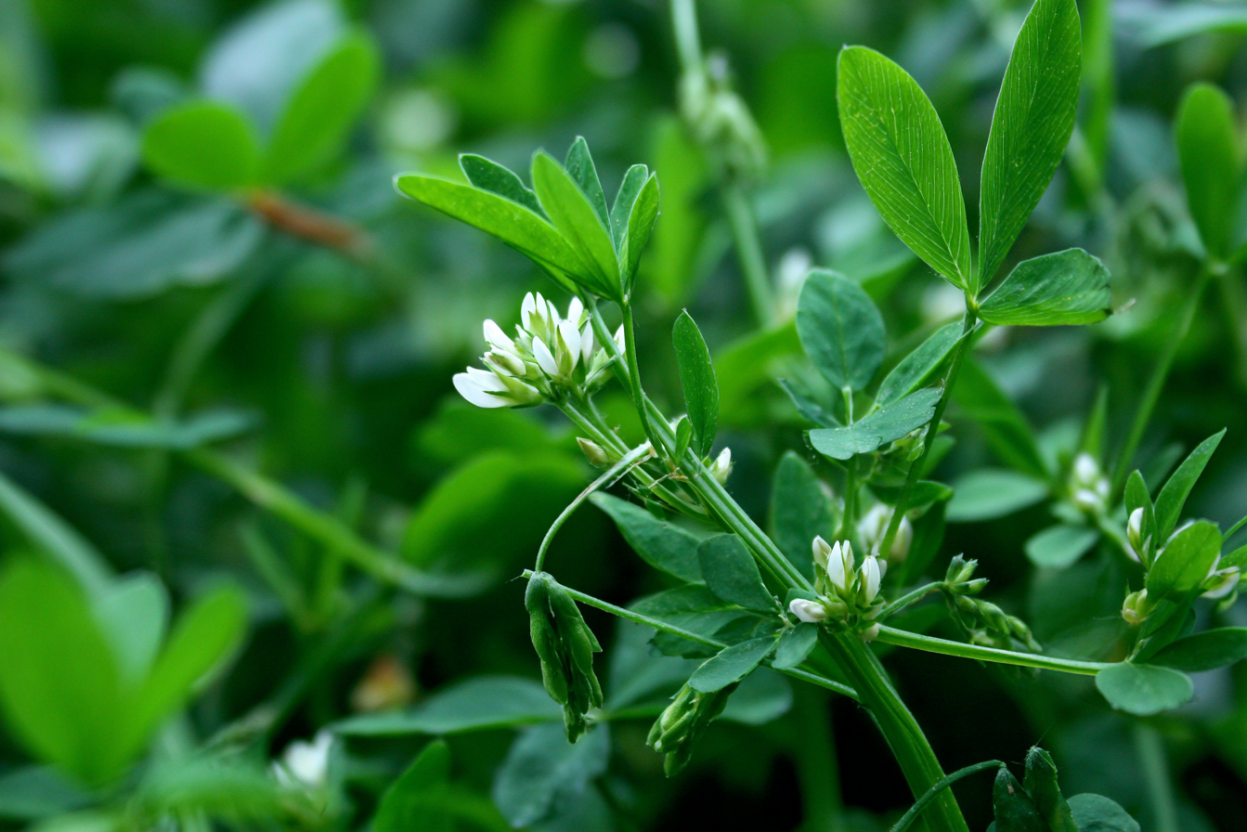
Fenugreek (Trigonella foenum-graecum)
If you have been searching for answers about blood sugar balance, digestive comfort, or hormonal support, you are far from alone — and nature may have provided something remarkable that has been quietly serving humanity for over six thousand years. Fenugreek is one of the most researched plants on the planet, with studies spanning dozens of countries confirming what ancient civilizations already knew — this humble legume supports the body in ways that modern science is only beginning to fully understand.
This extraordinary plant is one of countless gifts the Creator embedded into nature for our benefit. Long before laboratories, clinical trials, or pharmaceutical companies existed, fenugreek was already here — provided by a God who knew exactly what we would need and placed it within our reach.
The Plant
Common Names: Fenugreek, Methi (Hindi/Urdu), Hilba/Helba (Arabic), Bird’s Foot, Greek Hay, Greek Clover, Trigonella, Shambalileh (Persian), Uluhal (Sinhala), Hu Lu Ba (Chinese)
Botanical Name: Trigonella foenum-graecum L.
Family: Fabaceae (the legume or pea family — the same family as lentils, chickpeas, and peanuts)
Description
Fenugreek is a small, upright annual herb that typically grows between 30 and 60 centimeters (about 1 to 2 feet) in height. The name Trigonella comes from the Latin for “little triangle,” describing the shape of its small, yellowish-white flowers. The leaves are trifoliate — meaning three small, oblong leaflets grow from each stem, much like clover. The stems are round and branching, giving the plant a bushy appearance.
After flowering, fenugreek produces long, slender, slightly curved seed pods (about 10 to 15 cm long) that contain 10 to 20 seeds each. The seeds are the most recognized part of the plant: small, hard, golden-yellow to amber-brown rhomboidal (diamond-shaped) nuggets with a deep groove running along one side. When fresh, the entire plant has a distinctive sweet, slightly maple-like aroma that intensifies when the seeds are gently toasted.
As a legume, fenugreek has a remarkable root system equipped with nodules that harbor nitrogen-fixing bacteria (Rhizobium). This means fenugreek actually enriches the soil it grows in — a beautiful example of a plant that gives back even as it provides.
Origin
Fenugreek is believed to have originated in the Near East and Mediterranean region, with some scholars pointing to the area between modern-day Iraq, Iran, and the eastern Mediterranean as its cradle. Charred fenugreek seeds have been recovered from Tell Halal in Iraq, carbon-dated to approximately 4000 BC, and desiccated seeds were found in the Bronze Age levels of Lachish in ancient Israel. Perhaps most famously, fenugreek seeds were discovered in the tomb of Pharaoh Tutankhamun, reflecting their importance in ancient Egyptian culture.
Today, fenugreek is cultivated across India (which produces over 80% of the world’s supply, primarily in Rajasthan), North Africa, the Mediterranean, the Middle East, China, Pakistan, Nepal, Argentina, France, and many other countries. It has naturalized in many regions and can be found growing wild along roadsides and field margins throughout its historic range.
Brief History
Fenugreek is among the oldest medicinal plants in recorded human history. The Ebers Papyrus — one of the most ancient preserved Egyptian medical documents, dating to approximately 1500 BC — prescribed fenugreek for respiratory disorders, stomach cleansing, liver calming, and reducing swelling. In the first century AD, the Roman agriculturalist Cato the Elder listed fenugreek alongside clover and vetch as crops grown to feed cattle. The Romans also flavored wine with fenugreek.
Josephus, the first-century Jewish historian, noted fenugreek as a staple food in Galilee. The Mishnah, the second-century compendium of Jewish oral law, records it under its Hebrew name tiltan. The English name “fenugreek” itself derives through Middle French from the Latin faenugraecum, meaning “Greek hay,” reflecting its widespread use in ancient Greece as both fodder and food.
Fenugreek holds a cherished place in Ayurvedic medicine (India), Traditional Chinese Medicine, and the healing traditions of the Middle East and North Africa, where it has been used continuously for thousands of years. Its journey along ancient trade routes spread both the plant and the knowledge of how to use it across virtually every inhabited continent.
Growing & Cultivation
Climate & Zones
Fenugreek thrives in USDA hardiness zones 6 through 11, making it adaptable to a wide range of climates. It prefers warm, temperate conditions with moderate rainfall. It is moderately tolerant of drought and can even handle light salinity, making it viable in semi-arid environments. In cooler zones (4 and 5), fenugreek can be grown as a summer annual after the last frost has passed. It does not tolerate heavy frost but can handle light cold snaps, especially as seedlings.
For gardeners outside its ideal zones, fenugreek grows beautifully in containers on windowsills, patios, and balconies. Its compact size and quick growth cycle make it an excellent indoor or container herb. It also thrives under grow lights during winter months.
Soil Requirements
Fenugreek prefers well-draining, loamy to sandy soil with a neutral to slightly alkaline pH between 6.0 and 7.0. It tolerates clay soil but will perform poorly if water sits around the roots. Because fenugreek is a nitrogen-fixing legume, it does not require rich soil — in fact, overly fertile soil tends to produce lush leaf growth at the expense of seed production. A light application of compost at planting time is sufficient. For container growing, a standard potting mix with added perlite for drainage works well.
Water & Sunlight
Fenugreek requires full sun — at least 6 to 8 hours of direct sunlight daily. It will tolerate partial shade but produces fewer seeds. Water moderately, allowing the soil to dry slightly between waterings. Overwatering leads to root rot and fungal problems. Once established, fenugreek is reasonably drought-tolerant, though consistent moisture during flowering and pod formation improves yield. Water at the base of the plant rather than overhead to reduce disease risk.
Propagation
Fenugreek is grown from seed — this is virtually the only practical propagation method. Seeds can be sown directly into the garden after the last frost date when soil temperatures reach at least 15°C (59°F). Plant seeds approximately 1.5 cm (half an inch) deep, spacing them 5 to 10 cm (2 to 4 inches) apart in rows 20 to 30 cm (8 to 12 inches) apart. Germination is rapid — typically 3 to 5 days in warm, moist conditions. Seeds can also be started indoors 4 to 6 weeks before the last frost and transplanted after hardening off, though direct sowing is preferred as fenugreek does not love root disturbance.
Soaking seeds overnight before planting can speed germination. Fenugreek is also outstanding as a sprouting seed — fresh sprouts are ready in just 3 to 5 days and are a nutritious addition to salads and sandwiches.
Planting
Fenugreek has a relatively short growing season of about 3 to 4 months from seed to harvest. In warmer climates, it can be planted in early spring for a summer harvest, or in fall for a winter harvest. Succession planting every 2 to 3 weeks extends the fresh leaf harvest. Fenugreek makes an excellent companion plant for many vegetables due to its nitrogen-fixing ability. It pairs well with tomatoes, peppers, cucumbers, and brassicas. Avoid planting near fennel or wormwood, which can inhibit its growth.
Harvesting
Fresh leaves can be harvested once the plant reaches about 15 cm (6 inches) tall — simply snip the top growth, and the plant will continue producing. For seed harvest, allow the pods to dry on the plant until they turn golden-brown and begin to rattle. Cut the entire plant at the base and hang upside down over a clean sheet or container to catch seeds as they fall. The best time to harvest seeds is in the morning after dew has evaporated. For microgreens, harvest when the first true leaves appear — typically 7 to 10 days after sowing.
Drying & Storage
Seeds should be dried thoroughly in a warm, well-ventilated area away from direct sunlight. Once completely dry, store in airtight glass containers in a cool, dark place. Whole seeds retain their potency for 2 to 3 years when stored properly. Ground fenugreek loses its aromatic compounds more quickly — use within 6 months for best flavor and potency. Fresh leaves can be air-dried by hanging in small bundles, or dried in a dehydrator at 35°C (95°F). Dried leaves (kasuri methi) are a prized culinary ingredient. Fresh leaves can also be frozen for later use.
Pest & Disease Management
Fenugreek is naturally resistant to many pests and diseases due to its bitter compounds. Common challenges include aphids, powdery mildew, and root rot (from overwatering). Aphids can be managed with a strong water spray, neem oil, or companion planting with nasturtiums. Powdery mildew is prevented by ensuring good air circulation and avoiding overhead watering. Crop rotation helps prevent soil-borne diseases. Fenugreek itself acts as a natural pest deterrent when planted among other crops.
Companion Planting
As a nitrogen-fixing legume, fenugreek enriches soil for neighboring and successive crops. It grows well alongside most vegetables and herbs. Its slightly bitter aroma can help deter some garden pests. Plant after heavy feeders like corn or squash to restore nitrogen to the soil, or alongside tomatoes and peppers as a living mulch and soil enricher.
The Healing of Growing
Growing fenugreek offers benefits beyond the harvest itself. The act of gardening — hands in soil, bare feet on earth, time spent outdoors — has been shown to reduce cortisol, improve mood, and support immune function. The soil contains beneficial bacteria (Mycobacterium vaccae) with documented antidepressant effects. When you grow your own fenugreek, you receive healing before you ever consume it.
Nutritional Profile
Macronutrients
Per 100 grams of fenugreek seeds (USDA FoodData Central):
Calories: 323 kcal | Protein: 23 g | Carbohydrates: 58 g | Dietary Fiber: 24.6 g (approximately 65% of daily value) | Sugars: ~0 g | Total Fat: 6.4 g | Saturated Fat: 1.5 g | Monounsaturated Fat: 1.6 g | Polyunsaturated Fat: 2.2 g | Water: 8.8 g
Fenugreek seeds are notably high in protein for a plant source — at 23% protein by weight, they surpass most grains and many other legumes. The fiber content is exceptional, with roughly half being soluble fiber (primarily galactomannan) and half insoluble. This soluble fiber is one of the primary mechanisms behind fenugreek’s blood sugar–supporting properties.
Vitamins
Vitamin B1 (Thiamin): 0.32 mg (27% DV) — Essential for energy metabolism, nerve function, and converting carbohydrates into usable fuel for the body.
Vitamin B2 (Riboflavin): 0.37 mg (28% DV) — Supports energy production, cellular function, and the metabolism of fats, drugs, and steroids.
Vitamin B3 (Niacin): 1.64 mg (10% DV) — Supports digestive health, skin health, and nervous system function.
Vitamin B6 (Pyridoxine): 0.60 mg (35% DV) — Critical for over 100 enzyme reactions, particularly amino acid metabolism and neurotransmitter synthesis including serotonin and dopamine production.
Folate (Vitamin B9): 57 mcg (14% DV) — Essential for DNA synthesis, cell division, and critical during pregnancy for fetal development.
Vitamin C: 3 mg (3% DV) — Supports immune function, collagen production, and acts as an antioxidant.
Vitamin A: 3 mcg (trace) — Supports vision, immune function, and skin health.
Minerals
Iron: 33.5 mg (186% DV) — Essential for red blood cell production and oxygen transport throughout the body. Fenugreek is one of the richest plant sources of iron available.
Manganese: 1.23 mg (53% DV) — Supports bone formation, blood clotting, and the metabolism of amino acids, cholesterol, and carbohydrates.
Copper: 1.11 mg (123% DV) — Essential for iron absorption, connective tissue formation, and maintaining healthy immune and nervous systems.
Magnesium: 191 mg (45% DV) — Involved in over 300 enzymatic reactions including muscle and nerve function, blood sugar regulation, and bone health.
Phosphorus: 296 mg (42% DV) — Works with calcium to build strong bones and teeth, and is essential for how the body uses carbohydrates and fats.
Potassium: 770 mg (16% DV) — An important electrolyte that helps regulate fluid balance, heart rate, and blood pressure by countering sodium.
Zinc: 2.5 mg (23% DV) — Supports immune function, wound healing, DNA synthesis, and sense of taste and smell.
Calcium: 176 mg (14% DV) — Supports bone and dental health, muscle contraction, nerve transmission, and blood clotting.
Selenium: 6.3 mcg (11% DV) — An important antioxidant that works with vitamin E to protect cells from damage.
Sodium: 67 mg (3% DV)
Phytonutrients & Active Compounds
Fenugreek seeds contain a remarkable array of bioactive compounds that are responsible for much of the plant’s therapeutic potential:
4-Hydroxyisoleucine: A unique amino acid found almost exclusively in fenugreek seeds. Research suggests it may support healthy insulin signaling and glucose metabolism.
Trigonelline: An alkaloid with research indicating potential blood sugar–supporting and neuroprotective properties. It is also a precursor to niacin (vitamin B3).
Diosgenin: A steroidal saponin that has attracted significant research attention for its potential role in supporting hormonal balance and cellular health. It is the most studied individual compound in fenugreek.
Galactomannan: A soluble fiber polysaccharide comprising approximately 45–60% of the seed composition. It forms a viscous gel in the digestive tract that may slow sugar absorption and support digestive health.
Flavonoids: Including vitexin, isovitexin, orientin, and quercetin — potent antioxidants that help protect cells from oxidative damage.
Saponins: Including protodioscin, protogracillin, and other steroidal compounds associated with various biological activities.
Sotolon: The aromatic compound responsible for fenugreek’s distinctive maple syrup–like scent and flavor.
Nutrient Notes
The iron in fenugreek is non-heme iron, typical of plant sources. Its absorption is enhanced by consuming fenugreek alongside vitamin C–rich foods such as citrus, bell peppers, or tomatoes. The fiber content, while beneficial, means nutrients may have slightly reduced bioavailability compared to lower-fiber foods — soaking, sprouting, or toasting the seeds can help improve nutrient accessibility. The B-vitamins in fenugreek, particularly B6 and folate, support serotonin production, while the magnesium content may help regulate cortisol levels and promote healthy nervous system function.
Culinary Uses
Edible Parts
Every above-ground part of fenugreek is edible. The seeds are the most commonly used culinary component — whole or ground — serving as both spice and functional ingredient. The fresh leaves (known as methi in Indian cuisine) are a beloved green vegetable. Dried leaves (kasuri methi) are an aromatic finishing herb prized in Indian cooking. Sprouts and microgreens offer a mild, fresh flavor perfect for salads. Even the flowers are edible, though rarely used in cooking.
Flavor Profile
Fenugreek seeds have a complex flavor profile — bitter, slightly sweet, and nutty with a distinctive maple syrup-like undertone (due to the compound sotolon). Raw seeds are quite bitter; light toasting in a dry pan transforms them, mellowing the bitterness and bringing forward warm, caramel-like, nutty notes. Ground fenugreek is more intensely flavored than whole seeds. Fresh leaves have a milder, more herbaceous flavor with slight bitterness that becomes pleasantly savory when cooked. Dried leaves (kasuri methi) are sweeter and more aromatic than fresh, with a concentrated earthy flavor.
Preparation
Seeds can be used whole (toasted or untoasted), ground into powder, soaked overnight for a mucilaginous preparation, or sprouted. Soaking seeds in water overnight and consuming the softened seeds along with the soaking water is a traditional preparation in many cultures. Toasting seeds briefly in a dry pan before grinding releases aromatic compounds and reduces bitterness. Fresh leaves are sautéed, steamed, added to curries, mixed into flatbread dough, or used in stews. Kasuri methi is typically crushed between the palms and added to dishes in the final minutes of cooking to preserve its aroma.
Culinary Pairings
Fenugreek pairs beautifully with potatoes, lentils, chickpeas, spinach, chicken, lamb, and fish. It complements cumin, coriander, turmeric, cinnamon, ginger, mustard seeds, and fennel. In terms of fats, it works well with ghee, coconut oil, and olive oil. Acidic ingredients like tomatoes, tamarind, and lemon juice balance its bitterness. Fenugreek is a key ingredient in many spice blends including Indian curry powder, Ethiopian berbere, Yemeni zhug, and the Bengali five-spice blend panch phoron.
Storage
Fresh leaves should be stored in the refrigerator wrapped in a damp cloth or paper towel — they will keep for 4 to 5 days. Whole dried seeds last 2 to 3 years in an airtight container away from light and heat. Ground fenugreek retains best flavor for about 6 months. Dried leaves (kasuri methi) keep for up to a year in a sealed container. Fresh leaves can be blanched briefly and frozen for up to 6 months.
Ready to cook with fenugreek? View Recipes on Chefts →
Wellness & Therapeutic Uses
Traditional Uses
Fenugreek’s healing history spans virtually every major traditional medicine system on earth. In ancient Egypt, the Ebers Papyrus (c. 1500 BC) prescribed fenugreek for respiratory disorders, stomach cleansing, liver support, and reducing swelling. In Ayurveda, fenugreek (known as methika) has been used for thousands of years as a digestive aid, lactation stimulant, and tonic — Ayurvedic texts classify it as having warming, Vata-balancing, and Kapha-reducing properties. In Traditional Chinese Medicine, fenugreek seeds (hu lu ba) have been historically used to support the kidneys and address cold conditions. Greek physicians including Dioscorides documented fenugreek in De Materia Medica (1st century AD) for a variety of internal and external uses. In ancient Rome, it was used to ease labor pains, menstrual cramps, and as a metabolic tonic. Throughout the Middle East and North Africa, fenugreek tea has been a traditional remedy for digestive complaints and for supporting nursing mothers for centuries.
Modern Research
Blood Sugar Support: This is fenugreek’s most extensively researched benefit. A 2014 meta-analysis of 10 clinical trials published in Nutrition Journal found that fenugreek significantly reduced fasting blood glucose by -0.96 mmol/l, 2-hour postload glucose by -2.19 mmol/l, and HbA1c by -0.85% in persons with diabetes. The mechanisms are attributed to galactomannan fiber slowing sugar absorption, 4-hydroxyisoleucine supporting insulin signaling, and trigonelline’s hypoglycemic activity (Neelakantan et al., 2014).
Cholesterol & Lipid Support: Research suggests fenugreek may support healthy cholesterol levels. The galactomannan fiber in fenugreek seeds may inhibit bile salt reabsorption in the colon, and saponins may reduce cholesterol absorption. Multiple animal and human studies have reported reductions in total cholesterol, triglycerides, and LDL cholesterol with fenugreek supplementation (Yadav & Baquer, 2014).
Digestive Support: Fenugreek’s mucilaginous fiber soothes the digestive tract and may support healthy bowel movements. A study published in Phytotherapy Research found that a fenugreek fiber product provided relief from occasional heartburn symptoms (DiSilvestro et al., 2011).
Lactation Support: Fenugreek is one of the world’s most widely used galactagogues (substances that may support breast milk production). A 2018 network meta-analysis found that fenugreek consumption was associated with increased breast milk production compared to placebo groups (Khan et al., 2018). Research suggests this may occur through modulation of insulin, prolactin, and oxytocin pathways.
Testosterone & Male Health: Several clinical trials have examined fenugreek’s effects on male hormonal health. A meta-analysis of clinical trials suggested that fenugreek extract supplementation was associated with improved testosterone levels in male subjects (Mansoori et al., 2020). Saponins in fenugreek, particularly protodioscin, are believed to play a role in this effect.
Anti-inflammatory & Antioxidant Activity: Fenugreek contains numerous compounds with documented antioxidant activity, including flavonoids (vitexin, isovitexin), phenolic acids, and alkaloids. These compounds may help neutralize free radicals and modulate inflammatory pathways (Visuvanathan et al., 2022).
Menstrual Comfort: Research has suggested fenugreek seed powder may reduce discomfort associated with menstrual periods. Compounds including diosgenin and isoflavones are thought to contribute to this effect through their interaction with hormonal pathways.
Body Systems Supported
Digestive System: Mucilaginous fiber soothes the GI tract, supports regular bowel movements, and may help with occasional heartburn. Endocrine System: Supports healthy blood sugar metabolism and may influence insulin, testosterone, estrogen, and prolactin levels. Cardiovascular System: May support healthy cholesterol and lipid profiles. Immune System: Antioxidant compounds may help protect cells from oxidative stress. Reproductive System: Traditional and modern use for lactation support, menstrual comfort, and male hormonal health. Musculoskeletal System: Research has investigated fenugreek’s potential to support exercise performance and muscle endurance. Integumentary System: Topical and internal use for skin health supported by anti-inflammatory and antioxidant properties.
Body Compounds Affected
Research suggests fenugreek may influence several key body compounds: Insulin — 4-hydroxyisoleucine may support healthy insulin signaling. Cortisol — magnesium and adaptogenic properties may help modulate the stress response. Testosterone — saponins, particularly protodioscin, may support healthy testosterone levels. Estrogen — diosgenin has a steroidal structure that may interact with estrogen pathways. Prolactin — fenugreek may support prolactin levels in nursing mothers, supporting milk production. Inflammatory markers — flavonoids and saponins may help modulate cytokine activity. Serotonin — vitamin B6 content supports serotonin synthesis.
Methods of Use
Tea/Infusion
Use 1 to 2 teaspoons of whole or lightly crushed seeds per cup of hot water. Steep 10 to 15 minutes, covered. Strain and drink. Can be consumed 1 to 3 times daily. The tea has a warm, slightly bitter, maple-like flavor that many find pleasant with a touch of honey.
Tincture
Fenugreek tincture is available commercially and is typically taken at 1 to 2 ml, 3 times daily, or as directed by a practitioner. Tinctures offer a concentrated form that is convenient for those who dislike the taste of the tea.
Capsule/Powder
Fenugreek seed powder is available in capsule form. Traditional dosage ranges vary from 500 mg to 1000 mg, taken 1 to 3 times daily with meals. For blood sugar support, research has used higher doses of 5 to 30 grams of seed powder daily, but this should only be done under practitioner guidance.
Soaked Seeds
Soak 1 to 2 teaspoons of seeds in water overnight. Consume the softened seeds and soaking water on an empty stomach in the morning. This is a traditional Ayurvedic and Middle Eastern preparation.
Sprouted Seeds
Sprouting fenugreek seeds for 3 to 5 days increases bioavailability of nutrients and may enhance antioxidant activity. Sprouts can be eaten raw in salads or added to sandwiches and wraps.
Cosmetic & Beauty Uses
Skin Benefits
Fenugreek has a long history of topical use for skin health across Ayurvedic and Middle Eastern beauty traditions. The seeds contain diosgenin, which has demonstrated anti-inflammatory and antibacterial properties in research. Fenugreek may benefit oily and acne-prone skin by helping to soothe inflammation and regulate excess sebum production. Its antioxidant content (particularly flavonoids and vitamin C) may support the skin’s natural defense against oxidative stress associated with premature aging. The mucilaginous fiber released when seeds are soaked creates a gentle, hydrating gel that moisturizes dry and sensitive skin. Research on diosgenin suggests it may support keratinocyte proliferation, which could help maintain skin thickness and vitality, particularly for mature skin.
Hair Benefits
Fenugreek is one of Ayurveda’s most celebrated hair care ingredients. The seeds are rich in protein, nicotinic acid (vitamin B3), and lecithin — nutrients associated with hair strength and scalp health. A clinical trial found that a fenugreek seed extract supplement showed notable improvement in hair volume and thickness over 6 months of use. Fenugreek’s antifungal properties may help address dandruff and itchy scalp conditions. The mucilaginous quality of soaked seeds provides natural conditioning and shine when used as a hair mask. Iron content supports healthy blood circulation to hair follicles.
Application Methods
Seed paste face mask: Soak 2 tablespoons of seeds overnight, blend into a smooth paste, apply to face for 15–20 minutes, rinse with lukewarm water. Fenugreek-infused oil: Gently warm fenugreek seeds in a carrier oil (coconut, sesame, or jojoba) on low heat for 1 to 2 hours. Strain and use as a scalp massage oil or body oil. Hair rinse: Boil 2 tablespoons of seeds in 2 cups of water for 10 minutes. Cool, strain, and use as a final hair rinse after shampooing. Toner: Use the water from soaked fenugreek seeds as a facial toner — apply with a cotton pad. Exfoliant: Grind dried seeds into a coarse powder and mix with honey or yogurt for a gentle face scrub.
DIY Formulation Notes
Fenugreek paste can be mixed with yogurt (for oily skin), honey (for dry skin), or aloe vera gel (for sensitive skin). For hair masks, combine fenugreek paste with coconut oil and a few drops of rosemary essential oil. Homemade fenugreek-infused oil should be used within 2 to 3 months and stored in a dark glass bottle. Always perform a patch test before applying fenugreek topically, especially on sensitive skin. The seeds can stain light-colored fabrics, so apply treatments carefully.
Fenugreek is among the botanicals being explored for holistic cosmetic applications, where the wisdom of traditional beauty practices meets modern understanding of skin science.
Essential Oil Profile
Extraction
Fenugreek essential oil (more accurately, fenugreek seed oil or CO2 extract) is extracted primarily from the seeds. The preferred method is supercritical CO2 extraction, which preserves the full range of aromatic and therapeutic compounds at lower temperatures than steam distillation. Steam-distilled fenugreek oil is also available but is less common and may lose some heat-sensitive compounds. The oil yield from fenugreek seeds is relatively low (approximately 4–6%), which contributes to its specialty status and higher price compared to common essential oils.
Chemical Constituents
The CO2 extract contains primarily polyunsaturated fatty acids — linoleic acid (approximately 54%), linolenic acid (about 8 times higher than virgin olive oil), and oleic acid — alongside volatile aromatic compounds including neryl acetate (approximately 17%), camphor (approximately 16%), β-pinene (approximately 15%), α-selinene, geranial, β-caryophyllene, and 2,5-dimethylpyrazine. The aromatic compound sotolon is responsible for the characteristic maple syrup scent. These terpene compounds are associated with antioxidant, antimicrobial, and analgesic activities.
Aroma Profile
Fenugreek CO2 extract has a warm, sweet, diffusive aroma with notes of maple syrup, caramel, and roasted nuts, underscored by soft earthy, spicy-herbaceous tones. It is classified as a base note in perfumery — its tenacious, warm sweetness lingers long after lighter notes fade. The aroma is distinctive and powerful; in perfumery, it is used in extremely minute concentrations where it can add depth to amber bases, chypres, and fougère compositions.
Therapeutic Properties
Research suggests fenugreek seed oil may possess anti-inflammatory, antioxidant, antimicrobial, and warming properties. The β-pinene content has been associated with antidiabetic properties in animal studies, including inhibition of key enzymes related to carbohydrate digestion. The oil may support digestive comfort and skin health when properly diluted.
How to Use
Diffusion
Add 2 to 3 drops to a diffuser. Due to its potent aroma, fenugreek oil is best blended with other oils rather than diffused alone. Blends well with sandalwood, chamomile, jasmine, ginger, cedarwood, and vanilla.
Topical Application
Always dilute before applying to skin. Standard adult dilution is 2–3% (approximately 12–18 drops per ounce of carrier oil). For sensitive skin, use 1% dilution. Suitable carrier oils include jojoba, sweet almond, coconut, and sesame. Excellent as a scalp massage oil when diluted. Perform a patch test before widespread use.
Quality & Sourcing
Look for CO2 extracted fenugreek oil from reputable suppliers who provide GC/MS testing results. The oil should be golden to amber in color with a clean, sweet aroma. Avoid products with artificial fragrances or that are diluted without disclosure. Major sourcing regions include India, Egypt, and Morocco. Store in dark glass bottles in a cool location. Shelf life is approximately 1 to 2 years when stored properly.
Blending
Fenugreek oil blends beautifully with warm, sweet, and woodsy oils. Suggested complementary oils include sandalwood, cedarwood, vanilla CO2, jasmine, ginger, cinnamon (in trace amounts), chamomile, and lavender. For a warming digestive blend, combine with ginger and cardamom. For a scalp-nourishing blend, combine with rosemary and cedarwood in a jojoba carrier.
Aromatherapy & Scent
The Aroma
Fresh fenugreek leaves have a mild, green, slightly sweet herbaceous scent — pleasant but subtle. It is when you crush the leaves between your fingers or brush against the plant that the aroma becomes more pronounced. The seeds, however, are where fenugreek’s aromatic power resides. Whole dried seeds have a warm, sweet fragrance reminiscent of maple syrup, butterscotch, and toasted nuts — this is due to the compound sotolon, the same molecule that gives actual maple syrup its characteristic scent. When seeds are gently toasted in a dry pan, the aroma deepens dramatically, filling a room with warm, caramel-like sweetness balanced by nutty, slightly celery-like undertones.
Dried fenugreek leaves (kasuri methi) retain a concentrated version of the fresh leaf aroma — earthy, hay-like, and gently sweet. Dried leaves can retain their scent for 6 to 12 months when stored in airtight containers. The dried seed aroma persists for 2 to 3 years under proper storage.
How Scent Affects Your Body
When you inhale the aroma of fenugreek — whether from toasting seeds, brewing tea, or crushing fresh leaves — volatile aromatic molecules enter through your nose and bind to olfactory receptors. These receptors send signals directly to the limbic system (the brain’s emotional center) and the hypothalamus (which controls hormonal responses). This pathway is unique in that it bypasses conscious thought — your body begins responding to the scent before you even decide how you feel about it. Emotional and physiological changes can occur within seconds of inhaling.
Emotional & Mood Effects
The warm, sweet aroma of fenugreek seeds is generally experienced as comforting and grounding. Many people report a sense of warmth and security — likely because the maple-like scent triggers positive associations with home, cooking, and nourishment. The aroma may promote relaxation and reduce feelings of stress or anxiety. In Ayurvedic aromatherapy, fenugreek’s warming scent is considered grounding and stabilizing, particularly for those feeling scattered, cold, or unmoored. The rich, food-like quality of the scent may also help stimulate appetite and promote a sense of abundance and well-being.
Body Compounds Affected
While specific studies on inhaling fenugreek aroma and its direct effects on neurotransmitters are limited, the general principles of warm, sweet aromatics suggest potential effects on several body compounds. Warm, comforting scents have been associated with reduced cortisol levels and increased serotonin activity. The grounding nature of base-note aromas like fenugreek may support GABA pathways, promoting calm without drowsiness. Food-associated aromas can trigger insulin responses and influence appetite-regulating hormones including ghrelin and leptin.
Ways to Experience the Scent
There are many ways to enjoy fenugreek’s aroma beyond essential oil: grow the plant on a sunny windowsill and brush against the leaves as you pass. Toast a teaspoon of seeds in a dry pan each morning while preparing breakfast. Brew fenugreek tea and breathe the steam before drinking. Keep a small jar of whole seeds on your kitchen counter and open it for a quick aromatic moment. Add whole seeds to simmering soups and stews for kitchen aromatherapy. Place dried leaves in a sachet near your bedside. Add crushed seeds to a warm bath for a soothing aromatic soak. Simmer seeds gently on the stove with cinnamon and cardamom for a warming home fragrance.
Color Therapy
The Colors of Fenugreek
Fenugreek displays a range of healing colors throughout its life cycle. The leaves are a vibrant, fresh green — the classic chlorophyll-rich color of healthy growing things. The small flowers are a soft, pale yellowish-white, sometimes with faint violet markings at the base. The seeds transition from green when immature to their characteristic golden-amber when ripe and dried. The roots, like most legumes, are pale tan with small, pinkish-white nitrogen-fixing nodules.
Color Wavelengths
The dominant colors of fenugreek fall into two primary wavelength ranges. The green of the leaves corresponds to approximately 495 to 570 nm in the visible spectrum — the wavelength associated with balance, calm, and heart-centered energy. The golden-amber of the seeds falls in the yellow-orange range of approximately 570 to 620 nm — wavelengths associated with warmth, optimism, digestive support, and mental clarity.
How Fenugreek’s Colors Affect the Body
Green is the most balanced color in the visible spectrum, sitting at the center of the rainbow. Color therapy associates green with equilibrium, stress relief, and heart health. Simply viewing green plants has been shown to lower blood pressure and heart rate in clinical settings. The golden-amber color of fenugreek seeds carries the energetic qualities of both yellow (mental clarity, optimism, digestive support) and orange (creativity, warmth, emotional comfort). Having fenugreek seeds visible in your kitchen — in a clear jar or open dish — provides gentle exposure to these warm wavelengths.
Body Compounds Affected
Research on color exposure suggests that viewing green environments may support serotonin levels and reduce cortisol. Warm yellow-orange wavelengths have been associated with increased dopamine activity and digestive function stimulation. While color therapy research is still developing, the general principle that different light wavelengths have measurable physiological effects is supported by photobiology research.
Using Fenugreek for Color Therapy
Grow fenugreek on a kitchen windowsill for daily green exposure in your cooking space. Display dried golden seeds in a clear glass jar on a shelf or countertop for warm color energy. Use fresh green fenugreek leaves as garnish on meals — eating the green color delivers chlorophyll while providing visual therapy. Plant fenugreek in garden beds visible from windows to bring its fresh green color into your line of sight throughout the growing season.
Frequency & Vibration
The Frequency of Fenugreek
While specific MHz measurements for fenugreek as a whole plant have not been widely published in mainstream literature, its essential oil and CO2 extract place it in the moderate-to-warm frequency range. According to bio-frequency research pioneered by Bruce Tainio, essential oils typically range from 52 MHz (basil) to 320 MHz (rose), with most culinary herbs and spice oils falling in the lower-to-middle range. Fenugreek, as a warming, grounding seed oil, is estimated to fall in the lower-to-moderate range, consistent with other seed-derived oils. For reference, a healthy human body typically vibrates between 62 and 78 MHz, while disease onset has been associated with frequencies below 58 MHz.
Human Frequency Interaction
The principle of entrainment suggests that a stronger, more coherent frequency can influence a weaker one. Proponents of vibrational medicine believe that being around living plants, consuming fresh plant materials, and using essential oils may help support and elevate the body’s natural frequency. Fenugreek’s grounding, warming quality may help stabilize rather than dramatically elevate frequency — acting as an anchor point rather than a stimulant. This aligns with its traditional classification in Ayurveda as a stabilizing, Vata-calming plant.
Essential Oil Frequency
Fenugreek CO2 extract, while not among the most commonly measured oils in frequency databases, falls within the seed oil category that generally ranges from 50 to 80 MHz. The concentration of compounds during extraction may influence the final frequency measurement. It is important to note that frequency measurements of essential oils remain an area where research is still emerging, and standardized measurement protocols are still being developed.
Vibrational Applications
To incorporate fenugreek’s vibrational qualities, consider growing a living plant in your home for its continuous low-level frequency emission. Use the CO2 extract in a diffuser combined with higher-frequency oils like rose or lavender for a balanced aromatic environment. Consuming fresh fenugreek sprouts may provide the most vibrationally intact form of the plant. Combining fenugreek with grounding practices such as barefoot gardening, meditation, and deep breathing may amplify its stabilizing effects.
The Living Plant
Benefits of Presence
Simply having a fenugreek plant growing in your home or garden offers benefits that go beyond any tea you might brew or seed you might consume. Research on biophilic design — the human need for connection to living things — shows that the presence of plants in indoor environments reduces stress, improves mood, enhances focus, and may even support immune function. Fenugreek, with its fresh green foliage and pleasant form, contributes to these effects as effectively as any houseplant.
Air Purification
While fenugreek has not been specifically tested in the NASA Clean Air Study, plants in the legume family are generally efficient at gas exchange due to their high metabolic activity. Fenugreek, as a fast-growing annual, has an active photosynthetic rate that contributes to oxygen production and carbon dioxide removal. Its leafy growth habit provides reasonable surface area for air filtration. For maximum air quality benefit, combine fenugreek with proven air-purifying plants like spider plants, pothos, or peace lilies.
Phytoncides
Fenugreek releases volatile organic compounds, including small amounts of the aromatic compounds found in its seeds and leaves. While the term “phytoncide” is most commonly associated with forest trees (pine, cedar, cypress), many herbaceous plants release their own antimicrobial volatile compounds. Fenugreek’s volatile profile — which includes terpenes like β-pinene and β-caryophyllene — may contribute modestly to the antimicrobial quality of indoor air. Forest bathing research has shown that inhaling plant-derived volatiles can increase Natural Killer (NK) cell activity, supporting immune defense.
Visual & Psychological Benefits
Studies consistently show that viewing plants reduces physiological markers of stress, including heart rate and cortisol levels. Research in healthcare settings has demonstrated that patients with views of greenery recover faster and require less pain medication. The attention restoration theory, proposed by environmental psychologists, suggests that natural elements like plants provide “soft fascination” that allows the brain’s directed attention mechanisms to rest and recover. Even a small fenugreek plant on a desk or windowsill contributes to this restorative effect.
Growing Indoors vs Outdoors
Fenugreek grows readily indoors on a sunny windowsill (south-facing is ideal) or under a grow light. Use a pot at least 15 cm (6 inches) deep with good drainage. Indoor plants can be harvested for fresh leaves within 3 to 4 weeks. Outdoor growing offers the additional benefits of sunlight exposure, fresh air, and connection to the broader garden ecosystem. Outdoors, fenugreek’s nitrogen-fixing roots benefit surrounding plants and the soil microbiome. Whether indoors or out, the act of tending the plant — watering, harvesting leaves, watching it grow — provides its own therapeutic value through the principles of horticultural therapy.
Touch & Physical Interaction
Gardening Therapy
Working with fenugreek plants engages the body in gentle, purposeful movement that has documented therapeutic benefits. Horticultural therapy is a recognized practice used in rehabilitation centers, mental health facilities, and elder care settings worldwide. The simple acts of sowing fenugreek seeds, thinning seedlings, watering, and harvesting leaves provide structured, goal-oriented activity that supports mental health, fine motor skills, and a sense of purpose and accomplishment.
Soil Contact Benefits
When you garden barefoot or work soil with bare hands, you receive benefits that extend far beyond the plants you tend. Direct contact with the earth allows electron transfer from the ground into your body — a process known as grounding or earthing — which research suggests may reduce inflammation and normalize cortisol rhythms. The soil itself harbors Mycobacterium vaccae, a beneficial bacterium that, when inhaled or absorbed through skin contact, has been shown to stimulate serotonin production in the brain, producing effects similar to antidepressant medication. Gardening also exposes the skin microbiome to a rich diversity of beneficial organisms that may strengthen immune function.
The Tactile Experience
Fenugreek offers a rich sensory experience through touch. The leaves are soft, slightly velvety, and cool to the touch — running your fingers along the trifoliate leaflets is calming and grounding. The stems are tender and slightly hairy in young plants, becoming firmer as the plant matures. The seeds provide a completely different tactile experience — small, hard, angular, and pleasantly smooth. Running your fingers through a bowl of dried fenugreek seeds is a simple sensory grounding exercise. When seeds are soaked, they become slippery and gel-like from the released mucilage — a unique and almost meditative texture to work with. The seed pods, when dried, have a satisfying papery crackle when opened.
Harvesting & Processing
Harvesting fenugreek leaves is a gentle, repetitive motion — snipping or pinching tender growth — that naturally slows the pace of thought and encourages mindfulness. Threshing dried seed pods is a rhythmic, satisfying activity that connects you to ancient agricultural practices. Grinding seeds with a mortar and pestle provides grounding resistance and the reward of fresh, potent spice. Even the simple act of soaking seeds overnight and checking them in the morning creates a small ritual of daily connection to the plant. These processing activities engage multiple senses simultaneously — touch, smell, sight, and sometimes taste — creating a holistic sensory experience that modern life rarely provides.
Water-Based Applications
Teas & Infusions
Fenugreek tea is one of the most ancient and accessible ways to experience this plant’s benefits. For a standard infusion, use 1 to 2 teaspoons of whole or lightly crushed seeds per cup (240 ml) of near-boiling water. Cover and steep for 10 to 15 minutes — the longer the steep, the stronger the flavor and the more mucilaginous the tea becomes. Strain and drink warm. For a milder tea, steep for only 5 minutes. Some traditions recommend a cold infusion — soak seeds in room-temperature water for 8 to 12 hours (overnight), then strain and drink the amber liquid in the morning. Cold infusion produces a sweeter, less bitter result and maximizes the extraction of galactomannan fiber. Tea can be consumed 1 to 3 times daily. Fresh or dried leaves can also be steeped for a lighter, more herbaceous tea.
Herbal Baths
Fenugreek seeds make an excellent addition to therapeutic baths. Add 3 to 4 tablespoons of whole seeds (placed in a muslin bag or tied in cheesecloth) to a warm bath and allow the water to infuse for 10 minutes before entering. Alternatively, prepare a strong decoction by simmering half a cup of seeds in a quart of water for 20 minutes, straining, and adding the liquid to bathwater. The mucilaginous compounds create a silky, softening quality to the water that soothes dry and irritated skin. Warm fenugreek baths have been traditionally used to support joint comfort and ease muscle tension. For a simpler option, prepare a fenugreek foot soak using 2 tablespoons of seeds in a basin of warm water — this is particularly beneficial after long periods of standing.
Hydrosols
Fenugreek hydrosol (the aromatic water produced as a byproduct of steam distillation) is less commonly available than hydrosols from plants like lavender or rose, but it can be found through specialty suppliers. Fenugreek hydrosol carries a gentle version of the seed’s warm, sweet aroma and the water-soluble components of the plant. It can be used as a facial toner for its soothing properties, as a hair rinse to promote shine and scalp health, or as a gentle body spray. The hydrosol is considerably milder than the essential oil and generally does not require dilution for skin use.
Compresses
A warm fenugreek compress can be applied to areas of discomfort. Prepare a strong tea or decoction, soak a clean cloth in the warm liquid, wring slightly, and apply to the desired area for 15 to 20 minutes. Warm compresses have traditionally been used for joint stiffness, muscle tension, and to support the comfort of nursing mothers. A poultice can be made by grinding soaked seeds into a paste, spreading it on a cloth, and applying it directly to the skin — this provides both the benefits of the plant compounds and the warming, drawing action of the poultice. Cold compresses using fenugreek tea may be used for minor swelling or to cool irritated skin.
Steam Inhalation
Adding a tablespoon of fenugreek seeds to a bowl of hot water and inhaling the steam (with a towel draped over the head) is a traditional method for respiratory comfort. The warm, aromatic steam may help soothe the airways and support clear breathing. This practice has been used across Middle Eastern and South Asian traditions for centuries. Limit steam inhalation sessions to 5 to 10 minutes and use caution to avoid burns from the hot water or steam.
Hair Rinses
A fenugreek hair rinse is prepared by simmering 2 tablespoons of seeds in 2 cups of water for 15 minutes, then cooling and straining. Use as a final rinse after shampooing — pour over the hair and scalp, massage gently, and leave in (no need to rinse out). The mucilaginous compounds coat the hair shaft, providing natural conditioning, reducing frizz, and adding shine. The protein and mineral content may support scalp health and hair strength over time. For enhanced results, add a tablespoon of apple cider vinegar to the rinse to help seal the hair cuticle.
Historical, Cultural & Biblical Significance
Biblical References
Fenugreek is not explicitly named in the King James Version of the Bible. However, it was undeniably present in the biblical world. Archaeological evidence from Lachish in ancient Israel confirms fenugreek’s presence during the Bronze Age, and the Mishnah (the compendium of Jewish oral law compiled around 200 AD) records fenugreek under its Hebrew name tiltan as a common food and medicinal plant in Galilee and Judea. The first-century historian Josephus mentioned fenugreek in his accounts of daily life in ancient Israel. While not named directly in Scripture, fenugreek was almost certainly among the common herbs and foods used in the biblical lands, growing alongside cumin, coriander, mustard, and other plants that Scripture does mention by name.
Ancient Civilizations
In ancient Egypt, fenugreek was documented in the Ebers Papyrus (c. 1500 BC), one of the oldest preserved medical texts. It was prescribed for respiratory disorders, digestive complaints, liver support, and was used in the embalming process. Seeds discovered in the tomb of Tutankhamun (c. 1325 BC) confirm its importance in Egyptian culture. In ancient Greece, Dioscorides (1st century AD) documented fenugreek extensively in De Materia Medica, recommending it for gynecological conditions, digestive support, and as a poultice for inflammation. Hippocrates, the father of Western medicine, also recognized its therapeutic value. In ancient Rome, Cato the Elder (234-149 BC) wrote about fenugreek cultivation, and the plant was used medicinally, as animal fodder, and to flavor wine. The Romans carried fenugreek throughout their empire, spreading its cultivation across Europe and North Africa.
Eastern Traditions
In Ayurveda, fenugreek (methika) has been documented in Sanskrit texts for over 3,000 years. It is classified as having a bitter and pungent taste, a warming energy (virya), and a pungent post-digestive effect (vipaka). Ayurvedic practitioners have traditionally used it to balance Vata and Kapha doshas, support digestion, promote lactation, and nourish the body during convalescence. In Traditional Chinese Medicine, fenugreek seeds (hu lu ba) have been used to warm the kidneys, dispel cold, and address conditions associated with Yang deficiency. The earliest documented Chinese use dates to approximately the Song Dynasty (960-1279 AD), likely introduced through trade routes. In Unani medicine (the Greco-Arabic medical tradition), fenugreek has been a staple remedy for digestive and metabolic complaints for centuries.
Indigenous Knowledge
Throughout the Middle East and North Africa, fenugreek has been a cornerstone of traditional healing for millennia. In Yemen, a thick fenugreek paste called hulba is served with nearly every meal and given to new mothers. In Egypt, fenugreek tea (helba) remains one of the most popular traditional remedies. In Ethiopia, fenugreek is a key ingredient in the spice blend berbere and is used in traditional preparations for new mothers. In India, fenugreek is so deeply embedded in daily life — from cuisine to medicine to beauty treatments — that it crosses the boundary between food and pharmacy entirely. Each of these cultures observed that fenugreek provided specific, reliable benefits. While they may not have known the Creator by name, they were observing His design — and their observations align with what modern research confirms about fenugreek’s remarkable properties.
European Heritage
During the medieval period, fenugreek was cultivated in European monastery gardens, where monks preserved botanical and medical knowledge through the Dark Ages. Charlemagne (742-814 AD) ordered fenugreek to be grown in all imperial gardens. The 16th and 17th century herbalists — including John Gerard, Nicholas Culpeper, and Leonhart Fuchs — documented fenugreek’s uses extensively. Culpeper classified it as an herb of Mercury and recommended it for a variety of conditions. Through the colonial era, European powers facilitated the global spread of fenugreek, introducing it to new regions while also learning about its uses from the cultures they encountered.
Cultural Symbolism
In many cultures, fenugreek symbolizes abundance, nourishment, and renewal. In Middle Eastern and North African traditions, it is associated with prosperity and is served during celebrations and to welcome guests. In parts of India, fenugreek is given to new mothers as both medicine and blessing — symbolizing the community’s investment in the next generation. In Jewish tradition (recorded in the Talmud), fenugreek was served at Rosh Hashanah meals as a symbol of increased merit and blessings — a tradition that continues in some Sephardic communities today. These cultural associations, spanning continents and millennia, reflect a deep, shared human recognition that this plant is something special — a gift to be honored and shared.
Safety & Precautions
Contraindications
Fenugreek should not be used in medicinal amounts by individuals who are pregnant, as it has historically been used to promote uterine contractions and has been linked to increased risks of birth defects in animal studies. Individuals with hormone-sensitive conditions (such as estrogen-receptor positive cancers, endometriosis, or uterine fibroids) should exercise caution due to fenugreek’s phytoestrogenic compounds. Persons scheduled for surgery should discontinue fenugreek at least 2 weeks before the procedure due to its potential effects on blood sugar and bleeding time.
Drug Interactions
Fenugreek may interact with several categories of medications. Diabetes medications: Because fenugreek may lower blood sugar, combining it with insulin or oral hypoglycemic agents could potentially cause hypoglycemia (dangerously low blood sugar). Close monitoring is essential. Blood thinners (anticoagulants): A published case report documented increased INR (bleeding time) in a patient taking warfarin who also consumed fenugreek. While clinical studies suggest this interaction may be uncommon, patients on anticoagulant therapy should consult their healthcare provider before using fenugreek (Lambert & Cormier, 2001). Thyroid medications: Fenugreek may affect thyroid hormone levels; those on thyroid medications should use caution. Other interactions: Fenugreek’s high fiber content may slow the absorption of oral medications taken at the same time — spacing medications and fenugreek consumption by 2 hours is advisable.
Pregnancy & Nursing
Fenugreek is NOT recommended during pregnancy in amounts greater than those commonly found in food. According to the National Center for Complementary and Integrative Health (NCCIH), its use has been linked to increased risks of birth defects (NCCIH, 2024). For nursing mothers, while fenugreek is one of the most popular galactagogues worldwide, the evidence is mixed and safety data is limited. Some infants may experience gastrointestinal symptoms when mothers consume fenugreek. Any use during breastfeeding should be discussed with a qualified healthcare provider.
Children
Fenugreek in food amounts (as a spice in cooking) is generally considered safe for children. Medicinal doses are not well-studied in pediatric populations and should only be used under the guidance of a qualified practitioner. Fenugreek is not recommended in supplement form for children under 12 without professional guidance. For children over 2, very small amounts in food are typical in cultures where fenugreek is a dietary staple.
Elderly
Older adults may be more sensitive to fenugreek’s blood sugar-lowering effects, particularly if taking diabetes medications. Lower doses are advisable. Fenugreek’s fiber content may be beneficial for digestive regularity but should be introduced gradually. Drug interactions are a particular concern for elderly individuals who often take multiple medications — consult with a pharmacist or physician before adding fenugreek supplements.
Pets
Dogs: Fenugreek is not listed by the ASPCA as toxic to dogs. Small amounts in food are generally tolerated, though large quantities may cause gastrointestinal upset. As with any new food, introduce gradually and monitor for adverse reactions.
Cats: Fenugreek is not listed by the ASPCA as toxic to cats. However, cats’ digestive systems are less equipped to process plant materials. Use caution and consult a veterinarian.
Horses: Fenugreek is actually used in equine nutrition and is generally considered safe for horses. It has been used in horse feed to improve palatability and support condition.
If any pet ingests a large amount of fenugreek and shows signs of distress (vomiting, diarrhea, lethargy), contact your veterinarian or the ASPCA Animal Poison Control Center immediately.
Allergies & Sensitivities
Fenugreek belongs to the Fabaceae (legume) family. Individuals with allergies to peanuts, soybeans, chickpeas, or other legumes may be at increased risk for cross-reactive allergic responses to fenugreek. The NCCIH notes that fenugreek can cause allergic reactions, including serious reactions, in some people. Symptoms may include skin rash, hives, swelling, or in rare cases, anaphylaxis. A patch test is recommended before first topical use. For those consuming fenugreek for the first time, start with a small amount and monitor for any adverse response.
Dosing Guidelines
Common dosage ranges reported in research: seed powder for general wellness, 1 to 3 grams daily with food; for blood sugar support in research studies, 5 to 30 grams daily (only under practitioner supervision); as tea, 1 to 2 teaspoons of seeds steeped per cup, 1 to 3 cups daily; tincture, 1 to 2 ml three times daily. Do not exceed studied dosage ranges without professional guidance. A notable and harmless side effect of regular fenugreek consumption is a maple syrup-like odor in sweat, urine, and breast milk — this is caused by the sotolon compound and is not a cause for concern.
Quality & Sourcing
Purchase fenugreek seeds and supplements from reputable sources that test for heavy metals, pesticide residues, and microbial contamination. Organic certification provides an additional layer of assurance. Whole seeds retain their quality longer than pre-ground powder. For supplements, look for products with third-party testing (USP, NSF, or ConsumerLab verification). Avoid products with excessive fillers or proprietary blends that obscure actual fenugreek content.
Signs of Adverse Reaction
Mild reactions may include diarrhea, nausea, bloating, or gas — these are typically dose-related and resolve with reduced intake. More concerning signs include significant drops in blood sugar (shakiness, dizziness, confusion, sweating), allergic reactions (hives, swelling, difficulty breathing), or unusual bruising or bleeding. Discontinue use immediately if any concerning symptoms occur and seek medical attention if symptoms are severe.
Disclaimer
This information is for educational purposes only. It is not intended to diagnose, treat, cure, or prevent any disease. Always consult with a qualified healthcare provider before using any herbal product, especially if you are pregnant, nursing, taking medications, or have a medical condition. If you experience any adverse reaction, discontinue use immediately and seek medical attention.
Want Personalized Guidance?
Every body is unique. What works for one person may not be right for another. If you’d like personalized support in incorporating fenugreek into your wellness journey, consider working with a qualified practitioner who can assess your individual needs.
Sources & References
Peer-Reviewed Studies
- Effect of fenugreek (Trigonella foenum-graecum L.) intake on glycemia: a meta-analysis of clinical trials — Neelakantan N, et al., Nutrition Journal, 2014, International (meta-analysis of 10 clinical trials)
- Revisiting Trigonella foenum-graecum L.: Pharmacology and Therapeutic Potentialities — Visuvanathan T, et al., Plants (Basel), 2022, Malaysia
- Fenugreek: a review on its nutraceutical properties and utilization in various food products — Wani SA, Kumar P, Journal of the Saudi Society of Agricultural Sciences, 2018, India
- The effect of Galactagogue herbal tea on breast milk production and short-term catch-up of birth weight in the first week of life — Khan TM, et al., Evidence-Based Complementary and Alternative Medicine, 2018, International (network meta-analysis)
- Effect of fenugreek extract supplement on testosterone levels in male: A meta-analysis of clinical trials — Mansoori A, et al., Phytotherapy Research, 2020, Iran
- Anti-heartburn effects of a fenugreek fiber product — DiSilvestro RA, et al., Phytotherapy Research, 2011, USA
- Antidiabetic role of fenugreek — Yadav UCS, Baquer NZ, Springer, 2014, India
- Potential interaction between warfarin and boldo-fenugreek — Lambert JP, Cormier A, Pharmacotherapy, 2001, Canada
- Ethanolic Fenugreek Extract: Its Molecular Mechanisms against Skin Aging and the Enhanced Functions by Nanoencapsulation — Pharmaceuticals, 2022, Thailand
- Novel effects of diosgenin on skin aging — Tada Y, et al., Steroids, 2009, Japan
Institutional & Government Sources
- Fenugreek: Usefulness and Safety — National Center for Complementary and Integrative Health (NCCIH), NIH, USA
- Fenugreek Seed Nutritional Profile — USDA FoodData Central, USA
Traditional Medicine & Historical Sources
- The Ebers Papyrus (c. 1500 BC), ancient Egypt — earliest documented medical use of fenugreek for respiratory and digestive applications
- Dioscorides, De Materia Medica (c. 70 AD), ancient Greece — comprehensive early documentation of fenugreek’s medicinal uses
- The Mishnah (c. 200 AD) — documents fenugreek (tiltan) as a food and medicinal plant in ancient Israel
- Bhavaprakash Nighantu, Ayurvedic text — historical Indian documentation of fenugreek as methika
Books & Monographs
- WHO Monographs on Selected Medicinal Plants, Volume 3 — World Health Organization, includes Trigonella foenum-graecum monograph