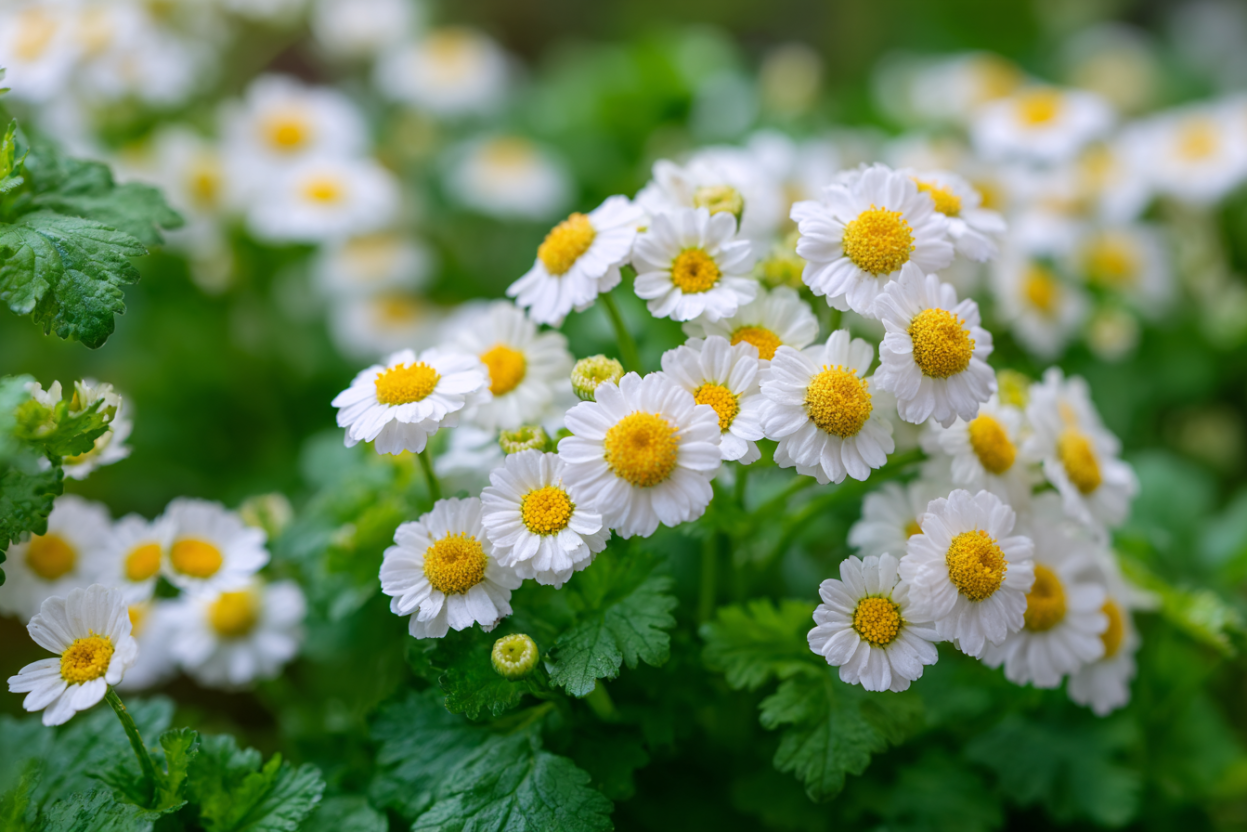
Feverfew (Tanacetum parthenium)
If you have ever felt the grip of a migraine — the throbbing, the nausea, the desperation for relief — you are far from alone. Millions of people live with recurring headaches that disrupt their daily lives, and many have grown weary of cycling through medications with long lists of side effects. For over two thousand years, people across the globe have turned to a small, daisy-like plant called feverfew, and modern science is now beginning to confirm what traditional healers have observed for centuries.
This remarkable plant is one of many gifts the Creator embedded into nature for our benefit. Long before pharmaceutical labs existed, feverfew was already here — provided by a Designer who knew we would need it. Its very name speaks to its purpose: derived from the Latin febrifugia, meaning “fever reducer,” feverfew carries its mission in its identity.
The Plant
Common Names: Feverfew, featherfew, featherfoil, bachelor’s buttons, midsummer daisy, wild chamomile, flirtwort, nosebleed, altamisa (Spanish), Santa Maria, mother herb, wild quinine, medieval aspirin
Botanical Name: Tanacetum parthenium (L.) Sch.Bip. (synonyms: Chrysanthemum parthenium, Matricaria parthenium, Pyrethrum parthenium)
Family: Asteraceae (the daisy family — one of the largest plant families on earth, also home to chamomile, echinacea, sunflowers, and dandelions)
Description
Feverfew is a bushy, aromatic perennial that grows between one and three feet tall with a rounded, clumping habit. Individual plants may spread about eighteen inches wide. The deeply lobed, feathery leaves are bright yellow-green, roughly two to three inches long, with a texture reminiscent of flat-leaf parsley. The undersides of the leaves are slightly hairy. When touched or crushed, the foliage releases a strong, distinctive citrus-like aroma that is sharp and somewhat bitter — an aroma that naturally repels bees and many garden pests.
From early June through August, feverfew produces abundant clusters of cheerful, daisy-like flowers approximately one inch across. Each flower features bright white petals surrounding a prominent yellow, disk-like center. Several cultivated varieties exist, including ‘Aureum’ with golden-hued foliage, ‘Ultra Double White’ with fully double pompom blooms, and ‘Golden Ball’ with cream-yellow flowers. The plant has a fibrous root system and, once established, self-seeds generously.
Origin
Feverfew is native to the Balkan Peninsula, particularly southeastern Europe, and extends through Anatolia and the Caucasus region. Through centuries of cultivation and trade, it has naturalized across the entirety of Europe, North Africa, China, Japan, and Australia. It was introduced to North America in the mid-nineteenth century and now grows freely along roadsides, fields, waste areas, and woodland borders from eastern Canada to Maryland and westward to Missouri. In warmer regions, it may remain evergreen year-round.
Brief History
Feverfew’s documented medicinal use stretches back at least two millennia. The ancient Greeks called the herb “Parthenium,” supposedly because it was used to save the life of a worker who fell from the Parthenon during its construction in the fifth century BC. The first-century Greek physician Dioscorides prescribed it for “all hot inflammations.” Throughout the medieval period, European herbalists cultivated feverfew in monastery gardens, and it earned the nickname “medieval aspirin” for its widespread use in reducing fevers and pain. In the eighteenth century, English botanist John Hill championed it in The Family Herbal as the most effective headache remedy available. By the late twentieth century, scientific interest surged after a coal miner’s wife in Britain publicized how chewing feverfew leaves had eliminated her migraines — sparking the clinical research that continues today.
Growing & Cultivation
Climate & Zones
Feverfew is a hardy perennial in USDA Hardiness Zones 5 through 10. In colder zones (below Zone 5), it can be grown as an annual, and in the deep South it may remain green and bloom year-round. It is a short-lived perennial with a typical lifespan of three to five years, but it self-seeds so prolifically that new plants continuously replace older ones. Feverfew prefers mild to warm temperatures, tolerates light frost, but struggles in extreme heat and high humidity. In humid climates, ensure good air circulation between plants to prevent fungal issues.
Soil Requirements
Feverfew thrives in light, well-drained, moderately fertile soil with a pH between 6.0 and 7.2. It will grow in average to poor soil — even establishing itself in pavement cracks and stone walls — but performs best in loamy soil enriched with some organic matter. Heavy, waterlogged clay soil is the one condition it will not tolerate. For container growing, use a quality potting mix with excellent drainage. If your native soil is heavy, amend with compost and perlite before planting.
Water & Sunlight
Feverfew requires full sun to partial shade, with at least six hours of direct sunlight daily for optimal growth and flowering. In very hot climates, afternoon shade helps prevent the plant from burning out. Water consistently two to three times per week in the absence of rain, keeping soil moist but never soggy. Feverfew does not tolerate drought well — check the soil regularly with your fingers, and if it feels dry an inch below the surface, water promptly. Mulching around the base helps retain moisture and regulate soil temperature.
Propagation
From Seed: Feverfew seeds need light to germinate. Sow on the surface of moist growing medium, pressing gently but not covering. Germination takes ten to fourteen days at around 60–70°F. Start seeds indoors six to eight weeks before the last frost, or sow directly outdoors after all danger of frost has passed. From Cuttings: Softwood cuttings taken in early summer root readily, especially with rooting hormone. By Division: Mature clumps can be divided in spring or fall, though this is rarely necessary since the plant reseeds so freely.
Planting
Transplant hardened-off seedlings outdoors after the last frost. Space plants twelve to eighteen inches apart to allow good air circulation. Feverfew works beautifully as a border plant, in herb gardens, cottage gardens, and naturalized meadow settings. It also grows well in containers, window boxes, and railing planters. One notable characteristic: feverfew’s strong citrus scent repels bees, so avoid placing it near plants that require bee pollination. However, the flowers attract beneficial predatory insects like hoverflies and tachinid flies, making feverfew an excellent companion plant in vegetable gardens where pest control is desired.
Harvesting
Harvest leaves throughout the growing season, with the most potent medicinal harvest occurring just before and during flowering. Leaves are best picked in the morning after dew has dried. For medicinal preparations, gather when the plant is in full bloom but still holding abundant greenery — both flowers and leaves are used. Frequent cutting of blossoms encourages continued blooming. The parthenolide content is highest in the leaves and flowers, with very little found in the stems.
Drying & Storage
Dry harvested material quickly for best potency. Air dry by hanging small bundles upside down in a warm, dark, well-ventilated area. Alternatively, use a dehydrator set between 95–105°F. Once fully dry, store in airtight glass containers away from light and heat. Dried feverfew retains its potency best when used within 120 days. Research indicates that parthenolide content degrades with heat and time, so proper storage is essential. Feverfew can also be frozen fresh — lay leaves in a single layer on a baking sheet, freeze, then transfer to freezer bags.
Pest & Disease Management
Feverfew is remarkably pest-resistant due to its strong aromatic compounds. The most common issues include aphids in overcrowded or overwatered conditions, powdery mildew in shady or humid environments, and occasionally spider mites. Aster Yellows, a bacterial disease, can affect plants in the Asteraceae family. Organic management includes insecticidal soap for aphids, diatomaceous earth for crawling pests, and ensuring adequate spacing and airflow. Companion planting with garlic, geraniums, or nasturtiums can further deter pests.
Companion Planting
Feverfew is a garden ally. Its strong scent repels aphids, making it excellent planted near roses (it draws aphids away from rosebushes). Beneficial predatory insects are attracted to its flowers. Plant alongside tomatoes, peppers, and brassicas for natural pest deterrence. Avoid planting near beans and plants that heavily depend on bee pollination, as feverfew’s scent discourages bees. Excellent companions include yarrow, echinacea, lavender, and oregano.
The Healing of Growing
Growing feverfew offers benefits beyond the harvest itself. The act of gardening — hands in soil, bare feet on earth, time spent outdoors — has been shown to reduce cortisol, improve mood, and support immune function. The soil contains beneficial bacteria (Mycobacterium vaccae) with documented antidepressant effects. When you grow your own feverfew, you receive healing before you ever consume it.
Nutritional Profile
Feverfew is primarily consumed for its therapeutic compounds rather than as a food source, and comprehensive USDA nutritional data per 100g is not available for this herb. However, the plant does contain notable nutrients and bioactive compounds that contribute to its wellness applications.
Primary Nutrients
Feverfew leaves contain iron (supports oxygen transport and energy production), niacin (Vitamin B3) (essential for cellular energy metabolism and nervous system function), manganese (a cofactor for antioxidant enzymes and bone development), phosphorus (supports bone health and cellular energy), potassium (critical for heart rhythm, muscle function, and fluid balance), selenium (a trace mineral that supports thyroid function and antioxidant defense), sodium, and Vitamins A and C (immune function, vision, skin health, and antioxidant protection).
Phytonutrients & Active Compounds
The true nutritional power of feverfew lies in its extraordinary phytochemical profile. These are the compounds that make this plant so remarkable:
Sesquiterpene Lactones (especially Parthenolide): Parthenolide is the primary bioactive compound in feverfew, found predominantly in the leaf glands at concentrations of 0.2–0.5%, comprising up to 85% of the total sesquiterpene content. Research suggests parthenolide inhibits the NF-κB inflammatory pathway, reduces platelet aggregation, and modulates serotonin release. Over thirty sesquiterpene lactones have been identified in the plant.
Flavonoid Glycosides: Including tanetin, apigenin, and luteolin — these flavonoids possess antioxidant and anti-inflammatory properties. The flavonoids in feverfew have been studied for their ability to modulate inflammatory cytokines and support cardiovascular health.
Volatile Oils (Monoterpenes): Including camphor, chrysanthenyl acetate, and pinenes (alpha and beta). These aromatic compounds contribute to the plant’s distinctive scent and have demonstrated antimicrobial properties.
Melatonin: Feverfew contains measurable amounts of melatonin, the hormone that regulates circadian rhythm and sleep. This may contribute to the plant’s traditional use for promoting rest and relaxation.
Pyrethrins: Found especially in the flowers, these natural insecticidal compounds are responsible for feverfew’s pest-repellent properties. They are also the basis for natural flea treatments in holistic pet care.
Nutrient Notes
The parthenolide content in feverfew varies significantly depending on growing conditions, harvest timing, and storage. Research shows that parthenolide degrades with heat and prolonged storage — products should contain at least 0.2% parthenolide to be therapeutically relevant. Fresh or freshly dried leaf is generally more potent than long-stored dried material. Feverfew powder made from the whole leaf has been shown to be more effective than isolated parthenolide alone, suggesting synergistic action between the plant’s many compounds.
Culinary Uses
Edible Parts
The leaves and flowers of feverfew are technically edible, though the plant is not commonly used as a culinary ingredient in the traditional sense. The leaves have a sharp, bitter taste that is intensely pungent — far more bitter than most culinary herbs. Historically, small amounts of fresh leaves were eaten directly (often rolled in bread to mask the taste) as a daily headache preventive. Some people develop mouth sores from chewing raw leaves, so this practice is not recommended for everyone.
Flavor Profile
Feverfew has a strongly bitter, somewhat camphoraceous flavor with citrus undertones. The bitterness is the dominant note, making it challenging for most palates. When dried, the bitterness mellows slightly but remains pronounced. The fresh aroma is more pleasant than the taste — citrus-forward and sharp. This bitter quality actually serves a therapeutic purpose: bitters stimulate digestive secretions and help the digestive process work more efficiently.
Preparation
The most common culinary-adjacent preparation is herbal tea (infusion). Fresh or dried leaves are steeped in hot water for five to ten minutes. Honey, lemon, or blending with milder herbs like chamomile or mint can help temper the bitterness. Some traditional preparations include adding small amounts of finely chopped fresh feverfew to salads, sandwiches, or egg dishes — though the quantity must be small due to the intense flavor. Feverfew can also be infused into vinegar or honey (oxymel) for a more palatable preparation.
Culinary Pairings
Due to its strong bitterness, feverfew pairs best with sweeteners like raw honey, with citrus notes (lemon, orange peel), and with soothing herbs such as chamomile, peppermint, and lemon balm. In culinary vinegar infusions, it can be combined with garlic and rosemary for a medicinal salad dressing.
Storage
Fresh feverfew leaves keep in the refrigerator wrapped in a damp paper towel for up to one week. Dried leaves maintain potency for approximately four months in an airtight container stored away from heat and light. Frozen fresh leaves retain their bioactive compounds well for several months.
Ready to cook with feverfew? View Recipes on Chefts →
Wellness & Therapeutic Uses
Traditional Uses
Feverfew’s healing tradition is among the longest and most well-documented in all of herbalism. The first-century Greek physician Dioscorides used it as an antipyretic (fever reducer) and for “all hot inflammations.” The ancient Greeks valued it so highly that it was reportedly used to save a life at the Parthenon construction site. Throughout the Roman Empire, physicians including Pliny and Galen documented its applications for fevers, headaches, and menstrual complaints.
In medieval Europe, feverfew was a staple of monastery gardens. English herbalists John Gerard (1597) and Nicholas Culpeper (1653) both documented its extensive uses. Culpeper wrote that it was effective for “all pains in the head.” It earned the title “medieval aspirin” and later the “aspirin of the eighteenth century” for its ubiquitous use in pain management. In Traditional Chinese Medicine, related species have been used for similar anti-inflammatory and fever-reducing applications. In Central and South America, where it is known as altamisa or hierba de Santa María, it has been used traditionally for a variety of conditions including digestive ailments, fever, menstrual support, and even conditions related to fear and anxiety (known as susto in Mexican traditional medicine).
Modern Research
Migraine Support: This is the most extensively studied application of feverfew. A 2015 Cochrane Review evaluating six randomized, placebo-controlled trials (561 patients total) found that feverfew may reduce the frequency and severity of migraine headaches, along with associated symptoms of nausea, vomiting, and sensitivity to light and noise. A landmark 2002 double-blind, multicenter study (147 patients, Germany) demonstrated a significant reduction of 0.6 migraine attacks per month versus placebo with a specific CO2 feverfew extract. The mechanism is believed to involve inhibition of platelet aggregation, stabilization of serotonin release, and reduction of inflammatory prostaglandin production. (Sources: Ernst & Pittler, Public Health Nutr, 2000, UK; Pareek et al., Pharmacogn Rev, 2011, India)
Anti-Inflammatory Activity: Parthenolide has been shown to directly bind to and inhibit IκB kinase beta (IKKβ), a critical enzyme in the NF-κB inflammatory signaling pathway. This inhibition prevents the activation of NF-κB, which controls the expression of many pro-inflammatory genes. In vitro and in vivo studies have demonstrated that parthenolide inhibits the release of pro-inflammatory mediators including TNF-alpha, IL-1β, IL-6, IL-8, nitric oxide, and PGE2. Notably, even parthenolide-depleted feverfew extracts retained anti-inflammatory activity through inhibition of 5-lipoxygenase and phosphodiesterase enzymes, suggesting multiple anti-inflammatory mechanisms beyond parthenolide alone. (Sources: Kwok et al., Chemistry & Biology, 2001, USA; Martin et al., J Dermatol Sci, 2008, USA)
Anxiolytic and Antidepressant Effects: A 2017 study in mice (Mexico) found that an aqueous extract of feverfew produced both anxiolytic (anxiety-reducing) and antidepressant-like effects at specific doses. The effects were comparable to the pharmaceutical drug diazepam. The researchers determined that the mechanism involves interaction with the GABAergic system (the brain’s primary inhibitory network) and the serotonergic system. (Source: Cárdenas et al., J Ethnopharmacol, 2017, Mexico)
Anticancer Research: Laboratory studies have shown that parthenolide induces apoptosis (programmed cell death) in cancer cells while showing no toxic effects on normal cells. Research has demonstrated activity against leukemia stem cells, breast cancer cells, and colon cancer cells in vitro. Parthenolide achieves this through multiple mechanisms including NF-κB and STAT inhibition, activation of the JNK kinase pathway, and induction of oxidative stress in tumor cells. This research remains laboratory-based, and human clinical trials are needed. (Source: Ghantous et al., Drug Discov Today, 2013, Lebanon/USA)
Anti-Obesity and Metabolic Support: A 2019 study (South Korea) demonstrated that parthenolide inhibited obesity and obesity-induced inflammatory responses in a high-fat diet mouse model via activation of the Nrf2/Keap1 signaling pathway. The compound regulated inflammatory cytokines, downregulated NF-κB and MAPKs, and modulated macrophage phenotypes in adipose tissue. (Source: Kim et al., Pharmacol Res, 2019, South Korea)
Body Systems Supported
Nervous System: Feverfew’s primary therapeutic target. Research suggests it may support healthy neurological function through serotonin modulation, GABA interaction, and reduction of neuroinflammation. Traditionally used for headaches, migraines, and nerve pain.
Cardiovascular System: Feverfew inhibits platelet aggregation (the clumping of blood cells that contributes to clots), inhibits smooth muscle spasms in blood vessels, and may support healthy vascular tone. These properties are linked to its parthenolide content.
Immune System: The NF-κB inhibition modulates immune response. Feverfew may support balanced immune function by reducing excessive inflammatory signaling without suppressing necessary immune activity.
Musculoskeletal System: Traditional use for arthritis and joint pain is supported by the anti-inflammatory mechanisms described above. Research on rheumatoid arthritis has shown modest benefit in some studies.
Digestive System: As a bitter herb, feverfew stimulates digestive secretions and has been traditionally used for stomach aches, bloating, and flatulence. It may also support healthy gut inflammation levels.
Reproductive System: Historically used as an emmenagogue (promoting menstrual flow) and for menstrual pain. The smooth muscle relaxant properties may ease cramping. Note: This emmenagogue action makes it contraindicated during pregnancy.
Integumentary System (Skin): Anti-inflammatory properties extend to skin inflammation. Research on parthenolide-depleted feverfew extracts has shown efficacy in reducing skin redness and dermatitis.
Body Compounds Affected
Serotonin (5-HT): Feverfew inhibits the release of serotonin from platelets and reduces neuronal serotonin release. This modulation is central to its migraine-supportive properties, as abnormal serotonin signaling plays a key role in migraine pathophysiology.
Prostaglandins: Feverfew inhibits prostaglandin biosynthesis through phospholipase A2 inhibition, reducing the inflammatory cascade that produces pain and swelling.
Histamine: Research indicates feverfew inhibits histamine release from mast cells, which may contribute to its traditional use for allergies and allergic inflammation.
GABA: Animal studies suggest feverfew interacts with the GABAergic system (GABAA receptors), which may explain its anxiolytic and muscle-relaxant effects.
Cytokines (TNF-alpha, IL-1β, IL-6, IL-8): Feverfew’s parthenolide inhibits the production and release of multiple pro-inflammatory cytokines through NF-κB pathway suppression.
Cortisol: While direct cortisol studies on feverfew are limited, the plant’s anxiolytic properties and stress-relieving traditional use suggest possible indirect effects on the stress hormone axis.
Methods of Use
Tea/Infusion
Use 1–2 teaspoons of dried feverfew leaves and flowers per cup of hot water (just below boiling, approximately 200°F). Steep for 5–10 minutes, covered. Strain and drink. May be sweetened with honey to offset bitterness. Traditionally consumed one to three times daily for ongoing support.
Tincture
Feverfew tinctures are widely available. Typical dosage ranges from 1–2 mL (approximately 20–40 drops) taken two to three times daily. Tinctures offer consistent dosing and longer shelf life than dried herb.
Capsule/Powder
Dried leaf capsules are the most commonly studied form. Research-supported dosages range from 50–150 mg of dried feverfew leaf powder daily, standardized to contain at least 0.2% parthenolide. Benefits are typically observed after consistent use for one month or longer.
Fresh Leaf
Traditionally, one to four fresh leaves were consumed daily, often rolled in bread or placed in a sandwich to mask the bitter taste. Chewing raw leaves may cause mouth sores in some individuals. This method is traditional but not recommended as the primary approach.
This information is for educational purposes only and is not intended to diagnose, treat, cure, or prevent any disease. Always consult with a qualified healthcare provider before making changes to your health regimen.
Cosmetic & Beauty Uses
Skin Benefits
Feverfew has gained significant attention in dermatological research for its anti-inflammatory and soothing properties on the skin. Parthenolide-depleted feverfew extracts (which remove the sensitizing compound while retaining other anti-inflammatory agents) have been shown to inhibit pro-inflammatory enzymes 5-lipoxygenase, phosphodiesterase-3, and phosphodiesterase-4, reduce the release of nitric oxide and PGE2, and clinically reduce skin redness and irritation. These properties make feverfew beneficial for sensitive, irritated, and redness-prone skin types.
Feverfew may support skin concerned with rosacea-like redness and sensitivity, inflammatory skin conditions, environmental stress and damage, and signs of aging (through antioxidant protection). The flavonoids in feverfew, particularly apigenin and luteolin, provide antioxidant protection against free radical damage that contributes to premature aging.
Hair Benefits
The anti-inflammatory properties of feverfew extend to scalp health. Feverfew tea used as a hair rinse may help soothe an itchy, inflamed scalp and support overall scalp health. The antimicrobial volatile oils may help address dandruff and scalp conditions related to microbial overgrowth. The improved blood flow associated with feverfew’s vascular effects may theoretically support nutrient delivery to hair follicles.
Application Methods
For topical skin use, an infused oil can be prepared by covering dried feverfew in a carrier oil (jojoba or sweet almond are excellent choices) and allowing it to steep for four to six weeks, shaking daily. Strain and use directly on skin or as a base for homemade creams. For sensitive skin, parthenolide-depleted feverfew products (available commercially) are the safer topical choice, as parthenolide itself can cause contact dermatitis in some individuals. A cooled strong tea can be used as a facial toner, compress for irritated skin, or as a scalp rinse after shampooing.
DIY Formulation Notes
When incorporating feverfew into homemade skincare, use infused oil at 10–30% of the total formula. Always perform a patch test before widespread application, as members of the Asteraceae family can trigger allergic reactions in sensitive individuals. Pair feverfew-infused oil with soothing carrier oils like calendula or chamomile-infused oils for enhanced calming effects. Homemade preparations should be used within two to three months and stored in dark glass containers away from heat and light.
Feverfew is among the botanicals being explored for holistic cosmetic applications, where the wisdom of traditional beauty practices meets modern understanding of skin science.
Essential Oil Profile
Feverfew does yield an essential oil through steam distillation, though it is not as widely commercially available as oils from more popular herbs like lavender or peppermint. When found, it is primarily used in specialized aromatherapy and natural perfumery applications.
Extraction
Feverfew essential oil is obtained through steam distillation of the aerial parts (leaves and flowering tops). The yield is relatively low, which contributes to its limited commercial availability and higher cost. CO2 extraction methods have also been used in research settings to produce concentrated extracts standardized for parthenolide content (such as the MIG-99 extract used in clinical migraine studies).
Chemical Constituents
The essential oil of feverfew contains a complex mixture of volatile compounds. Key constituents include camphor (contributes to the characteristic medicinal aroma and has mild analgesic and antimicrobial properties), chrysanthenyl acetate (the dominant ester, contributing to the herbal aroma), alpha-pinene and beta-pinene (monoterpenes with anti-inflammatory and bronchodilator properties), camphene, bornyl acetate and bornyl angelate, germacrene D (a sesquiterpene with antimicrobial activity), and trans-chrysanthenol. The sesquiterpene lactone parthenolide, while present in the plant material, is not a major component of the steam-distilled essential oil due to its lower volatility.
Aroma Profile
Feverfew essential oil is a middle note with a warm, herbaceous, slightly camphoraceous scent with citrus and green undertones. The aroma is sharp when first applied but mellows over time to a softer herbal character. It blends well with chamomile (Roman and German), lavender, rosemary, peppermint, eucalyptus, and citrus oils.
Therapeutic Properties
Research and traditional use suggest the essential oil may have anti-inflammatory, mild analgesic, antispasmodic, insect-repellent, and antimicrobial properties. Using compliant language: the aroma of feverfew essential oil may promote a sense of calm and may support feelings of comfort during tension.
How to Use
Diffusion
Add 3–5 drops to an ultrasonic diffuser for a calming, herbaceous atmosphere. Limit diffusion to 30–60 minutes at a time with adequate ventilation.
Topical Application
Always dilute before applying to skin. Standard adult dilution: 2–3% (approximately 12–18 drops per ounce of carrier oil). For sensitive skin or first-time use: 1% dilution (6 drops per ounce). Feverfew essential oil may cause contact sensitization in some individuals due to sesquiterpene lactone content — always patch test. Avoid use on broken skin.
Quality & Sourcing
Due to its limited commercial production, feverfew essential oil may be difficult to find from major suppliers. Look for oils that provide GC/MS testing results, are sourced from Tanacetum parthenium (not Tanacetum vulgare, which is common tansy — a different plant with different safety profiles), and come in dark glass bottles with proper labeling. Be cautious of adulteration with camphor or other cheaper oils.
Blending
Feverfew essential oil complements lavender (enhancing calming properties), Roman chamomile (both from Asteraceae family, synergistic calming effects), peppermint (for tension support blends), rosemary (for circulation-supporting blends), and frankincense (for grounding and meditative blends).
Aromatherapy & Scent
The Aroma
The living feverfew plant has a distinctive, powerful scent that is immediately noticeable when you brush against it or crush a leaf between your fingers. Fresh feverfew emits a sharp, pungent, citrus-like aroma with bitter, camphoraceous undertones. Many describe it as clean and green, with a slightly medicinal quality. The scent is strongest when leaves are disturbed — touched, brushed, or crushed — and intensifies on warm days when the sun heats the volatile oils in the leaf glands. Simply walking through a patch of feverfew or working near it in the garden releases its aromatic compounds into the air.
When dried, feverfew retains much of its characteristic scent, though the sharp citrus top notes soften somewhat, leaving the deeper herbaceous and camphoraceous base more prominent. Well-dried feverfew can retain its aroma for several months, gradually fading over time. The dried flowers hold their scent particularly well and have been traditionally used in potpourri and sachets.
How Scent Affects Your Body
When you smell feverfew — whether from a living plant, a cup of tea, or a dried sachet — the volatile molecules released by the plant are inhaled through your nose, where they encounter olfactory receptors high in the nasal cavity. These receptors detect the specific molecular shapes of feverfew’s aromatic compounds and send electrical signals directly to the limbic system (the emotional processing center of the brain) and the hypothalamus (which regulates hormones, body temperature, and autonomic functions). This pathway is unique among the senses — it bypasses conscious thought entirely. Your body begins responding to the scent within seconds, before you have consciously decided how to react.
Emotional & Mood Effects
The aroma of feverfew is generally experienced as clarifying and grounding. Its sharp, clean character may promote alertness and mental clarity while its herbaceous depth offers a centering, calming quality. Traditionally, the scent has been associated with clearing the head and reducing tension — consistent with its historical use as a headache herb. The camphoraceous notes may promote a sense of openness in the respiratory system, while the citrus undertones may provide a subtle uplifting quality.
Body Compounds Affected
While specific aroma-compound studies on feverfew scent alone are limited, the camphor and pinene compounds in its volatile oil have been individually studied. Camphor inhalation has been associated with mild stimulation of the nervous system and improved respiratory comfort. Alpha-pinene, also found in pine forests, has been studied in the context of forest bathing research and is associated with reduced cortisol levels and increased parasympathetic nervous system activity. The overall aromatic profile of feverfew suggests potential effects on cortisol (stress reduction), alertness and cognitive clarity, and respiratory comfort.
Ways to Experience the Scent
Beyond essential oil, there are many simple ways to enjoy feverfew’s aroma. Grow the plant on a windowsill or near a doorway where you will brush against it regularly. Place fresh cuttings in a vase on your desk or bedside table. Crush a leaf between your fingers while gardening and inhale deeply. Create dried sachets for drawers, closets, or under your pillow. Add dried flowers and leaves to potpourri blends. Simmer a handful of fresh or dried leaves in water on the stove for a gentle room scent. Add fresh or dried feverfew to a warm bath. Steep as tea and inhale the steam before drinking.
Color Therapy
The Colors of Feverfew
Feverfew is a study in the classic healing colors of nature. The foliage is a bright, fresh yellow-green — lighter and more golden than many garden herbs, especially in the popular ‘Aureum’ cultivar which displays distinctly golden leaves. The flowers present a combination of pure white petals (the ray florets) surrounding a vibrant golden-yellow center (the disk florets). The stems are green, sometimes tinged with a yellowish hue. This combination of white, yellow, and green makes feverfew a visually uplifting presence in any space.
Color Wavelengths
The dominant colors of feverfew correspond to specific wavelengths in the visible spectrum. Green (the foliage): 495–570 nm wavelength — the most dominant color in nature and the easiest for the human eye to perceive. Yellow (the flower centers): 570–590 nm wavelength. White (the petals): reflects the full visible spectrum — all wavelengths combined.
How These Colors Affect the Body
Green is the color of balance. It sits at the center of the visible spectrum and is associated with harmony, calm, and renewal. Research on exposure to green environments consistently demonstrates reduced stress, lowered blood pressure, and improved mood. Green is connected to the heart center in color therapy traditions and is believed to promote emotional equilibrium, connection to nature, and restoration.
Yellow is associated with mental stimulation, optimism, and digestive support. It is considered an energizing color that promotes clarity of thought, concentration, and cheerfulness. In color therapy, yellow is connected to the solar plexus region and self-confidence.
White represents purity, clarity, and full-spectrum light. White flowers are considered purifying and clarifying in color therapy — they reflect all wavelengths equally and are associated with calm, clean energy and new beginnings.
Body Compounds Affected
Research on green-space exposure has been associated with reduced cortisol levels, improved serotonin production, and overall improvements in stress biomarkers. Yellow light exposure has been connected to increased alertness and cognitive function. The combination of colors in feverfew — the calming green, clarifying white, and uplifting yellow — creates a visual experience that may support a balanced state of well-being.
Using Feverfew for Color Therapy
Place potted feverfew in rooms where you want to promote calm focus — a home office, reading nook, or kitchen windowsill. Use fresh-cut feverfew flowers in arrangements for bedside tables or living spaces to bring the calming white and cheerful yellow into your visual environment. In the garden, plant feverfew where you can see it from windows or where you sit and rest, allowing the bright green-and-white display to contribute to the restorative benefit of your outdoor space. The golden-leaved ‘Aureum’ variety provides an especially vibrant yellow-green presence.
Frequency & Vibration
The Frequency of Feverfew
While specific MHz frequency measurements for feverfew as a living plant or essential oil have not been widely published in the bio-frequency literature (as they have been for oils like rose, lavender, or frankincense), the plant’s chemical complexity and aromatic potency suggest it falls within the moderate-to-higher range of herbal frequencies. For reference, according to bio-frequency research pioneered by Bruce Tainio and others, a healthy human body operates between 62–78 MHz. Essential oils have been measured ranging from 52 MHz (basil) to 320 MHz (rose). Fresh herbs generally measure higher than dried herbs, and living plants emanate their own vibrational signature.
Human Frequency Interaction
According to proponents of vibrational medicine, the principle of entrainment suggests that when a higher-frequency substance is brought into proximity with a lower-frequency system, the lower frequency tends to rise to match the higher. Frequency measurements suggest that being around living, healthy plants may support the body’s own energetic frequency. Consuming high-frequency plant material — fresh herbs, living foods — may further support this. Feverfew’s strong aromatic compounds, rich phytochemical profile, and centuries of healing tradition all point to a plant with robust vital energy.
Vibrational Applications
To engage with feverfew’s vibrational properties, consider growing a living feverfew plant in your living or working space, spending time in the garden near your feverfew plants (combining grounding with plant proximity), drinking freshly prepared feverfew tea mindfully, and using the fresh plant’s scent as a form of aromatic entrainment during moments of quiet reflection.
Note: Bio-frequency measurement of plants and essential oils is an area where research is still emerging. While the principles are grounded in the physics of molecular vibration, specific therapeutic claims based on frequency measurements should be approached with open curiosity rather than rigid certainty.
The Living Plant
Benefits of Presence
Having a living feverfew plant in your home or garden offers benefits that extend well beyond its medicinal compounds. Research on indoor plants demonstrates that simply being in the presence of living greenery reduces psychological stress, lowers blood pressure, and improves concentration. Feverfew’s bright, cheerful appearance — with its clusters of daisy-like flowers and vivid green foliage — provides a visual connection to nature that activates what researchers call attention restoration. Studies in healthcare settings have consistently shown that patients with views of plants and greenery heal faster, report less pain, and have better outcomes.
Air Purification
While feverfew has not been specifically included in the NASA Clean Air Study, plants in the Asteraceae family contribute to indoor air quality through standard photosynthesis — absorbing carbon dioxide and releasing oxygen. Feverfew is a moderate oxygen producer. Like most plants, it produces oxygen during the day through photosynthesis. Having multiple indoor plants, including feverfew, collectively improves indoor air quality and humidity levels.
Phytoncides
Feverfew releases volatile organic compounds (phytoncides) from its aromatic leaves — these are the same camphor, pinene, and chrysanthenyl compounds discussed in the aromatherapy section. Forest bathing research (shinrin-yoku, Japan) has demonstrated that phytoncides released by plants increase Natural Killer (NK) cell activity in humans, supporting immune function. While feverfew’s phytoncide output is modest compared to a forest, having aromatic herbs indoors contributes a small but meaningful share of these antimicrobial volatile compounds to your indoor environment.
Visual & Psychological Benefits
Feverfew’s appearance is inherently cheerful. The abundant white-and-yellow flowers, bright foliage, and overall bushy habit create a sense of abundance and vitality. Studies show that viewing plants reduces mental fatigue, improves mood, and promotes creative thinking. For people who work from home or spend long hours indoors, a windowsill herb like feverfew provides both visual restoration and the added benefit of being useful for tea or wellness applications — creating a tangible sense of self-sufficiency and connection to the natural world.
Growing Indoors vs Outdoors
Feverfew adapts well to indoor growing provided it receives at least six hours of bright light daily — a south-facing window or supplemental grow light is ideal. It does well in containers at least eight inches in diameter with good drainage. Indoors, the plant will be more compact than its outdoor counterpart, and flowering may be less prolific, but it will still provide aromatic leaves for tea and the visual and phytoncide benefits of a living plant. Outdoors, feverfew truly shines — producing abundant flowers, self-seeding generously, attracting beneficial insects, and providing the full sensory experience of gardening. For maximum benefit, grow it both indoors and outdoors if your climate allows.
Touch & Physical Interaction
Gardening Therapy
Working with feverfew in the garden engages you in horticultural therapy — an evidence-based therapeutic practice recognized for its physical, psychological, and social benefits. The act of planting, tending, harvesting, and processing feverfew involves gentle physical activity, mindful attention, and a tangible connection to the cycle of growth. For those experiencing chronic pain, anxiety, or depression, regular time in the garden provides structure, purpose, and the deeply grounding experience of nurturing something alive.
Soil Contact Benefits
When you garden with your hands in the soil — and ideally with bare feet on the earth — you receive benefits beyond the plant itself. Grounding (earthing) involves the transfer of free electrons from the earth’s surface into the body, which research suggests may reduce inflammation and improve sleep. The soil bacterium Mycobacterium vaccae has been shown to stimulate serotonin production in the brain, producing antidepressant effects. Exposure to diverse soil microorganisms also supports a healthy human microbiome, particularly gut and skin health.
The Tactile Experience
Feverfew is a deeply sensory plant to work with. The leaves are soft, feathery, and slightly fuzzy on the underside — pleasant to handle. When you brush or rub the leaves, they immediately release their signature citrus-camphor scent, creating an instant aromatherapy experience. The flowers are delicate and slightly springy to the touch, with smooth petals surrounding a firm, textured center disk. Harvesting involves a satisfying process of pinching stems and gathering bundles of fragrant, feathery greenery. The stems snap cleanly and are not woody or difficult to work with.
Harvesting & Processing
The harvest itself is meditative. Moving through a patch of feverfew, selecting mature stems, gathering fragrant bundles — this is rhythmic, repetitive work that quiets the mind. Processing feverfew for drying involves stripping leaves, bundling stems, and hanging them in a warm, dark space — tactile work that connects you to generations of herbalists who have done the same thing for thousands of years. Crushing dried feverfew for tea preparation releases a concentrated burst of aroma, engaging sight, touch, and smell simultaneously. These are simple, grounding activities that remind us we are capable of providing for our own wellness from the earth.
Water-Based Applications
Teas & Infusions
The most common and accessible way to use feverfew with water is as an herbal tea. For a standard infusion, use one to two teaspoons of dried feverfew leaves and flowers per eight ounces of hot water (just below boiling, approximately 200°F). Cover and steep for five to ten minutes. Strain through a fine mesh strainer. The resulting tea is golden-green in color with a bitter, herbaceous flavor. Adding honey, lemon, or blending with peppermint or chamomile makes the tea much more palatable. For ongoing support, one to three cups daily has been traditional practice. A cold infusion can also be prepared by steeping the herb in room-temperature water for four to eight hours (or overnight in the refrigerator), which produces a milder, less bitter tea while still extracting beneficial compounds.
Herbal Baths
Feverfew makes an excellent addition to therapeutic baths. Add a strong infusion (four to six tablespoons of dried herb steeped in a quart of hot water for twenty minutes, then strained) to a warm bath. Alternatively, place dried or fresh feverfew in a muslin bag and hang it from the faucet as the bath fills, allowing the warm water to run through the herbs. Soak for fifteen to twenty minutes. Feverfew baths have been traditionally used for muscle aches, joint discomfort, skin irritation, and general relaxation. A foot bath is an excellent alternative for those who prefer not to take a full bath — steep two tablespoons of dried feverfew in a basin of warm water for ten minutes, then soak feet for fifteen to twenty minutes.
Compresses
A warm compress can be prepared by soaking a clean cloth in a strong, warm feverfew infusion and applying it to areas of discomfort — joints, temples, or tense muscles. Apply for fifteen to twenty minutes, refreshing the compress as it cools. A cool compress using chilled feverfew tea can be applied to the forehead or neck for tension and headache support, or to inflamed skin. Rewet and reapply as needed.
Steam Inhalation
Add a handful of fresh or dried feverfew to a bowl of just-boiled water. Drape a towel over your head and the bowl, and inhale the steam gently for five to ten minutes. This delivers the volatile aromatic compounds directly to the respiratory system and can be soothing during congestion, sinus discomfort, or when seeking the mental-clarifying effects of the plant’s aroma. Caution: keep eyes closed and maintain a comfortable distance from the hot water to avoid burns.
Hair Rinses
A feverfew tea rinse may support scalp health and soothe irritation. Prepare a strong infusion (three tablespoons dried herb per quart of water), allow it to cool, strain thoroughly, and use as a final rinse after shampooing. Massage into the scalp, leave on for two to three minutes, then rinse with cool water. This may help with itchy, irritated scalp and may add subtle shine to hair. The anti-inflammatory compounds in the tea can help calm scalp inflammation.
Historical, Cultural & Biblical Significance
Biblical References
Feverfew (Tanacetum parthenium) is not directly mentioned by name in Scripture. However, plants of the Asteraceae family were known in the biblical world, and the broader category of healing herbs is deeply woven throughout the Bible. Scripture affirms that God provided plants for humanity’s benefit: “And God said, Behold, I have given you every herb bearing seed, which is upon the face of all the earth, and every tree, in the which is the fruit of a tree yielding seed; to you it shall be for meat” (Genesis 1:29, KJV). Ezekiel speaks of trees whose “leaf thereof for medicine” (Ezekiel 47:12, KJV). While feverfew itself may not appear by name, its purpose as a healing herb fits squarely within the biblical pattern of God providing botanical medicines for His people.
Ancient Civilizations
Greeks: The ancient Greeks gave feverfew the name “Parthenium” — a connection to the Parthenon that places it in the cultural heart of Athens. The physician Dioscorides (first century AD) documented feverfew in his foundational work De Materia Medica, prescribing it for fevers and inflammatory conditions. This text influenced Western medicine for over 1,500 years. Hippocrates, the father of medicine, is also reported to have used the plant for similar applications.
Romans: Roman physicians Pliny the Elder and Galen both documented feverfew’s uses. Pliny recorded its application for fevers, pain, and menstrual complaints. As the Roman Empire expanded, feverfew traveled with it — spreading along trade routes and becoming established across Europe, North Africa, and into the Middle East.
Egyptians: While Tanacetum parthenium specifically is not documented in the Egyptian medical papyri, the Egyptians used many related Asteraceae plants medicinally. The Ebers Papyrus (c. 1550 BC), one of the oldest medical texts in existence, documents hundreds of plant remedies, reflecting the same observational approach to plant healing that would later embrace feverfew in Mediterranean culture.
Eastern Traditions
In Traditional Chinese Medicine (TCM), related species in the Chrysanthemum and Tanacetum genera have been used for centuries to clear heat, reduce inflammation, and support healthy vision. While feverfew itself (as Tanacetum parthenium) is not a classical TCM herb, its arrival in China and Japan introduced it into the broader Eastern pharmacopeia. In Ayurvedic traditions of India, bitter, cooling herbs are prized for reducing pitta (the fire constitution), and feverfew’s intensely bitter, cooling nature aligns with this principle. These cultures observed that bitter herbs like feverfew provided anti-inflammatory and fever-reducing benefits — they were witnessing God’s design in action, even without knowing the Designer by name.
Indigenous Knowledge
In Central and South America, where feverfew naturalized and became known as altamisa or hierba de Santa María, indigenous and mestizo communities adopted the plant for a wide range of applications. It has been used for digestive ailments, fevers, menstrual support, insect bites, and notably for conditions related to emotional distress and fear (susto). The 2017 Mexican study confirming anxiolytic effects validates what these communities have observed for generations.
European Heritage
Feverfew was a fixture in medieval European monastery gardens, where monks preserved and cultivated medicinal herbs during centuries when formal botanical knowledge might otherwise have been lost. The seventeenth-century English herbalist John Gerard included feverfew in his landmark Herball or Generall Historie of Plantes (1597). Nicholas Culpeper, in his Complete Herbal (1653), recommended it for “all pains in the head” and various women’s health concerns. In the eighteenth century, John Hill championed it as the supreme headache remedy in The Family Herbal. The British and Canadian governments later approved feverfew leaf preparations for migraine support in the late twentieth century, following clinical research confirming traditional claims.
Cultural Symbolism
The name “feverfew” itself is symbolic — derived from febrifugia, it literally carries its healing purpose in its name. In the Victorian language of flowers, feverfew symbolized warmth and protection. Its prolific self-seeding nature has made it a symbol of resilience and abundance in gardening traditions. In wedding and household traditions, feverfew was sometimes placed near doorways or grown in kitchen gardens as a plant of everyday healing — not dramatic, but steady and reliable. Its folk name “mother herb” reflects its long association with women’s health and the nurturing, providing nature of the plant itself.
Safety & Precautions
Contraindications
Feverfew should not be used by individuals with known hypersensitivity or allergy to plants in the Asteraceae/Compositae family — this includes ragweed, chrysanthemums, marigolds, daisies, chamomile, and echinacea. If you have ragweed allergies, use extreme caution. Individuals with bleeding disorders should consult their healthcare provider before using feverfew, as it affects platelet function. Discontinue feverfew at least two weeks before any scheduled surgery or dental procedure due to its effect on blood clotting.
Drug Interactions
Feverfew may interact with several categories of medications:
Anticoagulants and Antiplatelet Drugs: Feverfew inhibits platelet aggregation. Taking it alongside blood-thinning medications such as warfarin (Coumadin), heparin, aspirin, clopidogrel (Plavix), apixaban (Eliquis), or rivaroxaban (Xarelto) may increase bleeding risk. Do not combine without medical supervision.
NSAIDs: Nonsteroidal anti-inflammatory drugs (ibuprofen, naproxen, diclofenac) may both increase bleeding risk when combined with feverfew and may decrease feverfew’s effectiveness by competing for prostaglandin pathways.
Antimigraine Medications: Exercise caution when combining feverfew with prescription migraine medications including triptans and ergotamine derivatives.
Cytochrome P450 Substrates: Feverfew may affect how the liver processes certain medications through the CYP1A2 and CYP3A4 enzyme pathways. Medications metabolized by these pathways include some antidepressants (amitriptyline, citalopram, sertraline), benzodiazepines (diazepam), beta-blockers (propranolol), and others. Consult your healthcare provider if you take any liver-metabolized medications.
Pregnancy & Nursing
Feverfew should NOT be used during pregnancy. The plant possesses emmenagogue properties (stimulates menstrual flow) and may cause uterine contractions, potentially leading to miscarriage. It has been historically used to stimulate labor and expel the placenta — these same properties make it dangerous in pregnancy. There is not enough reliable safety information about feverfew use during breastfeeding. Avoid use while nursing unless directed by a qualified healthcare provider.
Children
Limited safety data is available for feverfew use in children. A 2019 study evaluated a feverfew-containing preparation in children and adolescents (ages 6–17) for headaches, but feverfew as a single agent has not been well-studied in pediatric populations. If considering feverfew for a child over 12, use a significantly reduced dose and only under the guidance of a healthcare practitioner experienced with herbal medicine. Not recommended for children under 6 without professional guidance.
Elderly
Older adults may be more sensitive to feverfew’s blood-thinning effects, especially since many elderly individuals take anticoagulant or antiplatelet medications. Start with a lower dose and monitor for any signs of bruising or bleeding. Given the potential for CYP450 interactions, elderly patients taking multiple medications should consult their healthcare provider before adding feverfew.
Pets
Dogs: Caution. Feverfew, as a member of the Chrysanthemum/Asteraceae family, contains compounds that can cause gastrointestinal upset (vomiting, diarrhea) and contact dermatitis in dogs. While some holistic veterinarians use feverfew preparations in controlled, small doses for dogs with inflammation, the whole plant should be kept out of reach. If your dog ingests feverfew, contact your veterinarian.
Cats: Caution. Similar to dogs, cats may experience gastrointestinal distress from ingesting feverfew. Some holistic vets have used carefully dosed feverfew as a non-toxic aspirin alternative for cats (since aspirin itself is toxic to felines), but this should only be done under veterinary supervision. Do not allow cats to freely access the plant.
Horses: Unknown/Caution. Limited data available. Exercise caution and consult an equine veterinarian.
If any pet ingests feverfew and shows symptoms of distress (vomiting, diarrhea, lethargy, skin irritation), contact your veterinarian or the ASPCA Animal Poison Control Center at (888) 426-4435 immediately.
Allergies & Sensitivities
Individuals with Asteraceae/Compositae allergies should avoid feverfew entirely. Contact dermatitis is a known adverse reaction — handling the fresh plant, especially the leaves, can cause skin rashes in sensitive individuals. Always perform a patch test before topical use of any feverfew preparation. Mouth ulcers (aphthous ulcerations) are a well-documented side effect of chewing raw feverfew leaves — this is why encapsulated or tea preparations are preferred over fresh leaf consumption.
Dosing Guidelines
Based on research and traditional use, the following ranges have been documented. Dried leaf powder: 50–150 mg daily. Standardized extract (MIG-99 type): 6.25 mg three times daily. Fresh leaf: 1–4 leaves daily (though mouth sores are a risk). Tincture: 1–2 mL, two to three times daily. Duration: benefits are typically observed after one month or more of consistent use. Products should contain a minimum of 0.2% parthenolide content. Do not exceed recommended dosages.
Withdrawal Effects: People who have taken feverfew daily for extended periods and then stop abruptly may experience withdrawal symptoms including rebound headaches, anxiety, insomnia, and muscle stiffness. If discontinuing, taper gradually over two to four weeks.
Quality & Sourcing
Feverfew products vary significantly in parthenolide content and quality. Choose products that are standardized to at least 0.2% parthenolide, provide third-party testing results, list Tanacetum parthenium as the species (not common tansy or other plants), and specify the plant part used (leaves and flowers, not stems). Be aware that heat, light, and extended storage degrade parthenolide — choose recently manufactured products in opaque packaging and store properly.
Signs of Adverse Reaction
Mild reactions (may resolve on their own or with discontinuation): digestive upset, heartburn, bloating, diarrhea, mouth sores (from fresh leaf), mild skin rash from contact. Serious reactions requiring medical attention: unusual bruising or bleeding, blood in urine or stool, severe allergic reaction (swelling of face/throat, difficulty breathing, hives), persistent vomiting, dizziness or weakness. Discontinue use and seek medical care immediately if serious symptoms occur.
Disclaimer
This information is for educational purposes only. It is not intended to diagnose, treat, cure, or prevent any disease. Always consult with a qualified healthcare provider before using any herbal product, especially if you are pregnant, nursing, taking medications, or have a medical condition. If you experience any adverse reaction, discontinue use immediately and seek medical attention.
Want Personalized Guidance?
Every body is unique. What works for one person may not be right for another. If you’d like personalized support in incorporating feverfew into your wellness journey, consider working with a qualified practitioner who can assess your individual needs.
Sources & References
Peer-Reviewed Studies
- Feverfew (Tanacetum parthenium L.): A Systematic Review – Pharmacognosy Reviews, 2011, India
- The Efficacy and Safety of Feverfew (Tanacetum parthenium L.): An Update of a Systematic Review – Public Health Nutrition, 2000, UK
- The Anti-Inflammatory Natural Product Parthenolide from the Medicinal Herb Feverfew Directly Binds to and Inhibits IκB Kinase – Chemistry & Biology, 2001, USA
- Anti-Inflammatory Activity of Parthenolide-Depleted Feverfew (Tanacetum parthenium) – Journal of Dermatological Science, 2008, USA
- Anxiolytic- and Antidepressant-Like Effects of an Aqueous Extract of Tanacetum parthenium L. Schultz-Bip (Asteraceae) in Mice – Journal of Ethnopharmacology, 2017, Mexico
- Parthenolide Inhibits IκB Kinase, NF-κB Activation, and Inflammatory Response in Cystic Fibrosis Cells and Mice – American Journal of Respiratory and Critical Care Medicine, 2007, USA
- Parthenolide, a Sesquiterpene Lactone, Expresses Multiple Anti-Cancer and Anti-Inflammatory Activities – Drug Discovery Today, 2013, Lebanon/USA
- Parthenolide, a Feverfew-Derived Phytochemical, Ameliorates Obesity and Obesity-Induced Inflammatory Responses via the Nrf2/Keap1 Pathway – Pharmacological Research, 2019, South Korea
- The Feverfew Plant-Derived Compound Parthenolide Enhances Platelet Production and Attenuates Platelet Activation Through NF-κB Inhibition – Blood, 2011, USA
- A Comparison of the Effects of an Extract of Feverfew and Parthenolide on Human Platelet Activity In-Vitro – Journal of Pharmacy and Pharmacology, 1990, UK
- 5-Hydroxytryptamine-Inhibiting Property of Feverfew: Role of Parthenolide Content – Acta Pharmacologica Sinica, 2000, India
- Sesquiterpene Lactone Parthenolide Attenuates Production of Inflammatory Mediators by Suppressing the Toll-Like Receptor-4-Mediated Activation of the Akt, mTOR, and NF-κB Pathways – Journal of Agricultural and Food Chemistry, 2015, South Korea
- Potential Interactions Between Alternative Therapies and Warfarin – American Journal of Health-System Pharmacy, 2000, USA
Institutional Sources
- Feverfew: Usefulness and Safety – National Center for Complementary and Integrative Health (NCCIH), NIH, USA
- Feverfew – Dietary Supplements – Merck Manual Professional Edition, USA
- Feverfew Uses, Benefits & Dosage – Drugs.com Monograph
- Feverfew Monograph – Restorative Medicine
Traditional Medicine Sources
- Feverfew (Tanacetum parthenium L.): A Systematic Review – Includes comprehensive documentation of traditional uses across cultures, Pharmacognosy Reviews, 2011
- Culpeper, Nicholas. Culpeper’s Complete Herbal (1653) — Historical documentation of European folk medicine uses
- Gerard, John. The Herball or Generall Historie of Plantes (1597) — Early English herbalism documentation
Historical References
- Dioscorides, Pedanius. De Materia Medica (c. 50–70 AD) — First documented medicinal use of feverfew
- Hill, John. The Family Herbal (1755) — Documented feverfew as premier headache remedy