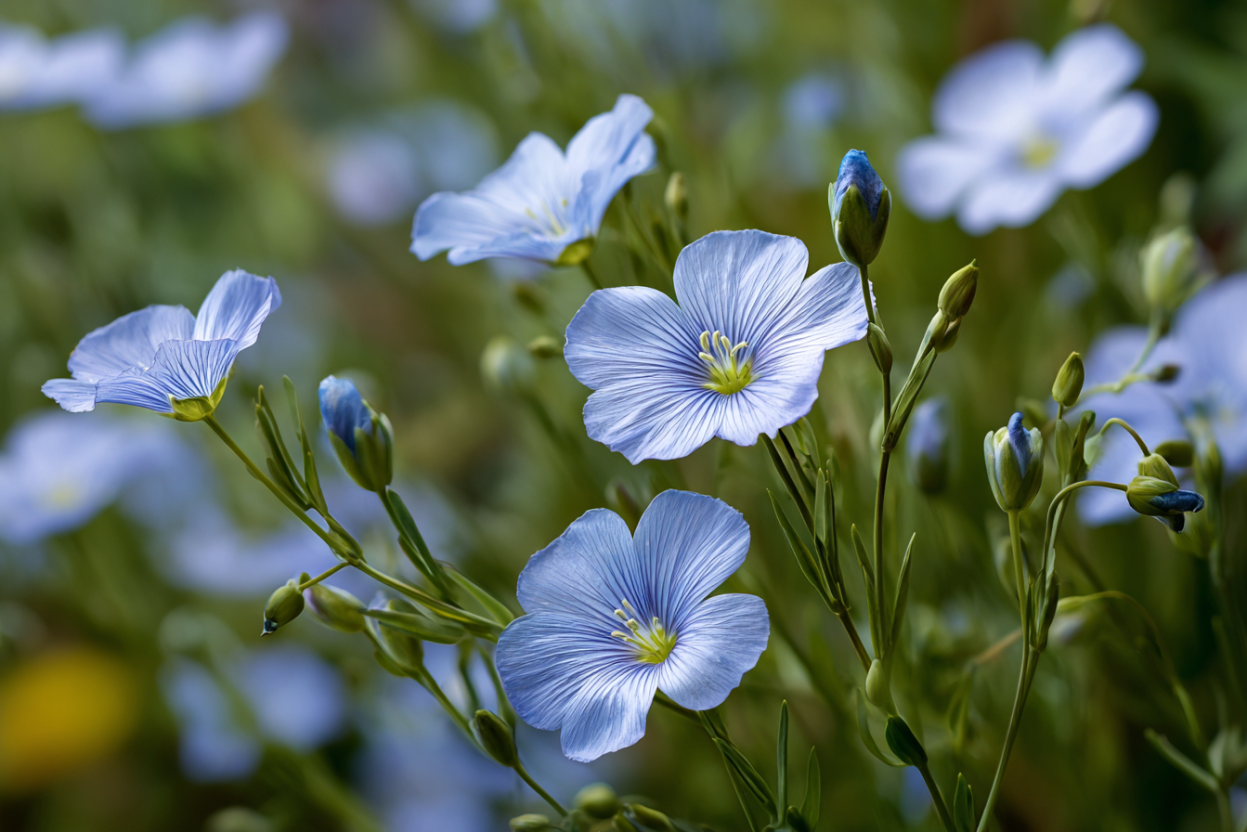
Flax (Linseed) — God’s Ancient Gift of Fiber, Fat, and Healing
If you have been struggling with blood pressure concerns, digestive discomfort, or inflammation that just will not settle down, you are far from alone. Millions of people face these challenges daily, often feeling overwhelmed by the options available to them. Yet one of the most powerful, well-researched plants on earth has been quietly supporting human health for over 6,000 years — and it may already be sitting in your kitchen.
Flax is nothing short of remarkable. From the tiny seed that holds one of the richest plant sources of omega-3 fatty acids to the strong fiber that clothed priests and wrapped the body of Christ, this plant demonstrates the extraordinary provision of a Creator who thought of everything. Every part of flax is useful — its Latin name, usitatissimum, literally means “most useful.” That is not coincidence. That is design.
This information is for educational purposes only and is not intended to diagnose, treat, cure, or prevent any disease. Always consult with a qualified healthcare provider before making changes to your health regimen.
The Plant
Common Names: Flax, Common Flax, Linseed, Lint Bells, Winterlien
Botanical Name: Linum usitatissimum L.
Family: Linaceae (the Flax family)
Description
Flax is a slender, graceful annual herb that grows between 30 centimeters and 1.2 meters tall, depending on the variety and growing conditions. Its stems are erect, smooth, and wiry with a slightly waxy quality, branching more freely in seed varieties and remaining straighter in fiber varieties. The leaves are narrow, lanceolate, and glaucous green — meaning they carry a soft, blue-green hue — measuring 2 to 4 centimeters long and about 3 millimeters wide. They are arranged alternately along the stem in a simple, elegant pattern.
The flowers are what make flax truly captivating in the garden. Each blossom is a delicate five-petaled cup, typically a luminous sky blue, though some varieties produce white, pink, or pale violet flowers. Individual flowers are 15 to 25 millimeters in diameter and bloom for just a single day — opening with the morning sun and dropping their petals by afternoon. Despite this brevity, the plant produces flowers in such abundance that a field of blooming flax appears as a shimmering blue sea.
The fruit is a small, round capsule (called a boll), 5 to 9 millimeters in diameter, that contains up to ten seeds. The seeds themselves are small, flat, and glossy, shaped like tiny teardrops or apple pips. They range in color from golden yellow to deep reddish-brown, measuring 4 to 7 millimeters in length. Inside these unassuming seeds lies an extraordinary concentration of nutrients.
Origin
Flax is native to the region stretching from the eastern Mediterranean through the Fertile Crescent to India. It was domesticated from its wild ancestor, Linum bienne (pale flax), making it one of the oldest cultivated plants in human history. Archaeological evidence places its cultivation at over 6,000 years ago in both Egypt and Mesopotamia, where it was grown for both fiber and food. From these ancient origins, flax spread along trade routes throughout Europe, Asia, and eventually to the Americas, brought by colonists who depended on it for clothing and sustenance.
Brief History
Flax holds a place of extraordinary importance in human civilization. The Egyptians cultivated it along the Nile before the time of Moses, wrapping their pharaohs in fine linen for burial. Swiss lake dwellers grew it during the Stone Age. The Phoenicians traded it across the Mediterranean. The Romans prized its oil and fiber. Throughout medieval Europe, flax was the primary source of cloth for everyday garments, and linen production formed the backbone of local economies from Ireland to Belgium to Russia. When European colonists arrived in North America, they brought flax seed with them — it was among the first crops planted in the New World.
Today, France produces approximately 75% of the world’s flax fiber supply, while Canada and the northern United States lead in flaxseed production for food and oil. The plant’s resurgence as a “superfood” in recent decades has brought renewed attention to what ancient civilizations knew all along — this small plant carries enormous power.
Growing & Cultivation
Climate & Zones
Flax thrives in USDA Hardiness Zones 3 through 9, making it adaptable to a wide range of climates across the continental United States. It performs best in cooler, temperate regions with moderate rainfall. Optimal growing temperatures range between 60 and 70°F (15–21°C), though the plant can tolerate temperatures as low as -40°F during dormancy and up to 90°F during the growing season. Excessive heat during flowering and seed-setting stages can reduce yield, making northern and upper-midwestern states particularly well-suited for flax cultivation.
Soil Requirements
Flax prefers well-drained, loamy soil with a pH between 6.0 and 7.5. It performs well in light sandy soils and medium-textured soils but does not tolerate heavy clay or waterlogged conditions. While flax can grow in relatively poor soils, it responds well to moderate fertility. Adding compost before planting improves soil structure and provides the gentle nutrition flax appreciates. For container growing, a standard potting mix with good drainage works well.
Water & Sunlight
Flax requires full sun — a minimum of 6 to 8 hours of direct sunlight daily. It cannot tolerate shade. Watering should be consistent during germination and the early growth phase, keeping soil moist but never waterlogged. Once established, flax has moderate water needs and some drought tolerance, though adequate moisture during flowering and seed development is critical for yield. Overwatering promotes fungal disease and should be avoided.
Propagation
Flax is propagated exclusively by seed. Sow seeds directly into prepared soil in early spring, as soon as the ground can be worked and soil temperatures reach 50–60°F (10–15°C). Plant seeds about 1/4 to 1/2 inch deep, spaced approximately 1 inch apart in rows 6 to 8 inches apart. For a broadcast sowing (scattering seed), use approximately 1 to 2 ounces per 100 square feet. Germination typically occurs within 10 to 14 days. Flax does not transplant well due to its delicate taproot, so direct sowing is always preferred.
Planting
Prepare the bed by loosening soil to a depth of 6 to 8 inches and removing weeds. Flax is less competitive with weeds than many crops, so starting with a clean bed is important. Succession planting every two to three weeks can extend the harvest window. Companion planting with potatoes, root vegetables, or low-growing herbs works well. Avoid planting flax in the same spot year after year to prevent disease buildup.
Harvesting
For seed harvest: Flax is ready when approximately 90% of the bolls (seed capsules) have turned brown, typically 90 to 120 days after planting. The stems may still be somewhat green. Cut the plants at the base, tie into small bundles, and hang upside down in a dry, well-ventilated area to finish drying. Once completely dry, thresh by gently crushing the bolls to release the seeds. For small-scale harvest, simply rub the dried bolls between your hands over a bowl.
For fiber harvest: Pull the entire plant (roots and all) when the stems are still mostly green and the lower third has turned yellow. This yields the longest, finest fibers. The pulled flax is then bundled, rippled (seed heads removed), and retted (soaked) to separate the fibers from the woody core.
Drying & Storage
Whole flaxseeds store remarkably well. Keep them in an airtight container in a cool, dark, dry place and they will maintain their nutritional value for 6 to 12 months at room temperature, or up to two years refrigerated. Ground flaxseed (flax meal) is far more perishable — the oils oxidize quickly once the seed coat is broken. Ground flax should be refrigerated in an airtight, opaque container and used within 6 to 16 weeks. Flaxseed oil requires refrigeration at all times and should be used within 6 to 8 weeks of opening.
Pest & Disease Management
Common pests include flea beetles, aphids, and cutworms. Common diseases include fusarium wilt, rust, pasmo, and powdery mildew. Organic management includes crop rotation (do not plant flax in the same location more than once every five years), choosing disease-resistant varieties, maintaining good air circulation through proper spacing, and removing infected plant material promptly. Neem oil spray can help manage flea beetles and aphids organically.
Companion Planting
Flax grows well alongside potatoes (where it may help repel potato beetles), carrots, and other root vegetables. It pairs nicely with low-growing herbs that do not compete for light. Avoid planting near plants that are heavy feeders or that create dense shade.
The Healing of Growing
Growing flax offers benefits beyond the harvest itself. The act of gardening — hands in soil, bare feet on earth, time spent outdoors — has been shown to reduce cortisol, improve mood, and support immune function. The soil contains beneficial bacteria (Mycobacterium vaccae) with documented antidepressant effects. When you tend a patch of flax and watch those delicate blue flowers open with the morning sun, you are receiving healing before you ever consume a single seed. The rhythm of planting, tending, and harvesting connects you to the same cycle of provision that sustained humanity for millennia — a quiet reminder of the Creator’s faithfulness (Lowry et al., 2007, Neuroscience).
Nutritional Profile
Macronutrients
Per 100 grams of whole flaxseed (USDA FoodData Central):
Calories: 534 kcal | Protein: 18.3g | Total Fat: 42.2g | Carbohydrates: 28.9g | Dietary Fiber: 27.3g | Sugars: 1.6g | Saturated Fat: 3.7g | Monounsaturated Fat: 7.5g | Polyunsaturated Fat: 28.7g
The fat content of flaxseed is remarkable in its composition — approximately 73% of the total fat is polyunsaturated, with the omega-3 fatty acid alpha-linolenic acid (ALA) making up the dominant portion. This makes flaxseed one of the richest plant-based sources of omega-3 fatty acids on earth, exceeded only by chia seeds. The fiber content is equally noteworthy: at 27.3g per 100g, flaxseed is extraordinarily fiber-dense, with a mixture of both soluble and insoluble fiber, including unique mucilage gums that support digestive health.
Vitamins
Thiamine (Vitamin B1): 1.64 mg (137% DV) — Essential for energy metabolism, converting carbohydrates into fuel. Supports nerve function and the health of the entire nervous system.
Riboflavin (Vitamin B2): 0.16 mg (12% DV) — Supports cellular energy production, acts as an antioxidant, and plays a role in maintaining healthy skin and eyes.
Niacin (Vitamin B3): 3.08 mg (19% DV) — Supports DNA repair, hormone production, and healthy cholesterol levels. Important for brain function and skin health.
Pantothenic Acid (B5): 0.99 mg (20% DV) — Critical for synthesizing coenzyme A, which is involved in over 100 metabolic pathways including fatty acid synthesis and energy production.
Vitamin B6: 0.47 mg (28% DV) — Supports serotonin and dopamine production, immune function, and hemoglobin formation. Essential for over 100 enzyme reactions in the body.
Folate (B9): 87 mcg (22% DV) — Critical for DNA synthesis and repair, cell division, and fetal development during pregnancy. Supports methylation pathways that affect mental health.
Minerals
Magnesium: 392 mg (93% DV) — Essential for over 300 enzymatic reactions, supports muscle and nerve function, blood sugar regulation, blood pressure management, and bone health. The magnesium content in flaxseed is among the highest of any commonly consumed food.
Phosphorus: 642 mg (51% DV) — Works alongside calcium for bone and teeth formation, supports kidney function, and plays a role in how the body stores and uses energy.
Manganese: 2.48 mg (108% DV) — Supports bone health, blood sugar metabolism, and the production of superoxide dismutase (SOD), one of the body’s most powerful antioxidant enzymes.
Copper: 1.22 mg (136% DV) — Essential for iron metabolism, connective tissue formation, and the health of the cardiovascular and nervous systems.
Iron: 5.73 mg (32% DV) — Essential for oxygen transport in the blood. Plant-based iron (non-heme) absorption is enhanced by consuming vitamin C alongside flaxseed.
Zinc: 4.34 mg (39% DV) — Supports immune function, wound healing, DNA synthesis, and the sense of taste and smell.
Potassium: 813 mg (17% DV) — Supports heart rhythm, muscle contraction, nerve signaling, and helps counterbalance sodium for blood pressure regulation.
Selenium: 25.4 mcg (46% DV) — A potent antioxidant mineral that supports thyroid function, reproductive health, and immune defense.
Phytonutrients & Active Compounds
Alpha-Linolenic Acid (ALA): The star compound of flaxseed. ALA is an essential omega-3 fatty acid the body cannot produce on its own. Research suggests ALA supports cardiovascular health, reduces inflammatory markers, and may support brain health. Flaxseed contains approximately 22g of ALA per 100g — the richest commonly consumed source.
Lignans (Secoisolariciresinol Diglucoside — SDG): Flaxseed contains up to 800 times more lignans than any other plant food. Lignans are polyphenolic compounds that function as both antioxidants and phytoestrogens. In the body, gut bacteria convert SDG into enterodiol and enterolactone, which have been studied for their potential role in supporting hormonal balance and may be associated with reduced risk markers for certain hormone-sensitive conditions.
Mucilage (Soluble Fiber): When ground flaxseed meets water, it produces a thick, gel-like mucilage from its soluble fiber content. This mucilage soothes the digestive lining, supports beneficial gut bacteria, and may help regulate blood sugar by slowing glucose absorption.
Nutrient Notes
Bioavailability is an important consideration with flaxseed. Whole seeds often pass through the digestive tract undigested due to their tough outer shell. Grinding flaxseed before consumption dramatically increases nutrient absorption. Consuming ground flaxseed with vitamin C-rich foods enhances iron absorption. The omega-3 fatty acids in flaxseed are best absorbed when not heated to high temperatures. The B-vitamins in flaxseed support serotonin production, while the extraordinary magnesium content may help regulate cortisol, the body’s primary stress hormone (USDA FoodData Central, Flaxseed #169414).
Culinary Uses
Edible Parts
The primary edible part of flax is the seed, consumed whole, ground, or pressed into oil. Young flax sprouts and microgreens are also edible and nutrient-dense. The seeds contain small amounts of cyanogenic glycosides, which are rendered harmless in typical dietary amounts and further reduced by cooking. The recommended daily intake for adults is 1 to 2 tablespoons of ground flaxseed.
Flavor Profile
Whole flaxseed has a mild, slightly nutty flavor with a subtle earthy undertone. When freshly ground, the nuttiness intensifies and becomes more pronounced. Flaxseed oil carries a richer, more distinctly nutty-to-slightly-bitter taste that develops as it warms. The flavor is mild enough to blend seamlessly into many dishes without overwhelming other ingredients. Brown flaxseed has a slightly stronger, earthier taste than golden flaxseed, which is lighter and milder.
Preparation
Grinding: The most important preparation step. Use a coffee grinder, spice grinder, or blender to grind whole seeds into a fine meal just before use. This breaks the tough seed coat and makes nutrients accessible. Pre-ground flax (flax meal) is also widely available. Soaking: Whole or ground flaxseed soaked in water for 10 to 30 minutes creates a thick, gelatinous mixture that works as an egg substitute in baking (1 tablespoon ground flax + 3 tablespoons water = 1 “flax egg”). Toasting: Gently toasting whole seeds in a dry pan for 2 to 3 minutes enhances the nutty flavor and adds a pleasant crunch. Sprouting: Flaxseed can be sprouted, yielding tender, nutrient-rich microgreens in 5 to 7 days.
Culinary Pairings
Flaxseed pairs beautifully with oats, yogurt, honey, berries, bananas, and dark leafy greens. It complements the earthy flavors of whole grain breads, muffins, and pancakes. Flaxseed oil is excellent drizzled over salads, roasted vegetables, or stirred into smoothies. The seeds complement warming spices like cinnamon and nutmeg. They pair well with nuts such as walnuts and almonds, and with dried fruits. In savory dishes, ground flaxseed blends into soups, stews, and grain bowls.
Storage
Whole flaxseeds maintain freshness for 6 to 12 months at room temperature in an airtight container, or up to 2 years refrigerated. Ground flaxseed should be refrigerated and used within 6 to 16 weeks, as the oils oxidize rapidly once the seed coat is broken. Flaxseed oil must always be refrigerated, kept in dark bottles, and used within 6 to 8 weeks. Never cook with flaxseed oil at high temperatures — its delicate omega-3s degrade with heat.
Ready to cook with flax? View Recipes on Chefts →
Wellness & Therapeutic Uses
Traditional Uses
Flax has been used therapeutically for thousands of years across virtually every major healing tradition. In ancient Egypt, it was valued as a laxative and wound-healing agent, with references in the Ebers Papyrus (c. 1550 BCE). Hippocrates, the father of Western medicine, recommended flaxseed for the relief of intestinal discomfort. In Ayurvedic medicine, known as Atasi or Alsi, flaxseed has long been used to support digestion, skin health, and respiratory function — traditionally classified as warming and lubricating. Traditional Chinese Medicine recognized linseed as a demulcent and mild laxative, useful for dryness conditions. European folk herbalists used flaxseed poultices for drawing out inflammation from boils, abscesses, and deep-seated wounds. Native American peoples, including several Plains nations, used flax for its fiber and recognized the nutritional value of the seeds.
Modern Research
Cardiovascular Support: Research on flaxseed and heart health is among the most robust for any dietary intervention. A landmark double-blinded, placebo-controlled clinical trial (110 participants, 6 months) published in Hypertension found that consuming 30g of milled flaxseed daily produced significant reductions in systolic blood pressure (~10 mmHg) and diastolic blood pressure (~7 mmHg) — described by the researchers as “one of the most potent antihypertensive effects achieved by a dietary intervention” (Rodriguez-Leyva et al., 2013, Hypertension, Canada). Multiple meta-analyses have confirmed these findings. A 2023 dose-response meta-analysis of 33 trials (2,427 participants) confirmed significant reductions in both systolic and diastolic blood pressure from flaxseed supplementation (Li et al., 2023, Food Function, China). Studies also indicate that flaxseed may support healthy cholesterol levels, with research suggesting reductions in total and LDL cholesterol.
Digestive Health: Flaxseed’s combination of soluble and insoluble fiber, along with its unique mucilage content, has been studied for its effect on digestive regularity. Research suggests that flaxseed may help promote bowel regularity, support the growth of beneficial gut bacteria, and soothe the digestive lining. A pilot randomized controlled trial found improvements in symptoms of irritable bowel syndrome with linseed supplementation (Cockerell et al., 2012, J Human Nutrition and Dietetics, UK).
Blood Sugar Support: Multiple studies suggest that flaxseed may help support healthy blood sugar regulation. A randomized crossover clinical trial found that acute flaxseed intake reduced postprandial (after-meal) blood sugar in subjects with type 2 diabetes (Moreira et al., 2022, Nutrients, Brazil). The soluble fiber and mucilage in flaxseed are believed to slow glucose absorption.
Inflammatory Support: The high ALA content and lignan compounds in flaxseed have been studied for their anti-inflammatory properties. Research suggests flaxseed oil, fibers, and lignans may help modulate inflammatory markers including C-reactive protein and pro-inflammatory cytokines (Parikh et al., 2019, J Food Science and Technology, India).
Hormonal Balance: The lignans in flaxseed are unique phytoestrogens that may support hormonal balance. Research has explored their potential role in supporting menopausal comfort and bone health. Studies indicate that flax lignans, once converted to enterolactone and enterodiol by gut bacteria, may interact with estrogen receptors in a modulating (not simply stimulating) way.
Body Systems Supported
Cardiovascular System: Blood pressure regulation, cholesterol support, anti-inflammatory effects on blood vessels. Digestive System: Fiber for regularity, mucilage for gut lining support, prebiotic effects. Endocrine System: Blood sugar regulation, hormonal balance through lignans. Immune System: Antioxidant lignans, omega-3 mediated immune modulation. Integumentary System (Skin): Omega-3 fatty acids support skin hydration and may reduce inflammation. Nervous System: B-vitamins and magnesium support nerve function and neurotransmitter production. Musculoskeletal System: Anti-inflammatory compounds may support joint comfort.
Body Compounds Affected
The nutrients and phytonutrients in flaxseed interact with several important body compounds. The magnesium and B-vitamins support serotonin production, which influences mood, sleep, and digestion. The high magnesium content may help regulate cortisol (the stress hormone), supporting the body’s stress response. The omega-3 fatty acids influence prostaglandin pathways, shifting the balance toward anti-inflammatory prostaglandins. Flaxseed lignans may modulate estrogen activity in the body. The ALA content supports the production of anti-inflammatory cytokines while potentially reducing pro-inflammatory markers like IL-6 and C-reactive protein. The fiber content supports insulin sensitivity by slowing glucose absorption.
Methods of Use
Ground Flaxseed (Flax Meal)
The most common and effective method. Grind 1 to 2 tablespoons of whole flaxseed in a coffee grinder immediately before use. Add to smoothies, oatmeal, yogurt, baked goods, or sprinkle on salads. Consume 1 to 2 tablespoons daily for general wellness support. Start with 1 teaspoon and increase gradually to allow your digestive system to adjust to the fiber content. Always drink adequate water when consuming ground flaxseed.
Flaxseed Oil
Cold-pressed flaxseed oil provides concentrated ALA (omega-3). Typical dosage is 1 to 2 tablespoons daily. Take with food. Do not cook with flaxseed oil — use it in salad dressings, drizzled over finished dishes, or taken directly. Must be refrigerated and used within 6 to 8 weeks of opening.
Tea / Infusion (Mucilage Extract)
Soak 1 tablespoon of whole flaxseed in 1 cup of room-temperature water for 4 to 8 hours or overnight. The water becomes thick and gel-like from the mucilage. Strain and drink the liquid, or consume seeds and liquid together. This preparation is traditionally used to support digestive comfort and regularity.
Poultice
Ground flaxseed mixed with hot water into a thick paste was historically applied as a warm poultice (linseed poultice or cataplasm) to the chest for respiratory congestion, or to inflamed areas and abscesses. The poultice retains heat and the mucilage soothes the skin. Wrap in clean cloth and apply warm (not hot) to the affected area for 15 to 20 minutes.
Capsules / Supplements
Flaxseed oil is available in softgel capsules for those who prefer not to use liquid oil. Ground flaxseed is available in capsule form as well. Follow manufacturer dosing guidelines, typically 1,000 to 2,000 mg of flaxseed oil per day.
Cosmetic & Beauty Uses
Skin Benefits
Flaxseed oil is rich in alpha-linolenic acid (ALA), an omega-3 fatty acid that provides potent anti-inflammatory and emollient properties when applied topically. Research published in the British Journal of Nutrition suggests that ALA may help reduce skin sensitivity and improve the skin’s natural barrier function. The omega-3 and omega-6 fatty acids in flaxseed oil support skin hydration, help calm redness and irritation, and may benefit conditions associated with dryness and inflammation such as eczema, psoriasis, and dermatitis. The lignans in flaxseed contribute antioxidant protection, supporting the skin’s defense against environmental stressors. Flaxseed oil is suitable for dry, sensitive, mature, and combination skin types. Its lightweight texture absorbs relatively quickly, making it practical for daily use without a heavy, greasy feel.
Hair Benefits
Flaxseed offers significant benefits for hair and scalp health. The fatty acids nourish the scalp, ease dryness and flakiness, and may help reduce breakage and frizz. Because flaxseed oil forms a protective film over the hair shaft rather than absorbing deeply, it acts as an excellent natural conditioner — sealing in moisture, enhancing shine, and improving manageability. The mucilage from flaxseed (produced by soaking seeds in water) has become popular as a natural hair gel, providing light hold for curls without chemicals. The B-vitamins in flaxseed support hair strength and follicle health from the inside when consumed as food.
Application Methods
Facial oil: Apply 2 to 3 drops of cold-pressed flaxseed oil to clean, slightly damp skin. Best used in the evening, as it can attract dirt during daytime. Hair rinse: Simmer 2 tablespoons of whole flaxseed in 2 cups of water for 10 minutes until gel-like. Strain, cool, and use as a leave-in conditioner or styling gel for curls. Face mask: Mix 1 tablespoon ground flaxseed with enough warm water to form a paste. Add a teaspoon of honey. Apply to face, leave for 15 minutes, rinse with warm water. Body oil: Add flaxseed oil to a body lotion or use directly after showering for a full-body moisturizing treatment. Bath: Add 2 tablespoons of ground flaxseed to a warm bath for a softening soak.
DIY Formulation Notes
Flaxseed oil pairs well with carrier oils such as jojoba, sweet almond, and rosehip. For facial formulations, use at 10 to 30% of the total oil blend. Note that flaxseed oil has a relatively short shelf life (3 to 6 months when stored properly in the refrigerator), so homemade preparations should be made in small batches. Adding a few drops of vitamin E oil can help extend shelf life as a natural antioxidant. Avoid combining flaxseed oil with high-temperature processes, as heat damages the delicate fatty acids.
Flax is among the botanicals being explored for holistic cosmetic applications, where the wisdom of traditional beauty practices meets modern understanding of skin science.
Essential Oil Profile
Flax (Linum usitatissimum) does not yield a commercially available essential oil in the traditional aromatherapy sense. Unlike plants in the mint, citrus, or rose families, flax does not produce significant quantities of volatile aromatic compounds that can be captured through steam distillation.
What flax does yield is a cold-pressed fixed oil — flaxseed oil (also called linseed oil). This is a carrier oil, not an essential oil. It is rich in fatty acids rather than volatile aromatic compounds. In wellness and cosmetic applications, flaxseed oil is used as a carrier oil for diluting essential oils, as a nutritional supplement, and as a topical skin and hair treatment. For the therapeutic properties of flaxseed oil, refer to the Wellness and Cosmetic sections above.
Aromatherapy & Scent
The Aroma
Flax is not a strongly aromatic plant in the way that lavender, rosemary, or mint are. However, it does carry its own subtle, pleasant scent. The living flax plant has a mild, fresh, green fragrance — clean and slightly herbaceous, reminiscent of fresh-cut grass with a faint sweetness, particularly noticeable on warm days when the blue flowers are open. Touching the stems releases a very subtle, earthy, slightly woody scent. Freshly ground flaxseed has a pleasant, mildly nutty aroma. Flaxseed oil carries a more distinct smell — earthy, nutty, and slightly reminiscent of hay, becoming more pungent as it ages (a sign of oxidation). Dried flax stalks carry a light, grassy, almost papery scent that is comforting in its simplicity.
How Scent Affects Your Body
When you smell any plant — even a subtly aromatic one like flax — volatile molecules released from the plant enter your nasal passages and bind to olfactory receptors. These receptors send signals directly to the limbic system (the brain’s emotional center) and hypothalamus (the body’s hormone control center), bypassing conscious thought. This pathway explains why scent can trigger memories, shift mood, and influence hormonal responses within seconds — before you even decide how to react. While flax is not typically classified as an aromatherapy plant, the simple act of working with fresh flax — crushing seeds, handling fresh stems — provides gentle olfactory stimulation that connects you to the natural world.
Emotional & Mood Effects
The mild, earthy scent of flax and its seeds is predominantly grounding and centering. It does not excite or stimulate so much as it calms and settles. The experience of working with flax — whether growing it, harvesting it, or grinding the seeds — provides a meditative, grounding sensory experience that supports mindfulness and present-moment awareness.
Ways to Experience the Scent
Growing flax in your garden or in containers provides the freshest aromatic experience, especially during the blooming period. Keeping a small jar of whole flaxseed on your kitchen counter releases a gentle nutty fragrance each time you open it. The act of grinding flaxseed for your morning smoothie fills the immediate area with a warm, toasted-grain aroma that many find comforting and appetite-stimulating.
Color Therapy
The Colors of Flax
Flax offers a rich palette of therapeutic colors. Its flowers are characteristically a luminous sky blue to periwinkle blue, though some cultivars produce white, pale lavender, or occasionally pink blooms. The stems and leaves are a soft glaucous green (blue-green) during growth, transitioning to golden-yellow and warm brown as the plant matures and dries. The seeds range from deep golden-amber (golden flax varieties) to rich chocolate brown (common brown flax). Flaxseed oil is a beautiful golden-amber liquid.
Color Wavelengths
The dominant flower color — blue — falls in the 450 to 495 nm wavelength range of the visible spectrum. Blue light is associated with cooling, calming, and communication-supporting effects. The green of the foliage (495–570 nm) brings balancing, heart-centered, nature-connecting energy. The golden-brown of the seeds and oil falls in the warm spectrum (590–620 nm range for golden tones), associated with warmth, nourishment, and digestive support.
How Blue Affects the Body
Blue wavelengths are associated with calming the nervous system, reducing heart rate, lowering blood pressure, and promoting a sense of peace and tranquility. Research in environmental psychology has demonstrated that exposure to blue in natural settings promotes feelings of serenity and reduces perceived stress. Viewing a field of blue flax flowers, or even placing cut flax stems in a vase, introduces this calming blue wavelength into your environment. The combination of blue flowers with green foliage creates a particularly harmonizing visual experience — blue calms while green balances.
Using Flax for Color Therapy
Plant flax near windows where you spend time, allowing the blue blooms to be part of your daily visual environment during the growing season. Place dried flax stems with seed pods in warm-toned rooms to add the grounding energy of earth tones. Use golden flaxseed oil in clear glass bottles as a visual element in your kitchen — the warm amber color itself carries nourishing energy. Eating “the rainbow” by incorporating golden flaxseed into your diet adds the warm orange-gold spectrum to your nutritional color palette.
Frequency & Vibration
The Frequency of Flax
While specific MHz frequency measurements for the living flax plant or whole flaxseed have not been widely documented in the peer-reviewed literature, flax is generally considered a high-vitality plant based on its extraordinary nutrient density, its long history as a sustaining food, and its measurable biological activity. Proponents of vibrational medicine suggest that fresh, living, nutrient-dense foods carry higher frequencies than processed or depleted foods. By this framework, freshly ground flaxseed — packed with omega-3 fatty acids, lignans, and a full spectrum of vitamins and minerals — would be expected to carry a supportive frequency.
According to bio-frequency research pioneered by Bruce Tainio, the healthy human body operates between 62 and 78 MHz. Fresh herbs and living foods are generally measured at higher frequencies than cooked, processed, or refined foods. While specific measurements for flax are not confirmed in Tainio’s published data, the principle suggests that consuming fresh, whole, nutrient-dense foods like flaxseed may support the body’s overall frequency.
Human Frequency Interaction
The entrainment principle in physics states that when two vibrating systems interact, the stronger or more coherent frequency tends to influence the weaker one. Being around living plants, consuming fresh plant foods, and engaging in practices that raise personal frequency (such as prayer, gratitude, time in nature) may work synergistically. Growing your own flax and consuming freshly ground seed brings you into contact with the plant’s vitality at its peak.
Vibrational Applications
Frequency measurements in this context are still emerging, and more research is needed to quantify specific plant frequencies. What we can say with certainty is that the measurable nutrients in flaxseed — the omega-3 fatty acids, the lignans, the minerals — have documented, quantifiable effects on the body’s biochemistry. These biochemical effects are themselves a form of vibrational interaction at the molecular level, as all chemical reactions involve the transfer of energy between vibrating atoms.
The Living Plant
Benefits of Presence
Flax is a beautiful ornamental plant that can be grown indoors (in containers near a sunny window) or outdoors in garden beds, borders, and wildflower meadows. Simply being around living plants — including flax — provides documented health benefits that go beyond any consumption or extraction. Research on biophilic design (the human need for connection with nature) demonstrates that having plants in your living and working environment reduces stress hormones, improves mood, enhances focus, and accelerates healing. A field or patch of blooming flax, with its sea of sky-blue flowers, is particularly calming to view.
Air Purification
Flax is not among the plants tested in the NASA Clean Air Study, so specific toxin-removal data is not available for this species. However, like all living plants, flax photosynthesizes — absorbing carbon dioxide and releasing oxygen during daylight hours. Indoor flax plants contribute to the general improvement of air quality through this process. The visual presence of green, growing plants indoors has been shown to improve perceived air quality and comfort, even independent of measurable air filtration.
Phytoncides
While flax is not a major phytoncide producer like coniferous trees, all plants release some volatile organic compounds as part of their natural defense and growth processes. The mild, fresh scent of growing flax indicates the presence of volatile compounds. Forest bathing (shinrin-yoku) research has shown that exposure to plant-emitted compounds can increase Natural Killer (NK) cell activity and support immune function. While flax specifically has not been the subject of phytoncide research, the principle of spending time around living plants extends to all growing things (Li, 2010, Environmental Health and Preventive Medicine, Japan).
Visual & Psychological Benefits
Research consistently demonstrates that viewing plants and natural greenery reduces stress, improves attention (Attention Restoration Theory), and enhances overall well-being. Hospital patients with views of nature heal faster than those without. Office workers with plant-filled environments report higher productivity and lower fatigue. Flax, with its delicate blue flowers and graceful form, provides a particularly gentle and calming visual presence. The daily cycle of flowers opening in the morning and closing by afternoon creates a natural rhythm that encourages awareness and presence.
Growing Indoors vs Outdoors
Flax grows best outdoors in full sun, where it can reach its full height and produce abundant flowers and seeds. However, it can be grown indoors in containers placed in a very sunny window (south-facing is ideal) or under grow lights. Indoor flax will be shorter and less vigorous than outdoor plants but still provides the visual and psychological benefits of living greenery. For indoor growing, use a deep pot (at least 8 to 10 inches) with excellent drainage, standard potting soil, and water moderately. Sow seeds densely for a fuller, more attractive display.
Touch & Physical Interaction
Gardening Therapy
Horticultural therapy is an established therapeutic practice, and growing flax offers a uniquely satisfying tactile experience. The entire lifecycle of flax — from the tiny, smooth seeds rolling between your fingers during planting, to the delicate stems swaying in the breeze, to the satisfying crunch of dried bolls during harvest — provides continuous sensory engagement. Tending flax encourages mindfulness: the plant requires gentle handling, its stems are thin and can break if treated roughly, and its seeds must be carefully collected. This invites patience, attention, and care — qualities that naturally transfer into other areas of life.
Soil Contact Benefits
When you garden barefoot or with bare hands, your body makes direct contact with the earth. This practice, known as grounding or earthing, allows for the transfer of electrons from the earth’s surface into the body. Research suggests this electron transfer may have antioxidant and anti-inflammatory effects. Additionally, Mycobacterium vaccae, a naturally occurring bacteria found in healthy garden soil, has been shown to stimulate serotonin production when encountered through skin contact or inhalation. This means the simple act of planting flax seeds with your bare hands — pressing them into moist soil — may literally make you happier (Lowry et al., 2007, Neuroscience, USA).
The Tactile Experience
Flaxseed is smooth, glossy, and cool to the touch — running your fingers through a bowl of flaxseed is a genuinely pleasant sensory experience. The seeds are slippery with a slight oiliness, hard yet with rounded edges. The leaves of the living plant are smooth, slender, and soft. The stems are thin and slightly waxy, with a satisfying fibrous strength when pulled. Dried flax stalks have a papery, stiff quality with a light rustling sound. Harvesting flax — pulling the bolls from dried stems, crushing them between your palms to release the seeds — is a deeply satisfying, repetitive, meditative activity.
Harvesting & Processing
The traditional processing of flax into linen is one of the most tactile and labor-intensive activities in all of agriculture. While most home growers are interested in the seeds rather than fiber, even seed harvesting provides therapeutic benefits. The repetitive motions of cutting, bundling, drying, threshing, and winnowing flaxseed engage the body in rhythmic activity that has been compared to the meditative quality of spinning wool or kneading bread. These repetitive, purposeful motions activate the parasympathetic nervous system (rest-and-digest mode), reduce cortisol, and produce a state of calm focus.
Water-Based Applications
Teas & Infusions
Flaxseed Mucilage Tea (Cold Infusion): Place 1 tablespoon of whole flaxseed in 1 cup of room-temperature water. Allow to soak for 4 to 8 hours or overnight. The water will become thick and gel-like from the mucilage released by the seeds. Strain and drink the liquid for digestive support, or consume seeds and liquid together for maximum fiber benefit. This cold infusion is traditionally used to soothe the digestive tract and support regularity. Drink once daily.
Warm Flaxseed Infusion: Add 1 tablespoon of whole or crushed flaxseed to 1 cup of hot (not boiling) water. Steep for 15 to 20 minutes. The water will thicken considerably. Strain if desired. Add honey and lemon to taste. This warm preparation is traditionally used for respiratory comfort and soothing dry coughs.
Herbal Baths
Flaxseed baths have a long history as a soothing treatment for irritated, dry, or inflamed skin. Add 3 to 4 tablespoons of ground flaxseed to a muslin bag or old sock and suspend it under the running water as you fill the bath. Alternatively, simmer 1/4 cup of whole flaxseed in 4 cups of water for 15 minutes to extract the mucilage, strain, and add the thick liquid to the bath. The water will become silky and slightly opalescent. Soak for 20 to 30 minutes. This mucilage-rich bath is particularly soothing for eczema, psoriasis, sunburn, and general dry skin. For a quick alternative, a flaxseed foot soak (2 tablespoons ground flaxseed in a basin of warm water) softens feet and soothes cracked heels.
Compresses
Warm Flaxseed Compress (Linseed Poultice): This is one of the oldest water-based applications in herbal medicine. Mix 2 to 3 tablespoons of ground flaxseed with enough hot water to form a thick, spreadable paste. Spread the paste onto a clean cloth, fold the cloth over the paste, and apply the warm compress to the affected area. This poultice retains heat exceptionally well and has traditionally been used to draw out infection from boils and abscesses, to ease chest congestion when applied to the chest, and to reduce the pain and swelling of sprains and muscle aches. Apply for 15 to 20 minutes, repeating as needed. Cold compress: Soak a cloth in chilled flaxseed infusion and apply to inflamed or sunburned skin for a cooling, soothing effect.
Steam Inhalation
While flax is not typically used for steam inhalation in the same way as eucalyptus or peppermint, a warm flaxseed infusion can be sipped alongside a traditional herbal steam to provide internal soothing of the respiratory tract while the steam provides external benefit. The mucilage in flaxseed tea coats and soothes irritated mucous membranes, making it a useful complementary preparation during cold and flu season.
Hair Rinses
A flaxseed hair rinse provides natural conditioning, shine, and gentle hold. Simmer 2 tablespoons of whole flaxseed in 2 cups of water for 10 to 15 minutes until the liquid becomes gel-like. Strain through cheesecloth or a fine mesh strainer. Allow to cool to room temperature. Use as a final rinse after shampooing and conditioning — pour over the hair, work through with fingers, and leave in (do not rinse out). This flaxseed gel defines curls, reduces frizz, adds shine, and provides light hold without chemicals. It can be stored in the refrigerator for up to 2 weeks. Adding a few drops of lavender or rosemary essential oil enhances the treatment and extends shelf life slightly.
Historical, Cultural & Biblical Significance
Biblical References
Flax and its product, linen, are mentioned extensively throughout Scripture — the word “linen” appears 104 times in 90 verses, and “flax” appears 11 times in 10 verses in the KJV. This plant holds a place of extraordinary prominence in the biblical narrative, from Genesis to Revelation.
Exodus 9:31 — “And the flax and the barley was smitten: for the barley was in the ear, and the flax was bolled.” The plague of hail in Egypt destroyed the flax crop, demonstrating just how vital this plant was to the Egyptian economy and way of life.
Joshua 2:6 — “But she had brought them up to the roof of the house, and hid them with the stalks of flax, which she had laid in order upon the roof.” Rahab hid the Israelite spies among drying flax stalks on her rooftop in Jericho — showing that flax processing (retting and drying) was a common domestic activity in Canaan before the conquest.
Proverbs 31:13 — “She seeketh wool, and flax, and worketh willingly with her hands.” The virtuous woman of Proverbs 31 is described as one who works with flax — spinning, weaving, and creating garments. This places flax at the heart of the biblically praised domestic arts.
Isaiah 42:3 — “A bruised reed shall he not break, and the smoking flax shall he not quench.” This messianic prophecy, later quoted by Jesus in Matthew 12:20, uses the image of a dimly burning flax wick to represent the compassionate, gentle ministry of the Messiah — One who would not extinguish even the faintest spark of hope.
Hosea 2:5, 9 — Flax is listed among the essential provisions of life — alongside bread, water, wool, and oil — emphasizing that God considered flax a fundamental provision for His people.
Linen made from flax was used for the garments of the Levitical priests (Exodus 28:42; Leviticus 6:10), the curtains and coverings of the Tabernacle (Exodus 26:1), and the clothing of the righteous. In Revelation 19:8, fine linen represents “the righteous acts of the saints.” And the body of Jesus Christ Himself was wrapped in linen for burial (Matthew 27:59; Mark 15:46; Luke 23:53; John 19:40). From the Tabernacle to the tomb, flax clothed the sacred.
Ancient Civilizations
The Egyptians were master cultivators of flax, producing linen of such extraordinary quality that specimens from 3,000-year-old tombs have been found with thread counts exceeding those of the finest modern linens. The Ebers Papyrus (c. 1550 BCE), one of the oldest known medical texts, documented the use of linseed as a laxative and demulcent. Flax seed was placed in the tombs of pharaohs as provision for the afterlife. Joseph was clothed in fine linen when elevated to his position in Egypt (Genesis 41:42).
Greek physicians were well acquainted with flax. Hippocrates (c. 460–370 BCE) recommended linseed for abdominal complaints and intestinal discomfort. Dioscorides (c. 40–90 CE) described its use as a poultice for inflammation in his De Materia Medica. Pliny the Elder documented numerous uses for flaxseed in Roman medicine, praising it as a versatile healing agent.
Eastern Traditions
In Ayurvedic medicine, flaxseed (known as Atasi or Alsi) has been used for centuries. It is classified as warming in nature, beneficial for balancing Vata dosha, and traditionally used to support digestion, respiratory health, and skin conditions. Ayurvedic texts describe flaxseed oil as beneficial for joint stiffness and dry skin. In Traditional Chinese Medicine, linseed (Ya Ma Zi) has been recognized as a gentle laxative and moistening agent, used for conditions characterized by dryness — dry cough, dry constipation, and dry skin.
Indigenous Knowledge
Several Native American peoples recognized the value of flax. While Linum usitatissimum was introduced to North America by European settlers, native species of Linum (such as Linum lewisii, named for Meriwether Lewis) were already being used by indigenous peoples for cordage and food. After European introduction, flaxseed cultivation and use spread rapidly among various communities who recognized its nutritional and fiber-producing qualities.
European Heritage
Flax was the backbone of European textile production for centuries. Medieval monastery gardens preserved knowledge of flax cultivation and linen production through the Dark Ages. Charlemagne (c. 800 CE) issued laws requiring his subjects to consume flaxseed for its health benefits. The great herbalists of the Renaissance — Nicholas Culpeper, John Gerard, and others — documented flaxseed’s therapeutic properties extensively. Flanders (modern Belgium) became so synonymous with linen production that we still call flaxseed oil “linseed oil” from the Germanic root.
Cultural Symbolism
Across cultures, flax has symbolized domesticity, provision, purity, and industry. In European folk tradition, flax was associated with household prosperity and the virtues of honest labor. Blue flax flowers were considered emblems of faithfulness and simplicity. The linen produced from flax — white, clean, and strong — became a universal symbol of purity, which is why it was chosen for priestly garments, altar cloths, and burial wrappings across multiple civilizations.
Throughout history, cultures around the world observed that flax provided extraordinary benefits for human health and daily life. While they may not have known the Creator by name, they were observing His design — and their observations align precisely with what modern research confirms about this remarkable plant’s properties.
Safety & Precautions
Contraindications
Flaxseed should be used with caution or avoided in the following situations: bowel obstruction or narrowing of the esophagus (the mucilage and fiber may worsen obstruction), acute intestinal inflammation, and hormone-sensitive conditions including certain types of breast cancer, ovarian cancer, uterine cancer, endometriosis, and uterine fibroids — due to the phytoestrogenic properties of flax lignans. If you have any of these conditions, consult a qualified healthcare provider before using flaxseed.
Drug Interactions
Flaxseed and flaxseed oil may interact with the following medications: Blood thinners (anticoagulants) such as warfarin — flaxseed’s omega-3 content may enhance blood-thinning effects. Diabetes medications — flaxseed may enhance blood sugar-lowering effects, potentially requiring dosage adjustment. Blood pressure medications — flaxseed has documented blood pressure-lowering effects that may compound with medication effects. Hormone therapies and birth control — the phytoestrogenic lignans may interact with hormone-modulating medications. NSAIDs and other anti-inflammatory drugs — additive effects are possible. Additionally, the high fiber content of flaxseed can slow the absorption of all oral medications. As a general practice, take medications at least 1 to 2 hours before or after consuming flaxseed.
Pregnancy & Nursing
The safety of flaxseed supplementation during pregnancy and breastfeeding has not been conclusively established. While small dietary amounts of flaxseed (such as in baked goods) are generally considered safe, concentrated supplementation — particularly flaxseed oil or lignan extracts — is not recommended during pregnancy or breastfeeding without guidance from a qualified healthcare provider. The phytoestrogenic properties of flax lignans are the primary concern, as their effects on fetal development and nursing infants have not been fully studied.
Children
Small amounts of ground flaxseed can generally be introduced to children’s diets after age 2, beginning with 1/4 to 1/2 teaspoon and increasing gradually. Whole flaxseeds may present a choking hazard for very young children — always use ground flaxseed for children. Flaxseed oil may be added to foods for children over 2 in small amounts. For children under 12, use conservative portions and ensure adequate water intake, as the high fiber content can cause digestive discomfort if introduced too quickly. For supplemental or therapeutic use, consult a pediatric healthcare provider.
Elderly
Flaxseed is generally well-tolerated in older adults and may provide particular benefit for cardiovascular and digestive health. However, elderly individuals should start with small amounts (1 teaspoon of ground flaxseed per day) and increase gradually. The fiber content may cause gas, bloating, or digestive discomfort if introduced too rapidly. Elderly individuals on multiple medications should be especially mindful of the timing of flaxseed consumption relative to their medications, and should consult their healthcare provider about potential interactions, particularly with blood thinners, blood pressure medications, and diabetes medications.
Pets
Dogs: Caution — Processed flaxseed (ground, oil) is generally considered safe for dogs in appropriate amounts (approximately 1/4 to 1 teaspoon per day for a medium-sized dog, mixed into food). However, raw or unprocessed flaxseed and the raw flax plant contain cyanogenic glycosides that can be toxic in large amounts. Whole unground seeds may pass through undigested. Always consult your veterinarian before supplementing your dog’s diet with flaxseed. Signs of overconsumption include diarrhea, vomiting, weakness, and in severe cases, breathing difficulties.
Cats: Caution — Flaxseed oil can be given to cats in very small amounts (1/8 to 1/4 teaspoon per day mixed into food) as a source of omega fatty acids for coat and skin health. However, cats are less efficient at converting ALA to usable omega-3 forms (EPA and DHA) than dogs. Ground flaxseed can be used cautiously. Always consult your veterinarian before adding flaxseed to your cat’s diet.
Horses: Caution — Ground flaxseed is commonly used in equine nutrition (up to 1 pound per day), but amounts should not exceed this. Consult an equine veterinarian for proper dosing.
Allergies & Sensitivities
Flaxseed allergy is uncommon but documented. Symptoms may include skin rash, hives, itching, nausea, vomiting, or in rare cases, anaphylaxis. People with allergies to other members of the Linaceae family should use caution. Cross-reactivity with other food allergens has not been well-established, but individuals with known sensitivities should introduce flaxseed gradually. For topical use (flaxseed oil on skin), perform a patch test on a small area before widespread application. Flaxseed is not considered a common contact allergen, though occupational dermatitis has been reported in people handling raw flax plant material extensively.
Dosing Guidelines
General wellness: 1 to 2 tablespoons (10–20g) of ground flaxseed per day. Flaxseed oil: 1 to 2 tablespoons (15–30 mL) per day. Maximum recommended intake for adults: approximately 50g per day of ground flaxseed (though most research uses 30g per day as the upper supplemental dose). For cardiovascular support, studies typically used 30g of milled flaxseed per day. Duration: Flaxseed can generally be consumed as part of the regular diet indefinitely. For therapeutic supplementation, periodic reassessment with a healthcare provider is advisable. Signs of overconsumption include bloating, gas, diarrhea, and abdominal discomfort.
Quality & Sourcing
Purchase organic, non-GMO flaxseed when possible. Ensure whole seeds are clean, dry, and free of musty odors (which indicate rancidity or mold). For flaxseed oil, choose cold-pressed, unrefined oil in dark (opaque) bottles with a clear pressing date and expiration date. Avoid flaxseed oil in clear bottles, as light accelerates oxidation. Store all flax products properly — whole seeds in airtight containers, ground flaxseed and oil refrigerated at all times.
Signs of Adverse Reaction
Mild reactions: bloating, gas, abdominal discomfort, loose stools (most common when first introducing flaxseed, usually resolves as the body adjusts). Moderate reactions: persistent diarrhea, nausea, abdominal cramping (reduce dose or discontinue). Serious reactions requiring medical attention: allergic reactions (hives, swelling, difficulty breathing), signs of intestinal obstruction (severe abdominal pain, inability to pass stool or gas), or any unusual symptoms. Discontinue use immediately and seek medical attention for serious reactions.
Disclaimer
This information is for educational purposes only. It is not intended to diagnose, treat, cure, or prevent any disease. Always consult with a qualified healthcare provider before using any herbal product, especially if you are pregnant, nursing, taking medications, or have a medical condition. If you experience any adverse reaction, discontinue use immediately and seek medical attention.
Want Personalized Guidance?
Every body is unique. What works for one person may not be right for another. If you’d like personalized support in incorporating flax into your wellness journey, consider working with a qualified practitioner who can assess your individual needs.
Sources & References
Peer-Reviewed Studies
- Potent Antihypertensive Action of Dietary Flaxseed in Hypertensive Patients — Rodriguez-Leyva D, et al., Hypertension, 2013, Canada
- Effect of Flaxseed Supplementation on Blood Pressure: A Systematic Review and Dose-Response Meta-Analysis — Li L, et al., Food Function, 2023, China
- Effects of Flaxseed Supplements on Blood Pressure: A Systematic Review and Meta-Analysis — Ursoniu S, et al., Clinical Nutrition, 2016, Romania
- Flaxseed Consumption May Reduce Blood Pressure: A Systematic Review and Meta-Analysis of Controlled Trials — Khalesi S, et al., Journal of Nutrition, 2015, Australia
- Flaxseed Consumption Reduces Blood Pressure via Inhibition of Soluble Epoxide Hydrolase — Caligiuri SPB, et al., Hypertension, 2014, Canada
- Effects of Flaxseed on Blood Pressure, BMI, and Total Cholesterol in Hypertensive Patients: A Randomized Clinical Trial — Toulabi T, et al., Explore, 2022, Iran
- Acute Flaxseed Intake Reduces Postprandial Glycemia in Subjects with Type 2 Diabetes — Moreira FD, et al., Nutrients, 2022, Brazil
- Effects of Linseeds on the Symptoms of Irritable Bowel Syndrome: A Pilot Randomised Controlled Trial — Cockerell KM, et al., J Human Nutrition and Dietetics, 2012, UK
- Pharmacological, Nutraceutical, and Nutritional Properties of Flaxseed: An Insight into Functionality and Disease Mitigation — Noreen S, et al., Food Science & Nutrition, 2023, Pakistan/International
- Flax and Flaxseed Oil: An Ancient Medicine and Modern Functional Food — Parikh M, et al., Journal of Food Science and Technology, 2019, India/Canada
- Identification of an Immune-Responsive Mesolimbocortical Serotonergic System: Role of Mycobacterium vaccae — Lowry CA, et al., Neuroscience, 2007, USA
- Effect of Forest Bathing Trips on Human Immune Function — Li Q, Environmental Health and Preventive Medicine, 2010, Japan
Institutional & Government Sources
- USDA FoodData Central — Seeds, Flaxseed (#169414) — U.S. Department of Agriculture, Agricultural Research Service
- Flaxseed — Drug Interactions, Contraindications, and Dosing — Medscape Reference
- Flaxseed: Uses, Side Effects, Interactions, Dosing — WebMD Vitamins & Supplements Database
Traditional Medicine & Historical Sources
- Linum usitatissimum — Flax — Plants For A Future (PFAF) Database
- Flax in the Bible — Biblical Training Library
- Biblical Accounts of Linen and Flax Seed — The Thread, Fabric Store
- Flax — Historical and Botanical Overview — Wikipedia
Veterinary & Pet Safety Sources
- Flaxseed Oil for Pets — VCA Animal Hospitals
- Ground Flaxseed — How Safe is it for Companion Animals and for Us? — Veterinary Science Research, 2019