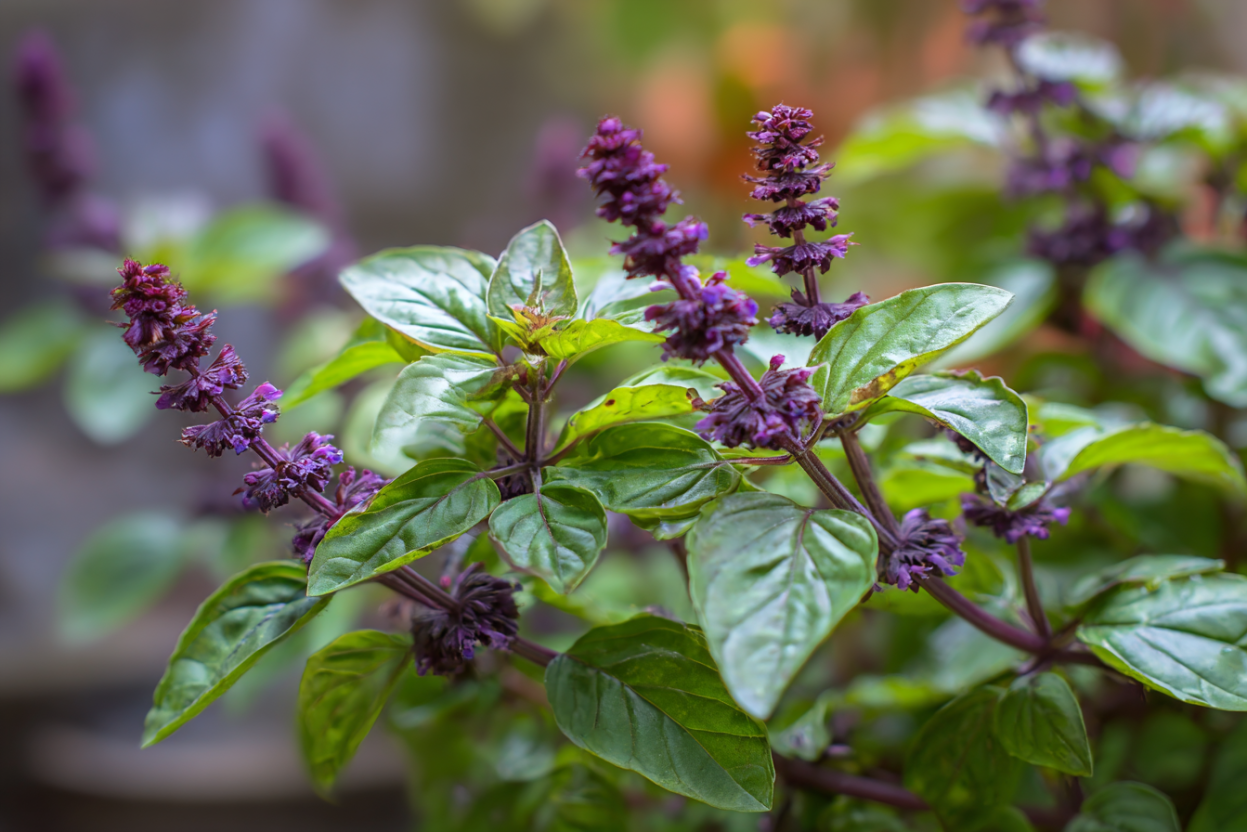
Holy Basil (Tulsi) — God’s Adaptogen for Stress, Immunity, and Whole-Body Wellness
If you have been carrying the weight of chronic stress — the kind that disrupts your sleep, clouds your thinking, and slowly erodes your health — you are not alone. Stress-related disease is the leading cause of illness worldwide. And yet, for over three thousand years, one remarkable plant has been called “The Elixir of Life” by those who understood its power to restore balance to the body and calm to the mind.
Holy basil — known as tulsi across India and Southeast Asia — is one of the most extensively studied adaptogenic herbs on earth. This is not a coincidence. This plant, like every good gift in creation, reflects the wisdom of a Designer who knew what we would face and provided what we would need. Long before modern laboratories confirmed its ability to lower cortisol and support immune function, this plant was already here — waiting to be discovered, studied, and shared.
The Plant
Common Names: Holy basil, tulsi, tulasi, sacred basil, hot basil, the incomparable one, Queen of Herbs, Mother Medicine of Nature
Botanical Name: Ocimum tenuiflorum L. (syn. Ocimum sanctum L.)
Family: Lamiaceae (the mint family — characterized by aromatic leaves, square stems, and opposite leaf arrangement)
Description
Holy basil is an aromatic, erect, multi-branched subshrub that grows 12 to 24 inches tall in temperate climates and up to 3 feet in tropical regions. In its native habitat, it functions as a short-lived perennial or woody subshrub. In cooler climates, it behaves as a warm-season annual. The stems are square (a hallmark of the mint family), often hairy, and range from green to deep purple depending on the variety.
The leaves are oval-shaped with serrated edges, deeply veined, and intensely aromatic when touched. Leaf color varies by cultivar — Rama tulsi displays broad, bright green leaves, while Krishna tulsi has striking purplish-green foliage. The leaves carry a distinctive peppery, clove-like scent that intensifies when crushed. Small, tubular flowers appear in elongated spikes (racemes) in shades of white, pale pink, or lavender, blooming from midsummer through early fall. The flowers attract pollinators and eventually produce tiny dark seeds.
There are three primary varieties commonly cultivated. Rama Tulsi has green leaves and a mellow, slightly sweet flavor. Krishna Tulsi (also called Shyama Tulsi) has purple-tinged leaves with a stronger, more peppery taste. Vana Tulsi is a wild variety native to parts of India, Sri Lanka, and East Africa, with a vigorous growth habit and hairy green leaves.
Origin
Holy basil is native to the Indian subcontinent, with its center of origin in north-central India. It has been cultivated across Southeast Asia for more than three thousand years. Through trade routes and cultural exchange, it spread to West Africa, Australia, the Middle East, and eventually to gardens worldwide. Today, it grows wild in tropical and subtropical regions of Asia and Africa and is cultivated commercially in India, Thailand, Indonesia, and increasingly in the United States.
Brief History
Holy basil holds a unique position in the history of herbal medicine. It appears in the oldest Ayurvedic texts, where it was documented as an herb capable of promoting longevity, balancing the body, and supporting resilience against disease. In the Ayurvedic system, tulsi is categorized as a “rasayana” — an herb that nourishes and promotes overall well-being. Indian households have grown tulsi in their courtyards for centuries, using it daily as both food and medicine. Its journey westward followed ancient trade routes through the Middle East and eventually into European botanical collections. In recent decades, scientific research — particularly from India, Australia, and the United States — has begun to validate what traditional practitioners observed for millennia.
Growing & Cultivation
Climate & Zones
Holy basil thrives as a perennial in USDA Hardiness Zones 10–11, where temperatures remain consistently warm and frost-free. In cooler regions (Zones 4–9), it is grown as a warm-season annual, planted after all danger of frost has passed. It performs best in temperatures between 70°F and 95°F and does not tolerate frost. In Zone 8 and similar temperate areas like Georgia, it grows beautifully from late spring through fall and can be started indoors 6–8 weeks before the last frost date to extend the season.
Soil Requirements
Well-drained, fertile soil is essential. Holy basil prefers loamy soil rich in organic matter, with a pH between 6.0 and 7.5. It adapts to sandy and clay soils if amended with compost. Container growing works well — use a pot at least 8–12 inches deep with drainage holes, filled with a quality potting mix amended with compost. Avoid waterlogged conditions, which promote root rot.
Water & Sunlight
Provide full sun — at least 6 to 8 hours of direct sunlight daily. In extremely hot climates, afternoon shade can prevent stress. Water deeply once or twice per week, allowing the top inch of soil to dry between waterings. Once established, holy basil is somewhat drought-tolerant, but consistent moisture during the growing season produces the best leaf production. Overwatering leads to yellowing leaves and root issues.
Propagation
From Seed: Sow seeds indoors 6–8 weeks before the last frost. Press seeds lightly into the surface of moist, sterile seed-starting mix — they need light to germinate. Germination occurs in 7–14 days at soil temperatures of 70°F or above. Transplant seedlings outdoors when nighttime temperatures consistently stay above 50°F.
From Cuttings: Take 4–6 inch stem cuttings from healthy plants, remove the lower leaves, and place in water or moist growing medium. Roots typically form within 2–3 weeks. This is an excellent way to overwinter plants indoors.
Self-Seeding: If allowed to flower and set seed, holy basil self-sows readily in the garden, providing volunteer plants the following season in warmer climates.
Planting
Space plants 12–18 inches apart to allow airflow and bushy growth. Plant at the same depth as the nursery pot. Companion planting with tomatoes, peppers, and marigolds is beneficial — holy basil repels aphids, whiteflies, and mosquitoes while attracting pollinators.
Harvesting
Begin harvesting once plants reach 6–8 inches tall. Harvest in the morning for the highest concentration of essential oils. Cut stems just above a leaf node to encourage branching and bushier growth. Pinch flower spikes as they appear to maintain leaf production, unless you are saving seed. Regular harvesting produces the most abundant, flavorful leaves.
Drying & Storage
Air-dry by hanging small bundles upside down in a warm, dry, well-ventilated area for 5–7 days. Alternatively, use a food dehydrator at 95–105°F. Dried leaves retain approximately 60% of their essential oil content. Store in airtight containers away from light and heat for up to one year. Freezing fresh leaves in ice cube trays with water or oil preserves the most flavor and nutritional value.
Pest & Disease Management
Holy basil is naturally pest-resistant thanks to its aromatic oils. Aphids, whiteflies, and Japanese beetles may occasionally appear. Neem oil spray or insecticidal soap handles most infestations organically. Watch for basil downy mildew in humid conditions — ensure good air circulation between plants and water at the base rather than overhead. Remove any affected leaves promptly.
Companion Planting
Holy basil pairs well with tomatoes, peppers, oregano, parsley, and marigolds. Its strong aroma repels mosquitoes, aphids, and flies, making it a natural pest deterrent in the garden. Avoid planting near sage or rue, which prefer drier conditions and may compete for resources.
The Healing of Growing
Growing holy basil offers benefits long before the first harvest. The act of gardening — hands in soil, time spent outdoors, the rhythm of tending a living thing — has been documented to reduce cortisol levels, improve mood, and support immune function. Soil contains beneficial bacteria, including Mycobacterium vaccae, which research has shown to stimulate serotonin production and exhibit antidepressant effects (Lowry et al., 2007, PNAS). When you grow your own holy basil, you receive healing before you ever consume it.
Nutritional Profile
Macronutrients
Per 100 grams of fresh holy basil leaves, you can expect approximately 23 calories, 3.2g protein, 2.7g carbohydrates, 1.6g dietary fiber, 0.6g fat, and a negligible amount of sugars. Holy basil is extremely low in calories while providing meaningful amounts of protein for an herb.
Vitamins
Vitamin K: Approximately 414 mcg (345% DV) — Essential for blood clotting, bone mineralization, and cognitive function. One cup of fresh tulsi leaves provides more than a full day’s requirement.
Vitamin A: Approximately 5,275 IU (175% DV) as beta-carotene — Supports vision, immune function, skin health, and acts as a powerful antioxidant protecting cells from free radical damage.
Vitamin C: Approximately 18 mg (20% DV) — Supports immune function, collagen production, and acts as an antioxidant. Also enhances iron absorption from plant foods.
Folate (B9): Approximately 68 mcg (17% DV) — Critical for DNA synthesis, red blood cell formation, and neural tube development. Important for women of childbearing age.
Other B vitamins: Contains meaningful amounts of thiamin (B1), riboflavin (B2), niacin (B3), and vitamin B6, all of which support energy metabolism and nervous system function.
Minerals
Iron: 3.17 mg (40% DV) — A component of hemoglobin in red blood cells, essential for oxygen transport throughout the body. Holy basil is one of the richest herbal sources of plant-based iron.
Calcium: 177 mg (18% DV) — Supports bone and tooth structure, muscle contraction, nerve signaling, and heart rhythm.
Manganese: 1.15 mg (50% DV) — Acts as a cofactor for the antioxidant enzyme superoxide dismutase (SOD), supports bone formation and blood sugar regulation.
Potassium: 295 mg (6% DV) — Regulates fluid balance, muscle contractions, nerve signaling, and blood pressure.
Magnesium: 64 mg (15% DV) — Involved in over 300 enzymatic reactions, supports muscle and nerve function, blood sugar regulation, and bone health.
Zinc: 0.81 mg (7% DV) — Essential for immune function, wound healing, DNA synthesis, and taste perception.
Phosphorus: 56 mg (8% DV) — Works alongside calcium for bone and tooth health, supports energy metabolism and cell membrane integrity.
Phytonutrients & Active Compounds
Holy basil’s true power lies in its extraordinary array of bioactive compounds. Eugenol is the primary active phenolic compound (the same compound found in clove oil), responsible for holy basil’s distinctive clove-like aroma and its anti-inflammatory, analgesic, and antimicrobial effects. Rosmarinic acid is a potent antioxidant polyphenol with documented anti-inflammatory and anti-allergic properties. Ursolic acid is a pentacyclic triterpenoid studied for its anti-inflammatory, antioxidant, and potential anti-cancer effects. Apigenin and luteolin are flavonoids with calming and neuroprotective properties. Ocimumosides A and B are unique compounds that research suggests help balance neurotransmitters including serotonin and dopamine. The flavonoids orientin and vicenin provide radioprotective effects. Additionally, holy basil contains β-caryophyllene (a dietary cannabinoid), linalool, carvacrol, β-sitosterol, and carnosic acid.
Nutrient Notes
Holy basil’s vitamin C content enhances absorption of its significant iron content when consumed together — a natural synergy. The fat-soluble vitamins (A and K) are best absorbed when consumed with a small amount of healthy fat. While holy basil is typically consumed in smaller quantities than a full 100g serving (as tea, supplement, or seasoning), its concentrated phytonutrient profile means that even small daily doses deliver meaningful bioactive compounds to the body.
Culinary Uses
Edible Parts
All above-ground parts of holy basil are edible. The leaves are the most commonly consumed part, used fresh or dried. Flowers are edible and often brewed into tea along with the leaves. Seeds can be soaked in water (similar to chia seeds, they form a gel-like coating) and used in beverages and desserts. Stems are aromatic and can be used in infusions.
Flavor Profile
Holy basil has a bold, complex flavor profile that sets it apart from sweet Italian basil. The primary notes are peppery and spicy with a distinct clove-like warmth, followed by secondary notes of mint, lemon, and slight bitterness. The aroma is intensely herbaceous with a warm, sweet undertone. When cooked, the peppery heat mellows slightly while the clove notes intensify. When dried, the flavor concentrates and becomes more subtle. Intensity is moderate to strong — it makes its presence known in any dish.
Preparation
Fresh leaves can be eaten raw (though the strong flavor is an acquired taste) or added to stir-fries, soups, and curries in the final minutes of cooking. Holy basil is the essential herb in Thai Pad Krapao (stir-fried basil dishes). It pairs naturally with chili, garlic, and soy-based sauces. For tea, steep 5–10 fresh leaves or 1 teaspoon of dried leaves in hot water for 5–10 minutes. The leaves can also be infused into oils, vinegars, and honey.
Culinary Pairings
Holy basil complements proteins like chicken, pork, shrimp, and tofu. It pairs well with garlic, ginger, chilies, lemongrass, galangal, coconut milk, soy sauce, fish sauce, and lime. Among fats, coconut oil and sesame oil carry its flavor beautifully. It works in Southeast Asian, Indian, and fusion cuisines.
Storage
Fresh holy basil is best used within 3–5 days. Store stems in a glass of water on the counter (not the refrigerator — cold temperatures cause leaves to darken). For longer storage, freeze whole leaves on a baking sheet then transfer to freezer bags, or blend leaves into olive oil and freeze in ice cube trays. Dried holy basil stores for up to one year in airtight containers.
Ready to cook with holy basil? View Recipes on Chefts →
Wellness & Therapeutic Uses
Traditional Uses
Holy basil has been a cornerstone of Ayurvedic medicine for more than 3,000 years, where it is considered a “rasayana” — an herb that promotes longevity and overall well-being. In Ayurveda, tulsi is classified as having the ability to balance all three doshas (Vata, Pitta, and Kapha), making it one of the most versatile herbs in the entire pharmacopoeia. It has traditionally been used to support respiratory health during colds and coughs, to calm the mind during periods of anxiety, to promote healthy digestion, and as a daily tonic for overall vitality.
In Traditional Chinese Medicine, the Ocimum genus has been used to promote the movement of qi (vital energy), support digestive function, and address pain and inflammation. In Southeast Asian folk medicine traditions across Thailand, Indonesia, and Malaysia, holy basil has been used to address fever, respiratory congestion, digestive disturbances, and skin infections. In African traditional medicine, related Ocimum species have been used for wound healing, fever reduction, and antimicrobial applications.
Modern Research
Modern science is confirming what traditional practitioners observed for millennia. A 2017 systematic review of 24 human clinical studies found that tulsi demonstrated favorable therapeutic effects across metabolic disorders, cardiovascular health, immunity, and neurocognition, with no significant adverse events reported (Jamshidi & Cohen, 2017, Evidence-Based Complementary and Alternative Medicine).
Adaptogenic / Stress Support: A 2022 randomized, double-blind, placebo-controlled trial of 100 adults found that 8 weeks of holy basil extract supplementation (125 mg twice daily) significantly reduced perceived stress scores, improved sleep quality, and lowered both hair cortisol and salivary cortisol levels compared to placebo (Lopresti et al., 2022, Frontiers in Nutrition, Australia). An earlier double-blind study found that 1,200 mg daily of holy basil extract over 6 weeks reduced symptoms of stress including exhaustion, sleep problems, and forgetfulness by 39% more than placebo (Saxena et al., 2012, Evidence-Based Complementary and Alternative Medicine, India).
Blood Sugar Support: A randomized, placebo-controlled clinical trial in patients with noninsulin-dependent diabetes found that holy basil leaf supplementation decreased fasting blood sugar, postprandial blood sugar, urine glucose, and total cholesterol levels during the treatment period (Agrawal et al., 1996, International Journal of Clinical Pharmacology and Therapeutics, India). Another study found that adding 250 mg of holy basil extract to diabetes medication produced an 18% greater decrease in blood sugar compared to medication alone.
Immune Support: Research suggests holy basil modulates immune function by enhancing the body’s natural defense mechanisms, including increased production of T-helper cells and natural killer (NK) cell activity. Its broad-spectrum antimicrobial activity has been documented against bacteria, viruses, and fungi (Cohen, 2014, Journal of Ayurveda and Integrative Medicine, Australia).
Anti-inflammatory & Antioxidant: The eugenol, rosmarinic acid, and ursolic acid in holy basil have been documented to inhibit COX-2 enzyme activity (similar to ibuprofen’s mechanism), reduce inflammatory cytokines, and provide potent free radical scavenging activity (Narasimhan et al., 2015, Journal of Medicinal Food, USA).
Neuroprotective / Cognitive Support: A placebo-controlled study in healthy adults found that holy basil leaf extract enhanced specific cognitive parameters including reaction time and error rates (Sampath et al., 2015, Indian Journal of Physiology and Pharmacology, India). The anxiolytic effects of tulsi have been demonstrated in a controlled trial showing reduced generalized anxiety symptoms (Bhattacharyya et al., 2008, Nepal Medical College Journal, India).
Cardiovascular Support: Research indicates that holy basil may support healthy blood pressure and lipid levels. Its antioxidant properties help protect against oxidative damage to blood vessels, and its anti-inflammatory compounds may support overall cardiovascular health.
Body Systems Supported
Nervous system — Adaptogenic effects help modulate the stress response, support healthy cortisol rhythms, promote calm, and may support cognitive function. Immune system — Enhances natural killer cell activity, supports T-cell function, and provides broad-spectrum antimicrobial properties. Cardiovascular system — May support healthy blood pressure, cholesterol levels, and protect blood vessels from oxidative damage. Endocrine system — Modulates cortisol via effects on the hypothalamic-pituitary-adrenal (HPA) axis and may influence blood sugar regulation through insulin-sensitizing effects. Digestive system — Traditionally used for bloating, indigestion, and stomach discomfort; possesses carminative properties. Respiratory system — Traditionally used for coughs, colds, bronchitis, and congestion; contains camphor, cineole, and eugenol which may support respiratory function. Integumentary system — Antimicrobial and anti-inflammatory properties support skin health topically and internally.
Body Compounds Affected
Research suggests holy basil may influence several critical body compounds. Its adaptogenic action works primarily through modulating cortisol — the body’s primary stress hormone — via effects on the HPA axis. Compounds called Ocimumosides A and B are reported to help balance serotonin and dopamine levels in the brain, which may explain its documented effects on mood, anxiety, and cognitive function. Its anti-inflammatory effects involve reducing pro-inflammatory cytokines including TNF-alpha and IL-6, and modulating prostaglandins through COX-2 inhibition. Its blood sugar effects involve supporting healthy insulin sensitivity. The anxiolytic effects may involve GABA modulation, and its β-caryophyllene content interacts with the endocannabinoid system (CB2 receptors).
Methods of Use
Tea/Infusion
The most traditional and accessible method. Use 5–10 fresh leaves or 1 teaspoon of dried leaves per cup of hot water (not boiling — approximately 200°F). Steep for 5–10 minutes. May be consumed 1–3 times daily. Can be combined with honey, ginger, or lemon.
Tincture
Typical dosage ranges from 30–60 drops (1–2 mL) in water, 2–3 times daily. Tinctures provide a concentrated, shelf-stable form with good bioavailability.
Capsule/Powder
Standardized extracts are commonly available in capsule form. Human clinical trials have used dosages ranging from 300 mg to 1,200 mg daily, typically divided into two doses. Powdered leaf can be added to smoothies, warm milk, or food.
Fresh Leaf
Chewing 4–5 fresh leaves daily is a traditional Indian practice for general wellness. The leaves can also be juiced or blended into drinks.
This information is for educational purposes only and is not intended to diagnose, treat, cure, or prevent any disease. Always consult with a qualified healthcare provider before making changes to your health regimen.
Cosmetic & Beauty Uses
Skin Benefits
Holy basil’s antibacterial, antifungal, anti-inflammatory, and antioxidant properties make it a versatile ingredient for skin care across multiple skin types. Its eugenol content provides antimicrobial action that may help address acne-causing bacteria, while rosmarinic acid soothes inflammation and redness. Research from the Industrial Crops and Products journal (Chaiyana et al., 2019) demonstrated that Ocimum sanctum extracts exhibit significant anti-aging activity by inhibiting collagenase and elastase enzymes, supporting skin firmness and elasticity.
Holy basil is particularly beneficial for oily and acne-prone skin due to its astringent and purifying qualities. It may help minimize pore appearance, control excess oil production, and reduce the appearance of blemishes. For sensitive and irritated skin, its anti-inflammatory compounds may calm redness and soothe conditions like eczema and dermatitis. The high antioxidant content (particularly vitamin C and beta-carotene) may support a brighter, more even skin tone and protect against environmental stressors including UV damage and pollution.
Hair Benefits
Holy basil may support scalp health through its antifungal properties, helping to address dandruff and scalp irritation. Its ability to improve blood circulation to the scalp may promote stronger hair follicles and support hair growth. The nutrient-rich profile (vitamins A, C, and K, plus minerals) nourishes hair from root to tip, potentially reducing breakage and improving shine and texture.
Application Methods
Infused Oil: Steep dried holy basil leaves in a carrier oil (jojoba, coconut, or sweet almond) for 2–4 weeks in a warm, sunny location, shaking daily. Strain and use as a facial oil, body oil, or scalp treatment.
Tulsi Toner: Brew a strong tea of holy basil leaves, cool completely, and use as a facial toner with a cotton pad. Store refrigerated for up to one week.
Face Mask: Mix holy basil powder with honey, yogurt, or kaolin clay for a purifying face mask. Leave on 15–20 minutes before rinsing.
Hair Rinse: Use cooled holy basil tea as a final hair rinse after shampooing. Leave in or rinse out lightly. Supports scalp health and adds shine.
Steam Treatment: Add fresh leaves to a bowl of steaming water. Drape a towel over your head and steam your face for 5–10 minutes to open pores, promote circulation, and allow the antimicrobial volatile compounds to contact the skin.
DIY Formulation Notes
When incorporating holy basil into homemade products, a typical infusion rate is 5–10% holy basil extract or infusion by weight. Coconut oil pairs especially well as a carrier — research published in the International Journal of Cosmetic Science indicates enhanced skin absorption when holy basil is combined with coconut oil. Shelf life of homemade preparations is limited — use within one week for water-based products (refrigerated) and within 3–6 months for oil-based products stored in dark glass containers.
Holy basil is among the botanicals being explored for holistic cosmetic applications, where the wisdom of traditional beauty practices meets modern understanding of skin science.
Essential Oil Profile
Extraction
Holy basil essential oil is obtained through steam distillation of the leaves and flowering tops. The oil yield is relatively low — approximately 0.2–0.5% of plant material by weight — which means it takes a significant volume of fresh plant material to produce even a small amount of oil. This affects both price and availability. CO2 extraction methods can also be used and may preserve a broader range of the plant’s volatile compounds.
Chemical Constituents
The primary chemical constituents of holy basil essential oil include:
Eugenol (50–80%): A phenol compound responsible for the oil’s warm, spicy, clove-like aroma. Eugenol is well-documented for its anti-inflammatory, analgesic (pain-relieving), antimicrobial, and antioxidant properties. It is also the compound that requires careful dilution for skin applications.
β-Caryophyllene (3–7%): A sesquiterpene that interacts with the body’s CB2 cannabinoid receptors. Research suggests anti-inflammatory and analgesic properties.
Methyl eugenol (5–15%): Contributes to the oil’s complex aroma profile and possesses antimicrobial properties.
Methyl chavicol/estragole (3–5%): Provides a subtle anise-like note.
1,8-Cineole (eucalyptol): An oxide with documented respiratory benefits, contributing a fresh, camphoraceous note.
Linalool: A monoterpene alcohol with calming, skin-soothing properties.
Camphor: Present in some chemotypes, contributing to respiratory support and a sharp, cooling note.
Aroma Profile
Holy basil essential oil is classified as a top to middle note in perfumery. The scent is warm, spicy, and herbaceous with a pronounced clove-like sweetness, softened by a green, slightly balsamic woody undertone. It is more complex and medicinal-smelling than sweet basil oil. The aroma is strong and persistent. It blends well with bergamot, black pepper, cardamom, cedarwood, clary sage, geranium, ginger, lemon, sweet orange, peppermint, rosemary, sandalwood, and thyme.
Therapeutic Properties
Using compliant language: Holy basil essential oil has been traditionally associated with antimicrobial, anti-inflammatory, analgesic, adaptogenic, immunomodulatory, energizing, and clarifying properties. Research suggests its high eugenol content provides the primary mechanism for many of these effects.
How to Use
Diffusion
Add 3–5 drops to an ultrasonic diffuser. Diffuse in 30–60 minute intervals. The warm, spicy aroma may promote focus, reduce feelings of stress, and purify the air.
Topical Application
Due to high eugenol content, holy basil essential oil requires careful dilution. Tisserand and Young recommend a maximum dermal application of 1% (approximately 1 drop per teaspoon of carrier oil). For sensitive skin, use 0.5% or less. Always perform a patch test before broader application. Suitable carrier oils include jojoba, coconut, and sweet almond oil. Avoid use on broken or highly sensitive skin.
Dilution Guidelines: Adults: 1% maximum (6 drops per ounce of carrier). Sensitive skin: 0.5% (3 drops per ounce). Children over 6: 0.25% (1–2 drops per ounce). Not recommended for children under 6. Not recommended for use during pregnancy.
Quality & Sourcing
Look for essential oil labeled as Ocimum tenuiflorum or Ocimum sanctum — not Ocimum basilicum (which is sweet basil, a different oil entirely). Request or verify GC/MS (Gas Chromatography/Mass Spectrometry) testing from the supplier to confirm purity and constituent profile. Choose oils from reputable suppliers who source from established growing regions (India is the primary source). Be aware that adulteration with cheaper synthetic eugenol or sweet basil oil is a known concern in the market.
Blending
Holy basil essential oil blends beautifully in formulations for focus and mental clarity (with rosemary and peppermint), stress support (with lavender and bergamot), immune support (with tea tree and eucalyptus), and warming body blends (with ginger and black pepper). Use sparingly — its strong aroma can dominate a blend. A typical starting point is 5–10% of the total essential oil component in a blend.
Aromatherapy & Scent
The Aroma
The fresh, living holy basil plant emits a warm, complex fragrance that is unlike any other herb in the garden. When you brush past it or crush a leaf between your fingers, a rush of spicy-sweet scent rises — a blend of clove, pepper, mint, and something almost camphoraceous, with a green herbaceous brightness underneath. The scent is strongest in the warmth of afternoon sun and intensifies dramatically when the leaves are touched, bruised, or after a rain shower, as the volatile oils are released from the leaf surface. Krishna tulsi (the purple variety) tends to have a more intense, peppery aroma than the milder Rama tulsi.
When dried, holy basil retains much of its aromatic character, though the brighter green and citrus top notes soften, leaving behind a warmer, more subdued clove-like scent. Dried leaves retain approximately 60% of their volatile oil content and maintain their scent for 6–12 months when stored properly in airtight containers away from light and heat.
How Scent Affects Your Body
When you inhale the aroma of holy basil, volatile molecules released by the plant enter your nose and contact olfactory receptor neurons in the nasal cavity. These receptors send electrical signals directly to the limbic system — the brain’s emotional processing center — and the hypothalamus, which controls hormone release. This pathway is unique because it bypasses the rational, conscious brain entirely. Your body responds to scent before you even form a thought about it. This is why certain aromas can instantly shift your mood, calm your breathing, or evoke vivid memories.
Emotional & Mood Effects
The scent of holy basil is typically described as both grounding and clarifying — a rare combination. Users report feelings of calm alertness, reduced mental chatter, improved focus, and a sense of being centered. The warm, spicy notes provide a sense of comfort and security, while the brighter herbal notes promote mental clarity. This dual effect aligns with holy basil’s classification as an adaptogen — it helps the body move toward balance, whether that means calming an anxious mind or energizing a sluggish one.
Body Compounds Affected
Research into holy basil’s aromatic effects suggests that inhalation of its volatile compounds may influence several body compounds. The adaptogenic scent profile has been associated with reduced cortisol output, supporting a healthier stress response. The eugenol component has been studied for its effects on serotonin and dopamine pathways, potentially explaining the mood-balancing effects users report. Additionally, the linalool present in the oil has been studied for its effects on GABA receptors, which may contribute to the calming effects of the scent (Cohen, 2014).
Ways to Experience the Scent
You do not need an essential oil to benefit from holy basil’s aroma. Grow a plant on a sunny windowsill or near your workspace — simply being near the living plant provides gentle aromatic exposure throughout the day. Place fresh cuttings in a vase of water on your nightstand or desk. Crush a leaf and hold it near your nose when you need a moment of focus. Tuck dried leaves into sachets for drawers and closets. Simmer fresh or dried leaves in a pot of water on the stove to fill your home with its scent. Add a handful of fresh or dried leaves to a warm bath. Place a small sachet of dried tulsi under your pillow to promote restful sleep. Brew a cup of tulsi tea and breathe deeply over the cup before drinking — the steam carries the volatile compounds directly to your olfactory system.
Color Therapy
The Colors of Holy Basil
Holy basil presents a rich palette of therapeutic color. Rama tulsi features bright, vivid green leaves, while Krishna tulsi displays striking purple-green to deep violet foliage. The stems range from green to deep purple. Flowers appear in soft shades of white, pale pink, and lavender, clustered on dark-colored spikes. New growth often shows lighter, fresher green tones, while mature leaves deepen in color.
Color Wavelengths
The dominant colors of holy basil span two key wavelength ranges. The green leaves (495–570 nm) fall in the center of the visible spectrum, while the purple-violet tones of Krishna tulsi and the flower spikes (380–450 nm) occupy the shorter wavelength end. Green represents the most balanced part of the spectrum — the color the human eye is most sensitive to — while violet occupies the highest-energy visible wavelength range.
How These Colors Affect the Body
Green (495–570 nm): Green light is associated with balance, calm, and restoration. It is the color of the heart chakra in traditional systems and is linked to feelings of harmony, renewal, and connection to nature. Research on green environments shows measurable reductions in heart rate, blood pressure, and cortisol levels. Simply viewing green foliage has been associated with improved mood and reduced mental fatigue.
Purple/Violet (380–450 nm): Violet light is the shortest visible wavelength and carries the highest energy. It is associated with calming the nervous system, promoting meditative states, and supporting introspection. The combination of green and purple in holy basil offers a visual pairing that simultaneously calms and inspires — balance and depth in a single plant.
Body Compounds Affected
Exposure to green environments has been linked to reduced cortisol levels and increased serotonin activity. Violet light exposure has been studied for its effects on melatonin production and nervous system calming. Viewing natural plant life in general stimulates the parasympathetic nervous system, promoting the “rest and digest” response.
Using Holy Basil for Color Therapy
Place a Krishna tulsi plant (with its striking purple foliage) where you spend time relaxing or meditating — the combination of green and purple provides a visually therapeutic presence. Keep a Rama tulsi plant (bright green) in your workspace for the balancing, attention-restoring benefits of green. Use cut tulsi flowers with their lavender hues as a natural, aromatic centerpiece. When consuming tulsi, remember that eating deeply colored purple leaves means you are also ingesting anthocyanins — the same powerful antioxidants found in blueberries and purple grapes — truly “eating the rainbow.”
Frequency & Vibration
The Frequency of Holy Basil
According to bio-frequency research pioneered by Bruce Tainio (using a calibrated frequency monitor developed at Eastern Washington University), essential oils and plants emit measurable electromagnetic frequencies. While specific published MHz measurements for holy basil essential oil vary by source and methodology, it is generally classified among the higher-frequency essential oils, consistent with other therapeutic-grade plant oils rich in phenolic compounds. For reference, a healthy human body typically measures between 62–78 MHz, while cold or flu onset has been associated with frequencies around 58 MHz.
Human Frequency Interaction
The principle of entrainment suggests that when a stronger, more coherent frequency encounters a weaker or less coherent one, the weaker frequency tends to synchronize with the stronger. Proponents of vibrational medicine suggest that being around high-frequency plants — or consuming their essential oils and teas — may help support and elevate human body frequency. Holy basil, as a potent adaptogenic herb with concentrated bioactive compounds, is considered by practitioners to be a high-frequency plant that may support overall energetic balance.
Essential Oil Frequency
Holy basil essential oil, with its high concentration of eugenol and other bioactive volatile compounds, represents a concentrated form of the plant’s energetic signature. Frequency measurements suggest that essential oils generally range from 52 MHz (basil) to 320 MHz (rose), though these measurements are from Tainio’s research and this remains an area where peer-reviewed scientific validation is still developing.
Vibrational Applications
To incorporate holy basil’s frequency into your wellness practice, consider keeping a living plant in your home or workspace. Diffuse the essential oil during meditation or prayer. Drink tulsi tea mindfully, as the act of consuming high-frequency plant compounds may support the body’s own energetic state. Combine holy basil practices with other high-frequency activities such as prayer, gratitude, time in nature, and healthy eating.
The Living Plant
Benefits of Presence
The benefits of holy basil extend far beyond what you extract, brew, or consume. Simply being near this living plant provides measurable health benefits. Research on biophilic design — the science of how human well-being improves in the presence of nature — demonstrates that indoor plants reduce perceived stress, improve mood, enhance concentration, and promote faster recovery from mental fatigue. Holy basil, with its striking foliage, pleasant aroma, and adaptive growth habit, is an ideal candidate for bringing these benefits into your daily environment.
Air Purification
Holy basil has been noted for remarkable air-purifying qualities. Reports from Indian botanical research suggest that tulsi plants release oxygen for approximately 20 hours per day and may also generate small amounts of ozone, contributing to local air purification. The plant absorbs carbon dioxide, carbon monoxide, and sulfur dioxide from the surrounding air. While holy basil was not included in the original NASA Clean Air Study, its volatile essential oils have documented antimicrobial properties that may help reduce airborne pathogens in indoor environments.
Phytoncides
Holy basil is a prolific producer of phytoncides — volatile antimicrobial organic compounds that plants release to protect themselves from insects, bacteria, and fungi. These are the same class of compounds studied extensively in Japanese “shinrin-yoku” (forest bathing) research, which has demonstrated that exposure to phytoncides increases human natural killer (NK) cell activity by 50% or more. The aromatic compounds released by a living holy basil plant — including eugenol, linalool, and camphor — create a local zone of antimicrobial activity that may benefit anyone spending time nearby.
Visual & Psychological Benefits
Research consistently demonstrates that patients in healthcare settings with views of or access to plants recover faster, require less pain medication, and report higher satisfaction. Studies on indoor plants in workplaces show improved productivity, reduced absenteeism, and enhanced creative thinking. The act of caring for a plant provides a sense of purpose, rhythm, and connection to the living world — all factors associated with improved mental health outcomes.
Growing Indoors vs Outdoors
Holy basil can thrive indoors with adequate light — at least 6 hours of direct sunlight from a south-facing window, or supplemental grow lights providing 12–16 hours of light daily. Indoor plants may not grow as robustly as outdoor specimens but will still provide aromatic and air-purifying benefits. Maintain temperatures between 70–80°F and moderate humidity. Outdoors, holy basil thrives in full sun and warm conditions, where it produces the highest concentrations of essential oils and the most vigorous growth. In cooler climates, grow outdoors in summer and bring containers inside before frost.
Touch & Physical Interaction
Gardening Therapy
Horticultural therapy — the practice of using gardening as a therapeutic intervention — is an established clinical modality used in hospitals, rehabilitation centers, and mental health facilities worldwide. Working with holy basil provides all the benefits of gardening therapy with the added advantage of the plant’s aromatic and medicinal properties. The daily routine of tending, watering, pruning, and harvesting creates structure, purpose, and connection to natural rhythms.
Soil Contact Benefits
When you garden with bare hands or bare feet, you engage in grounding — direct physical contact with the earth. Research on earthing demonstrates that electron transfer from the earth’s surface reduces inflammation, normalizes cortisol rhythms, improves sleep, and reduces pain. The soil itself contains Mycobacterium vaccae, a beneficial bacterium that research has shown stimulates serotonin production in the brain, producing antidepressant-like effects (Lowry et al., 2007). Working in soil also exposes your skin microbiome to beneficial environmental bacteria, supporting immune education and resilience.
The Tactile Experience
Holy basil is a deeply sensory plant to touch. The leaves are slightly textured — not as smooth as sweet basil — with a subtle fuzziness on some varieties that releases a burst of warm, spicy fragrance when brushed. The stems are square and firm with a slight woodiness at the base. Running your fingers along a branch and pinching off leaves for harvest is a meditative, grounding act. The flowers are delicate and soft to the touch. Krishna tulsi, with its darker, slightly crinkled leaves, provides a different tactile experience than the broader, smoother Rama tulsi. Every harvest is an invitation to slow down and be present.
Harvesting & Processing
Harvesting holy basil is a particularly therapeutic activity. The repetitive motion of pinching stems above a node, gathering leaves into a basket, and breathing in the intensifying aroma as the oils release from the cut stems creates a deeply meditative experience. Processing the harvest — stripping leaves, bundling stems for drying, or making fresh tea — engages multiple senses simultaneously: the warmth of the leaves in your hands, the rich aroma filling the room, the visual beauty of the green and purple foliage. These moments of hands-on preparation connect you to the ancient tradition of plant medicine and the simple rhythm of providing for yourself from the earth.
Water-Based Applications
Teas & Infusions
The most common and traditional way to use holy basil is as a tea (infusion). Use 5–10 fresh leaves or 1 teaspoon of dried leaves per 8-ounce cup of hot water. Water temperature should be approximately 200°F (just below boiling). Steep for 5–10 minutes — longer steeping extracts more of the bitter compounds and deeper medicinal properties. Strain and enjoy. May be consumed 1–3 times daily. Hot infusions extract the water-soluble vitamins, flavonoids, and aromatic compounds effectively. Cold infusions (steeping in room temperature water for 4–8 hours) produce a milder, sweeter tea that retains more of the delicate volatile compounds.
Herbal Baths
Add a strong infusion of holy basil (brew 1–2 cups of dried leaves in a quart of boiling water, steep 20 minutes, strain) to a warm bath. Alternatively, place a large handful of fresh leaves in a muslin bag and hang it from the faucet so hot water runs through it as the tub fills. Soak for 20–30 minutes. The warm water opens pores and allows the antimicrobial and anti-inflammatory compounds to contact the skin, while the steam carries volatile aromatic compounds to the respiratory system and olfactory pathway. Particularly beneficial for skin irritation, stress relief, muscle tension, and respiratory congestion. Foot baths using the same method provide a simpler alternative when a full bath is impractical.
Hydrosols
Holy basil hydrosol (also called tulsi floral water) is the water portion produced during steam distillation of the essential oil. It contains water-soluble aromatic compounds at a much gentler concentration than the essential oil, making it safe for direct skin application. Holy basil hydrosol can be used as a facial toner, room spray, or body mist. It is increasingly available from specialty aromatherapy suppliers. Its gentle nature makes it appropriate for sensitive skin and for applications where the full essential oil would be too strong.
Compresses
Hot compress: Brew a strong tea of holy basil, soak a clean cloth in the warm liquid, wring gently, and apply to sore muscles, joints, or areas of inflammation. The warmth promotes circulation while the plant compounds provide anti-inflammatory and analgesic support. Re-soak and reapply as the cloth cools. Duration: 15–20 minutes.
Cold compress: Brew tea and refrigerate until cold. Soak a cloth and apply to minor burns, sunburn, insect bites, or areas of swelling. The cold reduces inflammation while the antimicrobial compounds support healing. Duration: 10–15 minutes.
Steam Inhalation
Add a generous handful of fresh holy basil leaves (or 2 tablespoons dried) to a bowl of just-boiled water. Drape a towel over your head, lean over the bowl with eyes closed, and breathe deeply through the nose for 5–10 minutes. The steam delivers volatile antimicrobial and anti-inflammatory compounds directly to the respiratory tract, making this particularly beneficial for congestion, sinus discomfort, coughs, and respiratory irritation. The essential oil compounds (eugenol, cineole, camphor) in the steam also provide aromatherapeutic benefits simultaneously. Use caution to avoid scalding — maintain a comfortable distance from the hot water.
Hair Rinses
Brew a strong tea of holy basil (2–3 tablespoons dried leaves per quart of water, steep 30 minutes, cool completely). After shampooing, pour the tulsi rinse through your hair as a final rinse. You may leave it in or rinse lightly with cool water. The antimicrobial and antifungal properties support a healthy scalp environment, may help address dandruff, and the nutrient-rich infusion adds shine and improves hair texture with regular use. The mild astringent qualities help balance scalp oil production.
Historical, Cultural & Biblical Significance
Biblical References
Holy basil (Ocimum tenuiflorum) is not directly mentioned by name in Scripture. However, aromatic herbs and plants were deeply woven into biblical life and worship. The broader family of aromatic herbs was well known in the ancient Near East. Genesis 1:29 establishes the foundational principle: “And God said, Behold, I have given you every herb bearing seed, which is upon the face of all the earth, and every tree, in the which is the fruit of a tree yielding seed; to you it shall be for meat” (KJV). While tulsi itself grew east of the biblical lands, the principle of God providing plants for human benefit and nourishment is the very foundation upon which this plant’s story rests.
Ancient Civilizations
In the Indus Valley civilization (3000+ years ago), holy basil was already being cultivated and documented in the earliest Ayurvedic texts, including the Charaka Samhita and Sushruta Samhita. The Greeks and Romans, while more familiar with sweet basil (Ocimum basilicum), recognized the Ocimum genus. Dioscorides documented basil species in his De Materia Medica (circa 50–70 AD), the foundational Western herbal text that remained authoritative for over 1,500 years. Pliny the Elder also referenced basil in his Natural History. The ancient Egyptians were familiar with aromatic herbs of the Lamiaceae family and incorporated them into embalming and medicinal preparations.
Eastern Traditions
In Ayurveda, holy basil holds a position unmatched by any other herb. It is documented in the oldest Sanskrit medical texts as a “rasayana” (rejuvenator) and is described as having the ability to balance all three doshas. Ayurveda observed that tulsi supported respiratory health, digestion, stress resilience, immune function, and longevity — observations now being confirmed by modern research. The Siddha medical system of southern India also reveres tulsi as a primary medicinal herb.
In Traditional Chinese Medicine, the broader Ocimum genus has been used to move qi, support digestion, and address pain and inflammation. While Ocimum tenuiflorum specifically is less prominent in the TCM materia medica than in Ayurveda, the principles of using aromatic, warming herbs to move stagnant energy and support the body’s vital force align closely with how tulsi functions.
These cultures observed what God designed — they documented what worked. Their observations align with what modern research now confirms about holy basil’s remarkable properties.
Indigenous Knowledge
Across Southeast Asia, holy basil has been integrated into folk medicine traditions for centuries. Thai traditional medicine uses it extensively for digestive and respiratory support. Indonesian and Malaysian traditional healers have used related Ocimum species for fever, infection, and pain relief. In Africa, Ocimum gratissimum (a close relative) has a long history of traditional use for wound healing, fever, and antimicrobial applications. These traditions, developed independently across different continents, all converge on similar therapeutic applications — a testament to the consistency of what is observed when humans pay attention to the plants God provided.
European Heritage
European herbals from the Renaissance onward documented various basil species. Nicholas Culpeper (1616–1654) included basil in his Complete Herbal, noting its warming and aromatic properties. John Gerard’s Herball (1597) also referenced basil. European monastery gardens — the great preservers of herbal knowledge through the Middle Ages — cultivated basil species for both culinary and medicinal purposes. While European use focused more heavily on sweet basil, the medicinal applications they documented overlap significantly with Ayurvedic uses of holy basil, suggesting that the genus’s therapeutic properties are consistent across species and cultures.
Cultural Symbolism
Across cultures, holy basil has symbolized purity, protection, devotion, and vitality. In Indian culture, it represents the sacred principle of nurturing and provision — it is grown in household courtyards as a living symbol of care for the family’s well-being. In Thai culture, it is associated with strength and resilience. In Italian tradition (applied to sweet basil), it symbolizes love and fidelity. In Victorian flower language, basil represented good wishes. These associations, stripped of any religious worship context, reveal a consistent human intuition that this plant represents something good, protective, and life-giving — which is exactly what the Creator intended it to be.
Safety & Precautions
Contraindications
Holy basil should be used with caution or avoided entirely in certain circumstances. Individuals with hypothyroidism should consult a healthcare provider before regular use, as holy basil may lower thyroxine levels, potentially worsening the condition. Those with bleeding disorders or scheduled for surgery should be aware that holy basil may slow blood clotting — discontinue use at least 2 weeks before any scheduled surgical procedure (Merck Manual, 2025).
Drug Interactions
Blood thinners (anticoagulants/antiplatelets): Holy basil may inhibit platelet aggregation and prolong clotting times. Taking it alongside warfarin, aspirin, clopidogrel, heparin, or similar medications may increase bleeding risk. Diabetes medications: Holy basil may lower blood sugar, potentially causing hypoglycemia when combined with insulin or oral diabetes medications. Blood sugar should be monitored closely. Blood pressure medications: Holy basil may enhance hypotensive effects, potentially causing blood pressure to drop too low. Thyroid medications: Holy basil may decrease thyroxine levels, potentially reducing the efficacy of thyroid hormone replacement therapy. Sedatives: May enhance the effects of sedative medications including pentobarbital and diazepam, increasing drowsiness. CYP450 consideration: While comprehensive CYP450 interaction data is limited, the high eugenol content warrants caution with any medication metabolized by the liver (WebMD, 2025).
Pregnancy & Nursing
Holy basil is not recommended during pregnancy or when trying to conceive. Animal studies suggest that large doses may reduce the chance of implantation and full-term pregnancy, and may promote uterine contractions. Whether these effects occur in humans is not confirmed, but caution is strongly advised. The safety of holy basil during breastfeeding has not been adequately studied. Not recommended during pregnancy or breastfeeding without guidance from a qualified healthcare provider (Drugs.com, 2025).
Children
Mild tulsi tea made from fresh leaves is generally considered safe for children over age 6 in small amounts. Concentrated extracts, supplements, and essential oil should be used with extra caution or avoided in children. No standardized pediatric dosing has been established. For children under 6, consult a qualified healthcare provider before use. Essential oil of holy basil should not be applied to children under 6, and only at a 0.25% dilution for children ages 6–12.
Elderly
Older adults should exercise caution with holy basil, particularly if managing diabetes, hypoglycemia, or taking blood thinners or blood pressure medications — all of which are common in elderly populations. Start with lower doses and monitor for any changes in blood sugar, blood pressure, or bleeding tendency. Limited research exists on long-term safety in older adults.
Pets
Dogs: Non-toxic. Basil is listed as non-toxic to dogs by the ASPCA (ASPCA). Holy basil (tulsi) is also considered safe for dogs and is even used in some veterinary Ayurvedic formulations for stress and immune support. However, overconsumption of plant material may cause mild gastrointestinal upset. Essential oil should not be used on or around dogs without veterinary guidance.
Cats: Non-toxic. Basil is listed as non-toxic to cats by the ASPCA. Holy basil is also considered safe for cats in moderation. As with dogs, overconsumption may cause mild digestive upset. Keep essential oil away from cats, as they are more sensitive to concentrated essential oils than dogs.
Horses: Generally considered safe, though data is limited. Consult an equine veterinarian.
Allergies & Sensitivities
Individuals with known allergies to plants in the Lamiaceae (mint) family should exercise caution. Cross-reactivity may occur. Holy basil essential oil, due to its high eugenol content, can cause contact dermatitis or skin sensitization when applied undiluted or at too high a concentration. Always perform a patch test before topical use of any holy basil product. If any redness, itching, or irritation develops, discontinue use immediately.
Dosing Guidelines
Based on available clinical trial data: Standardized extract capsules have been studied at 300–1,200 mg daily, divided into 2–3 doses, for periods of 1.5–3 months. Fresh leaf consumption of 4–5 leaves daily is a traditional Indian practice. Tea consumption of 1–3 cups daily is commonly recommended by herbalists. Essential oil: 1% maximum dermal dilution. Long-term safety data beyond 8–12 weeks is limited.
Quality & Sourcing
Purchase from reputable suppliers who provide third-party testing. Look for organic certification to minimize pesticide exposure. Be aware of potential adulteration — a European study found a high frequency of substitution with common basil (Ocimum basilicum) in products labeled as tulsi. Choose products that specify the botanical name Ocimum tenuiflorum or Ocimum sanctum and ideally identify the variety (Rama, Krishna, or Vana).
Signs of Adverse Reaction
Mild reactions: Nausea, diarrhea, stomach upset — reduce dose or discontinue. Moderate reactions: Unusual bruising, prolonged bleeding from cuts, dizziness or lightheadedness (may indicate blood sugar or blood pressure drop) — discontinue use and consult a healthcare provider. Severe reactions: Signs of allergic reaction (swelling, difficulty breathing, hives) — discontinue immediately and seek emergency medical attention.
Disclaimer
This information is for educational purposes only. It is not intended to diagnose, treat, cure, or prevent any disease. Always consult with a qualified healthcare provider before using any herbal product, especially if you are pregnant, nursing, taking medications, or have a medical condition. If you experience any adverse reaction, discontinue use immediately and seek medical attention.
Want Personalized Guidance?
Every body is unique. What works for one person may not be right for another. If you’d like personalized support in incorporating holy basil into your wellness journey, consider working with a qualified practitioner who can assess your individual needs.
Sources & References
Peer-Reviewed Studies
- The Clinical Efficacy and Safety of Tulsi in Humans: A Systematic Review of the Literature – Evidence-Based Complementary and Alternative Medicine, 2017, India/Australia
- Tulsi – Ocimum sanctum: A Herb for All Reasons – Journal of Ayurveda and Integrative Medicine, 2014, Australia
- A Randomized, Double-Blind, Placebo-Controlled Trial Investigating the Effects of an Ocimum tenuiflorum (Holy Basil) Extract on Stress, Mood, and Sleep – Frontiers in Nutrition, 2022, Australia
- Ocimum sanctum L (Holy Basil or Tulsi) and Its Phytochemicals in the Prevention and Treatment of Cancer – Nutrition and Cancer, 2013, India
- Therapeutic Potential of Ocimum tenuiflorum as MPO Inhibitor with Implications for Atherosclerosis Prevention – Journal of Medicinal Food, 2015, USA
- Randomized Placebo-Controlled, Single Blind Trial of Holy Basil Leaves in Patients with Noninsulin-Dependent Diabetes Mellitus – International Journal of Clinical Pharmacology and Therapeutics, 1996, India
- Efficacy of an Extract of Ocimum tenuiflorum (OciBest) in the Management of General Stress – Evidence-Based Complementary and Alternative Medicine, 2012, India
- Controlled Programmed Trial of Ocimum sanctum Leaf on Generalized Anxiety Disorders – Nepal Medical College Journal, 2008, India
- Holy Basil Leaf Extract Enhances Specific Cognitive Parameters in Healthy Adult Volunteers – Indian Journal of Physiology and Pharmacology, 2015, India
- Identification of an Immune-Responsive Mesolimbocortical Serotonergic System (Mycobacterium vaccae) – Proceedings of the National Academy of Sciences, 2007, USA/UK
Traditional Medicine Sources
- WHO Monographs on Selected Medicinal Plants, Volume 2 — Folium Ocimi Sancti – World Health Organization, Geneva
- Holy Basil Uses, Benefits & Dosage – Drugs.com Natural Products Database, 2025
Institutional Sources
- Holy Basil – Dietary Supplements – Merck Manual Professional Edition, 2025
- Toxic and Non-Toxic Plants: Basil – ASPCA, USA
- Holy Basil: Overview, Uses, Side Effects, Precautions, Interactions – WebMD, 2025
- Growing Basil in Home Gardens – University of Minnesota Extension, USA
Review Articles
- Health and Therapeutic Potentials of Ocimum Essential Oils: A Review – Journal of Essential Oil Research, 2024, International
- The Benefits of Holy Basil (Tulsi) – Cleveland Clinic, 2023, USA