Lemon Balm (Melissa officinalis)
If you struggle with sleepless nights, an anxious mind, or a stomach that won’t settle, you are far from alone. Millions of people search daily for something — anything — that might help them feel calm, think clearly, and rest well. For over two thousand years, people across every continent have turned to one gentle, lemon-scented herb that seems almost purpose-built for exactly these struggles.
Lemon Balm is one of the Creator’s quieter gifts — not flashy, not exotic, but profoundly effective. Like so many of God’s provisions, it was already growing in gardens and along roadsides long before modern science began confirming what ancient healers already knew. Every leaf of this plant reflects the wisdom of a Designer who anticipated our needs before we could even name them.
This information is for educational purposes only and is not intended to diagnose, treat, cure, or prevent any disease. Always consult with a qualified healthcare provider before making changes to your health regimen.
The Plant
Common Names: Lemon Balm, Balm, Common Balm, Balm Mint, Sweet Balm, Melissa, Bee Balm, Honey Plant, Cure-All, Dropsy Plant, Garden Balm, Heart’s Delight, Sweet Mary
Botanical Name: Melissa officinalis L.
Family: Lamiaceae (the mint family — known for aromatic leaves, square stems, and opposite leaf arrangement)
Description
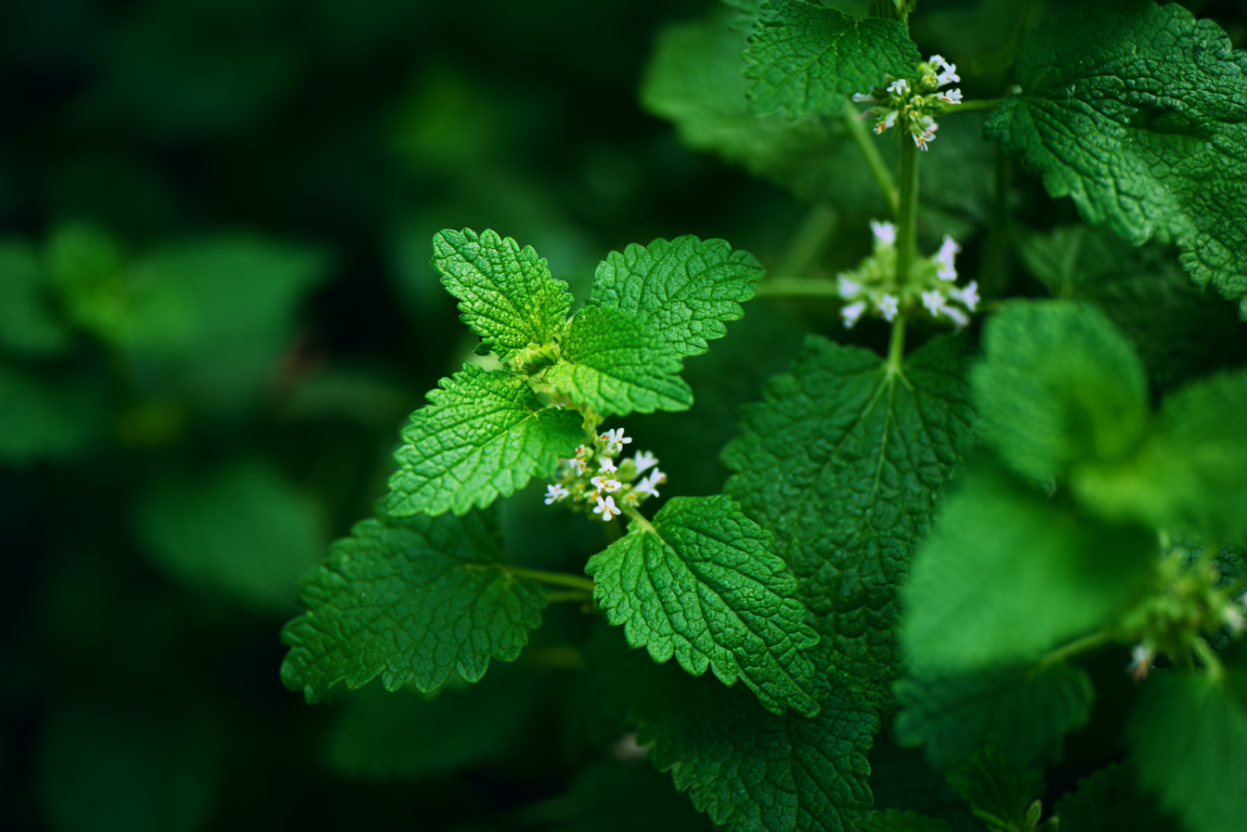
Lemon Balm is a bushy, clump-forming herbaceous perennial that typically reaches 30 to 90 cm (1 to 3 feet) in height, though under ideal conditions it can stretch to a full meter. Like all members of the mint family, it features the characteristic square stems that mark the Lamiaceae. The leaves are the plant’s most distinctive feature — heart-shaped to ovate, 3 to 7 cm long, with deeply veined, crinkled surfaces and scalloped, serrated edges. They are bright green when young, darkening with maturity, and release a strong, sweet lemon fragrance when bruised or crushed between the fingers.
Small, inconspicuous flowers appear in whorls along the upper leaf axils from June through September. They begin white or pale yellow and may develop a faint pink or blue tinge as they age. Though modest in appearance, these flowers are powerfully attractive to honeybees — a fact reflected in the plant’s genus name, Melissa, from the Greek word for “honey bee.” The root system is a spreading, fibrous network of rhizomes, which explains the plant’s enthusiastic tendency to colonize garden space.
Origin
Lemon Balm is native to south-central Europe, the Mediterranean Basin, Central Asia, and Iran. It has been cultivated for so long that its exact point of origin is difficult to pinpoint, but the eastern Mediterranean and western Asian regions are considered its ancestral home. Today it has naturalized across much of Europe, North America, and temperate regions worldwide. Key commercial producers include Hungary, Egypt, Italy, France, and Poland, where cultivated varieties are hand-harvested for their aromatic leaves.
Brief History
Lemon Balm has one of the longest documented histories of any medicinal herb — over two thousand years of continuous recorded use. The ancient Greeks grew it to attract honeybees for their apiaries, and the physician Dioscorides (c. 40–90 AD) documented its use in his De Materia Medica. The Roman naturalist Pliny the Elder also wrote of its properties. Arab physicians introduced it widely in medieval medicine, and by the Middle Ages it had become a staple of European monastery gardens, where monks cultivated it both for healing and for making Carmelite Water — a famous herbal tonic first produced in 1611 by Carmelite nuns in Paris.
In 1696, The London Dispensary declared that “an essence of Balm, given in Canary wine, every morning will renew youth, strengthen the brain, relieve languishing nature and prevent baldness.” The great Swiss physician Paracelsus (1493–1541) called it the “elixir of life.” Thomas Jefferson grew it at Monticello, and it was among the herbs colonists brought to the New World. By the Victorian era, lemon balm had become a symbol of sympathy and was used in soothing concoctions given during times of grief.
Growing & Cultivation
Climate & Zones
Lemon Balm thrives in USDA Hardiness Zones 4 through 9, making it one of the most adaptable herbs for North American gardeners. It tolerates a wide temperature range, surviving winter lows down to -30°F (-34°C) when established. In colder zones, the plant dies back to the ground in winter but reliably returns from its root system each spring. In warmer zones (8 and 9), it may remain semi-evergreen. For gardeners outside its range, lemon balm grows beautifully in containers and can be brought indoors during extreme weather.
Soil Requirements
Lemon Balm is remarkably unfussy about soil. It prefers moist, well-draining, loamy soil with a pH between 6.0 and 7.5 (slightly acidic to neutral). However, it tolerates sandy, clay, and even poor soils with reasonable success. For container growing, a standard potting mix amended with perlite for drainage works well. Adding compost enriches the soil and supports robust leaf production, which is where the plant’s medicinal value concentrates.
Water & Sunlight
This herb appreciates consistent moisture but does not like waterlogged roots. Water when the top inch of soil feels dry, roughly once or twice a week depending on conditions. It is moderately drought tolerant once established but produces the most aromatic, lush foliage with regular watering. Overwatering invites root rot — the plant’s primary vulnerability.
Lemon Balm performs best in full sun to partial shade, ideally receiving six or more hours of direct sunlight daily. In the hot southern zones (including Georgia), afternoon shade helps prevent wilting and leaf scorching. Indoor growing requires a bright windowsill or supplemental grow lights providing at least six hours of light.
Propagation
Seed: Sow seeds indoors 6 to 8 weeks before the last frost, pressing them lightly onto the surface of moist seed-starting mix. Seeds need light to germinate — do not cover deeply. Germination takes 10 to 14 days at 65–70°F (18–21°C). Seeds can also be direct-sown outdoors after the last frost.
Cutting: Take 4 to 6-inch stem cuttings from new growth in late spring or early summer. Strip the lower leaves, dip in rooting hormone if desired, and place in moist potting mix or a glass of water. Roots typically form within 2 to 3 weeks.
Division: Divide established clumps in spring or fall by digging up the root mass and separating it into sections, each with roots and several shoots. Replant immediately and water well. This is the fastest way to establish new plants and helps control spreading.
Planting
Space plants 18 to 24 inches apart to allow for their spreading habit. Plant at the same depth as the nursery container. Lemon Balm spreads vigorously through self-seeding and underground runners — a trait it shares with its mint cousins. To contain it, grow in containers or install root barriers. Companion plants include tomatoes, squash, brassicas, and fruit trees, as lemon balm attracts pollinators and may help repel certain pests.
Harvesting
Harvest leaves in the morning after the dew has dried, when essential oil content is highest. The best time to harvest is just before the plant flowers, when aromatic compounds peak. Cut stems back to a few inches above the ground; the plant will regrow vigorously. In most zones, you can harvest two to three times per growing season. Use sharp scissors or pruning shears for clean cuts that minimize plant damage.
Drying & Storage
Lemon Balm dries easily but loses aromatic potency faster than many herbs. For best results, bundle small stems and hang upside down in a warm, dark, well-ventilated area for 5 to 7 days. Alternatively, use a dehydrator at 95–105°F (35–40°C). Once fully dry, strip leaves from stems and store in airtight glass jars away from light and heat. Properly stored dried lemon balm retains good flavor and therapeutic value for 6 to 12 months. Freezing fresh leaves in ice cube trays with water or olive oil is an excellent alternative for preserving the fresh flavor.
Pest & Disease Management
Lemon Balm is notably resistant to most pests, likely due to its aromatic compounds. Occasional visitors include aphids, spider mites, and whiteflies, which can be managed with a strong water spray, neem oil, or insecticidal soap. Powdery mildew and septoria leaf spot are the most common diseases, typically triggered by poor air circulation and overhead watering. Space plants adequately, water at the soil level, and prune for airflow. Companion planting with marigolds and nasturtiums can help deter certain pests.
Companion Planting
Lemon Balm is an excellent companion for many garden plants. Its flowers attract pollinators that benefit nearby fruiting crops like tomatoes, peppers, squash, and melons. It may help repel mosquitoes and gnats. Plant near brassicas (broccoli, cabbage) to attract beneficial insects. Avoid planting directly adjacent to other vigorous mints, as they will compete aggressively for space.
The Healing of Growing
Growing Lemon Balm offers benefits beyond the harvest itself. The act of gardening — hands in soil, bare feet on earth, time spent outdoors — has been shown to reduce cortisol, improve mood, and support immune function. The soil contains beneficial bacteria (Mycobacterium vaccae) with documented antidepressant effects (Lowry et al., 2007). When you grow your own Lemon Balm, you receive healing before you ever consume it — through grounding, fresh air, sunlight, and the meditative rhythm of tending a living thing.
Nutritional Profile
Lemon Balm is a very low-calorie herb typically consumed in small quantities — as tea, garnish, or seasoning — rather than as a bulk food. Its true nutritional power lies not in macronutrients but in its extraordinary concentration of bioactive phytochemicals.
Key Nutrients
Per typical fresh serving (approximately 2 tablespoons / 5g chopped leaves), Lemon Balm is essentially calorie-free. In dried form per 100g, it provides modest amounts of calcium, iron, magnesium, manganese, and potassium, along with vitamin C and small amounts of vitamins A and E. However, since it is consumed in small culinary portions, its macronutrient and mineral contribution to the overall diet is minimal.
Phytonutrients & Active Compounds
This is where Lemon Balm truly excels. Its therapeutic value comes from a rich array of bioactive compounds:
Rosmarinic Acid — A powerful polyphenol antioxidant (a caffeic acid ester with 3,4-dihydroxyphenyllactic acid). This is considered the primary active compound in lemon balm, with documented anti-inflammatory, antioxidant, antiviral, and neuroprotective properties. It modulates GABA transaminase activity in the brain, which may support calmness and sleep.
Flavonoids (Quercetin, Kaempferol, Apigenin, Luteolin) — These antioxidant compounds contribute to the plant’s anti-inflammatory, neuroprotective, and cardiovascular supportive properties. Apigenin in particular has been studied for its calming effects.
Volatile Oils (Citral, Citronellal, Geraniol, Linalool) — These monoterpenes give lemon balm its characteristic aroma and contribute to its calming, antimicrobial, and antiviral effects.
Triterpenes (Ursolic Acid, Oleanolic Acid) — These compounds have well-documented anti-inflammatory and antimicrobial properties.
Caffeic Acid — Another phenolic acid with antioxidant, anti-inflammatory, and antiviral activity.
Tannins — Polyphenolic compounds that contribute to astringent and antiviral properties, particularly relevant to lemon balm’s activity against herpes viruses.
Nutrient Notes
The therapeutic compounds in lemon balm are highly water-soluble, making tea and infusion among the most effective delivery methods. Rosmarinic acid content varies by preparation — commercial tinctures from fresh leaves may contain higher concentrations than those from dried material (Sanchez-Medina et al., 2007, J. Pharm. Pharm. Sci., UK). Hot water extraction (tea) releases these compounds efficiently. The B-vitamins and minerals present, while modest, work synergistically with the phytonutrients to support nervous system function.
Culinary Uses
Edible Parts
Leaves are the primary edible part — used fresh or dried. Young, tender leaves have the best flavor. Flowers are also edible and make a delicate garnish. Stems are edible but tend to be woody and less flavorful, typically used only for infusions.
Flavor Profile
Fresh Lemon Balm has a bright, sweet, lemony flavor with a subtle herbaceous and slightly minty undertone. It is milder and less tart than actual lemon — more of a gentle lemon sweetness. When cooked, the lemon flavor mellows significantly and can disappear if subjected to prolonged heat — best added at the end of cooking. When dried, the flavor becomes more muted, with a slightly hay-like note alongside the lemon, though it remains pleasant and is excellent for tea.
Preparation
Fresh leaves can be torn or chiffonade-cut and added raw to salads, fruit dishes, desserts, beverages, and as a garnish. They are beautiful in lemonade, cocktails, and infused water. Add fresh leaves to dishes at the very end of cooking to preserve the delicate lemon aroma. For tea, use fresh or dried leaves steeped in hot (not boiling) water. Fresh leaves can also be blended into pesto, compound butter, and dressings.
Culinary Pairings
Lemon Balm pairs beautifully with fish and poultry, fresh berries and stone fruits, goat cheese, cream-based desserts, honey, mint, basil, and chives. It complements citrus flavors and works well with olive oil and light vinaigrettes. In beverages, it pairs with green tea, white wine, gin, and sparkling water.
Storage
Fresh Lemon Balm is best used immediately but will keep for 3 to 5 days wrapped in a damp paper towel in the refrigerator. Leaves bruise easily, so handle gently. For longer storage, freeze in ice cube trays or dry for tea and seasoning. Infuse into vinegar, honey, or light oils for preserved flavor that lasts months.
Ready to cook with Lemon Balm? View Recipes on Chefts →
Wellness & Therapeutic Uses
Traditional Uses
Lemon Balm has been used medicinally for over two millennia across virtually every culture that encountered it. Ancient Greek and Roman physicians including Dioscorides and Pliny prescribed it for wounds, insect bites, and nervous complaints. Arab physicians in the medieval period valued it for heart and digestive ailments. In Traditional Chinese Medicine, herbs from the same family have been used to calm the shen (spirit) and support digestion. Ayurvedic practitioners recognized related plants for similar calming and digestive applications. European folk medicine traditions used it extensively for anxiety, insomnia, digestive distress, menstrual complaints, and as a general tonic. The Carmelite nuns of 17th-century France created their famous “Eau de Mélisse des Carmes” — Carmelite Water — which remained a popular remedy across Europe for centuries.
Modern Research
Anxiety and Stress: Multiple clinical trials suggest lemon balm may support calmness and reduce feelings of anxiety. A 2004 placebo-controlled study found that 600 mg of lemon balm extract reduced laboratory-induced psychological stress in healthy volunteers (Kennedy et al., 2004, Psychosomatic Medicine, UK). A 2021 systematic review and meta-analysis of randomized controlled trials involving 435 patients found a measurable positive effect on both acute anxiety and depression (Ghazizadeh et al., 2021, Phytotherapy Research, Iran).
Sleep Support: Research suggests lemon balm, particularly in combination with valerian, may support sleep quality. A 2024 review confirmed that lemon balm has been associated with reduced sleep latency and increased sleep duration (Sheridan et al., 2024, Nutrients, UK/France). A 2023 double-blind, placebo-controlled trial found significant improvements in emotional distress and sleep conditions with standardized lemon balm supplementation (Bano et al., 2023, Frontiers in Pharmacology, Pakistan/Turkey).
Cognitive Function and Memory: Lemon balm has demonstrated acetylcholinesterase (AChE) inhibitory activity — the same mechanism used by pharmaceutical Alzheimer’s drugs. A double-blind, crossover study found that 1600 mg of dried lemon balm leaf improved cognitive performance and increased calmness in healthy young adults (Kennedy et al., 2003, Neuropsychopharmacology, UK). A clinical trial in patients with mild-to-moderate Alzheimer’s disease found that lemon balm extract significantly improved cognitive function compared to placebo over four months (Akhondzadeh et al., 2003, J. Neurology, Neurosurgery & Psychiatry, Iran).
Antiviral Activity (Herpes): Research has consistently shown that lemon balm extracts possess significant antiviral properties against herpes simplex virus types 1 and 2 (HSV-1 and HSV-2). A study demonstrated that melissa essential oil reduced HSV-1 plaque formation by 98.8% and HSV-2 by 97.2% at noncytotoxic concentrations (Schnitzler et al., 2008, Phytomedicine, Germany). Rosmarinic acid has been identified as a key contributor, inhibiting viral attachment to host cells (Astani et al., 2012, Chemotherapy, Germany).
Digestive Support: Lemon balm has been traditionally used as a carminative to ease bloating, gas, and digestive spasms. Its antispasmodic effects have been demonstrated in laboratory studies showing it relaxes smooth muscle tissue. A combination preparation containing lemon balm extract helped improve symptoms in babies with colic.
Cardiovascular Support: A 2020 systematic review and meta-analysis found that lemon balm intake was associated with reduced total cholesterol and systolic blood pressure (Draginic et al., 2020, Phytotherapy Research, Serbia). A 2024 meta-analysis confirmed significant reductions in triglycerides, total cholesterol, and LDL levels (Majnooni et al., 2024, BMC Complementary Medicine, Iran).
Heart Palpitation Support: A double-blind, randomized, placebo-controlled trial found that lemon balm leaf extract provided relief from benign heart palpitations associated with anxiety (Alijaniha et al., 2015, J. Ethnopharmacology, Iran).
Blood Sugar Support: A randomized, double-blind clinical trial in individuals with type 2 diabetes found that lemon balm extract improved glycemic control and cardiovascular risk factors (Asadi et al., 2019, Phytotherapy Research, Iran).
Body Systems Supported
Nervous System — Calming, anxiolytic, cognitive support, sleep support, neuroprotective. Digestive System — Carminative, antispasmodic, eases bloating and gas. Cardiovascular System — May support healthy blood pressure, cholesterol, and heart rhythm. Immune System — Antiviral, antimicrobial, antioxidant support. Endocrine System — May influence thyroid function; research suggests it can inhibit TSH receptor binding. Integumentary System — Topical antiviral for cold sores, anti-inflammatory for skin. Reproductive System — Traditionally used for menstrual discomfort; research supports use for dysmenorrhea and PMS.
Body Compounds Affected
GABA: Rosmarinic acid inhibits GABA transaminase, the enzyme that breaks down GABA. This may result in increased GABA availability in the brain, which supports relaxation, calmness, and sleep. Acetylcholine: Lemon balm inhibits acetylcholinesterase (AChE), potentially increasing acetylcholine levels, which supports memory, learning, and cognitive function. Serotonin: Pharmacological evidence suggests modulation of serotonergic pathways, which may contribute to mood support. Cortisol: Animal studies indicate lemon balm may help modulate cortisol levels under stress. Inflammatory Markers: Rosmarinic acid inhibits complement C3-convertase, and the plant’s compounds have demonstrated anti-inflammatory activity in multiple studies.
Methods of Use
Tea/Infusion
Use 1.5 to 4.5 grams (1–2 tablespoons) of dried leaf or 2–3 tablespoons fresh leaf per cup of hot water (just below boiling, approximately 200°F / 93°C). Steep covered for 5 to 10 minutes. Drink 2 to 3 cups daily. This is the most traditional and accessible preparation method.
Tincture
Typical dosage ranges from 2 to 6 mL (approximately 40–120 drops) of a 1:5 tincture, taken 2 to 3 times daily. Tinctures may offer more concentrated rosmarinic acid depending on preparation.
Capsule/Powder
Standardized extracts have been studied at dosages of 300 to 600 mg per day for general wellness, and up to 1600 mg for cognitive effects. Follow product labeling and consult a healthcare provider.
Topical (Cold Sore Cream)
A 1% concentrated lemon balm extract cream applied 2 to 4 times daily has been studied for herpes labialis (cold sores). Apply at first sign of tingling or outbreak.
Cosmetic & Beauty Uses
Skin Benefits
Lemon Balm offers notable benefits for the skin, primarily through its antioxidant, anti-inflammatory, and antimicrobial properties. Rosmarinic acid is a potent antioxidant that may help protect skin cells from oxidative stress caused by UV exposure and environmental pollutants. Its anti-inflammatory properties may soothe irritated, red, or sensitive skin. The herb’s demonstrated antiviral activity makes it particularly relevant for those dealing with cold sores and other herpes-related skin concerns.
Lemon Balm may benefit oily and acne-prone skin due to its astringent and antimicrobial properties. It may also support mature skin through its antioxidant protection and sensitive skin through its calming, anti-inflammatory action.
Hair Benefits
A lemon balm rinse can add shine, soothe an itchy or flaky scalp, and leave hair smelling fresh. Its antimicrobial properties may support overall scalp health, while its astringent quality can help balance oily scalps.
Application Methods
Strong lemon balm tea (cooled) works as a simple facial toner — apply with a cotton pad after cleansing. Infused oils can be made by steeping dried lemon balm in a carrier oil (jojoba, sweet almond, or olive oil) for 4 to 6 weeks. This oil can be added to homemade creams, body oils, and hair treatments. Fresh leaves can be mashed into a simple face mask combined with honey and yogurt. A lemon balm steam facial opens pores and delivers aromatic benefits directly to the skin.
DIY Formulation Notes
For infused oils, use a ratio of approximately 1 part dried herb to 5 parts carrier oil. Jojoba and sweet almond oil are excellent carriers for facial applications. Do not combine lemon balm infused oil with retinol products without professional guidance. Homemade preparations should be stored in dark glass containers and used within 2 to 4 weeks (or longer if properly preserved).
Lemon Balm is among the botanicals being explored for holistic cosmetic applications, where the wisdom of traditional beauty practices meets modern understanding of skin science.
Essential Oil Profile
Extraction
Lemon Balm essential oil (often called Melissa oil) is extracted primarily through steam distillation of the leaves and flowering tops. It is one of the most expensive essential oils in the world because the yield is extremely low — approximately 0.01 to 0.03% from fresh leaves, meaning it can take 3,000 to 7,000 kg of plant material to produce just 1 kg of oil. This scarcity makes Melissa oil a frequent target for adulteration (commonly blended with cheaper lemongrass or citronella oils). Always verify authenticity through GC/MS testing from the supplier.
Chemical Constituents
Aldehydes (~60%): Geranial (citral a) and Neral (citral b) — together known as citral — are the dominant compounds, responsible for the oil’s characteristic lemony aroma and much of its calming, anti-inflammatory, and antimicrobial activity.
Monoterpenols (~10%): Citronellol, geraniol, and linalool contribute floral and sweet notes and have antimicrobial and calming properties.
Monoterpene Aldehydes: Citronellal (approximately 10%) adds to the citrus scent and has demonstrated anxiety-modulating effects in animal studies.
Sesquiterpenes: β-Caryophyllene (up to 14%) is notable for its interaction with the body’s cannabinoid (CB2) receptors, contributing to anti-inflammatory and analgesic effects. Germacrene D is also present.
Sesquiterpene Oxides: β-Caryophyllene oxide contributes additional anti-inflammatory properties.
Aroma Profile
Melissa essential oil is classified as a middle note in aromatherapy blending. Its scent is fresh, sweet, lemony, herbaceous, and slightly green with a faint honey-like warmth beneath. It is a delicate, uplifting aroma that many find immediately soothing. The scent evolves over time, with a bright citrus top that softens into a warm, herbaceous heart. It blends beautifully with lavender, chamomile, rose, neroli, geranium, frankincense, and citrus oils.
Therapeutic Properties
Research suggests Melissa essential oil may possess calming/anxiolytic, antidepressant, antiviral (particularly against herpes simplex), antimicrobial, anti-inflammatory, antispasmodic, and antioxidant properties.
How to Use
Diffusion
Add 3 to 5 drops to an ultrasonic diffuser for 30 to 60 minutes at a time. Creates a calming, uplifting atmosphere. Suitable for bedtime, meditation, or stressful periods.
Topical Application
Melissa oil must always be diluted before skin application. Standard adult dilution is 1–2% (6–12 drops per ounce of carrier oil). For sensitive skin, use 0.5–1%. For children over 6, use 0.25–0.5%. Jojoba, sweet almond, and fractionated coconut oil are excellent carriers. Apply to pulse points, temples, or soles of feet.
Quality & Sourcing
Due to its high price and low yield, Melissa oil is one of the most commonly adulterated oils on the market. Look for oils that are GC/MS tested and sold by reputable companies that provide batch-specific testing results. True Melissa oil will be expensive — if a supplier offers it cheaply, it is almost certainly blended with lemongrass or citronella. The botanical name Melissa officinalis should appear on the label.
Blending
Melissa oil blends harmoniously with lavender (for enhanced relaxation), Roman chamomile (for sleep), frankincense (for meditation), rose (for emotional comfort), bergamot (for mood uplift), and ylang ylang (for calming).
Aromatherapy & Scent
The Aroma
The living Lemon Balm plant emits a gentle, sweet lemon fragrance, especially noticeable when leaves are touched, brushed against, or crushed. The scent is strongest in warm weather, during late morning through early afternoon, and after rainfall. Walking past a lemon balm patch on a warm day provides a wave of clean, uplifting lemon. Fresh leaves are more intensely aromatic than dried. Dried lemon balm retains a pleasant, softer lemon-hay scent for 6 to 12 months when stored properly, though it becomes more muted over time.
How Scent Affects Your Body
When you smell Lemon Balm, volatile aromatic molecules — primarily citral, citronellal, and geraniol — are released from the plant and inhaled through the nose. Olfactory receptors in the nasal cavity detect these molecules and send electrical signals directly to the limbic system (the brain’s emotional center) and the hypothalamus (the hormone control center). This pathway bypasses the conscious, analytical brain. Your body begins responding — emotionally and hormonally — within seconds, before you even consciously register the scent.
Emotional & Mood Effects
The scent of Lemon Balm is generally experienced as calming, uplifting, and clarifying simultaneously — a relatively rare combination. It tends to quiet anxious, racing thoughts while lifting a low or melancholy mood. Many describe it as producing a sense of gentle alertness — calm without drowsiness, focused without tension. It is grounding without being heavy and refreshing without being stimulating.
Body Compounds Affected
Inhalation of Lemon Balm’s aromatic compounds has been associated with modulation of GABA activity (promoting calm), potential cortisol reduction (easing stress response), and possible serotonin pathway support (mood enhancement). A double-blind, placebo-controlled trial of Melissa aromatherapy on dementia patients found it significantly reduced agitation (Ballard et al., 2002, J. Clinical Psychiatry, UK).
Ways to Experience the Scent
Beyond essential oil, there are many ways to enjoy Lemon Balm’s aroma: grow the plant indoors on a sunny windowsill; place fresh cuttings in a vase of water; crush a few leaves while gardening and inhale; keep dried sachets in drawers, closets, or under your pillow; add fresh or dried leaves to a warm bath; simmer leaves gently on the stove with water for a natural room freshener; add to herbal steam inhalations during cold and flu season.
Color Therapy
The Colors of Lemon Balm
Lemon Balm’s dominant color is a vibrant, fresh green — from the bright, almost chartreuse green of new spring growth to the deeper, rich green of mature summer leaves. Its small flowers are white to very pale yellow, sometimes developing a faint pink blush. The overall visual impression is one of lush, clean greenness.
Color Wavelengths
Green light occupies a wavelength range of approximately 495 to 570 nm, positioned at the center of the visible spectrum. White flowers reflect the full spectrum of visible light (380–700 nm). Pale yellow occupies approximately 570–590 nm.
How Green Affects the Body
Green is the most dominant color in natural environments and sits at the center of the visible light spectrum — the color the human eye is most sensitive to. Color therapy principles associate green with balance, harmony, calming of the nervous system, and heart-centered well-being. Exposure to green environments has been consistently linked with reduced stress, lower cortisol levels, improved mood, and enhanced cognitive restoration. This aligns with biophilic design research showing that viewing green plants produces measurable physiological relaxation.
Body Compounds Affected
Exposure to green natural environments has been associated with reduced cortisol, improved parasympathetic nervous system activation (the “rest and digest” response), and enhanced overall well-being markers.
Using Lemon Balm for Color Therapy
Place a pot of Lemon Balm on your desk, kitchen windowsill, or bedside table. Its vibrant green provides a focal point of natural color in indoor environments. In a garden, Lemon Balm creates a lush green ground cover or border that contributes to the therapeutic “green view” effect. Consuming the green leaves — eating the color — brings the plant’s antioxidant-rich green pigments (chlorophyll) into the body.
Frequency & Vibration
The Frequency of Lemon Balm
According to bio-frequency research conducted by Bruce Tainio using a Calibrated Frequency Monitor, Melissa (Lemon Balm) essential oil has been measured at approximately 102 MHz, placing it among the highest-frequency essential oils documented. For reference, a healthy human body has been measured in the range of 62 to 78 MHz, cold and flu symptoms may appear around 58 MHz, and disease processes may correlate with frequencies below 58 MHz.
Human Frequency Interaction
Proponents of vibrational medicine suggest that high-frequency plant substances can positively influence the body’s own frequency through the principle of entrainment — where a stronger, more coherent vibration naturally influences a weaker or less coherent one. According to this framework, the exceptionally high frequency of Melissa oil may support the body in maintaining or returning to an optimal vibrational state. Being around the living plant, consuming it as tea, or diffusing the essential oil are all suggested ways to benefit from its frequency.
Note: Frequency measurements of essential oils and the human body are an area where research is still emerging. The measurements cited come from Tainio Technology, Inc. and are referenced within the complementary health community. Peer-reviewed confirmation through independent laboratory replication is still developing. Use language like “according to bio-frequency research” and “proponents suggest” when discussing this topic.
Essential Oil Frequency
Melissa essential oil’s reported frequency of approximately 102 MHz makes it one of the highest-frequency oils available — exceeded only by rose essential oil (approximately 320 MHz) and a handful of others. The steam distillation process concentrates the plant’s vibrational energy along with its chemical compounds.
Vibrational Applications
To benefit from Lemon Balm’s frequency: diffuse the essential oil during meditation, prayer, or quiet reflection; grow the living plant in your home and spend time near it; drink lemon balm tea mindfully as a frequency-supporting ritual; combine with other high-frequency practices such as prayer, gratitude, and time in nature.
The Living Plant
Benefits of Presence
Simply being around a living Lemon Balm plant offers benefits that extend beyond its consumable or aromatic properties. Research on biophilic design — the human need for nature connection — demonstrates that living plants in the home and workplace reduce perceived stress, improve mood, enhance concentration, and support overall well-being. Lemon Balm, with its lush green foliage and occasional waft of lemon fragrance, provides both visual and aromatic presence.
Air Purification
While Lemon Balm was not specifically included in the NASA Clean Air Study, all living green plants contribute to indoor air quality through oxygen production and CO2 absorption during daylight hours. As a member of the Lamiaceae family, Lemon Balm is known to release phytoncides — volatile antimicrobial compounds — into the surrounding air. Forest bathing (shinrin-yoku) research has demonstrated that phytoncides from aromatic plants increase Natural Killer (NK) cell activity in humans, supporting immune function (Li, 2010, Environmental Health and Preventive Medicine, Japan).
Phytoncides
Lemon Balm continuously releases volatile compounds — including citral, citronellal, and geraniol — into the surrounding air. These phytoncides have documented antimicrobial properties and may contribute to a cleaner, healthier indoor atmosphere. Their reach is modest in a single potted plant but becomes more significant in a garden setting or when multiple plants are present. These are the same compounds that make the air around lemon balm patches smell fresh and clean.
Visual & Psychological Benefits
Research consistently demonstrates that viewing plants reduces stress markers, improves attention (Attention Restoration Theory), increases productivity in workplace settings, and accelerates healing in healthcare settings. Hospital patients with views of greenery have been found to recover faster and require less pain medication. A pot of Lemon Balm on a windowsill or desk provides these visual-psychological benefits while also offering the bonus of an occasional lemon scent when leaves are brushed.
Growing Indoors vs Outdoors
Lemon Balm thrives in both indoor and outdoor settings. Indoors, it requires a bright windowsill (south or west-facing is ideal) or supplemental grow lights, consistent moisture, and good drainage. It is an excellent kitchen herb — always within reach for tea or cooking. Outdoors, it provides ground-level greenery, attracts pollinators, and fills garden pathways with fragrance when stepped near. The outdoor plant offers the additional benefit of grounding contact with soil during gardening.
Touch & Physical Interaction
Gardening Therapy
Horticultural therapy — the practice of engaging with plants for therapeutic benefit — is an established modality in many healthcare and rehabilitation settings. Lemon Balm is an ideal plant for this purpose. It is easy to grow, satisfying to harvest, forgiving of mistakes, and rewards interaction with a burst of lemon scent every time it is touched. The simple act of crushing a leaf between your fingers provides an instant sensory experience that can interrupt anxious thought patterns and ground you in the present moment.
Soil Contact Benefits
Gardening with Lemon Balm — particularly with bare hands or bare feet on the earth — provides the benefits of grounding (earthing), which involves the transfer of free electrons from the earth into the body. Research suggests grounding may reduce inflammation, improve sleep, and reduce stress. Contact with garden soil also exposes you to Mycobacterium vaccae, a naturally occurring soil bacterium that has been shown to stimulate serotonin production and reduce anxiety in animal studies.
The Tactile Experience
Lemon Balm leaves are soft, slightly textured on top with visible vein patterns, and slightly fuzzy beneath. They yield easily when pinched — releasing their scent as the cell walls break. The stems are square and firm, slightly ridged. Harvesting feels meditative: the repetitive motion of snipping or pinching stems, gathering bundles, and stripping leaves from stems engages the hands and quiets the mind. Processing dried lemon balm — crumbling leaves, filling jars, making sachets — is an accessible, soothing activity suitable for people of all ages.
Harvesting & Processing
The entire process of growing, harvesting, drying, and preparing Lemon Balm is a therapeutic experience. From the anticipation of spring regrowth, to the meditative rhythm of cutting and bundling, to the satisfaction of filling jars with dried leaves for winter tea — every step connects you to the seasonal rhythm of creation and provides hands-on, sensory-rich activity that research shows benefits both mental and physical health.
Water-Based Applications
Teas & Infusions
The most traditional and accessible way to use Lemon Balm is as a tea. Use 1.5 to 4.5 grams of dried leaf (or a generous handful of fresh leaves) per cup. Pour hot water (just below boiling, approximately 200°F / 93°C) over the herb. Cover and steep for 5 to 10 minutes — covering is important because it traps the aromatic volatile oils that would otherwise evaporate. Strain and drink. Hot infusions extract rosmarinic acid and other water-soluble compounds efficiently. Cold infusions (steeping in cold or room-temperature water for several hours or overnight) produce a milder, sweeter tea with a different compound profile — lighter on volatile oils but still rich in polyphenols. Drink 2 to 3 cups daily.
Herbal Baths
A Lemon Balm bath is profoundly calming. Add a strong infusion (a quart of concentrated tea) or a large handful of fresh or dried leaves (placed in a muslin bag or old stocking) to warm bathwater. Soak for 20 to 30 minutes. This combines hydrotherapy (the therapeutic use of warm water) with aromatherapy (inhaling the steam) and topical absorption of the plant’s compounds through the skin. Excellent before bed for sleep support, or anytime for stress relief. For a simpler option, a lemon balm foot soak provides many of the same benefits.
Hydrosols
Lemon Balm hydrosol — the aromatic water produced as a byproduct of steam distillation — is a gentle, versatile product. It contains water-soluble aromatic compounds and trace amounts of essential oil. It can be used as a facial mist, room spray, linen spray, or gentle toner for all skin types. Because it is much milder than the essential oil, it is suitable for sensitive skin and can be used undiluted. Lemon Balm hydrosol has a lighter, more delicate version of the essential oil’s lemony-herbaceous scent.
Compresses
A warm compress soaked in strong lemon balm tea can be applied to the forehead or temples for tension headaches, or to the abdomen for digestive discomfort and cramping. A cool compress may help soothe minor skin irritations. Prepare by soaking a clean cloth in the infusion, wringing out excess, and applying for 15 to 20 minutes.
Steam Inhalation
Add a generous handful of fresh or dried Lemon Balm leaves to a large bowl of just-boiled water. Lean over the bowl (at a safe distance to avoid burns), drape a towel over your head and the bowl, and inhale the aromatic steam for 5 to 10 minutes. This is particularly soothing during cold and flu season, for sinus congestion, and for general stress relief. The volatile compounds are carried directly to the respiratory passages and olfactory system.
Hair Rinses
Brew a strong lemon balm tea (double strength), cool completely, and use as a final rinse after shampooing. Pour slowly through the hair and massage into the scalp. Do not rinse out. This adds shine, freshness, and a gentle lemon scent to the hair while supporting scalp health through the herb’s antimicrobial properties. Particularly beneficial for oily hair and scalps prone to dandruff.
Historical, Cultural & Biblical Significance
Biblical References
Lemon Balm (Melissa officinalis) is not directly mentioned by name in Scripture, though plants of the mint family (Lamiaceae) and aromatic herbs were well-known throughout the biblical world. The region where lemon balm originated — the eastern Mediterranean and western Asia — is the setting for much of biblical history. Aromatic herbs and healing plants are referenced repeatedly in Scripture as part of God’s provision. Genesis 1:29 (KJV) establishes the foundational principle: “And God said, Behold, I have given you every herb bearing seed, which is upon the face of all the earth, and every tree, in the which is the fruit of a tree yielding seed; to you it shall be for meat.” While Lemon Balm is not named specifically, it is part of the rich botanical heritage of the lands where God placed His people.
Ancient Civilizations
The ancient Greeks cultivated Lemon Balm primarily for beekeeping — they planted it near hives to attract and calm bees. The physician Dioscorides (c. 40–90 AD) documented it in De Materia Medica, the definitive herbal reference for over 1,500 years. He recommended it for scorpion stings, dog bites, and as a general remedy for various ailments. The Greek physician Hippocrates (c. 460–370 BC) is believed to have been aware of plants in this family. Pliny the Elder (23–79 AD) described its use in Roman medicine. The Arab physician Avicenna (Ibn Sina, 980–1037 AD) recommended lemon balm in his Canon of Medicine for lifting the spirits and strengthening the heart.
Eastern Traditions
While Melissa officinalis itself is native to the Mediterranean and western Asia rather than the Far East, Traditional Chinese Medicine and Ayurveda both make extensive use of related members of the Lamiaceae family for similar purposes — calming the mind, supporting digestion, and addressing what TCM calls “liver qi stagnation” (emotional tension manifesting as physical symptoms). In Unani medicine (the Greco-Arab tradition), lemon balm has been used for centuries for heart complaints, melancholy, and digestive disorders. Persian traditional medicine (the cultural context of Avicenna) has particularly rich documentation of lemon balm’s uses.
Indigenous Knowledge
While Lemon Balm is not indigenous to the Americas, it was among the earliest herbs brought by European colonists. Once established, it was readily adopted into colonial home apothecaries. Thomas Jefferson grew it at Monticello. Various cultural communities in the Americas embraced it as a calming tea, digestive aid, and household remedy. In South America, lemon balm (locally called toronjil or erva-cidreira) became deeply integrated into traditional medicine for nervousness, insomnia, and stomach complaints.
European Heritage
Lemon Balm was one of the most treasured herbs in European monastery gardens throughout the Middle Ages. Benedictine and Carmelite monks and nuns preserved knowledge of its cultivation and uses during centuries when much classical learning was at risk. The most famous preparation — Eau de Mélisse des Carmes Boyer (Carmelite Water) — was first made in 1611 by Carmelite nuns in Paris as a cordial for nervous headache, neuralgia, and digestive complaints. It remained in production for centuries. The great herbalists of the Renaissance documented it extensively: John Gerard (1545–1612) in his Herball, Nicholas Culpeper (1616–1654) in The English Physician, and Paracelsus (1493–1541) who called it the “elixir of life.” Culpeper wrote that lemon balm was “governed by Jupiter” and good for the heart and brain.
These cultures observed that Lemon Balm provided calming, digestive, and heart-supporting benefits. They documented these uses across centuries of herbals and medical texts. While they may not have known the Creator by name, they were observing His design — and their observations align remarkably well with what modern research now confirms about Lemon Balm’s properties.
Cultural Symbolism
In the Victorian language of flowers, Lemon Balm symbolized sympathy and was often included in arrangements sent during times of grief or sickness. In European folk tradition, it was associated with love, success, and healing. Beekeepers throughout history have planted it to attract and calm their hives — connecting it symbolically to industry, sweetness, and community. Its genus name Melissa honors the Greek mythological nymph who discovered honey.
Safety & Precautions
Contraindications
Lemon Balm is generally recognized as safe (GRAS) by the United States FDA. It has an excellent safety profile with centuries of documented use and minimal reported adverse effects. However, individuals with hypothyroidism or those taking thyroid medication should exercise caution, as in vitro research suggests lemon balm extracts may inhibit TSH receptor binding and reduce thyroid hormone levels. Individuals scheduled for surgery should discontinue use at least two weeks prior, as it may have mild sedative effects and could theoretically interact with anesthesia.
Drug Interactions
Sedative medications: Lemon Balm may enhance the effects of CNS depressant drugs, including benzodiazepines, barbiturates, and sleep medications. Use together with caution. Thyroid medications: May interfere with thyroid hormone replacement therapy due to TSH-receptor binding inhibition. Consult a healthcare provider. HIV medications: Theoretical interaction based on limited research — consult a provider. Glaucoma medications: Lemon Balm may affect intraocular pressure — consult an eye specialist. Alcohol may enhance sedative effects when combined with lemon balm.
Pregnancy & Nursing
There is insufficient safety data to confirm safety during pregnancy and breastfeeding. While lemon balm tea has been used traditionally during pregnancy for nausea and nervous tension, and no specific adverse effects have been documented, the precautionary principle applies. Not recommended during pregnancy or breastfeeding without guidance from a qualified healthcare provider. Some sources classify it as an emmenagogue (promoting menstrual flow), which warrants additional caution in pregnancy.
Children
Lemon Balm is generally considered one of the safer herbs for children. A standardized combination preparation of lemon balm and valerian has been studied in children for sleep support. Mild lemon balm tea is often used for children over age 2 for colic, nervousness, and sleep difficulty. Use age-appropriate dosages — typically one-quarter to one-half the adult dose for children 2–6, and half to three-quarters for children 6–12. Essential oil should be used at very low dilutions (0.25–0.5%) and never internally for children.
Elderly
Lemon Balm is generally well-tolerated by older adults and has been studied specifically in elderly populations for cognitive support and agitation in dementia. However, older adults should start with lower doses and be mindful of potential interactions with common medications including blood pressure drugs, sedatives, and thyroid medications.
Pets
Dogs: Non-toxic. Lemon Balm is listed as non-toxic to dogs by the ASPCA (ASPCA Plant Database). It is sometimes used in holistic veterinary practice for calming anxious dogs.
Cats: Non-toxic. Also listed as non-toxic to cats by the ASPCA. Some cats may show interest in the plant due to its aromatic properties.
Horses: Non-toxic. Listed as non-toxic to horses by the ASPCA.
While non-toxic, large quantities of any plant can cause mild digestive upset in animals. Essential oils should never be applied undiluted to pets, and diffusing essential oils near birds requires extra caution.
Allergies & Sensitivities
Allergic reactions to Lemon Balm are rare. However, individuals with known allergies to plants in the Lamiaceae (mint) family should exercise caution. For topical applications, a patch test is always recommended: apply a small amount of diluted preparation to the inner forearm and wait 24 hours before broader use. The essential oil is generally well-tolerated at proper dilution but may cause skin irritation if used undiluted.
Dosing Guidelines
Crude herb (tea): 1.5 to 4.5 grams daily. Standardized extract: 300 to 600 mg daily (general wellness) or up to 1600 mg (studied for cognitive effects). Tincture (1:5): 2 to 6 mL, 2 to 3 times daily. Topical cream: 1% extract applied 2 to 4 times daily. Duration: Most studies have examined use over 2 to 16 weeks. For long-term use, periodic breaks are prudent. Signs of overuse may include increased drowsiness or headache.
Quality & Sourcing
Purchase from reputable suppliers who provide third-party testing. Organic certification helps minimize pesticide exposure. For essential oil, verify GC/MS testing and confirm it is pure Melissa officinalis and not adulterated with lemongrass or citronella. Dried herb should be vibrant green (not brown), aromatic, and stored in sealed containers away from light and moisture.
Signs of Adverse Reaction
Mild reactions may include nausea, stomach upset, dizziness, or drowsiness. These are uncommon and typically dose-related. Serious reactions requiring medical attention include difficulty breathing, severe rash or hives, or significant changes in heart rate. If any adverse reaction occurs, discontinue use immediately and seek medical attention if symptoms are severe.
Disclaimer
This information is for educational purposes only. It is not intended to diagnose, treat, cure, or prevent any disease. Always consult with a qualified healthcare provider before using any herbal product, especially if you are pregnant, nursing, taking medications, or have a medical condition. If you experience any adverse reaction, discontinue use immediately and seek medical attention.
Want Personalized Guidance?
Every body is unique. What works for one person may not be right for another. If you’d like personalized support in incorporating Lemon Balm into your wellness journey, consider working with a qualified practitioner who can assess your individual needs.
Sources & References
Peer-Reviewed Studies
- Clinical Efficacy and Tolerability of Lemon Balm (Melissa officinalis L.) in Psychological Well-Being: A Review — Nutrients, 2024, UK/France
- The effects of lemon balm (Melissa officinalis L.) on depression and anxiety in clinical trials: A systematic review and meta-analysis — Phytotherapy Research, 2021, Iran
- Modulation of mood and cognitive performance following acute administration of single doses of Melissa officinalis (Lemon balm) with human CNS nicotinic and muscarinic receptor-binding properties — Neuropsychopharmacology, 2003, UK
- Modulation of mood and cognitive performance following acute administration of Melissa officinalis (lemon balm) — Pharmacology, Biochemistry and Behavior, 2002, UK
- Melissa officinalis extract in the treatment of patients with mild to moderate Alzheimer’s disease — J. Neurology, Neurosurgery & Psychiatry, 2003, Iran
- Attenuation of laboratory-induced stress in humans after acute administration of Melissa officinalis (Lemon Balm) — Psychosomatic Medicine, 2004, UK
- Melissa officinalis oil affects infectivity of enveloped herpesviruses — Phytomedicine, 2008, Germany
- Melissa officinalis extract inhibits attachment of herpes simplex virus in vitro — Chemotherapy, 2012, Germany
- Inhibitory activity of Melissa officinalis L. extract on Herpes simplex virus type 2 replication — Natural Product Research, 2008, Italy
- Effects of Melissa officinalis (Lemon Balm) on cardio-metabolic outcomes: A systematic review and meta-analysis — Phytotherapy Research, 2020, Serbia
- Effects of Melissa officinalis (lemon balm) consumption on serum lipid profile: a meta-analysis of randomized controlled trials — BMC Complementary Medicine and Therapies, 2024, Iran
- Heart palpitation relief with Melissa officinalis leaf extract: Double blind, randomized, placebo controlled trial — Journal of Ethnopharmacology, 2015, Iran
- Efficacy of Melissa officinalis L. (lemon balm) extract on glycemic control and cardiovascular risk factors in individuals with type 2 diabetes — Phytotherapy Research, 2019, Iran
- Acetylcholinesterase inhibitory guided fractionation of Melissa officinalis L. — Bioorganic & Medicinal Chemistry, 2009, UK
- Lemon balm (Melissa officinalis L.) essential oil and citronellal modulate anxiety-related symptoms — Journal of Ethnopharmacology, 2022, Brazil
- The possible “calming effect” of subchronic supplementation of a standardised phospholipid carrier-based Melissa officinalis L. extract in healthy adults — Frontiers in Pharmacology, 2023, Pakistan/Turkey
- Lemon balm (Melissa officinalis L.): an evidence-based systematic review by the Natural Standard Research Collaboration — J. Herbal Pharmacotherapy, 2005, USA
Traditional Medicine & Institutional Sources
- Lemon Balm — LiverTox: Clinical and Research Information on Drug-Induced Liver Injury — National Institute of Diabetes and Digestive and Kidney Diseases, 2024, USA
- Lemon Balm: Non-Toxic to Dogs, Cats, and Horses — ASPCA Animal Poison Control, USA
- Antiviral Potential of Melissa officinalis L.: A Literature Review — Frontiers in Pharmacology, 2023
- Unraveling the Effects of Melissa officinalis L. on Cognition and Sleep Quality: A Narrative Review — Nutrients, 2025
- Lemon Balm Uses, Benefits & Dosage — Drugs.com Professional Monograph
Historical References
- Identification of an immune-responsive mesolimbocortical serotonergic system: Potential role in regulation of emotional behavior (Mycobacterium vaccae) — Lowry et al., PNAS, 2007, UK
- Effect of forest bathing trips on human immune function (Phytoncides and NK cells) — Li, Environmental Health and Preventive Medicine, 2010, Japan
- Clinical Efficacy and Tolerability of Lemon Balm in Psychological Well-Being: A Review (comprehensive review with historical context) — Nutrients, 2024