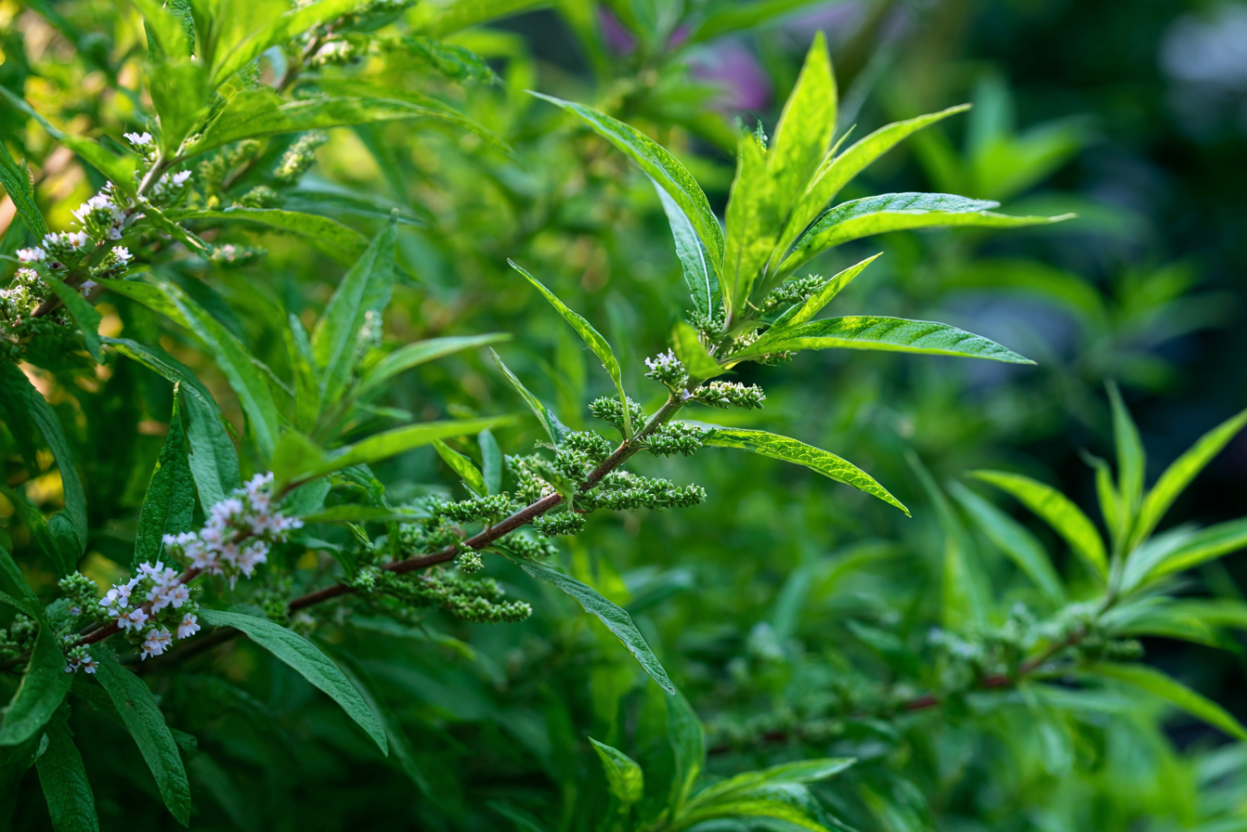
Lemon Verbena (Aloysia citrodora)
If you struggle with restless nights, a racing mind that won’t quiet down, or a digestive system that seems to fight you after every meal — you are not alone. Millions of people search for answers to these everyday battles. And tucked away in gardens across the world, a plant with an intoxicating lemon fragrance has been quietly supporting people through these very challenges for centuries.
Lemon verbena is one of the Creator’s most aromatic gifts — a plant so beautifully designed that simply brushing against its leaves releases a scent capable of shifting your mood within seconds. Like all of creation, this remarkable shrub reflects the wisdom of the Designer who provided for every human need before we even knew to ask.
This information is for educational purposes only and is not intended to diagnose, treat, cure, or prevent any disease. Always consult with a qualified healthcare provider before making changes to your health regimen.
The Plant
Common Names: Lemon Verbena, Lemon Beebrush, Herb Louisa, Hierba Luisa, Cedrón, Verveine Citronnelle, Erva-Luísa, María Luisa, Cidron
Botanical Name: Aloysia citrodora Paláu (syn. Aloysia triphylla, Lippia citriodora, Verbena triphylla)
Family: Verbenaceae (the Verbena family) — a family of aromatic plants that also includes lantana and common vervain.
Description
Lemon verbena is a deciduous perennial shrub that grows two to three meters tall in temperate climates and up to six meters in tropical regions. Its growth habit is upright and somewhat leggy, with woody stems that branch gracefully as the plant matures. In containers, it typically remains compact at 60 to 120 centimeters.
The leaves are the star — glossy, lance-shaped, and pointed, reaching about eight centimeters long. They grow in whorls of three along the stem and are slightly rough to the touch. Their pale to yellowish-green color catches light beautifully. When you brush against them, crush them, or simply stand nearby on a warm day, they release an intensely clean, bright lemon fragrance that is unlike any citrus fruit — sharper, sweeter, and more complex.
Small flowers appear in late spring to early summer, forming delicate terminal panicles of tiny white to pale lilac blooms. While not showy, they are fragrant and attractive to pollinators including bees and butterflies. Container-grown plants may not flower. The plant loses its leaves in winter in cooler climates and can look completely dead — bare brown sticks — but the wood is hardy and will leaf out again in late spring. Never discard it prematurely.
Origin
Lemon verbena is native to South America, specifically Argentina, Chile, Peru, Uruguay, and Paraguay. It grows wild in these regions along riverbanks and in open, sunny areas. The Inca culture used it widely for digestive support, as an antispasmodic, and for respiratory conditions — some of the earliest documented uses of this plant.
Spanish and Portuguese explorers brought lemon verbena to Europe in the seventeenth century, captivated by its extraordinary fragrance. The plant was named in honor of Maria Luisa Teresa de Parma (1751–1819), princess of Parma and wife of Spain’s King Charles IV, who patronized the Royal Botanical Garden in Madrid where it was first formally cultivated in Europe.
Brief History
The French naturalist Philibert Commerson first documented the plant in 1767 during a botanical expedition in Buenos Aires. Spanish botanists Casimiro Gómez Ortega and Antonio Palau y Verdera transplanted it to the Real Jardín Botánico de Madrid and published it under the name Aloysia citrodora. Ortega then sent seeds and specimens to Charles Louis L’Héritier de Brutelle in Paris, who published it as Verbena triphylla in 1785.
From Paris, Oxford professor John Sibthorp introduced it to British horticulture. By 1797, lemon verbena was common in greenhouses around London. Throughout the nineteenth century, it became essential in fragrant bouquets, sachets, and the perfume industry. Victorian-era herbalists valued it for “the vapors” — the catch-all term for anxiety, nervous tension, and emotional distress. The plant eventually spread to North Africa, the Mediterranean, and beyond, becoming one of the most beloved aromatic herbs in the world.
Growing & Cultivation
Climate & Zones
Lemon verbena is reliably hardy in USDA Zones 9 through 11, where it can be grown as a permanent garden shrub. In Zone 8, it can survive if planted in a sheltered location with excellent drainage and winter mulching — it may die back to the ground but resprout from the roots in spring. In Zones 7 and below, it is best grown as a container plant that is brought indoors before the first frost. The wood can survive temperatures down to about -10°C (14°F), but leaves drop below 0°C (32°F).
For gardeners in Alpharetta, Georgia (Zone 7b/8a), lemon verbena can be grown in the ground against a south-facing wall or near the foundation of a house where it benefits from radiant heat. Heavy mulching around the roots in November offers additional protection. However, container growing with indoor winter storage is the most reliable approach in this region.
Soil Requirements
Lemon verbena prefers well-draining, moderately fertile, loamy soil. It does not tolerate waterlogged conditions — root rot is the most common killer of this plant. A slightly acidic to neutral pH of 6.0 to 7.0 is ideal. For containers, use a quality peat-free, soil-based compost mixed with equal parts sharp horticultural sand or perlite to ensure drainage. The plant actually thrives when slightly pot-bound, so avoid oversizing containers.
Water & Sunlight
This plant loves full sun — at least six to eight hours of direct sunlight daily. In extremely hot southern climates, light afternoon shade can prevent leaf scorch. Indoors, place it in your brightest window or supplement with a grow light.
Water regularly throughout the growing season, keeping soil consistently moist but never soggy. Allow the top inch of soil to dry between waterings. Reduce watering significantly in winter when the plant is dormant. Overwatering during dormancy is the primary cause of plant death. Signs of overwatering include yellowing lower leaves and soft, darkening stems.
Propagation
Stem Cuttings (Preferred Method): Take semi-hardwood cuttings in late spring or early summer, about 7 to 10 centimeters long. Strip the lower leaves, dip the cut end in rooting hormone, and place in moist perlite or a sand-peat mix. Keep warm and humid. Roots typically develop in three to four weeks. Seed set is variable in North America, making cuttings far more reliable than seed propagation.
Seed: When available, sow seeds indoors six to eight weeks before the last frost. Surface sow or barely cover, as seeds need light to germinate. Germination is slow and unreliable — expect a lower success rate than with cuttings. Keep soil warm (20–24°C) and moist.
Planting
Plant outdoors after all danger of frost has passed. Space plants 60 to 90 centimeters apart. Dig a hole twice the width of the root ball and the same depth. Do not amend heavy clay soil — instead, plant in a raised bed or container. Water well after planting. Companion plants include other Mediterranean herbs like lavender, rosemary, thyme, and oregano, which share similar sun and drainage requirements.
Harvesting
Leaves can be harvested throughout the growing season once the plant is well established. The leaves are most aromatic and flavorful just before and during flowering, typically in mid to late summer. Harvest in the morning after the dew has dried but before the heat of the day causes volatile oils to dissipate. Pinch or snip individual leaves or cut whole stems — regular harvesting encourages bushy, productive growth. Do not remove more than one-third of the plant at one time.
Drying & Storage
Lemon verbena dries exceptionally well and retains its lemon aroma for years — one of the few herbs to do so. Air dry by bundling small bunches and hanging upside down in a warm, dark, well-ventilated space for seven to ten days. Alternatively, use a dehydrator set to 35°C (95°F) for faster drying. Store dried leaves in airtight glass jars away from direct light. Properly stored dried leaves will retain fragrance for two to three years. Fresh leaves can also be frozen — lay them flat on a baking sheet, freeze, then transfer to a sealed bag.
Pest & Disease Management
Lemon verbena is notably resistant to honey fungus and most diseases. The primary pests are aphids, whiteflies, spider mites, and mealybugs — all manageable with organic approaches. A strong spray of water dislodges aphids. Neem oil or insecticidal soap addresses heavier infestations. Good air circulation prevents fungal issues. Indoors, watch especially for spider mites in dry winter air; regular misting helps.
Companion Planting
Plant alongside lavender, rosemary, thyme, sage, and oregano for a complementary Mediterranean herb garden. Its strong scent may help deter some pest insects from neighboring plants. Avoid planting near moisture-loving herbs like mint or chives that require different watering regimes.
The Healing of Growing
Growing lemon verbena offers benefits beyond the harvest itself. The act of gardening — hands in soil, bare feet on earth, time spent outdoors — has been shown to reduce cortisol, improve mood, and support immune function. The soil contains beneficial bacteria (Mycobacterium vaccae) with documented antidepressant effects. When you grow your own lemon verbena, you receive healing before you ever consume it. The simple ritual of brushing the leaves each morning to release their scent can become a grounding, centering practice that sets the tone for your entire day.
Nutritional Profile
Lemon verbena is typically consumed as a flavoring herb or tea rather than in bulk quantities, so its nutritional impact comes primarily through its extraordinary phytochemical content rather than macronutrient density. However, the compounds present in even small amounts carry significant bioactive potential.
Macronutrients
A standard cup of lemon verbena tea (approximately 2 grams of dried leaves) contains roughly 2 calories, with negligible protein, fat, and carbohydrate content. The leaves themselves contain small amounts of protein, fat, and dietary fiber when analyzed per dry weight, but given the typical usage as a tea or flavoring, these macronutrients are not nutritionally significant.
Vitamins
Vitamin C — Present in meaningful amounts in fresh leaves. Vitamin C supports immune function, collagen production, and acts as a powerful antioxidant that protects cells from oxidative damage. It also enhances iron absorption from plant sources.
Vitamin A — Found in the leaves in smaller amounts. Vitamin A supports vision, skin health, immune function, and cellular communication.
B Vitamins — Small amounts present. B vitamins support energy metabolism, nervous system function, and serotonin production.
Minerals
Potassium: Lemon verbena tea contains approximately 440 mg/L of potassium — a significant amount in beverage form. Potassium supports heart rhythm, muscle contraction, nerve signaling, and blood pressure regulation.
Iron: Present in small amounts. Iron is essential for oxygen transport in the blood and energy production at the cellular level.
Magnesium: Found in trace amounts. Magnesium is essential for over 300 enzymatic reactions, supports muscle and nerve function, blood sugar regulation, and bone health.
Calcium: Present in trace amounts. Calcium supports bone density, muscle function, and nerve transmission.
Phytonutrients & Active Compounds
This is where lemon verbena truly shines. Its phytochemical profile is remarkably rich and drives the vast majority of its documented health-supporting properties.
Verbascoside (Acteoside) — The crown jewel of lemon verbena’s chemistry. This phenylpropanoid glycoside is a potent antioxidant found in concentrations up to 5.3% of dry leaf weight. Lemon verbena tea contains approximately 400 mg/L of verbascoside. Research suggests it supports antioxidant defense, may modulate inflammation, and has demonstrated neuroprotective properties in preclinical studies. It is the compound most closely linked to lemon verbena’s calming and sleep-supporting effects.
Citral (Neral and Geranial) — The compound responsible for the plant’s intense lemon fragrance, comprising 30–45% of the essential oil. Citral has demonstrated antimicrobial and antifungal properties in research settings.
Luteolin 7-diglucuronide — A flavonoid present at approximately 100 mg/L in tea form. Luteolin is associated with anti-inflammatory, antioxidant, and potential neuroprotective effects in preclinical research.
Limonene — A monoterpene found abundantly in the essential oil. Research suggests limonene may support mood, digestive function, and antioxidant activity.
Geraniol — A monoterpenoid alcohol with documented antibacterial and antifungal properties in laboratory settings.
Naringenin — A flavanone found in leaf extracts. Research suggests antioxidant, anti-inflammatory, and cardioprotective properties.
Linalool — A terpene alcohol associated with calming and anxiolytic effects in aromatherapy research.
1,8-Cineole (Eucalyptol) — An oxide present in the essential oil with documented anti-inflammatory and respiratory-supporting properties.
Nutrient Notes
Lemon verbena tea has been shown to have antioxidant activity comparable to green tea but without the bitterness or caffeine. In comparative research, it exhibited free-radical-scavenging characteristics similar to Ginkgo biloba, ginseng, and curcumin. The polyphenolic compounds in lemon verbena — particularly verbascoside — are water-soluble and extract efficiently into tea, with approximately 65% extraction yield, meaning a simple infusion captures the majority of the plant’s beneficial compounds. Potassium absorption is enhanced in liquid form, making the tea an efficient delivery method.
Connection to Body Compounds
The verbascoside in lemon verbena has been shown in preclinical research to influence GABA-A receptor sensitivity, potentially explaining its calming effects. Studies also suggest it may support serotonin, dopamine, and noradrenaline activity in the brain. The polyphenols may help modulate cortisol levels and reduce inflammatory markers such as C-reactive protein and IL-6.
Culinary Uses
Edible Parts
Leaves are the primary edible part — used both fresh and dried. Fresh leaves deliver the most intense, complex flavor. Dried leaves retain their lemon character remarkably well. Flowers are also edible and make delicate garnishes with a milder lemon flavor.
Flavor Profile
Lemon verbena has been called the “Rolls Royce of herbs” for its scent and flavor. The primary flavor is a bright, clean, intensely lemony sweetness — but unlike actual lemons, it has no sourness or acidity. Secondary notes include a subtle floral quality, a hint of green herbaceousness, and what many describe as a “sherbet” or “candy lemon” character. Fresh leaves are more complex; dried leaves concentrate the lemon note. Cooking mellows the intensity slightly. The flavor is strong, so a little goes a long way.
Preparation
Fresh: Add whole or torn leaves to salads, fruit salads, drinks, desserts, and as a garnish. Muddle leaves into cocktails and lemonade. Infuse into cream, milk, or simple syrup by steeping fresh leaves in warm liquid.
Cooked: Add to poultry and fish dishes for a citrus accent. Incorporate into custards, puddings, ice creams, and sorbets by infusing leaves into the base. Add to jams, jellies, and preserves. Use in baked goods — steep in butter for lemon verbena shortbread or scones.
Tea: Steep 3 to 5 fresh leaves (or 1 teaspoon dried) in boiling water for 5 to 7 minutes. Drink hot or chilled.
Infusions: Infuse fresh leaves into oils, vinegars, honey, or spirits. Lemon verbena vinaigrette is exceptional on salads. The leaves lend a beautiful flavor to sugar — simply layer leaves in a jar of sugar and leave for two weeks.
Culinary Pairings
Lemon verbena pairs beautifully with poultry (especially chicken and duck), white fish, and shellfish. Among vegetables and fruits, it complements berries (especially strawberries and raspberries), stone fruits, melon, and green salads. It works well with other herbs like mint, basil, and tarragon. Cream, butter, coconut milk, olive oil, and honey are its ideal fat and sweetener companions. For spice pairings, think vanilla, ginger, and cardamom.
Storage
Fresh leaves store best wrapped in a damp paper towel inside a sealed bag in the refrigerator for up to one week. For longer storage, dry the leaves — they keep their aroma for years in sealed glass jars. Freezing is another excellent option: freeze leaves flat on a tray, then store in sealed bags for up to six months. Fresh leaves can also be preserved by infusing into oils, vinegars, or honey.
Ready to cook with lemon verbena? View Recipes on Chefts →
Wellness & Therapeutic Uses
Traditional Uses
Lemon verbena has a rich history of traditional use spanning continents and centuries. The Inca civilization used it as a digestive aid, antispasmodic, and for bronchial conditions — some of the earliest documented applications. In South American folk medicine, infusions of the leaves have been used for centuries to address diarrhea, flatulence, insomnia, anxiety, colic, and rheumatic pain.
When it arrived in Europe, Spanish and French herbalists embraced it for digestive complaints, nervous tension, and fevers. Victorian-era herbalists prescribed it for “the vapors” — a term encompassing anxiety, nervous agitation, and emotional distress. In the Middle East, lemon verbena (known locally by various names) has been a key ingredient in traditional herbal tea blends called “zhourat,” used for calming, digestive support, and fever reduction. In Moroccan and North African traditions, it is among the most commonly consumed herbal teas.
In traditional Persian medicine, the plant has been used for sedation and sleep support for generations. In Ecuadorian traditional medicine, ethnobotanical surveys rank Aloysia citriodora among the most widely recognized and accepted medicinal plants, used primarily for headaches, gastrointestinal complaints, and respiratory conditions.
Modern Research
Sleep Support — A randomized, double-blind, placebo-controlled clinical trial in Iran (Afrasiabian et al., 2019) involving 100 patients with insomnia found that lemon verbena syrup taken one hour before bedtime for four weeks significantly improved sleep latency, habitual sleep efficiency, daytime dysfunction, subjective sleep quality, and overall insomnia severity scores compared to placebo (p < 0.001 for all measures). A more recent 90-day clinical trial in Spain (2024) involving 71 healthy adults found that 400 mg of lemon verbena extract increased nocturnal melatonin levels by 14% and significantly improved sleep quality, sleep latency, and sleep efficiency. A benzodiazepine-like effect on the GABA receptor has been suggested as a plausible mechanism of action.
Antioxidant Protection & Muscle Recovery — Multiple clinical trials have demonstrated that lemon verbena polyphenols — particularly verbascoside — may protect against exercise-induced oxidative stress and muscle damage. A study on healthy men following a 21-day intense exercise program showed decreased oxidative stress markers. Another trial of 44 active men and women showed that lemon verbena extract taken before and after exhausting exercise reduced muscle damage and improved the activity of the antioxidant enzyme glutathione peroxidase (GPx). A clinical trial in 43 healthy subjects showed lemon verbena improved oxidant/antioxidant balance by decreasing lipid peroxidation and increasing total antioxidant capacity of the serum.
Anti-Inflammatory Properties — A 2014 study involving 30 participants with secondary progressive multiple sclerosis found that 600 mg of lemon verbena extract with 10% verbascoside taken daily for 28 days led to significantly lower levels of C-reactive protein, a key inflammatory marker. Animal studies have also shown protective effects against colitis-induced inflammation.
Joint Support — A clinical trial of 45 individuals with joint discomfort found that lemon verbena extract combined with omega-3 fatty acid supplementation led to reduced joint pain and improved mobility after three to four weeks of use. The verbascoside in lemon verbena is believed to provide the antioxidant and anti-inflammatory contribution.
Anxiolytic (Anti-Anxiety) Effects — A clinical study of 40 subjects with anxiety and sleep problems found that lemon verbena supplementation for eight weeks led to lower stress levels and better sleep compared to placebo. Animal studies have shown anxiolytic, hypnotic, and muscle-relaxant effects from both the ethanolic and aqueous extracts, with effects attenuated by the GABA-A receptor antagonist flumazenil — suggesting the mechanism mirrors that of benzodiazepines. A randomized clinical trial found that the aroma of lemon verbena essential oil reduced anxiety and improved hemodynamic profiles before cesarean section.
Digestive Support — Traditional use for digestive complaints is supported by research showing antispasmodic and carminative properties. A study in rats demonstrated that both aqueous and ethanolic extracts of lemon verbena provided gastroprotective effects against indomethacin-induced gastric ulcers.
Antimicrobial Activity — Laboratory studies have demonstrated activity against MRSA, E. coli, Candida albicans, Pseudomonas species, and the parasite Trypanosoma cruzi. Essential oil and extracts show both antibacterial and antifungal properties.
Metabolic Support — Preclinical studies indicate that lemon verbena polyphenols may improve insulin sensitivity, regulate lipid metabolism, and reduce adiposity. A clinical study combining lemon verbena and hibiscus extract in 54 overweight women showed promise for appetite modulation, affecting hormones ghrelin and glucagon-like peptide-1.
Neuroprotective Properties — Molecular docking studies have found that catechin, a compound in lemon verbena, shows strong binding affinities to key proteins involved in Parkinson’s disease. Verbascoside has also demonstrated neuroprotective effects in preclinical models. Research suggests these compounds may enhance brain-derived neurotrophic factor (BDNF) expression.
Body Systems Supported
Nervous System: Sleep support, anxiety reduction, calming effects, neuroprotection, GABA modulation.
Digestive System: Antispasmodic action, carminative properties, gastroprotection, digestive comfort.
Immune System: Antioxidant defense, antimicrobial activity, reduced inflammatory markers.
Musculoskeletal System: Joint comfort support, exercise recovery, reduced muscle damage.
Cardiovascular System: Research suggests potential for cardiovascular modulation, including blood pressure and inflammatory marker reduction.
Endocrine System: Melatonin production support, potential cortisol modulation, metabolic function.
Integumentary System: Antimicrobial, wound-healing, and antioxidant properties applied topically.
Body Compounds Affected
GABA: Research suggests lemon verbena increases sensitivity to the GABA-A receptor, the primary inhibitory neurotransmitter system responsible for calming the nervous system. This is the likely mechanism behind its sedative and anxiolytic effects.
Melatonin: Clinical research has demonstrated a 14% increase in nocturnal melatonin production following 90 days of lemon verbena supplementation, supporting the body’s natural sleep-wake cycle.
Serotonin, Dopamine & Noradrenaline: Pilot trial data have identified potential noradrenaline and dopamine reuptake inhibition as a mechanism of action. Enhancement of serotonin production has also been suggested in research literature.
Cortisol: Lemon verbena has demonstrated the ability to modulate cortisol levels in research settings, supporting healthy stress response.
C-Reactive Protein (CRP): Clinical trials have shown significant reduction in this inflammatory marker following lemon verbena supplementation.
Interleukin-6 (IL-6): Exercise studies showed decreased levels of this pro-inflammatory cytokine in the lemon verbena group compared to placebo.
Glutathione Peroxidase (GPx): Clinical trials showed increased activity of this critical antioxidant enzyme, enhancing the body’s natural oxidative defense.
BDNF (Brain-Derived Neurotrophic Factor): Preclinical research suggests lemon verbena may enhance expression of this neuroprotective compound.
Methods of Use
Tea/Infusion
Parts used: Dried or fresh leaves. Use 1 teaspoon dried leaves (or 3–5 fresh leaves) per cup. Pour boiling water over the leaves and steep for 5 to 7 minutes (do not exceed 7 minutes to avoid bitterness). Strain and enjoy hot or cold. May be taken 1 to 3 cups daily. For sleep support, drink one cup approximately one hour before bedtime.
Tincture
Lemon verbena tincture is prepared by macerating fresh or dried leaves in alcohol (typically 40–60% ethanol). A traditional dosage is 2–4 mL taken up to three times daily, diluted in water. Tinctures concentrate the plant’s active compounds and are convenient for consistent dosing.
Capsule/Powder
Standardized extracts are available in capsule form. Clinical trials have used dosages of 400–600 mg of lemon verbena extract daily, standardized to contain at least 24% verbascoside. Always look for third-party tested products with clear labeling of active compound content.
Decoction
A traditional preparation of 45 mL decoction taken several times daily has been documented in traditional medicine systems, particularly for digestive complaints.
Syrup
The Iranian clinical trial on insomnia used a lemon verbena syrup containing the plant’s essential oil and flavonoids — 10 cc taken one hour before bedtime.
Cosmetic & Beauty Uses
Skin Benefits
Lemon verbena is especially beneficial for oily and acne-prone skin. The verbascoside and citral content provide potent antioxidant protection against free radical damage and premature aging. Research suggests it may help normalize sebum production, making it valuable for those struggling with excess oiliness. Its anti-inflammatory properties may help reduce redness, irritation, and the visible effects of inflammation on the skin. The antimicrobial activity demonstrated in laboratory studies extends to skin-relevant pathogens, potentially supporting clear skin. In animal studies, lemon verbena ointment reduced the severity of skin wounds infected with Staphylococcus, indicating wound-healing and skin-protective potential.
The astringent properties of the tea and extracts help tone and tighten the skin, reducing the appearance of large pores. Verbascoside and luteolin 7-diglucuronide have been shown in research to provide some UV protection, making lemon verbena a valuable ingredient in protective skincare formulations (though it should never replace sunscreen).
Hair Benefits
Lemon verbena may support scalp health through its antimicrobial and anti-inflammatory properties, potentially helping with dandruff, itchy scalp, and excess oiliness. A lemon verbena rinse can add shine and a beautiful lemon fragrance to all hair types. The tannins and astringent properties may help strengthen hair and stimulate healthy growth by improving scalp circulation. Its clarifying action helps remove product buildup.
Application Methods
Infused Oil: Fill a clean jar halfway with dried lemon verbena leaves. Cover completely with a carrier oil such as jojoba, sweet almond, or grapeseed oil. Seal and place in a sunny window for 2 to 4 weeks, shaking daily. Strain and store in a dark glass bottle. Use as a body oil, face oil (for oily skin — apply a few drops), or massage oil.
Toner: Brew a strong tea from the dried leaves, allow it to cool completely, and use as a facial toner. Apply with a cotton pad or spritz from a spray bottle. Store in the refrigerator for up to one week.
Face Mask: Mix finely ground dried lemon verbena leaves with plain yogurt and honey for a soothing, toning face mask. Leave on for 10 to 15 minutes, then rinse.
Steam Treatment: Add a handful of fresh or dried leaves to a bowl of hot water. Drape a towel over your head and lean over the steam for 5 to 10 minutes. This opens pores, delivers volatile compounds to the skin, and provides aromatherapy benefits simultaneously.
Bath Addition: Tie fresh or dried leaves in a muslin bag and add to a warm bath. The essential oils and polyphenols infuse into the water, providing whole-body skin benefits and aromatherapy.
DIY Formulation Notes
When incorporating lemon verbena into homemade products, use dried leaf tea or infused oil as the base — not the essential oil, which is concentrated and can cause skin sensitization. For leave-on products, keep lemon verbena infusion at 5–20% of total formulation. Lemon verbena pairs well with carrier oils like jojoba (for oily skin) and sweet almond (for normal/dry skin). Avoid combining the essential oil with direct sun exposure — citral can be phototoxic in concentrated form. Shelf life of homemade water-based preparations is 5 to 7 days refrigerated; oil infusions last 6 to 12 months.
Lemon verbena is among the botanicals being explored for holistic cosmetic applications, where the wisdom of traditional beauty practices meets modern understanding of skin science.
Essential Oil Profile
Extraction
Lemon verbena essential oil is extracted primarily through steam distillation of the leaves. Hydrodistillation is also commonly used. The yield is notably low — approximately 0.2% to 1.0% essential oil by dry leaf weight — which means it takes an enormous amount of plant material to produce even a small quantity of oil. This low yield makes genuine lemon verbena essential oil one of the most expensive on the market. CO2 extraction is occasionally used and produces a more complete aromatic profile.
Important warning: Because of the high cost, lemon verbena essential oil is one of the most commonly adulterated oils in the marketplace. It is frequently substituted with or “stretched” by adding citronella oil, lemongrass oil, or synthetic citral. These adulterations make the fragrance considerably less subtle. Always purchase from reputable suppliers who provide GC/MS (Gas Chromatography/Mass Spectrometry) testing reports.
Chemical Constituents
Citral (Neral + Geranial): 30–45% — The dominant compound, responsible for the characteristic lemon scent. Antimicrobial, antifungal, anti-inflammatory. Neral (α-citral) and geranial (β-citral) together are called citral, which is also found in lemongrass.
Limonene: 5–18% — A monoterpene with documented mood-supporting, digestive, and antioxidant properties. Also the dominant compound in citrus peel oils.
1,8-Cineole (Eucalyptol): 5–8% — An oxide with anti-inflammatory and respiratory-supporting properties. Also found in eucalyptus and rosemary.
Geraniol: 3–8% — A monoterpenoid alcohol with strong antibacterial, antifungal, and antioxidant activity. Also found in rose, geranium, and citronella.
Nerol: 2–5% — An isomer of geraniol with similar antimicrobial properties and a sweet rose-lemon scent.
β-Caryophyllene: 3–7% — A sesquiterpene that interacts with the endocannabinoid system (CB2 receptor). Anti-inflammatory and analgesic properties documented.
Spathulenol: 3–7% — A sesquiterpenoid alcohol with documented antimicrobial and anti-inflammatory activity.
Linalool: 1–3% — A terpene alcohol well known for calming and anxiolytic effects.
Aroma Profile
Lemon verbena essential oil is classified as a top note with middle-note longevity. The scent is intensely fresh, bright, and clean — a true lemony-sweet character that is more refined and complex than lemongrass or lemon peel oil. Top notes are sparkling and citrusy; as the oil dries down, softer floral and herbaceous notes emerge. The scent is lighter and more elegant than its citrus relatives, with a subtle green quality. It blends exceptionally well with other citrus oils, florals (lavender, rose, ylang ylang, neroli), herbs (rosemary, basil), and woodsy oils (cedarwood, frankincense).
Therapeutic Properties
Research suggests lemon verbena essential oil may possess the following properties (using compliant language): anti-inflammatory, antimicrobial, antifungal, calming/sedative, antispasmodic, insect-repellent, analgesic, and antioxidant. It may support emotional balance, digestive comfort, and respiratory wellness.
How to Use
Diffusion
Add 3 to 5 drops to a diffuser. Diffuse for 30 to 60 minutes at a time. The scent promotes relaxation, may reduce anxiety, and creates a clean, uplifting atmosphere. Excellent for evening diffusion before sleep.
Topical Application
Standard adult dilution: 1–2% (6–12 drops per ounce of carrier oil) — this is intentionally lower than many oils due to skin sensitization potential. Sensitive skin: 0.5% (3 drops per ounce). Children over 6: 0.25–0.5%. Elderly: 0.5–1%. Suitable carrier oils include jojoba, sweet almond, coconut, and grapeseed. Always perform a patch test before widespread application. Avoid sun exposure for 12–24 hours after topical application — citral and other constituents can be phototoxic.
Quality & Sourcing
Always verify: GC/MS testing report available, single species identification (Aloysia citrodora), origin country disclosed, clear listing of primary constituents matching expected profile. Red flags include unusually low price (genuine lemon verbena oil is expensive), “verbena” without species clarification (could be Verbena officinalis, a different plant), and any product blended with citronella or lemongrass without disclosure.
Note on EU regulation: In the European Union, verbena essential oils (from Lippia citriodora) and derivatives other than absolute are prohibited when used as a fragrance ingredient under Regulation No. 1223/2009, Annex II, due to skin-sensitizing and phototoxic properties.
Blending
Lemon verbena blends beautifully with: lavender (for calming), ylang ylang (for mood support), rose (for emotional warmth), frankincense (for grounding), bergamot (for uplift), geranium (for balance), rosemary (for mental clarity), and cedarwood (for depth). A simple calming evening blend: 3 drops lemon verbena, 4 drops lavender, 2 drops cedarwood in a diffuser.
Aromatherapy & Scent
The Aroma
The living lemon verbena plant emits one of the most intensely beautiful scents in the herb garden. The fresh plant aroma is bright, clean, and unmistakably lemony — but richer and sweeter than any citrus fruit. Simply walking past the plant on a warm day releases waves of fragrance. Touching, brushing, or crushing the leaves intensifies the scent dramatically, releasing the volatile citral compounds trapped in tiny oil glands on the leaf surface. The scent is strongest on warm afternoons, after light rain, and at the peak of the growing season just before flowering.
Dried lemon verbena retains its lemon aroma remarkably well — one of very few herbs that actually improve in scent retention when dried properly. Dried leaves remain fragrant for two to three years, far longer than most dried herbs. The dried scent is slightly more concentrated and less green than fresh, with the lemon note becoming more prominent and the herbaceous undertones receding.
How Scent Affects Your Body
When you inhale the fragrance of lemon verbena, volatile molecules — primarily citral, limonene, and linalool — enter through the nose and contact olfactory receptor cells high in the nasal cavity. These receptors send electrical signals directly to the limbic system, the brain’s emotional processing center, and to the hypothalamus, which controls hormone production. This pathway bypasses the cerebral cortex — meaning scent affects your body before you consciously decide to react. Emotional and physiological responses to scent can occur within seconds of inhalation. This is why the aroma of lemon verbena can shift your mood almost instantly.
Emotional & Mood Effects
The scent of lemon verbena is primarily calming and uplifting simultaneously — a unique combination. It soothes nervous tension and anxiety while also gently energizing the mind. Users commonly report feeling relaxed but alert, centered but not drowsy. The aroma is often described as comforting and mood-brightening. A randomized clinical trial found that inhaling lemon verbena essential oil aroma reduced anxiety and improved hemodynamic profiles in patients before surgery, confirming the traditional use of the scent for calming.
Body Compounds Affected
The scent of lemon verbena may lower cortisol levels through its calming action on the nervous system. The linalool component has been shown in aromatherapy research to positively modulate the parasympathetic nervous system. Citral-rich aromas have been associated with increased serotonin activity in animal models. The overall effect is a shift from sympathetic (stress) to parasympathetic (rest-and-restore) nervous system dominance.
Ways to Experience the Scent
Growing the plant indoors on a sunny windowsill and brushing the leaves daily. Placing fresh cuttings in a vase of water on your desk or nightstand. Crushing leaves between your fingers while gardening. Tucking dried leaves into sachets for drawers and closets. Creating potpourri with dried lemon verbena, lavender, and rose petals. Simmering a few leaves in a pot of water on the stove for a natural room fragrance. Adding fresh or dried leaves to a warm bath. Placing a sachet of dried leaves under your pillow for nighttime aromatherapy. Brewing the tea — the act of steeping and sipping engages both olfactory and taste pathways.
Color Therapy
The Colors of Lemon Verbena
Lemon verbena presents a palette of gentle, nature-grounded colors. The leaves are a fresh, bright yellowish-green to pale green — sometimes described as “spring green” — that lighten as they mature. New growth is a vivid, almost lime-colored green. The flowers are white to very pale lilac-lavender, tiny and delicate. Stems transition from green to woody brown as the plant matures.
Color Wavelengths
The dominant green of the leaves falls in the 495–570 nm wavelength range. The pale lilac flowers sit near the violet end of the spectrum at approximately 380–450 nm. The yellowish quality of new foliage brings in wavelengths near 570–590 nm.
How Green Affects the Body
Green is the color of balance. It sits at the center of the visible spectrum and is associated with the heart center in many healing traditions. Research on color and physiological response suggests that exposure to green wavelengths promotes calming, balancing, and restorative effects. Green environments have been shown to lower blood pressure, reduce stress hormones, and improve mood. This is one reason why time in nature — surrounded by green — is so profoundly therapeutic. Having lemon verbena in your environment adds this green presence directly into your living space.
The subtle lilac of the flowers, when present, adds the calming, spiritually clarifying influence associated with violet wavelengths (380–450 nm), which are linked in color therapy to nervous system calming and meditative states.
Using Lemon Verbena for Color Therapy
Place the living plant in areas where you spend time resting or working — the green foliage provides a gentle, continuous visual calming effect. In rooms that feel visually “hard” or sterile, the soft green adds warmth and life. If you eat the leaves in salads or use them as garnish, you are “eating the green” — absorbing the plant’s color energy through your food. The bright green of a lemon verbena tea, when steeped fresh, adds a visual dimension to the drinking experience.
Frequency & Vibration
The Frequency of Lemon Verbena
While specific MHz measurements for lemon verbena have not been independently verified in peer-reviewed literature, essential oils from aromatic plants are generally considered high-frequency substances according to bio-frequency research. For reference, according to Bruce Tainio’s frequency research, a healthy human body typically measures between 62 and 78 MHz, while essential oils can measure from 52 MHz (basil) to 320 MHz (rose oil). Lemon-scented herbs and their essential oils are generally considered to be in the moderate-to-high frequency range, consistent with their uplifting and clarifying aromatic profile.
Human Frequency Interaction
According to the principle of entrainment in vibrational medicine, a stronger, more coherent frequency can influence a weaker or less coherent one. Proponents of frequency-based healing suggest that being around high-frequency plants and consuming high-frequency plant preparations may support the body’s own vibrational state. Frequency measurements suggest that fresh herbs and essential oils vibrate at rates significantly higher than processed foods, and that aromatic plants like lemon verbena may contribute to maintaining or raising personal frequency through proximity, inhalation, and consumption.
Essential Oil Frequency
While a specific published measurement for lemon verbena essential oil is not widely documented in peer-reviewed sources, oils high in citral (like lemon verbena) are generally categorized alongside other citrus and uplifting oils in the moderate-to-high frequency range. The extraction process concentrates the vibrational energy of the plant into a more potent form.
Vibrational Applications
According to bio-frequency research, using lemon verbena may support personal frequency through: growing the living plant in your home environment, diffusing the essential oil, drinking freshly brewed tea, and spending time in a garden where lemon verbena grows. Combining with other high-frequency practices such as prayer, meditation, gratitude, and time in nature may amplify these effects.
The Living Plant
Benefits of Presence
Simply being around a living lemon verbena plant offers benefits independent of consuming it. Research on biophilic design — the science of incorporating nature into human environments — demonstrates that living plants reduce stress, improve cognitive function, boost mood, and enhance overall wellbeing. Lemon verbena is particularly effective as a presence plant because its aroma fills a room even without being touched, continuously delivering low-level aromatherapy benefits.
Air Purification
While lemon verbena was not specifically included in the NASA Clean Air Study, it does release phytoncides — antimicrobial volatile organic compounds — that can reduce airborne bacteria and fungi. Like all green plants, it absorbs carbon dioxide and releases oxygen during photosynthesis. The plant’s aromatic volatile compounds may contribute to a cleaner, more pleasant indoor atmosphere. Place it in living areas, bedrooms, or workspaces for continuous air freshening.
Phytoncides
Lemon verbena releases measurable levels of volatile organic compounds — primarily citral, limonene, and linalool — into the surrounding air. These are the same compounds studied in forest bathing (shinrin-yoku) research, which has shown that exposure to plant phytoncides increases Natural Killer (NK) cell activity, supporting immune function. While the concentration from a single indoor plant is lower than in a forest, it contributes to a healthier indoor microenvironment.
Visual & Psychological Benefits
Research consistently shows that patients with views of plants heal faster, office workers with plants nearby report higher productivity and lower stress, and simply viewing green foliage activates the parasympathetic nervous system. Attention Restoration Theory suggests that natural elements like plants restore depleted mental resources, improving focus and reducing mental fatigue. Lemon verbena, with its graceful form and bright green foliage, adds visual beauty that research suggests directly benefits psychological wellbeing.
Growing Indoors vs Outdoors
Lemon verbena can be grown indoors successfully, though it requires the brightest window available (south-facing is ideal) or supplemental grow lighting. It will lose its leaves in winter even indoors unless kept in very bright, warm conditions — this is normal and not a sign of death. Outdoors, the plant receives the full benefits of natural sunlight, rain, wind, and seasonal cycles. For the greatest “presence benefit,” grow it near doorways, patios, seating areas, or kitchen windows where you pass by frequently and can brush the leaves to release the scent.
Touch & Physical Interaction
Gardening Therapy
Working with lemon verbena embodies the principles of horticultural therapy — an established therapeutic practice used in hospitals, rehabilitation centers, and wellness programs worldwide. The routine of caring for this plant — watering, pruning, pinching leaves, monitoring for pests — provides purpose, routine, and the satisfaction of nurturing a living thing. The reward is both tangible (harvest) and sensory (aroma with every touch).
Soil Contact Benefits
When you garden with lemon verbena, you inevitably contact soil — and this is itself therapeutic. Grounding (earthing), the practice of direct contact between your body and the earth, has been shown to reduce cortisol, decrease inflammation, improve sleep, and modulate the autonomic nervous system through electron transfer. The soil bacterium Mycobacterium vaccae, encountered through gardening, has been documented to trigger serotonin release in the brain, producing antidepressant-like effects in research.
The Tactile Experience
Lemon verbena has a distinctive tactile character. The leaves are slightly rough to the touch — not soft or velvety, but textured with a gentle abrasiveness that stimulates the fingertips. Running your thumb along a leaf releases a burst of citrus fragrance — a deeply satisfying sensory experience that engages both touch and smell simultaneously. The stems are green and pliable when young, becoming woody and firm as the plant ages. Harvesting is a meditative act: the satisfying snap of pinching a stem, the immediate rush of fragrance, the growing handful of fresh leaves. This multisensory engagement is inherently grounding and present-focused.
Harvesting & Processing
The repetitive motion of harvesting lemon verbena — reaching, pinching, gathering — has a meditative quality similar to knitting, shelling peas, or stringing beans. Stripping leaves from stems for drying engages fine motor skills and tactile senses. Bundling stems for hanging creates a visual and aromatic reward. The entire process — from garden to dried jar — connects you to the rhythms of seasons, to the satisfaction of self-provision, and to a long lineage of humans who have gathered and preserved plants in exactly this way.
Water-Based Applications
Teas & Infusions
Standard Infusion: Use 1 teaspoon of dried lemon verbena leaves or 3 to 5 fresh leaves per cup (240 mL) of boiling water. Steep for 5 to 7 minutes. Strain and drink. Research shows approximately 65% extraction yield of polyphenolic compounds into the tea, and the citral content of the tea is proportionally higher (77%) than in the original leaves, meaning hot water selectively extracts the most aromatic and bioactive compounds. May be drunk 1 to 3 times daily.
Cold Infusion: Place a generous handful of fresh leaves in a pitcher of cool water. Refrigerate for 4 to 8 hours or overnight. The result is a refreshing, subtly lemon-flavored water. Cold infusion extracts fewer volatile compounds but more of the delicate flavors.
Iced Tea: Make a double-strength hot infusion, strain, and pour over ice. Add honey or fresh fruit.
Herbal Baths
Place a generous handful of fresh leaves (or 2 to 3 tablespoons of dried) in a muslin bag or directly in warm bathwater (37–40°C / 98–104°F). Soak for 20 to 30 minutes. The volatile oils infuse into the warm water, providing both topical skin benefits and aromatherapy through the steam. A lemon verbena bath may help with relaxation before sleep, sore muscles, skin irritation, and general stress relief. For a foot soak, use the same proportions in a basin of warm water — especially soothing after a long day.
Hydrosols
Lemon verbena hydrosol — the water portion remaining from steam distillation of the essential oil — is available from specialty suppliers. It contains water-soluble aromatic compounds in a very gentle, dilute form. Hydrosol can be used directly as a facial mist or toner (no dilution necessary), as a linen spray, or as a gentle room refresher. It is much safer for skin application than the essential oil and is suitable for all skin types including sensitive skin.
Compresses
Warm Compress: Soak a clean cloth in a strong lemon verbena infusion (double strength). Apply warm to areas of muscle tension, cramping, or general aching. The warmth and plant compounds work together to promote comfort and relaxation. Reapply as the cloth cools.
Cool Compress: Soak a cloth in chilled lemon verbena tea and apply to the forehead for headaches, to puffy eyes for soothing, or to minor skin irritation.
Steam Inhalation
Add a small handful of fresh lemon verbena leaves (or 2 tablespoons dried) to a large bowl of just-boiled water. Drape a towel over your head and the bowl, lean over, and breathe deeply for 5 to 10 minutes. This delivers the volatile compounds directly to the respiratory system and provides whole-face steam therapy. May support comfort during congestion, headaches, and general stress. Keep eyes closed during steam treatment. Caution: Do not get too close to the water — maintain a comfortable distance to avoid burns.
Hair Rinses
Brew a strong infusion of lemon verbena (2 tablespoons dried leaves in 2 cups of boiling water, steeped 15 minutes). Allow to cool completely. After shampooing, pour the rinse through the hair as a final step. Do not rinse out — leave in for best results. Benefits may include added shine, scalp clarification, reduced oiliness, and a beautiful, lingering lemon fragrance. Particularly effective for oily hair and scalp buildup.
Historical, Cultural & Biblical Significance
Biblical References
Lemon verbena is not directly mentioned in Scripture, as it is native to South America and was unknown in the biblical world. However, aromatic plants and fragrant herbs hold deep significance throughout the Bible. God commanded the use of specific spices and fragrant plants in holy anointing oil (Exodus 30:23–25) and incense (Exodus 30:34–38). The Song of Solomon celebrates gardens of fragrant herbs (Song of Solomon 4:14–16). While lemon verbena was not among these specific plants, its creation — with an aroma so powerful it lifts the spirit and calms the mind — reflects the same Designer who embedded healing fragrance into plants throughout the earth for the benefit of humanity.
Ancient Civilizations
Because lemon verbena is native to South America, it was not known to the ancient civilizations of Egypt, Greece, Rome, or the Middle East. However, the verbena family (Verbena officinalis, common vervain) was well known in the ancient world. Roman soldiers carried vervain for protection and purification (practical, not occult). Greek physicians documented its use for fevers and infections. Egyptian healers employed related aromatic plants for similar purposes. When lemon verbena arrived in Europe, it was immediately recognized as belonging to this valued family and its traditional uses were quickly adopted and expanded.
Eastern Traditions
While lemon verbena itself is not part of traditional Chinese or Ayurvedic medicine (both being systems developed in Asia before European contact with South America), the principles underlying its use align with concepts in both traditions. In TCM, aromatic herbs that soothe the liver Qi and calm the shen (spirit) are highly valued — lemon verbena’s calming, digestive-supporting properties would place it in this category. In Ayurvedic terms, its cooling yet stimulating aroma and digestive benefits would likely classify it as balancing for Pitta dosha. Since its global spread, practitioners of both traditions have incorporated it into contemporary practice.
Indigenous Knowledge
The Inca civilization represents the earliest documented users of lemon verbena, employing it as a digestive aid, antispasmodic, and for bronchial conditions. Throughout South America — in Argentina, Chile, Peru, Paraguay, Uruguay, and Bolivia — indigenous peoples developed sophisticated uses for the plant long before European contact. These communities observed that the plant calmed upset stomachs, eased respiratory difficulty, promoted sleep, and reduced fever. While they may not have known the Creator by name, they were observing His design — and their observations align precisely with what modern research confirms about lemon verbena’s properties.
Ethnobotanical surveys in Ecuador rank Aloysia citriodora among the most widely recognized medicinal plants, with 58% of surveyed populations reporting knowledge of its uses — second only to chamomile in cultural acceptance.
European Heritage
After arriving in Spain in the seventeenth century, lemon verbena quickly became established in European herbalism. It was cultivated in the Royal Botanical Gardens and in monastery gardens across southern Europe. French herbalists embraced it enthusiastically — it became one of the most popular tisane herbs in France, where verveine remains a staple after-dinner drink today. In Victorian England, it was an essential component of fragrant bouquets, sachets, and the emerging perfume industry. L’Occitane, the renowned French cosmetics company, still features lemon verbena as one of its signature ingredients. The British herb garden tradition adopted it with similar enthusiasm, despite the challenges of growing it in cooler climates.
Cultural Symbolism
In the language of flowers (floriography), lemon verbena has traditionally symbolized enchantment, sensibility, and purification. In South American culture, serving cedrón tea is an act of hospitality and care. In France, offering verveine after dinner signals refinement and thoughtfulness. Across cultures, its association with calm, cleanliness, and emotional uplift has made it a plant of comfort and connection.
Safety & Precautions
Contraindications
Lemon verbena is classified as GRAS (Generally Recognized As Safe) for human consumption in the United States when used in food amounts. As a medicine, it is considered “possibly safe” when used short-term. Individuals with kidney disease or kidney insufficiency should avoid lemon verbena, as its compounds are excreted via the renal route and may aggravate existing kidney conditions.
Drug Interactions
Sedative medications: Lemon verbena may cause sleepiness and has documented sedative properties. Taking it alongside prescription sedatives, sleep medications, or benzodiazepines may cause excessive drowsiness and respiratory depression. Consult your healthcare provider before combining.
CYP450 enzyme interactions: Lemon verbena contains phytochemicals that may be substrates for drug-metabolizing enzymes (CYP450 system). This means it could theoretically alter how the body processes certain medications. If you take prescription medications, discuss lemon verbena supplementation with your healthcare provider.
Blood thinners: Because of its anti-inflammatory properties, theoretical interactions with anticoagulant medications should be considered.
Pregnancy & Nursing
There is insufficient reliable information regarding the safety of lemon verbena during pregnancy or breastfeeding. The plant has not been adequately studied for these populations. It is not recommended during pregnancy or breastfeeding without guidance from a qualified healthcare provider. Stay on the safe side and avoid medicinal-dose use.
Children
Small amounts of lemon verbena used in cooking or as a mild tea are generally considered safe for children over age 2. Medicinal doses have not been established for children. A recent clinical trial explored the effects of lemon verbena extract in children with sub-clinical ADHD-type behaviors, using standardized doses under clinical supervision — but general pediatric dosing guidelines are not yet established. Use caution and consult a healthcare provider for any medicinal use in children. Keep the essential oil out of children’s reach.
Elderly
Older adults may be more sensitive to the sedative effects of lemon verbena. Start with lower doses (half a cup of tea, for example) and monitor response. Be especially cautious about combining with sedative medications, blood thinners, or other medications common in elderly populations. The herb is generally well-tolerated in food amounts.
Pets
Dogs: TOXIC — Listed by the ASPCA as toxic to dogs. The essential oils in the plant can cause stomach upset, diarrhea, vomiting, heavy panting, and in severe cases, colic. Small amounts used as flavoring are generally not concerning, but ingestion of the plant itself — especially large amounts — requires veterinary attention.
Cats: TOXIC — Listed by the ASPCA as toxic to cats. Cats are generally more sensitive to essential oils than dogs. Symptoms include stomach upset, colic, vomiting, and lethargy. Keep plants out of reach of cats.
Horses: TOXIC — Listed by the ASPCA as toxic to horses.
If you suspect your pet has ingested lemon verbena and is showing symptoms, contact your veterinarian immediately or call the ASPCA Animal Poison Control Center at (888) 426-4435.
Allergies & Sensitivities
Contact hypersensitivity has been associated with members of the Verbenaceae family. The essential oil is a known skin sensitizer — the IFRA (International Fragrance Association) restricts its use in fragrance products, and the EU prohibits it in cosmetic fragrances (except as an absolute). When using topically, always perform a patch test 24 hours before widespread application. Those with sensitive skin should use low dilutions or avoid topical essential oil use entirely. Cross-reactivity with ragweed-family allergies has not been documented but cannot be entirely ruled out.
Dosing Guidelines
Tea: 1–3 cups daily is generally considered safe for short-term use. Long-term daily use may cause stomach irritation in some individuals. Clinical trials have used standardized extracts of 400–600 mg daily for periods of 28 to 90 days without serious adverse effects. Traditional dosing includes a 45 mL decoction taken several times per day. As with all herbal preparations, it is wise to take periodic breaks rather than using continuously for months without interruption.
Signs of Adverse Reaction
Mild reactions may include stomach irritation, nausea, or mild skin rash from topical contact. Serious reactions requiring medical attention include difficulty breathing, severe skin reaction, unusual drowsiness, kidney pain, or signs of allergic reaction (swelling, hives, difficulty breathing). Discontinue use immediately if any adverse reaction occurs and seek medical attention if symptoms are severe.
Disclaimer
This information is for educational purposes only. It is not intended to diagnose, treat, cure, or prevent any disease. Always consult with a qualified healthcare provider before using any herbal product, especially if you are pregnant, nursing, taking medications, or have a medical condition. If you experience any adverse reaction, discontinue use immediately and seek medical attention.
Want Personalized Guidance?
Every body is unique. What works for one person may not be right for another. If you’d like personalized support in incorporating lemon verbena into your wellness journey, consider working with a qualified practitioner who can assess your individual needs.
Sources & References
Peer-Reviewed Studies
- Aloysia citriodora Palau (lemon verbena) for insomnia patients: A randomized, double-blind, placebo-controlled clinical trial of efficacy and safety — Phytotherapy Research, 2019, Iran
- Dietary Supplementation with an Extract of Aloysia citrodora (Lemon verbena) Improves Sleep Quality in Healthy Subjects: A Randomized Double-Blind Controlled Study — Nutrients, 2024, Spain
- Antioxidant and Antiproliferation Activities of Lemon Verbena (Aloysia citrodora): An In Vitro and In Vivo Study — Plants, 2022, Jordan
- Aloysia citrodora Paláu (Lemon verbena): A review of phytochemistry and pharmacology — Journal of Ethnopharmacology, 2018, Iran
- Chemical Composition and Antioxidant Properties of Common and Lemon Verbena — Molecules, 2022, Portugal
- Dietary supplementation of lemon verbena (Aloysia citrodora) improved immunity, immune-related genes expression and antioxidant enzymes in rainbow trout — Fish & Shellfish Immunology, 2020, Iran
- The aromatic and polyphenolic composition of lemon verbena tea — Fitoterapia, 1999, France
- Lemon Verbena Extract Enhances Sleep Quality and Duration via Modulation of Adenosine A1 and GABAA Receptors — International Journal of Molecular Sciences, 2025, South Korea
- Phytochemical insights and therapeutic benefits of Aloysia citrodora (lemon verbena): implications for chronic disease prevention — Functional Food Science, 2025
- Daily supplementation with lemon verbena extract decreases subjective energy and parental reports of hyperactivity in children displaying sub-clinical ADHD-type behaviours — Journal of Psychopharmacology, 2025, UK
Traditional Medicine & Review Sources
- Lemon Verbena: Overview, Uses, Side Effects, Precautions, Interactions, Dosing and Reviews — WebMD
- Lemon Verbena Uses, Benefits & Dosage — Drugs.com Natural Products Database
- Aloysia citriodora — Herb Society of America, Pioneer Unit
Institutional & Botanical Sources
- Lemon Verbena — Toxic and Non-Toxic Plants — ASPCA
- Aloysia citriodora (Lemon Beebrush, Lemon Verbena) — NC State Extension Gardener Plant Toolbox
- Aloysia citriodora — Plant Finder — Missouri Botanical Garden
- Lemon verbena | Fragrant, Medicinal, Aromatic — Encyclopaedia Britannica