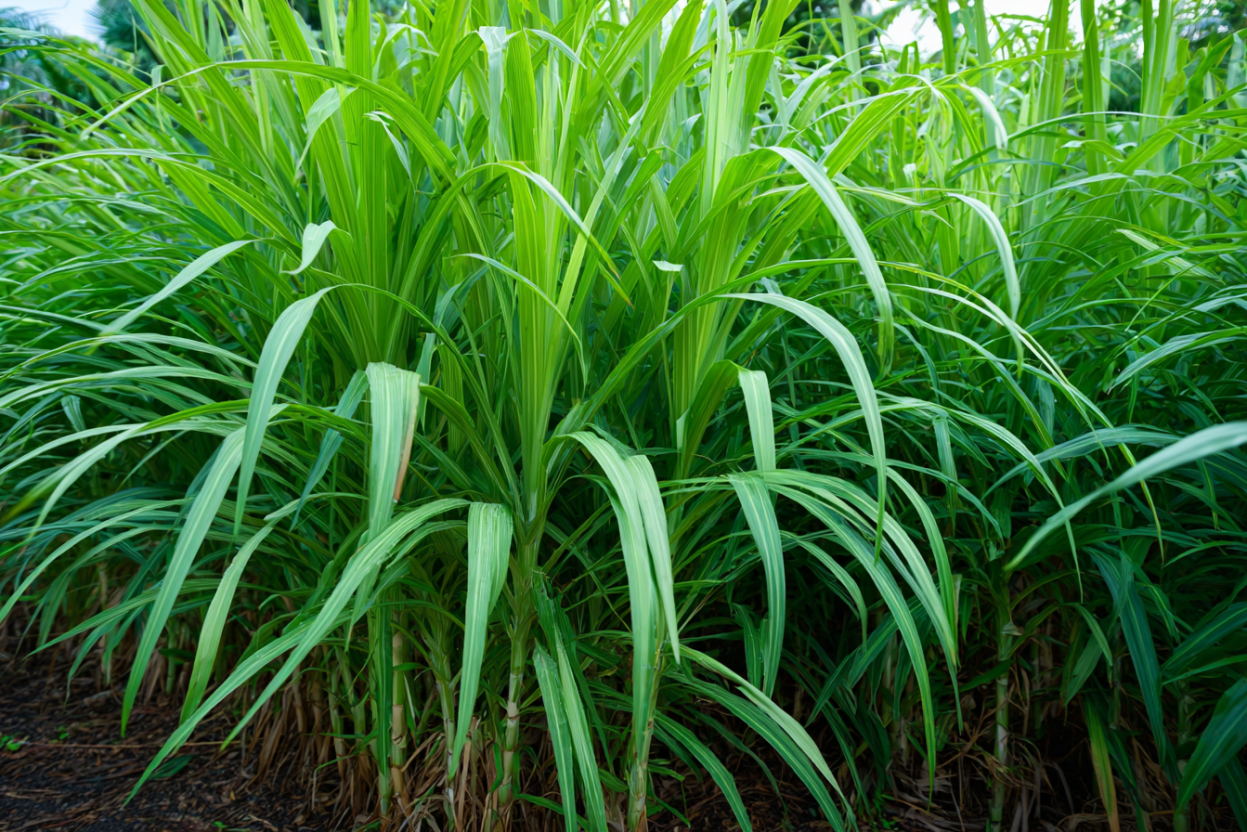
Lemongrass (Cymbopogon citratus)
If you struggle with digestive discomfort, stress that seems to live in your body, or persistent inflammation that conventional approaches haven’t resolved, you are far from alone — and the Creator may have placed something in your path that you haven’t fully explored yet. Lemongrass has been reaching across cultures and centuries, offering its bright, citrus-scented support to anyone willing to slow down and learn what this remarkable grass can do.
This tropical plant is one of the clearest examples of intentional design in the natural world. Every blade carries potent compounds — from citral, which gives it that unmistakable lemon aroma, to flavonoids that protect cells at the molecular level. It was here long before the laboratory, provided by a Creator who knew what the human body would need.
This information is for educational purposes only and is not intended to diagnose, treat, cure, or prevent any disease. Always consult with a qualified healthcare provider before making changes to your health regimen.
The Plant
Common Names: Lemongrass, West Indian Lemongrass, Oil Grass, Fever Grass, Citronella Grass, Sereh (Indonesia/Malaysia), Tanglad (Philippines), Takhrai (Thailand)
Botanical Name: Cymbopogon citratus (DC.) Stapf
Family: Poaceae (Grass family) — the same family that includes wheat, rice, bamboo, and corn
Description
Lemongrass is a densely clumping, aromatic perennial grass that grows in upright, fountain-like tufts. In optimal tropical conditions, it can reach 3 to 6 feet (1 to 1.8 meters) in height and spread 3 to 4 feet wide, forming a robust base of tightly packed stalks. The leaves are long, linear, and blade-like — typically 18 to 36 inches in length — with a bluish-green color and smooth, slightly waxy texture. Each leaf tapers to a sharp point, and the edges can be surprisingly sharp to the touch.
The base of each stalk swells into a pale, bulbous section that resembles a small leek or scallion — this is the portion most used in cooking. When you slice or crush any part of the plant, it releases an unmistakable burst of fresh, bright, lemony fragrance. This scent comes from citral, the dominant compound in the plant’s essential oil. Lemongrass rarely flowers in cultivation, though in the wild it can produce reddish-brown seed heads. The root system consists of a short, compact rhizome with a dense network of fibrous roots.
The botanical name Cymbopogon comes from the Greek words kymbe (boat) and pogon (beard), referencing the boat-shaped spathes from which the hairy spikelets emerge when the plant does flower.
Origin
Lemongrass is native to South Asia and Maritime Southeast Asia — specifically the tropical regions of India, Sri Lanka, Indonesia, Malaysia, and the Philippines. After World War I, it was introduced to Madagascar, South America, and Central America. Today it grows throughout the tropics and subtropics worldwide, thriving in warm, humid climates with ample rainfall. It has naturalized across Africa, the Caribbean, Central America, and parts of South America. In the United States, it grows well in USDA zones 9 through 11 and can be cultivated as an annual or container plant in cooler regions.
Brief History
Lemongrass has been used in traditional medicine and cooking across Southeast Asia for centuries, though exact dates of its first use are difficult to pin down because of its deep integration into daily life across multiple cultures. In India, it has been used in Ayurvedic medicine and in perfumery for generations. In the Philippines, Indonesia, and Thailand, it has been an essential ingredient in both cuisine and traditional healing practices since before recorded culinary history in those regions.
European colonial traders helped spread lemongrass across the tropics during the 18th and 19th centuries, primarily for essential oil production. Commercial cultivation for citral extraction — used in the manufacture of Vitamin A and in perfumery — became a significant industry in India, Guatemala, and parts of Africa. The plant traveled along trade routes, carried by merchants who valued both its culinary and medicinal qualities. Today, India and Guatemala are among the largest producers of lemongrass essential oil worldwide.
Growing & Cultivation
Climate & Zones
Lemongrass thrives in USDA hardiness zones 9 through 11, where temperatures remain consistently warm. It is a tropical plant that loves heat and humidity. In zones 8 and below, lemongrass can be grown as an annual during the warm months or kept in containers that are brought indoors before the first frost. It cannot survive freezing temperatures — even a light frost will damage or kill the foliage. In zones 9a and 9b, it may die back to the ground in winter and return from the roots in spring if the freeze is brief and the roots are mulched heavily.
For gardeners in Georgia (Zone 8a/8b) and similar temperate-to-subtropical areas, lemongrass performs beautifully as a warm-season plant from late spring through fall. Container growing is ideal, as pots can be moved to a garage or sunny indoor window when cold weather arrives.
Soil Requirements
Lemongrass prefers rich, loamy, well-draining soil with a pH between 5.0 and 8.4 — it is quite adaptable. It responds well to compost-amended soil and benefits from consistent organic matter. Soggy, waterlogged soil will cause root rot. For containers, a high-quality potting mix with added perlite for drainage works well. Sandy loam is ideal for in-ground planting.
Water & Sunlight
This grass demands full sun — at least 6 to 8 hours of direct sunlight daily. It can tolerate partial shade but will produce fewer essential oils and grow more slowly. Lemongrass has moderate to high water needs — it likes consistently moist (not wet) soil, especially during active growth in summer. In hot climates, deep watering 2 to 3 times per week is typical. It is not considered drought-tolerant, though established clumps can survive brief dry spells. Overwatering and poor drainage are more dangerous than occasional dryness.
Propagation
Division (Primary Method): Lemongrass is almost always propagated by dividing established clumps. A mature clump may consist of 50 to 200 individual tillers. To divide, dig up the entire clump or use a sharp spade to separate a section with roots intact. Cut the upper leaves back to about 6 inches and plant the division at the same depth it was growing previously. Spring is the best time for division.
Rooting Store-Bought Stalks: One of the simplest propagation methods. Purchase fresh lemongrass stalks with the base intact from a grocery store. Place the bases in a jar of water on a sunny windowsill. Within 1 to 2 weeks, roots will appear. Once roots are 1 to 2 inches long, transplant into soil.
Seed: Lemongrass can be grown from seed, but this is uncommon because the plant rarely flowers in cultivation and seed germination can be slow and unreliable. If starting from seed, sow indoors 6 to 8 weeks before the last frost at 70°F or warmer. Seeds need light to germinate — press them into the soil surface without covering. Germination takes 14 to 21 days.
Planting
Space plants 24 to 36 inches apart, as they will spread into substantial clumps. Plant after all danger of frost has passed and soil temperatures are consistently above 60°F. In containers, use at least a 5-gallon pot — lemongrass grows large. Companion plants include tomatoes, peppers, basil, and citronella-type plants. Lemongrass may help repel mosquitoes and whiteflies from nearby garden beds.
Harvesting
Harvest stalks when the plant is at least 12 inches tall and the base of each stalk is approximately ½ inch thick. Cut or twist off individual stalks at the base, as close to the soil as possible. The lower 4 to 6 inches of the stalk (the pale, bulbous section) is the portion used most in cooking. The upper green leaves are used for teas and infusions. Morning harvest, after the dew has dried, captures the highest concentration of essential oils. Regular harvesting encourages new growth.
Drying & Storage
Fresh stalks can be stored in the refrigerator wrapped in a damp paper towel and placed in a plastic bag for up to 2 to 3 weeks. For longer storage, stalks can be frozen whole (they keep well for 6 months or more). To dry the leaves for tea, hang small bundles upside down in a warm, dark, well-ventilated area for 1 to 2 weeks, or use a dehydrator at 95–105°F. Dried lemongrass should be stored in airtight containers away from light and heat. Properly dried leaves retain their aroma for 6 to 12 months.
Pest & Disease Management
Lemongrass is remarkably pest-resistant, partly because its essential oils repel many insects naturally. The most common issue is rust fungus, which appears as orange-brown spots on leaves — improve air circulation and avoid overhead watering to prevent it. Spider mites may occasionally appear in dry conditions. Aphids are uncommon but possible. In all cases, a strong spray of water or neem oil solution addresses most pest problems organically. Avoid planting in areas with poor drainage, as root rot from fungal pathogens is the most common cause of plant loss.
Companion Planting
Lemongrass pairs well with tomatoes, peppers, eggplant, and other nightshades — its aromatic oils may help deter certain pests from these crops. It grows well alongside other herbs like basil, mint (in containers to prevent spreading), and marigolds. Avoid planting too close to low-growing crops that may be shaded out by the tall grass.
The Healing of Growing
Growing lemongrass offers benefits beyond the harvest itself. The act of gardening — hands in soil, bare feet on earth, time spent outdoors — has been shown to reduce cortisol, improve mood, and support immune function. The soil contains beneficial bacteria (Mycobacterium vaccae) with documented antidepressant effects. Simply brushing your hand along the leaves as you pass through the garden releases a wave of citrus fragrance that immediately engages your olfactory system and signals your body to relax. When you grow your own lemongrass, you receive healing before you ever consume it.
Nutritional Profile
Macronutrients
Per 100 grams of raw lemongrass (stalks): Calories: 99 kcal | Protein: 1.8g | Carbohydrates: 25.3g | Fat: 0.5g | Cholesterol: 0mg. Lemongrass is a low-fat, cholesterol-free food with a moderate caloric density, primarily from carbohydrates.
Vitamins
Folate (Vitamin B9): 75 mcg (19% DV) — Essential for DNA synthesis, cell division, and red blood cell formation. Particularly important during pregnancy for preventing neural tube defects. Folate also supports serotonin production in the brain.
Riboflavin (Vitamin B2): 0.14 mg (10% DV) — Supports energy metabolism, healthy skin, and proper function of the nervous system. Acts as a cofactor for antioxidant enzymes.
Niacin (Vitamin B3): 1.1 mg (7% DV) — Supports energy production, DNA repair, and cardiovascular health. May help maintain healthy cholesterol levels.
Vitamin B6: 0.08 mg (6% DV) — Critical for neurotransmitter synthesis, including serotonin and dopamine. Supports immune function and hemoglobin production.
Thiamin (Vitamin B1): 0.07 mg (5% DV) — Essential for carbohydrate metabolism and nerve function. Supports energy production at the cellular level.
Vitamin C: 2.6 mg (3% DV) — Supports immune function, collagen production, and acts as an antioxidant that protects cells from oxidative damage.
Minerals
Iron: 8.2 mg (46% DV) — Lemongrass is exceptionally rich in iron. This mineral is essential for oxygen transport in the blood via hemoglobin, energy production, and immune function. Note that plant-based (non-heme) iron is better absorbed when consumed with vitamin C.
Potassium: 723 mg (15% DV) — A critical electrolyte that helps regulate heart rhythm, supports proper muscle and nerve function, and helps maintain healthy blood pressure by counteracting sodium.
Manganese: 5.2 mg (approx. 226% DV) — Lemongrass is extraordinarily rich in manganese. This trace mineral serves as a cofactor for the antioxidant enzyme superoxide dismutase, supports bone formation, and plays a role in carbohydrate and amino acid metabolism.
Phosphorus: 101 mg (8% DV) — Works alongside calcium for bone and tooth health. Also essential for energy production (ATP) and cell membrane structure.
Magnesium: 60 mg (14% DV) — Essential for over 300 enzymatic reactions in the body, including muscle and nerve function, blood sugar regulation, and bone health. Also supports healthy cortisol metabolism.
Calcium: 65 mg (5% DV) — Well known for bone health, calcium also supports muscle contraction, nerve signaling, and blood clotting.
Zinc: 2.2 mg (20% DV) — Supports immune function, wound healing, DNA synthesis, and proper sense of taste and smell.
Copper: 0.3 mg (30% DV) — Aids in iron absorption, supports connective tissue formation, and serves as a cofactor for several enzymes involved in energy production and antioxidant defense.
Phytonutrients & Active Compounds
Beyond standard vitamins and minerals, lemongrass contains a remarkable array of bioactive phytonutrients:
Citral (Geranial + Neral): The dominant compound in lemongrass essential oil (65–85% of the oil), citral is responsible for the characteristic lemon scent. Research suggests potent antimicrobial, antifungal, and anti-inflammatory properties. Citral is also used commercially in the synthesis of Vitamin A.
Flavonoids: Lemongrass contains luteolin, isoorientin 2′-O-rhamnoside, quercetin, kaempferol, and apigenin. These are powerful antioxidants that research suggests may support cardiovascular health, reduce inflammation, and protect against cellular oxidative damage.
Myrcene: A monoterpene with documented analgesic (pain-relieving) and anti-inflammatory properties in preclinical studies. Also found in hops, mangoes, and bay laurel.
Geraniol: A monoterpenoid alcohol with documented antioxidant and anti-inflammatory effects. Research suggests neuroprotective potential.
Chlorogenic Acid: A polyphenol with antioxidant properties that research suggests may support healthy blood sugar levels and cardiovascular function.
Nutrient Notes
Lemongrass is particularly noteworthy for its exceptional manganese and iron content — unusual for a culinary herb-grass. The iron is non-heme (plant-based), so pairing lemongrass with vitamin C-rich foods like citrus, tomatoes, or bell peppers improves absorption significantly. The B-vitamins in lemongrass, particularly folate, support neurotransmitter production including serotonin — connecting nutrition directly to mood. The high potassium content may help support healthy blood pressure, and the magnesium content supports cortisol regulation and relaxation.
Source: USDA FoodData Central — Lemon grass (citronella), raw (FDC ID: 168573)
Culinary Uses
Edible Parts
Stalks (Lower Portion): The pale, bulbous lower 4 to 6 inches of each stalk is the primary culinary portion. Firm and fibrous, it must be finely sliced, pounded, or bruised to release flavor. Remove tough outer layers before use. This is the part most commonly found in Thai, Vietnamese, and Indonesian cooking.
Leaves (Upper Green Portion): The long green leaves are too fibrous to eat directly but are widely used to make tea and infusions. They can be bundled and added to soups and curries as an aromatic flavoring, then removed before serving — similar to how bay leaves are used.
Entire Stalk: Whole stalks are often bruised with the flat of a knife and added to soups, broths, and curries. The stalk infuses its flavor into the liquid during cooking and is removed before eating.
Flavor Profile
Lemongrass delivers a bright, clean, citrus flavor with subtle floral and herbal notes. The taste is distinctly lemony but without the acidity of actual lemon — it is gentler, more aromatic, and slightly sweet. Fresh lemongrass has a crisp, zesty intensity. When cooked, the flavor mellows and becomes more rounded, integrating warmly into soups and curries. Dried lemongrass retains the citrus character but loses some of the fresh brightness — it becomes slightly more woody and concentrated. The aroma when fresh is strong, penetrating, and immediately recognizable.
Preparation
For stir-fries, salads, and pastes: trim the root end and remove 1 to 2 tough outer layers. Slice the tender inner stalk into paper-thin rounds. For curry pastes, pound finely with a mortar and pestle. For soups and broths: cut stalks into 2 to 3 inch pieces and bruise them by smashing with the flat of a knife — this releases the aromatic oils. Add to liquid during cooking and remove before serving. For tea: use fresh or dried leaves, sliced stalks, or a combination.
Culinary Pairings
Lemongrass pairs beautifully with coconut milk, ginger, galangal, kaffir lime leaves, chili peppers, garlic, shallots, cilantro, fish sauce, lime juice, shrimp, chicken, tofu, and white fish. It complements Thai, Vietnamese, Indonesian, Malaysian, Indian, and Caribbean cuisines. It enhances both savory dishes (soups, curries, stir-fries) and beverages (teas, cocktails, lemonades).
Storage
Fresh stalks keep 2 to 3 weeks refrigerated in a damp paper towel inside a plastic bag. Stalks freeze excellently — wrap tightly and freeze for up to 6 months. Dried lemongrass (sliced stalks or leaves) keeps 6 to 12 months in an airtight container. Lemongrass can also be preserved as a paste — blend with a small amount of oil and freeze in ice cube trays for easy portioning.
Ready to cook with lemongrass? View Recipes on Chefts →
Wellness & Therapeutic Uses
Traditional Uses
Lemongrass has a deep history as a healing plant across many cultures. In Ayurvedic medicine (India), the leaves have traditionally been used as a stimulant, diaphoretic (sweat-inducing), and febrifuge (fever-reducing) agent, while the essential oil has been used as a carminative, analgesic, and antibacterial agent. In Traditional Chinese Medicine, lemongrass has been used to support digestion, address “cold” conditions, and promote circulation of qi.
In Brazilian folk medicine, lemongrass tea (called “capim-limão” or “capim-santo”) is one of the most widely consumed herbal preparations, traditionally used for nervous system support, gastrointestinal comfort, and as a calming beverage before sleep. Filipino, Indonesian, and Thai traditional medicine systems have used lemongrass for centuries — as an antipyretic for fevers, a digestive aid, and for respiratory support. Samoan and Tongan healers have traditionally used mashed lemongrass leaves for oral health support. In the Caribbean, it is known as “fever grass” and has been used traditionally to address febrile conditions.
Across African traditional medicine, lemongrass has been used for digestive complaints, fever, and as an anti-parasitic agent. European herbalists adopted it primarily for its aromatic and digestive properties as it became more widely available through colonial trade.
Modern Research
Antimicrobial Activity: Research indicates that lemongrass essential oil and its primary component citral demonstrate potent activity against a broad spectrum of bacteria and fungi. A comprehensive review published in the Journal of Advanced Pharmaceutical Technology & Research documented anti-amoebic, antibacterial, antifungal, and antimycobacterial properties. Studies have shown effectiveness against drug-resistant organisms including methicillin-resistant Staphylococcus aureus (MRSA) and multi-drug-resistant Acinetobacter baumannii in laboratory settings.
Anti-Inflammatory Effects: A 2017 study published in Pharmacognosy Magazine demonstrated that lemongrass essential oil significantly inhibited production of inflammatory biomarkers including VCAM-1, IP-10, and M-CSF in human dermal fibroblasts. This was the first evidence of anti-inflammatory activity of lemongrass essential oil specifically in human skin cells.
Anxiolytic (Anti-Anxiety) Effects: A study published in the Journal of Ethnopharmacology (2011, Brazil) found that lemongrass essential oil demonstrated anxiolytic-like activity in mice and that this effect was mediated through the GABA(A) receptor-benzodiazepine complex — the same pathway targeted by pharmaceutical anti-anxiety medications. A separate human trial (2015, Brazil) evaluating lemongrass aroma inhalation found that brief exposure produced some perceived anxiolytic effects in healthy volunteers. However, a double-blind clinical trial found that lemongrass tea did not produce significant anxiolytic effects compared to placebo, suggesting the essential oil and aroma may be more relevant than oral infusions for this purpose.
Cholesterol Support: A study published in the Journal of Ethnopharmacology found that fresh leaf aqueous extract of Cymbopogon citratus lowered fasting plasma glucose, total cholesterol, LDL, and VLDL in a dose-dependent manner in animal models, while raising HDL levels. A separate 21-day repeated-dose study in mice confirmed cholesterol reduction at the highest dose tested with no observed toxic effects.
Blood Sugar Support: Research suggests hypoglycemic (blood sugar-lowering) effects of lemongrass in animal models. The mechanism appears to involve improved insulin sensitivity and modulation of glucose metabolism pathways.
Antioxidant Properties: Multiple studies confirm strong free radical scavenging effects of lemongrass extracts, attributed to its rich flavonoid and polyphenol content. Methanol, water extracts, infusions, and decoctions of lemongrass have all shown DPPH radical scavenging activity, superoxide anion scavenging, and inhibition of lipid peroxidation.
Hepatoprotective & Nephroprotective Effects: A 2024 study published in the journal Biomedicine & Pharmacotherapy found that lemongrass essential oil demonstrated protective effects against drug-induced kidney and liver toxicity in a mouse model, supporting the developmental potential of lemongrass compounds as protective agents.
Body Systems Supported
Digestive System: Traditionally used as a carminative (gas-relieving) and antispasmodic. Research supports its use for soothing stomach cramps, reducing bloating, and supporting healthy digestion. The citral in lemongrass may support healthy gastric mucosa.
Nervous System: Research suggests the essential oil interacts with GABAergic neurotransmission, potentially supporting relaxation and healthy stress responses. Traditional use across multiple cultures for nervous system calming.
Immune System: Documented antimicrobial, antifungal, and antiviral properties. The antioxidant flavonoids support immune cell function and reduce oxidative stress that can impair immunity.
Cardiovascular System: Research suggests support for healthy cholesterol levels, blood pressure regulation (likely through potassium content and vasorelaxant effects), and overall cardiovascular function.
Musculoskeletal System: Traditional use for rheumatic pain and muscle aches. The analgesic properties of myrcene and citral have been studied in preclinical models.
Integumentary System (Skin): Demonstrated anti-inflammatory and antimicrobial activity relevant to skin health. Used topically in traditional medicine for various skin concerns.
Respiratory System: Traditionally used for cough, nasal congestion, bronchitis, and laryngitis. The aromatic volatile compounds support respiratory comfort when inhaled.
Body Compounds Affected
GABA: Lemongrass essential oil has been shown to interact with the GABA(A) receptor-benzodiazepine complex, potentially increasing GABA-mediated calming signals in the nervous system. This is a significant finding because GABA is the body’s primary inhibitory neurotransmitter — it reduces neuronal excitability and promotes calm.
Cortisol: While direct cortisol measurement studies are limited, the documented anxiolytic effects and traditional use for stress relief suggest lemongrass may support healthy cortisol regulation. The B-vitamins and magnesium in the plant also support the HPA axis.
Inflammatory Markers (Cytokines): Research demonstrates that lemongrass essential oil inhibits production of multiple inflammatory biomarkers, including VCAM-1 and M-CSF. The flavonoids quercetin, luteolin, and kaempferol are documented modulators of inflammatory cytokine pathways.
Prostaglandins: The anti-inflammatory activity of citral involves modulation of prostaglandin pathways, which are central to pain and inflammation signaling.
Serotonin: The folate, B6, and magnesium content of lemongrass support serotonin synthesis. Serotonin production requires adequate B-vitamin cofactors.
Methods of Use
Tea/Infusion
Use 1 to 2 tablespoons of fresh sliced lemongrass stalks or 1 to 2 teaspoons of dried lemongrass leaves per cup (8 oz) of boiling water. Steep covered for 5 to 10 minutes. Strain and drink. May be consumed 1 to 3 times daily. Can be served hot or iced. Adding a slice of fresh ginger enhances both flavor and digestive support.
Tincture
Lemongrass tinctures are less common than teas but are available commercially. Typical dosage ranges from 1 to 2 ml (20-40 drops), 1 to 3 times daily, diluted in water. Consult a qualified herbalist for individualized guidance.
Poultice/Compress
Fresh lemongrass leaves can be crushed and applied as a poultice for localized discomfort. A warm compress can be made by soaking a cloth in strong lemongrass infusion. Applied externally for muscle aches, joint discomfort, and minor skin irritations.
Steam Inhalation
Add a few drops of lemongrass essential oil or a handful of fresh leaves to a bowl of hot water. Drape a towel over the head and inhale the steam for 5 to 10 minutes. Traditionally used for respiratory congestion and sinus support.
Cosmetic & Beauty Uses
Skin Benefits
Lemongrass offers several properties beneficial for skin health. Its documented antimicrobial and antifungal activities make it a traditional choice for addressing blemish-prone and acne-prone skin. The anti-inflammatory effects may help calm irritated or red skin. Its astringent properties help minimize the appearance of pores and tone the skin. Lemongrass is particularly suited for oily and combination skin types, as it may help balance excess sebum production without over-drying.
The antioxidant flavonoids in lemongrass — luteolin, quercetin, and kaempferol — may help protect skin cells from oxidative damage caused by UV exposure and environmental pollutants, supporting a more even, youthful complexion over time.
Hair Benefits
Lemongrass has been traditionally used to support scalp health, particularly for addressing dandruff and oily scalp conditions. A study published in Forschende Komplementärmedizin (2015) evaluated an anti-dandruff hair tonic containing lemongrass oil and found positive results. The antimicrobial properties may help address scalp conditions caused by fungal overgrowth. The stimulating nature of the essential oil may promote healthy circulation to the scalp, which supports hair follicle health. Used as a rinse, lemongrass adds shine and a clean, fresh scent to the hair.
Application Methods
Infused Oil: Steep dried lemongrass in a carrier oil (jojoba, sweet almond, or coconut oil) for 2 to 4 weeks in a warm, sunny spot. Strain and use as a body oil, massage oil, or facial oil for oily skin types. Toner: Brew a strong lemongrass tea, cool completely, and use as a facial toner with a cotton pad — the astringent properties help tighten pores. Face Steam: Add fresh lemongrass to a bowl of steaming water for a facial steam — opens pores and delivers antimicrobial compounds to the skin. Hair Rinse: Use cooled lemongrass tea as a final rinse after shampooing for shine and scalp support. Bath Addition: Add fresh or dried lemongrass to a bath for aromatic skin therapy.
DIY Formulation Notes
When using lemongrass essential oil in homemade cosmetic products, keep concentration at 1% or below for facial products (approximately 6 drops per ounce of carrier). For body products, 2% is generally appropriate. Always perform a patch test before first use. Lemongrass essential oil pairs well with carrier oils like jojoba, argan, and sweet almond. It blends well with lavender, tea tree, geranium, and rosemary essential oils in cosmetic formulations. Shelf life of homemade lemongrass-infused oils is approximately 6 months when stored properly in a dark, cool location.
Lemongrass is among the botanicals being explored for holistic cosmetic applications, where the wisdom of traditional beauty practices meets modern understanding of skin science.
Essential Oil Profile
Extraction
Lemongrass essential oil is primarily obtained through steam distillation of the fresh or partially dried leaves. The leaves are the primary plant part used. Yield is approximately 0.2 to 0.5% — meaning roughly 200 to 500 pounds of plant material produces 1 pound of essential oil. This relatively low yield, combined with the plant’s tropical growing requirements, accounts for the moderate cost of quality lemongrass essential oil. Hydrodistillation and supercritical CO2 extraction are also used, though steam distillation remains the industry standard.
Chemical Constituents
Citral (65–85%): A mixture of two geometric isomers — geranial (citral A) and neral (citral B). This aldehyde is responsible for the characteristic lemon scent and is the primary bioactive compound. Research documents antimicrobial, antifungal, anti-inflammatory, and potential anticancer properties.
Myrcene (1–15%): A monoterpene with documented analgesic and anti-inflammatory effects. Also found in hops, mangoes, and thyme. May interact with CYP450 liver enzymes.
Geraniol (2–5%): A monoterpenoid alcohol with antioxidant, anti-inflammatory, and neuroprotective properties. Also found in rose and palmarosa oils.
Geranyl Acetate (1–3%): An ester contributing to the sweet, fruity aspect of the scent. Supports a calming, relaxing effect.
Citronellal (trace–2%): An aldehyde with documented insect-repellent and anti-inflammatory properties.
Limonene (trace–3%): A monoterpene with uplifting, energizing effects and documented antioxidant properties.
Aroma Profile
Lemongrass essential oil is classified as a top note in aromatherapy blending — meaning it is one of the first scents perceived and it dissipates relatively quickly. The aroma is fresh, bright, strong, herbaceous-citrus with a slightly sweet, grassy undertone. Intensity is strong — a little goes a long way. The scent evolves over time: initial burst of sharp lemon, mellowing into a softer, slightly earthy-sweet base. It blends well with lavender, eucalyptus, tea tree, geranium, rosemary, cedarwood, peppermint, bergamot, ylang-ylang, and frankincense.
Therapeutic Properties
Using compliant language based on available research: lemongrass essential oil has been associated with antimicrobial, antifungal, anti-inflammatory, analgesic, anxiolytic (calming), insect-repellent, deodorizing, astringent, and digestive-supporting properties.
How to Use
Diffusion
Add 3 to 5 drops to an ultrasonic diffuser. Diffuse for 30 to 60 minutes at a time. The bright, clean scent energizes during the day and can be combined with lavender for a more calming evening blend. Excellent for purifying the air in a room.
Topical Application
Standard adult dilution: 2–3% (12–18 drops per ounce of carrier oil). Sensitive skin: 1% (6 drops per ounce). Children over 6: 0.5–1% (3–6 drops per ounce). Not recommended for children under 2. Recommended carrier oils: jojoba, coconut (fractionated), sweet almond, grapeseed. Apply to the bottoms of feet, behind ears, back of neck, or over areas of muscular discomfort. Always perform a patch test first.
Quality & Sourcing
Look for essential oil that is 100% pure, therapeutic-grade, and sourced from Cymbopogon citratus or Cymbopogon flexuosus. Request or verify GC/MS (Gas Chromatography/Mass Spectrometry) testing results showing citral content of 65% or higher. Be cautious of oils that are unusually inexpensive, as citral can be synthesized and used to adulterate lower-quality oils. Reputable suppliers provide batch-specific testing reports. Store in a dark glass bottle, tightly sealed, away from heat and light. Shelf life is approximately 2 to 3 years when stored properly.
Blending
For Relaxation: Lemongrass (3 drops) + Lavender (4 drops) + Cedarwood (2 drops). For Focus/Energy: Lemongrass (3 drops) + Peppermint (2 drops) + Rosemary (2 drops). For Respiratory Support: Lemongrass (2 drops) + Eucalyptus (3 drops) + Tea Tree (2 drops). For Muscle Comfort: Lemongrass (3 drops) + Marjoram (3 drops) + Lavender (3 drops) in 1 oz carrier oil.
Aromatherapy & Scent
The Aroma
Fresh lemongrass has an immediately recognizable scent — bright, clean, intensely citrusy with a grassy, herbal depth. When you brush against a growing plant, crush a leaf, or slice a stalk, the aroma is released powerfully and fills the surrounding space. The scent is strongest when the plant is touched or cut, because the volatile oils are released from broken cell walls. In the garden, the scent intensifies in warm weather and after rain, as humidity carries the volatile molecules further. Proximity matters — standing next to a large clump of lemongrass in the afternoon sun is a noticeably aromatic experience.
Dried lemongrass retains much of its lemony character but becomes more muted, slightly woody, and less sharp. The intensity decreases to perhaps 50 to 60% of fresh, but properly dried leaves still carry recognizable aroma for 6 to 12 months.
How Scent Affects Your Body
When you inhale the aroma of lemongrass, volatile molecules — primarily citral, myrcene, and geraniol — enter the nasal passages and bind to olfactory receptors in the upper portion of the nose. These receptors send electrical signals directly to the olfactory bulb, which connects to the limbic system (the brain’s emotional center) and the hypothalamus (the hormone control center). This pathway is unique in the body — smell bypasses conscious thought and directly influences emotion and hormonal response. The effects begin within seconds of inhalation, before you consciously decide how you feel about the scent.
Emotional & Mood Effects
The scent of lemongrass is generally associated with feelings of clarity, energy, and uplifted mood. It is often described as refreshing and invigorating — a scent that “clears the head.” At the same time, research on its GABAergic activity suggests it may also promote calm alertness — energized but not agitated. Many aromatherapists categorize it as both uplifting and mildly calming, depending on context, concentration, and what it is blended with. It may help with mental fatigue, low motivation, and emotional heaviness.
Body Compounds Affected
The aroma of lemongrass may influence several body compounds. Through its documented interaction with GABA receptors, inhalation of the essential oil may support increased GABA activity — promoting calm without sedation. The uplifting, mood-brightening effect suggests potential influence on serotonin and dopamine pathways, though direct studies on lemongrass aroma and these specific neurotransmitters are limited. The stress-reducing effects reported in aromatherapy research suggest possible cortisol-modulating effects. A 2015 human study found that brief inhalation of lemongrass essential oil produced perceived reductions in anxiety and tension in healthy volunteers.
Ways to Experience the Scent
Beyond essential oil diffusion, there are many ways to experience lemongrass aromatherapy. Grow the plant indoors on a sunny windowsill — simply brushing the leaves releases the scent. Fresh cuttings in a vase add natural fragrance to a room. Crush leaves while gardening for an instant aromatic boost. Dried sachets placed in drawers, closets, or under a pillow offer gentle, ongoing scent. Simmer sliced stalks on the stove in a pot of water for a natural room freshener. Add fresh or dried lemongrass to a bath for a sensory, aromatic bathing experience. Brew a cup of lemongrass tea and inhale the steam before drinking — you receive aromatherapy benefits before the tea even reaches your stomach.
Color Therapy
The Colors of Lemongrass
Lemongrass is primarily a plant of the green spectrum. The long, blade-like leaves are a soft blue-green to medium green, sometimes with a slight grayish cast. New growth tends to be a brighter, more vivid green, while older outer leaves may develop yellowish tones. The stalk base where it meets the soil transitions from green to a pale cream-white to light yellow. The tender inner stalk — the portion used in cooking — is a soft pale yellow-green to ivory. When the plant occasionally flowers, the seed heads are reddish-brown.
Color Wavelengths
The dominant green color of lemongrass falls within the 495 to 570 nm wavelength range of the visible light spectrum. Green sits at the center of the visible spectrum and is the color most easily perceived by the human eye. The pale yellow of the inner stalks falls in the 570 to 590 nm range.
How Green Affects the Body
Green light wavelengths are associated with balance, calm, renewal, and heart-centered energy in color therapy traditions. It is considered the most naturally soothing color because the human eye evolved in a green-dominant natural landscape. Research in environmental psychology confirms that exposure to green environments reduces stress, lowers heart rate, and supports recovery from mental fatigue (a concept known as Attention Restoration Theory). Green is associated with the heart chakra in several wellness traditions, linking it to compassion, emotional balance, and connection.
The pale yellow of the inner stalk adds the energetic quality of the yellow spectrum — clarity, mental stimulation, optimism, and digestive support. Together, the green and yellow palette of lemongrass offers a combination of calming renewal and gentle energizing.
Body Compounds Affected
Exposure to green environments and green light has been associated with cortisol reduction (stress hormone), serotonin support (through nature exposure research), and parasympathetic nervous system activation (the “rest and digest” response). These effects are well-documented in forest bathing and nature exposure research.
Using Lemongrass for Color Therapy
Place a pot of lemongrass in a room where you want a natural, calming green presence — a home office, reading nook, or bedroom. The tall, graceful blades create visual movement and a connection to nature indoors. Use lemongrass as a landscape plant near outdoor sitting areas where you benefit from the green visual field. Bring cut stalks and leaves inside as a natural green centerpiece. When consuming lemongrass in its whole form — the pale yellow-green stalks in soups, the green leaves in tea — you are also “eating the color” and receiving the benefits of those plant pigments (chlorophyll and flavonoids) internally.
Frequency & Vibration
The Frequency of Lemongrass
According to bio-frequency research pioneered by Bruce Tainio and others, essential oils emit measurable electromagnetic frequencies. Lemongrass essential oil has been measured at approximately 56 MHz. While this is not among the highest-frequency essential oils (rose is documented at approximately 320 MHz), it is still significant when compared to human body frequencies. A healthy human body typically resonates between 62 and 78 MHz, according to this research. Frequency measurements suggest that the onset of illness correlates with lower body frequencies — cold and flu onset at approximately 58 MHz, disease states below 58 MHz.
It is important to note that this is an area where research is still emerging, and frequency measurements of essential oils are not universally accepted in mainstream science. However, the underlying principle — that all matter vibrates at a molecular level — is established physics.
Human Frequency Interaction
According to proponents of vibrational medicine, the principle of entrainment suggests that a stronger, more coherent frequency can influence a weaker or disrupted frequency. Being around living lemongrass plants, inhaling the essential oil, or consuming lemongrass tea introduces the plant’s vibrational signature into your energetic field. While the essential oil frequency of lemongrass is moderate, the living plant — with its vital life force, photosynthetic activity, and continuous emission of volatile compounds — represents a dynamic, living frequency source.
Essential Oil Frequency
Lemongrass essential oil at approximately 56 MHz is considered a moderate-frequency oil. Frequency measurements suggest it may be most beneficial when combined with higher-frequency oils (such as frankincense, rose, or lavender) to create blends with a broader vibrational range. According to bio-frequency research, the citral in lemongrass contributes a bright, uplifting vibrational quality.
Vibrational Applications
To benefit from the frequency of lemongrass, keep the living plant in your home or workspace. Diffuse the essential oil during periods of low energy or mental cloudiness. Combine lemongrass with other high-frequency practices: prayer, meditation, time in nature, clean eating, and adequate hydration. Each of these practices, according to frequency research, supports the body’s baseline frequency.
The Living Plant
Benefits of Presence
Simply having a living lemongrass plant in your home or garden provides therapeutic value beyond any consumption or extraction. Research on biophilic design — the human need for connection with nature — demonstrates that living plants in indoor spaces reduce stress, improve mood, increase productivity, and support faster recovery from illness. Lemongrass, with its tall, graceful blades that sway gently in air currents, adds visual calming and a sense of natural movement to any space.
The psychological benefits of greenery are well-documented. Studies in healthcare settings have found that patients with views of plants or nature recover faster and require less pain medication. In office environments, the presence of plants has been associated with improved attention, reduced fatigue, and greater job satisfaction. Even caring for a plant — watering, misting, trimming spent leaves — provides a moment of mindful connection that interrupts the stress cycle.
Air Purification
While lemongrass was not specifically included in the NASA Clean Air Study, it is an active oxygen producer during daylight hours like all photosynthesizing plants. Its large leaf surface area relative to pot size makes it a reasonable contributor to indoor air quality. More significantly, lemongrass contributes to humidity regulation — as a tropical grass, it transpires moisture into the surrounding air, which can benefit dry indoor environments, particularly during winter months when heating systems reduce humidity.
Phytoncides
Lemongrass actively releases volatile organic compounds — primarily citral, myrcene, geraniol, and citronellal — into the surrounding air. These are a form of phytoncides, the antimicrobial volatile compounds that all plants emit as part of their natural defense system. Forest bathing (shinrin-yoku) research has documented that phytoncides increase Natural Killer (NK) cell activity in the human immune system. While most forest bathing research focuses on trees, the principle applies to all phytoncide-producing plants. Having a lemongrass plant indoors creates a miniature version of this effect — a gentle, ongoing release of antimicrobial and potentially immune-supportive compounds into your living space.
Visual & Psychological Benefits
The visual experience of lemongrass is restorative. Attention Restoration Theory (ART), developed by environmental psychologists Rachel and Stephen Kaplan, explains that natural settings and plants restore directed attention after mental fatigue. The gentle movement of lemongrass blades in a breeze provides “soft fascination” — a type of effortless attention that allows the brain’s directed attention capacity to recover. The green color, the natural form, and the gentle motion all contribute to stress reduction.
Growing Indoors vs Outdoors
Lemongrass can be grown indoors if given a sunny south-facing window with at least 6 hours of direct light. It will grow more slowly and smaller indoors but will still provide aromatic and visual benefits. Indoor plants benefit from regular misting to simulate tropical humidity. Outdoors (in appropriate zones), lemongrass grows vigorously and creates a dramatic landscape feature. The outdoor plant will release significantly more phytoncides due to its larger size and the effect of natural air movement across the leaves. For presence benefits, even a single potted plant indoors delivers measurable value.
Touch & Physical Interaction
Gardening Therapy
Working with lemongrass engages multiple senses simultaneously — the feel of the soil, the sharp-edged leaves, the burst of fragrance when a stalk is cut. Horticultural therapy is an established therapeutic discipline with documented benefits for depression, anxiety, PTSD, and cognitive decline. Growing and harvesting lemongrass offers a specific, tangible goal that provides a sense of accomplishment and connection to the natural cycle of seasons.
Soil Contact Benefits
When you garden with lemongrass — especially barefoot or with bare hands — you receive benefits from the soil itself. Grounding (earthing) research documents electron transfer from the earth’s surface to the body through direct skin contact, which may reduce inflammation and improve sleep. The soil bacterium Mycobacterium vaccae has been shown in research to trigger serotonin production in the brain, producing antidepressant-like effects. Your immune system also benefits from microbial diversity exposure through soil contact, supporting a robust and resilient microbiome.
The Tactile Experience
Lemongrass has a distinctive texture. The long leaves are smooth on the surface but have surprisingly sharp edges — a natural self-defense mechanism of the grass family. Handle with care, especially when pulling leaves through fingers (wear gloves if sensitive). The outer sheaths of the stalk are papery and fibrous. Peeling them away to reveal the tender, pale inner core is a satisfying, meditative action — much like peeling a leek. The inner stalk feels firm, slightly moist, and dense. Cutting through it with a sharp knife produces a clean, satisfying snap. The root base is compact and hard. Every physical interaction with the plant releases fragrance, making the tactile experience inseparable from the aromatic one.
Harvesting & Processing
The act of harvesting lemongrass is therapeutic in itself. Selecting stalks that are ready, grasping them firmly near the base, and twisting or cutting them free engages both focus and physical action. Processing the harvest — removing tough outer layers, slicing stalks for drying, bundling leaves for tea — involves repetitive, rhythmic motions that induce a meditative state. The sensory experience of preparation is rich: the sound of the knife through the stalk, the spray of citrus fragrance with each cut, the color contrast of pale inner stalk against green outer leaves. These activities connect you to the food chain in a direct, tangible way that modern life rarely offers.
Water-Based Applications
Teas & Infusions
Standard Hot Infusion: Use 1 to 2 tablespoons of fresh sliced lemongrass (stalk or leaves) or 1 to 2 teaspoons of dried lemongrass per 8 oz of water. Bring water to a full boil (212°F), pour over the plant material, cover, and steep for 5 to 10 minutes. Strain. Longer steeping produces a stronger, more aromatic cup. Can be consumed 1 to 3 cups daily.
Cold Infusion: Place 3 to 4 tablespoons of fresh lemongrass in a quart of cool or room-temperature water. Refrigerate for 4 to 8 hours or overnight. The cold infusion produces a lighter, more delicately flavored beverage with a slightly different extraction profile — cold water extracts fewer tannins, resulting in a less bitter, smoother taste. Excellent as a refreshing summer drink.
Herbal Baths
A lemongrass bath combines hydrotherapy with aromatherapy and topical absorption. Prepare a strong infusion using 1 to 2 cups of fresh lemongrass (chopped) or ½ cup of dried, steeped in 1 quart of boiling water for 15 minutes. Strain and add to a warm bath (98–104°F). Soak for 15 to 20 minutes. The warm water opens pores, the aromatic compounds are both absorbed through the skin and inhaled, and the anti-inflammatory properties contact the body’s largest organ. Particularly beneficial for muscle soreness, stress, and skin support. For a foot soak, use half the amount of plant material in a basin of warm water — ideal when a full bath is not practical.
Hydrosols
Lemongrass hydrosol is the aromatic water produced as a byproduct of steam distillation of the essential oil. It contains water-soluble plant compounds and trace amounts of essential oil, making it much gentler than the pure essential oil. Lemongrass hydrosol is available from specialty aromatherapy suppliers and can be used as a facial toner (particularly for oily skin), a room spray, a linen spray, or added directly to bathwater. It is gentle enough for use on sensitive skin where the essential oil might be too strong.
Compresses
Warm Compress: Prepare a strong lemongrass infusion. Soak a clean cloth in the warm liquid, wring slightly, and apply to areas of muscular discomfort, joint stiffness, or tension. Re-soak the cloth as it cools. Warm compresses promote circulation to the area and deliver anti-inflammatory compounds topically. Cool Compress: Chill a lemongrass infusion and apply a soaked cloth to inflamed or swollen areas, minor burns, or headache (applied to forehead). The cooling provides additional comfort.
Steam Inhalation
Add 2 to 3 drops of lemongrass essential oil or a generous handful of fresh lemongrass leaves to a bowl of just-boiled water. Lean over the bowl (maintain 8–12 inches distance), drape a towel over your head to trap the steam, and inhale slowly through the nose for 5 to 10 minutes. This delivers volatile compounds directly to the respiratory passages. Traditionally used for sinus congestion, bronchial discomfort, cough, and sore throat. Caution: do not get too close to the hot water, and keep eyes closed to avoid irritation from the aromatic steam.
Hair Rinses
Brew a strong lemongrass tea (3 to 4 tablespoons of fresh or 2 tablespoons of dried per quart of water), steep for 15 to 20 minutes, and cool to a comfortable temperature. After shampooing, pour the infusion over the hair and scalp as a final rinse. For best results, do not rinse out — allow the hair to air dry with the lemongrass infusion. Benefits include improved scalp health, reduced oiliness, added shine, and a beautiful, fresh citrus scent. Can be used 1 to 2 times per week.
Historical, Cultural & Biblical Significance
Biblical References
Lemongrass (Cymbopogon citratus) is not directly mentioned in Scripture by its common name or currently accepted botanical name. However, the broader grass family (Poaceae) is referenced throughout the Bible, and aromatic grasses from the Cymbopogon genus — particularly what some scholars believe may be a related species — have been proposed as one of the fragrant plants referenced in ancient texts. Some biblical scholars have suggested that “calamus” (mentioned in Exodus 30:23, Song of Solomon 4:14, Ezekiel 27:19 KJV) may refer to an aromatic grass rather than Acorus calamus, though this identification is debated. What is clear is that aromatic, medicinal plants were part of the Creator’s provision documented throughout Scripture: “And God said, Let the earth bring forth grass, the herb yielding seed, and the fruit tree yielding fruit after his kind, whose seed is in itself, upon the earth: and it was so” (Genesis 1:11, KJV).
Ancient Civilizations
Lemongrass has been used in India for thousands of years, integrated into both Ayurvedic medicine and daily cooking in ways so fundamental that its exact first use is difficult to pinpoint. Ancient Indian texts reference aromatic grasses used in medicine and perfumery. In Ancient Egypt, while lemongrass itself may not have been native, aromatic grasses and their essential oils were highly valued for embalming, cosmetics, and medicine — the Ebers Papyrus (circa 1550 BCE) documents extensive use of aromatic plant preparations. The Greek physician Dioscorides documented various aromatic grasses in his De Materia Medica (circa 70 CE), and while specific identification of Cymbopogon citratus is uncertain at that time, fragrant grasses were recognized for their medicinal value.
Eastern Traditions
In Ayurvedic medicine, lemongrass is considered warming and is used to balance Kapha and Vata doshas. It is traditionally used to support digestion, reduce fever, and promote sweating during illness. The essential oil is used in massage therapy for muscle and joint support. In Traditional Chinese Medicine, lemongrass is associated with supporting the flow of qi, clearing damp-heat conditions, and addressing digestive stagnation. It is considered to have a warm thermal nature. Across Southeast Asian medicine systems — from Thai to Filipino to Indonesian — lemongrass has been a foundational healing plant for centuries, used for everything from postpartum recovery to fever management.
Indigenous Knowledge
Filipino traditional healers have used tanglad (lemongrass) for generations for digestive support, fever, and as an aromatic preparation. Samoan and Tongan traditional medicine uses mashed lemongrass leaves (called “moegalo” and “moengālō” respectively) for oral health support. In African traditional medicine, lemongrass — which grows widely across the continent — has been used for malaria support, digestive complaints, fever, and as a natural preservative for food and water. Brazilian indigenous and folk medicine traditions use lemongrass tea as one of the most popular herbal preparations in the country, primarily for nervous system and digestive support.
Each of these cultures observed that lemongrass provided measurable benefits. While they may not have known the Creator by name, they were observing His design — and their observations align with what modern research confirms about lemongrass’s antimicrobial, anti-inflammatory, and nervous-system-supporting properties.
European Heritage
Lemongrass arrived in Europe primarily through colonial trade routes in the 18th and 19th centuries. It was initially valued for its essential oil in perfumery and for citral production. European herbalists adopted it for digestive and aromatic applications. Commercial cultivation expanded in European colonial territories across Africa, the Caribbean, and Central America, making the essential oil more widely available for therapeutic and industrial use.
Cultural Symbolism
In many Southeast Asian cultures, lemongrass symbolizes cleansing and purification. In Thailand, lemongrass (takhrai) is so deeply embedded in the cuisine and daily life that it represents home, comfort, and wellness. In the Philippines, tanglad placed near doorways is believed to promote freshness and ward off insects — a practical tradition rooted in the plant’s documented insect-repellent properties. In beekeeping, lemongrass oil mimics the Nasonov pheromone emitted by honeybees, making it useful for attracting swarms to hive traps — a beautiful example of how plants and creatures are interconnected in the Creator’s design.
Safety & Precautions
Contraindications
Individuals with known allergy or sensitivity to lemongrass, citral, or other plants in the Poaceae (grass) family should avoid use. Those with a history of contact dermatitis from essential oils should exercise particular caution. High doses of lemongrass essential oil have been shown to potentially damage liver and stomach mucosa in animal studies. Excessive consumption of lemongrass tea over prolonged periods may have dose- and time-dependent effects on kidney function.
Drug Interactions
CYP450 Substrate Drugs: Beta-myrcene, a compound in lemongrass, has been shown to interfere with cytochrome P450 liver enzymes in preclinical studies. Although no clinical drug interactions have been reported in humans, individuals taking medications metabolized by CYP450 enzymes should exercise caution with medicinal (not culinary) doses. This includes many common medications.
Glutathione-S-Transferase (GST) Drugs: Citral has been shown to be a potent inducer of GST. Individuals taking medications that interact with GST pathways should consult their healthcare provider.
Sedative Medications: Lemongrass essential oil may have sedative effects. Combining it (particularly in medicinal doses) with sedative drugs like pentobarbital or other CNS depressants may increase drowsiness.
Blood Sugar-Lowering Medications: Given the hypoglycemic effects observed in animal studies, individuals taking diabetes medications should monitor blood sugar levels carefully if consuming lemongrass in medicinal quantities.
Lemongrass has no known severe, serious, or well-documented moderate drug interactions. However, as with all herbal preparations, inform your healthcare provider about use.
Pregnancy & Nursing
Pregnancy: AVOID in medicinal quantities. Lemongrass is traditionally considered an emmenagogue (may stimulate menstrual flow) and could potentially stimulate uterine contractions. Citral and myrcene at high dosages have been shown to induce maternal toxicity and birth defects in pregnant rats. Lemongrass extracts have demonstrated antimitotic and apoptotic actions. Small culinary amounts (as in a Thai dish) are generally considered lower risk, but medicinal doses, teas consumed regularly, supplements, and essential oil use should be avoided during pregnancy. Nursing: Insufficient safety data. Avoid medicinal use during breastfeeding until more research is available.
Children
Lemongrass tea in small amounts is generally considered safe for children over age 6. Essential oil use should be heavily diluted (0.5% or less) and avoided entirely for children under 2. The essential oil should never be applied near the face of infants or young children. Use common-sense dosing — children require significantly less than adults. When in doubt, consult a pediatrician or qualified herbalist.
Elderly
Older adults may be more sensitive to the effects of lemongrass, particularly its potential sedative effects and any interactions with medications. Start with lower doses if using medicinally. Lemongrass tea in moderate amounts (1 cup per day) is generally well-tolerated. Monitor for dizziness, drowsiness, or digestive changes. Be especially attentive to potential interactions with blood pressure, diabetes, and sedative medications common in elderly populations.
Pets
Dogs: TOXIC — The ASPCA classifies Cymbopogon citratus as toxic to dogs. Toxic principles include essential oils and cyanogenic glycosides. Symptoms include stomach upset and abdominal pain. Toxicity is generally mild from small amounts of the plant, but the concentrated essential oil is significantly more dangerous.
Cats: TOXIC — Cats are particularly vulnerable because they lack specific liver enzymes needed to metabolize citral and other essential oil compounds. Symptoms include gastrointestinal upset, vomiting, drooling, and in severe cases (especially with essential oil exposure), potential liver damage. Keep lemongrass essential oil away from cats entirely — including diffusion in rooms where cats spend time.
Horses: TOXIC — ASPCA notes potential for difficulty breathing, weakness, and in rare cases, death. Keep lemongrass plants out of pastures and areas accessible to horses.
If you suspect pet ingestion, contact your veterinarian or the ASPCA Animal Poison Control Center at (888) 426-4435 immediately.
Allergies & Sensitivities
Lemongrass and its essential oil can cause contact dermatitis in sensitive individuals. A documented case involved a massage therapist who developed delayed contact dermatitis from repeated essential oil use, with symptoms recurring upon ingestion of lemongrass tea. Patch test before topical use by applying a diluted amount to the inner forearm, covering, and waiting 24 hours. Individuals with grass pollen allergies may have cross-reactivity. Toxic alveolitis (lung inflammation) has been associated with inhalation of lemongrass oil in rare cases.
Dosing Guidelines
Tea/Infusion: 1 to 3 cups per day is generally considered safe for most healthy adults for short-term use. Essential Oil (Topical): Always dilute — 2 to 3% maximum for adults. Essential Oil (Internal): Not recommended without professional guidance. The FDA has granted “Generally Recognized as Safe” (GRAS) status for lemongrass essential oil in food, but this refers to very small flavoring amounts, not therapeutic doses. Long-term daily use of large quantities of lemongrass tea or supplements has not been adequately studied — periodic breaks are advisable.
Quality & Sourcing
Purchase lemongrass (fresh or dried) from reputable sources. Choose organic when possible to minimize pesticide exposure. For essential oil, select oils with GC/MS testing documentation confirming purity and citral content. Avoid synthetic citral sold as “lemongrass oil.” Store dried lemongrass and essential oil away from heat, light, and moisture.
Signs of Adverse Reaction
Mild: Skin irritation or rash (topical use), mild stomach discomfort, increased urination. Moderate: Dizziness, drowsiness, dry mouth, contact dermatitis. Serious (seek medical attention): Difficulty breathing, severe allergic reaction (swelling, hives), severe abdominal pain, signs of liver stress. Discontinue use immediately if any adverse reaction occurs.
Disclaimer
This information is for educational purposes only. It is not intended to diagnose, treat, cure, or prevent any disease. Always consult with a qualified healthcare provider before using any herbal product, especially if you are pregnant, nursing, taking medications, or have a medical condition. If you experience any adverse reaction, discontinue use immediately and seek medical attention.
Want Personalized Guidance?
Every body is unique. What works for one person may not be right for another. If you’d like personalized support in incorporating lemongrass into your wellness journey, consider working with a qualified practitioner who can assess your individual needs.
Sources & References
Peer-Reviewed Studies
- Scientific basis for the therapeutic use of Cymbopogon citratus, Stapf (Lemon grass) — Journal of Advanced Pharmaceutical Technology & Research, 2011, India
- The GABAergic system contributes to the anxiolytic-like effect of essential oil from Cymbopogon citratus (lemongrass) — Journal of Ethnopharmacology, 2011, Brazil
- Effect of Lemongrass Aroma on Experimental Anxiety in Humans — Journal of Alternative and Complementary Medicine, 2015, Brazil
- Cholesterol reduction and lack of genotoxic or toxic effects in mice after repeated 21-day oral intake of lemongrass essential oil — Food and Chemical Toxicology, 2011, Brazil
- Lemongrass (Cymbopogon flexuosus) essential oil demonstrated anti-inflammatory effect in pre-inflamed human dermal fibroblasts — Pharmacognosy Magazine, 2017, United States
- Lemongrass essential oil and citral inhibit Src/Stat3 activity and suppress the proliferation/survival of small-cell lung cancer cells — International Journal of Oncology, 2018, Japan
- Lemongrass Essential Oil Components with Antimicrobial and Anticancer Activities — Antioxidants, 2022, India/Italy
- Nephroprotective and hepatoprotective effects of lemongrass essential oil and citral on diclofenac-induced toxicity in mice — Biomedicine & Pharmacotherapy, 2024, Egypt
- Antimicrobial activity, cytotoxicity and chemical analysis of lemongrass essential oil and pure citral — Applied Microbiology and Biotechnology, 2016, United Kingdom
- Lemon Grass Essential Oil Does not Modulate Cancer Cells Multidrug Resistance by Citral — Foods, 2020, Czech Republic/Vietnam
- Antimicrobial Activity of Lemongrass Essential Oil and Citral Against Dual-Species Biofilms of S. aureus and Candida Species — Frontiers in Cellular and Infection Microbiology, 2020, China
- Chemical Properties and Therapeutic Potential of Citral, a Monoterpene Isolated from Lemongrass — Current Drug Discovery Technologies, 2020, India
- Lemongrass essential oil and citral isomers modulate adipogenic gene expression in 3T3-L1 cells — Journal of Medicinal Food, 2022, United States
- Pharmacology of lemongrass (Cymbopogon citratus Stapf) — Effects of teas on laboratory animals — Journal of Ethnopharmacology, 1986, Brazil
- Pharmacology of lemongrass III — Assessment of eventual toxic, hypnotic and anxiolytic effects on humans — Journal of Ethnopharmacology, 1986, Brazil
- Cymbopogon citratus aqueous leaf extract attenuates neurobehavioral and biochemical changes induced by social defeat stress in mice — Journal of Ethnopharmacology, 2022, Nigeria
Review Articles & Comprehensive Sources
- Phytochemistry and pharmacological activities of Cymbopogon citratus: A review — South African Journal of Botany, 2019, South Africa
- Review on the pharmacological properties of lemongrass as a promising source of bioactive compounds — Pharmacological Research – Modern Chinese Medicine, 2024
- Phytochemical Composition and Pharmacological Potential of Lemongrass and Impact on Gut Microbiota — AppliedChem, 2022, Pakistan
- Insights into chemistry, extraction and industrial application of lemon grass essential oil — Industrial Crops and Products, 2024
Institutional & Clinical Sources
- Lemongrass — About Herbs — Memorial Sloan Kettering Cancer Center, 2022
- Lemongrass Uses, Benefits & Dosage — Drugs.com (Wolters Kluwer Health)
- Lemongrass — Overview, Uses, Side Effects, Precautions, Interactions — WebMD
- Lemon grass (citronella), raw — Nutritional Data — USDA FoodData Central
- Lemon Grass — Toxic and Non-Toxic Plants — ASPCA Animal Poison Control