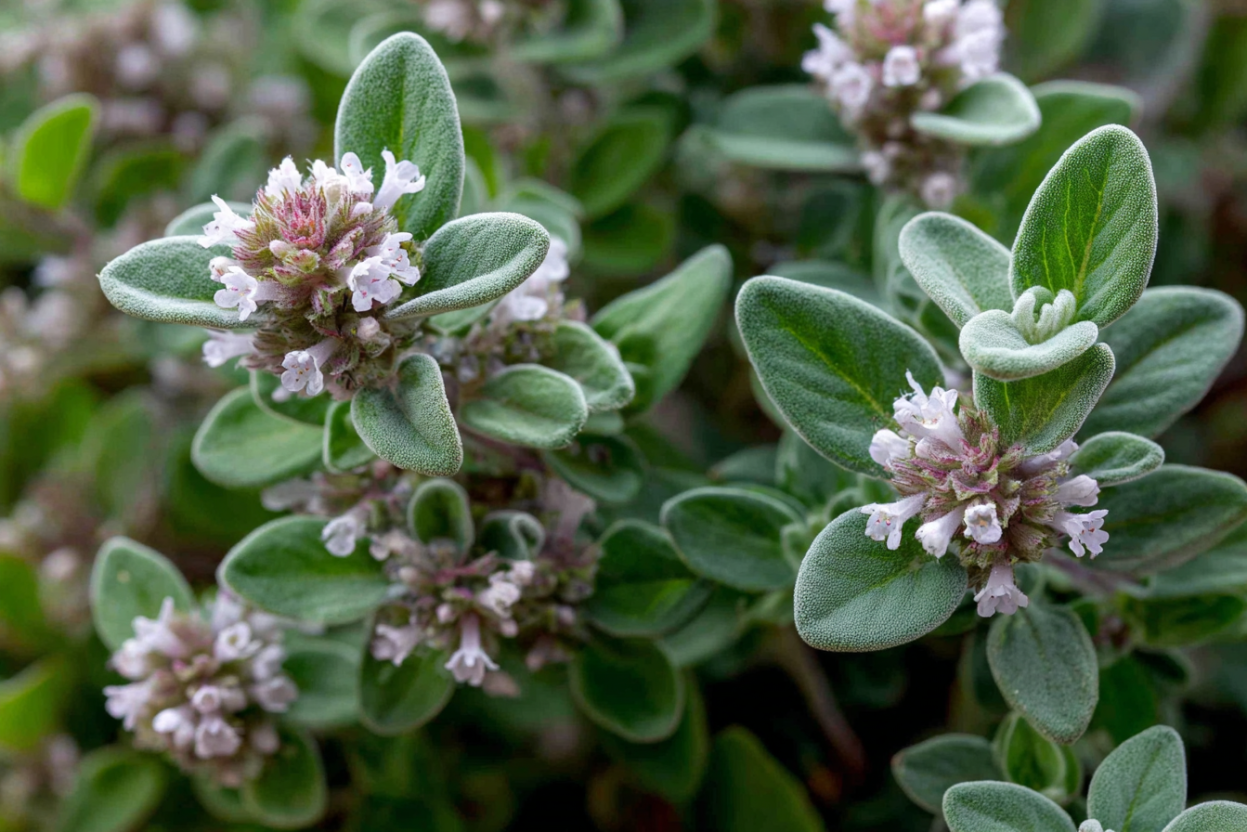
Sweet Marjoram (Origanum majorana)
If you struggle with anxiety, restless sleep, or a digestive system that never quite feels settled, you are not alone — and the Creator may have already placed the answer in a humble, fragrant herb that has been cherished for thousands of years. Sweet marjoram has been called the “joy of the mountains” since the days of ancient Greece, and modern science is only now confirming what generations of healers observed with their own eyes and hands.
This remarkable plant is one of many gifts embedded into creation for our benefit. Long before laboratories existed, long before clinical trials carried acronyms, marjoram was already here — provided by a Designer who knew we would need calming for our nerves, soothing for our stomachs, and balm for our weary hearts.
This information is for educational purposes only and is not intended to diagnose, treat, cure, or prevent any disease. Always consult with a qualified healthcare provider before making changes to your health regimen.
The Plant
Common Names: Sweet Marjoram, Knotted Marjoram, Pot Marjoram, Marwa (Hindi), Ban Tulsi (Hindi hill regions), Zaatar/Sahtar (Arabic traditional medicine), Amaracus (ancient Latin)
Botanical Name: Origanum majorana L. (syn. Majorana hortensis Moench)
Family: Lamiaceae (the mint family — known for aromatic leaves, square stems, and a wealth of medicinal compounds)
Description
Sweet marjoram is a bushy, half-hardy perennial sub-shrub that is commonly grown as an annual in cooler climates. It reaches 30 to 60 cm (12 to 24 inches) in height, forming a rounded, compact mound of soft foliage. The stems are square, woody at the base, reddish-brown, and covered in fine hairs. Branches are straight and multi-branching, spilling outward to create an attractive mound shape.
The leaves are small, opposite, oval to broadly elliptical, smooth-edged, and velvety to the touch — dark green on top with a slightly grayish underside. When rubbed between the fingers, they release a warm, sweet, herbaceous fragrance that is distinctly softer and more complex than its close relative, oregano. The flowers are tiny, pale pink to white, and appear in dense, rounded clusters called “knots” — which is how the plant earned the name “knotted marjoram.” These knotted flower heads, surrounded by grayish-green bracts, bloom from midsummer through early fall. Seeds are minute, oval, and dark brown, ripening in August to September. The plant has a tap root system.
Origin
Sweet marjoram is native to the Mediterranean region, particularly Cyprus and southern Turkey, where it still grows wild on sun-warmed, rocky hillsides. The warm climate and rich soils of these areas foster the plant’s aromatic potency. From this origin, marjoram spread throughout North Africa, the Middle East, and eventually across Europe, Asia, and the Americas through ancient trade routes and colonial-era exchanges. Today, it is commercially cultivated in Egypt, Morocco, Spain, Hungary, Portugal, Germany, France, Poland, India, and the United States.
Brief History
The genus name “Origanum” derives from the ancient Greek words oros (mountain) and ganos (joy or brightness) — making marjoram literally the “joy of the mountains.” This name reflects the delight ancient peoples felt upon encountering this fragrant herb growing wild on Mediterranean hillsides. The ancient Egyptians used marjoram in perfumes and as an ingredient in embalming preparations. In Greece and Rome, marjoram was woven into wedding crowns as a symbol of love, happiness, and honor. Greek physician Dioscorides (c. 40–90 AD) documented marjoram in his monumental De Materia Medica, recording recipes for marjoram-perfumed oils, ointments, and poultices mixed with honey. The philosopher Theophrastus wrote that the people of Syria produced an intoxicating aroma from its flowers and leaves. By the medieval period, marjoram was a treasured strewing herb in European homes and an essential plant in monastery gardens where monks preserved botanical knowledge through the centuries.
Growing & Cultivation
Climate & Zones
Sweet marjoram thrives in USDA hardiness zones 7 through 11, though it is commonly grown as an annual in zones 6 and below. In zones 9 and warmer, it may overwinter as a true perennial. It prefers warm, Mediterranean-like conditions with moderate humidity. In cooler regions, starting seeds indoors 6 to 8 weeks before the last frost date gives the plant a head start. It is also an excellent candidate for indoor growing on a sunny windowsill or under grow lights, making it accessible to gardeners in nearly any climate.
Soil Requirements
Marjoram prefers well-draining, loamy to sandy soil with a pH between 6.7 and 7.0 (neutral to slightly alkaline). It does not tolerate waterlogged conditions. In heavy clay soils, amend generously with compost and coarse sand to improve drainage. For container growing, a standard potting mix blended with perlite works well. Marjoram is relatively tolerant of poor soils and does not require heavy fertilization — overly rich soil can actually diminish the concentration of essential oils in the leaves.
Water & Sunlight
This herb requires full sun — at least 6 to 8 hours of direct sunlight daily for optimal growth and essential oil production. It can tolerate partial shade but will become leggy and less aromatic. Watering should be moderate — allow the top inch of soil to dry between waterings. Marjoram is reasonably drought tolerant once established but will not survive in soggy soil. Overwatering is the most common cause of failure, leading to root rot. In humid climates, ensure good air circulation around the plant.
Propagation
Seed: Sow seeds indoors 6 to 8 weeks before the last frost. Press tiny seeds lightly onto the surface of moist seed-starting mix — they need light to germinate. Keep at 65–70°F (18–21°C). Germination is slow, typically 7 to 14 days, sometimes longer. Seedlings are delicate and require gentle care.
Cutting: Take 3- to 4-inch stem cuttings from new growth in late spring or early summer. Remove lower leaves, dip in rooting hormone, and place in moist sand or perlite. Roots typically develop within 2 to 3 weeks. This method produces plants identical to the parent and is faster than growing from seed.
Division: Established plants can be divided in spring. Carefully separate rooted sections and replant immediately. This works best with plants that have developed a substantial root system over multiple seasons.
Planting
Transplant seedlings outdoors after all danger of frost has passed and soil temperatures remain consistently above 60°F (15°C). Space plants 8 to 12 inches apart. Marjoram makes an excellent companion plant for most vegetables, particularly peppers, tomatoes, and squash. It attracts beneficial pollinators and may help deter certain pests. Avoid planting near cucumbers, as the two do not perform well together.
Harvesting
Harvest leaves and stems just as the flower buds begin to form — this is when essential oil concentration peaks. Morning harvest, after the dew has dried, captures the highest volatile oil content. Cut stems back to about one-third of the plant’s height, which encourages bushy regrowth. Multiple harvests are possible throughout the growing season. For the freshest flavor, use immediately. Aerial parts are typically collected between July and September.
Drying & Storage
Marjoram dries exceptionally well and is actually considered more potent when dried than fresh. Bundle small bunches and hang upside down in a warm, dark, well-ventilated area for 1 to 2 weeks. Alternatively, use a dehydrator at 95–105°F (35–40°C) for 2 to 4 hours. Once fully dry, strip leaves from stems and store in airtight glass containers away from light and heat. Properly stored dried marjoram retains flavor and medicinal properties for up to one year. Freezing fresh marjoram in ice cube trays with a small amount of water or olive oil is another excellent preservation method.
Pest & Disease Management
Marjoram is relatively pest-resistant, thanks in part to its aromatic essential oils. Occasional issues include aphids, spider mites, and whiteflies — all manageable with a strong spray of water, neem oil, or insecticidal soap. The most common disease issue is root rot from overwatering or poor drainage. Fungal diseases like powdery mildew can occur in humid, poorly ventilated conditions. Prevention through proper spacing, air circulation, and avoiding overhead watering is the best approach.
Companion Planting
Marjoram is a wonderful companion in the garden. It grows well alongside tomatoes, peppers, eggplant, beans, squash, and most other herbs. Its flowers attract bees, butterflies, and other beneficial pollinators. Some gardeners report that marjoram planted near vegetables improves their flavor. Avoid planting near cucumbers and mint (which can be aggressive and crowd it out).
The Healing of Growing
Growing marjoram offers benefits beyond the harvest itself. The act of gardening — hands in soil, bare feet on earth, time spent outdoors — has been shown to reduce cortisol, improve mood, and support immune function. The soil contains beneficial bacteria (Mycobacterium vaccae) with documented antidepressant effects (Lowry et al., 2007, PNAS). When you grow your own marjoram, you receive healing before you ever consume it — through the calming scent released when you brush against the leaves, through the grounding contact with the earth, and through the quiet, meditative rhythm of tending a living thing.
Nutritional Profile
Macronutrients
Per 100g of dried marjoram (USDA FoodData Central #170928): Calories: 271 kcal | Protein: 12.7g | Carbohydrates: 60.6g | Dietary Fiber: 40.3g | Sugars: 4.1g | Total Fat: 7.0g | Saturated Fat: 0.5g | Water: 7.6g. While marjoram is used in small amounts as a seasoning, even a tablespoon (approximately 2g) delivers a concentrated burst of micronutrients.
Vitamins
Vitamin K: 621.7 mcg per 100g (518% DV) — Essential for proper blood clotting, bone metabolism, and calcium regulation. Research suggests vitamin K supports osteoblastic (bone-building) activity and may play a role in limiting neuronal damage associated with cognitive decline.
Vitamin A: 8,068 IU per 100g (269% DV) — A powerful antioxidant vital for healthy vision, immune function, skin integrity, and cellular communication. Marjoram is rich in beta-carotene, cryptoxanthin, lutein, and zeaxanthin — flavonoid antioxidants that protect cells from oxidative stress.
Vitamin C: 51.4 mg per 100g (57% DV) — Supports immune function, collagen production, and acts as a potent antioxidant that neutralizes free radicals. Also enhances iron absorption from plant sources.
Vitamin B6: 1.19 mg per 100g (92% DV) — Critical for neurotransmitter synthesis (including serotonin, dopamine, and GABA), amino acid metabolism, and red blood cell production.
Folate (B9): 274 mcg per 100g (69% DV) — Essential for DNA synthesis, cell division, and neural tube development. Supports methylation pathways critical to mood regulation.
Vitamin E: 1.7 mg per 100g (11% DV) — Fat-soluble antioxidant that protects cell membranes from oxidative damage and supports skin health.
Thiamine (B1): 0.29 mg (24% DV) and Riboflavin (B2): 0.32 mg (24% DV) — Both support energy metabolism and nervous system function.
Minerals
Calcium: 1,990 mg per 100g (199% DV) — The most abundant mineral in the body, essential for bone and teeth structure, muscle contraction, nerve signaling, and blood clotting.
Iron: 82.71 mg per 100g (1,034% DV) — A cofactor for cytochrome oxidase enzymes in cellular metabolism and critical for oxygen transport in red blood cells. Marjoram is among the most iron-dense dried herbs available.
Magnesium: 346 mg per 100g (86% DV) — Involved in over 300 enzymatic reactions, supports muscle and nerve function, blood sugar regulation, blood pressure control, and bone health.
Manganese: 5.43 mg per 100g (236% DV) — A cofactor for the antioxidant enzyme superoxide dismutase (SOD), supports bone formation, blood clotting, and metabolism.
Potassium: 1,522 mg per 100g (32% DV) — An essential electrolyte that helps control heart rate, blood pressure, and fluid balance within cells.
Copper: 1.13 mg per 100g (125% DV) — Supports iron absorption, red blood cell formation, and immune function.
Zinc: 3.60 mg per 100g (32% DV) — Vital for immune defense, wound healing, DNA synthesis, and sense of taste and smell.
Phosphorus: 306 mg per 100g (43% DV) — Works with calcium for bone and teeth structure, and plays a role in energy production.
Phytonutrients & Active Compounds
Beyond standard vitamins and minerals, marjoram contains a remarkable array of bioactive phytochemicals that account for much of its therapeutic reputation:
Carvacrol — A phenol with potent antioxidant, antibacterial, antifungal, and anti-inflammatory properties. Research suggests carvacrol may help modulate inflammatory pathways by inhibiting COX-2 and NF-κB expression.
Thymol — Another phenolic compound with strong antimicrobial activity, traditionally used in mouthwashes and antiseptics.
Rosmarinic acid — A polyphenol with demonstrated antioxidant, anti-inflammatory, and neuroprotective effects. Studies indicate it may help reduce allergic responses by inhibiting immunoglobulin production.
Arbutin — A phenolic glycoside with skin-brightening properties used in cosmetic applications and studied for its antioxidant potential.
Flavonoids (apigenin, quercetin, kaempferol, hesperetin, luteolin, vitexin, orientin) — A diverse group of plant pigments with broad antioxidant, anti-inflammatory, and cardioprotective effects.
Terpinen-4-ol — The primary constituent of marjoram essential oil, this monoterpene alcohol exhibits antimicrobial, anti-inflammatory, and calming properties.
Nutrient Notes
While the per-100g nutritional values are impressive, it is important to remember that marjoram is typically consumed in small quantities as a seasoning (1–2 teaspoons per serving). Even so, regular use contributes meaningfully to daily micronutrient intake, particularly vitamin K, iron, and manganese. The B-vitamins in marjoram support serotonin production, while its magnesium content may help regulate cortisol — the body’s primary stress hormone. Pairing marjoram with vitamin C-rich foods (citrus, peppers) enhances iron absorption. Consuming it alongside healthy fats (olive oil, butter) improves the bioavailability of its fat-soluble vitamins A, E, and K.
Culinary Uses
Edible Parts
The leaves are the primary culinary part, used both fresh and dried. Flowers are also edible and make a lovely, mildly flavored garnish. Stems can be used in stocks and long-simmered dishes but are typically discarded before serving due to their woody texture.
Flavor Profile
Sweet marjoram has a warm, sweet, slightly floral, and herbaceous flavor with delicate notes of pine and citrus. It is distinctly softer and more complex than oregano, its close relative. When fresh, the flavor is bright and slightly grassy. When dried, it becomes more concentrated and warm — many chefs consider dried marjoram superior to fresh for most applications. Cooking mellows the flavor further, while adding it at the end of cooking preserves its aromatic complexity. The intensity is moderate — assertive enough to notice but gentle enough to complement rather than overpower.
Preparation
Marjoram can be used raw in salads, dressings, and as a finishing herb. For cooked dishes, add it during the last 5 to 10 minutes of cooking to preserve its volatile oils and delicate flavor. It pairs beautifully with sautéed, roasted, and braised preparations. For long-cooked dishes like stews and braises, tie stems into a bundle (bouquet garni) and remove before serving. To release the most aroma from dried marjoram, rub it between your palms before adding to a dish. Marjoram can also be infused into oils, vinegars, and butter.
Culinary Pairings
Marjoram harmonizes with a wide range of foods. It complements lamb, poultry, pork, and sausage exceptionally well. It pairs beautifully with tomatoes, mushrooms, zucchini, beans, potatoes, and eggs. Complementary herbs and spices include thyme, oregano, basil, parsley, sage, garlic, black pepper, and nutmeg. It shines with olive oil, butter, lemon, and mild cheeses. Marjoram is a cornerstone of Mediterranean, French, Italian, German, Middle Eastern, and North African cuisines. It is a traditional component of herbes de Provence and za’atar spice blends.
Storage
Fresh marjoram keeps in the refrigerator for up to one week — wrap loosely in a damp paper towel and place in a bag. For longer storage, dry or freeze. Dried marjoram should be stored in an airtight glass jar away from light and heat and used within one year for best flavor. Frozen fresh leaves (in ice cube trays with oil or water) maintain quality for up to 6 months.
Ready to cook with marjoram? View Recipes on Chefts →
Wellness & Therapeutic Uses
Traditional Uses
Sweet marjoram has an extraordinarily deep history of traditional use spanning millennia and continents. In ancient Greek and Roman medicine, Dioscorides and Pliny recorded its use for gynecological symptoms, digestive complaints, joint pain, and as a warming remedy for respiratory ailments. Hippocrates prescribed it as an antiseptic and for muscular pain. In traditional Moroccan medicine, marjoram has been used for allergies, hypertension, respiratory infections, fever, flu, diabetes, stomach pain, menstrual pain, headache, insomnia, and as an intestinal antispasmodic. In Ayurvedic medicine, it has been valued for its warming, carminative, and nervine properties. European folk herbalists used marjoram tea with honey to soothe sore throats and chest colds — a practice still common among professional singers across Europe. In Traditional Chinese Medicine, warming aromatic herbs in marjoram’s family have been used to move stagnant qi, warm the middle burner, and support digestion.
Modern Research
Anti-inflammatory Activity: Research indicates that sabinene hydrate and terpineol in marjoram essential oil may suppress the production of pro-inflammatory cytokines (TNF-α, IL-1β, IL-6, IL-10) and inhibit COX-2 and NF-κB gene expression. (Bina & Rahimi, 2017, J Evid Based Complement Altern Med, Iran)
Hormonal Support & PCOS: A randomized, double-blind, placebo-controlled pilot study found that marjoram tea consumed twice daily for one month improved insulin sensitivity and reduced adrenal androgen levels (DHEA-S) in women with polycystic ovary syndrome. (Haj-Husein et al., 2016, J Hum Nutr Diet, n=25, Jordan)
Anxiety & Stress Reduction: A 2023 randomized controlled trial found that inhalation of 3% marjoram essential oil for 2 hours significantly reduced perceived stress and state anxiety in nurses working in a COVID-19 ICU, with measurable decreases in mean arterial pressure. (Lee et al., 2023, Front Psychiatry, n=57, South Korea)
Immunomodulatory Effects: A 2021 study isolated novel compounds from marjoram, including procumboside B, which demonstrated immunomodulatory activity by stimulating macrophage function through NF-κB and MAPK signaling pathways. (Wang et al., 2021, Frontiers in Nutrition, China/New Zealand)
Antimicrobial Activity: Marjoram essential oil has demonstrated inhibitory activity against a broad range of pathogenic bacteria and fungi, including Staphylococcus aureus, Streptococcus pyogenes, E. coli, Pseudomonas aeruginosa, and Aspergillus species. Cis-sabinene hydrate has been identified as a key compound responsible for its antibacterial effects. (Bina & Rahimi, 2017, review)
Gastroprotective & Antiulcer: Research suggests marjoram may support gastric mucosal health and has traditionally been used as a carminative for bloating, flatulence, nausea, and indigestion.
Cardioprotective & Hepatoprotective: Animal studies indicate marjoram extract may help protect heart tissue from ischemia-reperfusion injury and support liver health through antioxidant mechanisms. (Bina & Rahimi, 2017)
Antiplatelet Activity: Methanol extract of sweet marjoram leaves has been shown to inhibit platelet aggregation induced by ADP, arachidonic acid, and thrombin, suggesting potential cardiovascular support. (Bina & Rahimi, 2017)
Body Systems Supported
Digestive System: Carminative, antispasmodic, and stomachic properties support healthy digestion, may ease bloating, gas, and nausea.
Nervous System: Calming and mildly sedative effects support relaxation, may ease anxiety and promote sleep.
Cardiovascular System: Cardioprotective, antiplatelet, and vasodilating properties may support heart health and healthy blood pressure.
Immune System: Antimicrobial, antiviral, and immunomodulatory compounds support immune defense.
Respiratory System: Traditionally used for congestion, coughs, sinus issues, and laryngitis via steam inhalation.
Endocrine System: Research suggests support for hormonal balance, insulin sensitivity, and adrenal function.
Musculoskeletal System: Anti-inflammatory and analgesic properties may support relief from muscle aches, joint pain, and cramps.
Reproductive System: Traditional emmenagogue — historically used to regulate menstrual cycles and ease menstrual discomfort.
Integumentary System: Antimicrobial and anti-inflammatory compounds support wound healing and skin health.
Body Compounds Affected
Marjoram’s calming and anxiolytic effects suggest interaction with GABA pathways in the central nervous system. Its rich B-vitamin content supports serotonin and dopamine synthesis. Magnesium content may help regulate cortisol levels. Its documented anti-inflammatory action involves modulation of pro-inflammatory cytokines (TNF-α, IL-1β, IL-6) and inhibition of prostaglandin production through COX-2 suppression. Its effect on PCOS hormonal profiles indicates interaction with insulin, DHEA, and adrenal androgens. Sleep-promoting effects may relate to melatonin pathway support.
Methods of Use
Tea/Infusion
Use 1 to 2 teaspoons of dried marjoram (or 1 tablespoon fresh) per 8 oz of hot water. Steep covered for 10 to 15 minutes. Strain. May be sweetened with raw honey. Drink 1 to 3 cups daily for general wellness support. Traditionally consumed before bed for relaxation and sleep support.
Tincture
Marjoram tincture is prepared by macerating dried herb in alcohol (typically 40–60% ethanol) for 4 to 6 weeks. Typical dosage ranges from 1 to 4 mL (20–80 drops) taken up to three times daily. Glycerites (alcohol-free) are available for those who avoid alcohol.
Poultice/Compress
Warm compresses using strong marjoram tea have been traditionally applied to sore muscles, stiff joints, and abdominal cramps. Apply a cloth soaked in warm infusion for 15 to 20 minutes.
Steam Inhalation
Add 2 to 3 tablespoons of dried marjoram to a bowl of steaming water. Drape a towel over the head and inhale for 5 to 10 minutes. Traditionally used for sinus congestion, laryngitis, and respiratory support.
Cosmetic & Beauty Uses
Skin Benefits
Marjoram’s antioxidant, anti-inflammatory, and antimicrobial properties make it a valuable botanical for skincare. Its high content of flavonoids (quercetin, apigenin) and phenolic compounds (rosmarinic acid, arbutin) may support skin health in several ways. Marjoram-infused preparations may benefit oily and acne-prone skin through antimicrobial action, mature and aging skin through antioxidant protection against free radical damage, and sensitive and irritated skin through anti-inflammatory soothing. Arbutin, a naturally occurring compound in marjoram, has been studied for its ability to support an even skin tone by modulating melanin production.
Hair Benefits
A marjoram tea rinse may help soothe an itchy or irritated scalp, support scalp health through antimicrobial action against dandruff-causing organisms, and add shine and softness to hair. The herb’s essential oil, properly diluted in a carrier oil, can be massaged into the scalp to support circulation and healthy hair follicle function.
Application Methods
Infused oils: Gently warm marjoram in a carrier oil (jojoba, sweet almond, or olive) at low heat for several hours, strain, and use for face and body massage. Face steam: Add a handful of dried marjoram to steaming water and hold face over the bowl for 5 to 10 minutes to open pores and deliver beneficial volatile compounds. Toner: Brew a strong tea, cool, and use as a gentle facial toner. Bath addition: Add 1/2 cup dried marjoram tied in a muslin bag to bathwater for a soothing soak.
DIY Formulation Notes
For homemade preparations, marjoram infused oil can be incorporated at 10–30% of a formulation. It pairs well with carrier oils such as jojoba, rosehip seed, and sweet almond. In emulsions (creams and lotions), add marjoram essential oil at 0.5–2% for facial products and up to 3% for body products. Do not combine with strong chemical exfoliants without patch testing. Homemade infused oils should be used within 3 to 6 months and stored in dark glass containers.
Marjoram is among the botanicals being explored for holistic cosmetic applications, where the wisdom of traditional beauty practices meets modern understanding of skin science.
Essential Oil Profile
Extraction
Sweet marjoram essential oil is primarily obtained through steam distillation of the fresh or partially dried flowering tops and leaves. The yield is approximately 0.5 to 3% — meaning roughly 400 grams of essential oil are obtained from 70 kg of fresh herb. This relatively low yield, combined with the plant’s delicate nature, contributes to the oil’s moderate price point. CO2 supercritical extraction is also used for specialty applications and may better preserve heat-sensitive compounds.
Chemical Constituents
The essential oil is dominated by oxygenated monoterpenes (64–71%) with significant monoterpene hydrocarbons (22–30%). Key compounds include:
Terpinen-4-ol (21–52%) — The primary constituent. A monoterpene alcohol with documented antimicrobial, anti-inflammatory, and calming effects. Contributes to the oil’s warm, sweet aroma.
cis-Sabinene hydrate (8–43%) — The compound most responsible for marjoram’s characteristic sweet, herbaceous, “marjoramy” aroma. Exhibits antibacterial activity.
γ-Terpinene (2–10%) — A monoterpene hydrocarbon with antioxidant properties, a precursor in the biosynthesis of other active compounds.
α-Terpinene (3–5%) — Contributes to the oil’s fresh, herbaceous character.
Linalool (1–14%) — A well-studied monoterpene alcohol with calming, anxiolytic, and sedative properties.
α-Terpineol (3–7%) — Exhibits antimicrobial and calming effects.
trans-Sabinene hydrate (3–12%) — Contributes to the oil’s complexity.
Linalyl acetate (2–6%) — An ester associated with relaxing, anti-spasmodic effects.
β-Caryophyllene (2–3%) — A sesquiterpene with affinity for the CB2 cannabinoid receptor, associated with anti-inflammatory and analgesic effects.
Aroma Profile
Sweet marjoram essential oil is classified as a middle note in aromatherapy blending. The scent is warm, herbaceous, slightly woody, with a sweet, camphoraceous undertone and subtle spicy notes. It is softer, sweeter, and more nuanced than oregano oil. The aroma evolves over time — opening with fresh, green herbaceous notes, settling into a warm, sweet heart, and finishing with a slightly woody, balsamic dry-down. It blends beautifully with lavender, bergamot, cypress, rosemary, cedarwood, chamomile, frankincense, clary sage, ylang ylang, and orange.
Therapeutic Properties
Using compliant language: Marjoram essential oil is traditionally valued for properties described as analgesic, anti-inflammatory, antimicrobial, antispasmodic, calming, carminative, circulatory-supporting, digestive-supporting, expectorant, hypotensive, nervine, and warming. Research suggests it may support relaxation, ease muscular tension, promote healthy digestion, and support respiratory comfort.
How to Use
Diffusion
Add 3 to 5 drops to an ultrasonic diffuser. Diffuse for 30 to 60 minutes for a calming, warming atmosphere. Especially beneficial in the evening to promote relaxation and support restful sleep.
Topical Application
Standard adult dilution: 2–3% (12–18 drops per 1 oz carrier oil). Sensitive skin: 1% (6 drops per 1 oz). Children over 6: 0.5–1% (3–6 drops per 1 oz). Elderly: 1–2%. Recommended carrier oils include sweet almond, jojoba, fractionated coconut, and grapeseed. Apply to the back of the neck, shoulders, abdomen, or soles of feet. Excellent in massage blends for sore muscles.
Quality & Sourcing
Look for 100% pure, therapeutic-grade Origanum majorana essential oil (not oregano, which is Origanum vulgare). Request or verify GC/MS testing reports that confirm the expected chemical profile — terpinen-4-ol and sabinene hydrate should be the dominant compounds. Be cautious of oils that list thymol or carvacrol as dominant compounds, as these may indicate oregano or an adulterated product. Reputable sources include oils from Egypt, Morocco, Hungary, and France.
Blending
Sweet marjoram blends well with lavender (amplifies calming effects), rosemary (muscle and joint support), eucalyptus (respiratory support), peppermint (headache blend), bergamot (uplifting relaxation), frankincense (meditative depth), and chamomile (deep rest). A simple calming blend: 3 drops marjoram + 3 drops lavender + 2 drops bergamot in a diffuser.
Aromatherapy & Scent
The Aroma
The living marjoram plant emits a warm, sweet, herbaceous fragrance that intensifies when the leaves are touched, brushed, or crushed. Scent is strongest in the warmth of the afternoon sun and just after rain, when volatile molecules are released more readily. Simply walking past a marjoram plant in the garden — or running your fingers through the foliage — releases its calming aroma. Fresh marjoram has a bright, slightly grassy sweetness with floral and pine undertones. Dried marjoram develops a deeper, more concentrated warmth — the sweet and slightly camphoraceous notes become more prominent while the grassy freshness fades. Well-dried marjoram retains its scent for 6 to 12 months when stored properly in airtight containers away from light.
How Scent Affects Your Body
When you inhale near a marjoram plant, volatile aromatic molecules are released into the air and drawn into your nasal passages. Specialized olfactory receptors in the upper nasal cavity detect these molecules and send electrical signals directly to the limbic system — the emotional center of the brain — and the hypothalamus, which controls hormone production. This pathway bypasses conscious thought entirely. Your body begins responding to the scent within seconds — before you even decide how the aroma makes you feel. This is why simply being near a fragrant marjoram plant can shift your mood without any deliberate effort.
Emotional & Mood Effects
The scent of marjoram is primarily calming and relaxing, with secondary effects of grounding and comforting. It is one of the essential oils traditionally associated with easing grief, loneliness, and emotional exhaustion. Inhaling marjoram’s aroma may help quiet a racing mind, soften feelings of anxiety, and create a sense of warmth and emotional safety. The 2023 Korean study on ICU nurses confirmed that just 2 hours of marjoram essential oil inhalation produced measurable reductions in perceived stress and anxiety during active work.
Body Compounds Affected
Research and traditional aromatherapy practice suggest that marjoram’s scent may influence several body compounds. Its documented anxiolytic effects suggest modulation of GABA activity in the central nervous system. Studies in humans found that marjoram inhalation reduced alpha and beta brain waves (associated with alertness and anxiety) and increased theta waves (associated with relaxation and light sleep), suggesting effects on the serotonergic and GABAergic systems. The measurable reduction in blood pressure observed during inhalation studies suggests effects on cortisol and the sympathetic nervous system. (Lee et al., 2023)
Ways to Experience the Scent
Beyond essential oil diffusion, there are many simple ways to enjoy marjoram’s healing aroma. Grow the plant on a sunny windowsill and brush the leaves as you walk past. Place fresh cuttings in a small vase on your nightstand. Crush a few leaves between your fingers while gardening and inhale deeply. Create dried sachets for drawers, closets, or under your pillow. Simmer dried marjoram on the stovetop with water for a gentle room fragrance. Add a handful of fresh or dried marjoram to a warm bath. Brew a cup of marjoram tea and breathe in the steam before drinking. In medieval times, marjoram leaves were rubbed onto oak furniture — their oils seeping into the wood, adding aroma and a lovely natural sheen to the home.
Color Therapy
The Colors of Marjoram
Sweet marjoram presents a gentle palette of healing colors. The leaves are a soft, dark green with grayish-green undersides — the color of quiet forests and calm water. New growth emerges in a lighter, fresh green. The flowers are pale pink to white, appearing in delicate knot-like clusters that add touches of gentle softness. The stems shift from green to a warm reddish-brown as they mature and become woody at the base. In autumn, the foliage may take on subtle bronze and gray tones.
Color Wavelengths
The dominant green of marjoram’s foliage falls within the 495–570 nm wavelength range of the visible spectrum. The pale pink flowers combine red (620–700 nm) with white (full-spectrum) light. These are among the most calming and heart-centered wavelengths in color therapy.
How Green and Pink Affect the Body
Green (495–570 nm) is considered the most balancing color in color therapy — positioned at the center of the visible spectrum, it is neither warming nor cooling. Green is associated with the heart center, emotional balance, renewal, and harmony. Research on environmental psychology consistently shows that exposure to green environments reduces stress, lowers blood pressure, and supports mental restoration (Attention Restoration Theory). Pink is considered nurturing, gentle, and heart-opening — softening emotional tension and fostering feelings of comfort and care. Together, marjoram’s green and pink create a visual experience that is inherently calming and restorative.
Body Compounds Affected
Exposure to green environments has been associated with reduced cortisol levels and increased parasympathetic nervous system activity. Studies on nature exposure and green spaces suggest positive effects on serotonin, dopamine, and endorphin production. The calming visual effect of green foliage may support the same neurochemical pathways that benefit from time spent in natural settings.
Using Marjoram for Color Therapy
Place a marjoram plant in rooms where you need calm and balance — the bedroom, a reading nook, or a home office. Position it where you can see the soft green foliage during moments of rest. Use fresh marjoram sprigs as a table centerpiece for meals — the visual green combined with the gentle aroma creates a multisensory calming experience. In spring and summer, enjoy the delicate pink-white flower clusters as a subtle visual therapy. If marjoram is edible, consuming the green leaves is also a form of “eating the rainbow” — delivering the concentrated phytonutrients that give the plant its green color (chlorophyll, lutein, zeaxanthin).
Frequency & Vibration
The Frequency of Marjoram
According to bio-frequency research pioneered by Bruce Tainio, essential oils have measurable electromagnetic frequencies. While specific published MHz measurements for marjoram essential oil vary by source, marjoram is generally classified as a moderate-frequency essential oil. For reference, healthy human body frequency is considered to range from 62 to 78 MHz, with cold and flu onset beginning around 58 MHz and disease processes occurring below that threshold. Essential oils as a category tend to range from 52 MHz (basil) to 320 MHz (rose), placing them well above the human baseline.
Human Frequency Interaction
According to proponents of vibrational medicine, the principle of entrainment suggests that a stronger, more coherent frequency can influence a weaker or more chaotic one. Being around living plants, consuming fresh herbs, and using essential oils may support the body’s natural frequency through this mechanism. Frequency measurements suggest that fresh herbs carry a higher frequency than dried herbs, and essential oils represent the most concentrated frequency of the plant. While this is an area where research is still emerging and peer-reviewed studies are limited, the concept aligns with broader bioelectromagnetic research and the documented physiological effects of plant compounds on the human body.
Essential Oil Frequency
Marjoram essential oil, as a concentrated extract of the plant’s volatile compounds, would carry a more concentrated frequency than the whole fresh or dried plant. Proponents of frequency-based wellness suggest that diffusing marjoram oil, applying it topically (properly diluted), or simply holding the open bottle and inhaling may contribute to personal frequency support. These practices are best combined with other well-established wellness practices rather than relied upon in isolation.
Vibrational Applications
To use marjoram for frequency support, consider growing the living plant in your home (living plants continuously emit their frequency), using fresh marjoram in cooking and tea (consuming the frequency), diffusing the essential oil during meditation or rest, and combining marjoram with other high-frequency practices such as prayer, gratitude, time in nature, and wholesome nutrition.
The Living Plant
Benefits of Presence
Simply having a living marjoram plant in your home or garden provides healing benefits beyond anything you consume or extract from it. Research on biophilic design — the human need for connection with nature — demonstrates that indoor plants reduce stress, improve mood, enhance cognitive function, and create a more restorative living environment. A marjoram plant on your windowsill offers visual calming through its soft green foliage, aromatic benefit every time you brush against it, and the quiet satisfaction of nurturing a living thing.
Air Purification
While marjoram was not specifically included in the NASA Clean Air Study, aromatic herbs in the Lamiaceae family contribute to indoor air quality through oxygen production during daylight hours and the release of volatile organic compounds with antimicrobial properties. A healthy marjoram plant contributes to a living, breathing indoor ecosystem. For maximum air quality benefit, combine marjoram with proven air-purifying plants like spider plants, pothos, and snake plants.
Phytoncides
Marjoram, like many aromatic herbs, releases phytoncides — volatile antimicrobial compounds that the plant produces to protect itself from pathogens. These same compounds, when released into the air of your home, may help reduce airborne bacteria and support a cleaner indoor environment. Forest bathing (shinrin-yoku) research has demonstrated that phytoncides from trees and plants increase Natural Killer (NK) cell activity in humans — a key component of immune defense. While the concentration from a single indoor plant is much lower than a forest, every aromatic plant in your home contributes to a healthier air environment.
Visual & Psychological Benefits
Research consistently shows that patients with views of plants heal faster, office workers with plants nearby report higher productivity and lower stress, and students in plant-filled environments demonstrate better attention and concentration. The soft, rounded growth habit of marjoram and its gentle green color create a visually soothing presence. According to Attention Restoration Theory, viewing natural elements like plants helps restore depleted cognitive resources and reduces mental fatigue.
Growing Indoors vs Outdoors
Sweet marjoram is an excellent indoor herb. It thrives in a sunny windowsill (south-facing in the Northern Hemisphere) with at least 6 hours of light, well-draining potting mix, and moderate watering. Indoors, it benefits from good air circulation and occasional misting in dry environments. Outdoors, marjoram provides all the benefits of indoor growing plus the added advantages of full-spectrum natural light, soil contact for grounding, and integration into a broader garden ecosystem. In USDA zones 7–11, marjoram can live outdoors year-round, providing continuous presence benefits.
Touch & Physical Interaction
Gardening Therapy
Horticultural therapy is an established therapeutic practice, and growing marjoram is a particularly rewarding form of it. The plant responds well to care, is forgiving of small mistakes, and rewards the gardener with fragrant harvests. The routine of watering, pruning, and harvesting creates a mindful rhythm that grounds you in the present moment. For those dealing with anxiety, depression, or grief — conditions marjoram has traditionally been used to address — the simple act of tending this plant may be as healing as consuming it.
Soil Contact Benefits
When you garden barefoot or with bare hands in the soil, you receive benefits through direct earth contact. Grounding (earthing) — the transfer of free electrons from the earth into the body through skin contact — has been associated with reduced inflammation, improved sleep, and decreased cortisol. Additionally, the soil bacterium Mycobacterium vaccae has demonstrated antidepressant-like effects in research, stimulating serotonin production and immune function. Every time you dig in the dirt around your marjoram plant, you are receiving these benefits.
The Tactile Experience
Marjoram offers a uniquely pleasant tactile experience. The leaves are soft, smooth, and velvety — almost downy to the touch, thanks to their fine hair covering. Running your fingers along a stem releases the signature sweet fragrance, engaging both touch and smell simultaneously. The stems are slightly fuzzy when young, becoming smooth and woody at the base as they mature. Harvesting marjoram involves a gentle pinching or snipping of tender stem tips — a repetitive, meditative motion that engages fine motor skills and creates a sensory-rich experience. The tiny knotted flower clusters have a unique, bumpy texture that is satisfying to roll gently between the fingers.
Harvesting & Processing
The act of harvesting marjoram — selecting the fullest stems, snipping at just the right point, gathering bundles in your hands — is a deeply grounding practice that connects you to the rhythm of the seasons. Bundling stems for drying, hanging them in a warm space, and later stripping the dried leaves from their stems are repetitive, meditative tasks that quiet a busy mind. Crushing dried leaves between your palms to prepare them for storage fills the air with concentrated aroma. These acts of processing transform you from passive consumer to active participant in your own wellness — and there is therapeutic power in that shift.
Water-Based Applications
Teas & Infusions
The most accessible way to use marjoram medicinally is as a tea. Use 1 to 2 teaspoons of dried marjoram (or 1 tablespoon of fresh leaves) per 8 ounces of hot water (just below boiling, approximately 200°F/93°C). Cover and steep for 10 to 15 minutes — covering is important, as it prevents the volatile healing compounds from escaping with the steam. Strain and drink. For a stronger therapeutic infusion, use 1 tablespoon of dried herb per cup and steep for 20 to 30 minutes. Marjoram tea may be consumed 1 to 3 times daily. It pairs beautifully with raw honey and a squeeze of lemon. A cold infusion (steeping in room-temperature water for 4 to 8 hours) produces a milder, less bitter brew that preserves more delicate volatile compounds.
Herbal Baths
Marjoram makes an excellent herbal bath addition for muscle soreness, tension, and general relaxation. Place 1/2 to 1 cup of dried marjoram in a muslin bag or large tea infuser and add to warm bathwater (not scalding — aim for 92–100°F/33–38°C to maximize relaxation). Alternatively, brew a very strong infusion using 1/2 cup dried herb in 1 quart of boiling water, steep for 20 minutes, strain, and add the liquid to the bath. Soak for 20 to 30 minutes. This is particularly beneficial for menstrual cramps, muscle aches, stress relief, and promoting sleep when done before bed. A marjoram foot soak (using the same proportions in a basin of warm water) is a simpler alternative that still delivers benefits through the skin of the feet.
Hydrosols
Marjoram hydrosol (the aromatic water produced as a byproduct of steam distillation) is a gentler alternative to the essential oil. It contains water-soluble plant compounds and trace amounts of essential oil. Marjoram hydrosol can be used as a facial toner, room spray, linen spray, or added to bath water. It is generally well-tolerated and suitable for those who find the essential oil too concentrated. Availability is more limited than the essential oil, but specialty aromatherapy suppliers may carry it.
Compresses
Warm compress: Brew a strong infusion, soak a clean cloth, wring slightly, and apply to sore muscles, cramping abdomen, or stiff joints for 15 to 20 minutes. Reheat as needed. Warm marjoram compresses are traditionally used for digestive discomfort and menstrual cramps. Cool compress: Use cooled marjoram tea on a cloth applied to the forehead for headaches or to minor skin irritations for soothing relief.
Steam Inhalation
Add 2 to 3 tablespoons of dried marjoram (or a handful of fresh) to a large bowl of just-boiled water. Lean over the bowl with a towel draped over your head, forming a tent. Inhale slowly and deeply for 5 to 10 minutes. This method is traditionally used for sinus congestion, cold and flu symptoms, laryngitis, and general respiratory support. European singers have long used marjoram steam inhalation before performances to soothe the throat and clear the sinuses. Caution: keep face at a comfortable distance to avoid steam burns, and keep eyes closed.
Hair Rinses
Brew a strong marjoram tea (2 tablespoons dried herb per cup of water, steeped 20 minutes), cool completely, and use as a final rinse after shampooing. Pour through the hair and massage into the scalp — do not rinse out. This may help soothe an irritated or itchy scalp, support dandruff management through antimicrobial action, and leave hair with a subtle shine and pleasant, clean herbal scent.
Historical, Cultural & Biblical Significance
Biblical References
Sweet marjoram is not directly mentioned by name in Scripture, though aromatic herbs of the mint family were well-known and widely used throughout the biblical world. The related herb hyssop (Ezobh in Hebrew), which some scholars believe may have referred to marjoram or a closely related Origanum species native to the region, appears prominently in Scripture — most notably in the purification rituals of Leviticus, the Passover account in Exodus 12:22 (“And ye shall take a bunch of hyssop, and dip it in the blood that is in the bason, and strike the lintel and the two side posts with the blood that is in the bason” — KJV), and in Psalm 51:7 (“Purge me with hyssop, and I shall be clean” — KJV). Whether the biblical “hyssop” was marjoram, Syrian hyssop (Origanum syriacum), or another species remains a subject of scholarly discussion, but marjoram’s family and genus were undeniably present in the landscapes, gardens, and medicine of the biblical world.
Ancient Civilizations
Egyptian: The ancient Egyptians valued marjoram for both its fragrance and its preservative properties. It was used in perfume-making and as a component in embalming preparations. Egyptian healers documented aromatic herbs in medical papyri, recognizing their role in supporting health and preserving the body.
Greek: Marjoram held deep significance in ancient Greek culture. Dioscorides (c. 40–90 AD) documented marjoram extensively in De Materia Medica, recording recipes for perfumed oils, ointments, and poultices mixed with honey. The philosopher Theophrastus noted that the Syrians produced an intoxicating aroma from its flowers and leaves. Greeks created a perfume called “Amarakinon” from marjoram, stained pink by the flowers, which was sold to Athenian women. Hippocrates used marjoram as an antiseptic. The herb was woven into wedding wreaths as a symbol of love, joy, and honor. If marjoram was found growing on a grave, it was believed to indicate the happiness of the deceased.
Roman: The Romans were deeply enamored with marjoram’s aroma. They created a perfume called “Sampsuchum” from marjoram oil and used aromatic powders called “diapasmata” — blends of marjoram with other herbs and spices — sprinkled among clothes and on floors throughout Roman homes. Pliny the Elder described marjoram poultices from Cyprus and praised the island’s aromatic plants. Both Dioscorides and Pliny documented marjoram’s use for gynecological symptoms.
Hebrew/Jewish tradition: Aromatic herbs from the Origanum genus were part of daily life in ancient Israel, used in food preparation, as household fragrances, and in ceremonial and purification contexts. The za’atar spice blend — which can include marjoram alongside related herbs — has roots stretching back thousands of years in the Levant.
Eastern Traditions
Traditional Chinese Medicine: While sweet marjoram specifically is not a classical TCM herb, warming aromatic herbs from its family share similar properties to herbs used in TCM to warm the middle burner (digestive system), move stagnant qi, dispel cold, and calm the spirit. The principles that govern marjoram’s use — warming, carminative, antispasmodic, calming — align with TCM categories of herbs that address cold patterns with qi stagnation.
Ayurveda: In the Ayurvedic framework, marjoram’s warming, aromatic, and carminative properties align with herbs that pacify Vata and Kapha doshas while potentially increasing Pitta in excess. It has been used in Indian traditional medicine for digestive support, respiratory comfort, and as a warming nervine. The plant is cultivated in India today and known locally as “Marwa” or “Ban Tulsi.”
Indigenous Knowledge
As a Mediterranean native, marjoram’s traditional use is most deeply rooted in the cultures of that region. However, as it spread through trade routes to North Africa, the Middle East, and eventually the Americas and Asia, local healing traditions incorporated it into their practices. North African traditional medicine (particularly Moroccan herbalism) developed extensive knowledge of marjoram for hypertension, diabetes, respiratory infections, menstrual support, and insomnia — knowledge that aligns remarkably with what modern research is now confirming about the plant’s properties.
European Heritage
In medieval Europe, marjoram was a prized monastery garden herb, cultivated by monks who preserved botanical and medical knowledge through centuries of upheaval. It was used as a strewing herb — scattered on floors to purify the air and repel pests. Oliver Goldsmith captured this practice beautifully: “Aromatic plants bestow no spicy fragrance while they grow; but crush’d or trodden to the ground, diffuse their balmy sweets around.” In England, dried marjoram was placed in pillows to promote restful sleep, used in potpourri, and rubbed onto furniture to condition the wood while adding fragrance. Nicholas Culpeper, the renowned 17th-century English herbalist, wrote extensively about marjoram’s warming and comforting properties. German, French, and Italian folk medicine traditions all preserved knowledge of marjoram tea for digestive and nervous complaints.
Cultural Symbolism
Across many cultures, marjoram has symbolized love, happiness, honor, and comfort in grief. In ancient Greece and Rome, it was woven into wedding crowns. If marjoram grew on a grave, it was seen as a sign that the departed had found peace and happiness. In the language of flowers, marjoram represents joy and comfort. Shakespeare referenced it as “the herb of grace” and placed it in the context of courtly gardens. These associations — love, joy, peace in grief, grace — reflect the plant’s actual physiological effects on the human body: calming anxiety, easing emotional pain, and promoting a sense of warmth and wellbeing.
These cultures observed that marjoram provided comfort, calm, and healing. They documented this use across millennia and continents. While they may not have all known the Creator by name, they were observing His design — and their observations align with what modern research confirms about marjoram’s remarkable properties.
Safety & Precautions
Contraindications
Marjoram in medicinal amounts should be avoided by individuals with bleeding disorders (due to antiplatelet activity), bradycardia (slow heart rate — marjoram may further slow heart rate), and urinary tract obstruction (marjoram may increase urinary secretions). Discontinue medicinal use at least 2 weeks before any scheduled surgery due to potential effects on blood clotting.
Drug Interactions
Blood thinners and anticoagulants (warfarin, heparin, aspirin, clopidogrel, NSAIDs): Marjoram may enhance anticoagulant effects, increasing risk of bruising and bleeding.
Diabetes medications: Marjoram may lower blood sugar, potentially causing hypoglycemia when combined with diabetes medications.
Anticholinergic drugs (atropine, scopolamine, some antihistamines, some antidepressants): Marjoram may interfere with the effects of these medications.
Cholinergic drugs (donepezil/Aricept, tacrine, and other Alzheimer’s medications): Marjoram may increase certain brain chemicals affected by these drugs, amplifying effects and side effects.
Lithium: Marjoram has diuretic properties that may slow lithium excretion, causing dangerous accumulation. Consult a physician before combining.
Sedative medications: Marjoram’s calming effects may enhance sedation when combined with prescription sedatives or sleep aids.
Pregnancy & Nursing
Marjoram in medicinal amounts is NOT recommended during pregnancy. It has documented emmenagogue properties — meaning it may stimulate menstrual flow and uterine contractions, which could threaten a pregnancy. Small amounts used as a culinary seasoning are generally considered safe during pregnancy, but concentrated preparations (teas, tinctures, essential oil) should be avoided. Not enough reliable information exists regarding safety during breastfeeding — err on the side of caution and limit use to normal culinary amounts. Always consult a qualified healthcare provider.
Children
Marjoram in medicinal amounts is not recommended for children without guidance from a qualified healthcare provider. Small culinary amounts in food are generally considered safe for children over age 2. Essential oil use should be limited to children over age 6, at reduced dilution (0.5–1%), and only through diffusion or highly diluted topical application. Keep essential oils out of reach of children.
Elderly
Older adults should use marjoram cautiously, particularly those taking blood thinners, diabetes medications, or heart medications. Start with lower doses of any preparation and monitor for adverse effects. Marjoram’s blood pressure-lowering potential may enhance the effects of hypertension medications. Its calming properties may increase drowsiness when combined with sedative medications common in elderly populations.
Pets
Dogs: TOXIC. The ASPCA lists marjoram (Origanum majorana) as toxic to dogs. Contains gastrointestinal irritants. Symptoms include vomiting, diarrhea, excessive salivation, and in severe cases, potential seizures and low blood sugar.
Cats: TOXIC. The ASPCA lists marjoram as toxic to cats. The essential oils in marjoram can cause gastrointestinal distress (vomiting, diarrhea) and general discomfort. Cats are particularly sensitive to essential oils due to their limited ability to metabolize certain compounds.
Horses: Toxicity data is limited; exercise caution and keep horses from grazing on marjoram.
If you suspect your pet has ingested marjoram, contact your veterinarian or the ASPCA Animal Poison Control Center at (888) 426-4435 immediately.
Allergies & Sensitivities
Individuals with known allergies to plants in the Lamiaceae (mint) family — including basil, lavender, mint, oregano, sage, hyssop, and rosemary — may experience cross-reactive allergic responses to marjoram. Symptoms can include skin rash, contact dermatitis, or gastrointestinal discomfort. Always perform a patch test before first topical use of marjoram essential oil or infused oil (apply a small diluted amount to inner forearm, wait 24 hours). Marjoram essential oil should never be applied undiluted to the skin.
Dosing Guidelines
Tea: 1–3 cups daily of standard infusion. Tincture: 1–4 mL up to three times daily. Dried herb: 1–2g per dose. Essential oil (topical): Always dilute — 2–3% for adults, 1% for sensitive skin, 0.5–1% for children over 6. Duration of use: For therapeutic purposes, consider cycling — use for 2 to 3 weeks, then take a 1-week break. Prolonged use at high doses has not been sufficiently studied.
Quality & Sourcing
Purchase marjoram from reputable sources to avoid adulteration with oregano or other less expensive herbs. For essential oil, look for Origanum majorana specifically (not Origanum vulgare, which is oregano) and request GC/MS testing documentation. For dried culinary marjoram, choose organic when possible to minimize pesticide exposure. Avoid products with artificial fragrances, fillers, or unlisted additives.
Signs of Adverse Reaction
Mild reactions: Skin redness or irritation at application site, mild nausea, headache. Moderate reactions: Persistent digestive upset, dizziness, excessive drowsiness. Serious reactions requiring medical attention: Difficulty breathing, hives, significant swelling, rapid or irregular heartbeat, signs of allergic reaction (anaphylaxis). If any adverse reaction occurs, discontinue use immediately.
Disclaimer
This information is for educational purposes only. It is not intended to diagnose, treat, cure, or prevent any disease. Always consult with a qualified healthcare provider before using any herbal product, especially if you are pregnant, nursing, taking medications, or have a medical condition. If you experience any adverse reaction, discontinue use immediately and seek medical attention.
Want Personalized Guidance?
Every body is unique. What works for one person may not be right for another. If you’d like personalized support in incorporating marjoram into your wellness journey, consider working with a qualified practitioner who can assess your individual needs.
Sources & References
Peer-Reviewed Studies
- Sweet Marjoram: A Review of Ethnopharmacology, Phytochemistry, and Biological Activities – Journal of Evidence-Based Complementary & Alternative Medicine, 2017, Iran
- The effect of marjoram (Origanum majorana) tea on the hormonal profile of women with polycystic ovary syndrome: a randomised controlled pilot study – Journal of Human Nutrition and Dietetics, 2016, Jordan
- Inhalation of Origanum majorana L. essential oil while working reduces perceived stress and anxiety levels of nurses in a COVID-19 intensive care unit: a randomized controlled trial – Frontiers in Psychiatry, 2023, South Korea
- Origanum majorana L.: A Nutritional Supplement With Immunomodulatory Effects – Frontiers in Nutrition, 2021, China/New Zealand
- Origanum majorana Essential Oil—A Review of Its Chemical Profile and Pesticide Activity – Life (MDPI), 2022, Greece
- Traditional use, phytochemistry, toxicology, and pharmacology of Origanum majorana L. – Journal of Ethnopharmacology, 2020, Morocco
- Identification of an immune-responsive mesolimbocortical serotonergic system: Potential role in regulation of emotional behavior (Mycobacterium vaccae research) – PNAS, 2007, UK
Traditional Medicine & Historical Sources
- Marjoram: Overview, Uses, Side Effects, Precautions, Interactions – WebMD Vitamin & Supplement Database
- Marjoram: Health Benefits, Side Effects, Uses, Dose & Precautions – RxList
- Sweet Marjoram Essential Oil – Joy of the Mountains: Historical and Aromatic Overview – Scentcillo
Institutional Sources
- USDA FoodData Central: Spices, marjoram, dried (#170928) – U.S. Department of Agriculture
- Toxic and Non-toxic Plants: Marjoram – ASPCA Animal Poison Control Center
Historical References
- De Materia Medica – Pedanius Dioscorides (c. 50–70 AD) – Historical pharmacopoeia documenting marjoram among approximately 600 medicinal plants
- Herbs Used in Ancient Rome – Imperium Romanum historical database