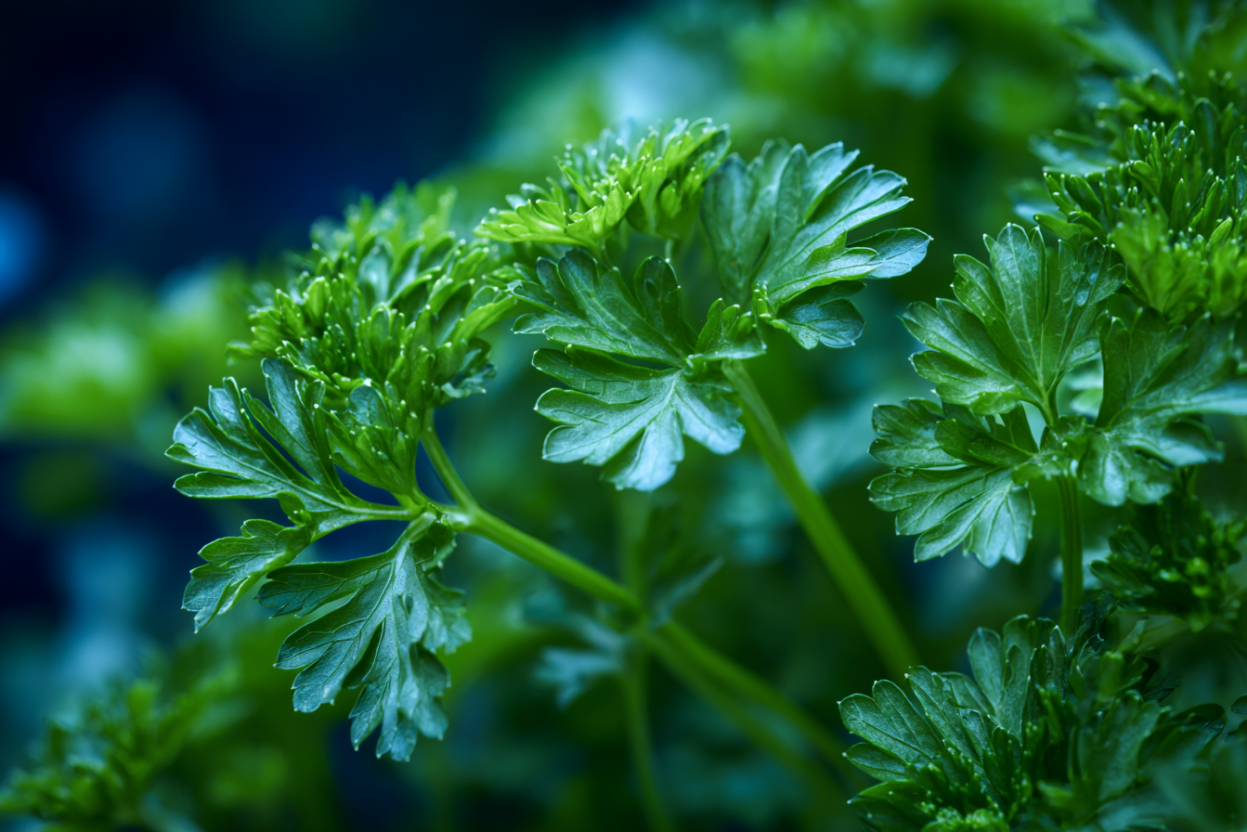
Parsley (Petroselinum crispum)
If you have ever felt weighed down by sluggish digestion, nagging inflammation, or that persistent feeling that your body is not quite functioning at its best, you are not alone. Millions of people struggle with these everyday challenges, often unaware that one of the most powerful and accessible allies has been sitting on the edge of their plate all along — dismissed as a garnish, overlooked as decoration. Parsley is so much more than that.
This remarkable herb is one of the most nutrient-dense plants on earth, a gift embedded into creation long before any laboratory existed. Like all of nature’s provision, parsley reflects the wisdom of a Designer who knew exactly what the human body would need — providing vitamin K in quantities that dwarf nearly every other food, alongside vitamin C, iron, and powerful flavonoids that modern science is only beginning to understand.
The Plant
Common Names: Parsley, Garden Parsley, Common Parsley, Italian Parsley (flat-leaf), Curly Parsley, Hamburg Parsley (root variety), French Parsley, Persil (French), Perejil (Spanish), Petersilie (German)
Botanical Name: Petroselinum crispum (Mill.) Fuss
Family: Apiaceae (formerly Umbelliferae) — the carrot family, which also includes celery, carrots, dill, fennel, cilantro, and cumin. This family is characterized by umbrella-shaped flower clusters (umbels) and often aromatic, hollow stems.
Description
Parsley is a biennial herb, meaning it completes its life cycle over two years, though it is most commonly grown as an annual. In its first year, parsley produces a dense rosette of bright green leaves from a central taproot. In its second year, it sends up a tall flowering stalk that can reach 60 to 100 cm (24 to 39 inches) and produces tiny yellowish-green flowers arranged in compound umbels. After flowering and setting seed, the plant dies.
Three main varieties exist. Curly-leaf parsley (P. crispum var. crispum) features tightly ruffled, deeply cut leaves on sturdy stems and is the variety most commonly used as a garnish. Flat-leaf or Italian parsley (P. crispum var. neapolitanum) has broader, flat, deeply serrated leaves with a more robust flavor, making it preferred for cooking. Hamburg or root parsley (P. crispum var. tuberosum) is cultivated primarily for its enlarged, parsnip-like taproot, which is used as a vegetable in Central and Eastern European cooking.
The leaves are bright to dark green, compound, and pinnately divided. The stems are smooth, erect, and slightly grooved. When any part of the plant is bruised or crushed, it releases a distinctive fresh, slightly peppery, herbaceous aroma. The seeds are small, ovoid, ribbed, and grayish-brown, containing the highest concentration of essential oils.
Origin
Parsley is native to the central and eastern Mediterranean region, with origins traced to areas now comprising southern Italy, Greece, Algeria, and Tunisia. It was known and cultivated by the ancient Greeks and Romans over 2,000 years ago. From the Mediterranean, parsley traveled along trade routes throughout Europe, carried by the Romans to Britain and by Charlemagne’s decree to monastic gardens across the continent. It reached the Americas with European colonists in the 17th century. Today, parsley grows wild in parts of southern Europe and is cultivated commercially on every inhabited continent.
Brief History
Parsley’s history is intertwined with ancient Mediterranean civilization. The Greeks associated the herb with their games and ceremonies, weaving it into crowns for victors at the Isthmian Games. Dioscorides, the first-century Greek physician, documented parsley’s diuretic properties in his De Materia Medica. The Romans adopted parsley enthusiastically, both at the table and as a breath freshener. Pliny the Elder noted its widespread use in sauces and salads.
The ancient Egyptians also valued parsley, and references appear in the Ebers Papyrus (circa 1550 BC) documenting its use as a digestive aid and stimulant. During the Middle Ages, Charlemagne ordered parsley to be grown in his imperial gardens, and Benedictine monks preserved its cultivation and medicinal knowledge through the centuries. By the Renaissance, herbalists like John Gerard (1597) and Nicholas Culpeper (1653) documented parsley’s many applications. Its journey from ancient medicine to modern kitchen staple is one of the longest-running stories in the plant world.
Growing & Cultivation
Climate & Zones
Parsley thrives in USDA Hardiness Zones 4 through 9, making it accessible to gardeners across most of the United States and temperate regions worldwide. It tolerates light frost and can overwinter in milder climates (Zones 7-9) as a true biennial. In colder zones, it is typically grown as a spring-planted annual. Parsley also grows well indoors year-round on a sunny windowsill or under grow lights, making it an excellent choice for apartment dwellers and those in extreme climates.
Soil Requirements
Parsley prefers rich, moist, well-draining loamy soil with a pH between 6.0 and 7.0 (slightly acidic to neutral). It benefits from soil amended with compost or aged manure to improve fertility and moisture retention. While it can tolerate heavier clay soils if drainage is adequate, waterlogged conditions will cause root rot. For container growing, a high-quality potting mix blended with perlite ensures proper drainage while retaining moisture.
Water & Sunlight
Parsley requires consistent, moderate watering — approximately 1 to 2 inches per week. The soil should remain evenly moist but never soggy. Mulching around plants helps conserve moisture and keep roots cool. Parsley performs best in full sun to partial shade, requiring at least 6 hours of direct sunlight daily for optimal growth. In hot climates (Zones 8-9), afternoon shade prevents bolting and leaf scorching. Indoor plants need a south-facing window or 10-12 hours under grow lights.
Propagation
Seed: Parsley is almost exclusively propagated from seed. It is notoriously slow to germinate — typically 14 to 28 days — due to hard seed coats containing germination-inhibiting compounds. To speed germination, soak seeds in warm water for 24 hours before sowing. Sow seeds 1/4 inch deep, 6 to 8 inches apart, in rows 12 inches apart. Soil temperature should be 50-85°F (10-29°C) for germination. Seeds may be started indoors 6-8 weeks before the last frost date.
Division: Though less common, established parsley plants can be carefully divided in early spring of the second year. This method is primarily used for root parsley varieties.
Planting
Plant parsley outdoors after the last frost date when soil temperatures remain above 50°F (10°C). Space plants 8-10 inches apart in rows 12 inches apart. Transplant seedlings at the same depth they were growing in containers. Companion plants that benefit from parsley’s presence include tomatoes, asparagus, corn, and roses — parsley is said to enhance their growth and flavor. It also attracts beneficial insects, particularly swallowtail butterflies, whose caterpillars feed on parsley leaves. Avoid planting near lettuce or mint, which may compete aggressively.
Harvesting
Begin harvesting outer leaves once the plant has developed at least three segments on its leaf stems. Cut or pinch stems at the base of the plant, taking outer leaves first and allowing the inner growth to continue developing. Harvesting in the morning, after dew has dried, yields the highest essential oil content and best flavor. Regular harvesting encourages bushier growth and delays bolting. In the second year, harvest leaves before the flower stalk emerges, as flavor declines once the plant begins flowering.
Drying & Storage
Parsley can be air-dried by hanging small bundles upside down in a warm, well-ventilated area out of direct sunlight for 1-2 weeks. A food dehydrator set at 95-105°F (35-40°C) preserves color and flavor more effectively. Dried parsley should be stored in airtight glass containers in a cool, dark place, where it will retain potency for up to one year. For superior flavor retention, freezing is preferred — chop fresh parsley, place in ice cube trays with water or olive oil, and freeze for up to six months. Fresh parsley stored wrapped in a damp paper towel in the refrigerator will keep for 1-2 weeks, or place stems in a glass of water on the counter like a bouquet for up to a week.
Pest & Disease Management
Common pests include aphids, carrot fly, and parsley worm (swallowtail butterfly caterpillars). Aphids can be controlled with a strong spray of water or neem oil solution. Carrot fly is deterred by companion planting with onions or covering with row cover. Many gardeners choose to tolerate parsley worms, as they transform into beautiful swallowtail butterflies. Diseases include leaf spot, crown rot, and powdery mildew — all best prevented through proper spacing, air circulation, and avoiding overhead watering.
Companion Planting
Parsley is an exceptional companion plant. Its flowers attract hoverflies, parasitic wasps, and other beneficial insects that prey on garden pests. Plant it alongside tomatoes, peppers, asparagus, corn, and roses. Parsley is said to repel some beetles and to improve the flavor of nearby tomatoes. Avoid planting near carrots and celery (same family, attracting the same pests) or mint (which may overtake it).
The Healing of Growing
Growing parsley offers benefits beyond the harvest itself. The act of gardening — hands in soil, bare feet on earth, time spent outdoors — has been shown to reduce cortisol, improve mood, and support immune function. The soil contains beneficial bacteria (Mycobacterium vaccae) with documented antidepressant effects, stimulating serotonin production in the brain. When you grow your own parsley, you receive healing before you ever consume it. The simple rhythm of tending a plant, watching it grow, and harvesting its leaves reconnects you to the Creator’s design for human interaction with the earth.
Nutritional Profile
Macronutrients
Per 100 grams of fresh parsley: Calories: 36 kcal, Protein: 3.0g, Total Carbohydrates: 6.3g, Dietary Fiber: 3.3g, Sugars: 0.9g, Total Fat: 0.8g (Saturated Fat: 0.1g, Monounsaturated Fat: 0.3g, Polyunsaturated Fat: 0.1g), Water: 87.7g. Parsley is remarkably low in calories while being dense with micronutrients, making it one of the most nutrient-per-calorie efficient foods available.
Vitamins
Vitamin K: 1,640 mcg (1,367% DV) — Parsley is one of the single richest food sources of vitamin K on earth. Vitamin K is essential for blood clotting, bone metabolism, and may help limit neuronal damage in the brain. It activates osteocalcin, a protein that anchors calcium into bone matrix, supporting bone density.
Vitamin C: 133 mg (148% DV) — A powerful antioxidant that supports immune function, collagen synthesis for skin and tissue repair, and enhances iron absorption. Parsley contains more vitamin C per gram than oranges.
Vitamin A: 8,424 IU (168% DV) — Provided primarily through beta-carotene (5,054 mcg) and other carotenoids. Supports vision, immune function, skin health, and cellular growth.
Folate (B9): 152 mcg (38% DV) — Critical for DNA synthesis, red blood cell formation, and neural tube development during pregnancy. Folate also supports methylation processes essential for detoxification and neurotransmitter production.
Additional B vitamins include Thiamin (B1): 0.09mg (7% DV), Riboflavin (B2): 0.1mg (8% DV), Niacin (B3): 1.3mg (8% DV), Pantothenic Acid (B5): 0.4mg (8% DV), and Pyridoxine (B6): 0.09mg (7% DV). These collectively support energy metabolism, nervous system function, and red blood cell production.
Vitamin E: 0.75 mg (5% DV) — An antioxidant that protects cell membranes from oxidative damage.
Minerals
Iron: 6.2 mg (34% DV) — Parsley is one of the richest plant sources of iron. Iron is essential for hemoglobin production, oxygen transport, and energy metabolism. The high vitamin C content in parsley enhances iron absorption, creating a synergistic nutritional pairing within the same plant.
Potassium: 554 mg (12% DV) — A crucial electrolyte for heart rhythm regulation, fluid balance, muscle contraction, and nerve signaling. Potassium counteracts the effects of excess sodium, supporting healthy blood pressure.
Calcium: 138 mg (11% DV) — Supports bone and tooth structure, muscle function, nerve signaling, and hormone secretion.
Magnesium: 50 mg (12% DV) — Essential for over 300 enzymatic reactions, including muscle and nerve function, blood sugar regulation, blood pressure control, and protein synthesis. Magnesium also supports serotonin production and may help regulate cortisol levels.
Manganese: 0.16 mg (7% DV) — A co-factor for the antioxidant enzyme superoxide dismutase (SOD), supporting detoxification and bone health. Phosphorus: 58 mg (5% DV) — Supports bone structure and energy production. Zinc: 1.1 mg (10% DV) — Supports immune function, wound healing, and protein synthesis.
Phytonutrients & Active Compounds
Apigenin: Parsley is one of the richest dietary sources of this flavone, containing approximately 302 mg per 100g of dried parsley. Apigenin is a potent antioxidant with documented anti-inflammatory, neuroprotective, and anxiolytic properties. Research suggests it interacts with GABA-A receptors in the brain and may modulate serotonin and dopamine levels.
Luteolin: Another flavone present in significant quantities. Luteolin demonstrates anti-inflammatory activity by inhibiting pro-inflammatory cytokines and has shown neuroprotective effects in preclinical studies.
Myristicin: A volatile phenylpropanoid compound found primarily in the essential oil. Research suggests anti-inflammatory, analgesic, and potential neuroprotective properties. Myristicin also exhibits antimicrobial activity.
Apiol: A phenylpropanoid traditionally recognized for its diuretic and antimicrobial properties. Found in higher concentrations in the seeds and essential oil.
Beta-Carotene: 5,054 mcg per 100g — A provitamin A carotenoid with powerful antioxidant activity. Lutein + Zeaxanthin: 5,561 mcg per 100g — Carotenoids that concentrate in the retina and macula of the eye, supporting vision health and protecting against age-related macular degeneration.
Chlorophyll: Parsley is one of the richest sources of chlorophyll, the green pigment responsible for photosynthesis. Chlorophyll has demonstrated antioxidant activity and may support natural detoxification processes.
Nutrient Notes
Parsley’s high vitamin C content dramatically enhances the bioavailability of its non-heme iron — a natural synergy that makes it particularly valuable for individuals concerned about iron status. However, parsley also contains oxalic acid (1.70 mg per 100g), which can bind calcium and other minerals, reducing their absorption. Cooking parsley slightly reduces oxalate content. For maximum nutrient benefit, consume both raw and lightly cooked preparations. The fat-soluble vitamins (A, E, K) are better absorbed when parsley is consumed with a source of dietary fat, such as olive oil.
Culinary Uses
Edible Parts
Leaves: The most commonly used part. Both curly and flat-leaf varieties are edible. Flat-leaf (Italian) parsley has a stronger, more complex flavor and is preferred for cooking, while curly parsley has a milder, slightly grassy taste and is popular as a garnish and in salads. Stems: Often discarded but fully edible, with a more concentrated flavor than the leaves. Excellent chopped into stocks, soups, and sauces. Roots: Hamburg parsley roots taste like a cross between parsley and celery root, used as a vegetable in soups, stews, and roasted dishes throughout Central and Eastern Europe. Seeds: Used as a spice with a warm, slightly bitter flavor. Less commonly available but used in some Middle Eastern and Indian cuisines.
Flavor Profile
Parsley’s flavor is fresh, clean, herbaceous, and slightly peppery with grassy and faintly bitter undertones. Flat-leaf parsley is more aromatic and robust, while curly parsley is milder and more decorative. When cooked, the flavor mellows and integrates into dishes, adding depth without dominating. Dried parsley loses much of its fresh vibrancy but retains a mild, herbal quality useful for seasoning blends.
Preparation
Parsley is versatile in the kitchen. It can be eaten raw in salads (tabbouleh is perhaps the most famous parsley-forward dish), chopped as a fresh garnish, blended into smoothies or green juices, or processed into sauces like chimichurri and salsa verde. When cooking, add parsley toward the end of the process to preserve its flavor and color. Stems can be bundled into a bouquet garni for long-simmered stocks and soups. Parsley can be infused into oils, vinegars, and compound butters. It is a foundational ingredient in fines herbes (alongside chives, tarragon, and chervil) and persillade (a French mixture of chopped parsley and garlic).
Culinary Pairings
Parsley pairs beautifully with nearly all savory foods. It complements proteins such as fish, chicken, lamb, beef, and eggs. It harmonizes with other herbs including garlic, lemon, oregano, basil, mint, dill, chives, and thyme. Fats like olive oil, butter, and tahini carry parsley’s flavor beautifully. Acids such as lemon juice and vinegar brighten its herbaceous notes. Root vegetables, grains, legumes, and most Mediterranean, Middle Eastern, and Latin American ingredients pair naturally with parsley.
Storage
Fresh parsley stores best with stems placed in a glass of water on the countertop (changed daily) or wrapped loosely in a damp paper towel and refrigerated in an open bag for 1-2 weeks. For longer storage, freeze chopped parsley in ice cube trays with olive oil or water. Dried parsley stored in an airtight container away from heat and light retains usable flavor for up to one year, though its potency diminishes significantly compared to fresh.
Ready to cook with Parsley? View Recipes on Chefts →
Wellness & Therapeutic Uses
Traditional Uses
Parsley has been valued medicinally for over 2,500 years across virtually every major healing tradition. Ancient Greek physicians, including Dioscorides and Galen, prescribed parsley as a diuretic, carminative, and digestive aid. They recommended it for urinary tract support, kidney stones, and menstrual regulation. Ancient Egyptians documented parsley in the Ebers Papyrus (circa 1550 BC) for its stimulant and carminative properties. Roman physicians, including Pliny the Elder, noted parsley’s ability to freshen breath and support digestion, and Roman soldiers consumed it for stamina.
In Traditional Chinese Medicine (TCM), parsley has been used to support kidney function, reduce hypertension, and promote digestive health. Ayurvedic practitioners in India recommended parsley for its anti-inflammatory, detoxifying, and digestive properties. European folk medicine traditions, preserved through monastery gardens and Renaissance herbals, used parsley preparations as a diuretic, for urinary tract support, to relieve flatulence and colic, and as a poultice for bruises and insect bites. Germany’s Commission E has approved parsley leaf and root for use in relieving urinary tract irritation and as an aid in passing kidney stones.
Modern Research
Antioxidant Properties: A randomized crossover trial with 14 human subjects demonstrated that parsley consumption significantly increased erythrocyte glutathione reductase and superoxide dismutase activities — key antioxidant enzymes — compared to a controlled diet without parsley (Nielsen et al., 1999, Denmark, human clinical trial). The flavonoids apigenin and luteolin, along with high vitamin C content, are primary contributors to parsley’s antioxidant capacity.
Anti-Inflammatory Activity: Research indicates that parsley extracts significantly reduce inflammatory markers including TNF-α, IL-1β, and IL-6. A 2024 review published in Frontiers in Medicine confirmed that the flavonoids and essential oil compounds in parsley modulate cytokine production, enhancing anti-inflammatory cytokines such as IL-10 while suppressing pro-inflammatory mediators (Alobaidi, 2024, review).
Kidney & Urinary Support: A systematic review of scientific databases confirmed parsley’s nephroprotective, diuretic, and antioxidant properties, with animal studies demonstrating reduced oxidative stress and improved renal function. The diuretic effect is attributed primarily to myristicin and apiol, volatile oils that increase urine flow and may help support the passage of kidney stones (Alobaidi, 2024, Frontiers in Medicine, review).
Blood Sugar Support: Animal studies using streptozotocin-induced diabetic rats showed that parsley extract supported pancreatic beta-cell function and helped maintain blood glucose levels within normal ranges (Yanardağ et al., 2003, Turkey, animal study). The flavonoid apigenin may also support insulin sensitivity.
Cancer Research: An in vitro study at the University of Malaya demonstrated that parsley’s dichloromethane extract showed 50.9% protection against H₂O₂-induced DNA damage in normal cells and inhibited proliferation and migration of MCF-7 cancer cells (Tang et al., 2015, Malaysia, in vitro).
Cardiovascular Support: Research suggests parsley extract may exert hypotensive effects through vasodilating properties via an endothelium-independent pathway (Ajebli & Eddouks, 2019, Morocco, animal study). The high potassium content and antioxidant compounds may further support cardiovascular wellness.
Neuroprotective Potential: Apigenin, abundant in parsley, has demonstrated neuroprotective effects in preclinical studies. A systematic review of 34 preclinical studies found that apigenin enhanced learning and memory, exhibited anxiolytic effects, and attenuated depressive-like behavior through modulation of serotonin, dopamine, and GABA pathways, as well as inhibition of neuroinflammation (Akinrinde et al., 2024, systematic review).
Body Systems Supported
Parsley’s comprehensive nutrient and phytonutrient profile means it may support multiple body systems. The digestive system benefits from parsley’s carminative properties and fiber content. The urinary system is supported by parsley’s traditional and research-backed diuretic effects. The immune system benefits from the exceptionally high vitamin C, vitamin A, and antioxidant content. The cardiovascular system may benefit from the potassium, folate, and vasodilating properties. The nervous system is supported by apigenin’s documented interaction with GABA receptors and its influence on serotonin and dopamine pathways. The musculoskeletal system benefits from the extraordinary vitamin K content, which supports bone metabolism. The integumentary system (skin) benefits from the vitamin C (collagen synthesis), vitamin A, and antioxidant protection.
Body Compounds Affected
Research suggests parsley and its active compounds may influence several key body compounds. Serotonin: Apigenin has been shown to modulate serotonin levels in preclinical models, which may contribute to mood support. Dopamine: Preclinical research indicates apigenin influences dopaminergic pathways. GABA: Apigenin demonstrates affinity for GABA-A receptors, which may contribute to its calming and anxiolytic properties. Cortisol: The magnesium content and antioxidant properties may help support healthy cortisol regulation. Inflammatory markers: Parsley extracts have been shown to reduce TNF-α, IL-1β, IL-6, prostaglandin E2, and nitric oxide in research settings. BDNF (Brain-Derived Neurotrophic Factor): Apigenin has been shown to support BDNF expression in preclinical models, which is associated with neuroplasticity and cognitive function.
Methods of Use
Tea/Infusion
Use 1-2 tablespoons of fresh parsley (leaves and stems) or 1 tablespoon of dried parsley per cup. Pour freshly boiled water over the herb and steep for 5-10 minutes. Strain and drink. May be consumed 2-3 times daily. Adding lemon enhances both flavor and vitamin C content.
Tincture
Parsley tinctures are prepared by steeping fresh or dried parsley in alcohol (typically 40-50% vodka) at a ratio of 1:5 (plant to solvent) for 4-6 weeks. Typical dosage ranges from 2-4 mL (40-80 drops) taken 2-3 times daily. Consult a qualified herbalist for individualized guidance.
Fresh Juice
Fresh parsley can be juiced or blended into green smoothies. Due to its concentrated nature, parsley juice is typically diluted or combined with milder vegetables like cucumber, celery, and apple. Start with small amounts (1-2 tablespoons of pure parsley juice) and increase gradually.
Capsule/Powder
Dried parsley powder is available in capsule form. Typical dosages range from 500-2,000 mg daily, though standardized dosing has not been established. Follow manufacturer guidelines and consult with a healthcare provider.
Poultice
Fresh parsley leaves can be bruised and applied topically as a poultice for bruises, insect bites, and minor skin irritations — a practice documented since ancient Greek and Roman times.
Cosmetic & Beauty Uses
Skin Benefits
Parsley has been valued in traditional beauty practices for centuries, and modern research is beginning to confirm what practitioners long observed. The herb’s high vitamin C content supports collagen production, which is essential for skin elasticity and firmness. Its antioxidant compounds — including apigenin, luteolin, and beta-carotene — help protect skin cells from oxidative stress caused by UV exposure and environmental toxins. A 2025 study published in Frontiers in Pharmacology demonstrated that parsley extracts suppressed oxidative stress and inflammatory responses in human keratinocytes and reduced atopic dermatitis symptoms in a mouse model, confirming its potential for skin health applications.
Parsley may benefit oily and acne-prone skin due to its antimicrobial properties and zinc content. It has traditionally been used to help brighten dull complexions and address uneven skin tone, attributed to its vitamin C and chlorophyll content. The vitamin K in parsley has been explored for its potential role in reducing the appearance of dark circles under the eyes by supporting healthy circulation.
Hair Benefits
Parsley tea rinses have been used traditionally to support scalp health, add shine, and encourage hair strength. The iron, vitamin C, and antioxidant content may support healthy blood flow to the scalp, which is essential for hair follicle nourishment. Parsley has also been traditionally used as a scalp lotion to stimulate hair growth, though clinical evidence for this specific application remains limited.
Application Methods
Parsley-Infused Oil: Steep fresh parsley in a carrier oil (jojoba, sweet almond, or olive oil) using the warm infusion method — gentle heat for 2-4 hours — then strain. Use as a facial oil, body oil, or scalp treatment. Parsley Toner: Brew a strong parsley tea, cool completely, and apply to the face with a cotton pad as a refreshing toner. Face Mask: Blend fresh parsley with honey, yogurt, or clay for a nourishing face mask. Eye Compress: Soak cotton pads in cooled parsley tea and apply over closed eyes for 10-15 minutes to help reduce puffiness. Hair Rinse: After shampooing, pour a strong, cooled parsley tea infusion over hair as a final rinse for added shine and scalp support.
DIY Formulation Notes
When incorporating parsley into homemade skincare, use fresh herb infusions within 3-5 days (refrigerated) or add a natural preservative for longer shelf life. Parsley-infused oils pair well with carrier oils like rosehip, jojoba, and argan. Avoid combining parsley preparations with strong acids (high-concentration AHAs or BHAs) until you know how your skin responds, as the vitamin C content may interact. Always perform a patch test before applying any new parsley preparation to the face or body, particularly if you have sensitive skin or known allergies to the Apiaceae family. Homemade parsley-infused oils stored properly will last 2-4 weeks refrigerated.
Parsley is among the botanicals being explored for holistic cosmetic applications, where the wisdom of traditional beauty practices meets modern understanding of skin science.
Essential Oil Profile
Extraction
Parsley essential oil is obtained through steam distillation of either the leaves (herb oil) or the seeds (seed oil), each producing distinctly different chemical profiles. Seed oil is more commercially available and contains higher concentrations of apiole and myristicin. Leaf oil tends to have a fresher, more herbaceous character with higher proportions of monoterpenes like beta-phellandrene, myristicin, and 1,3,8-p-menthatriene. The yield is low — fresh parsley herb yields approximately 0.02-0.06% essential oil, while seeds yield approximately 2-3.5% — which contributes to the oil’s higher cost.
Chemical Constituents
The chemical composition varies significantly depending on plant part, variety, geographic origin, and growing conditions. Key constituents typically include:
Phenylpropanoids: Apiol (apiole) — 15-62% depending on source; demonstrates diuretic, antimicrobial, and antispasmodic properties. Myristicin — 5-45% depending on source; exhibits anti-inflammatory, analgesic, antioxidant, and potential neuroprotective properties.
Monoterpenes: Alpha-pinene (5-17%) — anti-inflammatory, bronchodilator, supports respiratory function. Beta-pinene (5-11%) — anti-inflammatory, antimicrobial. Limonene (up to 12%) — uplifting, supports digestive comfort, antioxidant.
Others: 1,3,8-p-Menthatriene — contributes to the characteristic parsley aroma. Beta-phellandrene — found primarily in leaf oil. Eugenol — analgesic and antiseptic properties, though present in smaller amounts.
Aroma Profile
Parsley seed essential oil is classified as a middle-to-top note. The scent is fresh, herbaceous, warm-spicy, and slightly earthy with a green, leafy character. It has moderate initial aroma strength that softens and warms over time. The oil blends well with citrus oils (bergamot, lemon, orange), other herbaceous oils (rosemary, clary sage), spice oils (clove, cinnamon), wood oils (cedarwood, sandalwood), and floral notes (lavender, ylang ylang).
Therapeutic Properties
Parsley essential oil may support wellness through several pathways. Research suggests it exhibits antimicrobial activity against both Gram-positive and Gram-negative bacteria and certain fungi. It demonstrates antispasmodic properties that may support digestive comfort. The oil has shown anti-inflammatory effects and antioxidant activity. It may support urinary system health through its traditional diuretic properties. The alpha-pinene content may provide respiratory support.
How to Use
Diffusion
Add 3-5 drops to an ultrasonic or nebulizing diffuser. Diffuse for 30-60 minutes at a time. The herbaceous, warming scent may support mental clarity and digestive comfort. Blends particularly well with lemon, rosemary, or lavender.
Topical Application
Always dilute before applying to skin. Standard adult dilution: 2% (approximately 12 drops per ounce of carrier oil). For sensitive skin: 1% (6 drops per ounce). For children over 6: 0.5-1%. Jojoba, sweet almond, and fractionated coconut oil are suitable carriers. May be applied to the abdomen for digestive support or to sore muscles and joints.
Important: Parsley essential oil should NOT be used internally unless under the direct guidance of a qualified aromatherapist or healthcare provider. It is not recommended during pregnancy or breastfeeding due to the apiol content.
Quality & Sourcing
When purchasing parsley essential oil, look for oils that include GC/MS (Gas Chromatography/Mass Spectrometry) testing results, confirming the chemical profile and purity. The oil should be sourced from identified botanical species (Petroselinum crispum) with the plant part specified (seed vs. leaf). Quality oils will come in dark glass bottles with proper botanical labeling. Be cautious of oils sold at very low prices, as parsley oil’s low yield makes it a more expensive oil — unusually cheap offerings may indicate adulteration or synthetic substitution.
Blending
Parsley seed essential oil complements a wide range of oils. For digestive support blends, combine with fennel, ginger, and peppermint. For muscle and joint comfort, blend with wintergreen, eucalyptus, and black pepper. For mental clarity, pair with rosemary, lemon, and basil. For calming blends, combine with lavender, clary sage, and frankincense. A general starting ratio is 1-2 drops parsley oil to 3-4 drops complementary oil.
Aromatherapy & Scent
The Aroma
Fresh parsley has a clean, bright, herbaceous scent with green, slightly peppery notes and a faint sweetness. The aroma is strongest when the leaves are bruised or torn, releasing volatile oils directly. In the garden, parsley’s scent is most pronounced in the warmth of mid-morning after the dew has evaporated, or immediately after a rain when volatile compounds are released from the leaf surface. Simply running your hand over the plant or brushing against it while walking past releases a burst of fresh fragrance.
Dried parsley retains a milder version of its fresh aroma — more earthy and hay-like, with diminished brightness. The intensity drops significantly compared to fresh, though properly dried and stored material will retain noticeable scent for 6-12 months. The seeds and roots have a warmer, spicier aroma compared to the light, green scent of the leaves.
How Scent Affects Your Body
When you inhale parsley’s volatile molecules, they travel through the nasal passages to the olfactory epithelium, where specialized receptor neurons detect the chemical compounds. These receptors send electrical signals directly to the limbic system — the brain’s emotional center — and the hypothalamus, which governs hormone production. This pathway bypasses the cerebral cortex (conscious thought), meaning the body begins responding to the scent before you consciously process it. Emotional memories associated with the scent, hormonal adjustments, and shifts in nervous system activity can all occur within seconds of inhalation.
Emotional & Mood Effects
Parsley’s aroma is generally experienced as clarifying and refreshing, with a gently grounding quality. The green, herbaceous notes may promote a sense of freshness, mental clarity, and connection to nature. Its familiar kitchen-herb quality can evoke feelings of comfort, home, and nourishment. The volatile compounds — particularly the terpenes alpha-pinene and beta-pinene — have been associated with alertness and improved focus in aromatherapy practice, while myristicin may contribute a subtle calming undertone.
Body Compounds Affected
While specific clinical aromatherapy studies on parsley’s scent alone are limited, the individual volatile compounds have been studied. Alpha-pinene and beta-pinene, present in parsley’s aroma, have been associated with reduced cortisol levels in forest bathing studies. The terpene limonene, also present, has been linked to anxiolytic effects and modulation of serotonin pathways in preclinical research. Myristicin, a dominant component, has demonstrated effects on monoamine pathways in laboratory settings. Combined, parsley’s aromatic profile may gently support a calm-yet-alert state.
Ways to Experience the Scent
Beyond essential oils, there are many accessible ways to enjoy parsley’s aromatherapy benefits. Grow a pot of parsley on your kitchen windowsill and brush the leaves gently as you pass. Place fresh parsley cuttings in a vase of water on your desk or nightstand. Crush fresh leaves between your palms and inhale before cooking. Add a handful of fresh parsley to a warm bath. Simmer parsley stems and leaves on the stovetop with lemon peel for a natural room freshener. Tuck dried parsley sachets into dresser drawers or linen closets. When gardening, take a moment to simply breathe in the green fragrance as you harvest.
Color Therapy
The Colors of Parsley
Parsley is overwhelmingly green — a vivid, rich, bright green that is among the most saturated greens in the herb world. The leaves range from medium to deep green, with newer growth presenting a slightly lighter, more vivid hue. The stems are a paler, yellow-green. In its second year, parsley produces small, yellowish-green flowers that transition to grayish-brown seeds. The root (in Hamburg varieties) is cream to pale yellow inside with a tan exterior.
Color Wavelengths
Green occupies the center of the visible light spectrum at approximately 495-570 nm. This wavelength range is the most easily perceived by the human eye, which has evolved to be maximally sensitive to green light — likely because our ancestors lived surrounded by green vegetation. Parsley’s particular shade of bright, saturated green sits in the heart of this range.
How Green Affects the Body
In color therapy, green is considered the most balancing and harmonizing color. It is associated with the heart center and is believed to promote feelings of calm, renewal, and equilibrium. Research on color exposure demonstrates that viewing green environments is associated with reduced cortisol levels, lower heart rate, and improved mood. The University of Essex’s “green exercise” studies found that viewing green environments during physical activity significantly improved both self-esteem and mood. Green environments have also been associated with faster healing times — a landmark study by Roger Ulrich (1984) demonstrated that hospital patients with views of greenery recovered faster from surgery than those viewing walls.
Body Compounds Affected
Exposure to the green wavelength may support balanced cortisol levels, promote parasympathetic nervous system activity (the “rest and digest” state), and support a general sense of emotional equilibrium. The calming visual effect of green may contribute to increased serotonin production and reduced stress hormones.
Using Parsley for Color Therapy
Grow parsley prominently in your kitchen, dining area, or workspace where you will see its vivid green leaves throughout the day. Place a pot of parsley on your desk for a living, green focal point during work. Use fresh parsley generously as a garnish — the bright green color on your plate contributes to the “eating the rainbow” principle, delivering both visual therapy and nutritional benefit simultaneously. In the garden, parsley’s dense green foliage makes an excellent border plant, providing a continuous band of calming green. Cut fresh parsley bouquets for the table — they serve as both aromatherapy and color therapy in one.
Frequency & Vibration
The Frequency of Parsley
According to bio-frequency research pioneered by Bruce Tainio using a calibrated frequency monitor (BT3), fresh herbs and their essential oils emit measurable electromagnetic frequencies. While specific published measurements for parsley essential oil are less commonly cited than those for oils like rose (320 MHz) or lavender (118 MHz), parsley essential oil is generally categorized among moderate-to-high frequency essential oils, consistent with other herb oils in the Apiaceae family.
For context, a healthy human body is believed to maintain a frequency range of 62-78 MHz according to Tainio’s research. Fresh herbs and vegetables generally measure higher than processed foods, and essential oils — as concentrated plant extracts — typically measure significantly higher than the raw plant material.
Human Frequency Interaction
Proponents of vibrational medicine suggest that higher-frequency substances may support the body’s natural frequency through the principle of entrainment — where a stronger, more coherent vibration influences a weaker or more chaotic one. According to this framework, consuming fresh parsley, being in the presence of a living parsley plant, or inhaling parsley essential oil may gently support the body’s energetic state. While this field is still emerging and peer-reviewed research is limited, the concept aligns with broader bioelectromagnetics research showing that living organisms both emit and respond to electromagnetic fields.
Essential Oil Frequency
Essential oils, as highly concentrated plant extracts, are considered among the highest-frequency substances available. Parsley essential oil, with its complex blend of terpenes and phenylpropanoids, carries the concentrated vibrational signature of the whole plant. Frequency measurements suggest that the extraction process amplifies the plant’s inherent frequency into a more potent, concentrated form.
Vibrational Applications
To incorporate parsley’s frequency into your wellness practice, consider growing fresh parsley in your living spaces (the living plant emits its natural frequency continuously), consuming fresh parsley daily rather than only dried or processed forms, diffusing parsley essential oil during meditation or prayer, and combining parsley with other high-frequency practices such as gratitude, worship, and time in nature.
The Living Plant
Benefits of Presence
Beyond consumption or extraction, simply having a living parsley plant in your environment provides measurable wellness benefits. Research in biophilic design demonstrates that humans experience reduced stress, improved mood, enhanced focus, and greater overall wellbeing when surrounded by living plants. Parsley, with its lush, bright green foliage and pleasant aroma, is particularly suitable for indoor growing and can serve as a living wellness tool in your kitchen, office, or bedroom.
Air Purification
While parsley was not among the specific plants tested in NASA’s landmark Clean Air Study, plants in the Apiaceae family do contribute to indoor air quality through standard photosynthetic processes — absorbing carbon dioxide and releasing oxygen during daylight hours. A potted parsley plant also contributes to indoor humidity regulation, which can benefit respiratory comfort, particularly in dry winter environments or air-conditioned spaces. The volatile compounds released by living parsley may also contribute mild antimicrobial benefits to the surrounding air.
Phytoncides
Living parsley plants release volatile organic compounds (phytoncides) — antimicrobial substances that plants produce as part of their natural defense system. These include the monoterpenes alpha-pinene and beta-pinene, which are among the same compounds studied in Japanese shinrin-yoku (forest bathing) research. Forest bathing studies have demonstrated that inhaling plant-derived phytoncides significantly increases Natural Killer (NK) cell activity — a key component of immune surveillance. While parsley produces these compounds at a smaller scale than a forest, indoor plants do contribute measurably to the phytoncide load of an indoor environment.
Visual & Psychological Benefits
Attention Restoration Theory, developed by environmental psychologists Rachel and Stephen Kaplan, demonstrates that viewing natural elements — including potted plants — restores directed attention and reduces mental fatigue. Research in healthcare settings has confirmed that patients with views of or proximity to plants report less pain, lower anxiety, and faster recovery. Workplace studies show that employees with plants in their environment report higher productivity, lower stress, and greater job satisfaction. A pot of parsley on your desk is a small but meaningful investment in your daily mental health.
Growing Indoors vs Outdoors
Parsley is an excellent indoor plant when provided with adequate light (south-facing window or grow lights for 10-12 hours daily), consistent moisture, and good drainage. Indoor parsley may not grow as vigorously as outdoor plants but will provide months of fresh harvesting and living-plant benefits. Outdoors, parsley thrives in garden beds, raised beds, and containers, offering all the additional benefits of time in nature, sunlight exposure, and soil contact. For maximum benefit, consider growing parsley both indoors (for year-round access) and outdoors (for the full garden experience).
Touch & Physical Interaction
Gardening Therapy
Horticultural therapy is a recognized therapeutic practice used in hospitals, rehabilitation centers, and mental health facilities worldwide. Working with parsley — planting seeds, tending young plants, watering, harvesting, and processing — engages multiple senses simultaneously and provides a mindful, grounding experience. The repetitive, purposeful movements of gardening have been shown to reduce anxiety, improve mood, and provide a sense of accomplishment and connection to the natural world.
Soil Contact Benefits
When you garden with parsley — especially barefoot or with bare hands — you receive benefits from direct earth contact. Grounding (or earthing) research suggests that skin contact with the earth allows the transfer of free electrons from the ground into the body, which may reduce inflammation and support healthy circadian rhythms. Additionally, the soil bacterium Mycobacterium vaccae has been shown in research by Dr. Christopher Lowry at the University of Bristol to stimulate serotonin production in the brain, producing antidepressant-like effects. Your microbiome also benefits from diverse microbial exposure through soil contact.
The Tactile Experience
Parsley offers a pleasantly varied tactile experience. Curly parsley leaves feel ruffled and springy, almost like touching a tiny, living texture map. Flat-leaf parsley is smoother, cooler, and slightly waxy. The stems are firm and slightly crisp, snapping cleanly when harvested. Running your hands through a healthy parsley plant produces a gentle rustling sensation along with the release of its characteristic fresh aroma — a multisensory experience that engages touch, smell, and even hearing simultaneously. Harvesting parsley is particularly satisfying — the clean snap of each stem, the growing handful of bright green leaves, the intensifying fragrance as oils are released.
Harvesting & Processing
The meditative quality of harvesting parsley — selecting stems, cutting at the base, gathering leaves into bundles — mirrors the repetitive, rhythmic motions that research identifies as calming to the nervous system. Processing parsley for drying (stripping leaves, bundling stems, arranging on drying screens), chopping for freezing, or preparing for cooking provides additional opportunities for mindful, hands-on engagement. There is a deep satisfaction in the complete cycle: planting, tending, harvesting, and preparing food from a plant you grew yourself.
Water-Based Applications
Teas & Infusions
Parsley tea is one of the simplest and most traditional ways to access parsley’s wellness properties. For a standard infusion, use 1-2 tablespoons of fresh parsley (or 1 tablespoon dried) per 8 ounces of water. Pour freshly boiled water (approximately 200°F/93°C) over the herb, cover, and steep for 5-10 minutes. Strain and drink. A longer steep (up to 15 minutes) produces a more concentrated infusion with a stronger, more bitter taste. Parsley tea may be consumed hot or cold, 2-3 times daily. Cold infusions (steeping in room-temperature water for 4-8 hours) produce a milder, sweeter brew that preserves more heat-sensitive compounds like vitamin C.
Herbal Baths
Add 1-2 cups of strong parsley tea or a large handful of fresh parsley (tied in muslin or placed in a mesh bag) to a warm bath. Soak for 20-30 minutes. A parsley bath has been traditionally used to soothe tired muscles, support skin health, and provide a calming aromatic experience. The warm water opens pores and allows gentle absorption of parsley’s beneficial compounds through the skin. For a simpler option, a parsley foot bath — soaking feet in a basin of warm parsley tea — has been used traditionally to ease tired, swollen feet and support circulation.
Hydrosols
Parsley hydrosol (the water portion collected during steam distillation of parsley essential oil) is available from some specialty suppliers. It contains water-soluble aromatic compounds in a gentle, ready-to-use form. Parsley hydrosol may be used as a facial toner, body mist, or linen spray. It offers a milder, more subtle version of the essential oil’s benefits and is generally well-tolerated by sensitive skin when used externally.
Compresses
For a warm compress, soak a clean cloth in a strong, warm parsley infusion, wring slightly, and apply to the desired area. Warm compresses may support comfort for sore muscles or joints. For a cool compress, use a chilled parsley infusion. Cool compresses have been traditionally applied to tired eyes (to reduce puffiness) and to minor skin irritations. Replace the compress when it reaches body temperature, repeating for 15-20 minutes.
Steam Inhalation
Add a handful of fresh parsley or 2 tablespoons of dried parsley to a large bowl of steaming hot water. Drape a towel over your head and the bowl, creating a tent. Breathe deeply for 5-10 minutes. This method allows parsley’s volatile compounds to reach the respiratory passages directly. Steam inhalation with parsley has been traditionally used to support sinus comfort and respiratory clarity. Caution: keep your face at a comfortable distance from the steam to avoid burns.
Hair Rinses
Brew a strong parsley tea (double the standard tea concentration), cool completely, and use as a final rinse after shampooing. Pour the tea over the hair and scalp, massage gently, and leave in without rinsing for maximum benefit. Parsley hair rinses have been traditionally used to add shine, support scalp health, and may help with dandruff. Some traditions also suggest that parsley rinses may support natural hair color by enhancing dark tones.
Historical, Cultural & Biblical Significance
Biblical References
While parsley (Petroselinum crispum) is not directly mentioned by name in Scripture, it is deeply woven into biblical tradition through its connection to the Passover Seder. In Exodus 12:8, God commanded: “And they shall eat the flesh in that night, roast with fire, and unleavened bread; and with bitter herbs they shall eat it” (KJV). The International Standard Bible Encyclopedia lists parsley among the salad herbs — alongside cucumbers, lettuce, watercress, and endive — traditionally eaten during the Passover meal. In Jewish Passover tradition to this day, parsley serves as the karpas — the green vegetable dipped in salt water to represent both the tears shed during slavery in Egypt and the new life that spring (and God’s deliverance) brings. Parsley is the second most commonly used herb in Passover celebrations, after horseradish.
The Apiaceae family to which parsley belongs includes several plants referenced in biblical contexts, including coriander (Exodus 16:31), dill (Matthew 23:23), and cumin (Isaiah 28:25-27). These relatives of parsley were well-known in the biblical world, and the broader family’s culinary and medicinal significance is deeply embedded in Scripture.
Ancient Civilizations
Ancient Egypt: The Ebers Papyrus (circa 1550 BC), one of the oldest and most extensive medical documents in existence, references parsley for its carminative and stimulant properties. Egyptian physicians used parsley preparations for digestive support and as a component in healing formulations.
Ancient Greece: The Greeks had a complex relationship with parsley. Dioscorides documented its diuretic and carminative properties in De Materia Medica (first century AD), establishing a pharmacological record that influenced herbalism for over 1,500 years. Greek athletes were crowned with parsley wreaths at the Isthmian and Nemean Games. Hippocrates also recommended parsley for kidney and bladder conditions.
Ancient Rome: The Romans enthusiastically adopted parsley as both food and medicine. Pliny the Elder recorded its widespread use in sauces, salads, and as a breath freshener. Roman physicians used parsley preparations as a diuretic and digestive aid. The Roman naturalist Columella documented parsley cultivation techniques that remain relevant today.
Eastern Traditions
Traditional Chinese Medicine: While not a primary herb in the classical TCM pharmacopeia, parsley has been used in Chinese folk medicine to support kidney function, treat hypertension, and promote digestive health. Its properties align with the TCM concept of clearing heat and promoting urination.
Ayurveda: In the Indian tradition, parsley has been used for its anti-inflammatory, detoxifying, and digestive properties. Ayurvedic practitioners have recommended parsley for balancing Kapha and Vata doshas, particularly for conditions involving water retention, sluggish digestion, and joint discomfort.
Indigenous Knowledge
While parsley is not native to the Americas, European colonists brought it to the New World in the 17th century, where it was quickly adopted into colonial gardens and eventually integrated into various regional cuisines and folk medicine practices. In the Caribbean, parsley is used in traditional healing teas for kidney and bladder support. Throughout Central and South America, parsley has been incorporated into folk remedies for digestive complaints and as a general tonic.
European Heritage
Medieval monastery gardens across Europe preserved parsley cultivation and medicinal knowledge through the Dark Ages. Charlemagne (742-814 AD) specifically ordered parsley to be grown on his imperial estates. Hildegard von Bingen (1098-1179), the renowned Benedictine abbess and herbalist, documented parsley’s therapeutic uses. The great Renaissance herbals — John Gerard’s Herball (1597) and Nicholas Culpeper’s The Complete Herbal (1653) — extensively documented parsley’s medicinal applications for kidney support, digestive complaints, and menstrual regulation. Culpeper classified parsley under Mercury and described it as beneficial for the liver, kidneys, and urinary system.
Cultural Symbolism
Across cultures, parsley has symbolized festivity, hospitality, and new beginnings. Its use in the Passover Seder as karpas represents spring, renewal, and the gratitude owed for God’s deliverance. In ancient Greek culture, parsley was associated with both celebration (athletic crowns) and honor. In European folk tradition, parsley was planted in kitchen gardens as a sign of a well-managed household. Its enduring presence in cuisines worldwide — from Middle Eastern tabbouleh to Argentinian chimichurri to French persillade — speaks to its universal appeal and the shared human recognition of this plant’s value.
These diverse cultures observed that parsley provided digestive support, kidney benefit, and nutritional value. While they may not have all known the Creator by name, they were observing His design — and their observations align with what modern research confirms about parsley’s extraordinary properties.
Safety & Precautions
Contraindications
Parsley consumed in normal culinary amounts (as a food) is considered safe for the vast majority of people and has GRAS (Generally Recognized As Safe) status from the FDA. However, parsley in medicinal/concentrated doses (essential oil, large quantities of juice, seed extracts, or tinctures) requires greater caution. Individuals with kidney disease should exercise caution due to parsley’s oxalate content and diuretic properties. Those with hormone-sensitive conditions should be aware that parsley contains compounds with potential estrogenic activity. Anyone scheduled for surgery should discontinue medicinal doses of parsley at least two weeks prior, as it may affect blood clotting.
Drug Interactions
Blood thinners (Warfarin/Coumadin): Parsley’s extremely high vitamin K content can significantly affect the efficacy of warfarin and other anticoagulant medications. Individuals on blood thinners should maintain consistent (not necessarily zero) parsley intake and inform their healthcare provider. Sudden increases or decreases in parsley consumption can destabilize INR levels.
Diuretics: Parsley has its own diuretic properties. Combining parsley in medicinal doses with prescription diuretics may potentiate fluid loss and electrolyte imbalances. Lithium: Because parsley may affect fluid balance, it could potentially alter lithium levels. Those taking lithium should use parsley only under medical supervision. Diabetes medications: Parsley may have blood sugar-lowering effects; combining with diabetes medications may require monitoring. Sirolimus: Parsley may increase the serum concentration of sirolimus — monitor therapy if using both.
Pregnancy & Nursing
Pregnancy: Parsley consumed as a food seasoning in normal culinary quantities is generally considered safe during pregnancy. However, parsley in medicinal doses (concentrated teas, tinctures, essential oil, juice, or seed preparations) should be avoided during pregnancy. Parsley contains apiol and myristicin, compounds with documented emmenagogue (menstruation-promoting) and potential uterotonic (uterus-contracting) effects. Historically, concentrated parsley preparations have been used as abortifacients. The essential oil should be strictly avoided during pregnancy. Myristicin may also cross the placenta and affect fetal heart rate.
Nursing: Normal culinary use is generally considered safe while breastfeeding. Medicinal doses are not recommended without guidance from a qualified healthcare provider, as safety data during lactation are limited.
Children
Parsley as a food ingredient is appropriate for children of all ages in normal culinary amounts. Medicinal preparations (tinctures, concentrated teas, essential oil) are not recommended for children under 2 years. For children ages 2-12, any supplemental use should be at reduced doses and under the guidance of a pediatric healthcare provider. Essential oil should be used with extra caution around children — diffusion at reduced concentrations is preferable to topical application.
Elderly
Older adults may be more sensitive to parsley’s diuretic effects and should ensure adequate hydration when consuming parsley in quantities beyond normal food use. Those on multiple medications — particularly blood thinners, blood pressure medications, and diuretics — should discuss parsley supplementation with their healthcare provider. The vitamin K content is particularly important to monitor for elderly individuals on anticoagulant therapy.
Pets
Dogs: Caution — The ASPCA lists Petroselinum crispum as toxic to dogs due to furanocoumarins, which can cause photosensitization (increased sun sensitivity leading to dermatitis) when consumed in large amounts. Small amounts of curly parsley as an occasional treat are generally tolerated, and parsley is included in some commercial dog treats for breath freshening. However, large quantities, seeds, and essential oil should be avoided. Dogs with kidney issues should not be given parsley due to its oxalate content.
Cats: Caution — The ASPCA also lists parsley as toxic to cats due to the same furanocoumarins. Large amounts may cause photosensitization and dermatitis. While some pet food manufacturers include small amounts of parsley, it is best to limit exposure and avoid offering it as a treat.
Horses: Caution — Listed as toxic by the ASPCA due to furanocoumarins. Avoid in horse feed.
If you suspect your pet has consumed a large amount of parsley and is showing signs of skin irritation, increased sun sensitivity, or digestive upset, contact your veterinarian or the ASPCA Animal Poison Control Center at (888) 426-4435.
Allergies & Sensitivities
Individuals with known allergies to other Apiaceae family plants (carrots, celery, fennel, dill, cumin, caraway, anise) may experience cross-reactivity with parsley. This can manifest as oral allergy syndrome (tingling or itching in the mouth), skin reactions, or in rare cases, more serious allergic responses. Parsley workers and those who handle the plant extensively may develop contact dermatitis — a condition documented as “parsley picker’s photodermatitis” — caused by furocoumarins (psoralen compounds) that increase skin photosensitivity when combined with UV exposure. Always perform a patch test before applying parsley preparations topically.
Dosing Guidelines
Germany’s Commission E suggests a daily dose of 6 grams of dried parsley leaf or root per day (divided into three 2g doses, each steeped in 150 mL of water). Parsley seed tea is typically used at a lower dose of 2-3 grams per day. These are general traditional guidelines — standardized therapeutic doses have not been established through clinical trials. For culinary use, there is no established upper limit. As with any herbal preparation, start with smaller amounts and observe your body’s response before increasing.
Quality & Sourcing
Choose organic parsley whenever possible to minimize pesticide exposure. When purchasing dried parsley, look for bright green color (not brown or faded), which indicates proper drying and storage. For essential oil, ensure the product is from a reputable supplier with GC/MS testing. Avoid wild-harvesting parsley unless you are absolutely certain of identification — parsley closely resembles several highly poisonous plants in the Apiaceae family, including poison hemlock (Conium maculatum) and fool’s parsley (Aethusa cynapium), which can be fatal if consumed.
Signs of Adverse Reaction
Mild reactions may include digestive upset, increased urination, or skin sensitivity to sunlight. Serious reactions requiring medical attention include allergic responses (swelling, difficulty breathing, hives), severe skin reactions after sun exposure, unusual bleeding or bruising, or any signs of kidney distress (changes in urination, pain). Adverse effects from ingestion of parsley oil have included headache, dizziness, loss of balance, convulsions, and renal damage. If you experience any adverse reaction, discontinue use immediately and seek medical attention.
Disclaimer
This information is for educational purposes only. It is not intended to diagnose, treat, cure, or prevent any disease. Always consult with a qualified healthcare provider before using any herbal product, especially if you are pregnant, nursing, taking medications, or have a medical condition. If you experience any adverse reaction, discontinue use immediately and seek medical attention.
Want Personalized Guidance?
Every body is unique. What works for one person may not be right for another. If you’d like personalized support in incorporating parsley into your wellness journey, consider working with a qualified practitioner who can assess your individual needs.
Sources & References
Peer-Reviewed Studies
- Effect of parsley (Petroselinum crispum) intake on urinary apigenin excretion, blood antioxidant enzymes and biomarkers for oxidative stress in human subjects – British Journal of Nutrition, 1999, Denmark
- Renal health benefits and therapeutic effects of parsley (Petroselinum crispum): a review – Frontiers in Medicine, 2024, Iraq
- Exploring the Therapeutic Efficacy of Parsley as a Functional Food: Implications in Immunological Tolerability, Reduction of Muscle Cramps, and Treatment of Dermatitis – Nutrients, 2024, Romania
- Petroselinum crispum has antioxidant properties, protects against DNA damage and inhibits proliferation and migration of cancer cells – Journal of the Science of Food and Agriculture, 2015, Malaysia
- Parsley: a review of ethnopharmacology, phytochemistry and biological activities – Journal of Traditional Chinese Medicine, 2013, Iran
- The Therapeutic Potential of Apigenin – International Journal of Molecular Sciences, 2019, Italy
- The Beneficial Role of Apigenin against Cognitive and Neurobehavioural Dysfunction: A Systematic Review of Preclinical Investigations – Biomedicines, 2024, Nigeria/Saudi Arabia
- Apigenin, a component of Matricaria recutita flowers, is a central benzodiazepine receptors-ligand with anxiolytic effects – Journal of Clinical Pharmacy and Therapeutics, 1995, Argentina
- Apigenin modulates GABAergic and glutamatergic transmission in cultured cortical neurons – European Journal of Pharmacology, 2004, Italy
- Petroselinum sativum (Parsley) extract suppresses oxidative stress and inflammatory responses in human keratinocytes and reduces atopic dermatitis symptoms in mouse skin – Frontiers in Pharmacology, 2025, China
Traditional Medicine Sources
- Parsley Uses, Benefits & Dosage – Drugs.com Natural Products Database
- Petroselinum crispum (Parsley) – Dosing, Interactions, Adverse Effects – Medscape Reference
- Nutraceutical potential of parsley (Petroselinum crispum Mill.): Comprehensive overview – Italian Journal of Food Science, 2025, Egypt
Institutional Sources
- Parsley, fresh – FoodData Central – USDA National Nutrient Database
- Toxic and Non-toxic Plants: Parsley – ASPCA Animal Poison Control
Historical References
- Bitter Herbs – International Standard Bible Encyclopedia – Biblical Training
- Maror – The Bitter Herbs – Chabad.org
- Critique of medicinal conspicuousness of Parsley: a culinary herb of Mediterranean region – Pakistan Journal of Pharmaceutical Sciences, 2014, Pakistan