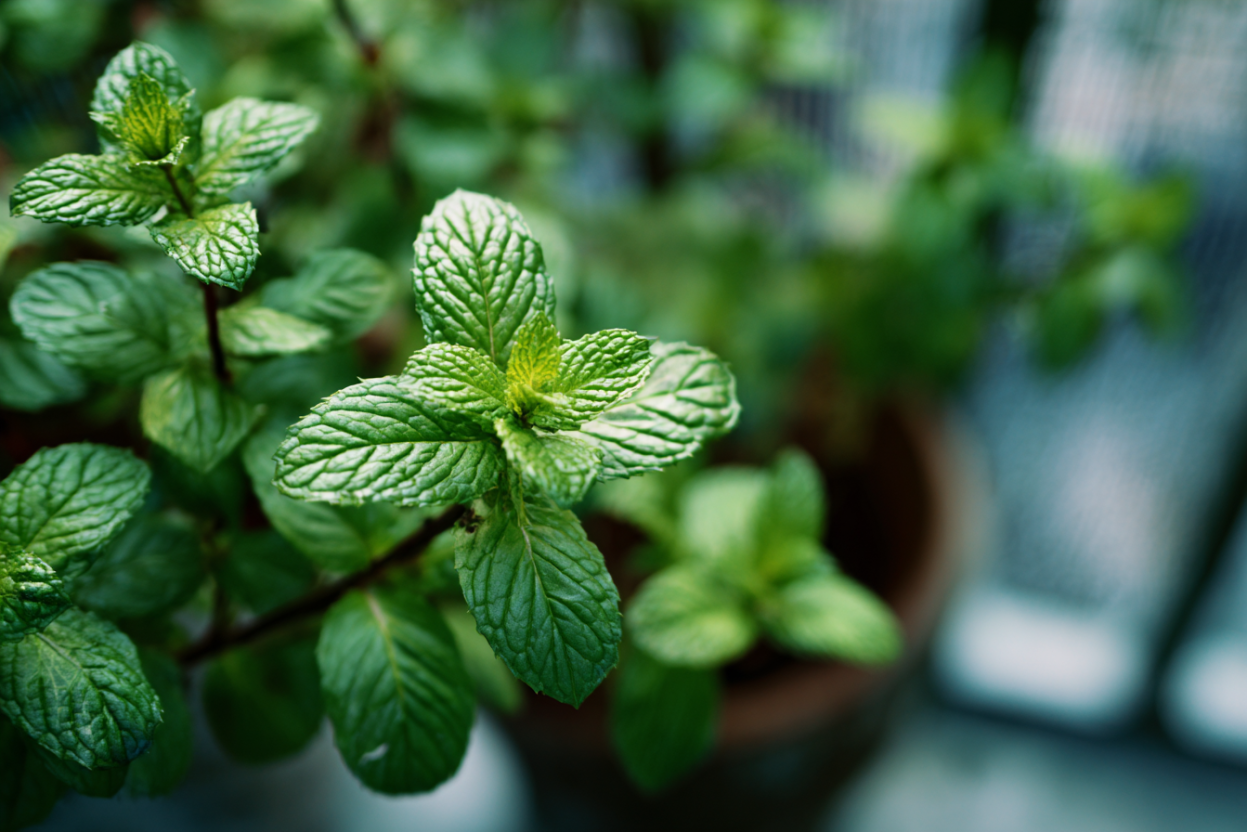
Mentha × piperita — God’s Cooling Comfort for Digestion, Mind, and Body
If you’ve ever experienced the distress of digestive discomfort — the bloating, the cramping, the unsettled stomach that steals your peace — you understand how deeply gut health affects every aspect of life. For millions who struggle with irritable bowel syndrome, indigestion, or simply the occasional upset stomach, relief often feels elusive. Yet nature has provided one of the most effective, well-researched supports for digestive wellness, and it may already be growing in your garden or sitting in your tea cabinet.
Peppermint is one of those remarkable gifts woven into creation with purpose and precision. The same plant that freshens breath and flavors your favorite treats also contains compounds that calm intestinal spasms, soothe inflammation, and bring relief to both body and mind. This is not coincidence — this is design. The Creator who formed your digestive system also provided the plant to support it.
The Plant
Common Names: Peppermint, Brandy Mint, Lamb Mint, Black Peppermint
Botanical Name: Mentha × piperita L.
Family: Lamiaceae (the mint family, known for aromatic leaves and square stems)
Description
Peppermint is a vigorous, rhizomatous perennial herb that grows 30-90 cm (12-35 inches) tall. It is a natural hybrid — a cross between watermint (Mentha aquatica) and spearmint (Mentha spicata) — which gives it unique characteristics not found in either parent plant.
The stems are square in cross-section, smooth, and often tinged with reddish-purple coloring. The leaves are dark green with reddish veins, 4-9 cm long and 1.5-4 cm wide, with an acute apex and coarsely toothed margins. Both leaves and stems are typically slightly fuzzy to the touch.
The flowers appear in mid to late summer as purple, tubular blossoms 6-8 mm long, produced in thick, blunt spikes (verticillasters) around the stem. The entire plant emits the characteristic cool, intensely minty aroma that distinguishes peppermint from other mint varieties.
The root system consists of wide-spreading, fleshy rhizomes that bear fibrous roots. This underground network allows peppermint to spread rapidly — a blessing for those wanting abundant harvests, but requiring management for those with limited space.
Origin
Peppermint is indigenous to Europe and the Middle East. It was first identified and documented in England in 1696 by Dr. Eales in Hertfordshire, with botanist John Ray publishing the discovery in his Synopsis Methodica Stirpium Britannicarum. The plant was added to the London Pharmacopoeia in 1721.
Today, peppermint is cultivated globally in temperate regions — including the United States, India, Europe, and Mediterranean countries. The Pacific Northwest of the United States (Oregon, Washington, Idaho) and the Midwest (Indiana, Wisconsin, Michigan) are major commercial production areas. Outside its cultivated range, peppermint has naturalized in many areas and is considered invasive in Australia, New Zealand, the Galápagos Islands, and parts of the Great Lakes region.
Brief History
While peppermint as a distinct hybrid was identified in the late 17th century, the use of mint plants for medicinal purposes dates back thousands of years to ancient Greece, Rome, and Egypt. Dried mint leaves were found in Egyptian pyramids dating to approximately 1000 BCE.
The ancient Greeks and Romans used mint to scent their bathwater and as a restorative after bathing. They also recognized its digestive benefits — Pliny the Elder noted that mint “stirs up the mind and the appetite to a greedy desire of food.” Hippocrates and Dioscorides documented various therapeutic applications for mint.
After its formal identification in England, peppermint cultivation spread rapidly throughout Europe and eventually to North America, where it became an important commercial crop by the late 19th century. The town of St. Johns, Michigan, was known as the “Peppermint Capital of the World” during the early 20th century.
Growing & Cultivation
Climate & Zones
Peppermint thrives in USDA Hardiness Zones 3-11, making it adaptable to a wide range of climates. It tolerates both cold winters (dying back to the ground and re-emerging in spring) and warm summers, though it prefers cooler temperatures and may struggle in extreme heat without adequate moisture.
For those outside suitable zones or lacking garden space, peppermint grows exceptionally well indoors in containers near sunny windows or under grow lights.
Soil Requirements
Peppermint prefers rich, moist, loamy soil with a pH between 6.0-7.0. It tolerates various soil types but performs best in soil that is well-draining yet moisture-retentive. Heavy clay soils should be amended with compost to improve drainage and aeration.
For container growing, use a quality potting mix amended with compost. Ensure containers have adequate drainage holes, as peppermint dislikes waterlogged conditions despite its love of moisture.
Water & Sunlight
Water Requirements: Moderate to High. Peppermint requires consistent moisture and performs best when soil remains evenly moist but not waterlogged. Water deeply when the top inch of soil feels dry. In hot weather, daily watering may be necessary for container plants.
Sunlight: Full sun to partial shade. While peppermint grows in full sun (6+ hours daily), it actually thrives in partial shade (3-6 hours), especially in warmer climates. The leaves tend to be more aromatic and flavorful when grown with some afternoon shade.
Propagation
Cuttings (Preferred Method): Take 4-6 inch cuttings from healthy stems, remove lower leaves, and place in water or directly in moist potting soil. Roots develop within 1-2 weeks. This method preserves the parent plant’s characteristics.
Division: Divide established plants in spring or fall by separating sections of the root system (rhizomes). Each division should include roots and several stems. Replant immediately and keep well-watered.
Runners: Peppermint naturally propagates via underground rhizomes. Simply dig up rooted sections that have spread from the parent plant and transplant.
Note: Peppermint is a sterile hybrid and does not typically produce viable seed. Propagation from purchased “peppermint seeds” often results in other mint varieties, not true peppermint.
Planting
Space plants 18-24 inches apart, though peppermint will quickly fill in empty spaces via its spreading rhizomes. Plant at the same depth as the original container or division.
Container Growing: Many gardeners grow peppermint exclusively in containers to contain its aggressive spreading habit. Use a container at least 12 inches wide and deep with good drainage. Containers can be sunk into garden beds with the rim above soil level to contain spread while maintaining a natural appearance.
Companion Plants: Peppermint pairs well with cabbage, tomatoes, and brassicas, where its strong scent may deter some pests. However, its aggressive growth can overtake smaller companions — maintain boundaries.
Harvesting
Harvest peppermint leaves throughout the growing season, though the essential oil content is highest just before flowering. Cut stems in the morning after dew has dried but before the heat of the day, when volatile oils are most concentrated.
For fresh use, simply snip leaves or stems as needed. For larger harvests, cut stems back to about 6 inches from the ground — this encourages bushy new growth and allows 2-3 harvests per season.
Best Practice: Harvest the top one-third of the plant, leaving enough foliage for photosynthesis and regrowth.
Drying & Storage
Air Drying: Bundle 5-6 stems together with twine and hang upside down in a warm, dark, well-ventilated area. Leaves dry completely in 1-2 weeks. Alternatively, spread leaves in a single layer on screens in a shaded, airy location.
Dehydrator: Dry at 95-105°F (35-40°C) for 2-4 hours until leaves crumble easily. Lower temperatures preserve more volatile oils.
Storage: Store dried peppermint in airtight glass containers away from light and heat. Properly stored, dried peppermint retains potency for 1-2 years, though flavor is best within the first year.
Freezing: Fresh leaves can be frozen in ice cube trays with water or olive oil for convenient culinary use.
Pest & Disease Management
Peppermint is relatively pest-resistant due to its aromatic oils, but may occasionally encounter aphids, spider mites, or mint rust (a fungal disease causing orange-brown pustules on leaves).
Prevention: Ensure good air circulation by avoiding overcrowding. Water at soil level to keep leaves dry. Remove and destroy any affected foliage immediately.
Organic Treatment: Spray aphids with a strong water jet or insecticidal soap. For persistent problems, neem oil can help. For mint rust, remove all affected plant parts and consider starting fresh with disease-free cuttings.
Companion Planting
Beneficial companions: Tomatoes, cabbage, broccoli, kale, and peppers may benefit from peppermint’s pest-deterrent properties.
Keep separate from: Other mint varieties (to prevent cross-contamination and maintain distinct flavors), chamomile, and parsley.
The Healing of Growing
Growing peppermint offers benefits beyond the harvest itself. The act of gardening — hands in soil, time spent outdoors — has been shown to reduce cortisol, improve mood, and support immune function. Soil contains beneficial bacteria (Mycobacterium vaccae) with documented antidepressant effects. Simply tending to your peppermint plants connects you to the rhythm of creation, providing healing before you ever consume the herb. When you cultivate this plant with your own hands, you participate in the ancient practice of cooperating with nature’s design.
Nutritional Profile
Macronutrients
Per 100g of fresh peppermint leaves:
Calories: 70 kcal | Protein: 3.75g | Carbohydrates: 14.89g | Fiber: 8g | Sugars: 0g | Fat: 0.94g
While peppermint is typically consumed in small amounts (as tea or seasoning rather than as a vegetable), its nutritional density per gram is impressive.
Vitamins
Vitamin A: 4,248 IU (85% DV) — Supports vision, immune function, and skin health. Acts as an antioxidant protecting cells from damage.
Vitamin C: 31.8mg (35% DV) — Essential for collagen synthesis, immune defense, and antioxidant protection. Enhances iron absorption from plant foods.
Folate (B9): 114μg (29% DV) — Critical for DNA synthesis and cell division, particularly important during pregnancy for fetal development.
Riboflavin (B2): 0.27mg (21% DV) — Supports energy production and cellular function. Helps convert food into usable fuel.
Minerals
Manganese: 1.18mg (51% DV) — Essential for bone health, metabolism, and antioxidant enzyme function. Supports collagen production and blood sugar regulation.
Copper: 0.33mg (37% DV) — Required for iron metabolism, connective tissue formation, and nervous system function.
Iron: 5.08mg (28% DV) — Vital for oxygen transport in blood and energy production. The vitamin C content aids iron absorption.
Potassium: 569mg (12% DV) — Supports heart function, muscle contractions, and fluid balance. Helps regulate blood pressure.
Magnesium: 80mg (19% DV) — Involved in over 300 enzymatic reactions, supports muscle and nerve function, blood sugar regulation, and bone health.
Calcium: 243mg (19% DV) — Essential for bone and teeth health, muscle function, nerve signaling, and blood clotting.
Phytonutrients & Active Compounds
Rosmarinic Acid: A powerful phenolic compound with demonstrated antioxidant and anti-inflammatory properties. Research suggests it may help relieve symptoms associated with allergies by reducing inflammatory responses.
Flavonoids (Eriocitrin, Luteolin, Hesperidin): These compounds contribute to peppermint’s antioxidant capacity. Luteolin has been studied for its anti-inflammatory and neuroprotective potential; hesperidin supports cardiovascular health.
Menthol (in leaves): Even fresh leaves contain the monoterpene menthol, responsible for the characteristic cooling sensation. Menthol activates cold-sensitive TRPM8 receptors in the skin and mucous membranes.
Caffeic Acid: An antioxidant compound that may support healthy inflammatory response.
Nutrient Notes
Peppermint provides an impressive concentration of nutrients per serving, particularly when consumed as tea (where water-soluble vitamins and minerals infuse into the liquid). The high iron content makes peppermint a valuable addition to vegetarian and vegan diets, especially when paired with vitamin C-rich foods to enhance absorption.
The flavonoids in peppermint work synergistically with the volatile compounds, providing benefits beyond what isolated nutrients would offer alone — a beautiful example of the wholeness designed into every plant.
Culinary Uses
Edible Parts
Leaves: The primary culinary portion, used fresh or dried in both sweet and savory applications.
Flowers: Edible and pretty as garnish, though more mild in flavor than leaves.
Stems: Young, tender stems can be used in cooking; woody stems are typically discarded but can flavor broths or syrups.
Flavor Profile
Peppermint delivers a bright, intensely minty flavor with a characteristic cooling sensation created by menthol’s interaction with cold receptors. The taste is initially cool and fresh, followed by a slight peppery warmth — hence the name “peppermint.”
Fresh: Bright, sharp, intensely aromatic. The cooling sensation is most pronounced.
Dried: More concentrated, slightly less bright but still distinctively minty. Retains cooling properties.
Cooked: Heat diminishes some volatile compounds; add at the end of cooking to preserve flavor.
Preparation
Fresh Leaves: Stack leaves, roll tightly, and slice into thin ribbons (chiffonade) for salads, garnishes, or finishing dishes. Can also be torn or left whole.
Muddling: Gently press fresh leaves with a muddler to release oils for beverages without creating bitterness.
Infusions: Steep fresh or dried leaves in hot water for tea, in cream for desserts, or in simple syrup for beverages.
Dried: Crumble directly into dishes or steep in liquids. Approximately 1 teaspoon dried equals 1 tablespoon fresh.
Culinary Pairings
Proteins: Lamb (classic pairing), chicken, duck, fish
Fruits: Watermelon, strawberries, raspberries, citrus, mango, chocolate
Vegetables: Peas, cucumber, carrots, eggplant, zucchini
Grains: Couscous, bulgur, rice (particularly in Middle Eastern cuisine)
Dairy: Cream, yogurt, ice cream, chocolate
Beverages: Tea, lemonade, cocktails (mojito, julep), smoothies, hot cocoa
Complementary Herbs/Spices: Basil, cilantro, parsley, lemon, lime, ginger, chocolate, vanilla
Storage
Fresh: Wrap stems in damp paper towel and store in plastic bag in refrigerator for up to 1 week. Alternatively, place stems in a glass of water (like flowers) covered loosely with plastic, refrigerated — lasts up to 2 weeks.
Dried: Store in airtight containers away from light and heat for up to 1 year.
Frozen: Freeze whole leaves on a baking sheet, then transfer to freezer bags; or freeze chopped leaves in ice cube trays with water or oil.
Ready to cook with peppermint? View Recipes on Chefts →
Wellness & Therapeutic Uses
Traditional Uses
The medicinal use of mint plants dates back thousands of years across virtually every culture with access to the herb. Ancient Egyptians, Greeks, and Romans used mint for digestive complaints — Pliny the Elder documented its ability to stimulate appetite and calm the stomach. Traditional Chinese Medicine has employed mint (Bo He) for centuries to dispel wind-heat, clear the head, and soothe the throat.
In Ayurvedic tradition, mint is considered cooling and is used to balance Pitta dosha, support digestion, and clear the respiratory passages. European folk medicine employed peppermint for colic, nausea, headaches, and nervous tension. Native American tribes used wild mint varieties for similar digestive and respiratory support.
Across these traditions, consistent themes emerge: peppermint supports healthy digestion, soothes the stomach, clears the head, and brings relief to respiratory complaints.
Modern Research
Irritable Bowel Syndrome (IBS): Peppermint oil is one of the most well-researched natural supports for IBS symptoms. A 2022 systematic review and meta-analysis of 10 randomized controlled trials (1,030 patients) found that peppermint oil was significantly more effective than placebo for improving global IBS symptoms (NNT=4) and reducing abdominal pain (NNT=7). The mechanism involves menthol’s calcium channel-blocking activity, which relaxes intestinal smooth muscle and reduces spasms.
Digestive Support: Research indicates peppermint may support healthy digestion by relaxing the smooth muscles of the gastrointestinal tract, reducing stomach spasms, and supporting the flow of bile — important for fat digestion. Studies have shown benefit for indigestion (dyspepsia), particularly when combined with caraway.
Headache Support: A 2019 clinical trial found that topically applied peppermint essential oil reduced headache intensity and provided pain relief comparable to lidocaine in people with tension headaches. The menthol in peppermint activates cold receptors and may inhibit pain signal transmission.
Respiratory Support: Menthol has long been used to support respiratory comfort. While it does not directly open airways, it creates a sensation of improved airflow by activating cold receptors. Peppermint’s antimicrobial properties may also support respiratory health.
Nausea Relief: A 2020 study found that peppermint oil applied topically between the mouth and nose significantly decreased nausea and vomiting severity in people undergoing chemotherapy. Aromatherapy with peppermint has shown promise for post-operative nausea as well.
Antimicrobial Activity: Laboratory research demonstrates that peppermint and its constituents exhibit activity against various bacteria, viruses, and fungi. Studies show significant activity against Staphylococcus aureus and Candida albicans, among others.
Body Systems Supported
Digestive System: Primary area of support — relaxes smooth muscle, reduces spasms, supports bile flow, eases discomfort.
Nervous System: May support mood, alertness, and cognitive function; provides analgesic effects for headaches.
Respiratory System: Creates sensation of clear breathing; traditional decongestant use.
Immune System: Antimicrobial and immunomodulating properties documented in research.
Integumentary (Skin): Cooling, soothing effects; may help with itching and irritation.
Body Compounds Affected
Research suggests peppermint may influence various body compounds:
GABA: Some evidence suggests menthol may interact with GABAergic pathways, potentially contributing to calming effects.
Histamine: The rosmarinic acid in peppermint may help modulate histamine release, potentially supporting healthy allergy response.
Substance P: Menthol may affect pain signaling pathways, including substance P transmission.
Cortisol: The calming, stress-relieving effects of peppermint aromatherapy may support healthy cortisol levels.
Methods of Use
Tea/Infusion
Parts used: Dried or fresh leaves
Amount: 1 tablespoon fresh or 1 teaspoon dried per cup (8 oz)
Water temperature: Just off boiling (200°F/93°C)
Steep time: 5-10 minutes, covered (to retain volatile oils)
Frequency: 1-3 cups daily as desired
Tincture
Peppermint tinctures concentrate the plant’s active compounds in an alcohol base. Typical dosage ranges from 2-4 mL (approximately 40-80 drops) taken in water, 1-3 times daily. Follow manufacturer’s recommendations or work with a qualified herbalist.
Enteric-Coated Capsules
For digestive support, enteric-coated peppermint oil capsules are often preferred as they pass through the stomach intact and release in the intestines where support is needed. This reduces the potential for heartburn and delivers the oil where it can be most effective for IBS symptoms. Typical dosages in research range from 0.2-0.4 mL per dose, taken 2-3 times daily before meals.
Topical (Diluted Essential Oil)
For headaches: Apply diluted peppermint oil (2-3%) to temples, forehead, and back of neck.
For muscle discomfort: Apply diluted oil to affected areas.
See Essential Oil section for proper dilution guidelines.
Inhalation
Add a few drops of essential oil to a diffuser, or place 1-2 drops on hands, rub together, cup over nose, and inhale deeply for respiratory support or nausea relief.
Cosmetic & Beauty Uses
Skin Benefits
Peppermint offers several properties beneficial for skin health:
Cooling and Soothing: Menthol creates a cooling sensation that can provide relief for irritated, itchy, or overheated skin.
Antimicrobial: Peppermint’s natural antimicrobial properties may support skin prone to breakouts by helping maintain a healthy skin microbiome.
Astringent: Mildly tightens and tones skin, potentially helping minimize the appearance of pores.
Best for: Oily skin, acne-prone skin, combination skin. May be too stimulating for very sensitive or dry skin types.
Caution: Peppermint (especially the essential oil) can be irritating if used improperly. Always patch test and dilute appropriately.
Hair Benefits
Peppermint has traditionally been used for scalp and hair health:
Scalp Stimulation: The cooling, tingling sensation increases blood flow to the scalp. Some research suggests peppermint oil may support healthy hair growth by improving circulation to hair follicles.
Oil Balance: May help regulate scalp oil production, beneficial for those with oily scalps.
Dandruff Support: Antimicrobial and anti-inflammatory properties may support a healthy scalp environment and reduce flaking.
Refreshing Cleanse: Peppermint’s cooling properties provide a refreshing sensation during cleansing, helping remove buildup.
Application Methods
Peppermint-Infused Oil: Steep dried peppermint leaves in a carrier oil (jojoba, sweet almond) for 2-4 weeks. Strain and use for scalp massage or as a light facial oil for oily skin types.
Face Mist/Toner: Brew strong peppermint tea, cool completely, and use as a refreshing facial toner for oily skin. Store refrigerated for up to 1 week.
Face Masks: Add a few drops of peppermint-infused oil or cooled peppermint tea to clay masks for additional cooling, clarifying benefits.
Hair Rinse: Use cooled peppermint tea as a final rinse after shampooing to stimulate scalp and add shine.
Scalp Treatment: Add 2-3 drops of peppermint essential oil to 1 tablespoon carrier oil; massage into scalp before shampooing.
DIY Formulation Notes
Dilution for Skin: Peppermint essential oil should be diluted to 1-2% for facial use (approximately 3-6 drops per tablespoon of carrier oil). For body products, 2-3% is typically safe for most adults.
Compatible Carriers: Jojoba oil (similar to skin’s sebum), grapeseed oil (light, good for oily skin), sweet almond oil, or witch hazel for toners.
Avoid combining with: Other “hot” or stimulating essential oils (cinnamon, clove) for facial use; can be overwhelming and irritating.
Shelf Life: Peppermint-infused oils keep 6-12 months stored in a cool, dark place. Water-based preparations (toners) should be refrigerated and used within 1-2 weeks.
Peppermint is among the botanicals being explored for holistic cosmetic applications, where the wisdom of traditional beauty practices meets modern understanding of skin science.
Essential Oil Profile
Extraction
Primary Method: Steam distillation of the aerial parts (leaves and flowering tops)
Plant Part Used: Fresh or partially dried leaves and flowering tops, harvested just before full bloom when essential oil content is highest
Yield: Approximately 0.3-0.4% from dried plant material, meaning it takes roughly 250-400 pounds of plant material to produce one pound of essential oil — explaining why quality peppermint oil commands a premium price
Chemical Constituents
Peppermint essential oil is a complex mixture of over 300 compounds. The primary constituents include:
Menthol (30-50%): The primary active compound responsible for peppermint’s characteristic cooling sensation. Menthol is a monoterpene alcohol that activates TRPM8 cold-sensitive receptors. It provides analgesic, antispasmodic, and antimicrobial effects.
Menthone (14-32%): A monoterpenoid ketone that contributes to the minty aroma and possesses antimicrobial properties. Higher menthol to menthone ratios generally indicate higher quality oil.
Menthyl Acetate (3-10%): An ester that adds sweetness to the aroma and contributes to the oil’s antispasmodic properties.
1,8-Cineole (Eucalyptol) (3-6%): An oxide that contributes respiratory support and a slightly camphoraceous note.
Limonene (1-6%): A monoterpene with uplifting citrus notes, studied for various beneficial properties.
Other components: β-pinene, β-caryophyllene, pulegone (should be minimal — see Quality section), menthofuran, neomenthol, isomenthone.
Aroma Profile
Classification: Top note (evaporates quickly, first impression in a blend)
Scent Description: Fresh, cool, sharp, strongly minty with a slight herbaceous and camphoraceous undertone. Intensely bright and penetrating.
Intensity: Strong — a little goes a long way
Blends well with: Eucalyptus, rosemary, lavender, lemon, orange, tea tree, cedarwood, pine, cypress, grapefruit
Therapeutic Properties
Peppermint essential oil research suggests the following properties (using compliant language):
Antispasmodic: May help relax smooth muscle, particularly in the digestive tract
Analgesic: May help relieve discomfort when applied topically (properly diluted)
Antimicrobial: Demonstrates activity against various bacteria and fungi in laboratory studies
Cooling: Provides a cooling sensation through TRPM8 receptor activation
Digestive Support: Traditionally used and researched for digestive comfort
Energizing/Clarifying: The aroma is traditionally used to promote alertness and mental clarity
Decongestant: Creates a sensation of clearer breathing
How to Use
Diffusion
Add 3-5 drops to an ultrasonic diffuser for a 200 sq ft room. Diffuse in 30-60 minute intervals. Avoid continuous diffusion, especially around children, pets, or those with respiratory sensitivities. Ensure good ventilation.
Topical Application
Standard Adult Dilution (2-3%): 12-18 drops essential oil per ounce of carrier oil
Sensitive Skin Dilution (1%): 6 drops essential oil per ounce of carrier oil
Children over 6 years (0.5-1%): 3-6 drops essential oil per ounce of carrier oil
Elderly (1-2%): 6-12 drops essential oil per ounce of carrier oil
Carrier Oil Suggestions: Fractionated coconut oil, jojoba oil, sweet almond oil
Avoid: Eyes, inner ears, mucous membranes, broken or irritated skin
Internal Use
Enteric-coated peppermint oil capsules are the safest form for internal use, as they protect the esophagus and stomach from potential irritation. Do not ingest pure essential oil without professional guidance. Capsules should be taken as directed on the product label or by a qualified healthcare provider.
Quality & Sourcing
Look for:
— GC/MS (Gas Chromatography/Mass Spectrometry) testing results available
— Latin name (Mentha × piperita) on label
— Country of origin listed
— Menthol content of 30-50% (optimal range)
— Low pulegone content (under 1% — higher levels indicate lower quality or adulteration)
— Low menthofuran content (under 4% preferred)
Red Flags:
— Very low price (quality peppermint oil is not cheap to produce)
— No botanical name or testing information
— “Fragrance oil” or “perfume oil” labels (not therapeutic grade)
— Artificial mint smell or chemical undertones
Blending
For Digestive Support: Peppermint + Ginger + Fennel (equal parts)
For Respiratory Support: Peppermint + Eucalyptus + Lemon (2:2:1 ratio)
For Headache Support: Peppermint + Lavender (1:1 ratio)
For Mental Clarity: Peppermint + Rosemary + Lemon (1:1:1 ratio)
For Muscle Comfort: Peppermint + Lavender + Eucalyptus (1:2:1 ratio)
Aromatherapy & Scent
The Aroma
Fresh Plant Aroma: Living peppermint emits a bright, cool, intensely minty fragrance that is unmistakable. The scent is strongest when the leaves are touched, crushed, or brushed against — releasing volatile oils into the air. Scent is also most potent in the morning hours, just after dew has dried, and intensifies as the plant approaches flowering. Simply walking through a peppermint patch releases a refreshing wave of aroma.
Dried Plant Aroma: When dried, peppermint retains its characteristic minty scent though it becomes slightly softer and less “green.” The cooling quality remains present. Properly dried and stored peppermint can retain its aroma for 1-2 years, though freshness diminishes after the first year.
How Scent Affects Your Body
When you inhale the scent of peppermint, volatile molecules travel through your nasal passages to olfactory receptors high in the nasal cavity. These receptors send signals directly to the limbic system — the emotional center of the brain — and the hypothalamus, which controls hormones. This pathway is unique because scent bypasses the conscious, analytical brain and creates physiological responses within seconds, before you consciously process the smell. This is why a single whiff of peppermint can instantly change your state — waking you up, settling your stomach, or clearing your head.
Emotional & Mood Effects
Research and traditional use suggest that inhaling peppermint may produce the following effects:
Energizing & Uplifting: Peppermint is renowned for its ability to increase alertness and combat mental fatigue. Studies have shown improved performance on cognitive tasks after peppermint exposure.
Clarifying & Focusing: The bright, sharp scent helps clear mental fog and improve concentration.
Calming Nausea: Inhaling peppermint has demonstrated effectiveness in reducing nausea, including post-operative nausea and that caused by chemotherapy.
Mood Elevation: The fresh, clean scent tends to lift spirits and create a sense of positivity.
Paradoxically Calming: While energizing, peppermint can also reduce anxiety and stress, perhaps by helping the mind feel more alert and in control.
Body Compounds Affected
Inhalation of peppermint aroma may influence several body compounds:
Cortisol: The calming aspect of peppermint aromatherapy may support healthy cortisol levels, particularly during times of stress.
Norepinephrine: The alerting, energizing effect suggests potential interaction with norepinephrine pathways, promoting wakefulness and attention.
Dopamine: The mood-lifting properties may involve dopaminergic pathways, contributing to feelings of motivation and well-being.
Ways to Experience the Scent
Grow the Plant Indoors: A pot of peppermint on a sunny windowsill provides living aromatherapy. Brush your hand across the leaves whenever you need a refresh.
Fresh Cuttings in a Vase: Place fresh stems in a vase with water in your kitchen or workspace.
While Gardening: The simple act of tending, pruning, or harvesting peppermint releases abundant aromatic molecules.
Dried Sachets: Fill small cloth bags with dried peppermint for closets, drawers, or under your pillow.
Simmering on the Stove: Add fresh or dried peppermint to a pot of water and simmer gently to fill your home with fresh mint aroma.
Bath Additions: Add a handful of fresh leaves or a strong tea infusion to your bathwater.
Crushed Leaves: Simply crush a fresh leaf between your fingers and inhale for an instant pick-me-up.
Color Therapy
The Colors of Peppermint
Leaves: Deep green with distinctive reddish-purple veins, particularly prominent on the undersides and stems. New growth may be lighter green.
Stems: Square stems often show reddish-purple coloring, especially in full sun.
Flowers: Small tubular flowers range from pale pink to light purple/violet.
Color Wavelengths
Green: Wavelength approximately 495-570nm — the dominant color of the foliage
Purple/Violet: Wavelength approximately 380-450nm — present in flowers and stem coloring
How Green Affects the Body
Green sits at the center of the visible spectrum and is associated with balance, harmony, and restoration. As the color of nature and vegetation, green has a naturally calming effect on the nervous system. Research on color therapy and environmental psychology suggests that exposure to green:
— Creates a sense of balance and equilibrium
— Reduces stress and promotes relaxation
— Supports the heart center (in traditional color therapy)
— Connects us to nature and promotes feelings of renewal
— May reduce eye strain and fatigue
The purple accents in peppermint add an element of the violet spectrum, traditionally associated with calming the nervous system, supporting meditation and introspection, and spiritual connection.
Body Compounds Affected
Exposure to green light and green environments has been associated with:
Cortisol reduction: Time in green nature settings consistently shows decreased cortisol levels.
Serotonin support: Green environments may help support healthy serotonin function, contributing to mood stability.
Using Peppermint for Color Therapy
Placement: Position potted peppermint where you will see it regularly — near your workspace, in the kitchen, or by a window you frequently pass.
Green Environment: Include peppermint as part of a collection of green plants to create a mini nature sanctuary in your home, bringing the healing color of nature indoors.
Cut Flowers: When peppermint blooms, the purple flower spikes can be cut for small arrangements, bringing both green and violet color therapy benefits.
Eating the Color: Including the green of fresh peppermint in your diet — in salads, garnishes, or as tea — is part of “eating the rainbow” that supports whole-body health.
Frequency & Vibration
The Frequency of Peppermint
According to bio-frequency research pioneered by Bruce Tainio, peppermint essential oil has been measured at approximately 78 MHz. This places it among the higher-frequency essential oils. For context:
— Healthy human body frequency: 62-78 MHz
— Cold/flu onset may begin when frequency drops to around 58 MHz
— Disease processes may correlate with frequencies below 58 MHz
The measured frequency of peppermint essential oil (78 MHz) is at the upper range of healthy human frequency, suggesting its potential as a frequency-supportive plant.
Human Frequency Interaction
Proponents of vibrational medicine suggest that higher-frequency substances can support and potentially raise the frequency of the human body through the principle of entrainment — where a stronger, more coherent frequency can influence and harmonize with a weaker one.
According to this framework, being around peppermint plants, using peppermint essential oil, or consuming peppermint may support the body’s natural frequency. While this research is still emerging and not widely accepted in conventional medicine, it provides an interesting lens through which to understand why humans have been drawn to aromatic plants throughout history.
Essential Oil Frequency
Peppermint essential oil, as a concentrated form of the plant’s volatile compounds, contains what frequency researchers describe as concentrated life force or vibrational energy. The steam distillation process preserves these volatile compounds, creating a potent form of the plant’s aromatic and energetic signature.
Vibrational Applications
Raising Personal Frequency: According to vibrational wellness principles, diffusing peppermint oil, applying it topically (properly diluted), or simply spending time with living peppermint plants may support your body’s optimal frequency.
Environment Enhancement: Spaces where people gather, work, or heal may benefit from the presence of high-frequency plants like peppermint.
Combining with Other Practices: Peppermint can be used alongside other frequency-supportive practices — prayer, meditation, time in nature, consuming whole foods — as part of a holistic approach to wellness.
Note: Frequency measurements of essential oils are an emerging area of research. While intriguing, this information should be considered alongside, not as a replacement for, other well-established research on peppermint’s benefits.
The Living Plant
Benefits of Presence
Beyond harvesting and consuming peppermint, simply having the living plant in your environment provides benefits supported by research on biophilic design and forest bathing.
Studies consistently show that the presence of plants in our living and working spaces reduces stress, improves mood, enhances cognitive function, and speeds healing. A view of or proximity to green plants activates the parasympathetic nervous system — the “rest and digest” response — counteracting the chronic stress of modern life.
Peppermint, with its vibrant green color, pleasant aroma, and forgiving nature as a houseplant, offers all these benefits plus the additional advantages of its aromatic compounds.
Air Purification
While peppermint was not specifically studied in NASA’s famous Clean Air Study, plants in general contribute to air quality through:
Oxygen Production: Like all green plants, peppermint produces oxygen through photosynthesis during daylight hours.
Humidity Regulation: Plants release water vapor through transpiration, helping to maintain healthy indoor humidity levels.
General Air Quality: The presence of plants is associated with reduced airborne dust and may help filter some pollutants.
Phytoncides
Peppermint releases volatile organic compounds — including menthol, menthone, and other aromatic molecules — into the surrounding air. While not studied specifically as “phytoncides” (the term usually applied to compounds from trees), these antimicrobial volatiles share similar properties with forest phytoncides that have been shown to:
— Increase Natural Killer (NK) cell activity (part of immune function)
— Reduce stress hormone levels
— Improve mood and energy
Having living peppermint in your space means constant low-level exposure to these beneficial compounds.
Visual & Psychological Benefits
Research on plants in healthcare, workplace, and residential settings demonstrates:
Stress Reduction: Viewing plants lowers blood pressure, heart rate, and cortisol levels.
Attention Restoration: Time spent looking at or being near plants restores the ability to focus after mental fatigue.
Productivity: Workers with plants in their environment show improved productivity and job satisfaction.
Faster Healing: Hospital patients with plant views or plants in their rooms have been shown to require less pain medication and have shorter hospital stays.
Growing Indoors vs. Outdoors
Indoor Growing: Peppermint thrives indoors in containers near sunny windows (4-6 hours of light) or under grow lights. Keep soil consistently moist. Benefits include year-round access, contained growth, and constant proximity for aromatic and visual benefits.
Outdoor Growing: Provides the full benefits of being outdoors in nature — sunlight, fresh air, grounding through soil contact. Plants grow more vigorously and may produce more essential oil when grown in their natural outdoor environment.
Ideal approach: Grow peppermint both indoors and outdoors to maximize benefits — outdoor plants for abundant harvests, indoor plants for year-round presence and connection to nature.
Touch & Physical Interaction
Gardening Therapy
Horticultural therapy — the use of gardening and plant care for therapeutic benefit — is an established practice with documented effects on mental and physical health. Working with peppermint provides a multi-sensory experience that engages sight, smell, and touch simultaneously.
The repetitive, rhythmic motions of planting, tending, pruning, and harvesting peppermint create a meditative state that can reduce anxiety, improve mood, and provide a sense of accomplishment. The immediate sensory feedback (fresh mint scent with every touch) enhances the therapeutic experience.
Soil Contact Benefits
When you garden with your hands in the soil, you receive benefits beyond the plant itself:
Grounding/Earthing: Direct contact with the earth allows for electron transfer, which research suggests may reduce inflammation and improve sleep, mood, and energy.
Mycobacterium vaccae: This beneficial soil bacterium, encountered through gardening, has been shown in research to increase serotonin production and reduce anxiety — earning it the nickname “nature’s antidepressant.”
Microbiome Support: Exposure to the diverse microorganisms in healthy soil supports the diversity of our own microbiome, which affects everything from immune function to mental health.
The Tactile Experience
Leaves: Peppermint leaves have a slightly fuzzy, textured surface that feels pleasant under fingertips. The act of rubbing a leaf releases aromatic oils onto your skin, providing both tactile and olfactory stimulation.
Stems: The distinctive square stems of the mint family have a firm, slightly rigid texture that is satisfying to run your fingers along.
Harvesting: Snipping or pinching peppermint stems provides the satisfying sensation of productive work, combined with the immediate reward of fresh mint fragrance filling the air.
Harvesting & Processing
Harvesting as Meditation: The repetitive act of cutting stems, gathering leaves, and bundling for drying creates a rhythmic, meditative practice. Many find this form of productive engagement with plants deeply calming.
Processing Therapy: Stripping leaves from stems, bundling harvests for drying, or processing leaves for tea can be done mindfully, turning practical tasks into opportunities for presence and connection.
Seasonal Rhythm: Participating in the cycle of planting, growing, harvesting, and preserving connects us to ancient rhythms that modern life has largely abandoned — yet our bodies and minds still crave.
Water-Based Applications
Teas & Infusions
Standard Infusion:
— Parts: Dried or fresh leaves
— Amount: 1 tablespoon fresh or 1 teaspoon dried per cup (8 oz)
— Water temperature: 200°F (93°C) — just off boiling
— Steep time: 5-10 minutes, covered to retain volatile oils
— Frequency: 1-3 cups daily as desired
Cold Infusion:
For a milder, sweeter brew, place fresh peppermint in cool water and refrigerate for 4-8 hours. Cold infusion extracts fewer tannins, resulting in a smoother taste. Excellent for summer drinking.
Herbal Baths
Full Body Bath:
— Add 1-2 cups fresh peppermint leaves or 1/2 cup dried leaves in a muslin bag
— Alternatively, brew a strong tea (4-6 cups) and add to bathwater
— Temperature: Warm to lukewarm (peppermint enhances cooling sensations)
— Soak time: 15-20 minutes
— Benefits: Refreshes and invigorates, may soothe minor muscle discomfort, cools overheated body in summer
Foot Bath:
— Add 1/2 cup fresh leaves or a few tablespoons dried to a basin of warm water
— Soak feet for 15-20 minutes
— Excellent for tired, aching feet; the menthol provides a cooling, refreshing sensation
Hydrosols
Peppermint hydrosol (the aromatic water produced during steam distillation of essential oil) is available commercially. It offers a gentler alternative to essential oil with the same refreshing aroma.
Uses:
— Facial mist for oily or combination skin
— Room/linen spray
— Added to bathwater
— Cooling spray for hot flashes or overheating
— Safe for use around children (where essential oil may be too strong)
Compresses
Cold Compress: Brew strong peppermint tea, chill thoroughly, and soak a cloth to apply to forehead for headaches or to overheated skin for cooling relief.
Warm Compress: Use warm (not hot) peppermint tea to soak a cloth for application to tense muscles. The warmth relaxes while the menthol provides additional soothing sensation.
Steam Inhalation
— Add a handful of fresh leaves or 1 tablespoon dried to a bowl of hot (not boiling) water
— Alternatively, add 2-3 drops of essential oil
— Tent head with a towel over the bowl
— Breathe deeply for 5-10 minutes
— Benefits: Supports respiratory comfort, clears sinuses, provides aromatic benefit
— Caution: Keep eyes closed; menthol can be irritating to eyes
Hair Rinses
— Brew a strong peppermint tea (3-4 tablespoons per quart of water)
— Cool completely
— Use as a final rinse after shampooing (do not rinse out)
— Benefits: Stimulates scalp, may help with oil balance, adds shine, leaves refreshing scent
Historical, Cultural & Biblical Significance
Biblical References
While peppermint as a specific hybrid is not directly named in Scripture (as it was not formally identified until 1696), the broader category of mint is indeed referenced. Jesus mentioned mint among the herbs tithed by the Pharisees:
“But woe unto you, Pharisees! for ye tithe mint and rue and all manner of herbs, and pass over judgment and the love of God: these ought ye to have done, and not to leave the other undone.” — Luke 11:42 (KJV)
“Woe unto you, scribes and Pharisees, hypocrites! for ye pay tithe of mint and anise and cummin, and have omitted the weightier matters of the law, judgment, mercy, and faith: these ought ye to have done, and not to leave the other undone.” — Matthew 23:23 (KJV)
These passages confirm that mint was cultivated and valued in Israel during Jesus’ time, considered valuable enough to be included in religious tithing. The mint known in biblical times was likely spearmint (Mentha spicata) — one of the parent species of peppermint — or other native Mentha species.
Ancient Civilizations
Ancient Egypt: Dried mint leaves have been found in Egyptian pyramids dating to approximately 1000 BCE, indicating early cultivation and valuing of the plant. Egyptians used mint in both culinary and medicinal contexts.
Ancient Greece: The Greeks held mint in high regard. The word “mint” derives from the Greek mythological nymph Minthe. Greek physicians including Hippocrates (460-370 BCE) documented mint’s digestive benefits. Dioscorides, in his De Materia Medica (1st century CE), described mint’s warming and astringent qualities and its uses for stomach ailments.
Ancient Rome: Romans used mint extensively — to scent their bathwater, as a restorative after bathing, and as a digestive aid. Pliny the Elder wrote that mint “stirs up the mind and the appetite to a greedy desire of food.” Romans spread mint cultivation throughout their empire, bringing it to Britain where peppermint would later be discovered.
Hebrew/Jewish Tradition: As evidenced by the Scriptural references, mint was part of Jewish agricultural and religious life, grown in gardens and tithed according to the Law.
Eastern Traditions
Traditional Chinese Medicine: Mint (Bo He) has been used in TCM for over two thousand years. It is classified as a cooling, pungent herb used to dispel wind-heat, clear the head and eyes, and soothe the throat. It is commonly used in formulas for colds, fevers, headaches, and sore throats.
Ayurveda: In the ancient Indian healing system, mint (called Pudina in Hindi) is considered cooling and is used to balance Pitta dosha — the fire element associated with inflammation, digestive issues, and overheating. It is prescribed for digestive complaints, respiratory issues, and skin conditions.
These Eastern cultures observed the same properties that modern research confirms — they were documenting the Creator’s design in the plant, even if they didn’t know Him by name.
Indigenous Knowledge
Native American: Various Native American tribes used wild mint species for digestive ailments, respiratory support, and as a general tonic. Many tribes also used mint for ceremonial purposes (cultural, not occult) and as a natural insect repellent. The Cherokee, Ojibwa, and other tribes had documented uses for wild mints.
European Heritage
Medieval Period: Mint was cultivated in monastery gardens, where monks preserved and expanded botanical knowledge. It was used for digestive complaints and to freshen air in sickrooms.
Renaissance Herbals: John Gerard (1597) and Nicholas Culpeper (1653) both documented mint in their herbals, describing its uses for digestive troubles, headaches, and other ailments.
Peppermint’s Discovery: In 1696, Dr. Eales discovered peppermint growing in England, recognizing it as distinct from other mints. John Ray published the finding, and the plant was added to the London Pharmacopoeia in 1721. Commercial cultivation soon followed.
Cultural Symbolism
Throughout history, mint has symbolized hospitality — offered to guests to refresh and welcome them. In many cultures, offering mint tea is a gesture of warmth and greeting. The refreshing, cleansing qualities of mint have made it associated with purification and renewal.
Safety & Precautions
Contraindications
Peppermint (especially the essential oil) should be avoided or used with caution in the following circumstances:
— Gastroesophageal Reflux Disease (GERD): Peppermint can relax the lower esophageal sphincter, potentially worsening heartburn and acid reflux symptoms.
— Hiatal Hernia: Same concern as GERD — sphincter relaxation can worsen symptoms.
— Gallbladder Issues/Gallstones: Peppermint stimulates bile flow and may cause issues in those with gallbladder disease.
— Severe Liver Disease: May affect liver enzyme function.
Drug Interactions
Peppermint may interact with the following medications:
CYP450 Substrates: In vitro research shows peppermint oil inhibits CYP3A4, CYP1A2, and CYP2C9 enzymes. This could theoretically increase blood levels of medications metabolized by these enzymes, including:
— Calcium channel blockers (nifedipine, felodipine)
— Statins (atorvastatin, simvastatin)
— Cyclosporine (immunosuppressant)
— Certain antidepressants
— Some sedatives (midazolam)
Antacids, H2 blockers, Proton Pump Inhibitors: These medications change stomach pH and may cause enteric-coated peppermint oil capsules to dissolve prematurely, losing their intended benefit and potentially causing heartburn.
If you take prescription medications, consult your healthcare provider before using therapeutic doses of peppermint oil.
Pregnancy & Nursing
Pregnancy: Peppermint tea in moderate amounts (1-2 cups daily) is generally considered safe during pregnancy. However, high doses of peppermint oil may theoretically stimulate menstruation. The essential oil should be used cautiously and at reduced dilutions if at all.
Nursing: Moderate consumption of peppermint is generally considered safe while breastfeeding. However, some sources suggest that large amounts of peppermint may decrease milk supply in some women. If you notice decreased milk production, reduce or eliminate peppermint consumption. Peppermint water/gel has been studied for healing cracked nipples but should be wiped off before nursing.
When in doubt: Consult your healthcare provider before using peppermint therapeutically during pregnancy or breastfeeding.
Children
Infants (under 2 years): Do NOT apply peppermint essential oil to or near the face of infants, as menthol can cause respiratory distress or apnea. Avoid any internal use.
Children 2-6 years: Use only highly diluted essential oil (0.5% maximum) and avoid facial application. Mild peppermint tea may be acceptable in small amounts.
Children 6-12 years: May use diluted essential oil (1% dilution) topically, avoiding face. Peppermint tea is generally safe.
Children over 12: May generally use as adults, though with more conservative dilutions.
Elderly
Older adults may have increased sensitivity to peppermint and may require lower doses of supplements or more diluted essential oil preparations. Those on multiple medications should consult their healthcare provider regarding potential interactions.
Pets
Dogs: TOXIC — Use with extreme caution. Peppermint essential oil is potentially toxic to dogs. Signs of toxicity include vomiting, diarrhea, lethargy, and difficulty breathing. High concentrations can cause serious harm. Small amounts of the herb are less concerning than concentrated oil, but caution is warranted.
Cats: TOXIC — AVOID. Cats lack the liver enzymes to metabolize menthol and other compounds in peppermint. Peppermint oil can cause liver damage, difficulty breathing, and other serious symptoms. Do NOT use peppermint essential oil around cats, whether applied topically or diffused.
Horses: Use with caution; limited information available.
Birds: AVOID diffusing essential oils around birds due to their sensitive respiratory systems.
If you have pets: Consider whether peppermint use in your home is appropriate. Never apply essential oils directly to pets, and use diffusers only in well-ventilated areas where pets can leave. If a pet ingests peppermint oil, contact your veterinarian or ASPCA Poison Control (888-426-4435) immediately.
Allergies & Sensitivities
Mint Allergy: Though rare, some people are allergic to mint. Reactions can include contact dermatitis, mouth sores, or headaches.
Skin Sensitivity: Peppermint essential oil can cause skin irritation, especially when used undiluted or in high concentrations. Always dilute appropriately and perform a patch test before widespread use.
Oral Irritation: Overuse of peppermint (such as excessive consumption of mints or candies) can cause mouth sores or stomatitis.
Proper Dosing Guidelines
Tea: 1-3 cups daily is generally safe for most adults.
Enteric-Coated Capsules: Follow manufacturer’s directions, typically 0.2-0.4 mL per dose, 2-3 times daily, taken 30-60 minutes before meals.
Tincture: 2-4 mL (approximately 40-80 drops) in water, 1-3 times daily.
Essential Oil (topical): Always dilute to 2-3% for adults (1% for sensitive skin, 0.5-1% for children).
Duration: Peppermint is generally safe for ongoing use, though periodic breaks from therapeutic doses may be wise.
Signs of Adverse Reaction
Mild: Heartburn, skin irritation, headache, mouth sores
Seek Medical Attention: Difficulty breathing, severe allergic reaction (hives, swelling, anaphylaxis), severe skin burns, ingestion of large amounts of essential oil
Disclaimer
This information is for educational purposes only and is not intended to diagnose, treat, cure, or prevent any disease. Always consult with a qualified healthcare provider before using any herbal product, especially if you are pregnant, nursing, taking medications, or have a medical condition. If you experience any adverse reaction, discontinue use immediately and seek medical attention.
Sources & References
Peer-Reviewed Studies
- Systematic review and meta-analysis: efficacy of peppermint oil in irritable bowel syndrome — Alimentary Pharmacology & Therapeutics, 2022, UK
- The impact of peppermint oil on the irritable bowel syndrome: a meta-analysis of the pooled clinical data — BMC Complementary and Alternative Medicine, 2019, USA
- A review of the bioactivity and potential health benefits of peppermint tea (Mentha piperita L.) — Phytotherapy Research, 2006, USA
- Ethnomedicinal, phytochemical and pharmacological updates on Peppermint (Mentha × piperita L.)-A review — Phytomedicine, 2020, India
- Peppermint and menthol: a review on their biochemistry, pharmacological activities, clinical applications, and safety considerations — Frontiers in Pharmacology, 2024, Iran
- Chemical composition, olfactory evaluation and antioxidant effects of essential oil from Mentha x piperita — Natural Product Communications, 2009, Bulgaria
- Mentha piperita: Essential Oil and Extracts, Their Biological Activities, and Perspectives on the Development of New Medicinal and Cosmetic Products — Molecules, 2023, Lithuania
- Acute and chronic pretreatment with essential oil of peppermint influences drug effects — Fitoterapia, 2012, Serbia
Traditional Medicine & Institutional Sources
- Peppermint Oil: Usefulness and Safety — National Center for Complementary and Integrative Health (NCCIH), USA
- Peppermint — Drugs and Lactation Database (LactMed) — National Institutes of Health, USA
- Peppermint Oil — DrugBank — Detailed pharmacological information
- Peppermint Uses, Side Effects & Warnings — Drugs.com
- Peppermint: Overview, Uses, Side Effects, Precautions, Interactions, Dosing and Reviews — WebMD
Safety & Pet Toxicity Sources
- Toxic and Non-toxic Plants: Mint — ASPCA, USA
- Peppermint Oil — Pet Poison Control — American College of Veterinary Pharmacists
- Pregnancy, breastfeeding and fertility while taking peppermint oil — NHS, UK
Biblical References
- Luke 11:42 KJV — King James Bible Online
- Matthew 23:23 — Bible Hub
Want Personalized Guidance?
Every body is unique. What works for one person may not be right for another. If you’d like personalized support in incorporating peppermint into your wellness journey — whether for digestive support, headache relief, or overall vitality — consider working with a qualified practitioner who can assess your individual needs, medications, and health goals.