Sage (Salvia officinalis)
If you have been struggling with brain fog, poor memory, or the frustrating symptoms of menopause, you are not alone — and the Creator may have already placed the support you need right in your garden. Sage has been one of humanity’s most trusted plants for thousands of years, used across every major civilization to sharpen the mind, calm the body, and restore what time and stress have worn down. Its very name comes from the Latin salvere, meaning “to save” or “to heal.”
This remarkable plant is one of many gifts embedded into creation for our benefit. Long before any laboratory existed, sage was already here — provided by a Designer who knew we would need it. Every compound it contains, every effect it produces in the human body, reflects a wisdom far beyond our own.
The Plant
Common Names: Sage, Common Sage, Garden Sage, Kitchen Sage, True Sage, Culinary Sage, Dalmatian Sage, Broadleaf Sage
Botanical Name: Salvia officinalis L.
Family: Lamiaceae (the mint family — known for aromatic leaves, square stems, and opposite leaf arrangement)
Description
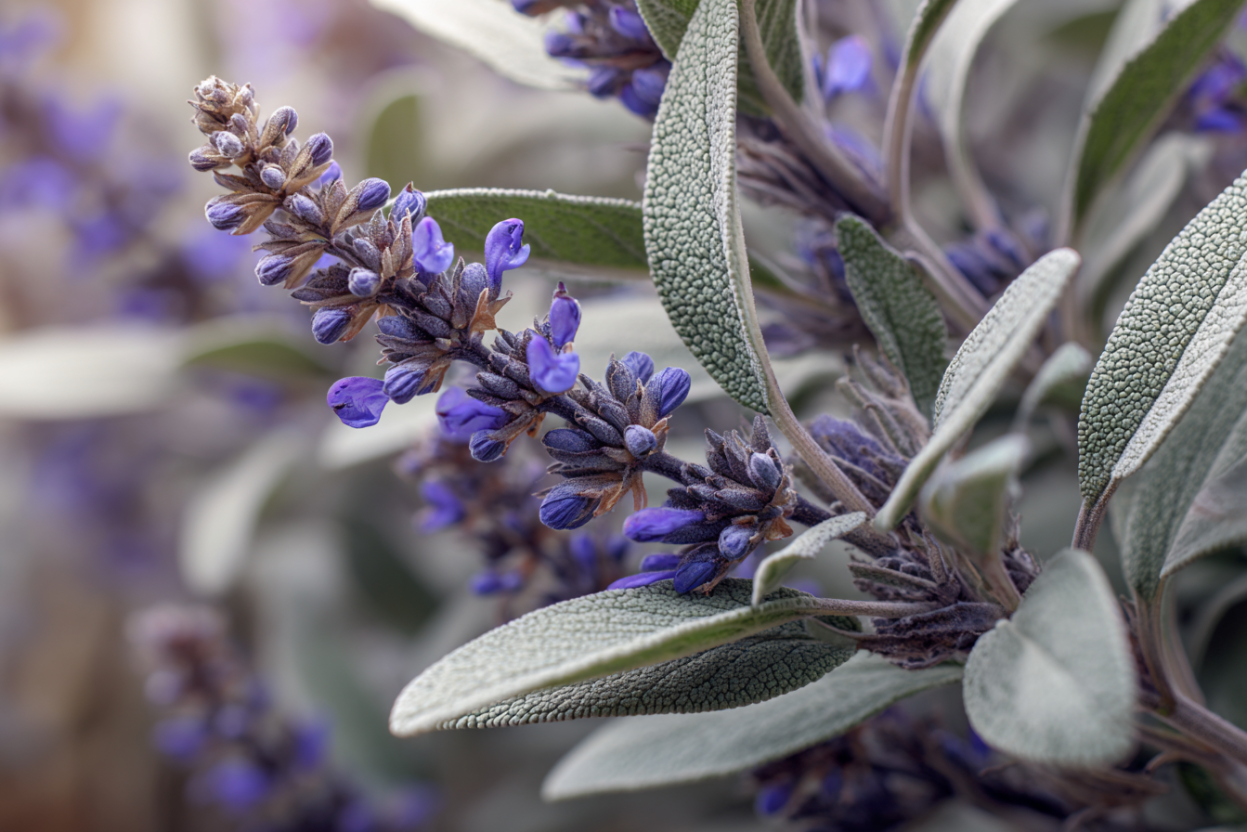
Sage is an evergreen perennial shrub that grows 30 to 75 cm (1 to 2.5 feet) tall with a similar spread. Its stems are woody at the base, branching outward and upward, covered in fine hairs. The leaves are the plant’s most recognizable feature — oblong to ovate, 4 to 8 cm long, with a distinctive pebbly, wrinkled surface. They are grayish-green in color with a soft, velvety texture created by tiny hair-like filaments on both sides. When touched or rubbed, the leaves release a strong, warm, camphoraceous aroma that is unmistakable.
In late spring to early summer (typically May through July), sage produces upright spikes of small, two-lipped flowers. The blooms are usually violet-blue to lavender, though some cultivars produce pink or white flowers. They are highly attractive to bees, butterflies, and other pollinators. The seeds ripen from August to September — small, round, and brown to black, housed within papery schizocarps with four chambers.
Notable cultivars include ‘Berggarten’ (large, rounded silvery leaves, mildew-resistant), ‘Purpurascens’ (purple-tinged leaves, considered more potent medicinally by many herbalists), ‘Tricolor’ (green leaves edged in white with rose streaks), and ‘Icterina’ (golden-yellow variegated leaves).
Origin
Sage is native to the Mediterranean basin, particularly the coastal regions of southern Europe and the Middle East — from the Adriatic coast through Greece, Turkey, and into the Levant. The Dalmatian coast of Croatia remains one of the world’s most prized growing regions for high-quality sage. Today, sage has naturalized throughout Europe, North America, and temperate regions worldwide, thriving wherever it finds the dry, sunny, alkaline conditions that mirror its homeland.
Brief History
Humans have cultivated and used sage for well over 2,000 years. The ancient Greeks used two names for it — sphakos for wild sage and elelisphacos for cultivated varieties. The Greek physician Dioscorides documented its medicinal uses in his De Materia Medica around 60 AD. The Romans considered it sacred and created formal ceremonies for its harvest. Pliny the Elder and other Roman writers prescribed it for a wide range of conditions.
In the Middle Ages, sage was a cornerstone of monastery herb gardens throughout Europe, where monks preserved and expanded herbal knowledge. Charlemagne ordered it planted in every monastic garden. The famous medical school at Salerno preserved the proverb: “Cur moriatur homo cui Salvia crescit in horto?” — “Why should a man die whilst sage grows in his garden?” The name officinalis itself means “of the workshop” or “of the pharmacy,” signifying its established place in the apothecary.
Sage traveled the trade routes of the medieval world. By the 17th century, the Chinese so valued European sage that they traded three chests of Chinese tea for one chest of sage leaves. It arrived in North America with early European settlers and quickly became established in kitchen and medicinal gardens across the colonies.
Growing & Cultivation
Climate & Zones
Sage thrives in USDA Hardiness Zones 5 through 9, though it performs best in Zones 6 through 8. It is cold-hardy to approximately -29°C (-20°F) once established, though young plants need winter protection. In Zone 8 and above, including much of Georgia, sage grows as a robust year-round evergreen that may need afternoon shade protection during the hottest summer months. In colder zones, it may die back but returns reliably from its woody base in spring.
Sage is also an excellent indoor container plant. Placed near a sunny south-facing window or under grow lights (at least 6 hours of bright light daily), it will grow indoors year-round, bringing both fragrance and fresh culinary herbs to your kitchen.
Soil Requirements
Sage demands well-draining soil above all else — soggy roots are the most common cause of sage failure. It prefers sandy to loamy soil with a pH of 6.0 to 7.0 (neutral to slightly alkaline). In Georgia’s heavy clay soils, amend generously with coarse sand, perlite, or gravel to improve drainage. Raised beds work beautifully for sage. In containers, use a cactus or succulent potting mix, or blend standard potting soil with 30% perlite. Sage actually thrives in somewhat poor soil — overly rich soil produces lush foliage with less aromatic potency.
Water & Sunlight
Sage is drought-tolerant once established and prefers to dry out between waterings. Water deeply but infrequently — once or twice per week in the heat of summer, less in cooler months. Overwatering is the most common mistake and leads to root rot and fungal disease. Signs of overwatering include yellowing leaves and a mushy stem base.
This plant loves full sun — at least 6 to 8 hours of direct sunlight daily. In the intense heat of zones 8b and above, some afternoon shade can help prevent leaf scorch during July and August. Indoor sage needs the brightest window available or supplemental grow lights.
Propagation
Seed: Start seeds indoors 6 to 8 weeks before the last frost. Sow on the surface or barely cover with soil (seeds need light to germinate). Keep soil temperature at 15–21°C (60–70°F). Germination takes 10 to 21 days and can be inconsistent — patience is required. Thin seedlings to the strongest in each cell.
Cutting: The easiest and most reliable method. Take 7–10 cm (3–4 inch) softwood cuttings from new growth in late spring or early summer. Strip the lower leaves, dip in rooting hormone (optional but helpful), and place in moist perlite or a sandy mix. Keep humidity high with a plastic bag or dome. Roots typically develop in 3 to 4 weeks.
Division: Older sage plants can be divided in early spring. Dig the entire plant, separate sections with healthy roots and stems, and replant immediately. This also rejuvenates aging plants that have become woody.
Layering: Bend a low-growing branch to the ground, pin it down with a U-shaped wire, and cover the middle portion with soil while leaving the tip exposed. Roots form at the buried point within 4 to 6 weeks. Cut from the mother plant and transplant.
Planting
Plant sage in spring after the last frost or in early fall (at least 6 weeks before the first frost to allow establishment). Space plants 45 to 60 cm (18 to 24 inches) apart. Sage pairs well in companion planting with rosemary, thyme, lavender, and other Mediterranean herbs. It is an excellent companion for brassicas (cabbage, broccoli, kale), as its strong scent may deter cabbage moths, carrot flies, and other pests. Avoid planting near fennel, rue, or cucumbers.
Harvesting
Harvest sage leaves throughout the growing season, though flavor is typically best from spring to early summer, just before flowering. Pick in the morning after dew has dried but before the heat of midday — this is when aromatic oil concentration is highest. Snip stems rather than individual leaves, cutting just above a leaf node to encourage bushier growth. Never harvest more than one-third of the plant at once.
First-year plants should be harvested lightly to allow establishment. From the second year onward, sage can handle regular, vigorous harvesting. The flowers are also edible and can be harvested for use as well.
Drying & Storage
Sage dries easily and retains its flavor remarkably well. Air drying: Bundle 4 to 6 stems together and hang upside down in a warm, dry, well-ventilated area out of direct sunlight for 1 to 2 weeks. Dehydrator: Spread leaves in a single layer and dry at 35°C (95°F) for 2 to 4 hours. Oven: Place on a baking sheet at the lowest temperature (65–80°C / 150–170°F) with the door cracked open for 1 to 2 hours.
Dried sage should be stored in airtight glass jars in a cool, dark place. Properly stored, dried sage retains good potency for 1 to 3 years, though using it within the first year provides the best flavor and aromatic strength.
Pest & Disease Management
Sage is naturally pest-resistant due to its aromatic oils. The most common issues are fungal — powdery mildew and root rot, both caused by excess moisture. Improve air circulation by proper spacing, avoid overhead watering, and ensure soil drainage is excellent. Spider mites can appear in very hot, dry conditions; a strong spray of water or neem oil solution addresses them. Slugs may bother young plants — copper barriers or diatomaceous earth provide organic control.
Companion Planting
Sage grows well with rosemary, thyme, oregano, lavender, marjoram, and strawberries. Its strong aroma makes it a natural pest deterrent in the garden. Avoid planting near fennel, rue, wormwood, or cucumbers, as these plants can inhibit each other’s growth.
The Healing of Growing
Growing sage offers benefits that begin long before you ever consume it. The act of gardening — hands in soil, time spent outdoors, attention given to a living thing — has been shown to reduce cortisol, improve mood, and support immune function. The soil itself contains beneficial bacteria (Mycobacterium vaccae) with documented antidepressant effects, stimulating serotonin production in the brain. When you kneel in your garden to tend your sage, barefoot on the earth, you receive grounding benefits through direct electron transfer. The aromatic compounds released as you brush against the leaves begin their calming work through your olfactory system even as you work. In this way, the plant begins to serve you the moment you choose to grow it.
Nutritional Profile
Macronutrients
Per 100g of fresh sage leaves, the approximate nutritional values are: Calories: 315 kcal, Protein: 10.6g, Carbohydrates: 60.7g, Dietary Fiber: 40.3g, Sugars: 1.7g, Total Fat: 12.7g (Saturated: 7.0g, Monounsaturated: 1.9g, Polyunsaturated: 1.8g). It is worth noting that sage is typically consumed in small amounts as a seasoning, so per-serving nutrient values are modest. However, even small regular amounts contribute valuable micronutrients to the diet.
Vitamins
Vitamin K: 1714.5 mcg per 100g (1429% DV) — Essential for blood clotting and bone metabolism. Vitamin K activates proteins that help calcium bind to bone tissue, supporting bone density. This is one of the highest vitamin K concentrations found in any herb.
Vitamin A: 5900 IU per 100g (118% DV) — Supports vision, immune function, skin health, and cell growth. Sage provides this as beta-carotene, a powerful antioxidant that the body converts to active vitamin A as needed.
Vitamin C: 32.4 mg per 100g (54% DV in fresh sage) — Supports immune function, collagen production, and acts as a powerful antioxidant protecting cells from oxidative damage. Fresh sage provides significantly more vitamin C than dried.
Vitamin B6 (Pyridoxine): 2.69 mg per 100g (134% DV) — Vital for neurotransmitter synthesis, particularly serotonin and dopamine production. Supports brain function, mood regulation, and red blood cell formation.
Folate: 274 mcg per 100g (69% DV) — Critical for DNA synthesis, cell division, and neural tube development during pregnancy. Supports methylation pathways involved in mood regulation.
Riboflavin (B2): 0.34 mg per 100g (20% DV) — Functions as a coenzyme in energy metabolism, supports red blood cell production and cellular function.
Minerals
Calcium: 1652 mg per 100g (165% DV) — The most abundant mineral in the body, essential for bone structure, muscle contraction, nerve transmission, and blood clotting.
Iron: 28.12 mg per 100g (156% DV) — Required for hemoglobin formation and oxygen transport throughout the body. Sage is an exceptionally iron-rich herb.
Magnesium: 428 mg per 100g (107% DV) — Essential for over 300 enzymatic reactions, supports muscle and nerve function, blood sugar regulation, bone health, and sleep quality.
Manganese: 3.13 mg per 100g (157% DV) — Serves as a cofactor for the antioxidant enzyme superoxide dismutase (SOD), supports bone formation and metabolism.
Potassium: 1070 mg per 100g (31% DV) — A critical electrolyte for heart rhythm regulation, blood pressure control, and proper muscle and nerve function.
Zinc: 4.70 mg per 100g (31% DV) — Supports immune function, wound healing, DNA synthesis, and taste perception.
Copper: 0.76 mg per 100g (38% DV) — Works with iron to form red blood cells, supports connective tissue formation and immune function.
Phytonutrients & Active Compounds
Sage is extraordinarily rich in bioactive phytonutrients that extend far beyond basic nutrition.
Rosmarinic Acid — A powerful polyphenol antioxidant with documented anti-inflammatory and neuroprotective properties. Research suggests it may support memory and cognitive function by modulating oxidative stress in the brain.
Carnosic Acid and Carnosol — Diterpene compounds with potent antioxidant activity. Studies indicate these compounds may protect neurons from oxidative damage and support the body’s natural detoxification pathways.
Ursolic Acid — A triterpene identified as the primary anti-inflammatory compound in sage. Research has documented its role in modulating inflammatory pathways in the body.
Flavonoids — Including luteolin, apigenin, and diosmetin. Luteolin-7-O-glucuronide has been identified as having estrogenic activity, which may partly explain sage’s traditional use for menopausal symptoms.
Caffeic Acid, Chlorogenic Acid, and Ellagic Acid — Phenolic acids with documented antioxidant and anti-inflammatory properties. Chlorogenic acid has been studied for its role in blood sugar regulation.
Thujone (alpha and beta) — A monoterpene ketone that, in small amounts, may support cognitive focus. Thujone interacts with GABA and serotonin (5-HT3) receptors. Sage infusion has long been called “thinker’s tea” for its ability to sharpen mental clarity. In excessive amounts, however, thujone can be neurotoxic — this is why moderation matters.
Nutrient Notes
While the per-100g numbers are impressive, it is important to remember that sage is used as a seasoning. A typical serving is 1 to 2 grams of dried sage or a few fresh leaves. Even so, regular inclusion of sage in your diet contributes meaningful amounts of vitamin K, manganese, and antioxidant compounds. The B-vitamins in sage, particularly B6, directly support serotonin and dopamine production — connecting what you eat to how you feel. The high magnesium content may help regulate cortisol levels, the body’s primary stress hormone. Sage’s antioxidant compounds are highly bioavailable, particularly when consumed as a tea or infusion, where hot water efficiently extracts polyphenols.
Culinary Uses
Edible Parts
Leaves: The primary edible part, used fresh or dried. Fresh leaves have a softer, more complex flavor. Dried sage is more concentrated and pungent — use approximately one-third the amount of dried as you would fresh. Young, tender leaves are preferred for eating raw. Older leaves are better cooked.
Flowers: Edible and mild in flavor with a subtle sage essence. Beautiful as garnishes, in salads, or frozen into ice cubes for herb-infused drinks.
Flavor Profile
Sage has a strong, warm, earthy flavor with notes of camphor, eucalyptus, and pine. There is a slight bitterness balanced by a subtle sweetness. The aroma when fresh is herbaceous, warm, and savory. When cooked, sage’s flavor mellows and deepens, integrating beautifully with fats. When dried, the flavor becomes more concentrated and slightly more peppery. Sage has a strong intensity — it is a dominant herb, not a subtle one, and a little goes a long way.
Preparation
Raw: Finely chop fresh young leaves for salads, compound butters, or as a finishing garnish. The fuzzy texture of raw sage can be off-putting to some, so fine chopping or chiffonade helps. Fried: Whole fresh sage leaves fried quickly in butter or oil until crisp are one of the simplest and most delicious preparations — they become translucent and crunchy with a nutty, intensified flavor. Sautéed: Add early in the cooking process, as sage benefits from heat to release its essential oils into fats. Roasted: Tuck whole leaves under the skin of poultry or layer with root vegetables before roasting. Infused: Steep in olive oil, butter, vinegar, or honey for flavored condiments.
Culinary Pairings
Sage pairs beautifully with poultry (especially turkey and chicken), pork, sausage, duck, and game meats. Among vegetables, it complements butternut squash, sweet potato, pumpkin, beans (particularly white beans and cannellini), onions, and mushrooms. It works well with brown butter, olive oil, cream, and cheese (especially parmesan and gruyère). Complementary herbs include thyme, rosemary, marjoram, and bay leaf. For spices, black pepper, nutmeg, and juniper berries harmonize with sage.
Storage
Fresh sage stores well in the refrigerator for 7 to 10 days — wrap loosely in a damp paper towel and place in an open plastic bag. Alternatively, stand stems in a glass of water on the counter, loosely covered, and change the water daily for up to a week. For longer storage, freeze whole leaves on a baking sheet, then transfer to freezer bags for up to 6 months. Dried sage, stored in an airtight glass jar away from light and heat, retains good flavor for 1 to 3 years.
Ready to cook with sage? View Recipes on Chefts →
Wellness & Therapeutic Uses
Traditional Uses
Sage has been used medicinally across virtually every major civilization for over two millennia. In Traditional Chinese Medicine (TCM), sage (known as shǔ wěi cǎo) has been used for its cooling properties and to support cognitive function. Ayurvedic practitioners in India have used sage to support digestion and as a cleansing herb. Greek physicians Hippocrates and Dioscorides prescribed it for consumption (tuberculosis), ulcers, wounds, and as a styptic to stop bleeding. Roman healers considered it a cure-all, using it for digestive complaints, memory, and sore throats. During the Middle Ages, European herbalists relied on sage for fevers, liver complaints, and epilepsy. Culpeper, the famous 17th-century English herbalist, described it as good for “the head and brain” and for “quickening the senses and memory.” Native Americans used several species of sage (Salvia) for respiratory ailments, digestive complaints, and to support women’s health during and after childbirth.
Modern Research
Cognitive Function & Memory — This is one of sage’s most well-studied therapeutic areas. A systematic review of clinical trials found that both Salvia officinalis and Salvia lavandulaefolia demonstrated beneficial effects in enhancing cognitive performance in healthy subjects and in patients with dementia or cognitive impairment (Miroddi et al., 2014, Italy). The mechanisms are believed to involve inhibition of acetylcholinesterase (AChE), the enzyme that breaks down the neurotransmitter acetylcholine — the same mechanism targeted by pharmaceutical Alzheimer’s medications. A randomized, double-blind trial demonstrated that a single dose of sage extract improved memory and attention in healthy older adults (Scholey et al., 2008).
Menopausal Symptoms — Multiple clinical trials have demonstrated sage’s effectiveness for hot flashes and night sweats. A landmark Swiss clinical trial with 71 menopausal women found that a fresh sage preparation taken daily for 8 weeks significantly reduced both the frequency and intensity of hot flashes, with no adverse events or laboratory abnormalities observed (Bommer et al., 2011, Switzerland). A subsequent double-blind, randomized, placebo-controlled trial of 80 women confirmed that sage extract reduced menopausal symptoms by 39.2% and hot flash severity scores by 55.3% compared to placebo (Wilfried et al., 2021). A 2023 systematic review and meta-analysis further confirmed these benefits (Moradi et al., 2023, Iran). The mechanism is believed to involve phytoestrogenic flavonoids, particularly luteolin glycosides, which exhibit mild estrogenic activity.
Blood Sugar Support — Research suggests sage may support healthy blood sugar metabolism. A meta-analysis of clinical trials in diabetic patients found that Salvia officinalis significantly reduced fasting blood sugar, HbA1c, and total cholesterol (Abdollahi et al., 2022, Iran). A randomized, placebo-controlled trial in 80 hyperlipidemic type 2 diabetic patients showed that sage leaf extract (500 mg three times daily for 3 months) improved glycemic control and lipid profile without adverse effects on liver or kidney function (Kianbakht & Dabaghian, 2013, Iran). An animal study demonstrated a “metformin-like effect,” where sage tea improved hepatocyte sensitivity to insulin and decreased gluconeogenesis (Lima et al., 2006, Portugal).
Anti-inflammatory Activity — Ursolic acid, one of sage’s primary compounds, has been identified as the main component responsible for its topical anti-inflammatory properties. A comprehensive pharmacological review documented significant anti-inflammatory effects through multiple mechanisms including inhibition of COX-2, NF-κB pathway modulation, and reduction of pro-inflammatory cytokines (Ghorbani & Esmaeilizadeh, 2017, Iran).
Antioxidant Properties — Sage is one of the most potent antioxidant herbs studied. Its rosmarinic acid, carnosic acid, and carnosol content provide exceptional free radical scavenging activity. A human pilot trial demonstrated that four weeks of sage tea consumption significantly increased erythrocyte SOD and CAT antioxidant enzyme activities and improved lipid profiles (Sá et al., 2009, Portugal).
Antimicrobial Activity — The essential oil of sage demonstrated strong antibacterial activity against multiple strains including Staphylococcus aureus, Escherichia coli, Bacillus subtilis, Salmonella typhimurium, and Listeria monocytogenes (Mrabti et al., 2022, Morocco). This traditional use as an antiseptic gargle and wound wash is well-supported by modern research.
Lipid Profile Support — Beyond its effects on blood sugar, sage has independently demonstrated cholesterol-lowering properties. The Portuguese human trial noted above showed that sage tea consumption lowered LDL cholesterol and total cholesterol while increasing protective HDL cholesterol levels in healthy volunteers.
Body Systems Supported
Nervous System: Cognitive support, memory enhancement, neuroprotection, anxiety modulation. Digestive System: Carminative, antispasmodic, bile flow support, traditional use for bloating and indigestion. Endocrine System: Menopausal symptom support, blood sugar regulation, anti-hydrotic (reduces excessive sweating). Immune System: Antimicrobial, antiviral, antifungal properties, antioxidant protection. Integumentary System (Skin): Wound healing, anti-inflammatory, antiseptic. Cardiovascular System: Lipid profile support, antioxidant protection. Respiratory System: Traditional use for sore throats, coughs, and congestion. Musculoskeletal System: Anti-inflammatory support for joint discomfort. Reproductive System: Menopausal support, traditional use as a galactofuge (reduces breast milk production when weaning).
Body Compounds Affected
Acetylcholine: Sage inhibits acetylcholinesterase, effectively increasing available acetylcholine in the brain — the neurotransmitter critical for memory, learning, and attention. GABA: Thujone in sage acts as a GABA receptor modulator, which may contribute to both its cognitive-sharpening and its anxiety-modulating effects. Serotonin: Thujone also interacts with 5-HT3 serotonin receptors. Combined with B6 content supporting serotonin synthesis, sage may influence mood regulation from multiple angles. Cortisol: The calming effects of sage aromatherapy and the magnesium content of sage tea may help modulate cortisol levels. Estrogen: Phytoestrogenic flavonoids (particularly luteolin glycosides) exhibit mild estrogenic activity, supporting hormonal balance during menopause. Insulin: Research demonstrates sage improves hepatocyte sensitivity to insulin and inhibits gluconeogenesis. Inflammatory Markers: Ursolic acid, rosmarinic acid, and other compounds reduce pro-inflammatory cytokines including TNF-alpha, IL-1, and IL-6.
Methods of Use
Tea/Infusion
Use 1 to 2 teaspoons of dried sage (or 5 to 6 fresh leaves) per cup of hot water (not quite boiling — around 90°C/195°F). Steep covered for 5 to 10 minutes. Strain. May be consumed 1 to 3 times daily. Sage tea has a pleasant, warm, slightly astringent flavor. Add honey or lemon if desired.
Tincture
Sage tincture (1:5, 45% alcohol) is a concentrated liquid extract. A typical adult dose is 2 to 4 mL (approximately 40 to 80 drops), taken 1 to 3 times daily in water. Tinctures provide a more concentrated therapeutic dose than tea.
Capsule/Powder
Dried sage leaf powder is available in capsules, typically 300 to 600 mg per capsule. Clinical trials have used doses ranging from 300 to 600 mg of extract, taken 1 to 3 times daily. Always follow the manufacturer’s recommended dosage.
Gargle
For sore throat and oral health, prepare a strong sage tea (double the normal amount of herb), let it cool to a comfortable temperature, and use as a gargle. Sage’s astringent and antimicrobial properties make it an excellent throat and mouth rinse.
Cosmetic & Beauty Uses
Skin Benefits
Sage has been used topically for centuries for its astringent, antimicrobial, and anti-inflammatory properties. Modern research confirms that sage extract can inhibit aging-related enzymes including collagenase, elastase, and hyaluronidase, suggesting anti-wrinkle and skin-protecting potential (Younis et al., 2019). Its antioxidant compounds (rosmarinic acid, carnosic acid) help protect skin from UV-induced oxidative damage. Sage is particularly beneficial for oily and acne-prone skin due to its astringent properties, which help tighten pores and reduce excess sebum production. Its antimicrobial action may help address blemish-causing bacteria.
Hair Benefits
Sage has a long traditional history as a hair herb. A strong sage tea rinse has been used for centuries to darken and enrich hair color, particularly for brunettes and those wishing to blend gray hair naturally. The astringent and antimicrobial properties support a healthy scalp environment, making sage a traditional remedy for dandruff and oily scalp conditions. Sage rinse adds shine, strengthens hair, and may support healthy hair growth by improving scalp circulation.
Application Methods
Infused Oil: Fill a clean jar with dried sage leaves, cover completely with a carrier oil (olive, jojoba, or sweet almond), and infuse for 4 to 6 weeks in a warm spot, shaking daily. Strain and use for skin massage, facial oil, or hair treatments. Facial Steam: Add a handful of fresh or dried sage to a bowl of just-boiled water, drape a towel over your head, and steam your face for 5 to 10 minutes — excellent for opening pores and deep cleansing oily skin. Toner: Brew a strong sage tea, cool completely, and use as a natural facial toner with a cotton pad — the astringent properties help tighten pores. Hair Rinse: Brew a strong sage tea (2 tablespoons per cup), cool, and pour through hair as a final rinse after shampooing. Bath Addition: Add a strong sage infusion or a sachet of dried sage to bathwater for its aromatic and skin-soothing benefits.
DIY Formulation Notes
When incorporating sage into homemade products, use sage-infused oil at 10 to 30% of total oil in a formulation. Sage pairs well with carrier oils like jojoba (for oily skin) and sweet almond (for dry skin). Sage extract combines well with rosemary and lavender in formulations. Avoid combining sage essential oil with sensitive-area products due to thujone content. Homemade sage-infused oil has a shelf life of approximately 6 to 12 months when stored in a cool, dark place.
Sage is among the botanicals being explored for holistic cosmetic applications, where the wisdom of traditional beauty practices meets modern understanding of skin science.
Essential Oil Profile
Extraction
Sage essential oil is obtained primarily through steam distillation of the partially dried leaves and flowering tops of Salvia officinalis. The yield typically ranges from 0.5% to 1.0% — meaning approximately 100 to 200 kg of plant material produces 1 kg of essential oil. This moderate yield contributes to sage oil’s reasonable market price compared to more labor-intensive oils like rose or neroli. CO2 extraction is also used and produces an oil with a slightly different chemical profile and a more complete representation of the plant’s aromatic compounds.
Chemical Constituents
The primary chemical constituents of sage essential oil, according to GC-MS analysis across multiple studies, include:
Monoterpene Ketones: α-Thujone (typically 17–43%) and β-Thujone (3–9%) — These are the signature compounds of sage oil. They contribute to cognitive-sharpening effects through GABA and serotonin receptor interaction. These compounds require careful dilution and dosage awareness due to potential neurotoxicity at high levels.
Monoterpene Oxides: 1,8-Cineole/Eucalyptol (6–27%) — A mucolytic and expectorant compound that supports respiratory function. Provides the fresh, camphoraceous top note.
Monoterpene Ketones: Camphor (5–25%) — Analgesic and anti-inflammatory. Provides the warm, penetrating characteristic of sage oil. Supports circulation when used topically.
Monoterpene Alcohols: Borneol (2–5%) — Known in traditional Asian medicine for analgesic and sedative effects. Enhances penetration of other compounds through the skin.
Sesquiterpenes: α-Humulene (3–12%) and β-Caryophyllene (2–6%) — Anti-inflammatory compounds. β-Caryophyllene is notable as one of the few terpenes that interacts with the endocannabinoid system (CB2 receptors).
Monoterpene Hydrocarbons: α-Pinene (1–7%) and Camphene (2–7%) — Provide airway-opening, anti-inflammatory support.
Aroma Profile
Sage essential oil is classified as a top-to-middle note in perfumery. The scent is warm, herbaceous, and camphoraceous with a sharp, slightly bitter quality. Fresh and penetrating at the top, it develops into a warmer, softer, more resinous character as it evolves. Sage oil blends well with lavender, rosemary, bergamot, lemon, clary sage, cedarwood, juniper, and frankincense. Intensity is strong — a little goes a long way.
Therapeutic Properties
Research and traditional use support the following properties (using compliant language): may support cognitive function and mental clarity, traditionally used for respiratory congestion and coughs, may provide antimicrobial support, traditionally used as an astringent and antiseptic, may support healthy circulation, traditionally used for excessive perspiration and night sweats, may support women’s health during menopause.
How to Use
Diffusion
Add 3 to 5 drops to an ultrasonic diffuser in a well-ventilated room. Diffuse for 30 to 60 minutes at a time, with breaks. The clarifying aroma may support focus and mental clarity during work or study. Due to thujone content, limit diffusion time and ensure good ventilation.
Topical Application
Standard adult dilution: 1–2% (6–12 drops per ounce of carrier oil). Sensitive skin: 0.5–1% (3–6 drops per ounce). Children over 10: 0.5% maximum. Not recommended for children under 10 due to thujone and camphor content. Suitable carrier oils include jojoba, sweet almond, coconut, and olive oil. Apply to soles of feet, wrists, back of neck, or temples. Always do a patch test first.
Quality & Sourcing
Look for sage essential oil that provides a GC/MS (Gas Chromatography/Mass Spectrometry) report verifying the chemical composition. Dalmatian sage (from Croatia) is traditionally considered the highest quality. The oil should be a pale yellow to yellowish-green liquid. Be aware that sage oil is sometimes adulterated with synthetic thujone or camphor, or blended with cheaper oils — a GC/MS report from a third-party lab is the best protection. Look for the botanical name Salvia officinalis clearly stated on the label to distinguish from clary sage (Salvia sclarea) or Spanish sage (Salvia lavandulaefolia), which have very different chemical profiles.
Blending
Sage essential oil blends particularly well with: Lavender (creates a calming yet clarifying blend), Rosemary (amplifies cognitive support), Lemon or Bergamot (brightens and uplifts the herbaceous base), Cedarwood (grounds and extends the blend), Frankincense (deepens the spiritual and meditative quality), Juniper Berry (enhances the cleansing and purifying properties).
Aromatherapy & Scent
The Aroma
Fresh sage has a powerful, distinctive scent that is immediately recognizable — warm, earthy, herbaceous, and camphoraceous. When you brush against a sage plant in the garden or rub a leaf between your fingers, it releases a burst of aromatic volatile compounds that fill the surrounding air. The scent is strongest during warm, sunny days when the plant’s essential oil glands are most active, and particularly potent just before the plant flowers, when oil concentration peaks. After rain, sage plants release a gentle wave of fragrance as moisture activates surface oils. Proximity matters — standing within a few feet of a mature sage bush, especially on a warm day, you will notice its presence without even touching it.
Dried sage retains its aroma well, though the scent shifts from the fresh, green, camphoraceous character of the living plant toward a warmer, more musky, and slightly musty quality. Dried sage remains aromatically potent for 1 to 3 years when stored properly, making it one of the longer-lasting dried herbs in terms of scent retention.
How Scent Affects Your Body
When you smell sage — whether from a living plant, dried leaves, or essential oil — volatile aromatic molecules are released into the air and enter your body through the nose during normal breathing. These molecules bind to olfactory receptors high in the nasal cavity, which convert the chemical signal into an electrical impulse. This signal travels directly to the limbic system (the emotional brain) and the hypothalamus (the body’s hormonal control center), bypassing the rational, thinking brain entirely. This is why scent can trigger an emotional or physical response — a shift in mood, a memory, a sense of calm — within seconds, before you have consciously decided to react.
Emotional & Mood Effects
The scent of sage is primarily clarifying and focusing. It is the aroma of sharpened attention, mental discipline, and grounded awareness. People who smell sage commonly report feeling more alert, mentally clear, and centered. There is a calming quality as well, but it is a calm of focus rather than drowsiness — an alert serenity. For those experiencing mental fatigue, brain fog, or scattered thinking, the aroma of sage may help restore clarity. It can also feel grounding and protective, creating a sense of psychological cleanliness and renewal.
Body Compounds Affected
When sage’s aromatic compounds enter through the olfactory system, research suggests they may influence several body compounds. The interaction with acetylcholinesterase (inhibiting the enzyme that breaks down acetylcholine) supports the cognitive-sharpening effect. Volatile compounds may modulate GABA receptor activity, contributing to a calm-but-alert state. The stress-reducing effects of pleasant botanical aromas generally are associated with lower cortisol levels. While specific clinical trials measuring compound changes from sage aroma alone are limited, the broader aromatherapy and forest bathing research strongly supports that plant volatile compounds affect neurochemistry through inhalation.
Ways to Experience the Scent
Beyond essential oil diffusion, there are many accessible ways to experience sage’s aroma. Grow sage in your kitchen windowsill or by your front door and brush it as you pass. Keep a vase of fresh sage cuttings in your workspace. Crush a few dried leaves and place them in a small bowl on your desk. Make sachets of dried sage for dresser drawers or under your pillow. Add fresh or dried sage to simmering water on the stove for a natural room scent. Toss a handful of dried sage into a warm bath and breathe deeply. When cooking, take a moment to hold fresh sage near your nose and inhale intentionally before adding it to the pan.
Color Therapy
The Colors of Sage
Sage presents a distinctive palette. The leaves are grayish-green to silvery-green — a muted, soft, calming hue that is unique among culinary herbs. New growth may emerge with a slightly more vivid green, while mature leaves settle into their characteristic dusty sage-green. Some cultivars offer purple-tinged leaves (Purpurascens), golden-yellow variegation (Icterina), or tricolor patterns of green, white, and pink (Tricolor). The flowers are a soft violet-blue to lavender, occasionally pink or white. The stems become woody and brown-gray with age.
Color Wavelengths
The dominant leaf color — gray-green — falls within the green spectrum (approximately 495–570 nm) but modified by gray, pulling it toward a more neutral, desaturated wavelength. The violet-blue flowers fall in the 380–450 nm range. Both green and violet/blue are considered calming colors in color therapy.
How Sage’s Colors Affect the Body
Green is the color of balance, calm, and the heart center in color therapy traditions. It sits at the center of the visible spectrum and is associated with equilibrium and restoration. Exposure to green wavelengths has been associated with reduced stress and improved feelings of well-being. The muted, silvery quality of sage’s particular shade of green adds a contemplative, meditative quality — it is not an energizing, bright green but a calming, wisdom-associated tone. The violet-blue of sage flowers is associated with mental calm, spiritual connection, and nervous system soothing. Having a sage plant in your home or garden provides gentle, ongoing exposure to these calming wavelengths.
Body Compounds Affected
Research on light and color exposure suggests that green wavelengths may support parasympathetic nervous system activity (the “rest and digest” state), potentially influencing cortisol and GABA levels. Blue-violet wavelengths have been associated with melatonin pathway activity when experienced in natural settings.
Using Sage for Color Therapy
Place potted sage in areas where you work, read, or meditate for ongoing visual exposure to its calming gray-green. Use sage’s purple flowers in cut arrangements for areas where you want to encourage reflection or mental calm. In the “eating the rainbow” approach, consuming sage’s green leaves and violet flowers contributes the green and purple spectrum to your diet — each color representing different phytonutrient families that support different body systems.
Frequency & Vibration
The Frequency of Sage
According to bio-frequency research pioneered by Bruce Tainio of Tainio Technology, essential oils vibrate at measurable frequencies. Sage essential oil has been measured at approximately 56 MHz. For context, a healthy human body typically vibrates between 62 and 78 MHz. Cold symptoms begin when frequency drops to around 58 MHz, and disease states are associated with frequencies below 58 MHz. Sage essential oil’s frequency, while not the highest among essential oils (rose oil measures around 320 MHz, for example), places it in a moderate range with potential relevance to supporting the body’s baseline frequency.
Human Frequency Interaction
The principle of entrainment — where a stronger, more stable vibration influences a weaker or more erratic one — suggests that being around high-frequency substances may support the body’s own frequency. Proponents of vibrational medicine suggest that consuming sage tea, being around living sage plants, or using sage essential oil may contribute subtle frequency support to the body. While this remains an area where research is emerging and not yet fully validated by mainstream peer-reviewed science, the concept aligns with broader biophysics principles of molecular vibration and electromagnetic interaction.
Essential Oil Frequency
Sage essential oil at approximately 56 MHz is in the mid-range of commonly used essential oils. For comparison, basil measures around 52 MHz, lavender around 118 MHz, and frankincense around 147 MHz. When sage is blended with higher-frequency oils like frankincense or rose, the overall frequency of the blend increases. This is one reason traditional aromatherapy blending often combines herbs of different frequency ranges.
Vibrational Applications
To use sage for frequency support, consider keeping a living sage plant in your home environment (living plants emit their own vibrational field), consuming sage tea regularly, diffusing sage essential oil during times of focus or stress, and combining sage with other practices known to support human frequency such as prayer, meditation, gratitude, and time in nature. According to frequency research, negative thoughts and emotions lower human frequency, while positive practices raise it — sage may be one supportive tool among many.
The Living Plant
Benefits of Presence
Simply being around a living sage plant — in your kitchen, on your porch, in your garden — provides benefits that go beyond its culinary or medicinal uses. Research on biophilic design demonstrates that having plants in living and working spaces reduces psychological stress, lowers blood pressure, improves mood, and enhances cognitive performance. Sage, with its silvery, textured foliage and gentle fragrance, is particularly suited to this role. Its evergreen nature means it provides year-round visual and aromatic presence. The act of noticing its growth, touching its leaves in passing, or simply seeing its calming gray-green form brings a moment of nature connection into any indoor space.
Air Purification
While sage was not among the original plants tested in the NASA Clean Air Study, research on aromatic herbs from the Lamiaceae family indicates they release volatile organic compounds with antimicrobial properties that may improve indoor air quality. Sage, like all green plants, absorbs carbon dioxide and releases oxygen through photosynthesis. As an evergreen, it performs this function year-round. Indoor sage plants contribute to humidity regulation through transpiration, which can benefit dry indoor environments, particularly during winter heating seasons.
Phytoncides
Sage actively releases phytoncides — antimicrobial volatile organic compounds that plants produce to protect themselves from pathogens. These are the same types of compounds that make forest bathing (shinrin-yoku) so beneficial. Research on forest bathing has demonstrated that inhaling phytoncides from trees and aromatic plants increases Natural Killer (NK) cell activity in the immune system — the body’s frontline defense against viral infections and abnormal cell growth. Having aromatic plants like sage in your home creates a small-scale version of this effect. While the concentration is lower than a forest environment, the daily, ongoing exposure provides cumulative benefit. Sage’s phytoncides include thujone, camphor, and 1,8-cineole — all of which have documented antimicrobial properties.
Visual & Psychological Benefits
Research demonstrates that patients in healthcare settings who can see plants or nature recover faster from surgery, report less pain, and require less medication. Workplace studies show that employees with plants in their offices report higher job satisfaction, better concentration, and lower stress. The mechanism involves Attention Restoration Theory — natural elements allow the brain’s directed attention circuits to rest and recover, reducing mental fatigue. Sage’s soft, muted colors and textured leaves are particularly effective at creating a calming visual environment. Unlike glossy-leaved tropical plants, sage’s velvety, silvery appearance has a meditative quality that invites pause and reflection.
Growing Indoors vs Outdoors
Sage thrives indoors when given sufficient light — a south-facing window with at least 6 hours of direct sun, or a grow light providing equivalent intensity. Use well-draining soil in a terracotta pot (which wicks moisture away from roots) with good drainage holes. Water sparingly — allow the top inch of soil to dry between waterings. Indoor sage benefits from good air circulation; a small fan on low nearby helps prevent fungal issues. Outdoors, sage provides the additional benefit of connecting you to the full garden ecosystem — pollinators visit its flowers, beneficial insects take shelter in its foliage, and its roots participate in the soil food web. Ideally, grow sage in both locations: outdoors for abundance, indoors for daily presence.
Touch & Physical Interaction
Gardening Therapy
Horticultural therapy — the use of gardening as a therapeutic practice — is an established and researched healing modality. Working with sage provides a multi-sensory experience that engages the body, calms the mind, and creates a tangible connection to the natural world. Sage is a forgiving, resilient plant that rewards attention without demanding perfection, making it an ideal therapeutic gardening companion. The rhythmic tasks of watering, pruning, and harvesting create a meditative state that activates the parasympathetic nervous system.
Soil Contact Benefits
When you garden with sage — hands in the dirt, perhaps barefoot on the earth — you receive benefits from the soil itself. Grounding (or earthing), the practice of direct physical contact with the earth’s surface, facilitates the transfer of free electrons from the ground into the body. Research on grounding has documented reduced inflammation, improved sleep, lowered cortisol, and reduced blood viscosity. Additionally, the soil bacterium Mycobacterium vaccae, encountered naturally during gardening, has been shown to stimulate serotonin production in the brain, producing antidepressant and anxiety-reducing effects. When you garden with your sage plants, you are not just growing herbs — you are receiving direct biochemical support for your mood and immune system through the soil itself.
The Tactile Experience
Sage is a profoundly tactile plant. The leaves are covered in a soft, velvety nap of tiny trichomes (plant hairs) that feel like gentle suede when stroked. Running a finger along a sage leaf produces a satisfying texture that is simultaneously soft and slightly rough — there is nothing else quite like it. When you press or rub the leaves, the trichomes break and release a burst of essential oil fragrance that coats your fingers and lingers pleasantly. The stems of young growth are soft and pliable, while older stems become woody and firm, providing contrasting textures within the same plant. Harvesting sage — snipping stems, stripping leaves — engages fine motor skills and creates a rhythmic, calming physical activity.
Harvesting & Processing
There is a meditative quality to the harvest of sage that reaches beyond the practical. The repetitive motion of selecting stems, cutting at the node, gathering the bundles, creates a rhythm that quiets the mind. Processing sage — stripping leaves from stems, bundling for drying, crumbling dried leaves into jars — engages the hands in purposeful, productive work. Each step releases fragrance, deepens your relationship with the plant, and produces something tangible and useful. In a world dominated by screens and abstract digital work, the physical processing of herbs provides a grounding counterpoint that many people find profoundly satisfying. There is something deeply human about providing for yourself from the garden, connecting you to the rhythm of seasons and the ancient lineage of people who have done exactly this for thousands of years.
Water-Based Applications
Teas & Infusions
Sage tea is the most accessible and historically significant water-based preparation. Standard infusion: Use 1 to 2 teaspoons of dried sage leaves (or 5 to 6 fresh leaves) per cup (240 mL) of hot water at approximately 90°C (195°F) — just below boiling. Cover and steep for 5 to 10 minutes. A longer steep produces a more astringent, more medicinally potent tea. Strain and drink. Sage tea may be consumed 1 to 3 times daily for general wellness. The Chinese historically valued sage tea so highly they traded their own tea at a premium to obtain it.
Cold infusion: For a gentler, less astringent preparation, place sage leaves in room-temperature water and let steep for 4 to 8 hours (or overnight in the refrigerator). Cold infusion extracts polyphenols and flavonoids while leaving behind more of the bitter tannins, producing a milder, sweeter tea.
Herbal Baths
A sage bath combines the benefits of hydrotherapy with the plant’s therapeutic properties. Prepare a strong sage infusion (4 to 6 tablespoons of dried sage steeped in 1 liter of just-boiled water for 20 minutes), strain, and add to a warm bath. Alternatively, fill a muslin bag or cheesecloth bundle with dried sage and hang it under the running faucet as the bath fills. Soak for 20 to 30 minutes. Sage baths are traditionally used for muscle aches, joint stiffness, excessive perspiration, and skin conditions. The warm water opens pores and allows sage compounds to be absorbed through the skin while the aroma provides simultaneous aromatherapy. For those who cannot take a full bath, a sage foot soak provides similar benefits in a more accessible format.
Hydrosols
Sage hydrosol (also called sage floral water or hydrolat) is the water portion left after steam distillation of sage essential oil. It contains water-soluble plant compounds and trace amounts of essential oil, making it much gentler than the concentrated essential oil. Sage hydrosol can be used as a facial toner for oily or acne-prone skin, a hair rinse for scalp health, a room and linen spray, or a cooling body mist. It has a mild, pleasant herbaceous scent. Sage hydrosol is commercially available from artisan distillers and specialty herbal suppliers.
Compresses
Warm compress: Soak a clean cloth in a strong, warm sage infusion, wring gently, and apply to the affected area for 15 to 20 minutes. Warm sage compresses are traditionally used for muscle aches, joint stiffness, and minor skin irritations. Cool compress: Use the same method with a cooled infusion. Cool sage compresses are traditionally used for headaches (applied to the forehead), minor burns, and insect bites. The anti-inflammatory and antimicrobial properties of sage make compresses useful for minor wound care.
Steam Inhalation
Add 2 to 3 tablespoons of fresh or dried sage (or 3 to 5 drops of essential oil) to a bowl of just-boiled water. Drape a towel over your head and the bowl, close your eyes, and breathe deeply for 5 to 10 minutes. Sage steam inhalation is traditionally used for congestion, sinus issues, sore throat, and respiratory discomfort. The antimicrobial volatile compounds (particularly 1,8-cineole and camphor) directly contact the mucous membranes of the respiratory tract. Use caution — do not get too close to the hot water, and take breaks if the steam feels too intense.
Hair Rinses
Brew a strong sage tea (2 tablespoons dried sage per cup of water, steeped for 20 to 30 minutes). Cool to a comfortable temperature. After shampooing, pour the sage rinse slowly through your hair, working it into the scalp. You may leave it in without rinsing for maximum benefit, or rinse with cool water after 5 minutes. Sage hair rinse may help darken hair, improve shine, reduce dandruff, and address oily scalp conditions. For gray hair coverage, repeated use over several weeks gradually deepens color. Combine with rosemary for enhanced results.
Historical, Cultural & Biblical Significance
Biblical References
Sage (Salvia officinalis) is not directly mentioned by name in Scripture. However, the broader Salvia genus includes species native to the biblical lands of the Middle East. Aromatic herbs were deeply significant in Hebrew culture — used in temple worship, anointing, purification, and healing. The land of Israel was rich with herbs from the Lamiaceae family (mint family), to which sage belongs. While specific sage references are absent from the canonical text, the principle of God providing healing plants for human use is woven throughout Scripture. Ezekiel 47:12 (KJV) speaks of trees whose “leaf thereof shall be for medicine,” and Genesis 1:29 records God giving humanity “every herb bearing seed” for their use. Sage stands as one of the many gifts embedded in creation for our benefit — its Latin name, rooted in “to save,” echoes the purpose with which the Creator designed it.
Ancient Civilizations
The Egyptians used sage in their embalming practices and valued it as a fertility herb — women reportedly drank sage tea to increase their chances of conception. The ancient Greeks held sage in the highest regard. Theophrastus (circa 300 BCE) documented both wild and cultivated sage varieties. Dioscorides included sage prominently in his De Materia Medica (circa 60 AD), prescribing it for wounds, consumption, and as a styptic. The Romans considered sage sacred — the harvest required special ceremony, using a specific knife (not iron), in bare feet, wearing a white tunic, after offering a sacrifice. Pliny the Elder documented sage’s extensive medicinal applications in his Naturalis Historia. The name Salvia, from the Latin salvere (to save, to heal), was bestowed by the Romans, reflecting the reverence with which they viewed this plant.
Eastern Traditions
In Traditional Chinese Medicine, various Salvia species have been used for centuries. Salvia miltiorrhiza (Danshen or Red Sage) appears in some of the earliest Chinese herbal texts, classified as a “superior-grade herb” in the Shennong Bencaojing (25–220 AD). While this is a different species than common garden sage, the Chinese valued European sage so highly when it arrived via trade routes that they reportedly exchanged three cases of Chinese tea for one case of sage leaves. In Ayurvedic tradition, sage is valued for its heating, drying qualities and has been used to support digestion, reduce excessive sweating, and sharpen mental clarity.
Indigenous Knowledge
Native American peoples have used various native Salvia species for millennia. White sage (Salvia apiana) was and remains significant to many tribes of the American Southwest and California for ceremonial purification and practical medicinal applications. Various tribes used native sage species for colds, coughs, digestive complaints, wounds, and women’s health. The Cahuilla, Chumash, and other California tribes used white sage extensively. When European settlers arrived, Native peoples taught them about local sage species, contributing to the integration of sage into American herbal traditions. The practical healing knowledge these cultures documented reflects their observation of the Creator’s design embedded in these plants.
European Heritage
Sage was a cornerstone of medieval European herbalism. Charlemagne (742–814 AD) decreed that sage should be grown in every monastic herb garden in his empire. The medical school at Salerno, Italy — the first university medical school in Europe — made sage central to its practice, preserving the famous Latin proverb about why anyone would die who has sage in their garden. Throughout the medieval period, monks were the primary preservers of herbal knowledge, and sage was cultivated in virtually every monastery garden from Ireland to the Balkans.
In the Renaissance, the great herbalists continued to champion sage. John Gerard’s Herball (1597) and Nicholas Culpeper’s Complete Herbal (1653) both devoted extensive entries to sage, recommending it for “the head and brain,” memory, trembling of the limbs, and “corrupt blood.” During the plague years, sage was a key ingredient in “Four Thieves Vinegar,” a blend of aromatic herbs reputed to protect against the Black Death. Sage arrived in the Americas with early English and European settlers and was among the first herbs planted in colonial kitchen gardens.
Cultural Symbolism
Across cultures, sage has symbolized wisdom, longevity, and immortality. The English word “sage” meaning “a wise person” derives from the same Latin root as the plant — salvere. In European folk tradition, sage has been associated with domestic virtue, prosperity, and protection. It was planted on graves in some cultures as a symbol of remembrance and eternal life. In wedding traditions across the Mediterranean, sage was woven into bridal wreaths. Its evergreen nature — persisting through winter — made it a symbol of endurance and constancy.
Safety & Precautions
Contraindications
Do not use therapeutic doses of sage (beyond normal culinary amounts) if you have a seizure disorder or epilepsy — thujone may lower the seizure threshold. Use caution with hormone-sensitive conditions (endometriosis, uterine fibroids, breast/ovarian/uterine cancers) due to sage’s mild phytoestrogenic activity. Discontinue therapeutic sage use at least 2 weeks before scheduled surgery, as sage may affect blood sugar levels and bleeding.
Drug Interactions
Diabetes medications: Sage may enhance the blood-sugar-lowering effect of diabetes medications including metformin, glipizide, and insulin — monitor blood sugar carefully and consult your healthcare provider before combining. Sedatives and CNS depressants: Sage may enhance the effects of sedative medications including benzodiazepines, barbiturates, and sleep medications. Anticonvulsants: Thujone may interact with seizure medications — avoid therapeutic sage if taking anticonvulsant drugs. Hormone therapies: Due to phytoestrogenic activity, sage may interact with hormone replacement therapy (HRT), birth control pills, or anti-estrogen medications like tamoxifen. Blood pressure medications: Sage may have mild hypotensive effects; monitor if taking antihypertensive drugs. CYP450 interactions: Some sage compounds may affect cytochrome P450 enzyme activity, potentially altering the metabolism of various medications.
Pregnancy & Nursing
Pregnancy: AVOID therapeutic doses during pregnancy. Sage has traditionally been classified as an emmenagogue (promotes menstrual flow) and may have uterine-stimulating effects. Normal culinary amounts in cooking are generally considered safe, but concentrated teas, tinctures, capsules, and essential oil should be avoided during pregnancy. Nursing: Use with caution. Sage has historically been used as a galactofuge — it may reduce breast milk production. While this property can be useful during intentional weaning, nursing mothers who wish to maintain milk supply should avoid therapeutic doses of sage. Essential oil should not be applied near the chest or breasts during nursing.
Children
Normal culinary amounts of sage in food are safe for children. Sage tea may be given in diluted, small amounts to children over age 6 for sore throat gargling (supervised). Avoid sage essential oil for children under 10 due to thujone and camphor content. For children ages 10 to 16, use essential oil only at 0.5% dilution maximum and only in diffusion or well-diluted topical application. High-dose sage supplements are not recommended for children.
Elderly
Sage is generally well-tolerated by older adults and may be particularly beneficial for cognitive support. However, older adults should start with lower doses and monitor for any interactions with their existing medications. Those taking blood sugar medications, blood pressure medications, or sedatives should consult their healthcare provider before adding therapeutic sage. The blood-sugar-lowering effects may be more pronounced in elderly individuals.
Pets
Dogs: Non-toxic. Sage is listed as non-toxic to dogs by the ASPCA. Small amounts are safe and even beneficial, though large quantities may cause mild digestive upset.
Cats: Non-toxic. The ASPCA lists sage as non-toxic to cats. Sage belongs to the same family (Lamiaceae) as catnip. Small amounts are safe, though concentrated essential oil should be kept away from cats.
Horses: Listed as non-toxic by the ASPCA, though large quantities may cause gastrointestinal upset. Use caution with essential oil around all animals.
Important: While the fresh plant and dried herb are non-toxic to common pets, sage essential oil is a concentrated substance and should not be applied to, diffused heavily around, or fed to animals. Always keep essential oils away from pets.
Allergies & Sensitivities
Individuals allergic to other plants in the Lamiaceae (mint) family — including basil, oregano, rosemary, mint, or lavender — may experience cross-reactivity with sage. Skin sensitivity is possible with topical applications; always perform a patch test before applying sage-infused products to larger areas of skin. Sage essential oil is not phototoxic, but it should always be properly diluted before skin application. Those with known ragweed or Asteraceae allergies should introduce sage cautiously, though cross-reactivity is uncommon.
Dosing Guidelines
Tea: 1–2 teaspoons dried sage per cup, 1–3 cups daily. Tincture (1:5): 2–4 mL, 1–3 times daily. Capsules: 300–600 mg dried leaf extract, 1–3 times daily. Essential oil (topical): 1–2% dilution for adults. Maximum recommended daily intake: Do not exceed 6g of dried sage leaf or equivalent per day due to thujone content. For ongoing use, consider cycling: use for 2 to 3 weeks, then take a week off, to prevent cumulative thujone exposure.
Quality & Sourcing
Purchase sage from reputable suppliers who can verify the species (Salvia officinalis), growing conditions, and absence of pesticide contamination. Organic is preferred when possible. For essential oil, always request a GC/MS report. Dried sage should be vibrant gray-green in color with a strong aroma — avoid dull, brownish material that has lost its potency. Growing your own sage is the best way to ensure quality and freshness.
Signs of Adverse Reaction
Mild reactions (discontinue use): Nausea, digestive discomfort, dizziness, dry mouth, skin rash or irritation at application site. Serious reactions (seek medical attention): Rapid heartbeat, difficulty breathing, seizure activity, severe allergic reaction (swelling of face, lips, throat), extreme drowsiness or confusion. These serious reactions are rare and typically associated with excessive doses or essential oil misuse.
Disclaimer
This information is for educational purposes only. It is not intended to diagnose, treat, cure, or prevent any disease. Always consult with a qualified healthcare provider before using any herbal product, especially if you are pregnant, nursing, taking medications, or have a medical condition. If you experience any adverse reaction, discontinue use immediately and seek medical attention.
Want Personalized Guidance?
Every body is unique. What works for one person may not be right for another. If you’d like personalized support in incorporating sage into your wellness journey, consider working with a qualified practitioner who can assess your individual needs.
Sources & References
Peer-Reviewed Studies
- Pharmacological properties of Salvia officinalis and its components – Journal of Traditional and Complementary Medicine, 2017, Iran
- Systematic review of clinical trials assessing pharmacological properties of Salvia species on memory, cognitive impairment and Alzheimer’s disease – CNS Neuroscience and Therapeutics, 2014, Italy
- First time proof of sage’s tolerability and efficacy in menopausal women with hot flushes – Advances in Therapy, 2011, Switzerland
- Effectiveness of Menosan® Salvia officinalis in the treatment of a wide spectrum of menopausal complaints: A double-blind, randomized, placebo-controlled, clinical trial – Heliyon, 2021, Switzerland/Germany
- The Effect of Salvia Officinalis on Hot Flashes in Postmenopausal Women: A Systematic Review and Meta-Analysis – International Journal of Community Based Nursing and Midwifery, 2023, Iran
- Improved glycemic control and lipid profile in hyperlipidemic type 2 diabetic patients consuming Salvia officinalis L. leaf extract: a randomized placebo-controlled clinical trial – Complementary Therapies in Medicine, 2013, Iran
- The effect of Salvia officinalis on blood glycemic indexes and blood lipid profile in diabetic patients: a systematic review and meta-analysis – Journal of Complementary and Integrative Medicine, 2022, Iran
- Metformin-like effect of Salvia officinalis (common sage): is it useful in diabetes prevention? – British Journal of Nutrition, 2006, Portugal
- Sage tea drinking improves lipid profile and antioxidant defences in humans – International Journal of Molecular Sciences, 2009, Portugal
- Chemical Analysis and Investigation of Biological Effects of Salvia officinalis Essential Oils at Three Phenological Stages – Molecules, 2022, Morocco
- Exploring the Potential Effect of Methanolic Extract of Salvia officinalis Against UV Exposed Skin Aging: In vivo and In vitro Model – Current Pharmaceutical Biotechnology, 2019, Pakistan
- The Chemotaxonomy of Common Sage (Salvia officinalis) Based on the Volatile Constituents – Medicines, 2017, USA
- Salvia officinalis (Sage) Leaf Extract as Add-on to Statin Therapy in Hypercholesterolemic Type 2 Diabetic Patients: a Randomized Clinical Trial – International Journal of Molecular and Cellular Medicine, 2016, Iran
- Salvia officinalis for hot flushes: towards determination of mechanism of activity and active principles – Journal of Ethnopharmacology, 2013, Ireland
- Bioactive Profile of Various Salvia officinalis L. Preparations – Phytochemistry Reviews, 2019, Croatia
Traditional Medicine Sources
- Chemistry, Pharmacology, and Medicinal Property of Sage (Salvia) to Prevent and Cure Illnesses such as Obesity, Diabetes, Depression, Dementia, Lupus, Autism, Heart Disease, and Cancer – Journal of Traditional and Complementary Medicine, 2014
- Effect of Salvia officinalis on diabetic patients – Journal of Renal Injury Prevention, 2014, Iran
- Salvia officinalis – Plants For A Future Database – Traditional and ethnobotanical use compilation
Institutional Sources
- Salvia officinalis L. – USDA Plants Database – United States Department of Agriculture
- Sage – ASPCA Toxic and Non-Toxic Plants – American Society for the Prevention of Cruelty to Animals
Historical References
- Dioscorides, De Materia Medica, circa 60 AD — documented sage as a medicinal herb in classical antiquity
- Culpeper N., The Complete Herbal, 1653 — comprehensive entry on sage for the “head and brain”
- Gerard J., The Herball or Generall Historie of Plantes, 1597 — documented sage cultivation and uses in Elizabethan England