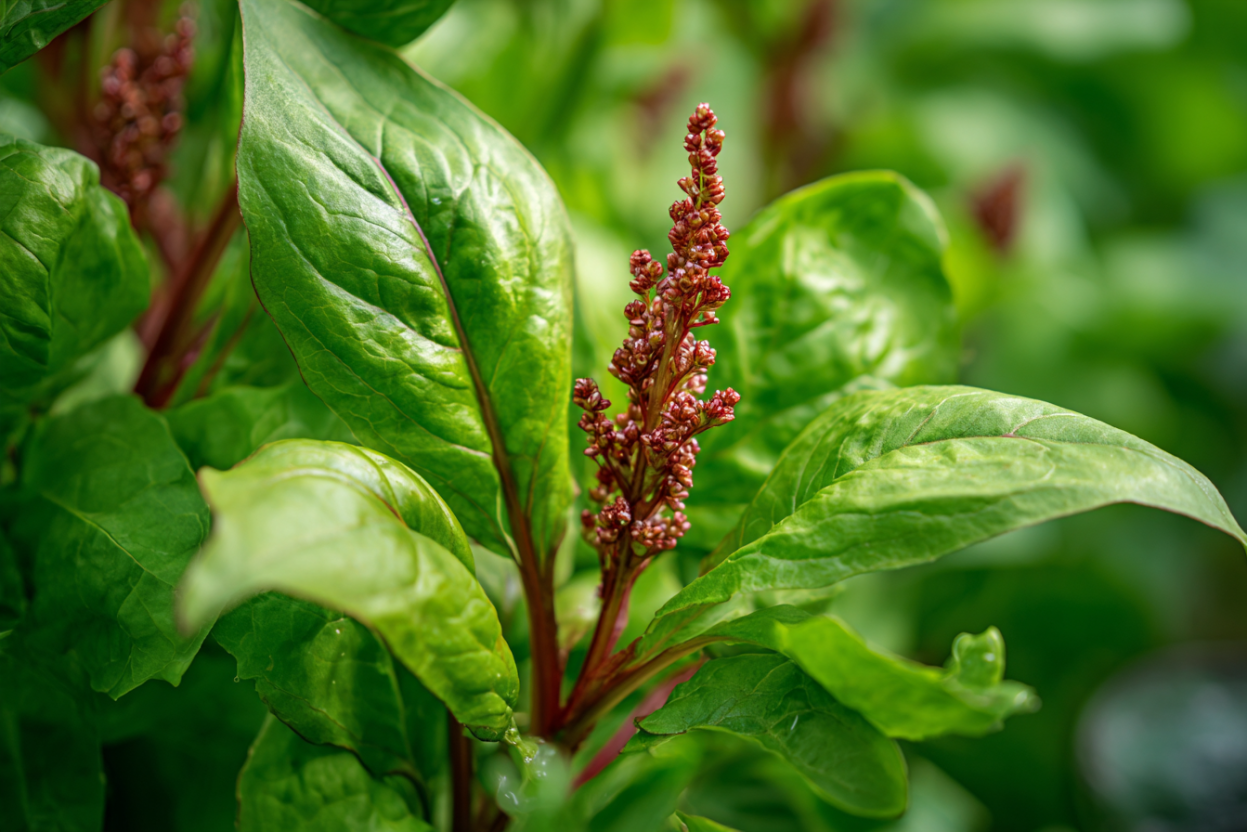
Sorrel (Rumex acetosa)
If you have been struggling with sluggish digestion, recurring sinus congestion, or the frustrating inflammation that seems to follow you through every season — you are not alone. Millions of people search for answers, often overlooking what has been growing quietly in gardens and meadows for thousands of years. Sorrel may be one of the most underestimated plants on the planet, and the research behind it is more compelling than most people realize.
This bright, tart, arrow-leafed plant is one of many remarkable gifts the Creator embedded into nature for our benefit. Long before vitamin C was isolated in a laboratory, sorrel was already providing it in abundance — a provision from a Designer who knew what our bodies would need before we ever learned to name it.
The Plant
Common Names: Sorrel, Common Sorrel, Garden Sorrel, English Sorrel, Spinach Dock, Narrow-Leaved Dock, Sour Dock, Sour Weed
Botanical Name: Rumex acetosa L.
Family: Polygonaceae (the buckwheat family — the same family as rhubarb and buckwheat, known for plants that contain oxalic acid and produce tart, tangy flavors)
Description
Sorrel is a hardy perennial herb that grows in upright clumps reaching 30 to 100 centimeters (about 1 to 3 feet) tall. Its most recognizable feature is its arrow-shaped (sagittate) leaves — deep green, smooth, and slightly fleshy, with pointed backward-facing lobes at the base. The leaves grow from a basal rosette in early spring, then elongate along branching stems as the plant matures.
In late spring to early summer, sorrel sends up slender flower stalks bearing small, reddish-green to pinkish flowers arranged in loose, whorled clusters called racemes. The plant is dioecious, meaning male and female flowers grow on separate plants. The fruit is a small, three-sided brownish-black nut. Sorrel develops a deep, strong taproot that allows it to persist year after year, even in poor conditions.
When touched or crushed, the leaves release a faintly herbaceous, green scent. The most distinctive feature of sorrel, however, is its taste — a bright, lemony, tart flavor caused by oxalic acid, which gives the plant its Latin name (acetosa, meaning “sour” or “vinegary”).
Varieties
Several species fall under the common name “sorrel,” and understanding the differences matters. Common Sorrel (Rumex acetosa) is the primary species covered in this entry — the most widely cultivated and studied. French Sorrel (Rumex scutatus) has smaller, rounder, shield-shaped leaves with a milder flavor preferred by many chefs. Sheep’s Sorrel (Rumex acetosella) is a smaller, wild-growing species known for its use in Essiac tea, an anticancer formula. Red-Veined Sorrel (Rumex sanguineus) is prized for its decorative deep red leaf veins and milder taste. Do not confuse any of these with Jamaican Sorrel (Hibiscus sabdariffa), which is an entirely different plant used to make hibiscus-based beverages.
Origin
Sorrel is native to Europe, western Asia, and northern Africa. It grows wild across temperate regions of the Northern Hemisphere and has naturalized extensively throughout North America, parts of South America, and beyond. It thrives in meadows, grasslands, along roadsides, and in disturbed soils — a testament to its adaptability. The genus Rumex contains over 200 species distributed worldwide, but R. acetosa has been the most commonly cultivated for food and medicine.
Brief History
Humans have gathered and eaten sorrel for thousands of years. The etymological origin of Rumex likely comes from the Greek word for spear or dart, describing the shape of the leaves. Another theory holds that Romans sucked on the leaves to quench thirst. Ancient Greeks and Romans used sorrel to stimulate appetite and aid digestion. By the medieval period in Europe, sorrel had become a staple kitchen garden herb and a primary remedy for scurvy — its extraordinarily high vitamin C content made it invaluable long before citrus fruits became widely available in northern climates.
Sorrel traveled the world through trade routes and colonial exchange. In Eastern Europe, particularly Poland and Russia, sorrel became a foundational ingredient in green borscht and sour soups that remain beloved national dishes. In France, sorrel sauce became a classic accompaniment to fish, particularly salmon. In Korea, R. acetosa is officially listed in the Korean Food Code as a primary food material and has been used in folk medicine for constipation, arthritis, and skin conditions. In Britain and Ireland, it was traditionally used for scurvy, wounds, warts, bruises, jaundice, and sore throat.
Growing & Cultivation
Climate & Zones
Sorrel is remarkably cold-hardy and thrives in USDA Hardiness Zones 3 through 9, making it suitable for nearly every climate in the continental United States, including Georgia. It is a cool-season plant that performs best in spring and fall. In hot southern summers, sorrel may bolt (send up flower stalks) and the leaves can become more bitter. Providing afternoon shade in Zones 8 and 9 helps extend the harvest season. Sorrel also grows well indoors on a sunny windowsill or under grow lights.
Soil Requirements
Sorrel prefers well-drained, fertile, loamy soil with a slightly acidic to neutral pH (6.0–7.0). It tolerates a range of soil types including sandy and clay soils, though it produces the best leaves in rich, moisture-retentive soil amended with compost. Sorrel actually has an acidifying effect on its surrounding soil, making it an excellent companion for blueberries and other acid-loving plants. It is also considered a dynamic accumulator — drawing nutrients and minerals from deep in the soil and making them more bioavailable to nearby plants.
Water & Sunlight
Sorrel needs consistent moisture but does not tolerate waterlogged soil. Water regularly, keeping the soil evenly moist — about 1 inch per week. Mulch around plants to conserve moisture and keep roots cool. Overwatering signs include yellowing leaves and root rot. For sunlight, sorrel thrives in full sun to partial shade. In cooler climates, full sun is ideal. In the southern United States, afternoon shade is beneficial, especially during summer. Indoors, place near a bright south-facing window or use supplemental lighting for 6–8 hours daily.
Propagation
Seed: Sow seeds directly outdoors in early spring as soon as the ground can be worked, or start indoors 4–6 weeks before the last frost. Plant seeds 1/2 inch deep, 2–3 inches apart. Seeds germinate in 7–14 days at soil temperatures of 60–70°F (15–21°C). Thin seedlings to 12–18 inches apart when plants are 6–8 weeks old.
Division: The easiest propagation method for established plants. In early spring, dig up a mature clump and divide it into sections, each with roots and growing points. Replant immediately at the same depth. Choose male plants (those without flowers) for division to prevent unwanted reseeding, or select the non-flowering cultivar ‘Profusion.’
Cuttings: Root cuttings can be taken in late autumn or early spring. Cut 2–3 inch sections of root and plant horizontally just below the soil surface.
Planting
Space plants 12–18 inches apart in rows 18–24 inches apart. Prepare beds before planting with aged compost. Sorrel can be planted in containers at least 8 inches deep and 12 inches wide. It makes an excellent companion plant for strawberries, tomatoes, and cabbage family crops. Avoid planting near beans, as sorrel may inhibit their growth.
Harvesting
Begin harvesting outer leaves when they are 4–6 inches long, typically 60 days after seeding. Cut or pinch leaves at the base of the stem. Regular harvesting encourages continuous new growth. Harvest in the morning after dew has dried for the best flavor and highest nutrient content. Remove flower stalks as they appear to redirect the plant’s energy into leaf production and to prevent the leaves from becoming excessively bitter.
Drying & Storage
Fresh sorrel stores poorly — use within 2–3 days of harvest, wrapped in a damp paper towel in the refrigerator. For longer storage, sorrel freezes exceptionally well. Blanch leaves briefly (30 seconds), plunge into ice water, pat dry, and freeze flat on a sheet pan before transferring to freezer bags. Frozen sorrel retains flavor for 6–8 months. Drying is less common for sorrel because the delicate leaves lose much of their flavor, but air-drying at low temperatures (95–105°F) in a well-ventilated area can produce dried material suitable for teas. Store dried sorrel in airtight containers away from light for up to one year.
Pest & Disease Management
Sorrel is remarkably pest-resistant. Aphids and slugs are the most common problems. Handpick slugs and use companion planting with garlic or chives to deter aphids. Leaf miners may occasionally tunnel through leaves — remove affected leaves promptly. For diseases, watch for downy mildew in humid conditions. Ensure good air circulation by proper spacing and avoid overhead watering. Sorrel’s strong oxalic acid content naturally deters many herbivorous insects.
Companion Planting
Sorrel grows well alongside strawberries, tomatoes, lettuce, and brassicas. Its deep taproot helps break up compacted soil, benefiting shallow-rooted neighbors. Its acid-producing properties make it especially valuable near blueberries, azaleas, and other acid-loving plants. Avoid planting near beans and legumes.
The Healing of Growing
Growing sorrel offers benefits beyond the harvest itself. The act of gardening — hands in soil, bare feet on earth, time spent outdoors — has been shown to reduce cortisol, improve mood, and support immune function. The soil contains beneficial bacteria (Mycobacterium vaccae) with documented antidepressant effects, shown in research published in Neuroscience (2007) to activate serotonin-producing neurons in a manner similar to some antidepressant medications. When you grow your own sorrel, you receive healing before you ever consume it.
Nutritional Profile
Macronutrients
Per 100 grams of raw sorrel leaves (USDA FoodData Central):
Calories: 22 kcal. Protein: 2.0 g. Carbohydrates: 3.2 g. Dietary Fiber: 2.9 g. Sugars: approximately 1.5 g. Total Fat: 0.7 g (primarily unsaturated). Water content: approximately 93%. Sorrel is an exceptionally low-calorie, nutrient-dense green — delivering remarkable amounts of vitamins and minerals for very few calories.
Vitamins
Vitamin C: 48 mg (53% DV) — One of the highest vitamin C concentrations among leafy greens. Supports immune function, collagen production, and acts as a powerful antioxidant that protects cells from oxidative damage. The vitamin C in sorrel also significantly enhances the absorption of the plant’s iron content.
Vitamin A: 4,000 IU (133% DV) — An extraordinary amount for a leafy green. Essential for maintaining healthy vision, skin integrity, immune function, growth, and reproductive health. This comes primarily from beta-carotene, which also functions as a potent antioxidant.
Vitamin B6 (Pyridoxine): 0.122 mg (9% DV) — Supports over 100 enzyme reactions in the body, particularly those involved in protein metabolism, neurotransmitter synthesis (including serotonin and dopamine), and immune function.
Additional B vitamins present include thiamin (B1), riboflavin (B2), niacin (B3), and folate — all contributing to energy metabolism, nervous system function, and cell division.
Minerals
Magnesium: 103 mg (26% DV) — This is exceptionally high for a leafy green. Magnesium is essential for over 300 enzymatic reactions in the body, supporting muscle and nerve function, blood sugar regulation, bone health, and cortisol regulation.
Iron: 2.4 mg (30% DV) — A significant plant-based iron source. Iron is critical for oxygen transport in the blood, energy production, and immune function. The high vitamin C content in sorrel dramatically improves the bioavailability of this non-heme iron.
Potassium: 390 mg (8% DV) — An important electrolyte for heart function, muscle contraction, nerve signaling, and maintaining healthy blood pressure through its vasodilating effects.
Manganese: 0.35 mg (15% DV) — Serves as a cofactor for the antioxidant enzyme superoxide dismutase (SOD) and supports bone health, blood clotting, and metabolism.
Additional minerals include calcium (44 mg), phosphorus (63 mg), copper, and zinc.
Phytonutrients & Active Compounds
Sorrel contains a remarkable array of bioactive compounds that go far beyond basic nutrition.
Proanthocyanidins (Oligomeric and Polymeric): These are powerful polyphenolic compounds including procyanidins type A and B and propelargonidins. Research from the University of Münster (Germany) has demonstrated that these compounds from sorrel exhibit potent antiviral activity against herpes simplex virus type 1 and influenza A virus by blocking viral attachment to host cells.
Flavonoids: Including quercetin, rutin, kaempferol, myricetin, epicatechin, and epicatechin-3-O-gallate. These compounds provide antioxidant, anti-inflammatory, and cardiovascular-protective effects.
Anthraquinones: Including emodin and chrysophanol, which contribute to the plant’s gentle laxative properties and have demonstrated antimutagenic and cytotoxic activity in laboratory studies.
Oxalic Acid: The compound responsible for sorrel’s tart flavor. While providing preservation and antimicrobial benefits, oxalic acid can bind with calcium and reduce mineral absorption. Cooking significantly reduces oxalic acid content.
Tannins: Contributing to the plant’s astringent properties, its mucous-reducing effects, and supporting oral and digestive health.
Chlorophyll and Carotenoids: Including beta-carotene and lutein, supporting eye health and cellular protection.
Nutrient Notes
Sorrel delivers exceptionally high amounts of vitamins A and C, magnesium, and iron relative to its calorie count — making it one of the most nutrient-dense greens available. The natural pairing of high vitamin C with high iron content means sorrel essentially provides its own absorption enhancer. For best bioavailability, consume fresh sorrel with a small amount of healthy fat (olive oil, avocado) to optimize vitamin A absorption. Cooking sorrel reduces oxalic acid content significantly, which may improve calcium and magnesium absorption from the meal overall. Adding dairy (sour cream, yogurt) to sorrel dishes chelates the oxalic acid and further prevents its interference with mineral absorption — a practice that Eastern European cuisines have used for centuries.
Culinary Uses
Edible Parts
Leaves: The primary edible part. Young, tender leaves are preferred for raw applications — they are milder and less fibrous. Mature leaves are more tart and better suited for cooking, where heat tames the acidity. Stems: Young stems are edible and can be used similarly to the leaves, peeled and eaten raw as tart snacks (a traditional practice in many Eastern European and Central Asian cultures). Seeds: Historically, sorrel seeds have been ground into flour for making pancakes and used as a coffee substitute when roasted — particularly by North American Indigenous peoples. Flowers: The small flowers are edible but rarely used culinarily.
Flavor Profile
Sorrel’s flavor is bright, sharp, and intensely lemony with a tart, sour quality unlike any other green. The primary flavor comes from oxalic acid. Young spring leaves offer a clean, citrus-like brightness with grassy undertones. Mature leaves are more intensely sour and slightly bitter. When cooked, sorrel’s flavor mellows dramatically — the leaves quickly wilt and transform into a silky, olive-green purée with a gentler, more complex tanginess. Dried sorrel retains some tartness but loses much of its fresh vibrancy.
Preparation
Raw: Add young leaves to salads, sandwiches, and wraps for a citrusy punch. Use as a garnish or fold into grain bowls. Cooked: Sorrel wilts almost instantly when heated and dissolves into a purée-like consistency. This makes it ideal for sauces, soups, and braises. To reduce bitterness in mature leaves, blanch briefly before using. Sorrel should never be cooked in cast iron or aluminum — the oxalic acid reacts with these metals, creating an unpleasant metallic taste and discoloration. Use stainless steel, enamel, or glass cookware.
Culinary Pairings
Sorrel pairs exceptionally well with: Proteins — salmon (a classic French pairing), halibut, trout, Arctic char, chicken, veal, eggs, and lamb. Dairy — sour cream, crème fraîche, cream cheese, butter, and yogurt (dairy naturally balances sorrel’s acidity). Vegetables — potatoes, spinach, peas, asparagus, leeks, and beets. Herbs — dill, chives, tarragon, parsley, and chervil. Fats — butter, olive oil, and cream. Acids — lemon juice, white wine, and vinegar complement the tartness. Starches — pasta, rice, and crusty bread.
Storage
Fresh sorrel is highly perishable. Wrap unwashed leaves loosely in a damp paper towel and store in a plastic bag in the refrigerator crisper drawer for 2–3 days. For longer preservation, blanch and freeze (maintains quality for 6–8 months). Sorrel can also be preserved by making a cooked purée with butter, which freezes well in ice cube trays for convenient portioning. Infusing vinegar with fresh sorrel creates a tangy condiment that stores for months.
Ready to cook with Sorrel? View Recipes on Chefts →
Wellness & Therapeutic Uses
Traditional Uses
Sorrel’s medicinal applications span thousands of years and virtually every culture that encountered it.
Ancient Greece and Rome: Physicians including Dioscorides and Pliny the Elder documented sorrel as a digestive stimulant, appetite enhancer, and diuretic. The Romans used the leaves to allay thirst. Greek physicians recommended it for fevers and inflammatory conditions.
Medieval Europe: Sorrel became one of the most important anti-scurvy plants in Northern Europe, where citrus fruits were scarce. Herbalists including John Gerard (1597) and Nicholas Culpeper (1653) documented its cooling, fever-reducing, and blood-purifying properties. Culpeper described sorrel juice as effective for urinary complaints and liver disorders.
Traditional Chinese Medicine (TCM): Species within the Rumex genus have been used for their cooling and detoxifying properties, particularly for conditions involving heat and inflammation in the body.
Korean Traditional Medicine: R. acetosa is officially listed in the Korean Food Code and has been used in Korean folk medicine for treating mild constipation, arthritis, gastritis, and skin conditions.
Ayurvedic Medicine (India): Rumex species have been employed as astringent agents, with Indian traditional practitioners recording at least nine Rumex plants for this purpose, using them as substitutes for rhubarb in digestive regulation.
British and Irish Folk Medicine: Sorrel was used for the treatment of scurvy, wounds, warts, bruises, jaundice, and sore throat.
Native North American Traditional Use: Indigenous peoples consumed Rumex species both as food and medicine. Seeds were ground into flour, stems eaten as raw snacks, and various preparations used for digestive support and wound healing.
Modern Research
Antiviral Activity: Among the most significant modern findings. Researchers at the University of Münster, Germany, demonstrated that proanthocyanidin-enriched extracts from R. acetosa showed potent antiviral activity against herpes simplex virus type 1 (HSV-1) with an IC₅₀ of just 0.8 μg/mL and a selectivity index of approximately 100 (Gescher et al., Antiviral Research, 2011, Germany). A follow-up study showed that galloylated procyanidins from sorrel inhibited influenza A virus attachment, including the H1N1 pandemic strain, with an IC₅₀ of 2.2–2.5 μg/mL (Derksen et al., PLoS ONE, 2014, Germany).
Oral Health: Procyanidin B2-di-gallate from sorrel has been shown to inhibit bacterial adhesion of Porphyromonas gingivalis, a key pathogen in periodontitis. This suggests potential for sorrel-derived compounds in oral health support (Schmuch et al., PLoS ONE, 2015, Germany).
Gastric Support: A comparative study of water and ethanol extracts of R. acetosa demonstrated protective effects against gastric ulcers in mice, supporting its traditional use as a digestive aid (Bae et al., 2012, Korea).
Cardiovascular Support: Research published in Pharmaceutical Biology (2018) revealed vascular mechanisms underlying the hypotensive effect of Rumex acetosa, mediated through nitric oxide production and calcium channel blocking, supporting its traditional use for blood pressure support (Qamar et al., Pakistan).
Cognitive Function: A 2025 study published in Metabolic Brain Disease demonstrated that R. acetosa extracts enhanced learning and cognitive function by modulating NMDA receptor and BDNF pathways both in vitro and in vivo (Oh et al., 2025, Korea).
Antimutagenic and Anticancer Activity: Constituents from the aerial parts of R. acetosa showed antimutagenic activity and cytotoxicity against cancer cell lines, with anthraquinones emodin and chrysophanol demonstrating particular potency (Lee et al., Biological and Pharmaceutical Bulletin, 2005, Korea).
Sinupret Formulation: Sorrel is one of five herbal ingredients in Sinupret, a widely prescribed European herbal medicine for sinusitis and upper respiratory conditions. Clinical studies have demonstrated the efficacy of this combination in treating acute rhinosinusitis (multiple European studies, available by prescription in several European countries).
Body Systems Supported
Digestive System: Sorrel has traditionally been used as a digestive stimulant, appetite enhancer, and gentle laxative. Its fiber content supports bowel regularity, while its tannins may help with diarrhea. The anthraquinone emodin contributes to its gentle laxative properties.
Immune System: The exceptional vitamin C content (53% DV per 100g) and the antiviral proanthocyanidins make sorrel a powerful immune-supporting plant. Research suggests its compounds may interfere directly with viral attachment to host cells.
Cardiovascular System: Potassium content supports healthy blood pressure. Research indicates vasodilating properties mediated by nitric oxide. Flavonoids like quercetin and rutin provide cardiovascular-protective antioxidant effects.
Respiratory System: Tannins in sorrel have a drying effect that may reduce excess mucous production. Sorrel is a component of Sinupret, clinically studied for sinus and upper respiratory support.
Urinary System: Traditional use as a diuretic is well-documented across multiple cultures. Sorrel has historically been used to support kidney function and help flush toxins — though its oxalate content requires caution for those prone to kidney stones.
Nervous System: Emerging research (2025) suggests sorrel may support cognitive function through NMDA receptor and BDNF pathway modulation. B vitamins present in sorrel support neurotransmitter production.
Integumentary (Skin): Fresh leaf juice has traditionally been applied topically for itchy skin and ringworm treatment. Antioxidant properties may support overall skin health.
Body Compounds Affected
Nitric Oxide: Research indicates that sorrel’s hypotensive effects are mediated in part through nitric oxide production, supporting vascular relaxation and healthy blood flow.
Serotonin: The B6, magnesium, and folate content in sorrel all play roles in serotonin synthesis. Magnesium in particular is a cofactor in the conversion of tryptophan to serotonin.
Cortisol: The high magnesium content may help regulate cortisol levels, as magnesium has been shown to influence the hypothalamic-pituitary-adrenal (HPA) axis.
BDNF (Brain-Derived Neurotrophic Factor): Research from Korea (2025) demonstrated that R. acetosa extracts modulate BDNF pathways, which support neuroplasticity, learning, and memory.
Inflammatory Markers: The quercetin, rutin, and other flavonoids in sorrel may help modulate inflammatory cytokines including TNF-alpha and IL-6, supporting the body’s balanced inflammatory response.
Prostaglandins: The anti-inflammatory compounds in sorrel may influence prostaglandin pathways, contributing to its traditional use for pain and swelling.
Methods of Use
Tea/Infusion
Use 1–2 teaspoons of fresh or dried sorrel leaves per cup of hot water. Steep for 5–10 minutes. Strain and drink. May be consumed 1–3 times daily. Fresh leaves produce a brighter, more tart infusion. Dried leaves yield a milder, more mellow tea. Adding a small amount of honey can balance the tartness.
Culinary Consumption
Eating sorrel regularly in soups, salads, and sauces is one of the most accessible and pleasant ways to receive its benefits. The body absorbs nutrients from whole foods more efficiently than from isolated supplements.
Poultice/Compress
Fresh sorrel leaves can be bruised and applied directly to the skin for canker sores, minor skin irritations, and itchy skin. For a poultice, crush fresh leaves and apply to the affected area, covering with a clean cloth for 15–30 minutes.
Juice
Fresh sorrel leaves can be juiced (mixed with other greens to temper the tartness) for a concentrated nutrient boost. Due to the oxalic acid concentration in raw juice, this should be used in moderation.
Cosmetic & Beauty Uses
Skin Benefits
Sorrel’s exceptionally high vitamin C content makes it a compelling botanical for skin care. Vitamin C is essential for collagen synthesis — the structural protein that keeps skin firm and resilient. The flavonoids quercetin and rutin provide antioxidant protection that may help combat oxidative damage from UV exposure and environmental stressors. Sorrel’s astringent tannins may help tighten pores and tone the skin, making it potentially beneficial for oily and combination skin types.
Traditionally, sorrel leaf juice has been applied topically as a remedy for itchy skin, ringworm, and minor skin irritations. Its mild acids may provide gentle exfoliation. Skin types that may benefit most include oily, combination, and acne-prone skin, as well as dull skin in need of brightening.
Hair Benefits
The iron, vitamin C, and B-vitamin content in sorrel may support healthy hair growth by improving iron absorption (iron deficiency is a leading cause of hair loss) and supporting the formation of collagen around hair follicles. A strong sorrel tea rinse may help remove product buildup and add shine due to its mild acidity. Sorrel’s astringent properties may benefit an oily or flaky scalp.
Application Methods
Infused Oil: Steep fresh sorrel leaves in a carrier oil (jojoba, sweet almond, or olive) for 2–4 weeks, straining before use. Apply to skin for antioxidant benefits.
Face Masks: Blend fresh sorrel leaves with honey and yogurt for a brightening, toning mask. Leave on for 10–15 minutes and rinse. The vitamin C and acids provide gentle brightening while honey soothes and dairy fats moisturize.
Toner: A cooled, strained strong sorrel tea infusion can be applied as a natural toner with a cotton pad. Its astringent properties may help minimize the appearance of pores.
Hair Rinse: Prepare a strong sorrel tea, cool completely, and use as a final rinse after shampooing. This may add shine and help balance scalp oiliness.
DIY Formulation Notes
When incorporating sorrel into homemade preparations, use fresh or freshly dried material for best potency. Sorrel-infused oils pair well with carrier oils like jojoba (for oily/combination skin) and sweet almond (for dry/sensitive skin). Due to the oxalic acid content, do a patch test before applying sorrel preparations to the face — some individuals may experience sensitivity. Avoid contact with the eyes. Homemade sorrel preparations without preservatives should be refrigerated and used within 5–7 days, or frozen in small batches.
Sorrel is among the botanicals being explored for holistic cosmetic applications, where the wisdom of traditional beauty practices meets modern understanding of skin science.
Essential Oil Profile
Sorrel (Rumex acetosa) does not yield a commercially significant essential oil. Unlike aromatic herbs such as lavender, rosemary, or peppermint, sorrel’s volatile compound profile is not concentrated enough to produce a widely available essential oil through standard steam distillation. The plant’s therapeutic value is primarily accessed through fresh consumption, teas, infusions, tinctures, and topical applications using the whole plant material rather than through isolated essential oil.
While research has identified terpenes and trace volatile compounds in sorrel that contribute to its mild herbaceous scent, these are best experienced through the living plant itself or through freshly prepared herbal preparations. For aromatic applications, fresh sorrel leaves can be crushed and inhaled for their green, slightly tart scent, or added to herbal bath preparations where their volatile compounds are released by warm water.
Aromatherapy & Scent
The Aroma
Fresh sorrel has a subtle, green, herbaceous scent — clean and slightly sharp, reminiscent of freshly cut grass with a faint citrus undertone. When the leaves are crushed between your fingers, the aroma intensifies, releasing more of its characteristic tangy freshness. The scent is strongest in the morning hours and after rain, when the plant’s volatile compounds are most active. Unlike highly aromatic herbs such as lavender or rosemary, sorrel’s scent is gentle and requires close proximity to fully appreciate — you will notice it most while gardening, harvesting, or preparing the plant.
When dried, sorrel’s aroma diminishes significantly. The bright, green freshness fades into a muted, hay-like, slightly earthy quality. Dried sorrel retains some of its characteristic tang when you bring it close to your nose, but it is far less vibrant than the fresh plant. Dried material retains detectable scent for approximately 3–6 months when stored properly.
How Scent Affects Your Body
When you inhale the volatile molecules released by fresh sorrel leaves, these compounds travel through the nasal passages and bind to olfactory receptors in the upper part of the nasal cavity. These receptors send signals directly to the limbic system — the emotional brain — and the hypothalamus, which controls hormone production. This pathway is unique because it bypasses the cerebral cortex (conscious thought), meaning the scent affects your body before you consciously decide how to react. Your emotional and hormonal response to plant aromas can begin within seconds of inhalation.
Emotional & Mood Effects
Sorrel’s fresh, green, slightly sharp aroma generally produces clarifying and gently uplifting effects. Green, herbaceous scents have been associated with feelings of renewal, connection to nature, and mental clarity. The bright, tart quality of sorrel’s scent profile may help sharpen focus and create a sense of freshness — similar to the psychological effect of stepping into a garden after rain. Because sorrel’s aroma is mild rather than overpowering, it is grounding rather than stimulating, providing a subtle sense of calm alertness.
Body Compounds Affected
While specific studies on sorrel’s aroma and neurochemistry are limited, general aromatherapy research on green, herbaceous plant scents suggests they may help modulate cortisol levels (contributing to stress relief) and support balanced serotonin activity. Time spent in gardens and green environments — where the scent of plants like sorrel is part of the ambient experience — has been consistently associated with reduced cortisol and improved mood in multiple studies on nature exposure and forest bathing.
Ways to Experience the Scent
Growing sorrel in a kitchen windowsill herb garden or near a doorway where you pass frequently. Taking fresh cuttings and placing them in a small vase of water in your workspace. Intentionally crushing a few leaves between your fingers while gardening and inhaling deeply. Adding fresh sorrel leaves to a warm bath (the heat releases volatile compounds). Simmering fresh sorrel with lemon slices and a sprig of mint on the stove for a natural, gentle kitchen scent.
Color Therapy
The Colors of Sorrel
Sorrel presents a rich palette across its life cycle. The leaves are deep, vibrant green — often darker than many garden greens — with prominent veins and a slightly glossy surface. New spring growth emerges bright, fresh green. In the red-veined variety (R. sanguineus), striking deep burgundy-red veins contrast dramatically against green leaf tissue. The flower stalks shift into reddish-green and pinkish tones as they develop. Mature seeds darken to brownish-black. The dominant color experience with sorrel is deep, saturated green.
Color Wavelengths
Green light falls within the approximate wavelength range of 495–570 nm on the visible light spectrum. This is the wavelength range most abundant in natural environments and the one the human eye is most sensitive to — we can distinguish more shades of green than any other color. The reddish tones present in sorrel’s stems and flowers fall in the 620–700 nm range.
How Green Affects the Body
Green is considered the most balancing color in color therapy traditions. It sits at the center of the visible spectrum and is associated with harmony, calm, heart-centered awareness, and connection to the natural world. Research on visual exposure to green environments consistently demonstrates measurable stress reduction, improved mood, and enhanced recovery from mental fatigue. A 2015 study in the International Journal of Environmental Research and Public Health found that viewing green plants significantly reduced physiological stress markers compared to viewing non-plant environments.
Having sorrel in your garden or home brings this balancing green energy into your daily visual environment. The plant’s deep green color may support emotional equilibrium and provide the restorative visual experience associated with attention restoration theory — the well-documented finding that exposure to natural green scenes helps the mind recover from directed attention fatigue.
Body Compounds Affected
Visual exposure to green environments has been associated with reduced cortisol, reduced blood pressure, and activation of parasympathetic nervous system activity (the “rest and digest” response). These effects may involve modulation of norepinephrine and cortisol.
Using Sorrel for Color Therapy
Place potted sorrel plants in spaces where you spend significant time — near your desk, in your kitchen, or at your breakfast table. In the garden, plant sorrel where you sit to rest or reflect. Use the vibrant green leaves in table arrangements and kitchen displays. When eating sorrel, you bring the green color into your body — “eating the rainbow” includes these deep greens, and the chlorophyll and carotenoids in sorrel provide nutritional benefits that parallel the visual ones.
Frequency & Vibration
The Frequency of Sorrel
Specific MHz frequency measurements for sorrel (Rumex acetosa) have not been widely published in the manner that some essential oil frequencies have been documented through Bruce Tainio’s research. However, fresh, living plants consistently demonstrate measurable bioelectrical activity and emit frequency signatures that interact with their environment.
For reference, healthy humans have been measured at a frequency range of 62–78 MHz, with cold and flu onset associated with drops to around 58 MHz. Fresh produce and herbs are generally considered to have higher frequencies than processed foods. Fresh, raw, living plants like sorrel — especially those consumed shortly after harvest — are believed to carry higher frequency signatures than cooked or processed plant material.
Human Frequency Interaction
According to bio-frequency research, the principle of entrainment suggests that a stronger frequency can influence a weaker one. Proponents of vibrational medicine believe that consuming fresh, living plant foods and spending time around living plants may help support and elevate the body’s baseline frequency. Fresh sorrel, consumed raw or very lightly prepared, would offer its full vibrational potential alongside its documented nutritional and phytochemical benefits.
Vibrational Applications
To engage with sorrel’s vibrational qualities, consider eating it as fresh and raw as possible — directly from the garden to the plate. Spending time in your garden near sorrel plants — touching the soil, being present with the plant — combines grounding, nature exposure, and plant frequency interaction. Growing sorrel indoors brings the living energy of the plant into your daily space. These practices complement the more well-researched physical and chemical benefits of the plant.
Note: Frequency measurement of plants is an area where research is still emerging. The information above reflects the current state of bio-frequency exploration and should be understood within that context.
The Living Plant
Benefits of Presence
Research on indoor plants and nature exposure has consistently demonstrated that simply being around living plants provides measurable health benefits — independent of consuming or extracting anything from them. Sorrel, with its lush green foliage and easy care requirements, brings these benefits into your home or garden.
The psychological benefits of plant presence are rooted in biophilia — the innate human connection to living things. Studies in hospitals have shown that patients with views of green plants recover faster and require less pain medication. Research in office settings has demonstrated that indoor plants improve productivity, reduce stress, and enhance overall wellbeing. Sorrel’s rich green leaves contribute to this calming visual effect.
Air Purification
While sorrel has not been specifically studied in the NASA Clean Air Study, all green plants participate in the fundamental exchange of carbon dioxide for oxygen during photosynthesis. Sorrel’s broad leaf surface area relative to its size means it can contribute meaningfully to indoor air quality. Like all photosynthesizing plants, sorrel produces oxygen during daylight hours and releases small amounts of moisture through transpiration, which may improve indoor humidity levels in dry environments.
Phytoncides
Many plants release phytoncides — antimicrobial volatile organic compounds that protect them from pathogens and pests. While specific phytoncide research on sorrel is limited, the broader forest bathing (shinrin-yoku) literature has demonstrated that exposure to plant-emitted phytoncides increases Natural Killer (NK) cell activity in the human body — a critical component of immune surveillance. Research led by Dr. Qing Li (Nippon Medical School, Japan) has shown that forest exposure increases NK cell count and activity for up to 30 days after exposure, with phytoncides identified as a key mechanism.
Visual & Psychological Benefits
Sorrel’s deep green foliage provides the visual environmental enrichment that research consistently associates with reduced stress and improved attention. Attention Restoration Theory (ART), developed by Rachel and Stephen Kaplan, explains that exposure to natural environments including green plants helps restore the capacity for directed attention — something especially valuable in our screen-saturated modern lives. Having sorrel growing on a windowsill or in your line of sight provides ongoing, passive stress-reduction benefits.
Growing Indoors vs Outdoors
Sorrel adapts well to indoor growing, making it one of the more accessible plants for year-round indoor presence. It requires a bright location with at least 6 hours of light (a south-facing window or supplemental grow light). Use a pot at least 8 inches deep to accommodate its taproot, and ensure good drainage. Indoors, sorrel stays more compact and the leaves remain tender — ideal for both culinary use and the ambient benefits of a living plant.
Outdoors, sorrel provides its benefits on a larger scale. A garden patch of sorrel adds to the overall phytoncide and oxygen output of your space, and gardening around it provides additional therapeutic benefits through nature exposure, physical activity, and soil contact.
Touch & Physical Interaction
Gardening Therapy
Horticultural therapy — the use of gardening activities for therapeutic benefit — is an established practice used in hospitals, rehabilitation centers, and mental health programs worldwide. Working with sorrel offers many of these benefits. The plant is forgiving, productive, and provides regular harvests that create a tangible sense of accomplishment. The repetitive, mindful actions of tending, harvesting, and preparing sorrel can serve as a form of moving meditation — reducing rumination, anchoring attention in the present moment, and providing a soothing rhythm to the day.
Soil Contact Benefits
When you garden barefoot or with bare hands, your body makes direct contact with the earth — a practice known as grounding or earthing. Research published in the Journal of Environmental and Public Health (2012) suggests that direct earth contact allows the transfer of free electrons from the earth into the body, which may reduce inflammation and improve sleep. Additionally, exposure to Mycobacterium vaccae — a beneficial soil bacterium — has been shown in research from the University of Bristol (2007) to activate serotonin-producing neurons in a manner comparable to some antidepressant medications. Every time you dig in soil to plant, tend, or harvest sorrel, you expose yourself to this beneficial microbe.
The Tactile Experience
Sorrel offers a distinct and pleasant tactile experience. The leaves are smooth and slightly cool to the touch, with a fleshy quality similar to young spinach but firmer — they have a satisfying snap when folded. The stems are smooth and slightly ribbed. Running your fingers along the leaf surface reveals the texture of the veins — raised slightly on the underside. Harvesting sorrel involves the satisfying tactile experience of pinching or cutting the stem base and feeling the leaf release. The entire process — from touching the soil to handling the plant to preparing the leaves — engages multiple sensory systems simultaneously.
Harvesting & Processing
Harvesting sorrel is a gentle, meditative activity. You move through the plants, selecting outer leaves that have reached the right size, pinching or cutting each one individually. The repetitive motion of reach-select-cut-collect has a calming rhythm. Processing sorrel for cooking involves washing leaves in cool water (a sensory experience in itself), patting them dry, and slicing or tearing them. For drying, bundling stems and hanging them in a warm, ventilated space connects you to a practice humans have performed for millennia — preserving the harvest for future nourishment.
Water-Based Applications
Teas & Infusions
Standard Infusion: Place 1–2 teaspoons of fresh sorrel leaves (or 1 teaspoon dried) in a cup. Pour hot water (180–200°F / 82–93°C — just below boiling) over the leaves. Steep for 5–10 minutes. Strain. The resulting tea is tart, refreshing, and pale green to golden-green in color. May be consumed hot or cold, 1–3 times daily. For a milder flavor, reduce steeping time. Honey or a slice of lemon complements the taste.
Cold Infusion: For a gentler extraction that minimizes oxalic acid release, place a small handful of fresh sorrel leaves in cold water and refrigerate for 4–8 hours. This method produces a more subtle, refreshing beverage ideal for warm weather.
Decoctions
Decoctions are not typically necessary for sorrel leaves, as the delicate leaf tissue releases its compounds readily in a standard infusion. However, if using sorrel root (which contains higher concentrations of anthraquinones and tannins), a gentle decoction may be appropriate: simmer 1–2 teaspoons of chopped root in 2 cups of water for 10–15 minutes, then strain.
Herbal Baths
Add a generous handful (about 1–2 cups) of fresh sorrel leaves, or 1/2 cup of dried, to a warm bath. You can place the plant material in a muslin bag or old stocking for easy cleanup. Soak for 20–30 minutes. The tannins and vitamin C in the sorrel may support skin soothing and general relaxation. A sorrel bath has been traditionally recommended for itchy skin, general skin irritation, and as a cooling, refreshing bath in warm weather. A simpler alternative is a foot soak using the same proportions in a basin of warm water.
Compresses
Cold Compress: Prepare a strong sorrel tea (double strength), cool it, and soak a clean cloth. Apply to insect bites, minor skin irritations, or areas of mild swelling. The astringent tannins may help reduce puffiness and soothe discomfort.
Warm Compress: Soak a cloth in a warm, strong sorrel infusion and apply to areas of tension or mild discomfort. The warmth opens pores and allows the plant compounds to penetrate more effectively.
Steam Inhalation
While sorrel is not traditionally a primary herb for steam inhalation (herbs like eucalyptus and peppermint are more commonly used), adding fresh sorrel leaves to a bowl of steaming water can provide mild respiratory benefit, particularly when combined with more aromatic herbs. The steam delivers small amounts of the plant’s volatile compounds and moisture to the respiratory passages. Lean over the bowl with a towel draped over your head, keeping your face at a comfortable distance, and breathe deeply for 5–10 minutes. This may be supportive during sinus congestion.
Hair Rinses
Prepare a strong sorrel tea using 2–3 tablespoons of fresh leaves steeped in 2 cups of hot water for 15–20 minutes. Cool completely and strain thoroughly. After shampooing and rinsing, pour the sorrel rinse through your hair as a final step — do not rinse out. The mild acidity helps close the hair cuticle (adding shine), the tannins may help control scalp oiliness, and the vitamin C provides antioxidant protection. This is particularly beneficial for oily hair and scalp conditions.
Historical, Cultural & Biblical Significance
Biblical References
Sorrel (Rumex acetosa) is not directly mentioned by name in Scripture. However, the broader category of “herbs” and “green herbs” referenced throughout the Bible would have included wild and cultivated sour greens of the Rumex genus, which grew throughout the biblical lands of the Near East and Mediterranean. Genesis 1:29 declares, “And God said, Behold, I have given you every herb bearing seed, which is upon the face of all the earth, and every tree, in the which is the fruit of a tree yielding seed; to you it shall be for meat” (KJV). This foundational verse affirms that God provided plants — including humble greens like sorrel — for human nourishment. The “bitter herbs” (merorim) commanded at Passover in Exodus 12:8 may have included sour and bitter greens in the Polygonaceae family, though the exact species are debated by scholars.
Ancient Civilizations
Greek Civilization: Sorrel appears in the works of Dioscorides (c. 40–90 AD), the Greek physician whose De Materia Medica remained the foremost pharmacological text for over 1,500 years. He documented sorrel’s cooling, astringent, and digestive properties. Hippocrates and other Greek physicians recognized its value as a diuretic and appetite stimulant.
Roman Civilization: Pliny the Elder (23–79 AD) referenced sorrel in his monumental Naturalis Historia. The etymological origin of Rumex is believed to derive from the Roman practice of sucking on the leaves to allay thirst, reflecting everyday practical use in Roman life.
Egyptian Civilization: While Rumex acetosa specifically is not prominent in Egyptian medical papyri, the Polygonaceae family was known in the region, and the Egyptians’ sophisticated herbal pharmacopoeia included numerous leafy plants with astringent and digestive properties.
Eastern Traditions
Traditional Chinese Medicine: Multiple Rumex species have been used within TCM frameworks for their cooling and detoxifying properties, particularly for clearing heat-dampness patterns. The genus is documented in traditional Chinese pharmacopeias for supporting liver and digestive function.
Ayurvedic Tradition: Indian practitioners documented at least nine Rumex species as astringent agents. Rumex species were used as substitutes for rhubarb in regulating the digestive system. In Ayurvedic terms, the sour taste of sorrel (amla rasa) is associated with stimulating digestion, nourishing tissues, and supporting cardiovascular function.
Korean Traditional Medicine: R. acetosa holds particular importance in Korea, where it is officially recognized as a food material and has been used in folk medicine for centuries to treat constipation, arthritis, gastritis, and cutaneous diseases. Korean researchers observed that sorrel’s healing properties align with what ancient practitioners documented — and modern science confirms.
Indigenous Knowledge
Native American Use: North American Indigenous peoples used various Rumex species as both food and medicine. Seeds were ground into flour for cakes and pancakes. Stems were peeled and eaten raw as snacks. The roots of R. hymenosepalus (canaigre) were used as a chewing gum. These uses demonstrate sophisticated knowledge of the plant’s nutritional and practical value.
European Folk Medicine: Across Eastern and Western Europe, sorrel was a kitchen garden essential. In Poland, sorrel soup (zupa szczawiowa) is a national dish with deep cultural roots. In Hungary and Romania, Rumex species were used for constipation, diarrhea, kidney disorders, swellings, sores, and wounds. In Britain and Ireland, sorrel was a common remedy for scurvy, wounds, warts, bruises, jaundice, and sore throat. The plant’s importance was so great that many Eastern European languages have specific, ancient words for sorrel that reflect its centrality to the diet and pharmacopoeia.
These cultures observed that sorrel provided digestive support, cooling, and nourishment. They documented these uses across oral traditions, written herbals, and monastery gardens. While they may not have known the Creator by name, they were observing His design — and their observations align with what modern research confirms about sorrel’s properties.
European Heritage
In the medieval monastery gardens that preserved botanical knowledge through the Dark Ages, sorrel was a reliable perennial that provided both food and medicine. Renaissance herbalists John Gerard (1597) and Nicholas Culpeper (1653) both documented sorrel extensively. Gerard described multiple preparations including sorrel sauce and medicinal applications. Culpeper, working within the humoral medical framework, classified sorrel as cooling and drying — appropriate for conditions of excess heat and moisture. Before citrus fruits became widely available in Northern Europe, sorrel was one of the primary sources of vitamin C and a critical defense against scurvy for northern populations.
Cultural Symbolism
Sorrel has carried different symbolic meanings across cultures. In the Victorian language of flowers, sorrel represented affection and parental tenderness. In some European folk traditions, the appearance of sorrel in spring symbolized renewal and the return of vitality after winter. In French culinary tradition, sorrel sauce with fish became a symbol of refined, seasonal cooking that honored the ingredients of the moment. The plant’s persistence — returning year after year from deep roots, one of the first greens to appear in spring — has made it a quiet symbol of resilience and reliability across cultures.
Safety & Precautions
Contraindications
Sorrel should be used with caution or avoided entirely by individuals with a history of calcium oxalate kidney stones, kidney disease, or hyperoxaluria (excess oxalic acid in the urine). Because of its oxalic acid content, large quantities of raw sorrel can contribute to kidney stone formation in susceptible individuals. Those with gout should also exercise caution, as the oxalates may exacerbate the condition. Individuals with gastroesophageal reflux (GERD) may find sorrel’s acidity worsens their symptoms.
Drug Interactions
Sorrel may interact with the following medications: Blood thinners (anticoagulants): Sorrel’s vitamin K content could potentially affect the efficacy of warfarin and similar medications. Kidney medications/diuretics: Sorrel’s natural diuretic properties may compound the effects of prescribed diuretics. Calcium supplements and medications affected by calcium levels: The oxalic acid in sorrel binds calcium, potentially reducing its absorption. Blood pressure medications: Research indicates sorrel has hypotensive effects, which could compound the effects of blood pressure-lowering drugs. If taking any prescription medications, consult with a qualified healthcare provider before using sorrel medicinally.
Pregnancy & Nursing
Culinary use of sorrel in moderate food amounts is generally considered acceptable during pregnancy and breastfeeding. However, medicinal use (concentrated teas, tinctures, or supplements) is not recommended during pregnancy or breastfeeding without guidance from a qualified healthcare provider. The oxalic acid content and the plant’s potential effects on mineral absorption warrant caution during these periods of increased nutritional demand.
Children
Small amounts of sorrel in food are generally considered safe for children over age 2. However, children are more susceptible to the effects of oxalic acid due to their smaller body mass. Avoid giving large quantities of raw sorrel to children. Cooked sorrel (which has reduced oxalic acid) is a safer option. Concentrated sorrel preparations (tinctures, strong teas) should be avoided for children under 12 without practitioner guidance. Always introduce new foods gradually and watch for any adverse reactions.
Elderly
Older adults may benefit from sorrel’s nutrient density, particularly its iron and vitamin C content. However, special considerations include: sensitivity to oxalates may increase with age, particularly in those with declining kidney function. The blood pressure-lowering effects of sorrel could compound hypotensive medications common in elderly populations. Start with small culinary amounts and monitor for any adverse effects. Those on blood thinners should be aware of the vitamin K content.
Pets
Dogs: TOXIC — Sorrel contains soluble oxalates that are toxic to dogs. Small exposures typically cause gastrointestinal upset (vomiting, diarrhea, drooling). Large or chronic ingestion can lead to weakness, muscle tremors, seizures from hypocalcemia, cardiac arrhythmias, and potentially kidney damage. Keep sorrel plants out of reach of dogs.
Cats: TOXIC — Sorrel is toxic to cats due to the same soluble calcium oxalate crystals (raphides). Symptoms include severe oral irritation, drooling, vomiting, and in serious cases, kidney damage or failure. Cats are particularly sensitive. Keep all sorrel plants away from cats.
Horses: TOXIC — The ASPCA lists sorrel as toxic to horses due to soluble oxalates.
If you suspect any pet has ingested sorrel, contact your veterinarian immediately or call the ASPCA Poison Control Center at (888) 426-4435.
Allergies & Sensitivities
Individuals with known allergies to plants in the Polygonaceae family (buckwheat, rhubarb) may be more likely to react to sorrel. Cross-reactivity with weed pollen allergies has been documented in some regions. For topical use, always perform a patch test on a small area of skin before wider application. The oxalic acid can cause skin irritation in sensitive individuals. Avoid contact with eyes and mucous membranes when handling large quantities of fresh sorrel.
Dosing Guidelines
Culinary use: There are no specific upper limits for culinary use in moderate dietary amounts (as part of a varied diet). As a general guideline, consuming sorrel as one component of a meal several times per week is reasonable for most healthy adults.
Tea: 1–3 cups daily is a common traditional recommendation. Strong, concentrated infusions should not be consumed long-term without breaks.
Important: Due to the oxalic acid content, sorrel should not be consumed in very large quantities (multiple cups of raw leaves daily) over extended periods. Signs of excessive oxalate consumption include nausea, stomach pain, and in extreme cases, kidney distress. A fatal case of oxalic acid poisoning from massive consumption of sorrel soup has been reported in the medical literature (Farre et al., The Lancet, 1989) — though this involved an extreme, unusual amount of consumption.
Quality & Sourcing
Grow your own sorrel whenever possible for the freshest, most potent material. When purchasing, look for bright green leaves without yellowing, wilting, or brown spots. Choose organic when available to minimize pesticide residues. If buying dried sorrel, purchase from reputable herbal suppliers who test for contaminants. Avoid sorrel growing near roadsides or areas that may be contaminated with heavy metals or agricultural chemicals, as the plant can accumulate these from the soil.
Preparation Safety Note: Never cook sorrel in cast iron or aluminum cookware. The oxalic acid reacts with these metals, creating an unpleasant metallic taste, discoloring the food, and potentially increasing metal exposure. Use stainless steel, enamel-coated, ceramic, or glass cookware.
Signs of Adverse Reaction
Mild reactions may include stomach upset, nausea, or a tingling sensation in the mouth (from oxalic acid). More serious reactions requiring medical attention include persistent vomiting, severe abdominal pain, blood in urine, decreased urine output, muscle weakness or tremors, or signs of allergic reaction (hives, swelling, difficulty breathing). Discontinue use immediately and seek medical attention if any serious symptoms occur.
Disclaimer
This information is for educational purposes only. It is not intended to diagnose, treat, cure, or prevent any disease. Always consult with a qualified healthcare provider before using any herbal product, especially if you are pregnant, nursing, taking medications, or have a medical condition. If you experience any adverse reaction, discontinue use immediately and seek medical attention.
Want Personalized Guidance?
Every body is unique. What works for one person may not be right for another. If you’d like personalized support in incorporating sorrel into your wellness journey, consider working with a qualified practitioner who can assess your individual needs.
Sources & References
Peer-Reviewed Studies
- Oligomeric proanthocyanidins from Rumex acetosa L. inhibit the attachment of herpes simplex virus type-1 — Gescher K, Hensel A, Hafezi W, Derksen A, Kühn J. Antiviral Research, 2011;89(1):9-18. Germany.
- 3-O-Galloylated procyanidins from Rumex acetosa L. inhibit the attachment of influenza A virus — Derksen A, Hensel A, Hafezi W, Herrmann F, Schmidt TJ, Ehrhardt C, Ludwig S, Kühn J. PLoS ONE, 2014;9(10):e110089. Germany.
- Extract from Rumex acetosa L. for prophylaxis of periodontitis: inhibition of bacterial in vitro adhesion and of gingipains of Porphyromonas gingivalis — Schmuch J, Beckert S, Brandt S, Löhr G, Hermann F, Schmidt TJ, Beikler T, Hensel A. PLoS ONE, 2015;10(3):e0120130. Germany.
- Proanthocyanidins and a phloroglucinol derivative from Rumex acetosa L. — Bicker J, Petereit F, Hensel A. Fitoterapia, 2009;80(8):483-95. Germany.
- Antimutagenicity and cytotoxicity of the constituents from the aerial parts of Rumex acetosa — Lee NJ, Choi JH, Koo BS, Ryu SY, Han YH, Lee SI, Lee DU. Biological and Pharmaceutical Bulletin, 2005;28(11):2158-2161. Korea.
- Vascular mechanisms underlying the hypotensive effect of Rumex acetosa — Qamar HM, Qayyum R, Salma U, Khan S, Khan T, Shah AJ. Pharmaceutical Biology, 2018;56(1):225-234. Pakistan.
- Rumex acetosa L. enhance learning and cognitive function by modulating NMDA receptor and BDNF pathways in vitro and in vivo — Oh DR, Kim Y, Mun BY, et al. Metabolic Brain Disease, 2025;40:185. Korea.
- The Genus Rumex: Review of traditional uses, phytochemistry and pharmacology — Vasas A, Orbán-Gyapai O, Hohmann J. Journal of Ethnopharmacology, 2015;175:198-228. Hungary.
- The genus Rumex (Polygonaceae): an ethnobotanical, phytochemical and pharmacological review — Comprehensive review, PMC, 2022. China/International.
- Sorrel (Rumex acetosa L.): Not Only a Weed but a Promising Vegetable and Medicinal Plant — The Botanical Review, 2020. International.
Traditional Medicine & Ethnobotanical Sources
- Wild vegetable Rumex acetosa Linn.: Its ethnobotany, pharmacology and phytochemistry – A review — Bello O, et al. South African Journal of Botany, 2019. Nigeria.
- Sorrel: Calories and Nutritional Value — Aprifel (Agence Pour la Recherche et l’Information en Fruits et Légumes), 2022. France.
- Sorrel — Overview, Uses, Side Effects, Precautions, Interactions, Dosing and Reviews — WebMD. United States.
Institutional Sources
- USDA FoodData Central — Dock (Sorrel), Raw — U.S. Department of Agriculture. United States.
- Sorrel — Toxic and Non-Toxic Plants — ASPCA Animal Poison Control. United States.
Historical References
- Dioscorides, Pedanius. De Materia Medica, c. 50–70 AD. Documented sorrel’s medicinal properties in the foundational Western pharmacological text.
- Culpeper, Nicholas. Culpeper’s Complete Herbal, 1653. Classified sorrel as cooling and drying, documenting extensive traditional uses in English herbalism.
- Gerard, John. The Herball, or Generall Historie of Plantes, 1597. Documented sorrel varieties and preparations in Renaissance English herbalism.