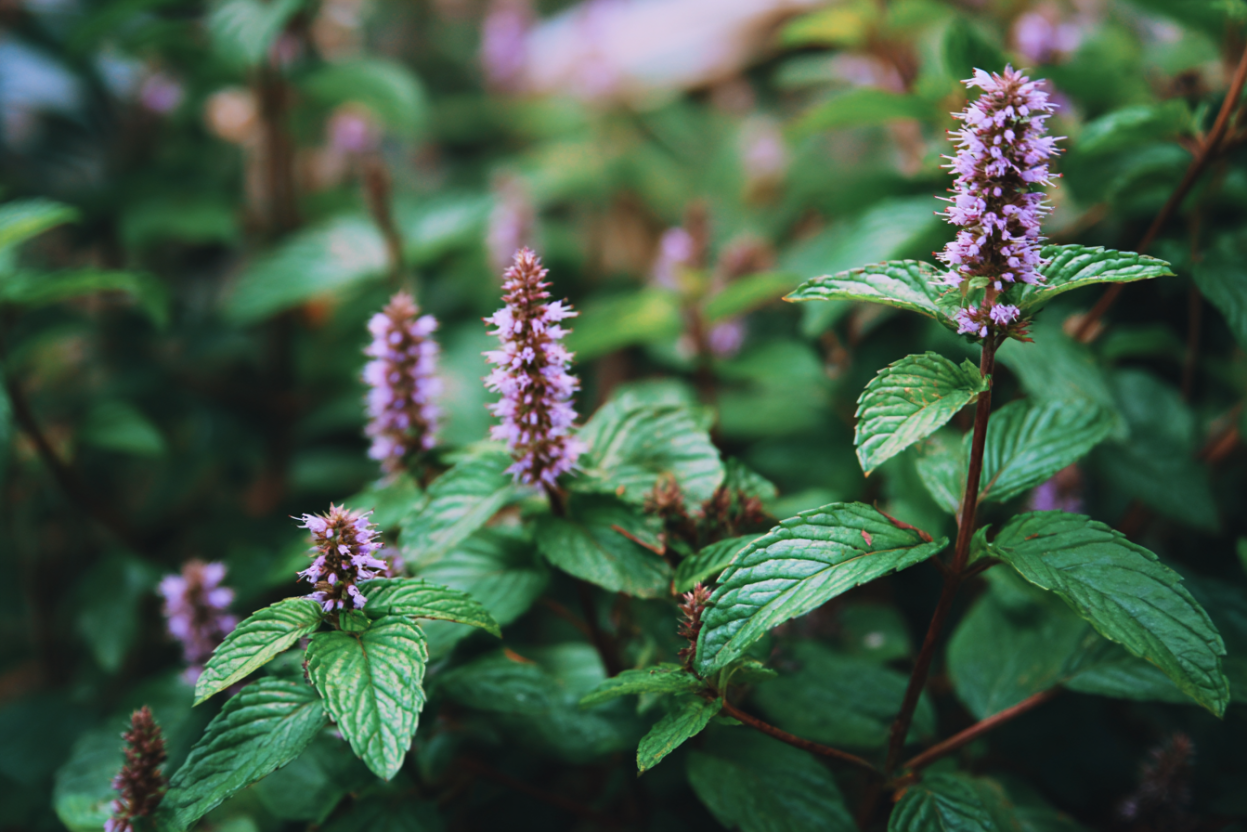
Spearmint (Mentha spicata)
If you have ever struggled with digestive discomfort, hormonal imbalance, or the kind of mental fog that makes it hard to think clearly — you are not alone. Millions of people deal with these challenges daily, often without realizing that a remarkably common herb, one that has been growing in gardens for thousands of years, may offer the support their body needs.
Spearmint is one of the Creator’s most generous gifts — a plant so abundant, so easy to grow, and so deeply woven into human history that it almost hides in plain sight. From the gardens of ancient Egypt to your kitchen windowsill, this herb has been quietly nourishing, soothing, and supporting human health since before recorded history. Like all of creation, spearmint reflects the wisdom of a Designer who knew exactly what we would need.
The Plant
Common Names: Spearmint, Garden Mint, Common Mint, Lamb Mint, Mackerel Mint, Bush Mint, Brown Mint, Spire Mint, Lady’s Mint, Sage of Bethlehem
Botanical Name: Mentha spicata L.
Family: Lamiaceae (the mint family — known for aromatic leaves, square stems, and volatile oil production)
Description
Spearmint is a branching, aromatic perennial herb that typically reaches 30 to 100 centimeters (one to three feet) in height. Its stems are distinctly square — a hallmark of the mint family — and grow upright before spreading through an extensive underground network of rhizomes (runners). The leaves are the plant’s most recognizable feature: bright green, lance-shaped with serrated edges, arranged in opposite pairs along the stem. When touched or brushed, they release the plant’s characteristic sweet, cool aroma.
The flowers appear in slender, tapering spikes (giving the plant its “spicata” name, meaning “bearing a spike”) at the tips of the stems during mid to late summer. They range from pale pink to lilac or white and are highly attractive to bees, butterflies, and other pollinators. The entire plant exudes a fresh, sweet scent that is distinctly softer and less sharp than peppermint — this is because spearmint contains very little menthol (approximately 0.5%) compared to peppermint’s 40%. Instead, its primary aromatic compound is carvone, which gives spearmint its uniquely sweet, cool character.
Origin
Spearmint is native to the Mediterranean region and parts of southern Europe. It has been cultivated for so long — some botanists believe since before recorded history — that finding it in a truly wild, original form may be impossible. The plant spread through ancient trade routes across Europe, Asia, and North Africa. It was introduced to England by the Romans and eventually traveled to the Americas with European colonists. Today, spearmint is cultivated on every inhabited continent. Major commercial producers include the United States (particularly the Pacific Northwest), China, India, Russia, Germany, and Australia.
Brief History
Spearmint’s recorded use stretches back at least 3,500 years. The ancient Egyptian Ebers Papyrus (approximately 1550 BC) describes mint as a digestive aid and a remedy for flatulence. In ancient Greece, mint was woven into crowns and scattered on banquet tables for its pleasant scent. The Greek physician Dioscorides (first century AD) documented mint’s ability to soothe the stomach and aid digestion. The Romans spread mint cultivation throughout their empire, and Pliny the Elder wrote extensively about its medicinal uses, including its ability to relieve headaches when applied to the temples.
Spearmint is referenced directly in Scripture — Jesus himself mentioned it in Matthew 23:23, noting that the Pharisees tithed even the smallest garden herbs including mint. Throughout the medieval period, European monasteries preserved and cultivated spearmint in their medicinal gardens. By the 17th century, English herbalists like John Gerard and Nicholas Culpeper were documenting its therapeutic applications in detail. Commercial spearmint production began in earnest in the 18th century when American colonists began farming it in New York and New Jersey, eventually making the United States one of the world’s largest producers of spearmint oil.
Growing & Cultivation
Climate & Zones
Spearmint is remarkably adaptable and thrives in USDA Hardiness Zones 4 through 11, making it suitable for nearly every climate in the continental United States. It can survive winter temperatures as low as -30°F (-34°C) when established, though it enters dormancy in cold winters and returns vigorously in spring. In very warm climates (Zones 10-11), spearmint may grow year-round but benefits from afternoon shade to prevent heat stress. It is also an excellent indoor plant and grows well on sunny windowsills or under grow lights in any zone.
Soil Requirements
Spearmint prefers rich, moist, well-draining soil with a pH between 6.0 and 7.5. It grows well in loamy or sandy-loam soils and can tolerate clay soil if drainage is adequate. Amend heavy clay with compost or aged manure to improve drainage and fertility. For container growing, a standard potting mix with added perlite for drainage works well. Spearmint is forgiving of imperfect soil conditions — it will grow in poor soil, though flavor and oil production will be reduced.
Water & Sunlight
Spearmint is a moisture-loving plant that prefers consistently moist (but not waterlogged) soil. Water regularly, especially during dry periods. Mulching around the base helps retain moisture and keep roots cool. Overwatering signs include yellowing leaves and root rot. For sunlight, spearmint performs best in full sun to partial shade (4-6+ hours of direct sunlight daily). Plants grown in full sun produce more essential oils and stronger flavor, while those in partial shade tend to be taller with softer leaves. In hot southern climates, afternoon shade is beneficial.
Propagation
Cuttings (recommended): Take 4-6 inch stem cuttings just below a leaf node in spring or early summer. Remove lower leaves, place in water or moist potting mix. Roots develop within 1-2 weeks. This is the most reliable method and preserves the parent plant’s characteristics.
Division: Divide established clumps in spring or fall by digging up a section of roots and runners. Replant divisions 12-18 inches apart. Spearmint responds well to division and it helps keep plants vigorous.
Seed: Sow seeds indoors 8-10 weeks before last frost or directly outdoors after frost danger has passed. Seeds need light to germinate — press into moist soil surface without covering. Germination takes 12-16 days at 65-70°F. Note that spearmint grown from seed may vary in characteristics; vegetative propagation is more reliable for consistent flavor.
Runners: Spearmint spreads naturally through underground rhizomes. Simply dig up rooted runners from an existing patch and transplant.
Planting
Plant spearmint after the last frost in spring, spacing plants 12-18 inches apart. Important caution: Spearmint is an aggressive spreader. To prevent it from taking over your garden, plant it in containers (at least 8-10 inches in diameter) or sink a bottomless container into the ground to contain the roots. Spearmint makes an excellent companion plant near cabbage, tomatoes, broccoli, and other brassicas, where it helps repel cabbage flies, ants, and aphids. Avoid planting near parsley or chamomile, as it may inhibit their growth.
Harvesting
Begin harvesting once plants are well-established, typically 2-3 months after planting. For the best flavor and highest oil content, harvest in the morning after the dew has dried but before the heat of the day — this is when volatile oil concentration peaks. Snip stems just above a leaf node using clean scissors or pruning shears. Regular harvesting encourages bushier growth. Harvest before flowering for the most potent flavor, though the flowers are also edible and attractive. You can typically get 2-3 major harvests per growing season.
Drying & Storage
Air drying: Bundle 4-6 stems together and hang upside down in a warm, well-ventilated, dark area. Drying takes 1-2 weeks. Leaves are ready when they crumble easily between your fingers.
Dehydrator: Spread leaves on dehydrator trays and dry at 95-105°F for 2-4 hours until crisp.
Freezing: Flash-freeze individual leaves on a baking sheet, then transfer to freezer bags. Alternatively, chop leaves and freeze in ice cube trays with a small amount of water or olive oil.
Store dried spearmint in airtight glass jars away from light and heat. Properly dried spearmint retains good flavor for 1-2 years, though potency gradually decreases over time.
Pest & Disease Management
Spearmint is relatively pest-resistant thanks to its aromatic oils, but it can occasionally attract aphids, spider mites, whiteflies, or flea beetles. Use organic pest control methods such as neem oil, insecticidal soap, or a strong blast of water to dislodge pests. The most common disease is rust (Puccinia menthae), which appears as orange-brown spots on leaves. Prevent it by ensuring good air circulation, avoiding overhead watering, and removing affected leaves promptly. Powdery mildew can also occur in humid conditions. Verticillium wilt is a serious soilborne disease in commercial production — rotate planting locations and use disease-free stock.
Companion Planting
Spearmint is an excellent companion for brassicas (cabbage, broccoli, kohlrabi, kale), tomatoes, and peppers. Its strong scent repels or distracts cabbage moths, ants, aphids, flea beetles, and even rodents. It also attracts beneficial pollinators including bees, butterflies, and hoverflies. Avoid planting spearmint near other mint varieties if saving seed, as mints cross-pollinate readily and produce unpredictable hybrids.
The Healing of Growing
Growing spearmint offers benefits beyond the harvest itself. The act of gardening — hands in soil, time spent outdoors, the meditative rhythm of tending plants — has been shown to reduce cortisol, improve mood, and support immune function. The soil contains beneficial bacteria (Mycobacterium vaccae) with documented antidepressant effects. When you grow your own spearmint, you receive healing before you ever consume it. Simply brushing against the plant as you garden releases its aromatic compounds, providing an impromptu aromatherapy session that may lower stress hormones and elevate mood. This is God’s design at work — healing that begins the moment you step into the garden.
Nutritional Profile
Macronutrients (per 100g fresh spearmint)
Calories: 44 kcal | Protein: 3.3g | Carbohydrates: 8.4g | Fiber: 6.8g | Sugars: 0g | Fat: 0.7g | Saturated Fat: 0.2g | Water: 85.6g
While spearmint is typically consumed in small quantities (a few leaves at a time or as tea), its nutritional density per weight is impressive. It is extremely low in calories and fat while being surprisingly rich in fiber, vitamins, and minerals.
Vitamins
Vitamin A: 203 mcg RAE (23% DV) — Essential for vision, immune function, and skin health. Vitamin A supports the integrity of mucous membranes and acts as a powerful antioxidant protecting cells from free radical damage.
Vitamin C: 13.3 mg (15% DV) — Supports immune function, collagen production, and acts as a potent antioxidant that protects cells from oxidative stress. Also enhances iron absorption from plant foods.
Folate (Vitamin B9): 105 mcg (26% DV) — Critical for DNA synthesis, cell division, and red blood cell formation. Especially important during pregnancy for fetal neural development.
Riboflavin (Vitamin B2): 0.18 mg (13% DV) — Plays a key role in energy metabolism, helping the body convert food into usable fuel. Also supports healthy skin and vision.
Vitamin B6: 0.16 mg (12% DV) — Essential for neurotransmitter synthesis (including serotonin and dopamine), protein metabolism, and immune function. Supports brain health and mood regulation.
Minerals
Iron: 11.87 mg (148% DV) — Spearmint is exceptionally rich in iron. Essential for hemoglobin production and oxygen transport in the blood. Supports cellular metabolism, energy production, and cognitive function.
Manganese: 1.12 mg (49% DV) — An essential trace mineral that supports bone formation, blood clotting, metabolism of carbohydrates and amino acids, and acts as a cofactor for the antioxidant enzyme superoxide dismutase.
Copper: 0.24 mg (27% DV) — Supports iron metabolism, formation of red blood cells, maintenance of nerve cells and the immune system, and collagen production.
Calcium: 199 mg (20% DV) — Critical for bone and teeth health, muscle contraction, nerve signaling, and blood clotting.
Magnesium: 63 mg (15% DV) — Essential for over 300 enzymatic reactions in the body, including muscle and nerve function, blood sugar regulation, blood pressure management, and bone health.
Potassium: 458 mg (13% DV) — Vital for fluid balance, nerve signaling, and muscle contractions including the heartbeat. Helps counteract the effects of sodium on blood pressure.
Phytonutrients & Active Compounds
Rosmarinic Acid — A polyphenol compound found in high concentrations in spearmint. Research suggests it has potent anti-inflammatory, antioxidant, and neuroprotective properties. Studies indicate rosmarinic acid may support cognitive function, reduce oxidative stress, and modulate inflammatory pathways.
Carvone — The primary monoterpene in spearmint (responsible for its distinctive aroma). Research has demonstrated antimicrobial, antioxidant, anti-inflammatory, and digestive-supporting properties. Carvone is also being studied for its potential anticancer and neuroprotective effects.
Limonene — A monoterpene with documented antioxidant, anti-inflammatory, and potential anticancer properties. Also supports digestive function and may enhance absorption of other compounds.
Flavonoids — Including luteolin, hesperidin, and naringenin. These compounds function as antioxidants, supporting cardiovascular health, reducing inflammation, and protecting against cellular damage.
Menthol — Present in small amounts (unlike peppermint). Provides mild cooling sensation and has analgesic, antispasmodic, and antibacterial properties.
Nutrient Notes
Spearmint’s iron content is exceptionally high for an herb — 148% of the daily value per 100g fresh weight. However, this is non-heme iron (plant-based), which has lower bioavailability than heme iron from animal sources. To enhance absorption, consume spearmint alongside vitamin C-rich foods (citrus, bell peppers, tomatoes). Compounds in tea can inhibit iron absorption, so those with iron-deficiency anemia should consider this when choosing preparation method. The B-vitamins in spearmint, particularly B6 and folate, support serotonin and dopamine production, while its magnesium content may help regulate cortisol levels.
Source: USDA FoodData Central, NDB ID: 173475 (fresh spearmint)
Culinary Uses
Edible Parts
Nearly the entire above-ground portion of spearmint is edible. Leaves are the primary culinary part — used fresh or dried to add bright, sweet, cooling flavor. Flowers are also edible with a milder, sweeter flavor than the leaves and make lovely garnishes. Young stems can be used in cooking, though they become fibrous with age. Even the roots have been used historically, though this is uncommon in modern cooking.
Flavor Profile
Spearmint offers a sweet, bright, cool flavor that is distinctly milder and less “sharp” than peppermint. Primary notes are sweet and green with a gentle cooling finish. Secondary notes include hints of fruit and a subtle earthiness. The aroma when fresh is intoxicating — clean, sweet, and unmistakably minty but without the intense menthol bite of peppermint. When cooked, spearmint mellows and sweetens. When dried, the flavor concentrates and becomes slightly more herbal. Intensity is mild to moderate, making spearmint versatile across sweet and savory applications.
Preparation
Raw: Tear or chiffonade fresh leaves for salads, grain bowls, spring rolls, fruit salads, and cold drinks. Muddling releases maximum flavor for beverages. Cooked: Add toward the end of cooking to preserve volatile oils. Spearmint pairs beautifully with lamb, peas, potatoes, and yogurt-based sauces. Infused: Steep in hot water for tea, infuse into simple syrups, or steep in vinegar or oil. Dried: Use in spice blends, rubs, herbal teas, and baked goods at roughly half the quantity of fresh.
Culinary Pairings
Spearmint complements a wide range of flavors. Proteins: lamb, chicken, fish, yogurt, and legumes. Produce: peas, zucchini, eggplant, cucumbers, watermelon, strawberries, mango, citrus, and stone fruits. Herbs & spices: cilantro, basil, parsley, cumin, coriander, chili, and ginger. Other: chocolate, honey, lemon, lime, rum, and green tea.
Storage
Fresh spearmint stores best standing in a glass of water (like a bouquet) on the counter or loosely covered in the refrigerator, where it keeps for 5-7 days. Wrap stems in a damp paper towel and place in a plastic bag for extended fridge storage. For longer preservation, freeze in ice cube trays with water or oil, or dry using methods described in the Growing section above.
Ready to cook with spearmint? View Recipes on Chefts →
Wellness & Therapeutic Uses
Traditional Uses
Spearmint has one of the longest documented histories of therapeutic use of any herb on earth. The ancient Egyptians used mint preparations as a digestive aid, as documented in the Ebers Papyrus (c. 1550 BC). Greek physicians Hippocrates, Dioscorides, and Galen all recommended mint for digestive complaints, nausea, and as a warming carminative. Dioscorides specifically noted spearmint’s ability to expel roundworms. Roman physicians used mint extensively for headaches, digestive issues, and as an aromatic in healing preparations. Pliny the Elder wrote that mint “stirred up the mind” and recommended it for a variety of ailments.
In Traditional Chinese Medicine (TCM), mint (Bo He) has been used for centuries to support liver qi flow, relieve headaches, soothe sore throats, and clear heat. In Ayurveda, mint is classified as cooling and is used to support digestion, calm the mind, and balance pitta dosha. Traditional Iranian medicine has a particularly rich history with spearmint, using the leaves to strengthen the stomach and relieve symptoms of dyspepsia. Native American peoples used wild mint species for digestive complaints, colds, and headaches. Throughout European folk medicine, spearmint was used for indigestion, colic, flatulence, morning sickness, and as a calming nerve tonic.
Modern Research
Digestive Support: Spearmint has long been used for digestive complaints, and modern research supports this traditional use. Carvone, spearmint’s primary compound, has demonstrated antispasmodic effects on smooth muscle tissue, which may help relieve cramping, bloating, and gas. Research suggests spearmint may support healthy digestion by relaxing the muscles of the gastrointestinal tract and promoting bile flow.
Hormonal Balance & Anti-Androgen Effects: Perhaps the most exciting area of modern spearmint research involves its effects on androgen hormones. A randomized controlled trial published in Phytotherapy Research (2010) found that women with polycystic ovarian syndrome (PCOS) who drank spearmint tea twice daily for 30 days experienced significant decreases in free testosterone levels and increases in luteinizing hormone, follicle-stimulating hormone, and estradiol. An earlier study (2007) in the same journal confirmed these anti-androgen effects in women with hirsutism (excess hair growth). These findings suggest spearmint may support hormonal balance in women dealing with excess androgen-related conditions.
Cognitive Support & Memory: A 2018 randomized, double-blind, placebo-controlled clinical trial published in the Journal of Alternative and Complementary Medicine found that a high-polyphenol spearmint extract (rich in rosmarinic acid) improved working memory in men and women with age-associated memory impairment. Participants who took 900mg of spearmint extract daily for 90 days showed significant improvements in quality of working memory, spatial working memory, and the ability to fall asleep. Preclinical research has additionally shown that spearmint extract may modulate brain neurotransmitters and promote neurogenesis (growth of new neurons) in the hippocampus.
Antioxidant Activity: Multiple studies have confirmed spearmint’s strong antioxidant capacity, attributed primarily to rosmarinic acid, flavonoids, and other polyphenolic compounds. A comprehensive review published in the Journal of Ethnopharmacology (2021) concluded that spearmint extracts and essential oils demonstrated remarkable antioxidant activity across multiple assessment methods. These antioxidants help neutralize free radicals and may protect against cellular damage associated with chronic disease and aging.
Antimicrobial Properties: Research published in Molecules (2018) demonstrated that spearmint essential oil showed strong antimicrobial activity against a range of bacterial and fungal strains, including pathogenic Vibrio species. The oil’s carvone and limonene content are believed to be the primary antimicrobial agents. Additional studies have confirmed activity against Staphylococcus aureus, E. coli, Candida albicans, and various food-spoilage organisms.
Anti-Inflammatory Effects: The rosmarinic acid in spearmint is a well-documented anti-inflammatory compound. Research suggests it may inhibit pro-inflammatory cytokines (IL-1, IL-6, TNF-alpha) and modulate inflammatory pathways. This has implications for conditions involving chronic inflammation, including osteoarthritis — a 2014 study in the Journal of Medicinal Food found that high-rosmarinic acid spearmint tea helped reduce pain, stiffness, and physical disability in people with knee osteoarthritis over 16 weeks.
Hepatoprotective (Liver Support): The 2021 review in Journal of Ethnopharmacology noted that spearmint extracts demonstrated hepatoprotective activity in research models, suggesting potential support for liver health and detoxification processes.
Body Systems Supported
Digestive system — Carminative, antispasmodic, promotes healthy digestion, relieves gas and bloating. Endocrine system — Anti-androgen effects, may support hormonal balance in women. Nervous system — Supports cognitive function, working memory, and may promote neurogenesis. Immune system — Antimicrobial and antioxidant properties support immune defenses. Musculoskeletal system — Anti-inflammatory properties may support joint comfort. Integumentary system — Antioxidant and anti-inflammatory properties support skin health. Respiratory system — Traditional use as a decongestant; aromatic compounds may support clear breathing. Cardiovascular system — Antioxidant activity may support heart health.
Body Compounds Affected
Testosterone / Androgens: Spearmint has demonstrated the ability to reduce free testosterone levels, as shown in clinical trials with women with PCOS and hirsutism. This anti-androgen effect may influence downstream hormones including dihydrotestosterone (DHT).
Cortisol: The aromatic compounds in spearmint, particularly when inhaled, may help modulate cortisol levels through the olfactory-limbic pathway, supporting stress relief.
Serotonin: Spearmint’s B6 and folate content support serotonin synthesis. The rosmarinic acid in spearmint has also been studied for its effects on mood-related neurotransmitters.
Inflammatory Markers (IL-1, IL-6, TNF-alpha, C-reactive protein): Rosmarinic acid and other polyphenols in spearmint have been shown in research to inhibit pro-inflammatory cytokines.
BDNF (Brain-Derived Neurotrophic Factor): Preclinical research with spearmint extract has shown modulation of brain neurotransmitters and promotion of neurogenesis, which is associated with BDNF activity.
Methods of Use
Tea/Infusion
Use 1-2 tablespoons of fresh leaves (or 1 teaspoon dried) per cup. Pour boiling water (212°F / 100°C) over leaves, cover, and steep for 5-10 minutes. Strain and drink. For anti-androgen support, research studies used 2 cups daily for 30 days. May be consumed 2-3 times daily for general digestive and wellness support.
Tincture
Spearmint tincture (typically a 1:5 extraction in 40-60% alcohol) may be used at a general dosage of 2-4 mL (approximately 40-80 drops) taken 2-3 times daily, diluted in a small amount of water. Tinctures offer convenience and concentrated extraction of both water-soluble and alcohol-soluble compounds.
Capsule/Powder
Dried spearmint leaf powder is available in capsule form. The clinical trial on cognitive function used 900mg daily of a high-polyphenol spearmint extract. For general supplementation, follow manufacturer guidelines or consult a qualified practitioner.
Poultice/Compress
Crush fresh spearmint leaves and apply directly to the forehead or temples for headache relief (traditional use). A warm compress soaked in strong spearmint tea can be applied to areas of muscle tension or discomfort.
This information is for educational purposes only and is not intended to diagnose, treat, cure, or prevent any disease. Always consult with a qualified healthcare provider before making changes to your health regimen.
Cosmetic & Beauty Uses
Skin Benefits
Spearmint has gained significant attention in the skincare community, particularly for its potential to support those dealing with hormonal acne. Its documented anti-androgen properties suggest it may help regulate the excess sebum production that contributes to clogged pores and breakouts. The rosmarinic acid in spearmint provides antioxidant protection that may help combat oxidative damage contributing to premature aging, while its anti-inflammatory compounds may help calm redness and irritation.
Spearmint is particularly suited for oily and acne-prone skin types, though its gentle anti-inflammatory properties also benefit sensitive and combination skin. The antioxidant profile (rosmarinic acid, flavonoids, vitamin C) may help protect against environmental damage and support the skin’s natural repair processes.
Hair Benefits
Spearmint tea and infusions have traditionally been used as hair rinses to promote scalp health, add shine, and support hair growth. Its anti-androgen properties are particularly relevant here — excess androgens are linked to both scalp oiliness and certain types of hair thinning. Spearmint’s antimicrobial properties may also support a healthy scalp microbiome, potentially helping with dandruff and itchy scalp conditions.
Application Methods
Spearmint Tea Toner: Brew a strong spearmint tea, allow it to cool completely, and apply to clean skin with a cotton pad. The anti-inflammatory and antimicrobial compounds may help clarify the skin. Store in the refrigerator for up to 5 days.
Spearmint-Infused Oil: Fill a jar halfway with dried spearmint leaves, cover with a carrier oil (jojoba, sweet almond, or grapeseed), and allow to infuse in a warm, sunny spot for 2-4 weeks, shaking daily. Strain and use as a gentle facial oil or body oil.
Face Mask: Mix finely chopped fresh spearmint with honey, yogurt, or clay for a soothing, clarifying face mask. Leave on for 10-15 minutes and rinse with warm water.
Hair Rinse: Steep a handful of fresh spearmint in boiling water for 15-20 minutes. Cool, strain, and pour over freshly washed hair as a final rinse. Do not rinse out — allow hair to air dry.
DIY Formulation Notes
When incorporating spearmint into homemade skincare, use infusions (water-based) or infused oils (oil-based) rather than essential oil to keep concentrations gentle. Spearmint pairs well with carrier oils such as jojoba (for oily skin), rosehip (for aging skin), and coconut oil (for body applications). Do not combine spearmint oil with other strongly stimulating essential oils without proper dilution guidance. Homemade water-based preparations (toners, sprays) should be refrigerated and used within 5-7 days to prevent bacterial growth.
Spearmint is among the botanicals being explored for holistic cosmetic applications, where the wisdom of traditional beauty practices meets modern understanding of skin science.
Essential Oil Profile
Extraction
Spearmint essential oil is primarily obtained through steam distillation of the flowering tops and leaves. This is the preferred method, producing a high-quality oil with a complete terpene profile. The oil yield is relatively low — approximately 10 pounds of fresh spearmint herb produces roughly 1 ounce of essential oil, making it somewhat more resource-intensive than peppermint. This extraction ratio contributes to spearmint oil’s value and underscores the concentration of active compounds in a single drop.
Chemical Constituents
Spearmint essential oil is classified as a carvone/limonene chemotype. The primary constituents include:
Carvone (40-70%): The dominant compound and the molecule most responsible for spearmint’s characteristic aroma. R-(−)-carvone, the specific isomer found in spearmint, is a monoterpene ketone with documented antimicrobial, antioxidant, anti-inflammatory, antispasmodic, and potential neuroprotective properties.
Limonene (5-25%): A monoterpene hydrocarbon with antioxidant, anti-inflammatory, and potential anticancer properties. Also functions as a natural solvent that enhances absorption of other compounds through the skin.
1,8-Cineole / Eucalyptol (2-5%): An oxide with expectorant, anti-inflammatory, and mucolytic properties. Supports respiratory function.
Additional compounds include dihydrocarvone, dihydrocarveol, linalool, beta-pinene, myrcene, beta-caryophyllene, and small amounts of menthol. A total of 40-60+ compounds have been identified in spearmint oil, contributing to its complex aromatic and therapeutic profile.
Aroma Profile
Spearmint essential oil is classified as a top to middle note. The scent is sweet, fresh, minty, and slightly fruity — brighter and less sharp than peppermint. It is described as clean, green, and uplifting with a gentle herbaceous undertone. The sweetness comes from the carvone content, while the fresh quality comes from limonene and cineole. The aroma evolves over time from an initial bright sweetness to a softer, slightly earthy-green dry-down. Spearmint blends well with lavender, eucalyptus, rosemary, basil, bergamot, grapefruit, and lemon essential oils.
Therapeutic Properties
Research suggests spearmint essential oil may have the following properties: antispasmodic (may help relieve muscle spasms and cramping), carminative (may support digestive comfort), antimicrobial (demonstrated activity against bacteria and fungi), anti-inflammatory (may help reduce inflammation), analgesic (may support pain relief when applied topically), uplifting and clarifying (traditionally used to support mental clarity and elevate mood), and insect repellent (carvone has been approved by the EPA as a mosquito repellent).
How to Use
Diffusion
Add 3-5 drops to an ultrasonic diffuser for a room-filling sweet mint aroma. Diffuse for 30-60 minutes at a time. May support mental clarity, uplift mood, and freshen the air. Combine with 2 drops lavender for a calming yet refreshing blend, or 2 drops lemon for an energizing atmosphere.
Topical Application
Standard adult dilution: 2-3% (approximately 12-18 drops per ounce of carrier oil). Sensitive skin: 1% (6 drops per ounce). Children over 6: 0.5-1% (3-6 drops per ounce). Not recommended for children under 2. Apply diluted oil to temples for headache relief, to the abdomen for digestive support, or to muscles for comfort. Suitable carrier oils include jojoba, sweet almond, coconut, and grapeseed oil.
Quality & Sourcing
When purchasing spearmint essential oil, look for oils that are 100% pure, therapeutic grade, and sourced from Mentha spicata. Request GC/MS (Gas Chromatography / Mass Spectrometry) testing results, which should show carvone as the dominant compound (ideally 55%+ per British Pharmacopoeia standards). Red flags for adulteration include unusually low prices, lack of botanical name on the label, and synthetic or chemical odor notes. Quality oils should be sold in dark glass bottles with proper labeling including botanical name, country of origin, extraction method, and lot number.
Blending
Spearmint blends beautifully with: Citrus oils (lemon, lime, grapefruit, bergamot) for an energizing, uplifting blend. Floral oils (lavender, geranium) for a calming, sweet blend. Herbaceous oils (rosemary, basil, marjoram) for a clarifying, focusing blend. Wood oils (cedarwood, sandalwood) for a grounding, meditative blend. A classic digestive support blend: 3 drops spearmint + 2 drops ginger + 2 drops fennel in 1 oz carrier oil, massaged clockwise on the abdomen.
Aromatherapy & Scent
The Aroma
The living spearmint plant has a sweet, bright, clean, minty aroma that is released most strongly when the leaves are touched, brushed, or crushed. The scent is noticeably softer and sweeter than peppermint — more “garden-fresh” than “medicinal.” Walking past a spearmint patch on a warm day, especially after a rain, fills the air with its signature sweetness. The scent is strongest in the morning and during warm afternoon hours when volatile oil production peaks. Proximity matters — you may not notice the scent from several feet away, but brushing the leaves releases an immediate burst of aroma.
When dried, spearmint retains much of its sweet, minty character, though the scent becomes slightly more concentrated and herbal. Dried spearmint is less “green” and more “warm” in its aromatic character. Properly stored dried spearmint retains noticeable scent for 1-2 years, though intensity gradually decreases.
How Scent Affects Your Body
When you inhale the aroma of spearmint, volatile molecules released by the plant enter your nose and make contact with olfactory receptor cells in the nasal cavity. These receptors send signals directly to the limbic system — the emotional brain — and the hypothalamus, which controls hormonal responses. This pathway bypasses conscious thought, meaning the scent of spearmint affects your body chemistry before you even decide how it makes you feel. Within seconds, emotional and hormonal responses begin, which is why a single deep breath of fresh spearmint can feel instantly uplifting.
Emotional & Mood Effects
The scent of spearmint is generally associated with energizing and uplifting effects. It is commonly described as clarifying and focusing — supporting mental alertness without the intensity of peppermint. Many people also find it mood-brightening, comforting, and gently stimulating. The sweet quality of the aroma (from carvone) gives it a pleasant, approachable character that can ease mental fatigue, support concentration, and promote a general sense of well-being. Historically, the 17th-century physician Tobias Venner wrote that the fragrance of spearmint “doth greatly comfort the braine and spirits, stirre up the senses, especially the memorie, and make the heart cheerefull.”
Body Compounds Affected
While research on spearmint’s aroma specifically is limited, aromatherapy research on mint-family essential oils suggests inhaling these scents may support healthy cortisol modulation (stress reduction), may mildly influence dopamine and serotonin pathways (mood elevation), and may affect acetylcholine activity (cognitive alertness). The clinical research on spearmint extract and cognitive function suggests that spearmint’s bioactive compounds, including those delivered through aroma, may support BDNF and neuroplasticity.
Ways to Experience the Scent
Growing a spearmint plant on your kitchen windowsill provides daily aromatic benefit — simply brush the leaves as you walk by. Keep fresh cuttings in a vase of water on your desk for natural air freshening and mental clarity support. Crush a leaf and hold it under your nose for an instant pick-me-up. Place dried spearmint in sachets for drawers and closets, or tuck a sachet under your pillow for a pleasant nighttime scent. Simmer fresh or dried spearmint on the stove with water and a cinnamon stick for a natural room fragrance. Add fresh leaves or a few drops of essential oil to a warm bath for a full-body aromatic experience.
Color Therapy
The Colors of Spearmint
Spearmint presents a palette dominated by vibrant green in its leaves — bright, fresh, and richly saturated when healthy. New leaf growth tends toward a lighter, yellow-green, while mature leaves are a deeper, true green. The flowers are pale pink to lilac, appearing in delicate spikes at the top of the plant. The stems are green with occasional purple-tinged edges. As a whole, the plant presents a visual impression of fresh, living green — one of the most restorative colors in the visible spectrum.
Color Wavelengths
Green light falls within the 495-570nm wavelength range in the visible spectrum — the center of what the human eye can perceive. Pink/lilac (from the flowers) falls in the 380-450nm (violet) range combined with reflected red wavelengths. Green is the dominant visual color of the living spearmint plant.
How Green Affects the Body
Green is associated in color therapy with balance, calm, and restoration. It is considered the most “restful” color for the human eye and is linked to the heart center. Research on nature exposure consistently demonstrates that viewing green plants and natural environments reduces blood pressure, lowers heart rate, and decreases cortisol levels. The presence of green plants in hospital rooms has been associated with faster recovery times and reduced need for pain medication. Green light wavelengths are believed to promote balance in the nervous system — neither stimulating nor sedating, but harmonizing.
The pale pink-lilac flowers add a gentle quality associated with nurturing, gentleness, and spiritual awareness. Violet wavelengths are associated with calming the nervous system and supporting meditative states.
Body Compounds Affected
Exposure to green environments and green wavelengths has been associated with reduced cortisol and adrenaline levels, increased parasympathetic nervous system activity, and improvements in serotonin-related mood markers. These effects are well-documented in forest bathing and nature exposure research, though the specific mechanism of color wavelength influence continues to be studied.
Using Spearmint for Color Therapy
Place a living spearmint plant where you spend the most time — your desk, kitchen counter, or bedside table — to benefit from daily visual exposure to its restorative green color. Use cut spearmint sprigs in a small vase as a natural, living centerpiece that provides both visual and aromatic therapy. In garden design, a spearmint patch provides a lush carpet of green that can serve as a visual “rest stop” for the eyes. Eating spearmint’s green leaves is a form of “eating the rainbow” — consuming the pigments (chlorophyll, carotenoids) that give the plant its color and contribute their own antioxidant benefits.
Frequency & Vibration
The Frequency of Spearmint
Everything in creation vibrates at a molecular level — this is foundational physics. Plants, including spearmint, emit measurable electromagnetic frequencies. While specific MHz measurements for fresh spearmint plants are not widely published in peer-reviewed literature, spearmint essential oil has been classified as a relatively high-frequency oil within the essential oil community. According to bio-frequency research pioneered by Bruce Tainio, fresh herbs generally vibrate at significantly higher frequencies than processed foods, and aromatic herbs like spearmint are among the higher-vibrating plants.
For context, proponents of vibrational medicine reference the following human body frequency ranges: a healthy human body vibrates at approximately 62-78 MHz, cold and flu symptoms may begin when frequency drops to around 58 MHz, and disease processes are associated with frequencies below 58 MHz.
Human Frequency Interaction
The principle of entrainment suggests that a stronger, more coherent frequency can influence a weaker or less coherent one. Being around high-frequency plants like spearmint, inhaling their volatile compounds, and consuming them may help support the body’s own energetic frequency. This is an area where research is still emerging, and claims should be considered within that context. What can be said with certainty is that spearmint’s documented effects on mood, cognitive function, and hormonal balance all represent measurable shifts in body chemistry that align with the concept of raising one’s overall state of wellness.
Essential Oil Frequency
Essential oils, as highly concentrated plant extracts, are considered among the highest-frequency substances available. The extraction process concentrates not only the chemical compounds but also the energetic signature of the plant. According to bio-frequency research, essential oils generally range from 52-320 MHz, with therapeutic-grade oils on the higher end of this spectrum.
Vibrational Applications
To use spearmint for frequency support, consider keeping a living plant nearby during meditation or prayer, diffusing the essential oil during times of rest and reflection, drinking spearmint tea mindfully as a ritual of self-care, and combining spearmint with other high-frequency practices such as prayer, gratitude journaling, or time spent in nature. Frequency measurements suggest that practices like prayer, meditation, and positive thought may also raise personal frequency, creating a synergistic effect when combined with high-frequency plants.
Note: Frequency measurement of living organisms and essential oils is an area of emerging research. While the principles described here are supported by preliminary studies and the observations of practitioners, more peer-reviewed research is needed to fully validate specific MHz claims.
The Living Plant
Benefits of Presence
Simply being around a living spearmint plant provides benefits that go beyond its culinary and therapeutic uses. Research on biophilic design (the human need for nature connection) demonstrates that the presence of living plants in our environments reduces stress, improves mood, enhances cognitive performance, and may even support immune function. A spearmint plant on your desk or kitchen counter serves as a living source of clean air, aromatic therapy, visual restoration, and a tangible connection to the natural world.
Air Purification
While spearmint was not included in NASA’s original Clean Air Study, mint-family plants are known for their ability to produce significant oxygen and may contribute to improved indoor air quality. Spearmint’s high rate of photosynthesis during daylight hours makes it a reasonable contributor to indoor oxygen levels. The plant’s aromatic volatile compounds — particularly carvone and limonene — have demonstrated antimicrobial properties in research, suggesting that the compounds spearmint naturally releases into the air may help reduce airborne pathogens in the immediate vicinity.
Phytoncides
Spearmint, like many aromatic plants, releases phytoncides — volatile organic compounds that serve as the plant’s natural defense against bacteria, fungi, and insects. These are the same class of compounds studied in Japanese forest bathing (shinrin-yoku) research, which has demonstrated that inhaling phytoncides from trees and aromatic plants increases Natural Killer (NK) cell activity — a key component of immune defense. While the concentration of phytoncides from a single indoor spearmint plant is much lower than what you would encounter in a forest, the aromatic molecules released when you touch, water, or brush past the plant provide a small but meaningful daily exposure to these immune-supportive compounds.
Visual & Psychological Benefits
Research consistently shows that viewing living plants reduces stress, improves attention, and enhances mood. A landmark study found that hospital patients with views of plants and nature recovered faster, required less pain medication, and had shorter hospital stays. In workplace settings, the presence of plants has been associated with increased productivity and reduced mental fatigue. Attention Restoration Theory suggests that natural elements like plants provide “soft fascination” that allows our directed attention to rest and recharge. A living spearmint plant provides all of these benefits along with the added sensory dimensions of scent and touch.
Growing Indoors vs Outdoors
Spearmint is one of the easiest herbs to grow indoors. It thrives in containers on sunny windowsills, asking only for moist soil and regular light. For the strongest flavor and highest oil production, provide at least 4-6 hours of bright light (supplemented with a grow light if necessary). Outdoors, spearmint naturally spreads and creates lush, fragrant ground cover. Both settings offer therapeutic benefits, though outdoor growing adds the benefits of sunlight exposure, earthing/grounding, and broader nature connection. If space allows, growing spearmint in both locations means you always have access to its benefits.
Touch & Physical Interaction
Gardening Therapy
Horticultural therapy — the practice of using gardening as a therapeutic tool — is an established discipline with decades of research supporting its benefits for physical, mental, and emotional health. Working with spearmint engages multiple senses simultaneously: the feel of soil and stems, the scent released with every touch, the visual pleasure of bright green growth, and the eventual taste reward of the harvest. This multi-sensory engagement is deeply grounding and serves as a natural form of mindfulness practice.
Soil Contact Benefits
Gardening with spearmint — especially barefoot or with bare hands — provides the additional benefit of direct soil contact. The practice of grounding (earthing) involves direct physical contact with the earth’s surface, allowing the transfer of free electrons from the ground into the body. Research has associated grounding with reduced inflammation, improved sleep, reduced stress hormones, and improved cardiovascular markers. The soil itself contains Mycobacterium vaccae, a beneficial bacterium that research has shown stimulates serotonin production, acting as a natural antidepressant. Exposure to diverse soil microbiome also supports the human microbiome and may strengthen immune function.
The Tactile Experience
Spearmint offers a uniquely pleasant tactile experience. The leaves are soft yet firm, with a slightly textured surface that feels satisfying to rub between your fingers. The serrated edges give a gentle, defined feel. The square stems are smooth and slightly ridged. The flowers, when they appear, are soft and delicate to the touch. What makes spearmint especially rewarding to handle is the aromatic payoff — every touch, pinch, and harvest releases fragrant volatile oils that reward the interaction with a burst of sweet mint scent. This creates a positive sensory feedback loop that encourages continued interaction with the plant.
Harvesting & Processing
The act of harvesting spearmint — snipping stems, gathering leaves, breathing in the intensifying aroma — is a meditative practice in itself. The repetitive motions of stripping leaves from stems, bundling herb for drying, or chopping fresh leaves for tea have a calming, rhythmic quality that can quiet the mind. Processing spearmint for storage — whether air-drying, dehydrating, or preparing infusions — engages you in a practice that connects you to the rhythm of the seasons and the ancient human tradition of gathering and preserving what the earth provides. There is a deep, primal satisfaction in knowing you grew, harvested, and preserved something that will nourish your family.
Water-Based Applications
Teas & Infusions
Standard Infusion: Place 1-2 tablespoons of fresh spearmint leaves (or 1 teaspoon dried) in a cup. Pour boiling water (212°F / 100°C) over the leaves. Cover to trap volatile oils and steep for 5-10 minutes. Strain and drink. May be sweetened with honey if desired. Drink 1-3 cups daily for general wellness support.
Cold Infusion: Place a generous handful of fresh spearmint leaves in a pitcher of cool water. Refrigerate for 4-8 hours or overnight. This produces a milder, more refreshing preparation that retains more of the delicate volatile compounds that dissipate with heat. Excellent for hydration and gentle digestive support.
Herbal Baths
A spearmint bath is a profoundly relaxing and restorative experience. Method: Steep a large handful (approximately 1 cup) of fresh spearmint leaves (or 1/2 cup dried) in a pot of boiling water for 15-20 minutes. Strain and add the infusion to a warm bath (98-102°F). Alternatively, place fresh or dried spearmint in a muslin bag and hang it under the running faucet as the bath fills. Soak for 20-30 minutes. The aromatic compounds are absorbed through the skin while also inhaled through steam, providing both topical and respiratory benefits. Spearmint baths have traditionally been used for muscle tension, mental fatigue, and general relaxation. A foot soak using the same preparation is an accessible alternative that provides many of the same benefits.
Hydrosols
Spearmint hydrosol (also called floral water or distillate water) is the water portion left after steam distillation of spearmint for essential oil production. It contains the water-soluble aromatic compounds of the plant in a gentle, ready-to-use form. Spearmint hydrosol may be used as a facial toner (spritz on clean skin), a body mist, a room spray, or a linen spray. It is far gentler than the essential oil and can be used directly on the skin without dilution. Look for hydrosols from reputable distillers that have not been reconstituted with essential oil and water.
Compresses
Hot Compress: Soak a clean cloth in hot, strong spearmint infusion (not boiling — comfortably warm). Wring out excess and apply to areas of muscle tension, abdominal discomfort, or to the forehead for headache relief. Re-soak as the compress cools. Hot compresses promote circulation and help deliver spearmint’s anti-inflammatory and antispasmodic compounds to the area.
Cold Compress: Prepare a spearmint infusion and chill in the refrigerator. Soak a cloth and apply to areas of inflammation, swelling, or overheated skin (such as sunburn). The cooling effect of both the cold temperature and spearmint’s mild menthol content provides soothing relief.
Steam Inhalation
Add a handful of fresh spearmint leaves (or 3-5 drops of essential oil) to a bowl of hot, steaming water. Drape a towel over your head, creating a tent over the bowl. Breathe deeply through the nose for 5-10 minutes. This method is traditionally used for sinus congestion, headaches, and respiratory discomfort. The steam delivers aromatic compounds directly to the respiratory tract. Caution: Keep eyes closed during steam inhalation to avoid irritation. Not recommended for children under 6 without supervision.
Hair Rinses
Brew a strong spearmint tea (3-4 tablespoons of fresh herb per cup of water, steeped 15-20 minutes, then cooled). After shampooing, pour the infusion through the hair as a final rinse. Do not rinse out — allow hair to air dry. The antimicrobial and anti-inflammatory compounds may help with scalp health, while the aromatic compounds leave a pleasant, lingering scent. Regular use may contribute to shinier, healthier-looking hair and a more balanced scalp.
Historical, Cultural & Biblical Significance
Biblical References
Mint is mentioned directly in Scripture. In Matthew 23:23 (KJV), Jesus says: “Woe unto you, scribes and Pharisees, hypocrites! for ye pay tithe of mint and anise and cummin, and have omitted the weightier matters of the law, judgment, mercy, and faith: these ought ye to have done, and not to leave the other undone.”
The parallel passage appears in Luke 11:42 (KJV): “But woe unto you, Pharisees! for ye tithe mint and rue and all manner of herbs, and pass over judgment and the love of God: these ought ye to have done, and not to leave the other undone.”
The Greek word used is hēdúosmon (ἡδύοσμον), meaning “sweet-scented herb,” which scholars identify as garden mint — most likely spearmint or a closely related species common in the gardens of ancient Palestine. That mint was valuable enough to tithe demonstrates its importance in daily life. Jesus does not condemn the tithing of mint — He affirms it should be done (“these ought ye to have done”) while emphasizing that outward observance must be accompanied by inward righteousness: judgment, mercy, and faith. It is fitting that even this small herb points to a larger truth about the Creator’s design — the smallest gifts deserve honor, but they are never a substitute for a transformed heart.
Additionally, mint was likely among the “bitter herbs” eaten with the Paschal lamb at Passover (Exodus 12:8), a tradition that some scholars believe continues in the modern practice of eating lamb with mint sauce. The Jews valued spearmint so highly that they scattered it upon the floors of their houses and synagogues for its pleasant aroma.
Ancient Civilizations
Egypt: The Ebers Papyrus (c. 1550 BC), one of the oldest surviving medical texts, describes mint as a digestive remedy and a treatment for flatulence. Mint was also used in the embalming process and as a symbol of hospitality.
Greece: Theophrastus (c. 371-287 BC) described mint’s use in floral crowns worn for its pleasant scent. Dioscorides (1st century AD) documented its digestive benefits, antiparasitic properties (killing roundworms), and its effects on milk (preventing curdling). The physician Dieuches mixed mint seed with anise to treat dropsy and digestive troubles.
Rome: Pliny the Elder wrote extensively about mint across multiple books of his Naturalis Historia, recommending it for headaches, digestive complaints, and as a stimulant to the mind. Romans introduced mint cultivation throughout their empire, including Britain. Mint was scattered on banquet tables and used to scent rooms at country gatherings.
Hebrew/Jewish Tradition: The Mishna and Talmud reference mint as a valuable garden herb used as a condiment and for its fragrance. It was scattered on synagogue floors for its pleasant scent and was subject to the tithe.
Eastern Traditions
Traditional Chinese Medicine: Mint (Bo He) has been used in TCM for centuries. It is classified as acrid and cool, entering the Lung and Liver channels. TCM practitioners have used it to disperse wind-heat, clear the head and eyes, soothe the throat, promote the flow of liver qi, and relieve stagnation. Spearmint is considered gentler than peppermint for these purposes.
Ayurveda: In the Ayurvedic tradition, mint is used as a cooling herb that balances Pitta dosha. It is employed to support digestion, calm the mind, freshen the breath, and cool the body. Mint chutney (pudina chutney) has been a staple of Indian cuisine and medicine for centuries.
Traditional Iranian Medicine: Iran has one of the richest traditions of spearmint use. It has been employed for centuries to strengthen the stomach, relieve dyspepsia, and is a key ingredient in traditional preparations for digestive complaints and women’s health concerns including hirsutism.
Indigenous Knowledge
Various Native American peoples used wild mint species (closely related to spearmint) for digestive complaints, colds, coughs, fevers, and headaches. Mint teas were among the most common herbal preparations across multiple tribal traditions. When European colonists arrived, indigenous peoples shared their knowledge of wild mint, which complemented the settlers’ existing familiarity with cultivated mint varieties from Europe.
European Heritage
Throughout the medieval period, European monasteries preserved spearmint in their medicinal gardens, ensuring the plant’s survival through centuries of upheaval. The great herbalists of the Renaissance — John Gerard (1597), Nicholas Culpeper (1653) — documented spearmint’s therapeutic applications in detail. The physician Tobias Venner (1620) praised spearmint’s ability to “comfort the braine and spirits, stirre up the senses, especially the memorie, and make the heart cheerefull.” Spearmint became commercial in the 18th century, with American farmers in New York and New Jersey beginning large-scale cultivation. By World War II, spearmint had become an essential war crop, with American-grown mint oil supplying menthol to the armed forces.
These cultures, across thousands of years and thousands of miles, independently observed that spearmint provided relief for the stomach, clarity for the mind, and comfort for the body. While they may not have known the Creator by name, they were observing His design — and their observations align remarkably with what modern research confirms about spearmint’s properties.
Cultural Symbolism
In ancient Athens, spearmint was the preferred scent for the arms, and it symbolized hospitality when offered to guests. In Victorian flower language, spearmint represented “warmth of sentiment.” Throughout history, mint has been associated with refreshment, welcome, and renewal — qualities that make it a natural symbol of the Creator’s generosity: always growing, always giving, always available to those who seek it.
Safety & Precautions
Contraindications
Spearmint is generally recognized as safe (GRAS) by the FDA for food use. However, individuals with gastroesophageal reflux disease (GERD) may find that mint relaxes the lower esophageal sphincter, potentially worsening reflux symptoms. Those with iron-deficiency anemia should be aware that compounds in spearmint tea may reduce iron absorption. Individuals with hormone-sensitive conditions should consult a healthcare provider before regular use due to spearmint’s anti-androgen effects.
Drug Interactions
Spearmint may interact with: anti-androgen medications (may have additive effects on testosterone reduction), diabetes medications (spearmint may influence blood sugar levels — monitor closely), iron supplements (polyphenols in spearmint tea may reduce iron absorption — take at different times), hormone therapy (spearmint’s effects on androgen and estrogen levels may interact with hormonal treatments), and medications metabolized by CYP enzymes (spearmint constituents may affect the liver’s drug metabolism pathways). If you are taking any prescription medications, consult with your healthcare provider before using spearmint therapeutically (beyond normal culinary amounts).
Pregnancy & Nursing
Small culinary amounts of spearmint are generally considered safe during pregnancy. However, spearmint tea in therapeutic doses (2+ cups daily) is not recommended during pregnancy due to its documented effects on hormone levels. Spearmint has traditionally been listed as a mild emmenagogue (may stimulate menstruation), and its anti-androgen effects could theoretically affect hormonal balance during pregnancy. During breastfeeding, small amounts are generally considered safe — mint has actually been used traditionally as a galactagogue (milk promoter) in some cultures. Not recommended during pregnancy or breastfeeding without guidance from a qualified healthcare provider.
Children
Spearmint tea in mild preparations is generally considered safe for children over age 2 in small amounts. Essential oil should not be used on or near children under 2, and should always be properly diluted (0.5-1%) for children ages 2-12. Avoid applying spearmint essential oil near the face or nose of infants and young children, as menthol (even in small amounts) can cause breathing difficulties in very young children. For children, a mild tea infusion or adding fresh leaves to water is the safest approach.
Elderly
Spearmint is generally safe for elderly adults. However, older adults should be mindful of potential interactions with medications commonly prescribed for cardiovascular conditions, diabetes, and hormonal conditions. Start with lower doses (one cup of tea daily) and monitor for any changes. Those with declining kidney or liver function may metabolize plant compounds differently — consult a healthcare provider if concerned.
Pets
Dogs: CAUTION. The ASPCA lists mint (Mentha sp.) as toxic to dogs. While small incidental exposure (a nibbled leaf) is unlikely to cause serious harm, ingestion of large amounts may cause vomiting and diarrhea. Spearmint essential oil should never be applied to or diffused near dogs without veterinary guidance.
Cats: TOXIC. The ASPCA lists mint as toxic to cats. Cats are particularly sensitive to essential oils due to their liver’s limited ability to metabolize certain compounds. Spearmint essential oil can be particularly harmful to cats through ingestion, skin absorption, or even inhalation. Do not diffuse spearmint oil in enclosed spaces where cats spend time. If you grow spearmint indoors and have cats, keep the plant out of reach.
Horses: TOXIC. The ASPCA lists mint as toxic to horses as well. Avoid planting spearmint in horse pastures.
If you suspect your pet has ingested spearmint or spearmint essential oil, contact the ASPCA Animal Poison Control Center at (888) 426-4435 or your veterinarian immediately.
Allergies & Sensitivities
Individuals with allergies to other plants in the Lamiaceae (mint) family — including basil, rosemary, lavender, oregano, and sage — may cross-react with spearmint. Topical application of spearmint essential oil (even diluted) should always be preceded by a patch test: apply a small amount of diluted oil to the inner forearm, cover, and wait 24 hours for any reaction. Spearmint is not considered phototoxic, but undiluted essential oil can cause skin irritation or sensitization.
Dosing Guidelines
Tea: 1-3 cups daily is generally considered safe for most adults. Dried herb: 1-4 grams daily. Tincture: 2-4 mL, 2-3 times daily. Essential oil (topical): Always dilute to 2-3% for adults. Duration: For general wellness, spearmint tea may be consumed regularly. For therapeutic goals (such as hormonal support), a period of 4-8 weeks is commonly suggested, followed by reassessment with a healthcare provider. Discontinue use if any adverse effects occur.
Signs of Adverse Reaction
Mild reactions (discontinue and monitor): stomach upset, heartburn, nausea, headache, skin irritation or rash (topical use). Serious reactions (seek medical attention): difficulty breathing, swelling of face/tongue/throat, severe skin reaction, dizziness, or any reaction in a child.
Disclaimer
This information is for educational purposes only. It is not intended to diagnose, treat, cure, or prevent any disease. Always consult with a qualified healthcare provider before using any herbal product, especially if you are pregnant, nursing, taking medications, or have a medical condition. If you experience any adverse reaction, discontinue use immediately and seek medical attention.
Want Personalized Guidance?
Every body is unique. What works for one person may not be right for another. If you’d like personalized support in incorporating spearmint into your wellness journey, consider working with a qualified practitioner who can assess your individual needs.
Sources & References
Peer-Reviewed Studies
- The traditional uses, phytochemistry and pharmacology of spearmint (Mentha spicata L.): A review – Journal of Ethnopharmacology, 2021, India/Worldwide
- Medicinal Uses, Phytochemistry, Pharmacology, and Toxicology of Mentha spicata – Molecules (MDPI), 2022, Morocco
- Spearmint herbal tea has significant anti-androgen effects in polycystic ovarian syndrome. A randomized controlled trial – Phytotherapy Research, 2010, UK
- Effect of spearmint (Mentha spicata Labiatae) teas on androgen levels in women with hirsutism – Phytotherapy Research, 2007, Turkey
- Spearmint Extract Improves Working Memory in Men and Women with Age-Associated Memory Impairment – Journal of Alternative and Complementary Medicine, 2018, USA
- Mentha spicata Essential Oil: Chemical Composition, Antioxidant and Antibacterial Activities against Planktonic and Biofilm Cultures of Vibrio spp. – Molecules, 2018, Tunisia
- Efficacy of a Spearmint Extract as Nutritional Support in a Rat Model of Hypertensive Glaucoma – Investigative Ophthalmology & Visual Science, 2023, Italy/USA
- Bioactive properties of the aromatic molecules of spearmint essential oil: a review – Critical Reviews in Food Science and Nutrition, 2022, China
- Chemical Composition and Antioxidant Properties of Essential Oils from Peppermint, Native Spearmint and Scotch Spearmint – Molecules, 2019, USA
- Steps to achieve carvone-rich spearmint essential oil: a case study on different distillation methods – Frontiers in Plant Science, 2023, Iran
Traditional Medicine & Historical Sources
- A Descriptive Overview of the Medical Uses Given to Mentha Aromatic Herbs throughout History – Biology (MDPI), 2020, Portugal
- Plant of the Month: Mint – JSTOR Daily, 2022
- Civil War Medicinal Herb Garden: How Mint Was Used As A Remedy – National Museum of Civil War Medicine, 2022
- Mint: The Ubiquity of a Commercial Crop – Plant Humanities Lab, Dumbarton Oaks
Institutional Sources
- USDA FoodData Central: Spearmint, fresh (NDB 173475) – U.S. Department of Agriculture
- Toxic and Non-toxic Plants: Mint – ASPCA Animal Poison Control
- FDA Code of Federal Regulations Title 21 – GRAS Status – U.S. Food and Drug Administration