Spikenard (Nardostachys jatamansi)
If you have ever struggled with sleepless nights, a racing mind that will not quiet down, or a heaviness in your spirit that seems to settle in without explanation — you are not alone. Millions of people wrestle with anxiety, insomnia, and the toll that chronic stress takes on the nervous system. For thousands of years, across continents and cultures, one plant has been reached for again and again when the mind and heart needed rest: spikenard.
This is not a plant that was discovered in a modern laboratory. Spikenard was provided before any of us arrived — placed in the high mountains of the Himalayas by a Creator who knew exactly what the human body and spirit would need. It is among the most precious aromatic plants mentioned in Scripture, and its presence in God’s Word is no accident. Every plant tells a story of provision. Spikenard tells a story of devotion, healing, and peace.
The Plant
Common Names: Spikenard, Nard, Nardin, Muskroot, Indian Spikenard, Jatamansi, Balchar
Botanical Name: Nardostachys jatamansi (D.Don) DC.
Synonyms: Nardostachys grandiflora DC., Patrinia jatamansi D.Don
Family: Caprifoliaceae (Honeysuckle family; historically classified in Valerianaceae, the Valerian family)
Description
Spikenard is a small, perennial, herbaceous plant that grows between 10 and 60 centimeters in height. It is a humble plant in stature, but remarkable in what it carries within. The leaves are elongated and spoon-shaped (spatulate), emerging in rosettes from the base. Some upper leaves are sessile, oblong, or slightly egg-shaped. The stems are upright and bear longitudinal ridges along their surface.
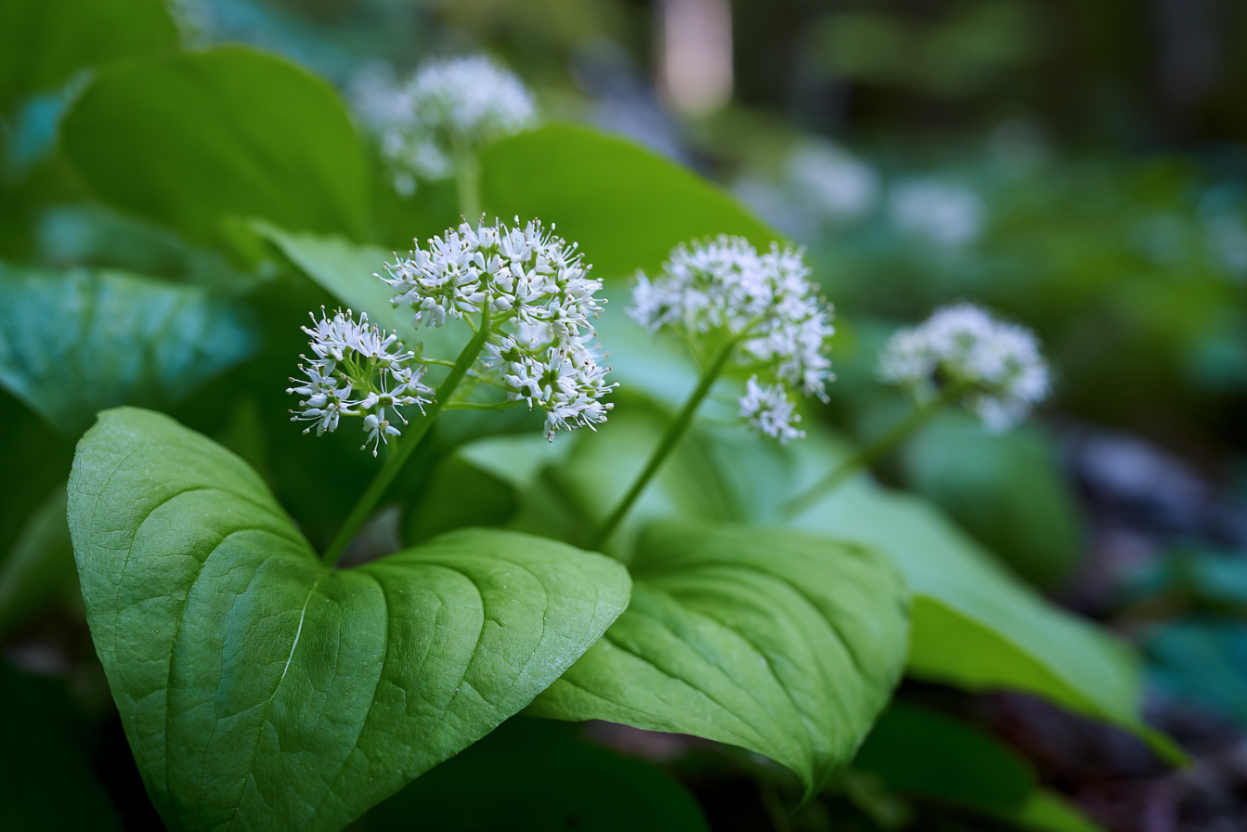
The flowers are small, delicate, and bell-shaped, appearing in dense clusters called cymes at the top of the stem. They range from pale pink to rosy purple, sometimes appearing blue-tinged. The root system is the plant’s treasure — thick, woody rhizomes covered in a dense mat of reddish-brown fibrous hairs. These tangled, hair-like root fibers are so distinctive that the Sanskrit name “Jatamansi” comes from “jata” meaning dreadlocks and “mansi” meaning human. The rhizomes are 2.5 to 7.5 centimeters long, cylindrical, and dark grey in color.
When the rhizome is crushed or distilled, it releases an intensely aromatic, amber-colored essential oil that is thick in consistency. The scent is deep, earthy, woody, and musky — unlike almost anything else in the plant kingdom. It carries a warm, grounding quality that has made it one of the most treasured aromatic substances in human history.
Origin
Spikenard is native to the alpine and sub-alpine regions of the Himalayas, growing primarily across a belt that includes Kumaon (India), Nepal, Sikkim, Bhutan, and extends into northern Myanmar and western and central China. It thrives at extreme elevations between 3,000 and 5,000 meters (9,800 to 16,400 feet) — among the highest altitudes where flowering plants survive. This remote, pristine environment contributes to the rarity and costliness that has defined spikenard throughout history.
From its Himalayan homeland, spikenard oil traveled ancient trade routes westward through Persia and the Middle East, eventually reaching the Mediterranean world. By the time of King Solomon and the Roman Empire, it was among the most expensive luxury goods traded internationally. The word “nard” itself traces from Hebrew nērd through Greek nárdos and Latin nardus, possibly deriving from the Sanskrit nálada or from Naarda, an ancient Assyrian city.
Brief History
Spikenard’s documented use stretches back thousands of years. In ancient India, it appears in Ayurvedic texts as one of the Medhya Rasayana herbs — substances used to enhance memory, intellect, and neurological health. The Charaka Samhita and Sushruta Samhita, foundational texts of Ayurveda, both reference jatamansi for conditions of the mind and nervous system.
Ancient Egyptians valued spikenard for its rich aroma and used it in anointing rituals. It was found in the tomb of Tutankhamun. The Greeks and Romans knew it well — Dioscorides described it in his Materia Medica, and Pliny the Elder documented its trade. Roman households used nard to flavor wine, and the perfume unguentum nardinum was a luxury item in the early empire. In Traditional Chinese Medicine, it is known as “Gansong” and has been used for centuries to address cardiovascular and neurological conditions.
The most profound historical moment for spikenard, however, comes from Scripture — Mary of Bethany anointing the feet of Jesus with a pound of pure nard worth a year’s wages, an act of worship so significant that Jesus said it would be remembered wherever the gospel was preached (Mark 14:9).
Today, spikenard is classified as critically endangered by the IUCN Red List due to overharvesting, habitat loss, and unsustainable collection practices. Conservation efforts are underway across its native range.
Growing & Cultivation
Climate & Zones
Spikenard is a high-altitude alpine plant that presents significant challenges for cultivation outside its native Himalayan habitat. It grows naturally at elevations of 3,000 to 5,000 meters in cool, moist conditions with well-distributed rainfall. In terms of USDA hardiness zones, it is generally considered suitable for zones 4 through 7, where cool summers and cold winters approximate its alpine origins. It does not tolerate hot, humid summers well, and struggles in zones 8 and above unless provided with exceptional microclimate conditions.
In cooler climates of North America and Europe, spikenard may be grown as a specialty plant in alpine gardens, rock gardens, or raised beds that provide excellent drainage and cool root conditions. Indoor cultivation is extremely challenging due to the plant’s need for cold vernalization periods and its sensitivity to warm, stagnant air.
Soil Requirements
Spikenard prefers well-draining, slightly acidic to neutral soil (pH 5.5 to 7.0) that is rich in organic matter. In its native habitat, it grows in humus-rich, loose, rocky or sandy loam soils typical of mountain meadows. Soil must drain freely — the rhizomes are prone to rot in waterlogged conditions. A mix of sandy loam with generous compost and perlite or coarse grit works well for container growing. In raised beds, amending heavy soil with pumice and leaf mold helps replicate alpine conditions.
Water & Sunlight
Spikenard requires consistent moisture but never soggy roots. In its native habitat, it receives regular rainfall during the growing season followed by a drier dormancy period. Water regularly during active growth, allowing the top layer of soil to dry slightly between waterings. Reduce watering significantly during winter dormancy.
The plant prefers full sun to partial shade. In the Himalayas, it receives intense but cool sunlight at high altitude. In lower-elevation gardens, afternoon shade may be beneficial to prevent overheating. Morning sun with afternoon protection is often ideal in temperate gardens.
Propagation
Seed: Spikenard can be grown from seed, though germination is slow and erratic. Seeds require cold stratification — at least 4 to 6 weeks at temperatures near freezing — to break dormancy. Sow seeds on the surface of moist, well-draining seed-starting mix and barely cover them. Germination may take 3 to 8 weeks or longer after stratification. Keep consistently moist and cool (55–65°F / 13–18°C).
Division: The most reliable propagation method is division of established rhizomes. In early spring, before new growth emerges, carefully dig the plant and divide the rhizome clumps, ensuring each division has at least one growing point. Replant divisions at the same depth and water well.
Rhizome cuttings: Sections of healthy rhizome with intact growing buds can be planted directly in prepared soil or containers. This method is preferred commercially in Himalayan cultivation projects.
Planting
Plant spikenard in spring after the last frost, spacing plants approximately 15 to 20 centimeters apart. Plant rhizome divisions 3 to 5 centimeters deep. Mulch with organic material to keep roots cool and retain moisture. In colder climates, apply a generous winter mulch of straw or leaf litter to insulate the rhizomes during dormancy.
Companion plants that share similar alpine or cool-climate preferences include other members of the valerian family, gentians, primulas, and alpine asters. Avoid planting near aggressive spreaders that may overwhelm this slow-growing plant.
Harvesting
The rhizomes are the primary harvested part. In traditional practice, rhizomes are harvested from plants that are at least 3 to 5 years old, typically in autumn after the plant has completed its growing cycle. The entire plant may be lifted, or portions of rhizome can be carefully dug while leaving enough root mass for the plant to recover.
After harvesting, rhizomes are cleaned of soil and dried. The fibrous root hairs that surround the rhizome are retained — these contain aromatic compounds as well. Harvest timing matters: rhizomes collected too early may lack the full concentration of essential oil that develops with maturity.
Drying & Storage
Dry harvested rhizomes in a well-ventilated, shaded area. Avoid direct sunlight, which can degrade volatile compounds. Ideal drying temperature is between 95–110°F (35–43°C). A dehydrator set to low heat can also be used. Rhizomes are fully dry when they snap rather than bend. Store dried rhizomes in airtight glass jars in a cool, dark location. Properly dried and stored rhizomes retain their aroma and properties for 1 to 2 years.
Pest & Disease Management
Spikenard in cultivation is relatively pest-resistant. The primary concern is root rot from overwatering or poor drainage. Fungal issues may arise in humid, poorly ventilated conditions. Slugs and snails may target young growth. Organic management includes ensuring proper drainage, applying diatomaceous earth around plants for slug control, and maintaining good air circulation.
Conservation Note
Spikenard is critically endangered in the wild. If you grow this plant, you are participating in conservation. Wild harvesting has driven this species toward extinction. Whenever possible, source plants or seeds from reputable nurseries that support sustainable cultivation — never from wild-collected stock. Growing spikenard in your garden, however challenging, is an act of stewardship for one of God’s most remarkable gifts.
The Healing of Growing
Growing spikenard offers benefits beyond the harvest itself. The act of gardening — hands in soil, bare feet on earth, time spent outdoors — has been shown to reduce cortisol, improve mood, and support immune function. The soil contains beneficial bacteria (Mycobacterium vaccae) with documented antidepressant effects. Tending a plant as rare and precious as spikenard brings an additional dimension of mindfulness and purpose to the gardening experience. When you nurture this plant, you receive healing before you ever use it.
Nutritional Profile
Spikenard is not consumed as a conventional food. Its primary use is medicinal and aromatic. The rhizome is used in teas, tinctures, and traditional preparations at therapeutic doses rather than dietary quantities. For this reason, standard macronutrient data (per 100g serving) is not applicable in the way it would be for a culinary herb or vegetable.
Phytonutrients & Active Compounds
What makes spikenard remarkable is not its caloric content but its extraordinary concentration of bioactive compounds. The rhizome contains a complex array of phytochemicals that have been extensively studied:
Sesquiterpenes — The dominant class of compounds in spikenard. Key sesquiterpenes include jatamansone (also called valeranone), nardosinone, calarene, aristolene, nardosinonediol, and spirojatamol. Jatamansone is structurally related to compounds found in valerian and contributes to spikenard’s sedative and calming properties. Nardosinone is considered the primary active ingredient and has demonstrated anti-inflammatory effects, nerve growth factor enhancement, and the ability to promote neural stem cell proliferation.
Coumarins — Including jatamansin and jatamansinol. These compounds have demonstrated neuroprotective properties, and jatamansinol has shown promise in research related to cognitive protection.
Lignans — Including 8-hydroxypinoresinol, a furanoid lignan isolated from the rhizome. Lignans are plant compounds with antioxidant properties that may support hormonal balance.
Terpenoid esters — Including nardostachysin, along with nardostachnol and nardostachnone.
Organic acids — Including jatamansic acid, chlorogenic acid, ferulic acid, syringic acid, and protocatechuic acid. Chlorogenic acid is a well-researched polyphenol associated with antioxidant and blood sugar support.
Alkaloids — Including actinidine, which has been isolated from the essential oil.
Other compounds — Including ursolic acid and oleanolic acid (triterpenes with documented anti-inflammatory and hepatoprotective properties), beta-sitosterol (a plant sterol associated with cholesterol support), and valerenic acid (also found in valerian, associated with GABA receptor modulation).
Connection to Body Compounds
The phytonutrients in spikenard interact with several key body compounds. The sesquiterpenes — particularly jatamansone and nardosinone — may support the GABAergic system, which is the body’s primary calming neurotransmitter pathway. Research suggests compounds in spikenard may influence serotonin transporter activity, with implications for mood regulation. The anti-inflammatory compounds may help modulate cytokine levels, and the antioxidant compounds support the body’s defense against oxidative stress.
Culinary Uses
Spikenard is not a standard culinary herb. However, it has a documented history of use in beverages and flavoring applications.
Edible Parts
The rhizome is the part used in any ingestible preparations. The aerial parts (leaves and flowers) are not commonly consumed.
Flavor Profile
Spikenard rhizome has a bitter, slightly pungent, and deeply aromatic flavor. The taste is earthy and musky with warm, woody undertones. It is not a pleasant culinary flavor in the conventional sense — it is medicinal in character. Dried rhizome, when steeped as tea, produces a strong, distinctive brew that some find grounding and others find challenging to palate.
Historical Culinary Applications
In ancient Rome, nard was used to flavor wine. It appears frequently in the recipes of Apicius, the famous Roman cookbook. In Ayurvedic tradition, powdered jatamansi rhizome is sometimes mixed with warm milk as a nighttime remedy. In some Himalayan communities, the rhizome is prepared as a decoction or infusion for daily health maintenance.
Modern Preparations for Consumption
Tea/Infusion: The most common ingestible form. Steep 1/2 to 1 teaspoon of dried, crushed rhizome in hot water for 10 to 15 minutes. The resulting tea is strong and earthy. Often blended with honey, ginger, or other herbs to improve palatability.
Powdered rhizome: In Ayurvedic practice, 1 to 3 grams of powder is taken divided across the day, mixed with milk, ghee, honey, or water.
Note: Internal use of spikenard should be approached with care and guidance from a qualified practitioner. See the Safety section of this article for important information.
Wellness & Therapeutic Uses
Traditional Uses
Spikenard has one of the longest and most documented histories of traditional use of any medicinal plant. Its applications span nearly every major healing tradition in the Eastern world, and its trade into the West made it known to Greek and Roman physicians as well.
Ayurveda (India): Jatamansi is classified as a Medhya Rasayana — a substance that enhances intellect and memory. It has been used for neuropsychiatric conditions including epilepsy, hysteria, insomnia, and depression. Charaka classified it among Sanjanasthapana herbs (those that restore consciousness) and Kandughna herbs (those that relieve itching). In Ayurvedic understanding, it balances all three doshas (vata, pitta, kapha) with particular effectiveness on pitta and kapha. Its taste is bitter and astringent, its potency cold, and it is used for blood purification, skin diseases, and mental clarity.
Traditional Chinese Medicine: Known as Gansong, spikenard has been used in TCM for digestive and neuropsychiatric disorders. It is classified as a Tibetan medicinal herb and has been documented in the Ben Cao Shi Yi and other classical Chinese medical texts for treatment of cardiovascular and nervous system conditions.
Unani Medicine (Greco-Arab): In the Unani system, spikenard is described as a deobstruent (removes blockages), exhilarant, and tonic for the heart and nerves. It has been used to address blood, circulatory, and mental disorders.
Greek and Roman Medicine: Dioscorides described spikenard in his Materia Medica as warming and drying. It was used for nausea, flatulence, liver problems, and jaundice. Galen also referenced its therapeutic properties. Romans used nard-infused preparations for digestive and nervous system support.
Modern Research
Modern scientific research has begun to validate many of the traditional uses of spikenard, particularly its effects on the nervous system and cardiovascular system. The following areas have been studied:
Nervous System Support & Anti-Anxiety: A 2018 study published in Metabolic Brain Disease demonstrated that N. jatamansi extract produced anxiolytic (anti-anxiety) effects in mice comparable to diazepam. The mechanism was found to involve the GABA-benzodiazepine receptor complex. The extract increased levels of monoamine neurotransmitters and GABA in the brain, and its effects were blocked by GABA receptor antagonists — confirming that spikenard works through the body’s primary calming neurotransmitter system. (Razack et al., 2018, India)
Antidepressant Activity & Serotonin: A 2021 study in the Journal of Ethnopharmacology systematically investigated spikenard’s effects on serotonin transporter (SERT) activity. Researchers found that both the total extract and a water-soluble fraction demonstrated antidepressant potential in behavioral tests. Notably, the extract contained both SERT enhancers and SERT inhibitors, suggesting a complex, balanced mechanism of action on serotonin pathways. This was the first report of natural SERT-enhancing compounds in N. jatamansi. (Li et al., 2021, China)
CNS Depressant / Sleep Support: A study published in AYU (An International Quarterly Journal of Research in Ayurveda) found that jatamansi rhizome powder possesses CNS depressant activity without affecting gross behavior or muscle coordination in rats. It significantly increased sleeping time when combined with pentobarbital, suggesting potential as a sleep aid. In a small clinical study, N. jatamansi powdered rhizome at a dose of 4 grams with milk three times daily for one month was evaluated for primary insomnia. (Panara et al., 2022, India)
Neuroprotective & Memory Support: Research published in the Journal of Natural Science, Biology and Medicine demonstrated that N. jatamansi extract protected against chronic stress-induced learning and memory deficits in rats. Animals treated with the extract showed preserved spatial memory performance comparable to unstressed controls. (Karkada et al., 2012, India)
Neuroprotection in Alzheimer’s Models: Jatamansinol, a coumarin compound from spikenard, has shown the ability to reduce tau-induced neurotoxicity in a Drosophila Alzheimer’s disease model, improving lifespan, locomotor activity, learning, and memory while reducing oxidative stress. (2022, India)
Anti-Parkinson’s Potential: Nardosinone and N. jatamansi extracts have shown neuroprotective effects in Parkinson’s disease models by suppressing neuroinflammation, modulating microglial activity, and reducing T cell infiltration. (2025, China)
Hepatoprotective (Liver Support): Pretreatment of rats with N. jatamansi extract significantly protected against liver damage induced by the hepatotoxic compound thioacetamide, reducing elevated liver enzymes and increasing survival rates. (Ali et al., 2000, India)
Blood Pressure Support: A small randomized controlled clinical study evaluated N. jatamansi at 3 grams per day (one 1g capsule three times daily) for 4 weeks in patients with hypertension. The study found potential blood pressure-lowering effects. (Bhat & Malik, 2020, India)
Antioxidant Activity: The essential oil of spikenard has demonstrated significant free radical scavenging ability, with up to 95% scavenging rate for ABTS radicals, 72.4% for DPPH, and 73% for hydroxyl radicals. (Industrial Crops and Products, 2020, China)
Body Systems Supported
Based on traditional use and available research, spikenard may support the following body systems:
Nervous System — This is spikenard’s primary domain. Research and tradition converge on its ability to support calm, sleep, cognitive function, and neurological health.
Cardiovascular System — Traditional use for heart palpitations, blood pressure, and circulation. The compound jatamansone has been associated with anti-hypertensive and anti-arrhythmic properties.
Digestive System — Traditional use as a digestive tonic. Used in Ayurveda for flatulence, indigestion, and stomach upset.
Integumentary System (Skin) — Used traditionally for skin conditions, blood purification, and complexion improvement. The Ayurvedic classification as a blood purifier connects to skin health.
Immune System — Antioxidant, antibacterial, and antifungal properties may support immune function.
Endocrine System — Some traditional references to hormone-balancing properties, particularly in relation to menstrual regulation.
Body Compounds Affected
GABA: Research demonstrates that spikenard acts through the GABA-benzodiazepine receptor complex, increasing GABA activity in the brain. This is the primary mechanism behind its calming and sleep-promoting effects.
Serotonin: Spikenard contains compounds that modulate serotonin transporter activity, with both enhancing and inhibiting constituents present — suggesting a balancing rather than unidirectional effect on serotonin.
Monoamine neurotransmitters: Studies show increased levels of monoamine neurotransmitters (dopamine, norepinephrine, serotonin) in the brains of treated animals.
Cortisol: The stress-protective effects observed in chronic stress models suggest spikenard may help modulate the cortisol stress response.
Inflammatory markers: Nardosinone and other compounds have been shown to suppress production of pro-inflammatory cytokines including TNF-α and IL-6.
Nerve Growth Factor (NGF): Nardosinone has been shown to enhance nerve growth factor activity and promote neural stem cell proliferation and differentiation.
Methods of Use
Tea/Infusion
Use dried, crushed rhizome. Steep 1/2 to 1 teaspoon in 8 ounces of hot water (just below boiling) for 10 to 15 minutes. Strain. May be taken 1 to 2 times daily. The flavor is strong, earthy, and bitter — honey or a complementary herb like chamomile or licorice root can improve the experience.
Decoction
Because the rhizome is woody and dense, a decoction (simmering in water for 15 to 20 minutes) may extract compounds more effectively than a standard infusion. Use 1 teaspoon of dried, chopped rhizome per cup of water. Bring to a boil, reduce to a simmer, and cover for 15 to 20 minutes. Strain and drink warm.
Tincture
Spikenard tincture is available commercially and is a convenient way to use this plant. Typical dosage ranges from 1 to 3 milliliters (approximately 20 to 60 drops) up to three times daily, though individual guidance from a practitioner is recommended.
Powdered Rhizome
In Ayurvedic tradition, 1 to 3 grams of powdered rhizome per day is a standard dose, divided across meals. Often mixed with warm milk, ghee, honey, or water.
Essential Oil (Aromatic & Topical)
See the Essential Oil Profile section below for detailed usage guidance. The essential oil is primarily used aromatically (diffusion) and topically (diluted in carrier oil). Internal use of the essential oil requires expert guidance and is not universally recommended.
Cosmetic & Beauty Uses
Skin Benefits
Spikenard has a long history of topical use for skin health, particularly in Ayurvedic beauty traditions. The rhizome and its essential oil contain compounds with anti-inflammatory, antimicrobial, and antioxidant properties that may benefit several skin concerns.
Mature and aging skin: The antioxidant compounds in spikenard may help protect against oxidative stress that contributes to premature aging. The oil is traditionally associated with cell regeneration and improved skin tone.
Irritated and inflamed skin: The anti-inflammatory properties of nardosinone and other sesquiterpenes may help soothe conditions involving redness, irritation, and inflammation. Traditional applications include support for eczema, psoriasis, and rashes.
Dry skin: Spikenard-infused oils provide deep moisture and may support the skin’s natural barrier function.
Uneven skin tone: In Ayurveda, jatamansi powder is frequently combined with turmeric, saffron, and other herbs to create face packs for improving complexion and skin glow.
Hair Benefits
Spikenard has been used traditionally in India for hair health for centuries. The oil is believed to strengthen hair follicles, support scalp health, stimulate blood circulation to the scalp, and may help address dandruff and premature graying. In Ayurvedic hair preparations, jatamansi is a frequently included ingredient. A few drops of spikenard essential oil added to a carrier oil such as coconut or jojoba oil and massaged into the scalp is a traditional approach to promoting healthy hair.
Application Methods
Infused oil: Place dried, crushed spikenard rhizome in a carrier oil (olive, jojoba, or sweet almond) at a ratio of approximately 1 part herb to 5 parts oil. Allow to infuse for 4 to 6 weeks in a warm, dark place, shaking regularly. Strain. Use this infused oil directly on skin or as a base for homemade creams and balms.
Face mask (Ayurvedic): Mix jatamansi powder with turmeric, sandalwood powder, and rose water to form a paste. Apply to clean skin for 15 to 20 minutes. Rinse with cool water.
Essential oil addition: Add 2 to 3 drops of spikenard essential oil per tablespoon of carrier oil for a deeply grounding facial or body oil. Always patch test first.
Hair oil: Add 5 to 8 drops of spikenard essential oil to 2 tablespoons of coconut or jojoba oil. Massage into scalp. Leave on for 30 minutes to overnight, then wash.
Spikenard is among the botanicals being explored for holistic cosmetic applications, where the wisdom of traditional beauty practices meets modern understanding of skin science.
Essential Oil Profile
Extraction
Spikenard essential oil is produced by steam distillation of the dried rhizomes and roots of Nardostachys jatamansi. The plant must mature for at least 3 to 5 years before the rhizomes contain sufficient essential oil for distillation. The yield is relatively low, which — combined with the plant’s high-altitude growing requirements and critically endangered status — contributes to the oil’s high cost and rarity.
The resulting oil is thick in consistency, amber to greenish-brown in color, and intensely aromatic. Country of origin is primarily Nepal, with some production in India and China.
Chemical Constituents
Spikenard essential oil contains approximately 50% sesquiterpenes, 10 to 15% sesquiterpenols, and 5% aldehydes. Key chemical constituents include:
Sesquiterpenes: Calarene (a major component, approximately 8.6%), aristolene, beta-maaliene, alpha-gurjunene, valerena-4,7(11)-diene, seychellene, beta-patchoulene. These compounds contribute to the oil’s anti-inflammatory, grounding, and calming properties.
Sesquiterpenols: Spirojatamol (approximately 3.1%), patchoulol, nardol. These contribute to skin-regenerating and anti-inflammatory effects.
Ketones: Jatamansone (valeranone) — the dominant and characteristic compound. Responsible for much of the sedative and calming action. Also associated with anti-hypertensive and anti-arrhythmic effects.
Esters: Bornyl acetate, isobornyl valerianate. Contribute to the oil’s balancing and antispasmodic properties.
Coumarins: Jatamansin and related compounds. Contribute to neuroprotective properties.
Other: Actinidine (alkaloid), valerenal, valerenic acid (historically called nardal and nardin).
Aroma Profile
Perfumery note: Base note
Scent description: Deep, earthy, woody, musky, with warm, animalistic undertones. Some describe it as having a slightly valerian-like quality, though richer and more complex. The aroma is grounding and meditative — not sweet or floral, but profoundly calming.
Intensity: Strong. A little goes a long way in blends.
Evolution: The initial impression is earthy and musky. As it settles, warmer, slightly sweet woody notes emerge. The dry-down is long-lasting and deeply grounding.
Blends well with: Frankincense, myrrh, vetiver, sandalwood, lavender, rose, neroli, helichrysum, geranium, clary sage, bergamot, orange, and other base-note oils.
Therapeutic Properties
Using compliant language based on available research and traditional use, spikenard essential oil may be described as:
Anti-inflammatory, sedative, calming, grounding, bactericidal, antifungal, deodorant, antipyretic (fever-reducing), laxative (mild), nervine (nerve-supporting), and tonic. It has traditionally been associated with supporting the nervous system, promoting restful sleep, easing anxiety and tension, supporting cardiovascular function, and promoting skin healing.
How to Use
Diffusion
Add 3 to 5 drops to a cool-mist diffuser. Diffuse for 15 to 30 minutes per hour. Spikenard is excellent for evening diffusion to promote calm and prepare for rest. It pairs beautifully with lavender, frankincense, or vetiver in a sleep-support blend.
Topical Application
Standard adult dilution: 2 to 3% (approximately 12 to 18 drops per ounce of carrier oil)
Sensitive skin: 1% (approximately 6 drops per ounce)
Children over 6: 0.5 to 1% (approximately 3 to 6 drops per ounce)
Elderly: 1 to 2% (approximately 6 to 12 drops per ounce)
Apply diluted oil to pulse points, the back of the neck, the soles of the feet, or over the heart area. For skin applications, apply to affected areas after proper dilution. Suitable carrier oils include jojoba, sweet almond, coconut (fractionated), and olive oil.
Inhalation
Place 1 to 2 drops on palms, rub together, cup over nose and mouth, and inhale deeply. Useful for moments of acute stress, anxiety, or when grounding is needed.
Quality & Sourcing
Because spikenard is critically endangered, ethical sourcing is paramount. Look for suppliers who can demonstrate sustainable harvesting practices, fair trade relationships with Himalayan communities, and transparency about their supply chain. Authentic spikenard essential oil should come from Nardostachys jatamansi (not a substitute species), be steam-distilled from the rhizomes, and be accompanied by GC/MS testing results. The oil should be thick, amber to greenish-brown, and deeply earthy in aroma. Be cautious of oils that are very thin, overly cheap, or smell synthetic — adulteration is a concern with rare oils.
Whenever possible, consider whether your intended use truly requires the essential oil, or whether dried rhizome preparations (tea, tincture, powder) might serve your purpose while placing less demand on this endangered plant.
Blending
Spikenard’s deep, earthy base note anchors blends and adds grounding depth. Suggested combinations include:
Sleep support: Spikenard + lavender + vetiver (2:3:1 ratio)
Deep calm: Spikenard + frankincense + myrrh (1:2:1 ratio)
Heart support: Spikenard + helichrysum + neroli (1:1:2 ratio)
Skin regeneration: Spikenard + rose + helichrysum in jojoba carrier oil
Meditation: Spikenard + frankincense + sandalwood (1:2:2 ratio)
Aromatherapy & Scent
The Aroma
The living spikenard plant, in its Himalayan habitat, releases a subtle but distinctive earthy fragrance — most noticeable when the plant is brushed, touched, or after rainfall. The scent is concentrated in the rhizome, and even the soil around established spikenard patches carries a musky, warm aroma. The fresh plant has a greener, slightly sweeter character than the dried rhizome.
When dried, the rhizome intensifies dramatically in scent. The earthy, woody, musky notes deepen, and the characteristic “nard” aroma becomes fully apparent. Dried spikenard rhizome retains its fragrance for a year or more when properly stored in airtight containers. Crushed or powdered dried rhizome releases an immediate wave of deep, warm scent that is unmistakable.
How Scent Affects Your Body
When you inhale the aroma of spikenard — whether from the fresh plant, dried rhizome, or essential oil — volatile molecules enter your nasal passages and bind to olfactory receptors. These receptors send signals directly to the limbic system (the emotional center of your brain) and the hypothalamus (which regulates hormones). This pathway bypasses conscious thought entirely. The emotional and physiological response to scent occurs within seconds — before you have consciously decided how to react. This is why certain aromas can instantly shift your mood, calm your breathing, or bring a sense of peace.
Emotional & Mood Effects
Spikenard’s aroma is predominantly calming, grounding, and centering. It is not an energizing or uplifting scent in the way that citrus or peppermint might be. Instead, it draws awareness inward and downward — settling the mind, steadying the emotions, and creating a sense of deep peace. Many people report that smelling spikenard produces a meditative quality, a sense of being “held” or anchored. For those dealing with anxiety, restlessness, grief, or racing thoughts, the aroma of spikenard may help create a still point.
A 2015 study involving mice found that compounds from a spikenard extract had sedative effects after inhalation, leading researchers to conclude that aromatherapy using spikenard may provide mild sedation.
Body Compounds Affected
Based on available research, the scent of spikenard may influence several body compounds. The GABA-modulating compounds present in the volatile fraction suggest that inhaling spikenard may promote GABAergic activity — the body’s primary calming pathway. The deeply relaxing nature of the scent is consistent with cortisol reduction, though direct inhalation-to-cortisol studies specific to spikenard are limited. The mood-stabilizing effects suggest possible influence on serotonin pathways. The overall calming effect may also support melatonin production by reducing the arousal state that interferes with the body’s natural sleep-wake cycle.
Ways to Experience the Scent
Essential oil diffusion is the most concentrated way to experience spikenard’s aroma, but it is not the only way — and given the plant’s endangered status, exploring alternatives is both practical and responsible.
Dried rhizome sachets: Place dried, crushed spikenard rhizome in a small muslin bag. Tuck under your pillow for nighttime calm, or keep in a drawer for a subtle, grounding scent.
Simmering on the stove: Add a tablespoon of dried spikenard rhizome to a pot of water with other aromatics (cinnamon, orange peel, clove). Simmer gently to release the scent into your home.
Bath addition: Add dried rhizome to a muslin bag and place in a warm bath for a deeply grounding soak. The warm water releases the volatile compounds.
Herbal steam: Add dried rhizome to a bowl of steaming water. Drape a towel over your head and the bowl, and breathe deeply for respiratory and emotional support.
Blend with other herbs: Spikenard’s earthy aroma combines beautifully with lavender, rose petals, and frankincense resin in potpourri or sachets.
Color Therapy
The Colors of Spikenard
Spikenard presents a palette of gentle, natural colors. The flowers are pale pink to rosy purple, sometimes with blue undertones — a soft, meditative color. The leaves are medium green, elongated and simple. The stems are green with a slightly reddish tinge. The rhizome — the most used part — is dark grey to brownish-black externally, covered in reddish-brown fibrous hairs. The essential oil is amber to greenish-brown.
Color Wavelengths
The pink-to-purple flowers fall within the violet end of the visible spectrum (approximately 380 to 450nm for violet/purple, with pink being a lighter value combining red and white wavelengths). The green leaves occupy the middle of the spectrum at approximately 495 to 570nm.
How These Colors Affect the Body
According to color therapy principles, the pink and purple tones of spikenard’s flowers are associated with calming the nervous system, promoting spiritual awareness, and nurturing the heart. Violet wavelengths are linked to meditative states and deep relaxation. Pink is associated with gentle, compassionate, heart-opening energy. The green of the foliage provides the classic nature-balancing effect — calming to the eyes and heart, supportive of feelings of renewal and connection to the natural world.
The earthy brown and dark tones of the rhizome, while not “color therapy” in the traditional wavelength sense, contribute to a grounding visual experience. The plant’s overall color palette is muted, gentle, and calming — there is nothing visually aggressive about spikenard, which mirrors its therapeutic personality.
Using Spikenard for Color Therapy
If you are fortunate enough to grow spikenard, placing it where you can see the soft pink-purple flowers provides a gentle visual experience that complements the plant’s aromatic and therapeutic properties. The color palette of spikenard — muted greens, soft pinks, earth tones — naturally supports calm, meditative environments. Even viewing images of the plant in its Himalayan habitat can contribute to a sense of peace and connection to the natural world.
Frequency & Vibration
The Frequency of Spikenard
According to bio-frequency research pioneered by Bruce Tainio, essential oils vibrate at measurable frequencies, and spikenard essential oil has been documented among the higher-frequency plant oils. While specific MHz measurements for spikenard vary by source and extraction method, essential oils as a category vibrate at frequencies significantly higher than the human body. For reference, a healthy human body has been measured at approximately 62 to 78 MHz, while the onset of illness is associated with frequencies dropping below 58 MHz.
Spikenard essential oil, rich in sesquiterpenes, falls into a frequency range that proponents of vibrational medicine associate with grounding, emotional healing, and deep nervous system support. Sesquiterpene-rich oils in general are considered to have a particular affinity for crossing the blood-brain barrier and affecting emotional and neurological centers.
Human Frequency Interaction
The principle of entrainment suggests that when a stronger, coherent frequency interacts with a weaker or less coherent one, the weaker frequency tends to synchronize with the stronger. Proponents of vibrational medicine suggest that being in the presence of high-frequency plants and plant products may support the body in maintaining or restoring its optimal frequency. This aligns with the observed effects of spikenard — a calming, harmonizing influence that seems to bring the body and mind into a more coherent, peaceful state.
Note: Frequency measurements of essential oils and the human body represent an area where research is emerging. The concepts described here draw from bio-frequency research and the principles of bioelectromagnetics. While the observable effects of spikenard on the body are well documented through traditional use and modern pharmacological studies, the specific frequency-based mechanisms are still being explored.
The Living Plant
Benefits of Presence
Being in the presence of living plants provides documented health benefits that extend beyond any preparation or extraction. Research on forest bathing (shinrin-yoku), indoor plant environments, and biophilic design consistently demonstrates that living plants reduce stress hormones, improve mood, enhance attention, and support immune function. Spikenard, as a living plant, participates in all of these benefits — though its rarity and cultivation challenges mean few people outside the Himalayas experience it in this way.
For those who can grow spikenard, even in a small alpine garden or cool-climate container, the presence of this ancient, sacred plant carries an additional dimension. There is something profoundly grounding about caring for a plant that has been revered for thousands of years and that now stands on the edge of extinction. The act of keeping it alive connects you to a lineage of healers, worshippers, and stewards stretching back to biblical times.
Air Purification
Spikenard has not been specifically studied in the NASA Clean Air Study, and given its specialized growing requirements, it is not a standard indoor air-purifying plant. However, all living plants contribute to air quality through photosynthesis (converting carbon dioxide to oxygen) and through the release of phytoncides — volatile organic compounds with antimicrobial properties.
Phytoncides
The aromatic compounds released by spikenard’s rhizome and foliage are antimicrobial in nature. While specific phytoncide studies on spikenard in indoor environments have not been published, the plant’s well-documented antibacterial and antifungal properties suggest that its volatile compounds contribute to air quality in its immediate surroundings. In its native Himalayan meadows, spikenard is part of the aromatic ecosystem that makes high-altitude air notably fresh and therapeutic.
Visual & Psychological Benefits
Research consistently shows that viewing plants reduces stress, improves concentration, and accelerates healing. A landmark study by Roger Ulrich found that hospital patients with views of plants and nature recovered faster and required less pain medication than patients with views of walls. While spikenard is unlikely to be your primary “view” plant, its presence in a garden — with its gentle rosettes of green leaves and soft pink flowers — contributes to the overall therapeutic environment that promotes wellbeing.
Growing Indoors vs Outdoors
Spikenard is best suited to outdoor cultivation in cool climates that approximate its alpine homeland. Indoor growing is challenging due to its need for cold dormancy periods, cool temperatures during growth, and excellent drainage. However, in USDA zones 4 through 7, it can be grown outdoors in rock gardens, alpine gardens, or raised beds with appropriate soil and drainage. In warmer zones, a cool greenhouse or high-altitude location may be necessary.
Touch & Physical Interaction
Gardening Therapy
Horticultural therapy — the practice of using gardening activities for therapeutic benefit — is well established in healthcare and rehabilitation settings. Working with plants engages the senses, provides purposeful activity, connects people to natural rhythms, and offers a gentle form of exercise. For a plant like spikenard, which requires careful attention and patience, the gardening experience is especially meditative. Tending a rare, slow-growing plant teaches patience, presence, and stewardship.
Soil Contact Benefits
When you garden — especially with bare hands or bare feet touching the soil — you benefit from grounding (also called earthing), which involves the transfer of electrons from the earth into the body. Research suggests that grounding may reduce inflammation, improve sleep, reduce pain, and lower cortisol levels. Additionally, soil contains Mycobacterium vaccae, a beneficial bacterium with documented effects on serotonin production. Studies have shown that exposure to this soil bacterium triggers an immune response that increases serotonin release in the brain, producing effects similar to antidepressant medication.
The Tactile Experience
Spikenard offers distinctive textures. The leaves are smooth to slightly textured, elongated, and cool to the touch. The rhizome is the most tactilely interesting part — covered in a dense mat of fibrous, hair-like roots that are wiry and slightly rough. Cleaning and processing harvested rhizomes involves handling these fibrous coverings, a repetitive, grounding task. The rhizome itself is woody and solid. When crushed or cut, the release of aromatic compounds creates a multi-sensory experience that combines touch and smell in a deeply engaging way.
Harvesting & Processing
Harvesting spikenard rhizomes is a deliberate, careful process — digging gently around the root system, selecting mature sections, and leaving enough for the plant to recover. Processing involves cleaning soil from the rhizomes, separating the fibrous root hairs, chopping or slicing the root material, and laying it out to dry. Each of these steps engages the hands in purposeful, rhythmic work. The aroma released during processing is therapeutic in itself, creating a full sensory healing experience that begins long before the final product is ever used.
Water-Based Applications
Teas & Infusions
Spikenard tea is the most accessible water-based preparation for most people. Use dried, crushed or finely chopped rhizome. A standard infusion uses 1/2 to 1 teaspoon of dried rhizome per 8 ounces of water heated to just below boiling (approximately 200°F / 93°C). Steep covered for 10 to 15 minutes. The resulting tea is amber-brown, earthy, and somewhat bitter. Strain well. May be consumed warm, 1 to 2 cups daily. Adding honey, ginger, or lemon can soften the flavor.
For a cold infusion, place 1 to 2 teaspoons of dried rhizome in a jar of cool water and let sit overnight (8 to 12 hours) in the refrigerator. This method produces a gentler extraction that some find more palatable.
Decoctions
Because spikenard rhizome is dense and woody, a decoction often produces a more thorough extraction than a standard infusion. Place 1 teaspoon of dried, chopped rhizome in 2 cups of water. Bring to a boil, then reduce to a gentle simmer and cover. Simmer for 15 to 20 minutes. Strain. The liquid will be darker and more concentrated than an infusion. This method is traditionally preferred in Ayurvedic practice.
Herbal Baths
A spikenard bath is a deeply grounding, calming experience. Place 2 to 4 tablespoons of dried rhizome in a muslin bag or cheesecloth pouch. Hang under the faucet as the bath fills with warm water (not scalding — around 98 to 102°F / 37 to 39°C). Alternatively, prepare a strong decoction and add the strained liquid to the bathwater. Soak for 20 to 30 minutes. This bath is particularly suited for evening use to promote deep relaxation and sleep readiness. The earthy aroma rising from the warm water creates a spa-like, meditative experience.
For a foot bath, use 1 to 2 tablespoons of dried rhizome in a basin of warm water. Soak feet for 15 to 20 minutes. This is an excellent alternative for those who prefer not to take full baths.
Hydrosols
Spikenard hydrosol (the water portion remaining after steam distillation of the essential oil) is available from some specialty suppliers. It contains water-soluble aromatic compounds at a much gentler concentration than the essential oil. Spikenard hydrosol can be used as a facial toner, linen spray (for pillows and bedding), or added to bathwater. It carries a subtle version of spikenard’s earthy, calming scent and is gentle enough for sensitive skin.
Compresses
Prepare a strong spikenard infusion or decoction. Soak a clean cloth in the warm liquid, wring slightly, and apply to the affected area. A warm compress may be used for muscle tension, joint discomfort, or headache (applied to the forehead or back of the neck). A cool compress can be soothing for overheated or inflamed skin. Reapply as the compress cools or warms to room temperature.
Steam Inhalation
Add 1 tablespoon of dried spikenard rhizome (or 2 to 3 drops of essential oil) to a bowl of steaming water. Drape a towel over your head and the bowl, close your eyes, and breathe deeply for 5 to 10 minutes. This method delivers aromatic compounds directly to the respiratory system and olfactory pathways, providing both respiratory support and emotional calming. Particularly useful during times of congestion, stress, or when you need grounding.
Hair Rinses
Prepare a spikenard decoction and allow it to cool to a comfortable temperature. After shampooing, pour the decoction over the hair and scalp as a final rinse. Massage gently into the scalp. This may be left in (no rinsing needed) or rinsed with cool water. Traditional use suggests this supports scalp health, may reduce dandruff, and adds a subtle, earthy fragrance to the hair.
Historical, Cultural & Biblical Significance
Biblical References
Spikenard holds a place of deep significance in Scripture. It is one of the most precious aromatic substances mentioned in the Bible, appearing in both the Old and New Testaments.
Song of Solomon 1:12 (KJV): “While the king sitteth at his table, my spikenard sendeth forth the smell thereof.” — Here, spikenard symbolizes the fragrance of love and devotion. The bride brings her most precious offering — the fragrance of her heart — into the presence of the king. The imagery connects intimacy, worship, and the offering of one’s best.
Song of Solomon 4:13-14 (KJV): “Thy plants are an orchard of pomegranates, with pleasant fruits; camphire, with spikenard, Spikenard and saffron; calamus and cinnamon, with all trees of frankincense; myrrh and aloes, with all the chief spices.” — Spikenard is listed alongside the most valued aromatic plants of the ancient world — frankincense, myrrh, saffron, cinnamon — as part of the beloved’s garden. These plants represent the most precious gifts of creation.
Mark 14:3 (KJV): “And being in Bethany in the house of Simon the leper, as he sat at meat, there came a woman having an alabaster box of ointment of spikenard very precious; and she brake the box, and poured it on his head.”
John 12:3 (KJV): “Then took Mary a pound of ointment of spikenard, very costly, and anointed the feet of Jesus, and wiped his feet with her hair: and the house was filled with the odour of the ointment.”
This is the defining moment for spikenard in Scripture. Mary of Bethany — sister of Lazarus, whom Jesus had just raised from the dead — took a Roman pound (approximately 329 grams, or about 12 ounces) of pure spikenard and poured it over Jesus, anointing both his head (Mark 14:3) and his feet (John 12:3). The value of this offering was approximately 300 denarii — a full year’s wages for a laborer. This was not a casual gesture. This was everything.
When Judas objected to the “waste,” Jesus defended Mary, saying she had done it for the day of His burial (John 12:7). In a matter of days, Jesus would be arrested, beaten, and crucified. As the thorns pressed into His scalp and the nails pierced His hands, the lingering fragrance of that spikenard — still clinging to His skin — may have been the last tender thing He felt from a human hand. Mary did not fully know what she was doing. But Jesus did. And He said that wherever the gospel was preached in the whole world, what she had done would be spoken of as a memorial to her (Mark 14:9).
Spikenard, in Scripture, is the scent of extravagant, sacrificial love — the fragrance of giving your most precious offering to the One who is worthy of everything.
Ancient Civilizations
Egypt: Ancient Egyptians used spikenard as a luxury aromatic in anointing and embalming practices. It has been found in artifacts from the tomb of Tutankhamun, demonstrating its status as a treasure worthy of accompanying royalty into the afterlife.
Greece: Dioscorides documented spikenard in his Materia Medica (1st century AD) as a warming, drying plant useful for nausea, flatulence, liver complaints, and jaundice. Greek physicians recognized its therapeutic properties and its value as a rare import from the East.
Rome: Romans prized spikenard both medicinally and as a luxury. Pliny the Elder wrote of its use. The perfume unguentum nardinum was a high-status product. Nard was used to flavor wine, and it appears in the recipes of Apicius. Galen included it in his pharmacopoeia. The import of spikenard from India to Rome was a significant part of the ancient spice trade.
Hebrew/Jewish tradition: Beyond the biblical references, spikenard was known and valued in ancient Hebrew culture as one of the most precious aromatics. It was imported from the East along trade routes and was associated with anointing, honor, and sacred occasions.
Eastern Traditions
Ayurveda (India): Spikenard has been used in Ayurvedic medicine for thousands of years. It appears in the foundational texts — the Charaka Samhita and Sushruta Samhita — as a Medhya Rasayana (intellect-enhancing tonic). Charaka classified it among herbs that restore consciousness, relieve itching, and purify blood. In Ayurvedic understanding, it balances all three doshas and has cold potency — making it particularly suited for conditions involving excess heat, agitation, and inflammation. The people of ancient India observed that this rhizome from the highest mountains could calm the most troubled minds — they were observing the Creator’s design, and their observations align precisely with what modern neuroscience confirms about spikenard’s effects on GABA and serotonin pathways.
Traditional Chinese Medicine: Known as Gansong (甘松), spikenard has been documented in classical Chinese medical texts including the Ben Cao Shi Yi for treatment of digestive and neuropsychiatric disorders. Tibetan medicine also recognizes it as a second-class medicinal herb with important cardiovascular and neurological applications. Chinese and Tibetan healers observed the same calming, heart-regulating properties that Western science has now begun to confirm.
Unani Medicine (Greco-Arab): In the Unani tradition — which synthesized Greek, Roman, and Arab medical knowledge — spikenard was valued as a cardioprotective, neuroprotective, and exhilarant. It was used for blood disorders, circulatory issues, and mental conditions.
Indigenous Knowledge
In the Himalayan regions where spikenard grows wild, indigenous communities in Nepal, Bhutan, and northern India have used the plant for generations as part of their traditional healing practices. It was used for headaches, heart conditions, nervous disorders, and as a general tonic. The knowledge of how to harvest, dry, and prepare spikenard was passed down through oral tradition and practical apprenticeship within these mountain communities. Today, many of these communities are central to conservation and sustainable cultivation efforts.
European Heritage
Spikenard arrived in Europe primarily through the Roman trade routes and maintained its reputation through the medieval period. It appeared in monastery gardens and herbals, where monks preserved much of the world’s botanical knowledge during the Dark Ages. The 17th-century English herbalist Nicholas Culpeper referenced spikenard. Throughout European history, it remained an expensive, prestigious import — a symbol of the exotic East and its healing wisdom. Its appearance in Dante’s Divine Comedy (Inferno) alongside frankincense and myrrh speaks to its deep cultural significance in European literary and religious traditions.
Cultural Symbolism
Across cultures, spikenard has been associated with devotion, sacrifice, honor, and the offering of one’s most precious possession. In the Iberian Catholic tradition, spikenard represents Saint Joseph — a symbol of humble, faithful service. Pope Francis includes the spikenard in his coat of arms in reference to Saint Joseph. In weddings and sacred ceremonies across Asian cultures, spikenard’s aroma has accompanied moments of transition, commitment, and reverence. It is not a common plant — it is an extraordinary one, reserved for extraordinary moments.
Safety & Precautions
Contraindications
Spikenard is generally considered safe when used appropriately and in moderation. However, certain populations should exercise caution or avoid use. Those with known allergies to plants in the Caprifoliaceae (honeysuckle) or Valerianaceae (valerian) families should use spikenard with caution. Due to its sedative properties, spikenard may enhance the effects of central nervous system depressants. Individuals scheduled for surgery should discontinue use at least 2 weeks prior, as spikenard may affect sedation levels during anesthesia.
Drug Interactions
Spikenard may interact with the following categories of medications:
Sedatives and sleep medications: May enhance sedative effects. Use together with caution.
Anti-anxiety medications (benzodiazepines): Spikenard works through the GABA-benzodiazepine receptor complex and may potentiate the effects of these drugs.
Antidepressants (SSRIs, MAOIs): Given spikenard’s effects on serotonin transporter activity, concurrent use with antidepressant medications should be discussed with a healthcare provider.
Blood pressure medications: Spikenard has shown hypotensive effects in research and may add to the blood-pressure-lowering effects of antihypertensive drugs.
Anticonvulsant medications: Spikenard has demonstrated anticonvulsant properties and may interact with seizure medications.
Blood thinners: Limited data, but some herbal sources suggest caution with concurrent use.
Pregnancy & Nursing
Spikenard has traditionally been used as an emmenagogue (to promote menstruation) in Ayurvedic practice. For this reason, it is generally not recommended during pregnancy, particularly during the first trimester, as it may stimulate uterine activity. There is insufficient safety data for use during breastfeeding. Not recommended during pregnancy or breastfeeding without guidance from a qualified healthcare provider.
Children
There is limited research on spikenard use in children. Essential oil use should be avoided in children under 2. For children over 6, if essential oil is used topically, dilute to 0.5 to 1% (3 to 6 drops per ounce of carrier oil). Tea preparations may be given to children over 6 in reduced amounts (1/4 to 1/2 of adult dosing) with practitioner guidance. Avoid use in children under 6 without professional guidance.
Elderly
Spikenard may be appropriate for elderly individuals, particularly for sleep support and nervous system calm, but dosage should be reduced (start with half the standard adult dose). Monitor for excessive sedation, especially if the individual is taking other sedative medications. The blood-pressure-lowering potential should be considered in those already on antihypertensive medications.
Pets
Dogs: Spikenard essential oil has not been reported as toxic to dogs, and some holistic veterinary practitioners include it in calming blends for anxious dogs. However, as with all essential oils, use should be heavily diluted, brief in exposure, and monitored. Never apply undiluted essential oil to any animal. Safety status: Caution — use only under professional guidance.
Cats: Cats lack a key liver enzyme (glucuronyl transferase) needed to metabolize many essential oil compounds. While spikenard is not on the most-commonly-cited toxic essential oils lists for cats, all essential oils should be used with extreme caution around cats. Avoid direct application and prolonged diffusion in enclosed spaces where cats are present. Safety status: Caution — avoid direct contact; use only in well-ventilated spaces with ability for the cat to leave.
Birds: Birds have extremely sensitive respiratory systems. Do not diffuse any essential oil in spaces where birds are kept.
If you suspect your pet has ingested essential oil or plant material and is showing symptoms, contact your veterinarian or the ASPCA Animal Poison Control Center at (888) 426-4435 immediately.
Allergies & Sensitivities
Spikenard is generally considered non-sensitizing and non-irritating according to essential oil safety references, including Tisserand and Young’s Essential Oil Safety. However, individuals with sensitive skin or known plant allergies should always perform a patch test before topical use. Apply a small amount of properly diluted oil to the inner forearm, cover, and wait 24 hours before broader application.
Dosing Guidelines
Powdered rhizome: 1 to 3 grams per day, divided (Ayurvedic standard)
Tea/infusion: 1/2 to 1 teaspoon dried rhizome per cup, 1 to 2 cups daily
Tincture: 1 to 3 mL (20 to 60 drops), up to 3 times daily
Essential oil diffusion: 3 to 5 drops in a diffuser, 15 to 30 minutes per hour
Essential oil topical: 2 to 3% dilution for adults (12 to 18 drops per ounce of carrier oil)
Excessive doses may cause nausea, vomiting, diarrhea, abdominal pain, or urinary discomfort. Start with the lowest recommended dose and increase gradually if needed.
Quality & Sourcing
Because spikenard is critically endangered, sourcing matters profoundly. Purchase only from suppliers who can verify sustainable, legal, and ethical sourcing. Look for GC/MS testing certificates. Be aware that adulteration is possible — valerian or other less expensive oils may be substituted or blended. Authentic spikenard essential oil will be thick, amber to greenish-brown, and deeply earthy and musky in aroma.
Signs of Adverse Reaction
Mild: Nausea, mild headache, drowsiness, stomach discomfort. Discontinue use and rest.
Moderate: Skin rash, persistent nausea, diarrhea, excessive drowsiness. Discontinue use and consult a healthcare provider.
Serious: Difficulty breathing (rare), severe allergic reaction (rare). Seek medical attention immediately.
Disclaimer
This information is for educational purposes only. It is not intended to diagnose, treat, cure, or prevent any disease. Always consult with a qualified healthcare provider before using any herbal product, especially if you are pregnant, nursing, taking medications, or have a medical condition. If you experience any adverse reaction, discontinue use immediately and seek medical attention.
Want Personalized Guidance?
Every body is unique. What works for one person may not be right for another. If you’d like personalized support in incorporating spikenard into your wellness journey, consider working with a qualified practitioner who can assess your individual needs.
Sources & References
Peer-Reviewed Studies
- Anxiolytic actions of Nardostachys jatamansi via GABA benzodiazepine channel complex mechanism and its biodistribution studies — Metabolic Brain Disease, 2018, India
- Antidepressant activities and regulative effects on serotonin transporter of Nardostachys jatamansi DC — Journal of Ethnopharmacology, 2021, China
- Central nervous system depressant activity of Jatamansi (Nardostachys jatamansi DC.) rhizome — AYU, 2022, India
- Nardostachys jatamansi extract prevents chronic restraint stress-induced learning and memory deficits in a radial arm maze task — Journal of Natural Science, Biology and Medicine, 2012, India
- Jatamansinol from Nardostachys jatamansi ameliorates Tau-induced neurotoxicity in Drosophila Alzheimer’s disease model — Molecular Neurobiology, 2022, India
- A review of nardosinone for pharmacological activities — European Journal of Pharmacology, 2021, China
- Nardostachys jatamansi protects against liver damage induced by thioacetamide in rats — Journal of Ethnopharmacology, 2000, India
- Efficacy of Nardostachys jatamansi (D.Don) DC in essential hypertension: A randomized controlled study — Complementary Therapies in Medicine, 2020, India
- Nardostachys jatamansi: Phytochemistry, ethnomedicinal uses, and pharmacological activities: A comprehensive review — Fitoterapia, 2024, India
- Nardostachys jatamansi extract and nardosinone exert neuroprotective effects by suppressing glucose metabolic reprogramming and modulating T cell infiltration — International Journal of Molecular Sciences, 2025, China
- Evaluation of antioxidant active ingredients of spikenard essential oil by ultra-fast gas chromatography electronic nose — Industrial Crops and Products, 2020, China
- Nardostachys jatamansi (D.Don) DC.: An invaluable and constantly dwindling resource of the Himalayas — South African Journal of Botany, 2020, India
Traditional Medicine Sources
- Jatamansi Uses, Benefits & Dosage — Drugs.com Professional Monograph — Comprehensive review of traditional and modern uses
- Jatamansi — Benefits, Usage, Side Effects — Ayurvedic resource (Dr. JV Hebbar)
- Jatamansi (Nardostachys jatamansi) — Properties, Benefits & Dosage — Planet Ayurveda
Institutional Sources
- Nardostachys jatamansi — IUCN Red List of Threatened Species — Conservation status and assessment, 2021
- Spikenard — Encyclopaedia Britannica — Botanical description and overview
Biblical & Historical References
- What is spikenard in the Bible? — GotQuestions.org
- What Is Spikenard in the Bible? — Christianity.com
- Spikenard — Bible Dictionary — Bible Study Tools
Essential Oil References
- Spikenard Essential Oil: Benefits, Uses & Insights — AromaWeb (references Tisserand & Young safety data)