Stinging Nettle (Urtica dioica)
If you’ve been battling seasonal allergies, joint stiffness, or the frustrating symptoms of an overworked immune system, you are far from alone. Millions of people search for relief every year, often cycling through medications that mask symptoms without addressing the root cause. Yet growing in meadows, along riverbanks, and even in the forgotten corners of backyards, one of nature’s most potent and nutrient-dense plants has been quietly offering support for over two thousand years.
Stinging nettle is among the most generous gifts the Creator placed into the earth. It feeds the body, soothes the joints, supports the blood, nourishes the skin, and purifies from the inside out. Like so many of God’s provisions, it was here long before we understood why it works — and modern science is only now catching up to what ancient peoples already knew.
The Plant
Common Names: Stinging Nettle, Common Nettle, Tall Nettle, California Nettle, Burn Nettle, Burn Weed, Burn Hazel, Devil’s Leaf, Ortiga (Spanish), Ortie (French), Brennessel (German), Sisnu (Nepali)
Botanical Name: Urtica dioica L.
Family: Urticaceae (the Nettle family)
Description
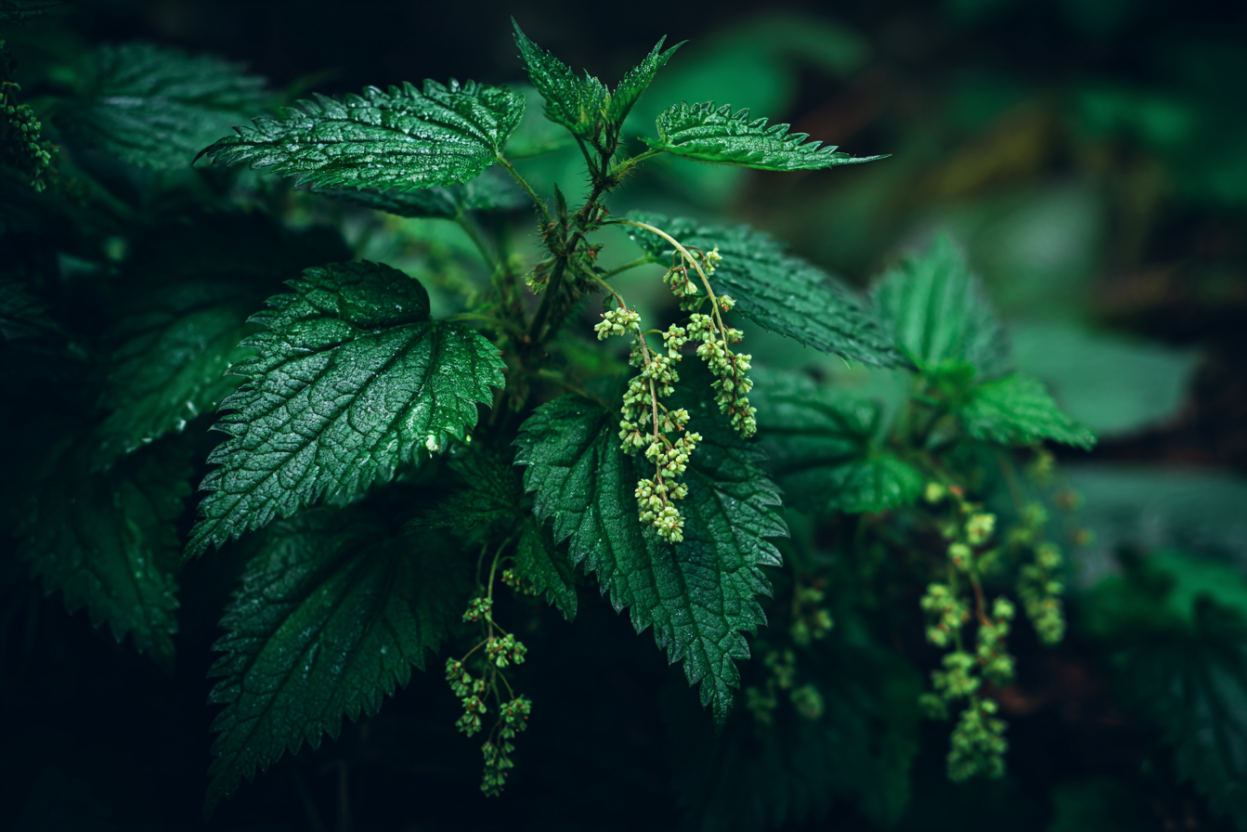
Stinging nettle is a vigorous, upright perennial herb that can reach heights of 3 to 7 feet (1–2 meters) in ideal conditions. Its stems are square-shaped, fibrous, and hollow, covered in fine, needle-like hairs called trichomes. These tiny hairs act like miniature hypodermic needles — when brushed against skin, they break at the tip and inject a cocktail of histamine, acetylcholine, serotonin, and formic acid, producing the plant’s famous sting.
The leaves are deep green, opposite, and heart-shaped at the base with strongly serrated (toothed) margins. They are covered on both surfaces with the stinging trichomes. Small, greenish-white flowers appear from late spring through early fall, hanging in clusters from the leaf axils. The plant is dioecious, meaning male and female flowers typically grow on separate plants. Seeds are tiny, oval, and greenish-brown.
Stinging nettle spreads aggressively through both seed and a creeping network of bright yellow rhizomes. A single plant can quickly colonize an area, forming dense stands in nutrient-rich, moist soils. Despite its reputation as a weed, every part of this plant — leaves, stems, roots, and seeds — has documented uses.
Origin
Stinging nettle is native to Europe, temperate Asia, and North Africa. Over centuries, it has naturalized across North America, South America, Australia, and parts of sub-Saharan Africa. It thrives in disturbed, nitrogen-rich soils and is commonly found along streams, in meadows, near abandoned buildings, in hedgerows, and at the edges of woodlands.
Brief History
Human use of stinging nettle stretches back at least 2,000 to 3,000 years. Ancient Egyptians used nettle poultices for arthritis pain. Greek physicians including Hippocrates documented over 60 applications for the plant. Roman soldiers reportedly flogged themselves with nettles upon arriving in Britain to stimulate circulation and ward off the cold — a practice called “urtication” that persisted in European folk medicine for centuries.
During the Bronze Age, nettle fibers were spun into cloth and cordage, predating the widespread use of flax and hemp in parts of northern Europe. In medieval monastery gardens, nettle was cultivated as both food and medicine. During World War I and World War II, when cotton supplies were disrupted, Germany and Austria turned to nettle fiber for military uniforms. Native American tribes across the continent used nettle for food, fiber, and as support for a range of health concerns. Today, nettle is cultivated commercially in Europe and sold as a supplement, tea, and food ingredient worldwide.
Growing & Cultivation
Climate & Zones
Stinging nettle is remarkably adaptable and thrives in USDA Hardiness Zones 3 through 10. It is cold-hardy, surviving winter temperatures well below zero, and tolerates summer heat provided it receives adequate moisture. In the Southeast United States — including Georgia — nettle grows well when given afternoon shade and consistent watering. It can also be grown indoors in containers near a bright window, though it performs best outdoors in garden beds.
Soil Requirements
Nettle prefers rich, moist, well-draining soil with a slightly acidic to neutral pH (5.5–7.5). It is a strong indicator of nitrogen-rich ground and actually improves soil quality over time. Loamy soil amended with compost is ideal. In containers, use a high-quality potting mix enriched with worm castings or aged compost. Nettle tolerates clay soils as long as drainage is adequate and will struggle in sandy, dry, or nutrient-poor ground.
Water & Sunlight
Nettle requires moderate to high moisture. Water deeply and consistently, especially during hot weather. It does not tolerate prolonged drought, and dry conditions will cause the leaves to become tough, less nutritious, and more aggressively stinging. Overwatering in poorly drained soil can lead to root rot.
Full sun to partial shade is ideal. In cooler northern climates, full sun encourages the most vigorous growth. In hot southern climates (Zones 8–10), afternoon shade helps prevent heat stress. Nettle naturally grows at the edges of woodlands where it receives dappled light, so it adapts well to partially shaded garden beds.
Propagation
Seed: Start seeds indoors 4–6 weeks before last frost. Scatter tiny seeds on the surface of moist seed-starting mix — they need light to germinate. Mist gently and cover with plastic wrap. Germination takes 10–14 days at 65–75°F (18–24°C). Transplant seedlings outdoors after last frost, spacing them 12–18 inches apart.
Division: The easiest propagation method. In spring or fall, dig up a section of the rhizome network (wear thick gloves!) and replant immediately. Divisions establish quickly and may produce harvestable growth within weeks.
Root Cuttings: Cut 3–4 inch sections of rhizome in early spring and plant horizontally 1–2 inches deep. Keep moist until new growth appears.
Planting
Plant in a contained area or raised bed to prevent aggressive spreading. Nettle spreads by rhizome and self-seeds freely — gardeners who don’t want it taking over their entire yard should install root barriers or grow it in large pots. Space plants 12–18 inches apart. Companion plants include comfrey, mint (also contained), and fruit trees, as nettle attracts beneficial insects and improves soil fertility for neighboring plants.
Harvesting
Harvest young leaves and shoot tips in spring before the plant flowers — this is when the nutrient content is highest and the leaves are most tender. Always wear thick gloves and long sleeves. Use scissors or pruning shears to cut the top 4–6 inches of growth. Harvesting encourages bushier growth and multiple harvests per season. After the plant flowers, the leaves develop gritty particles (cystoliths) that can irritate the urinary tract, so stick to pre-flowering harvests for food use.
Roots are best harvested in fall when the above-ground plant dies back. Seeds are collected in late summer when they turn brown on the stalk.
Drying & Storage
Bundle stems and hang upside down in a warm, dark, well-ventilated area for 5–7 days. Once completely dry and crumbly, strip leaves from stems (the stinging compounds are neutralized by drying). Store in airtight glass jars away from light and heat. Properly dried nettle leaf retains potency for up to 1 year. For longer storage, freeze fresh blanched leaves in portions.
Pest & Disease Management
Stinging nettle has very few pest problems — its stinging trichomes are an excellent natural defense. Aphids may sometimes colonize stems in dense stands. Ladybugs and lacewings (both attracted to nettle patches) provide natural biocontrol. Nettle is actually used as a companion plant and trap crop to lure aphids away from vegetables. Occasional fungal issues (downy mildew, leaf spot) arise in overly wet, crowded conditions. Improve air circulation by thinning stands.
Companion Planting
Nettle is one of the best companion plants in the garden. It increases the essential oil content of neighboring herbs (particularly mint family plants), attracts beneficial insects including ladybugs and parasitic wasps, serves as a host plant for butterflies (red admiral, painted lady), and makes an exceptional compost activator and liquid fertilizer when steeped in water for 2–3 weeks.
The Healing of Growing
Growing stinging nettle offers benefits that begin long before you ever make a cup of tea. The act of gardening itself — hands in soil, bare feet on earth, time spent outdoors — has been shown to reduce cortisol, improve mood, and support immune function. The soil contains beneficial bacteria (Mycobacterium vaccae) with documented antidepressant effects. When you grow your own nettle, you receive healing before you ever consume it. And there’s something uniquely satisfying about learning to work respectfully with a plant that demands your attention — nettle teaches you to slow down, put on your gloves, and approach with intention.
Nutritional Profile
Macronutrients
Per 100g of blanched/cooked nettle leaves (approximate values based on research):
Calories: 42 kcal. Protein: 2.7g (fresh) — remarkably, dried nettle leaf contains up to 25–33% protein by weight, making it one of the most protein-dense green plants known. Carbohydrates: 7.5g. Dietary Fiber: 6.9g. Fat: 0.1g. Sugars: 0.3g. This low-calorie, high-fiber, high-protein profile makes nettle an outstanding addition to any diet, particularly for those managing blood sugar or seeking plant-based protein sources.
Vitamins
Vitamin A (as beta-carotene): 2,010 IU (approximately 67% DV per 100g) — Essential for vision, immune function, skin integrity, and cellular communication. Processed nettle can supply 90–100% of daily vitamin A needs.
Vitamin C: 17–35 mg per 100g (approximately 19–39% DV) — Supports immune function, collagen synthesis, wound healing, and acts as a potent antioxidant protecting cells from oxidative damage.
Vitamin K: 499 mcg per 100g (approximately 416% DV) — Critical for blood clotting, bone metabolism, and calcium regulation. This exceptionally high level is important for people on blood-thinning medications to be aware of.
B-Complex Vitamins: Including thiamine (B1), riboflavin (B2), niacin (B3), pyridoxine (B6), pantothenic acid (B5), and folate (B9 — 14 mcg per 100g). These support energy metabolism, nervous system function, red blood cell formation, and cellular enzymatic processes.
Minerals
Calcium: 430–481 mg per 100g (approximately 43–48% DV) — Essential for bone health, muscle contraction, nerve signaling, and hormone secretion. Nettle is one of the richest plant-based calcium sources available.
Iron: 4.1–41 mg per 100g (varies significantly between fresh and dried; dried nettle concentrate is exceptionally iron-dense) — Required for oxygen transport in the blood, energy production, and immune function. Nettle has traditionally been used to support those with low iron levels.
Magnesium: 57–860 mg per 100g (dried) — Supports over 300 enzymatic reactions, muscle and nerve function, blood sugar regulation, and bone health.
Potassium: 334–3,450 mg per 100g (fresh vs. dried) — Regulates fluid balance, nerve signals, and muscle contractions. Supports healthy blood pressure.
Phosphorus: 71–680 mg per 100g — Works with calcium for bone and teeth formation, supports energy production and cellular repair.
Additional minerals: Manganese, zinc, copper, selenium, and silica are all present, supporting antioxidant enzymes, connective tissue integrity, and metabolic processes.
Phytonutrients & Active Compounds
Flavonoids: Quercetin, kaempferol, rutin, and isorhamnetin — powerful antioxidants that research suggests may support cardiovascular health, reduce inflammation, and modulate immune response. Quercetin in particular has been studied for its ability to stabilize mast cells and reduce histamine release.
Phenolic Acids: Chlorogenic acid, caffeic acid, and trans-ferulic acid — associated with antioxidant activity, blood sugar management, and cellular protection.
Carotenoids: Beta-carotene, lutein, and zeaxanthin — support eye health and provide antioxidant protection.
Lignans: Found primarily in the root — secoisolariciresinol, pinoresinol, and neoolivil — research indicates these bind to sex hormone-binding globulin (SHBG), which may influence hormonal balance.
Lectins: Urtica dioica agglutinin (UDA) — a unique protein in nettle root that has been studied for immune-modulating properties.
Phytosterols: Beta-sitosterol, stigmasterol, campesterol — plant sterols researched for cholesterol management and prostate health support.
Other bioactive compounds: Scopoletin (a coumarin with anti-inflammatory properties), ursolic acid (studied for anti-cancer potential), formic acid, histamine, acetylcholine, and serotonin (found in the trichomes).
Nutrient Notes
Nettle’s nutrient density is remarkable — gram for gram, dried nettle leaf rivals or exceeds many commercial multivitamin supplements in mineral content. The high vitamin C content enhances absorption of nettle’s abundant iron, creating a synergistic effect within the plant itself. The calcium-to-magnesium ratio supports optimal bone absorption. Cooking or drying neutralizes the stinging compounds while preserving the vast majority of nutrients. Blanching (1 minute in boiling water) is the most effective preparation method for retaining vitamins and minerals.
Connection to Body Compounds
The B-vitamins in nettle support serotonin and dopamine production. The magnesium content may help regulate cortisol levels. The high iron content supports hemoglobin and oxygen delivery to every cell. Quercetin influences histamine release, connecting directly to the immune and inflammatory systems.
Culinary Uses
Edible Parts
Leaves: The primary edible portion. Young spring leaves (top 4–6 inches) are the most tender and flavorful. Must be cooked, blanched, or dried to neutralize stinging compounds — never eaten raw. Mature leaves become gritty after flowering.
Stems: Young, tender stems can be cooked along with the leaves. Older stems are fibrous and better suited for tea or broth.
Seeds: Nutty, slightly peppery seeds can be dried and sprinkled on food or blended into smoothies. Traditionally considered an energy tonic.
Roots: Not typically used culinarily, but decocted into teas and tinctures for therapeutic applications.
Flavor Profile
Cooked nettle has a rich, earthy, slightly mineral flavor often compared to spinach but deeper and more complex. There is a mild vegetal sweetness and a pleasant, saline quality owing to its high mineral content. When dried and steeped as tea, the flavor is grassy, lightly herbaceous, and clean with a faintly sweet finish. The seeds have a nutty, mildly peppery taste.
Preparation
Always wear thick gloves when handling fresh nettle. Blanching (dunking in boiling water for 30–60 seconds, then shocking in ice water) is the most common preparation — it neutralizes the sting immediately while preserving color and nutrients. Blanched nettles can then be used exactly as you would use cooked spinach: sautéed with garlic and olive oil, stirred into pasta, blended into soups, folded into omelets, or pureed into pesto. Drying and steaming also fully neutralize the stinging compounds.
Culinary Pairings
Nettle pairs beautifully with garlic, lemon, olive oil, butter, cream, Parmesan cheese, ricotta, potatoes, eggs, mushrooms, leeks, onions, nutmeg, black pepper, and pine nuts. It works in Mediterranean, Eastern European, Indian, and Scandinavian cuisines. Nettle soup (a classic across Britain, Scandinavia, and Eastern Europe), nettle pesto, nettle gnocchi, and nettle spanakopita are beloved preparations.
Storage
Fresh nettle keeps in the refrigerator for 2–3 days, wrapped loosely in a damp cloth inside a bag. Blanched nettle freezes well for 6–12 months. Dried nettle leaf stored in airtight glass jars away from light keeps for up to 1 year. Nettle can also be infused into vinegars and oils for preservation and added flavor.
Ready to cook with stinging nettle? View Recipes on Chefts →
Wellness & Therapeutic Uses
Traditional Uses
Stinging nettle is one of the most widely used medicinal plants in human history. For over 2,000 years, cultures across the globe have turned to this plant for support with an extraordinary range of health concerns.
Ancient Greek medicine: Hippocrates and his students recorded more than 60 uses for nettle, including as a diuretic and for joint discomfort. Dioscorides documented it in De Materia Medica for nosebleeds, menstrual support, and wound care.
Roman medicine: Roman soldiers practiced “urtication” — striking the skin with fresh nettle to stimulate circulation and reduce pain, particularly for arthritis and cold exposure. Pliny the Elder documented nettle’s use for numerous conditions.
Traditional Chinese Medicine (TCM): Nettle has been used in TCM formulations to support kidney function, promote blood circulation, and address joint discomfort. The root and leaf are considered to have distinct therapeutic profiles.
Ayurveda (India): Known in Sanskrit traditions, nettle has been applied for respiratory support, blood purification, and strengthening the body’s vital energy. The seeds have traditionally been regarded as a rejuvenating tonic.
European folk medicine: Throughout medieval and Renaissance Europe, nettle was a staple in monastery gardens and herbalist dispensaries. Nicholas Culpeper (17th century) recommended nettle for “venomous bites,” joint problems, and respiratory concerns. It was a core ingredient in spring tonics intended to purify the blood after winter.
Native American medicine: Multiple tribes across North America used nettle — the Chippewa, Menominee, and many Pacific Northwest peoples used it for pain relief, skin conditions, digestive support, and as a nutrient-dense food during lean seasons.
Modern Research
Anti-Inflammatory Activity: Multiple in vitro and animal studies indicate that nettle leaf extracts inhibit pro-inflammatory cytokines (TNF-alpha, IL-1, IL-6) and suppress the NF-κB pathway, a central regulator of the inflammatory response. A study by Riehemann et al. demonstrated that nettle extracts inhibit NF-κB activation in human immune cells. Research suggests this may partially explain traditional use for joint discomfort.
Allergic Rhinitis (Hay Fever): A randomized, double-blind clinical trial by Mittman (1990) using 300mg freeze-dried nettle leaf found that 58% of participants rated it effective for allergy relief, with 48% rating it equally or more effective than their previous medication. The quercetin content is believed to stabilize mast cells and reduce histamine release.
Benign Prostatic Hyperplasia (BPH): Nettle root has been extensively studied in Europe for prostate support. The German Commission E approved nettle root for supportive management of BPH. Clinical trials using 360–600mg daily of root extract over 6–12 months showed improvements in urinary flow rate and symptom scores. Lignans in the root bind to SHBG, and phytosterols (beta-sitosterol) may influence hormonal pathways.
Blood Sugar Support: A systematic review and meta-analysis (Tabrizi et al., 2022) of clinical trials in people with type 2 diabetes found that nettle supplementation was associated with reductions in fasting blood glucose levels. Animal studies suggest the mechanisms involve increased insulin secretion from pancreatic islets and enhanced glucose uptake, potentially mediated by flavonoids.
Cardiovascular Support: Research indicates nettle may support healthy blood pressure through diuretic action and possible effects on potassium and calcium channels. Animal studies show hypotensive effects, and the antioxidant profile (quercetin, phenolic acids) may support vascular health.
Neuroprotective Potential: Emerging research, including a comprehensive review published in Phytomedicine (2023), suggests that nettle’s flavonoids and phenolic compounds may offer neuroprotective effects through antioxidant activity, reduction of neuroinflammation, and modulation of pathways implicated in neurodegenerative processes.
Anti-Ulcer Activity: Animal studies by Gulçin et al. found that water extract of nettle provided a 67–78% decrease in gastric mucosal injury — significantly outperforming the reference drug famotidine (34.4% decrease).
Body Systems Supported
Musculoskeletal system: Traditional use for joint discomfort, supported by anti-inflammatory research. Urtication (applying fresh nettle to skin over painful joints) remains a folk practice supported by preliminary clinical evidence.
Immune system: Rich in antioxidants, vitamin C, and immune-modulating lectins. Research suggests quercetin content may help regulate histamine response.
Urinary system: Traditionally used as a gentle diuretic. Root preparations studied for prostate support (BPH). Leaf preparations may help promote healthy urine flow.
Digestive system: Historically used for stomach soothing and digestive support. Anti-ulcer activity demonstrated in animal studies.
Cardiovascular system: Research suggests support for healthy blood pressure, blood sugar, and cholesterol levels.
Endocrine system: Root lignans interact with SHBG, potentially influencing hormonal balance. Studied in the context of prostate health and metabolic syndrome.
Integumentary system (skin): Traditional use for skin conditions, supported by anti-inflammatory and antihistamine properties.
Respiratory system: Traditionally used for seasonal respiratory discomfort and congestion. Clinical trial data supports use for allergic rhinitis symptoms.
Nervous system: Emerging neuroprotective research; minerals (magnesium, calcium) support healthy nerve function.
Body Compounds Affected
Histamine: Quercetin in nettle is researched for stabilizing mast cells and reducing histamine release — directly relevant to allergy response.
Cortisol: The magnesium content and adaptogenic qualities of nettle may support healthy cortisol regulation under stress.
Serotonin: B-vitamins and iron in nettle support serotonin synthesis pathways. The trichomes themselves contain serotonin (5-HT).
Inflammatory markers (TNF-alpha, IL-1, IL-6, NF-κB): Research demonstrates that nettle extracts down-regulate these pro-inflammatory compounds.
Prostaglandins (COX-1 and COX-2): Nettle leaf extracts have been shown to inhibit cyclooxygenase pathways involved in inflammation.
Insulin: Clinical and animal research suggests nettle may support healthy insulin secretion and glucose metabolism.
Nitric oxide: Some research indicates nettle may influence nitric oxide pathways, relevant to vascular health and blood pressure regulation.
Methods of Use
Tea/Infusion
Parts used: Dried leaf. Amount: 1–2 tablespoons per cup. Water temperature: Just off boiling (200–212°F). Steep time: Standard tea: 5–10 minutes. Nourishing herbal infusion: 4–8 hours (pour boiling water over a full ounce of dried leaf in a quart jar, cap, and steep overnight — this extracts the deepest mineral content). Frequency: 1–3 cups daily.
Tincture
Nettle leaf or root tincture is prepared by macerating fresh or dried plant material in alcohol (typically 40–60% ethanol) for 4–6 weeks. Typical dosage ranges from 2–5 mL (approximately 40–100 drops) taken 2–3 times daily. Root tincture is specifically used for prostate support. Consult a qualified herbalist for personalized guidance.
Capsule/Powder
Dried nettle leaf powder is available in capsule form. Common dosages in research range from 300–600 mg of freeze-dried leaf for allergies, and 360–600 mg daily of root extract for prostate support. Nettle leaf powder can also be added to smoothies, soups, or sprinkled on food.
Fresh Application (Urtication)
The traditional practice of deliberately applying fresh nettle to skin over painful joints is still used in folk medicine. The stinging compounds (histamine, serotonin, acetylcholine) create a counter-irritant effect. A small clinical study found this practice provided joint pain relief comparable to conventional topical treatments. This should only be done intentionally and with awareness of the temporary stinging sensation.
Cosmetic & Beauty Uses
Skin Benefits
Nettle’s anti-inflammatory, antioxidant, and mineral-rich profile makes it a valuable ingredient for skin care. It has traditionally been used for oily and acne-prone skin due to its astringent and purifying properties. The high silica, vitamin A, and vitamin C content supports collagen production and skin repair. Research on nettle’s ability to inhibit inflammatory markers (NF-κB, cytokines) suggests it may help calm irritated, reactive skin. Nettle is also rich in chlorophyll, a natural deodorizer and skin-clarifying compound.
Skin types that may benefit include oily, acne-prone, sensitive, combination, and mature skin.
Hair Benefits
Nettle is one of the most celebrated herbs for hair health. Its high silica, iron, and sulfur content supports strong, shiny hair. Nettle tea or infusion used as a hair rinse has been traditionally employed to promote scalp circulation, reduce oiliness, soothe itchy or flaky scalp conditions, and add shine and body to hair. Some preliminary research suggests nettle root extract may influence 5-alpha reductase activity (an enzyme involved in hair loss), though human clinical evidence is limited. Nettle is a common ingredient in natural shampoos and conditioners.
Application Methods
Hair rinse: Brew a strong nettle tea (3–4 tablespoons dried leaf per quart of water), cool completely, strain, and pour through hair after shampooing. Leave on for 2–5 minutes, then rinse or leave in as desired.
Face steam: Add a handful of dried nettle to a bowl of just-boiled water. Drape a towel over your head and the bowl. Steam your face for 5–10 minutes to open pores and deliver beneficial compounds.
Infused oil: Fill a jar with dried nettle leaf, cover completely with a carrier oil (jojoba or olive oil work well), and let steep in a warm place for 4–6 weeks, shaking occasionally. Strain and use as a scalp treatment, body oil, or base for homemade salves.
Face toner: Strong cooled nettle tea can be applied to the face with a cotton pad as a clarifying, astringent toner. Store in the refrigerator for up to one week.
Bath addition: Add several cups of strong nettle tea or a large muslin bag of dried nettle to your bath for a mineral-rich, skin-soothing soak.
DIY Formulation Notes
When incorporating nettle into homemade products, use dried rather than fresh herb to avoid stinging compounds in water-based preparations (the sting is neutralized by drying). In oil infusions, use thoroughly dried material to prevent mold. Nettle pairs well with carrier oils like jojoba, sweet almond, and rosehip seed oil. It combines well with lavender, rosemary, chamomile, and calendula in formulations. Shelf life of homemade water-based preparations: 5–7 days refrigerated. Oil-based: 6–12 months if properly strained and stored in dark glass.
Stinging nettle is among the botanicals being explored for holistic cosmetic applications, where the wisdom of traditional beauty practices meets modern understanding of skin science.
Stinging nettle does not yield a commercially significant essential oil through standard steam distillation. While the plant does contain volatile compounds (including carvacrol, carvone, phytol, and hexahydrofarnesyl acetone), these are typically accessed through fresh plant use, teas, hydrosols, or CO2 extracts rather than traditional essential oils. This section is not applicable.
Aromatherapy & Scent
The Aroma
Fresh plant aroma: Living stinging nettle has a distinctly green, herbaceous, slightly grassy scent — clean and vegetal. The aroma is mild when undisturbed but becomes more pronounced when the leaves are crushed, brushed, or cut (which of course also triggers the sting). After rain, the scent intensifies with a fresh, earthy quality. The aroma is subtle when simply standing near the plant; it requires proximity and interaction to fully experience.
Dried plant aroma: Once dried, nettle develops a pleasant, hay-like scent with mild green and earthy undertones. It is softer and more muted than the fresh plant. Dried nettle retains its aroma for 6–12 months when properly stored. When steeped in hot water, the aroma opens up into a warm, herbaceous, slightly mineral fragrance.
How Scent Affects Your Body
When you inhale the aroma of any plant, volatile molecules enter through the nose and contact olfactory receptors in the nasal epithelium. These receptors send signals directly to the limbic system — the brain’s emotional processing center — and the hypothalamus, which governs hormonal responses. This pathway bypasses conscious thought, meaning scent can alter your emotional and physiological state within seconds, before you even form a conscious opinion about the smell.
Emotional & Mood Effects
The fresh, green, herbaceous scent of nettle is primarily grounding and centering. It evokes connection to the earth, to growing things, and to wild places. Many people find green, vegetal aromas calming without being sedating — promoting alertness and presence. Brewing nettle tea creates a warm, comforting aromatic experience associated with nurturing and self-care.
Body Compounds Affected
While specific aroma-therapy research on nettle’s scent is limited, green and herbaceous aromas in general are associated with mild reductions in cortisol and increases in parasympathetic nervous system activity (the “rest and digest” state). The act of preparing and sipping nettle tea engages multiple senses — scent, warmth, taste, ritual — which collectively support relaxation and may promote GABA activity and lower stress hormones.
Ways to Experience the Scent
Growing nettle in your garden or in a container on your porch provides ambient green scent. Crushing a dried leaf between your fingers (sting-free once fully dried) releases the herbaceous aroma. Brewing tea is the most common and accessible way to experience nettle’s fragrance. Adding dried nettle to herbal sachets, simmering a pot of nettle-infused water on the stove, or including it in an herbal bath all provide aromatic benefits beyond any active consumption.
Color Therapy
The Colors of Stinging Nettle
Leaves: Deep, rich green on top; slightly paler green underneath. New spring growth is a vibrant, bright green. Leaves darken to a deeper forest green as they mature through summer.
Flowers: Tiny, greenish-white to yellowish-green. Inconspicuous individually but visible as drooping clusters.
Stems: Medium green, often with a reddish or purplish tinge at the base in mature plants.
Roots: Bright yellow to pale yellow — distinctive and easy to identify when divided or harvested.
Seeds: Green when immature, turning to tan or dark brown at maturity.
Color Wavelengths
The dominant color of nettle is green, which falls within the 495–570nm range of the visible light spectrum. This is the wavelength range that the human eye is most sensitive to, and the one most associated with natural environments.
How Green Affects the Body
Green light is positioned at the center of the visible spectrum and is considered the most balancing of all color wavelengths. Research in color therapy and environmental psychology associates green with calming the nervous system without inducing drowsiness, reducing stress and anxiety, promoting feelings of safety and restoration, supporting heart-centered emotional balance, and strengthening the connection between humans and the natural world. Studies in healthcare settings have demonstrated that patients with views of green plants or greenery tend to recover faster, require less pain medication, and report higher wellbeing.
Body Compounds Affected
Exposure to green environments has been associated with reduced cortisol levels, increased parasympathetic nervous system activity (supporting GABA), and improved mood markers linked to serotonin. The calming effect of green wavelengths may also support melatonin regulation by reducing stress-driven cortisol spikes that interfere with sleep cycles.
Using Stinging Nettle for Color Therapy
Place potted nettle plants (or allow them to grow in your garden) where you can see them from a window or sitting area — the deep green foliage adds visual calming energy to any space. Cut stems of nettle (wearing gloves) placed in a vase provide indoor green exposure. Consuming nettle in its vibrant green form — blended into smoothies, stirred into soups — embodies the concept of “eating the rainbow” and brings green’s balancing energy internally.
Frequency & Vibration
The Frequency of Stinging Nettle
While specific MHz measurements for fresh stinging nettle have not been widely published in the way that certain essential oils have been measured (through the work of researchers like Bruce Tainio), nettle is generally classified as a moderately high-frequency plant. Living plants vibrate at the molecular level — this is observable physics. Plants that are nutrient-dense, chlorophyll-rich, and biologically active tend to exhibit higher measurable frequencies. Nettle, with its extraordinary mineral density, high chlorophyll content, and potent bioactive compounds, fits this profile.
For context, proponents of bio-frequency research reference these general ranges: a healthy human body vibrates between 62–78 MHz. Cold and flu onset may begin around 58 MHz. Disease states have been associated with frequencies below 58 MHz.
Human Frequency Interaction
According to vibrational medicine principles, the entrainment effect suggests that a stronger, coherent frequency can influence a weaker one. Being around high-frequency plants, consuming them, or interacting with them may support the body’s own vibrational state. Research in this area is still emerging, and language like “frequency measurements suggest” and “proponents of vibrational medicine believe” is appropriate. What is not debatable is that nettle is an extraordinarily vital, nutrient-dense, life-giving plant — and the body responds measurably to its presence and consumption through well-documented biochemical pathways.
Vibrational Applications
Drink freshly brewed nettle tea with the intention of nourishing your body at every level. Spend time in your garden near living nettle plants. Combine nettle consumption with other high-frequency practices — prayer, time in nature, clean water, deep breathing, and restful sleep.
The Living Plant
Benefits of Presence
Simply being around living nettle provides benefits that go beyond any tea or tincture. Research on biophilic design (the human need for connection with nature) and forest bathing (shinrin-yoku) demonstrates that living plants in our environment reduce stress, improve focus, and support immune function. A patch of nettle in your garden or a pot on your porch invites you into relationship with one of the most powerful green allies in the plant world.
Air Purification
While stinging nettle was not included in the NASA Clean Air Study (which focused on common houseplants), all green plants contribute to indoor and outdoor air quality through photosynthesis — absorbing carbon dioxide and releasing oxygen. Nettle’s dense, leafy growth provides significant green surface area for gas exchange. Outdoors, nettle stands contribute to local air quality and provide habitat for beneficial insects. Nettle is also known to be an indicator of healthy, nitrogen-rich soil — where nettle grows, the ecosystem is generally thriving.
Phytoncides
Living plants release volatile organic compounds called phytoncides — natural antimicrobial substances that help the plant defend against pathogens. Forest bathing research (particularly from Japan) has demonstrated that inhaling phytoncides increases the activity of Natural Killer (NK) cells in the human immune system. While nettle-specific phytoncide research is limited, the plant does release volatile compounds including terpenes and other aromatic molecules that may contribute to the health benefits of spending time near dense plant growth.
Visual & Psychological Benefits
Research consistently demonstrates that viewing green plants reduces psychological stress, lowers blood pressure and heart rate, improves attention and cognitive performance (Attention Restoration Theory), and promotes faster healing in clinical settings. Nettle’s lush, deep green growth provides all of these benefits simply by existing in your line of sight.
Growing Indoors vs. Outdoors
Nettle can be grown in large containers (at least 12 inches deep) on patios or porches. Indoor growing is possible near a bright south-facing window, but the plant performs best outdoors where it receives natural light, air circulation, and rain. Outdoors, nettle provides the added benefit of supporting the garden ecosystem — attracting beneficial insects, enriching soil, and serving as a companion plant. For those with limited space, even a single container of nettle on a balcony provides a living connection to one of nature’s most remarkable plants.
Touch & Physical Interaction
Gardening Therapy
Horticultural therapy — the use of gardening as a structured therapeutic practice — is supported by extensive research for reducing anxiety, improving mood, increasing physical activity, and building a sense of purpose. Working with stinging nettle adds a unique dimension to this experience: the plant demands mindfulness. You cannot rush through a nettle harvest. You must slow down, pay attention, wear your gloves, and handle each stem with care. This enforced intentionality turns a simple garden task into a meditative practice.
Soil Contact Benefits
When you garden barefoot or with bare hands in clean soil, your body makes direct contact with the earth — a practice called grounding or earthing. Research suggests this electron transfer from the earth may reduce inflammation, improve sleep, and promote cardiovascular health. The soil itself contains Mycobacterium vaccae, a beneficial bacterium that research has shown stimulates serotonin production and immune function when inhaled or contacted through skin. Every time you dig in your nettle bed, you’re receiving these benefits before you ever harvest a leaf.
The Tactile Experience
Fresh nettle demands respect — the leaves and stems are covered in fine, hair-like trichomes that deliver a memorable sting upon contact. Through thick gloves, you feel the plant’s substantial, slightly rough texture. The stems are sturdy and fibrous. Once dried, the leaves become delicate, papery, and pleasant to handle — all stinging compounds neutralized. Crumbling dried nettle between your fingers releases a satisfying, herbaceous aroma and a fine, nutrient-rich powder. Processing nettle — stripping leaves from stems, bundling for drying, grinding into powder — provides repetitive, rhythmic hand work that many find calming and centering.
Harvesting & Processing
The ritual of the spring nettle harvest is a tradition in many cultures — the first tender shoots of the year, gathered carefully with thick gloves and scissors, represent the return of abundance and nourishment after winter. Bundling stems for drying, hanging them in your kitchen or pantry, and later stripping the dry leaves into jars connects you to the rhythm of the seasons and the deeply human act of provision and preservation. There is a quiet satisfaction in filling a jar with nettle you grew, harvested, and dried yourself.
Water-Based Applications
Teas & Infusions
Standard tea: Place 1–2 tablespoons of dried nettle leaf in a cup. Pour just-boiled water over the herb. Cover and steep for 5–10 minutes. Strain and drink. Can be enjoyed 1–3 times daily.
Nourishing herbal infusion (overnight): This method extracts the deepest mineral content. Place 1 ounce (about 1 cup loosely packed) of dried nettle leaf in a quart-sized mason jar. Fill to the top with boiling water. Cap tightly and let steep for 4–8 hours or overnight. Strain in the morning and drink throughout the day (refrigerate if not consumed within a few hours). This produces a dark, mineral-rich, deeply green brew with a pleasant, earthy flavor — far more potent than a standard tea.
Cold infusion: For a gentler, slightly sweeter brew, steep dried nettle in room-temperature water for 8–12 hours in the refrigerator. Produces a lighter flavor profile.
Decoctions
For nettle root, decoction is the preferred method. Add 1–2 tablespoons of dried, chopped nettle root to 2 cups of cold water. Bring to a boil, reduce heat, and simmer covered for 15–20 minutes. Strain and drink. Root decoction has a different flavor than leaf tea — more earthy and slightly bitter — and is primarily used for prostate support and hormonal applications.
Herbal Baths
Add 4–6 cups of strong nettle tea (or a large muslin bag filled with 2–3 cups of dried nettle leaf) to a warm bath. Soak for 20–30 minutes. Nettle baths have traditionally been used for soothing tired, aching muscles, supporting skin conditions, and providing a mineral-rich soak that the body absorbs through the skin. A nettle foot bath (steeping feet in a basin of warm nettle tea for 15–20 minutes) is an excellent alternative when a full bath isn’t possible.
Compresses
Warm compress: Soak a clean cloth in warm, strong nettle tea and apply to the affected area for 15–20 minutes. Traditionally used for joint discomfort, sore muscles, and skin irritation.
Cool compress: Soak cloth in cooled nettle tea and apply. Used for swelling, minor burns, and inflamed skin.
Steam Inhalation
Add a generous handful of dried nettle to a bowl of just-boiled water. Drape a towel over your head and the bowl. Breathe the steam deeply for 5–10 minutes. Traditionally used for nasal and sinus congestion, seasonal respiratory discomfort, and as a facial treatment for the skin. Caution: keep face at a comfortable distance to avoid steam burns.
Hair Rinses
Brew a strong nettle tea (3–4 tablespoons dried leaf per quart), cool completely, and strain. After shampooing, pour the infusion slowly through your hair, working it into your scalp. Leave on for 2–5 minutes, then rinse with cool water (or leave in for deeper conditioning). This has been used for centuries to promote scalp health, add shine, reduce oiliness, soothe itchy or flaky scalp, and support overall hair vitality. Can be used 1–3 times per week.
Historical, Cultural & Biblical Significance
Biblical References
Nettles are referenced in several passages of Scripture, where they serve as symbols of desolation, neglect, and God’s judgment on disobedience. The Hebrew word charul (חָרוּל) and qimmosh (קִמּוֹשׁ) are translated as “nettles” in the KJV:
Job 30:7 — “Among the bushes they brayed; under the nettles they were gathered together.” Here, nettles symbolize the destitution and lowly conditions of outcasts.
Proverbs 24:31 — “And, lo, it was all grown over with thorns, and nettles had covered the face thereof, and the stone wall thereof was broken down.” This verse uses nettles as a picture of the consequences of slothfulness — when a field is neglected, nettles take over.
Isaiah 34:13 — “And thorns shall come up in her palaces, nettles and brambles in the fortresses thereof.” A prophecy of desolation against Edom.
Hosea 9:6 — “For, lo, they are gone because of destruction: Egypt shall gather them up, Memphis shall bury them: the pleasant places for their silver, nettles shall possess them: thorns shall be in their tabernacles.”
Zephaniah 2:9 — “Surely Moab shall be as Sodom, and the children of Ammon as Gomorrah, even the breeding of nettles, and saltpits, and a perpetual desolation.”
Isaiah 55:13 — “Instead of the thorn shall come up the fir tree, and instead of the brier shall come up the myrtle tree: and it shall be to the LORD for a name, for an everlasting sign that shall not be cut off.” While the word translated “brier” here (sirpad) is rendered “stinging nettle” in some translations, this verse offers a stunning picture of God’s restoration — where once there was pain and desolation (the nettle), God brings beauty and fruitfulness (the myrtle).
The common nettle of the Holy Land is primarily Urtica pilulifera (Roman nettle), a close relative of Urtica dioica that grows throughout Palestine and can reach 6 feet tall. The stinging properties and tendency to colonize neglected, ruined places made nettle a powerful biblical metaphor.
Ancient Civilizations
Egypt: Ancient Egyptian medical texts document the use of nettle poultices applied to aching joints and lower back pain. Nettle was among the plants used in everyday herbal practice alongside more famous medicinals.
Greece: Hippocrates (460–370 BC) and his students recorded over 60 applications for nettle. Dioscorides, in his foundational De Materia Medica (1st century AD), documented nettle’s use for nosebleeds, excessive menstruation, pleurisy, pneumonia, asthma, mouth sores, and as a diuretic. He also noted its use as a counter-irritant for joint pain when applied fresh to the skin.
Rome: Pliny the Elder documented numerous uses for nettle in his Natural History. Roman soldiers reportedly brought nettle seeds with them to Britain, planting Urtica pilulifera along their routes. The practice of urtication — deliberately stinging the body with fresh nettle to stimulate circulation and relieve pain — was a documented Roman practice used to cope with the cold, damp British climate.
Eastern Traditions
Traditional Chinese Medicine: Nettle root and leaf appear in TCM formulations for supporting kidney yang, promoting blood circulation, and addressing joint discomfort. It is considered warming and is used in formulas for what TCM describes as “wind-damp” conditions affecting the joints and muscles.
Ayurveda: In Indian traditional medicine, nettle (known regionally as bichu or bichhu booti) has been used for respiratory conditions, blood purification, and as a nutritive tonic. The seeds are particularly valued in Ayurvedic and Unani traditions as a rejuvenating preparation.
Indigenous Knowledge
Native American peoples: Numerous tribes across North America used stinging nettle extensively. The Chippewa used nettle tea for urinary support. The Menominee used it for hives and as a spring tonic. Pacific Northwest tribes used nettle for food (cooked greens, dried for winter storage), fiber (twisted into cordage and woven into nets — the name “nettle” itself derives from the Anglo-Saxon word for “to twist” or “to sew”), and medicine (poultices for pain and skin conditions). These peoples observed that nettle provided their bodies what it needed — they documented this through generations of experience, observing the design of a Creator they may not have known by name.
African traditional medicine: In various regions of Africa where Urtica dioica or related species grow, nettle has been used for blood support, digestive health, and as a nutritive food, particularly in mountainous regions where the plant thrives.
European Heritage
Medieval period: Nettle was a staple in monastery gardens across Europe, preserved and cultivated by monks who understood its medicinal and nutritional value. It was considered one of the most important plants in the medieval herb garden. Nicholas Culpeper, in his 17th century herbal, wrote extensively about nettle’s properties for respiratory support, wound care, and joint health.
Fiber history: Nettle fiber has been used for at least 3,000 years. Bronze Age textiles made from nettle fiber have been discovered in Europe. During World War I and II, when cotton supplies were cut off, Germany turned to nettle fiber as an alternative for military textiles, producing over 2 million nettle-fiber uniforms during WWI.
Folk tradition: Across Scandinavia, Britain, and Eastern Europe, spring nettle soup has been a beloved tradition for centuries — the first fresh greens of the year, marking the end of winter and a revitalization of the body’s stores of vitamins and minerals. In many communities, this tradition continues today.
Cultural Symbolism
Nettle symbolizes resilience, courage, and hidden virtue. In the language of flowers, it can represent both pain and protection. Hans Christian Andersen’s fairy tale “The Wild Swans” famously features nettle woven into shirts to break a curse — a literary echo of nettle’s actual fiber history. In many European cultures, nettle at the doorstep was considered protective. Throughout its symbolism, nettle teaches a consistent lesson: something that initially causes pain can also provide profound nourishment and healing — a principle worth considering.
Safety & Precautions
Contraindications
Stinging nettle is generally well-tolerated by most adults when used appropriately. However, individuals with the following conditions should exercise caution or avoid use: kidney disease or kidney stones (nettle’s diuretic properties may affect kidney function), hormone-sensitive conditions (root preparations interact with SHBG and may influence androgen/estrogen metabolism), and anyone scheduled for surgery (discontinue use at least 2 weeks prior due to potential effects on blood sugar and bleeding).
Drug Interactions
Stinging nettle has moderate interactions with several categories of medications:
Blood thinners (warfarin/Coumadin): Nettle leaf is extremely high in vitamin K (416% DV per 100g), which promotes blood clotting. This can reduce the effectiveness of warfarin and similar anticoagulants. Anyone on blood thinners must consult their healthcare provider before consuming nettle in significant amounts.
Diabetes medications: Nettle may lower blood sugar. Combined with diabetes medications (metformin, insulin, glyburide, etc.), this could cause blood sugar to drop too low. Blood sugar should be monitored closely.
Blood pressure medications: Nettle may lower blood pressure. Combined with antihypertensive drugs, this could cause blood pressure to drop too low.
Diuretics: Nettle itself has diuretic properties. Combined with diuretic medications, this may cause excessive fluid loss and electrolyte imbalances.
Lithium: Nettle’s diuretic effect may decrease the body’s ability to excrete lithium, potentially increasing lithium levels to dangerous concentrations.
Sedative medications (CNS depressants): Large amounts of nettle may cause drowsiness. Combined with sedative medications, this could result in excessive sleepiness.
Pregnancy & Nursing
Pregnancy: Stinging nettle is considered LIKELY UNSAFE during pregnancy. It may stimulate uterine contractions and increase the risk of miscarriage. Despite traditional use of nettle as a pregnancy tonic (particularly in midwifery traditions), the potential risk to the pregnancy outweighs unproven benefits. Do not use nettle supplements, tinctures, or therapeutic doses of nettle tea during pregnancy without explicit guidance from a qualified healthcare provider.
Nursing: There is not enough reliable evidence to confirm safety during breastfeeding. Nettle has been traditionally used as a galactogogue (to support milk production), but clinical evidence is limited. One case report documented an allergic skin rash in a breastfed infant whose mother applied nettle topically to her nipples. Oral use of nettle leaf in food amounts is likely safe, but therapeutic doses should only be used under professional guidance.
Children
Due to effects on androgen and estrogen metabolism, nettle preparations are generally not recommended for children under 12 years of age. Older children may consume small amounts of cooked nettle as food (in soups, etc.) under adult supervision. Nettle supplements, tinctures, and therapeutic-dose teas should not be given to children without guidance from a qualified healthcare provider.
Elderly
Older adults should use caution due to nettle’s potential effects on blood pressure, blood sugar, and interactions with commonly prescribed medications (blood thinners, diabetes drugs, blood pressure medications, lithium, diuretics). Start with lower doses and monitor for effects. The high vitamin K content is especially important for elderly individuals on anticoagulant therapy.
Pets
Dogs: Caution. Fresh, living nettle can cause contact dermatitis (stinging, redness, swelling) in dogs, particularly on the belly, nose, and paw pads. If ingested fresh, the stinging trichomes can irritate the mouth and digestive tract, causing drooling, pawing at the mouth, vomiting, and in rare severe cases, labored breathing and muscle twitching. However, dried or cooked nettle (with stinging compounds neutralized) is actually used in veterinary herbalism as a nutritive supplement and allergy support for dogs. Two cases of severe neurological reactions in gun dogs following prolonged, repeated exposure to nettles have been documented. If your dog contacts fresh nettle and shows signs beyond mild skin irritation, contact your veterinarian.
Cats: Caution. Similar to dogs — fresh nettle can cause skin irritation and digestive upset if ingested. Dried or cooked nettle has been used in small amounts in feline herbalism, but consult your veterinarian before use.
Horses: Caution. Horses can experience skin reactions from contact with fresh nettle. Cases of nettle toxicity in horses have been documented. Once dried, nettle is sometimes included as a nutritive supplement in equine diets, but veterinary guidance is advised.
If any pet shows signs of severe reaction to nettle (excessive vomiting, difficulty breathing, muscle twitching, loss of coordination), seek immediate veterinary care.
Allergies & Sensitivities
Individuals allergic to plants in the Urticaceae family may react to nettle. Cross-reactivity is possible. Contact with fresh nettle universally causes temporary skin irritation (this is a chemical reaction from the trichomes, not an allergy). True allergic responses are rare but possible. For topical applications, always perform a patch test on a small area of skin first.
Dosing Guidelines
There is no universally established standard dose. Based on clinical research and traditional practice: Leaf tea/infusion: 1–3 cups daily of standard tea, or 1 quart of overnight infusion daily. Freeze-dried leaf capsules: 300–600 mg daily (used in allergy research). Root extract (BPH): 360–600 mg daily. Tincture: 2–5 mL, 2–3 times daily. Cooked greens: Consumed as food in reasonable portions. Short-term use (up to 6 months) has been studied; longer-term safety data is limited. Start with small amounts and increase gradually.
Quality & Sourcing
Purchase nettle from reputable suppliers who offer organic certification and test for heavy metals, pesticides, and microbial contamination. Wild-harvested nettle should only be collected from clean areas — never from roadsides, industrial sites, or areas sprayed with pesticides or herbicides. Nettle absorbs soil contaminants readily. Look for vibrant green color in dried leaf (brown or yellow indicates age or poor drying). Store in airtight, light-proof containers.
Signs of Adverse Reaction
Mild: Stomach upset, diarrhea, constipation, sweating. Reduce dose or discontinue.
Moderate: Significant drop in blood sugar (shakiness, dizziness, confusion), significant drop in blood pressure (lightheadedness, fainting), unusual bleeding or bruising. Discontinue and consult a healthcare provider.
Severe (seek medical attention): Signs of allergic reaction — hives, difficulty breathing, swelling of face, lips, tongue, or throat.
Disclaimer
This information is for educational purposes only. It is not intended to diagnose, treat, cure, or prevent any disease. Always consult with a qualified healthcare provider before using any herbal product, especially if you are pregnant, nursing, taking medications, or have a medical condition. If you experience any adverse reaction, discontinue use immediately and seek medical attention.
Want Personalized Guidance?
Every body is unique. What works for one person may not be right for another. If you’d like personalized support in incorporating stinging nettle into your wellness journey, consider working with a qualified practitioner who can assess your individual needs.
Sources & References
Peer-Reviewed Studies
- Nutritional and pharmacological importance of stinging nettle (Urtica dioica L.): A review – Food Science & Nutrition, 2022, Multi-country review
- Stinging Nettle (Urtica dioica L.): Nutritional Composition, Bioactive Compounds, and Food Functional Properties – Molecules, 2022, Nepal/Multi-country
- Mineral Properties and Dietary Value of Raw and Processed Stinging Nettle (Urtica dioica L.) – International Journal of Food Science, 2013, USA
- Comparison of nutritional properties of Stinging nettle (Urtica dioica) flour with wheat and barley flours – Food Science & Nutrition, 2016, Nepal
- Screening of pharmacological uses of Urtica dioica and others benefits – Progress in Biophysics & Molecular Biology, 2020, Tunisia
- The medicinal chemistry of Urtica dioica L.: from preliminary evidence to clinical studies supporting its neuroprotective activity – Phytomedicine, 2023, Italy
- A review of the effects of Urtica dioica (nettle) in metabolic syndrome – Iranian Journal of Basic Medical Sciences, 2022, Iran
- Comprehensive review of Urtica dioica L. (Urticaceae) phytochemistry and anti-inflammatory properties – Phytochemistry Reviews, 2024, Portugal
- Stinging Nettle (Urtica dioica) Roots: The Power Underground — A Review – Plants, 2025, Multi-country
- Stinging Nettle — Drugs and Lactation Database (LactMed) – National Library of Medicine, 2024, USA
Traditional Medicine & Monograph Sources
- Nettles — Professional Monograph – Drugs.com Clinical Reference, with WHO and German Commission E data
- Stinging Nettle — Uses, Side Effects, Interactions, Dosing – WebMD Vitamin & Supplement Reference
- Nettle (Stinging Nettle, Urtica dioica) — Medscape Monograph – Medscape Drug Reference
Safety & Veterinary Sources
- Stinging Nettle Are Toxic To Pets – Pet Poison Helpline
- Stinging Nettle — Cornell Poisonous Plants Database – Cornell University
- Neurological signs following suspected exposure to stinging nettles in two dogs – Veterinary Record Case Reports, 2019, UK
Biblical & Historical References
- The Holy Bible, King James Version — Job 30:7; Proverbs 24:31; Isaiah 34:13; Isaiah 55:13; Hosea 9:6; Zephaniah 2:9
- Nettle — Topical Bible Reference – Bible Hub
- Nettle — Easton’s Bible Dictionary and Smith’s Bible Dictionary – Bible Study Tools