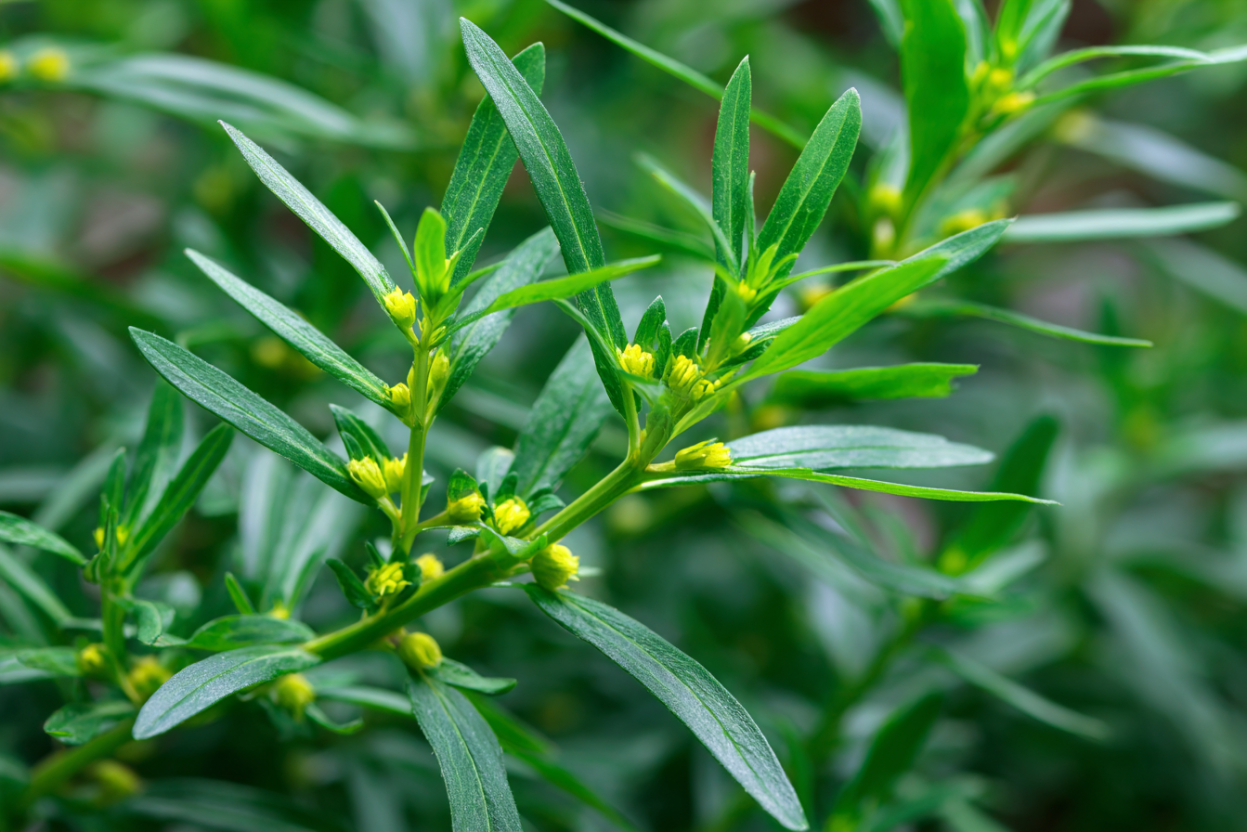
Tarragon (Artemisia dracunculus)
If you struggle with blood sugar imbalances, sluggish digestion, or restless nights, you are far from alone — and the Creator may have already placed support right in your garden. For centuries, people across nearly every continent have turned to tarragon when their bodies needed help regulating appetite, calming inflammation, and finding rest. Modern research is now confirming what traditional healers observed long ago — this humble herb contains compounds that may support insulin sensitivity, soothe the digestive tract, and quiet an overactive nervous system.
This remarkable plant is one of many gifts the Creator embedded into nature for our benefit. Called the “King of Herbs” in French cuisine and the “Little Dragon” in Latin, tarragon reflects the wisdom of a Designer who provided for every human need — even tucking natural benzodiazepine-like compounds inside its slender green leaves.
The Plant
Common Names: Tarragon, French Tarragon, Estragon, Little Dragon, Russian Dragon, Dragonne, Herbe au Dragon
Botanical Name: Artemisia dracunculus L.
Family: Asteraceae (the sunflower family — one of the largest flowering plant families, also home to chamomile, echinacea, dandelion, and calendula)
Description
Tarragon is a bushy, aromatic perennial herb that grows upright to a height of two to four feet with a spread of about twelve to fifteen inches. Its stems are slender, branching, and slightly woody at the base, turning greener and more flexible toward the tips. The leaves are the plant’s defining feature — narrow, lance-shaped, smooth, and bright green, measuring two to three inches long with smooth (entire) margins. When crushed, the leaves release a sweet, anise-like aroma that is unmistakable.
French tarragon (Artemisia dracunculus var. sativa) rarely flowers and almost never produces viable seed, which is why it must be propagated vegetatively through cuttings, division, or layering. When flowers do appear, they are small, greenish-yellow, rounded, and generally sterile. Russian tarragon (Artemisia dracunculus var. inodora) is hardier and produces seed freely, but its flavor is significantly weaker and more bitter, making it far less desirable in the kitchen and the apothecary.
The root system is one of tarragon’s most distinctive features — a mass of tangled, serpentine rhizomes that spread horizontally through the soil. These coiling, dragon-like roots are believed to be the origin of the plant’s Latin name, dracunculus, meaning “little dragon.”
Origin
Tarragon is native to a vast swath of Central Asia and southern Siberia, stretching across the temperate steppes of modern-day Mongolia, Russia, and Western China. From there, it spread westward along ancient trade routes to the Middle East, the Mediterranean, and eventually Western Europe. Arab traders are credited with introducing the herb to Spain, and by the 13th century, it was cultivated in monastery gardens across France. French tarragon was brought to the Americas by European colonists and is now cultivated in temperate regions worldwide, though France, the United States, Hungary, and Holland remain the primary commercial producers.
Brief History
Tarragon has been documented in herbal medicine for at least two thousand years. Pliny the Elder, writing in the 1st century AD, noted the plant’s serpentine root system and its traditional association with protection against snakebite. Arab physicians used it under the name tharkhoum (from which the French word estragon derives) as a digestive aid and appetite stimulant. Hippocrates reportedly considered it among the simplest and most useful herbs. By the Middle Ages, tarragon tea was administered to patients during plague outbreaks as an internal disinfectant. Roman soldiers are said to have tucked sprigs into their shoes before long marches, believing the herb would ward off fatigue. By the 16th century, tarragon had earned its place as an essential herb in French cooking, a position it holds to this day.
Growing & Cultivation
Climate & Zones
French tarragon thrives in USDA Hardiness Zones 4 through 8, with optimal performance in Zones 5 through 7. It prefers warm summers and cool winters, requiring a period of dormancy to maintain vigor. In warmer zones (9 and above), French tarragon tends to struggle with heat and humidity — gardeners in the Deep South and Gulf Coast regions may find it behaves more like an annual. Russian tarragon is hardier, tolerating Zones 3 through 8, but offers significantly less flavor and fewer therapeutic compounds. Indoor growing is possible on a sunny windowsill or under grow lights, though the plant will be smaller and less vigorous than outdoor specimens.
Soil Requirements
Tarragon demands well-draining soil above all else. Soggy, heavy soil is the number one killer of this herb. It prefers sandy to loamy soil with a slightly alkaline to neutral pH of 6.5 to 7.5. Soil that is too rich can actually diminish the essential oil concentration in the leaves, so avoid heavy composting. For container growing, use a standard potting mix amended with perlite or coarse sand to ensure excellent drainage. Raised beds work exceptionally well for tarragon in areas with heavy clay soil.
Water & Sunlight
Tarragon needs full sun — at least six to eight hours of direct sunlight daily. It will tolerate light afternoon shade in the hottest climates but produces the best flavor and highest essential oil content in full sun. Water deeply but infrequently, allowing the top inch or two of soil to dry completely between waterings. Overwatering leads to root rot, the most common cause of tarragon failure. Once established, tarragon is moderately drought tolerant. In containers, check soil moisture regularly, as pots dry faster than garden beds.
Propagation
Cuttings are the most reliable method for French tarragon, since it rarely produces viable seed. Take four- to six-inch softwood cuttings from healthy new growth in late spring or early summer. Strip the lower leaves, dip the cut end in rooting hormone, and insert into moist perlite or a sand-peat mix. Keep warm and humid until roots develop in two to three weeks.
Division is the easiest method for established plants. In early spring, as new shoots emerge, carefully dig up the root mass and pull apart sections with roots and shoots attached. Replant immediately at the same depth.
Layering works well for tarragon. Bend a low-growing stem to the ground, pin it in place, and cover the middle section with soil. Keep moist. Roots will form at the buried node within a few weeks, at which point you can sever the new plant from the parent.
Planting
Plant tarragon in spring after the last frost, spacing plants eighteen to twenty-four inches apart. Plant at the same depth the division or cutting was growing. Tarragon makes an excellent companion plant for most vegetables, as its aromatic oils can help deter some pest insects. It pairs well with eggplant, peppers, and tomatoes. Avoid planting near other members of the Artemisia genus, as they can compete for resources.
Harvesting
Harvest tarragon leaves throughout the growing season by snipping stem tips. The best time to harvest is in the morning after the dew has dried, when essential oil concentration is highest. For the strongest flavor and highest phytonutrient content, harvest just before the plant begins to flower. Regular harvesting encourages bushier growth and prevents the plant from becoming leggy. Cut no more than one-third of the plant at a time to maintain health.
Drying & Storage
To air dry tarragon, bundle small bunches of stems together and hang upside down in a warm, well-ventilated, dark area for one to two weeks. Alternatively, use a food dehydrator set at 95°F to 100°F. Tarragon can also be dried slowly in an oven set to the lowest temperature with the door slightly ajar. Once completely dry and crumbly, strip the leaves from the stems and store in an airtight container in a cool, dark place. Properly dried tarragon will retain its flavor for up to six months. Fresh tarragon freezes well — chop leaves and freeze in ice cube trays with a small amount of water or olive oil for cooking use.
Pest & Disease Management
Tarragon is generally resistant to most pests thanks to its aromatic essential oils. The most common problems include aphids (which can be managed with a strong spray of water or insecticidal soap), spider mites in hot, dry conditions, and powdery mildew or root rot in overly damp environments. Ensuring good air circulation, proper spacing, and well-draining soil prevents most disease issues. Companion planting with marigolds or nasturtiums can further deter pests naturally.
Companion Planting
Tarragon is a generous garden companion. Its aromatic oils are believed to improve the growth and flavor of nearby vegetables, especially eggplant and peppers. It grows well alongside basil, cilantro, and parsley. Avoid planting alongside fennel, as the two can cross-influence flavor in undesirable ways, and avoid planting near other vigorous Artemisia species like wormwood.
The Healing of Growing
Growing tarragon offers benefits beyond the harvest itself. The act of gardening — hands in soil, bare feet on earth, time spent outdoors — has been shown to reduce cortisol, improve mood, and support immune function. The soil contains beneficial bacteria (Mycobacterium vaccae) with documented antidepressant effects. Tending tarragon means brushing against its fragrant leaves as you work, releasing volatile compounds that enter your body through the olfactory system and begin affecting your brain chemistry before you ever steep a cup of tea. When you grow your own tarragon, you receive healing before you ever consume it.
Nutritional Profile
Macronutrients (per 100g dried tarragon)
Calories: 295 kcal | Protein: 22.8g | Carbohydrates: 50.2g | Fiber: 7.4g | Fat: 7.2g (Saturated: 1.9g, Polyunsaturated: 3.7g, Monounsaturated: 0.5g)
While dried tarragon is calorie-dense per 100 grams, it is typically consumed in small quantities — a tablespoon of dried leaves weighs only 1.8 grams. Even in these small amounts, however, tarragon delivers meaningful micronutrients.
Vitamins
Vitamin A: 4200 IU (84% DV) — Essential for vision, immune function, and skin integrity. Vitamin A acts as a powerful antioxidant and supports the production of white blood cells that defend against infection.
Vitamin C: 50mg (56% DV) — Supports immune function, collagen synthesis, and acts as a potent antioxidant that protects cells from oxidative damage. Vitamin C also enhances iron absorption from plant sources.
Vitamin B6 (Pyridoxine): 2.4mg (123% DV) — Critical for neurotransmitter synthesis, including serotonin, dopamine, and GABA. Supports over 100 enzyme reactions in the body, particularly those related to protein metabolism.
Riboflavin (B2): 1.3mg (100% DV) — Serves as a coenzyme in energy metabolism and supports cellular function, growth, and development. Plays a role in maintaining healthy blood cells.
Niacin (B3): 8.9mg (56% DV) — Essential for converting food into energy and maintaining the health of the nervous system, digestive system, and skin.
Folate: 274µg (69% DV) — Critical for DNA synthesis, cell division, and particularly important during pregnancy for neural tube development. Folate also supports the metabolism of homocysteine, an amino acid linked to cardiovascular risk when elevated.
Minerals
Calcium: 1139mg (114% DV) — The most abundant mineral in the body. Essential for bone and tooth structure, muscle contraction, nerve signaling, and blood clotting.
Iron: 32.3mg (404% DV) — Essential for oxygen transport via hemoglobin and energy production at the cellular level. Tarragon is one of the most iron-rich herbs available.
Magnesium: 347mg (83% DV) — Involved in over 300 enzymatic reactions in the body, including muscle and nerve function, blood sugar regulation, blood pressure management, and bone health.
Manganese: 7.97mg (346% DV) — Serves as a cofactor for the antioxidant enzyme superoxide dismutase (SOD), one of the body’s most important defenses against oxidative damage. Also supports bone formation and blood sugar regulation.
Potassium: 3020mg (89% DV) — Crucial for heart rhythm, muscle contraction, and nerve function. Helps counterbalance sodium and supports healthy blood pressure.
Zinc: 3.9mg (35% DV) — Supports immune function, wound healing, protein synthesis, and DNA formation. Essential for taste and smell perception.
Copper: 0.68mg (75% DV) — Works with iron to form red blood cells, supports immune health, nerve function, and collagen production.
Phytonutrients & Active Compounds
Estragole (Methyl Chavicol) — The primary volatile compound in tarragon’s essential oil (60–85% of the oil), responsible for the herb’s distinctive anise-like flavor. Research suggests it may have antispasmodic, analgesic, and local anesthetic properties.
Herniarin and Scopoletin — Coumarins with documented anti-inflammatory and potential MAO-inhibitory activity. A 2020 study demonstrated that herniarin and skimmin from tarragon inhibited human monoamine oxidase A and B, suggesting possible mood-support applications.
Flavonoids (including sakuranetin, davidigenin, quercetin, patuletin, and luteolin) — Potent antioxidants that may help protect cells from oxidative damage, support cardiovascular health, and modulate inflammation.
Caffeoylquinic Acids (4,5-di-O-caffeoylquinic acid and 5-O-caffeoylquinic acid) — Polyphenolic compounds identified in tarragon that have demonstrated anti-diabetic properties, specifically inhibiting aldose reductase and modulating the PI3K insulin signaling pathway.
Natural Benzodiazepine Compounds — In a remarkable 2000 study, researchers identified naturally occurring delorazepam and temazepam in Artemisia dracunculus tissue, in amounts of approximately 100 to 200 nanograms per gram. These endogenous benzodiazepines may contribute to the plant’s traditional use as a sleep aid and mild sedative.
Alkamides (neopellitorine A, neopellitorine B, pellitorine) — Bioactive compounds that may contribute to the analgesic and anti-inflammatory effects observed with tarragon use.
Nutrient Notes
Tarragon’s exceptionally high ORAC (Oxygen Radical Absorbance Capacity) value of 15,542 Trolox Equivalents per 100 grams places it among the most antioxidant-rich herbs available. The B-vitamins in tarragon, particularly B6, support serotonin and GABA production — neurotransmitters directly involved in mood regulation and sleep. The magnesium content may help regulate cortisol, the body’s primary stress hormone. The iron in tarragon is non-heme (plant-based), so consuming it alongside vitamin C-rich foods enhances absorption significantly.
Source: USDA FoodData Central, NDB #170937
Culinary Uses
Edible Parts
The primary edible part of tarragon is the leaves, which can be used fresh or dried. The tender young stems are also edible and can be minced finely along with the leaves. The flowers, when they rarely appear, are technically edible but offer little flavor.
Flavor Profile
French tarragon possesses a sophisticated, sweet anise-like flavor with warm, slightly peppery undertones and a hint of vanilla. The aroma is distinctly herbaceous and green with a liquorice-like sweetness. When cooked, the flavor mellows and becomes more subtle, which is why French chefs typically add tarragon at the end of cooking to preserve its aromatic complexity. Dried tarragon is more concentrated in flavor, so roughly one-third the amount can be substituted for fresh. Russian tarragon, by contrast, has a more bitter, less aromatic flavor described as balsamic and leathery — it is generally not preferred for cooking.
Preparation
Tarragon is best used fresh whenever possible. Wash leaves gently, pat dry, and strip them from the stem by running your fingers down the stalk in the opposite direction of growth. For fresh applications, chiffonade (thin ribbon cuts) or rough chopping works well. Add fresh tarragon at the very end of cooking to preserve its volatile aromatic compounds. For dried tarragon, crumble the leaves between your fingers before adding to release the oils. Dried tarragon can be added earlier in the cooking process.
Culinary Pairings
Tarragon is classically paired with chicken, fish (especially salmon and halibut), eggs, and shellfish. It complements asparagus, mushrooms, artichokes, and spring vegetables beautifully. It pairs naturally with butter, cream, mustard, lemon, white wine vinegar, chervil, parsley, and shallots. Tarragon is one of the four herbs in the classic French fines herbes blend (alongside chervil, chives, and parsley) and is the star of béarnaise sauce — a rich emulsion of egg yolks, butter, shallots, and tarragon vinegar.
Preservation & Storage
Fresh tarragon will last in the refrigerator for up to one week, stored loosely wrapped in a damp paper towel inside a plastic bag. For longer storage, place stems in a jar of water like a bouquet and cover loosely with a plastic bag. Tarragon vinegar is one of the most classic preservation methods — simply submerge fresh sprigs in white wine vinegar and let steep for two to four weeks. Tarragon-infused olive oil can be made similarly. Freezing fresh leaves (chopped and packed into ice cube trays with water or oil) preserves flavor for several months.
Ready to cook with tarragon? View Recipes on Chefts →
Wellness & Therapeutic Uses
Traditional Uses
Tarragon’s medicinal history stretches across nearly every major healing tradition. In Iranian and Central Asian traditional medicine, the dried aerial parts were used to support digestion, relieve flatulence, stimulate appetite, ease toothache, and promote sleep. It was specifically documented as an antiepileptic remedy in Persian medical texts. In Traditional Chinese Medicine, tarragon was valued for its antiviral and antispasmodic properties and used for a range of digestive and respiratory complaints. Armenian healers used it for ulcers. European folk medicine employed tarragon as an appetite stimulant, digestive tonic, and menstrual support herb. The ancient Greeks, including Hippocrates, considered it among the simplest and most effective herbs for common ailments. In Mongolian tradition, tarragon was used to support clearer breathing and promote restful sleep.
Modern Research
Blood Sugar Support — This is among the most thoroughly researched properties of tarragon. A human clinical trial (Méndez-Del Villar et al., 2016) demonstrated that 90 days of Artemisia dracunculus administration in patients with impaired glucose tolerance significantly decreased HbA1c, systolic blood pressure, insulin secretion, and total insulin levels, while increasing HDL cholesterol. Multiple studies from the Pennington Biomedical Research Center have shown that a standardized tarragon extract (PMI-5011) enhances insulin receptor signaling in human skeletal muscle cells, decreases protein tyrosine phosphatase 1B (PTP1B — a negative regulator of insulin signaling), and activates AMPK pathways. These mechanisms suggest tarragon may support insulin sensitivity at the cellular level.
Digestive Support — Tarragon’s essential oils may stimulate the production of digestive juices, including saliva and gastric acid, acting as an effective aperitif and digestive aid. The antispasmodic properties of estragole act directly on smooth muscle, which may help ease digestive cramping, bloating, and flatulence. Traditionally, tarragon has been used to relieve dyspepsia and hiccups.
Anti-inflammatory and Analgesic Effects — A 2015 study in mice examined the anti-inflammatory and pain-relieving properties of tarragon, confirming its traditional use as an analgesic. The eugenol content in tarragon has also been documented for its local anesthetic and antiseptic effects, particularly in dental applications.
Sleep and Nervous System Support — The discovery of naturally occurring benzodiazepine compounds (delorazepam and temazepam) in Artemisia dracunculus tissue provides a potential mechanism for the plant’s traditional use as a sleep aid. Research also demonstrated anticonvulsant and sedative effects in the essential oil, attributed to monoterpenoids. Tarragon has been used traditionally in Iranian folk medicine as an antiepileptic agent.
Antimicrobial Activity — Studies have documented tarragon’s antibacterial activity against a broad range of pathogens, including Staphylococcus aureus, E. coli, Listeria monocytogenes, Pseudomonas aeruginosa, Bacillus subtilis, and notably Helicobacter pylori, the bacterium associated with stomach ulcers.
Cardiovascular Support — Research suggests tarragon extracts may inhibit blood platelet adhesion, aggregation, and secretion, indicating potential cardiovascular-supportive properties. The high potassium content also supports healthy blood pressure regulation.
Monoamine Oxidase Inhibition — A 2020 study by Aydin et al. demonstrated that herniarin and skimmin, two coumarins from tarragon, inhibit human monoamine oxidase A and B enzymes. MAO enzymes break down neurotransmitters like serotonin, dopamine, and norepinephrine. Inhibiting these enzymes may help maintain higher levels of these mood-supporting compounds in the brain.
Body Systems Supported
Tarragon may provide support to multiple body systems: the digestive system (appetite stimulation, antispasmodic, carminative effects), the nervous system (sedative, anticonvulsant, analgesic properties), the endocrine system (blood sugar regulation, insulin sensitivity), the cardiovascular system (blood pressure support, antiplatelet activity), the immune system (antimicrobial, antioxidant effects), and the musculoskeletal system (anti-inflammatory, pain-relief properties).
Body Compounds Affected
Research suggests tarragon may influence several key body compounds. Its MAO-inhibiting coumarins may help maintain levels of serotonin, dopamine, and norepinephrine. The endogenous benzodiazepines found in the plant interact with GABA receptors. The insulin-sensitizing compounds modulate insulin signaling pathways. The anti-inflammatory properties may help regulate cytokines and prostaglandins. The high magnesium content may support healthy cortisol regulation, and the antioxidant compounds help neutralize free radicals and support nitric oxide pathways.
Methods of Use
Tea/Infusion
Use 1 to 2 teaspoons of dried tarragon leaves (or 1 tablespoon fresh) per cup of hot water (just below boiling, around 200°F). Steep covered for 5 to 10 minutes. Strain and drink up to three cups daily. This is the safest preparation method, as water-based extraction yields very low levels of estragole.
Tincture
Tarragon tincture is made by macerating fresh or dried herb in alcohol (typically 40–60% ethanol) for four to six weeks. Typical dosage ranges from 1 to 2 milliliters (20 to 40 drops) taken two to three times daily. Note that ethanol-based extracts may contain higher levels of estragole than water-based preparations.
Culinary Consumption
Regular inclusion of tarragon as a culinary herb — in sauces, salads, vinegars, and on protein dishes — provides a gentle, food-level dose of its beneficial compounds. This is the most traditional and perhaps the most enjoyable method of use.
Poultice/Compress
A warm tarragon poultice may be applied externally for localized discomfort. Steep a generous amount of fresh or dried leaves in hot water, wrap the softened herb in a cloth, and apply to the affected area.
Cosmetic & Beauty Uses
Skin Benefits
Tarragon’s antioxidant, anti-inflammatory, and antimicrobial properties make it a versatile botanical for skin care. The high polyphenol content may help protect skin from environmental oxidative damage. Traditionally, tarragon has been used topically for skin wounds, irritations, allergic rashes, and dermatitis. The antimicrobial activity of its essential oil compounds suggests potential benefits for acne-prone and blemish-prone skin. The anti-inflammatory effects may help soothe redness and irritation in sensitive skin types.
Hair Benefits
A tarragon tea rinse may help support scalp health thanks to its antimicrobial properties. The stimulating nature of the herb may promote circulation to the scalp. The mineral content — particularly iron, zinc, and B-vitamins — supports the nutritional requirements for healthy hair growth when consumed internally. Tarragon-infused vinegar makes an excellent hair rinse that helps restore the scalp’s natural pH, remove product buildup, and add shine.
Application Methods
Tarragon can be incorporated into topical preparations as an infused oil (steep dried leaves in a carrier oil like jojoba or sweet almond for four to six weeks), added to homemade facial toners (as a cooled strong tea), or used as a hair rinse (a standard infusion, cooled and applied after shampooing). Tarragon hydrosol, when available, offers a gentle way to enjoy the plant’s skin-supportive properties without essential oil concentration.
DIY Formulation Notes
When using tarragon in homemade formulations, use at a concentration of 1–5% for infused oils in creams or lotions. Pair with gentle carrier oils like jojoba, sweet almond, or rosehip. Avoid combining the essential oil with other high-estragole oils. Always perform a patch test before using tarragon preparations on the face or sensitive areas. Homemade tarragon-infused preparations should be used within two to four weeks if water-based (refrigerate) or within three to six months if oil-based (store in a cool, dark place).
Tarragon is among the botanicals being explored for holistic cosmetic applications, where the wisdom of traditional beauty practices meets modern understanding of skin science.
Essential Oil Profile
Extraction
Tarragon essential oil is obtained through steam distillation of the flowering tops and leaves of the plant. The oil is pale yellow and has a thin consistency. It takes a substantial amount of plant material to produce a relatively small quantity of essential oil, which contributes to its price. The oil is primarily produced in France, Hungary, Holland, and the United States.
Chemical Constituents
The dominant compound is estragole (methyl chavicol), typically comprising 60–85% of the oil. This phenylpropanoid is responsible for the sweet, anise-like aroma and many of the oil’s antispasmodic properties. Other notable constituents include cis-β-ocimene (up to 9.5%) and trans-β-ocimene (up to 10%) — monoterpenes with anti-inflammatory and antioxidant properties; limonene (up to 5.4%) — a monoterpene associated with uplifting mood and potential detoxification support; α-pinene (1–2%) — anti-inflammatory and bronchodilatory; and small amounts of methyl eugenol, eugenol, and various sesquiterpenes.
Aroma Profile
Tarragon essential oil is classified as a middle note in perfumery, though some sources list it as a top note due to its initial fresh, green impact. The scent is distinctly sweet-anise, spicy-green, and herbaceous, with warm undertones. It evolves over time from a bright, sharp opening to a warmer, more rounded base. It blends exceptionally well with basil, lavender, pine, vanilla, labdanum, galbanum, oak moss, and citrus oils like bergamot and sweet orange.
Therapeutic Properties
Tarragon essential oil is traditionally regarded as antispasmodic, carminative, digestive stimulant, emmenagogue, antimicrobial, antifungal, circulatory stimulant, and mild sedative. Its antispasmodic properties, attributed primarily to estragole, make it particularly valued for digestive cramping and menstrual discomfort.
How to Use
Diffusion
Add 2 to 3 drops to a diffuser for 30-minute intervals. The sweet, herbaceous aroma may help promote relaxation and ease mental tension. Blends well with lavender for calming or citrus oils for uplifting energy.
Topical Application
CRITICAL: Due to the high estragole content, tarragon essential oil requires extreme caution topically. The maximum recommended dilution is 0.1% (approximately 1 drop per 1 ounce/30ml of carrier oil) for regular use. This is a significantly lower dilution than most essential oils. Suitable carrier oils include jojoba, sweet almond, or fractionated coconut oil. Apply to the abdomen for digestive discomfort or to muscles for tension. Never apply undiluted.
Quality & Sourcing
Look for tarragon essential oil that provides a GC/MS (Gas Chromatography/Mass Spectrometry) report with each batch, confirming chemical composition. The oil should be sourced from Artemisia dracunculus var. sativa (French tarragon) for the best quality and therapeutic profile. Check that the estragole percentage falls within the expected 60–85% range. Be wary of extremely cheap oils, which may be adulterated or derived from inferior Russian tarragon. Store in a dark glass bottle in a cool, dark place. Approximate shelf life is five to seven years when stored properly.
Blending
Tarragon blends beautifully with lavender (for relaxation and sleep support), basil (for digestive support), sweet orange and bergamot (for uplifting energy), pine and rosemary (for respiratory and mental clarity), geranium (for hormonal balance), and vanilla (for warmth and comfort).
Aromatherapy & Scent
The Aroma
Fresh tarragon has a sweet, warm, anise-like scent that becomes most pronounced when the leaves are touched, brushed, or crushed between the fingers. The scent is strongest in the late morning and early afternoon when essential oil concentrations peak, and it intensifies on warm days and after light rain. Simply walking past a tarragon plant on a summer day and brushing your hand against the leaves releases a burst of volatile compounds into the air around you.
Dried tarragon retains a more concentrated, slightly more hay-like version of the fresh scent. The sweet anise note remains but becomes deeper and less “green.” Properly dried and stored tarragon retains noticeable scent for four to six months, though the intensity diminishes gradually.
How Scent Affects Your Body
When you inhale the volatile molecules released by tarragon, they enter through the nose and contact olfactory receptors in the nasal cavity. These receptors send electrical signals directly to the limbic system — the emotional processing center of the brain — and the hypothalamus, which governs hormonal output. This pathway bypasses the conscious, analytical parts of the brain entirely, which is why scent can shift your mood and physiology within seconds, before you even form a thought about what you are smelling.
Emotional & Mood Effects
Tarragon’s aroma is generally considered calming, grounding, and mildly uplifting. Its sweet, warm character may help ease nervous tension and mental fatigue while promoting a sense of quiet clarity. The scent is neither overly stimulating nor heavily sedating, making it suitable for situations where calm focus is desired. Traditionally, tarragon’s aroma has been associated with improved appetite, reduced anxiety, and better sleep quality.
Body Compounds Affected
Based on the plant’s known chemistry, tarragon’s aroma may influence serotonin levels (the coumarins herniarin and scopoletin have been shown to inhibit MAO-A, which breaks down serotonin), GABA activity (the endogenous benzodiazepines in the plant interact with GABA-A receptors), and cortisol levels (calming aromatics have been shown in general aromatherapy research to reduce cortisol output).
Ways to Experience the Scent
Beyond essential oil diffusion, you can experience tarragon’s scent by growing the plant indoors near a sunny window, placing fresh cuttings in a small vase of water on your nightstand, crushing a few leaves between your fingers while gardening, tucking dried sachets of tarragon into a pillowcase for nighttime support, simmering a handful of fresh or dried leaves in water on the stove to scent your home, or adding fresh sprigs to a warm bath. Each of these methods releases the plant’s volatile compounds in a gentle, whole-plant way that differs from concentrated essential oil use.
Color Therapy
The Colors of Tarragon
Tarragon is primarily a plant of green — bright, vivid green in its lance-shaped leaves and tender stems, deepening slightly as leaves mature. New growth is a lighter, more vibrant spring green. The rare flowers, when they appear, are small and greenish-yellow to pale yellow. The roots are cream to tan colored. The dried herb shifts to a more muted sage green to olive tone.
Color Wavelengths
Green light falls in the 495–570nm range of the visible spectrum. Yellow-green light (from the flowers and new growth) sits around 570–590nm. These are among the most balanced wavelengths in the visible spectrum — the human eye is most sensitive to green light, which is why we perceive natural environments as restful.
How Green Affects the Body
In color therapy principles, green is considered the great balancer. It is associated with the heart center and is believed to promote feelings of calm, harmony, renewal, and connection with nature. Exposure to green environments has been shown in research to lower heart rate, reduce blood pressure, and decrease cortisol levels. This is not merely symbolic — studies in environmental psychology and healthcare settings consistently demonstrate that patients with views of green plants and nature recover faster, require less pain medication, and report better emotional well-being.
Body Compounds Affected
Exposure to green light wavelengths and green environments has been associated with reduced cortisol production, increased serotonin availability (via calming effects), and improved heart rate variability — a marker of parasympathetic (“rest and digest”) nervous system activity.
Using Tarragon for Color Therapy
Place a tarragon plant on your desk or in your kitchen where you will see it frequently throughout the day. The bright green foliage adds a living element of color therapy to indoor spaces. In the garden, tarragon’s green foliage provides a calming visual anchor among more colorful flowering plants. Eating tarragon’s bright green leaves — “eating the rainbow” — delivers the phytonutrients that produce those green pigments (particularly chlorophyll and associated compounds) directly into your body.
Frequency & Vibration
The Frequency of Tarragon
Specific MHz frequency measurements for tarragon essential oil are not as widely documented as some other oils (such as rose, lavender, or frankincense). However, according to bio-frequency research, tarragon is generally considered a moderate- to high-frequency herb. Essential oils in the Artemisia family tend to measure in a range that supports the body’s natural frequency. For reference, a healthy human body typically measures between 62 and 78 MHz, according to researchers like Bruce Tainio. Disease states are associated with frequencies below 58 MHz, and cold or flu symptoms may begin around 58 MHz.
Human Frequency Interaction
Proponents of vibrational medicine suggest that the essential oils and volatile compounds released by plants can interact with the body’s own electromagnetic field through the principle of entrainment — where a stronger, more coherent frequency may influence a weaker or less coherent one. Being around living tarragon plants, consuming the fresh herb, or inhaling its aromatic compounds may, according to this framework, support the body in maintaining a healthy frequency range.
Essential Oil Frequency
Frequency measurements for tarragon essential oil specifically are not widely published in the available literature. Proponents of vibrational approaches categorize aromatic herbs with strong volatile compound profiles — like tarragon — among moderately high-frequency plants, suggesting they may support the body’s vitality when used regularly. This is an area where research is emerging, and more standardized measurement protocols are needed.
Vibrational Applications
To incorporate tarragon’s energetic properties into daily life, consider growing a fresh plant in your living space, consuming fresh tarragon regularly in meals, using the essential oil in a diffuser during meditation or prayer, or simply spending time in a garden where tarragon grows, engaging all your senses with the plant. Combining tarragon aromatherapy with other high-frequency practices — such as prayer, gratitude journaling, time in nature, and wholesome nutrition — may support an overall environment of wellness.
The Living Plant
Benefits of Presence
Simply having a living tarragon plant in your home or garden provides benefits that extend well beyond its use as a culinary herb or supplement. Research on biophilic design — the integration of natural elements into built environments — consistently demonstrates that living plants reduce stress, improve mood, enhance cognitive function, and promote a sense of well-being. Tarragon, with its bright green foliage and pleasant scent when brushed, offers a multisensory experience that engages sight, smell, and touch simultaneously.
Air Purification
While tarragon was not specifically included in the famous NASA Clean Air Study, all green plants contribute to air quality through photosynthesis — absorbing carbon dioxide and releasing oxygen. The aromatic volatile compounds released by tarragon (phytoncides and terpenes) have documented antimicrobial properties, which means the living plant may help reduce airborne bacteria and fungi in its immediate environment. As a moderately sized herb, its air purification impact is modest compared to larger houseplants, but it contributes meaningfully when grown as part of an indoor herb garden.
Phytoncides
Tarragon, like many aromatic herbs, releases phytoncides — volatile antimicrobial compounds that the plant produces to protect itself from pathogens. In the forest bathing (shinrin-yoku) research tradition, phytoncides have been shown to boost Natural Killer (NK) cell activity in humans, supporting immune surveillance. While most shinrin-yoku research focuses on forest trees (particularly conifers), the principle applies to aromatic herbs as well — proximity to the living plant means exposure to its volatile antimicrobial compounds, particularly when the leaves are disturbed by breeze or touch.
Visual & Psychological Benefits
The sight of green, living plants activates what psychologists call Attention Restoration Theory — the idea that natural environments restore directed attention after mental fatigue. Research in healthcare settings has demonstrated that patients in rooms with visible plants or views of greenery heal faster, require less pain medication, and report higher satisfaction. In workplace studies, the presence of indoor plants has been associated with improved productivity, reduced stress, and better air quality perception.
Growing Indoors vs Outdoors
French tarragon can be grown indoors in a sunny window that receives at least six hours of bright light daily, or under full-spectrum grow lights. It requires a pot with excellent drainage and should not be overwatered. Indoors, the plant will be smaller and may benefit from occasional pinching to encourage bushy growth. Outdoors, tarragon thrives in garden beds, raised beds, or large containers, where it can reach its full size and produce the highest concentration of essential oils and phytonutrients. For the strongest therapeutic presence benefits, grow tarragon where you will physically brush against it or interact with it regularly.
Touch & Physical Interaction
Gardening Therapy
Horticultural therapy is an established therapeutic practice, and tarragon is an ideal plant to include. Its care requires gentle, regular interaction — checking soil moisture, pinching back tips for bushy growth, harvesting leaves for the kitchen. These repetitive, mindful actions engage the hands and senses in a calming rhythm. The fragrant oils released every time you touch the plant create an immediate aromatic reward that connects your sense of touch with your sense of smell, producing a layered sensory experience.
Soil Contact Benefits
When you garden barefoot or with hands in the soil, you benefit from two separate but complementary mechanisms. First, Mycobacterium vaccae, a naturally occurring soil bacterium, has been shown in research to stimulate serotonin production and reduce inflammatory responses when it contacts the skin — essentially, playing in the dirt has measurable antidepressant effects. Second, the grounding or earthing effect of direct skin-to-earth contact allows the transfer of electrons from the earth’s surface into the body, which research suggests may help reduce chronic inflammation and normalize cortisol rhythms.
The Tactile Experience
Tarragon’s leaves are smooth, narrow, and slightly flexible — they feel delicate between the fingers. Running your thumb along a stem of leaves produces a pleasant, almost silky sensation. Crushing a leaf releases an immediate burst of sweet, anise-like fragrance along with a slight moistness from the ruptured plant cells. The stems are smooth and slightly woody at the base, becoming more tender and green higher up. Harvesting tarragon is a gentle, meditative task — carefully snipping tender tips and collecting the fragrant leaves, the scent intensifying with each cut.
Harvesting & Processing
The meditative quality of harvesting tarragon — the careful examination of each stem, the deliberate snipping of tips, the accumulation of aromatic leaves in a basket or bowl — engages the mind in a focused, present-moment activity that reduces rumination and stress. Processing the harvest — stripping leaves from stems, bundling for drying, chopping for the kitchen, or pressing into vinegar — extends this therapeutic engagement. The repetitive motion of stripping leaves from stems is particularly meditative, as the hands work rhythmically while the aroma fills the space around you.
Water-Based Applications
Teas & Infusions
Tarragon tea is one of the safest and most traditional ways to enjoy the herb’s benefits. Aqueous (water-based) extracts have been shown to contain very low to undetectable amounts of estragole and methyleugenol, making tea a significantly safer preparation than alcohol-based tinctures or essential oil use. Use 1 to 2 teaspoons of dried tarragon leaves (or 1 tablespoon fresh) per 8 ounces of hot water. The ideal water temperature is approximately 200°F (just below boiling). Steep covered for 5 to 10 minutes. A longer steep (up to 15 minutes) will extract more minerals and tannins but may become slightly bitter. Tarragon tea may be consumed warm or cooled. It can be sweetened with raw honey if desired. Up to three cups daily is the generally suggested range for adults.
Herbal Baths
A tarragon bath combines the benefits of hydrotherapy with the plant’s aromatic and topical properties. Add 1 to 2 cups of strong tarragon infusion (or a large handful of fresh or dried leaves placed in a muslin bag) to a warm bath. Soak for 20 to 30 minutes. The warm water opens pores, allowing the volatile compounds to contact the skin, while the steam carries the aroma into the respiratory passages. Tarragon baths have been traditionally used for muscle tension, menstrual discomfort, and general relaxation. A tarragon foot bath (using the same proportions in a basin of warm water) offers a more accessible alternative.
Hydrosols
Tarragon hydrosol — the aromatic water collected during steam distillation of the essential oil — is available from some specialty suppliers. It offers a much gentler concentration of the plant’s water-soluble aromatic compounds compared to the essential oil. Tarragon hydrosol can be used as a facial toner, a body spray, a linen mist, or added to baths. It is generally well-tolerated by most skin types.
Compresses
A warm tarragon compress can be applied to the abdomen for digestive discomfort or to muscles for tension and soreness. Prepare a strong infusion, soak a clean cloth, wring out excess liquid, and apply warm to the affected area for 15 to 20 minutes. A cold compress (using cooled infusion) can be applied to areas of inflammation or mild swelling.
Steam Inhalation
Adding a small handful of fresh tarragon leaves (or 2 teaspoons of dried) to a bowl of steaming hot water and inhaling the vapor for 5 to 10 minutes may help clear congestion, ease respiratory discomfort, and provide the calming aromatic effects of the plant directly to the olfactory system. Drape a towel over your head and the bowl to contain the steam. Keep eyes closed during the session.
Hair Rinses
A tarragon tea rinse (1 quart of strong infusion, cooled) can be poured over freshly washed hair as a final rinse. The antimicrobial properties may support scalp health, while the mild acidity helps seal the hair cuticle for improved shine. Tarragon vinegar diluted in water (2 tablespoons per cup) makes an excellent clarifying rinse that removes buildup and restores the scalp’s natural pH balance.
Historical, Cultural & Biblical Significance
Biblical References
Tarragon is not directly mentioned by name in Scripture. However, plants of the broader Artemisia genus were known in the biblical world, and aromatic herbs played an important role in daily life, temple worship, and healing practices throughout the Old and New Testaments. The principle that God provides healing plants for humanity is clearly affirmed: “And God said, Behold, I have given you every herb bearing seed, which is upon the face of all the earth” (Genesis 1:29, KJV). And the prophet Ezekiel describes a vision of trees whose “leaf thereof for medicine” (Ezekiel 47:12, KJV). While tarragon itself may not appear in the text, it fits squarely within the biblical pattern of a Creator who provided every plant for a purpose.
Ancient Civilizations
Pliny the Elder (1st century AD) wrote of dracunculus, describing its serpentine roots and its use for protection against snakebites. He recorded that the plant’s juice was used for ear complaints. The Arabic physicians of the medieval Islamic Golden Age — who preserved and expanded upon Greek and Roman medical knowledge — used tarragon (which they called tharkhoum) extensively as a digestive aid, appetite stimulant, and breath freshener. From the Arabic term came the French word estragon and the plant’s common culinary identity.
Eastern Traditions
In Traditional Chinese Medicine, tarragon has been valued for its antiviral, antispasmodic, and digestive-support properties. In traditional Iranian and Central Asian medicine — where tarragon has perhaps its longest continuous documented use — the herb has been employed for digestive disorders, as an analgesic, a hypnotic (sleep aid), an antiepileptic agent, an anti-inflammatory, an antipyretic (fever reducer), and as a remedy for intestinal parasites. In Mongolian traditional medicine, tarragon was used to support respiratory health and promote restful sleep. Azerbaijani folk medicine documented its use for a range of ailments. These cultures observed the design — the methods they documented are valid because they observed truth. Credit belongs to God, not the culture. We reclaim what belongs to the Creator.
Indigenous Knowledge
Wild tarragon (Artemisia dracunculus) is native to western North America as well as Central Asia, and various Native American peoples utilized the plant medicinally. It was used as a poultice for wounds, as a tea for digestive complaints, and as an insect repellent. The Cheyenne used various Artemisia species in ceremonial and practical healing contexts. Wild populations of tarragon still grow across the American West, from the Great Plains to the mountain valleys of the Rockies.
European Heritage
Tarragon entered European gardens through Arab trade routes via Spain, reaching French monastery gardens by the 13th century. By the 16th century, it was firmly established in French cuisine and pharmacopeia. Gerard’s Herball (1597) and other Renaissance herbals documented its uses. The French, who dubbed it the “King of Herbs,” developed the variety (sativa) that is prized today for culinary and medicinal applications. Roman soldiers reportedly carried tarragon sprigs in their shoes during long marches to ward off fatigue. During the Middle Ages, tarragon tea was administered during plague outbreaks as an internal purifier.
Cultural Symbolism
The name dracunculus (“little dragon”) gave the plant an association with strength, protection, and vitality across European folklore. In the language of flowers, tarragon has been associated with lasting interest and the unselfish sharing of knowledge. In Armenian culture, tarragon holds special significance and is used to make a beloved bright-green carbonated soft drink called Tarkhun, a national favorite.
Safety & Precautions
Contraindications
Tarragon should be used cautiously by individuals with bleeding disorders, as research suggests it may inhibit platelet adhesion, aggregation, and secretion. Discontinue use at least two weeks before any scheduled surgery. Individuals with hormone-sensitive conditions should exercise caution, as the herb has been traditionally used as an emmenagogue (to stimulate menstruation), suggesting possible hormonal activity.
Drug Interactions
Blood thinners (warfarin, aspirin, heparin): Tarragon may enhance anticoagulant effects due to its antiplatelet properties. Diabetes medications: Tarragon has demonstrated blood sugar-lowering effects; combining with diabetes drugs could potentially cause blood sugar to drop too low. Monitor glucose levels closely. Sedatives and sleep medications: Given the presence of natural benzodiazepine compounds, tarragon may enhance the effects of sedative medications. MAO inhibitors and antidepressants: The MAO-inhibiting coumarins in tarragon may interact with prescribed MAO inhibitors or other antidepressant medications. CYP450 enzyme substrates: Research suggests estragole and related compounds may inhibit CYP1A2, CYP2B6, and CYP3A4 enzymes, potentially affecting the metabolism of certain medications processed through these pathways.
Pregnancy & Nursing
Tarragon is NOT recommended during pregnancy. The herb has traditional emmenagogue properties (it may stimulate menstrual flow) and could potentially affect uterine contractions. The estragole content in concentrated preparations adds another layer of caution. Culinary amounts in food are generally considered low-risk, but medicinal doses — teas, tinctures, supplements, and especially essential oil — should be strictly avoided during pregnancy. Not recommended during breastfeeding without guidance from a qualified healthcare provider, due to limited safety data.
Children
Tarragon used as a culinary herb in normal cooking quantities is generally considered safe for children. Medicinal doses (teas, tinctures, supplements) should be used with caution in children under 12 and avoided in children under 2. The essential oil should not be used on or around young children. If using tarragon tea for children over 6, use half the adult strength and frequency.
Elderly
Older adults may be more sensitive to tarragon’s blood pressure-lowering and antiplatelet effects. Start with lower doses and monitor for dizziness, lightheadedness, or unusual bruising. Those on multiple medications should consult a healthcare provider before using tarragon medicinally, due to the potential for CYP450 interactions.
Pets
Dogs: TOXIC — According to the ASPCA, tarragon is toxic to dogs due to its essential oil content. Clinical signs include mild vomiting and diarrhea.
Cats: TOXIC — The ASPCA lists tarragon as toxic to cats. The essential oils can cause gastrointestinal upset including vomiting and diarrhea. Keep tarragon plants out of reach of cats.
Horses: TOXIC — Also listed as toxic to horses by the ASPCA, with similar symptoms.
If you suspect your pet has ingested tarragon, contact your veterinarian or the ASPCA Animal Poison Control Center at (888) 426-4435.
Allergies & Sensitivities
Individuals with allergies to plants in the Asteraceae (Compositae) family — which includes ragweed, chrysanthemums, marigolds, daisies, and chamomile — may experience cross-reactivity with tarragon. Always perform a skin patch test before using tarragon topically. Tarragon essential oil can cause skin irritation in sensitive individuals even at low dilutions.
Dosing Guidelines
Culinary use: No specific limits for normal food amounts. Tea: 1–2 teaspoons dried herb per cup, up to 3 cups daily, for short-term use (2–4 weeks). Tincture: 1–2 ml, 2–3 times daily. Long-term medicinal use is not recommended due to estragole content. Essential oil topical maximum: 0.1% dilution. Essential oil should not be taken internally without the guidance of a qualified practitioner.
Estragole Safety Note
Estragole, the primary compound in tarragon’s essential oil, has shown potential genotoxic and carcinogenic effects in laboratory animal studies at very high doses (0.5g/kg body weight — the human equivalent of approximately 50ml of pure essential oil daily). At normal dietary and moderate medicinal use levels, these effects have not been demonstrated. Water-based preparations (teas, infusions) contain very low to undetectable levels of estragole and are considered the safest delivery method. The European Scientific Committee on Food has recommended limiting concentrated estragole intake as a precaution.
Signs of Adverse Reaction
Mild reactions may include nausea, stomach upset, or skin irritation. Serious reactions requiring immediate medical attention include difficulty breathing, significant swelling (particularly of the face, lips, or throat), severe abdominal pain, or unusual bleeding or bruising. If you experience any adverse reaction, discontinue use immediately and seek medical attention.
Disclaimer
This information is for educational purposes only. It is not intended to diagnose, treat, cure, or prevent any disease. Always consult with a qualified healthcare provider before using any herbal product, especially if you are pregnant, nursing, taking medications, or have a medical condition. If you experience any adverse reaction, discontinue use immediately and seek medical attention.
Want Personalized Guidance?
Every body is unique. What works for one person may not be right for another. If you’d like personalized support in incorporating tarragon into your wellness journey, consider working with a qualified practitioner who can assess your individual needs.
Sources & References
Peer-Reviewed Studies
- Artemisia dracunculus (Tarragon): A Review of Its Traditional Uses, Phytochemistry and Pharmacology — Ekiert et al., Frontiers in Pharmacology, 2021, Poland
- Effect of Artemisia dracunculus Administration on Glycemic Control, Insulin Sensitivity, and Insulin Secretion in Patients with Impaired Glucose Tolerance — Méndez-Del Villar et al., Journal of Medicinal Food, 2016, Mexico
- Bioactives of Artemisia dracunculus L enhance cellular insulin signaling in primary human skeletal muscle culture — Wang et al., Metabolism, 2008, USA
- An extract of Artemisia dracunculus L. enhances insulin receptor signaling and modulates gene expression in skeletal muscle in KK-A(y) mice — Wang et al., Journal of Nutritional Biochemistry, 2011, USA
- Bioactives from Artemisia dracunculus L. enhance insulin sensitivity via modulation of skeletal muscle protein phosphorylation — Kheterpal et al., Nutrition, 2014, USA
- An Extract of Artemisia dracunculus L. stimulates insulin secretion from β cells, activates AMPK and suppresses inflammation — PMC, Journal of Ethnopharmacology, 2015, USA
- Artemisia dracunculus L. (Tarragon): A Critical Review of Its Traditional Use, Chemical Composition, Pharmacology, and Safety — Obolskiy et al., Journal of Agricultural and Food Chemistry, 2011, UK/Germany/Russia
- Comparative evaluation of two different Artemisia dracunculus L. cultivars for blood sugar lowering effects in rats — Weinoehrl et al., Phytotherapy Research, 2012, USA/Germany
- Qualitative variation of anti-diabetic compounds in different tarragon (Artemisia dracunculus L.) cytotypes — Eisenman et al., Fitoterapia, 2011, USA
- Essential Oil Composition and Antigermination Activity of Artemisia dracunculus (Tarragon) — De Vincenzi et al., Journal of Essential Oil Research, 2015, Italy
- Predictions of the Biological Effects of the Main Components of Tarragon Essential Oil — PMC, Molecules, 2025, Romania
- ASPCA Toxic and Non-Toxic Plants: Tarragon — ASPCA Animal Poison Control Center, USA
Traditional Medicine & Historical Sources
- Identification of Benzodiazepines in Artemisia dracunculus and Solanum tuberosum — Kavvadias et al., Biochemical and Biophysical Research Communications, 2000, Germany
- Anticonvulsant activity and chemical composition of Artemisia dracunculus L. essential oil — Sayyah et al., Journal of Ethnopharmacology, 2004, Iran
- Tarragon (Artemisia dracunculus L.) biological medicinal, nutritional and economic plant — ResearchGate Review, 2024
Institutional Sources
- USDA FoodData Central — Spices, tarragon, dried (NDB #170937) — USDA Agricultural Research Service
- Tarragon: Uses, Side Effects, Interactions, Dosing — WebMD Vitamins & Supplements