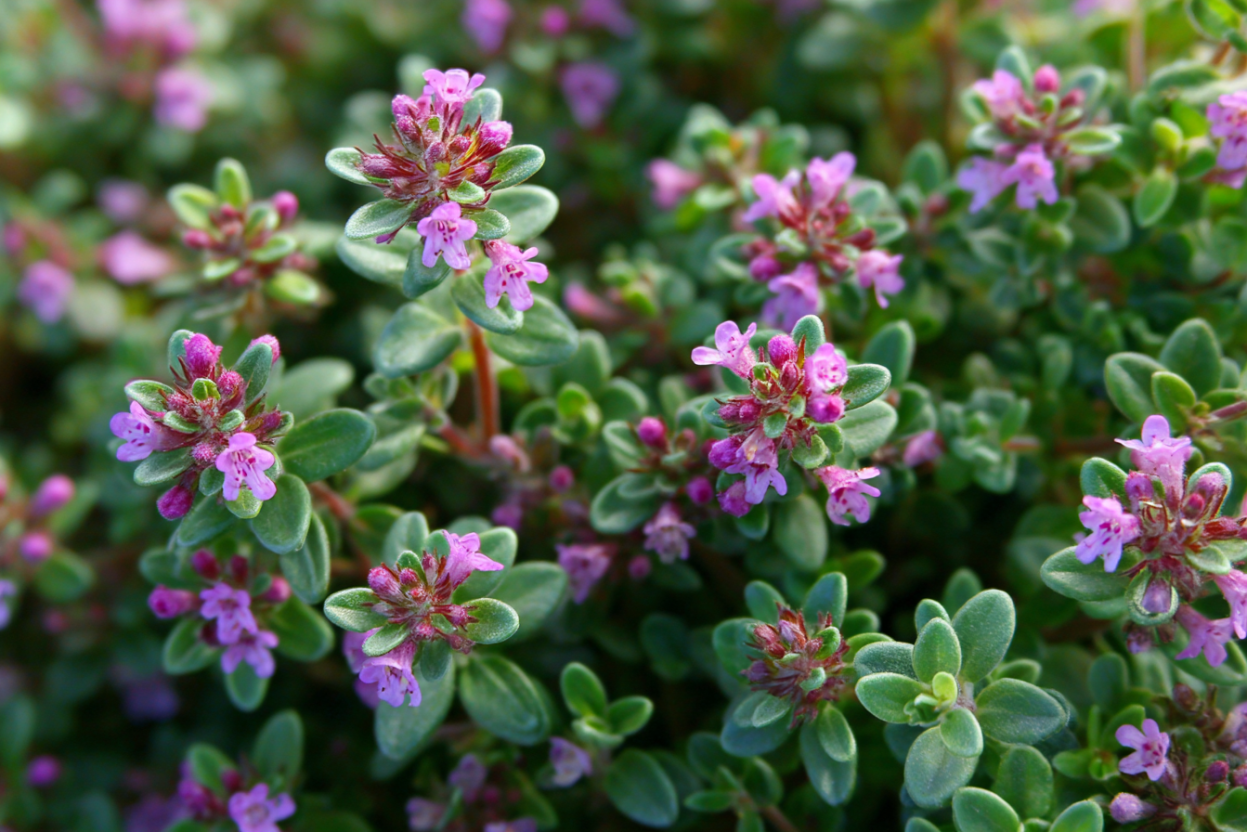
Thyme (Thymus vulgaris)
If you’ve ever struggled with a stubborn cough that keeps you awake at night, a restless gut that won’t settle, or the slow creep of inflammation that steals your energy — you’re not alone. Millions search for relief every day. And one of the most powerful plants for respiratory, digestive, and immune support has likely been sitting in your kitchen cabinet all along. Thyme is not just a seasoning — it’s one of the most researched, time-tested healing herbs on Earth.
This small, fragrant plant is one of many extraordinary gifts the Creator embedded into nature for our benefit. Long before laboratories existed, long before clinical trials were designed, thyme was already here — provided by a Designer who knew we would need it. Every compound in its leaves, every volatile molecule in its aroma, every nutrient packed into its tiny stems reflects an intelligence far beyond human invention.
This information is for educational purposes only and is not intended to diagnose, treat, cure, or prevent any disease. Always consult with a qualified healthcare provider before making changes to your health regimen.
The Plant
Common Names: Thyme, Common Thyme, Garden Thyme, German Thyme, French Thyme, English Thyme
Botanical Name: Thymus vulgaris L.
Family: Lamiaceae (the mint family — known for aromatic leaves, square stems, and opposite leaf arrangement)
Description
Thyme is a low-growing, aromatic, woody-based perennial shrub that typically reaches 15 to 30 centimeters (6 to 12 inches) in height and spreads 15 to 30 centimeters wide. Its stems are thin and square at the base — a hallmark of the Lamiaceae family — becoming woody and wiry with age. The leaves are small, elliptical to linear, typically 3 to 8 millimeters long, with a gray-green to deep green color on top and slightly paler, sometimes silvery, undersides. Leaf edges curl slightly inward. When touched, the leaves release an immediate, warm, herbaceous fragrance that is unmistakable.
In late spring to early summer, thyme produces tiny tubular flowers in clusters (whorls) at the tips of the stems. Flower color ranges from pale lilac and lavender to pink and occasionally white, depending on the variety. These flowers are magnets for pollinators — bees, in particular, produce some of the finest honey in the world from thyme blossoms. The root system is fibrous and relatively shallow, spreading outward rather than deep. Thyme’s growth habit is bushy and mounding, making it an attractive ground cover as well as a kitchen staple.
Common cultivated varieties include French thyme (narrow leaves, more pungent), English thyme (broader leaves, milder), Lemon thyme (T. × citriodorus, with citrus notes), Caraway thyme (T. herba-barona), and Creeping thyme (T. serpyllum), which is valued as an ornamental ground cover.
Origin
Thyme is native to the Mediterranean region, particularly southern Europe and western Asia. It thrives in the dry, rocky, sun-baked hillsides of Greece, Italy, southern France, Spain, and Turkey. From these origins, thyme spread across Europe through Roman conquest and trade, eventually reaching Britain, northern Europe, and eventually the Americas through colonial settlement. Today, thyme grows wild or cultivated on every inhabited continent. Major commercial producers include France, Spain, Morocco, Egypt, and the United States.
Brief History
Thyme’s documented use stretches back at least 5,000 years. The ancient Egyptians used thyme (called “tham”) in their embalming practices, recognizing its remarkable antimicrobial properties long before microscopes revealed bacteria. The ancient Greeks burned thyme as incense in their temples and added it to bathwater, deriving the word “thymon” from the Greek “thymos,” meaning courage or spirit — soldiers bathed in thyme-infused water before battle. Greek physician Hippocrates (460–370 BC) recommended thyme specifically for respiratory conditions, a use validated by modern clinical research thousands of years later.
The Romans adopted thyme enthusiastically, using it to flavor cheese, purify rooms, and as a symbol of courage. Roman soldiers exchanged sprigs of thyme as tokens of respect. They carried thyme throughout Europe during their conquests, introducing it to Britain and beyond. Throughout the Middle Ages, European women embroidered sprigs of thyme onto scarves given to knights. Monastery gardens throughout Europe preserved thyme as both a culinary and healing herb during the centuries when much ancient knowledge was at risk. Nicholas Culpeper, the influential 17th-century English herbalist, recommended thyme for whooping cough and respiratory complaints — a use that modern German clinical trials have since confirmed.
Growing & Cultivation
Climate & Zones
Thyme is hardy in USDA Zones 5 through 9, making it adaptable across much of the United States. It thrives where summers are warm and winters are not excessively wet. In Zones 5 and 6, a thick layer of mulch in winter helps protect the roots. In Zones 7 through 9 — including most of Georgia — thyme grows exceptionally well as a perennial and often remains semi-evergreen through mild winters. Thyme can also be grown successfully indoors year-round in a sunny windowsill or under grow lights, making it accessible to gardeners in any climate.
Soil Requirements
Thyme demands well-draining soil above all else — it evolved on rocky Mediterranean hillsides and will not tolerate soggy roots. A sandy to loamy soil with a slightly alkaline to neutral pH of 6.0 to 8.0 is ideal. Heavy clay soils should be amended heavily with sand, perlite, or gravel to improve drainage. For container growing, use a cactus or succulent potting mix, or blend standard potting soil with 30–50% perlite or coarse sand. Thyme actually prefers lean, poor-to-moderate soil — rich, heavily fertilized soil produces lush growth but diminishes the concentration of essential oils, reducing both flavor and therapeutic potency.
Water & Sunlight
Thyme is remarkably drought-tolerant once established. Water deeply but infrequently, allowing the soil to dry out between waterings. Overwatering is the most common way to kill thyme — soggy roots lead quickly to root rot. In-ground plants in moderate climates may need supplemental water only during extended dry spells. Container plants need slightly more frequent watering but should always have excellent drainage holes.
Thyme requires full sun — a minimum of 6 to 8 hours of direct sunlight daily. More sun produces more essential oils, stronger flavor, and more compact, robust growth. In hot southern climates (Zone 8b–9), some light afternoon shade can prevent scorching. For indoor growing, place in a south-facing window or use a grow light for 12–14 hours daily.
Propagation
Seed: Start seeds indoors 6 to 8 weeks before the last frost date. Sow seeds on the surface of moist seed-starting mix — thyme seeds need light to germinate, so do not cover them. Mist gently. Germination takes 14 to 21 days at 65–70°F (18–21°C). Thin seedlings when they have two sets of true leaves. Thyme from seed grows slowly and may not reach full production until the second year.
Cutting: This is the preferred propagation method for faster, more reliable results. Take 3- to 4-inch stem cuttings from new growth in late spring or early summer. Strip the lower leaves, dip the cut end in rooting hormone (optional), and insert into moist perlite or sand. Keep in bright indirect light. Roots develop in 2 to 4 weeks.
Division: Mature thyme plants (3+ years) can become woody in the center. In early spring, dig up the entire plant, divide it into sections that have healthy roots and green growth, and replant immediately. This also rejuvenates older plants.
Layering: Thyme’s low-growing stems naturally root where they contact soil. Pin a low stem to the ground, cover with a thin layer of soil, and wait for roots to develop (4–6 weeks), then sever from the parent plant.
Planting
Plant thyme after all danger of frost has passed, when soil temperatures reach at least 60°F (16°C). Space plants 12 to 24 inches apart to allow air circulation, which prevents fungal issues. Plant at the same depth as the nursery pot — thyme does not like to be planted too deeply. Companion planting partners include roses, tomatoes, eggplant, cabbage, and strawberries. Thyme repels cabbage worms, whiteflies, and many garden pests. Avoid planting near moisture-loving herbs like basil or mint, which have incompatible water needs.
Harvesting
Harvest thyme just before or at the beginning of flowering — this is when essential oil concentration peaks. The best time of day to harvest is mid-morning, after the dew has dried but before the heat of the day causes volatile oils to dissipate. Cut stems about one-third of the way down the plant, leaving enough growth for recovery. Regular harvesting encourages bushier growth. Never cut into the woody base — thyme does not regenerate well from old wood. Harvest throughout the growing season, reducing in late fall to allow the plant to harden off before winter.
Drying & Storage
Thyme dries exceptionally well and retains its flavor and therapeutic properties for extended periods. Air drying is the simplest method: bundle 4 to 6 stems together, tie with twine, and hang upside down in a warm, dry, well-ventilated area out of direct sunlight for 1 to 2 weeks. A dehydrator set to 95–105°F (35–40°C) dries thyme in 1 to 4 hours. Once fully dry, strip leaves from stems by running fingers down the stem in the opposite direction of growth. Store dried thyme in airtight glass jars in a cool, dark place. Properly stored dried thyme retains potency for 1 to 3 years. Fresh thyme can also be frozen — lay sprigs flat on a baking sheet, freeze, then transfer to freezer bags.
Pest & Disease Management
Thyme is naturally pest-resistant due to its high essential oil content — most insects find thymol repellent. The greatest threat is root rot from overwatering or poorly draining soil. Fungal issues like gray mold (Botrytis) can appear in humid, crowded conditions — ensure good air circulation and avoid overhead watering. Spider mites may occasionally appear in hot, dry indoor conditions; treat with a strong spray of water or neem oil. Aphids rarely bother thyme but can be managed with insecticidal soap if needed.
Companion Planting
Thyme is an excellent companion plant. It repels cabbage worms when planted near brassicas (cabbage, broccoli, kale). It attracts beneficial insects, especially bees and predatory wasps. It pairs well with rosemary, sage, oregano, and lavender — Mediterranean herbs that share similar growing conditions. Avoid planting thyme near mint, basil, cilantro, or parsley, which prefer more moisture and richer soil.
The Healing of Growing
Growing thyme offers benefits long before you ever harvest a single leaf. The act of gardening — hands in soil, bare feet on earth, time spent outdoors in sunlight — has been shown to reduce cortisol, improve mood, and support immune function. The soil itself contains beneficial bacteria, including Mycobacterium vaccae, which research has documented to have antidepressant effects by stimulating serotonin production in the brain (Lowry et al., 2007, PNAS). The grounding effect of direct earth contact — bare skin on soil — facilitates electron transfer that research suggests may reduce inflammation (Chevalier et al., 2012, Journal of Environmental and Public Health). When you grow your own thyme, you receive healing before you ever consume it.
Nutritional Profile
Macronutrients
Per 100 grams of fresh thyme (Source: USDA FoodData Central):
Calories: 101 kcal | Protein: 5.56 g | Carbohydrates: 24.45 g | Dietary Fiber: 14.0 g | Fat: 1.68 g | Water: 65.11 g
Vitamins
Vitamin C: 160.1 mg (266% DV) — A powerhouse antioxidant that supports immune function, collagen production for skin and connective tissue, and enhances iron absorption. Fresh thyme contains more vitamin C per gram than oranges.
Vitamin A: 4,751 IU (158% DV) — Critical for healthy vision, immune function, skin integrity, and cellular communication. Thyme’s vitamin A comes primarily from beta-carotene and other carotenoids, which the body converts as needed.
Folate (Vitamin B9): 45 mcg (11% DV) — Essential for DNA synthesis and repair, red blood cell formation, and particularly important during pregnancy for fetal neural tube development.
Riboflavin (Vitamin B2): 0.47 mg (36% DV) — Supports energy metabolism, cellular function, and acts as an antioxidant cofactor.
Niacin (Vitamin B3): 1.82 mg (11% DV) — Important for energy production, DNA repair, and nervous system function.
Vitamin K: Present in significant amounts — essential for blood clotting and bone metabolism.
Minerals
Iron: 17.45 mg (218% DV) — One of the richest herbal sources of iron. Essential for oxygen transport in hemoglobin, energy production, and immune function. Thyme’s iron content is enhanced by its own vitamin C, which dramatically improves iron absorption.
Calcium: 405 mg (40% DV) — Vital for bone and teeth formation, muscle contraction, nerve signaling, and blood clotting. Thyme provides more calcium per 100 grams than milk.
Manganese: 1.72 mg (75% DV) — A cofactor for the antioxidant enzyme superoxide dismutase (SOD), supports bone health, blood sugar regulation, and metabolism.
Potassium: 609 mg (13% DV) — A critical electrolyte that helps regulate heart rate, blood pressure, fluid balance, and nerve impulses.
Magnesium: 160 mg (38% DV) — Essential for over 300 enzymatic reactions in the body, supports muscle and nerve function, blood sugar regulation, bone health, and energy production. Magnesium deficiency is widespread in modern diets.
Copper: 0.56 mg (62% DV) — Supports iron metabolism, nervous system function, and immune health.
Zinc: 1.81 mg (16% DV) — Important for immune function, wound healing, taste perception, and DNA synthesis.
Selenium: Present in trace amounts — supports thyroid function and serves as a cofactor for glutathione peroxidase, a key antioxidant enzyme.
Phytonutrients & Active Compounds
Thymol — The primary active compound (10–64% of essential oil content). A phenolic monoterpene with documented antimicrobial, antioxidant, anti-inflammatory, and antispasmodic properties. Thymol is the compound responsible for thyme’s distinctive medicinal scent and much of its therapeutic action.
Carvacrol — An isomer of thymol with strong antimicrobial and anti-inflammatory activity. Research suggests carvacrol may act as a neuromodulator, interacting with GABA receptors to produce calming effects.
Rosmarinic acid — A polyphenolic compound with potent antioxidant and anti-inflammatory effects. Found in many Lamiaceae family plants, rosmarinic acid has been studied for its potential neuroprotective properties.
Flavonoids (apigenin, luteolin, thymonin, naringenin) — These plant pigments act as antioxidants and anti-inflammatory agents. Apigenin in particular has been studied for its calming effects on the nervous system. Luteolin has demonstrated anti-inflammatory action by inhibiting pro-inflammatory cytokines.
ORAC Value: Fresh thyme has one of the highest antioxidant levels among all herbs, with a total ORAC (Oxygen Radical Absorbance Capacity) value of 27,426 µmol TE per 100 grams.
Nutrient Notes
Thyme’s iron absorption is enhanced by its own high vitamin C content — a synergy built right into the plant. The B-vitamins in thyme support serotonin production, while its significant magnesium content may help regulate cortisol, the body’s primary stress hormone. Calcium absorption from thyme is enhanced when consumed with healthy fats (such as olive oil — a classic Mediterranean pairing). Thyme’s bioactive compounds, particularly thymol and carvacrol, are more readily absorbed when consumed with fats, as they are fat-soluble. Cooking thyme with food actually helps release these compounds from the plant’s cellular matrix.
Culinary Uses
Edible Parts
Leaves — The primary culinary part. Used fresh or dried in an enormous range of dishes. Fresh leaves have a brighter, more complex flavor than dried. Flowers — Edible and beautiful as a garnish. They carry a milder version of the leaf’s flavor with a slightly sweet note. Stems — Young, tender stems are edible. Woody stems are used as flavoring (added to stocks, stews, and soups) and removed before serving. The entire above-ground portion of the plant is safe to consume.
Flavor Profile
Thyme has a warm, earthy, slightly minty flavor with subtle notes of clove and camphor. The aroma is herbaceous, savory, and complex. When fresh, thyme offers a brighter, more layered flavor with a faint floral quality. When dried, the flavor becomes more concentrated and slightly more peppery — dried thyme is approximately three times stronger than fresh. Cooking mellows thyme’s intensity and allows its deeper, savory notes to integrate into dishes. Thyme is one of the few herbs that benefits from long cooking, unlike more delicate herbs that lose flavor with heat. Lemon thyme adds a distinct citrus overtone that brightens seafood and poultry dishes.
Preparation
Fresh thyme can be used whole (stems and all in soups and stews — the leaves fall off during cooking) or stripped from the stems. To strip leaves quickly, hold the top of the stem and run your fingers firmly down the stem in the opposite direction of growth. Thyme can be used raw in salads, marinades, and dressings. It pairs beautifully with roasted vegetables, grilled meats, poultry, fish, eggs, mushrooms, potatoes, beans, and tomato-based sauces. It is a key component of bouquet garni and herbes de Provence. For teas, steep 1 to 2 teaspoons of fresh thyme (or 1 teaspoon dried) in hot water for 5 to 10 minutes. Thyme-infused olive oil is made by gently warming olive oil with fresh thyme sprigs for 30 minutes, then straining — this creates a versatile culinary oil that also delivers therapeutic compounds. Thyme vinegar is prepared similarly using white wine vinegar or apple cider vinegar.
Culinary Pairings
Thyme pairs exceptionally well with garlic, olive oil, lemon, rosemary, sage, oregano, bay leaf, and parsley. It complements proteins including chicken, lamb, beef, pork, and fish. Among vegetables, it enhances mushrooms, tomatoes, potatoes, onions, carrots, zucchini, and roasted root vegetables. It works beautifully with butter, cream sauces, and cheeses (particularly goat cheese and gruyère). Thyme adds depth to honey when infused — thyme honey from Greece is world-renowned for its complex flavor.
Storage
Fresh thyme keeps in the refrigerator for 1 to 2 weeks when wrapped loosely in a damp paper towel and stored in a sealed bag or container. Alternatively, stand the stems upright in a glass of water (like flowers) covered with a plastic bag — this can extend freshness to 2 to 3 weeks. For freezing, lay clean sprigs flat on a baking sheet, freeze solid, then transfer to freezer bags — frozen thyme retains excellent flavor for up to 6 months. Dried thyme should be stored in an airtight glass jar away from heat and light; it remains flavorful for 1 to 3 years.
Ready to cook with thyme? View Recipes on Chefts →
Wellness & Therapeutic Uses
Traditional Uses
Thyme is one of the most widely documented healing herbs in human history, with therapeutic applications recorded across nearly every major healing tradition. In ancient Egypt, thyme was used in embalming — its powerful antimicrobial properties preserving tissue. Egyptian medical papyri document its use for respiratory and digestive complaints. Greek physicians, most notably Hippocrates (460–370 BC) and later Dioscorides (40–90 AD) in his foundational De Materia Medica, recommended thyme for respiratory conditions, intestinal parasites, and as a general tonic. Dioscorides specifically documented thyme’s ability to promote expectoration and ease breathing.
In Traditional Chinese Medicine, aromatic herbs of the Lamiaceae family — including thyme — have been used to disperse stagnant qi, support lung function, warm the digestive system, and resolve dampness. In Ayurvedic tradition, thyme’s warming, pungent properties make it suited for balancing Kapha and Vata constitutions. It has been used traditionally in India for coughs, sore throats, and digestive weakness.
In European folk medicine, thyme was a go-to remedy for whooping cough, bronchitis, sore throat, and digestive complaints. Nicholas Culpeper (1616–1654), one of England’s most influential herbalists, recorded thyme’s use for lung conditions, nightmares, and nervous disorders. Throughout medieval Europe, monastery gardens cultivated thyme as both medicine and food — monks preserved this knowledge through centuries of turmoil. Native American peoples used native wild thyme species for colds, coughs, and as a poultice for bruises and infections.
Modern Research
Respiratory Support: The best-studied clinical application of thyme. A landmark double-blind, placebo-controlled clinical trial (Kemmerich et al., 2006) involving 361 adults with acute bronchitis demonstrated that a thyme-ivy extract combination significantly reduced cough frequency and severity compared to placebo, with 77.6% improvement in the treatment group versus 55.9% in the placebo group (PubMed, Germany). A second major trial by Kemmerich (2007) confirmed similar results with a thyme-primrose root combination in 361 patients with acute bronchitis (PubMed, Germany). The European Medicines Agency (EMA) has approved thyme-based preparations as “well-established use” medicines for productive cough associated with the common cold.
Antimicrobial Activity: Extensive in vitro and in vivo research demonstrates thyme essential oil’s broad-spectrum antimicrobial properties. Studies indicate effectiveness against both Gram-positive and Gram-negative bacteria, including drug-resistant strains. Thymol, the primary active compound, has been shown to disrupt bacterial cell membranes. Research published in Molecules (2020) documented thyme essential oil’s antibacterial, antiviral (including against herpes simplex type I and influenza viruses), and antifungal activities (PMC, Poland).
Anti-inflammatory & Antioxidant: A comprehensive 2022 review in Nutrients documented thyme’s multi-pharmacological properties including potent antioxidant and anti-inflammatory actions. Fresh thyme has one of the highest ORAC values of any herb, indicating exceptional free radical scavenging capacity. Research shows thymol and carvacrol inhibit pro-inflammatory cytokines (TNF-alpha, IL-1, IL-6), suggesting potential benefit for inflammation-related conditions (PMC, Lebanon).
Cardiovascular Support: A 2023 clinical study of people with high blood pressure found that thyme herbs may support healthy blood pressure levels. Animal studies have demonstrated thymol’s potential to support healthy cholesterol levels. A comprehensive review in Food Science & Nutrition (2024) documented thyme’s potential cardioprotective properties through antioxidant mechanisms (PMC, Pakistan).
Digestive Support: Thyme has traditionally been used as a carminative (anti-gas) and antispasmodic for the digestive tract. Thymol and carvacrol have demonstrated ability to relax smooth muscle tissue in the gastrointestinal tract, which may help ease cramping and bloating. Research also indicates antimicrobial activity against Helicobacter pylori and foodborne pathogens.
Neuroprotective Potential: A systematic review in Heliyon (2021) documented thyme’s potential neuroprotective, antidepressant, anti-anxiety, and anticonvulsant properties. Carvacrol in particular has been studied for its interaction with GABA receptors and potential to modulate neurotransmitter activity (PMC, India).
Body Systems Supported
Respiratory system — Expectorant, antitussive, bronchospasmolytic support. Immune system — Antimicrobial, antiviral, immunomodulatory activity. Digestive system — Carminative, antispasmodic, antimicrobial actions in the gut. Nervous system — Potential neuroprotective, calming, and mood-supporting effects. Cardiovascular system — Antioxidant protection, potential blood pressure and cholesterol support. Integumentary system (skin) — Antimicrobial, anti-inflammatory topical support. Musculoskeletal system — Anti-inflammatory and analgesic properties may support joint and muscle comfort.
Body Compounds Affected
Research suggests thyme and its active compounds may influence several key body compounds. Carvacrol has been studied for its interaction with GABA receptors, potentially enhancing GABAergic activity associated with calm and relaxation. Thyme’s anti-inflammatory action involves modulation of pro-inflammatory cytokines (TNF-alpha, IL-1, IL-6) and prostaglandins. The B-vitamins and magnesium in thyme support serotonin production pathways. Thyme’s antioxidant compounds may support healthy nitric oxide levels for cardiovascular function. Research has also shown thymol’s influence on cortisol pathways through its stress-modulating effects.
Methods of Use
Tea/Infusion
Use 1 to 2 teaspoons of fresh thyme (or 1 teaspoon dried) per 8 ounces of water. Pour near-boiling water (200–212°F / 93–100°C) over the herb. Steep for 5 to 10 minutes, covered, to retain volatile oils. Strain and drink. For respiratory support, 2 to 3 cups daily is a common traditional dosage. Honey and lemon complement the flavor and add their own therapeutic benefits.
Tincture
Thyme tinctures are made by macerating fresh or dried thyme in alcohol (typically 40–60% ethanol) for 4 to 6 weeks. Typical dosage ranges from 20 to 40 drops (1 to 2 mL) in water, 2 to 3 times daily. Glycerites (glycerin-based extracts) offer an alcohol-free alternative suitable for children and those avoiding alcohol.
Steam Inhalation
Add a small handful of fresh thyme (or 2 tablespoons dried) to a bowl of steaming hot water. Drape a towel over your head and the bowl, and inhale deeply for 5 to 10 minutes. This delivers volatile oils directly to the respiratory tract. Traditionally used for congestion, coughs, and sinus support.
Culinary Integration
Daily cooking with thyme delivers a gentle, sustained exposure to its therapeutic compounds. This is perhaps the most accessible and enjoyable way to benefit from thyme’s properties — a practice the Mediterranean world has employed for millennia.
Cosmetic & Beauty Uses
Skin Benefits
Thyme’s antimicrobial and anti-inflammatory properties make it valuable for several skin concerns. Research has demonstrated thyme’s effectiveness against Propionibacterium acnes, the bacterium associated with acne, with one study showing thyme tincture was more effective against acne bacteria than standard benzoyl peroxide concentrations. Thyme is suited for oily, acne-prone, and combination skin types. Its astringent properties help tighten pores and reduce excess oil production. The antioxidant content (particularly rosmarinic acid and flavonoids) may support protection against oxidative skin damage associated with aging. Thymol’s antifungal properties make thyme preparations useful for addressing fungal skin concerns like ringworm and athlete’s foot.
Hair Benefits
Thyme has a long history of use for scalp health and hair vitality. Its antimicrobial properties may help address dandruff and scalp irritation caused by fungal overgrowth. Thyme’s stimulating nature may support circulation to the scalp, which is associated with healthier hair growth. A thyme hair rinse adds shine, reduces oiliness, and leaves hair with a clean, herbaceous scent. Some traditional formulations combine thyme with rosemary and nettle for a comprehensive hair and scalp tonic.
Application Methods
Thyme-infused oil: Gently warm carrier oil (jojoba, olive, or sweet almond) with fresh thyme sprigs at low heat for 1 to 2 hours, or allow to infuse in a sunny window for 2 to 4 weeks. Strain and use as a facial or body oil. Thyme toner: Brew a strong thyme tea, cool, strain, and use as a facial toner for oily or acne-prone skin. Store refrigerated for up to 1 week. Face steam: Add fresh thyme to a bowl of steaming water and steam the face for 5 to 10 minutes to open pores and deliver antimicrobial compounds. Hair rinse: Brew a strong thyme infusion (2 tablespoons dried thyme per cup of water), cool, and pour through hair after shampooing as a final rinse.
DIY Formulation Notes
When incorporating thyme into homemade products, use thyme-infused oil at 10–30% of total formulation. Thyme essential oil should be used at no more than 1–2% in leave-on products and up to 3% in wash-off products. Thyme pairs well with carrier oils like jojoba (for oily skin), sweet almond (for normal skin), and rosehip (for mature skin). Avoid combining thyme essential oil with other “hot” oils like cinnamon or clove in the same formulation, as this increases the risk of skin irritation. Homemade thyme-infused oils should be used within 2 to 3 months and stored in a cool, dark place. Always perform a patch test before applying any thyme preparation to the face or sensitive areas.
Thyme is among the botanicals being explored for holistic cosmetic applications, where the wisdom of traditional beauty practices meets modern understanding of skin science.
Essential Oil Profile
Extraction
Thyme essential oil is primarily obtained through steam distillation of the fresh or partially dried flowering tops and leaves of Thymus vulgaris. The oil yield is relatively low — approximately 1 to 2.5% — meaning it takes roughly 100 pounds of plant material to produce 1 pound of essential oil, which accounts for its moderate-to-high cost. CO2 extraction is also used for premium-grade oils that capture a fuller spectrum of the plant’s aromatic compounds. The quality and chemical composition of the oil varies significantly depending on the chemotype (CT) of the plant, geographic origin, altitude, soil composition, and harvest timing.
Chemical Constituents
Thymol (20–55%): The dominant compound in the most common chemotype (CT thymol). A phenolic monoterpene with powerful antimicrobial, antifungal, antioxidant, and anti-inflammatory properties. Thymol is the compound used in commercial antiseptic products including Listerine mouthwash.
Carvacrol (1–10%): An isomer of thymol with similarly strong antimicrobial activity. Some chemotypes (CT carvacrol) may have higher carvacrol content. Research indicates GABAergic neuromodulatory activity.
p-Cymene (15–28%): A monoterpene hydrocarbon serving as a precursor to thymol in the biosynthesis pathway. Contributes to the oil’s anti-inflammatory and analgesic properties.
γ-Terpinene (5–10%): A monoterpene with antioxidant activity that also serves as a biosynthetic precursor to thymol and carvacrol.
Linalool (2–5%): An alcohol monoterpene with well-documented calming, sedative, and anxiolytic properties. The CT linalool chemotype of thyme is valued for its gentler profile, suitable for children and sensitive individuals.
Other constituents: borneol, geraniol, terpinen-4-ol, myrcene, and rosmarinic acid in trace amounts.
Aroma Profile
Thyme essential oil (CT thymol) is classified as a middle note in aromatherapy blending. The scent is warm, herbaceous, sharp, and powerfully medicinal, with spicy-peppery undertones. It is intense and penetrating. The aroma evolves as it dries — the sharp top notes soften to reveal warmer, slightly sweet, woody base notes. It blends well with rosemary, lavender, lemon, bergamot, eucalyptus, tea tree, oregano, and cedarwood. CT linalool has a softer, sweeter, more floral profile.
Therapeutic Properties
Thyme essential oil research suggests the following properties: antimicrobial (broad-spectrum), antifungal, antiviral, anti-inflammatory, antioxidant, antispasmodic (respiratory and digestive), expectorant, analgesic (pain-relieving), immunostimulant, and energizing/warming.
How to Use
Diffusion
Add 2 to 4 drops to an ultrasonic diffuser for a 200–300 sq ft room. Limit diffusion to 30–60 minute intervals. Thyme oil’s intensity means less is more. Best combined with a gentler oil (lavender, lemon) to balance the aroma. Excellent for supporting respiratory comfort during cold and flu season and for purifying room air.
Topical Application
Thyme CT thymol is a “hot” oil — it MUST be diluted properly before skin application. Standard adult dilution: 1–2% maximum (6–12 drops per ounce of carrier oil). Sensitive skin: 0.5–1%. Children (over 6 only): 0.5%. Not recommended for children under 6 in the CT thymol chemotype. CT linalool is gentler and more appropriate for children, the elderly, and sensitive skin at a 1–2% dilution. Suitable carrier oils include jojoba, sweet almond, coconut, and olive oil. Always patch test before broader application. Avoid eyes, inner ears, and mucous membranes.
Quality & Sourcing
When purchasing thyme essential oil, look for the following: the full botanical name (Thymus vulgaris), the chemotype specified (CT thymol, CT linalool, CT geraniol, etc.), the country of origin, organic certification if possible, and availability of a GC/MS (Gas Chromatography/Mass Spectrometry) test report for that specific batch. Red flags for adulteration include unusually low pricing, no chemotype listed, synthetic scent profile, and absence of batch-specific testing. Major quality producers include French, Spanish, and Moroccan distillers with long traditions of thyme oil production.
Blending
Thyme blends well with: lavender (for respiratory and relaxation blends), lemon and bergamot (for uplifting, antimicrobial blends), eucalyptus and tea tree (for powerful respiratory support), rosemary (for mental clarity and circulation), and cedarwood and frankincense (for grounding and immune support). Because of its intensity, thyme should generally comprise no more than 10–20% of a blend. A classic respiratory blend: 2 drops thyme, 3 drops eucalyptus, 2 drops lavender, 1 drop peppermint in a diffuser.
Aromatherapy & Scent
The Aroma
Fresh thyme emits a warm, herbaceous, slightly medicinal scent with undertones of clove, mint, and earth. The aroma is strongest when the leaves are crushed between the fingers, releasing volatile oils trapped in the plant’s glandular trichomes (tiny oil glands on the leaf surface). Scent intensity increases during warm weather, in full sun, and after a light rain when moisture activates the volatile compounds. Simply brushing past a thyme plant in the garden releases a burst of fragrance. The scent is clean, focused, and invigorating — not heavy or cloying.
Dried thyme retains a remarkable amount of its aroma, though the scent profile shifts. Dried thyme is more concentrated, warmer, and slightly more peppery than fresh, with less of the bright, green top notes. When crumbled between the fingers, dried thyme releases an immediate burst of scent that gradually fades. Properly stored dried thyme can retain significant aromatic potency for 1 to 3 years, though the complex, fresh top notes diminish over time.
How Scent Affects Your Body
When you inhale near a thyme plant, volatile molecules — primarily thymol, carvacrol, p-cymene, and linalool — are released into the air and drawn into your nasal cavity. There, they contact olfactory receptor neurons in the olfactory epithelium. These specialized neurons detect the molecular shape of each compound and send electrical signals directly to the limbic system — the brain’s emotional processing center — and the hypothalamus, which controls hormone release. This pathway bypasses the cerebral cortex (conscious thought), meaning scent affects your body and emotions within seconds, before you’ve consciously decided to react. This is why a certain smell can instantly change your mood, trigger a memory, or calm your nervous system.
Emotional & Mood Effects
The scent of thyme is generally energizing, clarifying, and strengthening. It is associated with feelings of courage, confidence, and mental alertness — reflecting the ancient Greek association of thyme with courage and strength. In aromatherapy practice, thyme’s aroma may help combat mental fatigue, support focus during demanding tasks, and provide a sense of warmth and fortitude. Unlike strongly sedating scents, thyme is more activating and supportive — it builds resilience rather than inducing drowsiness. The CT linalool chemotype, however, has a softer, more calming profile that may promote relaxation and ease tension.
Body Compounds Affected
Research suggests inhaling thyme’s volatile compounds may influence several body compounds. Studies on carvacrol indicate interaction with GABA receptors, potentially supporting the body’s natural calming mechanisms. The activating scent profile may support healthy norepinephrine activity, associated with alertness and focus. Aromatherapy research broadly indicates that pleasant, herbaceous aromas may help lower cortisol levels and support balanced stress responses. The antioxidant compounds inhaled from thyme may also offer protection to the respiratory tract lining.
Ways to Experience the Scent
Beyond essential oil diffusion, there are many ways to enjoy thyme’s therapeutic aroma. Grow thyme in a pot on a sunny windowsill and brush the leaves as you pass. Place fresh cuttings in a small vase on your desk or nightstand. Crush leaves while gardening and inhale deeply. Tuck dried thyme into small sachet bags and place in drawers, closets, or under your pillow. Add a handful of fresh thyme to a warm bath — the steam releases volatile oils for a full-body aromatic experience. Simmer fresh thyme sprigs in a small pot of water on the stove to fill your kitchen with healing fragrance. Add fresh thyme to homemade cleaning sprays for both antimicrobial action and pleasant scent.
Color Therapy
The Colors of Thyme
Thyme presents a subtle but meaningful palette. Its leaves range from gray-green to deep green, with some varieties showing silver-tinged undersides. New growth is often brighter, more vivid green. Flowers appear in shades of pale lilac, lavender, soft pink, and occasionally white — small but abundant clusters that transform the plant in late spring and early summer. Stems begin green and become woody brown with age. The overall visual impression is one of soft, restrained greens punctuated by gentle purple-pink blooms.
Color Wavelengths
The dominant green of thyme’s foliage falls within the 495–570 nm wavelength range. The lavender-purple flowers occupy the violet-to-blue range of approximately 380–450 nm. Together, these colors represent the calming, centering end of the visible spectrum.
How These Colors Affect the Body
Green (495–570 nm): The most balanced color in the visible spectrum, associated with calming, heart-centering, and restorative effects. Green is the color of nature, and research on “green exposure” demonstrates measurable stress reduction, lowered heart rate, and improved mood. Time spent viewing green plants — including thyme — activates the parasympathetic nervous system, supporting the body’s rest-and-restore state.
Violet/Lavender (380–450 nm): Associated with calming the nervous system, supporting meditation and contemplation, and promoting deeper states of rest. Violet wavelengths have the highest frequency in the visible spectrum and are traditionally associated with spiritual connection and inner peace.
Having a thyme plant in your living space provides continuous, gentle color therapy — soft greens for balance and calm, accented by seasonal lavender blooms for deeper nervous system support.
Body Compounds Affected
Exposure to green environments has been associated with reduced cortisol levels and improved serotonin activity. Nature viewing research demonstrates that even brief exposure to green spaces can lower sympathetic nervous system activation (the “fight-or-flight” response) and support parasympathetic balance.
Using Thyme for Color Therapy
Place potted thyme in living spaces where you spend time, particularly near workstations, in kitchens, and in bedrooms. Position near windows where natural light enhances the green tones. During the flowering season, use cut thyme sprigs with blooms as small arrangements to bring both green and violet color energy into your environment. When cooking with thyme, take a moment to appreciate its color before adding it to the dish — mindful cooking multiplies the therapeutic value of the experience.
Frequency & Vibration
The Frequency of Thyme
According to bio-frequency research conducted by Bruce Tainio using the BT3 Frequency Monitoring System, fresh herbs typically vibrate in the range of 20 to 27 MHz, while dried herbs range from 12 to 22 MHz. Thyme essential oil falls within the broader essential oil frequency range of 52 to 320 MHz. While specific published MHz values for thyme essential oil are less consistently documented than those for oils like rose (320 MHz) or lavender (118 MHz), thyme’s intense therapeutic potency suggests a relatively high vibrational profile among the mid-range oils.
For context, proponents of vibrational medicine report these human body frequency benchmarks: a healthy human body vibrates at 62–78 MHz; cold and flu symptoms appear when frequency drops to around 58 MHz; and chronic disease may correlate with frequencies below 42 MHz.
Human Frequency Interaction
The principle of entrainment suggests that when a higher-frequency substance comes into contact with a lower-frequency system, the lower frequency tends to rise to match the higher one. According to this framework, using thyme — whether as a living plant, fresh herb, or especially as essential oil — may help support and elevate the body’s vibrational frequency. Consuming fresh, high-vibration herbs like thyme is thought by proponents of vibrational medicine to be preferable to processed foods, which have been measured at near-zero frequency.
Essential Oil Frequency
Essential oils are considered to have among the highest natural frequencies of any substance, due to the concentration process of steam distillation. When hundreds of pounds of vibrating plant material are condensed into a small volume of oil, the frequency is amplified. According to frequency research, applying essential oils topically or inhaling them may help restore the body’s natural frequency when it has been lowered by stress, poor diet, negative thought patterns, or environmental toxins.
Vibrational Applications
To use thyme for frequency support, consider growing the living plant in your home, consuming fresh thyme daily in food or tea, and using thyme essential oil in diffusion or topical application. Combining thyme with other high-frequency practices — prayer, meditation, positive intention, time in nature, and clean nutrition — may create a synergistic effect that supports overall vibrational wellness.
Note: Frequency measurement of essential oils and the human body is an area where research is still emerging. The information above reflects the work of Bruce Tainio and proponents of vibrational medicine. While these concepts are supported by biophysics principles (all matter vibrates at a molecular level), peer-reviewed clinical studies specifically validating MHz measurements of essential oils are limited. This information is provided for educational exploration.
The Living Plant
Benefits of Presence
Simply being around a living thyme plant offers therapeutic value beyond any preparation or extraction. Research on biophilic design — the human need for connection to nature and living things — demonstrates that the presence of living plants in indoor environments reduces stress, improves mood, enhances cognitive function, and supports overall well-being. A potted thyme plant on your kitchen counter, windowsill, or desk provides continuous, passive exposure to its gentle aroma, its calming green color, and the psychological comfort of tending something alive.
Air Purification
Thyme is not among the plants specifically studied in the well-known NASA Clean Air Study. However, like all living plants, thyme contributes to indoor air quality through photosynthesis — absorbing carbon dioxide and releasing oxygen during the day. Thyme’s particular contribution to air quality lies in its continuous release of antimicrobial volatile organic compounds (phytoncides), especially thymol and carvacrol. These compounds have been shown to reduce airborne bacterial and fungal levels. Research on thyme essential oil has demonstrated activity against common indoor air contaminants including mold spores and bacteria.
Phytoncides
Thyme is a notable phytoncide producer. Phytoncides are antimicrobial volatile organic compounds released by plants as part of their natural defense system. When you are near a thyme plant — especially when it is in a warm, sunny location — these compounds are continuously released into the surrounding air. Research on forest bathing (shinrin-yoku) has demonstrated that exposure to plant phytoncides increases Natural Killer (NK) cell activity in the human immune system. While the forest bathing research focuses primarily on trees, the principle applies to all phytoncide-producing plants, including thyme, which is a particularly prolific producer of antimicrobial volatile compounds.
Visual & Psychological Benefits
Research consistently demonstrates that viewing plants reduces stress, lowers blood pressure, and improves cognitive performance. A landmark study by Roger Ulrich (1984) showed that hospital patients with views of vegetation recovered faster than those without. Subsequent workplace studies have shown that employees with plants in their offices report higher satisfaction, lower stress, and improved productivity. The small, compact, attractive form of a thyme plant makes it ideal for desks, windowsills, and kitchen counters — places where its visual presence is a constant, gentle reminder of the natural world.
Growing Indoors vs Outdoors
Thyme thrives both indoors and outdoors. For indoor growing, provide the brightest possible light — a south-facing window is ideal, or supplement with a grow light. Use well-draining soil in a pot with drainage holes. Indoor thyme benefits from occasional outdoor time in warm weather. Outdoor thyme provides the additional benefits of natural sunlight exposure for the gardener, contact with soil microbes, and the full sensory experience of working with the plant in the garden. Both settings deliver the therapeutic benefits of the living plant’s presence.
Touch & Physical Interaction
Gardening Therapy
Horticultural therapy — the therapeutic use of gardening and plant interaction — is an established practice supported by decades of research. Working with thyme offers an ideal entry point into garden therapy. The plant is forgiving, resilient, and deeply satisfying to grow. The repetitive, mindful actions of planting, watering, pruning, and harvesting thyme create a moving meditation that grounds the gardener in the present moment. For those experiencing anxiety, grief, or depression, the simple act of caring for a living plant provides purpose, routine, and a tangible connection to the cycle of life.
Soil Contact Benefits
When you garden with thyme — or any plant — with bare hands (or bare feet), you gain benefits from the soil itself. Direct skin contact with the earth facilitates grounding (earthing) — the transfer of free electrons from the earth’s surface into the body, which research suggests may reduce inflammation and improve sleep. The soil also contains Mycobacterium vaccae, a beneficial bacterium that research has shown stimulates serotonin production in the brain, producing an antidepressant effect. Additionally, soil exposure supports microbiome diversity, as the trillions of microorganisms in healthy soil interact with and strengthen the human immune system through skin contact and inhalation.
The Tactile Experience
Thyme offers a distinctive and pleasurable tactile experience. The leaves are small, slightly leathery, and finely textured — running your fingers across a thyme plant produces a gentle, almost velvety sensation combined with an immediate release of fragrance. The tiny leaves give way easily when stripped from the stem, providing a satisfying, rhythmic sensation during harvest. Woody stems are firm and pleasantly resistant. Flowers are delicate and soft. The overall tactile experience of working with thyme is engaging without being demanding — soothing and grounding.
Harvesting & Processing
The act of harvesting thyme is inherently therapeutic. The repetitive motion of snipping stems, the focused attention required to select the right sprigs, the immediate reward of fragrance — all combine to create a meditative experience. Processing thyme for drying — bundling stems, tying them with twine, hanging them to dry — involves satisfying, purposeful handwork. Stripping dried leaves from stems is a tactile, repetitive task that many find deeply calming. Crushing dried leaves between the palms for cooking or tea releases a final burst of aroma that engages multiple senses simultaneously. These activities connect us to the rhythm of the seasons and to the ancient human practice of working directly with the plants that sustain us.
Water-Based Applications
Teas & Infusions
Standard hot infusion: Place 1 to 2 teaspoons of fresh thyme (or 1 teaspoon dried) in a cup. Pour 8 ounces of near-boiling water (200–212°F / 93–100°C) over the herb. Cover and steep for 5 to 10 minutes. Covering is important — it traps the volatile oils that would otherwise escape with the steam. Strain and drink. For stronger therapeutic infusions, use up to 1 tablespoon per cup and steep for 15 minutes. A common traditional dosage is 2 to 3 cups daily for respiratory or digestive support.
Cold infusion: Place a generous amount of fresh thyme in cool water and refrigerate for 4 to 8 hours. This produces a milder, more delicate extraction suited for warm-weather drinking. Cold infusion extracts fewer tannins, resulting in a smoother, less astringent taste.
Herbal Baths
Thyme baths have been used across cultures for centuries. To prepare a thyme bath, brew a strong infusion using 1/2 to 1 cup of dried thyme (or 2 cups of fresh thyme) steeped in a quart of boiling water for 20 minutes. Strain and add the liquid to a warm bath (98–102°F / 37–39°C). Soak for 20 to 30 minutes. Thyme baths may benefit respiratory discomfort (the steam carries volatile oils), muscle aches, skin concerns, and general stress relief. For a simpler method, place thyme in a muslin bag or cheesecloth pouch and hang it under the running faucet as the bath fills. A thyme foot bath uses the same preparation in a basin and is excellent for tired, achy feet, as well as for addressing foot fungal concerns.
Hydrosols
Thyme hydrosol (also called thyme floral water) is the water-based byproduct of steam distillation. It contains water-soluble plant compounds and trace amounts of essential oil, making it much gentler than the concentrated essential oil. Thyme hydrosol is available from specialty aromatherapy suppliers. It can be used as a facial toner (especially for oily or blemish-prone skin), a room spray for air purification, a gentle throat spray, or added to baths. Its antimicrobial properties make it useful for surface cleaning. Thyme hydrosol is generally well-tolerated even on sensitive skin due to its low concentration of volatile compounds.
Compresses
Hot compress: Brew a strong thyme infusion, soak a clean cloth in the warm liquid, wring partially, and apply to the affected area. Hot thyme compresses may benefit muscle tension, chest congestion (applied to the chest), and localized areas of discomfort. Reapply as the compress cools. Cold compress: Chill the thyme infusion, soak a cloth, and apply to areas of minor swelling, bruising, or inflammation. Cold thyme compresses combine the anti-inflammatory properties of thyme with the therapeutic benefit of cold application.
Steam Inhalation
Add a generous handful of fresh thyme (or 2 tablespoons dried) to a large bowl of steaming hot water. Position your face about 12 inches above the bowl, drape a towel over your head and the bowl to create a tent, and inhale deeply through the nose and mouth for 5 to 10 minutes. This delivers thymol and other volatile compounds directly to the respiratory tract. Traditionally used for congestion, productive cough, sinus pressure, and sore throat. Use caution with the steam temperature to avoid burns. Not recommended for very young children or those with asthma unless under practitioner guidance.
Hair Rinses
Brew a strong thyme tea (2 tablespoons dried thyme or a large handful of fresh thyme in 2 cups of boiling water, steeped for 20 minutes). Cool and strain. After shampooing, pour the thyme rinse slowly through the hair, massaging into the scalp. Leave on for 2 to 5 minutes, then rinse with cool water. This may help address dandruff, reduce scalp oiliness, add shine, and leave hair with a clean, herbaceous scent. For a more comprehensive hair treatment, combine with rosemary and nettle infusions.
Historical, Cultural & Biblical Significance
Biblical References
Thyme is not directly mentioned by name in the King James Version of Scripture. However, thyme grew abundantly in the Holy Land during biblical times and was well known to the Hebrew, Greek, and Roman peoples who populate Scripture. Christian tradition holds that thyme was among the herbs present in the manger bedding where Mary laid the infant Jesus (Luke 2:7 — “And she brought forth her firstborn son, and wrapped him in swaddling clothes, and laid him in a manger” KJV). While this is tradition rather than explicit Scripture, it reflects the reality that thyme was among the most common and plentiful herbs of the region. The broader biblical principle applies powerfully to thyme: “And God said, Let the earth bring forth grass, the herb yielding seed, and the fruit tree yielding fruit after his kind, whose seed is in itself, upon the earth: and it was so.” (Genesis 1:11, KJV). Thyme is among the herbs God commanded into existence for the benefit of His creation.
Ancient Civilizations
Egyptians: The ancient Egyptians used thyme (which they called “tham”) in their embalming practices as early as 2,700 BC. The Ebers Papyrus, one of the oldest known medical texts (circa 1550 BC), references aromatic herbs including thyme for medicinal preparations. The Egyptians recognized thyme’s remarkable ability to preserve and protect — a testament to its antimicrobial properties, which modern science has confirmed thousands of years later. They did not know the Creator by name, but they were observing His design.
Greeks: The ancient Greeks elevated thyme to a symbol of courage and vitality. The word “thymos” in Greek means spirit, courage, or vigor — and this association shaped European culture for centuries. Hippocrates (460–370 BC), considered the father of Western medicine, specifically recommended thyme for respiratory diseases. Dioscorides (40–90 AD), in his foundational pharmacological text De Materia Medica, documented thyme’s expectorant, digestive, and antimicrobial applications with remarkable accuracy. Greeks burned thyme as incense in their temples and added it to bathwater. They believed that thyme growing wild indicated a place of health and vitality.
Romans: The Romans enthusiastically adopted thyme from the Greeks. Roman soldiers exchanged sprigs of thyme as tokens of respect and courage. Pliny the Elder (23–79 AD) documented thyme’s medicinal uses extensively in his Naturalis Historia. The Roman physician Galen (129–216 AD) included thyme in numerous therapeutic preparations. Romans used thyme to flavor cheese, purify the air in rooms, and as a remedy for melancholy. Through their vast empire, Romans carried thyme across Europe, introducing it to Britain, Gaul, and beyond — spreading both the plant and its medicinal knowledge along trade routes and military roads.
Eastern Traditions
Traditional Chinese Medicine: While Thymus vulgaris is not native to China, aromatic herbs of the Lamiaceae family have long been used in TCM for similar therapeutic purposes. Chinese medicine recognizes thyme’s warming, pungent, and aromatic qualities as useful for dispersing wind-cold, resolving phlegm, supporting lung qi, and warming the middle burner (digestive system). Thyme’s properties align with TCM herbs used for respiratory conditions with cold, damp presentations.
Ayurveda: In the Ayurvedic tradition, thyme’s heating (ushna), pungent (katu), and light (laghu) qualities make it a balancing herb for Kapha and Vata constitutions. Ayurvedic practitioners have used thyme and closely related Lamiaceae herbs for supporting respiratory function, stimulating digestion (deepana), expelling gas (vayu nirodha), and supporting the body’s natural immune response. The warming nature of thyme makes it particularly valued during cold, damp seasons.
Indigenous Knowledge
Native American: Various species of wild thyme (Thymus serpyllum and related species) were used by several Native American peoples, who employed them for colds, coughs, sore throats, and as wound-washing preparations. Some tribes made poultices from wild thyme for bruises and swelling. When European settlers arrived, they learned from indigenous peoples how to use local plants, while also introducing cultivated Thymus vulgaris from Europe.
North African & Middle Eastern: Thyme has been central to North African and Middle Eastern healing traditions for millennia. In Morocco, Tunisia, and Egypt, thyme tea remains a primary household remedy for coughs, colds, and digestive discomfort. Za’atar — a spice blend featuring thyme — is a dietary staple across the Middle East, consumed daily with olive oil and bread. This daily dietary integration represents one of the longest continuous therapeutic food traditions in human history.
European Heritage
Throughout the Middle Ages, European monasteries preserved thyme as both a culinary and medicinal herb. Benedictine and Cistercian monks maintained herb gardens that kept ancient medicinal knowledge alive through centuries of warfare and upheaval. In medieval Europe, women embroidered sprigs of thyme onto scarves given to knights departing for battle — thyme remained a symbol of courage. The herb was placed under pillows to ward off nightmares and burned as fumigation during outbreaks of plague.
During the Renaissance, the great herbalists documented thyme extensively. John Gerard (1597) and Nicholas Culpeper (1653) both recorded thyme’s use for respiratory complaints, headaches, nervous conditions, and digestive issues. Culpeper specifically recommended thyme for whooping cough — a use that German clinical trials confirmed more than 350 years later. Thyme was one of the herbs that crossed the Atlantic with European colonists, establishing itself in the New World where it continues to thrive.
In the 19th century, the active compound thymol was isolated from thyme oil, and its powerful antiseptic properties were formally documented. Thymol became a primary ingredient in Listerine (introduced 1879) and was used as a surgical disinfectant before the widespread availability of synthetic antibiotics.
Cultural Symbolism
Across cultures and centuries, thyme has symbolized courage, strength, activity, and affection. In the Victorian language of flowers, thyme meant courage and strength. In many European wedding traditions, brides carried thyme in their bouquets for courage and fidelity. In Mediterranean cultures, thyme growing wild near a home was considered a sign of the household’s health and vitality. These associations reflect a deep, intuitive human understanding of this plant’s life-affirming properties — an understanding that modern science continues to validate.
Safety & Precautions
Contraindications
Thyme in culinary amounts (as a food seasoning) is generally recognized as safe (GRAS) by the FDA for all populations. At therapeutic doses (concentrated teas, tinctures, supplements), the following contraindications apply: individuals with known allergy to thyme or other Lamiaceae family plants (mint, basil, oregano, rosemary, lavender) should avoid use. Those with hormone-sensitive conditions (such as breast cancer, uterine fibroids, endometriosis) should exercise caution, as some research suggests thyme may have mild estrogenic effects. Discontinue therapeutic use at least 2 weeks before scheduled surgery, as thyme may slow blood clotting.
Drug Interactions
Blood-thinning medications (warfarin, heparin, aspirin): Thyme may have mild anticoagulant effects and could enhance the action of these medications. Monitor closely and consult with a healthcare provider. Blood pressure medications: Thyme may have mild hypotensive effects — those on blood pressure medications should monitor levels. Thyroid medications: Some animal studies suggest thyme may affect thyroid hormone levels — individuals with thyroid disorders should use therapeutic doses with caution and monitoring. Diabetes medications: Thyme may affect blood sugar levels — individuals on insulin or oral diabetes medications should monitor blood sugar when using therapeutic doses. CYP450 enzyme interactions: Thymol may influence cytochrome P450 enzyme activity; consult with a pharmacist if taking medications metabolized by these pathways.
Pregnancy & Nursing
Thyme in normal culinary amounts (as a food seasoning) is considered safe during pregnancy and breastfeeding. However, concentrated thyme preparations (therapeutic-dose teas, tinctures, supplements, essential oil) are not recommended during pregnancy, as thyme has historically been classified as a mild emmenagogue (may stimulate menstrual flow) and uterine stimulant at high doses. Not recommended during breastfeeding in therapeutic doses without guidance from a qualified healthcare provider, as active compounds may pass into breast milk.
Children
Culinary thyme is safe for children of all ages as a food ingredient. For therapeutic preparations: thyme tea in diluted, mild concentrations may be appropriate for children over age 2, with dosing typically reduced to one-quarter to one-half of adult amounts. Thyme essential oil (CT thymol) should not be used on or near children under age 6 due to its potency. For children over 6, use at 0.5% dilution maximum. CT linalool chemotype is gentler and more appropriate for children, at 0.5–1% dilution, for children over 2 years. Essential oils should never be applied near a child’s face or used internally by children.
Elderly
Thyme is generally well-tolerated by older adults. Elderly individuals taking multiple medications should review potential interactions, particularly with blood thinners, blood pressure medications, thyroid medications, and diabetes medications. Start with lower therapeutic doses and increase gradually. The gentler CT linalool chemotype of essential oil is preferred for topical aromatherapy applications in elderly individuals.
Pets
Dogs: Non-toxic. The ASPCA classifies Thymus vulgaris (Common Thyme, Garden Thyme, German Thyme) as non-toxic to dogs (ASPCA). Small amounts of fresh or dried culinary thyme are generally safe. However, thyme essential oil should not be applied to dogs without veterinary guidance, as concentrated oils can cause skin irritation or gastrointestinal upset.
Cats: Non-toxic. The ASPCA classifies Thymus vulgaris as non-toxic to cats. However, cats lack certain liver enzymes (glucuronyl transferase) needed to safely metabolize concentrated phenolic compounds like thymol. Thyme essential oil should never be used on, near, or around cats, as concentrated essential oils containing thymol and carvacrol can be toxic to felines. The fresh or dried plant in small amounts is generally safe.
Horses: Non-toxic per ASPCA classification.
Important: Note that “Spanish Thyme” (Coleus ampoinicus) is a different plant entirely and IS toxic to dogs, cats, and horses. Ensure correct plant identification.
Allergies & Sensitivities
Individuals with allergies to plants in the Lamiaceae (mint) family may experience cross-reactivity with thyme. Symptoms may include skin irritation, itching, hives, or respiratory symptoms. Thyme essential oil (especially CT thymol) is a known skin sensitizer and potential irritant — always dilute properly and perform a patch test before broader application. Apply a small amount of properly diluted oil to the inside of the forearm, cover with a bandage, and wait 24 hours. If redness, itching, or irritation occurs, discontinue use. Thyme essential oil is not phototoxic but can cause irritation on sensitive or damaged skin.
Dosing Guidelines
Tea/Infusion: 1–2 teaspoons fresh (or 1 teaspoon dried) per cup, 2–3 cups daily, for up to 2–3 weeks. Take breaks between extended use periods. Tincture: 20–40 drops (1–2 mL) in water, 2–3 times daily. Dried herb in capsule: 300–500 mg, 2–3 times daily. Essential oil (topical): 1–2% dilution maximum for adults. Do not exceed recommended amounts. Prolonged, high-dose internal use of thyme preparations is not recommended without practitioner guidance.
Quality & Sourcing
Purchase dried thyme from reputable suppliers who provide information on sourcing, organic certification, and testing for pesticides and heavy metals. Commercially available dried thyme is generally safe when purchased from established spice companies. For essential oil, insist on: full botanical name, chemotype, country of origin, batch-specific GC/MS testing, and organic certification where possible. Wildcrafted thyme should be harvested only from areas free of pesticide exposure, roadway pollution, and industrial contamination.
Signs of Adverse Reaction
Mild reactions: Minor stomach upset, nausea, skin irritation or redness (topical), headache. Discontinue use and symptoms should resolve. Reactions requiring medical attention: Difficulty breathing, significant swelling (especially of face, lips, tongue, or throat), severe skin rash, rapid heartbeat, dizziness, or signs of allergic reaction. Discontinue use immediately and seek medical care.
Disclaimer
This information is for educational purposes only. It is not intended to diagnose, treat, cure, or prevent any disease. Always consult with a qualified healthcare provider before using any herbal product, especially if you are pregnant, nursing, taking medications, or have a medical condition. If you experience any adverse reaction, discontinue use immediately and seek medical attention.
Want Personalized Guidance?
Every body is unique. What works for one person may not be right for another. If you’d like personalized support in incorporating thyme into your wellness journey, consider working with a qualified practitioner who can assess your individual needs.
Sources & References
Peer-Reviewed Studies
- Efficacy and tolerability of a fluid extract combination of thyme herb and ivy leaves in adults with acute bronchitis – Kemmerich B, Eberhardt R, Stammer H. Arzneimittelforschung, 2006, Germany
- Efficacy and tolerability of thyme herb and primrose root dry extracts in adults with acute bronchitis – Kemmerich B. Arzneimittelforschung, 2007, Germany
- A Focused Insight into Thyme: Biological, Chemical, and Therapeutic Properties of an Indigenous Mediterranean Herb – Hammoudi Halat D, et al. Nutrients, 2022, Lebanon
- Thymol and Thyme Essential Oil — New Insights into Selected Therapeutic Applications – Kowalczyk A, et al. Molecules, 2020, Poland
- A systematic review on ethnopharmacology, phytochemistry and pharmacological aspects of Thymus vulgaris Linn – Patil SM, et al. Heliyon, 2021, India
- Thymol, thyme, and other plant sources: Health and potential uses – Salehi B, et al. Phytotherapy Research, 2018, Iran/International
- Phytochemical Profiling and Therapeutic Potential of Thyme (Thymus spp.): A Medicinal Herb – Waheed M, et al. Food Science & Nutrition, 2024, Pakistan
- Antioxidant and Anti-Inflammatory Effects of Thyme Essential Oils on LPS-Activated THP-1 Macrophages – Plants, 2022, Hungary
- Identification of an immune-responsive mesolimbocortical serotonergic system: Role of Mycobacterium vaccae – Lowry CA, et al. PNAS, 2007, USA/UK
- Earthing: Health Implications of Reconnecting the Human Body to the Earth’s Surface Electrons – Chevalier G, et al. Journal of Environmental and Public Health, 2012, USA
Institutional Sources
- USDA FoodData Central: Thyme, fresh (173470) – U.S. Department of Agriculture
- ASPCA: Thyme — Non-Toxic to Dogs, Cats, and Horses – American Society for the Prevention of Cruelty to Animals
Traditional Medicine Sources
- Efficacy and tolerability of a fixed combination of thyme and primrose root in patients with acute bronchitis – Gruenwald J, et al. Arzneimittelforschung, 2005, Germany
- Understanding the potential benefits of thyme and its derived products for food industry and consumer health – Food Chemistry, 2018, International
Historical References
- Thymol and Thyme Essential Oil — New Insights into Selected Therapeutic Applications (Historical Context) – Molecules, 2020, Poland — includes historical documentation of thyme use from ancient Egypt through modern pharmacy