The Plant
Common Names: Aloe vera, Barbados Aloe, Burn Plant, Medicine Plant, True Aloe, Medicinal Aloe, First Aid Plant, Lily of the Desert
Botanical Name: Aloe vera (L.) Burm.f. (syn. Aloe barbadensis Mill.)
Family: Asphodelaceae (formerly classified in Liliaceae and Aloaceae) — part of a family known for succulent leaves and medicinal properties
Description
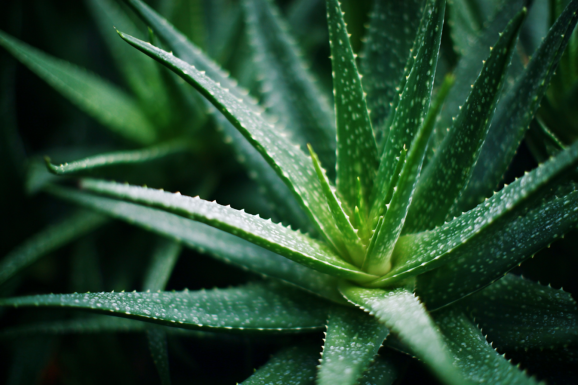
Aloe vera is a stemless or very short-stemmed succulent plant that typically grows 24 to 39 inches (60-100 cm) tall. The thick, fleshy leaves are green to grey-green in color, sometimes with white flecks on their surfaces. They grow in a rosette pattern, fanning out from the center of the plant. Each leaf has a serrated margin with small white teeth along the edges.
The leaves contain three distinct layers: the outer green rind (which contains the latex), a middle layer of yellow latex (containing anthraquinones), and the inner clear gel (which contains polysaccharides, vitamins, and amino acids). When mature—typically after three to four years—the plant produces a spike of tubular yellow, orange, or red flowers on a stem that can reach up to 35 inches (90 cm) tall. Indoor plants rarely bloom.
Origin
Aloe vera is believed to have originated on the Arabian Peninsula, though it has naturalized throughout North Africa, Southern Europe, the Canary Islands, and parts of Asia. Today, it is cultivated worldwide in tropical, subtropical, and warm temperate regions. Major commercial cultivation occurs in the United States (Texas, Florida), Mexico, the Caribbean, Central America, India, China, and Mediterranean countries.
Brief History
The documented use of Aloe vera stretches back over 6,000 years. The earliest known record appears on Sumerian clay tablets from around 2100 BCE. The ancient Egyptians recorded its medicinal uses in the Ebers Papyrus (circa 1550 BCE), where it was prescribed for infections, skin problems, and as a laxative. Egyptian queens Cleopatra and Nefertiti were said to have used the gel in their beauty routines.
Alexander the Great reportedly conquered the island of Socotra specifically to secure its aloe supplies for treating his soldiers’ wounds. The plant traveled along ancient trade routes—from Egypt to Greece, Rome, India, and China—with each culture documenting its healing properties. Spanish missionaries cultivated aloe throughout the Americas, and Christopher Columbus is said to have grown it aboard his ships to heal his crew. By the 18th century, Aloe vera had become a standard in European pharmacopeias.
Growing & Cultivation
Climate & Zones
Aloe vera thrives in USDA hardiness zones 9 through 11 for year-round outdoor cultivation. In zones 8 and 8b, it can survive outdoors with winter protection. In all other zones, it performs beautifully as a houseplant and can be moved outdoors during warm months. The plant is not frost tolerant—temperatures below 50°F (10°C) can damage it, and frost is typically fatal.
Soil Requirements
Aloe vera demands excellent drainage above all else. In its native habitat, it grows in sandy, rocky soils that dry quickly between rains. Use a commercial cactus and succulent potting mix, or create your own by combining two parts regular potting soil with one part coarse sand or perlite and one part pumice or small gravel. The soil pH should be slightly acidic to neutral (6.0-7.0). Heavy clay soils are unsuitable unless heavily amended.
Water & Sunlight
Water deeply but infrequently—only when the top 1-2 inches of soil are completely dry. Overwatering is the number one killer of aloe plants, leading to root rot. In summer, this may mean watering every two to three weeks; in winter, once a month or less. Always ensure excess water can drain freely.
Provide bright, indirect light for indoor plants—an east or south-facing window is ideal. Outdoors, aloe appreciates full sun but benefits from afternoon shade in extremely hot climates to prevent leaf scorching. When moving an indoor plant outside for summer, transition gradually over one to two weeks to prevent sunburn.
Propagation
Division (Pups): The most reliable method. Mature aloe plants produce “pups” or offsets around their base. When pups reach 3-4 inches tall, gently separate them from the mother plant with a clean, sharp knife. Allow the cut end to dry for 2-3 days before potting in well-draining soil. Water sparingly until roots establish (about 2-3 weeks).
Leaf Cuttings: Less reliable but possible. Cut a healthy leaf at the base, let it dry and callus for several days, then plant the cut end in sandy soil. Keep barely moist. Success rates are lower than with pups.
Seed: Seeds require consistent warmth (70-75°F / 21-24°C) and take 2-4 weeks to germinate. Sow on the surface of moist, sandy soil. Seed-grown plants take 3-4 years to mature.
Planting
Plant aloe in terra cotta pots when possible—their porous nature helps prevent overwatering. Choose a pot only 1-2 inches larger than the root ball; aloe prefers to be slightly pot-bound. Ensure drainage holes are present. When planting outdoors in zones 9-11, space plants 24-36 inches apart to accommodate spreading.
Harvesting
Wait until plants are at least 3-4 years old before harvesting leaves for maximum gel content and potency. Select outer, lower leaves that are thick and healthy. Cut at the base of the leaf with a clean, sharp knife. The plant will naturally seal the wound within hours.
For gel, cut the harvested leaf open lengthwise and scoop out the clear inner gel, avoiding the yellow latex layer just beneath the green rind. Fresh gel can be used immediately on skin or stored in the refrigerator for up to one week.
Drying & Storage
Fresh aloe gel is most potent but can be preserved. To dry, slice the gel into thin strips and dehydrate at low temperature (95-115°F / 35-46°C) until brittle. Store dried gel in airtight containers away from light for up to one year. Gel can also be frozen in ice cube trays for convenient portions.
Pest & Disease Management
Aloe vera is remarkably pest-resistant. The most common issues include:
- Mealybugs: White, cottony insects. Wipe with alcohol-soaked cotton swabs or spray with neem oil solution.
- Scale insects: Small brown bumps on leaves. Remove manually or treat with neem oil.
- Root rot: Caused by overwatering. Prevention is key—ensure proper drainage and allow soil to dry between waterings. If caught early, remove affected roots and repot in fresh, dry soil.
Companion Planting
Aloe vera grows well alongside other succulents, cacti, and Mediterranean herbs that share its preference for dry conditions. Good companions include lavender, rosemary, agave, and echeveria. Avoid planting near moisture-loving plants that require frequent watering.
The Healing of Growing
Growing Aloe vera offers benefits beyond the harvest itself. The act of gardening—hands in soil, time spent outdoors—has been shown to reduce cortisol levels, improve mood, and support immune function. The soil contains beneficial bacteria (Mycobacterium vaccae) with documented antidepressant effects. When you grow your own Aloe vera, you receive healing before you ever apply the gel. There is something profoundly grounding about tending to a plant that has supported human health for millennia.
Nutritional Profile
The clear inner gel of Aloe vera—the edible portion—is approximately 99% water. The remaining 1% contains a remarkable concentration of bioactive compounds.
Macronutrients (per 100g of raw gel)
Calories: approximately 4 kcal | Protein: 0.1g | Carbohydrates: 0.6g | Fiber: trace | Fat: 0g
While Aloe vera gel is not consumed for macronutrient content, its nutritional value lies in its dense concentration of vitamins, minerals, and phytonutrients.
Vitamins
- Vitamin A (beta-carotene): Supports immune function, vision health, and skin cell regeneration. Acts as an antioxidant protecting cells from damage.
- Vitamin C: Essential for collagen production, wound healing, and immune function. A powerful antioxidant that protects against oxidative stress.
- Vitamin E: A fat-soluble antioxidant that protects cell membranes and supports skin health.
- B Vitamins (B1, B2, B3, B6, B12, Folic Acid): Support energy metabolism, nervous system function, and red blood cell production. B12 presence is notable as it’s rare in plant sources.
- Choline: Supports liver function, muscle movement, and nervous system health.
Minerals
- Calcium: Essential for bone health, muscle function, and nerve transmission.
- Magnesium: Supports over 300 enzymatic reactions, muscle relaxation, and nervous system function.
- Zinc: Supports immune function, wound healing, and protein synthesis.
- Chromium: Supports blood sugar regulation by enhancing insulin function.
- Selenium: An antioxidant mineral that supports thyroid function and immune health.
- Potassium: Supports fluid balance, muscle contractions, and nerve signals.
- Copper: Supports iron absorption, nerve function, and immune health.
- Manganese: Supports bone health, metabolism, and antioxidant defenses.
Phytonutrients & Active Compounds
Aloe vera contains over 75 potentially active compounds that work synergistically:
Polysaccharides: Acemannan is the primary polysaccharide in Aloe vera gel and is largely responsible for its immune-modulating and wound-healing properties. Research suggests it may support the gut lining and enhance immune cell function.
Anthraquinones: Found primarily in the latex layer, these include aloin, barbaloin, and aloe-emodin. They provide the laxative effect when consumed and have antimicrobial properties. The inner gel contains minimal amounts.
Enzymes: Aloe vera contains eight enzymes including bradykinase (which may reduce inflammation), amylase, lipase, and cellulase.
Amino Acids: Contains 20 of the 22 human-required amino acids, including 7 of the 8 essential amino acids.
Saponins: Soapy substances with cleansing and antiseptic properties.
Lignin: A substance that may enhance penetration of other compounds into the skin.
Salicylic Acid: Has anti-inflammatory and antibacterial properties.
Nutrient Notes
The bioavailability of Aloe vera compounds is enhanced when consumed with fats (for fat-soluble vitamins) and may be reduced by high-heat processing. Fresh gel provides the highest nutrient density. The chromium content may support blood sugar regulation, potentially influencing insulin sensitivity. The B-vitamins present may support serotonin and neurotransmitter production.
Culinary Uses
Edible Parts
Only the clear inner gel is safely consumed. The green outer rind and the yellow latex layer must be carefully removed—the latex contains anthraquinones that can cause digestive distress and have strong laxative effects.
Flavor Profile
Fresh Aloe vera gel has a very mild, slightly bitter, and mildly vegetal taste with a subtle cucumber-like quality. The texture is slippery and gelatinous. Most people find it relatively neutral, which is why it blends well into beverages. Commercially processed Aloe vera juice often has a slightly sour note.
Preparation
To prepare fresh Aloe vera gel for consumption:
- Select a mature, outer leaf from a plant at least 3-4 years old
- Wash the leaf thoroughly
- Trim the spiny edges with a knife
- Slice the leaf lengthwise to expose the gel
- Carefully scrape out the clear gel, avoiding the yellow latex layer
- Rinse the gel under water to remove any remaining latex residue
- Soak in water for 10-20 minutes if desired to further reduce any bitter compounds
Culinary Pairings
Aloe vera gel pairs well with:
- Citrus fruits: Lemon, lime, orange, grapefruit
- Tropical fruits: Mango, pineapple, coconut
- Cucumber and melon: Similar mild, refreshing qualities
- Honey: Balances any bitterness and adds sweetness
- Mint and basil: Fresh herb complements
- Ginger: Adds warmth and digestive support
Common Uses
- Blended into smoothies and juices
- Added to water or lemonade
- Used in certain Asian and Latin American desserts
- Incorporated into yogurt
- Added to salads (cubed gel)
Storage
Fresh gel should be refrigerated and used within one week. For longer storage, freeze in ice cube trays. Commercially processed Aloe vera juice should be refrigerated after opening and consumed according to package directions.
Ready to incorporate Aloe vera into your cooking? View Recipes on Chefts →
Wellness & Therapeutic Uses
Traditional Uses
Aloe vera stands as one of the most widely used medicinal plants across human history, with documented use spanning at least 6,000 years and virtually every major healing tradition.
Ancient Egypt: The Ebers Papyrus (circa 1550 BCE) documents Aloe vera’s use for skin infections, parasites, headaches, and digestive complaints. It was also used in embalming and was called the “plant of immortality.”
Traditional Chinese Medicine (TCM): Known as “Lu Hui,” Aloe vera has been used in TCM for centuries. It is considered cold in nature and is traditionally used to clear heat, drain fire, cool the liver, and guide out accumulations. It has been prescribed for constipation, dizziness, red eyes, irritability, headaches, and fever due to liver heat.
Ayurveda (India): Known as “Ghrita-Kumari” (meaning “young girl,” suggesting its youth-giving properties), Aloe vera is considered one of the few plants that balances all three doshas (Vata, Pitta, Kapha). Traditional uses include digestive support, skin conditions, liver support, menstrual regulation, and as a rejuvenating tonic. It is particularly valued for cooling the body and reducing inflammation.
Greek and Roman Medicine: Dioscorides documented Aloe vera in his De Materia Medica for treating wounds, hair loss, hemorrhoids, and stomach complaints. Roman physicians used it for wound healing among soldiers.
Native American Traditions: Various tribes used native aloe species for burns, insect bites, wounds, and stomach complaints.
Modern Research Findings
Wound Healing: Multiple studies support Aloe vera’s traditional use for wound healing. A 2020 pharmacological review published in Molecules summarized evidence from clinical trials showing that Aloe vera may accelerate wound healing and reduce healing time in burns. A 2022 meta-analysis found that aloe gel application led to significantly faster healing times in second-degree burns compared to conventional treatments.
Skin Health: Research suggests Aloe vera may support various skin conditions. A 2021 study found that aloe-containing products provided benefits as adjunct therapy for acne. Studies have also examined its potential for supporting psoriasis management, with some showing reduced scaling and inflammation.
Digestive Support: Traditionally used for digestive complaints, research has examined Aloe vera for conditions like GERD (gastroesophageal reflux disease) and IBS (irritable bowel syndrome). A pilot study published in the Journal of Traditional Chinese Medicine suggested Aloe vera syrup may be comparable to conventional treatments for GERD symptoms. Some research indicates potential benefits for ulcerative colitis, though more studies are needed.
Blood Sugar Support: Several studies have examined Aloe vera’s potential effects on blood sugar. Research suggests that compounds in Aloe vera may improve insulin sensitivity and support healthy blood glucose levels, though this area requires more rigorous clinical trials.
Oral Health: Clinical trials have shown that Aloe vera mouthwash may be comparable to chlorhexidine for reducing plaque and gingivitis. Studies suggest it may support gum health and oral hygiene.
Body Systems Supported
- Integumentary System (Skin): Wound healing, burn support, moisturization, minor skin irritations
- Digestive System: Gut lining support, occasional constipation relief (latex portion), digestive comfort
- Immune System: Acemannan may modulate immune function
- Endocrine System: Potential blood sugar support
- Oral Cavity: Gum health, oral hygiene
Body Compounds Affected
Research suggests Aloe vera may influence:
- Inflammatory Markers: May reduce pro-inflammatory cytokines and prostaglandins
- Growth Factors: May stimulate growth factors involved in wound healing
- Insulin: May support insulin sensitivity
- Collagen: May support collagen synthesis for skin health
Methods of Use
Topical Application (Gel)
Apply fresh or processed gel directly to skin for:
- Minor burns and sunburns
- Minor cuts and abrasions
- Dry skin
- Minor skin irritations
Apply 2-3 times daily as needed. Perform a patch test first if using for the first time.
Internal Use (Gel/Juice)
Aloe vera juice: 1-2 tablespoons daily, or as directed on commercial products. Choose products specifically processed for internal use that have had the anthraquinone content removed or reduced.
Fresh gel: 1-2 tablespoons of carefully prepared gel (latex removed) can be added to smoothies or consumed directly.
Mouthwash
Diluted Aloe vera juice can be used as a mouthwash. Swish for 30 seconds and spit. Do not swallow large quantities.
Note: The latex portion of Aloe vera is a powerful laxative and should only be used short-term under the guidance of a healthcare provider.
Cosmetic & Beauty Uses
Skin Benefits
Aloe vera has earned its reputation as a skincare powerhouse through millennia of use and modern research confirmation.
All Skin Types: The gel’s neutral pH and gentle nature make it suitable for most skin types, from oily to sensitive.
Skin Concerns Addressed:
- Hydration: The polysaccharides in Aloe vera help the skin retain moisture without feeling greasy
- Minor Irritation: Soothing and cooling for minor skin irritations
- Acne: Antimicrobial properties may help with blemish-prone skin; salicylic acid content supports clearer skin
- Signs of Aging: Antioxidant vitamins and the support of collagen production may help with fine lines
- Hyperpigmentation: Aloin compounds may help even skin tone over time
- Sun-Exposed Skin: Traditional use for soothing sun-exposed skin is well-established
Hair Benefits
- Scalp Health: May help with dry, flaky scalp; antimicrobial properties support scalp health
- Conditioning: Proteolytic enzymes repair dead skin cells on the scalp and condition hair
- Shine: The gel coats hair shafts, creating smoothness and shine
- Detangling: Natural slip helps with managing tangles
- Hair Growth Support: Traditional use suggests it may support healthy hair growth by creating optimal scalp conditions
Application Methods
Face Masks: Apply pure gel to clean skin, leave for 15-20 minutes, rinse with cool water. Can be mixed with honey, oatmeal, or essential oils.
Moisturizer: Apply a thin layer of gel after cleansing, before heavier moisturizers or alone for oily skin.
Toner: Dilute gel with water (1:1 ratio) and apply with cotton pad after cleansing.
Eye Treatment: Gently pat pure gel around the eye area to address puffiness and hydrate delicate skin.
Hair Mask: Apply gel to scalp and hair, leave for 30 minutes to 1 hour, then wash as usual.
Leave-In Conditioner: Apply a small amount of diluted gel to damp hair ends.
Aftershave: Apply gel after shaving to soothe and hydrate skin.
DIY Formulation Notes
- Percentages: Aloe vera gel can be used at 1-100% depending on the formula; typically 5-15% in lotions, up to 100% as a gel
- Shelf Life: Fresh gel: 1 week refrigerated; DIY products with aloe: use within 2 weeks unless preserved
- Compatible Carriers: Jojoba oil, coconut oil, rosehip oil, argan oil
- Caution: Some individuals may be sensitive; always patch test
Aloe vera is among the botanicals being explored for holistic cosmetic applications, where the wisdom of traditional beauty practices meets modern understanding of skin science.
Aromatherapy & Scent
The Aroma
Unlike many medicinal plants, Aloe vera is not primarily aromatic. The fresh plant has a very subtle, mild scent—slightly green and vegetal with hints of cucumber. When a leaf is cut, there may be a faint herbaceous note mixed with the characteristic earthy smell of the gel. The yellow latex has a stronger, more bitter odor.
Dried Aloe vera retains minimal scent. The plant is not typically used for aromatherapy purposes in the way that lavender or eucalyptus might be.
How Scent Affects Your Body
While Aloe vera’s scent impact is minimal, understanding how plant aromas work helps appreciate the full spectrum of botanical healing. When volatile molecules are released by plants and inhaled through the nose, they interact with olfactory receptors that send signals directly to the limbic system (emotional brain) and hypothalamus (hormone control). This pathway bypasses conscious thought, producing emotional and physiological responses within seconds.
Emotional & Mood Effects
Though subtle, the fresh, clean scent of Aloe vera may evoke:
- A sense of cleanliness and freshness
- Connection to nature and growth
- Calming associations (especially if the person has positive memories of using aloe for soothing)
Ways to Experience the Scent
Because Aloe vera is not strongly aromatic, experiencing its scent typically involves:
- Growing the living plant and occasionally brushing or handling leaves
- Breaking open fresh leaves when preparing gel
- Using fresh gel applications on skin
For those seeking aromatic therapeutic benefits, Aloe vera pairs well with truly aromatic plants like lavender, eucalyptus, or peppermint—combining aloe’s topical benefits with the aromatherapy of essential oils.
Color Therapy
The Colors of Aloe Vera
Aloe vera presents a beautiful array of colors:
- Leaves: Grey-green to bright green, sometimes with white flecks or spots
- Gel: Clear to very pale greenish-white
- Latex: Yellow
- Flowers: Yellow, orange, or red tubular blooms
Color Wavelengths
Green: The dominant color of Aloe vera falls within the 495-570nm wavelength range—the center of the visible spectrum.
Yellow/Orange (flowers): 570-620nm wavelength range.
How Green Affects the Body
In color therapy principles, green is associated with:
- Balance and harmony: Green sits at the center of the visible spectrum, symbolizing equilibrium
- Heart-centered energy: Associated with the heart chakra in various traditions
- Rest for the eyes: The eye perceives green with minimal strain
- Connection to nature: Green environments have documented stress-reducing effects
- Growth and renewal: Symbolic of new beginnings
Using Aloe Vera for Color Therapy
- Living plant presence: Place Aloe vera plants in spaces where you want to introduce balancing green energy—offices, living rooms, healing spaces
- Visual meditation: Spend time observing the plant’s colors as a grounding practice
- Kitchen windowsill: The sight of healthy green plants while cooking can reduce stress
- Eating the color: When consuming the clear gel, you’re incorporating the plant’s light-absorbing compounds into your body
Frequency & Vibration
The Frequency of Aloe Vera
According to bio-frequency research, all living things vibrate at measurable frequencies. While specific MHz measurements for Aloe vera plants are less documented than for essential oils, the plant is generally considered to have a moderate to high vibrational frequency, consistent with its long history as a healing plant.
For reference, Bruce Tainio’s research documented:
- Healthy human body: 62-78 MHz
- Cold/flu symptoms onset: 58 MHz
- Fresh produce: 20-27 MHz
- Fresh herbs: 20-27 MHz
- Essential oils: 52-320 MHz
Human Frequency Interaction
The principle of entrainment suggests that when two vibrating systems interact, the stronger or more stable frequency can influence the weaker one. Proponents of vibrational medicine believe that:
- Being around healthy, living plants may support human frequency
- Consuming high-vibration foods may positively affect the body’s energy
- Fresh Aloe vera gel, being a living substance, carries more vibrational energy than processed alternatives
Vibrational Applications
- Use fresh gel whenever possible rather than heavily processed products
- Keep living Aloe vera plants in your environment for their presence
- Combine Aloe vera with other high-frequency practices: meditation, time in nature, clean eating
This is an area where research is still emerging. While anecdotal reports and traditional observations are compelling, readers should understand that frequency measurements for plants are not as extensively documented as other aspects of botanical science.
The Living Plant
Benefits of Presence
Beyond its gel and applications, simply having a living Aloe vera plant in your space provides benefits:
Visual Calming: Research demonstrates that viewing plants reduces physiological stress markers. A 2015 study found that simply having plants visible in a workspace improved mood and reduced tension.
Connection to Nature (Biophilia): Humans have an innate need to connect with living things. Having plants indoors satisfies this biophilic drive, which has been associated with improved mental health.
Sense of Nurturing: Caring for a living thing creates purpose and routine, both of which support psychological wellbeing.
Air Purification
Aloe vera was studied in NASA’s Clean Air Study and found to help remove certain indoor air pollutants. The plant may help filter:
- Formaldehyde: Common in household products, building materials
- Benzene: Found in paints, detergents, plastics
While no single plant can dramatically change air quality, having several plants—including Aloe vera—contributes to a healthier indoor environment.
Oxygen Production
Aloe vera is notable among plants because it releases oxygen at night (a characteristic of CAM plants—Crassulacean Acid Metabolism). This makes it a good plant for bedrooms, where most plants would be releasing carbon dioxide at night.
Visual & Psychological Benefits
Research supports the psychological benefits of indoor plants:
- Stress Reduction: Studies show lower cortisol levels in environments with plants
- Attention Restoration: Nature views—even indoor plants—help restore depleted attention capacity
- Healthcare Settings: Patients with plant views or access to nature heal faster and report less pain
- Productivity: Workplaces with plants show improved focus and productivity
Growing Indoors vs Outdoors
Indoor Growing:
- Suitable for all climates
- Provides year-round access to fresh gel
- Requires bright, indirect light
- Lower humidity than outdoor growing
- May not bloom
Outdoor Growing (Zones 9-11):
- Plants grow larger and more vigorously
- More likely to bloom
- Produces more pups for propagation
- Benefit of being outdoors while tending
- Connection to the larger ecosystem
Touch & Physical Interaction
Gardening Therapy
Horticultural therapy is an established practice that uses gardening activities for therapeutic benefit. Working with Aloe vera—a forgiving, low-maintenance plant—offers an accessible entry point for gardening therapy.
The Tactile Experience
Aloe vera provides unique tactile experiences:
- Leaves: Firm, thick, and fleshy with a smooth but slightly waxy surface; the edges have small serrations but are not sharp
- Gel: Cool, slippery, and soothing to touch—the cooling sensation is immediately noticeable when applied to skin
- Soil work: Repotting and caring for the plant connects hands to earth
Soil Contact Benefits
When working with potted Aloe vera or growing it in a garden:
- Grounding: Contact with soil may provide electron transfer from the earth, a principle explored in grounding/earthing research
- Beneficial Bacteria: Soil contains Mycobacterium vaccae, a bacterium studied for its potential antidepressant effects
- Microbiome Diversity: Exposure to diverse soil microorganisms may support immune health
Harvesting & Processing
The hands-on process of harvesting and preparing Aloe vera is inherently meditative:
- Selecting the leaf: Observing the plant, choosing which leaf is ready
- Cutting: A clean, deliberate action
- Filleting: Carefully removing the rind, separating gel from latex
- Applying: The immediate connection between plant and body
This process creates a meaningful ritual—a slowing down that contrasts with reaching for a manufactured product. The simple act of preparing medicine from a living plant connects us to generations of healers who did the same.
Water-Based Applications
Aloe Vera Juice & Drinks
The most common water-based use of Aloe vera is consuming diluted gel or commercially processed juice:
- Commercial juice: Follow product directions; typically 1-2 tablespoons to 8 oz water
- Fresh gel: Blend 1-2 tablespoons fresh gel with water, juice, or smoothie ingredients
- Dosage: Start with small amounts and increase gradually; typically taken once or twice daily
Herbal Baths
Aloe vera can be added to bathwater for a soothing soak:
- Amount: Add 1/4 to 1/2 cup fresh gel or commercial Aloe vera juice to warm bathwater
- Temperature: Warm, not hot (95-100°F / 35-38°C)
- Duration: Soak for 20-30 minutes
- Benefits: May soothe irritated skin, provide overall hydration, create a calming experience
Compresses
Cold Compress: Soak a clean cloth in diluted aloe gel (mixed with water), wring out excess, and apply to sunburns, minor burns, or inflamed skin for 15-20 minutes.
Warm Compress: For muscle tension, a warm (not hot) aloe-infused compress may provide soothing relief.
Hair Rinses
Aloe vera makes an excellent hair rinse:
- Preparation: Mix 2-3 tablespoons fresh gel with 1 cup water; blend until smooth
- Method: After shampooing, pour the mixture over hair, massage into scalp, leave for 2-3 minutes, then rinse or leave in as a light conditioner
- Benefits: Conditions hair, soothes scalp, adds shine
Facial Mist
- Preparation: Mix 1 tablespoon pure aloe gel with 1/2 cup distilled water; add a few drops of essential oil if desired (lavender pairs well)
- Use: Store in a spray bottle; mist face throughout the day for hydration
- Shelf life: Refrigerate and use within one week
Historical, Cultural & Biblical Significance
Biblical References
The word “aloes” appears several times in Scripture, though biblical scholars note these references likely refer to a fragrant wood (Aquilaria agallocha or sandalwood) rather than the succulent Aloe vera we know today. However, the Aloe vera plant was certainly known and used in the biblical world.
Key passages mentioning aloes:
Numbers 24:6 (KJV): “As the valleys are they spread forth, as gardens by the river’s side, as the trees of lign aloes which the LORD hath planted, and as cedar trees beside the waters.”
Psalm 45:8 (KJV): “All thy garments smell of myrrh, and aloes, and cassia, out of the ivory palaces, whereby they have made thee glad.”
Proverbs 7:17 (KJV): “I have perfumed my bed with myrrh, aloes, and cinnamon.”
Song of Solomon 4:14 (KJV): “Spikenard and saffron; calamus and cinnamon, with all trees of frankincense; myrrh and aloes, with all the chief spices.”
John 19:39 (KJV): “And there came also Nicodemus, which at the first came to Jesus by night, and brought a mixture of myrrh and aloes, about an hundred pound weight.”
This final reference describes the preparation of Jesus’s body for burial. Whether this “aloes” was the succulent Aloe vera or the fragrant wood, the passage demonstrates the plant’s importance in ancient healing and burial practices. Aloe vera gel was certainly known to the Egyptians for preservation purposes, and the Jews, having lived in Egypt, would have been familiar with its properties.
Ancient Civilizations
Egypt (circa 4000 BCE – present): The Ebers Papyrus (1550 BCE) documents extensive medicinal uses. Cleopatra and Nefertiti reportedly used it for skincare. It was used in embalming processes and called the “plant of immortality.”
Mesopotamia: Used as a natural laxative and for wound treatment. Ancient peoples believed illness was caused by demons, and aloe was considered to have the power to exorcise them.
Greece: Dioscorides documented Aloe vera in his De Materia Medica (circa 70 CE), describing uses for wounds, hair loss, hemorrhoids, and stomach complaints.
Rome: Pliny the Elder recorded numerous uses. Roman physicians treated soldiers’ wounds with aloe.
Eastern Traditions
Traditional Chinese Medicine: Known as “Lu Hui,” Aloe vera has been used in TCM for centuries. It is classified as cold in nature, targeting the Liver and Large Intestine meridians. Traditional uses include clearing heat, draining fire, guiding out accumulations, and killing parasites. It has been prescribed for constipation, dizziness, headaches, red eyes, irritability, and fever. The ancient Chinese observed that God designed this plant to cool inflammation and support elimination—they simply described these observations in their own framework.
Ayurveda: Known as “Ghrita-Kumari” or “Kumari,” meaning “young girl” in Sanskrit—suggesting its ability to restore youthful vitality. Considered one of the few plants that balances all three doshas. Used traditionally for digestive support, skin conditions, liver support, menstrual regulation, and as a rejuvenating tonic. Ayurvedic practitioners documented what modern research confirms: this plant supports the body’s natural healing processes.
The Spread of Knowledge
Alexander the Great reportedly conquered the island of Socotra specifically to secure aloe supplies for his military campaigns. Spanish Jesuit monks spread aloe cultivation throughout the Americas in the 16th century. Christopher Columbus grew aloe aboard his ships. The Maya called it the “Fountain of Youth.” Arab traders cultivated it throughout the Mediterranean region during the Middle Ages.
While these cultures may not have known the Creator by name, they were observing His design—and their observations align remarkably with what modern research confirms about Aloe vera’s properties. The plant’s effectiveness wasn’t invented by any culture; it was discovered. Credit belongs to the Designer who embedded these healing properties into creation.
How Knowledge Was Preserved
- Written Texts: Egyptian papyri, Greek medical texts, Chinese materia medica, Ayurvedic texts
- Oral Traditions: Indigenous knowledge passed through generations
- Monastery Gardens: Medieval monks preserved and cultivated medicinal plants
- Trade Routes: Knowledge spread along with the plants themselves
- Colonial Exchange: European colonizers learned from indigenous peoples and spread plants globally
Safety & Precautions
Important Distinction: Gel vs. Latex
Aloe vera produces two substances with very different safety profiles:
- Gel: The clear inner portion; generally well-tolerated topically and internally
- Latex: The yellow layer beneath the green rind; contains anthraquinones with strong laxative effects and potential toxicity concerns
Contraindications
Do not use oral Aloe vera preparations (especially those containing latex) if you have:
- Crohn’s disease or ulcerative colitis
- Intestinal obstruction
- Appendicitis or abdominal pain of unknown origin
- Hemorrhoids (internal use)
- Kidney disease
- Heart conditions (latex can cause electrolyte imbalances)
Drug Interactions
Aloe vera (particularly the latex and internal preparations) may interact with:
- Blood thinners (Warfarin, etc.): Aloe may have antiplatelet effects; potential increased bleeding risk
- Diabetes medications: Aloe may lower blood sugar; combined use could cause hypoglycemia
- Diuretics: Combined potassium loss may be dangerous
- Digoxin (Lanoxin): Aloe’s laxative effect can deplete potassium, increasing digoxin toxicity risk
- Anesthesia (Sevoflurane): Case reports suggest potential interaction affecting bleeding
- Oral medications: Laxative effects may reduce absorption of other medications
Discontinue oral Aloe vera at least 2 weeks before scheduled surgery.
Pregnancy & Nursing
Pregnancy: AVOID oral Aloe vera, especially latex. Anthraquinones may stimulate uterine contractions and potentially cause miscarriage. Topical use on unbroken skin is generally considered safe but use with caution.
Nursing: Aloe latex components may pass into breast milk and cause digestive upset in nursing infants. Oral consumption is not recommended. Topical use is generally safe.
Children
- Topical: Generally safe for children over 2 years; perform patch test first
- Oral: Not recommended for children under 12 without healthcare provider guidance
- Aloe latex: Never give to children
Elderly
- Monitor for electrolyte imbalances if using internally
- May be more sensitive to laxative effects
- Consider potential drug interactions with common medications
- Topical use is generally well-tolerated
Pets
Dogs: TOXIC — The latex and rind contain saponins and anthraquinones toxic to dogs. Symptoms include vomiting, diarrhea, lethargy, changes in urine color, and tremors. The inner gel is less toxic but can still cause digestive upset. Keep plants out of reach.
Cats: TOXIC — Same concerns as dogs. Cats may be attracted to the plant and are at risk. Symptoms include vomiting, diarrhea, lethargy, and anorexia.
Horses: TOXIC — Can cause diarrhea and potential dehydration.
If you suspect your pet has ingested Aloe vera, contact your veterinarian immediately or call the ASPCA Animal Poison Control Center at (888) 426-4435.
Allergies & Sensitivities
- People allergic to plants in the Liliaceae family (garlic, onions, tulips) may react to Aloe vera
- Always perform a patch test before using topically for the first time
- Discontinue use if rash, itching, or irritation occurs
Proper Dosing Guidelines
Topical: Apply as needed to affected areas; no established upper limit for external use
Oral (gel/juice): Typically 1-2 tablespoons of processed juice or gel once or twice daily. Start with smaller amounts.
Latex (not recommended without supervision): Historically used as a laxative at 50-200 mg, but the FDA ruled in 2002 that over-the-counter aloe laxatives are not recognized as safe and effective.
Quality & Sourcing
- Choose products certified by the International Aloe Science Council (IASC)
- For internal use, select products specifically processed to remove/reduce anthraquinone content
- Look for “inner leaf” or “latex-free” designations
- Fresh gel from your own plant is ideal for topical use
Signs of Adverse Reaction
Topical: Redness, burning, itching, rash at application site
Internal:
- Mild: Stomach cramps, diarrhea
- Serious (seek medical attention): Severe abdominal pain, bloody diarrhea, muscle weakness, irregular heartbeat, confusion, blood in urine
Disclaimer
This information is for educational purposes only. It is not intended to diagnose, treat, cure, or prevent any disease. Always consult with a qualified healthcare provider before using any herbal product, especially if you are pregnant, nursing, taking medications, or have a medical condition. If you experience any adverse reaction, discontinue use immediately and seek medical attention.
Want Personalized Guidance?
Every body is unique. What works for one person may not be right for another. If you’d like personalized support in incorporating Aloe vera into your wellness journey, consider working with a qualified practitioner who can assess your individual needs.
Sources & References
Peer-Reviewed Studies
- Catalano A, et al. “Aloe vera—An Extensive Review Focused on Recent Studies” – Foods, 2024, Italy/Portugal
- Sánchez M, et al. “Pharmacological Update Properties of Aloe Vera and its Major Active Constituents” – Molecules, 2020, Spain
- Gupta VK, Malhotra S. “Aloe vera and health outcomes: An umbrella review of systematic reviews and meta-analyses” – Phytotherapy Research, 2020
- Saifi A, et al. “Unveiling the Latest Breakthroughs: A Comprehensive Review of the Therapeutic Activity and Safety Profile of Aloe vera” – Current Drug Safety, 2024, India
- Guo X, Mei N. “Aloe vera: A review of toxicity and adverse clinical effects” – Journal of Environmental Science and Health, 2016, USA
- Irani PS, et al. “The effect of aloe vera on the healing of diabetic foot ulcer: A randomized, double-blind clinical trial” – 2024, Iran
- Sharma S, et al. “Second-degree burns and aloe vera: A meta-analysis and systematic review” – 2022
- Zhong H, et al. “Efficacy of a new non-drug acne therapy: Aloe vera gel combined with ultrasound and soft mask for the treatment of mild to severe facial acne” – 2021, China
- Lee A, et al. “Possible interaction between sevoflurane and Aloe vera” – Annals of Pharmacotherapy, 2004
- Yu M, et al. “The Potential Application of Aloe Barbadensis Mill. as Chinese Medicine for Constipation: Mini-Review” – 2024, China
Traditional Medicine Sources
- Foster M, et al. “Evaluation of the Nutritional and Metabolic Effects of Aloe vera” – Herbal Medicine: Biomolecular and Clinical Aspects, 2nd edition – CRC Press/Taylor & Francis, 2011
- Lu Hui (Aloe vera) in Chinese Medicine – Me&Qi Traditional Chinese Medicine Database
Institutional Sources
- ASPCA Toxic and Non-toxic Plants: Aloe – ASPCA Animal Poison Control
- Aloe vera Interactions Checker – Drugs.com
- Aloe Dosing, Interactions, Contraindications – Medscape
- Aloe vera – NC State Extension Gardener Plant Toolbox
- Aloe Vera – University of Florida IFAS Gardening Solutions
- Aloe Vera Is Toxic To Dogs – Pet Poison Helpline
Historical References
- Topical Bible: Aloes – Bible Hub
- Aloes; Lignaloes Meaning – Bible Definition and References – Bible Study Tools