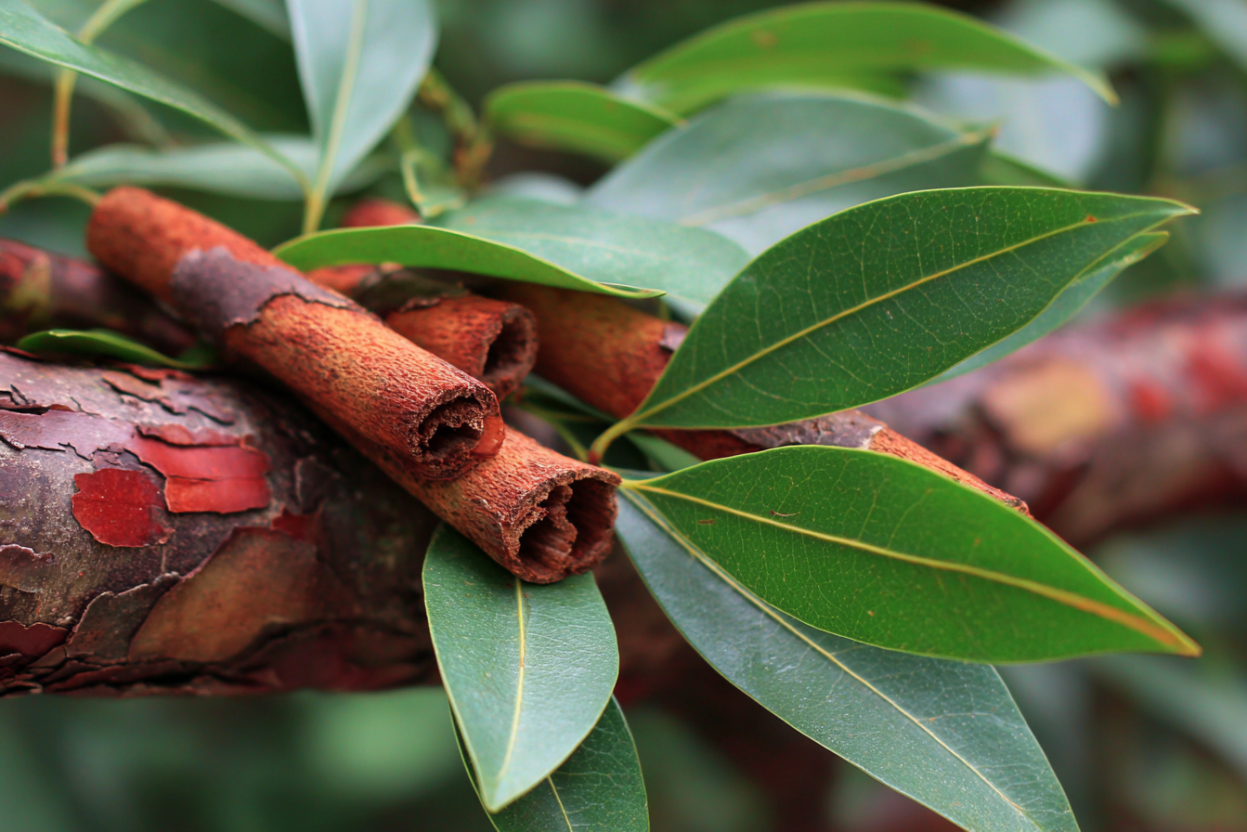
Cinnamon (Cinnamomum verum)
If you struggle with blood sugar that never seems to stay stable, or you feel the weight of chronic inflammation slowing you down, you are far from alone — and the Creator may have already placed something in your kitchen cabinet that science is only now beginning to understand. Cinnamon is one of the oldest spices known to humanity, treasured across civilizations for thousands of years. Modern research is confirming what ancient cultures observed: this aromatic bark supports the body in remarkable ways.
This extraordinary tree bark is one of many gifts embedded into creation for our benefit. Long before clinical trials and peer-reviewed journals, this plant was already here — provided by a Creator who knew we would need it. God commanded Moses to include cinnamon in the holy anointing oil (Exodus 30:23), setting it apart among the most sacred substances in Scripture.
The Plant
Common Names: Cinnamon, True Cinnamon, Ceylon Cinnamon, Sweet Cinnamon, Canela (Spanish), Dalchini (Hindi), Rou Gui (Chinese — refers to bark of C. cassia)
Botanical Name: Cinnamomum verum J.Presl (syn. Cinnamomum zeylanicum Blume)
Family: Lauraceae (the Laurel family — an aromatic plant family that also includes bay laurel, camphor, avocado, and sassafras)
Description
Ceylon cinnamon is a small to medium-sized evergreen tree that typically grows 30 to 50 feet tall in its native tropical environment, though it can be kept much smaller with pruning when cultivated in containers. The tree develops a thick, rough gray outer bark concealing the smooth, pale inner bark — the source of the cinnamon spice we know. Its oval, leathery leaves can grow up to 7 inches long, emerging with a reddish or coppery tint before maturing to a deep, glossy green. Three distinct yellow veins run along each leaf, and when crushed, the leaves release a warm, spicy fragrance.
In late spring to early summer, the tree produces small, pale yellow-green flowers in loose clusters. While not particularly showy, these flowers attract pollinators including bees. After flowering, small oval drupes form, maturing from green to dark purple. The drupes carry a cinnamon-like aroma but are not used for spice production. The most valuable part of the tree is the inner bark, which curls into the familiar quill shape as it dries — creating the cinnamon sticks used worldwide.
Important Distinction: True Cinnamon vs. Cassia
Most cinnamon sold in North American grocery stores is actually Cinnamomum cassia (Chinese cinnamon or cassia), not true Ceylon cinnamon. The distinction matters because cassia contains significantly higher levels of coumarin, a naturally occurring compound that in large amounts may stress the liver. True Ceylon cinnamon (C. verum) contains only trace amounts of coumarin, making it the preferred choice for regular dietary use. Ceylon cinnamon has a more delicate, complex flavor — slightly sweet with citrus undertones — compared to cassia’s stronger, more pungent bite.
Origin
True cinnamon is native to Sri Lanka (formerly Ceylon, from which it takes its name) and the southwestern Malabar Coast of India. Sri Lanka remains the world’s largest producer of Ceylon cinnamon, supplying roughly 80% of the global supply. The tree also grows in Madagascar, the Seychelles, and parts of Southeast Asia where it has been introduced. It thrives in tropical lowland forests at elevations up to about 1,500 feet in warm, humid conditions with consistent rainfall.
Brief History
Cinnamon is one of the most ancient spices in recorded human history. Egyptian records document cinnamon use as far back as 2000 BC, where it was prized for embalming and religious offerings. The spice traveled ancient trade routes from Sri Lanka through Arab traders, who carefully guarded the source to maintain their monopoly and high prices — at one point, cinnamon was worth more than gold by weight. Portuguese traders reached Sri Lanka in the early 1500s and established control over the cinnamon trade. The Dutch then seized control in the 1600s, followed by the British in 1796. It was one of the key spices that drove European colonization and the age of exploration. Today, cinnamon remains one of the most widely consumed spices in the world, used in cuisines from Mexican to Indian to Middle Eastern.
Growing & Cultivation
Climate & Zones
Cinnamon trees thrive outdoors year-round in USDA Hardiness Zones 10 through 12, where temperatures remain warm and humidity is consistently high. In these zones — parts of southern Florida, Hawaii, southern California coastal areas, and southern Texas — cinnamon can be planted directly in the ground. The tree prefers temperatures between 70°F and 90°F and cannot tolerate frost. Sustained temperatures below 40°F can cause significant damage or kill the tree. In cooler climates (Zones 8-9), cinnamon can be grown in containers and brought indoors before temperatures drop below 50°F in autumn. It makes an attractive and aromatic houseplant, kept to a manageable 3 to 8 feet through regular pruning.
Soil Requirements
Cinnamon performs best in well-draining, sandy loam soil that is slightly acidic (pH 4.5 to 5.5). Good drainage is critical — cinnamon roots are susceptible to rot in waterlogged conditions. For container planting, a mix of quality potting soil with added perlite and sand works well. Amending heavy clay soil with coarse sand and compost before planting improves drainage. The tree appreciates rich, organic matter but is more sensitive to poor drainage than poor fertility.
Water & Sunlight
Cinnamon trees need consistent moisture without waterlogging. Water when the top 1 to 2 inches of soil feel dry. In hot weather or dry indoor environments, this may mean watering twice a week. The tree appreciates humidity — misting the leaves, grouping it with other plants, or using a pebble tray helps when growing indoors. For sunlight, cinnamon requires full sun to partial shade, ideally receiving 6 to 8 hours of direct light daily. Young trees benefit from afternoon shade in very hot climates, while mature trees tolerate more direct sun. Indoors, a south-facing window provides the best light conditions.
Propagation
Seed: Fresh cinnamon seeds germinate best. Plant seeds approximately half an inch deep in moist, warm soil. Germination takes 2 to 3 weeks at temperatures of 75°F to 85°F. Seeds lose viability quickly once dried, so use them soon after harvesting. Start seeds indoors 8 to 10 weeks before the last frost date under grow lights providing 12 to 14 hours of light daily.
Cutting: Semi-hardwood cuttings taken in summer root reasonably well. Take 6-inch cuttings from healthy branches, strip the lower leaves, dip in rooting hormone, and plant in a moist perlite and peat mixture. Keep humidity high using a plastic bag or dome and provide bottom heat. Rooting takes 4 to 8 weeks.
Air Layering: A reliable method for larger specimens. Select a healthy branch, wound the bark in a ring, apply rooting hormone, wrap with moist sphagnum moss and plastic wrap, and wait several months for roots to develop before cutting and potting the new plant.
Planting
Plant in spring after all danger of frost has passed. Space trees at least 10 feet apart if planting multiple trees. Dig a hole twice the width of the root ball and the same depth. Loosen the root ball gently before placing. Backfill with amended soil and water deeply. Apply a generous layer of organic mulch around the base (keeping it 2 to 3 inches from the trunk) to retain moisture and regulate soil temperature. Cinnamon pairs well as a companion with other tropical plants including ginger, turmeric, and cardamom, which share similar growing requirements.
Harvesting
Cinnamon bark is typically ready for first harvest 2 to 3 years after planting, once the tree is well-established. The bark is best harvested during the rainy season when humidity causes the bark to separate more easily. Using sharp pruners or a saw, cut branches that have reached at least 2 inches in diameter. Score the outer bark and carefully peel it away to reveal the pale, fragrant inner bark. Strip this inner bark in long sections. As the strips dry over several days, they naturally curl into the quill shapes familiar as cinnamon sticks. Leaves can be harvested at any time for tea or to extract aromatic oils.
Drying & Storage
Lay freshly peeled inner bark strips in a single layer on a screen or drying rack in a warm, dry, well-ventilated area out of direct sunlight. The bark will curl as it dries over 4 to 5 days. Once fully dry, cinnamon quills can be stored whole in airtight glass jars or ground into powder. Stored properly in a cool, dark, dry place, cinnamon sticks retain flavor for 2 to 3 years. Ground cinnamon retains potency for about 6 months to 1 year. Store in glass rather than plastic, as plastic can absorb the aromatic oils over time.
Pest & Disease Management
Common pests include mealybugs, leaf miners, aphids, scale insects, and whiteflies. The cinnamon butterfly caterpillar can defoliate young plants. For organic management, neem oil spray addresses most soft-bodied insect pests. Handpick caterpillars or use Bt (Bacillus thuringiensis) spray. Disease concerns include stripe canker, anthracnose, and leaf spot — all aggravated by excess moisture. Ensure good air circulation and avoid overhead watering. Remove and dispose of affected plant material promptly.
Companion Planting
Cinnamon grows well alongside other tropical spice plants — ginger, turmeric, cardamom, and lemongrass — which share similar light, water, and temperature preferences. Avoid planting near plants that require very different soil pH or moisture levels. The aromatic oils in cinnamon leaves may help deter certain garden pests from neighboring plants.
The Healing of Growing
Growing cinnamon offers benefits beyond the harvest itself. The act of gardening — hands in soil, bare feet on earth, time spent outdoors — has been shown to reduce cortisol, improve mood, and support immune function. The soil contains beneficial bacteria (Mycobacterium vaccae) with documented antidepressant effects. Research published in Neuroscience (2007) found that exposure to M. vaccae activated serotonin-producing neurons in the brain. When you grow your own cinnamon, you receive healing before you ever consume it.
Nutritional Profile
Macronutrients (per 100g ground cinnamon)
While cinnamon is consumed in small amounts as a spice (typically 1–6 grams per day), understanding its nutritional density per 100g reveals why even small servings deliver meaningful nutrition:
Calories: 247 kcal | Protein: 4.0g | Carbohydrates: 80.6g | Dietary Fiber: 53.1g (an extraordinary amount — among the highest of any food) | Sugars: 2.2g | Total Fat: 1.2g | Saturated Fat: 0.3g
Vitamins
Vitamin K: 31.2 mcg (26% DV per 100g) — Essential for proper blood clotting and bone metabolism. Supports calcium regulation in bones and blood vessels.
Vitamin E: 2.3 mg (15% DV per 100g) — A fat-soluble antioxidant that protects cell membranes from oxidative damage and supports immune function and skin health.
Vitamin A: 295 IU (6% DV per 100g) — Supports vision, immune function, and cell growth.
Vitamin B3 (Niacin): 1.3 mg (8% DV per 100g) — Supports energy metabolism, DNA repair, and nervous system function.
Vitamin B6: 0.2 mg (10% DV per 100g) — Critical for neurotransmitter synthesis including serotonin and dopamine production, and for hemoglobin formation.
Vitamin C: 3.8 mg (4% DV per 100g) — Supports immune function, collagen synthesis, and iron absorption.
Minerals
Calcium: 1,002 mg (77% DV per 100g) — Essential for bone structure, muscle contraction, nerve transmission, and heart rhythm. Cinnamon is one of the richest spice sources of calcium.
Iron: 8.3 mg (46% DV per 100g) — Necessary for oxygen transport in the blood, energy production, and immune function.
Manganese: 17.5 mg (760% DV per 100g) — A cofactor for antioxidant enzymes (superoxide dismutase), bone formation, blood clotting factors, and metabolism of carbohydrates and amino acids. Cinnamon is one of the richest known food sources of manganese.
Magnesium: 60 mg (14% DV per 100g) — Involved in over 300 enzymatic reactions. Supports muscle and nerve function, blood sugar regulation, and bone health.
Potassium: 431 mg (9% DV per 100g) — Regulates fluid balance, muscle contractions, and nerve signals.
Copper: 0.3 mg (33% DV per 100g) — Essential for iron metabolism, connective tissue formation, and neurological health.
Zinc: 1.8 mg (16% DV per 100g) — Supports immune function, wound healing, DNA synthesis, and taste perception.
Phosphorus: 64 mg (5% DV per 100g) — Works with calcium for bone and teeth formation, and plays a role in how the body uses carbohydrates and fats.
Phytonutrients & Active Compounds
Cinnamaldehyde — The signature compound responsible for cinnamon’s flavor and aroma, comprising 60–90% of bark essential oil. Research suggests cinnamaldehyde supports healthy inflammatory responses, demonstrates antimicrobial properties against a wide range of bacteria and fungi, and may support healthy blood sugar metabolism by improving insulin sensitivity.
Proanthocyanidins (Type-A polymers) — Powerful polyphenolic antioxidants. These specific type-A polymers have been studied for their ability to improve insulin receptor function, making cinnamon’s blood sugar support distinct from other polyphenol-rich foods.
Cinnamic acid — An organic acid with documented antioxidant properties. Studies suggest it may support cardiovascular health and healthy inflammatory responses.
Eugenol — Found primarily in cinnamon leaf oil (up to 75%). This phenolic compound has analgesic and anti-inflammatory properties and is also found in cloves. It may support oral health and comfort.
Catechins — Flavonoid antioxidants (also found in green tea) that support cardiovascular health and may help protect against oxidative stress.
Coumarin — Present in very low amounts in Ceylon cinnamon (significantly higher in cassia). This compound has blood-thinning properties and in very large doses may affect liver function. This is the primary reason Ceylon cinnamon is preferred for regular supplemental use.
Nutrient Notes
The extraordinary manganese content of cinnamon means that even one teaspoon (2.6g) provides a meaningful contribution toward daily manganese needs. The high fiber content (53g per 100g) is remarkable — though we consume cinnamon in small amounts, it contributes to daily fiber intake. The polyphenol antioxidant content of cinnamon ranks among the highest of all spices tested, with an ORAC (Oxygen Radical Absorbance Capacity) value that exceeds many fruits and vegetables per gram.
Connection to Body Compounds
The B-vitamins in cinnamon (B3, B6) support serotonin and dopamine production — key neurotransmitters for mood regulation. The magnesium content may help regulate cortisol, the body’s primary stress hormone. The manganese supports the body’s antioxidant defense system, while the calcium and potassium support nervous system signaling and muscle function.
Culinary Uses
Edible Parts
Inner bark (quills/sticks): The primary culinary product. Used whole in simmered dishes, beverages, and pickling, or ground into powder for baking, seasoning, and sprinkling. Flavor is warm, sweet, slightly citrusy (Ceylon) or strong and pungent (cassia).
Leaves: Edible and aromatic. Used fresh or dried to make tea, added to curries and stews in Sri Lankan and Indian cuisines. Flavor is more subtle and clove-like than bark due to higher eugenol content.
Buds/flowers: Used as a spice in some Asian cuisines. Milder than bark.
Flavor Profile
Ceylon cinnamon delivers a delicate, complex warmth — sweet with notes of citrus and honey, a mild spiciness that does not overpower. It is more nuanced and lighter than cassia. When cooked, the sweetness deepens. When dried and ground, the flavor intensifies but retains its refinement. The aroma is warm, inviting, and instantly recognizable — one of the most universally appealing scents in the culinary world.
Preparation
Cinnamon is versatile across raw and cooked applications. Use ground cinnamon in baked goods, smoothies, oatmeal, coffee, and yogurt. Add whole sticks to simmered soups, stews, curries, rice dishes, and hot beverages (remove before serving). Toast ground cinnamon briefly in dry heat to intensify flavor before adding to savory dishes. Steep sticks or bark chips in hot water for tea. Infuse into oils, honey, or vinegar for flavored condiments. Cinnamon pairs naturally with both sweet and savory preparations.
Culinary Pairings
Cinnamon complements a remarkable range of flavors. In proteins: lamb, chicken, pork, and beef (especially in Moroccan, Indian, and Middle Eastern cuisines). In produce: apples, pears, bananas, sweet potato, pumpkin, carrots, and butternut squash. With other spices: nutmeg, cloves, allspice, cardamom, ginger, turmeric, cumin, star anise, and vanilla. With fats: butter, coconut oil, ghee. With sweets: chocolate, honey, maple syrup, brown sugar, caramel.
Storage
Store whole cinnamon sticks in an airtight glass container in a cool, dark place for up to 2 to 3 years. Ground cinnamon retains peak flavor for 6 months to 1 year. Always sniff before using — when the aroma fades, the flavor has diminished. For longest shelf life, purchase whole sticks and grind as needed using a spice grinder or microplane. Fresh sticks should feel smooth, not brittle or dusty. Ceylon cinnamon sticks are multilayered and crumbly; cassia sticks are thick and hard.
Ready to cook with cinnamon? View Recipes on Chefts →
Wellness & Therapeutic Uses
Traditional Uses
Cinnamon’s therapeutic history spans at least 4,000 years across virtually every major healing tradition. In Traditional Chinese Medicine (TCM), gui zhi (cinnamon twig) and rou gui (bark) have been classified as warming herbs used to promote circulation, warm the body’s core, and support kidney yang energy. They appear in classical formulas dating to the Han Dynasty (200 BC). In Ayurveda (Indian medicine), cinnamon is known as tvak or dalchini, classified as a heating spice that supports digestion (agni), reduces kapha and vata doshas, and promotes circulation. It appears in ancient Sanskrit texts including the Charaka Samhita. In Egyptian medicine, cinnamon was used for embalming, religious offerings, and as a component of kyphi incense prescribed for healing. The Ebers Papyrus (c. 1550 BC) references cinnamon. Greek physicians Dioscorides and Galen documented cinnamon for digestive support, freshening breath, and reducing inflammation. In European folk medicine, cinnamon was used for colds, digestive complaints, and as a warming tonic during winter months. Medieval monastery gardens cultivated it when possible, and apothecaries included it in numerous preparations.
Modern Research
Blood Sugar Support: This is cinnamon’s most extensively researched area. A 2024 dose-response meta-analysis of 24 randomized controlled trials published in Phytotherapy Research found that cinnamon supplementation significantly reduced fasting blood sugar, HOMA-IR (insulin resistance), and HbA1c in patients with type 2 diabetes (Moridpour et al., 2024, Iran). An umbrella meta-analysis of 11 previous meta-analyses published in Diabetology & Metabolic Syndrome (2023) confirmed cinnamon’s effectiveness in reducing fasting plasma glucose, insulin, HOMA-IR, and HbA1c levels. The mechanism involves type-A proanthocyanidin polymers that improve insulin receptor phosphorylation, enhancing insulin sensitivity, and cinnamaldehyde’s effects on GLUT4 glucose transporters.
Anti-Inflammatory Properties: Multiple studies have demonstrated that cinnamon extract and cinnamaldehyde reduce inflammatory markers including TNF-alpha, IL-1, and IL-6. A 2023 study published in Nutrients confirmed these anti-inflammatory effects persist even after simulated digestion (Ferrara et al., 2023, Italy).
Antimicrobial Activity: Research consistently demonstrates broad-spectrum antimicrobial activity. Cinnamon oil and cinnamaldehyde have been shown effective against Gram-positive and Gram-negative bacteria, yeasts (Candida species), filamentous fungi, and dermatophytes. A 2024 study in Frontiers in Pharmacology elucidated mechanisms including cell membrane disruption and biofilm inhibition (Shu et al., 2024, China).
Antioxidant Support: Cinnamon ranks among the highest antioxidant-containing spices. Its polyphenolic compounds — including proanthocyanidins, catechins, and cinnamic acid — enhance the activity of key antioxidant enzymes including catalase (CAT), superoxide dismutase (SOD), and glutathione peroxidase (GPx).
Neuroprotective Potential: Emerging research suggests cinnamon may support brain health. A compound called sodium benzoate, a metabolite of cinnamaldehyde, has been shown to upregulate the neuroprotective protein DJ-1 in brain cells. Animal studies suggest potential benefits related to Parkinson’s and Alzheimer’s disease pathways, though human clinical trials in this area are still developing.
Cardiovascular Support: Studies suggest cinnamon may support healthy cholesterol and triglyceride levels. Its antioxidant and anti-inflammatory properties may contribute to cardiovascular health, and the blood sugar-regulating effects address a key risk factor for heart disease.
Body Systems Supported
Based on research and traditional use, cinnamon may support: Digestive system (promotes healthy digestion, reduces gas and bloating, supports gut microbial balance), Immune system (antimicrobial and antioxidant properties support immune defense), Nervous system (neuroprotective compounds, warming and comforting effects), Cardiovascular system (may support healthy cholesterol, circulation, and blood pressure), Endocrine system (blood sugar regulation and insulin sensitivity support), Musculoskeletal system (anti-inflammatory properties may support joint comfort), and Integumentary system (antimicrobial and antioxidant properties support skin health).
Body Compounds Affected
Research suggests cinnamon may influence several key body compounds. Insulin — Proanthocyanidins improve insulin receptor function and sensitivity. Inflammatory cytokines (TNF-alpha, IL-6, IL-1) — Cinnamaldehyde and polyphenols reduce inflammatory marker production. Prostaglandins — Eugenol and cinnamaldehyde may modulate prostaglandin synthesis, supporting comfort. Nitric oxide — Some research suggests cinnamon may support healthy nitric oxide production, benefiting circulation. BDNF (Brain-Derived Neurotrophic Factor) — Emerging research suggests cinnamon metabolites may support BDNF levels, which are important for brain health and neuroplasticity.
Methods of Use
Tea/Infusion
Use one cinnamon stick or 1/2 to 1 teaspoon ground cinnamon per cup of boiling water. Steep sticks for 10 to 15 minutes (or simmer gently for deeper extraction). Steep ground cinnamon for 5 to 8 minutes. May be consumed 1 to 3 times daily. Combines well with ginger, turmeric, black pepper, and honey.
Powder/Capsule
Typical supplemental dosages studied in clinical trials range from 1 to 6 grams per day (approximately 1/2 to 2 teaspoons). Studies most commonly use 1 to 3 grams daily. Ceylon cinnamon is preferred for supplemental use due to lower coumarin content. Always choose Ceylon cinnamon if using regularly in therapeutic amounts.
Tincture
Cinnamon bark tincture (typically 1:5 ratio in 45% alcohol) is taken by the dropperful — usually 2 to 4 mL, 2 to 3 times daily, diluted in water or tea. Tinctures extract both water-soluble and alcohol-soluble compounds.
Honey Infusion (Oxymel)
Mixing cinnamon with raw honey creates a synergistic preparation. Stir 1/2 teaspoon ground cinnamon into 1 tablespoon raw honey. Consume directly or add to warm (not boiling) water. Both cinnamon and raw honey have documented antimicrobial properties.
Cosmetic & Beauty Uses
Skin Benefits
Cinnamon offers several properties valuable for skincare. Its powerful antioxidant compounds — proanthocyanidins, cinnamic acid, and catechins — help protect skin cells from oxidative stress and environmental damage that contributes to premature aging. Its antimicrobial properties may benefit acne-prone skin by addressing bacteria on the skin’s surface. Cinnamaldehyde promotes gentle warming and increased blood flow when applied topically (properly diluted), which may contribute to a healthier, more radiant complexion. Cinnamon extract has been studied for its potential to support collagen production through its antioxidant activity.
Skin types that may benefit: oily skin, combination skin, acne-prone skin, mature/aging skin, and dull complexions. However, cinnamon is a known skin sensitizer — it must always be used in proper dilution and patch-tested before widespread application.
Hair Benefits
Cinnamon’s warming, circulation-stimulating properties may support scalp health and hair growth when used in hair rinses, masks, or scalp treatments. The antimicrobial activity may help address dandruff caused by fungal overgrowth. A cinnamon-infused hair rinse (made from simmered cinnamon sticks cooled to room temperature) can add subtle warmth and shine, particularly to brunette and auburn hair tones.
Application Methods
Infused oil: Steep cinnamon sticks in a carrier oil (jojoba, sweet almond, or fractionated coconut oil) for 2 to 4 weeks, shaking daily. Strain and use for massage, facial oil blends, or body oil. Always use at a low concentration. Face mask: Mix a small pinch of cinnamon with honey and yogurt. Apply for 10 to 15 minutes. Patch test first. Lip plumper: A tiny amount of cinnamon mixed with lip balm creates a natural plumping effect through gentle stimulation of blood flow — use sparingly. Hair rinse: Simmer 2 to 3 cinnamon sticks in 2 cups of water for 15 minutes. Cool completely and use as a final rinse after shampooing.
DIY Formulation Notes
Cinnamon should be used at very low concentrations in skincare (0.5% or less of total formulation for leave-on products). Always patch test 24 hours before full application. Avoid use near eyes and mucous membranes. Pairs well with carrier oils such as jojoba, rosehip seed, and sweet almond. Do not combine with other strongly stimulating ingredients (such as retinol or acids) to avoid irritation. Homemade preparations have a limited shelf life — use within 1 to 2 weeks when fresh ingredients are involved, or 3 to 6 months for oil infusions stored in dark glass bottles.
Cinnamon is among the botanicals being explored for holistic cosmetic applications, where the wisdom of traditional beauty practices meets modern understanding of skin science.
Essential Oil Profile
Extraction
Cinnamon produces two distinct essential oils depending on the plant part used. Cinnamon bark oil is extracted through steam distillation of the inner bark and is the more valuable and commonly sought oil. Cinnamon leaf oil is steam-distilled from the leaves and is less expensive, with a different chemical profile. It takes approximately 100 pounds of cinnamon bark to produce about 1 pound of bark essential oil, contributing to its higher cost. CO2 extraction also produces a high-quality extract that preserves heat-sensitive compounds.
Chemical Constituents
Bark oil major constituents: (E)-Cinnamaldehyde (60–75% in Ceylon; up to 90% in cassia), linalool (5–7%), β-caryophyllene (4–6%), eucalyptol (3–5%), eugenol (3–5%), and trace amounts of cinnamyl acetate, α-pinene, and p-cymene.
Leaf oil major constituents: Eugenol (70–85%), linalool (5–8%), and piperitone (1–3%), with cinnamaldehyde present only in small amounts.
The difference matters therapeutically: bark oil’s high cinnamaldehyde makes it a potent antimicrobial and warming agent but also a strong skin irritant. Leaf oil’s high eugenol content provides analgesic and anti-inflammatory properties more similar to clove oil.
Aroma Profile
Cinnamon bark oil is classified as a middle note in perfumery. The scent is warm, sweet, spicy, slightly woody, and instantly recognizable. It has moderate to strong intensity that develops richness over time. Cinnamon leaf oil has a spicier, sharper, more clove-like scent. Bark oil blends well with orange, clove, frankincense, sandalwood, ylang ylang, vanilla, ginger, cardamom, and cedarwood essential oils.
Therapeutic Properties
Research suggests cinnamon essential oil possesses: antimicrobial (broad-spectrum against bacteria, fungi, and viruses), anti-inflammatory, analgesic (pain-relieving, particularly eugenol in leaf oil), warming and circulation-promoting, antioxidant, and potential antidepressant and anxiolytic properties. A 2024 study in Pharmaceuticals reviewed cinnamon oil’s therapeutic potential comprehensively, confirming its antimicrobial, anti-inflammatory, and anti-cancer properties in preclinical research.
How to Use
Diffusion
Use 2 to 3 drops of cinnamon bark oil (or 3 to 4 drops leaf oil) in a water-based diffuser. Diffuse for 30 to 60 minutes at a time. Creates a warm, inviting atmosphere and may support respiratory wellness. Blends well with orange (3 drops orange + 2 drops cinnamon) for an uplifting combination.
Topical Application
CRITICAL: Cinnamon bark oil is classified as a “hot” oil and is a strong skin sensitizer. It must ALWAYS be diluted before skin application. Standard dilution: 0.5% maximum for skin application (approximately 3 drops per ounce of carrier oil). Sensitive skin: 0.25% or avoid topical use entirely. Children under 12: Avoid topical cinnamon bark oil. Cinnamon leaf oil can be used at standard dilutions (2–3%) but should still be patch-tested. Suitable carrier oils include fractionated coconut oil, jojoba, and sweet almond oil.
Quality & Sourcing
Look for essential oils that specify the botanical name (Cinnamomum verum or C. zeylanicum for Ceylon), the plant part (bark vs. leaf), the extraction method, and the country of origin. GC/MS (Gas Chromatography/Mass Spectrometry) testing results should be available. Purchase from reputable suppliers who offer third-party testing. Avoid oils labeled simply “cinnamon oil” without species identification — these are often synthetic or cassia-based. Pure cinnamon bark oil is expensive; low-priced oils are suspect for adulteration.
Blending
Cinnamon blends beautifully with sweet orange, clove, frankincense, myrrh, sandalwood, cedarwood, ginger, cardamom, nutmeg, vanilla, ylang ylang, bergamot, and patchouli. For a warming diffuser blend: 3 drops sweet orange + 2 drops cinnamon bark + 1 drop clove. For a grounding blend: 2 drops cinnamon bark + 3 drops frankincense + 2 drops cedarwood.
Aromatherapy & Scent
The Aroma
The living cinnamon tree emits a subtle, warm spiciness from its leaves and bark — strongest when leaves are crushed or bark is scratched. After rain, the aroma intensifies as moisture releases volatile oils. The fresh inner bark, when first peeled, releases an immediate burst of sweet, warm, slightly citrusy fragrance that is richer and more complex than any dried or commercially available cinnamon. Dried cinnamon bark retains its scent remarkably well — cinnamon sticks can remain aromatic for years when stored properly. Ground cinnamon provides an immediate, intense aroma release but loses potency faster than whole sticks, typically maintaining peak fragrance for 6 to 12 months.
How Scent Affects Your Body
When you smell cinnamon, volatile molecules released by the plant are carried into your nasal passages with each breath. Olfactory receptor neurons in the upper nasal cavity detect these molecules and send electrical signals directly to the limbic system — the brain’s emotional processing center — and the hypothalamus, which controls hormone release. This pathway is unique because it bypasses the thalamus and conscious thought processing. Your body responds emotionally and hormonally to scent within seconds, before you consciously decide how to react. This is why the smell of cinnamon can instantly evoke feelings of warmth, comfort, and nostalgia.
Emotional & Mood Effects
The scent of cinnamon is widely associated with warmth, comfort, and groundedness. Research and traditional use suggest the aroma may produce: a warming, comforting emotional response (associated with home, safety, and nourishment), enhanced mental alertness and cognitive function (a Wheeling Jesuit University study found cinnamon scent improved cognitive processing), reduced feelings of frustration and enhanced positive mood, gentle energizing and stimulating effects without overstimulation, and a grounding effect that helps bring awareness to the present moment.
Body Compounds Affected
Aromatherapy research suggests cinnamon’s scent may influence: cortisol (the warming, comforting effect may support cortisol regulation), serotonin (positive mood effects suggest serotonin pathway involvement), norepinephrine (the alertness-enhancing effects suggest norepinephrine activation), and beta-endorphins (the pleasant, warming sensation may trigger endorphin release). A 2024 animal study on cinnamon essential oil found antidepressant-like effects comparable to standard antidepressant drugs, with anxiolytic properties observed in elevated maze testing, suggesting involvement of multiple neurotransmitter pathways.
Ways to Experience the Scent
Beyond essential oil diffusion, you can experience cinnamon’s aroma by: growing a cinnamon tree indoors (the leaves release scent when touched), simmering cinnamon sticks on the stove in a small pot of water, keeping dried cinnamon sticks in a sachet near your pillow or in drawers, adding a cinnamon stick to your morning coffee or tea, placing fresh sticks in a vase as aromatic decor, adding ground cinnamon to bath water, or simply opening a jar of quality cinnamon sticks and breathing deeply.
Color Therapy
The Colors of Cinnamon
The cinnamon tree and its products display a range of warm, earthy colors. Young leaves emerge coppery-red to burgundy before maturing to deep, glossy green. The inner bark — the source of the spice — is a rich reddish-brown to golden-brown, the color most associated with the name “cinnamon” itself. Ground cinnamon powder ranges from warm tan to deep reddish-brown depending on the variety (Ceylon tends toward lighter tan-brown; cassia is deeper reddish-brown). The flowers are pale cream to yellow-green, and the ripe fruit matures to dark purple.
Color Wavelengths
The dominant colors of cinnamon products fall in the warm-tone spectrum. The brown and reddish-brown tones contain wavelengths in the red-orange range (600–700nm), which are perceived as warm and grounding. The deep green of mature leaves falls in the 495–570nm range. The dark purple of ripe fruit sits in the 380–450nm range.
How Cinnamon’s Colors Affect the Body
According to color therapy principles, the warm reddish-brown and orange-brown tones dominant in cinnamon products are associated with: warmth, grounding, and stability (brown earth tones), energy, creativity, and digestive stimulation (orange components), stimulation of circulation and vitality (red components), and feelings of comfort, security, and nurturing (warm tones generally). Having ground cinnamon or cinnamon sticks visible in your kitchen environment provides subtle exposure to these warm earth tones. The green of the living tree provides the balancing, calming, heart-centering effects associated with green wavelengths.
Using Cinnamon for Color Therapy
Display cinnamon sticks in clear glass jars in areas where you want warm, grounding energy. Grow a cinnamon tree indoors for its rich green foliage. Use cinnamon in cooking to bring warm tones to your plate. “Eating the rainbow” with spices like cinnamon, turmeric (yellow), and paprika (red) provides diverse wavelength exposure through the digestive process.
Frequency & Vibration
The Frequency of Cinnamon
According to bio-frequency research pioneered by Bruce Tainio using a Calibrated Frequency Monitor (CFM), essential oils emit measurable frequencies in the megahertz range. Cinnamon bark essential oil has been measured at approximately 102 MHz, placing it among the higher-frequency essential oils. For reference, the healthy human body has been measured at 62 to 78 MHz, with frequency dropping during illness — cold and flu onset at approximately 58 MHz, and disease states below 58 MHz.
Human Frequency Interaction
Proponents of vibrational medicine suggest that the entrainment principle may apply to plant-human frequency interaction: when a higher frequency comes into contact with a lower frequency, the lower frequency tends to rise to match the higher one. According to this framework, being around high-frequency plants and consuming high-frequency substances like cinnamon may support the body’s own frequency. Frequency measurements suggest that living plants and their concentrated essential oils may offer vibrational support to the human body. This is an area where research is emerging, and further peer-reviewed study is needed to fully understand these interactions.
Essential Oil Frequency
Cinnamon bark essential oil’s reported frequency of approximately 102 MHz is notable. For comparison, rose essential oil has been measured at the highest frequency (320 MHz), while common oils range from 46 MHz (basil) to 118 MHz (ravensara). The concentration process of steam distillation may amplify the plant’s natural frequency in the resulting oil.
Vibrational Applications
To incorporate cinnamon’s vibrational properties: diffuse cinnamon essential oil in spaces where energy feels stagnant, keep a living cinnamon tree in your home or office, incorporate fresh cinnamon into your daily routine (tea, food), and combine with other high-frequency practices such as prayer, meditation, gratitude, and time in nature.
The Living Plant
Benefits of Presence
Keeping a living cinnamon tree in your home offers benefits beyond its eventual bark harvest. Research on biophilic design demonstrates that living plants in indoor spaces reduce stress, improve mood, and enhance cognitive function. The cinnamon tree’s glossy, aromatic leaves provide visual beauty and subtle fragrance. Simply touching the leaves releases their warm scent, creating an interactive sensory experience. Caring for the tree — watering, pruning, misting — provides meditative, grounding activity that connects you to the natural world.
Air Purification
While cinnamon was not included in NASA’s original Clean Air Study, the tree does contribute to indoor air quality through natural oxygen production and humidity regulation. The aromatic volatile compounds released by the leaves have documented antimicrobial properties, suggesting the plant may contribute to reducing airborne pathogens in its immediate vicinity. All living houseplants improve air quality through the basic process of photosynthesis — absorbing carbon dioxide and releasing oxygen during daylight hours.
Phytoncides
Cinnamon trees release phytoncides — antimicrobial volatile organic compounds that plants produce for self-defense. Forest bathing (shinrin-yoku) research from Japan has shown that exposure to phytoncides increases Natural Killer (NK) cell activity and count in humans, supporting immune function. The aromatic compounds released by cinnamon leaves — including trace cinnamaldehyde and eugenol — function as phytoncides, suggesting that keeping a cinnamon tree indoors may provide a small-scale version of the forest bathing effect.
Visual & Psychological Benefits
Research consistently demonstrates that viewing plants reduces physiological stress markers (cortisol, blood pressure, heart rate). A landmark study published in Science by Roger Ulrich (1984) found that hospital patients with views of nature healed faster than those facing a blank wall. Attention Restoration Theory, developed by Rachel and Stephen Kaplan, explains that natural elements — including houseplants — restore directed attention and reduce mental fatigue. The cinnamon tree’s attractive foliage, with its distinctive reddish new growth transitioning to glossy green, provides ongoing visual interest.
Growing Indoors vs Outdoors
For most of the United States (outside Zones 10–12), cinnamon thrives as a container plant grown indoors. Place near a bright south-facing window. Maintain humidity through misting, pebble trays, or grouping with other tropical plants. Keep temperatures above 60°F. The tree can be moved outdoors during warm summer months and brought inside before temperatures drop below 50°F. Outdoors in appropriate zones, the tree provides the added benefits of full-spectrum sunlight, natural air circulation, and integration into a broader garden ecosystem that supports biodiversity.
Touch & Physical Interaction
Gardening Therapy
Horticultural therapy — the use of gardening as a therapeutic practice — is a well-established modality recognized by healthcare institutions worldwide. Working with a cinnamon tree, whether potting, pruning, watering, or harvesting, provides purposeful physical activity that engages the body and calms the mind. The American Horticultural Therapy Association recognizes that plant-based activities improve physical strength, cognitive function, emotional well-being, and social interaction.
Soil Contact Benefits
When you garden barefoot or work soil with bare hands, your body connects directly with the earth — a practice called grounding or earthing. Research published in the Journal of Environmental and Public Health (2012) reviewed evidence suggesting that direct physical contact with the earth’s surface allows the transfer of free electrons from the ground into the body, which may have antioxidant and anti-inflammatory effects. Additionally, the soil bacterium Mycobacterium vaccae has been shown to activate serotonin-producing neurons in the brain, producing antidepressant-like effects. Every time you repot or tend your cinnamon tree, you expose your microbiome to beneficial soil organisms.
The Tactile Experience
The cinnamon tree offers a rich tactile experience. The mature leaves are smooth, leathery, and slightly waxy to the touch — satisfying to handle and stroke. New growth is softer and more delicate. The outer bark of branches is rough and textured, while the freshly peeled inner bark is smooth, pliable, and slightly oily. The most remarkable tactile experience comes from crushing a leaf between your fingers — the warmth of the released oils and the immediately rising fragrance creates a multisensory moment of connection with the plant. Dried cinnamon sticks are smooth, woody, and pleasantly tactile — many people instinctively pick them up and turn them in their hands.
Harvesting & Processing
Harvesting cinnamon bark is a meditative, deeply satisfying process. The careful scoring and peeling of inner bark requires focused attention and gentle hands. Stripping bark in long, clean sections, laying it to dry, and watching it curl into quills over several days connects you to an ancient human practice stretching back thousands of years. Grinding dried cinnamon — whether with a mortar and pestle or a spice grinder — releases an intense burst of aroma that engages the olfactory system powerfully. These repetitive, purposeful motions have documented benefits for reducing anxiety and promoting mindfulness.
Water-Based Applications
Teas & Infusions
Cinnamon tea is one of the simplest and most ancient water-based plant preparations. Stick infusion: Place 1 to 2 cinnamon sticks in a cup and pour boiling water over them. Steep for 10 to 15 minutes, or simmer gently on the stove for 15 to 20 minutes for a stronger extraction. Ground cinnamon tea: Stir 1/2 to 1 teaspoon ground cinnamon into a cup of boiling water. Steep for 5 to 8 minutes. Some sediment will settle — this is normal and can be consumed. Hot infusion extracts more volatile oils and cinnamaldehyde. Cold infusions (steeping overnight in cool water) produce a milder, sweeter flavor and may extract different proportions of compounds. Cinnamon tea can be consumed 1 to 3 times daily.
Herbal Baths
A cinnamon bath creates a warming, circulation-stimulating, and aromatic bathing experience. Add 4 to 6 cinnamon sticks (or 2 to 3 tablespoons of ground cinnamon wrapped in a muslin cloth) to a warm bath. Soak for 15 to 20 minutes. The warming effect may support muscle relaxation and comfort. A cinnamon foot bath (2 to 3 sticks in a basin of warm water) is an excellent alternative that provides localized warming and aromatic benefits. Temperature recommendation: warm (100–104°F), not hot, for optimal absorption and comfort. Particularly beneficial during cold seasons or when feeling chilled.
Compresses
Warm compress: Steep cinnamon sticks or ground cinnamon in hot water for 15 minutes. Soak a clean cloth in the warm liquid, wring out excess, and apply to the affected area. May benefit areas of muscle stiffness, mild joint discomfort, or congestion when applied to the chest. Cold compress: Prepare the same infusion and allow it to cool completely, then chill. Apply to areas of minor inflammation or after minor injuries once initial swelling has been addressed.
Steam Inhalation
Add 1 to 2 cinnamon sticks (or a few drops of cinnamon essential oil) to a bowl of steaming hot water. Drape a towel over your head and the bowl, lean over at a comfortable distance (8 to 12 inches from the water), and breathe the steam slowly through your nose for 5 to 10 minutes. This method delivers cinnamon’s antimicrobial volatile compounds directly to the respiratory passages. May support comfort during congestion, coughs, and seasonal respiratory concerns. Caution: Keep eyes closed during steam inhalation. Do not add excessive essential oil — 1 to 2 drops is sufficient.
Hair Rinses
Simmer 3 to 4 cinnamon sticks in 2 cups of water for 15 to 20 minutes. Allow to cool completely. After shampooing, pour the cinnamon rinse through hair as a final rinse. The antimicrobial properties may support scalp health, while the warming compounds promote circulation to the scalp. Cinnamon rinse can add subtle warmth and dimension to brown and auburn hair. Use once or twice weekly. Those with very light or color-treated hair should test on a small section first, as cinnamon has mild tinting properties.
Historical, Cultural & Biblical Significance
Biblical References
Cinnamon holds a distinguished place in Scripture, appearing four times in the Bible. Its most significant reference is in Exodus 30:23 (KJV): “Take thou also unto thee principal spices, of pure myrrh five hundred shekels, and of sweet cinnamon half so much, even two hundred and fifty shekels, and of sweet calamus two hundred and fifty shekels.” Here God directly instructs Moses to include “sweet cinnamon” as one of the primary ingredients in the holy anointing oil used to consecrate the Tabernacle, its furnishings, and the priests who served there. That God Himself specified cinnamon for this sacred purpose speaks to the profound significance of this plant in His design.
In Proverbs 7:17 (KJV): “I have perfumed my bed with myrrh, aloes, and cinnamon.” Cinnamon is named as a precious perfume and luxury item. In Song of Solomon 4:14 (KJV): “Spikenard and saffron; calamus and cinnamon, with all trees of frankincense; myrrh and aloes, with all the chief spices.” It appears alongside the most treasured aromatics of the ancient world. Finally, in Revelation 18:13 (KJV): “And cinnamon, and odours, and ointments, and frankincense…” cinnamon is listed among the great trade goods of Babylon, underscoring its enduring value across all of human history.
Ancient Civilizations
Egyptian: Egyptian records dating to approximately 2000 BC reference cinnamon use in embalming, religious offerings, and medicinal preparations. The Ebers Papyrus (c. 1550 BC) — one of the oldest medical documents in existence — includes cinnamon among its prescribed ingredients. Egyptians valued it so highly that it was considered a gift fit for monarchs and gods.
Greek & Roman: The Greek historian Herodotus (5th century BC) wrote fantastical accounts of cinnamon’s origin, designed to maintain the spice’s mystique and high price. Dioscorides documented cinnamon’s medicinal properties in his De Materia Medica (1st century AD), recommending it for digestive complaints, kidney ailments, and as an antiseptic. Pliny the Elder recorded that a Roman pound of cinnamon cost up to 1,500 denarii — equivalent to roughly 50 months’ wages for a laborer. The Emperor Nero reportedly burned a year’s supply of cinnamon at his wife Poppaea’s funeral in 65 AD as a gesture of extravagance.
Hebrew/Jewish tradition: Beyond its Scripture references, cinnamon was integral to Jewish religious life as a component of the sacred anointing oil and as incense in Temple worship. The Hebrew word qinnamon reflects the ancient Semitic roots of cinnamon trade.
Eastern Traditions
Traditional Chinese Medicine: Cinnamon has been used in TCM for at least 2,000 years. Gui Zhi (cinnamon twig) and Rou Gui (cinnamon bark) are distinct medicines in TCM. Gui Zhi appears in the Shang Han Lun (Treatise on Cold Damage, c. 200 AD), one of TCM’s foundational texts. It is classified as acrid, sweet, and warm — used to release exterior cold, warm and unblock the channels, and promote yang qi.
Ayurveda: Known as tvak in Sanskrit, cinnamon has been used in Ayurvedic medicine for thousands of years. It appears in the Charaka Samhita and Sushruta Samhita, ancient texts dating to approximately 600 BC. Ayurveda classifies cinnamon as having heating energy (virya), sweet post-digestive effect (vipaka), and the ability to balance kapha and vata doshas while potentially increasing pitta in excess.
Indigenous Knowledge
Various indigenous healing traditions incorporated locally available Cinnamomum species. Native peoples of Southeast Asia and the Pacific Islands used local cinnamon species for digestive support, warming tonics, and wound care. In the Americas, where cinnamon was introduced through colonial trade, it was quickly adopted into traditional healing practices — particularly in Mexican and Central American folk medicine, where canela (cinnamon) became a standard remedy for digestive complaints, cold and flu symptoms, and women’s health support.
European Heritage
Medieval European apothecaries considered cinnamon one of the most important medicinal spices. Nicholas Culpeper (1616–1654), the famed English herbalist, recommended cinnamon for strengthening the stomach, aiding digestion, and warming the body. Monastery gardens attempted to cultivate cinnamon where climate allowed, and it was a prized ingredient in monastery infirmaries. The spice was so valuable that it drove exploration, colonial conquest, and the establishment of maritime trade empires — the Portuguese, Dutch, and British all fought for control of Sri Lanka’s cinnamon production.
Cultural Symbolism
Across cultures, cinnamon has symbolized warmth, hospitality, abundance, and sacred purpose. In Jewish tradition, it was set apart for holy anointing. In Chinese culture, the cassia tree is associated with wisdom and scholarship. In Western tradition, cinnamon’s warm scent represents hearth, home, and holiday celebration. The cinnamon tree’s remarkable persistence — a tree that can live 40 to 50 years, providing harvest after harvest — symbolizes enduring provision.
Across all these traditions, humanity observed that cinnamon provided warmth, supported digestion, fought infection, and nourished the body. While these cultures may not have known the Creator by name, they were observing His design — and their observations align with what modern research confirms about cinnamon’s properties.
Safety & Precautions
Contraindications
Individuals with known sensitivity or allergy to cinnamon, cinnamaldehyde, or balsam of Peru should avoid cinnamon products. Those with liver disease should exercise particular caution, especially with cassia cinnamon (which has higher coumarin content). Discontinue use at least 2 weeks before scheduled surgery, as cinnamon may affect blood clotting and blood sugar levels during and after procedures.
Drug Interactions
Cinnamon may interact with: Blood sugar-lowering medications (insulin, metformin, sulfonylureas) — cinnamon’s glucose-lowering effects could potentiate these medications, risking hypoglycemia. Monitor blood sugar closely. Blood-thinning medications (warfarin, aspirin, heparin) — coumarin in cinnamon (especially cassia) has anticoagulant properties that may compound the effects of blood thinners. Liver-metabolized medications (CYP450 substrates) — cinnamon may affect the CYP450 enzyme system, potentially altering the metabolism of certain drugs. Antibiotics and antifungals — cinnamon’s antimicrobial properties may have additive effects. Always consult a qualified healthcare provider before combining cinnamon supplementation with any medication.
Pregnancy & Nursing
Cinnamon consumed in normal culinary amounts (as a food spice) is generally considered safe during pregnancy. However, concentrated supplemental doses, cinnamon essential oil, and large amounts of cinnamon tea are not recommended during pregnancy or breastfeeding without the guidance of a qualified healthcare provider. Cinnamon has historically been classified as an emmenagogue (may stimulate menstrual flow), and in very large doses could theoretically affect uterine contractions.
Children
Culinary amounts of cinnamon are generally safe for children over age 2 when used in cooking and baking. Supplemental doses should be reduced proportionally — typically no more than 1/4 to 1/2 teaspoon of ground cinnamon per day for children ages 6 to 12. Cinnamon essential oil should not be applied topically to children under age 12 due to skin sensitivity risk. Avoid diffusing cinnamon bark oil around infants and very young children. The “cinnamon challenge” (consuming a tablespoon of dry cinnamon) is dangerous for all ages and should never be attempted.
Elderly
Older adults may be more sensitive to cinnamon’s blood sugar and blood-thinning effects, particularly if taking medications for diabetes, cardiovascular conditions, or blood thinning. Start with lower amounts and monitor responses. The warming effects of cinnamon may be beneficial for elderly individuals who tend to feel cold, but interactions with common elderly medications should be carefully reviewed with a healthcare provider.
Pets
Dogs: Non-toxic according to the ASPCA. Small amounts of ground cinnamon in food are generally well-tolerated. However, large amounts (more than 1 teaspoon for most dogs) can cause mouth irritation, vomiting, diarrhea, and changes in heart rate. Cinnamon essential oil is potentially toxic to dogs and should never be applied to or ingested by dogs. Inhaling cinnamon powder can cause respiratory distress.
Cats: Non-toxic according to the ASPCA in the plant form, but cats are more sensitive than dogs because they lack a liver enzyme needed to metabolize cinnamon compounds efficiently. Even moderate amounts may cause mouth irritation, vomiting, and liver issues. Cinnamon essential oil is considered harmful to cats. Keep cinnamon essential oil diffusers away from cats, and do not add cinnamon to cat food.
Horses: Non-toxic according to the ASPCA.
If any pet ingests a large amount of cinnamon or shows signs of distress, contact your veterinarian or the ASPCA Animal Poison Control Center at (888) 426-4435.
Allergies & Sensitivities
Cinnamon, particularly cinnamaldehyde, is a well-known contact allergen and can cause allergic contact dermatitis in sensitive individuals. Cross-reactivity may occur with balsam of Peru and certain fragrances. For topical use of any cinnamon preparation, always perform a patch test: apply a small amount to the inner forearm, cover with a bandage, and wait 24 hours. If redness, itching, or irritation occurs, do not use. Cinnamon bark essential oil is classified as a “hot” oil and should never be applied undiluted to skin.
Dosing Guidelines
Culinary use: 1/4 to 1 teaspoon ground cinnamon per day in food is widely considered safe for healthy adults. Supplemental use: Clinical trials have used 1 to 6 grams per day, with most positive results seen at 1 to 3 grams daily. Use Ceylon cinnamon for regular supplemental amounts to minimize coumarin exposure. Duration: Most studies have been conducted over 40 days to 4 months. Long-term use at supplemental doses should be discussed with a healthcare provider. Signs of overconsumption: Mouth sores, gastrointestinal irritation, nausea, and in extreme cases, liver stress (especially with cassia cinnamon due to coumarin).
Quality & Sourcing
Purchase from reputable spice suppliers who can verify the species (Ceylon vs. cassia). Ceylon cinnamon sticks are lighter in color, thin, multi-layered, and crumble easily. Cassia sticks are darker, thick, single-rolled, and hard. For ground cinnamon, look for “Ceylon cinnamon” or Cinnamomum verum on the label. Many common grocery store brands sell cassia labeled simply as “cinnamon.” For essential oil, ensure GC/MS testing is available. Organic sourcing reduces pesticide exposure. Be aware of potential heavy metal contamination in some cinnamon products — purchase from companies that conduct third-party testing.
Signs of Adverse Reaction
Mild: Mouth irritation, heartburn, digestive discomfort, skin redness (topical use). Discontinue and monitor. Moderate: Persistent nausea, vomiting, diarrhea, skin rash or hives. Discontinue use. Serious (seek medical attention): Difficulty breathing, swelling of the face or throat, severe abdominal pain, signs of liver distress (jaundice, dark urine), or signs of excessive blood thinning (unusual bruising, bleeding).
Disclaimer
This information is for educational purposes only. It is not intended to diagnose, treat, cure, or prevent any disease. Always consult with a qualified healthcare provider before using any herbal product, especially if you are pregnant, nursing, taking medications, or have a medical condition. If you experience any adverse reaction, discontinue use immediately and seek medical attention.
Want Personalized Guidance?
Every body is unique. What works for one person may not be right for another. If you’d like personalized support in incorporating cinnamon into your wellness journey, consider working with a qualified practitioner who can assess your individual needs.
Sources & References
Peer-Reviewed Studies
- Antioxidant and Anti-Inflammatory Effect of Cinnamon (Cinnamomum verum J. Presl) Bark Extract after In Vitro Digestion Simulation – Nutrients, 2023, Italy
- The Effect of Cinnamon Supplementation on Glycemic Control in Patients with Type 2 Diabetes: An Updated Dose-Response Meta-Analysis of RCTs – Phytotherapy Research, 2024, Iran
- Efficacy and Safety of Cinnamon in Type 2 Diabetes Mellitus and Pre-Diabetes Patients: A Meta-Analysis – Diabetes Research and Clinical Practice, 2019, Uganda/International
- The Effect of Cinnamon Supplementation on Glycemic Control: An Umbrella Meta-Analysis – Diabetology & Metabolic Syndrome, 2023, Iran
- Cinnamon: A Multifaceted Medicinal Plant – Evidence-Based Complementary and Alternative Medicine, 2014, India
- Medicinal Properties of ‘True’ Cinnamon (Cinnamomum zeylanicum): A Systematic Review – BMC Complementary and Alternative Medicine, 2013, Sri Lanka
- Cinnamomum Species: Bridging Phytochemistry Knowledge, Pharmacological Properties and Toxicological Safety – Frontiers in Pharmacology, 2021, Romania/International
- Therapeutic Potential of Cinnamon Oil: Chemical Composition, Pharmacological Actions, and Applications – Pharmaceuticals, 2024, China
- Antibacterial Activity of Cinnamon Essential Oil and Its Main Component Cinnamaldehyde – Frontiers in Pharmacology, 2024, China
- Chemical Composition and Antioxidant, Antimicrobial, and Antiproliferative Activities of Cinnamomum zeylanicum Bark Essential Oil – Evidence-Based Complementary and Alternative Medicine, 2020, Iran
- Protective Effects of Cinnamomum verum and Cinnamaldehyde Against 6-OHDA-Induced Apoptosis in PC12 Cells – Journal of Ethnopharmacology, 2020, Iran
- Antimicrobial Activities of Cinnamon Oil and Cinnamaldehyde from Chinese Medicinal Herb Cinnamomum cassia – American Journal of Chinese Medicine, 2006, China/USA
Traditional Medicine & Institutional Sources
- Cinnamon: Usefulness and Safety – National Center for Complementary and Integrative Health (NCCIH/NIH), USA
- Spices, Cinnamon, Ground — FoodData Central – USDA Agricultural Research Service, USA
- Cinnamon: Non-Toxic to Dogs, Cats, and Horses – ASPCA Animal Poison Control, USA
- Cinnamomum verum (Ceylon Cinnamon) Plant Profile – North Carolina State Extension, USA
Historical References
- Cinnamon — Bible Definition and References – Smith’s Bible Dictionary / Bible Study Tools
- The Therapeutic Perspective of Cinnamon Consumption Against Metabolic Syndrome – Journal of Functional Foods, 2024, Pakistan