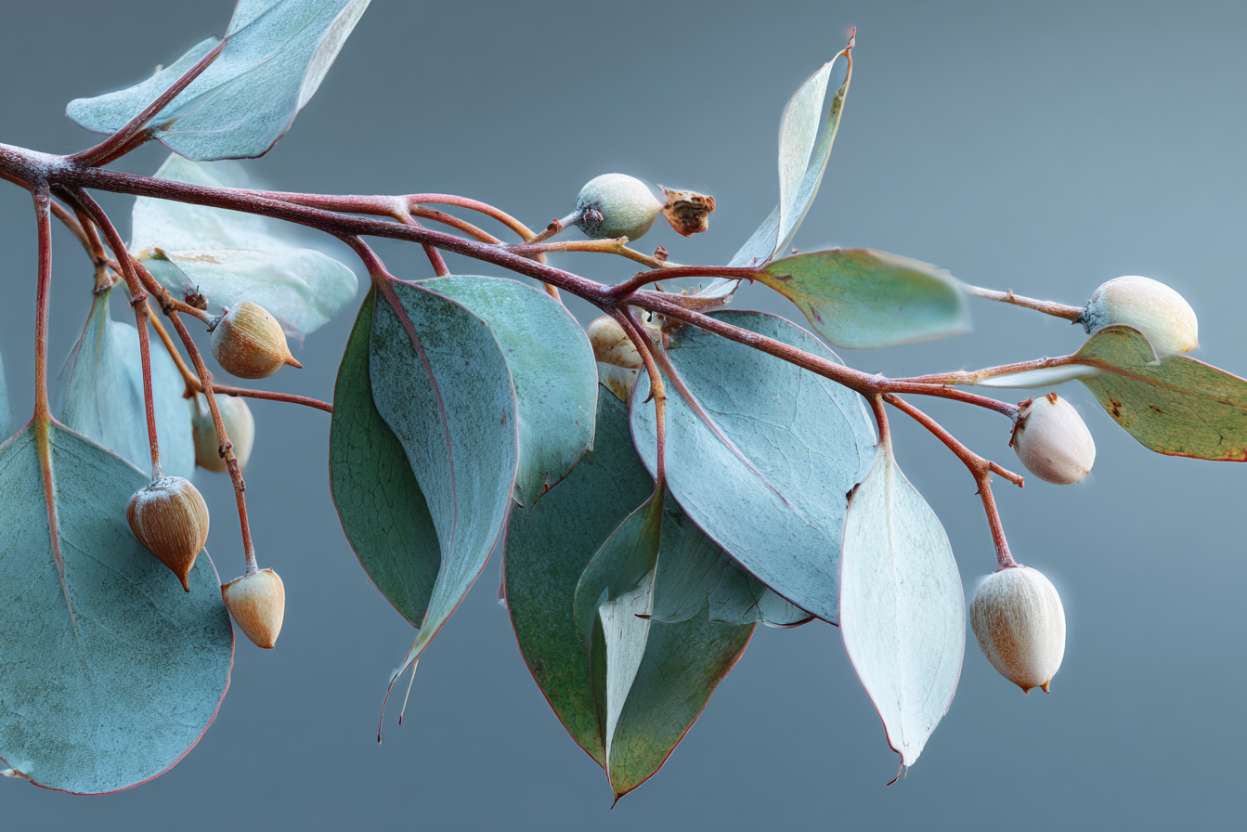
Eucalyptus (Eucalyptus globulus)
If you have ever struggled to breathe freely — whether from seasonal congestion, chronic respiratory concerns, or the lingering aftermath of a cold — you understand how precious each clear breath truly is. For thousands of years, people on nearly every continent have turned to one remarkable tree for respiratory support, and modern science continues to confirm what ancient healers already knew.
Eucalyptus is one of the Creator’s most powerful gifts for the respiratory system — a towering tree whose leaves release volatile compounds so potent they can open airways within seconds of inhalation. Every part of this extraordinary plant reflects intentional design, from the oil glands embedded in its leaves to the camphoraceous aroma that rises when you simply brush against a branch.
This information is for educational purposes only and is not intended to diagnose, treat, cure, or prevent any disease. Always consult with a qualified healthcare provider before making changes to your health regimen.
The Plant
Common Names: Eucalyptus, Blue Gum, Tasmanian Blue Gum, Southern Blue Gum, Fever Tree
Botanical Name: Eucalyptus globulus Labill.
Family: Myrtaceae (the myrtle family — known for aromatic leaves and oil-producing glands, which also includes tea tree, clove, and allspice)
Description
Eucalyptus globulus is a magnificent evergreen tree and one of the fastest-growing trees on Earth. In its native habitat, it regularly reaches 45 to 55 meters (150 to 180 feet) in height, with exceptional specimens exceeding 90 meters. Young trees can grow 2 to 2.5 meters per year under favorable conditions. A three-year-old tree has been recorded at 14 meters high.
One of the most fascinating features of this tree is its dimorphic foliage — the leaves change dramatically as the tree matures. Juvenile leaves are broad, rounded, and blue-grey with a waxy coating (giving the tree its “blue gum” name). They clasp the square stems in opposite pairs. Mature leaves are strikingly different: long, narrow, sickle-shaped, dark green, and leathery, hanging vertically from round stems. Both leaf types are packed with oil glands visible as tiny translucent dots when held to the light.
The bark is equally distinctive. On young trees, it is smooth and blue-grey. As the tree matures, the bark sheds in long ribbons and strips, revealing smooth, cream-to-pale-grey new bark beneath. The white, fluffy flowers appear from July to August in its native range, and the fruit is a woody, top-shaped capsule about 1.5 to 2.5 centimeters across, containing tiny seeds. The entire tree is intensely aromatic — crushing a leaf between your fingers releases the unmistakable camphoraceous, clean scent of eucalyptol.
Origin
Eucalyptus globulus is native to southeastern Australia — specifically Tasmania, the islands of Bass Strait, and small pockets of coastal Victoria and New South Wales. It grows naturally along coastal and mountain regions, from sea level up to about 1,100 meters elevation. The tree was first formally described by the French botanist Jacques Labillardière in 1800, who encountered it during a voyage to Tasmania.
The tree was introduced to Europe (France) in 1792, to California in 1856, and to Hawaii around 1865. It spread rapidly across the globe because of its extraordinary growth rate and the commercial value of its essential oil and timber. Today, Eucalyptus globulus is the most extensively planted eucalyptus species in the world, found throughout southern Europe (particularly Portugal and Spain), South America (Brazil, Chile, Argentina), Africa (Ethiopia, South Africa), India, China, and the western United States. It has become naturalized in California and Hawaii.
Brief History
Indigenous Australians were the first to recognize the healing properties of eucalyptus. Aboriginal peoples used eucalyptus leaves as wound dressings, brewed leaf infusions for fever, and burned the leaves to fumigate and purify living spaces. The leaves were bound around wounds to prevent infection — a practice that science would later validate through the discovery of the plant’s powerful antimicrobial compounds.
When European colonists arrived in Australia, they quickly adopted these uses. By the mid-1800s, eucalyptus oil was being commercially distilled and exported globally. The tree earned the name “Fever Tree” because it was widely planted in swampy, malaria-prone regions — its enormous water uptake drained wetlands and reduced mosquito breeding grounds. European pharmacopeias formally included eucalyptus oil by the late 19th century, and it became a standard ingredient in cough remedies, chest rubs, and antiseptic preparations. Its use has continued uninterrupted into the modern era.
Growing & Cultivation
Climate & Zones
Eucalyptus globulus thrives in USDA Hardiness Zones 9a through 11b. Some hardier eucalyptus species (such as E. gunnii) can tolerate Zone 7, but E. globulus requires milder winters and is damaged by temperatures below approximately -5°C (23°F). In cooler zones (8 and below), eucalyptus can be grown successfully in containers and brought indoors during winter or treated as an annual shrub due to its rapid growth rate. It prefers warm temperatures between 18°C and 24°C (65°F to 75°F) and needs at least six to eight hours of direct sunlight daily.
Soil Requirements
Eucalyptus is adaptable to a wide range of soils — sandy, loamy, and even clay — but performs best in moderately fertile, well-drained loam. It tolerates nutritionally poor soils surprisingly well and does not require rich compost. The preferred pH range is mildly acidic to neutral (5.5 to 7.0), though it will tolerate mildly alkaline conditions. Good drainage is essential; eucalyptus does not tolerate waterlogged or poorly drained soils. For container growing, a standard potting mix with added perlite for drainage works well.
Water & Sunlight
Established eucalyptus trees are moderately drought-tolerant, though young trees need consistent moisture while establishing their root systems. Water deeply but infrequently, allowing soil to dry between waterings. Overwatering is a more common problem than underwatering — yellow, drooping leaves often signal too much moisture rather than too little. Eucalyptus requires full sun and does not tolerate shade. Indoor plants should be placed directly beside the brightest south-facing window available.
Propagation
Seed: Eucalyptus is most commonly propagated from seed. Sow seeds on the surface of moist seed-starting mix — they need light to germinate. Do not cover with soil. Keep consistently moist and warm (20-25°C / 68-77°F). Germination occurs in 14 to 21 days. Seeds are tiny; handle carefully.
Cutting: Semi-hardwood cuttings can be taken in late summer. Take 10-15 cm cuttings from current season’s growth, dip in rooting hormone, and place in a well-draining medium. Success rate is moderate and varies by species. Maintain high humidity around cuttings.
Container Growing: Because E. globulus grows so fast (potentially several feet per year), container growing requires regular repotting and pruning. Coppicing — cutting the plant back hard to the base — encourages bushy regrowth with abundant juvenile foliage, which is the most aromatic and ornamentally desirable. This is the recommended approach for home gardeners in cooler zones.
Planting
The best time to plant is spring, after the last frost. Space outdoor trees at least 6 to 10 meters apart — they grow large and have aggressive root systems. Be aware that eucalyptus releases allelopathic compounds that inhibit the growth of nearby plants, so give them space. For containers, start with a pot at least 30 cm (12 inches) in diameter and plan to repot or coppice regularly.
Harvesting
Leaves can be harvested at any time, though the essential oil content is highest during warmer months and after the tree has been growing vigorously. Cut branches with sharp, clean shears. Juvenile (round, blue-grey) leaves and mature (sickle-shaped, dark green) leaves both contain essential oils, though the concentration varies. Harvest in the morning after dew has dried for the best oil content.
Drying & Storage
To air dry, bundle small bunches of stems and hang upside down in a warm, dry, well-ventilated area out of direct sunlight. Drying typically takes one to two weeks. The dried leaves retain their scent well — often for a year or more when stored properly. Store dried leaves in airtight glass containers in a cool, dark place. A dehydrator set to 35-40°C (95-105°F) speeds the process while preserving volatile oils.
Pest & Disease Management
Eucalyptus is remarkably pest-resistant due to its volatile oils — most insects avoid it. The most common issues are eucalyptus longhorn borers, psyllids (lerp insects), and eucalyptus snout beetles in regions where these pests have been introduced. Fungal issues can occur in overly wet conditions. Maintain good air circulation and avoid overwatering. The tree’s natural pest resistance is one of its most valuable traits — it rarely requires intervention.
Companion Planting
Because eucalyptus releases allelopathic chemicals from its leaves and roots that suppress the growth of neighboring plants, it is generally best planted as a standalone specimen or with other robust species. It is deer-resistant and can serve as a windbreak. Its aromatic compounds naturally deter many insect pests from the surrounding area.
The Healing of Growing
Growing eucalyptus offers benefits beyond the harvest itself. The act of gardening — hands in soil, bare feet on earth, time spent outdoors — has been shown to reduce cortisol, improve mood, and support immune function. The soil contains beneficial bacteria (Mycobacterium vaccae) with documented antidepressant effects. When you grow your own eucalyptus, you receive healing before you ever use a single leaf — through touch, scent, grounding, and the quiet rhythm of caring for a living thing.
Nutritional Profile
Note: Eucalyptus leaves are not commonly consumed as food. While the essential oil is used as a flavoring agent in very small quantities (it is classified as Generally Recognized as Safe by the FDA at minute concentrations in foods like cough drops, teas, and candies), the whole leaf is not eaten as a vegetable or herb in the culinary sense. This section addresses the bioactive compounds rather than standard dietary nutrition.
Key Bioactive Compounds
1,8-Cineole (Eucalyptol): The dominant compound in eucalyptus leaves and essential oil, typically comprising 60-85% of the volatile oil content. This monoterpene oxide is responsible for the plant’s characteristic camphoraceous aroma and the majority of its documented biological activities. Research suggests it has anti-inflammatory, antimicrobial, mucolytic, and bronchodilatory properties.
α-Pinene: A monoterpene hydrocarbon present at 7-24% of the oil. Studies indicate it has anti-inflammatory, bronchodilatory, and antimicrobial effects. It also serves as a natural insect repellent.
Limonene: Present at approximately 5-7%. Widely studied for its antioxidant and anti-inflammatory properties. Also found in citrus fruits.
p-Cymene and γ-Terpinene: Monoterpene hydrocarbons with documented antimicrobial and antioxidant effects, each present at approximately 3-9%.
Polyphenols: Eucalyptus leaves contain significant amounts of phenolic compounds including chlorogenic acid (the most abundant), gallic acid, catechin, quercetin-3-D-glycoside, astragalin, and rosmarinic acid. These compounds contribute potent antioxidant activity.
Flavonoids: Including quercetin derivatives and rutin, which research associates with antioxidant, anti-inflammatory, and neuroprotective effects.
Tannins: Eucalyptus leaves contain tannins with astringent properties, historically used in wound care and digestive support.
Connection to Body Compounds
The bioactive compounds in eucalyptus interact with several important body compounds. Research suggests that 1,8-cineole may help modulate inflammatory cytokines (particularly TNF-α, IL-1β, and IL-6), support the activity of natural killer cells, and influence NF-κB pathways. The polyphenolic content may support antioxidant enzyme activity including superoxide dismutase (SOD) and glutathione peroxidase (GPX).
Culinary Uses
Eucalyptus is not a traditional culinary herb in the way that basil or thyme are. However, it has a limited but meaningful presence in food and beverage applications.
Edible Applications
The primary culinary use of eucalyptus is as a flavoring agent in very small quantities. Eucalyptol is classified as GRAS (Generally Recognized as Safe) by the FDA for use in foods at approved concentrations. You will find eucalyptus flavor in cough drops, lozenges, herbal teas, some candies, and occasionally in honey (eucalyptus honey is prized in Australia and Mediterranean regions).
Flavor Profile
Eucalyptus has a sharp, camphoraceous, cooling flavor with minty and slightly medicinal undertones. The taste is intensely aromatic and penetrating. Fresh leaves are more complex, with subtle sweetness beneath the camphor. Dried leaves are milder but retain the characteristic cooling sensation.
Tea Preparation
Eucalyptus leaf tea is the most common culinary application. Use 1-2 fresh leaves or 1 teaspoon of dried, crumbled leaves per cup. Pour boiling water over the leaves and steep for 5-10 minutes. The resulting tea is pale gold with a strong, clearing aroma. It pairs well with honey and lemon. Eucalyptus tea is widely consumed in many cultures for respiratory comfort during cold seasons.
Other Uses
Eucalyptus honey — produced by bees foraging on eucalyptus blossoms — is dark amber with a bold, slightly medicinal flavor and is valued both as a culinary ingredient and for its traditionally attributed throat-soothing properties. In Australian and some Mediterranean cuisines, eucalyptus has been used sparingly in syrups, infused vinegars, and as a smoke flavoring for meats.
Important: Eucalyptus essential oil should NEVER be ingested directly — it is toxic in its concentrated form. All culinary uses involve either whole leaves in tea, food-grade flavoring at controlled concentrations, or honey from eucalyptus-foraging bees.
Wellness & Therapeutic Uses
Traditional Uses
Eucalyptus has one of the most well-documented histories of traditional use among medicinal plants. Indigenous Australians used eucalyptus leaves for thousands of years — binding crushed leaves to wounds to prevent infection, inhaling vapors from burning leaves for respiratory congestion, and brewing leaf infusions for fever. The Bundjalung people of eastern Australia specifically used eucalyptus for general pain relief and wound management.
When eucalyptus was introduced to the rest of the world in the 19th century, its adoption into European pharmacopeias was remarkably swift. German, French, and British herbalists incorporated eucalyptus for respiratory ailments, fever management, and as an antiseptic. French aromatherapists were among the first Europeans to study and systematize the therapeutic use of eucalyptus essential oil.
In Ayurvedic tradition, eucalyptus (introduced to India during the British colonial era) became integrated into respiratory care practices, used in steam inhalation for congestion and as a cooling agent for fever. In Traditional Chinese Medicine, eucalyptus oil is categorized as a warming, pungent substance used to clear wind-cold and open the lung meridian. Across South American folk medicine, particularly in Brazil, eucalyptus has been used extensively for cold, flu, fever, and bronchial infections — a tradition supported by modern pharmacological research.
Modern Research
Respiratory Support: This is the most extensively researched application of eucalyptus. A 2009 placebo-controlled, double-blind clinical trial with 242 COPD patients found that concomitant therapy with 600 mg daily of cineole (the main constituent of eucalyptus oil) significantly reduced the frequency, duration, and severity of exacerbations compared to placebo over six months (Worth et al., 2009). A separate 2013 double-blind trial of 242 patients with acute bronchitis demonstrated that cineole (600 mg/day) significantly improved bronchitis symptoms and reduced cough frequency compared to placebo within four days (Fischer & Dethlefsen, 2013).
Anti-inflammatory Effects: 1,8-cineole has been shown to inhibit NF-κB signaling pathways and reduce pro-inflammatory cytokines (TNF-α, IL-1β, IL-6) in both in vitro and animal studies. A comprehensive review found that 1,8-cineole acts as an anti-inflammatory modifier rather than a simple mucolytic agent, supporting its use as long-term therapy in the prevention of COPD exacerbations and to improve asthma control (Juergens, 2014).
Antimicrobial Activity: A 2023 systematic review of 20 studies (spanning 2002-2022) concluded that E. globulus essential oil demonstrates significant antibacterial properties against methicillin-resistant Staphylococcus aureus (MRSA), which can be enhanced when combined with other agents such as antibiotics (Elangovan & Mudgil, 2023). GC-MS analysis confirmed that the antibacterial activity is primarily attributed to the high 1,8-cineole content.
Immune System Support: A 2022 Italian study demonstrated that E. globulus essential oil stimulates complement receptor-mediated phagocytosis in human macrophages and promotes podosome formation — essentially enhancing the immune system’s ability to identify and destroy pathogens. The study confirmed that eucalyptol is a potent activator of innate cell-mediated immunity (Ferrara et al., 2022).
Analgesic (Pain-Relief) Properties: A study evaluating essential oil extracts from three Eucalyptus species (including E. globulus) found analgesic effects in both peripheral and central pain models, suggesting multiple mechanisms of pain modulation. The oils also demonstrated anti-inflammatory effects through inhibition of neutrophil migration and reduced vascular permeability (Silva et al., 2003).
Neuroprotective & Antioxidant Properties: Research from Spain and Lithuania found that E. globulus leaf extracts were effective in ameliorating hydrogen peroxide-induced oxidative stress in neuronal cells by increasing cell viability, glutathione levels, and antioxidant enzyme activity while decreasing reactive oxygen species production (González-Burgos et al., 2018).
Kidney Protective Effects: A Tunisian study on Wistar rats found that E. globulus extract provided significant protection against acetaminophen-induced kidney damage, reducing lipid peroxidation and restoring antioxidant enzyme activity (Ghouri et al., 2014).
Body Systems Supported
Respiratory System: This is the primary system eucalyptus supports. Research indicates support for mucolytic action (breaking up mucus), bronchodilation (opening airways), anti-inflammatory effects in lung tissue, and enhanced immune activity in the respiratory tract.
Immune System: Studies suggest eucalyptus may enhance macrophage phagocytic activity, increase natural killer cell count (through phytoncide exposure), and provide broad-spectrum antimicrobial support.
Nervous System: Research indicates analgesic effects and neuroprotective properties from antioxidant compounds in the leaves.
Musculoskeletal System: Traditional and modern use for muscle and joint discomfort, with research supporting anti-inflammatory and analgesic effects when applied topically in diluted form.
Integumentary System (Skin): Antimicrobial and wound-healing support, anti-inflammatory effects for skin conditions.
Cardiovascular System: Preliminary research suggests vasodilatory properties.
Body Compounds Affected
Research indicates eucalyptus and its primary compound 1,8-cineole may influence the following body compounds:
Inflammatory Cytokines: Studies demonstrate significant reduction of TNF-α, IL-1β, IL-6, and NF-κB pathway activity — indicating powerful anti-inflammatory modulation.
Prostaglandins: Research suggests inhibition of pro-inflammatory prostaglandin synthesis.
Nitric Oxide: In vitro studies show reduction of excessive nitric oxide production in inflammatory conditions.
Antioxidant Enzymes: Studies demonstrate upregulation of superoxide dismutase (SOD), catalase (CAT), and glutathione peroxidase (GPX).
Cortisol: The calming, grounding scent of eucalyptus, when used in aromatherapy, may help modulate stress-related cortisol elevation.
Methods of Use
Tea/Infusion
Use 1-2 fresh leaves or 1 teaspoon dried, crumbled leaves per cup of boiling water. Steep 5-10 minutes covered. Drink 1-3 cups daily. Best for general respiratory support and immune support during cold season.
Steam Inhalation
Add 3-5 fresh or dried leaves to a bowl of just-boiled water. Drape a towel over your head and the bowl. Breathe deeply for 5-10 minutes. This is one of the most effective and immediate methods for respiratory congestion. Alternatively, add 2-3 drops of eucalyptus essential oil to the water.
Chest Rub (Topical)
Dilute eucalyptus essential oil in a carrier oil (2-3% dilution for adults — approximately 12-18 drops per ounce of carrier oil) and apply to the chest and upper back. This combines the benefits of topical absorption and aromatic inhalation.
Tincture
Eucalyptus leaf tincture is less common than essential oil applications but is available commercially. Follow manufacturer’s recommendations for dosage, typically 1-2 mL in water, up to three times daily.
Cosmetic & Beauty Uses
Skin Benefits
Eucalyptus has demonstrated notable benefits for skin health, particularly for oily and acne-prone skin types. The essential oil’s antimicrobial action has been shown to be effective against Propionibacterium acnes, the primary bacterium involved in acne development. Research from Portugal found that extracts from E. globulus leaves exhibited anti-aging effects in vitro, decreasing senescence markers (β-galactosidase), reducing matrix metalloproteinase activation, and upregulating collagen type 1 production (Pinto et al., 2022).
The same study found that eucalyptus extracts demonstrated depigmenting effects by inhibiting tyrosinase activity and melanin production, along with potent anti-inflammatory properties — and importantly, showed no signs of skin irritation or sensitization at tested concentrations. The wound-healing properties of eucalyptol have been confirmed in animal models, where topical application of a 5% eucalyptol ointment significantly improved burn wound healing, increased antioxidant enzyme activity, and reduced inflammatory markers (Mohammed et al., 2022).
Hair Benefits
Eucalyptus may support scalp health through its antimicrobial and anti-inflammatory properties. Traditional use includes eucalyptus-infused rinses for dandruff, itchy scalp, and as a general scalp cleanser. The stimulating, cooling sensation of eucalyptol on the scalp may promote blood circulation. Adding a few drops of diluted eucalyptus essential oil to shampoo or using a cooled eucalyptus leaf rinse after washing may help maintain a clean, balanced scalp environment.
Application Methods
Infused Oil: Lightly crush fresh or dried eucalyptus leaves and place in a clean jar. Cover with a carrier oil (jojoba, sweet almond, or olive). Allow to infuse for 2-4 weeks in a warm location, shaking daily. Strain and use as a body oil or base for further formulations.
Facial Steam: Add a few eucalyptus leaves to a bowl of hot water. Steam face for 5-8 minutes. Helps open pores, support clearance of congestion, and deliver antimicrobial compounds directly to facial skin. Best suited for oily and combination skin types.
Bath Addition: Hang a bundle of fresh eucalyptus branches from your showerhead or add a strong eucalyptus leaf infusion to bath water. The steam releases volatile compounds that benefit both skin and respiratory system simultaneously.
Always dilute essential oil before applying to skin. A 1-2% dilution is appropriate for facial use; 2-3% for body applications. Perform a patch test before first use.
DIY Formulation Notes
When incorporating eucalyptus into homemade products, use the essential oil at 0.5-2% of the total formulation. It pairs well with carrier oils like jojoba, sweet almond, and grapeseed. Complementary essential oils include tea tree, lavender, and peppermint. Avoid combining with other strong camphoraceous oils that could cause irritation through cumulative effect. Homemade eucalyptus-infused oil has a shelf life of approximately 6-12 months when stored in a cool, dark location.
Eucalyptus is among the botanicals being explored for holistic cosmetic applications, where the wisdom of traditional beauty practices meets modern understanding of skin science.
Essential Oil Profile
Extraction
Eucalyptus globulus essential oil is obtained primarily through steam distillation of the fresh or partially dried leaves and small terminal branches. The yield is approximately 1-2.5% — meaning it takes roughly 50 to 100 pounds of leaf material to produce one pound of essential oil. This relatively generous yield (compared to rose or jasmine) makes eucalyptus one of the more affordable therapeutic essential oils on the market. CO2 extraction is also used but is less common commercially.
Chemical Constituents
GC-MS analysis reveals the following primary components:
1,8-Cineole (Eucalyptol): 48-85% — A monoterpene oxide. This is the dominant compound and the primary driver of eucalyptus oil’s therapeutic effects. It is anti-inflammatory, mucolytic, bronchodilatory, antimicrobial, and analgesic.
α-Pinene: 2-24% — A monoterpene hydrocarbon. Anti-inflammatory, bronchodilatory, antimicrobial. Also found in pine and rosemary.
Limonene: 2-7% — A monoterpene hydrocarbon. Antioxidant, anti-inflammatory, mood-elevating. Also the primary component of citrus oils.
p-Cymene: 1-8% — A monoterpene. Antimicrobial and antioxidant properties.
γ-Terpinene: 1-9% — A monoterpene. Antioxidant properties.
α-Terpineol: 1-7% — A monoterpene alcohol. Calming, antimicrobial.
Globulol: 1-11% — A sesquiterpene alcohol. Antimicrobial and anti-inflammatory.
β-Pinene: 1-3% — A monoterpene. Similar properties to α-pinene.
The composition is approximately 99% monoterpenes, making eucalyptus a strongly monoterpene-dominant oil. The exact percentages vary based on growing region, elevation, harvest timing, and distillation method.
Aroma Profile
Eucalyptus essential oil is classified as a top note — it is the first thing you smell and it evaporates quickly. The scent is sharp, penetrating, camphoraceous, and clean, with a cool, slightly medicinal quality. It opens with a bright, clearing burst and settles into a softer, slightly woody-herbaceous undertone. It blends well with other top notes like peppermint and lemon, middle notes like lavender and tea tree, and base notes like cedarwood and frankincense.
Therapeutic Properties
Using compliant language, eucalyptus essential oil is traditionally associated with the following properties:
Antimicrobial (antibacterial, antifungal, antiviral), anti-inflammatory, analgesic, mucolytic (mucus-dissolving), expectorant, bronchodilatory, decongestant, immunostimulant, antioxidant, insect repellent, febrifuge (fever-reducing), and antiseptic.
How to Use
Diffusion
Add 3-5 drops to a diffuser. Run for 30-60 minutes at a time. Excellent for clearing airborne pathogens and supporting respiratory comfort. Ensure the room is well-ventilated. Do NOT diffuse around cats, dogs, or birds — eucalyptus oil is toxic to these animals.
Topical Application
Standard adult dilution: 2-3% (12-18 drops per ounce of carrier oil). Sensitive skin: 1% (6 drops per ounce). Children over 10: 0.5-1% (3-6 drops per ounce). NOT recommended for children under 10 — 1,8-cineole can cause respiratory distress in young children when applied near the face. Elderly: Start with 1% dilution. Recommended carrier oils include sweet almond, jojoba, coconut, and grapeseed.
Internal Use
NOT RECOMMENDED. Eucalyptus essential oil is toxic when ingested in its concentrated form. As little as 3.5 mL of pure oil has caused fatalities. Internal use of eucalyptus oil should only be undertaken under the guidance of a qualified practitioner with specifically formulated products (such as enteric-coated capsules used in clinical trials). Never self-administer eucalyptus essential oil internally.
Quality & Sourcing
Look for eucalyptus essential oil that is 100% pure, therapeutic grade, from Eucalyptus globulus (or specify the species). Request a GC/MS (Gas Chromatography-Mass Spectrometry) report from the supplier — this confirms the chemical composition and reveals any adulterants. The 1,8-cineole content should be above 60% for quality E. globulus oil. Avoid oils that smell synthetic or overly harsh. Common adulterants include synthetic cineole or blending with cheaper eucalyptus species. Purchase from reputable suppliers who provide batch-specific testing.
Blending
Eucalyptus blends beautifully with peppermint (enhanced respiratory clearing), lavender (balanced calming and clearing), tea tree (amplified antimicrobial effect), lemon (bright, uplifting respiratory support), rosemary (mental clarity and respiratory support), cedarwood (grounding depth), frankincense (spiritual depth and respiratory support), and thyme (powerful antimicrobial combination).
Aromatherapy & Scent
The Aroma
Fresh Plant Aroma: The living eucalyptus tree exudes a clean, camphoraceous, medicinal scent that intensifies dramatically when leaves are crushed, rubbed, or warmed by sunlight. On hot days, eucalyptus groves become permeated with their volatile oils — the air itself becomes aromatic. After rain, the scent becomes deeper and earthier as moisture releases oil from the leaf surfaces. Simply brushing past the foliage or touching the leaves transfers the scent to your hands.
Dried Plant Aroma: Dried eucalyptus leaves retain their scent remarkably well — often for a year or more. The dried aroma is slightly milder and more woody-herbaceous compared to fresh, with less of the sharp, green top note. Dried eucalyptus branches are popular as aromatic home decor for this reason. The scent releases gradually from dried material and can be refreshed by crushing the leaves slightly.
How Scent Affects Your Body
When you inhale the aroma of eucalyptus, volatile molecules are drawn into the nasal cavity where they contact olfactory receptor neurons. These neurons send signals directly to the limbic system — the emotional center of the brain — and the hypothalamus, which controls hormone release. This pathway bypasses the cerebral cortex (conscious thought), which is why scent produces emotional and physiological responses before you consciously process what you are smelling. The response occurs within seconds of inhalation.
Emotional & Mood Effects
Eucalyptus aroma is predominantly clarifying and energizing. It is associated with mental clarity, improved focus, a sense of “clearing the air” both literally and emotionally, refreshment and renewed energy, and feelings of openness and free breathing. Many people describe inhaling eucalyptus as feeling like a mental “reset” — it cuts through mental fog and fatigue. It is not typically a sedating scent; rather, it is activating and clarifying while remaining calming enough to reduce feelings of overwhelm.
Body Compounds Affected by the Scent
Research and traditional use suggest that eucalyptus aroma may influence several body compounds. The clearing, invigorating scent is associated with reduced cortisol levels (stress modulation), and the camphoraceous aroma may stimulate norepinephrine release, promoting alertness and focus. The cooling quality is associated with pain-modulating compound release. General aromatherapy research indicates that pleasant, natural scents promote serotonin activity and reduce sympathetic nervous system activation.
Ways to Experience the Scent
Beyond essential oil diffusion, there are many ways to bring eucalyptus aroma into your life. Hang fresh branches in your shower — the steam releases a powerful aromatic experience. Place dried leaves in sachets for closets and drawers. Grow a potted eucalyptus plant near a sunny window and brush the leaves as you walk past. Simmer a few leaves in a pot of water on the stove for a whole-house aroma. Place dried leaves under your pillow for nighttime respiratory comfort. Add fresh or dried leaves to a hot bath. Make a simple eucalyptus wreath for your door.
Color Therapy
The Colors of Eucalyptus
Eucalyptus presents a distinctive palette of colors across its various parts and life stages. The juvenile leaves are a striking blue-grey to silver-blue, covered in a powdery waxy coating called bloom. Mature leaves shift to deep dark green with a glossy, leathery appearance. The bark transitions from smooth blue-grey to cream and pale tan as it sheds. Flowers are cream to white, with prominent fluffy stamens. The fruit capsules are woody brown. The overall impression of a eucalyptus tree in the landscape is one of muted blue-green to silver — a color palette unique among trees.
Color Wavelengths
The dominant colors of eucalyptus fall primarily in two ranges. The green of mature leaves occupies approximately 495-570 nm in the visible spectrum. The blue-grey of juvenile foliage incorporates shorter wavelengths in the blue-green range of approximately 470-520 nm. White flowers represent the full visible spectrum.
How Eucalyptus Colors Affect the Body
Green (495-570 nm): Green is the most balancing color in the spectrum — it sits at the center of the visible light range. It is associated with calmness, balance, heart-centered energy, and connection to nature. Looking at green foliage has been shown to reduce heart rate, lower blood pressure, and activate the parasympathetic nervous system. The deep green of mature eucalyptus leaves provides these classic “nature exposure” benefits.
Blue-Grey/Silver (470-520 nm range): The blue-grey tones of juvenile eucalyptus foliage carry the calming, cooling, and communication-supporting properties associated with the blue spectrum. Blue wavelengths are associated with reduced anxiety, throat and thyroid support, and a sense of spaciousness and calm. The silver quality adds a purifying, clarifying dimension.
White (full spectrum): The white flowers offer full-spectrum light reflection — associated with purification, clarity, and completeness.
Using Eucalyptus for Color Therapy
Place a potted eucalyptus with juvenile (blue-silver) foliage in spaces where calm clarity is needed — offices, meditation areas, or bedrooms. Use dried eucalyptus branches (which retain their silver-blue color beautifully) in arrangements throughout the home. The muted blue-green palette of eucalyptus makes it an excellent choice for biophilic design — bringing nature’s calming palette indoors without the intensity of bright floral colors.
Frequency & Vibration
The Frequency of Eucalyptus
According to bio-frequency research conducted by Bruce Tainio using a calibrated frequency monitor, eucalyptus essential oil has been measured at approximately 52 MHz. While this places eucalyptus in the moderate range compared to the highest-frequency oils (rose at 320 MHz, frankincense at 147 MHz), it is important to note that eucalyptus oil is valued less for absolute frequency and more for its specific vibrational resonance with the respiratory system and its powerful antimicrobial action.
For context, according to Tainio’s research, the healthy human body operates at 62-78 MHz. Cold and flu symptoms begin when the body drops to approximately 58 MHz, and disease states are associated with frequencies below 58 MHz.
Human Frequency Interaction
Proponents of vibrational medicine suggest that being around plants and using essential oils can influence human body frequency through the principle of entrainment — where a stronger or more coherent frequency can influence a weaker or disrupted one. Eucalyptus, as a living plant releasing continuous volatile organic compounds, creates an energetic field in its immediate environment. This concept aligns with forest bathing research showing measurable physiological changes from time spent among trees, though the mechanism of frequency interaction specifically is an area where research is still emerging.
Essential Oil Frequency
The measured frequency of eucalyptus essential oil (approximately 52 MHz according to Tainio’s research) is thought to resonate particularly with the respiratory system and mucous membranes. Frequency measurements suggest this correlates with the oil’s documented physical effects on these systems. When diffused, the vibrational quality of the oil permeates the surrounding space.
Vibrational Applications
To use eucalyptus for frequency support, consider diffusing the essential oil in your living or working space, keeping a living eucalyptus plant nearby, using eucalyptus-infused products during meditation or prayer time, and combining eucalyptus with higher-frequency practices such as prayer, praise, gratitude, and time in nature. The clean, clarifying nature of eucalyptus vibration is considered supportive of mental clarity and spiritual openness.
Note: Frequency measurements of essential oils are an area where research is emerging. The values cited are from Tainio’s work, which remains influential but has not been widely replicated through peer-reviewed methodology. Use this information as one perspective within a broader understanding of plant benefits.
The Living Plant
Benefits of Presence
Simply being near a living eucalyptus plant provides therapeutic value that goes beyond any extraction or preparation. Research on biophilic design — the integration of natural elements into human environments — consistently demonstrates that the presence of living plants reduces stress hormones, improves mood, enhances focus, and accelerates healing. Eucalyptus, with its constant release of aromatic volatile compounds, provides these benefits with particular potency.
Air Purification
While eucalyptus was not among the plants tested in NASA’s original Clean Air Study, it contributes to air quality in important ways. All plants absorb carbon dioxide and release oxygen through photosynthesis. Eucalyptus is a vigorous grower with significant leaf surface area, making it a relatively strong oxygen producer. More notably, the volatile organic compounds released by eucalyptus — particularly 1,8-cineole — have documented antimicrobial properties in the air. Research has shown that eucalyptus volatiles can reduce airborne bacterial counts in enclosed spaces.
Phytoncides
Eucalyptus is an exceptionally strong phytoncide producer. Phytoncides are antimicrobial volatile organic compounds released by plants — they are part of a tree’s natural defense system. Forest bathing (shinrin-yoku) research from Japan has demonstrated that inhaling phytoncides significantly increases Natural Killer (NK) cell activity in humans — an important component of the immune system’s ability to identify and destroy abnormal cells. NK cell activity has been shown to remain elevated for up to 30 days after a three-day forest bathing experience. While most forest bathing research has focused on coniferous forests, the volatile compounds released by eucalyptus are among the most potent phytoncides produced by any tree species, suggesting comparable or stronger immune-supportive effects.
Visual & Psychological Benefits
Research consistently demonstrates that simply viewing plants reduces stress, improves attention, and accelerates healing. A landmark study by Roger Ulrich (1984) found that hospital patients with views of trees recovered faster than those with views of walls. More recent research on indoor plants in workplace settings has shown improvements in productivity (up to 15%), reduced absenteeism, lower blood pressure, reduced anxiety, and improved overall well-being. The unique silvery-blue foliage of eucalyptus adds an especially calming aesthetic quality — its muted, cool tones are inherently soothing to view.
Growing Indoors vs Outdoors
Eucalyptus globulus can be grown indoors in a bright, south-facing window, though it will require regular pruning (or coppicing) to manage its vigorous growth. As a container plant, it performs best when coppiced annually — cut back hard in early spring, it will produce abundant aromatic juvenile foliage throughout the growing season. Indoor plants will not reach the towering heights of outdoor specimens, but they provide constant aromatic benefit and visual beauty. The aromatic compounds released by even a small indoor eucalyptus plant permeate the surrounding space, offering continuous low-level respiratory and immune support.
Outdoors, eucalyptus thrives in Zones 9-11 and creates a dramatic landscape presence. The tree’s height, peeling bark, and aromatic canopy make it a powerful element in any garden. Standing beneath a eucalyptus tree on a warm day, surrounded by its scent, is a form of natural aromatherapy that requires no preparation at all.
Touch & Physical Interaction
Gardening Therapy
Working with eucalyptus — pruning, harvesting, processing — engages multiple senses simultaneously. Horticultural therapy (gardening as a therapeutic practice) is an established field with documented benefits for mental health, physical rehabilitation, and overall well-being. The act of caring for a eucalyptus plant provides purpose, rhythm, sensory engagement, and a tangible connection to the natural world.
Soil Contact Benefits
When you garden, you come into direct contact with soil — and this provides benefits most people never consider. Mycobacterium vaccae, a beneficial bacterium found in soil, has been shown in peer-reviewed research to stimulate serotonin production and reduce anxiety when humans are exposed to it. Additionally, direct contact between bare skin and the earth (grounding or earthing) allows the transfer of free electrons from the earth’s surface, which research suggests may reduce inflammation, improve sleep, and normalize cortisol rhythms. Every time you dig in the dirt around your eucalyptus plant, you are receiving these benefits.
The Tactile Experience
Touching eucalyptus is a rich sensory experience. Juvenile leaves are soft, waxy, and cool to the touch — the powdery bloom transfers to your fingers, leaving a silvery residue and releasing aromatic compounds. Mature leaves are thick, leathery, and smooth with a satisfying firmness. Crushing a leaf between your fingers releases a burst of camphoraceous scent that is immediately invigorating. The bark, on older trees, peels away in long, satisfying strips, revealing smooth, cream-colored new bark beneath. The entire experience of handling eucalyptus is one of aromatic awakening — your hands carry the scent for hours afterward.
Harvesting & Processing
Harvesting eucalyptus branches is deeply satisfying — the clean snap of shears through aromatic wood, the immediate release of scent, the visual beauty of silver-blue branches accumulating in your harvest basket. Bundling eucalyptus for drying is meditative work — the repetitive motion of gathering stems, tying bundles, and hanging them becomes a rhythmic, grounding practice. Stripping dried leaves from stems for storage engages the hands in gentle, purposeful motion while filling the air with fragrance. These activities connect you to centuries of herbalists who performed the same simple, meaningful tasks.
Water-Based Applications
Teas & Infusions
Standard Infusion: Place 1-2 fresh eucalyptus leaves (or 1 teaspoon dried, crumbled leaves) in a cup. Pour just-boiled water over the leaves. Cover and steep for 5-10 minutes. Strain and drink. For a stronger infusion, use more leaves and steep up to 15 minutes. Drink 1-3 cups daily during respiratory challenges. Water temperature: full boil (100°C / 212°F) — the volatile oils require high heat to extract effectively. Best consumed hot, as the rising steam provides additional aromatic benefit while drinking.
Cold Infusion: Less common for eucalyptus, but placing a few leaves in cool water and refrigerating overnight creates a milder, subtler preparation that some people find refreshing.
Herbal Baths
Add a generous handful (approximately 1-2 cups) of fresh or dried eucalyptus leaves to a muslin bag or directly to hot bath water. Alternatively, prepare a strong infusion (steep a large handful of leaves in 1 quart of boiling water for 20 minutes) and add the strained liquid to your bath. Soak for 20-30 minutes. The warm water releases volatile compounds while the steam carries them to your respiratory system. This is an excellent application for full-body aches during cold and flu season, respiratory congestion, sore muscles after physical exertion, and general stress relief. Water temperature should be warm to hot but not scalding — approximately 37-40°C (98-104°F).
Foot Bath: For those who cannot take a full bath, a foot soak with eucalyptus offers surprising benefit. Fill a basin with hot water, add several eucalyptus leaves or 2-3 drops of essential oil. Soak feet for 20 minutes. Traditional healers believed (and reflexology supports) that the feet are connected to every system of the body — a eucalyptus foot bath provides both local warming and systemic aromatic benefit.
Hydrosols
Eucalyptus hydrosol — the aromatic water produced as a byproduct of steam distillation — is available commercially and is a gentler alternative to the essential oil. Eucalyptus hydrosol contains trace amounts of the same volatile compounds found in the essential oil but at much lower concentrations. It can be used as a facial mist for oily or congested skin, a room spray for air freshening and antimicrobial purposes, a linen spray, or added to cleaning solutions. It is gentler than essential oil and suitable for more sensitive applications.
Compresses
Hot Compress: Prepare a strong eucalyptus infusion. Soak a clean cloth in the hot liquid, wring out excess, and apply to the chest, sinuses, or sore muscles. Cover with a dry towel to retain heat. Reapply when the compress cools. This is excellent for chest congestion, sinus pressure, and muscular aches.
Cold Compress: Prepare the infusion and chill it. Apply a cloth soaked in the cold infusion to the forehead for fever support or to inflamed areas for cooling relief.
Steam Inhalation
This is one of the most traditional and effective water-based applications. Bring a pot of water to a rolling boil. Remove from heat. Add 3-5 fresh eucalyptus leaves (or 2-3 drops of essential oil). Drape a towel over your head and the pot, creating a tent. Close your eyes and breathe deeply through your nose for 5-10 minutes. This delivers volatile compounds directly to the respiratory tract, helps loosen mucus, opens airways, and delivers antimicrobial compounds to where they are needed most.
Caution: Keep face at least 12 inches from the water to avoid steam burns. Not recommended for young children (risk of burns and respiratory sensitivity to concentrated cineole).
Hair Rinses
Prepare a standard eucalyptus leaf infusion and allow it to cool to room temperature. After washing and conditioning hair, pour the infusion through hair as a final rinse. Do not rinse out. This may help with dandruff, oily scalp, itchy scalp, and general scalp health. The antimicrobial properties of eucalyptus support a clean, balanced scalp environment while the aromatic compounds leave a subtle, fresh scent.
Historical, Cultural & Biblical Significance
Biblical References
Eucalyptus is not directly mentioned in Scripture. The tree is native to Australia and was unknown to the ancient Near Eastern world. However, several plants of the Myrtaceae family (to which eucalyptus belongs) are referenced in the Bible. The myrtle tree (Myrtus communis) — a close botanical relative sharing the same family and similar aromatic qualities — is mentioned in Nehemiah 8:15, Isaiah 41:19, Isaiah 55:13, and Zechariah 1:8-11 (KJV). In Isaiah 41:19, God declares: “I will plant in the wilderness the cedar, the shittah tree, and the myrtle, and the oil tree.” The myrtle was associated with joy, restoration, and God’s provision in desolate places — themes that resonate with eucalyptus’s own story of thriving in harsh conditions and providing healing compounds from its leaves.
Ancient Civilizations
Unlike many medicinal plants, eucalyptus does not have roots in the ancient Egyptian, Greek, Roman, or Hebrew civilizations — it was unknown outside of Australia until the late 18th century. This makes eucalyptus unique in the world of herbal medicine: its entire documented history spans roughly 230 years of Western use, while its Indigenous Australian use stretches back thousands of years through oral tradition.
Indigenous Knowledge
The Aboriginal peoples of Australia were the original keepers of eucalyptus knowledge. Their relationship with the tree stretches back tens of thousands of years. The Bundjalung people used eucalyptus leaves to dress wounds and prevent infection. Leaves were heated over fire and applied as poultices. Infusions were used for fever and body aches. Smoke from burning leaves was used to fumigate shelters and purify the air. Eucalyptus bark was used to make containers and tools. The tree held deep cultural significance as part of the interconnected landscape that sustained Aboriginal communities. While they may not have known the Creator by name, they were observing His design — and their observations align precisely with what modern research has confirmed about eucalyptus’s antimicrobial, anti-inflammatory, and fever-reducing properties.
Eastern Traditions
When eucalyptus was introduced to India during the British colonial era, it was quickly integrated into Ayurvedic practice. In Ayurveda, eucalyptus oil is considered a Kapha-reducing substance — it clears congestion, opens channels, and counteracts the heavy, damp qualities associated with respiratory illness. In Traditional Chinese Medicine, eucalyptus was categorized as a pungent, warming herb that disperses wind-cold and opens the lung channel. Both traditions recognized in eucalyptus what Aboriginal Australians had known for millennia.
European Heritage
The introduction of eucalyptus to Europe was remarkably rapid. First brought to France in 1792, it was being commercially cultivated across southern Europe within decades. The German physician and botanist Baron Ferdinand von Mueller (himself an emigrant to Australia) was instrumental in promoting eucalyptus worldwide in the mid-1800s. By the 1880s, eucalyptus oil was an official entry in the British Pharmacopoeia. French aromatherapists — notably Dr. Jean Valnet in the mid-20th century — extensively documented eucalyptus oil’s therapeutic properties and helped establish it as a cornerstone of modern aromatherapy. The tree was planted extensively in marshy regions of Italy, Spain, Portugal, and North Africa specifically because its enormous water uptake drained swamps and reduced malaria-carrying mosquito populations.
Cultural Symbolism
Eucalyptus symbolizes healing, protection, purification, and resilience across cultures. In Australia, the tree is iconic — it represents the landscape itself and the adaptability required to thrive in harsh conditions. In the language of flowers, eucalyptus represents protection. Eucalyptus branches are used in modern floral arrangements for weddings and celebrations, symbolizing abundance, protection, and fresh beginnings. The silver-blue foliage has become synonymous with natural beauty and botanical elegance.
Safety & Precautions
Contraindications
Eucalyptus (in concentrated essential oil form) should be used with caution or avoided entirely by individuals with asthma (in some individuals it may trigger bronchospasm rather than bronchodilation — response is individual), liver disease (as 1,8-cineole is metabolized by the liver), and people scheduled for surgery (discontinue at least two weeks prior, as it may interact with anesthesia).
Drug Interactions
Eucalyptus may interact with the following categories of medication. Diabetes medications: Eucalyptus has been shown to have blood-sugar-lowering effects; combined use may cause hypoglycemia. Drugs metabolized by the liver (CYP450 system): 1,8-cineole is metabolized by cytochrome P450 enzymes and may affect the metabolism of other drugs processed by the same system. Blood sugar medications: Monitor blood glucose closely if using eucalyptus preparations alongside diabetes medications. Sedatives: Eucalyptus may enhance the effects of CNS depressants. If you take any prescription medications, consult your healthcare provider before using eucalyptus preparations beyond occasional tea.
Pregnancy & Nursing
Pregnancy: Use with caution. Eucalyptus leaf tea in moderate amounts is generally considered low-risk, but concentrated eucalyptus essential oil should be avoided during pregnancy, particularly in the first trimester. There is insufficient research to confirm safety. Nursing: Use with caution. Small amounts in tea form are likely safe, but essential oil should be used sparingly and never applied undiluted. Not recommended during pregnancy or breastfeeding without guidance from a qualified healthcare provider.
Children
CRITICAL SAFETY NOTE: Eucalyptus essential oil containing high levels of 1,8-cineole should NOT be applied to the face or near the nose of infants or young children under 10 years of age. Concentrated cineole can cause respiratory distress, slowed breathing, or central nervous system effects in small children. Eucalyptus leaf tea in mild strength may be appropriate for children over 6 in small amounts. For children 2-10, use only very diluted preparations (0.5% essential oil dilution) and apply to chest or back only — never the face. For children under 2, avoid eucalyptus essential oil entirely.
Elderly
Eucalyptus is generally well-tolerated by elderly individuals but should be used at lower dilutions (1-2% for essential oil applications). Be particularly mindful of drug interactions, as older adults commonly take multiple medications. Start with milder preparations (tea, gentle steam inhalation) and increase gradually as tolerated.
Pets
Dogs: TOXIC. The ASPCA lists eucalyptus as toxic to dogs. Eucalyptol is a neurotoxin for canines that can cause salivation, vomiting, diarrhea, depression, weakness, and in severe cases, seizures and liver damage. Do NOT diffuse eucalyptus oil in rooms where dogs are present. Keep all eucalyptus products (leaves, oil, chest rubs) out of reach.
Cats: TOXIC. Eucalyptus is highly toxic to cats. Cats lack the liver enzymes needed to metabolize eucalyptol. Exposure through ingestion, inhalation, or skin contact can cause vomiting, diarrhea, weakness, tremors, drooling, and potentially seizures and acute kidney injury. Never diffuse eucalyptus oil in a home with cats.
Horses: TOXIC. The ASPCA also lists eucalyptus as toxic to horses.
Birds: AVOID. Birds are extremely sensitive to airborne chemicals. Do not use eucalyptus essential oil in diffusers, sprays, or any form near birds.
If you suspect your pet has ingested eucalyptus or been exposed to eucalyptus essential oil, contact the ASPCA Animal Poison Control Center at (888) 426-4435 or your veterinarian immediately.
Allergies & Sensitivities
Eucalyptus essential oil can cause contact dermatitis in sensitive individuals. Always perform a patch test before first topical use: apply a small amount of properly diluted oil to the inner forearm, cover with a bandage, and wait 24 hours. Discontinue use if redness, itching, or swelling occurs. Cross-reactivity may occur in individuals with allergies to other plants in the Myrtaceae family (tea tree, clove). Eucalyptus oil is not generally considered phototoxic, but caution is always advisable when applying any essential oil before sun exposure.
Dosing Guidelines
Tea: 1-3 cups daily for adults. Essential oil (topical, diluted): 2-3% adult dilution, applied 2-3 times daily as needed. Steam inhalation: 5-10 minutes, 1-3 times daily during acute respiratory issues. Duration of use: Eucalyptus preparations are generally intended for short-term use during acute conditions (1-2 weeks). For longer-term use, consult a qualified practitioner.
Signs of overdose or overuse may include nausea, vomiting, diarrhea, dizziness, or headache. Ingestion of concentrated essential oil (as little as 3.5 mL) can be fatal. If accidental ingestion occurs, do NOT induce vomiting — seek emergency medical care immediately.
Disclaimer
This information is for educational purposes only. It is not intended to diagnose, treat, cure, or prevent any disease. Always consult with a qualified healthcare provider before using any herbal product, especially if you are pregnant, nursing, taking medications, or have a medical condition. If you experience any adverse reaction, discontinue use immediately and seek medical attention.
Want Personalized Guidance?
Every body is unique. What works for one person may not be right for another. If you’d like personalized support in incorporating eucalyptus into your wellness journey, consider working with a qualified practitioner who can assess your individual needs.
Sources & References
Peer-Reviewed Studies
- Concomitant therapy with Cineole (Eucalyptole) reduces exacerbations in COPD: A placebo-controlled double-blind trial – Respiratory Research, 2009, Germany
- Efficacy of cineole in patients suffering from acute bronchitis: a placebo-controlled double-blind trial – Cough, 2013, Germany
- Anti-inflammatory properties of the monoterpene 1,8-cineole: current evidence for co-medication in inflammatory airway diseases – Drug Research, 2014, Germany
- New Perspectives for Mucolytic, Anti-inflammatory and Adjunctive Therapy with 1,8-Cineole in COPD and Asthma – Advances in Therapy, 2020, Germany
- 1,8-cineole (Eucalyptol): A versatile phytochemical with therapeutic applications across multiple diseases – Biomedicine & Pharmacotherapy, 2023, International Review
- Antibacterial Properties of Eucalyptus globulus Essential Oil against MRSA: A Systematic Review – Healthcare, 2023, Australia
- Analgesic and anti-inflammatory effects of essential oils of Eucalyptus – Journal of Ethnopharmacology, 2003, Brazil
- Essential Oil from Eucalyptus globulus Activates Complement Receptor-Mediated Phagocytosis and Stimulates Podosome Formation in Human Macrophages – Molecules, 2022, Italy
- Antioxidant activity, neuroprotective properties and bioactive constituents analysis of Eucalyptus globulus leaves – Journal of Food and Drug Analysis, 2018, Spain/Lithuania
- Chemical Composition and Biological Activities of Eucalyptus globulus Essential Oil – Plants, 2023, Slovakia/International
- Effects of Different Doses of Eucalyptus Oil on Respiratory Tract Immunity and Immune Function in Healthy Rats – Frontiers in Pharmacology, 2020, China
- Suppression of inflammatory and infection responses in lung macrophages by eucalyptus oil and its constituent 1,8-cineole – PLOS ONE, 2017, USA
- Chemical Composition and Effect against Skin Alterations of Bioactive Extracts from Eucalyptus globulus Leaves – Biomolecules, 2022, Portugal
- Topical Eucalyptol Ointment Accelerates Wound Healing and Exerts Antioxidant and Anti-Inflammatory Effects in Rats’ Skin Burn Model – Molecules, 2022, Saudi Arabia
- Eucalyptus globulus extract protects upon acetaminophen-induced kidney damages in male rat – Kidney & Blood Pressure Research, 2014, Tunisia
- Therapeutic applications of eucalyptus essential oils – Inflammopharmacology, 2025, International Review
Traditional Medicine & Historical Sources
- Eucalyptus globulus Labill. – Silvics of North America – USDA Southern Research Station
- Eucalyptus globulus – Plants For A Future Database – PFAF Database
- A systematic and comprehensive review on current understanding of the pharmacological actions, molecular mechanisms, and clinical implications of the genus Eucalyptus – Phytomedicine Plus, 2021
Institutional & Safety Sources
- Eucalyptus – Toxic to Dogs, Cats, and Horses – ASPCA Poison Control
- Eucalyptus Is Toxic To Cats – Pet Poison Helpline
- Eucalyptus globulus – Plant Profile – USDA Plants Database