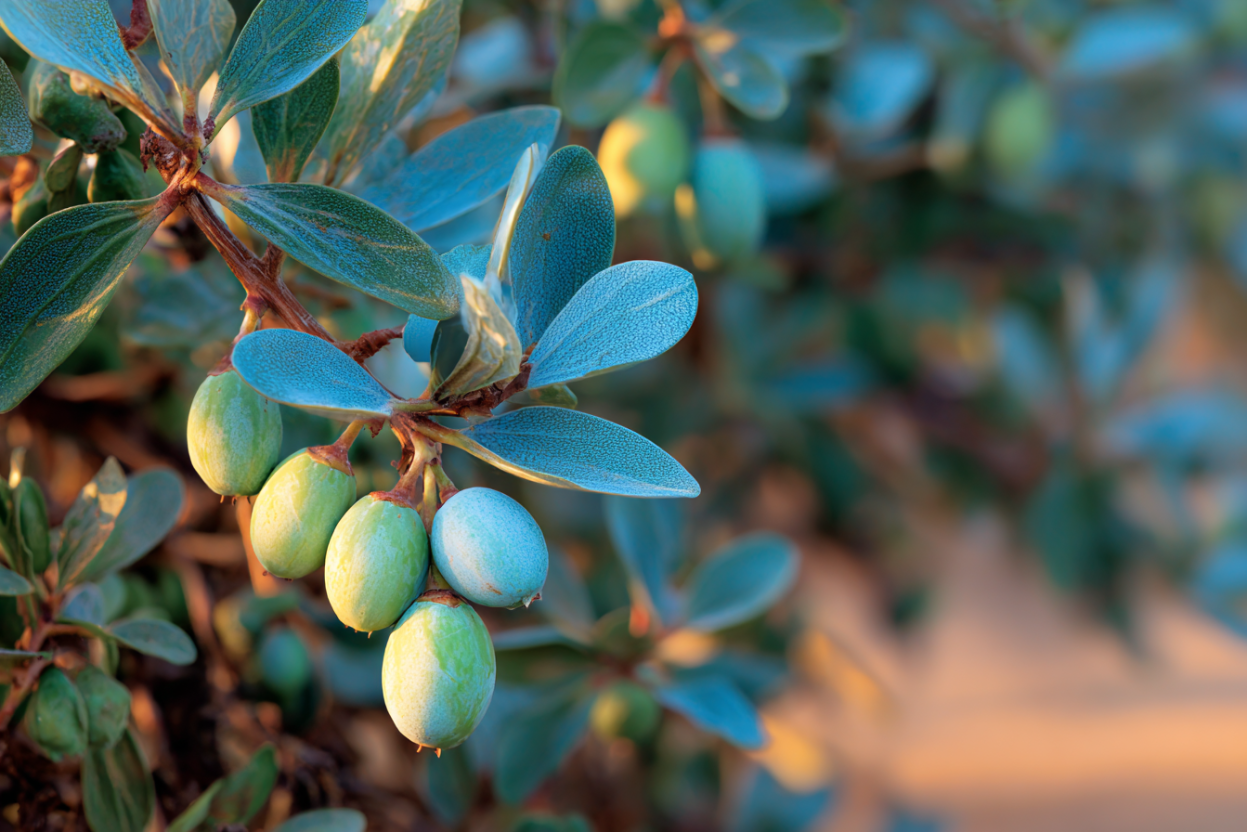
Jojoba (Simmondsia chinensis)
If your skin has been crying out for moisture — if dryness, irritation, or premature aging has left you searching for something that actually works — you are far from alone. Millions of people struggle with skin that has lost its balance, and conventional products often mask symptoms rather than support the skin’s own ability to restore itself. Jojoba may be one of the most remarkable answers the desert has ever offered.
This extraordinary shrub, thriving in some of the harshest landscapes on earth, produces a liquid wax so similar to human sebum that the body recognizes it as its own. It is a living testament to the thoughtfulness of creation — a plant designed to flourish where almost nothing else survives, carrying within its seeds a substance perfectly suited to nourish human skin. That kind of precision does not happen by accident.
The Plant
Common Names: Jojoba, goat nut, deer nut, pignut, wild hazel, quinine nut, coffeeberry, gray box bush, coffee bush
Botanical Name: Simmondsia chinensis (Link) C.K. Schneider
Family: Simmondsiaceae — Jojoba is the sole species in its own plant family, making it botanically unique among all known plants.
Description
Jojoba is an evergreen, dioecious shrub — meaning male and female flowers grow on separate plants. In the wild it typically reaches 1 to 2 meters (3 to 6 feet) tall, though cultivated specimens can grow up to 4.5 meters (15 feet) with adequate water. The plant forms a broad, dense crown with multiple stems branching from the base.
The leaves are its most distinctive feature: opposite, oval-shaped, 2 to 4 centimeters long, thick and leathery with a waxy cuticle that reduces moisture loss. They are a striking gray-green or blue-green color, and they orient themselves vertically so that only their tips face the sun — a remarkable adaptation to conserve water in blistering desert heat.
The flowers are small and inconspicuous. Female flowers are pale green and solitary or clustered at the nodes. Male flowers are slightly larger, yellow, and appear in clusters. Pollination occurs primarily through wind. The fruit is a green, acorn-shaped capsule about 1 to 2 centimeters long that turns brown as it ripens. Each capsule contains one to three seeds — hard, dark brown ovals roughly the size of a small olive. These seeds contain approximately 50% liquid wax by weight, the substance the plant is famous for.
Jojoba develops an extraordinarily deep taproot — reaching depths of up to 12 meters (40 feet) — allowing it to access water far below the surface. This deep root system is one reason the plant can survive in areas receiving as little as 75 millimeters (3 inches) of annual rainfall. Jojoba plants are remarkably long-lived; individual specimens can survive well over 100 years.
Origin
Jojoba is endemic to the Sonoran Desert region of North America, specifically the desert areas of southern California, Arizona, and Utah in the United States, as well as Baja California and Sonora in northwestern Mexico. It occupies approximately 260,000 square kilometers of this arid landscape, typically found on dry, well-drained slopes between 600 and 1,300 meters elevation.
Today, jojoba is cultivated commercially well beyond its native range. Major growing regions include Israel (one of the world’s leading producers), Argentina, Peru, Chile, Australia, Egypt, and India. The plant has proven especially valuable in combating desertification — it was successfully used for this purpose in the Thar Desert of India.
Brief History
Jojoba was first documented in Western literature in 1789 by the Mexican historian Francisco J. Clavijero, who recorded that the Amerindians of Baja California highly prized the seeds for food and the oil as medicine. The O’odham people, from whose language the name “jojoba” derives (from “Hohowi”), used the crushed seeds and extracted wax for treating skin conditions, wounds, burns, and sore throats. Hunters carried the seeds as trail food because they suppressed appetite.
The plant’s botanical history includes a famous naming error. Johann Link first classified it as Buxus chinensis in 1822, misreading the collection label “Calif” (California) as “China.” Thomas Nuttall later described it properly as a new genus in 1844, but nomenclature rules required keeping the original species name — which is why a plant native to the American desert carries the misleading epithet “chinensis.”
In 1793, botanist Archibald Menzies of the Vancouver Expedition received jojoba specimens from the padre of the San Diego Mission. These plants survived the voyage to England and were planted at the Royal Botanic Gardens at Kew. Modern commercial interest in jojoba surged in the 1970s when sperm whale oil was banned. Jojoba wax, remarkably similar in composition to whale oil, became its primary eco-friendly replacement, sparing the sperm whale from continued exploitation.
Growing & Cultivation
Climate & Zones
Jojoba thrives in USDA Hardiness Zones 9 through 11, though some sources extend this to Zone 8b with protection. It is native to hot, arid climates and tolerates extreme summer temperatures up to 46°C (115°F). However, it is sensitive to frost — seedlings can be damaged or killed at temperatures between -3°C and -9°C (27°F to 15°F). Established plants tolerate brief cold snaps down to about -7°C (20°F), but prolonged freezing damages flowers and branch tips.
The plant requires a period of cooler temperatures (around 15 to 20°C / 59 to 68°F) to break flower bud dormancy. Without this chilling period, jojoba will not bloom or set seed. It thrives at elevations from sea level to about 1,500 meters in its native range.
Soil Requirements
Jojoba is not particular about soil — it grows naturally in nutrient-poor, rocky desert soils. The essential requirement is excellent drainage. It thrives in sandy, loamy, or rocky soils and tolerates a wide pH range from 5.0 to 9.0 (acidic to highly alkaline). Remarkably, it also tolerates saline soils — withstanding salinity levels up to 12 dS/m at pH 9 — making it one of the more salt-tolerant crop plants available.
Do not amend the soil when planting. Backfill with the same native soil you removed from the planting hole. Rich, organic soils can actually harm jojoba by holding too much moisture around the roots. On poorly drained soils, the plant becomes susceptible to fungal wilts including Verticillium, Fusarium, Pythium, and Phytophthora.
Water & Sunlight
Jojoba is extremely drought-tolerant and can survive on as little as 75 millimeters (3 inches) of annual rainfall once established. During the first year, provide regular watering to help the taproot develop. After establishment, water deeply but infrequently — monthly irrigation is usually sufficient, accommodating for natural rainfall. Overwatering is the most common cause of jojoba failure; root rot develops quickly in waterlogged soil.
Full sun is essential — jojoba requires at least 6 to 8 hours of direct sunlight daily. It even thrives in reflected heat from walls and pavement. When grown in partial shade, plants become leggy and produce fewer seeds. For indoor growing, place in the brightest south-facing window or supplement with grow lights.
Propagation
Seed: Plant seeds 2.5 centimeters (1 inch) deep in very well-drained soil. Keep barely moist and very warm (soil temperature above 21°C / 70°F). Germination typically occurs within 20 to 30 days, though low soil temperature can delay emergence by two to three months. Note that approximately 50% of seed-grown plants will be male, and sex cannot be determined until flowering at about 3 to 4 years of age.
Cutting: Semi-hardwood cuttings taken in late summer root best. Dip in rooting hormone and place in a well-drained medium. Cuttings from female plants are preferred for commercial production, as they allow growers to control the male-to-female ratio. Vegetative propagation ensures known sex and genetic consistency.
Spacing: Space individual plants 1.5 to 4.5 meters (5 to 15 feet) apart depending on desired density. For seed production, maintain approximately one male plant for every six to ten females.
Planting
The best time to plant jojoba is in fall, allowing three seasons for root establishment before summer heat arrives. Spring is the second-best option — plant as early as possible. Dig a hole three times as wide as the root ball but no deeper. Place the plant at the same depth it was in its container. Water deeply at planting, then begin transitioning to the sparse watering schedule jojoba prefers.
Harvesting
Seed production typically begins in the fourth to fifth year of growth, with significant yields developing over subsequent years. Seeds mature 3 to 6 months after fertilization, generally in late summer to early autumn. The green capsules split when ripe, revealing the brown seeds. Seeds can be harvested by hand or collected from the ground after they fall. For the highest quality wax, harvest seeds when fully mature and dry.
Drying & Storage
Seeds should be dried in a warm, well-ventilated area away from direct sunlight. Once thoroughly dried, seeds can be stored in cool, dry conditions for extended periods. The wax within them is extraordinarily stable — it never becomes rancid and can tolerate temperatures between 295°C and 380°C without degradation. This exceptional stability is one of jojoba’s most valued characteristics.
Pest & Disease Management
Over 100 insect species have been identified on jojoba, but few cause significant economic damage. The plant’s waxy, leathery leaves are naturally resistant to most pests. The primary concern is root rot from overwatering, caused by Verticillium, Fusarium, Pythium, and Phytophthora fungi. Prevention is simple: ensure proper drainage and avoid overwatering. Jojoba generally requires no pesticide treatments.
Companion Planting
In its native habitat, jojoba grows alongside other Sonoran Desert plants including creosote bush, palo verde, brittlebush, and various cacti. In a cultivated desert garden, it pairs well with other drought-tolerant plants including agave, yucca, lavender, rosemary, and native grasses. Avoid planting alongside moisture-loving species that would require irrigation schedules incompatible with jojoba’s needs.
The Healing of Growing
Growing jojoba offers benefits that extend well beyond the harvest. The act of gardening — hands in soil, feet on earth, time spent outdoors in sunlight — has been shown to reduce cortisol levels, improve mood, and support immune function. The soil itself contains beneficial bacteria, including Mycobacterium vaccae, with documented antidepressant effects. Tending a jojoba plant connects you to the ancient rhythm of desert life, where patience is rewarded and resilience is the highest virtue. The desert teaches us to slow down — and slowing down is itself a form of healing.
Wellness & Therapeutic Uses
Traditional Uses
Jojoba holds a rich ethnobotanical history spanning centuries of indigenous use in the American Southwest. The O’odham, Seri, and other Native American peoples of the Sonoran Desert developed extensive knowledge of this plant’s healing properties long before modern science confirmed them.
The Mexican historian Francisco J. Clavijero documented in 1789 that the Amerindians of Baja California used jojoba in multiple ways: “Two to three jojoba seeds taken in the morning are said to be good for the stomach. Toasted and ground seeds are found to be specific against sores that erupt on the face. The unguent oil stops chills.” He described how the indigenous peoples placed jojoba seeds in hot ashes until the oil began to ooze, then applied this warm oil directly to wounds (Al-Obaidi et al., 2021).
Native Americans used jojoba wax topically for cuts, sores, bruises, burns (including sun and windburn), skin conditions, scalp disorders, and hair care. They also used it to soften and preserve animal hides. The Jesuit priests who documented tribal practices in the Sonoran region recorded numerous medicinal applications for skin, scalp, and wound care (Pazyar et al., 2013).
Modern Research
Anti-Inflammatory Activity: A landmark 2005 study by Habashy et al. demonstrated that jojoba liquid wax possesses significant anti-inflammatory properties. In experimental models, jojoba wax reduced carrageenan-induced rat paw edema and diminished prostaglandin E2 levels in inflammatory exudates. It also reduced granulation tissue formation in chick embryo chorioallantoic membrane assays, confirming multiple pathways of anti-inflammatory action (Habashy et al., Pharmacol Res, 2005).
Wound Healing: In vitro research demonstrated that jojoba liquid wax accelerates wound closure in both keratinocytes and fibroblasts — the two primary cell types involved in skin repair. The study showed extremely low cytotoxicity and significant stimulation of wound healing pathways, including activation of intracellular signaling cascades and increased collagen secretion (Ranzato et al., J Ethnopharmacol, 2011, Italy).
Collagen and Hyaluronic Acid Production: A 2024 study using an ex-vivo human skin organ culture model demonstrated that topical application of jojoba wax significantly enhanced the synthesis of pro-collagen III and hyaluronic acid while reducing pro-inflammatory cytokine secretion. These findings suggest jojoba actively supports the skin’s extracellular matrix — the structural framework responsible for skin firmness and hydration (Ogen-Shtern et al., Front Pharmacol, 2024, Israel).
Antioxidant Activity: Research has identified significant antioxidant compounds in jojoba, including tocopherols (vitamin E), phytosterols, and flavonoids. A 2018 study investigated the antioxidant properties of simmondsin and aqueous jojoba seed extracts on fructose-induced oxidative stress in pancreatic beta cells, finding beneficial protective effects against hyperglycemia-induced oxidative damage (Al-Obaidi et al., 2021).
Antimicrobial Properties: Studies have shown that jojoba wax prevents the growth of several bacterial species, including Staphylococcus aureus, which commonly causes skin infections. This antimicrobial activity, combined with its wound-healing properties, may explain the traditional use of jojoba for treating skin infections and preventing wound complications (Pazyar et al., G Ital Dermatol Venereol, 2013, Iran).
Anti-Acne Effects: A prospective observational pilot study using clay jojoba oil facial masks on patients with lesioned skin and mild acne found significant improvements after six weeks of use. The non-comedogenic nature of jojoba (it does not clog pores), combined with its ability to regulate sebum production by mimicking natural skin oils, supports its use for acne management (Meier et al., Forsch Komplementmed, 2012, Germany).
Cholesterol Support: In a rabbit study, ingestion of jojoba oil as a 2% dietary supplement produced a 40% reduction in blood cholesterol and altered lipoprotein patterns. Researchers attributed this effect to the omega-3 fatty acid content, though the mechanism requires further investigation in human studies (Clarke, 1981, cited in Drugs.com).
Body Systems Supported
Integumentary System (Skin): This is jojoba’s primary therapeutic territory. Research supports its role in wound healing, skin barrier repair, inflammation reduction, moisture retention, collagen production, and protection against oxidative stress.
Immune System: The antimicrobial properties of jojoba wax may support the body’s first line of defense by preventing pathogenic colonization of skin wounds and vulnerable areas.
Cardiovascular System: Preliminary animal research suggests potential cholesterol-lowering effects, though human clinical trials are needed.
Body Compounds Affected
Jojoba’s therapeutic actions involve several important body compounds. Its anti-inflammatory effects are mediated partly through reduction of prostaglandin E2 — a key inflammatory mediator. By lowering pro-inflammatory cytokines (including IL-6 and TNF-alpha), jojoba wax may help modulate the body’s inflammatory cascade. Its ability to stimulate collagen III synthesis and hyaluronic acid production supports the structural integrity and hydration capacity of skin tissue. The antioxidant compounds in jojoba (particularly vitamin E) help neutralize reactive oxygen species, protecting cells from oxidative damage.
Methods of Use
Topical Application (Primary Method)
Apply jojoba wax directly to skin. It can be used undiluted as a facial moisturizer, body oil, or spot treatment. For therapeutic purposes — such as wound support, dry skin, or inflammation — apply a thin layer to the affected area one to three times daily. Because jojoba closely mimics human sebum, it absorbs readily without leaving a heavy, greasy residue.
Carrier for Other Preparations
Jojoba’s exceptional stability and skin compatibility make it one of the finest carrier oils available. It can be used to dilute essential oils for safe topical application, or as a base for homemade salves, balms, and healing preparations.
Massage Oil
Its smooth texture and non-greasy absorption make jojoba an excellent massage medium, providing glide while delivering moisturizing and anti-inflammatory benefits through skin contact.
Note: Jojoba is for external/topical use only. The seeds and their wax should not be ingested, as the wax is indigestible and acts as a laxative, and the seed meal contains simmondsin, a compound with documented toxic effects.
Cosmetic & Beauty Uses
Skin Benefits
Jojoba wax stands in a class of its own among botanical cosmetic ingredients. Its chemical composition — 97% wax esters of monounsaturated long-chain fatty acids (C20-C24) and fatty alcohols (C20-C24) — is remarkably similar to the sebum naturally produced by human skin, which itself contains 2% to 30% wax esters. This structural kinship is why the body treats jojoba as if it were its own, making it compatible with virtually all skin types.
All Skin Types: Jojoba is non-comedogenic (will not clog pores) and hypoallergenic. It benefits oily skin by signaling to sebaceous glands that adequate moisture is present, potentially reducing overproduction of oil. For dry skin, it provides deep, lasting moisture that does not evaporate quickly. For sensitive skin, its gentle, anti-inflammatory nature soothes without irritation.
Acne-Prone Skin: Clinical research supports jojoba’s role in acne management. A German pilot study showed significant improvement in acne lesions after six weeks of clay-jojoba facial mask treatment. Jojoba’s antibacterial properties against Staphylococcus aureus and its non-comedogenic nature make it a valuable ally for breakout-prone complexions (Meier et al., 2012).
Aging Skin: Jojoba’s demonstrated ability to stimulate pro-collagen III synthesis and hyaluronic acid production directly addresses two of the primary structural components that decline with age. The rich vitamin E content provides antioxidant protection against the free radical damage that accelerates skin aging.
Eczema and Psoriasis: The anti-inflammatory and barrier-repair properties of jojoba may benefit inflammatory skin conditions. Its wax compounds help dissolve scales and flakes while supporting the regeneration of healthy skin layers, restoring normal barrier function.
Wound and Scar Support: Research shows jojoba accelerates wound closure and supports collagen production, which may help minimize scarring when applied during the healing process.
Hair Benefits
Jojoba has been used for hair care since the earliest recorded indigenous uses. It moisturizes and conditions both the hair shaft and the scalp without leaving a heavy residue. It may support scalp health by maintaining moisture balance, reducing flakiness, and providing a gentle antimicrobial environment. Native Americans used the wax as a primary hair dressing, and this tradition carries directly into modern cosmetic use.
Applied to hair, jojoba coats and protects fibers, adding shine and reducing breakage. For dry or damaged hair, it penetrates to soften and condition. For oily hair, it can be used sparingly on the ends to condition without weighing hair down.
Application Methods
Facial Moisturizer: Apply 3 to 5 drops to clean, slightly damp skin. Massage gently. Can be used alone or layered under other products.
Body Oil: Apply after bathing while skin is still damp to lock in moisture.
Facial Mask: Mix jojoba with cosmetic clay (such as bentonite or kaolin) and a small amount of water. Apply, leave for 10 to 15 minutes, rinse.
Hair Treatment: Apply a small amount to damp hair ends, or warm a tablespoon and apply to dry hair as a pre-wash treatment. Leave for 20 minutes to overnight, then shampoo.
Scalp Massage: Warm a small amount between fingers and massage into the scalp to promote circulation and moisture balance.
Makeup Remover: Apply a few drops to a cotton pad and gently wipe away makeup. Jojoba dissolves cosmetics effectively without stripping the skin.
Cuticle Oil: Apply a drop to each nail bed and massage in for nail and cuticle conditioning.
DIY Formulation Notes
Jojoba is exceptionally stable — it resists oxidation and rancidity far better than most plant oils, giving it a shelf life of years rather than months. It blends well with virtually all other carrier oils and can be used at any percentage in formulations. It pairs beautifully with argan oil, rosehip seed oil, and sweet almond oil. In homemade salves and balms, it contributes a smooth texture and deep moisturizing quality. Its melting point is approximately 10°C (50°F), so it may solidify in cold conditions — simply warm it to return to liquid form without any loss of quality.
Jojoba is among the botanicals being explored for holistic cosmetic applications, where the wisdom of traditional beauty practices meets modern understanding of skin science.
Jojoba Liquid Wax Profile
Note: Jojoba “oil” is technically a liquid wax ester, not a true oil or essential oil. It does not contain the volatile aromatic compounds typical of essential oils, nor is it produced by steam distillation. It is included here because it is commercially marketed alongside essential and carrier oils and serves many of the same topical functions.
Extraction
Jojoba wax is extracted from the seeds of the female jojoba plant. The primary methods are cold pressing (mechanical pressing without heat) and solvent extraction using hexane. Cold pressing is the preferred method for cosmetic and therapeutic use, as it preserves the full complement of tocopherols, phytosterols, and other bioactive compounds. Typical extraction yields are 35% to 43% by weight. Cold-pressed, unrefined jojoba has a golden color and a mild, slightly nutty scent. Refined jojoba is clear and odorless.
Chemical Composition
Jojoba wax is composed of approximately 97% wax esters — monounsaturated, straight-chain esters of long-chain fatty acids (C20-C24) and fatty alcohols (C20-C24). The primary constituents include:
Wax Esters (97%): Eicosenoic acid (C20:1), erucic acid (C22:1), and nervonic acid (C24:1) esterified with eicosanol, docosenol, and tetracosenol. These wax esters range from C36 to C46 in total chain length and are what make jojoba structurally similar to human sebum.
Tocopherols (Vitamin E): Present in small but significant amounts, contributing antioxidant activity and skin-protective effects.
Phytosterols: Including campesterol, stigmasterol, and sitosterol (less than 0.5% total), which support skin barrier function and possess anti-inflammatory properties.
Free Fatty Acids and Alcohols: Present in trace amounts.
Notably, jojoba is essentially triglyceride-free — this is what distinguishes it from virtually all other plant “oils” and makes it a true liquid wax.
Therapeutic Properties
Using research-supported language, jojoba liquid wax may offer the following properties:
Anti-inflammatory: Reduces inflammatory markers including prostaglandin E2 and pro-inflammatory cytokines.
Wound-healing supportive: Accelerates wound closure in keratinocytes and fibroblasts.
Antimicrobial: Inhibits growth of Staphylococcus aureus and other skin pathogens.
Antioxidant: Protects against oxidative stress through tocopherol and phytosterol content.
Skin barrier supportive: Enhances collagen III synthesis, hyaluronic acid production, and reduces trans-epidermal water loss.
Non-comedogenic: Does not clog pores despite providing deep moisturization.
How to Use
Topical Application
Jojoba can be applied undiluted to skin. For facial use, 3 to 5 drops is typically sufficient. For body application, use as needed. It absorbs quickly and does not leave a heavy residue. Because it is not a volatile essential oil, it does not evaporate and provides lasting moisture.
As a Carrier
Standard dilution for essential oils in jojoba: 2% to 3% for adults (approximately 12 to 18 drops of essential oil per ounce of jojoba). For sensitive skin: 1%. For children over 6: 0.5% to 1%. Jojoba is one of the most universally recommended carrier media for essential oil use.
Quality & Sourcing
When purchasing jojoba, look for cold-pressed, unrefined product in dark glass bottles. Golden color indicates unrefined quality with full bioactive content. Clear, odorless jojoba has been refined and may lack some beneficial compounds. Look for organic certification where possible. Jojoba should never be described as “cold-pressed essential oil” — it is a wax, not an essential oil. Reputable suppliers will clearly label it as liquid wax or carrier oil.
Blending
Jojoba blends well with virtually all essential oils and carrier oils. It is particularly valued as a carrier because of its exceptional shelf life and stability — it will not cause a blend to go rancid the way some seed oils can. Excellent pairings include lavender, tea tree, frankincense, rosemary, and chamomile essential oils. As a carrier blend, it combines beautifully with rosehip seed oil, argan oil, tamanu oil, and sea buckthorn oil.
Aromatherapy & Scent
The Aroma
Jojoba is not an aromatic plant in the traditional sense — it does not fill a room with fragrance the way lavender or rosemary does. The living plant has a subtle, green, slightly resinous scent that you notice mainly when you handle the leaves or brush against the foliage. The waxy leaves release a faint, clean, herbaceous aroma when crushed between the fingers.
The extracted liquid wax, in its unrefined form, has a mild, slightly nutty, almost waxy scent — barely perceptible to most people. Refined jojoba is virtually odorless. This near-absence of aroma is actually one of jojoba’s greatest assets in aromatherapy practice: it serves as a neutral carrier that does not compete with or alter the scent profiles of essential oils blended into it.
How Scent Affects Your Body
While jojoba itself is not primarily an aromatic therapeutic, understanding how scent works is important when using jojoba as a carrier for essential oils. When volatile molecules are inhaled through the nose, olfactory receptors detect them and send signals directly to the limbic system (the brain’s emotional processing center) and the hypothalamus (the hormone control center). This pathway bypasses conscious thought — the body responds to scent before the mind has processed what it smells. When jojoba carries essential oils into this experience, it serves as the stable, skin-nourishing vehicle that delivers aromatic molecules both through inhalation and through dermal absorption.
Emotional & Mood Effects
The subtle scent of the jojoba plant and its fresh wax may offer a mild grounding effect — a quiet, earthy quality that connects you to the desert landscape from which it comes. However, jojoba’s primary role in aromatherapy is as an enabler rather than a star: it is the foundation upon which other aromatic experiences are built. Its neutrality allows essential oils to express their full scent profiles without interference.
Ways to Experience the Scent
Growing jojoba indoors (where climate permits) provides the gentle presence of a living desert plant. Handling the leaves and seeds during gardening provides a subtle sensory experience. Most powerfully, using unrefined jojoba as a carrier for essential oil blends in massage, diffuser jewelry, or body application creates a therapeutic aromatic experience that combines the skin-healing properties of jojoba with the mood-altering properties of whichever essential oil you choose.
Color Therapy
The Colors of Jojoba
Jojoba presents a distinctive color palette shaped by its desert origins. The leaves are a muted gray-green to blue-green — a cool, silvery tone that sets it apart from the brighter greens of tropical plants. This color comes from the thick waxy cuticle that coats each leaf, reflecting light and reducing water loss. Male flowers are small and yellow. Female flowers are pale green. The fruit begins green and ripens to brown. The seeds are dark brown. The extracted wax ranges from clear golden (unrefined) to pale and translucent (refined).
Color Wavelengths
The dominant color of the jojoba plant is its gray-green foliage, which falls in the green portion of the visible spectrum (approximately 495-570nm). The golden color of unrefined jojoba wax sits in the yellow-to-orange range (approximately 570-620nm).
How Green Affects the Body
Green light occupies the center of the visible spectrum and is associated with balance, calm, and restoration. Research in environmental psychology consistently shows that exposure to green environments reduces stress, lowers blood pressure, and improves mood. The slightly muted, gray-green of jojoba’s foliage carries an additional quality of calm restraint — it does not overstimulate but rather soothes and grounds. Color therapy principles suggest that green supports the heart center, promotes emotional equilibrium, and reinforces the body’s connection to nature.
Body Compounds Affected
Exposure to green environments has been associated with reduced cortisol levels (the primary stress hormone) and increased parasympathetic nervous system activity — the “rest and restore” mode. Time spent viewing green plants may support serotonin production through the calming effect on the nervous system, contributing to improved mood and emotional stability.
Using Jojoba for Color Therapy
Place a jojoba plant in living spaces that benefit from a calming, grounding visual presence. Its soft gray-green foliage provides a gentle focal point that does not demand attention but quietly supports a sense of peace. In a desert garden, jojoba’s silver-green leaves create a cooling visual effect even in the most scorching landscapes. The golden color of unrefined jojoba wax, when used in massage or skincare rituals, carries the warm, nourishing energy associated with yellow-gold — traditionally linked to optimism, clarity, and gentle warmth.
Frequency & Vibration
The Frequency of Jojoba
While specific MHz frequency measurements for jojoba liquid wax have not been widely published in the way some essential oils have been documented (such as through Bruce Tainio’s bio-frequency research), jojoba is recognized as a relatively high-frequency plant product due to its exceptional purity and stability. According to bio-frequency research, a healthy human body vibrates between 62 and 78 MHz. Essential oils generally measure between 52 and 320 MHz. Carrier oils and waxes like jojoba, while typically lower in frequency than volatile essential oils, are believed to vibrate at frequencies supportive of healthy tissue function.
Human Frequency Interaction
Proponents of vibrational medicine suggest that the principle of entrainment — where a stronger, more coherent frequency influences a weaker one — may apply to plant-human interactions. When high-frequency plant substances are applied to the body, they may support the body’s natural frequency. Jojoba’s role as a carrier for high-frequency essential oils means it facilitates the delivery of these frequencies to the body through skin absorption, potentially amplifying the vibrational benefit of the essential oils it carries.
Vibrational Applications
Using jojoba as a carrier for essential oil blends intended for frequency work maximizes both skin absorption and vibrational delivery. Its extraordinary stability means it does not degrade — maintaining the integrity of whatever is blended into it. This makes jojoba an ideal vibrational “vessel.” For those who practice frequency-based wellness, applying jojoba-based essential oil blends to pulse points, the soles of the feet, or along the spine may support energetic balance.
Note: Frequency measurement of plant substances is an area where research is still emerging. The information above reflects the perspectives of vibrational medicine practitioners and should not be interpreted as established scientific consensus.
The Living Plant
Benefits of Presence
Simply being around a living jojoba plant offers therapeutic benefits that science is increasingly documenting. Research in environmental psychology, biophilic design, and forest bathing consistently demonstrates that the presence of living plants reduces stress, lowers cortisol, improves focus, and promotes emotional wellbeing. A jojoba plant — with its calm gray-green foliage and quiet, enduring presence — embodies these principles beautifully. It asks for almost nothing and gives its steady, living energy in return.
Air Purification
While jojoba was not included in the NASA Clean Air Study (which focused primarily on common indoor houseplants), all green plants contribute to indoor air quality through the basic process of photosynthesis — absorbing carbon dioxide and releasing oxygen. Jojoba’s thick, waxy leaves provide a broad surface area for gas exchange. As an evergreen that retains its leaves year-round, it provides continuous air quality benefits. In its native outdoor environment, jojoba plays a significant role in soil stabilization and erosion control, and its deep root system helps maintain soil health in desert ecosystems.
Visual & Psychological Benefits
Research shows that patients in healthcare settings with views of greenery heal faster, require less pain medication, and report greater wellbeing. The attention restoration theory, developed by environmental psychologists Rachel and Stephen Kaplan, explains that natural environments (including indoor plants) restore directed attention fatigue — the mental exhaustion that comes from sustained focus on tasks. Jojoba’s understated beauty provides this restorative quality without visual overwhelm. It is a plant that soothes rather than stimulates.
Growing Indoors vs Outdoors
Jojoba can be grown in containers indoors where outdoor climate does not permit year-round cultivation. It requires the brightest available light — a south-facing window or supplemental grow lights. Use a very well-drained cactus or succulent soil mix and water sparingly. Indoor plants are unlikely to produce seeds (they require both sexes and wind pollination), but they provide the visual, psychological, and air-quality benefits of a living plant. In suitable outdoor climates (USDA Zones 9-11), jojoba makes an excellent landscape plant — low-maintenance, drought-tolerant, attractive, and beneficial to wildlife including birds and pollinators.
Touch & Physical Interaction
Gardening Therapy
Horticultural therapy — the use of gardening as a therapeutic practice — is an established field with documented benefits for mental health, physical rehabilitation, and cognitive function. Working with jojoba offers a particularly grounding form of this therapy. The plant’s desert origins mean it thrives with minimal intervention, making it accessible even for those new to gardening or those with limited energy. The act of planting, watering, and tending a jojoba is an exercise in patience and trust — qualities that benefit emotional health as much as the plant benefits from your care.
Soil Contact Benefits
Gardening with jojoba brings the well-documented benefits of soil contact. Direct skin exposure to soil allows for grounding (earthing) — the transfer of electrons from the earth into the body, which research suggests may reduce inflammation and improve sleep. The soil bacterium Mycobacterium vaccae has been shown in peer-reviewed research to stimulate serotonin production and reduce anxiety responses. When you dig in the earth to plant or tend your jojoba, you receive these benefits long before any harvest.
The Tactile Experience
Handling jojoba engages the senses in distinctive ways. The leaves are thick, leathery, and slightly waxy to the touch — firm yet yielding, with a smooth surface that reflects the plant’s desert resilience. Running your fingers along a branch, feeling the dense, compact foliage, provides a grounding tactile experience. The seeds, when ripe, are hard and smooth like small polished stones. And the liquid wax itself — warm, silky, absorbed readily by the skin — provides one of the most pleasing tactile experiences in the botanical world. There is a reason jojoba is prized as a massage medium: it feels extraordinary on the skin.
Harvesting & Processing
Harvesting jojoba seeds is a meditative practice. The ripe capsules split to reveal their treasures, and collecting them by hand connects you to the same rhythms the O’odham and Seri peoples have followed for centuries. The repetitive, gentle motion of picking seeds provides the kind of mindful activity that calms the nervous system and brings attention fully into the present moment.
Water-Based Applications
Unlike many herbal plants, jojoba’s primary applications are oil/wax-based rather than water-based. The plant’s valuable compounds are lipophilic (oil-soluble) rather than hydrophilic (water-soluble), which means water does not effectively extract them. However, several water-adjacent applications exist:
Herbal Baths
Add 1 to 2 tablespoons of jojoba wax to a warm bath for a full-body moisturizing treatment. The wax will disperse in warm water and coat the skin as you soak. This is particularly beneficial for dry, irritated, or inflamed skin conditions. For enhanced benefit, blend jojoba with a few drops of essential oil (such as lavender or chamomile) before adding to the bathwater.
Compresses
While jojoba is not traditionally used in water compresses (its wax nature does not dissolve in water), it can be applied to the skin before or after a warm compress to enhance moisture retention and provide anti-inflammatory support. For sore muscles or inflamed joints, apply a thin layer of jojoba to the area, then cover with a warm, damp cloth for 15 to 20 minutes.
Steam Inhalation Enhancement
Jojoba itself is not used in steam inhalation (it is non-volatile and does not release therapeutic vapors). However, when essential oils are blended into jojoba for topical application around the nose, chest, or temples during a steam inhalation session, the jojoba base provides sustained delivery of the essential oils to the skin while the steam delivers them through inhalation.
Hair Rinse
A small amount of jojoba can be emulsified into a final hair rinse by adding a few drops to warm water with a tiny amount of liquid castile soap as an emulsifier. This provides a light conditioning effect. Alternatively, use jojoba as a pre-wash oil treatment: apply to dry hair, allow to penetrate for 20 minutes or more, then wash out.
Connection to Hydrotherapy Principles
While jojoba does not follow the traditional pattern of water-extracted herbal medicines, its use in bath preparations connects it to the broader field of balneotherapy — the therapeutic use of bathing. When combined with warm water, jojoba provides a gentle, full-body application that the skin absorbs efficiently, delivering its anti-inflammatory and moisturizing benefits through the enhanced circulation that warm water provides.
Historical, Cultural & Biblical Significance
Biblical References
Jojoba is not directly mentioned in Scripture. As a plant endemic to the Sonoran Desert of North America, it was unknown to the peoples of the biblical world. However, the biblical lands were home to many similar desert-adapted plants that provided oil for anointing, healing, and daily care — olive oil being the most prominent. The principle of desert plants providing healing sustenance is deeply woven through Scripture, from the manna in the wilderness to the healing balm of Gilead. Jojoba carries that same spirit: a gift of provision from harsh, unlikely terrain.
Ancient Civilizations
Jojoba’s documented history begins with the indigenous peoples of the Sonoran Desert. The earliest Western record comes from the Mexican historian Francisco J. Clavijero, writing in 1789, who documented that the Amerindians of Baja California had long-established traditions around jojoba use. However, archaeological and ethnobotanical evidence suggests that indigenous use of jojoba predates written records by many centuries.
In 1793, the botanist Archibald Menzies received jojoba specimens from a padre at the San Diego Mission during the Vancouver Expedition. These plants survived transport to England and were established at the Royal Botanic Gardens at Kew — one of the earliest examples of jojoba entering European botanical awareness.
Indigenous Knowledge
The O’odham people (Tohono O’odham and Akimel O’odham) of the Sonoran Desert developed the most extensive traditional knowledge of jojoba. From their language came the plant’s common name — derived from “Hohowi.” They used the crushed seed wax for treating cuts, sores, bruises, and burns, as a hair dressing, and as a skin protectant against the brutal desert sun and wind.
The Seri people of the Gulf of California coast knew jojoba well but considered the seeds emergency food rather than a staple — they utilized nearly every edible plant in their domain but recognized jojoba’s seeds as something to turn to when other food was scarce. Hunters and raiders of various southwestern tribes carried jojoba seeds on long journeys specifically for their appetite-suppressing effects — an early practical application of what modern science has identified as the simmondsin-mediated satiety response.
Native American women used jojoba during pregnancy, believing the seeds assisted during childbirth. The oil was applied as a salve for softening and preserving animal hides. These practical healing uses observed God’s design in this desert plant — the indigenous peoples documented what worked, and their observations align with what modern research now confirms about jojoba’s anti-inflammatory, wound-healing, and skin-protective properties.
Modern Western History
Jojoba entered modern Western consciousness primarily through its potential as a replacement for sperm whale oil. When the Endangered Species Act (1973) and the subsequent ban on whale products created urgent demand for alternatives, researchers discovered that jojoba liquid wax was remarkably similar in composition to spermaceti — the oil harvested from sperm whale heads. This discovery may have saved the sperm whale from extinction and launched the modern jojoba industry.
Commercial cultivation began in earnest in the 1970s and 1980s, with plantations established throughout the American Southwest, Israel, Argentina, Peru, Australia, and other arid regions. Israel became a leading producer, with significant research investment from institutions like the Volcani Institute and Ben-Gurion University of the Negev. Today, the United States and Mexico remain the largest jojoba producers, with more than 300 commercial products derived from the plant now on the global market.
Cultural Symbolism
Jojoba has come to symbolize resilience, sustainability, and the hidden gifts of seemingly barren landscapes. Its story — a plant that thrives where almost nothing else can, producing something extraordinarily valuable from the harshest conditions — resonates with anyone who has found unexpected strength in difficult circumstances. In the conservation world, jojoba represents one of the great success stories: a plant product that replaced an animal product, saving a species while creating economic opportunity for arid-region farmers around the world.
Safety & Precautions
Contraindications
Jojoba liquid wax is considered safe for topical use by the vast majority of people. It is non-toxic, non-comedogenic, and hypoallergenic. No absolute contraindications for topical use have been established. However, jojoba should NOT be ingested orally. The wax is indigestible and acts as a laxative, causing steatorrhea (excess fat in stool) and gastrointestinal distress. The seed meal contains simmondsin, a cyanoglycoside with documented toxic effects in animal studies including food intake inhibition, weight loss, and potential hematological changes at high doses (Lee et al., Clin Pract Cases Emerg Med, 2017).
Drug Interactions
No significant drug interactions have been documented for topical use of jojoba liquid wax. Because jojoba is not typically consumed internally, concerns about interactions with oral medications are minimal. However, jojoba enhances the skin penetration and absorption of topically applied drugs — if you use prescription topical medications, be aware that applying jojoba to the same area may increase the absorption rate and potency of those medications. Consult your healthcare provider about timing and layering of products.
Pregnancy & Nursing
Information regarding the safety of jojoba during pregnancy and lactation is limited. Topical application of jojoba wax is generally considered safe during pregnancy for external skin and hair care. However, jojoba should absolutely not be ingested during pregnancy. While Native Americans traditionally consumed small amounts of the seeds during pregnancy, modern safety data does not support oral use. Not recommended for internal use during pregnancy or breastfeeding without guidance from a qualified healthcare provider.
Children
Jojoba liquid wax is generally considered safe for topical application on children’s skin. Its hypoallergenic and non-toxic nature makes it one of the gentler carrier oils available. For infants and very young children, perform a small patch test first by applying a tiny amount to the inner arm and waiting 24 hours to check for any reaction. Jojoba seeds and seed products should never be given to children to consume.
Elderly
Jojoba is well-suited for mature and elderly skin, which often suffers from dryness and reduced collagen production. Its gentle, non-irritating nature and its demonstrated ability to support collagen III and hyaluronic acid synthesis make it particularly appropriate for aging skin. No specific elderly contraindications or dosage adjustments are needed for topical use.
Pets
Dogs: Jojoba oil is generally considered safe for topical use on dogs. It is non-toxic, non-allergenic, and mimics natural skin oils. Holistic veterinarians often recommend it for dry skin, hot spots, cracked paw pads, and coat conditioning. If ingested in small amounts (such as licking it off skin), it is not toxic, though large quantities may cause loose stools due to its laxative effect.
Cats: Jojoba oil is generally considered safe for topical use on cats. Unlike many essential oils (which are dangerous for cats due to their inability to metabolize certain compounds), jojoba is a wax, not a volatile oil, and poses minimal risk. It can be used for dry skin, ear cleaning, and coat conditioning. However, jojoba should not be used as a carrier for essential oils applied to cats, as the essential oils themselves may be toxic to felines.
Horses: Safe for topical use on horses. It can be used for coat conditioning, mane and tail care, and skin support.
Birds: Safety data for birds is limited. Avoid use until consulting an avian veterinarian.
Important: While jojoba oil is safe for pets, do not apply essential oils mixed with jojoba to animals (especially cats) without veterinary guidance. The essential oils, not the jojoba, pose the risk.
Allergies & Sensitivities
Although jojoba is hypoallergenic and well-tolerated by most people, rare cases of contact dermatitis have been documented and confirmed by skin patch tests. If you have never used jojoba before, perform a patch test: apply a small amount to the inner forearm, cover loosely, and wait 24 to 48 hours. If redness, itching, or irritation develops, discontinue use. Individuals with allergies to plants in the Caryophyllales order should exercise additional caution. Jojoba pollen, while produced in abundance by male plants, causes relatively few allergic reactions compared to other common pollen sources.
Dosing Guidelines
For topical use, there is no established maximum dose — jojoba wax is used liberally in cosmetic and therapeutic applications. Typical usage: 3 to 5 drops for the face, 1 to 2 tablespoons for a full-body application, 1 to 2 tablespoons added to a bath. As a carrier for essential oils, follow the dilution guidelines for the specific essential oil being used, not for the jojoba itself. For internal use: there is NO safe internal dose. Jojoba should not be consumed orally.
Quality & Sourcing
Purchase jojoba from reputable suppliers who provide: cold-pressed, unrefined product; organic certification (where available); clear labeling as “100% pure jojoba” or “Simmondsia chinensis seed oil”; dark glass or UV-protective packaging. Be cautious of products labeled as “jojoba oil” that contain blends with cheaper carrier oils. High-quality jojoba has a golden color (unrefined) or is clear (refined), with a mild or no scent. It should feel smooth and silky, absorbing into skin without a sticky or heavy residue.
Signs of Adverse Reaction
Mild reactions to topical jojoba (rare) may include redness, itching, or a rash at the application site. Discontinue use if these occur. Severe allergic reactions (very rare) could include widespread rash, hives, or difficulty breathing — seek emergency medical attention immediately. If jojoba is accidentally ingested, symptoms may include nausea, diarrhea, abdominal cramping, and oily stools. Large amounts of ingested jojoba seed butter have caused more significant gastrointestinal distress in documented cases.
Disclaimer
This information is for educational purposes only. It is not intended to diagnose, treat, cure, or prevent any disease. Always consult with a qualified healthcare provider before using any herbal product, especially if you are pregnant, nursing, taking medications, or have a medical condition. If you experience any adverse reaction, discontinue use immediately and seek medical attention.
Want Personalized Guidance?
Every body is unique. What works for one person may not be right for another. If you’d like personalized support in incorporating jojoba into your wellness journey, consider working with a qualified practitioner who can assess your individual needs.
Sources & References
Peer-Reviewed Studies
- Anti-inflammatory effects of jojoba liquid wax in experimental models – Habashy RR, Abdel-Naim AB, Khalifa AE, Al-Azizi MM. Pharmacol Res, 2005;51(2):95-105. Egypt.
- Wound healing properties of jojoba liquid wax: an in vitro study – Ranzato E, Martinotti S, Burlando B. J Ethnopharmacol, 2011;134(2):443-449. Italy.
- Topical application of jojoba wax enhances the synthesis of pro-collagen III and hyaluronic acid and reduces inflammation – Ogen-Shtern N, et al. Front Pharmacol, 2024;15:1333085. Israel.
- Jojoba in dermatology: a succinct review – Pazyar N, Yaghoobi R, Ghassemi MR, Kazerouni A, Rafeie E, Jamshydian N. G Ital Dermatol Venereol, 2013;148(6):687-691. Iran.
- Clay jojoba oil facial mask for lesioned skin and mild acne – Meier L, Stange R, Michalsen A, Uehleke B. Forsch Komplementmed, 2012;19(2):75-79. Germany.
- Jojoba Oil: An Updated Comprehensive Review on Chemistry, Pharmaceutical Uses, and Toxicity – Al-Obaidi JR, et al. Polymers, 2021;13(7):1036. Multiple countries.
- Anti-Inflammatory and Skin Barrier Repair Effects of Topical Application of Some Plant Oils – Lin TK, Zhong L, Santiago JL. Int J Mol Sci, 2018;19(1):70. USA/Spain.
- The genome of jojoba (Simmondsia chinensis): A taxonomically isolated species that directs wax ester accumulation in its seeds – Sturtevant D, et al. Sci Adv, 2020;6(11):eaay3240. USA.
- Bioactivities of Jojoba Oil Beyond Skincare – Molecules, 2024. Multiple countries.
- Unusual etiology of gastrointestinal symptoms: the case of jojoba butter – Lee SH, et al. Clin Pract Cases Emerg Med, 2017;1(1):41-43. USA.
Traditional Medicine & Ethnobotanical Sources
- The natural history of Jojoba (Simmondsia chinensis) and its cultural aspects – Gentry HS. Economic Botany, 1958;12:261-295. USA.
- Medicinal properties of jojoba (Simmondsia chinensis) – Tietel Z, et al. Israel Journal of Plant Sciences, 2021;68(1-2):38-54. Israel.
- A review of the desert gold jojoba: Phytochemical composition, medicinal uses, and detoxification – El Gendy AN, et al. J Am Oil Chem Soc, 2023. Egypt.
Institutional & Agricultural Sources
- Simmondsia chinensis – Fire Effects Information System – USDA Forest Service, 1994. USA.
- Jojoba – Alternative Field Crops Manual – University of Wisconsin Extension, USA.
- Simmondsia chinensis – Plant Database – Plants For A Future (PFAF), UK.
- Jojoba Uses, Benefits & Dosage – Drugs.com Natural Products Database.
Historical References
- Clavijero, Francisco J. Historia de la Antigua ó Baja California, 1789. First Western documentation of indigenous jojoba use.
- Food Intake Inhibitory Activity of Simmondsin and Defatted Jojoba Meal – Cokelaere M, et al. Purdue University New Crops Proceedings, 1996. Belgium/USA.