The Plant
Family: Moringaceae — The Moringa family contains only one genus (Moringa) with 13 known species, of which M. oleifera is the most widely cultivated and utilized.
Description
Moringa oleifera is a fast-growing, deciduous tree that can reach 10-12 meters (33-39 feet) in height with a trunk diameter of approximately 46 cm (18 inches). The bark is whitish-gray, soft, and surrounded by thick cork. Young shoots display purplish or greenish-white coloring, often covered with fine hairs.
The tree has an open crown of drooping, fragile branches that create a feathery canopy. The leaves are tripinnate (divided three times) with small, oval to elliptical leaflets — dark green on the upper surface and pale beneath. These delicate compound leaves give the tree its characteristic airy appearance.
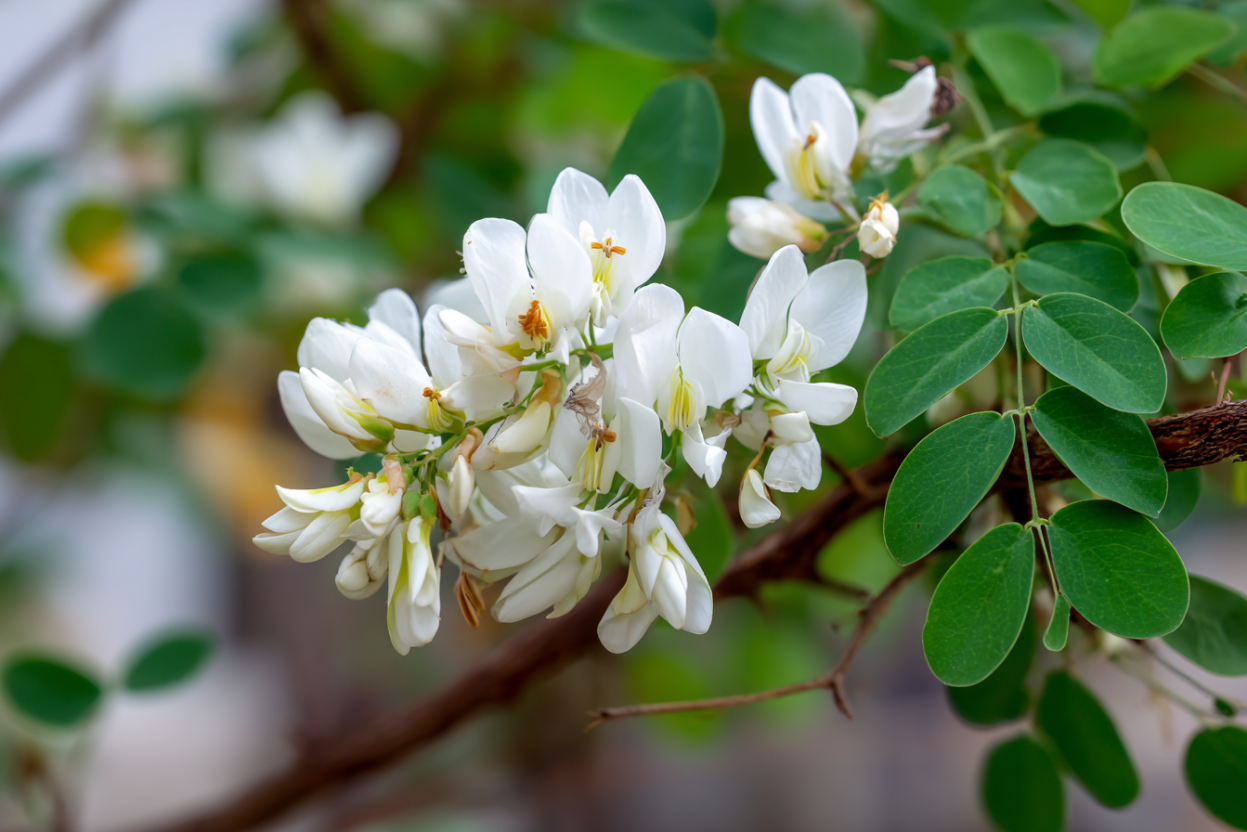
The flowers are fragrant, creamy white to yellowish, and produced in loose clusters. They bloom throughout the year in favorable climates, attracting bees and butterflies. The fruit is a distinctive long, slender, triangular seed pod (15-45 cm long) resembling a drumstick — hence one of its common names. Each pod contains numerous round seeds surrounded by papery wings.
The tree develops a large taproot system, making it remarkably drought-tolerant once established. The thick, edible roots have a taste similar to horseradish, which accounts for another of its common names.
Origin
Moringa oleifera is native to the southern foothills of the Himalayas in northwestern India, with documented use dating back more than 4,000 years. From this origin, it spread throughout the Indian subcontinent and eventually to tropical and subtropical regions worldwide through ancient trade routes.
Today, it grows wild or is cultivated across Central America and the Caribbean, northern South America, sub-Saharan Africa, South and Southeast Asia, and various Pacific islands. The tree has naturalized in many tropical countries and is increasingly cultivated in Florida, California, Arizona, Hawaii, and Texas in the United States.
Brief History
The moringa tree has nourished humanity since antiquity. Ancient Indian texts, including Ayurvedic manuscripts dating to the Sushruta era (approximately 2,000+ years ago), document its extensive medicinal applications. The name “moringa” derives from the Tamil word “murungai,” meaning “twisted pod.”
Ancient Egyptians prized moringa seed oil (known as “ben oil” or “behen oil”) for its stability and fragrance, using it in perfumes and to protect skin from desert conditions. Vases of moringa oil were discovered in ancient Egyptian tombs. The Greeks and Romans also recognized its properties, using the oil extensively in cosmetics and medicines.
Throughout the colonial era, moringa spread along trade routes to Africa, the Caribbean, and Central America, where local populations quickly adopted it as both food and medicine. In the Philippines, where it is called “malunggay,” it became a dietary staple, particularly valued for nursing mothers.
In recent decades, scientific interest in moringa has exploded, with researchers documenting its exceptional nutritional density and investigating its potential therapeutic applications. Organizations combating malnutrition now promote moringa cultivation in food-insecure regions worldwide.
Growing & Cultivation
Climate & Zones
Moringa oleifera thrives in tropical and subtropical climates, best suited to USDA hardiness zones 9-10. In zone 9, the tree may die back to the ground after frost but typically regrows from the roots in spring if well-mulched. In zones 8 and below, moringa can be grown as an annual or in large containers that can be moved indoors during winter.
The tree performs optimally with warm summer temperatures between 77-95°F (25-35°C). It can tolerate brief periods of light frost but sustained cold damages or kills the tree. Moringa loses its leaves when average temperatures drop below 70°F (21°C).
Soil Requirements
Moringa prefers sandy loam or loamy soil with excellent drainage. The most critical factor is avoiding waterlogged conditions, as the tree is highly susceptible to root rot. Heavy clay soils should be amended with sand and organic matter, or trees should be planted in raised beds.
The ideal soil pH ranges from 6.3-7.0 (slightly acidic to neutral), though the tree tolerates pH levels from 5.6-8.5. In alkaline soils, nutrient deficiencies (iron, manganese, boron) may occur. Adding compost at planting provides nutrients and improves soil structure.
Water & Sunlight
Moringa requires full sun — at least 6-8 hours of direct sunlight daily. In extremely hot climates (temperatures above 120°F), partial afternoon shade helps prevent leaf scorch.
Young trees need regular watering to establish roots — water every 2-3 days during the first two months, keeping soil moist but never waterlogged. Once established, moringa is remarkably drought-tolerant. Mature trees need deep watering only once or twice monthly, allowing soil to dry between waterings. Yellow leaves on seedlings typically indicate insufficient water; wilting in mature trees signals overwatering.
Propagation
From Seed: Moringa has a high germination rate. Soak seeds in lukewarm water for 24 hours to soften the hard outer shell. Plant 1 inch (2.5 cm) deep in well-draining seed-starting mix, one seed per pot. Keep soil consistently moist (not soggy) and warm. Sprouts emerge in 5-14 days.
From Cuttings: Select a healthy, semi-hardwood branch at least 1 inch (2.5 cm) in diameter and 2-3 feet long from a mature tree. Make a clean, angled cut at the bottom. Plant the cutting in a hole 3 feet deep and 3 feet wide filled with amended soil. Rooting hormone is optional but can improve success rates.
Planting
Direct sow seeds outdoors after all frost danger has passed. Dig a hole 1 foot deep and wide, adding compost at the bottom. Plant 3-5 seeds 2 inches apart, then thin to the strongest seedling when plants reach 4-6 inches tall. Avoid transplanting young seedlings, as their roots are extremely fragile.
Space trees 6 feet apart for food production or 10-12 feet apart as ornamental specimens. The tree can fruit in its first year, with flowers appearing 8 months after planting.
Harvesting
Leaves can be harvested continuously once the tree reaches 2-3 feet tall. Pinch or cut young leaf stems in the morning when nutrient content is highest. Regular harvesting encourages bushy growth and increases overall leaf production.
Pods (drumsticks) are harvested when young and tender (under 12 inches long) for vegetable use, or when mature and dry for seeds. Seeds are collected from fully mature, dried pods that have turned brown and begun to split.
Drying & Storage
Air-dry leaves in a shaded, well-ventilated area away from direct sunlight to preserve nutrients. Spread leaves in a single layer on clean screens or hang in small bundles. Drying takes 3-7 days depending on humidity. Properly dried leaves should crumble easily.
Store dried leaves in airtight containers in a cool, dark place. Properly stored moringa leaf powder retains potency for 6-12 months. Seeds store best in cool, dry conditions and remain viable for several years.
Pest & Disease Management
Moringa is generally pest-resistant. Potential issues include scale insects (treat with dormant oil), caterpillars (hand-pick or use Bt spray), and aphids (strong water spray or neem oil). Root rot from overwatering is the most common problem — ensure excellent drainage and avoid waterlogged soil.
Protect young seedlings from rabbits and other animals with 18-inch fencing. Companion planting with aromatic herbs may help deter pests naturally.
Companion Planting
Moringa grows well with most vegetables and herbs. Its open canopy provides light shade for heat-sensitive crops. Avoid planting near nitrogen-fixing legumes, as moringa already produces its own nitrogen. The tree’s deep taproot doesn’t compete significantly with shallow-rooted vegetables.
The Healing of Growing
Growing moringa offers benefits beyond the harvest itself. The act of gardening — hands in soil, time spent outdoors — has been shown to reduce cortisol levels, improve mood, and support immune function. Soil contains beneficial bacteria (Mycobacterium vaccae) with documented antidepressant effects. When you grow your own moringa, touching the earth and tending living plants, you receive healing before you ever consume a single leaf.
Nutritional Profile
Moringa leaves are among the most nutrient-dense foods on the planet. Gram for gram, they contain more vitamin A than carrots, more calcium than milk, more potassium than bananas, and more protein than eggs. This exceptional nutritional density has earned moringa the designation “superfood” and made it a powerful tool against global malnutrition.
Macronutrients (per 100g dried leaf powder)
Calories: 205-305 kcal
Protein: 23-29g — Moringa contains all nine essential amino acids, making it a complete protein source.
Carbohydrates: 28-38g
Fiber: 8-12g
Fat: 4-10g
Vitamins
Vitamin A (as beta-carotene): Up to 18,900 IU (378% DV) — Essential for vision, immune function, and cellular communication. Supports healthy skin and mucous membranes. Beta-carotene also acts as a powerful antioxidant.
Vitamin C: 15-200mg (17-220% DV fresh; lower in dried) — Supports immune function, collagen production, and iron absorption. Acts as a potent antioxidant protecting cells from oxidative damage.
Vitamin E (alpha-tocopherol): 77-113mg (513-753% DV) — Protects cell membranes from oxidative damage, supports immune function, and promotes skin health.
Vitamin B1 (Thiamine): 326-2.6mg — Essential for energy metabolism and nervous system function.
Vitamin B2 (Riboflavin): 20-21mg — Supports energy production and cellular function.
Vitamin B3 (Niacin): 8.2mg — Supports digestive system, skin health, and nervous system.
Vitamin B6: 1.2mg — Essential for protein metabolism and neurotransmitter synthesis.
Minerals
Calcium: 1,897-2,645mg (190-265% DV) — Essential for bone health, muscle function, nerve transmission, and blood clotting. Note: Some calcium is bound as calcium oxalate (430-1,050mg/100g), which may reduce bioavailability.
Iron: 25-40mg (140-220% DV) — Critical for oxygen transport, energy production, and immune function. Moringa’s vitamin C content enhances iron absorption.
Magnesium: 368-450mg (90-110% DV) — Essential for over 300 enzymatic reactions, supports muscle and nerve function, blood sugar regulation, and bone health.
Potassium: 1,317-2,025mg (28-43% DV) — Supports heart function, muscle contractions, fluid balance, and blood pressure regulation.
Phosphorus: 152-304mg — Works with calcium for bone health and energy metabolism.
Zinc: 1.5-3.3mg — Supports immune function, wound healing, and protein synthesis.
Phytonutrients & Active Compounds
Quercetin: A powerful flavonoid antioxidant that research suggests may help lower blood pressure and support cardiovascular health.
Chlorogenic acid: A phenolic compound studied for its potential to moderate blood sugar levels after meals and support healthy metabolism.
Isothiocyanates: Including moringin, these sulfur-containing compounds (similar to those in broccoli) have demonstrated anti-inflammatory and potentially anticancer properties in laboratory studies.
Kaempferol: A flavonoid with antioxidant and anti-inflammatory properties studied for potential cellular protection.
Beta-sitosterol: A plant sterol that may support healthy cholesterol levels and prostate health.
Zeatin: A cytokinin (plant hormone) with antioxidant properties that may support skin health and cellular regeneration.
Nutrient Notes
Dried moringa leaf powder typically contains higher concentrations of most nutrients compared to fresh leaves, though vitamin C content decreases significantly during drying. The high vitamin C content in fresh leaves enhances iron and calcium absorption when consumed together.
Cooking does not significantly reduce nutrient content. Traditional preparations (soups, stews, teas) retain most of moringa’s nutritional value.
Connection to Body Compounds
The B-vitamins in moringa support serotonin and dopamine production — neurotransmitters essential for mood regulation. The magnesium content may help regulate cortisol (the stress hormone). Moringa’s rich antioxidant profile helps neutralize free radicals that contribute to cellular stress and inflammation throughout the body.
Culinary Uses
Edible Parts
Leaves: The most commonly consumed part. Young leaves are tender with a mild, slightly peppery, spinach-like flavor. Used fresh in salads, cooked in soups and curries, dried into powder for supplementation, or brewed as tea.
Pods (Drumsticks): Young, immature pods (under 12 inches) are cooked as vegetables — boiled, steamed, or added to curries and soups. The fibrous exterior is scraped away to eat the soft interior. A staple in South Indian sambar.
Seeds: Mature seeds are roasted like nuts, added to curries for a bitter flavor (prized in Nigeria), or pressed for oil. Fresh green seeds can be cooked like peas.
Flowers: Edible and nutritious, though they act as a diuretic in large amounts. Used in omelets, salads, and as garnish. They have a mild, mushroom-like flavor.
Roots: Have a horseradish-like flavor and are used as a condiment or spice in small amounts. Note: Roots contain spirochin and should be used sparingly.
Seed Oil (Ben Oil): A high-quality cooking oil with excellent stability. Light, pleasant flavor suitable for salads, frying, and baking.
Flavor Profile
Fresh moringa leaves have a mild, slightly earthy taste with subtle peppery notes reminiscent of spinach, arugula, or radish. The flavor intensifies slightly when dried, becoming more concentrated and vegetal. Pods are fibrous with a mild, bean-like taste. Seeds have a pleasant bitter note that some cultures prize. The oil is light with a subtle nutty flavor.
Preparation
Fresh leaves: Wash thoroughly and use raw in salads, add to smoothies, or cook lightly (sauté for 2-3 minutes). Avoid overcooking to preserve nutrients.
Dried powder: Add 1-2 teaspoons to smoothies, soups, dressings, or sprinkle on finished dishes. Start with small amounts and increase gradually.
Pods: Cut into 2-3 inch sections, add to soups or curries during the last 15-20 minutes of cooking. Scrape the soft interior pulp from the fibrous shell to eat.
Tea: Steep 1-2 teaspoons dried leaves or 1 tablespoon fresh leaves in hot (not boiling) water for 5-10 minutes.
Culinary Pairings
Proteins: Chicken, fish, lentils, chickpeas, eggs
Vegetables: Tomatoes, onions, garlic, potatoes, coconut
Spices: Turmeric, cumin, coriander, ginger, chili
Cuisines: South Indian, Filipino, West African, Caribbean
Storage
Fresh leaves store in the refrigerator for 3-5 days wrapped in damp paper towels. Dried powder keeps 6-12 months in airtight containers away from light and heat. Frozen fresh leaves retain nutrients well for several months.
Ready to cook with Moringa? [View Recipes on Chefts →]
Wellness & Therapeutic Uses
Traditional Uses
Moringa has been used medicinally for over 4,000 years. Ayurvedic texts list more than 300 conditions traditionally addressed with various parts of this tree. Known as “Shigru” in Sanskrit (meaning “moves like an arrow,” describing how it rapidly penetrates tissues), moringa has been employed across cultures worldwide.
Ayurveda (India): Traditional texts describe moringa as balancing Vata and Kapha doshas. It has been used for digestive disorders, joint pain, fever, anemia, wounds, eye and ear infections, skin diseases, respiratory conditions, and as a general tonic. The ancient Bhava Prakash text specifically notes its deep cleansing action while simultaneously acting as a tonic to strengthen organs.
Traditional Chinese Medicine: Though not as central as in Ayurveda, moringa has been used in TCM to clear heat, reduce inflammation, and support digestion.
African Traditional Medicine: Throughout sub-Saharan Africa, moringa treats malnutrition, supports lactation in nursing mothers, addresses skin infections, and is used for digestive complaints. In some regions, it is also used for water purification.
Filipino Folk Medicine: Called “malunggay,” moringa is particularly valued for promoting breast milk production in nursing mothers and as a nutrient-dense food for malnourished children.
Native Caribbean/Central American Uses: Adopted from African traditions, used for parasitic infections, skin conditions, digestive issues, and as a general health tonic.
Modern Research
Blood Sugar Support: Multiple studies suggest moringa may support healthy blood sugar levels. A 2019 study in the journal Nutrients found that moringa leaf supplementation improved blood glucose regulation in subjects with prediabetes. Research indicates that compounds like isothiocyanates and chlorogenic acid may influence glucose metabolism, though more human clinical trials are needed.
Anti-inflammatory Properties: Laboratory and animal studies have demonstrated that moringa contains potent anti-inflammatory compounds. Research published in Frontiers in Pharmacology (2024) documented the anti-inflammatory effects of isothiocyanates from moringa leaves, comparing favorably to conventional anti-inflammatory agents in cell studies.
Antioxidant Activity: Moringa leaves contain numerous antioxidant compounds including quercetin, chlorogenic acid, beta-carotene, and vitamin C. Studies confirm these compounds effectively scavenge free radicals and may help protect cells from oxidative damage.
Cholesterol Support: Research suggests moringa may support healthy cholesterol levels. Studies in the Journal of Ethnopharmacology have documented improvements in lipid profiles with moringa supplementation, though results vary by study design and duration.
Neuroprotective Potential: Emerging research indicates moringa may support brain health. A 2021 study in Nutrients showed moringa extract exhibited neuroprotective effects in cell models of oxidative stress, potentially through BDNF (brain-derived neurotrophic factor) enhancement and antioxidant activity.
Body Systems Supported
Digestive System: Traditional use and emerging research suggest moringa may support digestive health through its fiber content, anti-inflammatory compounds, and potential to support beneficial gut bacteria.
Immune System: The rich vitamin C, vitamin A, and zinc content supports immune function. Moringa’s antimicrobial compounds have shown activity against various pathogens in laboratory studies.
Cardiovascular System: Research suggests potential benefits for heart health through cholesterol support, antioxidant activity, and potential blood pressure modulation.
Musculoskeletal System: Traditional use for joint pain is supported by modern research into moringa’s anti-inflammatory compounds.
Nervous System: Emerging research explores neuroprotective potential and possible mood support through antioxidant and anti-inflammatory mechanisms.
Integumentary (Skin): Moringa’s antioxidants and antimicrobial properties support skin health both when consumed and applied topically.
Body Compounds Affected
Research suggests moringa may influence several body compounds. Studies in animals have shown reduced cortisol levels with moringa supplementation during stress. The plant’s antioxidants may help modulate inflammatory markers (cytokines, TNF-alpha). Some research suggests possible effects on serotonin and dopamine pathways, though human studies are limited. Moringa’s influence on blood sugar involves insulin sensitivity and glucose metabolism pathways.
Methods of Use
Tea/Infusion: Steep 1-2 teaspoons dried leaves or 1 tablespoon fresh leaves in 8oz hot (not boiling) water for 5-10 minutes. May be consumed 1-2 times daily.
Powder: 1-2 teaspoons (3-6g) daily, added to food or beverages. Start with smaller amounts and increase gradually.
Capsules: Typical dosages range from 500-2,000mg daily of dried leaf powder. Follow product-specific guidelines.
Fresh Leaves: Add to meals as desired. No specific dosage limits for food use.
Tincture: Follow manufacturer’s recommendations, typically 1-2 droppers 1-3 times daily.
Cosmetic & Beauty Uses
Skin Benefits
Moringa has been used in skincare since ancient Egyptian times. Research published in the journal Cosmetics (2021) demonstrated that moringa seed oil formulations significantly improved skin hydration and showed antioxidant activity comparable to vitamin E.
Anti-Aging: Moringa’s rich antioxidant content — including vitamins A, C, and E, along with zeatin and other cytokinins — may help protect skin from free radical damage associated with premature aging. Studies indicate moringa leaf extract creams can improve skin smoothness, reduce roughness, and diminish the appearance of fine lines.
Moisturizing: Moringa seed oil (ben oil) is approximately 72% oleic acid, allowing it to penetrate deeply into the skin to deliver hydration and nutrients. It is lightweight, non-greasy, and suitable for all skin types.
Cleansing: The oil’s unique fatty acid profile makes it an effective gentle cleanser that removes impurities without stripping the skin’s natural oils.
Acne Support: Moringa’s anti-inflammatory and antimicrobial properties may benefit acne-prone skin. The oil is non-comedogenic (won’t clog pores) and may help calm inflammation associated with breakouts.
Wound Healing: Traditional use for cuts, burns, and minor injuries is supported by research showing moringa’s antiseptic and anti-inflammatory properties may support skin healing.
Hair Benefits
Rich in vitamins E and C, zinc, and behenic acid, moringa supports healthy hair and scalp.
Scalp Health: The oil’s anti-inflammatory properties may soothe dry, itchy scalp conditions. Its antimicrobial activity may help address dandruff.
Hair Strength: Moringa oil contains behenic acid, which smooths and conditions hair, helping to repair damaged strands and reduce split ends.
Shine & Texture: The lightweight oil adds shine without heaviness, smoothing the hair cuticle and reducing frizz.
Hair Growth: The nutrient content (zinc, iron, vitamins A and E) supports the follicular environment for healthy hair growth, though direct clinical evidence is limited.
Application Methods
Facial Oil: Apply 2-3 drops of moringa seed oil to clean skin morning or evening as the final step in your routine.
Cleanser: Massage moringa oil into dry skin, then remove with a warm, damp cloth (oil cleansing method).
Face Mask: Mix moringa powder with honey or yogurt for a nourishing mask. Apply for 15-20 minutes, then rinse.
Hair Treatment: Apply moringa oil to scalp and hair, massage gently, and leave overnight or for 30 minutes before shampooing.
Body Moisturizer: Apply oil to damp skin after bathing for all-over hydration.
DIY Formulation Notes
Moringa seed oil is highly stable with a long shelf life (resistant to oxidation). It blends well with other carrier oils including jojoba, argan, and sweet almond. Use at 5-100% concentration depending on application. Moringa powder should be used fresh and can be added to masks, scrubs, and cleansers at 3-10% concentration.
Moringa is among the botanicals being explored for holistic cosmetic applications, where the wisdom of traditional beauty practices meets modern understanding of skin science.
Moringa Seed Oil (Ben Oil) Profile
Note: Moringa produces a seed oil (ben oil) rather than a traditional essential oil obtained through steam distillation. This cold-pressed vegetable oil has been prized since antiquity for its remarkable stability and beneficial properties.
Extraction
Moringa seed oil is typically obtained through cold-pressing the seeds, which contain approximately 33-41% oil by weight. This method preserves the oil’s natural nutrients and antioxidants. The yield is approximately 1 gallon of oil per 100 pounds of seeds, contributing to its premium price.
Key Chemical Constituents
Oleic Acid (70-76%): A monounsaturated omega-9 fatty acid that deeply penetrates skin, delivering moisture and nutrients at the cellular level.
Behenic Acid (5-7%): A saturated fatty acid that smooths and conditions hair, providing excellent slip and detangling properties.
Palmitic Acid (4-8%): Supports the skin’s natural barrier function.
Stearic Acid (4-6%): An emollient that helps soften skin.
Tocopherols (Vitamin E): Powerful antioxidants that protect the oil from oxidation and benefit skin health.
Sterols (including Beta-sitosterol): Support skin barrier function and may provide anti-inflammatory benefits.
Properties
Color: Light golden yellow
Aroma: Mild, pleasant, slightly nutty
Texture: Light, easily absorbed, non-greasy
Stability: Exceptionally stable; resistant to oxidation and rancidity
Shelf Life: 3-5 years properly stored (one of the most stable vegetable oils)
Uses
Skincare: Moisturizer, cleanser, anti-aging serum, wound care
Haircare: Scalp treatment, conditioning treatment, styling aid
Culinary: Cooking oil, salad dressings (food-grade oil)
Aromatherapy: Excellent carrier oil for essential oils; blends well and has minimal scent interference
Quality Indicators
Look for cold-pressed, unrefined moringa oil with a light golden color and mild nutty scent. Quality oil should be clear, not cloudy. Organic certification ensures no pesticide residue. Store in dark glass bottles away from heat and light.
Aromatherapy & Scent
The Aroma
Fresh moringa leaves have a mild, green, slightly earthy scent with subtle peppery notes — reminiscent of spinach or arugula. The aroma is most noticeable when leaves are crushed or bruised, releasing volatile compounds. Fresh flowers emit a light, pleasant floral fragrance that attracts pollinators.
When dried, the leaf aroma becomes more concentrated and vegetal, with hay-like undertones. Moringa seed oil has a very mild, pleasant nutty scent that fades quickly, making it an ideal carrier oil in aromatherapy applications.
How Scent Affects Your Body
When you smell moringa — whether fresh leaves in the garden or dried herbs in your tea — volatile molecules enter through your nose and contact olfactory receptors. These receptors send signals directly to the limbic system (the emotional brain) and hypothalamus (hormone control center), bypassing conscious thought. This means scent affects your body before you even decide how to react.
Emotional & Mood Effects
The fresh, green scent of moringa leaves is generally experienced as grounding and centering. It connects people to nature and the growing season. The mild, earthy quality can have a calming effect, though it lacks the intensity of strongly aromatic herbs like lavender or mint.
Body Compounds Affected
While moringa’s scent is mild compared to essential oil plants, exposure to green, natural plant aromas has been associated with reduced cortisol levels and improved mood in environmental psychology research. Being around growing plants, including moringa, provides biophilic benefits that support wellbeing.
Ways to Experience the Scent
• Growing moringa plants indoors or outdoors
• Crushing fresh leaves while gardening
• Brewing moringa leaf tea (the steam carries the aroma)
• Adding dried moringa to herbal sachets
• Using moringa oil as a carrier for other essential oils
Color Therapy
The Colors of Moringa
Moringa displays nature’s healing palette throughout its structure. The leaves are a vibrant, deep green — the color of vitality and life. Young leaves show lighter, fresh green coloring. Flowers are creamy white to pale yellow, while mature seed pods turn from green to tan/brown. The trunk and bark are whitish-gray.
Color Wavelengths
Green wavelengths (495-570nm) dominate the moringa tree’s appearance. The creamy white flowers reflect full-spectrum light, while the yellow tones in flowers and dried pods fall in the 570-590nm range.
How Green Affects the Body
Green sits at the center of the visible spectrum — a wavelength associated with balance, calm, and restoration. Research in environmental psychology consistently shows that exposure to green spaces reduces stress, lowers heart rate, and improves mood. Green is associated with the heart chakra in traditional systems, symbolizing healing, growth, and harmony with nature.
The creamy white flowers add purifying, clarifying energy — white reflects all wavelengths and is associated with wholeness and renewal.
Body Compounds Affected
Studies on exposure to green environments have documented reduced cortisol levels, improved parasympathetic nervous system activity (the “rest and digest” response), and elevated mood markers. While these effects come from visual processing rather than the plant’s chemistry, they represent genuine physiological benefits.
Using Moringa for Color Therapy
• Place potted moringa trees where you’ll see them regularly throughout the day
• Spend time tending moringa in your garden for direct green exposure
• Include the vibrant green color of moringa powder in your food for visual nourishment
• Display fresh moringa leaves as temporary greenery in living spaces
Frequency & Vibration
The Frequency of Moringa
All matter vibrates at a molecular level — this is established physics. Living plants emit measurable electromagnetic frequencies. While moringa’s specific MHz frequency has not been documented in peer-reviewed literature to the extent of essential oils like rose or lavender, as a living, rapidly-growing plant with exceptional nutrient density, moringa would be expected to maintain a relatively high vibrational state.
Human Frequency Interaction
According to biofrequency research, the human body operates at approximately 62-78 MHz when healthy. Proponents of vibrational medicine suggest that consuming high-frequency foods and being around living plants may support the body’s natural frequency. Fresh, raw moringa leaves — at the peak of vitality — would represent the highest vibrational state of this plant material.
Essential Oil Frequency
While moringa produces seed oil rather than an essential oil, the principle remains: living plants and their fresh extracts carry the highest frequencies, while dried and processed forms carry somewhat less.
Vibrational Applications
To maximize the vibrational benefits of moringa:
• Consume fresh leaves when possible
• Grow living moringa plants in your environment
• Handle plants mindfully, with gratitude for their gifts
• Combine moringa consumption with other high-frequency practices like meditation, prayer, and time in nature
Note: While frequency measurement research is ongoing, these applications draw from emerging bioelectromagnetic research and traditional wisdom. More peer-reviewed studies are needed to confirm specific frequency values.
The Living Plant
Benefits of Presence
Research on biophilic design, forest bathing (shinrin-yoku), and indoor plants demonstrates that simply being around living plants provides measurable health benefits — beyond any consumption or extraction. The moringa tree, with its graceful, feathery foliage and rapid growth, offers these presence benefits in abundance.
Air Purification
While moringa was not included in NASA’s original Clean Air Study, all green plants absorb carbon dioxide and release oxygen through photosynthesis. Moringa’s large leaf surface area and rapid growth rate suggest significant oxygen production. As a fast-growing tree, it actively exchanges gases with its environment, contributing to improved air quality in its immediate vicinity.
Phytoncides
Trees and plants release volatile organic compounds called phytoncides — antimicrobial substances that protect the plant and affect nearby organisms. Forest bathing research has shown that exposure to phytoncides increases Natural Killer (NK) cells in humans, supporting immune function. While moringa-specific phytoncide research is limited, the tree’s documented antimicrobial properties suggest it releases protective compounds into its environment.
Visual & Psychological Benefits
Studies consistently show that viewing plants reduces stress, lowers blood pressure, and improves mood. The soft, feathery appearance of moringa leaves creates a calming visual effect. Research in healthcare settings has demonstrated that patients with plant views recover faster than those without. Simply having moringa trees visible from your window or in your living space contributes to psychological wellbeing.
Growing Indoors vs Outdoors
Moringa can be grown indoors in containers if provided with bright light (south-facing windows or grow lights). However, it performs best outdoors in warm climates where it can develop its full potential. Indoor growing offers year-round access to fresh leaves in colder climates, while outdoor growing provides maximum health benefits from the larger plant presence and opportunity for hands-on interaction.
Touch & Physical Interaction
Gardening Therapy
Horticultural therapy is an established therapeutic practice with documented benefits for mental health, physical rehabilitation, and overall wellbeing. Growing moringa engages all the benefits of gardening — physical activity, mindfulness, connection to natural rhythms, and the satisfaction of nurturing life.
Soil Contact Benefits
When you garden barefoot or handle soil with your hands, you receive benefits beyond growing food. Grounding (earthing) research suggests that direct skin contact with the earth allows electron transfer that may reduce inflammation and support natural biorhythms. Additionally, soil contains beneficial bacteria, including Mycobacterium vaccae, which research has associated with increased serotonin production and antidepressant-like effects.
The Tactile Experience
Moringa leaves are small, soft, and slightly waxy to the touch. The compound leaf structure creates a delicate, feathery sensation when you run your fingers through the foliage. Stems are flexible when young, becoming woody with age. The bark is corky and soft. Harvesting moringa involves the meditative, repetitive motion of stripping leaves from stems — a calming activity that engages the hands while the mind can rest.
Harvesting & Processing
The act of harvesting moringa leaves connects you to the food production cycle in a direct, sensory way. Pinching tender shoots, stripping leaves for drying, and processing your harvest into powder or tea engages multiple senses and creates a meaningful relationship with your food. This hands-on involvement has been shown to increase appreciation for food and may improve eating behaviors.
Water-Based Applications
Teas & Infusions
Moringa tea is one of the most accessible ways to enjoy this plant’s benefits.
Method: Place 1-2 teaspoons dried moringa leaves (or 1 tablespoon fresh) in a cup. Pour hot water (not boiling — around 160-180°F is ideal to preserve nutrients). Steep 5-10 minutes. Strain and enjoy.
Frequency: 1-3 cups daily is common.
Flavor notes: Mild, earthy, slightly grassy with subtle bitter undertones. Pairs well with lemon, ginger, or honey.
Herbal Baths
A moringa bath can deliver topical benefits while providing the relaxation of warm water therapy.
Full Body Bath: Add 1/4 cup dried moringa leaves or 2 tablespoons moringa powder to warm bathwater. Soak for 20-30 minutes. The antioxidants and nutrients support skin health while the warm water relaxes muscles.
Foot Bath: Add 2 tablespoons dried leaves to a basin of warm water for a soothing foot soak.
Compresses
Warm Compress: Brew a strong moringa tea, soak a clean cloth in the warm liquid, and apply to tired muscles or joints. The warmth combined with moringa’s anti-inflammatory compounds may provide relief.
Cool Compress: Use cooled moringa tea for soothing irritated skin or puffy eyes.
Steam Inhalation
While moringa lacks the intense volatiles of aromatic herbs, adding dried leaves to steaming water can provide gentle respiratory support. Drape a towel over your head, lean over the steaming bowl, and breathe deeply for 5-10 minutes. This is gentler than essential oil steam inhalation.
Hair Rinses
Brew a strong moringa tea (3-4 tablespoons leaves per quart of water), let cool, and use as a final rinse after shampooing. The nutrients support scalp health and add shine to hair. No need to rinse out.
Historical, Cultural & Biblical Significance
Biblical References
Moringa oleifera is not directly mentioned in Scripture. However, moringa trees were present in the biblical world, as they grew in ancient Egypt and throughout the Near East. The oil pressed from moringa seeds was likely among the precious oils used in the ancient world for anointing, perfumery, and cosmetics.
While we cannot claim specific biblical reference, the tree’s provision of food, medicine, water purification, and oil reflects the pattern of Creator’s abundant provision seen throughout Scripture — plants designed to meet every human need.
Ancient Civilizations
Egypt: Ancient Egyptians prized moringa seed oil (ben oil) highly. They used it in perfumes, cosmetics, and to protect skin from harsh desert conditions. Vases of moringa oil were discovered in Egyptian tombs, indicating its value was sufficient for the afterlife journey.
Greece and Rome: The Greeks and Romans recognized moringa’s properties and used the oil extensively in perfumery and medicine. Dioscorides, the Greek physician whose De Materia Medica influenced medicine for 1,500 years, documented moringa’s uses.
India (4,000+ years): The most extensive ancient documentation comes from India. Ayurvedic texts dating to the time of Sushruta (c. 600 BCE) describe moringa’s medicinal applications. The Charaka Samhita classifies moringa among herbs for treating worm infestations and supporting various therapeutic procedures. Indian kings and queens reportedly included moringa in their daily diet for strength and vitality.
Eastern Traditions
Ayurveda: Moringa (Shigru) holds a prominent place in Ayurvedic medicine. Texts describe it as having tikshna (sharp), laghu (light), and ruksha (dry) qualities with katu (pungent) and tikta (bitter) tastes. It is classified as balancing Vata and Kapha doshas. The Bhava Prakash text poetically describes moringa as “sigru” — “that which moves like an arrow” — referencing its rapid, deep-penetrating action in the body.
Traditional Chinese Medicine: While not as central to TCM as in Ayurveda, moringa is used to clear heat, reduce inflammation, and support digestion.
Indigenous Knowledge
African Traditional Medicine: Throughout sub-Saharan Africa, moringa has become integral to traditional healing. It is used to treat malnutrition, increase lactation in nursing mothers, address skin conditions, support digestive health, and purify water. In some communities, moringa is called “nebedaye” — meaning “never die.”
Filipino Traditional Use: Moringa (malunggay) is deeply embedded in Filipino culture, valued particularly for promoting breast milk production and as a nutrient-dense food for children and the ill.
Caribbean and Central American: Brought to the Americas via African diaspora and later trade, moringa was adopted for treating parasites, skin conditions, and general wellness support.
European Heritage
European knowledge of moringa came through trade with the East. The name “horseradish tree” reflects English colonists’ comparison of the root’s flavor to their familiar condiment. Moringa oil (ben oil) was valued in European perfumery for its stability and ability to absorb and retain fragrances.
Cultural Symbolism
Moringa’s remarkable properties have earned it names that reflect cultural reverence: “Miracle Tree,” “Tree of Life,” “Never Die,” “Mother’s Best Friend” (East Africa), and “Drumstick Tree” (from the shape of its pods). These names reflect generations of observation that this tree reliably provides nourishment and healing.
These cultures observed that moringa provided extraordinary benefits. They documented these uses in their healing traditions. While they may not have known the Creator by name, they were observing His design — and their observations align remarkably with what modern research confirms about moringa’s properties.
Safety & Precautions
Contraindications
The roots, bark, and flowers of moringa contain compounds (including spirochin in roots) that should be avoided during pregnancy. These parts have traditionally been used to induce miscarriage and may cause uterine contractions. Leaf consumption appears safer, but caution is advised.
Drug Interactions
Diabetes Medications: Moringa may lower blood sugar levels. Combining with antidiabetic drugs (insulin, metformin, sulfonylureas) may increase hypoglycemia risk. Monitor blood sugar closely.
Blood Pressure Medications: Moringa may have hypotensive (blood pressure lowering) effects. Combining with blood pressure medications may cause excessive lowering.
Thyroid Medications (Levothyroxine): Animal studies suggest moringa may inhibit conversion of T4 to T3 thyroid hormones. Those on thyroid medication should consult their healthcare provider.
Cytochrome P450 3A4 Substrates: In vitro research indicates moringa may inhibit CYP3A4 liver enzymes, potentially affecting how the body processes many medications including certain statins (lovastatin), antifungals (ketoconazole, itraconazole), anxiety medications (triazolam), and others.
P-glycoprotein Substrates: Moringa may affect drug transport proteins, potentially altering how some medications are absorbed and eliminated.
Pregnancy & Nursing
Pregnancy: AVOID roots, bark, and flowers during pregnancy due to potential uterine-stimulating effects. Evidence on leaf safety during pregnancy is limited. While moringa leaves are consumed as food in many cultures during pregnancy, the concentrated supplements and extracts have not been adequately studied. Consult your healthcare provider.
Nursing: Moringa has been traditionally used to promote lactation, and studies in nursing mothers have not reported significant adverse effects from leaf consumption. However, concentrated supplements warrant caution. Consult your healthcare provider before use.
Children
Moringa leaves are consumed as food by children throughout its native range. As a food, it is generally considered safe for children over 2 years when consumed in normal dietary amounts. Concentrated supplements and extracts have not been adequately studied in children — consult a pediatrician before supplementing.
Elderly
Older adults may be more sensitive to moringa’s blood sugar and blood pressure effects. Those on multiple medications should consult healthcare providers due to potential interactions. Start with lower doses.
Pets
Dogs: Generally considered SAFE when given in appropriate amounts. Moringa leaves and pods are non-toxic to dogs and may provide nutritional benefits. Start with small amounts to avoid digestive upset. Remove tough stems. Consult your veterinarian before supplementing.
Cats: Generally considered SAFE but may reject the taste. As with dogs, introduce gradually and consult your veterinarian.
Horses: Limited information available. Consult an equine veterinarian.
Note: While moringa appears safe for most pets, individual reactions vary. Always introduce new foods gradually and watch for digestive upset or allergic reactions.
Allergies & Sensitivities
Allergic reactions to moringa are rare but have been reported, including cases of anaphylaxis. Those with plant allergies should proceed cautiously. Perform a patch test before topical use. Start with small amounts when consuming for the first time.
Proper Dosing Guidelines
Dried Leaf Powder: Typical doses range from 1-6 grams daily. Start with 1/2 teaspoon (1-2g) and increase gradually. Doses up to 6g daily have been used in studies without significant adverse effects.
Fresh Leaves: No specific limits as food. Consume as desired.
Seeds: Limit consumption. More than 2 dried seeds may cause laxative effects. Seeds are typically consumed in small amounts for bitter flavor, not as a primary food.
Duration: Leaf products have been used safely for up to 90 days in studies. Seed products for up to 3 weeks. Long-term safety data is limited.
Quality & Sourcing
Choose moringa products from reputable sources that test for heavy metals, pesticides, and microbial contamination. Look for third-party testing certifications. Organic certification reduces pesticide concerns. Moringa grown in polluted areas or contaminated soils may concentrate toxins.
Signs of Adverse Reaction
Mild: Digestive upset (nausea, diarrhea, cramping), especially when starting or at high doses. Usually resolves with reduced dosage.
Moderate: Significant blood sugar drop (dizziness, shakiness, confusion), blood pressure changes, skin reactions.
Severe: Signs of allergic reaction (hives, swelling, difficulty breathing) — discontinue immediately and seek medical attention.
Disclaimer
This information is for educational purposes only. It is not intended to diagnose, treat, cure, or prevent any disease. Always consult with a qualified healthcare provider before using any herbal product, especially if you are pregnant, nursing, taking medications, or have a medical condition. If you experience any adverse reaction, discontinue use immediately and seek medical attention.
Want Personalized Guidance?
Every body is unique. What works for one person may not be right for another. If you’d like personalized support in incorporating moringa into your wellness journey, consider working with a qualified practitioner who can assess your individual needs.
Sources & References
Peer-Reviewed Studies
- Nutritional and Antioxidant Properties of Moringa oleifera Leaves in Functional Foods – Antioxidants (MDPI), 2022, Spain
- Nutritional and functional properties of Moringa oleifera – Food Science & Nutrition, 2020, Bangladesh
- Moringa oleifera: An Updated Comprehensive Review of Its Pharmacological Activities, Ethnomedicinal, Phytopharmaceutical Formulation, Clinical, Phytochemical, and Toxicological Aspects – International Journal of Molecular Sciences, 2023, India
- Moringa oleifera is a Prominent Source of Nutrients with Potential Health Benefits – BioMed Research International, 2021, India
- Bioactive Components in Moringa Oleifera Leaves Protect against Chronic Disease – Antioxidants, 2017, Review
- Nutritional Value of Moringa oleifera Lam. Leaf Powder Extracts and Their Neuroprotective Effects – Nutrients, 2021, Thailand
- The Oil Formulation Derived from Moringa Oleifera Seeds Ameliorates Behavioral Abnormalities in Water-immersion Restraint Stress Mouse Model – Journal of Experimental Pharmacology, 2022, Thailand
- Exploring the potential of Moringa oleifera Lam in skin disorders and cosmetics – Journal of Cosmetic Dermatology, 2023, Review
- Moringa oleifera Seed Oil Formulation Physical Stability and Chemical Constituents for Enhancing Skin Hydration and Antioxidant Activity – Cosmetics, 2021, Thailand
- Enhancement of human skin facial revitalization by moringa leaf extract cream – Advances in Dermatology and Allergology, 2014, Pakistan
- Supplementation of Moringa oleifera leaf powder orally improved productive performance by enhancing the intestinal health in rabbits under chronic heat stress – Journal of Thermal Biology, 2020, Egypt
- Cultivation and Uses of Moringa oleifera as Non-Conventional Feed Stuff in Livestock Production: A Review – Agriculture, 2023, Review
Safety & Interaction Sources
- Moringa Uses, Benefits & Dosage – Drugs.com, Professional Review, 2025
- Moringa: Health Benefits, Side Effects, Uses, Dose & Precautions – RxList, Medical Review
- Moringa – Drugs and Lactation Database (LactMed) – NCBI Bookshelf, NIH, 2025
- Moringa oleifera – Memorial Sloan Kettering Cancer Center, Integrative Medicine
Traditional Medicine Sources
- Moringa Benefits, Medicinal Usage, Complete Ayurveda Details – Easy Ayurveda, Traditional Reference
- Moringa Benefits & Uses – Ayurvedic Herb Guides – Banyan Botanicals, Traditional Reference
- Shigru, Drumstick (Moringa oleifera) – Uses, Benefits & Dosage – Planet Ayurveda, Traditional Reference
General References
- Moringa oleifera – Wikipedia, General Overview
- Moringa Leaf – Mountain Rose Herbs, Botanical Reference
- Moringa Oil Uses and Benefits – Healthline, Health Reference