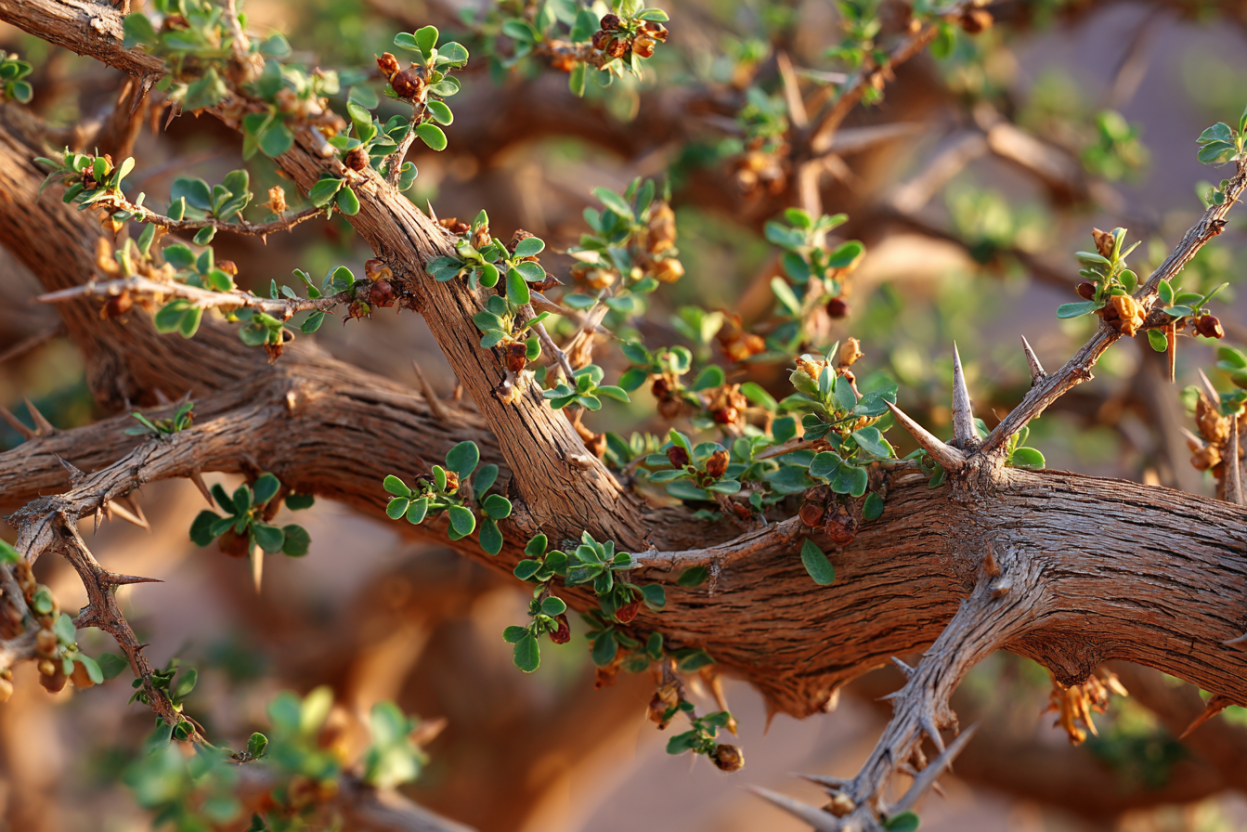
Myrrh (Commiphora myrrha)
If you have ever struggled with persistent pain, slow-healing wounds, inflamed gums, or a body that just feels weighed down by chronic inflammation, you are far from alone. Millions of people search for relief daily, often unaware that one of the most powerful substances documented in human history has been quietly available for over five thousand years. Myrrh — the ancient, aromatic resin that built trade empires and graced the halls of kings — is now the subject of modern scientific research that confirms what our ancestors already knew.
This remarkable resin is one of the most prominent gifts the Creator embedded into nature for our benefit. Few plants appear as frequently in Scripture or across as many healing traditions worldwide. From the holy anointing oil described in Exodus to the gifts presented at the birth of Christ, myrrh has been woven into the story of God’s provision from the very beginning.
The Plant
Common Names: Myrrh, Common Myrrh, Herabol Myrrh, Somali Myrrh, African Myrrh, Gum Myrrh, Arabian Myrrh, Mo Yao (Chinese), Bol (Hindi), Dheddin (Somali), Murr (Arabic)
Botanical Name: Commiphora myrrha (T. Nees) Engl. (syn. Commiphora molmol, Balsamodendron myrrha)
Family: Burseraceae (the incense tree family, which also includes frankincense)
Description
Commiphora myrrha is a small, thorny, deciduous shrub or tree that grows to about 5 meters (16 feet) tall with a spread of up to 6 meters. Its trunk is short, thick, and covered in a distinctive two-layered bark: the outer layer is silvery-white to bluish-grey with a papery, flaking texture, while the inner layer is green and photosynthetic. The branches are stiff, knotted, and end in sharp spines.
The leaves are greyish-green with a papery texture, pinnately compound with three leaflets, each oblong to oval and measuring between 6 and 44 millimeters long. The flowers are tiny, yellow-red, dioecious (male and female on separate plants), and arranged in panicle clusters. The smooth, brown fruit is egg-shaped and roughly the same size as the flowers. When the bark is cut or damaged, a pale yellow oleo-gum-resin oozes from the wound and dries into reddish-brown, irregularly shaped lumps or “tears” that become hard and glossy upon exposure to air. This dried resin is what we know as myrrh.
Origin
Myrrh is indigenous to the arid, rocky landscapes of northeastern Africa — primarily Somalia (the world’s largest producer), the Somali regions of Ethiopia and Kenya, Djibouti, and Eritrea — as well as parts of the Arabian Peninsula, including Oman, Yemen, and Saudi Arabia. The tree thrives on rocky slopes and desert valleys amid sparse Acacia bushland, growing at elevations of 250 to 1,300 meters on thin, limestone-rich soils receiving only about 230 to 300 millimeters of rainfall annually.
Brief History
Myrrh has been documented in human use for over five thousand years, making it one of the most ancient medicinal substances known. The Sumerians employed myrrh resin as early as 1100 BCE to address dental infections and intestinal complaints. In ancient Egypt, myrrh was essential for religious ceremonies, perfumery, and the embalming process that preserved the bodies of pharaohs. Egyptian women also used myrrh oil as a rejuvenating facial treatment.
Myrrh, alongside frankincense, formed the foundation of one of the ancient world’s most lucrative trade networks. Caravans carried these precious resins along the incense routes connecting the Horn of Africa and the Arabian Peninsula to Egypt, Greece, Rome, India, and China. The Greeks carried myrrh ointment into battle for treating wounds, and Hippocrates wrote about myrrh more than any other plant substance. In Traditional Chinese Medicine, myrrh (Mo Yao) has been used since the Tang Dynasty (approximately 600 CE) for promoting blood circulation, reducing pain, and supporting tissue regeneration. Ayurvedic and Unani medicine systems have similarly documented its use for centuries across South Asia and the Middle East.
Growing & Cultivation
Climate & Zones
Myrrh is a true desert plant adapted to extreme heat and drought. It is hardy to approximately USDA Zone 10 and above, thriving in regions where temperatures remain warm year-round and frost is rare or absent. In the United States, outdoor cultivation is limited to the warmest parts of Southern Florida, Hawaii, and protected microclimates of Southern California and Arizona. However, myrrh can be grown as a container specimen in cooler regions and brought indoors during winter, or maintained in a heated greenhouse.
Soil Requirements
Myrrh’s natural habitat is shallow, rocky, limestone soil that is extremely well-draining. In cultivation, use a sandy or gravelly mix with neutral to mildly alkaline pH (7.0–8.0). A cactus or succulent potting mix amended with extra perlite or coarse sand works well for container growing. The tree tolerates nutritionally poor soil and actually performs poorly in rich, heavily amended earth. Excellent drainage is absolutely critical — myrrh will not tolerate waterlogged roots and is highly susceptible to root rot in overly moist conditions.
Water & Sunlight
Myrrh is extremely drought-tolerant once established, adapted to surviving on as little as 230 millimeters of rainfall per year in its native habitat. Water deeply but infrequently, allowing the soil to dry completely between waterings. During the dormant period (winter), reduce watering significantly. Overwatering is the most common cause of failure with this species. The tree requires full sun — a minimum of 6 to 8 hours of direct sunlight daily. In indoor settings, place near a south-facing window or supplement with strong grow lights.
Propagation
Seed: Myrrh can be propagated from seed, though germination rates are notoriously low — typically between 1.8% and 8% due to natural dormancy. Seeds should be sown fresh when possible, lightly covered in a sandy mix, and kept warm (above 25°C / 77°F). Germination may take several weeks to months.
Cuttings: Hardwood cuttings taken at the end of the growing season are the more reliable method. Select a sturdy branch, allow the cut end to callus for several days in a dry location, then plant in a well-draining medium. Due to Commiphora myrrha’s regenerative capacity, the tree quickly forms calluses after cuts, facilitating recovery. This is the preferred propagation method in most nursery settings.
Planting
For container growing, choose a terracotta or unglazed clay pot with generous drainage holes. Plant in a fast-draining mix and place in the brightest, warmest location available. Fertilize sparingly with a balanced fertilizer during the growing season. Occasional pruning can remove damaged branches and guide growth form.
Harvesting
Myrrh resin is harvested by making deliberate cuts (incisions) through the bark into the sapwood of the tree. The oleo-gum-resin oozes from these wounds as a waxy, pale yellow liquid that coagulates and hardens into reddish-brown “tears” within days. Harvesting is traditionally done during the dry season when resin flow is greatest. The tree can be cut repeatedly throughout the season, and trees are typically harvested beginning at 3 to 5 years of age. In cultivation outside its native range, resin production may be limited, but even small amounts are valuable.
Drying & Storage
The harvested resin tears dry naturally in the arid air of their native environment. In other climates, allow tears to air-dry in a warm, well-ventilated area for 1 to 2 weeks until completely hard and brittle. Store dried myrrh resin in airtight glass containers in a cool, dark place. Properly stored, myrrh resin retains its aromatic and medicinal properties for years — even centuries, as evidenced by myrrh found in Egyptian tombs.
Pest & Disease Management
Myrrh is a remarkably pest-resistant species when grown under appropriate conditions. The resin itself is a natural antimicrobial and insect deterrent. The primary threat in cultivation is fungal disease and root rot caused by excessive moisture — prevented by ensuring well-draining soil and careful watering. In rare cases, scale insects or mealybugs may appear; treat with neem oil or insecticidal soap.
Companion Planting
In its native habitat, myrrh grows naturally alongside Acacia (Vachellia) species and other drought-adapted plants. In cultivation, companion plants include other resinous or arid-climate species such as frankincense (Boswellia), aloe, and drought-tolerant herbs like rosemary and lavender. Avoid planting alongside moisture-loving species.
The Healing of Growing
While growing myrrh presents unique challenges outside tropical zones, the endeavor itself offers benefits beyond the harvest. The act of caring for any plant — hands in soil, bare feet on earth, time spent outdoors — has been shown to reduce cortisol, improve mood, and support immune function. The soil contains beneficial bacteria (Mycobacterium vaccae) with documented antidepressant effects (Lowry et al., 2007, PNAS). When you nurture a myrrh tree, you participate in a tradition of stewardship that connects you to thousands of years of human history and to the Creator who designed it all.
Nutritional & Chemical Profile
Myrrh is not consumed as a food in the conventional sense; it is a resin used in small quantities as a flavoring agent, in tinctures, and in capsules. The U.S. Food and Drug Administration has granted myrrh Generally Recognized as Safe (GRAS) status as a flavoring ingredient in beverages, baked goods, sweets, desserts, and chewing gum. Rather than macronutrient data, myrrh’s value lies in its extraordinarily complex phytochemical profile.
Chemical Composition
Myrrh resin consists of three primary fractions:
Volatile/Essential Oil (3–8%): Rich in sesquiterpenes — the primary bioactive fraction responsible for myrrh’s analgesic, anti-inflammatory, and antimicrobial properties. Key compounds include furanoeudesma-1,3-diene, curzerene, furanodiene, furanodienone, lindestrene, β-elemene, α-copaene, β-caryophyllene, and the sesquiterpene alcohol elemol.
Alcohol-Soluble Resin (25–40%): Contains commiphoric acids, commiphorinic acid, heerabolene, and a range of diterpenoids, triterpenoids, and steroids. This fraction carries the astringent, wound-healing, and antimicrobial properties.
Water-Soluble Gum (30–60%): Composed of polysaccharides, proteins, and inorganic elements including chlorine, magnesium, calcium, and phosphorus. This fraction provides the mucilaginous, soothing quality used in oral care products.
Key Bioactive Compounds
Furanoeudesma-1,3-diene: A furanosesquiterpene that is one of the major components of myrrh essential oil (up to 30% of the volatile fraction). Research has demonstrated this compound interacts with opioid receptors in the central nervous system, producing analgesic effects that can be blocked by the morphine-antagonist naloxone (Dolara et al., 1996, Nature).
Curzerene: Another furanosesquiterpene with documented analgesic and anti-inflammatory activity. Works synergistically with furanoeudesma-1,3-diene.
T-cadinol: A sesquiterpene with smooth muscle relaxing and antidiarrheal properties.
β-Elemene: A monocyclic sesquiterpenoid approved in China since 1993 via injection for cancer support. Research has demonstrated passage through the blood-brain barrier.
Guggulsterones (Z and E isomers): Plant sterols with documented anti-inflammatory, anti-proliferative, antioxidant, and lipid-lowering properties.
Mineral Content
Analysis of myrrh resin has identified the presence of inorganic elements including calcium, magnesium, phosphorus, chlorine, iron, and trace minerals — contributing to its broad-spectrum biological activity (Ahamad et al., 2017, Saudi Pharm J).
Connection to Body Compounds
The sesquiterpene compounds in myrrh directly influence several body compounds. The furanosesquiterpenes interact with the opioid receptor system, affecting the body’s endorphin pathways. Research suggests myrrh’s anti-inflammatory activity operates through suppression of NF-κB, MAPK, and JAK/STAT pathways, thereby reducing pro-inflammatory cytokines including TNF-α, IL-1β, and IL-6 while enhancing anti-inflammatory IL-10. Myrrh has also demonstrated effects on prostaglandin production and nitric oxide synthesis.
Culinary Uses
Edible Uses
While myrrh is not eaten as a food, it has a long history as a flavoring agent. The resin contributes a distinctive warm, bitter, balsamic character to preparations. The FDA classifies it as GRAS for use in beverages, baked goods, sweets, desserts, and chewing gum. In the Middle East and East Africa, myrrh is still used to flavor meat products and traditional beverages.
Flavor Profile
Myrrh’s flavor is intensely bitter with warm, aromatic, slightly spicy, and balsamic undertones. The bitterness is pronounced and lingering. In very small quantities, it adds depth and complexity to foods and drinks. The name “myrrh” itself derives from the Arabic word murr, meaning “bitter.”
Preparation
Myrrh resin can be ground into a fine powder and added sparingly to spice blends, simmered in wine or honey to create infusions, or used to flavor meats in traditional Middle Eastern and African cooking. It is also used in traditional bitter liqueurs and digestive preparations. The resin dissolves best in alcohol or oil rather than water alone.
Culinary Pairings
Myrrh’s warm bitterness complements honey, cinnamon, clove, cardamom, frankincense, red wine, dried fruits, and rich meats like lamb and goat. It pairs beautifully with other warming spices in traditional Middle Eastern and Ethiopian cuisine.
Storage
Whole resin tears keep indefinitely when stored in an airtight container in a cool, dark place. Ground myrrh powder should be used within 6 to 12 months for optimal flavor and potency.
Ready to explore myrrh in the kitchen? View Recipes on Chefts →
Wellness & Therapeutic Uses
Traditional Uses
Myrrh stands among the most extensively documented medicinal substances in human history, with a healing tradition spanning at least five millennia across virtually every major civilization.
Ancient Egypt: The Ebers Papyrus (c. 1550 BCE) documents myrrh for wound care, embalming, and fumigation. Egyptian women used myrrh preparations for skin rejuvenation and cosmetic purposes.
Greek & Roman Medicine: Hippocrates (c. 460–377 BCE) wrote about myrrh more than any other plant substance, using it for wound care. Dioscorides documented it extensively in his Materia Medica. Greek soldiers carried myrrh ointment into battle. Pliny the Elder wrote of its medicinal and aromatic uses.
Traditional Chinese Medicine: Known as Mo Yao, myrrh has been used since the Tang Dynasty (c. 600 CE) for promoting blood circulation, dispersing stasis, calming pain, reducing swelling, and generating new tissue. It is often paired with frankincense (Ru Xiang) as a classical drug pair.
Ayurvedic Medicine: Used for centuries in India for wound healing, joint pain, digestive disorders, and circulatory support. Sanskrit texts document its role in bone healing and musculoskeletal conditions.
Unani Medicine: Prescribed as an antiseptic, astringent, anthelmintic, carminative, emmenagogue, expectorant, and stomachic. Used for treating fever, common cold, chronic cough, diphtheria, tonsillitis, pharyngitis, bronchitis, arthritis, gastrointestinal and urogenital disorders, wounds, and skin conditions.
African Traditional Medicine: Widely used across East Africa and the Horn of Africa for wound care, digestive complaints, and as a fumigant for purification. Remains an important trade commodity for local communities today.
Modern Research
Pain Relief (Analgesic Activity): Research has identified that the sesquiterpenes furanoeudesma-1,3-diene and curzerene in myrrh interact with opioid receptors in the central nervous system, producing analgesic effects similar in mechanism to morphine but without the dependency side effects. These effects were blocked by the opioid antagonist naloxone, confirming opioid receptor involvement (Dolara et al., 1996, Nature, Italy). A human pilot study of 184 volunteers found that MyrLiq (a standardized myrrh extract) at 200–400 mg/day for 20 days produced analgesic effects comparable to conventional drugs like diclofenac and ibuprofen, with no reported side effects (Germano et al., 2017, Biomed Res Int, Italy).
Anti-Inflammatory Activity: Myrrh mediates its anti-inflammatory effects through multiple pathways: inducing haem oxygenase activity, inhibiting the NF-κB and MAPK pathways, suppressing production of pro-inflammatory cytokines (TNF-α, IL-1β, IL-6), enhancing anti-inflammatory IL-10, and inhibiting 5-lipoxygenase to suppress leukotriene production. A double-blind, randomized clinical trial of 96 ulcerative colitis patients found that a myrrh combination preparation (MYRRHINIL-INTEST) showed comparable efficacy to conventional mesalamine with better tolerability (Albrecht et al., 2015, BMJ Open Gastroenterol, Germany).
Antimicrobial Activity: Myrrh extracts and essential oils have demonstrated activity against a wide range of pathogens including Staphylococcus aureus, Proteus mirabilis, Escherichia coli, and various dermatophytes including Microsporum gypseum, Trichophyton rubrum, and Trichophyton mentagrophytes (Akinpelu et al., 2022, Naunyn-Schmiedeberg’s Arch Pharmacol, Nigeria).
Wound Healing: A randomized controlled trial found myrrh sitz baths significantly improved episiotomy wound healing in postpartum women (Sarbaz et al., 2019, J Family Reprod Health, Iran). Research published in 2022 provided evidence for myrrh’s wound-healing properties attributed to its role in modulating macrophage function, promoting both M1 and M2 polarization and complete re-epithelialization of skin (Alqahtani et al., 2022, Pharmaceuticals, Saudi Arabia).
Oral Health: Myrrh is among the most effective herbal medicines for supporting oral health. A randomized controlled trial demonstrated that myrrh mouthwash improved early wound healing after tooth extraction (Eid, 2021, Saudi Dent J, Saudi Arabia). Its astringent, antiseptic, and anti-inflammatory properties make it traditionally valued for gingivitis, mouth ulcers, sore throat, and pharyngitis.
Gastrointestinal Support: In animal studies, an aqueous suspension of myrrh protected gastric mucosa from various ulcerogenic agents. Myrrh’s antiulcer activity is suggested to be due to inhibition of gastric acid secretion, increased gastric mucus production, and antioxidant properties.
Blood Sugar Support: Commiphora myrrha has demonstrated the ability to stimulate insulin secretion from mouse and human islets of Langerhans (Al-Romaiyan et al., 2021, J Ethnopharmacol, UK). Research suggests myrrh may support healthy blood sugar levels through both anti-inflammatory protection of beta cells and direct metabolic effects.
Lipid-Lowering Activity: Compounds in myrrh, particularly guggulsterones, have demonstrated the ability to lower LDL cholesterol and triglycerides in animal models by modulating farnesoid X receptor activity and bile acid metabolism.
Anti-Cancer Research: In vitro and animal studies have shown myrrh extracts exhibit cytotoxic activity against several cancer cell lines including leukemia (HL60), breast cancer, and colorectal cancer cells. Research suggests myrrh may exert anti-cancer effects through regulating genes involved in cell proliferation, migration, and apoptosis through TNF, PI3K-Akt, NF-κB, and MAPK signaling pathways. These are preliminary findings requiring further human clinical research.
Body Systems Supported
Digestive system (gastric protection, carminative, digestive stimulant), immune system (antimicrobial, immune-modulating), nervous system (analgesic via opioid receptors), cardiovascular system (cardioprotective, lipid-lowering), respiratory system (expectorant, chest decongestant), musculoskeletal system (anti-inflammatory, pain relief for joints and muscles), integumentary system (wound healing, skin regeneration, antifungal), endocrine system (blood sugar regulation, emmenagogue), reproductive system (traditionally used for menstrual support).
Body Compounds Affected
Research suggests myrrh influences: beta-endorphins (through opioid receptor interaction), prostaglandins (inhibiting production to reduce pain and inflammation), cytokines (TNF-α, IL-1β, IL-6 reduced; IL-10 enhanced), nitric oxide (modulating NO synthesis in macrophages), insulin (stimulating secretion from islet cells), and cortisol (through stress-modulating aromatic properties).
Methods of Use
Resin (Direct)
Small pieces of dried myrrh resin can be chewed slowly for oral health support — a practice dating back thousands of years. The bitter, aromatic taste stimulates digestion and the astringent properties support gum health. Chew only small amounts (pea-sized) for short periods.
Tincture
Myrrh tincture is one of the most common preparations. The resin dissolves well in alcohol, creating a concentrated liquid extract. Typical dosage ranges from 1 to 4 milliliters, taken up to three times daily. Myrrh tincture can be applied directly to gums and mouth sores, diluted as a gargle for sore throat, or taken internally in small amounts.
Capsule/Powder
Ground myrrh resin is available in capsule form. Research studies have used doses of 600 to 1,200 mg by mouth daily for up to 12 months. Always follow product labeling and consult with a qualified healthcare provider for appropriate dosing.
Mouthwash/Gargle
Myrrh-based mouthwash supports oral health. Add 5 to 10 drops of myrrh tincture to a small glass of warm water and use as a gargle or mouthwash. Do not swallow.
Poultice/Compress
For topical application, myrrh powder can be mixed with warm water or a carrier oil to create a paste applied directly to wounds, boils, or skin irritations. A cloth soaked in strong myrrh tea can serve as a compress for inflamed areas.
This information is for educational purposes only and is not intended to diagnose, treat, cure, or prevent any disease. Always consult with a qualified healthcare provider before making changes to your health regimen.
Cosmetic & Beauty Uses
Skin Benefits
Myrrh has been used in skin care since the time of the ancient Egyptians, who prized it as a rejuvenating facial treatment. Modern research supports what these ancient cosmetic practices discovered: myrrh’s antioxidant, anti-inflammatory, antimicrobial, and cell-regenerating properties make it a valuable ingredient for skin health.
Mature/Aging Skin: Myrrh’s antioxidant compounds combat free radical damage, while its ability to stimulate circulation and promote cellular regeneration may help reduce the appearance of fine lines and wrinkles. Its moisturizing properties help restore the skin’s natural barrier.
Dry/Damaged Skin: Myrrh helps strengthen the skin barrier, locking in hydration and supporting repair of chapped, cracked, or windburned skin. It is particularly beneficial in hot, dry climates.
Acne-Prone Skin: The astringent properties tighten pores while the antimicrobial action addresses bacteria associated with breakouts. The anti-inflammatory effects help calm redness and swelling.
Wound Care: Myrrh’s historical use for wound healing is supported by modern research showing it promotes white blood cell activity around skin wounds and supports complete re-epithelialization.
Eczema & Psoriasis: The anti-inflammatory and antimicrobial properties may help soothe inflamed, itchy skin associated with these conditions when used as part of a gentle care routine.
Hair Benefits
Myrrh’s astringent properties may help strengthen hair roots and reduce hair loss when applied to the scalp. Its anti-inflammatory and antifungal actions address dandruff and scalp irritation. Improved circulation to the scalp may support healthier hair growth and improved texture.
Application Methods
Infused Oil: Soak crushed myrrh resin in a carrier oil (jojoba, sweet almond, or rosehip) for 4 to 6 weeks. Strain and use as a facial oil, body oil, or massage oil.
Face Serum: Add 2 to 3 drops of myrrh essential oil per tablespoon of carrier oil. Apply to clean, damp skin. Rosehip oil makes an excellent carrier for anti-aging facial serums.
Foot Care: Myrrh’s antifungal properties make it excellent in foot creams and soaks for addressing athlete’s foot, cracked heels, and fungal nail concerns.
Bath Addition: Add a few drops of myrrh essential oil to bath water (with a dispersant like Epsom salt or milk) for a skin-nourishing soak.
DIY Formulation Notes
When incorporating myrrh essential oil into homemade products, use a maximum of 2 to 3% dilution for leave-on products. Always perform a patch test before first use. Myrrh blends beautifully with frankincense, rose, sandalwood, lavender, and patchouli in cosmetic formulations. Carrier oils that pair well include jojoba, rosehip, sweet almond, and argan. Homemade myrrh-infused preparations should be used within 6 months.
Myrrh is among the botanicals being explored for holistic cosmetic applications, where the wisdom of traditional beauty practices meets modern understanding of skin science.
Essential Oil Profile
Extraction
Myrrh essential oil is primarily obtained through steam distillation of the dried oleo-gum-resin. CO2 extraction is also used to produce a fuller-spectrum extract. The essential oil is deep amber to brown in color with a thick, viscous consistency. Yield is relatively low — the resin contains only 3 to 8% volatile oil, meaning substantial quantities of resin are required to produce small amounts of oil, which contributes to its higher cost.
Chemical Constituents
The essential oil is dominated by furanosesquiterpenes, which are responsible for its primary therapeutic effects:
Sesquiterpenes (dominant class): Furanoeudesma-1,3-diene (up to 30% — analgesic, anti-inflammatory, opioid receptor interaction), curzerene (analgesic, anti-inflammatory), furanodiene, furanodienone, lindestrene, β-elemene (anti-tumor research), isofuranogermacrene, curzerenone, α-copaene, β-caryophyllene (anti-inflammatory, CB2 receptor interaction), and the sesquiterpene alcohol elemol.
Monoterpenes: Present in smaller quantities, contributing to the overall aroma.
Other compounds: Cuminaldehyde, eugenol, and various additional terpenic compounds.
Aroma Profile
Myrrh is classified as a base note in perfumery, meaning its scent is long-lasting and anchoring. The aroma is warm, rich, earthy, smoky, and balsamic with bitter, resinous, and slightly spicy undertones. It evolves over time on the skin, becoming warmer and more balsamic as it dries. Myrrh blends exceptionally well with frankincense, sandalwood, cedarwood, patchouli, rose, lavender, bergamot, geranium, juniper, and cinnamon.
Therapeutic Properties
Research suggests myrrh essential oil may support: anti-inflammatory response, antimicrobial defense (antibacterial, antifungal, antiviral), analgesic (pain-modulating) activity, wound healing and skin cell regeneration, astringent action, expectorant function, antioxidant protection, and calming/meditative emotional states.
How to Use
Diffusion
Add 3 to 5 drops to an ultrasonic diffuser. Myrrh’s thick consistency may require warming the bottle gently in your hands before dispensing. Diffuse for 30 to 60 minutes. Creates a warm, grounding atmosphere supportive of meditation, prayer, and relaxation.
Topical Application
Always dilute before skin application. Standard adult dilution: 2 to 3% (approximately 3 to 6 drops per tablespoon of carrier oil). For sensitive skin: 1% dilution. For children over 6: 0.5 to 1% dilution. Myrrh is not recommended topically for children under 6 without professional guidance. Suitable carrier oils include jojoba, sweet almond, coconut, and grapeseed oil. Perform a patch test before widespread use.
Quality & Sourcing
When purchasing myrrh essential oil, look for: 100% pure, undiluted oil from Commiphora myrrha; GC/MS (gas chromatography-mass spectrometry) test results available from the supplier; steam-distilled from authentic resin; sourcing from reputable suppliers with transparent supply chains. Myrrh is sometimes adulterated with cheaper resins or synthetic fragrances. The authentic oil should be thick, amber-brown, and have a complex, warm balsamic scent — not sharp or synthetic-smelling.
Blending
Myrrh pairs beautifully with frankincense (the biblical combination — synergistic anti-inflammatory and meditative effects), lavender (calming skin and wound support), sandalwood (research shows this combination is especially effective against skin-wound microbes), cedarwood (grounding and respiratory support), and rose (skin rejuvenation and emotional healing).
Aromatherapy & Scent
The Aroma
Fresh resin: When first harvested, myrrh resin has a waxy, slightly sweet aroma with warm balsamic overtones. As it dries and hardens, the scent deepens into the characteristic warm, smoky, earthy, bitter-sweet fragrance. When the resin is warmed, crushed, or burned as incense, it releases a rich, complex aromatic cloud that has filled temples, homes, and healing spaces for millennia. The scent is strongest when the resin is heated or freshly cut.
Dried resin: Dried myrrh tears retain their aromatic properties for years — even centuries. The scent of dried resin is subtler than when burned but still distinctly warm, bitter, and balsamic when held close. Grinding the resin releases a burst of fragrance.
How Scent Affects Your Body
When you inhale myrrh’s aroma, volatile molecules released from the resin enter the nasal passages and contact olfactory receptor neurons. These receptors send electrical signals directly to the limbic system — the brain’s emotional center including the amygdala and hippocampus — and to the hypothalamus, which regulates hormones. This direct pathway bypasses conscious thought, meaning the body responds emotionally and hormonally within seconds of inhaling the scent, before you are even consciously aware of what you are smelling.
Emotional & Mood Effects
Myrrh’s aroma is widely regarded as grounding, centering, and calming. Aromatherapists and traditional practitioners report that inhaling myrrh promotes a sense of inner stillness and presence, making it one of the most valued scents for meditation and prayer across multiple faith traditions. Research from the Universities of Berlin and Vienna has shown increased oxygenation around the pineal and pituitary glands when myrrh is used. The sesquiterpenes in myrrh have been shown to cross the blood-brain barrier and affect brain tissue, potentially influencing the hypothalamus, pituitary, and amygdala. The overall effect is calming, introspective, and spiritually supportive without being sedating.
Body Compounds Affected
While specific studies on myrrh’s aroma and individual neurotransmitters are limited, the broader aromatherapy research framework and myrrh’s known sesquiterpene content suggest it may influence: cortisol (lowering through stress reduction), beta-endorphins (through opioid receptor engagement of inhaled volatile compounds), and general nervous system calming through parasympathetic activation.
Ways to Experience the Scent
Beyond essential oil diffusion, you can experience myrrh’s aroma by burning resin tears on a charcoal disc (the most ancient method — used in churches and temples worldwide); warming resin on an electric incense heater (smokeless option); placing resin pieces in a sachet near your bed; simmering crushed resin in water on the stove; adding a few pieces to a warm bath; and simply holding a piece of resin and breathing in its natural scent. Each method offers a slightly different aromatic experience, from the full, smoky richness of burned incense to the softer, subtler fragrance of warmed resin.
Color Therapy
The Colors of Myrrh
The myrrh tree displays soft, muted colors: greyish-green leaves, silvery-white to bluish-grey bark with a green photosynthetic inner layer, tiny yellow-red flowers, and pale yellowish new resin that darkens as it dries. The dried resin itself — the part most people encounter — ranges from golden amber to deep reddish-brown, often with a glossy, jewel-like surface.
Color Wavelengths
The dominant colors associated with myrrh fall in the amber-to-brown range, which straddles the boundary between orange (590–620 nm) and red (620–700 nm) wavelengths. The tree’s greenery falls in the green spectrum (495–570 nm), while the subtle yellow-red flowers span the yellow-to-red transition.
How These Colors Affect the Body
The warm amber-brown tones of myrrh resin fall in the orange-red color range, which according to color therapy principles is associated with warmth, grounding, stimulating circulation, creative energy, and digestive support. The green of the living tree provides the classic balancing, calming, and heart-centered effects associated with the green wavelength. Having amber-colored myrrh resin visible in your environment — in a glass jar on a shelf, in a bowl as decorative incense pieces — provides subtle exposure to these warming, grounding wavelengths.
Using Myrrh for Color Therapy
Display beautiful pieces of myrrh resin in clear glass containers where natural light can illuminate their amber-brown tones. Place the living tree (if growing one) in spaces that benefit from the calming influence of green foliage. The visual act of watching myrrh resin smolder and release fragrant smoke also provides a meditative focal point that combines color therapy with aromatherapy.
Frequency & Vibration
The Frequency of Myrrh
According to bio-frequency research pioneered by Bruce Tainio, essential oils vibrate at measurable frequencies far higher than the human body. Myrrh essential oil has been reported to vibrate at approximately 105 MHz, which is significantly above the healthy human body range of 62–78 MHz. For comparison, a human body experiencing cold or flu onset may drop to around 58 MHz, and disease states may correspond to frequencies below 58 MHz.
Human Frequency Interaction
The principle of entrainment suggests that when a stronger, more coherent frequency is introduced into the presence of a weaker one, the weaker frequency tends to synchronize upward. Proponents of vibrational medicine believe that being in the presence of high-frequency substances like myrrh essential oil, or spending time near living high-frequency plants, may support the body’s own frequency. While this is an area where research is still emerging, the concept aligns with the broader biophysical understanding that all matter vibrates at the molecular level.
Essential Oil Frequency
At approximately 105 MHz, myrrh essential oil is among the higher-frequency essential oils, though not the highest (rose oil has been measured at approximately 320 MHz). The concentration process of steam distillation may intensify the frequency of the plant’s bioactive compounds. Frequency measurements suggest that using myrrh essential oil in diffusion, topical application, or simply opening the bottle and inhaling may expose the body to these elevated frequencies.
Vibrational Applications
Myrrh has been used for millennia in environments intended for spiritual elevation — temples, churches, prayer rooms, and meditation spaces. Whether understood through the lens of vibrational frequency or simply through the documented neurological effects of its sesquiterpenes on the brain, myrrh consistently supports states of centered awareness, grounded calm, and spiritual receptivity.
The Living Plant
Benefits of Presence
While myrrh trees are not common houseplants due to their specific climate requirements, those who can grow them — in greenhouses, conservatories, or warm outdoor climates — benefit from the simple presence of a living Commiphora myrrha. Research on biophilic design consistently demonstrates that living plants in the environment reduce stress, improve mood, restore attention, and create a sense of connection to nature. A myrrh tree, with its ancient lineage and biblical significance, carries an additional layer of meaning for those who grow it intentionally.
Air Quality Considerations
While Commiphora myrrha has not been specifically included in the NASA Clean Air Study, the resin-producing Burseraceae family is known for releasing phytoncides — antimicrobial volatile organic compounds that may purify the surrounding air. Living plants in general contribute to oxygen production and humidity regulation. The resinous nature of the myrrh tree means it continuously releases small amounts of volatile terpenes into the surrounding air, potentially providing low-level antimicrobial and aromatic benefits simply through its presence.
Visual & Psychological Benefits
Research consistently shows that patients with views of plants heal faster, workers near plants report higher productivity and satisfaction, and time spent viewing natural greenery reduces cortisol and activates parasympathetic nervous system responses. Growing a myrrh tree connects the caretaker to one of humanity’s oldest medicinal plants, fostering mindfulness, patience (it is a slow grower), and appreciation for the Creator’s design.
Growing Indoors vs Outdoors
Myrrh can be grown indoors in a sunny window or under grow lights in a well-draining container. It tolerates indoor conditions reasonably well if given sufficient light, minimal water, and warm temperatures. Outdoors, it thrives only in frost-free, arid climates (Zone 10+). Whether indoors or out, the tree’s spiny, sculptural form and peeling bark create a living conversation piece with a story stretching back to the dawn of civilization.
Touch & Physical Interaction
Gardening Therapy
Working with myrrh — whether tending a tree, handling resin, or processing the dried tears — engages the principles of horticultural therapy. The deliberate, attentive care required by this desert species encourages mindfulness and patience. The act of making incisions to harvest resin is itself a meditative practice requiring presence and respect for the living tree.
Soil Contact Benefits
For those growing myrrh outdoors, the gardening process provides opportunities for direct earth contact. Research on grounding (earthing) shows that barefoot contact with the earth allows electron transfer that may reduce inflammation and improve sleep. The soil bacterium Mycobacterium vaccae has documented antidepressant effects, stimulating serotonin production when introduced through skin contact with soil.
The Tactile Experience
Handling myrrh resin is a unique sensory experience. The dried tears are hard, glossy, and smooth to the touch, with a satisfying weight for their size. When warmed in the hands, they become slightly tacky and release their distinctive aroma more strongly. Crushing resin between the fingers produces a satisfying texture shift and an immediate aromatic reward. The bark of the living tree has a papery, peeling quality, while the leaves are small and slightly rough. The thorns demand awareness and respect — a natural reminder to be present.
Harvesting & Processing
The traditional harvest of myrrh resin — scoring the bark, waiting for the sap to flow and harden, carefully collecting the dried tears — is one of the oldest agricultural practices on earth. For those fortunate enough to grow a resin-producing tree, this process connects the hands to an unbroken tradition spanning five thousand years. Sorting resin tears by size and quality, grinding them in a mortar and pestle, or carefully placing them on a charcoal disc for burning are all tactile, meditative activities that deepen the relationship between person and plant.
Water-Based Applications
Teas & Infusions
Myrrh resin can be used to make a bitter, aromatic infusion. Crush 1/2 to 1 teaspoon of resin and steep in 8 ounces of just-boiled water for 10 to 15 minutes. Strain through a fine mesh (the gum fraction will partially dissolve while the resin may leave residue). The resulting tea is intensely bitter and aromatic. Honey can be added to improve palatability. This infusion has been traditionally used for digestive support, sore throat, and general immune support. Note that myrrh dissolves more completely in alcohol than water; a water infusion extracts primarily the gum fraction and some volatile compounds.
Decoctions
For a stronger water extraction, simmer crushed myrrh resin in water on low heat for 15 to 20 minutes. This extended heating helps release more of the resinous compounds. The resulting decoction is used as a gargle for throat and oral health or as a base for compresses.
Herbal Baths
Myrrh baths have been used therapeutically for skin conditions, wound healing, and general relaxation. Research has documented safe use of diluted myrrh baths for up to 7 days. Add a strong myrrh decoction (or 5 to 8 drops of essential oil mixed with a dispersant like Epsom salts or whole milk) to warm bathwater. Soak for 15 to 20 minutes. A myrrh foot bath using similar preparation is an accessible alternative and may support conditions like athlete’s foot due to the resin’s antifungal properties.
Compresses
Warm compress: Soak a clean cloth in warm myrrh decoction and apply to areas of inflammation, muscle aches, or slow-healing wounds. Hold in place for 15 to 20 minutes. Cold compress: Prepare similarly but allow the decoction to cool. Apply to areas of acute inflammation or swelling.
Steam Inhalation
Add a few pieces of crushed myrrh resin or 2 to 3 drops of essential oil to a bowl of steaming water. Drape a towel over your head and the bowl, and inhale the steam gently for 5 to 10 minutes. Traditionally used for congestion, chest infections, bronchitis, and sinusitis. The antimicrobial volatile compounds in the steam may help address respiratory pathogens while the warm moisture soothes irritated airways. Keep eyes closed during steam inhalation.
Hair Rinses
A myrrh-infused rinse can be prepared by steeping crushed resin in warm water, straining, and allowing it to cool. Pour over freshly washed hair as a final rinse. The astringent and antifungal properties may help address dandruff, scalp irritation, and support hair root strength. Can be combined with rosemary or nettle infusion for enhanced hair health benefits.
Mouthwash & Gargle
One of myrrh’s most well-documented water-based uses is as a mouthwash or gargle. Add 10 to 15 drops of myrrh tincture to a small glass of warm water. Swish thoroughly for 30 to 60 seconds or gargle for sore throat support. Do not swallow. This preparation has been used for gingivitis, mouth ulcers, pharyngitis, and general oral hygiene for thousands of years and remains an ingredient in modern natural oral care products.
Historical, Cultural & Biblical Significance
Biblical References
Myrrh is one of the most frequently mentioned plant substances in all of Scripture, appearing in both the Old and New Testaments across a wide range of contexts — anointing, worship, beauty, romance, suffering, and burial.
The Holy Anointing Oil: “Moreover the LORD spake unto Moses, saying, Take thou also unto thee principal spices, of pure myrrh five hundred shekels, and of sweet cinnamon half so much…” (Exodus 30:23-25, KJV). God Himself specified myrrh as the primary ingredient — and the largest quantity — in the holy anointing oil used to consecrate the Tabernacle, its furnishings, and the priests.
Gift to the King: “And when they had opened their treasures, they presented unto him gifts; gold, and frankincense, and myrrh.” (Matthew 2:11, KJV). The Magi brought myrrh to the infant Jesus — traditionally understood as prophetic of His suffering and burial, since myrrh was used for embalming.
Offered at the Cross: “And they gave him to drink wine mingled with myrrh: but he received it not.” (Mark 15:23, KJV). Wine mixed with myrrh was offered to Jesus as an analgesic before crucifixion — myrrh’s pain-relieving properties, now confirmed by modern science, were known in the ancient world. He refused it, choosing to bear the full weight of suffering.
Used in His Burial: “And there came also Nicodemus, which at the first came to Jesus by night, and brought a mixture of myrrh and aloes, about an hundred pound weight.” (John 19:39, KJV). An extraordinary quantity used to honor the body of Christ.
Beauty & Purification: “…after that she had been twelve months, according to the manner of the women, (for so were the days of their purifications accomplished, to wit, six months with oil of myrrh, and six months with sweet odours…)” (Esther 2:12, KJV). Myrrh oil was used in the beauty regimen of the women of the Persian court.
Royal Garments: “All thy garments smell of myrrh, and aloes, and cassia, out of the ivory palaces, whereby they have made thee glad.” (Psalm 45:8, KJV).
Song of Solomon: Myrrh appears repeatedly in the Song of Solomon as a symbol of love, intimacy, and beauty (Song of Solomon 1:13, 3:6, 4:6, 4:14, 5:1, 5:5, 5:13), weaving this ancient resin into the most tender poetry in Scripture.
Trade Commodity: “And they sat down to eat bread: and they lifted up their eyes and looked, and, behold, a company of Ishmeelites came from Gilead with their camels bearing spicery and balm and myrrh, going to carry it down to Egypt.” (Genesis 37:25, KJV). Myrrh was already a major trade commodity in the time of the patriarchs.
Ancient Civilizations
Egyptian: The Ebers Papyrus (c. 1550 BCE) documents myrrh extensively. Egyptians used it for embalming, fumigation, wound care, cosmetics, and religious ceremonies. It was burned daily in temples as part of the kyphi incense offering.
Greek: Hippocrates (c. 460–377 BCE) documented myrrh’s healing uses more than any other substance. Dioscorides described it in detail in his Materia Medica (1st century CE), which remained a primary medical reference for over 1,500 years. Greek soldiers carried myrrh salve for battlefield wound care.
Roman: Pliny the Elder and Galen both wrote of myrrh’s properties. It was a luxury item in Roman society used for perfumery, medicine, and funeral rites.
Sumerian/Mesopotamian: Records dating to approximately 1100 BCE document myrrh use for dental infections and intestinal parasites.
Eastern Traditions
Traditional Chinese Medicine: Myrrh (Mo Yao) entered Chinese medicine during the Tang Dynasty (c. 600 CE) as an imported medicinal material. It is classified as having a bitter, spicy taste with a neutral temperature, entering the liver, spleen, and heart meridians. Its primary actions are to invigorate blood, dispel stasis, reduce swelling, and alleviate pain. For over a thousand years, it has been paired with frankincense (Ru Xiang) in classical prescriptions — a combination that modern research confirms has synergistic anti-inflammatory and analgesic effects.
Ayurveda: Known in Sanskrit traditions and used in Indian medicine for centuries, myrrh has been documented for wound healing, bone and joint conditions, digestive disorders, and circulatory support. Ayurvedic practitioners valued its ability to promote tissue healing and reduce pain.
Unani Medicine: Used extensively across the Islamic world as documented in the Encyclopedia of Islamic Herbal Medicine. The Prophet Muhammad is recorded as saying, “Fumigate your houses with al-shih, murr, and sa’tar” (mugwort, myrrh, and thyme), affirming its use for purification and health.
African Heritage
The peoples of Somalia, Ethiopia, Djibouti, Eritrea, and the Arabian Peninsula — the native range of Commiphora myrrha — have the longest continuous relationship with this resin. For thousands of years, they have harvested, used, and traded myrrh as both medicine and valuable commodity. Their practical knowledge of harvesting techniques, quality assessment, and traditional medicinal applications represents an unbroken chain of wisdom that modern science is only beginning to validate.
European Heritage
During the medieval period, myrrh was preserved in European monastery gardens and apothecaries as one of the most valued medicinal substances. It appeared in virtually every notable herbal text from Hildegard of Bingen through Gerard and Culpeper. It remained a standard component of European pharmacopeias well into the modern era and continues to be included in the European Pharmacopoeia and British Pharmacopoeia today.
Cultural Symbolism
Across cultures, myrrh has symbolized suffering, healing, purification, and the sacred. In Christian tradition, it is associated with the mortality and burial of Christ. In Egyptian culture, it represented preservation and the passage to the afterlife. In Arabian culture, it symbolized hospitality, purification, and healing. In Chinese medicine, it represents the principle of moving stagnant energy to restore flow and relieve pain. These cultures observed that myrrh provided profound healing benefits. They documented these uses in their traditions. While they may not all have known the Creator by name, they were observing His design — and their observations align with what modern research confirms about myrrh’s remarkable properties.
Safety & Precautions
Contraindications
Myrrh should not be used by individuals with known allergy to myrrh or other Burseraceae family plants. It should be avoided or used only under professional supervision by those with existing uterine bleeding conditions, as myrrh has emmenagogue properties that may increase menstrual flow. Discontinue use at least 2 weeks before any scheduled surgery due to potential effects on blood sugar and blood clotting.
Drug Interactions
Blood thinners (Warfarin/Coumadin): A case report documented that myrrh may decrease the effectiveness of warfarin, potentially increasing the risk of blood clots (Al Faraj, 2005, Ann Trop Med Parasitol). Those taking anticoagulant medications should consult their healthcare provider before using myrrh.
Diabetes medications: Myrrh may lower blood sugar levels. When combined with diabetes medications, blood sugar could drop too low. Close monitoring is recommended.
Blood pressure medications: Myrrh may affect blood pressure. Use with caution alongside antihypertensive drugs.
Pregnancy & Nursing
Pregnancy: AVOID. Myrrh is classified as likely unsafe when taken orally during pregnancy. It can stimulate the uterus and may cause miscarriage or preterm labor (Al-Jaroudi et al., 2016, JBRA Assist Reprod). There is insufficient information to determine the safety of topical use during pregnancy. Err on the side of caution and avoid all myrrh use during pregnancy.
Breastfeeding: AVOID. Not enough information is available to determine safety during breastfeeding. Avoid use until more is known.
Children
Myrrh should be used with caution in children. Topical use in very dilute preparations (0.5–1%) may be appropriate for children over 6 years of age for oral care or minor skin issues. Internal use is not recommended for children without professional guidance. Keep all myrrh products and essential oils out of reach of young children.
Elderly
Older adults should start with lower doses and monitor for any adverse effects, particularly if taking medications for diabetes, blood pressure, or blood clotting. Kidney function should be considered, as large doses may cause kidney irritation.
Pets
Dogs: Caution. Myrrh essential oil has been used in veterinary practice, particularly for wound healing and oral health in dogs, but should only be used under veterinary guidance. Large ingestion of myrrh resin may cause gastrointestinal upset including vomiting and diarrhea.
Cats: Caution to Avoid. Cats are more sensitive to essential oils than dogs. While some integrative veterinarians have used myrrh preparations cautiously with cats, it is generally advisable to avoid use on or around cats without specific veterinary guidance.
Horses: Myrrh tincture has been used in equine veterinary practice for wound healing and oral health. Consult a veterinarian familiar with herbal medicine for appropriate use.
Allergies & Sensitivities
Myrrh may cause allergic skin reactions (contact dermatitis) in sensitive individuals. Always perform a patch test before topical use — apply diluted oil to a small area of the inner forearm and wait 24 hours for any reaction. Those with known allergies to the Burseraceae family should avoid myrrh. A case of non-immediate cutaneous reaction following oral intake of a traditional Chinese medicine decoction containing myrrh has been documented.
Dosing Guidelines
Oral use (capsule/powder): 600 to 1,200 mg daily has been used in research studies for up to 12 months. Tincture: 1 to 4 ml up to three times daily. External use: Dilute essential oil to 2–3% in carrier oil. Mouthwash: 5 to 10 drops of tincture in warm water. Large doses (greater than 2–4 grams) may cause kidney irritation and heart rate changes.
Signs of Adverse Reaction
Mild: Skin rash, mild digestive upset, diarrhea. Serious (seek medical attention): Severe skin reaction, rapid heart rate, signs of kidney distress, excessive uterine bleeding. Discontinue use immediately if any adverse reaction occurs.
Disclaimer
This information is for educational purposes only. It is not intended to diagnose, treat, cure, or prevent any disease. Always consult with a qualified healthcare provider before using any herbal product, especially if you are pregnant, nursing, taking medications, or have a medical condition. If you experience any adverse reaction, discontinue use immediately and seek medical attention.
Want Personalized Guidance?
Every body is unique. What works for one person may not be right for another. If you’d like personalized support in incorporating myrrh into your wellness journey, consider working with a qualified practitioner who can assess your individual needs.
Sources & References
Peer-Reviewed Studies
- Analgesic effects of myrrh – Dolara P, Luceri C, Ghelardini C, et al. Nature, 1996, Italy
- A Pilot Study on Bioactive Constituents and Analgesic Effects of MyrLiq, a Commiphora myrrha Extract with a High Furanodiene Content – Germano A, et al. Biomed Res Int, 2017, Italy
- Commiphora myrrh: a phytochemical and pharmacological update – Akinpelu BA, et al. Naunyn-Schmiedeberg’s Arch Pharmacol, 2022, Nigeria
- Components, therapeutic value and uses of myrrh – El Ashry ESH, et al. Pharmazie, 2003, Germany/Egypt
- Myrrh: medical marvel or myth of the Magi? – Nomicos EY. Holist Nurs Pract, 2007, USA
- Seeing the Unseen of the Combination of Two Natural Resins, Frankincense and Myrrh: Changes in Chemical Constituents and Pharmacological Activities – Cao B, et al. Molecules, 2019, China
- The Role of Myrrh Metabolites in Cancer, Inflammation, and Wound Healing – Alqahtani AS, et al. Pharmaceuticals, 2022, Saudi Arabia
- Analgesic, anti-inflammatory and anti-hyperlipidemic activities of Commiphora molmol extract (Myrrh) – Mohamed AA, et al. J Intercult Ethnopharmacol, 2015, Egypt
- The effect of sitz bath of hydro-alcoholic extract of myrrh gum on episiotomy wound healing in nulliparous women – Sarbaz Z, et al. J Family Reprod Health, 2019, Iran
- Commiphora myrrha stimulates insulin secretion from mouse and human islets of Langerhans – Al-Romaiyan A, et al. J Ethnopharmacol, 2021, UK
- Efficacy of Commiphora myrrh mouthwash on early wound healing after tooth extraction – Eid RAA. Saudi Dent J, 2021, Saudi Arabia
- Efficacy and safety of a herbal medicinal product containing myrrh, chamomile and coffee charcoal for the treatment of gastrointestinal disorders – Albrecht U, et al. BMJ Open Gastroenterol, 2015, Germany
- Analysis of inorganic and organic constituents of myrrh resin by GC-MS and ICP-MS – Ahamad SR, et al. Saudi Pharm J, 2017, Saudi Arabia
- Constituents of the essential oil of myrrh – Dekebo A, et al. Flavour Frag J, 1990, Ethiopia
- Efficacy and safety of myrrh in patients with incomplete abortion: a randomized, double-blind, placebo-controlled clinical study – Vafaei H, et al. BMC Complement Med Ther, 2020, Iran
Safety Sources
- Risks of Myrrh usage in pregnancy – Al-Jaroudi D, et al. JBRA Assist Reprod, 2016, Saudi Arabia
- Antagonism of the anticoagulant effect of warfarin caused by the use of Commiphora molmol as a herbal medication: a case report – Al Faraj S. Ann Trop Med Parasitol, 2005, Saudi Arabia
- Myrrh: Overview, Uses, Side Effects, Precautions, Interactions, Dosing and Reviews – WebMD
- Myrrh Uses, Benefits & Dosage – Drugs.com
Traditional Medicine Sources
- The Genus Commiphora: An Overview of Its Traditional Uses, Phytochemistry, Pharmacology, and Quality Control – Molecules, 2024, China
- Myrrh: Mechanism of Action and Pharmacology – DrugBank
Historical & Botanical Sources
Gardening & Soil Research
- Identification of an immune-responsive mesolimbocortical serotonergic system: potential role in regulation of emotional behavior (Mycobacterium vaccae research) – Lowry CA, et al. PNAS, 2007, UK