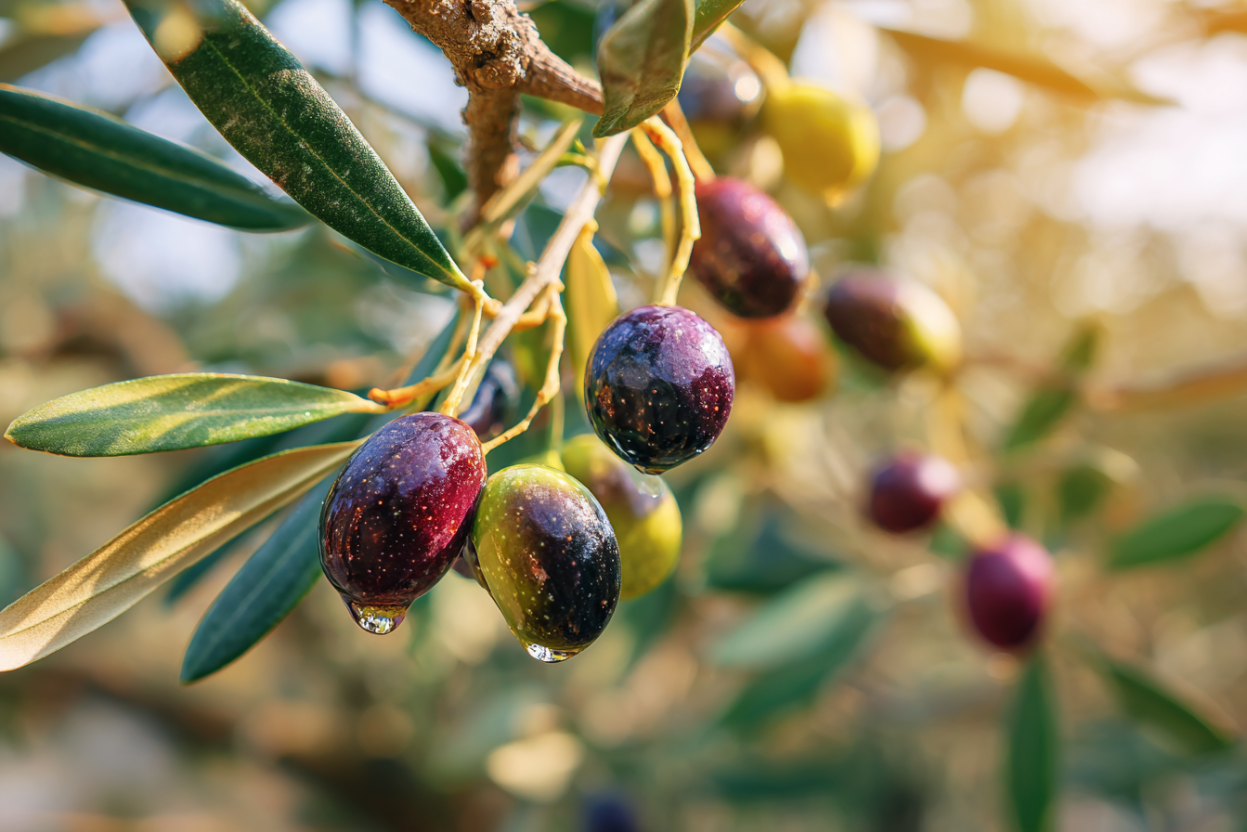
Olive (Olea europaea)
If you struggle with inflammation, high blood pressure, or blood sugar imbalances, you are far from alone — and one of the oldest trees on earth may have been quietly waiting to support you. The olive tree has nourished and sustained human life for over six thousand years, and modern science is only now beginning to confirm what ancient civilizations knew by experience: this tree supports nearly every system in the body.
The olive is one of the most profoundly referenced plants in all of Scripture — a symbol of peace, provision, anointing, and the very presence of God. From the dove returning to Noah with an olive branch to the oil that burned continually in the temple, this remarkable tree reflects the wisdom and generosity of the Creator who embedded it into the foundation of human civilization.
The Plant
Common Names: Olive, Common Olive, European Olive, Edible Olive
Botanical Name: Olea europaea L.
Family: Oleaceae (the olive family, which also includes jasmine, lilac, forsythia, and ash)
Description
The olive is a long-lived, slow-growing evergreen tree that can reach 20 to 50 feet in height in its natural habitat, though cultivated specimens are often kept smaller through pruning. Some olive trees have been documented living for over 1,000 years, with claims of specimens exceeding 1,800 years. The trunk becomes beautifully gnarled and fissured with age, dividing into silvery-gray branches that form a broad, rounded canopy. Even when the top of the tree is damaged, new growth arises from the root system — a testament to its incredible resilience.
The leaves are arranged opposite one another, lanceolate (spear-shaped), about 2 to 8 centimeters long. They are gray-green on top with a distinctive silvery-white underside, created by tiny star-shaped hairs (trichomes) that protect the tree from water loss and UV damage. These leaves shimmer in the wind, creating a visual effect that has captivated artists and gardeners for millennia.
The flowers are small, white, and feathery, appearing in clusters (racemes) from the axils of the previous year’s growth, typically blooming in late spring to early summer. They are primarily wind-pollinated. The fruit is a drupe — similar in structure to a cherry or peach — oval-shaped, 1 to 2.5 centimeters long, ripening from green to purplish-black. The fruit contains a single hard stone (pit) surrounding the seed. Raw olives are extremely bitter due to oleuropein, a phenolic compound, and must be cured before eating.
Origin
The olive tree originated in the eastern Mediterranean region, most likely in the area of modern-day Syria, and has been cultivated since at least the fourth millennium BCE. Archaeological evidence from the Chalcolithic site of Teleilat el Ghassul in modern Jordan provides the earliest known evidence of olive domestication. Wild forms (Olea europaea var. sylvestris) are still found throughout the Mediterranean basin.
From the eastern Mediterranean, olive cultivation spread westward through Greece, Italy, Spain, Portugal, and France. Spanish conquistadors carried olive cuttings to Peru in 1560, and Franciscan missionaries brought them to California in the late 18th century. Today, Spain, Italy, and Greece lead the world in commercial olive production, with Turkey, Tunisia, Morocco, and Algeria also producing significant quantities. Over 2,000 cultivars exist in the Mediterranean basin alone, and olive trees now grow on every inhabited continent where climate permits.
Brief History
The olive is among the oldest cultivated fruit trees in human history. Its cultivation is intertwined with the rise of Mediterranean civilizations — the Egyptians, Greeks, Romans, and Hebrews all relied upon it as a cornerstone of life. The ancient Greeks considered the olive sacred to Athena, who was said to have given the first olive tree to Athens. The Romans spread olive cultivation throughout their empire. The word “oil” itself derives from the Latin oleum, which originally meant “olive oil” exclusively.
Approximately 80% of all harvested olives worldwide are processed into oil, while about 20% are consumed as table olives. Along with wheat and grapes, the olive forms the sacred “trinity” of Mediterranean cuisine — bread, wine, and oil — a triad that mirrors the elements of communion itself.
Growing & Cultivation
Climate & Zones
Olive trees thrive in USDA Hardiness Zones 8 through 10, with some cold-hardy cultivars surviving in Zone 7 with protection. They prefer hot, dry summers and mild winters typical of Mediterranean climates. Most olive trees tolerate brief light frosts, but temperatures below about 15°F (-9°C) can cause serious damage or kill the tree, especially young specimens. Conversely, olive trees require a period of winter chill (200–400 hours below 45°F) to properly set fruit — they need that contrast between seasons.
For growers in cooler zones (5–7), container growing is an excellent option. Dwarf varieties like Arbequina adapt well to large pots and can be brought indoors to a cool, bright location during winter. In Georgia (Zone 8), olive trees can thrive outdoors year-round when planted in a protected microclimate, such as near a south-facing wall.
Soil Requirements
Olive trees are remarkably adaptable to various soil types — sandy, loamy, and even clay soils — as long as drainage is excellent. They tolerate nutritionally poor soil and even rocky ground. The ideal pH range is 6.0 to 8.0 (mildly acidic to mildly alkaline). The one thing olive trees absolutely cannot tolerate is waterlogged soil; soggy roots lead to root rot and decline. If your native soil is heavy clay, amend with compost and consider planting on a slight mound or slope to ensure water drains away from the root zone. Container-grown trees do well in a well-draining potting mix with added perlite.
Water & Sunlight
Olive trees require full sun — at least 6 to 8 hours of direct sunlight daily. Sufficient sun exposure triggers flower bud initiation, and without it, there will be no fruit. A south-facing location in the Northern Hemisphere provides optimal warmth and light, especially in cooler climates.
Once established, olive trees are highly drought-tolerant. During the first two growing seasons, water regularly to help the root system establish — approximately once or twice per week, allowing the top inch of soil to dry between waterings. After establishment, deep but infrequent watering is best. Overwatering is far more dangerous than underwatering for this tree. Signs of overwatering include yellowing leaves and leaf drop.
Propagation
Cuttings: The most common method. Semi-hardwood cuttings taken in late summer or early fall, about 6 to 8 inches long, are dipped in rooting hormone and placed in a well-draining medium. Rooting takes 8 to 12 weeks. Cuttings produce trees true to the parent variety.
Seed: Olive seeds are viable but slow to germinate (may take months) and do not grow true to variety. Seed-grown trees also take much longer to fruit — sometimes 10 to 15 years compared to 2 to 4 years for cutting-grown trees. Seed propagation is used primarily for rootstock production.
Grafting: Commercial orchards often graft desired cultivars onto vigorous rootstock. This combines the fruit quality of one variety with the hardiness or disease resistance of another.
Planting
The best time to plant is in early spring after the last frost or in early fall in warm climates. Space trees 15 to 25 feet apart for orchard planting, or 8 to 12 feet for smaller cultivars. Dig a hole twice as wide as the root ball but no deeper — the top of the root ball should be level with the surrounding soil. Do not add compost to the planting hole unless drainage improvement is needed; the tree needs to adapt to its native soil. Many cultivars, including Arbequina, are self-pollinating, though planting a second variety nearby can boost fruit yield.
Harvesting
Olive trees typically begin bearing fruit at 3 to 5 years of age, with full production reached at about 7 to 8 years. Harvest timing depends on intended use: green (unripe) olives are picked in early fall for a firmer texture and more bitter flavor; black (fully ripe) olives are harvested in late fall to early winter for a milder taste and higher oil content. Hand-picking is gentlest on the tree, though raking or shaking branches onto tarps is common for larger harvests. Harvest in the morning when temperatures are cool. Olives bruise easily, so handle gently.
Olive leaves can be harvested at any time for tea and medicinal purposes. Choose healthy, mature leaves from newer growth.
Drying & Storage
Olive leaves for tea or medicinal use should be air-dried in a warm, well-ventilated area out of direct sunlight. Spread them in a single layer on a screen or hang in small bundles. Drying takes 5 to 10 days depending on humidity. Alternatively, use a dehydrator at 95–105°F. Store dried leaves in airtight containers in a cool, dark place. Properly stored, they retain potency for 1 to 2 years.
Fresh olives must be cured before eating — they cannot be consumed raw due to extreme bitterness from oleuropein. Curing methods include water curing, brine curing, dry salt curing, and lye curing, each producing different flavors and textures. Cured olives keep refrigerated for several months. Olive oil, when stored properly in a cool, dark location in a sealed container, maintains quality for 18 to 24 months.
Pest & Disease Management
Common pests include the olive fruit fly, olive scale, and black scale. Organic management methods include sticky traps, kaolin clay sprays, neem oil, and encouraging beneficial predatory insects such as parasitic wasps. Peacock spot (Spilocaea oleagina) is the most common fungal disease, causing leaf spots and defoliation. Good air circulation through proper pruning, avoiding overhead irrigation, and applying copper-based fungicides are effective organic controls. Verticillium wilt can be problematic in poorly drained soils.
Companion Planting
Olive trees pair well with other Mediterranean plants that share similar sun and drainage needs: lavender, rosemary, thyme, sage, and oregano make excellent companions. These aromatic herbs can also help deter certain pests. Leguminous cover crops like clover fix nitrogen in the soil, benefiting the tree. Avoid planting near walnut trees, which produce juglone that can inhibit growth of many species.
The Healing of Growing
Growing an olive tree offers benefits long before the first harvest. The act of tending a tree — hands in soil, time spent outdoors, the patient rhythm of seasonal care — has been shown to reduce cortisol, improve mood, and support immune function. The soil itself contains beneficial bacteria (Mycobacterium vaccae) with documented antidepressant effects (Lowry et al., 2007). The practice of grounding — direct skin contact with the earth — facilitates electron transfer that may help reduce inflammation. When you grow your own olive tree, the healing begins the moment you put your hands in the dirt.
Nutritional Profile
Macronutrients
Per 100g of ripe (black) canned olives, according to USDA FoodData Central: Calories: 115 kcal. Fat: 10.7g (primarily monounsaturated oleic acid). Protein: 0.8g. Carbohydrates: 6.3g. Fiber: 3.2g. Sugars: 0g. The calorie content comes primarily from healthy fats, dominated by monounsaturated fatty acids (MUFAs) — the same heart-supporting fats that form the cornerstone of the Mediterranean diet.
Olive oil (per 100g) is nearly 100% fat (884 kcal), with approximately 73g monounsaturated fat (oleic acid), 14g saturated fat, and 11g polyunsaturated fat. The omega-6 to omega-3 ratio in olive oil is approximately 8:1, within the range considered supportive of balanced inflammation response.
Vitamins
Vitamin E (alpha-tocopherol): 1.65mg per 100g olives (11% DV); 14.35mg per 100g olive oil (96% DV) — A powerful fat-soluble antioxidant that protects cell membranes from oxidative damage, supports immune function, and helps maintain skin health by neutralizing free radicals.
Vitamin K: 1.4mcg per 100g olives; 60.2mcg per 100g olive oil (50% DV) — Essential for blood clotting and bone metabolism. Vitamin K activates proteins involved in calcium binding, supporting both cardiovascular health and bone density.
Vitamin A: 20mcg per 100g olives (2% DV) — Supports vision, immune function, and cell growth. Present primarily as beta-carotene in olive fruit.
Minerals
Iron: 3.3mg per 100g olives (18% DV) — Essential for oxygen transport in the blood via hemoglobin and myoglobin. Supports energy production and immune function.
Copper: 0.25mg per 100g olives (28% DV) — Required for iron metabolism, connective tissue formation, and acts as a cofactor for antioxidant enzymes including superoxide dismutase.
Calcium: 88mg per 100g olives (7% DV) — Fundamental for bone and tooth structure, muscle contraction, nerve signaling, and blood clotting.
Sodium: 735mg per 100g cured olives — Note that sodium content varies dramatically depending on the curing method. Those monitoring sodium intake should rinse cured olives before eating.
Phytonutrients & Active Compounds
The olive’s most remarkable nutritional story lies not in its macronutrients but in its extraordinary phytonutrient profile:
Oleuropein — The olive’s signature compound, found in the highest concentration in leaves and unripe fruit. A secoiridoid polyphenol with documented antioxidant, anti-inflammatory, antiviral, and antimicrobial properties. Research suggests it may support cardiovascular health, blood sugar regulation, and immune function.
Hydroxytyrosol — One of the most potent natural antioxidants known. Found in olives, olive oil, and olive leaves. The European Food Safety Authority (EFSA) has approved a health claim for olive oil polyphenols (including hydroxytyrosol) contributing to the protection of blood lipids from oxidative stress.
Oleocanthal — Responsible for the peppery “bite” of high-quality extra virgin olive oil. Research has shown it has anti-inflammatory properties comparable in mechanism (though not potency) to ibuprofen, inhibiting the COX enzyme pathway.
Oleic acid — The primary fatty acid (approximately 73% of olive oil), a monounsaturated omega-9 fatty acid associated with reduced LDL cholesterol, improved insulin sensitivity, and reduced inflammation.
Squalene — A triterpene found in high concentrations in olive oil (200–700mg per 100g). Acts as a natural emollient and antioxidant in the skin. Also present naturally in human sebum.
Additional polyphenols include tyrosol, verbascoside, luteolin, rutin, and caffeic acid — each contributing to the olive’s remarkable antioxidant capacity.
Nutrient Notes
The polyphenol content of olive oil varies significantly based on cultivar, ripeness at harvest, processing method, and storage conditions. Extra virgin olive oil (EVOO) retains the highest levels of these bioactive compounds because it is produced by mechanical means (pressing) without chemical solvents or excessive heat. Refined olive oil loses most of its polyphenol content during processing. The bioavailability of olive polyphenols is high — studies show that oleuropein and related compounds are rapidly absorbed after oral consumption, with peak plasma concentration occurring within about 2 hours. Consuming olive oil with foods containing vitamin C or other antioxidants may enhance polyphenol absorption and efficacy.
Culinary Uses
Edible Parts
Fruit (olives): The most widely consumed part. Green olives are harvested unripe and tend to be firmer with a more bitter, tangy flavor. Black olives are harvested fully ripe and are milder, softer, and richer. All olives must be cured before consumption to remove the bitter oleuropein. Curing methods include water, brine, dry salt, and lye, each producing distinct flavor profiles.
Oil: Pressed from the fruit, olive oil is the primary culinary product. Extra virgin is the highest quality — cold-pressed, unrefined, with the fullest flavor and highest polyphenol content.
Leaves: Edible and used primarily for tea infusions. Olive leaf has a mild, slightly astringent flavor and is valued primarily for its concentrated oleuropein content.
Flavor Profile
The flavor of olives ranges dramatically depending on variety, ripeness, and curing method. Green olives tend to be firm, nutty, and tangy with a pleasantly bitter edge. Black olives are softer, milder, and more earthy. Kalamata olives are rich, fruity, and slightly wine-like. Castelvetrano olives are buttery and sweet. High-quality extra virgin olive oil carries grassy, peppery, and sometimes fruity notes, with a pungent finish in the throat caused by oleocanthal.
Preparation
Olives can be used whole, sliced, chopped, or pureed into tapenade. They are eaten as a snack, appetizer, or ingredient. Olive oil serves as a cooking fat (suitable for sautéing, roasting, and frying up to its smoke point of approximately 375–405°F for EVOO), as a finishing oil drizzled over prepared dishes, as a salad dressing base, and as a dipping oil for bread. Olive oil also serves as the base for infusions with garlic, herbs, and chili peppers.
Culinary Pairings
Olives and olive oil pair beautifully with tomatoes, garlic, lemon, feta and goat cheese, roasted peppers, capers, anchovies, fresh herbs (basil, oregano, rosemary, thyme), grilled meats and fish, bread, pasta, and legumes. The oil enhances fat-soluble nutrient absorption from vegetables — for instance, drizzling olive oil on a salad improves the body’s uptake of carotenoids from leafy greens and tomatoes.
Storage
Store extra virgin olive oil in a dark glass bottle or tin, away from heat and light, at room temperature. Properly stored, it maintains quality for 18 to 24 months but is best used within 6 months of opening for optimal flavor and polyphenol content. Cured olives keep refrigerated in their brine for several months. Do not store olive oil near the stove or in direct sunlight, as heat and light accelerate oxidation and degrade polyphenols.
Ready to cook with olive? View Recipes on Chefts →
Wellness & Therapeutic Uses
Traditional Uses
The olive tree may have the longest continuous history of therapeutic use of any plant in existence. Ancient Egyptian medical papyri document olive oil for wound care, skin conditions, and as a base for medicinal preparations. Hippocrates, the father of Western medicine, called olive oil “the great healer” and prescribed it for over sixty conditions. Dioscorides documented its use extensively in his De Materia Medica (1st century AD), noting the oil for skin conditions, ear problems, and gastrointestinal complaints, and the leaves for mouth sores and skin eruptions.
In Traditional Chinese Medicine, olive has been used to support throat health, relieve thirst, and detoxify. In Ayurvedic medicine, olive oil serves as a base oil for massage therapy (Abhyanga) and is considered warming, nourishing to all tissue types (dhatus), and balancing to Vata dosha. Throughout the Middle East and North Africa, olive leaf tea has been used for centuries as a folk remedy for fever, malaria, and infections. European folk medicine traditions employed olive leaf preparations to reduce fevers and combat parasitic infections.
Modern Research
Cardiovascular Support: Research suggests olive leaf extract and olive oil polyphenols may support cardiovascular health through multiple mechanisms. A randomized, double-blind clinical trial found that olive leaf extract containing 136mg of oleuropein daily significantly reduced blood pressure in patients with stage-1 hypertension, performing comparably to the ACE-inhibitor captopril (Susalit et al., 2011, Indonesia). A crossover trial in monozygotic twins found that olive leaf extract supplementation reduced blood pressure in borderline hypertensive subjects (Perrinjaquet-Moccetti et al., 2008, Switzerland). The polyphenols in olive oil, particularly oleuropein, may support healthy LDL cholesterol levels by helping prevent LDL oxidation — a key step in atherosclerosis development.
Blood Sugar Support: A randomized, placebo-controlled, crossover trial involving 46 middle-aged overweight men found that olive leaf extract significantly improved insulin sensitivity and pancreatic responsiveness compared to placebo after 12 weeks (de Bock et al., 2013, New Zealand). Reduced insulin sensitivity is a major factor in the development of type 2 diabetes.
Anti-inflammatory Effects: Oleocanthal, the compound responsible for the throat-peppering sensation of high-quality extra virgin olive oil, has been shown to inhibit the COX-1 and COX-2 enzymes in a manner similar to ibuprofen (Beauchamp et al., 2005, USA). In vitro studies have demonstrated that olive leaf extract reduces pro-inflammatory cytokines including IL-1β, TNF-α, and IL-8 in human cellular models (Ferraro et al., 2023, Italy).
Antimicrobial & Antiviral Activity: Oleuropein and its metabolite hydroxytyrosol have demonstrated broad-spectrum antimicrobial and antiviral activity in laboratory studies. Research suggests these compounds may support immune function against various pathogens, including activity against upper respiratory infections (Barbaro et al., 2014, Italy).
Neuroprotective Properties: The antioxidant properties of oleuropein have shown protective effects against neurodegenerative processes in preclinical research. Studies suggest olive polyphenols may help protect dopamine neurons associated with Parkinson’s disease and show promise in supporting cognitive function related to Alzheimer’s disease.
Weight Management: Animal studies indicate that oleuropein supplementation may help regulate body weight, reduce fat tissue accumulation, and improve metabolic profiles in subjects consuming high-fat diets. These effects have been associated with downregulation of hepatic lipogenesis and upregulation of visceral fat thermogenesis. Human studies are needed to confirm these findings.
Body Systems Supported
The olive supports an extraordinary number of body systems: cardiovascular system (blood pressure regulation, cholesterol support, anti-atherosclerotic effects), immune system (antimicrobial, antiviral, immunomodulatory), nervous system (neuroprotective, antioxidant protection of neural tissue), endocrine system (insulin sensitivity, thyroid support via antioxidant protection), digestive system (traditional use for stomach soothing, liver support), integumentary system (skin protection, wound healing), musculoskeletal system (anti-inflammatory support for joints), and the circulatory system (vasodilation via nitric oxide support).
Body Compounds Affected
Research suggests olive and its compounds influence several key body compounds: Nitric oxide — Olive leaf extract may support nitric oxide bioavailability, enhancing vasodilation and supporting healthy blood pressure. Cortisol — The anti-inflammatory polyphenols may help modulate the cortisol stress response. Cytokines (TNF-α, IL-6, IL-1β) — Olive polyphenols have been shown to downregulate pro-inflammatory cytokines through NF-κB pathway modulation. Insulin — Oleuropein activates AMPK (adenosine monophosphate-activated protein kinase), an enzyme that facilitates glucose uptake in cells. Glutathione — Olive leaf extract supports endogenous antioxidant activity, including glutathione peroxidase. Prostaglandins — Oleocanthal inhibits COX enzymes involved in prostaglandin synthesis, supporting the body’s natural inflammation response.
Methods of Use
Tea/Infusion (Olive Leaf)
Use 1 to 2 teaspoons of dried olive leaf per cup of hot water (not boiling — approximately 190°F). Steep for 10 to 15 minutes, covered. Strain and drink. The taste is mildly bitter and herbaceous. May be sweetened with honey. Traditional use: 1 to 3 cups daily.
Olive Leaf Extract (Capsule/Tincture)
Commercially available olive leaf extracts are typically standardized to oleuropein content. Studies have used dosages ranging from 500mg to 1,000mg of extract daily, often standardized to contain 136–200mg of oleuropein. Tinctures are also available; follow manufacturer recommendations.
Olive Oil (Dietary)
The European Food Safety Authority recognizes health benefits of olive oil polyphenols at a minimum intake of 5mg of hydroxytyrosol and its derivatives daily, achievable with about 1 to 2 tablespoons of high-quality extra virgin olive oil.
Topical (Olive Oil)
Applied directly to skin for moisturizing and wound support. Used as a carrier oil for herbal preparations and essential oil dilutions. Warm olive oil dropped into the ear canal is a traditional remedy for earaches (consult a healthcare provider first).
Cosmetic & Beauty Uses
Skin Benefits
Extra virgin olive oil contains squalene, vitamin E, and polyphenols that together provide antioxidant protection, moisture retention, and anti-inflammatory benefits for the skin. A 2024 study found olive oil polyphenols reduced visible wrinkles by 34–52% after 30 days of topical use. A systematic review published in the Journal of Skin (2025) found olive oil effective in reducing erythema, scaling, and pain associated with dermatitis, and in promoting wound healing for pressure ulcers, chronic wounds, and burns (SKIN Journal, 2025).
Important nuance: While olive oil’s polyphenols show clear skin benefits, one study found that topical application of olive oil alone (without formulation) may compromise the skin’s stratum corneum barrier in some individuals, particularly those with or predisposed to atopic dermatitis (Danby et al., 2013, UK). This is attributed to oleic acid’s penetration-enhancing effect. The solution: use olive oil as part of formulated products rather than applying neat (undiluted) to sensitive skin, or use olive-derived extracts (hydroxytyrosol, oleuropein) in skincare formulations.
Best suited for: dry skin, mature skin, body skin (elbows, heels, hands), rough or calloused areas. Use caution on oily or acne-prone facial skin, as olive oil is moderately comedogenic.
Hair Benefits
Olive oil has been used as a hair treatment for millennia, particularly in Mediterranean and Middle Eastern cultures. It can serve as a deep-conditioning pre-wash treatment for dry, damaged, or brittle hair. The oleic acid penetrates the hair shaft to moisturize from within, while squalene adds shine and smoothness. Olive oil scalp massage may support scalp health through its anti-inflammatory and antimicrobial properties. Olive mill wastewater extracts rich in hydroxytyrosol have shown potential in counteracting hair follicle damage related to oxidative stress.
Application Methods
Oil cleansing: EVOO can be used as part of the oil cleansing method, massaged onto dry skin to dissolve makeup and sebum, then removed with a warm washcloth. Body moisturizer: Apply a small amount to damp skin after bathing. Hair mask: Warm 2–3 tablespoons of EVOO, apply to dry hair from mid-length to ends, wrap in a warm towel for 20–30 minutes, then shampoo out. Cuticle oil: Massage a drop into each cuticle nightly. Bath oil: Add 2–3 tablespoons of olive oil to a warm bath for full-body moisturizing.
DIY Formulation Notes
Olive oil blends well with other carrier oils including jojoba, sweet almond, argan, and avocado. It serves as an excellent base for herbal-infused oils — simply steep dried herbs (lavender, calendula, rosemary) in olive oil for 4 to 6 weeks, strain, and use. In homemade salves and balms, olive oil pairs well with beeswax at a ratio of approximately 1oz beeswax to 4oz oil. Homemade olive oil preparations should be stored in dark glass containers and used within 6 months. Do not combine olive oil with water-based ingredients without a preservative, as this creates conditions for microbial growth.
Olive is among the botanicals being explored for holistic cosmetic applications, where the wisdom of traditional beauty practices meets modern understanding of skin science.
Essential Oil Profile
The olive tree does not produce a commercially significant essential oil in the traditional sense. Olive oil, while frequently called an “oil,” is a fixed (carrier) oil expressed from the fruit — not an essential oil produced through steam distillation. Olive oil does not have the volatile aromatic compounds characteristic of true essential oils.
However, olive-derived products relevant to aromatherapy and therapeutic use include:
Olive leaf extract — Produced via water or ethanol extraction of the leaves, retaining concentrated polyphenols (especially oleuropein). Available as liquid tinctures and standardized capsules.
Olive oil (EVOO) — While not an essential oil, extra virgin olive oil serves extensively as a carrier oil for diluting essential oils for topical application. It is one of the oldest and most widely used carrier oils in aromatherapy and herbal medicine. Its advantages as a carrier include: good shelf life, rich in skin-supporting nutrients (squalene, vitamin E), readily available, and a long history of safe topical use.
As a carrier oil, olive oil blends well with: lavender, tea tree, eucalyptus, frankincense, peppermint, chamomile, and rosemary essential oils. Standard dilution for adult topical use: 2–3% (approximately 12–18 drops of essential oil per ounce of olive oil). For sensitive skin: 1%. For children: 0.5–1%.
Aromatherapy & Scent
The Aroma
The living olive tree has a subtle, green, and gently herbaceous scent — earthy and grounding, with notes that are sometimes described as slightly astringent and clean. The scent is most noticeable when leaves are crushed between the fingers, releasing their volatile compounds. After rain, the tree’s fragrance deepens and becomes more prominent. Dried olive leaves retain a mild, hay-like aroma with herbal undertones, less intense than fresh but still distinct. Dried leaves maintain their scent for 6 to 12 months when stored properly.
Extra virgin olive oil carries its own complex aroma profile — grassy, fruity, sometimes peppery or buttery — depending on the cultivar and pressing conditions. This aroma is released when the oil is warmed, making it a sensory experience in cooking.
How Scent Affects Your Body
When you crush an olive leaf or inhale the aroma of fresh olive oil, volatile molecules are released into the air. These molecules enter through the nose and bind to olfactory receptors in the nasal cavity. The olfactory system transmits signals directly to the limbic system — the brain’s emotional processing center — and the hypothalamus, which governs hormone production. This pathway bypasses conscious thought, meaning the scent affects your body before you even register what you are smelling. Emotional and hormonal responses can occur within seconds of inhalation.
Emotional & Mood Effects
The scent of olive — particularly olive leaf and high-quality olive oil — is generally described as grounding, calming, and comforting. It evokes warmth and the sensory memory of Mediterranean environments, good food, and gathering. For many people, the scent of olive oil in particular creates a sense of comfort, abundance, and home. The green, herbaceous quality of the fresh leaf promotes mental clarity and a feeling of connection to nature.
Body Compounds Affected
While specific research on olive aroma’s effects on neurotransmitters is limited compared to more intensely aromatic plants (like lavender or rosemary), the act of spending time around living olive trees in nature settings may lower cortisol through the general stress-reducing effects of green environments and plant presence. The phytoncides released by the tree (see Section 11) may contribute to immune-supporting effects associated with time spent in nature.
Ways to Experience the Scent
Growing an olive tree indoors or on a patio provides the gentlest ongoing aromatic experience. Crushing fresh olive leaves while gardening releases their scent directly. Dried olive leaves can be added to potpourri blends or sachets, combined with lavender and rosemary for a Mediterranean-inspired aromatic blend. Simmering olive oil gently with herbs on the stove creates a warm, inviting kitchen aroma. Adding olive leaf to a warm bath combines the aromatic experience with the topical benefits. Warming a small amount of high-quality EVOO in your palms and inhaling deeply before applying to skin combines aromatherapy with moisturizing.
Color Therapy
The Colors of Olive
The olive tree presents a distinctive palette: silvery gray-green leaves with a white underside, small cream-white flowers, and fruit that progresses from bright green through reddish-purple to deep black as it ripens. The bark is gray, weathering to a beautiful silvery tone on mature trees. The oil itself ranges from deep golden-green (early harvest, high polyphenol) to pale golden yellow (ripe harvest, milder).
Color Wavelengths
The dominant color of the olive tree is green — specifically a gray-green in the range of approximately 495–570nm. The silvery quality adds white (full spectrum) to the visual experience. The fruit contributes purple (380–450nm) and deep red tones (620–700nm) at maturity, while the golden oil falls in the yellow range (570–590nm).
How Green Affects the Body
Green light, at the center of the visible spectrum (495–570nm), is associated with balance, calm, and restoration in color therapy traditions. Research on environmental psychology consistently demonstrates that exposure to green environments reduces stress, lowers heart rate, and improves mood. Green is associated with the heart center in many healing traditions and is considered the most balancing of all colors. The silvery quality of olive leaves adds a reflective, purifying dimension — combining green’s calming effect with white’s clarifying energy.
The purple of ripe olives falls in the violet range (380–450nm), associated with meditative calm and nervous system support. The golden yellow of olive oil connects to the solar plexus — mental clarity, optimism, and digestive support. Together, the olive tree offers a full spectrum of color therapy benefits through its different parts.
Body Compounds Affected
Exposure to green environments has been documented to lower cortisol levels and support parasympathetic nervous system activation. Viewing natural green settings may support serotonin production through the calming effect on the nervous system. The visual experience of tending or being near a living olive tree provides these benefits passively, simply through the eye’s reception of green wavelengths.
Using Olive for Color Therapy
Place a potted olive tree in a room where you spend time to benefit from its silvery-green color — especially near a window where sunlight can catch the shimmering leaves. Use olive branches in arrangements for visual grounding. Set your table with a bowl of mixed green and black olives for a simple color therapy element at mealtimes. The golden-green hue of high-quality EVOO in a clear glass bottle can serve as a visual reminder of nourishment and warmth in your kitchen.
Frequency & Vibration
The Frequency of Olive
While specific MHz frequency measurements for the olive tree have not been as widely documented as some other plants in bio-frequency research, olive oil — particularly extra virgin olive oil — is considered among the higher-frequency foods. According to proponents of vibrational nutrition, fresh, unprocessed plant foods and cold-pressed oils carry higher frequencies than processed foods. Raw, high-quality EVOO retains its full complement of living enzymes, polyphenols, and photonic energy from the Mediterranean sun.
For reference, healthy human body frequency is generally cited in the range of 62–78 MHz (based on Bruce Tainio’s research using calibrated frequency monitors). Cold/flu onset is associated with frequencies dropping to about 58 MHz, and disease states are associated with frequencies below 58 MHz.
Human Frequency Interaction
According to bio-frequency research, the principle of entrainment suggests that a stronger, coherent frequency can influence a weaker or disorganized one. Consuming fresh, living, high-quality plant foods — including olive oil and olive leaf — may support the body’s overall frequency. Being in the presence of a living olive tree, especially in a garden or outdoor setting, combines the potential frequency benefits of the plant with the documented frequency-elevating effects of nature exposure and grounding.
It is important to note that this is an area where research is emerging. Frequency measurements of living organisms and foods are not yet part of mainstream peer-reviewed science, though the underlying physics — that all matter vibrates at a molecular level — is well established.
Vibrational Applications
To support personal frequency through olive: consume high-quality extra virgin olive oil daily as part of a fresh, whole-foods diet. Spend time near living olive trees. Use olive leaf tea as a mindful, present-moment practice. The act of preparing food with olive oil — slowly, with intention and gratitude — may itself carry vibrational significance, transforming a mundane task into a health-supporting ritual.
The Living Plant
Benefits of Presence
The olive tree is more than a source of food and medicine — it is a living presence that provides healing simply by being near. Research on biophilic design demonstrates that humans respond positively to living plants in their environment, experiencing reduced stress, improved attention, and enhanced well-being. The olive tree, with its sculptural form, shimmering silver-green leaves, and calming Mediterranean aesthetic, is particularly well-suited as a living companion in both indoor and outdoor spaces.
Air Purification
While the olive tree was not among the specific species tested in the NASA Clean Air Study, all living plants contribute to air quality through photosynthesis — absorbing carbon dioxide and releasing oxygen. Olive trees are evergreen, meaning they photosynthesize year-round, providing continuous oxygen production. Their broad leaf surface area contributes to particulate filtration, and like all plants, they help regulate indoor humidity through transpiration.
Phytoncides
Trees release volatile organic compounds known as phytoncides — antimicrobial substances that protect the tree from pathogens and insects. Forest bathing (shinrin-yoku) research, particularly from Japan, has demonstrated that exposure to tree-derived phytoncides significantly increases Natural Killer (NK) cell activity in the human immune system (Li, 2010, Japan). While most forest bathing research has focused on coniferous forests, the principle applies to all trees. The olive tree releases its own volatile compounds, including those responsible for its characteristic scent, which contribute to the antimicrobial qualities of the air in olive groves.
Visual & Psychological Benefits
Research shows that patients in healthcare settings with views of plants and trees recover faster than those without (Ulrich, 1984). Attention Restoration Theory (Kaplan, 1995) demonstrates that natural environments — including those with living plants — restore directed attention and reduce mental fatigue. Studies on indoor plants in workplace settings consistently show improvements in productivity, creativity, and employee well-being. The olive tree, with its ancient symbolism of peace, endurance, and provision, may carry additional psychological benefits through its cultural resonance.
Growing Indoors vs Outdoors
Olive trees can thrive indoors with proper conditions: at least 6 hours of direct sunlight (or strong grow lights), excellent drainage, cool winter rest period, and good airflow. Dwarf cultivars (Arbequina, Little Ollie) are best suited for indoor growing. However, indoor olive trees rarely fruit heavily — they are grown primarily for their ornamental beauty and the presence benefits described above. Outdoors, in appropriate climates, the olive tree provides its full range of benefits: phytoncides, oxygen, visual beauty, harvestable fruit and leaves, and the opportunity for hands-on gardening therapy.
Touch & Physical Interaction
Gardening Therapy
Horticultural therapy — the practice of engaging with plants and garden activities for therapeutic benefit — is well-established in clinical and community settings. Working with an olive tree connects you to one of humanity’s oldest agricultural practices. Pruning an olive tree, picking its fruit, tending its soil — these activities engage the body in purposeful movement while calming the mind. The olive tree’s relatively low-maintenance nature makes it accessible to beginners, while its long lifespan creates a relationship that can span generations.
Soil Contact Benefits
When you garden barefoot or with bare hands, you make direct contact with the earth — a practice known as grounding or earthing. Research suggests this contact allows the transfer of free electrons from the earth into the body, which may help neutralize free radicals and reduce chronic inflammation (Chevalier et al., 2012). The soil around a healthy olive tree is also home to Mycobacterium vaccae, a soil bacterium that has been shown to stimulate serotonin production and exert antidepressant-like effects in research studies. Simply working the soil around your olive tree exposes you to these beneficial microbes.
The Tactile Experience
The olive leaf is leathery and smooth on top, with a softer, velvety underside covered in fine trichomes. Running your fingers along the silvery leaf bottom is a gentle, calming sensory experience. The bark of a mature olive tree is rough, deeply fissured, and cool to the touch — providing a grounding, textural contrast. Harvesting olives involves the satisfying sensation of plucking firm, smooth fruit from branches — a repetitive, meditative motion. The fruit itself has a pleasant weight and firmness in the hand.
Harvesting & Processing
The olive harvest has been a communal, almost sacred event in Mediterranean cultures for thousands of years. The rhythmic process of hand-picking olives, spreading tarps beneath trees, gently raking branches — these are inherently meditative activities. Processing olives by hand — sorting, brining, curing — connects you to an ancient tradition and provides the therapeutic benefits of repetitive, purposeful work. Pressing olive oil (even on a small scale with a manual press) engages the whole body and results in a tangible, nourishing product. The entire journey from tree to table is deeply satisfying.
Water-Based Applications
Teas & Infusions
Olive leaf tea is the primary water-based preparation. Use 1 to 2 teaspoons of dried olive leaf (or 5–6 fresh leaves) per 8-ounce cup of water heated to approximately 190°F (just below boiling). Steep covered for 10 to 15 minutes for a therapeutic infusion. Strain and drink. The resulting tea is pale golden-green with a mild, slightly bitter, herbaceous flavor. Traditional use calls for 1 to 3 cups daily. A cold infusion can be made by steeping leaves in room-temperature water for 4 to 8 hours, producing a milder, less bitter result. Hot infusions extract oleuropein and other polyphenols more efficiently.
Herbal Baths
Olive leaf can be added to bath water for a soothing, skin-supporting soak. Prepare a strong infusion using 1 cup of dried olive leaf in 1 quart of boiling water, steep for 20 minutes, strain, and add the liquid to a warm bath (not hot — approximately 98–102°F). Soak for 20 to 30 minutes. Alternatively, add 2 to 3 tablespoons of extra virgin olive oil directly to the bath for deep skin moisturizing. Olive leaf baths have been used traditionally for skin irritation, muscle soreness, and overall relaxation. Foot baths using olive leaf infusion are an accessible alternative for those who cannot take full baths.
Compresses
Hot compress: Prepare a strong olive leaf infusion (double-strength), soak a clean cloth in the warm liquid, wring gently, and apply to affected areas. Useful traditionally for joint stiffness, muscle aches, and skin irritation. Refresh the cloth every 5 minutes as it cools. Apply for 15 to 20 minutes. Cold compress: Prepare the same infusion, chill in the refrigerator, and apply cold. May be used for swelling, minor burns, or inflammation. A warm olive oil compress — olive oil gently heated and applied via cloth — is a traditional remedy for ear pain and chest congestion (external application only).
Steam Inhalation
Add a handful of fresh or dried olive leaves to a bowl of just-boiled water. Lean over the bowl (at a safe distance to avoid burns), drape a towel over your head and the bowl, and inhale the steam for 5 to 10 minutes. This delivers volatile compounds from the leaves directly to the respiratory passages and may support relief from congestion and upper respiratory discomfort. The steam also opens pores for a mild facial treatment. Use caution to avoid burns — maintain at least 12 inches between your face and the water surface.
Hair Rinses
A strong olive leaf infusion (cooled to room temperature) makes an excellent final hair rinse. After shampooing and conditioning, pour the olive leaf infusion over the hair and scalp as a final rinse. Do not wash out. The polyphenols in the infusion may support scalp health, add shine to the hair, and provide mild antimicrobial benefits. This practice aligns with traditional Mediterranean hair care using plant-based rinses.
Historical, Cultural & Biblical Significance
Biblical References
The olive tree is among the most frequently mentioned plants in all of Scripture, appearing in both the Old and New Testaments as a symbol of peace, provision, anointing, prosperity, and God’s covenant relationship with His people.
Genesis 8:11 (KJV): “And the dove came in to him in the evening; and, lo, in her mouth was an olive leaf pluckt off: so Noah knew that the waters were abated from off the earth.” — The olive branch carried by the dove became the universal symbol of peace and new beginnings. After the judgment of the flood, it was an olive leaf that signaled God’s mercy and the restoration of life.
Deuteronomy 8:8 (KJV): “A land of wheat, and barley, and vines, and fig trees, and pomegranates; a land of oil olive, and honey.” — God described the Promised Land partly by the presence of olive trees, establishing the olive as a sign of divine blessing and abundance.
Psalm 52:8 (KJV): “But I am like a green olive tree in the house of God: I trust in the lovingkindness of God for ever and ever.” — David compared the righteous person to a flourishing olive tree in God’s presence — evergreen, fruitful, and deeply rooted.
Jeremiah 11:16 (KJV): “The LORD called thy name, A green olive tree, fair, and of goodly fruit.” — God Himself named Israel a green olive tree — beautiful and fruitful.
Romans 11:17–24 (KJV): Paul uses the olive tree as a metaphor for God’s covenant people, describing Gentile believers as wild olive branches grafted into the cultivated olive tree — a profound theological image of inclusion in God’s family through faith.
Exodus 27:20 (KJV): “And thou shalt command the children of Israel, that they bring thee pure oil olive beaten for the light, to cause the lamp to burn always.” — Pure beaten olive oil fueled the eternal flame in the tabernacle and later the temple, making it literally the oil that kept God’s light burning.
James 5:14 (KJV): “Is any sick among you? let him call for the elders of the church; and let them pray over him, anointing him with oil in the name of the Lord.” — Olive oil was the oil of anointing for healing prayer — combining the physical properties of the oil with spiritual authority.
Olive wood was used to craft the cherubim in Solomon’s Temple (1 Kings 6:23) and for the doors of the inner sanctuary. The Mount of Olives, east of Jerusalem, was named for its olive groves and was the site of some of the most significant events in the life of Jesus — including His agonizing prayer in the Garden of Gethsemane (which literally means “oil press”).
Ancient Civilizations
Egyptians: The Ebers Papyrus (c. 1550 BCE) documents the use of olive oil in medicinal preparations, wound care, and cosmetics. Egyptians used olive oil in mummification and as a base for perfumes and skin treatments. A wreath of olive leaves found in the sarcophagus of Pharaoh Tutankhamun, over 3,300 years old, is preserved at Kew Gardens.
Greeks: Hippocrates (c. 460–370 BCE) prescribed olive oil for more than sixty conditions and called it “the great healer.” Dioscorides documented its medicinal uses extensively in De Materia Medica. The olive was sacred to Athena, and winners at the Olympic Games were crowned with olive wreaths and given olive oil as their prize.
Romans: Pliny the Elder and Galen both wrote extensively about olive’s medicinal properties. The Romans spread olive cultivation throughout their empire and used olive oil as medicine, fuel, cooking oil, soap base, and cosmetic. Roman baths incorporated olive oil for skin care.
Eastern Traditions
Traditional Chinese Medicine: The olive fruit (gan lan) has been documented in Chinese materia medica for its ability to clear heat from the throat, promote fluid production, and detoxify. It has been used for sore throat, cough, and as a general wellness food.
Ayurveda: Olive oil is used in Ayurvedic practice as a massage oil (particularly for Vata-balancing Abhyanga massage), considered warming, nourishing, and strengthening to all seven tissue types (dhatus). It is used in nasya (nasal administration) and as a cooking oil in Ayurvedic dietary preparation.
Unani Medicine: The Greco-Islamic medical tradition uses olive oil and olive leaf extensively. Ibn Sina (Avicenna) documented olive’s medicinal properties in his Canon of Medicine (c. 1025 CE), including its use for joint pain, skin conditions, and digestive health.
Indigenous Knowledge
While the olive is not indigenous to the Americas, Native American peoples in the mission regions of California learned to cultivate and use olives brought by Spanish missionaries. In North Africa, indigenous Berber peoples have used olive oil as a food, medicine, and cosmetic for millennia — it remains central to traditional Amazigh (Berber) culture. Throughout the Middle East, olives are woven into the daily life, cuisine, and healing practices of every traditional culture in the region.
European Heritage
Medieval monastery gardens preserved olive cultivation and medical knowledge about the tree throughout the Middle Ages. European herbalists including John Gerard (1597) and Nicholas Culpeper (1653) documented olive’s medicinal uses. The Renaissance saw renewed scholarly interest in the olive’s therapeutic properties, drawing on both classical Greco-Roman texts and contemporary observation. Spanish and Portuguese colonizers carried olive trees to the New World, establishing groves in South America, Mexico, and California that continue to produce today.
Cultural Symbolism
The olive branch remains the universal symbol of peace — carried by the dove to Noah, extended as a gesture of goodwill in ancient Greece, and still depicted on the flag of the United Nations. In Mediterranean wedding traditions, olive branches symbolize fertility and fidelity. The gnarled, ancient olive tree represents endurance, resilience, and the ability to thrive under hardship — its roots grow deeper in rocky, difficult soil, producing fruit precisely because of, not despite, the challenge.
These cultures observed that the olive tree provided food, fuel, medicine, light, and beauty. They documented what worked and passed it down through millennia. While they may not have known the Creator by name, they were observing His design — and their observations align remarkably with what modern research confirms about the olive’s extraordinary properties.
Safety & Precautions
Contraindications
Olive fruit, olive oil, and olive leaf preparations are generally considered very safe for most adults when consumed in normal dietary amounts. Olive leaf extract at supplemental doses (500–1,000mg daily) is also considered safe for most people based on available research. However, caution is warranted in specific situations. Individuals with gallstones should exercise caution with large amounts of olive oil, as it may stimulate gallbladder contractions. Those scheduled for surgery should discontinue olive leaf extract at least 2 weeks prior, as it may affect blood pressure and blood sugar levels.
Drug Interactions
Blood pressure medications: Olive leaf extract may lower blood pressure. Combining it with antihypertensive medications (ACE inhibitors, beta-blockers, calcium channel blockers) could cause blood pressure to drop too low. Monitor blood pressure closely and consult your healthcare provider.
Diabetes medications: Olive leaf extract may lower blood sugar and improve insulin sensitivity. Combined with diabetes medications (metformin, insulin, sulfonylureas), this could cause hypoglycemia. Blood sugar monitoring is essential.
Blood thinners: Olive oil is rich in vitamin K, which plays a role in blood clotting. While normal dietary amounts are not typically a concern, significant changes in olive oil consumption may affect INR levels in those taking warfarin (Coumadin). Maintain consistent dietary intake and inform your healthcare provider.
Lithium: Olive leaf has diuretic properties and may affect how the body processes lithium, potentially increasing lithium levels and side effects.
Pregnancy & Nursing
Olive oil as a food is safe and beneficial during pregnancy and breastfeeding. However, there is insufficient clinical data on olive leaf extract supplementation during pregnancy and nursing. Not recommended during pregnancy or breastfeeding without guidance from a qualified healthcare provider. Dietary use of olives and olive oil in normal food amounts is considered safe.
Children
Olives and olive oil are safe for children as part of a normal diet, introduced as age-appropriate. Olive leaf tea in diluted amounts (half-strength) may be given to children over age 6. Concentrated olive leaf extract supplements are not recommended for children under 12 without professional guidance. Olive oil applied topically is generally safe for children’s skin.
Elderly
Olive oil and olives are excellent foods for older adults, providing healthy fats, antioxidants, and easy-to-digest nutrition. However, elderly individuals on blood pressure or blood sugar medications should use olive leaf extract supplements cautiously due to potential additive effects. Start with lower doses and monitor responses.
Pets
Dogs: Safe. The American Society for the Prevention of Cruelty to Animals (ASPCA) does not list olive trees (Olea europaea) as toxic to dogs. Olives in small amounts are not harmful, though olive pits pose a choking hazard and should be removed. High-sodium cured olives may cause gastrointestinal upset if consumed in large quantities.
Cats: Safe. Olive trees are not listed as toxic to cats. Many cats are actually attracted to olives and olive wood. As with dogs, pits pose a choking risk, and high-sodium cured olives should be limited.
Horses: Safe. Not listed as toxic to horses. Olive leaves and small amounts of fruit are not harmful.
Note: Distinguish true olive (Olea europaea) from oleander (Nerium oleander), which has a similar name but is highly toxic to all animals and humans.
Allergies & Sensitivities
Olive tree pollen is highly allergenic — rated 10 out of 10 on the OPALS allergy scale. Individuals with olive pollen allergies may experience respiratory symptoms during bloom (typically late spring). Those with severe olive pollen allergies may also react to olive leaf preparations. Cross-reactivity may occur with other members of the Oleaceae family (ash, privet, jasmine). Topical olive oil may cause contact dermatitis in sensitive individuals — a patch test on a small area of skin is recommended before widespread use, particularly for those with a history of atopic dermatitis.
Dosing Guidelines
Olive oil (dietary): 1 to 4 tablespoons of extra virgin olive oil daily is commonly recommended in Mediterranean diet guidelines. Olive leaf tea: 1 to 3 cups daily. Olive leaf extract: Studies indicate beneficial effects at 500 to 1,000mg daily, standardized to contain 136–200mg oleuropein. Begin with a lower dose and increase gradually. Duration: Olive oil as a food has no usage time limit. Olive leaf extract supplementation has been studied safely in trials lasting up to 12 weeks; consult a healthcare provider for longer-term use.
Quality & Sourcing
Olive oil fraud is well-documented — many products labeled “extra virgin” are adulterated or refined. Look for third-party certifications, harvest dates on the label, and purchase from reputable sources. For olive leaf extract, choose products standardized to a specific oleuropein content with third-party testing. Organic sourcing reduces pesticide exposure. For both oil and leaf products, proper storage (cool, dark, sealed) preserves polyphenol integrity.
Signs of Adverse Reaction
Mild reactions may include stomach discomfort, diarrhea, or headache, particularly when beginning olive leaf extract supplementation (sometimes attributed to a “die-off” or Herxheimer-like response as the antimicrobial compounds act on pathogens). These typically resolve within a few days. If symptoms persist or worsen, discontinue use. Serious reactions — difficulty breathing, significant swelling, severe rash — require immediate medical attention and may indicate an allergic response.
Disclaimer
This information is for educational purposes only. It is not intended to diagnose, treat, cure, or prevent any disease. Always consult with a qualified healthcare provider before using any herbal product, especially if you are pregnant, nursing, taking medications, or have a medical condition. If you experience any adverse reaction, discontinue use immediately and seek medical attention.
Want Personalized Guidance?
Every body is unique. What works for one person may not be right for another. If you’d like personalized support in incorporating olive into your wellness journey, consider working with a qualified practitioner who can assess your individual needs.
Sources & References
Peer-Reviewed Studies
- Olive (Olea europaea) leaf extract effective in patients with stage-1 hypertension: comparison with Captopril – Phytomedicine, 2011, Indonesia
- Food supplementation with an olive (Olea europaea L.) leaf extract reduces blood pressure in borderline hypertensive monozygotic twins – Phytotherapy Research, 2008, Switzerland
- Olive (Olea europaea L.) leaf polyphenols improve insulin sensitivity in middle-aged overweight men: a randomized, placebo-controlled, crossover trial – PLoS ONE, 2013, New Zealand
- Phytochemistry: Ibuprofen-like activity in extra-virgin olive oil (oleocanthal) – Nature, 2005, USA
- Effects of the Olive-Derived Polyphenol Oleuropein on Human Health – International Journal of Molecular Sciences, 2014, Italy
- Anti-Inflammatory Effects of Olive Leaf Extract and Its Bioactive Compounds on Senescent Endothelial and Small Airway Epithelial Cells – Antioxidants, 2023, Italy
- Oleuropein in Olive and its Pharmacological Effects – Scientia Pharmaceutica, 2010, International
- Effect of olive and sunflower seed oil on the adult skin barrier: implications for neonatal skin care – Pediatric Dermatology, 2013, UK
- Virgin olive oil as a fundamental nutritional component and skin protector – Clinics in Dermatology, 2009, Italy
- Identification of an immune-responsive mesolimbocortical serotonergic system: potential role in regulation of emotional behavior (Mycobacterium vaccae) – Neuroscience, 2007, UK
- Effect of phytoncide from trees on human natural killer cell function – International Journal of Immunopathology and Pharmacology, 2010, Japan
- View through a window may influence recovery from surgery – Science, 1984, USA
- Earthing: health implications of reconnecting the human body to the Earth’s surface electrons – Journal of Environmental and Public Health, 2012, USA
Traditional Medicine Sources
- Olive Oil in Dermatology: Bridging Ancient Traditions with Modern Medicine – SKIN: The Journal of Cutaneous Medicine, 2025
- The Benefits of Olive Oil for Skin Health: Study on Hydroxytyrosol, Tyrosol, and Oleocanthal – Nutrients, 2023
Institutional Sources
- USDA FoodData Central – Olives, ripe, canned – USDA, USA
- USDA FoodData Central – Oil, olive, salad or cooking – USDA, USA
- Oleaceae: Olea europaea L. – olive – USDA Forest Service
Historical References
- Olives and the Bible – Truth for the World, 2024
- Botanical Description of Olea europaea – IntechOpen, Chiappetta & Muzzalupo, 2012