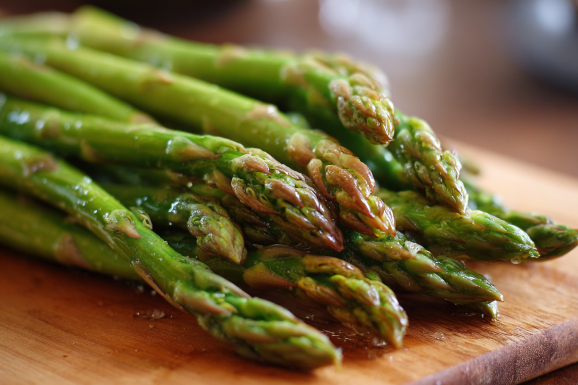
Asparagus — The King of Vegetables, Rooted in Ancient Wisdom
If you struggle with sluggish digestion, stubborn inflammation, or blood sugar concerns, you are not alone — and one of the oldest cultivated vegetables on earth may offer the support your body has been looking for. Asparagus has been prized for over five thousand years, not merely for its delicate flavor, but for its remarkable ability to support the urinary system, nourish the gut, and provide the body with some of nature’s most powerful antioxidants, including glutathione — the body’s master detoxifier.
This extraordinary plant is one of many gifts the Creator embedded into nature for our benefit. Long before laboratories existed, asparagus was already here — depicted on Egyptian friezes dating to 3000 BC, prescribed by Hippocrates for urinary complaints, and cultivated by Roman emperors who valued it so highly that Augustus himself coined the phrase “faster than cooking asparagus” to describe swift action. Every nutrient packed into these slender green spears reflects the wisdom of a Designer who knew exactly what our bodies would need.
This information is for educational purposes only and is not intended to diagnose, treat, cure, or prevent any disease. Always consult with a qualified healthcare provider before making changes to your health regimen.
The Plant
Common Names: Asparagus, Garden Asparagus, Sparrow Grass, Sperage, Spargel (German)
Botanical Name: Asparagus officinalis L.
Family: Asparagaceae (formerly classified in Liliaceae). This family includes over 300 species, though A. officinalis is the only commonly eaten member of the genus.
Description
Asparagus is an herbaceous perennial plant that grows between 100 and 150 centimeters (3 to 5 feet) tall when left to mature. The edible portion — the young shoots or “spears” — emerges from underground root structures called crowns in early spring. These spears are thick, smooth, and tightly capped with compact, scale-like tips. If left unharvested, the spears develop into tall, airy stems covered with fine, needle-like cladodes (modified stems that function like leaves), giving the mature plant a feathery, fern-like appearance.
Asparagus is a dioecious plant, meaning individual plants are either male or female. Female plants produce small, bell-shaped greenish-white to yellowish flowers followed by bright red berries in late summer. These berries are toxic and should not be consumed. Male plants do not produce berries and tend to be more productive, directing their energy entirely into spear production — yielding up to three times more spears than female plants.
The root system is extensive, fasciculated, and adventitious, often reaching depths of six to eight feet once fully established. The crown — the mass of fleshy storage roots and buds at the base — is the heart of the plant and can remain productive for 15 to 30 years with proper care. Asparagus is available in three color varieties: green (the standard), white (the same species grown without sunlight to prevent chlorophyll development), and purple (a sweeter variety originally developed in Italy, known as ‘Violetto d’Albenga’).
Origin
Asparagus is native to the eastern Mediterranean region, with its original range extending from the Nile Delta through the Tigris-Euphrates river valleys and into western Asia. Wild asparagus still grows throughout southern Europe, North Africa, and western Asia. Through cultivation and escape, the species has naturalized across much of North America, Scandinavia, and Australia. Today, the largest producers are China, Peru, Mexico, Germany, and the United States, with global production exceeding 9 million metric tons annually.
Brief History
Asparagus boasts one of the longest documented histories of any cultivated vegetable. Depictions on Egyptian friezes dating to approximately 3000 BC show asparagus being offered as a valued food. The ancient Greeks foraged for wild asparagus and began documenting its medicinal properties, with Hippocrates using it for diarrhea and urinary complaints. It was the Romans, however, who truly mastered its cultivation beginning around 200 BC. Cato the Elder recorded asparagus as the only vegetable worth growing alongside cabbage, and Columella wrote detailed instructions for its preparation. The Roman agronomist Pliny the Elder documented cultivation methods, and asparagus was reportedly preserved by freezing in the Alps for later imperial banquets.
After the fall of the Roman Empire, asparagus largely disappeared from European tables during the Middle Ages. It was rediscovered during the Renaissance, appearing in French monastery gardens by the mid-fifteenth century, then spreading to Germany and England in the sixteenth century. By the seventeenth century, Louis XIV of France was so fond of asparagus that he commissioned special growing houses to produce it year-round. European colonists brought asparagus to North America in the seventeenth century, and by the 1870s it had become established as a commercial crop in the United States.
Growing & Cultivation
Climate & Zones
Asparagus is a remarkably hardy perennial adapted to USDA Hardiness Zones 3 through 8, with some varieties extending into Zones 2 and 9–10. It thrives where winters provide a dormant period with temperatures below freezing, which is why it grows best in temperate climates. In warmer regions (Zones 8–10), gardeners should select heat-tolerant varieties such as ‘Apollo’ and ‘UC-157’ that produce well before summer heat arrives. In colder regions (Zones 2–4), late-emerging varieties like ‘Guelph Millennium’ help avoid spring freeze damage.
Asparagus prefers long, cool springs and warm summers. It begins sending up spears when soil temperatures rise above 50°F (10°C). The harvest season typically lasts six to eight weeks in spring, after which the spears are allowed to develop into ferns that photosynthesize and store energy in the crown for the following year’s crop.
Soil Requirements
Asparagus grows best in well-drained, loamy soil with a pH between 6.5 and 7.5. It does not tolerate waterlogged conditions — standing water will rot the crowns. Sandy loam is ideal, though asparagus can adapt to heavier soils if drainage is improved through raised beds or soil amendment. Interestingly, asparagus tolerates higher soil salinity than most garden plants, which historically led gardeners to add salt around beds to suppress weeds. Before planting, work in two to four inches of aged compost or rotted manure to enrich the soil. A soil test is recommended to identify specific nutrient needs, particularly phosphorus and potassium.
Water & Sunlight
Asparagus requires full sun — at least six to eight hours of direct sunlight daily. It has moderate water needs during the growing season. Keep soil consistently moist but never waterlogged during spear production in spring. Once established, the deep root system makes asparagus reasonably drought-tolerant, though consistent moisture produces better yields. Allow the top several inches of soil to dry between waterings. Overwatering is the most common cause of crown rot and plant death. Drip irrigation is preferable to overhead watering to minimize disease pressure.
Propagation
Crowns (Recommended): The most common and efficient method. Purchase one- or two-year-old crowns from a reputable nursery. Soak crowns in lukewarm water for one to two hours before planting. This method allows you to harvest one year sooner than growing from seed and eliminates the uncertainty of seed-grown plants (which may produce less-productive female plants).
Seed: Start seeds indoors 12 to 14 weeks before your last spring frost. Soak seeds overnight and plant 1/4 inch deep in seed-starting mix. Germination typically takes 10 to 21 days at 77°F. Transplant seedlings outdoors after the last frost. Growing from seed adds an extra year before first harvest and requires careful weeding, but allows access to a wider range of varieties including heirloom options like ‘Purple Passion.’
Division: Old, established crowns can be divided in early spring while dormant. Each division should include at least one healthy bud. An old clump can potentially yield up to 50 new divisions, though each will be smaller than nursery-grown crowns.
Planting
Plant asparagus crowns in early spring when soil temperatures reach at least 50°F — roughly the same time you would plant potatoes. Dig trenches 12 to 18 inches wide and 6 to 8 inches deep. Create a small ridge of soil along the center of the trench and spread the crown’s roots over it, spacing crowns 12 to 18 inches apart. Cover initially with just two inches of soil and gradually fill in the trench as spears emerge. Leave at least three feet between rows. Locate asparagus along the back or side of the garden, as the mature ferns will grow five feet tall and shade nearby plants.
Companion planting: Asparagus grows well alongside tomatoes, parsley, basil, nasturtiums, and lettuce. The relationship with tomatoes is particularly beneficial — asparagus may help repel tomato hornworms, while tomatoes may deter asparagus beetles. Avoid planting near garlic, onions, and root vegetables like potatoes and carrots, which can disturb the asparagus root system.
Harvesting
Patience is essential. Do not harvest any spears during the first year after planting crowns. In the second year, harvest lightly for just two weeks. By the third year, harvest for four to six weeks. A mature, established bed (year four and beyond) can be harvested for the full six- to eight-week season. Snap or cut spears at or slightly below ground level when they reach 6 to 10 inches tall and before the tips begin to open. Harvest in the morning when spears are firmest. Stop harvesting when newly emerging spears become thinner than a pencil — this signals the plant needs to build energy reserves for next year.
Drying & Storage
Fresh Storage: Stand spears upright in a jar with one inch of water in the refrigerator, covered loosely with a plastic bag. They will stay fresh for three to five days. Alternatively, wrap the cut ends in a damp paper towel and store in a sealed bag.
Freezing: Blanch spears for two to four minutes (depending on thickness), plunge into ice water, dry thoroughly, and freeze in a single layer on a sheet pan before transferring to freezer bags. Frozen asparagus retains quality for 8 to 12 months.
Dehydrating: Slice spears into one-inch pieces and dehydrate at 125°F for 6 to 10 hours until brittle. Store in airtight containers in a cool, dark place. Rehydrate in hot water for soups and stews.
Fermentation: Asparagus can be lacto-fermented with salt brine for a probiotic-rich pickled product. Use 2 tablespoons of salt per quart of water and ferment at room temperature for 3 to 7 days.
Pest & Disease Management
The asparagus beetle (both common and spotted varieties) is the primary pest concern. These elongated beetles and their larvae can defoliate plants rapidly. Handpick adults and larvae, and look for dark eggs on spear tips in spring. Neem oil and beneficial insects such as ladybugs and parasitic wasps offer organic control. The asparagus aphid can cause bushy, stunted growth — treat with insecticidal soap or strong water sprays.
Asparagus rust is the most common disease, producing reddish-yellow spots on stems and branches, particularly in humid climates. Plant resistant varieties like ‘Mary Washington’ or the Jersey series. Fusarium crown rot can destroy entire beds — prevent it by ensuring good drainage, avoiding mechanical damage to crowns, and rotating beds every 15 to 20 years. Remove and destroy (not compost) any diseased plant material. Cut back dead ferns in late fall after they have browned to interrupt pest and disease life cycles.
Companion Planting
Good companions: Tomatoes, parsley, basil, nasturtiums, marigolds, lettuce, spinach, dill, and coriander. Tomatoes and asparagus have a well-documented synergistic relationship. Marigolds and nasturtiums help deter beetles.
Avoid planting near: Garlic, onions, leeks, potatoes, carrots, and other root vegetables. These may disturb the asparagus crown system or compete for deep soil nutrients.
The Healing of Growing
Growing asparagus offers benefits that extend far beyond the harvest. The very act of gardening — hands in soil, bare feet on earth, time spent outdoors — has been shown to reduce cortisol levels, improve mood, and support immune function. Soil contains the beneficial bacterium Mycobacterium vaccae, which research has documented as having antidepressant effects by stimulating serotonin production in the brain (Lowry et al., 2007, Proceedings of the National Academy of Sciences). The grounding effect of direct earth contact — known as “earthing” — allows the transfer of free electrons from the earth into the body, which research suggests may reduce inflammation and improve sleep. When you grow your own asparagus, you begin receiving its healing benefits long before the first spear reaches your plate.
Nutritional Profile
Macronutrients
Per 100 grams of raw asparagus (USDA FoodData Central): Calories: 20 kcal, Protein: 2.2 g, Carbohydrates: 3.9 g, Dietary Fiber: 2.1 g, Sugars: 1.9 g, Fat: 0.12 g (negligible saturated fat), Water: 93.2 g. Asparagus is one of the most nutrient-dense, lowest-calorie vegetables available — delivering substantial micronutrients in exchange for remarkably few calories.
Vitamins
Folate (Vitamin B9): 52 mcg per 100g raw (13% DV); a half-cup of cooked asparagus provides approximately 134 mcg (34% DV). Ten cooked spears provide roughly 225 mcg — nearly 50% of daily needs. Folate is essential for DNA synthesis, cell division, and proper neural tube development during pregnancy. It also supports serotonin production, making it important for mood regulation.
Vitamin K: 41.6 mcg per 100g raw (35% DV). Vitamin K is critical for blood clotting and plays a key role in bone metabolism by assisting calcium binding to the bone matrix. Adequate vitamin K intake is associated with reduced fracture risk and improved bone density.
Vitamin A: 756 IU per 100g (25% DV), primarily as beta-carotene (449 mcg). Vitamin A supports immune function, vision health (particularly night vision), skin integrity, and cellular communication. Beta-carotene also functions as a powerful antioxidant.
Vitamin C: 5.6 mg per 100g raw (6% DV); ten cooked spears provide roughly 25 mg. Vitamin C supports immune function, collagen production for skin and joint health, and acts as a powerful antioxidant that protects cells from oxidative damage. It also enhances iron absorption from plant sources.
Vitamin E: 1.13 mg per 100g (8% DV). Vitamin E is a fat-soluble antioxidant that protects cell membranes from free radical damage and supports cardiovascular and skin health.
Thiamin (B1): 0.143 mg (12% DV). Supports energy metabolism and nervous system function. Riboflavin (B2): 0.141 mg (11% DV). Important for energy production and cellular function. Vitamin B6: 0.091 mg (5% DV). Involved in over 100 enzyme reactions, primarily related to protein metabolism and neurotransmitter synthesis.
Minerals
Iron: 1.14 mg per 100g (14% DV). Iron is essential for oxygen transport in the blood via hemoglobin and supports energy production. Asparagus provides a noteworthy plant-based iron source, especially when consumed with vitamin C-rich foods that enhance absorption.
Potassium: 202 mg per 100g (4% DV). Potassium is essential for heart rhythm regulation, muscle contraction, nerve signaling, and balancing sodium to support healthy blood pressure.
Phosphorus: 52 mg (7% DV). Works alongside calcium for bone and teeth formation, and plays a role in energy storage and transfer (ATP). Copper: 0.189 mg (21% DV). Supports iron metabolism, connective tissue formation, and immune function. Manganese: 0.158 mg (7% DV). Essential for bone formation, blood clotting, and antioxidant enzyme function. Selenium: 2.3 mcg (4% DV). Supports thyroid function and acts as a key component of antioxidant enzyme systems. Zinc: 0.54 mg (5% DV). Supports immune function, wound healing, and DNA synthesis. Chromium: A trace mineral present in asparagus that helps insulin transport glucose into cells, supporting healthy blood sugar metabolism.
Phytonutrients & Active Compounds
Asparagus contains a remarkably diverse array of bioactive compounds — over 100 identified to date. These include:
Glutathione: Asparagus is one of the richest dietary sources of glutathione, the body’s “master antioxidant.” Glutathione is a tripeptide composed of glycine, cysteine, and glutamic acid. It plays a central role in detoxification, free radical neutralization, immune support, and cellular repair. Research suggests glutathione may help protect against certain cancers and support liver function.
Saponins (Protodioscin, Asparanin A): Steroidal saponins concentrated in the spears, roots, and by-products of asparagus. Research indicates these compounds may have anti-cancer, anti-inflammatory, immunomodulatory, and cholesterol-lowering properties. Saponins also demonstrate antifungal and antimicrobial activity in laboratory studies.
Flavonoids (Quercetin, Kaempferol, Isorhamnetin, Rutin): These polyphenolic compounds function as antioxidants and anti-inflammatory agents. Rutin specifically is known for strengthening capillary walls and improving circulation. Quercetin has been studied for its potential anti-allergy, anti-inflammatory, and antiviral properties.
Inulin: A prebiotic fiber that passes undigested to the large intestine, where it selectively feeds beneficial bacteria (bifidobacteria and lactobacilli). This supports gut microbiome diversity, nutrient absorption, and immune function.
Asparagusic Acid: A unique sulfur-containing compound found only in asparagus. When metabolized, it produces sulfur-containing byproducts (methanethiol, dimethyl sulfide) responsible for the distinctive urine odor after consumption. Asparagusic acid itself has been shown to inhibit cyclooxygenase-2 (COX-2), an enzyme associated with inflammation.
Asparaptine: A sulfur-containing compound that research indicates may inhibit angiotensin-converting enzyme (ACE), which plays a role in blood pressure regulation.
Asparagine: An amino acid first isolated from asparagus in 1806 (and named after it). Asparagine plays an important role in nervous system function and brain development.
Nutrient Notes
Asparagus is exceptionally efficient at delivering nutrients per calorie — a concept known as nutrient density. Its folate content rivals that of many supplements. The glutathione content is among the highest of any vegetable, though cooking reduces it — steaming and microwaving preserve more glutathione than boiling or prolonged dry-heat methods (Drinkwater et al., 2015, Journal of Functional Foods, Canada). Rutin is heat-stable but can leach into cooking water during boiling (up to 22% lost), so steaming, roasting, or consuming cooking liquid helps maximize retention. The fat-soluble vitamins A and E in asparagus are best absorbed when consumed with a healthy fat source — a drizzle of olive oil or butter is both traditional and nutritionally wise.
Connection to Body Compounds
The B-vitamins in asparagus — particularly folate and B6 — directly support serotonin and dopamine production, both critical for mood regulation and emotional wellbeing. Its high potassium content helps regulate cortisol’s effects on blood pressure. The chromium present supports insulin function, helping maintain steady blood sugar levels that affect energy and mood throughout the day. Glutathione supports the liver’s Phase II detoxification pathways, helping the body process and eliminate toxins, excess hormones, and metabolic waste.
Culinary Uses
Edible Parts
Spears (young shoots): The primary edible portion. The entire spear is edible, though the woody base (bottom inch or two) is typically snapped off or peeled. Thicker spears tend to be more tender (not tougher, as commonly assumed) because the ratio of tender interior to fibrous skin is higher. Tips are the most delicate portion and cook fastest. Note: The red berries produced by mature female plants are toxic and must never be eaten. Mature fern-like foliage is not consumed.
Flavor Profile
Asparagus has a distinctive, mildly grassy and earthy flavor with subtle sweetness and a delicate, slightly sulfurous undertone. Green asparagus tends to be the most herbaceous. White asparagus, grown without sunlight, offers a milder, slightly nutty flavor with less bitterness. Purple asparagus is notably sweeter due to higher sugar content and contains anthocyanins that give it a fruity complexity. Fresh asparagus has a clean, green aroma. Cooking intensifies the sweetness while mellowing the grassiness. Roasting or grilling introduces caramelized, nutty notes that are widely favored. Dried asparagus concentrates the earthy flavor and works well rehydrated in soups.
Preparation
Raw: Young, thin spears can be shaved into ribbons with a vegetable peeler for salads. Steaming: 3 to 5 minutes preserves color, texture, and the most nutrients. Roasting: Toss with olive oil, salt, and pepper at 400°F for 10 to 12 minutes — produces beautiful caramelization. Grilling: Over medium-high heat for 3 to 5 minutes, turning once — adds smoky depth. Sautéing/Stir-frying: Cut diagonally into bite-sized pieces and cook in hot oil for 3 to 5 minutes. Blanching: Quick boil for 2 to 3 minutes followed by an ice bath — ideal for preparing asparagus for other dishes, salads, or freezing. Soup: Simmer in broth and purée for a classic spring asparagus soup.
Culinary Pairings
Asparagus pairs beautifully with eggs (frittatas, quiche, omelets), fish (salmon, halibut, trout), poultry, and prosciutto or bacon. Complementary seasonings include lemon, garlic, Parmesan cheese, hollandaise sauce, balsamic vinegar, tarragon, dill, and mustard. It works well with butter, olive oil, and sesame oil. Asparagus appears in Mediterranean, French, German, Italian, Japanese, Korean, and American cuisines. It is featured in risottos, pastas, stir-fries, tarts, and alongside grilled meats as a classic side dish.
Storage
Store fresh asparagus upright in a jar of water in the refrigerator, loosely covered. It is best consumed within 2 to 3 days for optimal flavor and nutrient content — asparagus loses sweetness quickly after harvest as sugars convert to starch. For longer storage, blanch and freeze (keeps 8–12 months), dehydrate, or pickle/ferment.
Ready to cook with asparagus? View Recipes on Chefts →
Wellness & Therapeutic Uses
Traditional Uses
Asparagus has been used medicinally for at least 2,500 years across multiple civilizations. The ancient Greek physician Hippocrates (460–370 BC) prescribed asparagus for diarrhea and urinary tract discomfort. The second-century Roman physician Galen described asparagus as “cleansing and healing.” In Eastern Europe and Asia, decoctions of asparagus rhizomes and roots have long been used for cardiovascular support, rheumatism, and epilepsy. In Traditional Chinese Medicine, asparagus root (tian men dong) has been used as a cooling yin tonic for the lungs and kidneys, addressing dry cough, constipation, and urinary complaints. In the Indian Ayurvedic tradition, the related species Asparagus racemosus (Shatavari) has been used for centuries to support the female reproductive system and promote lactation — though this is a distinct species from garden asparagus.
The German Commission E — Germany’s regulatory authority for herbal medicine — has approved asparagus root as an irrigation therapy to increase urine output and support the urinary tract. Asparagus was recognized as an official medicinal plant in the pharmacopoeias of France, Mexico, Portugal, and Venezuela.
Modern Research
Diuretic & Urinary Support: Research confirms what traditional healers observed for millennia — asparagus has significant natural diuretic properties. The amino acid asparagine and potassium content promote increased urine production, which may help flush the urinary tract and support kidney function. The German Commission E’s approval for irrigation therapy is based on this evidence (Kobus-Cisowska et al., 2024, Foods, Poland).
Antioxidant Activity: Multiple studies demonstrate that asparagus exhibits strong antioxidant activity due to its rich content of glutathione, rutin, quercetin, kaempferol, and vitamins C and E. A comprehensive review published in Foods confirmed that asparagus extracts demonstrate significant free radical scavenging capacity in both in vitro and animal models (Kobus-Cisowska et al., 2024, Foods, Poland).
Blood Sugar Support: Animal studies have shown that asparagus extract may help lower blood sugar levels and improve insulin secretion in diabetic models, with effectiveness comparable to the medication glibenclamide. A study in the British Journal of Nutrition demonstrated that asparagus extract improved insulin secretion and beta-cell function in diabetic rats (Hafizur et al., 2012, British Journal of Nutrition, Pakistan). The glycemic index of asparagus is just 15, making it an excellent choice for blood sugar management.
Anti-Inflammatory Activity: The sulfur compound asparagusic acid inhibits cyclooxygenase-2 (COX-2), an enzyme central to the inflammatory response. Saponins found in asparagus also demonstrate anti-inflammatory properties in laboratory research. These mechanisms may partly explain its traditional use for joint pain and rheumatism.
Digestive & Prebiotic Support: The inulin fiber in asparagus has been shown to selectively promote the growth of beneficial gut bacteria, including lactobacilli and bifidobacteria strains. A 2023 study confirmed that asparagus spear by-products can serve as effective prebiotics for the human gut microbiome (Redondo-Cuenca et al., 2023, Food Research International, Spain).
Liver Protection: Research has demonstrated that asparagus extracts — particularly from the leaf portions — upregulate the activity of two key enzymes involved in alcohol metabolism (alcohol dehydrogenase and aldehyde dehydrogenase) by more than two-fold. This provides biochemical evidence for asparagus’s traditional use in supporting liver health and alleviating the effects of alcohol consumption (Kim et al., 2009, Journal of Food Science, South Korea).
Cholesterol & Cardiovascular Support: Asparagus has been shown in research to have a significantly higher bile acid-binding capacity than many other fresh vegetables, including eggplant, mung bean, carrot, and broccoli. Bile acid binding is a mechanism by which the body reduces cholesterol. Animal studies have also shown asparagus may help regulate lipid metabolism and reduce blood pressure. The compound asparaptine inhibits angiotensin-converting enzyme (ACE) in vitro, which plays a role in blood pressure regulation.
Anticancer Properties (Early Research): In vitro and animal studies suggest that saponins and polysaccharides from asparagus may inhibit the proliferation of certain cancer cell lines, including liver and breast cancer cells. A 2021 study found that aqueous extracts from asparagus by-products demonstrated anticancer activity on breast cancer cells (Romani et al., 2021, Molecules, Italy). These findings are preliminary and limited to laboratory models.
Body Systems Supported
Urinary System: Natural diuretic properties support kidney function and urinary tract health. Digestive System: Prebiotic inulin supports gut microbiome health; fiber promotes regular bowel function. Cardiovascular System: Potassium, rutin, and saponins may support heart health and healthy blood pressure. Immune System: Glutathione, vitamin C, and saponins support immune function. Nervous System: Folate, B-vitamins, and asparagine support brain function and neurotransmitter production. Endocrine System: Chromium supports insulin sensitivity; phytocompounds may influence hormone metabolism. Integumentary System: Glutathione, vitamins C and E support skin health from within. Musculoskeletal System: Vitamin K supports bone health; anti-inflammatory compounds may support joint comfort.
Body Compounds Affected
Asparagus’s nutrient profile influences several key body compounds. The abundant folate and B6 support the synthesis of serotonin and dopamine, neurotransmitters essential for mood, sleep, and motivation. The natural diuretic action and potassium content help the body manage cortisol’s effects on fluid retention and blood pressure. Chromium supports insulin function for blood sugar regulation. Glutathione supports liver detoxification pathways and the neutralization of inflammatory cytokines. The anti-inflammatory compounds — particularly COX-2 inhibiting asparagusic acid — may help reduce prostaglandin production. Inulin’s prebiotic effect on gut bacteria indirectly supports GABA production, as certain gut bacteria produce this calming neurotransmitter.
Methods of Use
Culinary Consumption (Primary Method)
The most common and effective way to receive asparagus’s benefits is simply eating it regularly as food. Steaming, roasting, and sautéing are preferred over boiling to maximize nutrient retention. Consuming 5 to 10 spears several times per week provides meaningful nutritional support.
Tea/Infusion
Asparagus root tea has a long tradition in European and Chinese herbal medicine. Use 1 to 2 teaspoons of dried, chopped asparagus root per cup. Prepare as a decoction: simmer in water for 10 to 15 minutes. Strain and drink up to 2 to 3 cups daily. Traditionally used to support urinary function and as a gentle diuretic.
Juice
Fresh asparagus can be juiced raw or lightly steamed. Often combined with other vegetables like celery, cucumber, or apple for palatability. Juicing concentrates nutrients but removes fiber.
Powdered/Capsule
Asparagus root powder and capsules are available as dietary supplements. Typical dosage ranges vary by product — always follow manufacturer recommendations and consult a qualified healthcare provider.
Cosmetic & Beauty Uses
Skin Benefits
Asparagus is gaining recognition in the cosmetic world for its potent antioxidant content — particularly glutathione, vitamins C and E, and flavonoids — which together form a powerful defense system for skin health. A 2021 study from Thailand found that Asparagus officinalis spear extract demonstrated remarkable MMP-1 (matrix metalloproteinase-1) inhibition of 83.4% — exceeding the potency of well-known natural anti-wrinkle compounds oleanolic acid and epigallocatechin gallate at the same concentration. The extract also inhibited elastase (70.4%) and hyaluronidase (75.2%), enzymes responsible for the breakdown of elastin and hyaluronic acid in the skin (Chinapayan et al., 2021, Scientific Reports, Thailand).
Asparagus extract has also been reported as a natural tyrosinase inhibitor, meaning it may help reduce melanin production — potentially addressing dark spots, hyperpigmentation, and uneven skin tone. The glutathione content further supports skin brightening, as glutathione is known to influence melanin synthesis pathways. Vitamin C promotes collagen production for firmer, more resilient skin, while vitamin E protects cell membranes from UV-induced free radical damage.
Asparagus benefits a range of skin types. Its antioxidant profile suits mature and aging skin concerned with wrinkles and loss of elasticity. Its anti-inflammatory properties make it appropriate for sensitive and irritation-prone skin. Its detoxifying and diuretic effects — when consumed internally — may support clearer skin for those prone to acne and congestion.
Hair Benefits
The rich content of folate, iron, vitamins A and C, and antioxidants in asparagus supports healthy hair from within. Folate is essential for cell division and growth, including the rapidly dividing cells of hair follicles. Iron supports oxygen delivery to the scalp. Vitamin C aids collagen production in the connective tissue surrounding hair follicles. Silica content in asparagus may support hair strength and shine. Asparagus juice or infusion has been used as a traditional hair rinse to promote scalp health.
Application Methods
Internal consumption is the primary route for skin and hair benefits — eating asparagus regularly delivers antioxidants, vitamins, and minerals from within. For topical application, asparagus extract is increasingly used in Korean and Asian skincare formulations. DIY applications include mashing cooked asparagus into a face mask (combine with honey or yogurt for a hydrating treatment, leave on 15 to 20 minutes), or using cooled asparagus cooking water as a toner or hair rinse. Always patch test before topical use.
DIY Formulation Notes
For homemade preparations, use fresh or lightly steamed asparagus blended into a smooth paste. Combine with carrier ingredients like honey, plain yogurt, aloe vera, or jojoba oil. Use immediately — homemade asparagus preparations have no preservatives and should not be stored. An asparagus-infused oil can be made by gently heating chopped asparagus in a carrier oil (such as sweet almond or grapeseed) at low temperature for 2 to 4 hours, then straining. Store infused oil in a dark glass bottle and use within 2 to 4 weeks.
Asparagus is among the botanicals being explored for holistic cosmetic applications, where the wisdom of traditional beauty practices meets modern understanding of skin science.
Aromatherapy & Scent
The Aroma
Asparagus is not typically associated with aromatherapy in the way that lavender or rosemary would be, but the living plant does have a distinctive scent profile. Fresh asparagus spears emit a clean, green, mildly grassy aroma with a subtle sulfurous undertone — particularly when cut or snapped. The scent is most noticeable when spears are freshly harvested in the cool morning air. Touching or breaking the spears releases volatile compounds more strongly. The mature fern-like foliage has a delicate, airy, green scent similar to fresh-cut grass or fern fronds. When asparagus is being cooked — particularly roasted or grilled — the aroma transforms into something deeply savory, earthy, and appetizing, triggering pleasure-associated responses in the brain. Dried asparagus retains a mild, earthy, almost hay-like aroma with reduced green notes.
How Scent Affects Your Body
When you smell fresh asparagus — or any plant — volatile molecules released by the plant are inhaled through the nose. These molecules bind to olfactory receptors in the nasal cavity, which send electrical signals directly to the limbic system (the brain’s emotional processing center) and the hypothalamus (the master hormone controller). This pathway bypasses conscious thought entirely, meaning scent begins affecting mood and physiology within seconds. The green, grassy scent of fresh asparagus and its foliage falls into the category of “green” aromas that research associates with calming, refreshing, and stress-reducing effects.
Emotional & Mood Effects
The aroma of fresh asparagus and its garden environment contributes primarily to grounding and nature-connection effects. Being in an asparagus garden surrounded by the green, earthy scent of the plants and soil engages biophilic responses — the innate human attraction to nature — which studies associate with reduced cortisol and improved sense of wellbeing. The cooking aroma of asparagus is strongly associated with comfort, nourishment, and anticipation of a nutritious meal.
Ways to Experience the Scent
Growing asparagus in your garden provides the most direct aromatic experience — tending the plants, harvesting in the early morning dew, and being surrounded by the green, earthy scent. Cooking asparagus (especially roasting or grilling) fills the kitchen with warming, savory aromas. Asparagus does not produce an essential oil or hydrosol for diffusion use.
Color Therapy
The Colors of Asparagus
Asparagus presents several distinct colors depending on variety and growth stage. Green asparagus — the most common — displays rich, vibrant green spears ranging from bright spring green to deeper forest green. Purple asparagus varieties exhibit deep burgundy-violet hues from anthocyanin pigments. White asparagus (same species, grown without sunlight) is pale ivory to cream. The mature fern-like foliage is a fine, feathery bright green that turns golden-yellow in autumn. Female plants produce bright red berries in late summer (toxic — visual only).
Color Wavelengths
Green — the dominant color of asparagus — falls within the 495 to 570 nm wavelength range of the visible spectrum. This is the portion of the spectrum the human eye is most sensitive to, and it is the dominant color of the natural world. Purple asparagus extends into the violet range (380–450 nm), while the red berries and autumn foliage touch the red-orange spectrum (590–700 nm).
How Green Affects the Body
Green light wavelengths are associated with balance, calm, restoration, and heart-centered healing in color therapy traditions. This is supported by the extensive research on nature exposure: viewing green environments has been consistently shown to reduce heart rate, lower blood pressure, decrease cortisol, and improve mood. The presence of green plants — including an asparagus bed — in your visual environment engages the parasympathetic nervous system, promoting relaxation and recovery. Research on hospital patients demonstrates that those with views of green vegetation heal faster and require less pain medication than those with views of buildings.
Purple asparagus adds the violet spectrum, which is associated in color therapy with calming the nervous system, supporting meditation, and encouraging introspection.
Body Compounds Affected
Exposure to green environments has been linked to reduced cortisol production, increased parasympathetic nervous system activity, and improved serotonin levels — all measurable biochemical effects of green color exposure.
Using Asparagus for Color Therapy
Plant asparagus where you will see it regularly — along a path you walk daily, visible from a kitchen window, or near a sitting area. The feathery, bright green fern foliage provides months of beautiful visual therapy after the harvest season ends. Cut asparagus ferns make lovely, airy additions to flower arrangements that bring green energy indoors. For “eating the rainbow,” green asparagus delivers green-spectrum nutrients, while purple asparagus adds violet-spectrum anthocyanins with their own antioxidant properties.
Frequency & Vibration
The Frequency of Asparagus
While specific MHz frequency measurements for asparagus have not been widely published in the manner of essential oils (which have been measured using bio-frequency monitors developed by Bruce Tainio), asparagus as a fresh, raw, living food is considered a high-frequency food within the framework of vibrational nutrition. Fresh, organic, raw vegetables and fruits are generally understood to carry higher frequencies than processed or cooked foods. For reference, a healthy human body is believed to vibrate between 62 and 78 MHz, and fresh herbs and vegetables are considered to support this frequency range.
Human Frequency Interaction
According to proponents of vibrational medicine, consuming fresh, high-vibration foods like raw or lightly cooked asparagus may help support the body’s natural frequency. The entrainment principle suggests that when a stronger frequency interacts with a weaker one, the weaker frequency tends to rise to match. Being around living asparagus plants in a garden — and consuming fresh asparagus soon after harvest — may provide the highest frequency benefit. According to bio-frequency research, cooking and processing generally reduce the measurable frequency of foods, which is one reason raw or minimally processed preparations are valued in holistic nutrition.
Vibrational Applications
To maximize potential vibrational benefits, consume asparagus as fresh and minimally cooked as possible. Growing your own asparagus and harvesting immediately before consumption offers the freshest possible connection to the plant’s living energy. Spending time in the asparagus garden — tending, harvesting, and simply being present with the living plants — combines frequency exposure with the documented benefits of nature immersion.
Note: Frequency measurement of plants and foods is an area where research is still emerging. The concepts discussed here draw from bio-frequency research and traditional vitalist perspectives that are not yet fully validated by conventional peer-reviewed science.
The Living Plant
Benefits of Presence
Asparagus is a uniquely beautiful garden plant. While the spring harvest of spears lasts six to eight weeks, the remaining growing season — roughly five to six months — transforms the bed into a gorgeous stand of tall, feathery, fern-like foliage that waves gently in the breeze. This fine-textured green canopy provides months of visual beauty and all the well-documented benefits of plant presence: reduced stress hormones, improved mood, enhanced attention, and a sense of connection to the rhythms of the natural world.
Air Purification
While asparagus is not on the NASA Clean Air Study list (which focused primarily on indoor houseplants), all actively photosynthesizing plants produce oxygen and absorb carbon dioxide. An outdoor asparagus bed with its abundant fern foliage contributes meaningfully to local air quality during the growing season. The dense foliage also helps reduce airborne dust and particulates in the immediate garden environment.
Phytoncides
Research on forest bathing (shinrin-yoku) has demonstrated that trees and plants release phytoncides — antimicrobial volatile organic compounds — that, when inhaled, increase the activity of Natural Killer (NK) cells in the human immune system. While specific phytoncide research on asparagus is limited, all green plants release varying amounts of these volatile compounds. Time spent in a lush asparagus garden during the fern stage provides a small-scale version of the forest bathing effect — exposure to green plant volatiles in an outdoor setting.
Visual & Psychological Benefits
Research consistently demonstrates that viewing green vegetation reduces psychological stress and supports cognitive restoration. Attention Restoration Theory (ART), developed by environmental psychologists Rachel and Stephen Kaplan, explains that natural green environments restore directed attention and reduce mental fatigue. An asparagus bed provides a particularly beautiful example of dynamic nature — from the excitement of watching spears emerge in spring, to the graceful, swaying fern foliage of summer, to the golden autumn color as the plants prepare for winter dormancy. This seasonal cycle connects the gardener to natural rhythms that counteract the disconnection of modern life.
Growing Indoors vs Outdoors
Asparagus is primarily an outdoor garden plant that requires full sun, deep soil, and a winter dormancy period for best production. Growing asparagus in containers is possible but challenging — use very large containers (at least 18 to 24 inches deep and wide), expect reduced yields, and provide excellent drainage. For indoor environments, the ornamental asparagus fern (Asparagus densiflorus) — a different species — is commonly grown as a houseplant, though it does not produce edible spears and its berries are toxic to pets. The greatest presence benefits of garden asparagus come from the outdoor growing experience itself — the sun, soil, fresh air, and seasonal engagement that nourish body and spirit together.
Touch & Physical Interaction
Gardening Therapy
Asparagus is an excellent plant for horticultural therapy because of its long lifespan and seasonal rhythm. Unlike annual vegetables that require replanting each year, asparagus rewards years of care with increasing productivity — teaching patience, commitment, and the satisfaction of nurturing something that grows and improves over time. The annual cycle of spring anticipation, the joy of harvest, summer tending, and fall cleanup provides a complete therapeutic rhythm that structures the gardening year.
Soil Contact Benefits
Working in the asparagus bed provides direct contact with soil and earth. When you garden barefoot or with bare hands, grounding (earthing) occurs — the transfer of free electrons from the earth into the body through skin contact. Research published in the Journal of Environmental and Public Health suggests that grounding may reduce inflammation, improve sleep, and normalize cortisol rhythms (Chevalier et al., 2012, Journal of Environmental and Public Health, USA). The soil itself contains Mycobacterium vaccae, a beneficial bacterium that research has shown stimulates serotonin-producing neurons in the brain — literally making you happier when you dig in the dirt.
The Tactile Experience
Asparagus provides a satisfying range of tactile experiences. The spears are firm, smooth, and slightly waxy — snapping them at the natural break point produces a crisp, clean snap that is both audibly and physically satisfying. The mature fern foliage is incredibly soft and delicate — brushing your hand through the fine, needle-like cladodes feels feathery and light. Harvesting involves either snapping spears by hand (a satisfying tactile experience) or cutting them at ground level with a knife — both are mindful, repetitive actions that promote present-moment awareness. The crowns and roots, when planting, are rough, spongy, and earthy — handling them connects you directly to the living root system of the plant.
Harvesting & Processing
The spring asparagus harvest is one of the most eagerly anticipated rituals in the gardening calendar. Walking the asparagus bed each morning, spotting newly emerged spears, and snapping or cutting them at just the right height is a meditative practice that grounds you in the present moment. The repetitive motion of harvest — bend, snap, place in basket — provides the kind of rhythmic physical activity that research associates with reduced anxiety and improved mood. Washing, trimming, and preparing the fresh-picked spears for the table connects the harvest to nourishment in a deeply satisfying cycle of grow, gather, prepare, and eat.
Water-Based Applications
Teas & Infusions
Asparagus Root Tea (Decoction): The traditional water-based preparation uses the dried root. Add 1 to 2 teaspoons of dried, chopped asparagus root to 2 cups of water. Bring to a boil, then reduce to a gentle simmer for 10 to 15 minutes. Strain and drink warm. May be consumed 2 to 3 times daily. Traditionally used in European herbal medicine to support urinary function and as a gentle diuretic. The flavor is mildly earthy and slightly sweet.
Asparagus Spear Broth: The cooking water from boiling or steaming asparagus spears contains water-soluble nutrients (including folate, potassium, and leached rutin). Rather than discarding it, use this liquid as a nutritious broth base for soups or risottos — or drink it warm as a simple, nourishing broth.
Herbal Baths
While not a traditional bath herb in the same sense as lavender or chamomile, asparagus root decoction can be added to a warm bath for its mineral content and mild skin-soothing properties. Prepare a strong decoction (double the tea recipe) and strain into the bath water. A full bath temperature of 95–100°F for 15 to 20 minutes allows the skin to absorb water-soluble compounds. Foot baths using asparagus decoction have been used traditionally to soothe tired, swollen feet and ankles.
Compresses
Warm compresses soaked in a strong asparagus root decoction have been used traditionally in European folk medicine for joint discomfort and rheumatic complaints. Prepare a concentrated decoction, soak a clean cloth, wring slightly, and apply warm to the affected area for 15 to 20 minutes. This was historically used alongside other herbal treatments and was valued for its anti-inflammatory reputation.
Hair Rinses
Cooled asparagus spear or root tea can be used as a final hair rinse after shampooing. The minerals, vitamins, and antioxidants in the rinse may support scalp health and add shine. Pour the cooled tea through the hair, massage gently into the scalp, and leave for 2 to 3 minutes before rinsing with cool water — or leave in as a treatment rinse.
Historical, Cultural & Biblical Significance
Biblical References
Asparagus is not directly mentioned by name in Scripture. However, the plant was well-known in the ancient Near East during biblical times. It grew wild across the eastern Mediterranean region — including the lands of Israel, Syria, and Egypt — and was cultivated by civilizations that interacted with the Hebrew people. The Egyptians depicted asparagus on friezes as early as 3000 BC, and it was familiar to the Greeks and Romans who ruled the region during the later biblical period. While we cannot identify asparagus in a specific verse, its presence in the ancient landscape means it was part of the botanical world that Scripture’s authors inhabited — one more green and growing thing provided by the Creator for human benefit.
Ancient Civilizations
Egypt: Some of the earliest evidence of asparagus in human culture appears on Egyptian friezes dating to approximately 3000 BC, where it is depicted as an offering — suggesting it was a valued and possibly sacred food. Queen Nefertiti is said to have proclaimed asparagus “the food of the Gods.” Egyptian physicians of the era documented various plants for medicinal use, and asparagus was likely among those valued for its diuretic and cleansing properties.
Greece: The ancient Greeks foraged for wild asparagus and were the first to document its medicinal properties in written records. Hippocrates (460–370 BC), the father of medicine, used asparagus to address diarrhea and urinary tract discomfort. The Greeks considered asparagus a sacred plant and attributed aphrodisiac properties to it, referencing it in love poetry. The Greek word asparagos (ἀσπάραγος), meaning “stalk” or “shoot,” gave us the plant’s name.
Rome: The Romans transformed asparagus from a foraged wild plant into a masterfully cultivated crop. Around 200 BC, Cato the Elder recorded asparagus in De Agri Cultura as one of only two vegetables worth growing. The first-century cookbook De re coquinaria (attributed to Apicius) includes a recipe for cooking asparagus. Columella described how Romans preserved asparagus and ate it with butter, salt, pepper, and lemon. Emperor Augustus coined the phrase “velocius quam asparagi conquantur” (“faster than cooking asparagus”) for quick action. Pliny the Elder wrote extensively about cultivation methods. Roman legions reportedly brought asparagus from the Middle East to Rome and spread it throughout the Empire — to Gaul, Germany, and Britain. The Romans even reportedly transported and froze asparagus in the Alps for off-season banquets.
Galen (129–216 AD): The Greek physician Galen, highly respected in Roman society, described asparagus as “cleansing and healing” and recommended it for its medicinal properties — continuing the Greek medical tradition into the Roman era.
Eastern Traditions
Traditional Chinese Medicine: In Chinese folk medicine, decoctions of asparagus rhizomes and roots were used as diuretics and for improving mood, as well as for addressing gout, diabetes, dry mouth and throat, constipation, and cough. The related Chinese asparagus (Asparagus cochinchinensis, known as tian men dong) is a well-established TCM herb classified as a yin-nourishing, lung-moistening tonic. Asparagus has been recognized as a medicinal plant in the pharmacopoeia of China.
Ayurveda (India): While the related species Asparagus racemosus (Shatavari, meaning “she who possesses a hundred husbands”) is the primary medicinal asparagus in Ayurvedic practice — used extensively as a reproductive tonic, galactogogue, and adaptogen — the genus Asparagus has deep roots in Indian healing traditions spanning thousands of years.
European Heritage
After the fall of Rome, asparagus largely disappeared from European cuisine during the Middle Ages. Its revival began in French monastery gardens in the mid-fifteenth century — preserved by the careful horticultural knowledge of monks who maintained botanical traditions through the medieval period. By the sixteenth century, asparagus had spread to Germany and England. In the seventeenth century, King Louis XIV of France was so devoted to asparagus that he commissioned royal gardener Jean-Baptiste de La Quintinie to develop methods for year-round production, including heated greenhouses. This royal enthusiasm helped establish asparagus as a fashionable delicacy across European courts. White asparagus (spargel) became a particular obsession in Germany, where it remains a celebrated cultural tradition today — the arrival of Spargelzeit (asparagus season) each April is a national event.
Major herbalists of the Renaissance documented asparagus: Nicholas Culpeper (1616–1654) noted its use for kidney and bladder support in his Complete Herbal. European colonists brought asparagus to North America in the seventeenth century, where it was initially grown in colonial gardens before becoming a commercial crop by the 1870s.
Cultural Symbolism
Asparagus has symbolized spring, renewal, fertility, and abundance across cultures. Its emergence as one of the first vegetables of the season made it a harbinger of spring and a symbol of the earth’s annual rebirth. In European art, asparagus appears in still-life paintings from the Dutch Golden Age and French Impressionist period — Édouard Manet painted a famous still life titled “A Bunch of Asparagus” (1880). Its phallic shape led many cultures, from the Greeks to the medieval Europeans, to associate it with fertility and romance. In modern culture, asparagus remains a symbol of seasonal eating and the celebration of the first fresh foods of spring.
Across all these cultures and centuries, people were observing the same truth — asparagus provides genuine support for the body, particularly the urinary system, digestion, and overall vitality. While they may not have known the Creator by name, they were documenting His design. Modern research continues to validate what these cultures discovered through centuries of careful observation.
Safety & Precautions
Contraindications
Asparagus spears consumed as food are generally recognized as safe (GRAS status). However, those with kidney or heart conditions involving edema should use asparagus cautiously due to its natural diuretic properties, which could affect fluid and electrolyte balance. Persons with gout should be aware that asparagus contains purines (though in moderate amounts) — excessive consumption could potentially exacerbate gout symptoms in sensitive individuals. Those with a history of kidney stones should consult their healthcare provider, as asparagus contains oxalates.
Drug Interactions
Diuretic medications: Asparagus has natural diuretic properties. Taking asparagus in medicinal amounts alongside prescription diuretics (“water pills”) could potentially cause excessive fluid or potassium loss. Lithium: Because asparagus may decrease how efficiently the body eliminates lithium, it could potentially increase lithium levels. Individuals taking lithium should consult their healthcare provider. Antihypertensive drugs: Asparagus may have blood pressure-lowering effects. Combined with blood pressure medications, this could potentially cause blood pressure to drop too low. Blood-thinning medications: Asparagus is high in vitamin K, which plays a role in blood clotting. Those on warfarin or other blood thinners should maintain consistent asparagus intake and consult their healthcare provider about vitamin K consumption.
Pregnancy & Nursing
Asparagus spears consumed as a normal part of the diet are considered safe during pregnancy and are in fact an excellent source of folate — a nutrient critical for preventing neural tube defects. However, asparagus extracts or supplements used in medicinal amounts are not recommended during pregnancy, as some research suggests asparagus extracts may affect hormone balances or have contraceptive properties in concentrated forms. Not enough is known about the safety of asparagus extracts during breastfeeding. When in doubt, stick to food amounts and consult a qualified healthcare provider.
Children
Asparagus spears as food are safe for children. Cooked asparagus can be introduced as a baby food once the child is eating solid foods (typically around 6 to 8 months), cut into age-appropriate sizes to prevent choking. There are no known pediatric safety concerns with asparagus consumed as food. Supplemental or medicinal-dose extracts are not recommended for children under 2 without professional guidance.
Elderly
Asparagus is an excellent food for older adults, providing folate, vitamin K, and fiber. Those on blood thinners should maintain consistent vitamin K intake. The natural diuretic effect may be beneficial for mild fluid retention but should be monitored in those already taking diuretic medications. The high potassium content is generally beneficial but should be considered by those with kidney disease or on potassium-sparing medications.
Pets
Dogs: Edible asparagus spears (Asparagus officinalis) are generally safe for dogs in small amounts, though the tough texture of raw spears may cause digestive upset. Cooked, plain asparagus (no seasonings, butter, or oil) is a better option. However, the asparagus fern (Asparagus densiflorus) — a different ornamental species sometimes called “asparagus fern” — is toxic to dogs. Its berries contain sapogenin (a steroidal saponin) that causes vomiting, diarrhea, and allergic dermatitis. The red berries on mature female garden asparagus plants (A. officinalis) are also toxic and should be kept away from pets.
Cats: Similar to dogs — edible spears in small amounts are generally safe but may cause GI upset. The asparagus fern and berries are toxic to cats, causing vomiting, diarrhea, and skin irritation. Horses: The ornamental asparagus fern is also toxic to horses.
If you suspect your pet has ingested asparagus berries or asparagus fern material, contact your veterinarian or the ASPCA Animal Poison Control Center at (888) 426-4435 immediately.
Allergies & Sensitivities
Allergic reactions to asparagus, while uncommon, are well-documented and can include rhinitis, occupational asthma, oral allergic syndrome, allergic contact dermatitis, and in rare cases, anaphylaxis. Cross-reactivity may occur in individuals allergic to other members of the order Asparagales, including onions, leeks, garlic, and chives. Those who handle asparagus frequently (farmers, food workers) may develop contact dermatitis over time. Always patch test before topical application of asparagus preparations. The characteristic strong-smelling urine after consuming asparagus is completely harmless — it is caused by the breakdown of asparagusic acid into sulfur-containing compounds, and virtually everyone produces these compounds, though not everyone can detect the odor.
Dosing Guidelines
As a food, there is no established upper limit for asparagus consumption. A serving of 5 to 10 spears (approximately 100–200 grams) several times per week is a common and healthful amount. For asparagus root tea, traditional use suggests 2 to 3 cups daily for limited periods. Supplemental extract dosages vary by product — always follow manufacturer directions and consult a healthcare professional. Asparagus has GRAS status as food, but safety and efficacy of medicinal-dose extracts have not been established by the FDA.
Quality & Sourcing
Choose asparagus with firm, smooth spears and tightly closed, compact tips. Avoid spears that are limp, wrinkled, or have opened/feathered tips. Organic asparagus reduces exposure to pesticide residues. For supplements, look for products from reputable manufacturers with third-party testing. Improperly home-canned asparagus has been associated with cases of botulism poisoning — always use proper pressure-canning methods for home preservation.
Signs of Adverse Reaction
Mild reactions: Flatulence (from fiber content), strong-smelling urine (harmless), mild GI upset from overconsumption. Allergic reactions requiring attention: Hives, swelling, difficulty breathing, skin rash, nasal congestion, or any sudden reaction after consumption. Discontinue use and seek medical attention immediately if allergic symptoms occur.
Disclaimer
This information is for educational purposes only. It is not intended to diagnose, treat, cure, or prevent any disease. Always consult with a qualified healthcare provider before using any herbal product, especially if you are pregnant, nursing, taking medications, or have a medical condition. If you experience any adverse reaction, discontinue use immediately and seek medical attention.
Want Personalized Guidance?
Every body is unique. What works for one person may not be right for another. If you’d like personalized support in incorporating asparagus into your wellness journey, consider working with a qualified practitioner who can assess your individual needs.
Sources & References
Peer-Reviewed Studies
- A Review of the Pro-Health Activity of Asparagus officinalis L. and Its Components — Foods, 2024, Poland. Comprehensive review of biological properties including antioxidant, antidiabetic, hypolipidemic, and anticancer activities.
- The bioactive compounds and biological functions of Asparagus officinalis L. – A review — Journal of Functional Foods, 2020, China. Review of nutritional values, bioactive compounds, and health functions.
- Green and White Asparagus (Asparagus officinalis): A Source of Developmental, Chemical and Urinary Intrigue — Metabolites, 2020, Netherlands. Comprehensive review of asparagus chemistry and metabolomics.
- Nutritional composition of green asparagus, edible part and by-products, and assessment of their effect on the growth of human gut-associated bacteria — Food Research International, 2023, Spain. Demonstrates prebiotic effects of asparagus on beneficial gut bacteria.
- Asparagus officinalis extract controls blood glucose by improving insulin secretion and β-cell function in streptozotocin-induced type 2 diabetic rats — British Journal of Nutrition, 2012, Pakistan. Animal study on blood sugar management.
- Effects of Asparagus officinalis extracts on liver cell toxicity and ethanol metabolism — Journal of Food Science, 2009, South Korea. Demonstrates liver-protective effects and alcohol metabolism support.
- Anticancer Activity of Aqueous Extracts from Asparagus officinalis L. Byproduct on Breast Cancer Cells — Molecules, 2021, Italy. In vitro anticancer activity of asparagus extracts.
- Nutricosmetic effects of Asparagus officinalis: a potent matrix metalloproteinase-1 inhibitor — Scientific Reports, 2021, Thailand. Demonstrates anti-wrinkle and skin-protective properties.
- Effects of cooking on rutin and glutathione concentrations and antioxidant activity of green asparagus spears — Journal of Functional Foods, 2015, Canada. Cooking method effects on nutrient retention.
- Beneficial Effects of Asparagus officinalis Extract Supplementation on Muscle Mass and Strength following Resistance Training — Nutrients, 2023, Thailand. Human trial on 20-hydroxyecdysone from asparagus for muscle support.
Traditional Medicine & Historical Sources
- Asparagus in History and Medicine — Hektoen International, 2022. Historical overview from ancient Greece through modern era.
- Asparagus Uses, Benefits & Dosage — Drugs.com Natural Products Database. Comprehensive monograph including traditional uses and safety data.
- Asparagus: Overview, Uses, Side Effects, Precautions, Interactions — WebMD Vitamins & Supplements. Safety and interaction information.
Institutional Sources
- Asparagus, raw — USDA FoodData Central — USDA, 2019. Comprehensive nutritional data.
- Growing Asparagus in Home Gardens — University of Minnesota Extension. Cultivation guide.
- Toxic and Non-toxic Plants: Asparagus Fern — ASPCA. Pet safety information.
- Identification of an Immune-Responsive Mesolimbocortical Serotonergic System: Potential Role in Regulation of Emotional Behavior — Lowry et al., 2007, PNAS, USA. Mycobacterium vaccae and serotonin research.
- Earthing: Health Implications of Reconnecting the Human Body to the Earth’s Surface Electrons — Chevalier et al., 2012, Journal of Environmental and Public Health, USA. Grounding research.