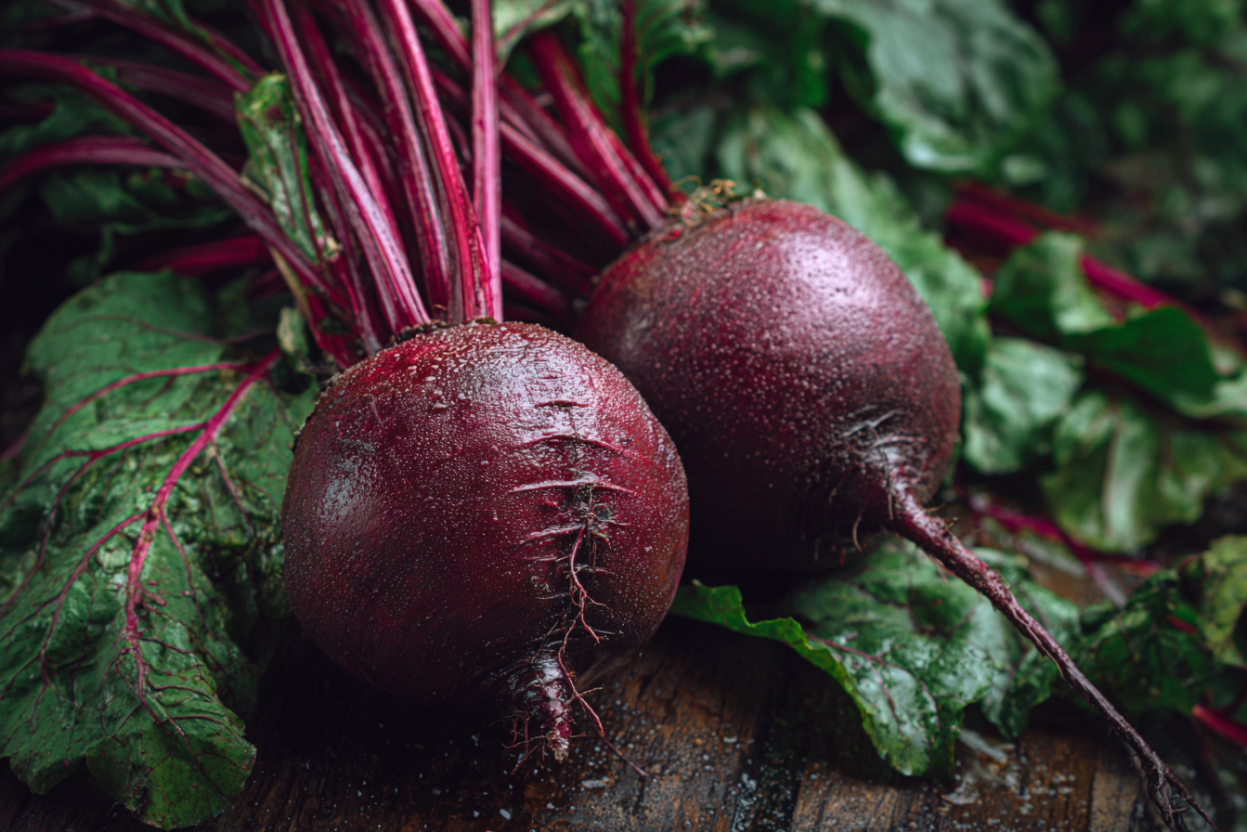
Beets (Beta vulgaris)
If your blood pressure has been creeping up, if your energy has been fading, or if your body feels weighed down by inflammation you cannot seem to shake — you are far from alone. Millions of people are searching for answers, and one of the most powerful answers has been sitting in the produce aisle all along. The beet is a quiet powerhouse — a deep crimson root packed with compounds that modern science is only now beginning to fully understand.
This remarkable root vegetable is one of many gifts the Creator embedded into nature for our benefit. Long before laboratories discovered nitric oxide pathways or measured betalain antioxidant capacity, the beet was already here — provided by a Designer who knew exactly what the human body would need.
The Plant
Common Names: Beet, Beetroot, Red Beet, Garden Beet, Table Beet, Golden Beet, Sugar Beet, Blood Turnip
Botanical Name: Beta vulgaris L.
Family: Amaranthaceae (formerly Chenopodiaceae) — the amaranth family, which also includes spinach, Swiss chard, and quinoa
Description
The beet is a small, herbaceous plant typically grown as a biennial but most commonly harvested in its first year as an annual crop. The underground taproot — the part most people know — is a swollen, globular to slightly elongated root ranging in size from a tennis ball to a softball when harvested at peak. The root’s flesh is a deep crimson-red in common varieties, though golden, white, and candy-striped (Chioggia) varieties also exist. The skin is thin and smooth when young, becoming rougher and more textured as the root matures.
Above ground, beet plants produce a rosette of broad, dark green leaves with distinctive deep red-purple veining and stems. The leaves can reach 8 to 12 inches in length and are themselves highly nutritious and edible. If left to flower in the second year, the plant sends up a tall seed stalk that can reach 3 to 4 feet, producing small, clustered greenish flowers that mature into corky seed balls, each containing 2 to 6 seeds.
Origin
The wild ancestor of the cultivated beet is Beta vulgaris subsp. maritima, commonly called sea beet, which grows wild along the coasts of the Mediterranean, the Atlantic coast of Europe into Scandinavia, and through the Middle East into India. The earliest records of beet cultivation date back approximately 5,000 years to ancient civilizations in the Mediterranean basin. Egyptian, Greek, and Roman civilizations all described the use of beet in their cuisines and medicinal remedies, though most ancient recipes focused on the leaves rather than the root.
Brief History
Ancient peoples primarily consumed beet as a leafy green. The root was thin, fibrous, and used mainly for medicine. The Greeks revered the plant and offered it to the sun god Apollo at the temple of Delphi. Hippocrates used beet leaves as wound dressings. The Roman naturalist Pliny the Elder described the root as less fleshy than the saffron crocus. Roman cookbooks, including the famous collection attributed to Apicius, included recipes for beet prepared with leeks, coriander, and cumin.
The swollen, bulbous root we know today was the result of centuries of selective cultivation in Europe, with the first colored illustration of a swollen-rooted table beet appearing in frescos at the Villa Farnesina in Rome around 1515–1517. In the 18th century, chemists discovered beets contained high levels of sucrose, leading to the development of the sugar beet industry. Napoleon Bonaparte promoted sugar beet cultivation to reduce Europe’s dependence on imported cane sugar during trade blockades — an industry that persists as a global force to this day.
Growing & Cultivation
Climate & Zones
Beets are a cool-season crop that thrives in USDA Hardiness Zones 2 through 11, making them one of the most universally growable vegetables. They prefer temperatures between 50°F and 75°F (10°C–24°C) for best root development. In warmer zones (8–11), beets perform best as a fall, winter, or early spring crop. In cooler zones (2–6), they are typically planted in spring after the last frost and again in late summer for a fall harvest. Beets can tolerate light frosts — in fact, a touch of cold sweetens the roots by converting starches to sugars.
Soil Requirements
Beets prefer loose, well-draining, loamy soil with a pH between 6.0 and 7.5. Heavy clay soil can restrict root development and cause misshapen roots. Sandy soils work well but may require more frequent watering. Work the soil deeply before planting — at least 8 to 10 inches — and remove rocks and debris. Incorporate compost for fertility but avoid fresh manure or excess nitrogen, which promotes leafy growth at the expense of root development. Beets are moderately tolerant of slightly alkaline soils and can handle some salinity — a trait inherited from their coastal ancestors.
Water & Sunlight
Beets require consistent, moderate moisture — about 1 inch of water per week. Irregular watering leads to tough, woody roots or cracking. Mulching helps retain soil moisture and regulates temperature. Beets thrive in full sun (6–8 hours) but will tolerate partial shade (4–6 hours), especially in hot climates. In partial shade, expect slower growth and smaller roots, though leaf production remains strong.
Propagation
Seed: Beets are grown from seed, which is actually a multi-germ seed cluster containing 2 to 6 seeds. Sow seeds directly outdoors ½ inch deep, 1 to 2 inches apart, in rows 12 to 18 inches apart. Seeds germinate in 5 to 17 days depending on soil temperature. Soaking seeds overnight before planting can speed germination. Thin seedlings to 3 to 4 inches apart once they reach 2 inches tall — use the thinnings in salads. Succession planting every 2 to 3 weeks ensures a continuous harvest.
Planting
Plant beets as soon as the soil can be worked in spring, typically 2 to 4 weeks before the last frost date. For fall harvest, plant 8 to 10 weeks before the first expected fall frost. Beets are excellent container plants — use containers at least 10 inches deep. They are also well-suited for raised beds, which provide the loose, deep soil they prefer. Companion plants include onions, garlic, lettuce, and members of the brassica family. Avoid planting near pole beans or mustard.
Harvesting
Harvest beets when roots reach 1½ to 3 inches in diameter — typically 50 to 70 days after sowing, depending on variety. Roots left too long in the ground become woody and lose flavor. Harvest in the morning when soil is cool. Loosen soil with a garden fork before pulling to avoid breaking the root. Harvest beet greens at any time by cutting outer leaves, leaving the inner growth intact to continue feeding the root. Greens are most tender when young (4–6 inches).
Drying & Storage
Fresh beets store well in the refrigerator for 2 to 3 weeks with greens removed (leave 1 inch of stem to prevent bleeding). For long-term storage, cure beets in a cool, humid location (32°F–40°F, 95% humidity) — a root cellar or similar environment — where they can last 3 to 5 months. Beets can be frozen (blanched and sliced), pickled, or dehydrated. Beet powder — made from dehydrated, ground beets — retains many of the root’s nutritional properties and stores for up to a year in an airtight container.
Pest & Disease Management
Beets are relatively pest-resistant. Common pests include leaf miners, flea beetles, and aphids. Floating row covers prevent most insect damage. Cercospora leaf spot is the most common disease — prevent it by rotating crops, spacing plants for airflow, and avoiding overhead watering. Scab can occur in alkaline soils. Rotate beets with non-related crops on a 3-year cycle for best disease prevention.
Companion Planting
Beets grow well alongside onions, garlic, lettuce, spinach, kohlrabi, and cabbage. Onions and garlic may help repel common beet pests. Avoid planting near pole beans, as both compete for nutrients. Beets make excellent companions in mixed-vegetable raised beds and interplant well with faster-growing crops like radishes and lettuce.
The Healing of Growing
Growing beets offers benefits beyond the harvest itself. The act of gardening — hands in soil, time spent outdoors in sunlight and fresh air — has been shown to reduce cortisol, improve mood, and support immune function. The soil contains beneficial bacteria (Mycobacterium vaccae) with documented antidepressant effects, stimulating serotonin production in the brain (Lowry et al., 2007, PNAS, USA). When you grow your own beets, you receive healing before you ever take the first bite.
Nutritional Profile
Macronutrients (per 100g raw beet root)
Calories: 43 kcal | Protein: 1.6g | Carbohydrates: 9.6g | Fiber: 2.8g | Sugars: 6.8g | Fat: 0.2g
Beets are low in calories and virtually fat-free while providing a good amount of dietary fiber. The natural sugars give them their characteristic earthy sweetness, while the fiber content supports digestive health and helps regulate how those sugars are absorbed.
Vitamins
Folate (B9): 109 mcg (27% DV) — Essential for DNA synthesis and repair, red blood cell formation, and neural tube development during pregnancy. Folate also helps convert homocysteine to methionine, supporting cardiovascular health.
Vitamin C: 4.9 mg (5% DV) — Supports immune function, collagen production for skin integrity, and acts as an antioxidant protecting cells from oxidative damage. Also enhances the absorption of non-heme iron.
Vitamin B6 (Pyridoxine): 0.067 mg (4% DV) — Important for neurotransmitter synthesis (including serotonin and dopamine), amino acid metabolism, and red blood cell production.
Niacin (B3): 0.334 mg (2% DV) — Supports energy metabolism and helps maintain the health of the nervous system, digestive system, and skin.
Riboflavin (B2): 0.04 mg (3% DV) — Plays a role in energy production and helps the body break down carbohydrates, proteins, and fats.
Minerals
Manganese: 0.329 mg (14% DV) — A trace mineral essential for bone health, metabolism, and antioxidant enzyme function (superoxide dismutase).
Potassium: 325 mg (7% DV) — Regulates fluid balance, muscle contractions, and nerve signals. Helps counteract the effects of sodium on blood pressure.
Iron: 0.8 mg (4% DV) — Critical for oxygen transport in the blood via hemoglobin. Beet’s iron content, while modest, is enhanced by the plant’s simultaneous vitamin C content, which improves absorption.
Magnesium: 23 mg (6% DV) — Essential for over 300 enzymatic reactions, supports muscle and nerve function, blood sugar regulation, and bone health.
Phosphorus: 40 mg (3% DV) — Works with calcium to build strong bones and teeth. Also plays a role in how the body uses carbohydrates and fats.
Copper: 0.075 mg (8% DV) — Supports iron metabolism, the formation of red blood cells, and the maintenance of nerve cells and the immune system.
Zinc: 0.35 mg (3% DV) — Supports immune function, wound healing, DNA synthesis, and cell division.
Phytonutrients & Active Compounds
Betalains (Betacyanins and Betaxanthins): These are the signature compounds of beets — the pigments responsible for the deep red-purple color (betacyanins, primarily betanin) and yellow hues (betaxanthins, primarily vulgaxanthin). Research suggests betalains are potent antioxidants with significant anti-inflammatory and chemoprotective activity. They inhibit cyclooxygenase (COX) and lipoxygenase (LOX) enzymes in inflammatory pathways (Clifford et al., 2015, Nutrients, UK).
Dietary Nitrates: Beets are one of the richest dietary sources of inorganic nitrate (approximately 250 mg per 100g). The body converts nitrate to nitrite via oral bacteria, and then to nitric oxide (NO) — a critical signaling molecule that relaxes blood vessels, improves blood flow, and lowers blood pressure.
Betaine (Trimethylglycine): A compound that acts as a methyl donor in the conversion of homocysteine to methionine, supporting cardiovascular health and liver function. Also serves as an osmolyte, helping cells maintain hydration under stress.
Polyphenols: Including chlorogenic acid, epicatechin, and rutin — compounds with documented antioxidant and anti-inflammatory properties.
Saponins: Naturally occurring plant compounds with potential cholesterol-lowering and immune-modulating effects.
Nutrient Notes
Beet greens are even more nutrient-dense than the root — exceptionally high in vitamin K (400%+ DV per cup), vitamin A, vitamin C, iron, and calcium. Cooking beets reduces some water-soluble nutrients (folate, vitamin C) but increases the bioavailability of certain antioxidants. Betalain pigments are sensitive to heat and degrade with prolonged cooking — lightly steaming or roasting retains more than boiling. Pairing beets with a small amount of healthy fat (olive oil, avocado) enhances absorption of fat-soluble nutrients.
Source: USDA FoodData Central — Beets, raw
Culinary Uses
Edible Parts
Every part of the beet plant above and below ground is edible. The root is the most commonly consumed part — sweet, earthy, and dense. The leaves (beet greens) are tender when young and hearty when mature, with a flavor similar to Swiss chard (they are, in fact, the same species). The stems are crunchy and slightly tart, excellent sautéed or pickled. Even the seeds/sprouts can be sprouted for microgreens.
Flavor Profile
Raw beets have a distinctly earthy, slightly sweet flavor with mineral undertones — sometimes described as “tasting like the earth” in the best possible way. When roasted, the sugars caramelize and the earthiness deepens into a rich, sweet complexity. When boiled, the flavor mellows considerably. Beet greens taste similar to Swiss chard — mildly bitter with an earthy, iron-rich quality. Golden beets are milder and less earthy than red varieties. Chioggia beets are the sweetest and mildest of all.
Preparation
Raw: Grated or thinly sliced for salads, slaws, and juicing. Peeling is optional when young and fresh. Roasted: Wrap whole beets in foil and roast at 375°F for 45–60 minutes until tender — the most popular method for concentrating flavor and sweetness. Boiled/Steamed: Cook whole with skin on to retain color and nutrients; peel after cooking. Pickled: A classic preservation method; beets take well to vinegar-based brines with warm spices. Juiced: One of the most potent ways to consume beets for their nitrate content — combine with apple, ginger, or carrot for a balanced juice. Dehydrated/Powdered: Beet powder can be added to smoothies, oatmeal, baked goods, and used as a natural food coloring.
Culinary Pairings
Beets pair beautifully with goat cheese, feta, blue cheese, walnuts, pecans, citrus (orange, lemon), arugula, dill, horseradish, balsamic vinegar, olive oil, garlic, thyme, cumin, and caraway. They complement proteins like salmon, chicken, and lamb. Beets are featured in cuisines worldwide — from Russian borscht to Middle Eastern salads to Indian raita to Scandinavian pickled preparations.
Storage
Store fresh beets in the refrigerator with greens removed (greens draw moisture from the root). Roots keep 2–3 weeks refrigerated. Greens should be used within 2–3 days. Cooked beets last 3–5 days refrigerated. Freeze cooked, sliced beets for up to 8 months. Pickled beets keep for months in sealed jars.
Ready to cook with beets? View Recipes on Chefts →
Wellness & Therapeutic Uses
Traditional Uses
Beets have been used as both food and medicine for thousands of years. In ancient Rome, beets were prescribed for fever, constipation, digestive issues, and wounds. Hippocrates recommended beet leaves as wound dressings. The Talmud (4th–5th century CE) advised eating beets for longevity, and Rabbi Hisda specifically documented that a dish of beets was beneficial for the heart, the eyes, and the intestines. In European folk medicine traditions, beet juice was used to support the blood and was considered a blood-building tonic — an observation now validated by modern understanding of its folate, iron, and nitrate content. In traditional Russian and Eastern European medicine, beet kvass (a fermented beet drink) was used as a liver tonic and digestive aid.
Modern Research
Cardiovascular Support & Blood Pressure: This is the most heavily researched benefit of beets. A systematic review and meta-analysis of 22 randomized clinical trials found that beetroot juice supplementation significantly reduced systolic blood pressure by an average of 3.55 mmHg and diastolic blood pressure by 1.32 mmHg (Bahadoran et al., 2017, Advances in Nutrition, Iran). A more recent meta-analysis specifically focusing on hypertensive patients confirmed these effects, noting that dietary nitrate from beetroot juice may reduce blood pressure through the nitrate-nitrite-nitric oxide pathway (Benjamim et al., 2022, Frontiers in Nutrition, Brazil).
Athletic Performance & Exercise Tolerance: Research suggests that beetroot juice supplementation may improve exercise performance during aerobic activities by reducing the oxygen cost of exercise. The dietary nitrates in beets enhance mitochondrial efficiency and improve blood flow to working muscles (Clifford et al., 2015, Nutrients, UK).
Anti-Inflammatory & Antioxidant Activity: Betalains in beets have been shown to inhibit cyclooxygenase-2 (COX-2) and lipoxygenase enzymes — the same inflammatory pathways targeted by many pharmaceutical anti-inflammatory drugs. A comprehensive review documented that beetroot’s constituents display potent antioxidant, anti-inflammatory, and chemopreventive activity both in vitro and in vivo (Clifford et al., 2015, Nutrients, PMC, UK).
Gut Health & Microbiome Support: Beet extracts, pectin, and pectic-oligosaccharides have been shown to positively modulate gut microbiota composition, with noticeable bifidogenic effects and the ability to stimulate the growth of beneficial probiotic bacteria (da Silva et al., 2020, Critical Reviews in Food Science and Nutrition, Brazil).
Blood Sugar Support: Studies suggest that persistent consumption of beetroot juice may effectively delay the postprandial glycemic response and decrease blood glucose peaks. The fiber, polyphenols, and betalains in beets may work synergistically to support insulin sensitivity (Mirmiran et al., 2020, Nutrition & Metabolism, Iran).
Liver Support: Betaine, a key compound in beets, has been studied for its hepatoprotective properties. Research indicates it may help protect against fatty liver conditions and support the liver’s detoxification pathways (Lorizola et al., 2022, Food Research International, Brazil).
Cognitive Function: By increasing nitric oxide availability, beetroot may support cerebral blood flow. Research in older adults suggests that dietary nitrate from beets may improve blood flow to the frontal lobe — the area of the brain associated with executive function and working memory.
Body Systems Supported
Cardiovascular system (nitric oxide production, blood pressure regulation, improved circulation), digestive system (fiber, prebiotic effects, gut microbiome), immune system (antioxidant protection, anti-inflammatory action), nervous system (cerebral blood flow, B-vitamin support for neurotransmitter synthesis), musculoskeletal system (anti-inflammatory support, exercise recovery), integumentary system (antioxidant protection, blood flow to skin), endocrine system (blood sugar regulation), urinary system (potential renoprotective properties).
Body Compounds Affected
Nitric Oxide: Beets are one of the most potent dietary sources for increasing nitric oxide production through the nitrate-nitrite-NO pathway. This single mechanism underlies many of the plant’s cardiovascular, cognitive, and performance benefits.
Cortisol: The anti-inflammatory compounds in beets may help modulate the stress response by reducing systemic inflammation that contributes to elevated cortisol.
Serotonin: The folate and B-vitamins in beets are cofactors in serotonin synthesis, supporting mood regulation.
Inflammatory Markers (IL-6, TNF-alpha, C-reactive protein): Betalains have been documented to reduce inflammatory cytokines and C-reactive protein in clinical settings.
Prostaglandins: Through COX-2 inhibition, beet compounds may influence prostaglandin production, reducing inflammation and pain signaling.
Methods of Use
Juice
The most studied form for cardiovascular and exercise benefits. Standard research dosing is approximately 250 mL (about 8.5 oz) of beetroot juice per day, providing approximately 6–7 mmol of dietary nitrate. Fresh-pressed or concentrated beetroot juice shots are both effective. Effects on blood pressure may be observed within 1–3 hours of consumption.
Whole Food (Raw or Cooked)
Eating whole beets provides the full spectrum of nutrients — fiber, betalains, betaine, vitamins, and minerals — in a form the body can digest and absorb gradually. Roasting preserves more betalains than boiling.
Powder/Capsule
Beet root powder (3–5 grams daily) offers a convenient alternative. Encapsulated forms are available for those who dislike the taste. Ensure products are made from whole beet root, not just extracted nitrates.
Fermented (Beet Kvass)
A traditional probiotic-rich preparation. Combine cubed beets with salt and water; ferment for 2–5 days at room temperature. The fermentation process adds beneficial bacteria while preserving and potentially enhancing the beet’s bioactive compounds.
Cosmetic & Beauty Uses
Skin Benefits
Beets offer significant topical and internal benefits for skin health. The betalain antioxidants combat free radical damage that leads to premature aging, while the vitamin C content supports collagen synthesis for skin firmness and elasticity. The high nitrate content improves blood flow, delivering more oxygen and nutrients to skin cells. Research suggests that topical application of beetroot extract can achieve up to 89.7% antioxidant activity, and an 8-week study showed beetroot cream significantly improved skin elasticity and reduced markers of UV damage.
Beet’s anti-inflammatory compounds (betaine and betalains) help calm irritated skin, reduce redness, and soothe conditions like eczema and dermatitis. The iron content supports cellular repair, while the blood-purifying effect of regular beet consumption may contribute to a clearer complexion from the inside out. Beet is suitable for all skin types — hydrating for dry skin, anti-inflammatory for sensitive skin, and clarifying for oily and acne-prone skin.
Hair Benefits
Beet juice used as a hair rinse may promote scalp circulation due to its nitrate content, supporting healthier hair growth. The silica content in beets contributes to hair strength and shine. Beet juice can be applied to the scalp to help reduce dandruff and itchiness, and the iron and folate support healthy red blood cell production that nourishes hair follicles from within.
Application Methods
Fresh beet juice can be applied directly to skin as a natural face mask (mixed with yogurt or honey to reduce staining and add additional benefits). Leave on for 15–20 minutes and rinse. Beet juice can serve as a natural lip tint and cheek stain — a practice used in traditional beauty routines for centuries. Beet powder can be mixed into homemade face scrubs, masks, and bath products. Beet-infused oils can be created by steeping dried beet in a carrier oil for topical application.
DIY Formulation Notes
When using fresh beet juice topically, always perform a patch test first — the intense pigments can stain skin temporarily and may cause mild irritation in sensitive individuals. Beet pairs well with carrier ingredients like honey, yogurt, aloe vera, rose water, and coconut oil. For hair rinses, dilute beet juice with water (1:3 ratio) to avoid excessive color transfer. Homemade beet preparations should be used fresh and stored in the refrigerator for no more than 2–3 days.
Beets are among the botanicals being explored for holistic cosmetic applications, where the wisdom of traditional beauty practices meets modern understanding of skin science.
Note: Beets do not yield a commercially available essential oil. The plant is not processed through steam distillation or other essential oil extraction methods. The therapeutic compounds in beets are best accessed through consumption, juicing, and topical application of the whole plant or its juice.
Aromatherapy & Scent
The Aroma
Fresh beets have a distinctly earthy, mineral-rich scent — often described as smelling like clean, rain-dampened soil. When you cut into a raw beet, the aroma intensifies with sweet, slightly metallic undertones. This earthy fragrance comes from a compound called geosmin, which is also responsible for the smell of earth after rain (petrichor). Fresh beet greens have a milder, green, slightly vegetal scent. When beets are roasted, the aroma transforms dramatically — warm, caramelized sweetness fills the kitchen, with deep earthy-sweet notes that many find comforting and grounding.
Dried beet retains a muted version of its earthy aroma. Beet powder has a concentrated, sweet-earthy scent that is less pungent than fresh. Dried beet material retains its scent for several months when stored in airtight containers away from light and heat.
How Scent Affects Your Body
When you smell beets — whether slicing them fresh, opening a container of beet powder, or standing over a pot of roasting beets — volatile molecules are released and carried to the olfactory receptors in the nasal passages. These receptors send signals directly to the limbic system (the brain’s emotional center) and hypothalamus (which controls hormone production). This pathway bypasses conscious thought, meaning scent affects your body before you even decide how to react. The earthy scent of beets is generally considered grounding and stabilizing.
Emotional & Mood Effects
The earthy, grounding scent of beets is associated with feelings of stability, connection to the earth, and calm centeredness. Earthy aromas in general have been linked to reduced anxiety and a sense of safety. The warm, sweet scent of roasted beets tends to produce feelings of comfort, warmth, and home.
Ways to Experience the Scent
Growing beets in a garden and handling the plants, slicing fresh beets during food preparation, roasting beets to fill the kitchen with their warm aroma, simmering beets in soups (like borscht), and adding beet powder to warm beverages or smoothies. While beets are not typically used in aromatherapy the way herbs are, the experience of working with them in the kitchen and garden provides a grounding, sensory-rich connection to the earth.
Color Therapy
The Colors of Beets
The beet is one of nature’s most vibrantly colored vegetables. The root flesh ranges from deep crimson-red to burgundy-purple in common varieties, with golden-yellow, white, and striped (Chioggia — alternating red and white rings) varieties also available. The leaves are dark green with prominent deep red-purple veins and stems. When in bloom, small greenish flowers appear. The juice of red beets produces an intensely pigmented, richly saturated magenta-red liquid.
Color Wavelengths
The dominant red-purple color of beets falls in the red to violet wavelength range (approximately 380–700 nm), with the deepest concentration in the red spectrum (620–700 nm). The betalain pigments responsible for the color (betacyanins = red-purple; betaxanthins = yellow-orange) span from the red through the yellow wavelength ranges.
How Red-Purple Affects the Body
In color therapy, red (620–700 nm) is considered energizing, stimulating, and warming — associated with vitality, courage, and increased circulation. It is linked to the root chakra in energy medicine traditions, connecting to themes of groundedness, survival, and physical vitality. Purple/violet (380–450 nm) is associated with calming the nervous system, meditative states, and spiritual connection. The deep red-purple of beets combines both energies — grounding vitality with calm depth.
Having beet plants in your garden or fresh beets on your counter introduces these red and deep green tones into your visual environment. Research on color exposure suggests that red tones can increase alertness and energy, while the deep green of beet leaves contributes balancing, calming effects consistent with biophilic design principles.
Using Beets for Color Therapy
Place fresh beets on the kitchen counter for visual impact. Use beet juice as a natural food coloring to bring vibrant red tones to foods. Grow beet plants in the garden or in containers where their dramatic dark foliage provides visual interest. “Eating the rainbow” — consuming the red-purple pigments in beets delivers betalain antioxidants directly while engaging with the color’s energy.
Frequency & Vibration
The Frequency of Beets
While specific MHz frequency measurements for beets have not been as extensively published as those for essential oils, proponents of vibrational medicine consider fresh, raw, organic vegetables to be among the higher-frequency foods available. According to bio-frequency research, fresh produce generally vibrates in the range of 20–27 MHz, with nutrient-dense, deeply pigmented foods like beets potentially measuring at the higher end of this range. For reference, a healthy human body is believed to vibrate between 62–78 MHz.
Human Frequency Interaction
The principle of entrainment suggests that when two vibrating systems are in proximity, the stronger frequency influences the weaker one to synchronize. According to this framework, consuming high-frequency foods like fresh beets may support the body’s own vibrational state. Cooking reduces the frequency of foods, and processed foods have significantly lower frequencies — which is one reason raw or lightly prepared beets may offer benefits beyond what their nutrient profile alone suggests.
Vibrational Applications
Choose fresh, organic, locally grown beets whenever possible for the highest vibrational quality. Consume raw beet juice or lightly prepared beets to preserve vibrational integrity. Grow your own beets — the act of tending a living plant and consuming it fresh from the garden provides the most direct frequency exchange. Combine beet consumption with other high-frequency practices such as time in nature, prayer, and gratitude.
Note: Frequency measurements of whole foods remain an area where research is emerging. These observations reflect the perspectives of bio-frequency researchers and should be understood within that developing framework.
The Living Plant
Benefits of Presence
Simply being around growing beet plants — in a garden, raised bed, or container — provides benefits beyond nutrition. The broad, dark green and red-purple leaves add vibrant visual interest to any space. Research consistently demonstrates that the presence of living plants reduces stress hormones, improves focus, and enhances mood. The visual impact of beet’s colorful foliage may be particularly beneficial for attention restoration.
Air Purification
While beets are not among the specific plants tested in the NASA Clean Air Study (which focused primarily on houseplants), all green plants contribute to air quality through photosynthesis — absorbing carbon dioxide and releasing oxygen. Outdoor beet plants contribute to the overall garden ecosystem’s air purification capacity. Beet plants are high oxygen producers during daylight hours, and their broad leaf surface area supports active gas exchange.
Visual & Psychological Benefits
The rich color palette of beet plants — from deep green to vivid crimson-purple — engages the visual system in ways that research suggests may reduce stress and improve cognitive function. Studies on nature exposure and attention restoration theory demonstrate that viewing natural greenery allows the brain’s directed attention capacity to rest and recover. Hospital patients with views of gardens have been documented to heal faster than those without.
Growing Indoors vs Outdoors
Beets can be grown in containers on balconies, patios, and even windowsills if provided with sufficient light (at least 6 hours of direct light or supplemental grow lights). Container growing allows even apartment dwellers to experience the benefits of the living plant. Outdoors, beets thrive in garden beds and raised beds, contributing to the therapeutic benefits of the garden as a whole — including exposure to phytoncides from surrounding plants, grounding through bare-foot contact with earth, and the general stress-reducing effects of time spent in nature.
Touch & Physical Interaction
Gardening Therapy
Working with beet plants provides a hands-on, multi-sensory therapeutic experience. Horticultural therapy is an established practice used in rehabilitation centers, hospitals, and mental health facilities worldwide. The repetitive, focused tasks involved in growing beets — sowing seeds, thinning seedlings, weeding, watering, and harvesting — engage both body and mind in a meditative, rhythmic flow that reduces anxiety and promotes present-moment awareness.
Soil Contact Benefits
Planting and harvesting beets brings you into direct contact with soil, which has documented health benefits. The soil bacterium Mycobacterium vaccae has been shown to trigger serotonin release in the brain, acting as a natural antidepressant. Gardening barefoot adds the benefits of grounding (earthing) — the transfer of electrons from the earth into the body, which has been associated with reduced inflammation, improved sleep, and decreased cortisol levels.
The Tactile Experience
Beet leaves are broad, smooth, and slightly waxy — satisfying to handle. Young leaves are tender and silky; mature leaves are more substantial and textured. The root, when pulled from the soil, is cool, firm, and heavy in the hand — a tangible reward for patient gardening. The experience of brushing soil from a freshly harvested beet, feeling its smooth skin and dense weight, provides a deeply grounding sensory moment. Even the act of slicing raw beets — feeling the knife move through the dense, crisp flesh — is a tactile and visual meditation, the vibrant crimson juice a vivid reminder of the life-force within the plant.
Harvesting & Processing
Harvesting beets is an act of provision — pulling food from the earth with your own hands connects you to something ancient and deeply human. Processing beets — scrubbing, peeling, slicing, roasting, juicing, pickling — engages multiple senses and requires focused, present attention. The repetitive motions of slicing and preparing beets can be meditative, and the rich sensory experience (the color, the texture, the earthy aroma) provides a full-body mindfulness practice.
Water-Based Applications
Teas & Infusions
While beet root is not commonly consumed as a standalone tea, beet root can be sliced or grated and simmered in hot water to create a nourishing beet decoction. Use 1–2 tablespoons of grated fresh beet root per cup of water, simmer gently (not boiling) for 10–15 minutes, and strain. Beet greens can be steeped as a mild infusion — pour boiling water over fresh or dried beet leaves, steep for 5–10 minutes, and strain. Beet root powder (½ to 1 teaspoon) can be stirred into hot water for an instant beet “tea” that retains much of the root’s nutritional value.
Herbal Baths
Adding beet to a bath can provide topical antioxidant and circulatory benefits. Use 1–2 cups of strong beet decoction (made by simmering chopped beets in water for 20–30 minutes) added to a warm bath. The betalain pigments are absorbed through the skin, and the warm water enhances circulation. Note that beet baths will temporarily stain skin and tubs — use caution and clean promptly. A beet foot bath offers a less messy alternative with concentrated circulatory benefits for the feet and lower legs.
Compresses
A warm beet compress can be prepared by soaking a clean cloth in warm beet decoction and applying to areas of inflammation or muscle soreness. The betalain antioxidants may provide localized anti-inflammatory benefit. Cold beet compresses (cloth soaked in chilled beet juice or decoction) may be soothing for hot, inflamed skin conditions.
Steam Inhalation
While not a traditional steam inhalation herb, adding beet root to a pot of steaming water during cooking fills the surrounding air with geosmin and other volatile compounds that contribute to the grounding, earthy aromatherapy experience described in the scent section.
Hair Rinses
A beet tea or decoction makes an effective hair rinse that may promote scalp circulation, add subtle reddish tones to hair, and deliver antioxidants topically to the scalp. Prepare a beet decoction, allow to cool, and pour over clean hair as a final rinse. Leave on for 5–10 minutes before rinsing with cool water. This may temporarily enhance red tones in hair — use with intention.
Historical, Cultural & Biblical Significance
Biblical References
Beets are not directly mentioned by name in the King James Bible. However, beet is referenced in the Septuagint — the Greek translation of the first five books of the Hebrew Bible, made in Ptolemaic Egypt in the third century BCE (Goldman & Janick, 2021, Frontiers in Plant Science, USA). Beets are mentioned extensively in the Talmud, the 4th–6th century collection of rabbinical commentary and law. Rabbi Hisda, living in Babylonia (modern Iraq) in the fourth century CE, wrote that a fully cooked dish of beets was beneficial for the heart, the eyes, and the intestines — an observation that modern nitric oxide research has remarkably validated. The Talmud’s Tractate Shabbat (Chapter 118b) includes a recommendation to celebrate festive days with a dish of beets, a large fish, and heads of garlic.
Ancient Civilizations
The earliest records of beet cultivation trace to approximately 3000 BCE in ancient Egypt, where the leaves were consumed as food and the root was used medicinally. The ancient Greeks held the beet in high esteem — offering it to the sun god Apollo at the temple of Delphi and considering it worth its weight in silver. Hippocrates (c. 460–370 BCE) used beet leaves for binding and dressing wounds. Pedanius Dioscorides included beet (identified as Beta maritima) in his first-century De Materia Medica, the foundational pharmacological text that guided Western medicine for over 1,500 years.
Romans consumed beets more broadly, both as food and medicine. Pliny the Elder described beet cultivation and uses in his Natural History. The Roman cookbook attributed to Apicius includes detailed beet recipes — sliced with leeks, crushed coriander and cumin, and dressed with raisin wine, oil, and vinegar. Romans used beet medicinally for fever, constipation, and digestive complaints.
Eastern Traditions
While beets are not as prominently featured in Traditional Chinese Medicine (TCM) or Ayurveda as some other plants, they were known to Armenian and Arab cultures contiguous with the ancient Mediterranean world. In Unani medicine (a Greco-Arabic tradition), beet was valued as a blood-purifying tonic and digestive support. In modern Ayurvedic practice, beetroot is recognized for its ability to support blood health, digestion, and liver function, and is recommended for conditions related to excess heat and sluggish digestion.
Indigenous Knowledge
While beets as cultivated root vegetables are primarily a European domesticated crop, wild Beta maritima grew across a vast range from the Mediterranean through the Middle East to India. Indigenous and traditional peoples across these regions observed and used wild beet relatives in their healing practices. When European settlers brought cultivated beets to the Americas, indigenous peoples recognized their value and incorporated them into food and folk medicine traditions.
European Heritage
In medieval Europe, beets were cultivated in monastery gardens — those critical institutions that preserved botanical and medicinal knowledge through the Dark Ages. By the 16th century, European herbals began illustrating and describing the swollen-rooted beet we know today. The 18th century brought the revolutionary discovery of sucrose in beets, transforming agriculture across Europe. Napoleon Bonaparte championed sugar beet production, creating an industry that freed Europe from dependence on imported cane sugar.
In Eastern European cultures — particularly Russia, Poland, and Ukraine — beets became a dietary staple. Borscht, the iconic beet soup, has been a cornerstone of Eastern European cuisine for centuries, with each family and region claiming its own traditional recipe.
Cultural Symbolism
These cultures observed that beets provided remarkable benefits for the blood, the heart, and the digestion. They documented these uses in texts and traditions spanning millennia. While they may not have known the Creator by name, they were observing His design — and their observations align powerfully with what modern research confirms about the beet’s nitric oxide, betalain, and betaine properties.
Safety & Precautions
Contraindications
Individuals with a history of calcium oxalate kidney stones should limit beet consumption, as beets are high in oxalates that can contribute to stone formation. Those with advanced kidney disease (CKD stage 3–5) should consult their healthcare provider before consuming beets regularly due to the high potassium content. Individuals with hemochromatosis (iron overload condition) should moderate intake.
Drug Interactions
Blood pressure medications (antihypertensives): Beets’ significant blood-pressure-lowering effect through nitric oxide production may compound the effects of blood pressure medications, potentially causing hypotension (dangerously low blood pressure). Monitor blood pressure closely if consuming beet juice regularly while on antihypertensive drugs.
Blood thinners (anticoagulants such as warfarin): While beetroot itself is low in vitamin K, beet greens are extremely high in vitamin K and can interfere with warfarin’s effectiveness. The nitrate content in beets may also have mild antiplatelet effects. Consult a healthcare provider.
Erectile dysfunction medications (PDE5 inhibitors, nitrates): Both beet-derived nitric oxide and these medications act on similar pathways. Combining them may cause excessive blood pressure drops.
Diabetes medications: While beets have a relatively low glycemic index, beet juice concentrates natural sugars. Individuals on diabetes medications should monitor blood sugar levels when adding beet juice to their routine.
Pregnancy & Nursing
Beets consumed as whole food in normal dietary amounts are generally considered safe during pregnancy and are an excellent source of folate — critical for fetal neural tube development. However, concentrated beet supplements or large amounts of beet juice should be used with caution during pregnancy due to the significant nitrate content. Consult with a qualified healthcare provider before using beet supplements during pregnancy or while breastfeeding.
Children
Beets are generally safe for children as a food. Introduce cooked (not raw) beets after 6 months of age as part of normal food introduction. The earthy flavor may require repeated exposure for acceptance. Beet juice should be diluted for children and given in small amounts. Be aware that beeturia (red-tinted urine) can alarm parents — it is harmless.
Elderly
Beets can be highly beneficial for older adults, supporting cardiovascular health and circulation. However, elderly individuals on multiple medications (particularly blood pressure medications) should introduce beet juice gradually and monitor blood pressure. The potassium content should be considered for those on potassium-restricted diets.
Pets
Dogs: Non-toxic. According to the ASPCA, beets are non-toxic to dogs (ASPCA). Cooked beets can be given in moderation as an occasional treat. Raw beets may be difficult to digest. Excessive amounts may cause digestive upset or pink-tinged urine.
Cats: Non-toxic. The ASPCA lists beets as non-toxic to cats. Cooked, plain beets can be offered in very small amounts. Cats are obligate carnivores and do not nutritionally require plant foods.
Horses: Non-toxic per ASPCA classification. Sugar beet pulp is commonly used as a supplemental feed for horses.
Note: Large mature beet leaves contain oxalic acid, which in very large quantities may cause concern for any species. Keep consumption reasonable.
Allergies & Sensitivities
Beet allergies are rare but can occur. Symptoms may include rash, hives, itching, or in rare cases, difficulty breathing. Individuals with sensitivities to members of the Amaranthaceae family should use caution. Topical application of beet juice may cause temporary skin staining and mild irritation in sensitive individuals — always perform a patch test.
Beeturia: Consuming beets can cause urine and stool to turn pink or reddish — a completely harmless condition caused by the betalain pigments passing through the body. This affects an estimated 10–14% of the population and requires no medical attention.
Dosing Guidelines
There is no official recommended dosage for beets. Based on clinical research: approximately 250 mL of beetroot juice daily (providing ~6–7 mmol nitrate) has been used in most blood pressure studies. Whole beets: 1–2 medium beets per day is a reasonable amount for most adults. Beet root powder: 3–5 grams per day. Duration of use: beets consumed as food have no known duration restrictions. Concentrated supplements should be used as directed.
Quality & Sourcing
Choose organic beets when possible to minimize pesticide exposure. Beets are a root vegetable and can absorb contaminants from soil, including heavy metals. Purchase from trusted sources — especially for beet powder and supplements, which may vary in quality. Look for products that have been third-party tested for purity.
Signs of Adverse Reaction
Mild: Digestive discomfort (bloating, gas, diarrhea), beeturia, temporary skin staining from topical use. Moderate: Dizziness or lightheadedness from blood pressure drop. Serious (seek medical attention): Allergic reaction (hives, swelling, difficulty breathing), kidney pain in those with pre-existing kidney conditions, severe hypotension.
Disclaimer
This information is for educational purposes only. It is not intended to diagnose, treat, cure, or prevent any disease. Always consult with a qualified healthcare provider before using any herbal product, especially if you are pregnant, nursing, taking medications, or have a medical condition. If you experience any adverse reaction, discontinue use immediately and seek medical attention.
Want Personalized Guidance?
Every body is unique. What works for one person may not be right for another. If you’d like personalized support in incorporating beets into your wellness journey, consider working with a qualified practitioner who can assess your individual needs.
Sources & References
Peer-Reviewed Studies
- The Potential Benefits of Red Beetroot Supplementation in Health and Disease – Nutrients, 2015, UK
- Nitrate Derived From Beetroot Juice Lowers Blood Pressure in Patients With Arterial Hypertension: A Systematic Review and Meta-Analysis – Frontiers in Nutrition, 2022, Brazil
- The Nitrate-Independent Blood Pressure-Lowering Effect of Beetroot Juice: A Systematic Review and Meta-Analysis – Advances in Nutrition, 2017, Iran
- A Review on Bioactive Compounds of Beet (Beta vulgaris L.) with Special Emphasis on Their Beneficial Effects on Gut Microbiota and Gastrointestinal Health – Critical Reviews in Food Science and Nutrition, 2020, Brazil
- Functional Properties of Beetroot (Beta vulgaris) in Management of Cardio-Metabolic Diseases – Nutrition & Metabolism, 2020, Iran
- Bioactive Potential of Beetroot (Beta vulgaris) – Food Chemistry: X, 2022, India
- A Comprehensive Review of Beetroot (Beta vulgaris L.) Bioactive Components in the Food and Pharmaceutical Industries – Critical Reviews in Food Science and Nutrition, 2024, South Korea/Russia/Spain
- Beetroot as a Functional Food with Huge Health Benefits: Antioxidant, Antitumor, Physical Function, and Chronic Metabolomics Activity – Food Science & Nutrition, 2021, China
- Dietary Nitrate from Beetroot Juice for Hypertension: A Systematic Review – Biomolecules, 2018, Colombia
- Acute Effects of Nitrate-Rich Beetroot Juice on Blood Pressure, Hemostasis and Vascular Inflammation Markers in Healthy Older Adults – Nutrients, 2017, Australia/UK
- Beet (Beta vulgaris L.) Stalk and Leaf Supplementation Changes Glucose Homeostasis and Inflammatory Markers in the Liver of Mice – Food Research International, 2022, Brazil
- Identification of an Immune-Responsive Mesolimbocortical Serotonergic System (Mycobacterium vaccae) – PNAS, 2007, USA/UK
Historical & Botanical Sources
- Evolution of Root Morphology in Table Beet: Historical and Iconographic Evidence – Goldman & Janick, Frontiers in Plant Science, 2021, USA
Institutional Sources
- USDA FoodData Central — Beets, Raw – USDA, USA
- ASPCA Toxic and Non-Toxic Plants: Beets – ASPCA, USA