Black Beans (Phaseolus vulgaris)
If you struggle with blood sugar imbalances, digestive sluggishness, or the quiet inflammation that wears your body down day after day, you are far from alone — and one of the most affordable, accessible foods on Earth may offer support you have not yet considered. Black beans have nourished civilizations for over eight thousand years, and modern science is finally catching up to what indigenous peoples of the Americas understood long ago: this humble seed is packed with compounds that support nearly every system in your body.
This remarkable legume is one of many gifts the Creator embedded into nature for our benefit. From the protein that rebuilds your tissues to the anthocyanins that give the seed its striking dark coat, every element of the black bean reflects intentional design — provision for the human body, placed here long before any laboratory existed.
The Plant
Common Names: Black bean, black turtle bean, frijol negro, caviar criollo, feijão preto
Botanical Name: Phaseolus vulgaris L.
Family: Fabaceae (the legume family — one of the largest plant families on Earth, characterized by nitrogen-fixing root nodules and seeds borne in pods)
Description
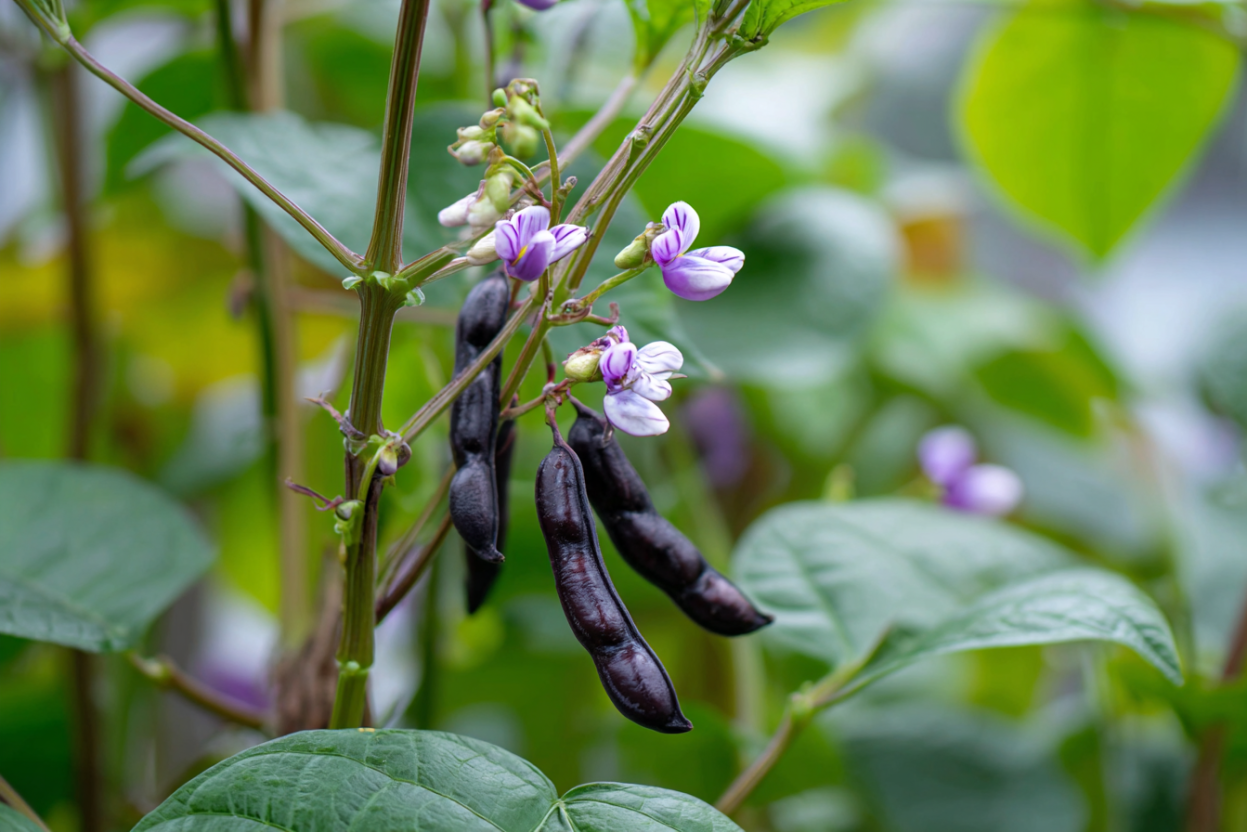
Black beans are herbaceous annual plants available in both bush (determinate) and pole (indeterminate) varieties. Bush types grow 20 to 60 centimeters tall in compact, upright forms, while pole varieties produce twining vines that can reach two to three meters in length and require support from trellises or poles. The leaves are trifoliate — each leaf composed of three broad, pointed leaflets arranged alternately along the stem. The plant produces small, delicate flowers in shades of white, pink, lilac, or purple, typically appearing 60 to 65 days after germination. These self-pollinating flowers develop into long, cylindrical pods measuring 8 to 20 centimeters, each containing four to eight medium-sized, ovate seeds.
The seeds themselves are the star — jet-black with a smooth, shiny exterior and a tiny white eye (hilum) where the seed attached to the pod. When cooked, the beans transform to a deep purple hue with a creamy interior, offering a mild, slightly sweet, earthy flavor and a dense, almost meaty texture. The root system is relatively shallow and features the nitrogen-fixing nodules characteristic of legumes — small round structures on the roots that house beneficial Rhizobium bacteria, converting atmospheric nitrogen into forms the plant (and surrounding soil) can use.
Origin
The common bean (Phaseolus vulgaris) is native to the Americas, with its wild ancestor distributed from northern Mexico to northwestern Argentina. Research published in the Proceedings of the National Academy of Sciences supports a Mesoamerican origin, with evidence of independent domestication in both Mesoamerica (present-day Mexico and Central America) and the Andean region of South America approximately 8,000 years ago. This dual domestication produced two distinct genetic pools — the smaller-seeded Mesoamerican types and the larger-seeded Andean types.
Black beans belong to the Mesoamerican gene pool, where they were cultivated as part of the “Three Sisters” agricultural system alongside maize (corn) and squash — a brilliant symbiotic arrangement where beans fixed nitrogen to enrich the soil, corn provided a natural trellis for the beans to climb, and squash leaves shaded the ground to suppress weeds and retain moisture. Following the Columbian Exchange in the 16th century, common beans traveled to Europe, Africa, and Asia, where they were adopted into diverse culinary traditions worldwide. Today, black beans are cultivated globally, with major production in Brazil, Mexico, India, Myanmar, and the United States.
Brief History
Archaeological evidence from the Tehuacán Valley in Mexico and cave sites in Peru dates bean cultivation to at least 7,000 to 8,000 years ago. The Aztecs called beans ayacotl, the Maya knew them as búul, and the Inca used the Quechua word purutu. Beans were central to the diet and agriculture of pre-Columbian civilizations across the Americas. When Spanish and Portuguese explorers brought beans to Europe in the 1500s, the seeds gradually gained acceptance and were incorporated into Mediterranean, African, and Asian cooking traditions. Black beans became particularly prominent in the cuisines of Brazil, Cuba, Mexico, and the American South, where they remain dietary staples to this day.
Growing & Cultivation
Climate & Zones
Black beans are warm-season annuals that thrive in USDA Hardiness Zones 3 through 10 as a summer crop. Because they are annuals planted after the last frost and harvested before the first fall frost, even gardeners in cooler zones can grow them successfully as long as the growing season provides 90 to 140 frost-free days. They perform best where daytime temperatures consistently reach 70°F to 80°F (21°C to 27°C). Black beans do not tolerate frost — even a light freeze will damage or kill the plants. In zones with shorter growing seasons, black plastic mulch can warm the soil before planting, and bush varieties (which mature faster at 90 to 100 days) are recommended over pole types.
Soil Requirements
Black beans flourish in loose, well-draining, fertile soil with a pH between 6.0 and 6.5. Loamy soil is ideal, though they adapt to sandy and clay soils when properly amended. Heavy clay that retains excessive moisture should be improved with compost and organic matter to prevent root rot. Because black beans (like all legumes) form a symbiotic relationship with nitrogen-fixing Rhizobium bacteria, they do not require heavy nitrogen fertilization — in fact, excess nitrogen encourages leafy growth at the expense of pod production. Adding a legume-specific inoculant to the soil at planting time can boost nitrogen fixation and overall plant health. A balanced fertilizer low in nitrogen or a side-dressing of compost at planting is sufficient.
Water & Sunlight
Black beans require full sun — at least six to eight hours of direct sunlight daily. They need consistent, moderate watering throughout the growing season, with particular attention during flowering and pod development when water stress directly reduces yield and pod quality. Aim to keep soil evenly moist but not waterlogged, providing approximately one inch of water per week. Water at the base of the plant using soaker hoses or drip irrigation to keep foliage dry, as wet leaves promote fungal diseases. As pods begin to yellow and dry near harvest time, reduce or stop watering to encourage pod maturation.
Propagation
Seed: Black beans are grown exclusively from seed. Direct sow outdoors after all danger of frost has passed and soil temperatures reach at least 60°F to 70°F (15°C to 21°C). Soaking seeds in water for 8 to 10 hours before planting improves germination rates. Plant seeds one inch deep with the eye facing downward, spacing them two to three inches apart in rows 18 to 24 inches apart. Thin seedlings to six inches apart once established. Germination typically occurs within 8 to 14 days. Black beans do not transplant well due to their shallow root system, so direct sowing is strongly preferred.
Planting
Plant in late spring after the last frost date for your area. Avoid planting where other legumes (soybeans, kidney beans, fava beans) have grown in the previous three years to prevent disease buildup. Bush varieties need 6 to 8 inches between plants; pole varieties need 3 to 4 inches with a trellis, pole, or tepee support structure. Companion planting with corn, squash, carrots, celery, and potatoes is beneficial. Avoid planting near onions, garlic, fennel, or other alliums, which can inhibit bean growth.
Harvesting
Black beans grown as dry beans are harvested when the pods have turned yellow to brown and feel dry and papery, typically 90 to 140 days after planting depending on variety. You should hear the beans rattle inside the pods. For bush varieties, harvest the entire plant at once by pulling it from the ground and hanging it upside down in a dry, well-ventilated area to finish drying. For pole varieties, harvest pods individually as they mature throughout the season. Use scissors or garden shears to cut pods from the plant to avoid damaging stems. Once fully dry, shell the beans by hand or place pods in a cloth bag and gently thresh them.
Drying & Storage
After shelling, spread beans in a single layer on screens or trays in a warm, dry location with good airflow for one to two weeks until completely dry — beans should be hard and crack rather than dent when bitten. Store dried black beans in airtight containers in a cool, dry, dark location. Properly dried beans maintain quality for one to two years, though they remain safe to eat much longer (older beans simply take longer to cook). For long-term storage, freezing dried beans in sealed containers can extend shelf life indefinitely.
Pest & Disease Management
Common pests include aphids, Mexican bean beetles, cutworms, slugs, and bean weevils. Handpick larger pests and use a strong spray of water to dislodge aphids. Introduce beneficial insects like ladybugs and lacewings. Apply diatomaceous earth around plant bases to deter cutworms and slugs. Common diseases include bacterial blight, anthracnose, root rot, and mosaic virus. Prevent disease through crop rotation, adequate plant spacing for airflow, watering at the soil line (not on foliage), and removing infected plant material promptly. Choose disease-resistant varieties when available.
Companion Planting
The “Three Sisters” planting tradition — beans, corn, and squash grown together — remains one of the most effective companion planting strategies ever documented. Beans fix nitrogen that benefits corn and squash, corn provides a natural climbing structure for pole beans, and squash leaves shade the soil. Other beneficial companions include carrots, celery, cucumbers, potatoes, strawberries, and marigolds (which deter pests). Avoid planting black beans near onions, garlic, chives, leeks, fennel, or sunflowers.
The Healing of Growing
Growing black beans offers benefits beyond the harvest itself. The act of gardening — hands in soil, bare feet on earth, time spent outdoors — has been shown to reduce cortisol, improve mood, and support immune function. The soil contains beneficial bacteria (Mycobacterium vaccae) with documented antidepressant effects. Watching a seed you planted grow into a plant that produces food for your family is deeply satisfying work that connects you to the land and to the rhythms the Creator established. When you grow your own black beans, you receive healing before you ever cook a meal.
Nutritional Profile
Macronutrients
Per 1 cup (172g) of cooked black beans: approximately 227 calories, 15.2g protein, 40.8g carbohydrates, 15g dietary fiber (54% DV), 0.3g sugars, 0.9g total fat, 0.2g saturated fat, and 0g cholesterol. Black beans are an exceptional source of plant-based protein and complex carbohydrates, with one of the highest fiber contents of any common food. They have a remarkably low glycemic index of approximately 20 to 30, making them among the most blood sugar-friendly foods available.
Vitamins
Folate (B9): 256 mcg (64% DV) — Essential for DNA synthesis and repair, cell division, and red blood cell formation. Critical during pregnancy for preventing neural tube defects. Supports methylation processes throughout the body.
Thiamin (B1): 0.42 mg (35% DV) — Supports energy metabolism by helping convert carbohydrates into usable fuel. Essential for nervous system function and muscle contraction.
Vitamin B6 (Pyridoxine): 0.12 mg (7% DV) — Involved in over 100 enzymatic reactions, supports neurotransmitter synthesis (including serotonin and dopamine), immune function, and hemoglobin production.
Vitamin K: 5.8 mcg (5% DV) — Supports blood clotting and bone metabolism.
Black beans also contain modest amounts of riboflavin (B2), niacin (B3), pantothenic acid (B5), and vitamin E.
Minerals
Manganese: 0.76 mg (33% DV) — A critical cofactor for antioxidant enzymes, bone formation, and carbohydrate metabolism.
Iron: 3.6 mg (20% DV) — Essential for oxygen transport in hemoglobin, energy production, and immune function. Note: this is non-heme iron; consuming with vitamin C-rich foods enhances absorption.
Phosphorus: 241 mg (19% DV) — Works with calcium to build and maintain strong bones and teeth. Involved in energy metabolism and cell membrane integrity.
Magnesium: 120 mg (29% DV) — Essential for over 300 enzymatic reactions including muscle and nerve function, blood sugar regulation, blood pressure management, and bone health. Supports serotonin production.
Potassium: 611 mg (13% DV) — Vital for heart rhythm, muscle contraction, nerve signaling, and maintaining healthy blood pressure by counterbalancing sodium.
Copper: 0.36 mg (40% DV) — Supports iron metabolism, connective tissue formation, and nervous system function.
Zinc: 1.9 mg (17% DV) — Essential for immune function, wound healing, DNA synthesis, and cell division.
Calcium: 46 mg (4% DV) — Contributes to bone and teeth structure, muscle function, and nerve transmission.
Phytonutrients & Active Compounds
Anthocyanins are the crown jewels of black beans’ phytonutrient profile. The dark pigment in the seed coat contains primarily delphinidin-3-O-glucoside, petunidin-3-O-glucoside, and malvidin-3-O-glucoside — powerful water-soluble antioxidants. Research published in the Journal of Agricultural and Food Chemistry found that black beans contain antioxidant levels comparable to grapes, cranberries, and apples, with anthocyanin levels approximately ten times those of oranges per serving.
Quercetin — a flavonol with documented anti-inflammatory and antioxidant properties. Research suggests quercetin may help reduce the risk of atherosclerosis and protect against LDL cholesterol oxidation.
Saponins — plant compounds that research indicates may help lower blood lipid and cholesterol levels and support cell health.
Kaempferol — a flavonoid associated with anti-inflammatory and antioxidant effects in laboratory studies.
Resistant starch — a form of starch that resists digestion in the small intestine and instead feeds beneficial gut bacteria in the colon, functioning similarly to dietary fiber and supporting gut microbiome health.
Phytic acid (phytate) — while sometimes called an “anti-nutrient” because it can bind certain minerals, phytic acid also demonstrates antioxidant properties. Soaking and cooking significantly reduce phytate content, improving mineral bioavailability.
Nutrient Notes
Black beans are one of the most nutrient-dense foods per calorie available, and they are among the most affordable sources of plant protein worldwide. Iron absorption from black beans can be enhanced by consuming them alongside vitamin C-rich foods like tomatoes, peppers, or citrus. The high polyphenol content in the seed coat, while beneficial for antioxidant activity, may slightly reduce iron bioavailability — cooking and soaking help mitigate this. The combination of protein and fiber makes black beans exceptionally satiating, supporting healthy weight management. The B-vitamins, particularly folate, support serotonin and neurotransmitter production, while the magnesium content may help regulate cortisol levels.
Culinary Uses
Edible Parts
The primary edible part is the dried seed (bean), which is cooked before consumption. Young, immature pods can also be eaten as green beans (snap beans) in some varieties, though black beans are most commonly grown for the dried seed. In parts of Asia, young leaves of Phaseolus vulgaris are consumed as salad greens. Important: Raw, dried black beans contain phytohaemagglutinin (a toxic lectin) and must be thoroughly cooked — boiled for at least 30 minutes — before eating. Slow cookers alone may not reach temperatures sufficient to deactivate this compound; always bring beans to a full rolling boil first.
Flavor Profile
Cooked black beans offer a mild, slightly sweet, earthy flavor with subtle mushroom-like undertones and a creamy, dense texture. They are less starchy than pinto or kidney beans and hold their shape well during cooking. The flavor is mild enough to absorb seasonings and sauces beautifully, making them one of the most versatile legumes in the kitchen. Dried black beans have a faintly nutty, mineral aroma when raw, which deepens into a rich, earthy fragrance during cooking.
Preparation
Sort dried beans to remove any small stones or debris. Rinse thoroughly. For best results, soak beans overnight (8 to 10 hours) in plenty of water, which reduces cooking time and improves digestibility by reducing oligosaccharides (the compounds responsible for gas). Drain and rinse the soaking water before cooking. Bring beans to a full boil in fresh water, then reduce heat and simmer for 60 to 90 minutes (or until tender). Alternatively, quick-soak by bringing beans and water to a boil for 2 minutes, then removing from heat and letting them sit covered for one hour before cooking. Canned black beans are pre-cooked — simply drain, rinse (to reduce sodium by up to 40%), and heat.
Culinary Pairings
Black beans pair beautifully with rice (a classic combination across Latin America and the Caribbean that creates a complete protein), corn, tomatoes, onions, garlic, bell peppers, avocado, lime juice, cumin, coriander, chili peppers, cilantro, oregano, and epazote (a traditional Mexican herb that also aids bean digestibility). They complement proteins like chicken, pork, and fish, and work well with tropical fruits like mango and pineapple in salsas. Oils and fats like olive oil, lard, and coconut oil round out their earthy flavor.
Storage
Store dried black beans in airtight containers in a cool, dry, dark location for up to one to two years (or longer — they simply take longer to cook as they age). Canned beans store for two to five years unopened. Cooked black beans keep in the refrigerator for five to seven days in a sealed container or can be frozen for up to six months. For meal prep, cook a large batch and freeze in measured portions for easy use.
Ready to cook with black beans? View Recipes on Chefts →
Wellness & Therapeutic Uses
Traditional Uses
Indigenous peoples of Mesoamerica and the Andes cultivated and consumed black beans as a dietary staple for over 8,000 years, understanding their value as a sustaining, strengthening food. In traditional Mexican and Central American medicine, beans were considered essential for building strength and endurance. The Aztecs and Maya incorporated them into nearly every meal, recognizing their ability to sustain energy over long periods of physical labor. In traditional Brazilian medicine, black beans (feijão preto) were valued for their role in building blood (addressing what we now understand as iron-deficiency anemia) and supporting digestive regularity. In traditional Chinese medicine, black-colored foods in general are associated with supporting kidney energy (Kidney Qi) and nourishing the blood — principles that align with modern understanding of black beans’ mineral content and blood-building nutrients.
Modern Research
Blood Sugar Support: Multiple studies suggest that black beans may help support healthy blood sugar levels. Their high fiber content and low glycemic index (20-30) slow glucose absorption, helping prevent blood sugar spikes after meals. A comprehensive review published in Food Frontiers (2023) confirmed that black bean anthocyanins demonstrate significant antidiabetic activity in both in vitro and in vivo studies, including inhibition of alpha-glucosidase and alpha-amylase enzymes that break down carbohydrates. Research from the University of Illinois demonstrated that anthocyanin-rich black bean extracts inhibited alpha-glucosidase (37.8%), alpha-amylase (35.6%), and dipeptidyl peptidase-IV (34.4%), while reducing reactive oxygen species by 81.6% and decreasing glucose uptake (human clinical/in vitro study, USA).
Heart Health: Research suggests that regular legume consumption, including black beans, is associated with improved cardiovascular markers. The fiber, potassium, folate, vitamin B6, and phytonutrient content — combined with the absence of cholesterol — all support heart health. Quercetin and saponins found in black beans may help protect against atherosclerosis and reduce LDL cholesterol oxidation. The high folate content helps reduce homocysteine levels — elevated homocysteine is a recognized risk factor for cardiovascular disease.
Anti-Inflammatory Effects: A 2023 study published in Molecules evaluated anthocyanin-rich extracts from native Mexican black beans and found significant antioxidant and anti-inflammatory potential, including inhibition of nitric oxide production — a key marker of inflammation. A separate study published in Frontiers in Nutrition (2022) found that anthocyanin-rich black bean extract improved symptoms of type 2 diabetes and insulin resistance in Wistar rats, controlled blood glucose levels, and reduced pro-inflammatory cytokines through a multi-genomic mode of action in adipose tissue.
Digestive Health: The exceptional fiber content (15g per cup cooked) supports digestive regularity and feeds beneficial gut bacteria. Resistant starch in black beans acts as a prebiotic, promoting the growth of Bifidobacterium and Lactobacillus species. Research suggests that the fiber in legumes helps protect the colon mucosa by reducing exposure to harmful substances and binding potential carcinogens.
Bone Health: The iron, phosphorus, calcium, magnesium, manganese, copper, and zinc in black beans all contribute to building and maintaining bone structure and strength. Calcium and phosphorus are critical for bone architecture, while iron and zinc support bone and joint elasticity.
Antioxidant & Anti-Aging Activity: Research published in Molecules (2021) found that polyphenolic extracts from black beans demonstrated antioxidant and antiaging potential, including the ability to inhibit tyrosinase and elastase enzymes — suggesting applications for both internal health and skin aging. Black beans’ antioxidant capacity has been compared favorably to many commonly cited antioxidant-rich fruits.
Body Systems Supported
Digestive system — fiber promotes regularity, prebiotic effects support microbiome. Cardiovascular system — potassium, magnesium, folate, and fiber support heart health and healthy blood pressure. Immune system — zinc, iron, and antioxidants support immune response. Nervous system — B-vitamins and magnesium support neurotransmitter production and nerve function. Musculoskeletal system — protein, calcium, phosphorus, magnesium, and trace minerals support bone and muscle health. Endocrine system — low glycemic index and fiber support blood sugar regulation and insulin sensitivity. Integumentary system (skin) — anthocyanins and antioxidants may protect against oxidative damage and support skin health.
Body Compounds Affected
The B-vitamins in black beans — particularly folate and B6 — are essential cofactors in the production of serotonin and dopamine, neurotransmitters that regulate mood, sleep, and motivation. The high magnesium content supports GABA receptor activity (promoting calm) and may help regulate cortisol levels. The fiber and resistant starch content support healthy insulin signaling and blood sugar stability. Anthocyanins and quercetin have been shown to modulate inflammatory cytokines including TNF-alpha, IL-1, and IL-6, potentially reducing systemic inflammation. The iron content directly supports hemoglobin production and oxygen delivery to every cell in the body.
Methods of Use
Food as Medicine (Primary Method)
Black beans deliver their therapeutic benefits most effectively as a regular dietary staple — consumed two to three times per week as part of a balanced diet. One cup of cooked black beans provides a powerful dose of fiber, protein, minerals, and phytonutrients. Combine with rice for a complete amino acid profile.
Black Bean Broth
The cooking liquid from black beans — sometimes called “pot liquor” — contains water-soluble nutrients, anthocyanins, and minerals that leached into the water during cooking. Rather than discarding this dark, rich liquid, use it as a broth base for soups, for cooking rice, or sip it as a nourishing warm drink.
Sprouted Black Beans
Sprouting black beans before cooking can increase nutrient bioavailability, reduce phytic acid content, and improve digestibility. Soak overnight, then rinse and drain twice daily for two to three days until small sprouts appear. Cook sprouted beans as usual — do not eat raw.
Cosmetic & Beauty Uses
Skin Benefits
Black beans are an emerging ingredient in natural skincare, primarily due to their anthocyanin content. A 2021 study published in Molecules demonstrated that polyphenolic extracts from black bean seed coats exhibited significant antiaging potential, including inhibition of both tyrosinase (the enzyme responsible for melanin overproduction and hyperpigmentation) and elastase (the enzyme that breaks down elastin, contributing to skin sagging and wrinkles). These findings suggest that black bean extracts may support more even skin tone and help maintain skin firmness. The antioxidant activity of black bean polyphenols may also help protect skin cells from oxidative damage caused by UV radiation and environmental stressors. All skin types may benefit, though the anti-inflammatory properties make black bean preparations particularly relevant for those with sensitive, irritated, or acne-prone skin.
Hair Benefits
The high protein, iron, zinc, and B-vitamin content of black beans supports hair health from the inside out when consumed as food. Topically, a cooled black bean cooking liquid can be used as a hair rinse — the anthocyanins and minerals may add shine and support scalp health. Traditional use in some Latin American communities includes using the dark cooking water as a natural rinse to enhance dark hair color.
Application Methods
The simplest cosmetic application involves using the cooled cooking liquid from black beans. This anthocyanin-rich water can be applied as a gentle facial toner or hair rinse. For a face mask, mash cooked black beans with honey and a small amount of yogurt for a protein-rich, antioxidant-loaded treatment. Leave on for 15 to 20 minutes and rinse with warm water. Black bean flour (finely ground dried beans) can be mixed with water or milk to create a gentle exfoliating paste.
DIY Formulation Notes
When using black bean preparations topically, always do a patch test first. Fresh preparations have a short shelf life — use within one to two days when refrigerated. The anthocyanin-rich cooking water can stain light fabrics and skin temporarily, so exercise caution during application. Combine with carrier ingredients like honey, yogurt, or aloe vera gel for better skin compatibility.
Black beans are among the botanicals being explored for holistic cosmetic applications, where the wisdom of traditional beauty practices meets modern understanding of skin science.
Aromatherapy & Scent
The Aroma
Black beans are not traditionally considered an aromatic plant in the way that herbs like lavender or rosemary are. However, they do carry distinct scents at various stages. The living plant has a mild, fresh, green aroma typical of bean plants — subtle and grassy with faint sweetness when leaves are brushed or crushed. The dried beans themselves have a faintly nutty, mineral scent. The most compelling aroma emerges during cooking, when black beans release a deep, earthy, savory fragrance that fills a kitchen — rich, warm, and grounding. This cooking aroma is often associated with home, comfort, and nourishment across Latin American and Caribbean cultures.
How Scent Affects Your Body
When you smell the aroma of cooking black beans, volatile molecules released during the heating process are inhaled through the nose and detected by olfactory receptors. These receptors send signals directly to the limbic system (the emotional center of the brain) and the hypothalamus (which governs hormonal responses). This pathway bypasses conscious thought — your body responds to scent before you decide how to react. The warm, savory aroma of cooking beans triggers comfort and appetite responses, stimulating digestive enzyme production and promoting a sense of safety and warmth.
Emotional & Mood Effects
The scent of cooking black beans is primarily comforting and grounding. For many people, particularly those raised in cultures where beans are a daily staple, this aroma carries powerful emotional associations with family, home, and security. Such food-related comfort aromas can help reduce stress and anxiety by activating positive memory pathways in the brain.
Ways to Experience the Scent
The richest aromatic experience with black beans comes from cooking them yourself — the slow simmer of beans with onion, garlic, cumin, and bay leaves fills the home with a deeply comforting fragrance. Growing bean plants in your garden provides the subtle green scent of the living plant. There is no essential oil derived from black beans, so the culinary experience is the primary scent pathway.
Color Therapy
The Colors of Black Beans
Black beans present a striking and distinctive color palette. The seeds are a deep, glossy black to very dark purple — among the darkest naturally occurring seed colors. When cooked, the exterior softens to a deep purple-black while the interior reveals a creamy off-white. The cooking liquid turns a beautiful deep violet-purple due to released anthocyanin pigments. The living plant features bright green trifoliate leaves, and the flowers range from delicate white to soft pink, lilac, or pale purple. Young pods are green, maturing to yellow-brown as they dry.
Color Wavelengths
The dominant black/deep purple color of the seeds falls at the far end of the visible spectrum. Violet light occupies approximately 380 to 450nm wavelengths. However, what we perceive as “black” in the seed coat is actually the absorption of nearly all visible wavelengths — meaning the anthocyanin pigments are interacting with a broad spectrum of light. The green of the leaves (495-570nm) and the white/pink/purple flowers each contribute their own wavelength influences when the plant is viewed growing.
How These Colors Affect the Body
Violet and purple wavelengths are associated with calming the nervous system, promoting meditative states, and supporting spiritual reflection. Green wavelengths — dominant in the living plant — are the most balancing color in the spectrum, associated with heart-centered calm, stress reduction, and connection to nature. The visual contrast between the deep black seed and its bright green plant creates a grounding, stabilizing visual experience. Having black bean plants growing in a garden contributes the calming effects of green throughout the growing season, while the dark beauty of the seeds themselves provides visual richness and depth.
Using Black Beans for Color Therapy
Growing black bean plants contributes healing green wavelengths to any garden space. The deep purple-black of dried black beans in a glass jar makes an attractive kitchen display that brings grounding, contemplative energy to a cooking space. The vibrant purple of black bean cooking liquid can be used as a natural dye — and eating deeply pigmented foods like black beans is a powerful way to “eat the rainbow,” ensuring your body receives the full spectrum of plant-based antioxidants associated with different color wavelengths.
Frequency & Vibration
The Frequency of Black Beans
Specific MHz frequency measurements for black beans have not been widely published in the bio-frequency literature. As a dried seed, black beans would be expected to have a relatively low baseline frequency compared to fresh herbs and essential oils. However, when sprouting or growing actively, the living black bean plant — like all living organisms — vibrates at a molecular level. Fresh, living plants generally exhibit higher frequencies than dried or processed plant material. For context, according to bio-frequency research by Bruce Tainio, healthy human bodies resonate between 62 and 78 MHz, while fresh herbs may measure between 20 and 27 MHz and dried herbs between 12 and 22 MHz.
Human Frequency Interaction
According to proponents of vibrational medicine, consuming fresh, whole foods — particularly those grown in healthy soil — may contribute positively to the body’s overall energetic state. The principle of entrainment suggests that stronger frequencies can influence weaker ones. While specific frequency measurements for black beans are not widely documented, the nutritional density and life force present in a recently harvested, freshly cooked bean differs from a heavily processed food product. Growing and cooking your own beans from seed — from living plant to nourishing meal — represents one of the most direct ways to consume food with its vibrational integrity intact.
Vibrational Applications
The most practical vibrational approach to black beans involves growing them yourself, harvesting them at peak maturity, and preparing them simply at home. This preserves whatever energetic properties the seed carries from its growth cycle. Combining black beans with fresh herbs (which carry higher measured frequencies) in a meal may create a synergistic vibrational experience alongside the nutritional benefits.
The Living Plant
Benefits of Presence
Having black bean plants in your garden or growing space provides the documented psychological and physiological benefits of being around living plants. Research on biophilic design demonstrates that visual exposure to greenery reduces stress hormones, improves mood, and supports cognitive function. The vibrant green foliage and delicate flowers of black bean plants contribute to these benefits. Additionally, watching a food plant grow through its full life cycle — from seed to flower to pod to harvest — provides a unique sense of connection to the natural world and a deep sense of accomplishment.
Air Purification
While black beans are not specifically included in the NASA Clean Air Study (which focused on houseplants), all green, photosynthesizing plants produce oxygen and absorb carbon dioxide. A garden full of growing bean plants contributes meaningfully to local air quality. The dense foliage of a bean patch provides excellent green ground cover that helps stabilize soil, reduce dust, and support local air quality in the immediate growing area.
Phytoncides
Like most growing plants, black bean plants release volatile organic compounds as part of their natural defense mechanisms. While beans are not known for particularly strong phytoncide production (compared to conifers or aromatic herbs), the general principle applies: spending time in a garden among growing plants exposes you to a variety of beneficial airborne plant compounds. Research on forest bathing (shinrin-yoku) has demonstrated that exposure to plant-released volatile compounds increases Natural Killer (NK) cell activity and supports immune function.
Visual & Psychological Benefits
Research consistently demonstrates that viewing green plants reduces cortisol, lowers blood pressure, and improves attention. The act of tending a food garden adds layers of benefit: purpose, responsibility, physical activity, sensory engagement, and the satisfaction of providing food for oneself and others. Studies in healthcare settings have shown that patients with views of green spaces recover faster than those without. Growing black beans brings these evidence-based benefits into your own backyard.
Growing Indoors vs Outdoors
Black beans are primarily outdoor garden plants requiring full sun and warm temperatures. They are not well-suited to permanent indoor growing due to their sunlight requirements and size. However, they can be started indoors under grow lights three to four weeks before transplanting outdoors (with careful handling of the shallow roots). For those without garden space, sprouting black beans on a kitchen counter provides a small but meaningful way to interact with the living seed indoors.
Touch & Physical Interaction
Gardening Therapy
Black beans are an excellent choice for horticultural therapy. They are forgiving plants — easy to grow, fast to germinate, and highly productive. The straightforward process of planting a seed, watching it sprout, tending it through the season, and harvesting a tangible food product provides clear feedback and a sense of accomplishment. For individuals recovering from trauma, managing depression, or seeking mindful activity, the simple rhythm of bean gardening offers structure and purpose.
Soil Contact Benefits
Working with soil while planting and tending black beans provides documented health benefits. Direct skin contact with earth enables grounding (earthing) — the transfer of electrons from the ground into the body, which research suggests may reduce inflammation and improve sleep. The soil bacterium Mycobacterium vaccae has been shown to stimulate serotonin production in the brain, producing antidepressant-like effects. Every time you dig in the garden to plant or weed your bean patch, you are receiving these benefits through your skin.
The Tactile Experience
Black beans offer a satisfying range of tactile sensations. The dried seeds are smooth, cool, and solid — pleasing to run through your fingers. Shelling dried beans from their pods is a meditative, repetitive activity with a satisfying crackle and pop as pods split open. The leaves of the growing plant are soft with a slight texture, and the slim pods feel firm and smooth. The act of sorting dried beans — spreading them on a tray, picking out debris, and feeling each one — is a grounding, sensory-rich practice that has been performed by hands around the world for millennia.
Harvesting & Processing
Harvesting black beans engages multiple senses simultaneously. Pulling dried plants from the soil, hearing pods rattle, feeling the warmth of sun-dried stalks, and the rhythmic work of threshing and winnowing beans from chaff all contribute to a deeply embodied experience. This kind of hands-on, whole-body work connects you to ancestral food practices and provides a counterbalance to the screen-dominated modern lifestyle. The meditative quality of sorting, cleaning, and storing beans — knowing they will nourish your family through the months ahead — carries its own quiet healing.
Water-Based Applications
Teas & Infusions
While black beans are not traditionally consumed as a tea in the way herbs are, the cooking liquid from black beans is a time-honored nourishing beverage in many cultures. This dark, mineral-rich broth — sometimes called caldo de frijol — contains water-soluble vitamins, minerals, and anthocyanins that leached from the beans during cooking. It can be sipped warm on its own, seasoned with salt and a squeeze of lime, or used as a base for soups and stews. In traditional Chinese medicine philosophy, dark bean cooking water is considered supportive of kidney energy.
Herbal Baths
Black beans are not commonly used in herbal baths in the same way aromatic herbs are. However, the anthocyanin-rich cooking water could theoretically be added to a warm bath for its antioxidant properties — though be aware that the dark purple liquid may temporarily stain skin and will discolor bathtubs or towels.
Compresses
Warm black bean cooking liquid, soaked into a cloth and applied as a compress, has been used in some folk traditions as a warming application. The minerals and anthocyanins in the liquid provide mild topical antioxidant exposure. A warm compress may support comfort in areas of muscle tension or joint stiffness through the combination of heat therapy and mineral absorption.
Hair Rinses
The cooled cooking liquid from black beans — rich in purple-black anthocyanin pigment — has been used as a traditional hair rinse in some Latin American communities to enhance the depth and shine of dark hair. Strain the liquid thoroughly, allow it to cool completely, and pour through clean hair as a final rinse after shampooing. Allow it to sit for a few minutes, then rinse with cool water. This provides a gentle infusion of antioxidants and minerals to the scalp and hair shaft.
Historical, Cultural & Biblical Significance
Biblical References
While black beans specifically (a New World crop) are not mentioned in Scripture, beans as a food category are referenced. In the King James Version, Ezekiel 4:9 records God’s instruction: “Take thou also unto thee wheat, and barley, and beans, and lentiles, and millet, and fitches, and put them in one vessel, and make thee bread thereof.” The Hebrew word used is pol (פּוֹל), referring to the broad bean or fava bean (Vicia faba), which was the bean known in the ancient Near East. Beans are also mentioned in 2 Samuel 17:28, where beans were among the provisions brought to David and his people during a time of need. These references establish that God included beans — legumes that provide protein, fiber, and essential minerals — as part of the sustaining foods provided for His people. The black bean, though native to a different continent, belongs to the same legume family and carries the same nutritional design principles that God embedded into all pulse crops: protein to build, fiber to cleanse, minerals to strengthen.
Ancient Civilizations
Black beans’ story begins in the Americas, not the ancient Near East. Archaeological evidence from the Tehuacán Valley in Puebla, Mexico, and cave sites in Peru dates the domestication of Phaseolus vulgaris to approximately 8,000 years ago — making beans among the oldest cultivated crops in the Western Hemisphere. The wild ancestor of the common bean was distributed across a vast range from northern Mexico to northwestern Argentina. Two independent domestication events occurred: one in Mesoamerica producing smaller-seeded varieties (including black beans) and one in the Andes producing larger-seeded types. This dual domestication is rare among crop plants and speaks to how universally valuable humans recognized these seeds to be.
Eastern Traditions
In Traditional Chinese Medicine, black-colored foods are considered nourishing to the Kidneys (in the TCM organ system, which encompasses far more than the Western anatomical kidneys — including vitality, bone health, and reproductive energy). Black beans and black soybeans have been used in Chinese cuisine and folk medicine for centuries to support blood health and kidney function. In Ayurveda, legumes (known as dal or pulses) are considered essential for balanced nutrition, though the specific black bean of the Americas was not part of ancient Indian cuisine. Mung beans and black gram (urad dal) serve a similar traditional role. These cultures observed that dark-colored legumes provided particular nourishment — an observation that aligns with modern understanding of anthocyanin content in dark-pigmented beans.
Indigenous Knowledge
The agricultural genius of the indigenous peoples of Mesoamerica is perhaps best demonstrated by the “Three Sisters” planting system — beans, corn, and squash grown together in a symbiotic relationship that provided complete nutrition and sustainable agriculture without chemical inputs. This system was practiced by numerous tribes including the Iroquois, Cherokee, Pueblo, Aztec, and Maya peoples. The nutritional wisdom is remarkable: corn provides carbohydrates but lacks lysine and tryptophan; beans provide these missing amino acids, creating a complete protein when combined. Squash adds vitamins A and C. Together, the Three Sisters provided a nutritionally complete diet from three plants grown in the same mound of soil. While they may not have known the Creator by name, they were observing His design — and their observations align with what modern nutritional science confirms about complementary plant proteins.
In Mesoamerican cultures, beans held status beyond mere food. The Aztecs used cacao beans as currency, and common beans were a marker of daily sustenance and social stability. Depictions of beans appear in pre-Columbian pottery and codices. The Maya cultivated numerous bean varieties and incorporated them into sacred agricultural calendars that guided planting and harvest times.
European Heritage
When Phaseolus vulgaris arrived in Europe in the 16th century via Spanish and Portuguese explorers, European languages already had words for beans — because Old World beans (fava beans, Vicia faba) had been cultivated for thousands of years. The New World beans gradually displaced some Old World varieties due to their diversity, productivity, and adaptability. Black beans found particular affinity in the Iberian Peninsula, where they were incorporated into Portuguese and Spanish stews. From Europe, common beans spread to Africa and Asia through colonial trade routes, where they were adopted into local cuisines and agricultural systems.
Cultural Symbolism
In Brazil, feijoada (a black bean stew) is considered the national dish — a symbol of cultural identity that bridges African, Portuguese, and indigenous culinary traditions. In Cuba, black beans and rice (moros y cristianos — literally “Moors and Christians”) is both a daily staple and a cultural touchstone. Across Latin America and the Caribbean, black beans represent sustenance, family, home, and the communal table. In many cultures, beans are associated with abundance and provision — a fitting symbolism for a seed that multiplies abundantly from a single planting.
Safety & Precautions
Contraindications
Raw or undercooked beans: Raw dried black beans contain phytohaemagglutinin (PHA), a toxic lectin that can cause severe gastrointestinal distress including nausea, vomiting, and diarrhea within one to three hours of ingestion. This compound is deactivated by boiling for at least 30 minutes. Critical: Slow cookers alone may not reach temperatures sufficient to destroy PHA — always bring beans to a full rolling boil before slow cooking. As few as four to five raw or undercooked beans can cause symptoms.
Individuals with G6PD deficiency (favism) should note that while favism is primarily associated with fava beans (Vicia faba), those with this condition should discuss legume consumption with their healthcare provider.
Drug Interactions
Black beans are a food, not a concentrated supplement, and are generally safe alongside most medications. However, be aware of the following considerations:
Blood thinners (Warfarin/Coumadin): Black beans contain vitamin K (5.8 mcg per cup cooked) which plays a role in blood clotting. While this is a small amount, individuals on anticoagulant therapy should maintain consistent vitamin K intake and inform their healthcare provider about dietary changes.
Diabetes medications: Because black beans may help lower blood sugar due to their high fiber and low glycemic index, individuals taking insulin or oral diabetes medications should monitor blood sugar levels, as adding significant amounts of high-fiber legumes to the diet could enhance the glucose-lowering effect of their medications.
MAO inhibitors: Beans generally contain small amounts of tyramine, which could theoretically interact with MAOI antidepressants. Those on MAOIs should consult their prescribing physician about dietary legume intake.
Mineral absorption: The phytic acid in black beans can reduce absorption of iron, zinc, and calcium from the same meal. This is primarily a concern for individuals relying heavily on plant-based diets for mineral intake. Soaking, sprouting, and cooking significantly reduce phytic acid content.
Pregnancy & Nursing
Black beans are generally considered a beneficial food during pregnancy and breastfeeding. Their high folate content (256 mcg per cup, 64% DV) is particularly valuable, as folate is critical for preventing neural tube defects during early pregnancy. The iron, protein, and fiber content further support maternal health. Consume cooked beans as part of a balanced diet. No significant safety concerns have been documented for properly cooked black beans during pregnancy or nursing.
Children
Cooked, mashed, or pureed black beans can be introduced to infants around 7 to 10 months of age as a protein and iron-rich complementary food. Start with small amounts and monitor for digestive tolerance. Whole beans pose a choking hazard for young children under age four — mash, puree, or cut beans in half before serving to small children. Black beans are a nutritious, affordable food for children of all ages when properly prepared.
Elderly
Black beans are an excellent food for older adults, providing affordable protein, fiber, and minerals (particularly magnesium and potassium) that support bone health, heart health, and digestive function. Start with smaller portions if beans are not currently a regular part of the diet, as the high fiber content can cause temporary gas and bloating as the digestive system adjusts. Cooking beans thoroughly until very soft improves digestibility for those with dental issues or sensitive digestion.
Pets
Dogs: Cooked, plain black beans (unseasoned, without onion, garlic, or salt) are generally safe for dogs in small amounts and can provide protein and fiber. Do not feed raw or undercooked beans. Beans are not a necessary part of a dog’s diet and should be given only as an occasional supplement, not a staple. Excessive amounts may cause gas and digestive upset.
Cats: Cats are obligate carnivores and do not require legumes. Small amounts of plain cooked black beans are not considered toxic but offer minimal nutritional benefit for felines. Avoid making beans a regular part of a cat’s diet.
Horses: Cooked beans in small amounts are not known to be toxic to horses, but beans are not a standard part of equine nutrition and should not be fed regularly.
The black bean plant itself (leaves, stems, vines) is not listed as toxic on the ASPCA database. However, as with any plant material, ingestion of large amounts of foliage could cause gastrointestinal upset in pets.
Allergies & Sensitivities
Legume allergies, while less common than nut or soy allergies, do occur. Individuals allergic to other legumes (peanuts, soybeans, lentils) may have cross-reactivity with black beans — consult an allergist if you have known legume allergies. The most common sensitivity to black beans involves digestive gas and bloating caused by oligosaccharides (complex sugars that human enzymes cannot fully break down). This can be significantly reduced by soaking beans overnight (discarding the soak water), cooking thoroughly, introducing beans gradually into the diet, and consuming beans regularly (the body adapts over time, producing more of the enzymes needed for digestion).
Dosing Guidelines
As a food, black beans do not have strict “dosing” limits. General dietary guidelines recommend consuming legumes two to three times per week, with a serving size of approximately one-half to one cup of cooked beans per meal. The Dietary Guidelines for Americans recommend approximately 1.5 cups of legumes per week as part of a 2,000-calorie diet. Individuals new to beans should start with smaller portions (one-quarter to one-half cup) and increase gradually to allow digestive adjustment.
Quality & Sourcing
Choose dried beans that are uniform in color, smooth, and free of wrinkles (wrinkled beans are old and will take much longer to cook). Organic and non-GMO options are widely available. When purchasing canned beans, select low-sodium or no-salt-added varieties and rinse before use. Store dried beans in a cool, dry place — beans stored for more than two years may never fully soften during cooking. Common beans (Phaseolus vulgaris) are not currently a major GMO crop, but organic certification provides additional assurance.
Signs of Adverse Reaction
Mild: Gas, bloating, mild abdominal cramping — common when first adding beans to the diet and typically resolves with regular consumption. Concerning: Severe abdominal pain, persistent vomiting, or diarrhea within 1 to 3 hours of eating beans may indicate phytohaemagglutinin poisoning from undercooked beans — seek medical attention. Allergic reaction: Hives, swelling, difficulty breathing, or anaphylaxis — seek immediate emergency medical care.
Disclaimer
This information is for educational purposes only. It is not intended to diagnose, treat, cure, or prevent any disease. Always consult with a qualified healthcare provider before using any herbal product, especially if you are pregnant, nursing, taking medications, or have a medical condition. If you experience any adverse reaction, discontinue use immediately and seek medical attention.
Want Personalized Guidance?
Every body is unique. What works for one person may not be right for another. If you’d like personalized support in incorporating black beans and other whole foods into your wellness journey, consider working with a qualified practitioner who can assess your individual needs.
Sources & References
Peer-Reviewed Studies
- Mesoamerican origin of the common bean (Phaseolus vulgaris L.) is revealed by sequence data – Proceedings of the National Academy of Sciences (PNAS), 2012, Italy/USA
- Polyphenol-Rich Dry Common Beans (Phaseolus vulgaris L.) and Their Health Benefits – International Journal of Molecular Sciences, 2017, China
- Black bean anthocyanin-rich extracts as food colorants: Physicochemical stability and antidiabetes potential – Food Chemistry, 2017, USA/Mexico
- New insights into chemical compositions and health-promoting effects of black beans (Phaseolus vulgaris L.) – Food Frontiers, 2023, China/India
- Anthocyanin-rich extract from black beans exerts anti-diabetic effects in rats through a multi-genomic mode of action in adipose tissue – Frontiers in Nutrition, 2022, Mexico/France
- Black Bean (Phaseolus vulgaris L.) Polyphenolic Extract Exerts Antioxidant and Antiaging Potential – Molecules, 2021, Mexico
- Mexican Native Black Bean Anthocyanin-Rich Extracts Modulate Biological Markers Associated with Inflammation – Molecules, 2023, Mexico
- Polyphenolic compounds appear to limit the nutritional benefit of biofortified higher iron black bean (Phaseolus vulgaris L.) – Nutrition Journal, 2014, USA
- Organic Black Beans from Rio de Janeiro State Present More Phenolic Compounds and Better Nutritional Profile Than Nonorganic – Foods, 2021, Brazil
- Inoculation of black turtle beans (Phaseolus vulgaris) with mycorrhizal fungi increases the nutritional quality of seeds – Food and Energy Security, 2024, USA
Traditional Medicine & Nutritional Sources
- USDA FoodData Central: Black Beans – U.S. Department of Agriculture, 2022
- ‘Musical Fruit’ Rich Source of Healthy Antioxidants; Black Beans Highest – American Chemical Society / ScienceDaily, 2003, USA
Institutional Sources
- How to Grow Beans in Your Garden – Utah State University Extension, 2020
- Mesoamerican origin of the common bean is revealed by sequence data – PNAS, 2012
Historical References
- Topical Bible: Beans – BibleHub (Ezekiel 4:9, 2 Samuel 17:28 KJV references)
- Phaseolus vulgaris – Common Bean – Wikipedia (domestication history, Three Sisters agriculture)