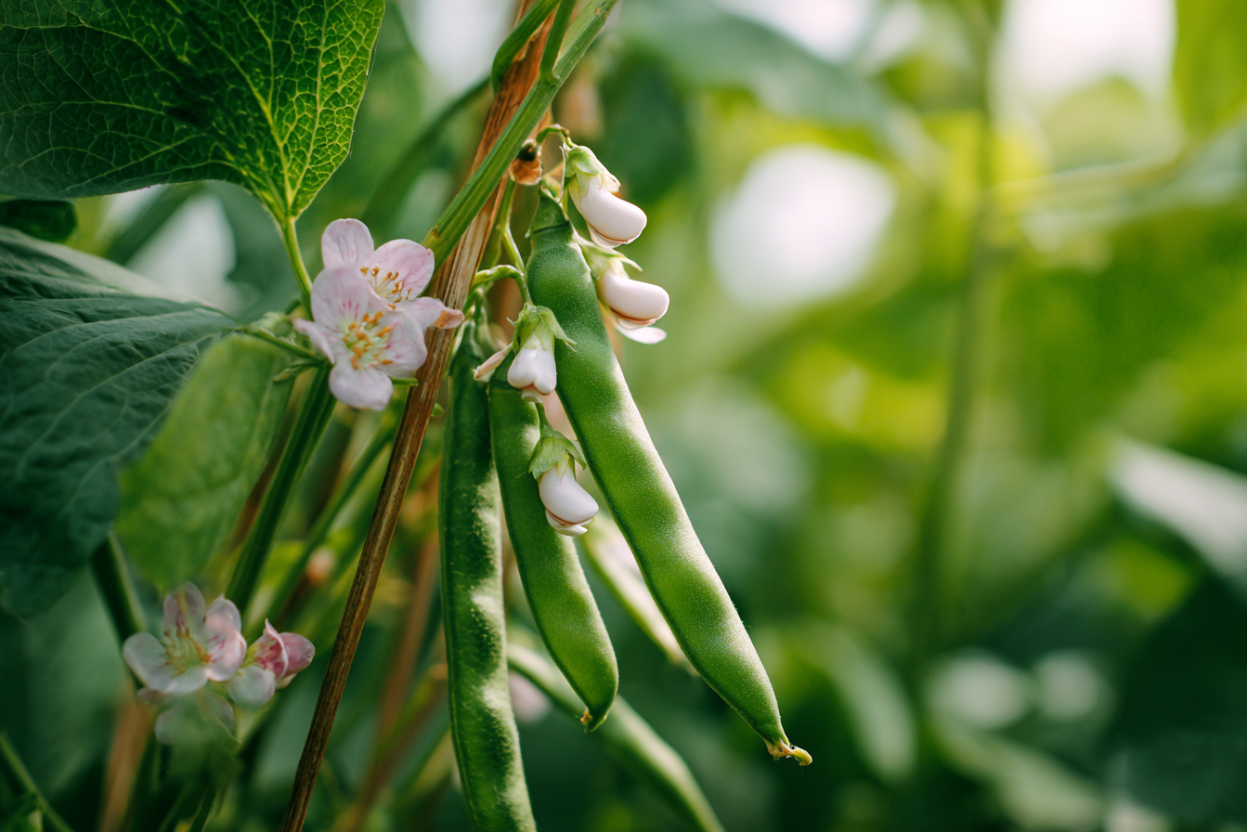
Black-Eyed Peas (Vigna unguiculata)
If you struggle with digestive discomfort, blood sugar instability, or simply feeling sluggish and nutrient-depleted, you are far from alone. Millions of people search for answers in complicated supplements and expensive programs when one of the most powerful, affordable foods on earth has been growing in gardens and fields for thousands of years. The black-eyed pea — humble, unassuming, and deeply nourishing — has supported human health since before recorded history.
This remarkable legume is one of the Creator’s most generous gifts to humanity. Packed with protein, fiber, folate, iron, and an array of protective compounds, the black-eyed pea was designed to sustain, nourish, and support life — and it has done exactly that across every continent and culture that has embraced it.
The Plant
Common Names: Black-Eyed Pea, Cowpea, Black-Eyed Bean, Southern Pea, Crowder Pea, Field Pea, Niébé (West Africa), Lobia (India), Caupi (Brazil)
Botanical Name: Vigna unguiculata (L.) Walp. subsp. unguiculata
Family: Fabaceae (the legume family — the same family that includes lentils, chickpeas, and peanuts, known for nitrogen-fixing roots and protein-rich seeds)
Description
The black-eyed pea is a warm-season annual herbaceous legume that can grow in erect, semi-erect, or climbing forms depending on the variety. Bush varieties typically reach 1 to 2 feet tall, while vining types can extend to around 3 feet. The plant produces trifoliate compound leaves — three spade-shaped leaflets per leaf stalk — that are dark green with a glossy cuticle and smooth, hairless texture. Stems are hollow and hairless.
Flowers are small and delicate, appearing in shades of white, cream, yellow, pink, or purple arranged in clusters along peduncles that can reach 20 to 50 centimeters long. These flowers give way to elongated seed pods, typically 6 to 10 inches long, that grow in clusters of two or three. Each pod contains six to thirteen kidney-shaped seeds. The seeds are most famously cream or buff-colored with a distinctive dark “eye” at the hilum — the spot where the seed attaches to the pod — which gives the plant its common name. However, the eye can also appear brown, red, green, or pink, and some varieties produce entirely brown, red, or black seeds.
Beneath the soil, black-eyed peas develop a deep taproot system along with nodules on the roots that house nitrogen-fixing bacteria (Bradyrhizobium species). These nodules allow the plant to convert atmospheric nitrogen into a form usable by plants, enriching the soil as it grows — a remarkable design feature that benefits not just the plant itself but every crop that follows it.
Origin
Black-eyed peas are native to sub-Saharan Africa, with domestication believed to have occurred in West Africa approximately 6,000 years ago, though some molecular research suggests East Africa as an alternative origin point. Charred cowpea remains from rock shelters in Central Ghana have been dated to the second millennium BC, making this one of the oldest cultivated crops on earth. By around 2300 BC, the cowpea had made its way into Southeast Asia, where secondary domestication events likely occurred. From there, it spread throughout India, China, and the Mediterranean world. The ancient Greeks and Romans cultivated it, reportedly preferring it to chickpeas.
Brief History
The journey of the black-eyed pea through human history is both remarkable and deeply significant. In Africa, it has been a cornerstone of nutrition for millennia, thriving in the hot, dry conditions of the Sahel region where few other crops survive. It arrived in the Americas through the transatlantic slave trade, brought to the West Indies and the Southern United States by enslaved Africans around 1674. The first written reference to the word “cowpea” in America appeared in 1798.
In the American South, black-eyed peas became inseparable from the culture and cuisine of the region. The iconic dish Hoppin’ John — black-eyed peas cooked with rice and seasoned with pork — has been served on New Year’s Day for generations, symbolizing prosperity. Farmers quickly recognized the plant’s ability to return nitrogen to depleted soil, making it invaluable in crop rotation. Today, over 15 million hectares of cowpea are planted globally, with Nigeria and Niger accounting for roughly 66% of world production, and the legume sustaining an estimated 200 million people daily.
Growing & Cultivation
Climate & Zones
Black-eyed peas thrive in USDA Hardiness Zones 5 through 10, though they perform best in zones 7 through 10 where long, hot growing seasons allow full maturity. They are one of the most heat-loving legumes grown in the United States and are exceptionally drought-tolerant once established, making them ideal for the Southern states. In cooler zones, they can still produce well as annuals planted after the last frost, though they need at least 60 to 90 frost-free days to reach harvest.
Soil Requirements
Black-eyed peas prefer well-draining, sandy to loamy soil with a pH between 5.5 and 7.0. One of their greatest strengths is tolerance for poor, sandy soils where other crops struggle. They do not perform well in heavy clay or waterlogged conditions. Because they fix their own nitrogen through root nodules, they actually prefer soils that are not overly rich in nitrogen — excessive nitrogen fertilization can produce lush foliage at the expense of pod production. For container growing, use a light, well-draining potting mix with added perlite or sand.
Water & Sunlight
Full sun is essential — provide a minimum of 6 hours of direct sunlight daily, though 8 hours or more produces the best yields. Black-eyed peas need about 1 inch of water per week during active growth, with slightly more during hot spells. Water deeply when the soil is dry rather than giving frequent light watering, which encourages shallow root systems. Avoid wetting the foliage, which promotes disease. Once pods begin to form, reduce watering to encourage drying and maturation.
Propagation
Black-eyed peas are grown from seed — direct sowing is the preferred method, as they do not transplant well. Plant seeds outdoors after all danger of frost has passed and soil temperatures have reached at least 65°F (18°C), typically from late May through mid-June in most regions. Plant seeds 1 to 2 inches deep, spacing them 3 to 4 inches apart in rows set 24 to 36 inches apart. Seeds germinate quickly — usually within 7 to 10 days — and young plants are robust. For improved germination, inoculate seeds with Bradyrhizobium inoculant at planting time to ensure efficient nitrogen fixation.
Planting
Black-eyed peas benefit from warm soil and warm air. Wait until daytime temperatures consistently reach around 80°F (27°C) for optimal growth. If soil temperatures exceed 90°F, consider providing afternoon shade with shade cloth. Plant in succession every two to three weeks for an extended harvest window. Bush varieties are excellent for containers and small gardens, while vining types work well alongside corn stalks or trellises.
Harvesting
For fresh “shell” peas, harvest when pods are plump and beginning to change color from green to yellow — the peas inside should be full but still slightly moist. For dried peas, leave pods on the vine until they are fully dry and brittle, then pick and shell. Harvest in the morning after dew has dried. Regular harvesting of fresh pods encourages continued production. Most varieties reach maturity in 60 to 90 days from planting.
Drying & Storage
To dry black-eyed peas, spread shelled peas in a single layer on screens or trays in a warm, well-ventilated area. They can also be dried in a dehydrator at 130°F (55°C) until completely hard. Store dried peas in airtight containers in a cool, dry place where they will keep for one to two years. For fresh peas, refrigerate in a perforated bag for up to one week or blanch and freeze for long-term storage of up to 12 months.
Pest & Disease Management
Common pests include aphids, cowpea curculio, bean beetles, and stink bugs. Companion planting with aromatic herbs such as basil, dill, and marigolds can help deter pests naturally. Neem oil spray is effective for heavier infestations. Diseases include root rot (from overwatering), powdery mildew, and mosaic virus. Good air circulation, crop rotation, and avoiding overhead watering are the best preventive measures. Remove and destroy any diseased plant material promptly.
Companion Planting
Black-eyed peas grow well with corn, squash, okra, cucumbers, and sweet potatoes — the classic “Three Sisters” approach of corn, beans, and squash applies beautifully here. Avoid planting near onions, garlic, or fennel, which can inhibit legume growth. As nitrogen fixers, black-eyed peas benefit neighboring plants and improve soil for the next planting season.
The Healing of Growing
Growing black-eyed peas offers benefits beyond the harvest itself. The act of gardening — hands in soil, bare feet on earth, time spent outdoors — has been shown to reduce cortisol, improve mood, and support immune function. The soil contains beneficial bacteria (Mycobacterium vaccae) with documented antidepressant effects, stimulating serotonin production through skin contact. When you grow your own black-eyed peas, you receive healing before you ever consume them. The rhythm of planting, tending, and harvesting connects you to the Creator’s cycles, grounding you in something bigger than yourself.
Nutritional Profile
Black-eyed peas are a nutritional powerhouse. One cup (171 grams) of cooked black-eyed peas provides a remarkable array of macronutrients, vitamins, and minerals that support virtually every system in the body.
Macronutrients
Per one cup (171g) cooked black-eyed peas: approximately 198 calories, 13.2g protein, 35.5g carbohydrates, 11.1g dietary fiber, 5.7g sugars, 0.9g total fat (0.2g saturated, 0.1g monounsaturated, 0.4g polyunsaturated). The protein content makes black-eyed peas one of the most protein-dense plant foods available — particularly valuable for those seeking to reduce reliance on animal protein. The high fiber content (44% of the daily recommended value in a single cup) supports digestive health, blood sugar stability, and satiety.
Vitamins
Folate (B9): 358 mcg (89% DV) — Essential for DNA synthesis and cell division. Critical during pregnancy for neural tube development. Supports healthy red blood cell formation and may help reduce homocysteine levels associated with cardiovascular risk.
Thiamine (B1): 0.35 mg (29% DV) — Vital for converting food into energy. Supports nervous system function, brain health, memory, and concentration. Helps relieve stress and strengthen nerve function.
Vitamin A: 1,305 IU (26% DV) — Supports eye health, immune function, and skin integrity. Acts as an antioxidant protecting cells from damage. Important for maintaining healthy mucous membranes throughout the body.
Riboflavin (B2): 0.1 mg (8% DV) — Supports energy metabolism, cellular function, and the metabolism of fats, drugs, and steroids. Helps maintain healthy skin and eyes.
Niacin (B3): 0.8 mg (5% DV) — Supports digestive system function, skin health, and nerve function. Plays a role in converting food to energy.
Vitamin B6: 0.17 mg (10% DV) — Critical for brain development and function. Helps the body produce serotonin, norepinephrine, and melatonin. Supports immune function.
Vitamin K: 4 mcg (3% DV) — Essential for blood clotting and bone metabolism.
Minerals
Copper: 0.46 mg (51% DV) — Essential for iron metabolism, connective tissue formation, and immune function. Works alongside iron to form red blood cells. Supports nervous system health.
Iron: 4.3 mg (24% DV) — Vital for oxygen transport in the blood through hemoglobin. Supports energy production and immune function. Black-eyed peas are one of the best plant-based iron sources — pair with vitamin C-rich foods to enhance absorption.
Magnesium: 91 mg (22% DV) — Essential for over 300 enzymatic reactions in the body. Supports muscle and nerve function, blood sugar regulation, bone health, and energy production. Many Americans are deficient in this critical mineral.
Phosphorus: 267 mg (21% DV) — Works with calcium to build strong bones and teeth. Supports kidney function, cell growth, and energy storage and use.
Zinc: 2.2 mg (20% DV) — Supports immune function, wound healing, cell division, and protein synthesis. Important for taste and smell perception.
Manganese: 0.69 mg (30% DV) — Supports bone formation, blood clotting, and metabolism. Acts as a cofactor for important antioxidant enzymes.
Potassium: 475 mg (10% DV) — Critical for blood pressure regulation, heart rhythm, fluid balance, and muscle contraction. The high potassium-to-sodium ratio in black-eyed peas supports cardiovascular health.
Selenium: 5.3 mcg (10% DV) — Plays a key role in thyroid hormone metabolism, DNA synthesis, and protection from oxidative damage and infection.
Calcium: 41 mg (3% DV) — Supports bone structure, muscle function, nerve signaling, and hormone secretion.
Phytonutrients & Active Compounds
Beyond standard vitamins and minerals, black-eyed peas contain powerful bioactive compounds that modern research is only beginning to fully understand.
Polyphenols: Black-eyed peas are rich in phenolic acids and flavonoids — plant compounds with documented antioxidant properties. Research from Burkina Faso analyzing 31 cowpea cultivars found significant antioxidant and anti-lipid peroxidation activities in the seeds, particularly in pigmented (dark-colored) varieties. Key polyphenols include chlorogenic acid, caffeic acid, and protocatechuic acid. These compounds are associated with protection against oxidative damage, cardiovascular disease, and chronic inflammation.
Proanthocyanidins: Studies have identified unique proanthocyanidin profiles in cowpea, including catechin-7-O-glucoside as the dominant monomeric compound — an unusual glycosylated form not commonly found in other legumes. These compounds support cardiovascular health and have demonstrated anti-inflammatory activity.
Bioactive Peptides: The protein in black-eyed peas contains peptide chains with biological activity beyond simple nutrition. Research suggests these peptides may work synergistically with the polyphenols to provide combined protective effects.
Saponins: Natural compounds present in small amounts that may support immune function and cholesterol metabolism. Cooking significantly reduces saponin content.
Nutrient Notes
The iron in black-eyed peas is non-heme iron, which is less readily absorbed than the heme iron found in animal products. Consuming black-eyed peas alongside vitamin C-rich foods such as tomatoes, peppers, or citrus dramatically improves iron absorption. Conversely, tannins in tea and coffee can inhibit iron absorption. Soaking dried peas before cooking reduces phytic acid — an anti-nutrient that can bind minerals and reduce their bioavailability. Pairing black-eyed peas with whole grains like rice creates a complete protein, providing all essential amino acids.
Source: USDA FoodData Central, FDC ID 173759
Culinary Uses
Edible Parts
Seeds (dried or fresh), young pods, and young leaves are all edible. The seeds are the primary culinary product, consumed dried, fresh, canned, or frozen worldwide. Young pods can be harvested and eaten like green beans before the seeds fully develop. In many African and Asian cultures, the tender young leaves and shoot tips are consumed as cooked greens — a nutritious vegetable in their own right, rich in vitamins and minerals.
Flavor Profile
Black-eyed peas have a mild, earthy, slightly nutty flavor with a subtle savory sweetness. The taste is less assertive than kidney beans or black beans, making them versatile and approachable — even for those who do not typically enjoy legumes. When fresh, they have a slightly vegetal quality. Dried and cooked, they develop deeper earthy notes. The texture is dense and firm when properly cooked, with a creamy interior and slight resistance to the bite. They absorb the flavors of whatever they are cooked with beautifully.
Preparation
Dried black-eyed peas benefit from soaking (at least 6 hours or overnight), though unlike many other dried beans, they do not require prolonged soaking and cook relatively quickly — about 45 minutes to an hour when soaked, or 60 to 90 minutes without soaking. Fresh or frozen black-eyed peas need only about 30 minutes of cooking. Canned varieties should be rinsed well to reduce sodium. They can be boiled, simmered in stews, mashed into fritters, pureed into dips, or added to salads, grain bowls, and soups.
Culinary Pairings
Black-eyed peas pair exceptionally well with: smoked meats (ham hock, turkey, bacon), onions, garlic, tomatoes, peppers, leafy greens (collards, spinach, kale), rice, cornbread, cumin, paprika, cayenne, thyme, bay leaf, lime juice, olive oil, coconut milk, and ginger. Their mild character makes them welcome in Southern, West African, Indian, Brazilian, Caribbean, Portuguese, and Mediterranean cuisines.
Storage
Dried black-eyed peas should be stored in airtight containers in a cool, dry, dark place where they will keep for 1 to 2 years. Fresh shelled peas refrigerate well for up to one week. Cooked peas can be refrigerated for 3 to 5 days or frozen for up to 6 months. Canned peas should be stored at room temperature and rinsed before use.
Ready to cook with Black-Eyed Peas? View Recipes on Chefts →
Wellness & Therapeutic Uses
Traditional Uses
Black-eyed peas have been used as food-as-medicine across virtually every culture that has cultivated them. In West African traditional medicine, cowpea seeds, leaves, and roots have historically been used to support conditions including digestive complaints, constipation, fever, infections, burns, and liver conditions. In Zimbabwe, a decoction of cowpea seeds combined with roots of other plants was traditionally used to support urinary health. In South Africa, the leaves were chewed and applied to burns, and prepared as snuff for headache relief.
In Ayurvedic medicine (India), cowpea (known as Rajamasha or Lobia) is classified as sweet and astringent in taste, cold in potency, and heavy in nature. It is traditionally considered nourishing, strength-promoting, and supportive of lactation. Ayurveda regards it as a cardiac tonic that balances kapha and pitta doshas. It has been used to support gastrointestinal function and as a vermicidal (anti-parasitic) agent.
In Traditional Chinese Medicine, cowpea has been cultivated since prehistoric times and used to support kidney and spleen function, promote urination, and nourish blood.
The ancient Greeks and Romans also cultivated cowpea, with Dioscorides and others documenting its use as a nourishing food. In the American South, black-eyed peas became central to nutrition and were used in folk medicine to support digestion, energy, and overall vitality.
Modern Research
Cardiovascular Support: A systematic review of 26 studies found that regular legume intake, including cowpeas, was associated with reduced risk of cardiovascular disease and coronary heart disease. The high fiber, potassium, and polyphenol content work together to support healthy cholesterol levels and blood pressure. A review of 23 studies specifically on common beans reported reductions in LDL cholesterol of approximately 19%, cardiovascular disease risk of 11%, and coronary heart disease risk of 22%.
Blood Sugar Management: Black-eyed peas have a glycemic index of approximately 52, classified as low-GI. Their complex carbohydrates are slowly absorbed into the bloodstream, helping to prevent the spikes and crashes associated with refined carbohydrates. Research on cowpea leaf extracts demonstrated regulation of glucose transporter GLUT4 expression in skeletal muscle cells, suggesting potential anti-diabetic mechanisms. The high fiber content further slows glucose absorption.
Digestive Health: The significant soluble and insoluble fiber content supports digestive regularity and prebiotic activity. Soluble fiber acts as food for beneficial gut bacteria, supporting a healthy microbiome. Studies indicate that fiber may help reduce the risk of colorectal cancer and improve gut bacteria populations to reduce inflammation.
Weight Management: A 2023 study involving over 15,000 American adults found that those who consumed legumes, including black-eyed peas, had significantly less 10-year weight gain, lower BMI, and leaner waists compared to non-consumers. The combination of high protein (which reduces ghrelin, the hunger hormone) and high soluble fiber (which promotes satiety) makes black-eyed peas a powerful tool for healthy weight management.
Antioxidant and Anti-Inflammatory Activity: Research from multiple countries has confirmed significant antioxidant capacity in cowpea seeds, particularly in pigmented varieties. A study on colonic cells demonstrated that cowpea polyphenols down-regulated pro-inflammatory cytokines (IL-8, TNF-α, VCAM-1) and the inflammatory transcription factor NF-κB, while modulating microRNA-126 — a specific post-transcriptional regulator of inflammation.
Anemia Prevention: The combination of iron (24% DV per cup) and copper (51% DV per cup) — both essential for red blood cell formation — along with exceptional folate content (89% DV per cup) makes black-eyed peas one of the most effective plant-based foods for supporting healthy blood cell production.
Body Systems Supported
Digestive System: High fiber supports regularity, prebiotic activity, and healthy gut microbiome. Cardiovascular System: Potassium, fiber, and polyphenols support healthy blood pressure, cholesterol, and overall heart function. Immune System: Zinc, vitamin A, and antioxidant polyphenols support immune defense. Nervous System: B-vitamins (especially folate and thiamine) support brain function, memory, and neurotransmitter production. Musculoskeletal System: Protein, calcium, magnesium, phosphorus, and manganese support muscle, bone, and connective tissue health. Endocrine System: Low glycemic index and fiber content support healthy blood sugar and insulin response. Integumentary System: Vitamin A, zinc, and antioxidants support skin health and cell regeneration. Reproductive System: Exceptional folate content is critical for fetal neural tube development during pregnancy.
Body Compounds Affected
The B-vitamins in black-eyed peas (particularly folate and B6) support serotonin production — the neurotransmitter associated with mood stability and well-being. The magnesium content may help regulate cortisol — the stress hormone — supporting a calmer nervous system. Folate helps maintain healthy homocysteine levels, an inflammatory marker linked to cardiovascular risk. The fiber content supports healthy insulin response. The antioxidant polyphenols have been shown to modulate pro-inflammatory cytokines (IL-8, TNF-α) and reduce NF-κB activation.
Methods of Use
Culinary Consumption (Primary Method)
The most traditional and effective way to receive the benefits of black-eyed peas is simply eating them regularly. Soaked and cooked dried peas offer the highest nutritional integrity. Aim for 1/2 to 1 cup of cooked black-eyed peas several times per week as part of a varied diet.
Flour/Powder
Dried black-eyed peas can be ground into flour for use in fritters (such as the West African akara), breads, and fortified foods. This makes the nutrients highly accessible and versatile.
Fermented Preparations
Research indicates that fermentation of cowpea flour significantly increases phenolic content, antioxidant capacity, and may enhance hypolipidemic (cholesterol-lowering) effects. Traditional fermented cowpea preparations found in West African cuisine offer enhanced bioavailability of nutrients.
Cosmetic & Beauty Uses
Skin Benefits
Black-eyed peas contain several nutrients that support skin health from the inside out. The high protein content provides amino acids essential for collagen production and skin cell regeneration. Vitamin A supports cell turnover and helps maintain clear, healthy skin. Zinc plays a critical role in wound healing and may help manage acne through its anti-inflammatory properties. The antioxidant polyphenols help protect skin cells from oxidative damage caused by UV exposure and environmental stressors.
When consumed regularly as part of a nutrient-dense diet, the combined effects of folate, iron, zinc, and vitamins support healthy circulation to the skin, reducing dullness and promoting a healthy glow. The anti-inflammatory compounds may benefit those with inflammatory skin conditions when included as part of an overall wellness approach.
Hair Benefits
The iron and folate content in black-eyed peas is particularly relevant for hair health. Iron deficiency is one of the most common nutritional causes of hair loss, and the high iron content in black-eyed peas supports healthy blood flow to hair follicles. Protein provides the building blocks for keratin — the structural protein of hair. Zinc supports the hair growth and repair cycle, while B-vitamins help carry oxygen and nutrients to the scalp.
Application Methods
A simple face mask can be made by cooking and mashing black-eyed peas with a small amount of honey and yogurt, applying to clean skin for 15 to 20 minutes, then rinsing. The primary cosmetic benefits of black-eyed peas, however, come from dietary consumption rather than topical application. Regular inclusion in the diet provides systemic nourishment that benefits skin, hair, and nails from within.
Black-eyed peas are among the botanicals being explored for holistic cosmetic applications, where the wisdom of traditional beauty practices meets modern understanding of skin science.
Aromatherapy & Scent
The Aroma
Black-eyed peas are not traditionally valued for their aromatic properties in the way culinary herbs or flowers are, but they do possess a distinctive and pleasant scent. The living plant has a fresh, green, slightly grassy aroma typical of healthy legume foliage. The flowers carry a very faint, sweet floral quality. When the pods are freshly opened, a gentle vegetal, “green” scent emerges. Dried black-eyed peas have a mild, earthy, slightly starchy aroma that intensifies when they are soaked or cooked. Cooking black-eyed peas fills the kitchen with a warm, savory, homey fragrance — particularly when combined with aromatics like onion, garlic, smoked meat, and herbs.
How Scent Affects Your Body
When you cook black-eyed peas, the volatile molecules released travel through the air, enter your nose, and reach olfactory receptors. These receptors send signals directly to the limbic system (the brain’s emotional center) and hypothalamus (which regulates hormones). This process happens within seconds, before conscious thought occurs. The warm, earthy aroma of cooking legumes has been associated with comfort, grounding, and a sense of nourishment — triggering relaxation responses and even stimulating appetite through learned associations with home-cooked meals and family gatherings.
Emotional & Mood Effects
The aroma of cooking black-eyed peas is primarily comforting and grounding. For many people, particularly those with cultural ties to Southern cooking or West African cuisine, the scent carries powerful emotional associations with family, nourishment, and belonging. These memory-linked aromas can reduce stress and promote feelings of safety and contentment.
Ways to Experience the Scent
The most natural way to experience the aroma of black-eyed peas is through cooking them. Simmering a pot of black-eyed peas with aromatic herbs, onion, and garlic creates a fragrance that fills the home with warmth. Growing the plants in a garden allows you to experience the fresh green scent of the living foliage when you brush against the leaves while tending them.
Color Therapy
The Colors of Black-Eyed Peas
Black-eyed peas present a distinctive and visually appealing color palette. The seeds are primarily cream to buff-white with a prominent black or dark brown “eye” at the hilum. Some varieties display red, brown, or green-tinted eyes. The fresh plant produces bright green leaves and pods, with flowers in shades of white, cream, yellow, or purple depending on the variety. Fresh shelled peas are a soft green, maturing to the characteristic pale cream when dried.
Color Wavelengths
The dominant colors of the black-eyed pea align with several wavelength ranges: green foliage (495–570 nm), cream/white seeds (full spectrum reflected light), and the dark eye (minimal reflected light). The purple-flowered varieties add violet wavelengths (380–450 nm) to the garden.
How Green Affects the Body
Green — the dominant color of the living plant — falls in the 495 to 570 nm wavelength range and is considered the most balancing, calming, and restorative color in color therapy. Green is associated with the heart center, nature connection, renewal, and harmony. Research on nature exposure consistently demonstrates that viewing green plants reduces cortisol, lowers heart rate, and promotes psychological restoration. Having black-eyed pea plants in a garden or on a patio provides this green visual benefit throughout the growing season.
Using Black-Eyed Peas for Color Therapy
Growing black-eyed peas in your garden or in containers on a sunny patio provides the calming visual benefit of green, living plants. The bright green foliage and cheerful flowers create an aesthetically pleasing environment that supports emotional well-being. For “eating the rainbow,” the cream color of the dried peas combined with colorful dishes — tomatoes, peppers, dark greens — creates a visually nourishing plate that covers a broad spectrum of beneficial phytonutrients.
Frequency & Vibration
The Frequency of Black-Eyed Peas
Specific frequency measurements in MHz for black-eyed peas have not been widely documented in the existing body of bio-frequency research. Living food plants in general are understood to carry higher vibrational frequencies than processed or dead foods. Fresh, living black-eyed pea plants — actively photosynthesizing, fixing nitrogen, and producing phytonutrients — are engaged in vibrant biological activity at the molecular level. According to proponents of vibrational nutrition, consuming fresh, whole, unprocessed foods like properly prepared black-eyed peas supports the body’s own frequency more than heavily processed alternatives.
Human Frequency Interaction
According to bio-frequency research, the human body maintains a frequency of approximately 62 to 78 MHz when healthy. Fresh, whole foods are believed to carry measurable frequencies that support the body’s electrical health. The principle of entrainment suggests that surrounding yourself with higher-frequency living plants and consuming vibrant, whole foods may help support your body’s natural frequency. While this is an area where research is still emerging, the consistent findings from nutritional science — that whole, plant-based foods improve health outcomes — align with these principles.
Vibrational Applications
To maximize the vibrational quality of black-eyed peas, consume them freshly cooked from dried rather than canned. Grow your own and eat them as fresh as possible. Prepare them with intention and gratitude. Combine with other whole, unprocessed foods and fresh herbs for a high-frequency meal.
The Living Plant
Benefits of Presence
Having living black-eyed pea plants in your environment — whether in a garden, raised bed, or large containers on a sunny balcony — provides benefits beyond eventual harvest. Simply being near growing plants has been shown to reduce psychological stress, improve mood, and promote a sense of connection to the natural world. The biophilic design principle suggests that humans are innately drawn to living things, and the presence of plants in our environment fulfills a deep biological need.
Air Purification
While black-eyed peas have not been specifically studied in NASA’s Clean Air Study (which focused on common houseplants), all living plants contribute to air quality through photosynthesis — absorbing carbon dioxide and releasing oxygen during daylight hours. A garden full of vigorously growing black-eyed pea plants improves the immediate air quality in the surrounding outdoor space. Their dense foliage also contributes to humidity regulation in arid environments.
Visual & Psychological Benefits
Research consistently demonstrates that time spent in green environments reduces cortisol levels, improves attention and focus (Attention Restoration Theory), and promotes faster healing. A study of hospital patients found that those with views of greenery recovered faster than those without plant views. Growing a food garden that includes black-eyed peas combines these visual benefits with the satisfaction and empowerment of producing your own nourishing food.
Growing Indoors vs Outdoors
Black-eyed peas are primarily outdoor plants that require full sun and warm temperatures. They are not well-suited to indoor growing except in bright sunrooms or under powerful grow lights. For the full presence benefits, grow them outdoors where you will pass by them regularly — seeing, touching, and tending the plants as part of your daily routine. The act of checking on the plants, monitoring pods, and harvesting becomes a daily mindfulness practice that connects you to the rhythms of creation.
Touch & Physical Interaction
Gardening Therapy
Black-eyed peas are an ideal plant for horticultural therapy. They grow quickly, giving beginners encouraging results within days of planting (seeds germinate in just 7 to 10 days). The entire cycle from planting to harvest takes only 60 to 90 days — short enough to maintain engagement, long enough to develop a caring relationship with the plants. The act of preparing soil, planting seeds, watering, and watching daily growth provides structure, purpose, and gentle physical activity.
Soil Contact Benefits
When you garden with your hands in the soil — or even better, with bare feet touching the earth — you receive benefits that go far beyond the harvest. Direct contact with the earth allows electron transfer (known as grounding or earthing), which research suggests may reduce inflammation and improve sleep. The soil bacterium Mycobacterium vaccae, naturally present in garden soil, has been shown in research to stimulate serotonin production, functioning as a natural antidepressant. Your immune system also benefits from exposure to the diverse microbiome present in healthy soil.
The Tactile Experience
Black-eyed pea plants offer a pleasant tactile experience. The leaves are smooth and slightly glossy, cool to the touch. The pods are firm and slightly fuzzy when young, becoming papery and brittle when dried. Shelling fresh black-eyed peas — running your thumb along the pod to pop out the plump seeds — is a meditative, rhythmic activity that has been practiced by families for generations. The seeds themselves are smooth, firm, and satisfying to handle. The experience of shelling a bowl of fresh peas with family or friends is a form of connection, conversation, and mindful presence.
Harvesting & Processing
The repetitive motion of picking pods, shelling peas, and sorting seeds is deeply calming and meditative. It connects you to seasonal rhythms and the satisfaction of provision. Drying and storing the harvest creates a sense of preparedness and accomplishment. These hands-on activities are particularly beneficial for stress relief, as they engage the body in purposeful movement while allowing the mind to rest in the present moment.
Water-Based Applications
Teas & Infusions
While black-eyed peas are not commonly consumed as a tea in the Western sense, the cooking liquid from simmering black-eyed peas — sometimes called “pot liquor” or “pot likker” in Southern tradition — is a nutrient-rich broth that has been consumed for centuries. This broth contains water-soluble vitamins and minerals that leach from the peas during cooking, including B-vitamins, potassium, and iron. It can be sipped warm as a nourishing broth or used as a base for soups and gravies.
Herbal Baths
Black-eyed peas are not traditionally used in bath applications. Their primary water-based benefit comes from dietary consumption and cooking liquor.
Compresses
In some African traditional medicine practices, cowpea leaves have been prepared as poultices applied to burns and skin irritations. A warm compress made from mashed cooked black-eyed peas has been used in folk practice applied to sore or inflamed areas. These are historical practices documented in ethnobotanical literature rather than clinically studied applications.
Hair Rinses
The protein-rich cooking water from black-eyed peas has been used in some traditional practices as a hair rinse, believed to strengthen hair and improve shine. While not widely studied, the amino acids and minerals present in the cooking liquid could theoretically provide some nutritional benefit to hair and scalp when used as a final rinse after shampooing.
Historical, Cultural & Biblical Significance
Biblical References
Black-eyed peas (Vigna unguiculata) are not directly mentioned by name in Scripture. However, the broader category of pulses — beans, lentils, and legumes — appears prominently. In Daniel 1:12 (KJV), Daniel requested: “Prove thy servants, I beseech thee, ten days; and let them give us pulse to eat, and water to drink.” The Hebrew word “pulse” (zeroa’im) refers to seeds, including beans and legumes. After ten days on this diet, Daniel and his companions appeared healthier and better nourished than those eating the king’s rich food (Daniel 1:15). Additionally, 2 Samuel 17:28 lists “beans” among the provisions brought to King David and his army. Ezekiel 4:9 names “beans” and “lentils” among the ingredients for bread. While these references likely point to fava beans and lentils common to the ancient Near East, they establish God’s provision of legumes as sustaining, strengthening food — a principle perfectly embodied by the black-eyed pea.
Ancient Civilizations
The cowpea is one of the oldest cultivated crops in human history. Archaeological evidence from Central Ghana dates charred cowpea remains to the second millennium BC (approximately 1500 BC). In Africa, the cowpea has been a cornerstone of nutrition for thousands of years, providing essential protein in regions where animal protein was scarce or expensive. The ancient Greeks and Romans cultivated cowpeas, reportedly preferring them over chickpeas. Pliny the Elder and other Roman writers documented the use of various legumes as both food and medicine.
Eastern Traditions
Cowpea is believed to have reached Southeast Asia by approximately 2300 BC, where it was incorporated into local agricultural systems. In Ayurvedic medicine (India), cowpea has been documented in Sanskrit texts under the name Rajamasha. It is classified as sweet and astringent in taste, cold in potency, nourishing, and supportive of strength and lactation. The Ayurvedic text Kshemakutuhalam describes cowpea as a cardiac tonic. In China, cowpea has been cultivated since prehistoric times and incorporated into traditional dietary therapy, used in Korea for traditional ceremony cakes and cooked with rice.
Indigenous Knowledge
In West Africa, cowpea is far more than a crop — it is a cultural cornerstone. Among the Hausa and Yoruba of Nigeria, cowpea holds significance in cultural ceremonies and daily life. Traditional preparations include akara (fried cowpea fritters), moin-moin (steamed cowpea paste), and dan wake (cowpea dumplings). In Zimbabwe, traditional healers prepared decoctions of cowpea seeds for urinary health support. In South Africa, Zulu medicine utilized cowpea-based preparations for fever relief, and the leaves were applied to burns for healing.
In Ethiopia, cowpea has been documented as an essential food across multiple regions, prepared as boiled grains (nifro), traditional sauces (shiro wet), soups (shorba), and porridge (genfo). Ethiopian farmers also recognized its value for soil fertility improvement.
In the American South, enslaved Africans brought cowpea cultivation knowledge with them, preserving not only the seeds but the traditional cooking methods that had sustained their ancestors. Black-eyed peas became inseparable from Southern identity, and dishes like Hoppin’ John, Texas Caviar, and black-eyed pea fritters entered the broader American culinary vocabulary.
European Heritage
While not as central to European cuisine as in Africa or Asia, cowpea was known in the Mediterranean world from ancient times. In Portugal, black-eyed peas are served with boiled cod and potatoes — a traditional combination still popular today. During the colonial era, European settlers in the American South initially dismissed cowpeas as livestock feed until they recognized their agricultural value for soil restoration and, eventually, their nutritional worth.
Cultural Symbolism
In the American South, eating black-eyed peas on New Year’s Day is believed to bring good luck and prosperity for the coming year — the peas symbolize coins, and accompanying greens (collards, turnips, or mustard greens) symbolize paper money. This tradition, passed down through generations, creates a cultural connection between food, hope, and community. In many African cultures, cowpea’s ability to thrive in harsh conditions symbolizes resilience, provision, and the generosity of creation.
These cultures observed that the cowpea provided sustenance where little else could grow. They documented its nutritional and healing properties through millennia of careful observation. While they may not have all known the Creator by name, they were observing His design — and their observations align with what modern research confirms about this remarkable plant’s properties.
Safety & Precautions
Contraindications
Black-eyed peas are generally safe for most people when properly cooked. However, individuals with G6PD deficiency (glucose-6-phosphate dehydrogenase deficiency) should exercise caution, as certain legumes can trigger hemolytic episodes in susceptible individuals — though black-eyed peas are lower risk than fava beans. Individuals with gout or elevated uric acid should consume in moderation, as cowpeas contain moderate levels of purines. Those with kidney disease should monitor intake due to the potassium and phosphorus content.
Drug Interactions
Black-eyed peas contain vitamin K, which can interact with blood-thinning medications (warfarin/Coumadin) — though the amount per serving is relatively small. The high fiber content may affect the absorption rate of some medications if consumed simultaneously. Individuals on diabetes medications should monitor blood sugar when significantly increasing legume consumption, as the blood sugar-lowering effects may enhance medication effects. No major drug interactions are well-documented for normal dietary consumption of black-eyed peas.
Pregnancy & Nursing
Black-eyed peas are generally considered safe and highly beneficial during pregnancy, providing exceptional amounts of folate — the B-vitamin critical for preventing neural tube defects. The iron content supports the increased blood volume demands of pregnancy. They are also considered safe during breastfeeding and are traditionally regarded in Ayurvedic medicine as supportive of lactation. As always, pregnant and nursing women should discuss dietary changes with their healthcare provider.
Children
Black-eyed peas are safe for children and can be introduced as a pureed food for babies over 6 months old. They provide excellent protein, iron, and folate for growing children. Start with small amounts to assess tolerance, as the fiber content may cause gas or bloating in young digestive systems. Mash or puree for younger children and introduce whole cooked peas once chewing is well-established.
Elderly
Black-eyed peas are well-suited for older adults, providing easily digestible protein, important minerals for bone health, and fiber for digestive regularity. Those on multiple medications should consult their healthcare provider regarding potential interactions, particularly with blood thinners or diabetes medications.
Pets
Dogs: Safe in moderation when cooked plain (no salt, onions, garlic, or seasonings). Cooked black-eyed peas provide protein, fiber, calcium, and folate for dogs. Introduce in small amounts and monitor for digestive upset. Raw or undercooked peas should be avoided as they contain compounds that may cause gastrointestinal upset. Dogs with kidney issues should avoid peas due to purine content. Note: FDA research has raised concerns about legumes used in large quantities as primary ingredients in grain-free commercial dog foods and potential links to dilated cardiomyopathy (DCM) — this applies to commercial formulations, not occasional dietary supplementation.
Cats: Not toxic, but use with caution. Black-eyed peas are not listed as toxic by major veterinary organizations. However, cats are obligate carnivores and do not efficiently process legumes. Small amounts are unlikely to cause harm, but they should not be a regular part of a cat’s diet. Monitor for digestive upset if ingested.
Allergies & Sensitivities
Legume allergies, while less common than nut or dairy allergies, do occur. Individuals allergic to other legumes (peanuts, soybeans, lentils) may be at increased risk. Symptoms can include itching, swelling, hives, or digestive distress. Cross-reactivity is possible but not guaranteed. Black-eyed peas contain anti-nutrients including phytates, lectins, and tannins that can reduce mineral absorption and cause digestive discomfort — proper soaking and thorough cooking significantly reduces these compounds. Black-eyed peas are naturally gluten-free.
Dosing Guidelines
There is no standard “dose” for black-eyed peas as they are a whole food. General dietary recommendations for legumes suggest 1/2 cup to 1 cup of cooked legumes per day as part of a balanced diet. Start with smaller portions (1/4 cup) if you are not accustomed to eating legumes, and increase gradually to allow your digestive system to adapt and to reduce gas and bloating.
Quality & Sourcing
Choose dried black-eyed peas that are whole, intact, free from insect damage, mold, or broken seeds. Organic varieties reduce pesticide exposure. Canned varieties are convenient but should be rinsed thoroughly to reduce sodium content. Store dried peas in airtight containers away from moisture and heat.
Signs of Adverse Reaction
Mild reactions to legumes include gas, bloating, and digestive discomfort — these are common and usually resolve as the body adjusts to increased fiber intake. More serious reactions that require medical attention include severe abdominal pain, persistent vomiting or diarrhea, hives, swelling of the face or throat, or difficulty breathing (signs of allergic reaction). If you experience any severe symptoms, discontinue use and seek medical attention immediately.
Disclaimer
This information is for educational purposes only. It is not intended to diagnose, treat, cure, or prevent any disease. Always consult with a qualified healthcare provider before using any herbal product or making significant dietary changes, especially if you are pregnant, nursing, taking medications, or have a medical condition. If you experience any adverse reaction, discontinue use immediately and seek medical attention.
Want Personalized Guidance?
Every body is unique. What works for one person may not be right for another. If you’d like personalized support in incorporating black-eyed peas and other healing foods into your wellness journey, consider working with a qualified practitioner who can assess your individual needs.
Sources & References
Peer-Reviewed Studies
- Antioxidant and Phytochemical Studies of 31 Cowpeas (Vigna unguiculata) Genotypes from Burkina Faso – Foods, 2018, Burkina Faso
- Improvement of the antioxidant and hypolipidaemic effects of cowpea flours (Vigna unguiculata) by fermentation – Journal of the Science of Food and Agriculture, 2015, Spain
- Polyphenolic extracts from cowpea protect colonic myofibroblasts from lipopolysaccharide-induced inflammation — modulation of microRNA 126 – Food & Function, 2014, USA
- Proanthocyanidin profile of cowpea (Vigna unguiculata) reveals catechin-O-glucoside as the dominant compound – Food Chemistry, 2013, USA
- Comparison of Phenolic Compounds, Carotenoids, Amino Acid Composition, In Vitro Antioxidant and Anti-Diabetic Activities in the Leaves of Seven Cowpea Cultivars – Foods, 2020, Sri Lanka
- Antioxidant Activity of the Extracts of Some Cowpea Cultivars Commonly Consumed in Pakistan – Molecules, 2013, Pakistan
- A review of the nutritional use of cowpea (Vigna unguiculata L. Walp) for human and animal diets – Food Chemistry Advances, 2022, Ethiopia
- Unveiling the therapeutic and nutritious potential of Vigna unguiculata in line with its phytochemistry – Heliyon, 2024, Pakistan
- Legume intake, body weight, and abdominal adiposity: 10-year weight change and cross-sectional results in 15,185 U.S. adults – Nutrients, 2023, USA
- Antioxidant Potentials of Different Genotypes of Cowpea Cultivated in Bulgaria – Agronomy, 2023, Bulgaria
Traditional Medicine Sources
- Cowpea (Vigna unguiculata) — Qualities, Benefits, Research (Ayurvedic Medicine) – EasyAyurveda, 2019
- Traditional Knowledge and Use of Wild Cowpeas in Selected Communities of Tanzania – Frontiers in Sustainable Food Systems, 2025, Tanzania
- Vigna unguiculata — Ethnobotanical and Cultural Uses – South African National Biodiversity Institute (SANBI)
Institutional Sources
- USDA FoodData Central: Cowpeas (Blackeyes), Mature Seeds, Cooked – USDA Agricultural Research Service
- USDA Plant Guide: Cowpea (Vigna unguiculata) – USDA Natural Resources Conservation Service, 2012
- Cowpea (Vigna unguiculata L.) production, genetic resources and strategic breeding priorities – Frontiers in Plant Science, 2025
Historical References
- Cowpea: Domestication, History, and Cultural Significance – Wikipedia (comprehensive sourced article with 100+ citations)
- Vigna unguiculata subsp. unguiculata — Historical and Cultivation Overview – Gardenia.net