Cabbage (Brassica oleracea var. capitata)
If you’ve been struggling with digestive discomfort, sluggish immunity, or chronic inflammation, you are far from alone — and the answer may already be sitting in the produce aisle, waiting for you to see it differently. Cabbage is not glamorous. It doesn’t trend on social media. But for thousands of years, this humble vegetable has quietly sustained and supported human health in ways that modern research is only now beginning to fully appreciate.
This remarkable plant is one of many gifts the Creator embedded into nature for our benefit. Simple, abundant, and inexpensive — cabbage reflects a provision that was never meant to be exclusive. Long before laboratories existed, this plant was already here, provided by a Creator who knew we would need it.
The Plant
Common Names: Cabbage, Green Cabbage, Red Cabbage, Purple Cabbage, White Cabbage, Savoy Cabbage, Drumhead Cabbage, Cole
Botanical Name: Brassica oleracea var. capitata
Family: Brassicaceae (Mustard family) — a large family of cruciferous vegetables including broccoli, kale, cauliflower, Brussels sprouts, and kohlrabi, all recognized for their sulfur-containing compounds and exceptional nutritional value.
Description
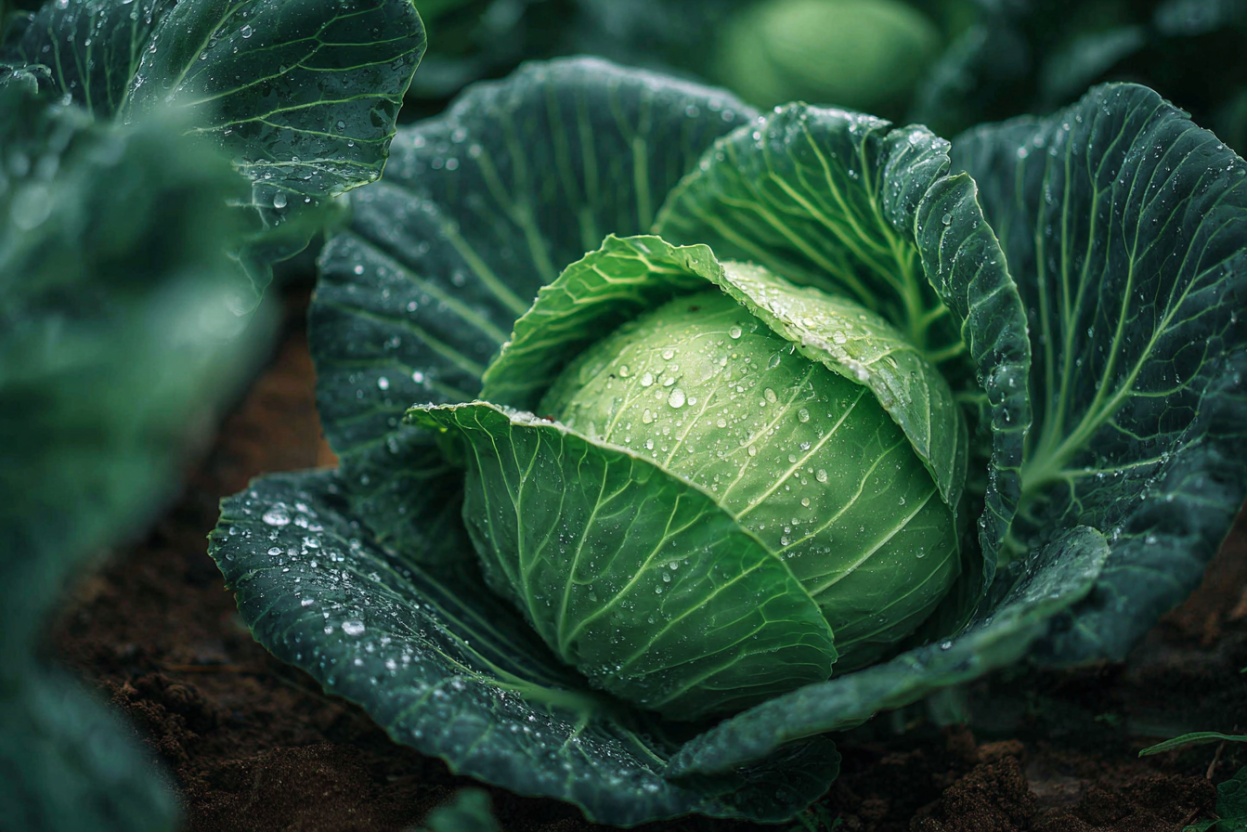
Cabbage is a biennial plant typically grown as an annual for its dense, leafy head. The plant grows 40 to 60 cm (16 to 24 inches) tall, with thick, smooth or crinkled leaves that wrap tightly around one another in overlapping layers to form a compact, rounded head. Heads can range from 0.5 to 4 kilograms, depending on variety and growing conditions. The outer leaves are broader and darker green, while the inner leaves are progressively paler — sometimes nearly white at the core.
Green cabbage features smooth, firm leaves in shades of pale to medium green. Red or purple cabbage produces striking ruby to deep violet heads, the color coming from anthocyanin pigments that intensify with cooler temperatures and more acidic soil. Savoy cabbage is distinguished by its beautifully crinkled, more tender leaves. All varieties share a short, thick central stem (the core) around which the head forms.
The root system is fibrous and relatively shallow. If left unharvested, the plant produces a tall flower stalk with clusters of small yellow, four-petaled flowers characteristic of the Brassicaceae family, followed by small round seeds in elongated pods.
Origin
Cabbage originated in the coastal regions of southern and western Europe, where wild ancestors with thick, water-retaining leaves grew along the Mediterranean and Atlantic coasts. The wild progenitor, Brassica oleracea, still grows along the chalky cliffs of England and the Mediterranean seaboard. Domestication began at least 3,000 years ago in Europe, and nonheading forms of cabbage were cultivated in northern China as early as 4,000 BC. From Europe, cabbage spread via trade routes throughout the Middle East, Asia, and eventually to the Americas — Jacques Cartier brought it to Canada in the 1540s, and European settlers made it a staple crop in the New World.
Brief History
Few vegetables have been as universally embraced across cultures and centuries as cabbage. Ancient Egyptians cultivated it, and Cato the Elder wrote about preserving cabbage with salt in ancient Rome. Greek physicians, including Hippocrates, prescribed cabbage for various ailments. During the Middle Ages, cabbage was a cornerstone of European peasant diets — hardy, high-yielding, and storable through long winters. The 14th century saw the first round-headed varieties in England. Cabbage’s high vitamin C content made it indispensable for maritime travel: Captain James Cook carried sauerkraut (fermented cabbage) aboard his ships to prevent scurvy. Today, China leads global cabbage production, and the vegetable remains a staple across virtually every cuisine on earth.
Growing & Cultivation
Climate & Zones
Cabbage is a cool-season crop that thrives across an exceptionally wide range of climates, growing successfully in USDA Hardiness Zones 1 through 10. It grows best when daytime temperatures are between 55°F and 75°F (13–24°C). The plant can tolerate light frost and even brief exposure to temperatures as low as 20°F (−6°C), which actually improves flavor by converting starches to sugars. However, prolonged heat above 80°F causes cabbage to bolt (flower prematurely), resulting in bitter leaves and poor head formation. In warmer zones, cabbage is best grown as a fall, winter, or early spring crop.
Soil Requirements
Cabbage demands rich, fertile, well-drained yet moisture-retentive soil with a pH of 6.0 to 7.0. Loamy soils are ideal. Heavy clay can work if properly amended for drainage, and sandy soils can succeed with regular watering and organic matter amendments. Cabbage is a heavy feeder and benefits from generous additions of well-rotted compost or aged manure before planting. A slightly alkaline soil (pH above 7.0) can help prevent clubroot disease, a serious soilborne problem for brassicas.
Water & Sunlight
Cabbage requires consistent, even moisture — approximately one inch of water per week. Irregular watering, especially sudden heavy watering after a dry spell, causes heads to split. Drip irrigation is the most efficient method, delivering water directly to the root zone while keeping foliage dry and reducing disease risk. Cabbage prefers full sun (6 to 8 hours daily) but can tolerate partial shade, especially in warmer climates where afternoon shade prevents heat stress.
Propagation
Seed: Start cabbage seeds indoors 4 to 6 weeks before the last expected spring frost. Sow seeds ¼ inch deep in seed-starting mix. Seeds germinate in 4 to 10 days at soil temperatures of 65–75°F. Normal room temperatures produce the sturdiest seedlings — avoid heat mats, which can create tall, weak plants. Harden off seedlings for a week before transplanting outdoors.
Direct Sowing: For fall crops, seed can be sown directly in the garden in mid to late summer, approximately 10 to 12 weeks before the first expected fall frost.
Planting
Transplant seedlings outdoors when they are 4 to 6 inches tall and have 4 to 5 true leaves. Space plants 12 to 24 inches apart in rows spaced 24 to 36 inches apart — wider spacing produces larger heads. Plant seedlings slightly deeper than they sat in their containers. Apply a 3- to 4-inch layer of organic mulch around plants to retain moisture, suppress weeds, and moderate soil temperature.
Harvesting
Most cabbage varieties mature in 65 to 100 days from transplant. Harvest when heads feel firm and solid when squeezed. Using a sharp knife, cut the head from the stem just above the outer leaves. If you leave the stalk and outer leaves in the ground, smaller secondary heads may develop for a bonus harvest. Harvest in the morning when leaves are crisp and cool.
Drying & Storage
Fresh whole cabbage stores exceptionally well — up to 3 months or more in a cool (32–40°F), humid root cellar or refrigerator crisper drawer. For long-term preservation, cabbage can be fermented into sauerkraut or kimchi, frozen (blanch shredded cabbage for 2 minutes first), or dehydrated. Dried cabbage stores in airtight containers in a cool, dark place for up to a year.
Pest & Disease Management
Common pests include cabbage worms (imported cabbageworm, cabbage looper, diamondback moth larvae), flea beetles, aphids, and cutworms. Floating row covers provide an effective physical barrier. Companion planting with aromatic herbs like thyme, dill, and rosemary can help deter pests. Handpicking caterpillars and applying Bacillus thuringiensis (Bt) are effective organic controls. Rotate brassica plantings on a 4-year cycle to prevent soilborne diseases including clubroot, black rot, and fusarium yellows.
Companion Planting
Cabbage benefits from nearby plantings of chamomile, dill, sage, thyme, mint, rosemary, and celery, which deter pests or attract beneficial insects. Onions and garlic repel cabbage moths. Beans and peas fix nitrogen that feeds cabbage. Avoid planting near strawberries, tomatoes, or other brassicas competing for the same nutrients and attracting the same pests.
The Healing of Growing
Growing cabbage offers benefits beyond the harvest itself. The act of gardening — hands in soil, bare feet on earth, time spent outdoors — has been shown to reduce cortisol, improve mood, and support immune function. The soil contains beneficial bacteria (Mycobacterium vaccae) with documented antidepressant effects. When you grow your own cabbage, you receive healing before you ever consume it.
Nutritional Profile
Macronutrients
Per 100 grams of raw green cabbage (USDA FoodData Central):
Calories: 25 kcal. Protein: 1.3 g. Carbohydrates: 5.8 g. Dietary Fiber: 2.5 g. Sugars: 3.2 g. Total Fat: 0.1 g. Water: 92.2%. Cabbage is a remarkably low-calorie, high-water food that provides substantial fiber relative to its caloric content — making it an ideal food for digestive health and weight management.
Vitamins
Vitamin C: 36.6 mg (41% DV) — Supports immune function, collagen production, iron absorption, and acts as a powerful antioxidant that protects cells from oxidative damage. The vitamin C content of cabbage is one reason it historically prevented scurvy among sailors.
Vitamin K: 76 µg (63% DV) — Essential for blood clotting and bone metabolism. Vitamin K activates osteocalcin, a protein that helps bind calcium to bones, promoting bone density and reducing fracture risk.
Folate (Vitamin B9): 43 µg (11% DV) — Critical for DNA synthesis, cell division, and neural tube development during pregnancy. Supports red blood cell formation and homocysteine metabolism, which influences cardiovascular health.
Vitamin B6 (Pyridoxine): 0.124 mg (7% DV) — Involved in over 100 enzyme reactions, primarily supporting protein metabolism, neurotransmitter synthesis (including serotonin and dopamine), and immune function.
Thiamin (Vitamin B1): 0.061 mg (5% DV) — Essential for energy metabolism, converting carbohydrates into usable energy for the brain and nervous system.
Pantothenic Acid (Vitamin B5): 0.212 mg (4% DV) — Supports the production of coenzyme A, which is involved in fatty acid synthesis and energy production.
Minerals
Potassium: 170 mg (4% DV) — A vital electrolyte that helps regulate heart rhythm, blood pressure, fluid balance, and muscle contractions. Adequate potassium intake is associated with reduced risk of hypertension and stroke.
Manganese: 0.16 mg (7% DV) — Serves as a cofactor for the antioxidant enzyme superoxide dismutase and supports bone formation, blood clotting, and metabolism of amino acids, cholesterol, and carbohydrates.
Calcium: 40 mg (3% DV) — Essential for bone health, muscle function, nerve transmission, and hormone secretion. While modest per serving, cabbage’s calcium is relatively bioavailable compared to many plant sources.
Magnesium: 12 mg (3% DV) — Involved in over 300 enzymatic reactions, supporting muscle and nerve function, blood sugar regulation, blood pressure control, and bone health.
Iron: 0.47 mg (3% DV) — Required for red blood cell formation and oxygen transport throughout the body. The vitamin C in cabbage enhances non-heme iron absorption when consumed together.
Phytonutrients & Active Compounds
Glucosinolates are the signature compounds of cabbage and all cruciferous vegetables. When cabbage is chopped, chewed, or otherwise damaged, the enzyme myrosinase converts glucosinolates into biologically active isothiocyanates, including sulforaphane and allyl isothiocyanate. Research suggests these compounds activate the body’s Nrf2 antioxidant pathway, induce detoxification enzymes, and may have chemopreventive properties.
Anthocyanins (primarily in red/purple cabbage) are powerful flavonoid antioxidants responsible for the vibrant color. Red cabbage contains over 36 different anthocyanins, with cyanidin-3-glucoside being the most prevalent. Studies associate anthocyanin intake with reduced cardiovascular risk, anti-inflammatory effects, and neuroprotective properties.
Vitamin U (S-Methylmethionine) is a unique compound found abundantly in raw cabbage juice. Despite its name, it is not officially classified as a vitamin. Pioneering research by Dr. Garnett Cheney in the 1940s and 1950s documented its role in supporting gastric mucosal health.
Kaempferol and quercetin are flavonoid antioxidants present in cabbage that have demonstrated anti-inflammatory and cardioprotective properties in multiple studies.
Additional phytonutrients include indole-3-carbinol (I3C), diindolylmethane (DIM), lutein, zeaxanthin, and sinigrin — each contributing to cabbage’s broad spectrum of bioactive compounds.
Nutrient Notes
Red cabbage contains significantly more vitamin C (approximately 50% more) and substantially more anthocyanin antioxidants than green cabbage — its ORAC antioxidant score is roughly four times higher (2,252 vs. 508 µmol TE/100g). Raw cabbage retains the most glucosinolates and vitamin C; cooking above 284°F (140°C) significantly degrades these compounds. Steaming lightly (under 5 minutes) preserves more nutrients than boiling or microwaving. Pairing cabbage with a healthy fat source improves absorption of fat-soluble vitamins (K) and carotenoids.
Culinary Uses
Edible Parts
The entire above-ground plant is edible. Leaves are the primary edible portion — both the dense inner head and the looser outer leaves. The core/stem is edible when thinly sliced or grated, though it is firmer and more fibrous. Flowers (if the plant bolts) are edible and mildly sweet. Even young sprouts are consumed as microgreens.
Flavor Profile
Raw green cabbage has a mild, slightly peppery, and faintly sweet flavor with a satisfying crunch. Red cabbage is slightly more assertive with a subtle earthiness. Savoy cabbage is the mildest and most tender. When cooked, cabbage sweetens considerably and develops deeper, more complex flavors. Prolonged cooking can produce sulfurous notes from the breakdown of glucosinolates. When fermented (as sauerkraut or kimchi), cabbage develops a tangy, complex, umami-rich flavor.
Preparation
Cabbage is one of the most versatile vegetables in the kitchen. It can be eaten raw in salads, coleslaws, and wraps. It can be steamed, sautéed, stir-fried, braised, roasted, grilled, or baked. It excels in soups and stews, stuffed dishes, and fermented preparations. Remove any wilted outer leaves, quarter the head, and remove the core before slicing or shredding. For fermentation, shred finely and pack tightly with salt.
Culinary Pairings
Cabbage pairs beautifully with pork, sausage, corned beef, and poultry. It complements carrots, onions, apples, potatoes, and celery. Spices and seasonings that enhance cabbage include caraway seeds, mustard, dill, juniper berries, ginger, garlic, and cumin. It works well with acidic elements like vinegar and citrus. Healthy fats such as olive oil, butter, or sesame oil round out its flavors.
Storage
Store whole, unwashed heads in the refrigerator crisper for 1 to 3 months. Once cut, wrap tightly in plastic wrap and use within 5 to 7 days. Cabbage can be frozen (blanch shredded cabbage 2 minutes, cool, and freeze flat) for up to 12 months. For fermentation, shred and pack with 2–3% salt by weight in a clean jar or crock — lactofermented sauerkraut keeps for months refrigerated.
Ready to cook with cabbage? View Recipes on Chefts →
Wellness & Therapeutic Uses
Traditional Uses
Cabbage has been used as both food and medicine across nearly every civilization for millennia. Ancient Greek physicians, including Hippocrates, prescribed cabbage for a wide range of ailments, and Hippocrates himself reportedly described sauerkraut as a health food and medicinal remedy. Cato the Elder, the Roman statesman, considered cabbage superior to all other vegetables and credited it with keeping Romans healthy for six centuries. The Romans used cabbage poultices for wounds and consumed it before drinking to mitigate the effects of alcohol.
In Traditional Chinese Medicine (TCM), cabbage has been used for more than 2,000 years. It is considered sweet and neutral in nature, associated with the Stomach and Large Intestine meridians, and traditionally used to support digestion, relieve constipation, and reduce inflammation.
In Ayurvedic tradition, cabbage is used to support digestive fire (agni), pacify Kapha dosha, and nourish tissues. It is considered light and dry in quality, making it beneficial for those with excess dampness or sluggish metabolism.
European folk medicine used raw cabbage leaves as poultices for swollen joints, wounds, mastitis, and headaches. Nursing mothers in German and Eastern European traditions applied cabbage leaves to relieve breast engorgement — a practice that continues today and has been studied in modern research. Russian folk medicine long employed cabbage juice as a home remedy for stomach ulcers.
Korean traditional medicine used fermented cabbage (kimchi) as a digestive tonic and source of winter nutrition, with traditions stretching back centuries.
Modern Research
Digestive Support & Gastric Health: Perhaps the most remarkable clinical research on cabbage comes from Dr. Garnett Cheney’s studies at Stanford University in the 1940s and 1950s. In a landmark 1949 study, thirteen patients with peptic ulcers received fresh cabbage juice. The average gastric ulcer healing time was 7.3 days, compared to 42 days with standard therapy. A follow-up 1952 study treating 100 patients confirmed these results. Cheney attributed the healing properties to a compound he named “Vitamin U” (S-methylmethionine), which supports the integrity of the gastric mucosal lining. (Cheney, 1949; Cheney, 1952)
Anti-Inflammatory Activity: Cabbage is rich in compounds that may modulate inflammatory pathways. A study on various cabbage varieties found that methanolic extracts from Chinese, Savoy, and green cabbage heads demonstrated significant anti-inflammatory activity. The glucosinolates and anthocyanins in cabbage have been shown to inhibit NF-κB, a key driver of chronic inflammation. (Leja et al., 2013 – Asian Pacific Journal of Tropical Biomedicine)
Antioxidant Protection: Red cabbage in particular has demonstrated substantial antioxidant capacity. A 2015 in vitro study found that red cabbage anthocyanins protected blood platelets from oxidative damage induced by lipopolysaccharide, reducing lipid peroxidation and superoxide generation. (Olas et al., 2015 – PubMed)
Potential Chemopreventive Properties: Epidemiological evidence consistently associates higher cruciferous vegetable intake with reduced risk of several types of cancer. The isothiocyanates derived from cabbage’s glucosinolates, particularly sulforaphane, indole-3-carbinol, and DIM, have been studied extensively for their ability to activate detoxification enzymes and modulate cell cycle regulators. A PMC review noted that these compounds may act through multiple pathways including antioxidant defense, epigenetic mechanisms, and induction of apoptosis in abnormal cells. (Bayat Mokhtari et al., 2017 – PMC)
Cardiovascular Support: Red cabbage microgreens were shown to lower circulating LDL cholesterol, liver cholesterol, and inflammatory cytokines in a rodent model of high-fat diet. A systematic review found consistent decreases in total serum cholesterol with sulforaphane doses above 0.5 mg/kg/day. (Connolly et al., 2021 – Frontiers in Nutrition)
Gut Health & Probiotic Support: Fermented cabbage (sauerkraut) is one of the richest natural sources of probiotic bacteria, containing multiple strains of Lactobacillus. A bibliometric analysis on sauerkraut and health noted its historical use for digestive support, with Hippocrates describing it as a health food and the Roman writer Pliny noting it promoted breastmilk and supported eye health. (Raak et al., 2014 – Global Advances in Health and Medicine)
Body Systems Supported
Digestive System: Cabbage provides substantial fiber for regularity, glutamine for intestinal lining integrity, and Vitamin U for gastric mucosal support. Fermented cabbage delivers probiotics that support the gut microbiome.
Immune System: Rich in vitamin C and glucosinolates that support immune cell function. The probiotics from fermented cabbage further strengthen immune defenses — an estimated 70–80% of immune cells reside in the gut.
Cardiovascular System: Potassium supports healthy blood pressure. Anthocyanins in red cabbage may promote vascular health and reduce oxidative stress on blood vessels. Fiber supports healthy cholesterol metabolism.
Musculoskeletal System: Vitamin K supports bone mineralization. Traditional poultice use for joint swelling reflects cabbage’s anti-inflammatory properties when applied topically.
Integumentary System (Skin): Vitamin C is essential for collagen synthesis. Antioxidant compounds protect skin cells from oxidative damage.
Nervous System: B vitamins support neurotransmitter production. Emerging research on anthocyanins and sulforaphane suggests potential neuroprotective properties.
Body Compounds Affected
The B vitamins in cabbage (particularly B6) support serotonin and dopamine production, both critical neurotransmitters for mood regulation and well-being. Vitamin C supports the adrenal glands, which produce cortisol — adequate vitamin C intake may help modulate the body’s stress response. The anti-inflammatory compounds in cabbage may help reduce pro-inflammatory cytokines such as TNF-alpha, IL-1, and IL-6. The glutamine in cabbage supports gut barrier integrity, which influences systemic inflammation and immune signaling. Fermented cabbage’s probiotics influence GABA production through the gut-brain axis.
Methods of Use
Tea/Infusion
While not a traditional tea herb, warm cabbage broth (made by simmering shredded cabbage in water for 15–20 minutes) is used in folk traditions for digestive support. Strain and drink warm.
Juice
Fresh cabbage juice is the form used in Dr. Cheney’s ulcer research. Juice half a head of green cabbage (approximately 500 mL) and consume throughout the day. Best used fresh, as vitamin U degrades with time and heat.
Poultice/Compress
Lightly crush or roll fresh cabbage leaves with a rolling pin to break the veins and release juices. Apply directly to swollen joints, engorged breasts, or minor wounds. Wrap with a light cloth and leave in place for 20 minutes to 2 hours.
Fermented (Sauerkraut/Kimchi)
Shred cabbage finely, toss with 2–3% salt by weight, and pack tightly into a clean jar or crock. Submerge under brine, cover, and ferment at room temperature for 1 to 4 weeks. Consume 1 to 2 tablespoons daily for probiotic support.
This information is for educational purposes only and is not intended to diagnose, treat, cure, or prevent any disease. Always consult with a qualified healthcare provider before making changes to your health regimen.
Cosmetic & Beauty Uses
Skin Benefits
Cabbage offers multiple benefits for skin health, driven by its vitamin C content (essential for collagen synthesis), anthocyanins (potent antioxidants in red cabbage), and sulfur-containing compounds that support the structural proteins keratin and collagen. Cabbage is traditionally suited for oily, acne-prone, and combination skin types. The natural sulfur compounds have mild antimicrobial properties, while the gentle astringent quality of cabbage juice can help tighten pores. The vitamin C and antioxidants support protection against UV-induced oxidative damage and may help promote a more even skin tone.
Hair Benefits
Cabbage juice has been used as a hair rinse in folk traditions to promote scalp health and add shine. The sulfur content supports keratin production, which is the primary structural protein of hair. Vitamin C from cabbage supports collagen around hair follicles. Red cabbage rinses can temporarily add subtle color tones to light hair. Applying fresh cabbage juice to the scalp may help with dandruff due to its mild antimicrobial and anti-inflammatory properties.
Application Methods
Face mask: Blend raw cabbage leaves into a paste, apply to clean skin for 15–20 minutes, and rinse. This provides a gentle astringent and antioxidant treatment. Toner: Strain fresh cabbage juice and apply with a cotton pad as a mild, vitamin C-rich toner. Infused oil: Steep dried cabbage leaves in a carrier oil (such as jojoba or sweet almond) for 4–6 weeks, strain, and use as a nourishing skin oil. Hair rinse: Simmer cabbage in water for 15 minutes, cool, strain, and use as a final rinse after shampooing.
DIY Formulation Notes
Fresh cabbage juice oxidizes quickly — prepare and use immediately for best results. When adding to homemade formulations, cabbage extract should comprise no more than 5–10% of the total product. Pairs well with carrier oils like jojoba (for oily skin) and sweet almond (for dry skin). Avoid combining with strong acids that may degrade the active compounds. Homemade cabbage-based preparations without preservatives should be used within 24–48 hours and stored refrigerated.
Cabbage is among the botanicals being explored for holistic cosmetic applications, where the wisdom of traditional beauty practices meets modern understanding of skin science.
Aromatherapy & Scent
The Aroma
Fresh cabbage has a mild, green, slightly sweet and earthy aroma with subtle sulfurous undertones. The scent is most noticeable when the leaves are cut, torn, or crushed — this is the myrosinase enzyme converting glucosinolates into volatile sulfur compounds. A living cabbage plant in the garden emits very little scent until disturbed. After rain or heavy dew, the mild green fragrance becomes slightly more prominent. Red and Savoy varieties tend to be milder in sulfurous aroma than green cabbage.
Dried cabbage has a much more subdued aroma — the volatile sulfur compounds dissipate during the drying process, leaving a faint, hay-like, mildly sweet scent. Dried cabbage retains little of its fresh aromatic character.
Fermented cabbage (sauerkraut) develops a distinctly tangy, sour, complex aroma resulting from lactic acid fermentation — a different aromatic profile entirely from the fresh plant.
How Scent Affects Your Body
When cabbage is cut or crushed, volatile molecules are released into the air. Inhaled through the nose, these molecules bind to olfactory receptors, which send electrical signals directly to the limbic system (the brain’s emotional processing center) and hypothalamus (which regulates hormonal responses). This pathway bypasses conscious thought, meaning the body begins responding to scent within seconds — before you consciously register what you’re smelling. The green, earthy notes of fresh cabbage are associated with grounding and connection to nature.
Emotional & Mood Effects
Cabbage is not traditionally used as an aromatherapeutic plant. Its scent profile is subtle and functional rather than therapeutic. However, the act of working with cabbage — chopping, preparing, cooking — engages multiple senses and can be grounding and meditative. The sour, fermented aroma of sauerkraut, for those with positive associations, may stimulate appetite and trigger comfort through memory associations.
Body Compounds Affected
The aromatic compounds in cabbage have not been specifically studied for their effects on body compounds through inhalation. However, the general category of green, earthy scents from plants has been associated with mild cortisol reduction and a sense of grounding in nature-exposure research.
Ways to Experience the Scent
Growing cabbage in a home garden, tearing fresh leaves while cooking, simmering cabbage in a soup on the stove (which fills the home with a warm, comforting aroma), and fermenting sauerkraut (which releases tangy, complex scents over days) are all ways to engage with cabbage’s aromatic qualities.
Color Therapy
The Colors of Cabbage
Cabbage offers a beautiful range of natural colors. Green cabbage ranges from pale silvery-green in the inner leaves to deep blue-green on the outer leaves. Red/purple cabbage displays striking hues from deep magenta and ruby to rich violet and blue-purple — the exact color varies with soil pH (more acidic soil produces redder tones, more alkaline soil produces bluer tones). Savoy cabbage exhibits softer, blue-green tones with deeply crinkled texture. Napa cabbage features bright white stalks and pale yellow-green leaves.
Color Wavelengths
The green of cabbage leaves falls within the 495–570 nm wavelength range. The purple/red of red cabbage spans from violet (380–450 nm) through red (620–700 nm), with peaks in the blue-violet and red ranges that combine visually as purple.
How These Colors Affect the Body
Green (495–570 nm): Green wavelengths are associated with balance, calm, and restoration. Green is considered the color of the heart center and nature connection. Viewing green plants has been shown to reduce stress, lower heart rate, and promote a sense of well-being. Green cabbage growing in the garden contributes to this restorative green environment.
Purple/Violet (380–450 nm): Violet wavelengths are associated with calming the nervous system, supporting meditative states, and promoting introspection. The deep purple of red cabbage, when used in cooking or displayed on the plate, introduces this wavelength into the visual environment and the diet.
Body Compounds Affected
Exposure to green environments has been associated with reduced cortisol production and increased parasympathetic nervous system activity. Viewing natural green colors may support serotonin regulation and promote a sense of safety and rest.
Using Cabbage for Color Therapy
Growing green cabbage in your garden or on a windowsill provides a living source of restorative green color. Including red cabbage in meals adds vibrant purple-red to your plate — literally “eating the rainbow.” Red cabbage juice, which changes color with pH (red in acidic, blue in neutral, green in alkaline conditions), offers a fascinating visual experience that can be both educational and therapeutically engaging, especially for children.
Frequency & Vibration
The Frequency of Cabbage
Specific frequency measurements in MHz for cabbage have not been widely documented in the publicly available research literature in the same way that some essential oil plants have been measured (as in Bruce Tainio’s research). As a fresh, living vegetable, cabbage would be expected to vibrate within the general frequency range of fresh produce, which proponents of vibrational medicine suggest falls between 20 and 27 MHz for fresh vegetables. For context, a healthy human body is generally cited in this framework as vibrating between 62 and 78 MHz.
Human Frequency Interaction
According to bio-frequency research, consuming fresh, raw foods is believed to support the body’s overall frequency more than cooked or processed foods, which have a lower measurable frequency. Proponents of vibrational medicine suggest that regularly consuming fresh, living plant foods like raw cabbage may contribute to maintaining the body’s energetic vitality. The living cabbage plant in a garden, as with all living organisms, vibrates at its own frequency and contributes to the energetic environment of the space.
Vibrational Applications
Including fresh, raw cabbage in the diet (such as in salads, slaws, and fresh juice) is one way to incorporate higher-frequency food. Growing cabbage in your home garden allows you to benefit from the plant’s living frequency before harvest. Fermented cabbage (sauerkraut) offers a unique vibrational profile — the living probiotic cultures maintain biological activity, even though the fermentation process alters the plant’s original frequency.
Note: Frequency measurement of foods and plants is an area where research is emerging. The information above reflects the framework proposed by researchers in bio-frequency measurement and should be understood in that context.
The Living Plant
Benefits of Presence
Cabbage is a bold, architectural plant that brings life and beauty to any garden space. Its broad, blue-green or purple leaves create a visually striking display. Simply being near growing plants — including food plants like cabbage — provides documented benefits for mental and physical health. Research on biophilic design demonstrates that views of green vegetation reduce stress, improve attention, and promote faster healing in healthcare settings.
Air Purification
While cabbage is not included in the NASA Clean Air Study (which focused on indoor houseplants), all living green plants perform photosynthesis — absorbing carbon dioxide and releasing oxygen. A garden bed of cabbage contributes to local air quality through oxygen production and the removal of airborne particulates. As a broad-leafed plant, cabbage has a relatively large surface area for gas exchange.
Phytoncides
Cabbage and other brassicas release volatile organic compounds (including those signature sulfur-based molecules) that have documented antimicrobial properties. While these are not the same terpene-based phytoncides studied in forest bathing research on pine and cypress trees, the sulfur-containing volatiles from brassica plants do contribute to the aromatic and biological environment of a garden. Forest bathing (shinrin-yoku) research has shown that exposure to plant volatiles in natural settings increases Natural Killer (NK) cell activity and improves immune function.
Visual & Psychological Benefits
Gardening research consistently demonstrates that tending vegetable gardens reduces symptoms of anxiety and depression. Watching a cabbage head form over weeks — from a tiny seedling to a dense, heavy head — provides a tangible sense of accomplishment and connection to natural cycles. The ornamental qualities of red cabbage and Savoy cabbage make them dual-purpose plants, providing beauty alongside nutrition. Studies show that patients in hospital rooms with views of greenery recover faster than those without plant views.
Growing Indoors vs Outdoors
Cabbage is primarily an outdoor garden plant — it requires full sun and more space than most indoor growing situations can provide. However, cabbage microgreens and sprouts can be grown successfully on a windowsill, providing living green nutrition indoors. Ornamental cabbage (a close relative bred for decorative foliage) is sometimes grown in containers on patios, bringing the beauty of the brassica family closer to indoor living spaces.
Touch & Physical Interaction
Gardening Therapy
Working with cabbage in the garden is a deeply tactile experience. Horticultural therapy — the use of gardening as a therapeutic modality — is well established in clinical practice for supporting mental health, physical rehabilitation, and cognitive function. Cabbage, with its long growing season and dramatic visual reward, provides an excellent subject for therapeutic gardening. The process of starting seeds, transplanting seedlings, monitoring for pests, and finally harvesting a firm head engages both mind and body over an extended period.
Soil Contact Benefits
Gardening barefoot or with bare hands exposes you to the earth’s subtle electrical charge — a practice known as earthing or grounding. Research suggests that grounding may reduce inflammation by facilitating the transfer of free electrons from the earth into the body. Additionally, the soil bacterium Mycobacterium vaccae has been documented to stimulate serotonin production, functioning as a natural antidepressant. Simply working in the soil to plant, weed, and harvest cabbage provides exposure to these beneficial microorganisms.
The Tactile Experience
Cabbage offers rich tactile variety. The outer leaves are firm, smooth, and slightly waxy — cool to the touch and satisfying to peel back one by one. The inner leaves are progressively softer, thinner, and more delicate. The dense head itself is heavy and solid — there is a primal satisfaction in hefting a freshly harvested cabbage head. Savoy cabbage’s deeply crinkled leaves have a unique, bumpy texture unlike any other vegetable. Shredding cabbage for sauerkraut — feeling the resistance of the knife through the crisp layers — is a meditative, repetitive motion that encourages mindfulness.
Harvesting & Processing
The act of harvesting a cabbage head — pressing to test firmness, cutting cleanly through the stem, lifting the substantial weight from the soil — is deeply satisfying. Processing cabbage for fermentation is itself a form of therapy: the rhythmic chopping, the feel of salt mixing through shredded leaves, the pressing and packing into jars, the anticipation of transformation through fermentation. These repetitive, sensory-rich activities engage the parasympathetic nervous system and promote a state of calm focus.
Water-Based Applications
Teas & Infusions
While cabbage is not a traditional tea herb, warm cabbage infusions have been used in folk medicine. To prepare, simmer 2 to 3 cups of coarsely chopped fresh green cabbage in 4 cups of water for 15 to 20 minutes. Strain and drink warm. This produces a mild, savory broth traditionally used for digestive comfort. For a cold infusion, steep fresh shredded cabbage in cold water overnight in the refrigerator — this may preserve more of the heat-sensitive vitamin U.
Herbal Baths
Cabbage leaf baths have a long history in European folk medicine. Add 8 to 10 large cabbage leaves (lightly crushed) to warm bathwater and soak for 20 to 30 minutes. This application has been traditionally used for general relaxation and for soothing achy muscles. A foot soak using warm cabbage-infused water may provide comfort for tired, swollen feet. The temperature of the bath provides additional hydrotherapy benefits — warm water promotes relaxation and circulation.
Compresses
Cold compress: Refrigerate fresh cabbage leaves and apply directly to swollen joints, engorged breasts, or areas of localized inflammation. The natural curvature of the leaf conforms well to body contours. Warm compress: Briefly warm cabbage leaves in hot water (or wilt them with a warm iron) and apply to stiff muscles or areas of congestion. Replace leaves when they cool or wilt.
Fresh Juice
Fresh cabbage juice is the most studied water-based application. Juice half a head of green cabbage through a juicer to yield approximately 500 mL. Drink throughout the day — ideally 250 mL on an empty stomach in the morning and 250 mL before the evening meal. This was the protocol used in Dr. Cheney’s peptic ulcer research. Cabbage juice can be mixed with carrot juice or a small amount of apple juice to improve palatability.
Hair Rinses
A cabbage-water hair rinse is made by simmering shredded cabbage in water for 15 minutes, cooling, and straining. Use as a final rinse after shampooing. Red cabbage rinse may temporarily deposit subtle color on light hair. The mild sulfur compounds may support scalp health, and the vitamin C content adds shine.
Historical, Cultural & Biblical Significance
Biblical References
Cabbage itself is not directly mentioned by name in Scripture. However, green herbs and vegetables were part of the biblical world. In Genesis 1:29, God said, “Behold, I have given you every herb bearing seed, which is upon the face of all the earth, and every tree, in the which is the fruit of a tree yielding seed; to you it shall be for meat” (KJV). In Daniel 1:12, Daniel requested pulse (vegetables and legumes) rather than the king’s rich food, and after ten days on a plant-based diet, he and his companions were found healthier in appearance. While the specific brassica varieties we know today had not yet been cultivated in the ancient Near East, wild brassica relatives grew throughout the Mediterranean, and leafy greens were certainly part of the daily diet in biblical lands.
Ancient Civilizations
Egyptians: Ancient Egyptians cultivated cabbage and consumed it as both food and medicine. There is evidence that cabbage was eaten before feasts and drinking sessions, as it was believed to mitigate the effects of alcohol.
Greeks: Greek medicine held cabbage in high regard. Hippocrates (460–370 BC) recommended cabbage for multiple conditions, and Dioscorides documented its medicinal uses in De Materia Medica. The Greeks used both raw and cooked cabbage, as well as cabbage juice, for digestive complaints, wound healing, and general health maintenance.
Romans: Cato the Elder (234–149 BC) was famously devoted to cabbage, writing about it extensively in De Agri Cultura. He credited cabbage with keeping the Romans healthy and prescribed it for a remarkable range of conditions — from digestive problems to wound care. Pliny the Elder catalogued at least seven varieties of cabbage grown in the Roman Empire and documented cabbage’s use as a preservative when packed in salt — an early precursor to sauerkraut. The Roman writer Columella also described preserving cabbage in brine.
Eastern Traditions
Traditional Chinese Medicine: Cabbage has been cultivated in China since approximately 4,000 BC, making it one of the earliest cultivated vegetables. In TCM, cabbage is classified as sweet and neutral, entering the Stomach and Large Intestine channels. It has traditionally been used to harmonize the stomach, relieve constipation, and clear heat. Chinese laborers building the Great Wall of China are reported to have subsisted on cabbage and rice, with fermented cabbage in rice wine serving as a nutritional staple during winter months — a practice dating back over 2,000 years.
Ayurveda: In the Ayurvedic system, cabbage is considered to have light, dry qualities that help pacify Kapha dosha (associated with excess moisture, congestion, and sluggishness). It is used to support agni (digestive fire) and promote regular elimination. Ayurvedic practitioners noted that cabbage should be cooked with warming spices like cumin, ginger, and asafoetida to improve its digestibility and reduce its gas-producing tendency.
Korean Tradition: Korea’s kimchi tradition, dating back centuries, represents perhaps the most sophisticated fermented cabbage preparation in the world. Napa cabbage is salted, seasoned with chili, garlic, ginger, and fish sauce, and allowed to ferment — producing a probiotic-rich food that is central to Korean cuisine and culture. These cultures observed that cabbage, when fermented, provided nourishment and supported health through the long winters. While they may not have known the Creator by name, they were observing His design — and their observations align with what modern research confirms about cabbage’s probiotic and nutritional properties.
Indigenous Knowledge
European Settlers and the Americas: French explorer Jacques Cartier brought cabbage to Canada during his third voyage (1541–1542). It quickly became a staple crop for European settlers across North America. German and Eastern European immigrants brought sauerkraut-making traditions to Pennsylvania, New York, and the Midwest in the 1700s, establishing the “Pennsylvania Dutch” sauerkraut tradition that persists today.
Maritime Medicine: Perhaps cabbage’s most dramatic historical role was in preventing scurvy among sailors. Captain James Cook carried as much as 25,000 pounds of sauerkraut aboard his ships in 1769. Ship doctors used sauerkraut not only to prevent scurvy (due to its preserved vitamin C content) but also to dress wounds and prevent gangrene. This practical application saved countless lives during the age of exploration.
European Heritage
During the Middle Ages, cabbage was a cornerstone of European peasant diets and was widely cultivated in monastery gardens, where monks preserved horticultural knowledge through the Dark Ages. Charlemagne’s Capitulare de villis (capitulary on estates) in the 8th century directed that cabbages be cultivated on royal lands. The first round-headed cabbages appeared in 14th-century England and became increasingly important across European cuisines. Renaissance herbalists including Nicholas Culpeper documented cabbage’s medicinal applications. In German folk tradition, sauerkraut became a symbol of good luck and prosperity, traditionally served on New Year’s Day.
Cultural Symbolism
Across European cultures, cabbage has symbolized abundance, provision, and the sustaining power of simple food. In Germany and parts of Eastern Europe, sauerkraut on New Year’s Day is believed to bring prosperity. During World War I, sauerkraut was renamed “liberty cabbage” in the United States due to anti-German sentiment — a testament to how deeply associated the food was with German culture. General Robert E. Lee reportedly demanded twenty-five barrels of sauerkraut for his army when he passed through Chambersburg on his way to Gettysburg, recognizing its nutritional value for soldiers.
Safety & Precautions
Contraindications
Cabbage is generally recognized as safe when consumed as food in normal dietary amounts. However, individuals with diagnosed hypothyroidism should be aware that cabbage, like all cruciferous vegetables, contains goitrogens — compounds that may interfere with iodine uptake by the thyroid gland when consumed in very large quantities. Cooking significantly reduces goitrogenic activity. Those with IBS or SIBO may find that raw cabbage exacerbates bloating and gas due to its raffinose content (a complex sugar that the human digestive system has difficulty breaking down).
Drug Interactions
Blood Thinners (Warfarin/Coumadin): Cabbage is high in vitamin K, which plays a direct role in blood clotting. Individuals taking warfarin or other vitamin K-antagonist anticoagulants should maintain consistent cabbage intake rather than suddenly increasing or decreasing consumption, as fluctuations can affect medication effectiveness. Consult your prescribing physician.
Thyroid Medications: Due to goitrogenic compounds, individuals on thyroid medications (levothyroxine, etc.) should discuss cruciferous vegetable intake with their healthcare provider, particularly if consuming large or raw quantities.
Diabetes Medications: Cabbage may have a mild blood-sugar-lowering effect. Those on insulin or oral hypoglycemic agents should monitor blood sugar when significantly increasing cabbage intake.
Pregnancy & Nursing
Cabbage is considered safe for consumption during pregnancy and breastfeeding when eaten as a normal part of the diet. It is a good source of folate, which is critical for fetal neural tube development. Topical application of cabbage leaves to relieve breast engorgement during breastfeeding is a well-documented practice and has been studied in clinical settings. However, extremely high intake of raw cabbage during pregnancy should be discussed with a healthcare provider due to the goitrogenic content.
Children
Cabbage is generally safe for children of all ages. Cooked cabbage can be introduced when a child begins eating solid foods (typically around 6 months), mashed or pureed for infants. Raw cabbage may be introduced to older children (2+ years) as they develop the ability to chew thoroughly. Some children may experience gas or bloating from cabbage — introduce gradually and observe tolerance.
Elderly
Cabbage is an excellent food for older adults due to its vitamin K content (bone health), vitamin C (immune support), and fiber (digestive regularity). Those on blood-thinning medications should maintain consistent vitamin K intake. The softer texture of cooked cabbage is easier for those with dental difficulties. Fermented cabbage provides probiotic support for the aging gut microbiome.
Pets
Dogs: Safe in moderation. Plain, cooked cabbage is safe for dogs in small amounts. Raw cabbage is also nontoxic but may cause gas. Do not season with salt, butter, garlic, or onion — alliums are toxic to dogs. Large quantities may cause gastrointestinal upset.
Cats: Safe in moderation. Plain, cooked cabbage is safe for cats in small amounts. Cats are obligate carnivores, so cabbage should be an occasional treat, not a dietary staple. As with dogs, avoid seasonings and alliums.
Horses: Generally safe in small amounts, but cruciferous vegetables can cause gas and bloating in horses. Introduce slowly and in limited quantities.
Note: “Skunk cabbage” (Symplocarpus foetidus) is a completely different, unrelated plant that IS toxic to dogs, cats, and horses. This entry refers only to garden cabbage (Brassica oleracea).
Allergies & Sensitivities
True cabbage allergy is rare but possible. Individuals allergic to other members of the Brassicaceae family (mustard, broccoli, cauliflower) may cross-react. Contact dermatitis from handling raw cabbage is uncommon but has been reported in agricultural workers with prolonged exposure. Cabbage is high in FODMAPs (specifically mannitol), which can cause digestive symptoms in sensitive individuals. Those with known ragweed or mugwort allergies should introduce cabbage cautiously due to potential oral allergy syndrome (cross-reactivity is rare but documented).
Dosing Guidelines
As a food, there is no established maximum dose for cabbage. Typical dietary consumption ranges from one-half cup to two cups of cooked or raw cabbage per serving. For therapeutic cabbage juice (based on Cheney’s research protocol), approximately 500 mL (about 2 cups) of fresh juice per day, divided into doses, was used. Fermented cabbage: 1 to 2 tablespoons daily for probiotic maintenance; up to ¼ cup daily for more intensive support.
Quality & Sourcing
Choose firm, heavy heads with tightly packed leaves free of discoloration, wilting, or insect damage. Organic cabbage is recommended when possible, as conventionally grown cabbage can carry pesticide residues. Cabbage does appear on the EWG’s “Clean Fifteen” list in some years, indicating relatively lower pesticide residues compared to other produce. When purchasing sauerkraut for probiotic benefit, choose raw, unpasteurized varieties from the refrigerated section — shelf-stable, heat-processed sauerkraut has been sterilized and contains no live cultures.
Signs of Adverse Reaction
Mild reactions may include bloating, gas, abdominal discomfort, or loose stool — particularly with raw cabbage or large quantities. Serious reactions requiring medical attention include hives, throat swelling, difficulty breathing (signs of anaphylaxis — extremely rare), or a significant and sustained change in the effectiveness of anticoagulant medication. If you experience any adverse reaction, discontinue use and consult your healthcare provider.
Disclaimer
This information is for educational purposes only. It is not intended to diagnose, treat, cure, or prevent any disease. Always consult with a qualified healthcare provider before using any herbal product, especially if you are pregnant, nursing, taking medications, or have a medical condition. If you experience any adverse reaction, discontinue use immediately and seek medical attention.
Want Personalized Guidance?
Every body is unique. What works for one person may not be right for another. If you’d like personalized support in incorporating cabbage into your wellness journey, consider working with a qualified practitioner who can assess your individual needs.
Sources & References
Peer-Reviewed Studies
- Rapid Healing of Peptic Ulcers in Patients Receiving Fresh Cabbage Juice – Cheney, G. California Medicine, 1949, USA
- Vitamin U Therapy of Peptic Ulcer – Cheney, G. California Medicine, 1952, USA
- Vitamin U Therapy of Peptic Ulcer: San Quentin Prison Study – Cheney, G. et al. California Medicine, 1956, USA
- Current Potential Health Benefits of Sulforaphane – Bayat Mokhtari, R. et al. EXCLI Journal, 2017, International Review
- Sulforaphane — A Compound with Potential Health Benefits for Disease Prevention and Treatment – Nutrients, 2024, International Review
- Cabbage (Brassica oleracea L. var. capitata) Phytochemicals with Antioxidant and Anti-inflammatory Potential – Asian Pacific Journal of Tropical Biomedicine, 2013, International
- Red Cabbage Anthocyanins as Inhibitors of LPS-Induced Oxidative Stress in Blood Platelets – Olas, B. et al. 2015, Poland
- Anthocyanin-Rich Extract from Red Chinese Cabbage Alleviates Vascular Inflammation – Nutrients, 2018, South Korea
- Glucosinolates From Cruciferous Vegetables and Their Potential Role in Chronic Disease – Connolly, E. et al. Frontiers in Nutrition, 2021, Australia
- Dietary Glucosinolates: Anti-Oxidative Stress/Inflammation, Nrf2, Epigenetics and Cancer Chemopreventive Efficacy – Current Pharmacology Reports, 2015, USA
- Quantitative Profiling of Glucosinolates Reveals Several Cultivars of Cabbage as Promising Sources of Sulforaphane – Journal of Agricultural and Food Chemistry, 2012, Italy
- The Impact of Red Cabbage Fermentation on Bioavailability of Anthocyanins and Antioxidant Capacity of Human Plasma – Food Chemistry, 2016, Poland
Traditional Medicine & Historical Sources
- Regular Consumption of Sauerkraut and Its Effect on Human Health: A Bibliometric Analysis – Global Advances in Health and Medicine, 2014, Germany
- Sauerkraut — Historical Overview – Wikipedia (referencing Cato, Columella, Pliny historical primary sources)
Institutional Sources
- Cabbage, Raw — USDA FoodData Central – U.S. Department of Agriculture
- Cabbage Seasonal Produce Guide – USDA SNAP-Ed
- Growing Cabbage in Home Gardens – University of Minnesota Extension