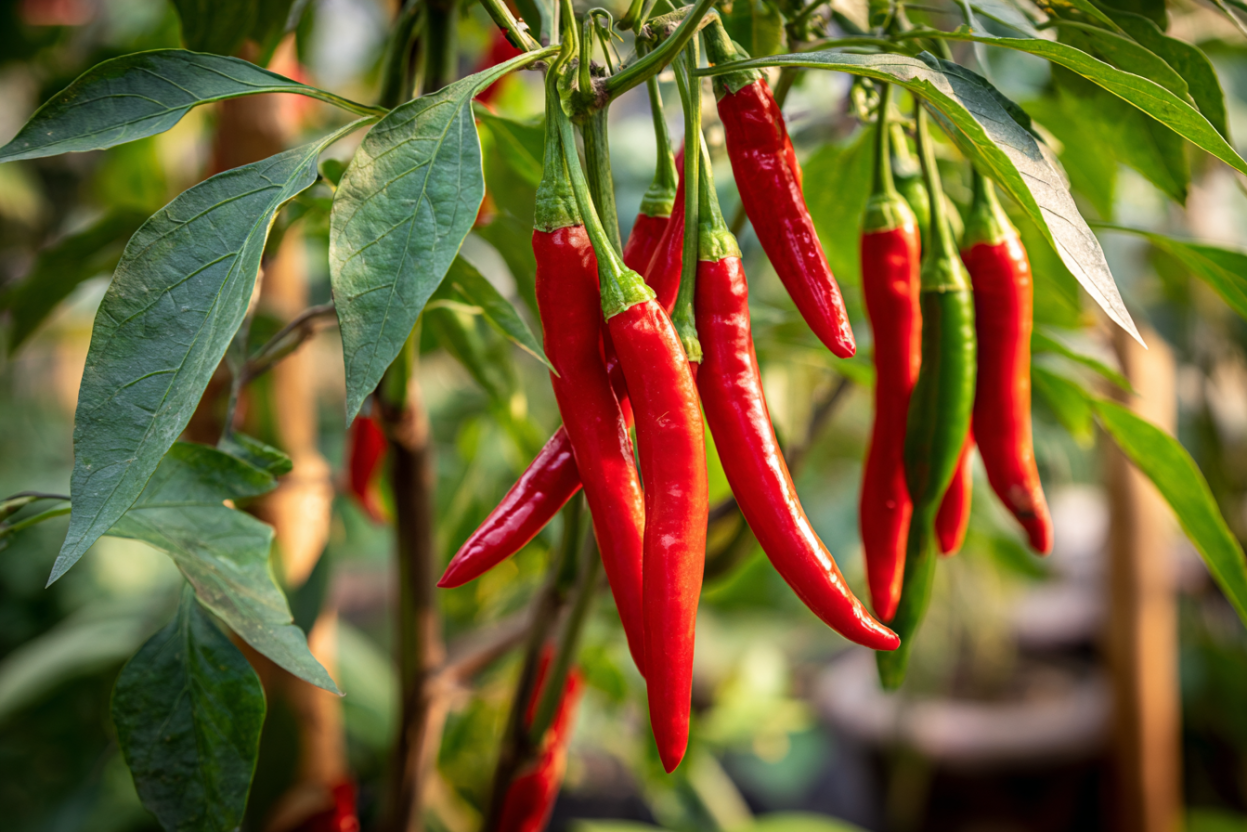
Cayenne Pepper
If you live with chronic pain, sluggish digestion, or a metabolism that seems stuck in low gear, you are far from alone. Millions of people search for answers every day, often overlooking one of the most powerful allies already sitting in their spice rack. Cayenne pepper has been used for over nine thousand years across civilizations to support circulation, ease discomfort, and ignite the body’s own healing processes — and modern science is finally catching up to what traditional healers have known all along.
This fiery red pepper is one of the Creator’s most remarkable gifts — a plant so potent that a single compound within it, capsaicin, has generated thousands of published research studies across dozens of countries. Every element of this plant, from its vivid color to its searing heat, was designed with purpose.
The Plant
Common Names: Cayenne Pepper, Red Pepper, Capsicum, Guinea Pepper, Bird Pepper, Cow Horn Pepper, Aleva
Botanical Name: Capsicum annuum var. annuum (Longum Group)
Family: Solanaceae (Nightshade family) — the same family that includes tomatoes, potatoes, eggplants, and bell peppers, known for producing alkaloids and other bioactive compounds.
Description
Cayenne pepper is a slender, vibrant chili pepper that grows on a small perennial shrub reaching approximately 60 to 100 cm (2 to 3 feet) in height. The plant features a woody main stem with numerous branching lateral shoots, all covered in thick, dark green, lance-shaped leaves. Small, creamy white flowers with five petals appear throughout the growing season, each developing into the pepper’s signature long, narrow, tapered fruit pods — typically 10 to 25 cm (4 to 10 inches) in length. The pods ripen from a glossy bright green to a deep, vivid red. The root system is a moderately deep taproot with fibrous lateral roots.
Cayenne peppers rank between 30,000 and 50,000 Scoville Heat Units (SHU), placing them solidly in the medium-hot category. Their heat comes from capsaicin, an alkaloid compound concentrated primarily in the inner white membrane (placenta) and seeds. The pepper’s thin skin dries easily, making it ideal for grinding into the bright red powder that has become a global culinary and medicinal staple.
Origin
Cayenne pepper is native to Central and South America, with archaeological evidence of its cultivation dating back more than 9,000 years in what is now Mexico and surrounding regions. The name “cayenne” is believed to derive from the city of Cayenne in French Guiana, though the pepper’s history extends far beyond that region. Indigenous peoples of the Americas cultivated and traded cayenne long before European contact. When Spanish and Portuguese explorers arrived in the 15th and 16th centuries, they carried cayenne pepper back across the Atlantic and along Asian trade routes. Within a century, the plant had spread across India, Southeast Asia, China, Africa, and the Mediterranean. Today, India, China, Mexico, Ethiopia, and the United States are major producers.
Brief History
Native Americans used cayenne both as food and medicine for thousands of years before European contact. The Aztecs and Maya prized it for treating toothaches, digestive complaints, and infections. Christopher Columbus encountered it in the Caribbean in the 1490s and mistakenly called it “pepper” because of its pungency, associating it with the valuable black pepper of Asian trade routes. Spanish physicians quickly recognized its medicinal value, and by the 1600s, cayenne had entered European pharmacopeias. It became a foundational ingredient in Traditional Chinese Medicine, Ayurveda, and the herbal practices of noted American herbalist Dr. Samuel Thomson in the 19th century, who considered cayenne one of the most important herbs in his practice. In 1816, capsaicin was first isolated as a chemical compound, and in 1997, the TRPV1 receptor through which it acts was identified, opening a new era of research.
Growing & Cultivation
Climate & Zones
Cayenne pepper thrives in USDA Hardiness Zones 9 through 11 as a perennial, but it is successfully grown as an annual in Zones 4 through 8. It requires a long, warm growing season with daytime temperatures consistently between 70°F and 85°F (21°C to 29°C). Nighttime temperatures should remain above 60°F (15°C) for optimal fruit set. Cayenne is frost-tender and will not survive freezing temperatures. In cooler climates, starting seeds indoors 8 to 10 weeks before the last expected frost date is essential. The plant can also be grown indoors year-round in containers near a sunny south-facing window or under grow lights.
Soil Requirements
Cayenne prefers well-draining, loamy to sandy loam soil with a pH between 6.0 and 6.8. Heavy clay soils should be amended with compost and perlite to improve drainage, as cayenne’s roots are susceptible to rot in waterlogged conditions. A soil rich in organic matter provides the steady nutrients this heavy feeder requires. For container growing, use a high-quality potting mix blended with perlite for drainage. Raised beds work exceptionally well, as they warm earlier in spring and offer superior drainage.
Water & Sunlight
Cayenne requires full sun — a minimum of 6 to 8 hours of direct sunlight daily. More sun produces more peppers with higher capsaicin content. Water deeply but infrequently, allowing the top inch of soil to dry between waterings. Overwatering causes root rot and invites disease, while mild water stress at fruiting can actually increase capsaicin production. Drip irrigation is ideal. Cayenne is moderately drought-tolerant once established but produces best with consistent, moderate moisture.
Propagation
Seed: The most common method. Sow seeds indoors in a seed-starting mix at a depth of 6 mm (¼ inch). Cayenne seeds require warmth for germination — a soil temperature of 75°F to 85°F (24°C to 29°C) is ideal. Use a heat mat if necessary. Germination typically takes 10 to 21 days. Seeds can be slow and uneven, so patience is required. Transplant seedlings outdoors after all danger of frost has passed and soil has warmed to at least 65°F (18°C).
Cuttings: Stem cuttings from healthy, mature plants can be rooted in water or moist perlite. Take 4 to 6 inch cuttings from non-flowering stems, remove lower leaves, and provide bottom warmth. This method preserves the exact genetics of the parent plant and can produce fruiting plants faster than seed.
Planting
Space plants 18 to 24 inches (45 to 60 cm) apart in rows 24 to 36 inches (60 to 90 cm) apart. Set transplants slightly deeper than they sat in their pots. Mulch around the base with straw or shredded leaves to retain moisture, regulate soil temperature, and suppress weeds. Companion plants that benefit cayenne include basil (which may improve flavor and repel aphids), carrots, onions, and marigolds (which deter nematodes). Avoid planting near fennel or kohlrabi.
Harvesting
Cayenne peppers are typically ready to harvest 70 to 100 days after transplanting. The peppers can be picked green, but maximum capsaicin content and nutritional value develop when they ripen to full red on the plant. Harvest by cutting the stem with sharp scissors or pruners rather than pulling, which can damage the plant. The best time to harvest is morning, after dew has dried. Regular harvesting encourages the plant to continue producing. A single healthy cayenne plant can yield 20 to 50 peppers per season.
Drying & Storage
Cayenne’s thin walls make it one of the easiest peppers to dry. String whole peppers through the stem with a needle and thread, then hang in a warm, dry location with good airflow for 2 to 4 weeks. Alternatively, use a food dehydrator set to 135°F (57°C) for 8 to 12 hours, or dry in an oven on the lowest setting with the door cracked. Properly dried cayenne should snap crisply when bent. Store whole dried peppers in airtight containers in a cool, dark place for up to 2 years. Ground cayenne powder retains potency for about 1 year. Freezing fresh peppers is also an excellent option — simply wash, dry, and freeze whole in resealable bags.
Pest & Disease Management
Common pests include aphids, pepper weevils, hornworms, and flea beetles. Organic controls include neem oil spray, insecticidal soap, hand-picking larger insects, and encouraging beneficial predators like ladybugs and lacewings. Diseases to watch for include bacterial leaf spot, powdery mildew, blossom end rot (often caused by calcium deficiency or inconsistent watering), and Phytophthora root rot. Practice crop rotation — do not plant peppers (or any nightshade) in the same location for at least 3 years. Good air circulation and avoiding overhead watering are the best preventive measures.
Companion Planting
Cayenne grows well alongside basil, carrots, parsley, tomatoes (if no shared disease pressure), onions, spinach, and lettuce. Marigolds planted nearby repel aphids and nematodes. Avoid planting near fennel, which inhibits most nightshades, and brassicas (cabbage, broccoli), which compete for nutrients.
The Healing of Growing
Growing cayenne pepper offers benefits long before you harvest a single pod. The act of gardening itself — hands in soil, bare feet on earth, time spent outdoors under the sun — has been shown to reduce cortisol levels, improve mood, and support immune function. The soil contains beneficial bacteria, including Mycobacterium vaccae, with documented antidepressant effects — it stimulates serotonin production in the brain. When you grow your own cayenne, you receive healing before you ever consume it. The connection between tending a plant and nourishing your body mirrors the Creator’s design: care begets harvest, patience yields abundance (Lowry et al., 2007, Neuroscience).
Nutritional Profile
Macronutrients
Per 1 tablespoon (5g) of dried, ground cayenne pepper: approximately 17 calories, 0.6g protein, 3.0g carbohydrates (of which 1.4g is dietary fiber and 0.5g sugars), and 0.9g total fat (0.2g saturated, with the remainder as unsaturated fatty acids). Per 100g of dried powder: approximately 318 calories, 12g protein, 56.6g carbohydrates (27.2g fiber), and 17.3g fat. Cayenne is calorie-light in typical culinary servings but nutrient-dense relative to its volume (USDA FoodData Central).
Vitamins
Vitamin A: 2,185 IU per tablespoon (44% DV) — Cayenne is exceptionally rich in beta-carotene and other provitamin A carotenoids, which support healthy vision, immune function, skin integrity, and cellular communication. One hundred grams of dried cayenne provides a staggering 41,610 IU of vitamin A.
Vitamin C: 3.6mg per tablespoon (4% DV in dried form; much higher in fresh — approximately 76.4mg per 100g of fresh cayenne, or 127% DV) — Essential for collagen synthesis, immune defense, iron absorption, and antioxidant protection against oxidative stress.
Vitamin E: 1.5mg per tablespoon (10% DV) — A fat-soluble antioxidant that protects cell membranes from free radical damage and supports cardiovascular and skin health.
Vitamin B6 (Pyridoxine): 0.14mg per tablespoon (8% DV) — Crucial for neurotransmitter synthesis (serotonin, dopamine, GABA), red blood cell formation, and immune function.
Vitamin K: 3.6mcg per tablespoon (3% DV) — Supports blood clotting and bone metabolism.
Also present in smaller amounts: Riboflavin (B2), Niacin (B3), Folate, and Thiamine (B1).
Minerals
Potassium: 107mg per tablespoon (2% DV) — Regulates fluid balance, nerve signaling, and muscle contractions, including heartbeat.
Manganese: 0.13mg per tablespoon (6% DV) — Essential cofactor for antioxidant enzymes (SOD), bone formation, and blood clotting.
Iron: 0.42mg per tablespoon (2% DV) — Required for oxygen transport in hemoglobin and energy production.
Magnesium: 8.1mg per tablespoon (2% DV) — Involved in over 300 enzymatic reactions, supporting muscle and nerve function, blood sugar regulation, and bone health.
Also present: Calcium, Phosphorus, Zinc, Copper, and Selenium.
Phytonutrients & Active Compounds
Capsaicin is the defining bioactive compound in cayenne pepper, a vanilloid alkaloid responsible for its pungent heat. Capsaicin binds to the TRPV1 (transient receptor potential vanilloid 1) receptor, triggering pain and heat sensation, but paradoxically, repeated exposure depletes substance P — the neurotransmitter that carries pain signals to the brain — resulting in analgesic effects. Capsaicin has been studied extensively for anti-inflammatory, antioxidant, antimicrobial, metabolic, and anticancer properties.
Capsanthin and Capsorubin are carotenoid pigments unique to red peppers that give cayenne its vivid color. They function as powerful antioxidants, potentially stronger than beta-carotene in certain assays.
Flavonoids — including quercetin, luteolin, and hesperidin — offer anti-inflammatory and antioxidant benefits, supporting cardiovascular health and immune resilience.
Carotenoids — beta-carotene, lutein, zeaxanthin, and cryptoxanthin — protect against oxidative damage, support eye health, and may help prevent age-related macular degeneration.
Saponins and volatile oils contribute to cayenne’s broad-spectrum biological activity.
Nutrient Notes
Cayenne pepper is one of the highest natural sources of vitamin A among all spices. The fat-soluble vitamins (A, E, K) are best absorbed when cayenne is consumed with healthy fats — an olive oil drizzle or avocado pairing enhances bioavailability significantly. The vitamin C in fresh cayenne is highly bioavailable but decreases substantially upon drying and long storage. The iron content is non-heme and best absorbed alongside vitamin C-rich foods. Capsaicin itself is fat-soluble, which is why dairy (not water) provides relief from the burning sensation — and why fat-based preparations are traditional in many healing traditions. The B-vitamins in cayenne, particularly B6, support serotonin and dopamine synthesis. The magnesium content may help regulate cortisol. These connections between nutrients and body compounds illustrate how even a spice used in small amounts can influence whole-body chemistry.
Culinary Uses
Edible Parts
The fruit (pepper pod) is the primary edible portion, consumed fresh, dried, or ground into powder. The leaves of the cayenne plant are also edible and are cooked as greens in parts of Southeast Asia and the Philippines, offering a mild, slightly peppery flavor when sautéed or added to soups.
Flavor Profile
Cayenne delivers a sharp, clean, immediate heat that builds quickly and fades within minutes. Beneath the heat lies a slightly fruity, mildly earthy note with subtle hints of smokiness when dried. Fresh cayenne is brighter and more vegetal. The aroma is warm, pungent, and distinctly peppery. Intensity ranges from moderate to strong depending on the specific cultivar and growing conditions. Drying concentrates the heat and flavor considerably — dried cayenne powder is approximately ten times more concentrated than an equivalent weight of fresh pepper.
Preparation
Fresh cayenne can be sliced thin for salsas, stir-fries, and hot sauces. Remove seeds and inner membranes for less heat; leave them in for maximum fire. Dried and ground cayenne is one of the most versatile spices in the kitchen — a pinch added to soups, stews, marinades, sauces, scrambled eggs, chocolate desserts, or even beverages transforms a dish. Cayenne pairs beautifully with citrus, which brightens its heat. Toasting ground cayenne briefly in a dry pan releases aromatic oils and deepens complexity. Cayenne-infused oils and vinegars are simple to prepare and offer long-lasting flavor. For those new to cayenne, start with ⅛ teaspoon and build tolerance gradually.
Culinary Pairings
Cayenne complements garlic, ginger, cumin, turmeric, paprika, oregano, thyme, and cinnamon. It pairs well with proteins including chicken, shrimp, fish, and legumes. Fats such as olive oil, coconut oil, butter, and avocado carry its heat beautifully. Acids like lemon, lime, vinegar, and tomato brighten the overall flavor. Chocolate and cayenne is a legendary pairing dating back to the Aztecs, who drank a bitter chocolate-cayenne beverage called xocolatl.
Storage
Store fresh cayenne peppers unwashed in the refrigerator for up to 2 weeks. Ground cayenne powder should be kept in a tightly sealed container away from heat, light, and moisture — it retains optimal potency for about 1 year. Whole dried cayenne peppers stored in airtight jars in a cool, dark pantry last up to 2 years. Freezing is an excellent long-term option for fresh peppers.
Ready to cook with cayenne pepper? View Recipes on Chefts →
Wellness & Therapeutic Uses
Traditional Uses
Cayenne pepper has been employed as a healing agent across virtually every culture that has encountered it. Native Americans used it for over 9,000 years to support digestion, relieve toothache pain, improve circulation, and treat infections. In Ayurvedic medicine, cayenne (known as lal mirch) is classified as a heating herb that strengthens agni (digestive fire), improves circulation, and clears respiratory congestion — it has been a staple of Indian healing for centuries. Traditional Chinese Medicine classifies cayenne as a warming herb that moves stagnant qi and blood, supports the spleen and stomach meridians, and disperses cold conditions. European herbalists from the 17th century onward used cayenne tinctures for circulatory complaints, cold extremities, and sluggish digestion. The renowned 19th-century American herbalist Dr. Samuel Thomson considered cayenne the most vital herb in his entire system of practice, using it to generate internal heat and stimulate the body’s vital force.
Modern Research
Pain Relief: Capsaicin’s analgesic properties are among its most well-documented effects. Capsaicin depletes substance P, the neuropeptide that transmits pain signals to the brain, through repeated activation of the TRPV1 receptor. Topical capsaicin preparations (0.025% to 8%) have been studied extensively for neuropathic pain, osteoarthritis, post-surgical nerve pain, rheumatoid arthritis, and fibromyalgia. A systematic review of six double-blind placebo-controlled trials (656 neuropathic pain patients) found a relative benefit of 1.4, with a number needed to treat of 5.7 (Mason et al., 2004, BMJ, UK). The FDA has approved prescription-strength 8% capsaicin patches for certain neuropathic pain conditions.
Weight Management & Metabolism: A systematic review of 20 trials involving 563 participants found that capsaicinoid consumption increases energy expenditure by approximately 50 kcal/day, reduces appetite, and significantly decreases abdominal adipose tissue levels. Researchers concluded that consistent capsaicinoid intake could produce clinically meaningful weight loss over 1 to 2 years (Whiting et al., 2012, Appetite, UK). A 2023 meta-analysis of randomized controlled trials confirmed capsaicin’s positive role in weight management among overweight and obese adults (Zhu et al., 2023, British Journal of Nutrition, China).
Anti-Inflammatory Activity: Capsaicin has been shown to inhibit the NF-kB signaling pathway — a key driver of chronic inflammation — and suppress production of pro-inflammatory mediators including IL-1β, IL-6, TNF-α, and COX-2. A pilot study found that cayenne pepper enriched beneficial gut bacteria (Bifidobacterium) and altered the microbiota composition in healthy adults (Kang et al., 2022, Nutrients, USA).
Cardiovascular Support: Research suggests capsaicin may support cardiovascular health through multiple mechanisms: promoting nitric oxide release for vasodilation, inhibiting platelet aggregation (a mild blood-thinning effect), and improving lipid profiles. A 2025 meta-analysis of twelve RCTs showed significant reductions in triglycerides and total cholesterol in overweight or obese individuals consuming capsaicin-based products. Animal studies in hypertensive rats have demonstrated blood pressure reduction through the TRPV1 receptor pathway (Gao et al., 2023, Phytomedicine, China). A large epidemiological study involving 9,273 volunteers in China found that dietary capsaicin was associated with a lower risk of hypertension (Szolcsányi & Sándor, 2023, Nutrients, Hungary).
Anticancer Research: A growing body of evidence, primarily from in vitro and animal studies, suggests capsaicin may interfere with multiple hallmarks of cancer, including cell proliferation, evasion of apoptosis, tumor angiogenesis, and metastasis. A two-decade systematic review found that the United States, China, and Japan account for approximately 42% of 3,753 published papers on capsaicin’s anticancer potential (Adetunji et al., 2022, Frontiers in Oncology, South Africa/Nigeria). Capsaicin has demonstrated activity against prostate, breast, pancreatic, skin, and colon cancer cell lines (Clark & Lee, 2016, Anticancer Research, USA). Clinical studies in humans remain limited and further research is needed.
Digestive Support: Despite common assumptions, research indicates capsaicin may protect the gastric mucosa rather than damage it. Capsaicin stimulates the production of saliva, gastric juices, and digestive enzymes. It has been shown to increase gastric mucosal blood flow and stimulate protective mucus and alkali secretion, which may help defend against ulceration. Research also suggests it can support healthy gut microbiome composition.
Body Systems Supported
Cayenne pepper’s influence extends across nearly every major body system: the nervous system (pain modulation via substance P depletion), cardiovascular system (circulation, blood pressure, platelet function), digestive system (saliva and enzyme stimulation, gastric protection), immune system (antioxidant defense, antimicrobial action), respiratory system (decongestant, expectorant properties), musculoskeletal system (topical pain relief for joints and muscles), integumentary system (wound healing support, psoriasis management), and the endocrine system (metabolic rate modulation through thermogenesis).
Body Compounds Affected
Cayenne and its primary active compound capsaicin influence several key body compounds. Substance P — the neuropeptide responsible for transmitting pain signals — is depleted with repeated capsaicin exposure, producing the analgesic effect. Nitric oxide production is enhanced, supporting vasodilation and cardiovascular health. Cortisol may be modulated through stress-reduction pathways and improved circulation. Serotonin production may be supported through the B6 content and improved gut health (the gut produces approximately 90% of the body’s serotonin). Pro-inflammatory cytokines (IL-1β, IL-6, TNF-α) and prostaglandins may be suppressed through NF-kB pathway inhibition. Beta-endorphin release is stimulated by the initial pain response to capsaicin — the “runner’s high” effect that some report from eating spicy food.
Methods of Use
Tea/Infusion
Add ¼ to ½ teaspoon of cayenne powder to a cup of hot (not boiling) water. Stir in raw honey and fresh lemon juice to taste. Sip slowly. This can be taken 1 to 3 times daily. Start with less cayenne and increase as tolerance builds. Traditionally used to support digestion, warm the body, and promote circulation.
Tincture
Cayenne tincture is prepared by steeping dried cayenne in high-proof alcohol (typically vodka or grain alcohol) for 4 to 6 weeks. Typical dosage ranges from 5 to 20 drops in water, 1 to 3 times daily. The tincture is valued for quick absorption and ease of dosing. Herbalists often add cayenne tincture to other herbal formulas as a “catalyst” — believed to enhance the absorption and delivery of other herbs.
Capsules/Powder
Capsaicin supplements are available in capsule form, typically providing 25 to 50 mg of capsaicin per capsule. Follow manufacturer dosing instructions. Enteric-coated capsules may reduce stomach discomfort.
Topical
Capsaicin creams (0.025% to 0.075%) are available over the counter and applied 3 to 4 times daily to the site of pain. Prescription-strength 8% capsaicin patches are used under medical supervision. Wash hands thoroughly after application and avoid contact with eyes and mucous membranes.
Cosmetic & Beauty Uses
Skin Benefits
Cayenne’s capsaicin content and rich antioxidant profile make it a notable ingredient in natural skincare. Capsaicin’s anti-inflammatory properties may benefit conditions characterized by skin inflammation, including psoriasis — clinical studies have shown that capsaicin cream can significantly reduce scaling, redness, and itching associated with psoriasis plaques. The antioxidant vitamins A, C, and E in cayenne help protect skin cells from oxidative damage and may support collagen production. Capsaicin improves local blood circulation when applied topically, delivering more oxygen and nutrients to the skin’s surface, which can produce a healthy glow and support the skin’s natural repair processes. Cayenne is best suited for normal, combination, and oily skin types. Those with sensitive skin, rosacea, or broken skin should exercise extreme caution or avoid topical cayenne entirely.
Hair Benefits
Cayenne pepper has been used in folk medicine for hair growth stimulation for centuries. The capsaicin in cayenne increases blood circulation to the scalp when applied topically, which may nourish hair follicles and encourage growth. Some research suggests capsaicin can stimulate hair growth factors. When combined with olive oil as a scalp treatment, cayenne-infused oil may help address thinning hair and improve scalp health. It can also help manage dandruff through its antimicrobial and circulation-boosting properties. A typical application involves mixing a small amount of cayenne powder into warm olive or coconut oil, applying to the scalp, leaving for 15 to 30 minutes, then washing thoroughly. Always perform a patch test first.
Application Methods
Cayenne can be incorporated into DIY skincare through infused oils (steep dried cayenne in a carrier oil like jojoba or sweet almond for 2 to 4 weeks, then strain), warming face masks (use very sparingly — ⅛ teaspoon mixed with honey and yogurt), and body scrubs (cayenne mixed with sugar and oil). For commercial preparations, capsaicin is included at controlled concentrations in certain anti-cellulite creams and warming body lotions. Shelf life of homemade cayenne-infused oils is approximately 6 months when stored in a cool, dark place.
DIY Formulation Notes
When formulating with cayenne, use extreme care with concentration. Never exceed 0.1% capsaicin in facial applications. Carrier oils that pair well include jojoba, sweet almond, and coconut. Never combine cayenne with other strong active ingredients like retinol or chemical exfoliants. Always test on a small area of skin before wider application. Not recommended for use around eyes, lips, or broken skin.
Cayenne pepper is among the botanicals being explored for holistic cosmetic applications, where the wisdom of traditional beauty practices meets modern understanding of skin science.
Essential Oil Profile
Cayenne pepper does not produce a traditional essential oil through steam distillation in the way that lavender or peppermint does. The primary bioactive compound — capsaicin — is not volatile in the conventional sense and is not effectively captured through standard steam distillation. However, cayenne oleoresin (a concentrated extract produced by solvent extraction) and CO2-extracted cayenne products are commercially available and used therapeutically.
Extraction
Cayenne oleoresin is typically obtained through solvent extraction or supercritical CO2 extraction of dried, ground cayenne peppers. These methods capture the full spectrum of capsaicinoids, carotenoids, and other lipophilic compounds that standard distillation would miss. The CO2 extraction method produces a cleaner product with no solvent residue and is considered the highest quality.
Key Chemical Constituents
The capsaicinoid fraction includes capsaicin (approximately 69% of total capsaicinoids), dihydrocapsaicin (approximately 22%), nordihydrocapsaicin, homocapsaicin, and homodihydrocapsaicin. These compounds are responsible for the heat and the therapeutic pain-relieving activity. The carotenoid fraction provides the color and antioxidant properties.
Therapeutic Properties
Cayenne oleoresin is used primarily in topical preparations for its analgesic (pain-relieving), rubefacient (warming, circulation-increasing), anti-inflammatory, and counterirritant properties. It is not used in diffusion or aromatherapy in the traditional sense — capsaicin in the air irritates the respiratory tract and eyes.
How to Use
Topical only. Cayenne oleoresin is diluted at very low concentrations (0.025% to 0.075% capsaicin for OTC preparations) in carrier oils or cream bases. It should never be diffused, inhaled directly, or taken internally in concentrated form. Wear gloves during preparation and wash hands thoroughly after application.
Aromatherapy & Scent
The Aroma
Fresh cayenne pepper has a sharp, pungent, warm aroma with distinctly vegetal green notes. When the pepper is cut or crushed, the scent intensifies immediately — the volatile compounds released include aldehydes and esters that create a bright, almost fruity top note layered over the deeper, warm pungency. Dried cayenne has a concentrated, dusty, warm-hot aroma that is instantly recognizable. The scent is strongest when the powder is freshly ground or when the pepper is first cut open. Dried cayenne retains its aroma well for up to a year in sealed containers, though intensity diminishes gradually after 6 months.
How Scent Affects Your Body
When you smell cayenne pepper, volatile molecules are released from the plant material and drawn into the nasal cavity with each breath. There, olfactory receptor neurons detect these specific molecular shapes and send electrical signals directly to the limbic system — the emotional processing center of the brain — and the hypothalamus, which governs hormone release. This pathway bypasses conscious thought entirely, meaning your body begins responding to the scent before your mind fully processes it. The pungent aroma of cayenne can trigger alertness, increase heart rate slightly, and may stimulate appetite and digestive readiness.
Emotional & Mood Effects
The scent of cayenne pepper is primarily energizing and stimulating. It may promote mental alertness, invigorate a sluggish mood, and create a sense of warmth and vitality. Many people report that the aroma “wakes up” the senses — this aligns with its traditional use as a stimulant herb. In small amounts, it can be grounding and clarifying, helping to cut through mental fog.
Body Compounds Affected
The stimulating aroma of cayenne may raise norepinephrine and adrenaline levels slightly (the alerting response), increase production of endorphins (the body’s natural response to the perceived “challenge” of capsaicin exposure), and potentially modulate cortisol through the stimulation of the adrenal system. The appetite-stimulating aspect suggests histamine and gastric hormone activation.
Ways to Experience the Scent
Growing cayenne indoors near a sunny window fills the immediate area with a subtle, warm green aroma. Crushing dried cayenne while cooking releases the full spectrum of aromatic compounds. Simmering a small amount of cayenne with cinnamon, ginger, and cloves on the stove creates a warming, circulation-boosting aromatic experience, especially during cold months. Adding a pinch of cayenne to a hot bath (with caution — avoid sensitive areas) provides aromatic and topical benefits simultaneously. Note: cayenne is not suitable for diffusion or direct inhalation, as capsaicin particles can severely irritate the airways and eyes.
Color Therapy
The Colors of Cayenne Pepper
Cayenne pepper is defined by its vivid, deep red color at maturity — one of the most striking reds in the plant kingdom. Immature peppers display a bright, glossy green, transitioning through yellow-orange before reaching their final rich scarlet-red. The leaves are a deep, dark green. The flowers are small and creamy white to pale yellow. The stems are green, maturing to a woody brown. The dried powder retains a warm, concentrated red-orange hue.
Color Wavelengths
The dominant red of ripe cayenne pepper corresponds to wavelengths in the 620 to 700 nm range of the visible light spectrum. The green of the unripe fruit falls in the 495 to 570 nm range. The transition colors (yellow-orange) occupy the 570 to 620 nm range. The red of cayenne comes from the carotenoid pigments capsanthin and capsorubin — the same compounds that deliver antioxidant benefits when consumed.
How Red Affects the Body
In color therapy principles, the red wavelength is associated with energy, stimulation, warmth, vitality, and increased circulation. Exposure to red light has been linked to increased heart rate, raised blood pressure, and heightened arousal — mirroring the physiological effects of actually consuming cayenne. Red is considered grounding and activating, connected to the root chakra in Eastern traditions and to physical vitality and survival instincts. Having a cayenne plant or dried red peppers visible in your kitchen or dining area introduces this stimulating color energy into your daily environment.
Body Compounds Affected
Research into color therapy and chromotherapy suggests that red wavelength exposure may influence adrenaline and norepinephrine (stimulating the sympathetic nervous system), increase blood flow and metabolic rate, and potentially affect cortisol through its activating properties.
Using Cayenne Pepper for Color Therapy
Place a thriving cayenne plant in your kitchen window — the transition of peppers from green to red provides a living color therapy experience. String dried red cayenne peppers in the kitchen (a traditional practice called a ristra) for both beauty and color energy. The rich red of cayenne in your food is itself a form of “eating the rainbow” — consuming the pigments that carry both color frequency and antioxidant chemistry into your body.
Frequency & Vibration
The Frequency of Cayenne Pepper
While specific MHz measurements for the living cayenne plant have not been widely published in peer-reviewed literature, cayenne is generally classified in bioenergetic traditions as a high-frequency plant. This is consistent with its potent bioactive chemistry, intense color, and powerful biological effects. According to bio-frequency research, healthy fresh foods and herbs tend to vibrate at higher frequencies than processed foods. Dried herbs and spices retain measurable frequency, though typically lower than the living plant. For reference, the healthy human body is reported to vibrate between 62 and 78 MHz, cold and flu symptoms correlate with frequencies around 58 MHz, and disease states correspond to frequencies below 58 MHz.
Human Frequency Interaction
Proponents of vibrational medicine suggest that consuming or being around high-frequency plants may support human biofrequency through the principle of entrainment — where a stronger, more coherent frequency influences a weaker or less coherent one. Cayenne’s intense energy profile suggests it may have a supportive effect on personal frequency. The stimulating, warming, circulation-enhancing properties of cayenne are consistent with what frequency researchers describe as “raising vibration.”
Vibrational Applications
Using cayenne intentionally — consuming it in tea, growing it in your living space, handling the fresh plant — can be approached as a frequency-supporting practice. Combining cayenne with other high-frequency practices like prayer, time in nature, and clean eating may amplify its energetic contribution. Frequency measurements in this area are emerging, and research continues to explore how plant energy interacts with human biology.
The Living Plant
Benefits of Presence
Simply being around a living cayenne pepper plant offers benefits beyond its eventual harvest. Research in biophilic design demonstrates that the presence of indoor plants reduces stress, improves mood, increases productivity, and enhances perceived air quality. The cayenne plant, with its vibrant green foliage, delicate white flowers, and colorful ripening fruit, provides ongoing visual interest and connection to the natural cycle of growth, flowering, fruiting, and harvest — a living reminder of the Creator’s design for provision.
Air Purification
While cayenne pepper was not specifically included in the NASA Clean Air Study, members of the Capsicum genus are living, photosynthesizing plants that contribute to indoor oxygen production and carbon dioxide removal. Like all green plants, cayenne converts CO2 to oxygen during daylight hours. Its contribution to indoor air quality, while modest compared to larger-leaved plants, adds to the cumulative benefit of an indoor garden.
Phytoncides
The capsicum family produces volatile organic compounds that may have mild antimicrobial properties in the immediate vicinity of the plant. While not as extensively studied for phytoncide production as pine or cedar trees, the aromatic compounds released by the living cayenne plant contribute to the broader forest-bathing-like benefits of indoor plant environments. Research on shinrin-yoku (forest bathing) demonstrates that plant-derived volatile compounds can increase natural killer (NK) cell activity, supporting immune function.
Visual & Psychological Benefits
Attention restoration theory (ART) suggests that viewing natural elements — including houseplants — replenishes directed attention and reduces mental fatigue. Studies in healthcare settings consistently show that patients with views of plants or nature recover faster, require less pain medication, and report higher satisfaction. Keeping a cayenne plant on a desk, in a kitchen window, or on a balcony provides these benefits while also yielding a functional harvest. The progression of fruit from green to red provides a dynamic visual experience that changes weekly.
Growing Indoors vs Outdoors
Cayenne adapts well to indoor container growing with adequate light. A south-facing window or supplemental grow lights providing 12+ hours of light daily will support fruit production indoors. Use a 5-gallon container minimum, with drainage holes and quality potting mix. Indoor cayenne plants may produce fruit year-round in warm, well-lit conditions. Outdoors, cayenne benefits from natural sunlight, pollinator visits, wind (which strengthens stems), and soil microbiome interaction — all of which enhance both the plant’s vitality and the grower’s connection to nature.
Touch & Physical Interaction
Gardening Therapy
Working with cayenne plants engages multiple senses simultaneously — the visual beauty of the ripening fruit, the tactile experience of handling stems and leaves, the warm aroma when brushing against foliage, the satisfaction of picking a ripe pepper. Horticultural therapy is an established therapeutic practice with documented benefits for depression, anxiety, PTSD, and cognitive decline. Caring for a cayenne plant — watering, pruning, harvesting — provides a gentle, structured activity that promotes mindfulness, patience, and a sense of accomplishment.
Soil Contact Benefits
When gardening with bare hands (and ideally bare feet), you benefit from grounding — also known as earthing — the process of absorbing free electrons from the earth’s surface. Research suggests grounding reduces inflammation, improves sleep, reduces cortisol, and normalizes the body’s day-night cortisol rhythm. Additionally, the soil bacterium Mycobacterium vaccae has demonstrated antidepressant-like effects in research, stimulating serotonin production in the brain. Simply getting your hands in the dirt while tending cayenne plants delivers these benefits.
The Tactile Experience
Cayenne leaves are smooth and slightly waxy, with a firm, resilient texture. The stems are sturdy and somewhat woody at the base, becoming more flexible toward the growing tips. The fresh pepper itself has a smooth, glossy, taut skin that feels almost leathery — there is a satisfying firmness when gently squeezing a ripe pepper. Harvesting cayenne involves a deliberate, careful cutting motion with pruners or scissors, which engages fine motor skills and focused attention. Important note: always wear gloves or wash hands immediately after handling fresh cayenne peppers, as capsaicin oil persists on the skin and can cause intense burning if transferred to the eyes, nose, or other sensitive areas.
Harvesting & Processing
The act of harvesting cayenne — inspecting each pepper for peak ripeness, cutting precisely, gathering the vibrant red pods into a basket — is meditative and grounding. Processing involves stringing peppers for drying, which requires patient, repetitive handwork that many find deeply calming. Grinding dried cayenne with a mortar and pestle is especially therapeutic — the rhythmic motion, the release of aromatic oils, the transformation from whole pepper to fine powder — each step connects you to the ancient practice of preparing your own spice. These activities provide the repetitive, sensory-rich experiences that modern life often lacks.
Water-Based Applications
Teas & Infusions
Cayenne pepper tea is one of the most accessible ways to experience its benefits. Add ¼ to ½ teaspoon of ground cayenne to 8 ounces of hot (not boiling) water, stir, and add raw honey and fresh lemon juice to taste. The honey helps coat the throat, while the lemon provides vitamin C and brightens the flavor. Use water at approximately 180°F to 200°F (82°C to 93°C) — boiling water can create an overly harsh infusion. Steep or stir for 2 to 3 minutes. Drink 1 to 3 cups daily, starting with a lower cayenne amount and building tolerance. This traditional preparation supports circulation, digestion, and warming the body during cold weather or illness.
Herbal Baths
A cayenne pepper bath can promote circulation, relieve muscle tension, and create a gentle warming effect throughout the body. Add 1 to 2 teaspoons of cayenne powder to a warm (not hot) bath and stir thoroughly before entering. Soak for 15 to 20 minutes. The capsaicin will create a mild warming sensation on the skin, increasing local blood flow. Always start with less cayenne and test your tolerance. Avoid if you have sensitive skin, open wounds, or skin conditions. For a gentler option, prepare a cayenne foot bath — add ½ teaspoon to a basin of warm water and soak feet for 15 minutes to improve circulation to cold extremities.
Compresses
A warm cayenne compress can be applied to areas of muscle ache or joint discomfort. Prepare a strong cayenne infusion (1 teaspoon powder per cup of hot water, steeped 10 minutes), soak a clean cloth in the warm liquid, wring slightly, and apply to the affected area for 15 to 20 minutes. The warmth of the water combined with the capsaicin provides a dual therapeutic effect. Cover with a towel to retain heat. Avoid applying to broken skin or near mucous membranes.
Steam Inhalation
Adding a very small pinch of cayenne (⅛ teaspoon or less) to a bowl of steaming water and carefully inhaling the steam can help clear nasal and sinus congestion. The capsaicin stimulates mucus membranes to thin and release built-up mucus. Use extreme caution — too much cayenne in the steam will cause significant eye and respiratory irritation. Keep eyes closed throughout. Duration: 3 to 5 minutes maximum. This method has been used traditionally for cold, flu, and sinus complaints.
Hair Rinses
A dilute cayenne infusion can be used as a final hair rinse to stimulate scalp circulation and support hair health. Steep ¼ teaspoon of cayenne powder in 2 cups of warm water for 15 minutes, strain thoroughly, allow to cool to a comfortable temperature, and pour over clean hair as a final rinse. Massage gently into the scalp for 2 to 3 minutes, then rinse with cool water. This practice may improve scalp blood flow, nourish hair follicles, and add warmth and shine. Avoid contact with eyes entirely.
Historical, Cultural & Biblical Significance
Biblical References
Cayenne pepper (Capsicum annuum) is not directly mentioned in Scripture, as the plant is native to the Americas and was unknown in the ancient Near East during the periods in which the Bible was written. However, the principle of plants as provision for healing is deeply biblical. Genesis 1:29 (KJV) declares: “And God said, Behold, I have given you every herb bearing seed, which is upon the face of all the earth, and every tree, in the which is the fruit of a tree yielding seed; to you it shall be for meat.” Ezekiel 47:12 (KJV) speaks of trees whose “leaf thereof shall be for medicine.” While cayenne was not among the plants available to the ancient Israelites, it stands firmly within the Creator’s pharmacopeia — a gift discovered when His people reached the New World.
Ancient Civilizations
Archaeological evidence dates cayenne pepper cultivation to approximately 7,000 BCE in what is now Mexico and Central America, making it one of the oldest cultivated crops in the Western Hemisphere. The Aztecs used cayenne medicinally for toothache, infections, and digestive complaints, and ceremonially in their sacred chocolate beverages. The Maya incorporated it into healing practices for fevers and pain. After European contact in the late 1400s, cayenne traveled rapidly along trade routes. By the 1500s, it had reached India, China, and Southeast Asia, where it was immediately integrated into both cuisine and medicine.
Eastern Traditions
Traditional Chinese Medicine adopted cayenne rapidly after its introduction in the 16th century, classifying it as a warming herb that disperses cold, moves blood, and supports the spleen and stomach. Ayurvedic practitioners incorporated cayenne into their system as a ushna (heating) herb that strengthens digestive fire (agni), clears ama (toxins), and supports circulatory and respiratory health. Korean and Japanese traditional medicine also embraced cayenne for its warming and pain-relieving properties. These cultures observed that cayenne provided specific, reproducible healing effects — they were documenting the Creator’s design, even if they did not know Him by name.
Indigenous Knowledge
Native American peoples across the Americas used cayenne for millennia before European contact. Specific applications included pain relief for toothaches (packing cayenne into cavities), treatment of digestive complaints, stimulation of circulation in cold weather, and as an antimicrobial wound treatment. The Carib people of the Caribbean region, from whom the term “Caribbean” derives, were especially known for their use of hot peppers in food and medicine. Various South American tribes used capsicum species for respiratory infections, earaches, and arthritis. When European colonists arrived, indigenous peoples taught them about the medicinal applications of cayenne, knowledge that fundamentally influenced American herbalism.
European Heritage
European herbalists initially viewed cayenne with suspicion due to its intense heat, but by the 17th century, it had gained acceptance in pharmacopeias across the continent. Nicholas Culpeper mentioned capsicum in his herbal. In the 19th century, American herbalist Dr. Samuel Thomson built an entire system of healing around what he called “Cayenne, Number Two” — the second most important medicine in his practice after lobelia. Thomson believed cayenne’s ability to generate internal heat was key to overcoming disease. The Eclectic physicians of the same era used cayenne extensively for circulatory support, digestive complaints, and as a catalyst to enhance other herbs. This tradition continues in modern Western herbalism, where cayenne remains one of the most frequently recommended herbs.
Cultural Symbolism
Across cultures, cayenne pepper symbolizes vitality, passion, protection, and abundance. In many Latin American countries, strings of dried red peppers (ristras) are hung in kitchens for both practical preservation and cultural symbolism of plenty. In parts of India, red chilies are hung at doorways as symbols of welcome. In Korean culture, red pepper paste (gochujang) is a symbol of home and family cooking. The pepper’s fiery nature has made it a universal metaphor for energy, courage, and the spark of life.
Safety & Precautions
Contraindications
Cayenne pepper should be avoided or used with extreme caution by individuals with active gastric ulcers, gastritis, inflammatory bowel disease (Crohn’s disease, ulcerative colitis), or gastroesophageal reflux disease (GERD). Those with known nightshade sensitivities should introduce cayenne cautiously. Individuals scheduled for surgery should discontinue cayenne supplementation at least 2 weeks prior to the procedure due to its potential mild blood-thinning effects.
Drug Interactions
Blood thinners: Capsaicin may increase the risk of bleeding when used with anticoagulant or antiplatelet medications, including warfarin (Coumadin), clopidogrel (Plavix), aspirin, and heparin. Capsaicin has been shown to inhibit platelet aggregation and enhance fibrinolytic activity (Heck et al., 2000, American Journal of Health-System Pharmacy). Patients on blood thinners should consult their healthcare provider before using cayenne supplements.
Antacids and acid reducers: Capsaicin increases stomach acid production, which may reduce the effectiveness of H2 blockers (ranitidine, famotidine) and proton pump inhibitors (omeprazole, lansoprazole).
Diabetes medications: Capsaicin may lower blood sugar, increasing the risk of hypoglycemia when combined with insulin or oral diabetes medications.
Theophylline: Cayenne may increase the absorption of theophylline (used for asthma), potentially raising it to dangerous levels.
ACE inhibitors: There is a theoretical risk that capsaicin may increase coughing associated with ACE inhibitors.
Pregnancy & Nursing
Culinary amounts of cayenne pepper are generally considered safe during pregnancy and breastfeeding. However, concentrated supplements, tinctures, or therapeutic doses are not recommended during pregnancy or nursing without the guidance of a qualified healthcare provider. Capsaicin can pass into breast milk and may cause discomfort in nursing infants. Cayenne has traditionally been classified as an emmenagogue (stimulates menstrual flow) at higher doses, which warrants caution during pregnancy.
Children
Topical capsaicin products should not be used on children under 2 years of age. For children over 2, topical use should be limited to no more than 2 consecutive days and at reduced concentrations. Culinary use in mild amounts is generally acceptable for children who tolerate it, but cayenne supplements are not recommended for children under 12 without professional guidance.
Elderly
Older adults may have increased sensitivity to capsaicin’s effects on the gastrointestinal tract and blood pressure. Lower doses are advisable. Particular caution is warranted for elderly individuals taking multiple medications, especially blood thinners, diabetes medications, or acid reducers, due to the interaction potential described above.
Pets
Dogs: Cayenne pepper is not classified as toxic to dogs, but capsaicin causes significant gastrointestinal irritation, including vomiting, diarrhea, and stomach cramps. It can also irritate the mouth, throat, eyes, and respiratory tract. Do not feed cayenne to dogs or use it as a behavioral deterrent — it causes unnecessary suffering. If a dog ingests cayenne, offer fresh water and monitor for signs of distress; contact a veterinarian if symptoms are severe.
Cats: Cayenne is not classified as toxic to cats, but capsaicin causes similar irritation as in dogs — mouth pain, drooling, vomiting, and gastrointestinal distress. Cats are generally self-deterring due to their sensitivity to capsaicin, but exposure should be prevented. The cayenne plant itself is not listed as toxic by the ASPCA for cats or dogs (note: the “ornamental pepper” that IS listed as toxic is Solanum pseudocapsicum, the Jerusalem cherry, which is a different plant).
Birds: Interestingly, birds lack TRPV1 receptors and cannot detect capsaicin — they eat hot peppers with no ill effects. This is actually by evolutionary design: birds disperse pepper seeds without destroying them.
Allergies & Sensitivities
Cayenne allergy is uncommon but possible, particularly in individuals with broader nightshade sensitivities. Cross-reactivity may occur with those allergic to latex, bananas, kiwi, or avocado (latex-fruit syndrome). Topical capsaicin can cause skin irritation, redness, and burning — always perform a small patch test before wider application. Some individuals experience initial increased discomfort before the desensitization effect occurs. Phototoxicity is not a known concern with cayenne.
Dosing Guidelines
Culinary use: ⅛ to ½ teaspoon per serving, up to 1 teaspoon daily in divided doses. Tea: ¼ to ½ teaspoon in hot water, 1 to 3 times daily. Capsules: typically 25 to 50 mg capsaicin per capsule, 1 to 3 times daily with food. Topical: apply capsaicin cream (0.025% to 0.075%) to affected area 3 to 4 times daily. Do not exceed recommended topical duration without professional guidance. Signs of overuse include persistent stomach pain, diarrhea, excessive burning sensation, or skin blistering (topical).
Quality & Sourcing
Purchase cayenne powder and supplements from reputable suppliers who test for heavy metals, aflatoxins (a common contaminant in dried chili products), pesticide residues, and fillers. Look for organic certification when possible. Whole dried cayenne peppers are less likely to be adulterated than pre-ground powders. For supplements, third-party testing (USP, NSF, or ConsumerLab verified) provides additional assurance of quality and potency.
Signs of Adverse Reaction
Mild reactions include stomach discomfort, heartburn, burning sensation in the mouth or throat, skin redness (topical), and temporary eye irritation. Serious reactions requiring medical attention include severe abdominal pain, persistent vomiting, rectal burning, difficulty breathing, significant skin blistering, or signs of allergic reaction (hives, swelling, anaphylaxis). When to stop: discontinue use if persistent stomach pain, bleeding, or severe skin irritation occurs.
Disclaimer
This information is for educational purposes only. It is not intended to diagnose, treat, cure, or prevent any disease. Always consult with a qualified healthcare provider before using any herbal product, especially if you are pregnant, nursing, taking medications, or have a medical condition. If you experience any adverse reaction, discontinue use immediately and seek medical attention.
Want Personalized Guidance?
Every body is unique. What works for one person may not be right for another. If you’d like personalized support in incorporating cayenne pepper into your wellness journey, consider working with a qualified practitioner who can assess your individual needs.
Sources & References
Peer-Reviewed Studies
- Systematic review of topical capsaicin for the treatment of chronic pain — Mason et al., BMJ, 2004, UK
- Capsaicinoids and capsinoids: A potential role for weight management? A systematic review of the evidence — Whiting et al., Appetite, 2012, UK
- The effects of capsaicin intake on weight loss among overweight and obese subjects: a systematic review and meta-analysis of randomised controlled trials — Zhu et al., British Journal of Nutrition, 2023, China
- Capsaicin: A Two-Decade Systematic Review of Global Research Output and Recent Advances Against Human Cancer — Adetunji et al., Frontiers in Oncology, 2022, South Africa/Nigeria
- Anticancer Properties of Capsaicin Against Human Cancer — Clark & Lee, Anticancer Research, 2016, USA
- Spicy Food and Chili Peppers and Multiple Health Outcomes: Umbrella Review — Nutrients, 2022, Multiple Countries
- Capsaicin improves hypertension and cardiac hypertrophy via SIRT1/NF-κB/MAPKs pathway in the hypothalamic paraventricular nucleus — Gao et al., Phytomedicine, 2023, China
- Capsaicin: A chili pepper bioactive phytocompound with a potential role in suppressing cancer development and progression — Phytotherapy Research, 2024, Multiple Countries
- Minimal Influence of Cayenne Pepper on the Human Gastrointestinal Microbiota and Intestinal Inflammation in Healthy Adult Humans — Kang et al., Nutrients, 2022, USA
- Capsaicin — StatPearls (comprehensive clinical review) — Chang et al., StatPearls Publishing, 2023, USA
- Potential interactions between alternative therapies and warfarin — Heck et al., American Journal of Health-System Pharmacy, 2000, USA
- Antihemostatic and antithrombotic effects of capsaicin in comparison with aspirin and indomethacin — Thrombosis Research, 1985, International
- Identification of an immune-responsive mesolimbocortical serotonergic system: Potential role in regulation of emotional behavior (Mycobacterium vaccae) — Lowry et al., Neuroscience, 2007, UK
- Efficacy and safety of topical capsaicin in the treatment of osteoarthritis pain: A systematic review and meta-analysis — Phytotherapy Research, 2024, Multiple Countries
Institutional Sources
- USDA FoodData Central — Spices, pepper, red or cayenne — U.S. Department of Agriculture
- Dietary Capsaicin Protects Cardiometabolic Organs from Dysfunction — Nutrients (MDPI), 2016, China
- The Vanilloid (Capsaicin) Receptor TRPV1 in Blood Pressure Regulation — Nutrients, 2023, Hungary
Traditional Medicine Sources
- Complementary and Alternative Medicine — Cayenne (comprehensive monograph) — Penn State Hershey / Mount Sinai Hospital Database