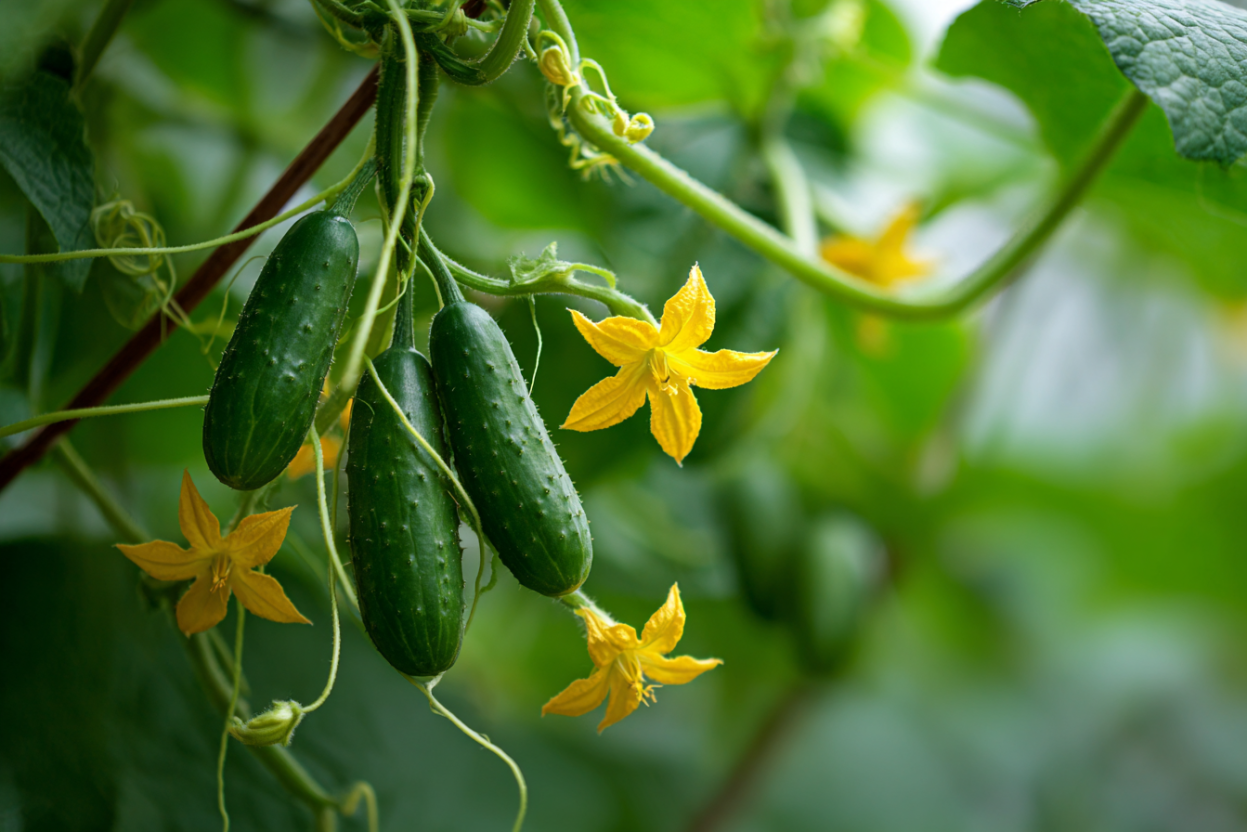
Cucumber (Cucumis sativus)
If you struggle with inflammation, sluggish digestion, or dehydrated skin, you are not alone — and nature may have provided support you haven’t discovered yet. The humble cucumber, composed of roughly 96% water and packed with bioactive compounds like cucurbitacins, lignans, and flavonoids, has been used for thousands of years across civilizations to cool, hydrate, and restore the body. Modern research is now confirming what ancient healers observed long ago.
This remarkable fruit — yes, botanically it is a fruit — is one of many gifts the Creator embedded into nature for our benefit. Long before laboratories existed, the cucumber was already here, provided by a God who knew we would need it. Every nutrient, every compound, every cooling property reflects intentional design.
This information is for educational purposes only and is not intended to diagnose, treat, cure, or prevent any disease. Always consult with a qualified healthcare provider before making changes to your health regimen.
The Plant
Common Names: Cucumber, Garden Cucumber, Gherkin (immature fruit), Khyar (Arabic), Kheera (Hindi), Huang Gua (Chinese)
Botanical Name: Cucumis sativus L.
Family: Cucurbitaceae (the gourd family, which also includes melons, squash, and pumpkins)
Description
Cucumber is an annual, creeping vine that trails along the ground or climbs supports using thin, spiraling tendrils. The plant typically reaches 1 to 3 feet tall when supported, though its vines can extend 6 feet or more. Leaves are large, roughly triangular with pointed lobes, and covered with a slightly rough texture. They are bright to medium green, arranged alternately along hairy stems.
Flowers are small, yellow, and five-petaled, appearing separately as male and female blooms on the same plant (monoecious). The fruit is cylindrical and elongated, typically 6 to 12 inches long depending on variety, with skin that ranges from dark green to light green or even white or yellow. The flesh is pale green, crisp, watery, and mild in flavor. Seeds are embedded in the central cavity and are soft when the fruit is harvested young.
Three main types dominate cultivation: slicing cucumbers (eaten fresh), pickling cucumbers (smaller, used for preserving), and seedless or English cucumbers (long, thin-skinned, wrapped in plastic). Dozens of heirloom and regional varieties exist worldwide.
Origin
Cucumber is believed to have originated in the foothills of the Himalayas in what is now northern India, where wild relatives (Cucumis sativus var. hardwickii) still grow today. Archaeological evidence suggests cultivation began at least 3,000 years ago. From India, the cucumber spread westward to the ancient Middle East, where it was cultivated in Mesopotamia, Egypt, Greece, and Rome. It reached China by the 2nd century BC via the Silk Road. European cultivation expanded through the Roman Empire and later through medieval monastery gardens. Spanish explorers brought cucumbers to the Americas in the 1500s.
Brief History
Cucumbers were cultivated in ancient Egypt and were among the foods the Israelites longed for after leaving Egypt (Numbers 11:5). Roman Emperor Tiberius reportedly demanded cucumbers at his table year-round, prompting the development of early greenhouse methods. In Ayurvedic medicine, cucumber has been used for thousands of years as a cooling food and skin treatment. Traditional Chinese Medicine has long classified cucumber as a cooling, yin-supporting food. By the Middle Ages, cucumbers were cultivated across Europe in monastery gardens, and they became a staple of English kitchen gardens by the 16th century. Today, China produces over 80% of the world’s cucumber supply.
Growing & Cultivation
Climate & Zones
Cucumber thrives in USDA Hardiness Zones 4 through 12, though it is grown as a warm-season annual in all zones. It requires warm soil temperatures of at least 60°F (ideally 70–85°F) for germination and sustained growth. Cucumbers are frost-tender and cannot tolerate cold — even temperatures below 50°F will stunt growth. In cooler climates, starting seeds indoors 3 to 4 weeks before the last frost date extends the growing season. Cucumbers can be grown indoors or in greenhouses with adequate light and warmth.
Soil Requirements
Cucumbers prefer rich, loamy, well-draining soil with a pH between 6.0 and 7.0. They are heavy feeders and benefit from generous amounts of compost or aged manure worked into the soil before planting. Sandy loam is ideal, but clay soils can work if amended with organic matter for drainage. For container growing, use a high-quality potting mix enriched with compost. Cucumber roots are relatively shallow, so consistent moisture in the top 6 inches of soil is important.
Water & Sunlight
Water needs are moderate to high. Cucumbers need about 1 to 2 inches of water per week, delivered consistently. The fruit is 96% water, so irregular watering directly affects quality — causing bitterness, misshapen fruit, or blossom end rot. Drip irrigation or soaker hoses are preferred over overhead watering, which can promote foliar disease. Mulching around plants helps retain soil moisture.
Cucumbers require full sun — at least 6 to 8 hours of direct sunlight daily. In extremely hot climates (above 95°F), light afternoon shade can prevent heat stress. For indoor growing, provide at least 12 hours of bright light using grow lights.
Propagation
Seed: Direct sow seeds outdoors after all danger of frost has passed and soil temperatures reach 60°F. Plant seeds 1 inch deep, 12 to 18 inches apart in rows 4 to 6 feet apart (or 3 seeds per hill, hills spaced 3 to 4 feet apart). Germination takes 7 to 10 days. For an earlier start, sow indoors in biodegradable pots 3 to 4 weeks before transplanting — cucumbers do not like root disturbance.
Transplanting: Harden off seedlings gradually over 5 to 7 days before transplanting outdoors. Plant at the same depth as the container. Water deeply at transplant.
Planting
Cucumber benefits from trellising or vertical support. Growing vertically saves space, improves air circulation (reducing disease), and produces straighter fruit. Companion plants include beans, corn, sunflowers, radishes, and dill. Avoid planting near potatoes, aromatic herbs like sage, and melons (which share pests and diseases).
Harvesting
Harvest slicing cucumbers when 6 to 8 inches long and pickling types at 2 to 4 inches. Pick frequently — every 1 to 2 days at peak production — to encourage continued fruiting. Harvest in the morning when the fruit is cool and crisp. Cut the stem with pruners or a sharp knife rather than pulling, which can damage the vine. Overripe cucumbers turn yellow and become seedy and bitter. The plant typically produces for 8 to 10 weeks.
Drying & Storage
Fresh cucumbers store best in the refrigerator at 45–50°F for up to one week. Wrap in a damp paper towel inside a plastic bag. Cucumbers are sensitive to ethylene gas, so store them away from tomatoes, bananas, and melons. Cucumbers are not typically dried due to their high water content, but they are widely preserved through pickling (fermented or vinegar-based). Cucumber can be frozen in slices for use in smoothies or infused water, though texture changes significantly upon thawing.
Pest & Disease Management
Common pests include cucumber beetles (striped and spotted), aphids, squash bugs, and spider mites. Cucumber beetles are the primary concern because they transmit bacterial wilt. Organic management includes row covers (removed at flowering for pollination), companion planting with nasturtiums and radishes, neem oil spray, and hand-picking. Common diseases include powdery mildew, downy mildew, bacterial wilt, and angular leaf spot. Prevention strategies include good air circulation, drip irrigation, crop rotation (3-year minimum), and selecting disease-resistant varieties.
Companion Planting
Cucumbers grow well with beans (provide nitrogen), corn (provides shade and wind protection), sunflowers (attract pollinators), radishes (deter cucumber beetles), dill (attracts beneficial insects), and lettuce (shade-tolerant understory). Avoid planting near potatoes (compete for nutrients and share blight), sage (inhibits cucumber growth), and other cucurbits (share pests and diseases).
The Healing of Growing
Growing cucumber offers benefits beyond the harvest itself. The act of gardening — hands in soil, bare feet on earth, time spent outdoors — has been shown to reduce cortisol, improve mood, and support immune function. The soil contains beneficial bacteria (Mycobacterium vaccae) with documented antidepressant effects. Tending a cucumber vine through its rapid growth cycle — watching it climb, flower, and produce abundant fruit in a matter of weeks — provides a tangible connection to the rhythms of creation. When you grow your own cucumber, you receive healing before you ever consume it.
Nutritional Profile
Macronutrients (per 100g raw cucumber with peel)
Calories: 15 kcal | Protein: 0.65g | Carbohydrates: 3.63g | Fiber: 0.5g | Sugars: 1.67g | Fat: 0.11g | Water: 95.23g
Cucumber is one of the lowest-calorie whole foods available, making it an ideal hydrating snack. Despite its low calorie density, it delivers a meaningful array of micronutrients, particularly when eaten with the peel.
Vitamins
Vitamin K: 16.4 mcg (14% DV) — Essential for blood clotting and bone metabolism. Vitamin K activates osteocalcin, a protein that helps bind calcium into the bone matrix, supporting bone density and strength.
Vitamin C: 2.8 mg (3% DV) — Supports immune function, collagen production, and acts as a powerful antioxidant that protects cells from oxidative damage. While the amount per serving is modest, cucumbers contribute to overall daily intake.
Vitamin A (as beta-carotene): 5 mcg RAE — Concentrated in the peel, beta-carotene supports eye health, immune function, and skin integrity. This is one reason eating the peel matters.
Pantothenic Acid (B5): 0.259 mg (5% DV) — Critical for the synthesis of coenzyme A, which is involved in fatty acid metabolism and the production of hormones and neurotransmitters.
Folate (B9): 7 mcg (2% DV) — Supports DNA synthesis and cell division, particularly important during pregnancy.
Minerals
Potassium: 147 mg (3% DV) — An essential intracellular electrolyte that helps regulate blood pressure by counteracting the effects of sodium. Supports heart rhythm, muscle contraction, and nerve signaling.
Magnesium: 13 mg (3% DV) — Essential for over 300 enzymatic reactions, supports muscle and nerve function, blood sugar regulation, and bone health.
Manganese: 0.079 mg (3% DV) — A cofactor for antioxidant enzymes like superoxide dismutase (SOD). Supports bone formation and metabolism.
Phosphorus: 24 mg (2% DV) — Works with calcium in bone and teeth formation. Also plays a role in how the body stores and uses energy.
Copper: 0.041 mg (5% DV) — Supports iron metabolism, connective tissue formation, and the function of the immune and nervous systems.
Phytonutrients & Active Compounds
Cucurbitacins (A, B, C, D, E) — Triterpenoid compounds unique to the gourd family. Research suggests cucurbitacins may have anti-inflammatory, hepatoprotective, and anti-tumor properties. They are concentrated in the stem end and skin and are responsible for any bitter taste. Studies indicate they may inhibit JAK-STAT and MAPK signaling pathways involved in cancer cell proliferation.
Flavonoids (Fisetin, Apigenin, Luteolin, Quercetin, Kaempferol) — Fisetin in particular has been studied for its neuroprotective effects and ability to support memory and cognitive function. Kaempferol has demonstrated anti-diabetic and anti-inflammatory properties in research. Apigenin has been associated with calming effects and may support GABA activity in the brain.
Lignans (Lariciresinol, Pinoresinol, Secoisolariciresinol) — Plant compounds that intestinal bacteria convert to enterolignans (enterodiol, enterolactone). These compounds can bind to estrogen receptors and preliminary research suggests they may help modulate estrogen-related processes in the body.
Beta-carotene, Lutein, Zeaxanthin — Carotenoid antioxidants concentrated in the peel. Support eye health and protect against oxidative damage.
Caffeic acid — A hydroxycinnamic acid with antioxidant activity that may support anti-inflammatory responses.
Nutrient Notes
The peel contains the highest concentration of fiber, vitamin K, beta-carotene, and mineral content — eating cucumber unpeeled significantly increases its nutritional value. Cucumber pairs well with healthy fats (olive oil, avocado) which enhance absorption of fat-soluble vitamins A and K. The high water content makes cucumber an excellent vehicle for hydration — studies indicate that fruits and vegetables contribute approximately 20% of total daily water intake. The very low glycemic index of 15 makes cucumber particularly suitable for blood sugar management.
Connection to Body Compounds
The potassium and magnesium in cucumber may help regulate cortisol levels by supporting adrenal function. The flavonoid apigenin has been shown in research to interact with GABA receptors, potentially supporting calm and relaxation. The B-vitamins, particularly pantothenic acid, are cofactors in the production of serotonin and other neurotransmitters. The anti-inflammatory phytonutrients may help modulate cytokine production and prostaglandin pathways.
Culinary Uses
Edible Parts
Fruit (flesh and peel): The primary edible part. Flesh is crisp, watery, and mild. The peel adds slight bitterness, crunch, and significant nutrition. No preparation required beyond washing. Seeds: Soft when young and fully edible within the fruit. Mature seeds can be dried and consumed as a snack or pressed for oil. Cucumber seed oil is used in some culinary and cosmetic applications. Flowers: Edible and mildly flavored. Can be used as a garnish or battered and fried. Leaves: Young, tender leaves are edible in some culinary traditions, though they are slightly rough in texture.
Flavor Profile
Fresh cucumber has a mild, clean, slightly sweet flavor with subtle grassy-green notes. The aroma is distinctly fresh and cooling. The peel contributes a mild bitterness. The flesh is watery and crisp with very little intensity, making it an excellent canvas for other flavors. When cooked (yes, cucumber can be cooked), the flavor becomes more delicate and the texture softens, somewhat resembling zucchini. Dried cucumber has a concentrated, slightly sweet-green flavor.
Preparation
Most commonly eaten raw in salads, sandwiches, sushi, and as crudités. Also excellent spiralized as noodles, blended into cold soups (like gazpacho), juiced, or infused in water. For cooking, cucumbers can be sautéed, stir-fried, braised, or added to soups — a practice common in Chinese and Japanese cuisine. To reduce bitterness, trim and discard the stem end or rub the cut end in a circular motion to draw out bitter compounds. Salting and draining sliced cucumbers for 15 to 30 minutes removes excess water for crisper salads.
Culinary Pairings
Proteins: pairs well with salmon, shrimp, chicken, yogurt, and tofu. Herbs: dill, mint, basil, cilantro, and chives. Spices: cumin, sumac, sesame, ginger, and chili flakes. Acids: lemon, lime, rice vinegar, and apple cider vinegar. Fats: olive oil, sesame oil, yogurt, and cream cheese. Other vegetables: tomatoes, onions, avocado, radishes, and bell peppers.
Storage
Store whole, unwashed cucumbers in the refrigerator for up to one week. Wrap loosely in a paper towel, then place in a plastic bag with one end open. Keep away from ethylene-producing fruits. Once cut, wrap tightly in plastic and use within 2 to 3 days. For preserving, cucumbers are most commonly pickled — either through lacto-fermentation (traditional, probiotic-rich) or vinegar brine. Sliced cucumbers can be frozen in a single layer on a sheet pan, then transferred to freezer bags for use in smoothies or infused water.
Ready to cook with cucumber? View Recipes on Chefts →
Wellness & Therapeutic Uses
Traditional Uses
Cucumber has been used for wellness across virtually every major civilization. In Ayurvedic medicine, cucumber is classified as a cooling food that balances Pitta dosha (heat and inflammation). It has been used traditionally for urinary tract support, excessive thirst, skin irritation, and digestive discomfort. In Traditional Chinese Medicine (TCM), cucumber is considered cooling in nature, entering the stomach, small intestine, and bladder meridians, and used to promote hydration, clear heat, and support detoxification.
Ancient Egyptian healers prized cucumber for its hydrating and cooling properties, using it both internally and topically. Greco-Roman physicians including Dioscorides documented cucumber’s diuretic properties and its use for skin conditions. In European folk medicine, cucumber was used as a cooling compress for fevers and inflamed skin. Indian traditional medicine has used cucumber seeds as a cooling remedy to prevent constipation and support kidney function for centuries.
Modern Research
Anti-inflammatory Activity: Research indicates that cucumber extract may inhibit the cyclooxygenase-2 (COX-2) enzyme, a pro-inflammatory enzyme involved in pain and swelling. Cucurbitacins and flavonoids present in cucumber have demonstrated anti-inflammatory effects in laboratory studies. A review published in Fitoterapia (2013) documented cucumber’s anti-inflammatory, antioxidant, and lipid-lowering potential (PubMed: 23098877).
Blood Sugar Support: Multiple animal studies suggest cucumber may support healthy blood sugar levels. Research published in the Journal of Medicinal Plant Research (2014) found that cucumber pulp demonstrated effectiveness in managing blood sugar in diabetic rats. A study in Archives of Iranian Medicine found that Cucumis sativus extract attenuated diabetes-induced hepatic and pancreatic injury, significantly reducing blood sugar to values comparable to non-diabetic rats (PubMed: 33214339). The active flavonoid kaempferol, found in cucumber, has been shown to inhibit alpha-amylase and alpha-glucosidase enzymes involved in carbohydrate digestion.
Antioxidant Activity: Cucumber contains multiple antioxidant compounds including vitamin C, beta-carotene, and flavonoids like fisetin. Research demonstrated that cucumber supplementation in rats significantly increased antioxidant enzyme activities (superoxide dismutase and catalase) while reducing oxidative stress markers. A 2016 study confirmed cucumber’s protective effects in both oxidative stress and carbonyl stress models related to diabetes (PMC: 4916550).
Mood, Sleep, and Stress Support: A 2025 randomized, double-blind, placebo-controlled trial involving 80 adults found that Cucumis sativus supplementation (20 mg/day standardized extract for 60 days) showed improvements in mood, sleep quality, perceived stress, anxiety, and health-related quality of life compared to placebo. No adverse effects were reported. The authors noted cucumber’s potential as a beneficial supplement, though larger trials are needed (PMC: 12239509).
Anti-hyperglycemic Effect: A study on healthy human subjects found that consuming 400 mL of cucumber juice alongside a white rice meal lowered the 2-hour postprandial blood glucose level from baseline. The antidiabetic activity of cucumber has been attributed to saponins, tannins, triterpenes, alkaloids, and flavonoids present in the fruit.
Hepatoprotective Effects: Animal research has shown that cucumber extract may protect the liver from toxin-induced damage, normalizing liver enzyme activities and restoring serum protein and lipid profiles in diabetic models.
Body Systems Supported
Digestive system — High water and fiber content supports regular bowel movements and hydration of the digestive tract. Traditionally used for bloating and indigestion. Immune system — Antioxidant compounds including vitamin C and flavonoids support immune defense. Cardiovascular system — Potassium helps regulate blood pressure; fiber supports healthy cholesterol levels; lignans may offer cardiovascular protection. Urinary system — Natural diuretic properties support kidney function and may help with water retention. Integumentary system (skin) — Hydrating properties and silica content support skin health internally and topically. Nervous system — Fisetin and apigenin may support cognitive function and calming effects. Musculoskeletal system — Vitamin K and silica support bone health; anti-inflammatory compounds may ease joint discomfort. Endocrine system — Blood sugar-regulating compounds may support pancreatic function.
Body Compounds Affected
Research suggests cucumber and its compounds may influence several body compounds. The flavonoid apigenin has been studied for its interaction with GABA receptors, potentially supporting relaxation. The cooling, hydrating properties and potassium content may support healthy cortisol regulation. B-vitamins present serve as cofactors in serotonin production. Anti-inflammatory compounds, particularly cucurbitacins, may help modulate cytokine production (including IL-6 and TNF-alpha) and prostaglandin pathways through COX-2 inhibition. The antioxidant activity may help preserve nitric oxide bioavailability, supporting blood vessel function.
Methods of Use
Fresh Consumption
The simplest and most effective method. Eating 1 to 2 cucumbers daily (with peel) provides hydration, fiber, and the full spectrum of bioactive compounds. Add to salads, eat as snacks, or blend into smoothies.
Cucumber Juice
Juicing concentrates nutrients and provides rapid hydration. One medium cucumber yields approximately 6 to 8 ounces of juice. May be combined with celery, lemon, ginger, or greens. Best consumed immediately for maximum nutrient retention.
Cucumber Water
Slicing cucumber into a pitcher of water creates a gentle, mineral-infused drink. Allow to steep for at least 1 hour (or overnight in the refrigerator) for best flavor and nutrient extraction. Refreshing and supports hydration.
Tea/Infusion
Cucumber seeds can be steeped as a tea. Use 1 tablespoon of dried seeds per cup of hot water. Steep for 15 to 20 minutes. Traditionally used as a mild diuretic and for urinary support.
Poultice/Compress
Grated or sliced cucumber applied to the skin provides cooling relief for sunburn, minor burns, puffy eyes, and inflamed skin. Apply directly and leave for 15 to 20 minutes.
Cosmetic & Beauty Uses
Skin Benefits
Cucumber is one of the most widely used botanical ingredients in cosmetics worldwide. The Cosmetic Ingredient Review (CIR) Expert Panel assessed the safety of six Cucumis sativus-derived ingredients and found them safe in cosmetic formulations (PubMed: 24861368). Cucumber fruit extract functions primarily as a skin-conditioning agent, antioxidant, and anti-inflammatory agent.
Hydration: With 96% water content, cucumber provides intense hydration when applied topically. It helps restore moisture to dehydrated skin and may support transepidermal water loss reduction. Anti-aging: A 2011 study in the Archives of Dermatological Research found that cucumber fruit juice exhibited strong anti-hyaluronidase and anti-elastase activity, suggesting potential for anti-wrinkle formulations. The ascorbic acid present showed significant free radical scavenging activity (PubMed: 21153830). Soothing & cooling: Cucumber’s natural cooling properties make it effective for calming irritated, sunburned, or inflamed skin. Brightening: The mild acids and vitamin C content may help brighten uneven skin tone over time. Puffiness: The classic practice of placing cucumber slices over the eyes has a physiological basis — the cool temperature constricts blood vessels, while vitamin K may help with the appearance of dark circles.
Cucumber benefits all skin types, but is especially well-suited for sensitive, irritated, dry, and sun-damaged skin due to its gentle, hydrating, and cooling nature.
Hair Benefits
Cucumber juice used as a hair rinse may support scalp health due to its silica and sulfur content. Silica is a trace mineral associated with hair strength and shine. The hydrating properties may help soothe a dry, flaky scalp. Cucumber seed oil, cold-pressed from mature seeds, is lightweight and non-greasy, making it suitable for scalp massage and hair conditioning.
Application Methods
Face mask: Blend fresh cucumber and apply to clean skin for 15 to 20 minutes. Rinse with cool water. For added benefit, combine with yogurt (lactic acid) or honey (humectant). Eye treatment: Place chilled cucumber slices over closed eyes for 10 to 15 minutes to reduce puffiness and soothe tired eyes. Toner: Blend cucumber with a small amount of witch hazel or rose water, strain, and use as a gentle facial toner. Store refrigerated for up to 5 days. Infused oil: Steep dried cucumber in a carrier oil (jojoba, sweet almond) for 2 to 4 weeks. Strain and use as a light moisturizing oil. Sunburn relief: Apply blended cucumber directly to sunburned skin for cooling relief.
DIY Formulation Notes
Due to its extremely high water content, fresh cucumber has a very short shelf life in homemade products — use within 24 to 48 hours or refrigerate and use within 5 days. For longer shelf life, use cucumber hydrosol (steam-distilled water) or freeze cucumber juice in ice cube trays for on-demand use. Cucumber pairs well with carrier oils like jojoba, rosehip, and sweet almond. It combines beautifully with aloe vera, green tea, and chamomile for soothing formulations.
Cucumber is among the botanicals being explored for holistic cosmetic applications, where the wisdom of traditional beauty practices meets modern understanding of skin science.
Aromatherapy & Scent
The Aroma
Fresh cucumber has one of the most recognizable and universally pleasant scents in the plant world — clean, cool, green, and watery. The characteristic “cucumber smell” comes primarily from the aldehyde compound (E,Z)-2,6-nonadienal. When you slice into a fresh cucumber, volatile compounds are released immediately as cell walls break, producing that burst of cool freshness. The scent is strongest when the fruit is freshly cut or when leaves are gently bruised. Living cucumber plants have a subtler version of this aroma, with green, vegetal notes especially noticeable on warm days or after watering.
Dried cucumber retains only a faint, sweet-green ghost of the fresh aroma. The volatile compounds that create the signature scent largely dissipate during drying. Dried cucumber is valued more for its flavor in teas and culinary blends than for its aromatherapy properties.
How Scent Affects Your Body
When you smell fresh cucumber, volatile molecules enter the nose and bind to olfactory receptors. These receptors send signals directly to the limbic system (the brain’s emotional center) and the hypothalamus (which controls hormone release). This pathway bypasses conscious thought — your body responds before you decide how to react. The cool, clean scent of cucumber reaches the brain within milliseconds, triggering responses associated with freshness, calm, and relief.
Emotional & Mood Effects
The scent of fresh cucumber is broadly associated with feelings of cleanliness, calm, and refreshment. It is cooling rather than warming, grounding rather than stimulating. Many people find the scent reduces feelings of irritability and promotes a sense of clarity. Cucumber’s scent is widely used in spa environments specifically because it promotes relaxation without sedation — a state of alert calm.
Body Compounds Affected
While specific research on cucumber scent’s effect on neurotransmitters is limited, the general category of green, fresh, cool plant scents has been associated with mild reductions in cortisol (the stress hormone) and support for parasympathetic nervous system activation. The calming effect aligns with potential modulation of GABA and serotonin pathways, though more targeted research is needed.
Ways to Experience the Scent
Growing cucumber plants indoors or on a patio brings the fresh green scent into your environment. Slicing fresh cucumber and placing it in a bowl of water creates a natural room freshener. Adding fresh cucumber to bath water provides both aromatic and topical benefits. Crushing cucumber leaves between your fingers while gardening releases the scent — a small act of sensory therapy. Cucumber-scented products (candles, room sprays) attempt to replicate this aroma, though nothing matches the authentic fresh plant.
Color Therapy
The Colors of Cucumber
Cucumber’s dominant color is green — from the deep, rich green of the mature skin to the pale, translucent green of the inner flesh. Flowers are bright yellow. Young developing fruits may show white or pale green coloring, while some varieties display white, yellow, or even orange skin at maturity. The interior seeds are cream to white.
Color Wavelengths
Green light occupies a wavelength range of approximately 495 to 570 nm in the visible spectrum. Yellow falls between 570 and 590 nm. These are the primary wavelengths reflected by cucumber plants during their growing cycle.
How Green Affects the Body
Green is the color of balance in color therapy. It sits at the center of the visible spectrum and is associated with the heart center in many healing traditions. Viewing green has been documented to reduce stress, lower blood pressure, and promote a sense of balance and harmony. Research on biophilic design confirms that exposure to green environments reduces cortisol levels and promotes psychological recovery from stress. Green is considered the most restful color for the human eye.
Yellow — the color of cucumber’s flowers — is associated with mental clarity, optimism, and digestive support in color therapy principles. The combination of green (calming, balancing) and yellow (uplifting, clarifying) mirrors the overall effect of the cucumber plant on the body — it both calms and refreshes.
Body Compounds Affected
Exposure to green environments has been associated with reduced cortisol production and increased parasympathetic nervous system activity. The calming effect of green light may support serotonin balance. Research on hospital patients with views of green nature shows faster recovery times, suggesting multiple neurochemical pathways are influenced.
Using Cucumber for Color Therapy
Place cucumber plants in living spaces where you spend the most time — their lush green foliage provides ongoing visual exposure to this balancing wavelength. Use fresh sliced cucumbers as a table centerpiece for a dual aromatic and visual benefit. In the garden, the rapid growth and abundant green foliage of cucumber vines creates a sense of vitality and abundance. Eating the green peel means you are literally consuming the chlorophyll molecules responsible for that green wavelength — truly “eating the rainbow.”
Frequency & Vibration
The Frequency of Cucumber
Specific frequency measurements for fresh cucumber in MHz have not been widely documented in the available bio-frequency literature. As a fresh, raw, living food with extremely high water content, cucumber would fall into the category of high-water-content produce. According to bio-frequency research, fresh foods and produce generally vibrate at higher frequencies than processed foods. The extremely high water content (96%) is significant — water is known to be highly responsive to vibrational energy.
For comparison, the healthy human body is said to vibrate between 62 and 78 MHz. Fresh produce typically measures higher than processed food. Cold/flu onset reportedly begins when the body drops to around 58 MHz, and disease states are associated with frequencies below 58 MHz.
Human Frequency Interaction
Proponents of vibrational medicine suggest that consuming fresh, living foods like raw cucumber may support the body’s overall frequency by providing high-vibration nutrition. The entrainment principle — where a stronger, more coherent frequency influences a weaker one — is the proposed mechanism. By this framework, eating fresh cucumber (as opposed to processed food) may help maintain or support the body’s natural vibrational state. Being near living cucumber plants in a garden may also provide subtle frequency benefits through proximity.
Vibrational Applications
Eating cucumber raw and fresh preserves whatever vibrational quality the living food carries. Growing your own cucumber and eating it within minutes of harvest provides the freshest possible vibrational experience. Combining cucumber with other high-frequency practices — time in nature, clean water, meditation, music at healing frequencies — may create a synergistic effect. Frequency measurements in this area are emerging, and more research is needed to fully understand these interactions.
The Living Plant
Benefits of Presence
Simply being around a living cucumber plant provides benefits that go beyond nutrition. Research on biophilic design — the human need for connection with nature — demonstrates that living plants in our environment reduce stress, improve mood, increase focus, and support immune function. A cucumber plant, with its lush green vines, large leaves, and rapid visible growth, provides a particularly rewarding experience of watching life unfold.
Air Purification
While cucumber was not among the specific plants tested in NASA’s Clean Air Study, all living green plants contribute to air quality through the process of photosynthesis — absorbing carbon dioxide and releasing oxygen. Cucumber plants, with their large leaf surface area, provide meaningful oxygen production during daylight hours. The transpiration process (water vapor released through leaves) also contributes to natural humidity regulation in indoor spaces.
Phytoncides
Cucumber plants release volatile organic compounds including green leaf volatiles (GLVs) — the same compounds responsible for that fresh “green” smell. While not as heavily researched as forest tree phytoncides, these plant-released compounds contribute to the documented benefits of spending time around vegetation. Forest bathing research demonstrates that phytoncides from plants can increase Natural Killer (NK) cell activity in the immune system — and the principle applies at smaller scales with garden and indoor plants.
Visual & Psychological Benefits
Research consistently shows that viewing plants reduces physiological stress markers. A landmark study by Roger Ulrich found that hospital patients with views of vegetation recovered faster than those with views of walls. Attention Restoration Theory (developed by the Kaplans) demonstrates that natural elements like plants help restore mental fatigue. Growing cucumbers at home — watching the daily growth, the unfurling of tendrils, the opening of flowers, the developing fruit — provides what researchers call “soft fascination,” a gentle engagement that rests and restores the mind.
Growing Indoors vs Outdoors
Cucumber can be grown indoors in containers with sufficient light (at least 6 to 8 hours of direct light or 12+ hours under grow lights). Compact bush varieties like ‘Spacemaster’ and ‘Bush Champion’ are well-suited for indoor container growing. However, outdoor growing provides additional benefits: direct sunlight, fresh air, the opportunity for grounding (touching soil, walking barefoot), and the full sensory experience of being in a garden. If space permits, growing cucumbers outdoors — even in a single large pot on a sunny balcony — maximizes the therapeutic benefit of the living plant.
Touch & Physical Interaction
Gardening Therapy
Horticultural therapy is an established therapeutic practice, and cucumber is one of the most rewarding plants for therapeutic gardening. Its fast growth cycle — from seed to harvest in 50 to 70 days — provides rapid gratification and measurable progress, which is psychologically powerful. The daily ritual of checking vines, training tendrils onto supports, removing yellowed leaves, and harvesting fruit creates a structured, purposeful activity that benefits mental health.
Soil Contact Benefits
Planting and tending cucumbers brings your hands into direct contact with soil. This contact provides multiple benefits: grounding (earthing) through electron transfer from the earth, exposure to the beneficial soil bacterium Mycobacterium vaccae — which research has shown to stimulate serotonin production and have antidepressant effects — and general microbiome diversification from soil contact. Gardening barefoot amplifies the grounding benefit.
The Tactile Experience
Cucumber offers a varied tactile experience. The leaves are broad, slightly rough, and covered with tiny, stiff hairs (trichomes) that give a scratchy sensation. Tendrils are thin, curling, and responsive — they will wrap around your finger if you hold still. The fruit itself is firm, cool to the touch, and covered with small bumps or spines (depending on variety) that give way to the smooth, waxy skin beneath. Slicing into a cucumber provides a satisfying snap, and the cool, wet interior is immediately refreshing on the hands. Harvesting cucumbers — the gentle twist and snap of the stem — is one of gardening’s simple pleasures.
Harvesting & Processing
The repetitive, meditative quality of cucumber harvest — checking every vine, parting leaves to find hidden fruit, cutting each one carefully — provides a grounding rhythm. Processing cucumbers for pickles is its own form of therapy: washing, slicing, packing jars, preparing brine. The repetitive motion, the focus required, and the sensory engagement (cool water, crisp slicing sounds, the aroma of vinegar and dill) combine into a deeply satisfying, mindful activity that produces something tangible and nourishing.
Water-Based Applications
Teas & Infusions
Cucumber Seed Tea: Place 1 tablespoon of dried cucumber seeds in a cup. Pour boiling water over seeds. Steep covered for 15 to 20 minutes. Strain and drink. Traditionally used for mild diuretic support and urinary tract wellness. Can be consumed 1 to 2 times daily.
Cucumber Water (Cold Infusion): Slice half a cucumber and add to 1 quart of filtered water. Refrigerate for 1 to 4 hours (or overnight). The water extracts minerals, subtle flavor compounds, and provides gentle hydration support. May add fresh mint, lemon, or ginger for complementary benefits.
Herbal Baths
Add 1 to 2 blended or finely sliced cucumbers to a warm bath for a soothing, hydrating soak. The cooling nature of cucumber makes this particularly beneficial after sun exposure or during hot weather. For a more concentrated effect, juice the cucumbers and add the fresh juice directly to the bathwater. Cucumber baths may support skin hydration, soothe irritation, and promote overall relaxation. Soak for 15 to 20 minutes. For a foot bath, use half a cucumber blended into a basin of warm water.
Compresses
Cold compress: Soak a clean cloth in chilled cucumber juice or cucumber-infused water. Apply to sunburned skin, puffy eyes, or inflamed areas for 10 to 15 minutes. The cooling effect constricts blood vessels and may reduce swelling. Cool slices: Chilled cucumber slices applied directly to the skin function as a natural compress for eye puffiness, headaches (placed on forehead), or minor burns.
Steam Inhalation
While cucumber is not a traditional steam inhalation herb, adding fresh cucumber slices to a bowl of hot water and breathing in the mild, cooling vapor can provide a refreshing, hydrating experience for the respiratory passages. Best combined with more aromatic herbs like peppermint or eucalyptus for congestion support.
Hair Rinses
Blend one cucumber and strain the juice. After shampooing, pour cucumber juice over hair and scalp as a final rinse. Leave for 2 to 3 minutes, then rinse with cool water. The silica, sulfur, and moisture content may support scalp health, add shine, and condition the hair shaft. For a more intensive treatment, combine cucumber juice with aloe vera gel and leave on for 15 minutes before rinsing.
Historical, Cultural & Biblical Significance
Biblical References
Cucumber is directly mentioned in Scripture. In Numbers 11:5 (KJV), the Israelites in the wilderness cried out: “We remember the fish, which we did eat in Egypt freely; the cucumbers, and the melons, and the leeks, and the onions, and the garlick.” This verse reveals that cucumber was a staple food in ancient Egypt, so valued that the Israelites longed for it even as God provided manna in the wilderness.
In Isaiah 1:8 (KJV): “And the daughter of Zion is left as a cottage in a vineyard, as a lodge in a garden of cucumbers, as a besieged city.” This reference paints a vivid picture — cucumber gardens in ancient Israel were important enough to require a watchman’s lodge, a rough shelter where a guard would sleep to protect the ripening crop from thieves and animals. After harvest, these lodges were abandoned and fell into disrepair, creating the image of desolation Isaiah uses prophetically.
The Hebrew word for cucumber is qishshu’ah (קִשֻּׁאָה). Biblical scholars note that cucumbers were likely among the earliest cultivated foods the Hebrews encountered in Egypt, where Nile irrigation made their cultivation abundantly productive. The fact that God included cucumbers among the foods His people remembered tells us something about how deeply embedded this fruit was in daily life and nourishment.
Ancient Civilizations
Egypt: Cucumbers were cultivated along the Nile River valley for thousands of years. Archaeological records and references in the Ebers Papyrus (c. 1550 BC) document the Egyptians’ knowledge of cucumber’s cooling and hydrating properties. Workers building the pyramids are believed to have consumed cucumbers and onions as sustenance.
Greece and Rome: Greek physician Hippocrates (c. 460–370 BC) recognized cucumber’s cooling properties. Dioscorides (c. 40–90 AD) documented its diuretic effects in his Materia Medica. Roman naturalist Pliny the Elder (c. 23–79 AD) wrote extensively about cucumber cultivation. Roman Emperor Tiberius was said to have demanded fresh cucumbers at his table every day, year-round — his gardeners devised early greenhouse-like structures using frames covered with translucent stone (specularibus) to grow cucumbers during winter months.
Mesopotamia: Cucumber was cultivated in the Fertile Crescent and documented in ancient Mesopotamian texts as both food and medicine.
Eastern Traditions
Traditional Chinese Medicine: Cucumber has been documented in Chinese medical texts for over 2,000 years. It is classified as cold in thermal nature, sweet and bland in flavor, and is said to enter the stomach, small intestine, and bladder meridians. TCM uses cucumber to clear heat, promote urination, relieve thirst, and detoxify. It is recommended especially during summer to counter heat-related symptoms.
Ayurveda: In Ayurvedic medicine, cucumber (known as trapusha in Sanskrit) is classified as cooling and is particularly recommended for balancing Pitta dosha — the principle associated with heat, inflammation, and intensity. Cucumber has been used in Ayurvedic practice for skin conditions, excessive thirst, urinary support, and as a digestive aid. Cucumber seeds are specifically valued in Ayurveda as a cooling remedy for the urinary tract.
Indigenous Knowledge
While cucumber is not native to the Americas, it was among the earliest crops introduced by European settlers and quickly adopted by Native American communities. Various tribes incorporated cucumber into their food systems and recognized its hydrating properties. In African traditional medicine, cucumber and its relatives in the Cucurbitaceae family have long been used for hydration, skin health, and as cooling foods in hot climates.
European Heritage
During the Middle Ages, cucumbers were cultivated in monastery gardens across Europe, where monks preserved agricultural and medicinal knowledge. The English herbalist John Gerard (1545–1612) described cucumber’s properties in his Herball. Nicholas Culpeper (1616–1654) classified cucumber as cooling and moist, recommending it for skin inflammation and fever. By the 18th and 19th centuries, cucumber sandwiches had become a symbol of English gentility, and greenhouse cucumber cultivation was an established practice among European gardeners.
Cultural Symbolism
Across cultures, cucumber symbolizes coolness, calm, and refreshment — hence the English idiom “cool as a cucumber” (first recorded by John Gay in 1732). In Japan, cucumber is associated with summer and is a traditional offering during the Obon festival. In many Middle Eastern and South Asian cultures, cucumber represents hospitality and is served as a gesture of welcome and refreshment.
Each of these cultures observed that cucumber provided cooling, hydration, and nourishment. While they may not have known the Creator by name, they were observing His design — and their observations align with what modern research confirms about cucumber’s remarkable properties.
Safety & Precautions
Contraindications
Cucumber is one of the safest foods and plants available. There are very few absolute contraindications. Individuals with known allergy to cucumber or other members of the Cucurbitaceae family (melon, squash, pumpkin) should avoid use. Extremely bitter cucumbers (those with high cucurbitacin content) should not be consumed in large quantities, as excessive cucurbitacin intake may cause gastrointestinal distress.
Drug Interactions
Blood thinners (Warfarin/Coumadin): Cucumber (with peel) contains vitamin K, which plays a role in blood clotting. While the amount per serving is moderate, individuals on anticoagulant therapy should maintain consistent vitamin K intake and consult their healthcare provider about dietary changes. Diuretic medications: Cucumber has natural diuretic properties. Combining it with prescription diuretics could potentially enhance the diuretic effect. Stay hydrated and consult your provider if you take diuretics. Blood sugar medications: Animal research suggests cucumber may lower blood sugar. If you take diabetes medication, monitor blood sugar levels closely when significantly increasing cucumber intake, and discuss with your provider.
Pregnancy & Nursing
Cucumber is generally considered safe during pregnancy and breastfeeding when consumed as a food in normal dietary amounts. It provides beneficial hydration and nutrients. As with any food, wash thoroughly to remove pesticide residues. There is no significant evidence of harm from normal dietary consumption during pregnancy or nursing.
Children
Cucumber is safe for children of all ages. It is commonly introduced as a first food for infants (typically after 6 months of age). For young children, peel the cucumber and cut into age-appropriate sizes to prevent choking — thin strips or grated cucumber for younger children, larger sticks for older toddlers. Cucumber’s mild flavor and cooling crunch make it widely accepted by children.
Elderly
Cucumber is safe and often beneficial for older adults. Its high water content supports hydration, which is a common concern in elderly populations. The gentle diuretic effect is generally mild. Older adults on blood-thinning medications should be mindful of vitamin K content and maintain consistent intake.
Pets
Dogs: Safe. The ASPCA classifies cucumber (Cucumis sativus) as non-toxic to dogs. Cucumber makes an excellent low-calorie treat for dogs. Cut into appropriate-sized pieces to prevent choking.
Cats: Safe. The ASPCA classifies cucumber as non-toxic to cats. Most cats are indifferent to cucumber, but it is safe if consumed.
Horses: Safe. The ASPCA classifies cucumber as non-toxic to horses.
Allergies & Sensitivities
Cucumber allergy is uncommon but can occur, particularly in individuals with oral allergy syndrome (OAS) related to ragweed pollen allergy — cross-reactivity with Cucurbitaceae fruits has been documented. Symptoms may include mild itching or tingling in the mouth and throat. True anaphylactic reactions to cucumber are extremely rare. For topical use, a patch test on a small area of skin is recommended before full application, though cucumber is generally very well-tolerated topically.
Proper Dosing Guidelines
As a food, there is no strict upper limit on cucumber consumption. A reasonable daily amount for therapeutic benefit is 1 to 2 medium cucumbers (about 200 to 400 grams) as part of a varied diet. For cucumber juice, 4 to 8 ounces per day is a common starting point. For cucumber seed tea, 1 to 2 cups daily. Always listen to your body — if you experience digestive discomfort (bloating, gas), reduce intake.
Quality & Sourcing
Cucumbers are on the Environmental Working Group’s (EWG) “Clean Fifteen” or near it in some years, meaning they typically carry lower pesticide residues than many other produce items. However, buying organic when possible reduces pesticide exposure. Wash all cucumbers thoroughly under running water before use. If using conventionally grown cucumbers, peeling removes most surface residues but also removes significant nutrition. Waxed cucumbers (common in supermarkets) should be peeled if you prefer to avoid food-grade wax coatings.
Signs of Adverse Reaction
Mild: Bloating, gas, or mild gastrointestinal discomfort — usually from consuming very large quantities or very bitter fruit. Allergic: Itching or tingling in the mouth (oral allergy syndrome), skin rash from topical application (very rare). Seek medical attention if: Difficulty breathing, severe swelling of lips or throat, widespread hives, or any signs of anaphylaxis.
Disclaimer
This information is for educational purposes only. It is not intended to diagnose, treat, cure, or prevent any disease. Always consult with a qualified healthcare provider before using any herbal product, especially if you are pregnant, nursing, taking medications, or have a medical condition. If you experience any adverse reaction, discontinue use immediately and seek medical attention.
Want Personalized Guidance?
Every body is unique. What works for one person may not be right for another. If you’d like personalized support in incorporating cucumber into your wellness journey, consider working with a qualified practitioner who can assess your individual needs.
Sources & References
Peer-Reviewed Studies
- Phytochemical and therapeutic potential of cucumber – Mukherjee PK et al., Fitoterapia, 2013, India
- Effectiveness of Cucumis sativus L. Supplementation on Mood, Anxiety, and Sleep Quality: A Randomized Double-Blind Placebo-Controlled Study – Hausenblas HA et al., Health Science Reports, 2025, USA
- Cucumis sativus and Cucurbita maxima extract attenuate diabetes-induced hepatic and pancreatic injury in a rat model – Archives of Physiology and Biochemistry, 2020, Egypt
- Protective mechanisms of Cucumis sativus in diabetes-related models of oxidative stress and carbonyl stress – Heidari H et al., BioImpacts, 2016, Iran
- Cucumis sativus fruit — potential antioxidant, anti-hyaluronidase, and anti-elastase agent – Nema NK et al., Archives of Dermatological Research, 2011, India
- Safety Assessment of Cucumis sativus (Cucumber)-Derived Ingredients as Used in Cosmetics – Fiume MM et al., International Journal of Toxicology, 2014, USA
- Anti-hyperglycemic effect of some edible plants – Roman-Ramos R et al., Journal of Ethnopharmacology, 1995, Mexico
- Free radical scavenging and analgesic activities of Cucumis sativus L. fruit extract – Kumar D et al., Journal of Young Pharmacists, 2010, India
Traditional Medicine & Review Sources
- Cosmetic, Culinary and Therapeutic Uses of Cucumber (Cucumis sativus L.) – IntechOpen, 2021, Nigeria
- Antidiabetic Principle in Cucumis sativus L. – IntechOpen, 2021, Nigeria
Institutional Sources
- Cucumber, with peel, raw — USDA FoodData Central – USDA, USA
- Cucumber — Non-Toxic to Dogs, Cats, Horses – ASPCA Animal Poison Control, USA
Historical References
- Cucumber — Biblical Training Encyclopedia – Biblical historical and botanical reference