If you’re struggling with cardiovascular health, fighting off frequent infections, or searching for natural immune support, you’re not alone — and nature may have provided one of its most powerful allies right in your kitchen. Garlic has been called “the stinking rose,” “nature’s antibiotic,” and “the divine herb” across cultures and throughout millennia. This humble bulb has been trusted by healers, warriors, and families for thousands of years — and modern science is now confirming what ancient wisdom always knew.
This remarkable plant is one of the many gifts the Creator embedded into nature for our benefit. Long before laboratories existed, long before anyone understood the chemistry of allicin or the mechanisms of blood pressure regulation, garlic was already here — provided by a Designer who knew we would need it. The fact that a single bulb can support the heart, fight infection, aid digestion, and protect against toxins speaks to the wisdom woven into all of creation.
The Plant
Common Names: Garlic, Stinking Rose, Rocambole, Rustic Treacle, Camphor of the Poor, Nectar of the Gods, Serpent Garlic, Da Suan (Chinese), Lasuna (Sanskrit)
Botanical Name: Allium sativum L.
Family: Amaryllidaceae (formerly Liliaceae) — the allium family, which also includes onions, leeks, chives, and shallots
Description
Garlic is a perennial herb that grows as an annual in most cultivation settings. The plant reaches 50 to 60 centimeters (about 2 feet) in height, with flat, linear leaves that emerge from a central stalk. The leaves are blue-green in color, solid (not hollow like onion leaves), and grow upward before arching gracefully downward.
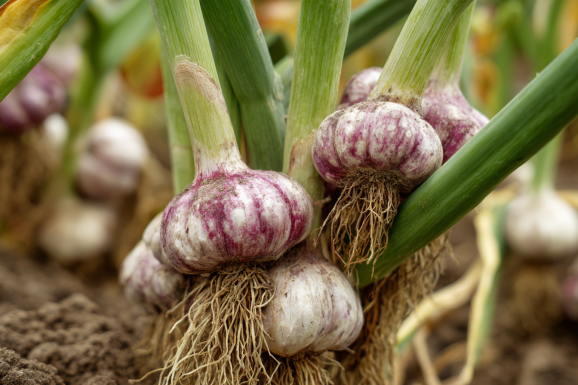
The underground bulb is the prized portion — a compound structure containing 8 to 20 individual bulblets called “cloves,” each wrapped in a papery skin and clustered together within an outer white, purple, or pinkish sheath. When the bulb is damaged — cut, crushed, or chewed — the enzyme alliinase converts the amino acid alliin into allicin, the compound responsible for garlic’s distinctive pungent aroma and many of its therapeutic properties.
If allowed to flower, garlic produces a tall, stiff flowering stalk (scape) topped with a spherical umbel of small white to pinkish flowers. Hardneck varieties produce scapes reliably; softneck varieties rarely flower. The scapes themselves are edible and prized in culinary applications.
Origin
Garlic is native to the mountainous regions of Central Asia — specifically the area spanning from northeastern Iran through Afghanistan, Turkmenistan, Uzbekistan, and into western China (the Tien Shan mountains). Wild garlic populations still exist in this region today. From this origin point, garlic spread along ancient trade routes in every direction — reaching the Mediterranean by 2000 BCE, China and India by similar dates, and eventually every inhabited continent.
Brief History
Garlic’s documented use stretches back at least 6,000 years, making it one of humanity’s oldest cultivated plants. Clay tablets from ancient Sumer (around 2600 BCE) record garlic as a remedy for various ailments. The ancient Egyptians fed garlic to the laborers who built the pyramids to give them strength and endurance — the Greek historian Herodotus recorded that inscriptions on the Great Pyramid documented the amount spent on garlic, onions, and radishes for the workers.
By 1550 BCE, the Ebers Papyrus — one of the oldest surviving medical texts — listed garlic as a treatment for over 20 different conditions. The ancient Greeks and Romans prized garlic for athletic performance and battlefield stamina. Roman soldiers ate garlic before battle; Greek athletes consumed it before competing in the Olympic games. Hippocrates, the “father of Western medicine,” prescribed garlic for a wide range of conditions, establishing it in the Western medical tradition.
Garlic traveled the Silk Road to China, where it became integrated into Traditional Chinese Medicine by at least 2000 BCE. It spread to India and became foundational in Ayurvedic medicine. Throughout the Middle Ages, garlic was believed to ward off plague, and during both World Wars, it was used as an antiseptic for wounds when other supplies ran short. Today, China produces approximately 80% of the world’s garlic supply, and this ancient bulb remains one of the most widely used culinary and medicinal plants on Earth.
Growing & Cultivation
Climate & Zones
Garlic thrives in USDA Hardiness Zones 3 through 8, though it can be grown in warmer zones (9-10) with adapted varieties. It requires a period of cold vernalization (typically 40 days below 40°F/4°C) to trigger bulb formation. In southern climates, choose “low-chill” softneck varieties or pre-chill cloves in the refrigerator for 6-8 weeks before planting.
Soil Requirements
Garlic requires well-draining, loose, fertile soil with a pH between 6.0 and 7.0. Sandy loam is ideal. Heavy clay soils should be amended with compost and coarse organic matter to improve drainage — garlic bulbs will rot in waterlogged conditions. Work in 2-4 inches of aged compost before planting. Garlic is a heavy feeder and benefits from nitrogen-rich amendments in early spring.
Water & Sunlight
Full sun is essential — garlic needs at least 6-8 hours of direct sunlight daily for proper bulb development. Water consistently during active growth (spring), providing about 1 inch per week. Reduce watering as harvest approaches (when leaves begin to yellow) — excess moisture at this stage promotes rot. Good mulching helps retain moisture while keeping weeds at bay.
Propagation
Cloves: Garlic is almost exclusively propagated vegetatively by planting individual cloves. Each clove will produce a new bulb. Plant the largest, healthiest cloves from your best bulbs for the strongest yields. Garlic rarely sets true seed, and seed-grown garlic takes multiple years to produce full bulbs.
Bulbils: Hardneck varieties produce small aerial bulbils in their flower heads. These can be planted but will take 2-3 years to produce full-sized bulbs. However, bulbil propagation helps diversify genetics and “clean up” garlic that may have accumulated viruses over years of clonal propagation.
Planting
Plant garlic in fall, 4-6 weeks before the ground freezes — typically October through November in most northern climates. This allows roots to establish before winter dormancy. Plant cloves 2 inches deep, pointed end up, spaced 4-6 inches apart in rows 12-18 inches apart. Mulch heavily (4-6 inches of straw or leaves) after the ground freezes to protect against frost heaving.
Companion Planting: Garlic makes an excellent companion for roses (deterring aphids), fruit trees, tomatoes, peppers, brassicas, and carrots. Avoid planting near beans, peas, asparagus, or sage — garlic may inhibit their growth.
Harvesting
Harvest garlic when the lower 3-4 leaves have turned brown but 5-6 green leaves remain (usually mid-June to mid-July in most regions). The green leaves represent wrapper layers on the bulb — too few remaining leaves means less protection during storage. Loosen soil with a garden fork before pulling to avoid damaging bulbs. Harvest on a dry day if possible.
For hardneck varieties, harvest the scapes (curling flower stalks) when they form one complete curl — this redirects energy to bulb growth and provides a delicious culinary bonus.
Drying & Storage
Cure garlic for 2-4 weeks in a warm (75-80°F), dry, well-ventilated location out of direct sunlight. Hang in bundles or lay flat on screens. Once cured, trim roots to 1/4 inch and cut stalks to 1-2 inches (or braid softneck varieties). Store in a cool (50-60°F), dry location with good air circulation. Properly cured softneck garlic can last 6-8 months; hardneck varieties typically store 4-6 months.
Pest & Disease Management
Common pests include onion thrips, bulb mites, and nematodes. Rotate garlic with non-allium crops on a 3-4 year cycle. Diseases include white rot (a devastating fungal disease — remove infected plants immediately and avoid planting alliums in that location for 10+ years), downy mildew, and various viruses. Purchase certified disease-free seed garlic from reputable sources.
Natural deterrents include interplanting with strong-scented herbs like chamomile or dill. Neem oil can address some pest issues. Healthy soil with good drainage prevents most fungal problems.
The Healing of Growing
Growing garlic offers benefits beyond the harvest itself. The act of gardening — hands in soil, bare feet on earth, time spent outdoors — has been shown to reduce cortisol, improve mood, and support immune function. The soil contains beneficial bacteria (Mycobacterium vaccae) with documented antidepressant effects. Grounding, or “earthing,” allows electron transfer from the earth that may reduce inflammation. When you grow your own garlic, you receive healing before you ever consume it — through the touch of soil, the rhythm of seasons, and the connection to the Creator’s design.
Nutritional Profile
Macronutrients (per 100g raw garlic)
Calories: 149 kcal
Protein: 6.36 g
Carbohydrates: 33.06 g
Fiber: 2.1 g
Sugars: 1.0 g
Fat: 0.5 g (primarily polyunsaturated)
Vitamins
Vitamin B6 (Pyridoxine): 1.235 mg (95% DV) — Essential for over 100 enzyme reactions in the body, particularly protein metabolism, cognitive development, immune function, and the synthesis of neurotransmitters including serotonin, dopamine, and GABA.
Vitamin C: 31.2 mg (35% DV) — A powerful antioxidant that supports immune function, collagen production, wound healing, and the absorption of iron from plant sources.
Thiamin (B1): 0.2 mg (17% DV) — Critical for energy metabolism and nerve function.
Riboflavin (B2): 0.11 mg (8% DV) — Supports cellular energy production and acts as an antioxidant.
Minerals
Manganese: 1.672 mg (73% DV) — A cofactor for the antioxidant enzyme superoxide dismutase, essential for bone health, wound healing, and metabolism of amino acids, cholesterol, and carbohydrates.
Selenium: 14.2 mcg (26% DV) — A heart-healthy mineral and essential cofactor for antioxidant enzymes (glutathione peroxidase) that protect cells from oxidative damage. Selenium also supports thyroid function.
Copper: 0.299 mg (33% DV) — Important for iron metabolism, nervous system function, and connective tissue formation.
Phosphorus: 153 mg (15% DV) — Essential for bone and teeth formation, energy metabolism, and cell membrane structure.
Calcium: 181 mg (18% DV) — Necessary for bone health, muscle function, nerve transmission, and blood clotting.
Iron: 1.7 mg (9% DV) — Essential for red blood cell formation and oxygen transport throughout the body.
Potassium: 401 mg (9% DV) — Critical for heart rhythm, muscle contractions, nerve signals, and blood pressure regulation.
Phytonutrients & Active Compounds
Garlic’s therapeutic power comes primarily from its unique sulfur-containing compounds:
Allicin (Diallyl Thiosulfinate): The primary bioactive compound, formed when garlic is crushed or chopped. Allicin is responsible for garlic’s pungent odor and many of its antimicrobial, cardiovascular, and anticancer properties. It is highly unstable and breaks down rapidly into other sulfur compounds.
Diallyl Disulfide (DADS): A stable metabolite of allicin with documented anticancer and cardioprotective properties.
Diallyl Trisulfide (DATS): Another allicin derivative with potent antioxidant and antimicrobial activity.
S-Allyl Cysteine (SAC): Found especially in aged garlic extract. Water-soluble, stable, and well-absorbed. Research suggests benefits for cardiovascular and cognitive health.
Ajoene: Formed from allicin, with documented antiplatelet (blood-thinning) and antimicrobial properties.
Flavonoids: Including quercetin, kaempferol, and apigenin — providing additional antioxidant support.
Nutrient Notes
While 100g of garlic is a large amount (roughly 30 cloves), even typical culinary doses (2-3 cloves, ~6-9g) provide meaningful amounts of manganese, vitamin B6, and sulfur compounds. To maximize allicin content, crush or chop garlic and let it sit for 10-15 minutes before cooking — this allows alliinase time to convert alliin to allicin before heat deactivates the enzyme.
The vitamin C in garlic enhances iron absorption. The B6 content supports the body’s production of serotonin and other neurotransmitters. The sulfur compounds may support glutathione production — the body’s master antioxidant.
Culinary Uses
Edible Parts
Bulb (Cloves): The primary edible portion. Used raw, roasted, sautéed, or as a flavoring agent in countless dishes worldwide.
Scapes: The curled flower stalks of hardneck varieties. Milder than bulbs, with a delicate garlic flavor. Excellent sautéed, grilled, in pesto, or added raw to salads.
Leaves (Green Garlic): Young garlic plants harvested before bulb formation. Mild, scallion-like flavor. Used similarly to green onions.
Flowers: The small flowers in the umbel are edible with a mild garlic taste — lovely as a garnish.
Flavor Profile
Raw garlic is pungent, sharp, spicy, and assertive — even a small amount commands attention. It has sulfurous, slightly sweet undertones with lingering heat. When cooked, garlic mellows dramatically: roasted garlic becomes sweet, nutty, caramelized, and spreadably soft. Sautéed garlic (briefly, over medium heat) releases its aroma while maintaining some sharpness. Dried or powdered garlic has a milder, more diffuse flavor.
The intensity depends on how the garlic is processed: crushing releases the most allicin (strongest flavor), slicing releases less, and whole cloves gently cooked release the least. Burning garlic creates an acrid, bitter flavor — always add garlic after oil is heated and cook briefly.
Preparation
To release allicin: Crush, chop, or press garlic and let it rest for 10-15 minutes before cooking. This “10-minute rule” allows maximum allicin formation before heat deactivates the enzyme.
To mellow flavor: Roast whole heads (cut top off, drizzle with olive oil, wrap in foil, bake at 400°F for 40 minutes) until soft and sweet. Blanch peeled cloves briefly in boiling water before using. Confit (slowly cook submerged in olive oil at low temperature).
To preserve raw intensity: Mince or press immediately before adding to dressings, aioli, hummus, or as a finishing element.
Culinary Pairings
Proteins: Chicken, lamb, beef, pork, fish (especially firm white fish), shrimp, tofu
Vegetables: Tomatoes, spinach, kale, broccoli, mushrooms, zucchini, bell peppers, potatoes
Herbs: Parsley, basil, rosemary, thyme, oregano, cilantro
Spices: Ginger, cumin, paprika, black pepper, chili flakes
Fats: Olive oil, butter, sesame oil
Acids: Lemon juice, vinegar, wine, tomatoes
Storage
Whole bulbs: Store in a cool (50-60°F), dry, dark location with good air circulation. Do not refrigerate whole bulbs — moisture promotes sprouting and mold. Properly stored, whole bulbs last 3-6 months.
Peeled cloves: Store in an airtight container in the refrigerator for up to 1 week, or submerge in olive oil (refrigerated) for up to 2 weeks. Note: garlic-in-oil mixtures stored at room temperature can support Clostridium botulinum growth — always refrigerate and use quickly.
Freezing: Peel and freeze whole cloves in freezer bags. Texture softens but flavor remains excellent for cooked applications. Alternatively, freeze minced garlic in ice cube trays with a little olive oil.
Ready to cook with garlic? [View Recipes on Chefts →]
Wellness & Therapeutic Uses
Traditional Uses
Garlic stands among the most universally used medicinal plants in human history — one of the only herbs incorporated into all three major traditional healing systems: Traditional Chinese Medicine (TCM), Ayurveda, and Traditional European Medicine.
Traditional Chinese Medicine: Known as Da Suan, garlic has been documented in Chinese medicine since at least 2000 BCE. According to legend, the Yellow Emperor (Huang-ti) used garlic as an antidote after being poisoned. TCM considers garlic warm in nature, with actions that kill parasites, relieve toxicity, move qi and blood, warm the body, reduce clotting, and cleanse the blood. It was traditionally used to support the spleen, kidney, and stomach meridians; to prevent influenza and colds; and to address food poisoning, particularly from shellfish.
Ayurveda: Called Lasuna or Rasona in Sanskrit, garlic has been used in Indian medicine for over 3,000 years. The Charaka Samhita and other ancient texts document its use for heart health, joint support, respiratory conditions, and as a rejuvenating tonic. Ayurveda considers garlic pungent and heating, excellent for balancing Kapha and Vata doshas. It is said to cleanse “ama” (toxins) from the blood and lymph and has long been used as an antiparasitic agent.
Ancient Egyptian Medicine: The Ebers Papyrus (circa 1550 BCE) lists garlic in over 20 remedies for conditions including heart problems, headaches, tumors, and weakness. Egyptian laborers received daily garlic rations to maintain strength and health.
Greek and Roman Medicine: Hippocrates prescribed garlic for respiratory issues, poor digestion, and infections. Dioscorides’ De Materia Medica documented its use for clearing arteries and treating intestinal disorders. Roman soldiers consumed garlic before battle for strength and courage.
European Folk Medicine: Throughout the Middle Ages and beyond, garlic was used against plague, infections, and digestive complaints. During World War I and II, garlic was used as an antiseptic when other supplies were scarce, earning it the nickname “Russian penicillin.”
Modern Research
Cardiovascular Support: Multiple meta-analyses of randomized controlled trials indicate that garlic supplementation may support healthy blood pressure. A 2024 meta-analysis of 19 trials found that aged garlic extract consumption was associated with a reduction in systolic blood pressure (WMD: −2.49 mmHg) and LDL cholesterol (WMD: −4.41 mg/dL). A comprehensive review published in the Journal of Nutrition found garlic may help reduce blood pressure by approximately 5.1 mmHg systolic in hypertensive individuals. Research suggests mechanisms include nitric oxide production, improved endothelial function, and effects on angiotensin pathways.
Antimicrobial Properties: Allicin has been shown in laboratory studies to exhibit activity against a wide range of bacteria, fungi, and viruses. Research published in Frontiers in Pharmacology (2025) documented allicin’s effects against Staphylococcus, Streptococcus, and various fungal species including Candida and Cryptococcus. Studies suggest garlic may support the body’s natural defenses against common infections.
Immune Function: Research indicates garlic may stimulate various immune cells including macrophages, natural killer cells, and lymphocytes. A 2016 review in the Journal of Nutrition noted that garlic has immunomodulating effects that may help support immune response.
Antioxidant Activity: Garlic’s sulfur compounds demonstrate significant free radical scavenging ability. S-allyl cysteine (particularly abundant in aged garlic extract) has been studied for its role in supporting the body’s antioxidant defenses, potentially through effects on the Nrf2 pathway.
Cognitive Support: Emerging research suggests garlic compounds may support cognitive function. A 2022 review explored the potential of allicin and aged garlic extract in supporting brain health, noting antioxidant and anti-inflammatory mechanisms that may be relevant to cognitive aging.
Body Systems Supported
Cardiovascular System: Research suggests garlic may support healthy blood pressure, cholesterol levels, blood vessel function, and circulation.
Immune System: Traditional and modern use centers on garlic’s role in supporting natural immune defenses against infections.
Digestive System: Historically used for digestive complaints, parasites, and to support gut health. Emerging research explores prebiotic effects of garlic compounds on beneficial gut bacteria.
Respiratory System: Traditional use for coughs, colds, bronchitis, and congestion. Garlic’s antimicrobial and expectorant properties have been valued across cultures.
Integumentary System (Skin): Antimicrobial properties applied topically for certain skin conditions (with appropriate dilution and caution).
Body Compounds Affected
Research suggests garlic may influence several body compounds:
- Nitric Oxide: Garlic compounds may increase nitric oxide production, which relaxes blood vessels and supports healthy circulation.
- Glutathione: Garlic’s sulfur compounds may support the body’s production of glutathione, the “master antioxidant.”
- Inflammatory Markers: Studies suggest allicin may help modulate inflammatory cytokines including TNF-α and IL-6.
- Cortisol: Some research suggests adaptogenic effects that may support healthy stress response.
Methods of Use
Raw Garlic
Consuming 1-2 cloves of raw garlic daily is a traditional approach. Crush or chop and let sit 10-15 minutes before consuming to maximize allicin formation. Can be added to honey, olive oil, or food to reduce intensity. Some people experience digestive upset with raw garlic.
Cooked Garlic
Cooking reduces allicin but retains other beneficial compounds. Liberal culinary use provides cumulative benefits. Roasted garlic is well-tolerated by most people.
Aged Garlic Extract
Garlic aged for 10-20 months in aqueous ethanol develops stable compounds (particularly S-allyl cysteine) that are well-absorbed and gentle on the stomach. This form has the most clinical research supporting cardiovascular benefits. Typical study doses range from 600-1200 mg daily.
Garlic Powder/Capsules
Dried garlic powder capsules offer a convenient option. Quality varies significantly — look for products standardized for allicin potential or alliin content. Enteric-coated products may improve absorption.
Garlic Oil
Steam-distilled garlic oil concentrates volatile sulfur compounds. Used in small amounts as a flavoring or diluted for topical applications.
Honey Fermented Garlic
A traditional preparation where peeled garlic cloves are fermented in raw honey for several weeks. The honey draws out moisture, the garlic mellows, and both ingredients gain probiotic benefits. One clove daily is a common folk remedy during cold season.
Cosmetic & Beauty Uses
Skin Benefits
Garlic’s antimicrobial and anti-inflammatory properties have led to its traditional use for various skin concerns:
Acne: Allicin’s antibacterial activity may help address Propionibacterium acnes bacteria. Crushed garlic applied carefully as a spot treatment has been used traditionally. However, raw garlic can cause contact dermatitis — always dilute and test on a small area first.
Fungal Skin Conditions: Garlic’s antifungal properties have been studied for conditions like athlete’s foot and ringworm. Diluted garlic preparations or garlic-infused oils have been used traditionally.
Wound Healing: Historically used as an antiseptic for minor wounds and cuts — the “Russian penicillin” of the World Wars. Modern research continues to explore allicin’s wound-healing potential.
Note: Raw garlic applied directly to skin can cause burns and irritation. Always dilute appropriately, test on a small area, and avoid leaving on skin for extended periods.
Hair Benefits
Hair Loss Support: Some research has explored garlic’s potential for supporting hair growth. A small 2007 study suggested that garlic gel applied topically may support the effectiveness of certain hair loss treatments. The mechanism may relate to improved circulation to the scalp and antimicrobial effects.
Scalp Health: Garlic’s antifungal properties may help address dandruff caused by fungal overgrowth. Garlic-infused oils have been traditionally used for scalp massage.
Hair Strength: Sulfur is essential for keratin production — garlic’s sulfur content may support healthy hair structure when consumed as food.
Application Methods
Garlic-Infused Oil: Gently warm olive or coconut oil with crushed garlic (do not boil). Strain after 24-48 hours. Use for scalp massage. Always refrigerate garlic-oil mixtures and use within 1-2 weeks.
Diluted Spot Treatment: Mix one drop of garlic juice with several drops of carrier oil or aloe vera for occasional spot application. Do not use undiluted.
Hair Rinse: Add garlic-infused water (steeped garlic strained out) to the final rinse. Follow with regular conditioner to address odor.
DIY Formulation Notes
Caution: Garlic is potent and can irritate skin. Never apply undiluted. Use at concentrations below 1% in leave-on products. Garlic odor is significant — consider for wash-off products only. Homemade garlic preparations have short shelf lives — make small batches, refrigerate, and use within 1-2 weeks to prevent bacterial growth.
Garlic is among the botanicals being explored for holistic cosmetic applications, where the wisdom of traditional beauty practices meets modern understanding of skin science.
Essential Oil Profile
Extraction
Garlic essential oil is produced primarily through steam distillation of crushed garlic bulbs. The oil yield is quite low — approximately 0.1-0.2% of the bulb weight — which contributes to its relatively high cost. Alternative extraction methods include cold pressing and CO2 extraction, though steam distillation remains most common for aromatherapeutic applications.
Plant Part Used: Fresh bulbs (cloves), crushed immediately before distillation to release allicin.
Chemical Constituents
Garlic essential oil is dominated by sulfur compounds, which account for its distinctive pungent aroma and many of its properties:
Diallyl Disulfide (DADS): 20-50% — Primary constituent with documented antioxidant, antimicrobial, and cardiovascular properties.
Diallyl Trisulfide (DATS): 15-40% — Strong antimicrobial and antioxidant activity; studied for potential cellular protective effects.
Allyl Methyl Trisulfide: 5-15% — Contributes to antimicrobial spectrum.
Diallyl Sulfide: 5-10% — The smallest of the polysulfides, with demonstrated effects on detoxification enzymes.
Ajoene: Formed from allicin decomposition; antiplatelet and antifungal properties.
Note: Allicin itself is not present in distilled garlic oil — it is too unstable to survive the distillation process. The therapeutic properties of garlic oil come from allicin’s breakdown products.
Aroma Profile
Classification: Top note (highly volatile)
Scent Description: Intensely pungent, sulfurous, sharp, and unmistakably “garlic.” The aroma is powerful and assertive — a little goes a very long way. Some describe underlying green or herbaceous notes beneath the dominant sulfur.
Intensity: Extremely strong — one of the most potent essential oils in terms of aroma.
Blending: Garlic oil is rarely used in traditional aromatherapy blending due to its overpowering scent. When used therapeutically, it is typically employed in capsules or topical preparations (highly diluted) rather than diffused.
Therapeutic Properties
Using compliant language, garlic essential oil has been traditionally and scientifically associated with:
- Antimicrobial: Broad-spectrum activity against bacteria, fungi, and some viruses
- Antifungal: Particularly noted for activity against Candida species
- Insect Repellent: Used in natural pest control formulations
- Cardiovascular Support: The sulfur compounds may support healthy circulation
- Warming: Creates a sensation of warmth when applied (diluted) topically
How to Use
Diffusion
Garlic essential oil is not typically recommended for diffusion due to its extremely strong, pungent odor that most find unpleasant in living spaces. If used, start with only 1 drop combined with stronger aromatic oils.
Topical Application
Dilution Required: Garlic essential oil is a potent dermal sensitizer and must always be heavily diluted before skin application.
- Standard adult dilution: 0.5-1% maximum (approximately 3-6 drops per ounce of carrier oil)
- Sensitive individuals: 0.25% or avoid entirely
- Children: Not recommended for topical use on children
Carrier Oils: Olive oil, coconut oil, or jojoba oil work well. Always perform a patch test. Avoid applying to sensitive areas, mucous membranes, or broken skin.
Internal Use
Some traditions use garlic oil internally in small amounts (enteric-coated capsules). This should only be done under guidance from a qualified healthcare practitioner. The essential oil is not the same as culinary garlic — it is highly concentrated.
Quality & Sourcing
When purchasing garlic essential oil, look for:
- 100% pure, therapeutic-grade oil
- GC/MS (Gas Chromatography/Mass Spectrometry) testing available
- Proper botanical name (Allium sativum) on label
- Country of origin listed (China, India, and Spain are major producers)
- Dark glass packaging to protect from light degradation
Adulteration concerns include dilution with vegetable oils or synthetic sulfur compounds. Purchase from reputable suppliers who provide testing documentation.
Blending
Due to its intense aroma, garlic essential oil does not blend well for pleasant aromatic purposes. For therapeutic preparations where garlic’s properties are desired, consider:
- Encapsulation (internal use, with practitioner guidance)
- Heavily masked topical blends with strong essential oils like oregano, thyme, or tea tree
- Pest control formulations where aroma is not a concern
Aromatherapy & Scent
The Aroma
Fresh Plant Aroma: Intact garlic bulbs have little to no scent. The characteristic garlic aroma emerges only when the bulb is damaged — cut, crushed, or chewed. This releases the enzyme alliinase, which rapidly converts the amino acid alliin into allicin, the source of garlic’s pungent sulfurous smell. The scent intensifies immediately after crushing, peaks within a few minutes, and gradually fades as allicin degrades into other sulfur compounds.
Garlic’s aroma is strongest when freshly crushed, particularly at room temperature. The scent is present whether handled indoors or outdoors, day or night — but heat from cooking volatilizes the compounds quickly, filling a kitchen with its unmistakable fragrance.
Dried Plant Aroma: Dried garlic retains its characteristic scent but with reduced intensity. Garlic powder has a milder, more diffuse aroma than fresh. Dried garlic flakes fall between the two. The sulfur compounds remain present but are less volatile in dried form. Properly stored dried garlic retains its scent for 6-12 months.
How Scent Affects Your Body
When you smell garlic, volatile molecules containing sulfur compounds enter your nose and contact the olfactory epithelium — a small patch of tissue high in the nasal cavity containing millions of olfactory receptor neurons. These neurons detect the molecules and send electrical signals directly to the brain’s limbic system and hypothalamus — the regions governing emotion, memory, and hormonal response.
This olfactory pathway is remarkably direct. Unlike other senses that route through the thalamus, smell has unfiltered access to emotional and regulatory centers. This means the scent of garlic can trigger responses — comfort, hunger, memory — before conscious thought processes occur. For many people, the smell of garlic cooking triggers pleasant associations with home, family meals, and comfort food.
Emotional & Mood Effects
Garlic’s aroma is not typically associated with aromatherapy in the relaxation sense — its pungent intensity places it in a different category from lavender or chamomile. However, the scent carries significant psychological effects:
- Appetite Stimulation: The smell of garlic cooking is one of the most powerful appetite triggers. It signals “food is ready” and can increase salivation and gastric secretions in preparation for eating.
- Comfort and Nostalgia: For many cultures, the scent of garlic cooking evokes home, family gatherings, and cultural identity. This emotional connection can provide psychological comfort.
- Alertness: The pungent sharpness of fresh garlic can have a stimulating, awakening effect — similar to smelling salts in its ability to command attention.
- Confidence: Traditional associations link garlic’s strong scent with protection and warding off harm, potentially providing a psychological sense of safety.
Body Compounds Affected
While research specifically on garlic aromatherapy is limited (it is not a typical aromatherapy oil), the scent of food preparation including garlic has been shown to:
- Increase salivation and gastric secretions (preparing the body for digestion)
- Potentially stimulate ghrelin (the hunger hormone) production
- Activate memory centers when the scent triggers nostalgic associations
Consuming garlic affects compounds including serotonin precursors (through B6 content), nitric oxide (through sulfur compounds), and potentially cortisol (through adaptogenic effects), but these are related to ingestion rather than scent alone.
Ways to Experience the Scent
Beyond essential oil diffusion (which is rarely pleasant with garlic), ways to experience garlic’s aroma include:
- Cooking: The most common and enjoyable way to experience garlic’s aroma — sautéing in olive oil, roasting whole heads, adding to simmering soups and sauces
- Growing garlic: Brushing against garlic plants in the garden releases mild scent from the leaves
- Fresh preparation: Crushing or mincing garlic releases its full aromatic power
- Garlic braids: Decorative garlic braids hung in the kitchen release gentle ambient aroma
- Fermented garlic: Black garlic (fermented at controlled temperatures) has a completely different aroma — sweet, molasses-like, umami — demonstrating how processing transforms the scent
Color Therapy
The Colors of Garlic
Bulb: The outer wrapper and individual clove skins range from papery white to pinkish-purple to deep purple-red, depending on variety. The flesh of the cloves is creamy white to pale yellow.
Leaves: Blue-green to gray-green, flat and linear, growing to 1-2 feet in length.
Scapes: Pale green, curling gracefully before flower development.
Flowers: Small, star-shaped, ranging from white to pale pink in globular clusters (umbels).
Color Wavelengths
White (bulb flesh, outer wrappers): Full spectrum — white reflects all visible wavelengths approximately equally.
Green (leaves, scapes): Approximately 495-570nm — the central portion of the visible spectrum.
Purple/Pink (some variety wrappers): Approximately 380-450nm (violet) mixed with longer red wavelengths for pink hues.
How Garlic’s Colors Affect the Body
White: In color therapy, white is associated with purification, clarity, and cleansing. It reflects all colors and is considered neutral and balancing. The white of garlic bulbs may visually suggest purity and the cleansing properties garlic is known for.
Green: Green wavelengths (the color of garlic’s growing foliage) are associated with balance, calm, heart-centeredness, and connection to nature. Green is the most abundant color in nature and has been shown to have calming effects on the nervous system. Growing garlic — tending the green plants — provides exposure to this balancing wavelength.
Purple/Pink (Variety-Dependent): Purple wavelengths are associated with calm, meditation, and nervous system support. Purple and pink-skinned garlic varieties add visual interest and these color associations to the kitchen and garden.
Body Compounds Affected
Exposure to green environments (including garlic plants growing in a garden) has been associated with reduced cortisol levels and increased feelings of calm and restoration. The “green prescription” of nature exposure leverages these wavelength effects.
Using Garlic for Color Therapy
While garlic is not typically considered a color therapy plant (its colors are subtle compared to bright flowers), incorporating garlic into your environment provides:
- Garden presence: The blue-green foliage adds to the overall green of a garden space, contributing to the documented calming effects of being in green environments.
- Kitchen décor: Garlic braids and decorative hanging garlic add natural whites, creams, and (with certain varieties) purples to kitchen spaces.
- Visual interest when eating: Purple-skinned varieties add color to the plate, encouraging “eating the rainbow” — diverse phytonutrient intake.
Frequency & Vibration
The Frequency of Garlic
According to biofrequency research pioneered by Bruce Tainio in the 1990s, essential oils and plants vibrate at measurable frequencies. While specific published frequency measurements for garlic essential oil are limited compared to more commonly studied oils, garlic is generally considered a moderate-frequency plant in this framework.
For reference, reported frequencies of essential oils range from approximately 52 MHz (basil) to 320 MHz (rose). Herbs in garlic’s botanical neighborhood (alliums, sulfur-rich plants) are not typically among the highest-frequency plants but carry substantial energetic vitality according to this model.
Human body frequencies for comparison:
- Healthy human body: 62-78 MHz
- Cold/flu onset: 58 MHz
- Disease processes: Below 58 MHz
Human Frequency Interaction
Proponents of vibrational medicine suggest that consuming or being near high-frequency plants may help support the body’s own frequency. The principle of “entrainment” proposes that a stronger, more coherent frequency influences a weaker one.
While garlic may not rank among the highest-frequency essential oils, its historical reputation as a protective, strengthening plant suggests a robust energetic presence. Traditional uses for garlic — protecting travelers, warding off illness, providing strength to workers and soldiers — align with the concept of a plant that supports and fortifies.
Vibrational Applications
Incorporating garlic for vibrational support might include:
- Consuming fresh garlic (believed to retain more vital energy than processed forms)
- Growing garlic in your garden (living plants have active life energy)
- Combining garlic with higher-frequency practices (time in nature, prayer, meditation) to support overall well-being
Important Note: Frequency measurements of plants and essential oils remain an area where research is emerging. The vibrational perspective offers one lens for understanding garlic’s traditional role as a protective, strengthening plant, complementing the biochemical understanding provided by modern science.
The Living Plant
Benefits of Presence
Growing garlic offers benefits beyond the eventual harvest. Simply having living garlic plants in your garden contributes to the documented health benefits of nature exposure, gardening, and time outdoors. Research on forest bathing (shinrin-yoku), biophilic design, and horticultural therapy consistently demonstrates that being around plants supports physical and mental health.
Air Purification
Garlic is not among the plants in NASA’s Clean Air Study specifically tested for indoor air purification. As a bulb crop typically grown outdoors, it is not commonly considered a houseplant. However, as part of a diverse garden ecosystem, garlic contributes to the overall air quality benefits of green spaces — plants collectively produce oxygen, absorb carbon dioxide, and create healthier outdoor environments.
Phytoncides: When garlic plants are disturbed (brushing against leaves, harvesting), they release volatile sulfur compounds — their version of phytoncides, the antimicrobial chemicals plants emit. While these don’t have the pleasant forest-bath quality of conifer phytoncides, they contribute to garlic’s pest-repellent properties in the garden.
Visual & Psychological Benefits
Research consistently shows that viewing plants reduces stress and improves mood. The visual presence of garlic plants in a garden — their orderly rows of blue-green foliage, the elegant curl of hardneck scapes, the satisfaction of watching bulbs mature — provides these benefits:
- Attention Restoration: Gardening allows “soft fascination,” a state of effortless attention that restores mental fatigue.
- Sense of Accomplishment: Watching garlic grow from planted cloves to harvest-ready bulbs over several months provides tangible evidence of successful nurturing.
- Connection to Seasons: Garlic’s long growing cycle (planted in fall, harvested in summer) connects gardeners to the rhythm of the year.
- Food Security: Growing your own garlic provides psychological comfort — knowing you can provide for yourself and family.
Growing Indoors vs Outdoors
Outdoors: Garlic thrives outdoors and is best grown in garden beds or raised beds where it can experience natural cold periods, full sun, and normal soil conditions. The outdoor growing experience provides maximum nature-connection benefits.
Indoors: While full bulb production is difficult indoors (garlic needs cold vernalization), you can grow garlic indoors for greens. Planted cloves on a sunny windowsill produce tender green shoots within weeks — usable like scallions. This provides a way to engage with garlic as a living plant year-round, even in apartments, and offers fresh garlic greens through winter.
Touch & Physical Interaction
Gardening Therapy
Horticultural therapy is an established therapeutic practice, and growing garlic offers many of its benefits. The physical acts of planting cloves, mulching beds, weeding, harvesting, and braiding garlic engage the body and mind in ways that support well-being. The repetitive, rhythmic nature of these tasks can induce a meditative state similar to that achieved through other mindfulness practices.
Soil Contact Benefits
Working with garlic means working with soil — and soil contact provides its own healing benefits:
Grounding/Earthing: Gardening barefoot or with hands in soil allows electron transfer from the earth, which some research suggests may reduce inflammation and support the body’s electrical equilibrium.
Mycobacterium vaccae: This beneficial soil bacterium has been shown in research to have antidepressant-like effects. A 2007 study demonstrated that exposure to M. vaccae activated serotonin-releasing neurons in mice. Gardeners have long known that working in soil improves mood — science is catching up.
Microbiome Diversity: Exposure to diverse soil microbes may support immune function and the gut-brain axis. Modern sterile environments may contribute to immune dysregulation; gardening restores some of our ancestral microbial exposure.
The Tactile Experience
Planting: Separating a garlic bulb into individual cloves, feeling the papery skins, pressing each clove pointy-end-up into prepared soil — this sequence engages fine motor skills and provides varied textures: the smooth hardness of cloves, the crumble of good soil.
Harvesting: Loosening soil with a fork, grasping the dried stalk, pulling until the earth releases the bulb — there’s a primal satisfaction in this unearthing. The bulbs emerge white and fresh, often still cool from the soil.
Processing: Trimming roots, brushing off soil, braiding softneck varieties, bundling hardnecks for curing — these tasks occupy hands and quiet minds. The rustle of dried stalks, the weight of bulbs, the visual transformation from garden-dirty to kitchen-ready provides sensory richness.
Harvesting & Processing as Therapy
The garlic harvest represents a culmination — months of care come together in a day of gathering. This completion provides psychological satisfaction distinct from daily tasks. The physicality of harvest (bending, pulling, carrying) provides exercise. The repetitive acts of cleaning and curing offer meditative focus. And the tangible result — braids of garlic hanging in the kitchen — provides ongoing visual reminder of accomplishment and provision.
Water-Based Applications
Teas & Infusions
Garlic Tea (Decoction): While not as pleasant as many herbal teas, garlic tea is a traditional remedy for colds and respiratory concerns.
Method: Crush 2-3 cloves of garlic and let sit 10 minutes (to allow allicin formation). Add to 2 cups of water, bring to a simmer, and simmer gently for 10-15 minutes. Strain. Add honey and lemon to improve palatability.
Traditional uses: Consumed at first sign of cold; for sore throats; as a warming digestive aid.
Note: Hot water does degrade allicin, but other sulfur compounds remain, and the warmth itself is soothing for respiratory issues. The honey-lemon-garlic combination is a time-honored cold remedy.
Herbal Baths
Garlic Foot Bath: Traditionally used for fungal foot conditions. Crush several garlic cloves, add to warm water, and soak feet for 15-30 minutes. The antifungal properties of allicin may help address athlete’s foot.
Full Body Garlic Bath: Not common due to the strong odor, but some traditions use very dilute garlic water for its antimicrobial effects. If attempting, use minimally — the smell will permeate skin and bathroom.
Compresses
Warm Garlic Compress: Make a strong garlic infusion (simmer crushed garlic in water, strain). Soak a clean cloth in the warm liquid and apply to areas of concern. Traditionally used for chest congestion (applied to chest), or for localized skin concerns. Do not apply directly to open wounds; always test temperature before applying. Discontinue if irritation occurs.
Steam Inhalation
Garlic Steam: Add crushed garlic to a bowl of steaming (not boiling) water. Drape a towel over head and bowl, close eyes, and breathe deeply for 5-10 minutes. Traditionally used for sinus congestion, colds, and respiratory support.
Caution: Keep eyes closed — garlic’s volatile compounds can irritate eyes. Do not use with children unsupervised. Discontinue if irritation occurs.
Hair Rinses
Garlic Hair Rinse: Make a garlic infusion (simmer garlic in water, strain, cool). Use as a final rinse after shampooing. Some traditional practices suggest this supports scalp health and may help with dandruff. Follow with regular conditioner to help address the garlic scent.
Garlic Water for Plants
A bonus application: garlic water can be used in the garden as a natural pest deterrent. Steep crushed garlic in water overnight, strain, and spray on plants to discourage aphids and other soft-bodied pests. This connects garlic’s antimicrobial properties to garden care.
Historical, Cultural & Biblical Significance
Biblical References
Garlic is mentioned directly in Scripture:
“We remember the fish, which we did eat in Egypt freely; the cucumbers, and the melons, and the leeks, and the onions, and the garlick:”
— Numbers 11:5 (KJV)
This passage records the Israelites complaining during their wilderness journey, longing for the foods they had eaten in Egypt. The inclusion of garlic among the foods they remembered — alongside fish, cucumbers, melons, leeks, and onions — tells us several things: garlic was a common food in ancient Egypt; the Israelites consumed it regularly during their time there; and it was memorable enough to be specifically named when they longed for their former diet.
The context reminds us that garlic, like all good gifts, can become an idol when we desire it more than we trust the Provider. The Israelites had manna — supernatural provision — yet complained for the foods of their bondage. Still, the mention confirms garlic’s place in the ancient world and God’s people’s familiarity with it.
Ancient Civilizations
Ancient Egypt (before 3000 BCE): The Ebers Papyrus, dating to approximately 1550 BCE, lists garlic in over 20 medicinal preparations for conditions including heart problems, tumors, and parasites. Egyptian laborers received daily garlic rations — Herodotus recorded that inscriptions on the Great Pyramid documented the cost of onions, garlic, and radishes provided to the builders. Garlic bulbs have been found in Egyptian tombs, including the tomb of Tutankhamun. The Egyptians called garlic a “plant of immortality” and used it in sacred rituals and mummification.
Ancient Greece: Hippocrates (460-370 BCE), the “father of Western medicine,” prescribed garlic for respiratory problems, parasites, poor digestion, and fatigue. Greek athletes ate garlic before competition for enhanced performance. Dioscorides (40-90 CE) documented garlic’s use for clearing arteries in his foundational work De Materia Medica.
Ancient Rome: Roman soldiers consumed garlic before battle for strength and courage. Pliny the Elder (23-79 CE) recorded numerous garlic remedies in his Natural History. Roman legions spread garlic cultivation throughout their empire, introducing it to northern Europe and the British Isles.
Hebrew/Jewish Tradition: Beyond the Numbers 11:5 reference, the Talmud documents garlic as one of the foods eaten on Friday evenings (Shabbat eve). Jewish tradition associated garlic with fertility, strength, and satisfaction. Garlic was nicknamed “the bride’s food” and “poor man’s treacle” (medicine).
Eastern Traditions
Traditional Chinese Medicine (TCM): Garlic (Da Suan) has been documented in Chinese medicine since at least 2000 BCE. The legendary Yellow Emperor (Huang-ti) reportedly used garlic as an antidote after being poisoned. TCM classifies garlic as warm in nature, entering the spleen, stomach, and lung channels. Traditional uses include killing parasites, relieving toxicity, warming the middle, moving qi and blood, and preventing infectious diseases. The Pentsao (classical materia medica) forbade garlic consumption for Buddhist priests due to its strong, stimulating nature.
Ayurveda (India): Garlic (Lasuna or Rasona) has been used in Indian medicine for over 3,000 years. The Charaka Samhita (an ancient Ayurvedic text, circa 300 BCE) praises garlic for heart health and longevity. Ayurveda considers garlic pungent and heating, useful for balancing Kapha and Vata doshas. It is said to cleanse ama (toxins) from the blood and lymph. Interestingly, some Hindu, Buddhist, and Jain traditions avoid garlic because it is considered rajasic (stimulating passions) — a reminder that garlic’s powerful nature was recognized across cultures.
Indigenous Knowledge
Native American Use: While garlic (Allium sativum) is not native to the Americas, related wild alliums (wild onions, wild garlic, ramps) were used by numerous tribes for food and medicine. When cultivated garlic arrived via European contact, many tribes adopted it quickly, recognizing similar properties to plants they already used. Uses included respiratory support, digestive aid, and wound treatment.
African Traditional Medicine: Garlic arrived in Africa around the 1st century CE and became integral to local medicinal practices. Traditional uses focused on respiratory infections, digestive parasites, and general immune support. Many African healing traditions continue to incorporate garlic today.
European Heritage
Medieval Period: European monastery gardens cultivated garlic as a medicinal herb. During plague outbreaks, garlic was believed to ward off disease — grave robbers reportedly used garlic-soaked masks (the origin of the “four thieves vinegar” legend). The belief that garlic repelled vampires and evil spirits may stem from its genuine antimicrobial properties and strong protective reputation.
World Wars: When antibiotic supplies were limited, garlic was used as an antiseptic for wounds in World War I and World War II. Russian physicians used it so extensively it earned the nickname “Russian penicillin.” This wartime use demonstrated garlic’s genuine antimicrobial properties in desperate circumstances.
Cultural Symbolism
Across cultures, garlic has symbolized protection, strength, health, and the warding off of evil or disease. These symbolic meanings were rooted in observable effects — garlic’s genuine ability to support health and fight infection. While we exclude any occult associations with garlic, we can understand that its protective reputation arose from generations observing its genuine benefits. The Creator provided a plant with visible, testable, beneficial effects — and cultures worldwide observed His design at work.
Safety & Precautions
Contraindications
Garlic is generally considered safe for most adults when consumed in typical food amounts. Higher supplemental doses require more caution. Avoid therapeutic doses of garlic supplements if you:
- Are scheduled for surgery (discontinue garlic supplements 2 weeks prior due to bleeding risk)
- Have a bleeding disorder
- Are experiencing active bleeding
- Have low blood pressure (garlic may lower it further)
Drug Interactions
Blood Thinners: Garlic has antiplatelet effects and may enhance the effects of anticoagulant medications including warfarin (Coumadin), aspirin, clopidogrel (Plavix), heparin, and direct oral anticoagulants (DOACs). This may increase bleeding risk. While research suggests aged garlic extract may be relatively safe in monitored patients on warfarin, always consult your healthcare provider before combining garlic supplements with blood thinners.
Blood Pressure Medications: Garlic may add to the blood pressure-lowering effects of antihypertensive medications, potentially causing blood pressure to drop too low (hypotension).
Diabetes Medications: Garlic may lower blood sugar levels. Combined with diabetes medications, this could increase risk of hypoglycemia (low blood sugar). Monitor blood sugar closely.
HIV Medications: Garlic supplements have been shown to reduce blood levels of saquinavir and potentially other protease inhibitors. This may reduce medication effectiveness. Avoid high-dose garlic supplements with HIV medications.
Medications Metabolized by Cytochrome P450: Garlic may affect liver enzymes that metabolize many medications. If you take medications processed by the liver, consult your healthcare provider.
Other: Garlic may interact with tacrolimus (increasing levels) and isoniazid (decreasing levels). Always inform healthcare providers of garlic supplement use.
Pregnancy & Nursing
Food Amounts: Garlic consumed as a normal part of the diet is generally considered safe during pregnancy and breastfeeding.
Supplemental Doses: High-dose garlic supplements are not recommended during pregnancy due to potential blood-thinning effects. Garlic flavor can transfer to breast milk and may affect infant feeding in some cases. Consult with a qualified healthcare provider before taking garlic supplements during pregnancy or breastfeeding.
Children
Food Amounts: Garlic in normal culinary amounts is safe for children old enough to eat solid foods.
Supplements: High-dose garlic supplements are not recommended for young children. If considering garlic supplements for children, consult a pediatric healthcare provider.
Topical: Raw garlic applied to children’s skin can cause burns. Avoid topical application of raw garlic on children.
Elderly
Older adults may be more sensitive to garlic’s blood pressure-lowering and blood-thinning effects. Start with lower supplemental doses. Monitor for dizziness (from blood pressure changes) and unusual bruising or bleeding. Many elderly individuals take multiple medications — drug interaction considerations are especially important.
Pets
⚠️ CRITICAL WARNING: Garlic is TOXIC to dogs, cats, and horses.
Dogs: TOXIC — Garlic contains N-propyl disulfide and thiosulfate compounds that damage red blood cells in dogs, causing hemolytic anemia (Heinz body anemia). Garlic is approximately 5 times more toxic to dogs than onions. Toxic dose is approximately >0.5% of body weight. Signs may be delayed up to a week after ingestion. Symptoms include vomiting, diarrhea, lethargy, weakness, pale gums, rapid heart rate, and collapse.
Cats: TOXIC — Cats are MORE sensitive than dogs to allium toxicity. Even small amounts can be dangerous. Signs are similar to dogs. Keep all garlic away from cats.
Horses: TOXIC — Horses are sensitive to allium toxicity. Avoid garlic exposure.
If your pet has ingested garlic: Contact your veterinarian or the ASPCA Animal Poison Control Center at (888) 426-4435 immediately. Do not wait for symptoms to appear.
Allergies & Sensitivities
True garlic allergy is rare but documented. Symptoms can include skin rashes, breathing difficulties, and in severe cases, anaphylaxis. More common is contact dermatitis from handling raw garlic, especially with repeated or prolonged exposure. Some individuals experience digestive upset (heartburn, stomach pain, gas, diarrhea) from garlic — this may be sensitivity rather than allergy.
Cross-Reactivity: People allergic to other alliums (onion, leeks, chives) may also react to garlic. People with mugwort or birch pollen allergies may have increased sensitivity.
Proper Dosing Guidelines
Fresh Garlic: 1-2 cloves per day is a common recommendation for wellness support.
Aged Garlic Extract: Clinical studies have used 600-1200 mg daily. Follow product-specific dosing instructions.
Garlic Powder: Approximately 400-1200 mg standardized powder daily.
Duration: Garlic supplements are generally used for periods of weeks to months. Long-term supplementation should be monitored by a healthcare provider.
Signs of Excessive Intake: Strong body odor, garlic breath, digestive upset, heartburn, nausea, body heat/flushing.
Quality & Sourcing Concerns
Garlic supplement quality varies significantly. Look for products that specify allicin potential (the amount of allicin that can be produced) or are standardized for alliin or S-allyl cysteine content. Third-party testing (USP, NSF, ConsumerLab) provides quality assurance. Be aware that imported garlic (particularly from some sources) may have been treated with chemicals or may contain higher heavy metal levels. For fresh garlic, organic certification or known local sources provide quality assurance.
Signs of Adverse Reaction
Mild: Digestive discomfort, heartburn, garlic breath, body odor
Moderate: Skin rash, nausea, vomiting, dizziness
Severe (seek medical attention): Difficulty breathing, facial swelling, severe rash, signs of bleeding (unusual bruising, blood in stool or urine, prolonged bleeding from cuts)
Disclaimer
This information is for educational purposes only. It is not intended to diagnose, treat, cure, or prevent any disease. Always consult with a qualified healthcare provider before using any herbal product, especially if you are pregnant, nursing, taking medications, or have a medical condition. If you experience any adverse reaction, discontinue use immediately and seek medical attention.
Want Personalized Guidance?
Every body is unique. What works for one person may not be right for another. If you’d like personalized support in incorporating garlic into your wellness journey, consider working with a qualified practitioner who can assess your individual needs, review your medications and health history, and create a customized approach.
Sources & References
Peer-Reviewed Studies
- Garlic bioactive substances and their therapeutic applications for improving human health: a comprehensive review — Frontiers in Immunology, 2024, Egypt/International
- Mini-review: The health benefits and applications of allicin — Frontiers in Pharmacology, 2025, International
- Potential Health Benefit of Garlic Based on Human Intervention Studies: A Brief Overview — Antioxidants (Basel), 2020, Italy
- Therapeutic potentials of allicin in cardiovascular disease: advances and future directions — Cardiovascular Diabetology, 2024, China
- Bioavailability, Health Benefits, and Delivery Systems of Allicin: A Review — Journal of Agricultural and Food Chemistry, 2023, China/USA
- Effect of Garlic on Blood Pressure: A Meta-Analysis — Journal of Clinical Hypertension, 2015, China
- Effects of aged garlic extract on blood pressure in hypertensive patients: A systematic review and meta-analysis — Prostaglandins and Other Lipid Mediators, 2024, International
- Meta-analysis on the safety and efficacy of long-term garlic consumption as an adjunctive treatment for hypertension — Frontiers in Nutrition, 2025
- Current studies and potential future research directions on biological effects and related mechanisms of allicin — Critical Reviews in Food Science and Nutrition, 2023, China
- Effect of purified allicin, the major ingredient of freshly crushed garlic, on cancer cell proliferation — Nutrition and Cancer, 2000, Israel
- Aged garlic extract may be safe for patients on warfarin therapy — Journal of Nutrition, 2006, USA
- What affects anticoagulation control in patients taking warfarin? — British Journal of General Practice, 2009, UK
- Updates on the Clinical Evidenced Herb-Warfarin Interactions — Evidence-Based Complementary and Alternative Medicine, 2014, China
Traditional Medicine Sources
- Garlic: The Pungent Panacea — Dr. Christopher Hobbs, comprehensive historical overview
- Garlic (Da Suan) in Traditional Chinese Medicine — White Rabbit Institute of Healing
- Garlic as a medicine throughout the ages (Review) — World Academy of Sciences Journal, 2025
Institutional Sources
- USDA FoodData Central — Nutritional data for raw garlic
- ASPCA: Garlic Toxicity Information — Pet safety data
- Pet Poison Helpline: Garlic — Veterinary toxicology reference
- Merck Veterinary Manual: Garlic and Onion Toxicosis — Veterinary reference
- Drugs.com: Garlic and Warfarin Interactions — Drug interaction database
- Merck Manual Consumer Version: Garlic — General safety and use information
Biblical Reference
- Numbers 11:5 (KJV) — Biblical mention of garlic