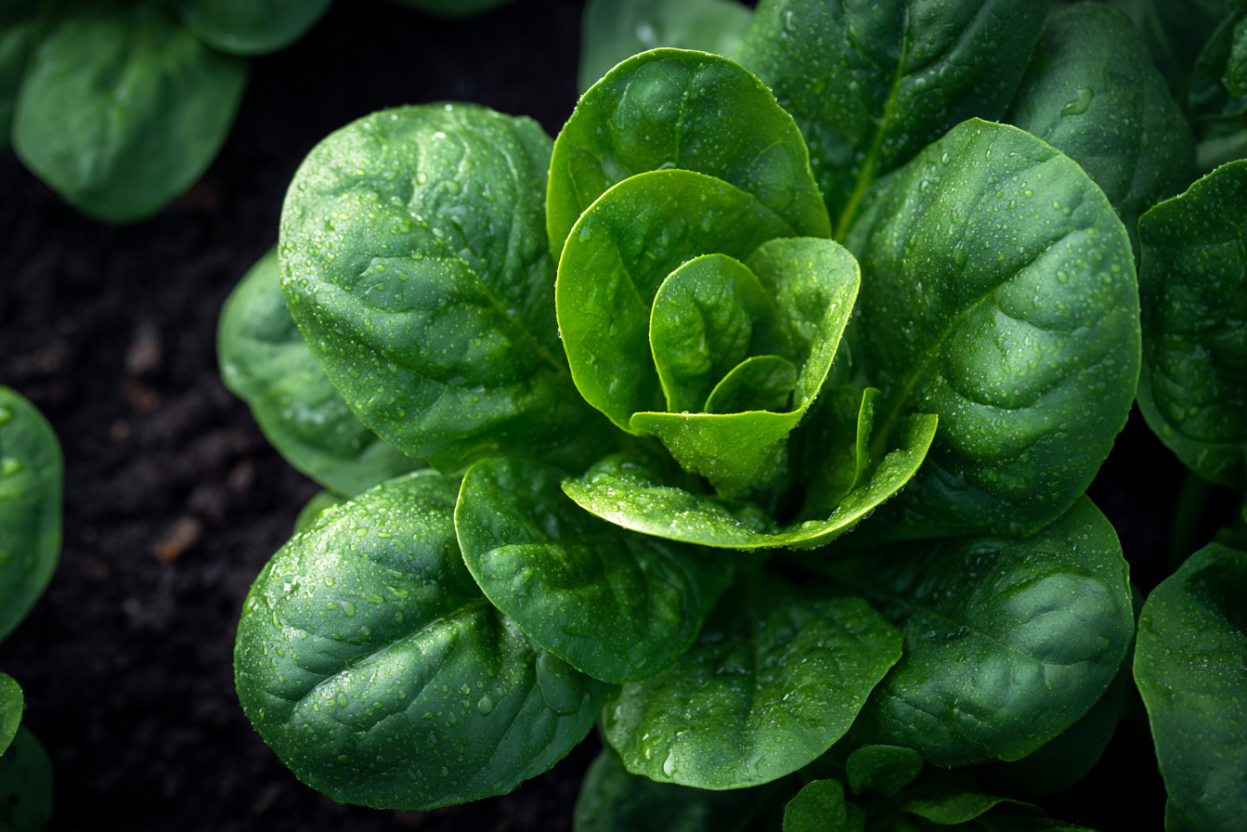
Spinach (Spinacia oleracea)
If you find yourself dragging through the afternoon, struggling with brain fog, or wondering why your energy never quite recovers no matter how much sleep you get, you are not alone — and one of the most nutrient-dense foods on the planet has been quietly waiting in the produce aisle for you. Spinach is not just a salad green. It is a powerhouse of vitamins, minerals, and bioactive compounds that support nearly every system in your body, from your eyes to your bones to your blood vessels.
This humble leafy green is one of the Creator’s most generous gifts — packed with more nutrition per calorie than almost any other food on earth. Long before modern laboratories confirmed what spinach could do, it was already here, provided by a Designer who knew exactly what the human body would need.
The Plant
Common Names: Spinach, common spinach, Persian green
Botanical Name: Spinacia oleracea L.
Family: Amaranthaceae (formerly Chenopodiaceae) — the amaranth family, which also includes beets, chard, and quinoa
Description
Spinach is a fast-growing annual (occasionally biennial) leafy green that forms a basal rosette of leaves from a central crown. It typically grows 6 to 12 inches tall before bolting (sending up a flower stalk), at which point the central stem can reach 30 centimeters or more. The leaves are the star — ranging from smooth and flat (flat-leaf varieties) to deeply crinkled and textured (savoy varieties), with semi-savoy types falling somewhere between. Leaf color ranges from bright, vibrant green in young growth to deep, rich dark green at maturity.
Spinach leaves are simple and alternate, measuring 2 to 30 centimeters long and 1 to 15 centimeters wide, with long, somewhat brittle petioles that snap cleanly when harvested. The flowers are small, inconspicuous, and green — spinach is dioecious, meaning individual plants are either male or female. Female plants produce small, spiny or smooth seed clusters. The root system features a surprisingly deep taproot for such a small plant, which is why loose, well-worked soil matters for good growth.
Origin
Spinach originated in ancient Persia (modern-day Iran) and was first cultivated approximately 2,000 years ago. From Persia, it traveled east to China by the 7th century, where it was called “the Persian vegetable.” Arab traders carried it westward, introducing it to Spain around the 11th century. By the 14th century, spinach had spread throughout Europe, where it became especially prized because it matured early in spring when few other fresh greens were available. Catherine de Medici, who married the King of France in 1533, was famously fond of spinach — to this day, dishes prepared on a bed of spinach are called “Florentine” in her honor. Spinach arrived in North America with European colonists and is now grown commercially across the globe, with China, the United States, and several European countries leading production.
Brief History
For much of its early history, spinach was considered as much a medicine as a food. Young leaves were gently cooked and fed to the sick and recovering as a strengthening food, long before anyone knew to call its benefits “iron” or “folate.” The Moors cultivated it extensively in Spain, and it became a staple of Mediterranean cuisine. In the early 20th century, spinach received an enormous cultural boost from the cartoon character Popeye, who credited the green for his superhuman strength. While the specific claim about spinach’s iron content was somewhat exaggerated by a historical decimal-point error, the fundamental truth remained: spinach is extraordinarily good for you.
Growing & Cultivation
Climate & Zones
Spinach thrives in USDA Hardiness Zones 2 through 9, making it one of the most widely adaptable food crops available to home gardeners. It is a cool-season crop that performs best when daytime temperatures range between 50°F and 70°F (10–21°C). Young seedlings are remarkably cold-hardy, surviving frost and temperatures as low as 15°F (−9°C) once established. However, spinach does not tolerate heat well — temperatures above 75°F (24°C) trigger bolting (flowering), which turns the leaves bitter. For gardeners in warmer zones (9–11), fall and winter planting is ideal. Spinach can also be grown indoors year-round with adequate lighting and cool temperatures.
Soil Requirements
Spinach performs best in fertile, well-drained soil rich in organic matter, with a pH between 6.5 and 7.5. It is sensitive to acidic soils — a pH below 6.0 can inhibit growth. Amend heavy clay soils with compost to improve drainage, or consider raised beds. Loamy soil is ideal. Work several inches of aged compost or well-rotted manure into the top 6 to 8 inches of soil before planting. Because spinach is a heavy feeder, particularly for nitrogen, side-dress with a high-nitrogen organic fertilizer once plants are established.
Water & Sunlight
Spinach needs consistent moisture — aim for about 1 to 1.5 inches of water per week. Keep the soil evenly moist but not waterlogged, as soggy conditions invite root rot and fungal diseases. Mulching around plants helps retain soil moisture and keeps roots cool. Water at the base of plants rather than overhead to reduce the risk of downy mildew and other leaf diseases.
Spinach tolerates full sun to light shade. In cooler climates, full sun (6+ hours of direct sunlight) produces the best growth. In warmer areas, afternoon shade extends the harvest by delaying bolting. For indoor growing, place near a bright south-facing window or use full-spectrum grow lights for 10 to 12 hours daily.
Propagation
Seed (primary method): Spinach is almost always grown from seed sown directly into the garden. Seeds germinate best in cool soil temperatures of 45°F to 68°F (7–20°C). Sow seeds ½ inch deep, spaced 2 inches apart, in rows 12 to 18 inches apart. Germination takes 7 to 14 days depending on soil temperature. For continuous harvest, sow successive plantings every 7 to 10 days. Fresh seed has the best germination rate — viability declines quickly after the first year. Starting seeds indoors is possible but not recommended, as spinach seedlings transplant poorly due to their sensitive taproot.
Planting
For spring planting, sow seeds 4 to 6 weeks before your last expected frost date — as soon as the ground can be worked and soil temperature reaches at least 40°F. For fall planting, sow 6 to 8 weeks before the first expected frost. In mild climates (Zones 8–9), spinach can be sown in late fall for winter harvest. Thin seedlings to 3 to 6 inches apart when they reach about 2 inches tall — use the thinnings in salads. Companion plants that work well alongside spinach include strawberries, radishes, peas, beans, brassicas, and onions. Avoid planting near fennel.
Harvesting
Spinach can be harvested as soon as leaves are large enough to eat, typically 6 to 8 weeks after sowing. For the tenderest leaves, harvest in the morning when leaves are crisp and cool. Use the “cut-and-come-again” method: snip outer leaves at their base, leaving the central growing point intact for continued production. This approach can yield multiple harvests from a single planting. Alternatively, harvest the entire plant by cutting just above the soil line. Once the central flower stalk begins to elongate, harvest immediately — bolted spinach becomes bitter and tough.
Drying & Storage
Fresh spinach is best used within 5 to 7 days when stored unwashed in a loosely closed bag or container lined with a paper towel in the refrigerator. For longer preservation, blanch leaves for 1 to 2 minutes, plunge into ice water, squeeze out excess moisture, and freeze in airtight containers or bags — frozen spinach retains most of its nutritional value for up to 12 months. Spinach can also be dehydrated at 125°F to 135°F (52–57°C) until brittle, then stored in airtight containers in a cool, dark place for up to a year. Dried spinach works well ground into powder for adding to smoothies, soups, and baked goods.
Pest & Disease Management
Leaf miners are the most common spinach pest — their larvae burrow between leaf surfaces, leaving white, blister-like trails. Use floating row covers to prevent egg-laying, remove affected leaves, and rotate crops annually. Aphids cluster on leaf undersides and suck plant sap; control with strong water sprays, insecticidal soap, or by introducing ladybugs. Downy mildew appears as yellow patches on leaf tops with grayish-purple growth underneath — improve air circulation, water at soil level, and choose resistant varieties. Fusarium wilt causes wilting and yellowing — prevent through crop rotation and disease-resistant varieties.
Companion Planting
Spinach grows well alongside strawberries (they share similar growing conditions and the strawberries provide ground cover), radishes (which help break up soil and can serve as trap crops for leaf miners), peas and beans (which fix nitrogen in the soil, feeding the spinach), and members of the onion family (which deter aphids and other pests). Avoid planting spinach near fennel or potatoes.
The Healing of Growing
Growing spinach offers benefits that begin well before the first leaf reaches your plate. The act of gardening itself — hands in soil, time spent outdoors, attention focused on living things — has been shown to reduce cortisol levels, improve mood, and support immune function. The soil contains beneficial bacteria, including Mycobacterium vaccae, which research has shown to stimulate serotonin production and produce measurable antidepressant effects (Lowry et al., 2007, PNAS, USA). When you grow your own spinach, the healing begins long before you eat it.
Nutritional Profile
Macronutrients
Per 100 grams of raw spinach (USDA FoodData Central):
Calories: 23 kcal. Protein: 2.9 g. Carbohydrates: 3.6 g. Dietary Fiber: 2.2 g. Sugars: 0.4 g. Total Fat: 0.4 g (with a small but notable amount of omega-3 fatty acids). Water content: approximately 91%.
Spinach is extraordinarily nutrient-dense relative to its calorie content. You would have to eat more than 4 cups of raw spinach to consume just 100 calories, yet in that amount you would receive significant percentages of your daily requirements for numerous vitamins and minerals.
Vitamins
Vitamin K: 483 µg per 100g (approximately 400% Daily Value) — essential for blood clotting and bone metabolism. Vitamin K activates proteins that bind calcium into bone matrix, supporting skeletal strength and helping prevent osteoporosis.
Vitamin A (as beta-carotene): 469 µg RAE per 100g (approximately 52% DV) — supports vision, immune function, skin health, and cellular communication. Beta-carotene also acts as an antioxidant, neutralizing free radicals.
Folate (Vitamin B9): 194 µg per 100g (approximately 49% DV) — critical for DNA synthesis, cell division, and red blood cell formation. Especially important during pregnancy for preventing neural tube defects. The word “folate” actually derives from the Latin word for leaf — folium — because leafy greens like spinach are among the richest sources.
Vitamin C: 28 mg per 100g (approximately 31% DV) — supports immune function, collagen production, iron absorption, and acts as a powerful antioxidant protecting cells from oxidative damage.
Vitamin E: 2.0 mg per 100g (approximately 13% DV) — a fat-soluble antioxidant that protects cell membranes from oxidative damage, supports immune function, and promotes skin health.
Vitamin B6: 0.2 mg per 100g (approximately 12% DV) — involved in over 100 enzyme reactions in the body, supports neurotransmitter synthesis (including serotonin and dopamine), hemoglobin production, and immune function.
Riboflavin (B2): 0.19 mg per 100g (approximately 15% DV) — plays a key role in energy production, cellular function, growth, and development. Helps convert food into usable energy.
Minerals
Manganese: 0.9 mg per 100g (approximately 39% DV) — a cofactor for the antioxidant enzyme superoxide dismutase, supports bone health, metabolism, and wound healing.
Iron: 2.7 mg per 100g (approximately 15% DV for men, 34% DV as often cited) — essential for hemoglobin formation and oxygen transport throughout the body. Spinach contains non-heme iron; consuming it alongside vitamin C (which spinach also provides) enhances absorption.
Magnesium: 79 mg per 100g (approximately 19% DV) — required for over 300 enzymatic reactions in the body, supports muscle and nerve function, blood sugar regulation, blood pressure management, and bone health.
Potassium: 558 mg per 100g (approximately 12% DV) — helps regulate fluid balance, nerve signals, and muscle contractions. Adequate potassium intake is associated with reduced blood pressure and lower risk of stroke.
Calcium: 99 mg per 100g (approximately 10% DV) — important for bone and teeth structure, muscle function, nerve transmission, and blood clotting. Note: calcium absorption from spinach is reduced by its oxalate content; pairing with calcium-rich foods like dairy can help mitigate this.
Phosphorus: 49 mg per 100g (approximately 7% DV) — works with calcium for bone and teeth formation, and plays a role in how the body uses carbohydrates and fats.
Copper: 0.13 mg per 100g (approximately 14% DV) — essential for red blood cell formation, iron absorption, immune function, and acts as a cofactor for the antioxidant enzyme superoxide dismutase.
Phytonutrients & Active Compounds
Spinach contains an impressive array of bioactive compounds that extend its benefits far beyond basic nutrition:
Lutein and Zeaxanthin: These carotenoid pigments accumulate specifically in the macula of the eye, where they filter harmful blue light and protect against oxidative damage. Spinach is one of the richest dietary sources, containing approximately 12.2 mg of lutein per 100g of cooked spinach.
Beta-carotene: A precursor to vitamin A with potent antioxidant properties. Spinach contains approximately 5,626 µg per 100g raw.
Quercetin: A flavonoid with documented anti-inflammatory, antioxidant, and antihistamine properties.
Kaempferol: Another flavonoid associated with reduced risk of chronic diseases, including certain cancers and cardiovascular disease.
Thylakoids: The internal membrane systems of chloroplasts found in spinach leaves. Research from Lund University in Sweden has demonstrated that thylakoids slow fat digestion, promote the release of satiety hormones (cholecystokinin and GLP-1), and reduce hunger and cravings — particularly for sweet and fatty snacks.
Chlorophyll: The green pigment responsible for photosynthesis. Chlorophyll has been studied for its potential to bind and neutralize certain carcinogens, support detoxification, and promote wound healing.
Glycoglycerolipids (MGDG and DGDG): Unique to plants, these compounds found in spinach have shown anti-inflammatory and anti-tumor properties in laboratory research.
Nitrates: Spinach is one of the highest dietary sources of inorganic nitrate, which the body converts to nitric oxide — a molecule critical for blood vessel dilation, blood pressure regulation, and cardiovascular health.
Nutrient Notes
Cooking spinach significantly increases the bioavailability of certain nutrients. While raw spinach retains more vitamin C, cooking breaks down cell walls and reduces oxalate content, making iron, calcium, beta-carotene, and lutein more accessible. Lightly sautéing spinach in olive oil or another healthy fat further enhances absorption of the fat-soluble vitamins A, E, and K, as well as carotenoids. For maximum nutritional benefit, consume spinach both raw and cooked. Pairing spinach with vitamin C-rich foods (such as lemon juice or tomatoes) enhances non-heme iron absorption. Consuming spinach alongside healthy fats (olive oil, avocado, nuts) enhances carotenoid absorption.
Culinary Uses
Edible Parts
Leaves are the primary edible part, consumed both raw and cooked. Young, tender leaves (baby spinach) are preferred for salads, while mature leaves with their deeper flavor and sturdier texture are excellent for cooking. Stems are edible when young and tender, though they become fibrous as the plant matures. Seeds and flowers are technically edible but are not commonly consumed.
Flavor Profile
Raw baby spinach has a mild, slightly sweet, and mildly earthy flavor with a subtle mineral quality. Mature raw spinach develops a more pronounced earthy, slightly bitter, and mildly astringent taste — this bitterness comes from oxalic acid, and some individuals are genetically more sensitive to it. When cooked, spinach’s flavor deepens and mellows. Sautéing brings out a rich, savory, almost buttery quality. The aroma when fresh is clean and green; when cooked, it becomes richer and earthier. Dried spinach has a concentrated, intensely “green” flavor.
Preparation
Spinach is one of the most versatile greens in the kitchen. Raw: toss into salads, blend into smoothies, or use as a wrap alternative. Sautéed: wilt quickly in olive oil or butter with garlic for a classic side dish. Steamed: gentle steaming preserves nutrients while softening texture. Blanched: brief blanching followed by an ice bath preserves color and reduces oxalates. Baked: incorporate into quiches, frittatas, casseroles, and savory pastries. Blended: adds nutrition and vibrant color to smoothies, pestos, dips, and sauces without dominating flavor. To reduce bitterness and oxalate content, blanch briefly or cook with dairy (the calcium binds with oxalic acid).
Culinary Pairings
Spinach pairs beautifully with garlic, lemon, olive oil, butter, cream, eggs, feta cheese, parmesan, ricotta, nutmeg, pine nuts, walnuts, sesame, mushrooms, tomatoes, onions, bacon, and most proteins including chicken, salmon, shrimp, and lamb. It works across virtually every cuisine — from Italian spanakopita and Florentine dishes to Indian palak paneer, Japanese goma-ae, and Middle Eastern fatayer.
Storage
Store fresh spinach unwashed in a paper towel-lined container in the refrigerator for up to 7 days. Wash thoroughly just before use, as moisture accelerates decay. Frozen spinach (blanched first) keeps for up to 12 months. Dried spinach stores well in airtight containers in a cool, dark place for up to one year.
Ready to cook with spinach? View Recipes on Chefts →
Wellness & Therapeutic Uses
Traditional Uses
Spinach has a long history as both food and medicine across multiple cultures. In ancient Persia, where it originated, spinach was valued as a strengthening food for recovery from illness. Traditional Chinese Medicine recognized spinach as beneficial for nourishing the blood, moistening the intestines, and quenching thirst — it was considered cooling in nature and was recommended for conditions involving excess heat or dryness. In European folk medicine, spinach was given to the weak and convalescing, particularly those recovering from blood loss. Ayurvedic traditions acknowledged leafy greens like spinach as supporting digestive health, blood quality, and overall vitality. In early American medicine, spinach juice was recommended as a gentle laxative and blood tonic.
Modern Research
Cardiovascular Health: Spinach is one of the richest dietary sources of inorganic nitrate, which the body converts to nitric oxide — a critical molecule for blood vessel relaxation and blood pressure regulation. A randomized, controlled crossover trial involving 27 healthy adults found that consuming spinach soup (845 mg nitrate/day) for 7 days significantly reduced arterial stiffness and blood pressure compared to a low-nitrate control (Siervo et al., 2015, Clinical Nutrition Research, Canada). A separate clinical trial demonstrated that a spinach beverage lowered systolic blood pressure by 7 mmHg within 300 minutes of consumption (Jonvik et al., 2016, Journal of Nutrition, Netherlands).
Eye Health: Spinach’s rich concentration of lutein and zeaxanthin — the only dietary carotenoids that accumulate in the retina — has been extensively studied for eye protection. A large prospective study involving over 100,000 participants found that higher intake of lutein and zeaxanthin was associated with a significant long-term reduction in risk of advanced age-related macular degeneration (Wu et al., 2015, JAMA Ophthalmology, USA). The landmark AREDS2 trial demonstrated that lutein/zeaxanthin supplementation reduced the risk of progression to late AMD by 10–18% compared to placebo (Chew et al., 2014, JAMA Ophthalmology, USA). A pilot study confirmed that daily intake of 75g of frozen spinach (providing 10 mg lutein) for two months significantly increased macular pigment density and serum lutein concentrations in healthy adults (Machida et al., 2016, Nippon Ganka Gakkai Zasshi, Japan).
Antioxidant & Anti-Inflammatory: Spinach is rich in flavonoids (quercetin, kaempferol, spinacetin), polyphenols, and carotenoids with documented antioxidant properties. A study in hyperlipidemic rats found that 5% spinach supplementation significantly reduced liver oxidative damage and DNA damage in leukocytes while increasing antioxidant enzyme activity (Ko et al., 2014, Preventive Nutrition and Food Science, South Korea). A comprehensive review confirmed that spinach-derived compounds scavenge reactive oxygen species, prevent macromolecular oxidative damage, and modulate gene expression involved in inflammation (Roberts & Moreau, 2016, Food & Function, USA).
Appetite Regulation & Weight Management: Thylakoids extracted from spinach have been shown to slow fat digestion and increase satiety hormones. A study in overweight women found that a single dose of spinach-derived thylakoids before breakfast reduced hunger by 21%, increased satiety by 14%, and decreased cravings for sweet and fatty snacks by 36% throughout the entire day (Stenblom et al., 2015, Appetite, Sweden). A randomized controlled crossover trial with 60 overweight and obese individuals confirmed that a spinach extract rich in thylakoids significantly increased fullness and reduced hunger over a 2-hour period compared to placebo (Rebello et al., 2015, Journal of the American College of Nutrition, USA).
Neuroprotection & Cognitive Support: The antioxidant compounds in spinach, including flavonoids and carotenoids, may support brain health. A review published in Pharmacognosy Reviews summarized evidence suggesting spinach may offer neuroprotective benefits relevant to age-related cognitive decline (Jiraungkoorskul, 2016, Pharmacognosy Reviews, Thailand).
Blood Sugar Support: Spinach’s high magnesium content and its thylakoid membranes may support healthy blood sugar regulation. Research indicates that thylakoids help prevent postprandial blood sugar spikes by slowing fat and carbohydrate digestion. Additionally, higher dietary magnesium intake is consistently associated with reduced risk of type 2 diabetes in epidemiological studies.
Body Systems Supported
Spinach research supports benefits across multiple body systems: cardiovascular system (nitrate-derived nitric oxide for blood pressure, potassium for heart rhythm), nervous system (folate for neurotransmitter synthesis, magnesium for nerve function, flavonoids for neuroprotection), musculoskeletal system (vitamin K and calcium for bone health, magnesium for muscle function), digestive system (fiber for regularity, thylakoids for satiety signaling), immune system (vitamins A, C, and E as antioxidants, folate for cell division), integumentary system (vitamin A and C for skin health, antioxidants against UV damage), and the endocrine system (magnesium for insulin sensitivity).
Body Compounds Affected
Spinach’s nutrients influence several key body compounds. Its folate and vitamin B6 content supports serotonin and dopamine synthesis — the neurotransmitters governing mood, motivation, and well-being. Its abundant magnesium helps regulate cortisol, the primary stress hormone, and supports GABA activity (the calming neurotransmitter). Spinach’s nitrate content directly raises nitric oxide levels, promoting vasodilation and healthy blood flow. Its antioxidant compounds help modulate inflammatory markers including cytokines, IL-6, and TNF-alpha. The thylakoids influence cholecystokinin (CCK) and GLP-1, hormones involved in appetite regulation and insulin signaling.
Methods of Use
Dietary Consumption (Primary Method)
The most effective and safest way to benefit from spinach’s therapeutic compounds is through regular dietary intake — raw in salads and smoothies, sautéed, steamed, or added to soups, stews, and other dishes. Aim for at least 2–3 servings per week. One cup of cooked spinach provides far more concentrated nutrition than one cup of raw spinach due to volume reduction.
Juice
Fresh spinach juice (often combined with other vegetables and fruits to improve flavor) concentrates many of the plant’s water-soluble nutrients. However, juicing removes fiber. A small glass (4–6 oz) of spinach-containing green juice can be consumed daily.
Powder/Capsule
Spinach powder (dehydrated and ground spinach) is available as a concentrated supplement. It can be added to smoothies, soups, and baked goods. Dosage varies by product — follow manufacturer recommendations.
Cosmetic & Beauty Uses
Skin Benefits
Spinach offers significant benefits for skin health through both dietary consumption and topical application. Its high concentration of vitamins A, C, and E provides potent antioxidant protection against UV-induced free radical damage, one of the primary drivers of premature skin aging. Vitamin C supports collagen synthesis, helping maintain skin firmness and elasticity. Vitamin A promotes healthy cell turnover, supporting smoother, more even skin texture. The chlorophyll in spinach has been traditionally used to promote wound healing and reduce skin inflammation. Spinach’s anti-inflammatory compounds (quercetin, kaempferol) may help calm irritated or inflamed skin conditions. Research has even explored spinach extract in solid lipid nanoparticle formulations for photoprotective (sunscreen) applications.
Spinach benefits all skin types, with particular relevance for those concerned about aging, dullness, uneven tone, and oxidative damage.
Hair Benefits
Spinach’s iron and folate content supports healthy blood circulation to the scalp, promoting nutrient delivery to hair follicles. Iron deficiency — one of the most common nutritional deficiencies — is a well-documented contributor to hair thinning and loss, particularly in women. The vitamin A in spinach supports sebum production for natural scalp moisture, while vitamin C aids in iron absorption and collagen formation, both essential for strong, healthy hair. A spinach tea rinse can add shine and help calm a flaky scalp.
Application Methods
For topical use, spinach can be incorporated into face masks by blending raw spinach with honey and yogurt for a hydrating, antioxidant-rich treatment. A spinach-infused oil (made by gently warming olive or jojoba oil with fresh spinach leaves, then straining) can be used as a nourishing facial oil or hair treatment. Blended spinach mixed with oatmeal creates a gentle exfoliating and soothing mask. Spinach water (the cooled water left from blanching spinach) can be used as a simple toner or hair rinse, delivering vitamins and minerals topically.
DIY Formulation Notes
Fresh spinach preparations for topical use should be used immediately or stored in the refrigerator for no more than 1–2 days, as they contain no preservatives and will degrade quickly. Spinach-infused oils have a longer shelf life (2–4 weeks refrigerated) but should be discarded at any sign of cloudiness or off odors. Spinach pairs well with carrier oils like jojoba, sweet almond, and olive oil, and complements ingredients like honey, yogurt, oats, avocado, and green tea.
Spinach is among the botanicals being explored for holistic cosmetic applications, where the wisdom of traditional beauty practices meets modern understanding of skin science.
Spinach does not yield a commercially available essential oil. While spinach contains volatile aromatic compounds, they are not extracted through steam distillation or other essential oil methods in commercial practice. The therapeutic benefits of spinach are best accessed through dietary consumption, topical whole-plant preparations, and its living presence.
Aromatherapy & Scent
The Aroma
Spinach is not traditionally classified as an aromatic herb, but it does have a distinctive scent that affects the senses. Fresh spinach has a clean, green, mildly vegetal aroma with subtle earthy undertones — the smell of chlorophyll and fresh growth. The scent is most noticeable when leaves are freshly picked, crushed, or chopped, which releases volatile compounds from ruptured cell walls. After rain or in the dewy morning hours, the scent of a spinach patch is fresh and invigorating.
When dried, spinach takes on a more concentrated, hay-like, mildly grassy aroma with a hint of the mineral quality associated with iron-rich foods. Dried spinach retains its subtle scent for several months when stored in airtight containers away from light.
How Scent Affects Your Body
When you smell spinach — or any plant — volatile molecules released by the plant enter your nasal passages and bind to olfactory receptors. These receptors send signals directly to the limbic system (the emotional processing center of the brain) and the hypothalamus (which governs hormone regulation). This pathway bypasses conscious thought entirely, meaning your body begins responding to a scent before you even form an opinion about it. Green, leafy aromas like those from spinach are generally associated with feelings of freshness, alertness, and connection to nature.
Emotional & Mood Effects
The green, chlorophyll-rich scent of fresh spinach falls into the category of “green” aromas studied in aromatherapy research. Green scents have been associated with stress reduction, improved focus, and a sense of being grounded in nature. While spinach itself has not been the subject of dedicated olfactory research, the broader category of green leaf volatiles — which spinach shares — has been linked to calming effects and improved mood states. The sensory experience of handling, washing, and preparing fresh spinach engages multiple senses simultaneously, creating a mindful, centering experience.
Body Compounds Affected
Exposure to green plant aromas has been associated in general aromatherapy research with modest reductions in cortisol (stress hormone) and activation of parasympathetic nervous system activity — the “rest and digest” state. While specific spinach scent studies are limited, the broader evidence on green and herbaceous aromas suggests potential support for GABA activity and mild calming effects.
Ways to Experience the Scent
Since spinach is not an aromatic herb in the traditional sense, the best ways to experience its scent are through direct interaction: growing it in your garden and brushing past the leaves, harvesting fresh leaves in the morning, chopping or blending it in the kitchen, and simply pausing to inhale the clean green scent before adding it to your meal. The act of preparing food from whole, fresh plants offers a multi-sensory experience that processed foods simply cannot replicate.
Color Therapy
The Colors of Spinach
Spinach’s dominant color is a rich, deep green — ranging from bright, vibrant green in young baby spinach to a deep, dark emerald in mature leaves. The undersides of leaves are a slightly lighter, silvery green. Stems are pale green, sometimes with a faint reddish tint at the base. The small flowers are a nondescript green-yellow. The roots are white to pale cream.
Color Wavelengths
Green light falls in the 495–570 nm range of the visible spectrum. Spinach’s deep green leaves reflect these wavelengths abundantly while absorbing red and blue light for photosynthesis. This is why spinach appears green to our eyes — it is literally reflecting green light back to us.
How Green Affects the Body
In color therapy, green is considered the most balancing color in the spectrum. It sits at the center of the visible light range and is associated with harmony, equilibrium, and restoration. Green wavelengths are linked to the heart center in many healing traditions and are associated with feelings of calm, safety, and connection. Research on viewing natural greenery consistently demonstrates measurable physiological effects: reduced heart rate, lowered blood pressure, decreased cortisol levels, and improved mood states. A foundational study in healthcare environments found that patients with a view of green vegetation recovered faster from surgery, required less pain medication, and had shorter hospital stays than patients without plant views.
Body Compounds Affected
Exposure to green environments and green wavelengths has been associated with reduced cortisol production, increased parasympathetic nervous system activity, and improved serotonin levels — all of which contribute to feelings of calm and well-being.
Using Spinach for Color Therapy
Growing spinach indoors or outdoors provides consistent exposure to its rich green color. Place potted spinach on a kitchen windowsill or desk where its vibrant green leaves provide a visual anchor throughout the day. In the garden, a bed of spinach creates a lush green carpet that is visually soothing. When eating spinach, you are quite literally “eating the rainbow” — incorporating the green wavelength into your body. Adding spinach to smoothies turns them a vibrant green, offering both nutritional and visual benefits.
Frequency & Vibration
The Frequency of Spinach
While specific frequency measurements for spinach (in MHz) have not been widely published in the same way as essential oil frequencies, spinach as a fresh, living, raw food is understood within vibrational medicine to be among the higher-frequency foods available. According to bio-frequency research, fresh produce and raw greens generally vibrate at higher frequencies than processed or cooked foods. Fresh herbs and greens are considered high-frequency foods, typically measured in the range supporting the healthy human body (62–78 MHz).
Human Frequency Interaction
Proponents of vibrational medicine suggest that consuming high-frequency foods — like fresh, raw spinach — may help support and maintain the body’s own frequency. The entrainment principle in physics suggests that a stronger frequency can influence a weaker one. By regularly consuming fresh, nutrient-dense plant foods, some practitioners believe you support your body’s natural vibrational state. While this area of research is still emerging and requires more rigorous peer-reviewed study, the fundamental principle — that consuming fresh, living foods supports vitality — aligns with both common experience and nutritional science.
Essential Oil Frequency
Spinach does not produce a commercial essential oil, so essential oil frequency data is not applicable.
Vibrational Applications
To incorporate spinach’s vibrational qualities, consume it as fresh and raw as possible — in salads, smoothies, and as fresh juice. Growing your own spinach and eating it within minutes of harvest offers the freshest, most vibrant energy possible. Spending time in your garden among growing spinach plants connects you to the living frequency of the plant in its natural state.
The Living Plant
Benefits of Presence
The benefits of being around living spinach plants extend beyond what you eventually harvest and eat. Simply being in the presence of growing plants activates what biologist E.O. Wilson called “biophilia” — the innate human need to connect with other living things. Research consistently demonstrates that people in environments with living plants report lower stress, improved focus, enhanced creativity, and greater overall well-being. A spinach plant on your windowsill or a bed of spinach in your garden offers these presence benefits every day.
Air Purification
While spinach was not one of the specific plants tested in the NASA Clean Air Study, all green leafy plants contribute to indoor air quality through basic photosynthesis — absorbing carbon dioxide and releasing oxygen. Spinach’s broad, flat leaves provide ample surface area for gas exchange. Like all green plants, spinach also releases water vapor through transpiration, contributing to indoor humidity — beneficial in dry environments, particularly during winter when heating systems deplete indoor moisture.
Phytoncides
All green plants release volatile organic compounds, including phytoncides — antimicrobial substances that are part of the plant’s immune system. While spinach is not as potent a phytoncide producer as coniferous trees (the basis of most forest bathing research), it contributes to the overall antimicrobial and air-freshening effect of indoor plant environments. Forest bathing (shinrin-yoku) research has demonstrated that phytoncide exposure increases Natural Killer (NK) cell activity — an important component of immune defense — and this principle applies at a smaller scale to indoor plant environments.
Visual & Psychological Benefits
Research on indoor plants in workplace, healthcare, and residential settings consistently demonstrates: reduced perceived stress, improved attention and concentration (Attention Restoration Theory), enhanced productivity, and faster recovery from mental fatigue. Watching plants grow — from seed to mature leaf — provides a tangible sense of accomplishment and connection to the rhythm of nature. For children, growing spinach teaches patience, responsibility, and an appreciation for where food comes from.
Growing Indoors vs Outdoors
Spinach can be grown indoors with adequate light (a bright south-facing window or grow lights) and cool temperatures (60–70°F is ideal). Container growing works well — use a pot at least 6–8 inches deep to accommodate the taproot, with well-draining potting mix. Outdoors, spinach benefits from natural sunlight, air circulation, and the full complement of environmental exposure. For maximum “living plant” benefits, keep potted spinach where you spend the most time — your kitchen, office, or living area — so you benefit from its presence daily.
Touch & Physical Interaction
Gardening Therapy
Horticultural therapy is an established therapeutic practice, and spinach is an ideal plant for it. It grows quickly (harvest in 6–8 weeks from seed), providing rapid feedback and a tangible sense of accomplishment. The simplicity of spinach cultivation makes it accessible to gardeners of all experience levels, including children and seniors. The act of preparing soil, sowing seeds, thinning seedlings, watering, and harvesting engages the body in purposeful, rhythmic activity that research has shown to reduce anxiety, improve mood, and lower cortisol levels.
Soil Contact Benefits
When you garden without gloves, you absorb beneficial electrons from the earth — a practice called grounding or earthing. Research suggests that direct earth contact may reduce inflammation, improve sleep, and normalize circadian rhythms. Beyond grounding, the soil itself contains Mycobacterium vaccae, a naturally occurring soil bacterium that has been shown in peer-reviewed research to stimulate serotonin production and reduce anxiety in animal models. Every time you dig into the earth to plant spinach seeds, you expose yourself to this natural antidepressant (Lowry et al., 2007, PNAS). The soil microbiome also supports your own microbiome through skin contact and incidental ingestion.
The Tactile Experience
Spinach leaves offer a distinctive sensory experience. Baby spinach leaves are soft, smooth, and slightly slippery — almost silky between the fingers. Savoy (crinkled) varieties have a more textured, three-dimensional feel that is satisfying to handle. Mature flat-leaf spinach is smooth and slightly waxy with pronounced veins you can feel along the midrib. The stems are crisp and snap cleanly when fresh — a satisfying tactile and auditory cue of freshness. Washing spinach involves the pleasant sensory experience of cool water, the feel of leaves passing through your hands, and the visual transformation as dirt is rinsed away to reveal clean, vibrant green.
Harvesting & Processing
Harvesting spinach is meditative in its simplicity: bend, select an outer leaf, snap or cut at the base, move to the next. This gentle, repetitive motion encourages mindfulness and present-moment awareness. The cool, dewy feel of morning leaves between your fingers, the clean snap of a fresh stem, the growing basket of vibrant greens — this is a deeply satisfying multi-sensory experience. Processing spinach for storage (washing, blanching, squeezing, portioning) involves purposeful hand work that engages fine motor skills and provides a sense of competence and provision.
Water-Based Applications
Teas & Infusions
While spinach is not a traditional tea herb, a spinach infusion can be made by steeping 1–2 tablespoons of fresh or dried spinach leaves in 8 oz of hot (not boiling) water for 5–10 minutes. Strain and drink. This gentle preparation extracts water-soluble vitamins (C, B vitamins, folate), minerals (potassium, magnesium), and some flavonoids into an easily absorbed form. The flavor is mild, green, and slightly earthy — it can be improved with a squeeze of lemon (which also enhances iron absorption) or blended with more traditional tea herbs like mint or chamomile. Drink 1–2 cups daily as a simple nutritional supplement.
Herbal Baths
A spinach bath may sound unusual, but water-based plant applications have been used across cultures for millennia. To prepare, simmer a large handful (approximately 2 cups) of fresh spinach or ¼ cup of dried spinach in 4 cups of water for 10 minutes, strain, and add the green-tinted liquid to a warm (not hot) bath. The water-soluble vitamins, minerals, and chlorophyll are absorbed through the skin during a 20–30 minute soak. This application is primarily relaxing and skin-nourishing. A simpler option is a foot bath using the same preparation method in a smaller basin — particularly beneficial after a long day of standing.
Compresses
A warm spinach compress can be made by soaking a clean cloth in strong spinach infusion (made by simmering spinach in water for 15 minutes and straining). Apply the warm, damp cloth to areas of skin irritation, minor swelling, or tired eyes for 10–15 minutes. The gentle warmth combined with spinach’s anti-inflammatory compounds may provide soothing relief. Chlorophyll-rich compresses have been traditionally used to support wound healing and reduce minor skin inflammation.
Steam Inhalation
While spinach is not as aromatically potent as traditional steam herbs (like eucalyptus or thyme), adding a handful of fresh spinach to a bowl of hot water and inhaling the steam provides a gentle, moist, vitamin-rich vapor. This is most useful as part of a broader herbal steam preparation, where spinach adds nutritive value and chlorophyll to a blend that might include more aromatic herbs.
Hair Rinses
A spinach tea hair rinse delivers iron, folate, vitamins A and C, and chlorophyll directly to the scalp and hair. Prepare a strong infusion by simmering a large handful of fresh spinach in 2 cups of water for 15 minutes. Strain, allow to cool completely, and pour over freshly washed hair as a final rinse. Do not rinse out. This application may support scalp health, add subtle shine, and deliver nutrients that support hair growth. Use 1–2 times per week.
Historical, Cultural & Biblical Significance
Biblical References
Spinach is not directly mentioned in Scripture. The plant originated in Persia and did not spread widely into the Mediterranean world until well after the biblical era. However, the broader principle of God providing green plants for human nourishment is deeply rooted in Scripture: “And God said, Behold, I have given you every herb bearing seed, which is upon the face of all the earth, and every tree, in the which is the fruit of a tree yielding seed; to you it shall be for meat.” (Genesis 1:29, KJV). The Creator’s provision of nutrient-dense leafy greens — of which spinach is among the most remarkable — is entirely consistent with this foundational gift.
Ancient Civilizations
Persia: Spinach was first cultivated in ancient Persia approximately 2,000 years ago, where it was known as aspanakh. The Persians valued it as both a food and a restorative for the sick. From Persia, spinach traveled along the ancient Silk Road trade routes in both directions — east to China and west through the Arab world.
China: Chinese records from the Tang Dynasty (7th century) document the arrival of spinach, which they called “the Persian vegetable” (bōcài / 菠菜). It quickly became integrated into Chinese cuisine and traditional medicine, where it was categorized as a cooling food beneficial for blood nourishment and intestinal health.
Arab World: Arab agronomists and physicians adopted spinach enthusiastically. Ibn al-Awwam, the 12th-century Andalusian agriculturalist, called it “the prince of vegetables.” Arab traders introduced spinach to Sicily and Spain around the 11th century, from which it spread throughout Europe.
Eastern Traditions
In Traditional Chinese Medicine, spinach is classified as sweet and cooling, entering the Stomach and Large Intestine channels. It is traditionally used to nourish the blood, moisten the intestines, relieve thirst, and clear heat from the body. TCM practitioners have recommended spinach for conditions involving dry stools, anemia, and restlessness from heat.
In Ayurvedic tradition, leafy greens including spinach (palak) are valued for their blood-building properties and their ability to support Pitta balance. Spinach is considered particularly beneficial for supporting healthy digestion and providing cooling nourishment during warmer seasons.
Indigenous Knowledge
While spinach itself (Spinacia oleracea) is not native to the Americas, indigenous peoples across all continents independently discovered the nutritional value of leafy greens in their own ecosystems. When European settlers brought spinach to North America, many indigenous communities readily adopted it alongside their native greens — recognizing in it the same nourishing qualities they had long valued in plants like lamb’s quarters, amaranth greens, and purslane.
European Heritage
Spinach became a cherished crop in medieval European monastery gardens, where monks preserved agricultural knowledge through the Dark Ages. By the 14th century, it was cultivated across Europe. Queen Catherine de Medici’s well-documented love of spinach ensured its prominence in French and Italian cuisine — the culinary term “Florentine” (denoting dishes prepared with spinach) honors her native Florence. In English herbalism, spinach was regarded as a gentle strengthening food. During the 18th and 19th centuries, new heat-tolerant varieties were discovered, expanding spinach cultivation into warmer climates worldwide.
Cultural Symbolism
In the 20th century, spinach became a cultural symbol of strength and vitality through the animated character Popeye the Sailor Man (first appearing in 1929), who gained superhuman strength from eating canned spinach. While designed as entertainment, the Popeye phenomenon significantly increased spinach consumption — particularly among children — and cemented the vegetable’s reputation as a health food in popular imagination. Crystal City, Texas, a major spinach-growing region, erected a statue of Popeye in 1937. The cultural legacy endures: spinach remains one of the most widely recognized “superfoods” in the public consciousness.
Various cultures observed that spinach provided remarkable nourishment relative to its size and growing requirements. They documented these benefits through their own frameworks of understanding — and their observations align remarkably with what modern research confirms about spinach’s extraordinary nutritional density.
Safety & Precautions
Contraindications
Spinach is generally recognized as safe for most people when consumed as food in normal dietary amounts. However, certain populations should exercise caution or limit intake. Individuals with a history of calcium oxalate kidney stones should be particularly careful, as spinach is one of the highest-oxalate foods in the human diet (approximately 970 mg oxalate per 100g raw). While dietary oxalate intake is only one of many factors in stone formation, those with known stone risk should consult their healthcare provider about appropriate intake levels. Cooking (especially boiling) and consuming spinach alongside calcium-rich foods can reduce oxalate absorption.
Drug Interactions
Warfarin and other blood-thinning medications: This is the most significant interaction. Spinach is extremely high in vitamin K (approximately 400% of the Daily Value per 100g), which plays a central role in blood clotting. Vitamin K directly counteracts the mechanism of warfarin and similar anticoagulants. Individuals taking blood thinners should maintain consistent (not necessarily zero) spinach intake and work closely with their prescribing physician to ensure proper INR monitoring. Sudden increases or decreases in vitamin K consumption can destabilize anticoagulant therapy.
Blood pressure medications: Because spinach’s high nitrate content may lower blood pressure through nitric oxide production, individuals already taking antihypertensive medications should be aware of potential additive effects. This is generally not dangerous at normal dietary levels but is worth monitoring.
Thyroid medications: Spinach contains goitrogens — compounds that may interfere with thyroid hormone production by inhibiting iodine utilization. Individuals with thyroid conditions, particularly hypothyroidism, should consult their physician. Cooking significantly reduces goitrogen content.
Pregnancy & Nursing
Spinach is generally considered safe and beneficial during pregnancy in normal dietary amounts. Its high folate content makes it particularly valuable, as adequate folate intake is critical for preventing neural tube defects during early fetal development. However, as with all foods during pregnancy, moderation is wise — extremely high intake could theoretically contribute to oxalate-related issues. Spinach is also considered safe during breastfeeding and provides valuable nutrition to nursing mothers.
Children
Spinach is safe for children and is commonly introduced as a first vegetable during weaning (typically after 6 months of age). Cooked, pureed spinach is the safest form for infants and young children. Due to the mild risk of nitrate sensitivity in infants under 6 months (which can affect oxygen-carrying capacity of blood), spinach is generally recommended for introduction after 6 months. For children over 1 year, spinach can be consumed in age-appropriate portions without special concern.
Elderly
Spinach is an excellent food for older adults, providing critical nutrients including vitamin K (for bone health), folate (for cardiovascular and cognitive health), and lutein (for eye health). Elderly individuals taking warfarin or other anticoagulants should maintain consistent intake and communicate with their healthcare provider. Those with a history of kidney stones should consult their physician about appropriate intake levels.
Pets
Dogs: Caution. Small amounts of cooked spinach are generally safe for dogs and can provide nutritional benefits. However, spinach is high in oxalic acid, which can interfere with calcium absorption and, in large quantities over time, may contribute to kidney problems. Dogs with existing kidney issues or a history of calcium oxalate bladder stones should avoid spinach. Feed only in small, occasional amounts as part of a balanced diet.
Cats: Caution. Similar to dogs, small amounts of cooked spinach are unlikely to cause harm in healthy cats. However, cats are obligate carnivores, and their kidneys are more sensitive than those of dogs. Cats with any urinary or kidney issues should not be given spinach due to its oxalate content. Consult your veterinarian before feeding spinach to cats.
Horses: Spinach is not a typical horse food but is not considered toxic. Horses should not be fed large quantities of high-oxalate plants, as this can interfere with calcium absorption and potentially contribute to metabolite imbalances over time.
Allergies & Sensitivities
True spinach allergies are rare but possible. Individuals with known sensitivities to other plants in the Amaranthaceae/Chenopodiaceae family (beets, chard, quinoa) may experience cross-reactivity. Spinach contains histamine and can trigger reactions in individuals with histamine intolerance. Some people report oral itching or tingling after eating raw spinach, which may be related to oxalate crystals rather than a true allergic reaction. Cooking typically resolves this.
Dosing Guidelines
As a food, spinach has no strict “dose” — it is safe for daily consumption in normal dietary amounts. A typical serving is 1 cup raw (30g) or ½ cup cooked (90g). Most research demonstrating health benefits used amounts equivalent to 1–2 servings daily. Extremely high intake (multiple cups daily for extended periods) could contribute to oxalate accumulation in susceptible individuals. Rotating spinach with other greens (kale, chard, arugula, romaine) throughout the week provides diversity and mitigates any risk from excessive oxalate consumption.
Quality & Sourcing
Spinach is included on the Environmental Working Group’s “Dirty Dozen” list of produce with higher pesticide residues. When possible, choose organic spinach or grow your own. Wash all spinach thoroughly before consumption. Pre-washed, bagged spinach has been associated with occasional foodborne illness outbreaks (E. coli, Salmonella) — washing even pre-washed spinach is a reasonable precaution, and inspect leaves for signs of decay before use.
Signs of Adverse Reaction
Mild reactions may include bloating, gas, or loose stools (particularly with high intake or if not accustomed to fiber-rich foods). Oral tingling or itching from raw spinach may indicate oxalate sensitivity or histamine reaction. Serious reactions warranting medical attention include: difficulty breathing, severe stomach pain, signs of allergic reaction (hives, swelling, difficulty swallowing), or symptoms of kidney distress (flank pain, blood in urine, painful urination) with heavy, prolonged intake.
Disclaimer
This information is for educational purposes only. It is not intended to diagnose, treat, cure, or prevent any disease. Always consult with a qualified healthcare provider before using any herbal product, especially if you are pregnant, nursing, taking medications, or have a medical condition. If you experience any adverse reaction, discontinue use immediately and seek medical attention.
Want Personalized Guidance?
Every body is unique. What works for one person may not be right for another. If you’d like personalized support in incorporating spinach into your wellness journey, consider working with a qualified practitioner who can assess your individual needs.
Sources & References
Peer-Reviewed Studies
- Functional properties of spinach (Spinacia oleracea L.) phytochemicals and bioactives – Food & Function, 2016, USA
- Antioxidant Effects of Spinach (Spinacia oleracea L.) Supplementation in Hyperlipidemic Rats – Preventive Nutrition and Food Science, 2014, South Korea
- Composition, efficacy, and safety of spinach extracts – Nutrition and Cancer, 2003, USA
- Effect of Spinach, a High Dietary Nitrate Source, on Arterial Stiffness and Related Hemodynamic Measures: A Randomized, Controlled Trial in Healthy Adults – Clinical Nutrition Research, 2015, Canada
- Nitrate-Rich Vegetables Increase Plasma Nitrate and Nitrite Concentrations and Lower Blood Pressure in Healthy Adults – Journal of Nutrition, 2016, Netherlands
- Flavonoid-rich apples and nitrate-rich spinach augment nitric oxide status and improve endothelial function in healthy men and women: a randomized controlled trial – Free Radical Biology and Medicine, 2012, UK
- Intakes of Lutein, Zeaxanthin, and Other Carotenoids and Age-Related Macular Degeneration During 2 Decades of Prospective Follow-up – JAMA Ophthalmology, 2015, USA
- Secondary analyses of the effects of lutein/zeaxanthin on age-related macular degeneration progression: AREDS2 report No. 3 – JAMA Ophthalmology, 2014, USA
- Effects of Constant Intake of Lutein-rich Spinach on Macular Pigment Optical Density: A Pilot Study – Nippon Ganka Gakkai Zasshi, 2016, Japan
- Lutein and Zeaxanthin and Their Roles in Age-Related Macular Degeneration—Neurodegenerative Disease – Nutrients, 2022, Poland
- Consumption of thylakoid-rich spinach extract reduces hunger, increases satiety and reduces cravings for palatable food in overweight women – Appetite, 2015, Sweden
- Acute Effects of a Spinach Extract Rich in Thylakoids on Satiety: A Randomized Controlled Crossover Trial – Journal of the American College of Nutrition, 2015, USA
- Thylakoids promote release of the satiety hormone cholecystokinin while reducing insulin in healthy humans – Scandinavian Journal of Gastroenterology, 2009, Sweden
- Effects of thylakoid intake on appetite and weight loss: a systematic review – Obesity Medicine, 2020, Iran
- Review of Neuro-nutrition Used as Anti-Alzheimer Plant, Spinach, Spinacia oleracea – Pharmacognosy Reviews, 2016, Thailand
- Identification of an immune-responsive mesolimbocortical serotonergic system: role of Mycobacterium vaccae – PNAS, 2007, USA/UK
Traditional Medicine Sources
- Dietary oxalate and kidney stone formation – American Journal of Physiology-Renal Physiology, 2019, USA
- Vegetable nitrate intake, blood pressure and incident cardiovascular disease: Danish Diet, Cancer, and Health Study – European Heart Journal, 2021, Denmark/Australia
Institutional Sources
- Spinach, raw – USDA FoodData Central – United States Department of Agriculture
- Growing Spinach in a Home Garden – University of Maryland Extension
- Growing Spinach, A Cool-Season Vegetable – Penn State Extension
Historical References
- Spinach (Spinacia oleracea) – Research Starters – EBSCO Research