Mustard (Brassica spp.)
If you have ever struggled with chronic inflammation, sluggish digestion, or a weakened immune system, you are not alone — and one of the most powerful plants God placed in creation may already be sitting in your kitchen. Mustard is far more than a condiment. For thousands of years, across every inhabited continent, people have turned to this humble seed and its vibrant green leaves for nourishment and wellness support that modern science is only now beginning to confirm.
This remarkable plant is one of the most frequently referenced in Scripture — chosen by Jesus Himself to illustrate the power of faith. From the smallest of seeds grows something mighty, and the same is true of the knowledge contained in a single mustard seed. The Creator embedded extraordinary compounds into this plant — glucosinolates, isothiocyanates, omega-3 fatty acids, and a nutrient density that rivals any superfood on earth. Every molecule points back to the Designer who provided for every human need before we ever knew to ask.
The Plant
Common Names: Mustard, Mustard Greens, Leaf Mustard, Brown Mustard, Black Mustard, White Mustard, Yellow Mustard, Chinese Mustard, Indian Mustard, Oriental Mustard
Botanical Names: Brassica juncea (Brown/Indian Mustard), Brassica nigra (Black Mustard), Sinapis alba (White/Yellow Mustard)
Family: Brassicaceae (the mustard or cruciferous family — also home to broccoli, cabbage, kale, and cauliflower)
Description
Mustard is an annual herbaceous plant that grows rapidly and vigorously, often reaching 3 to 9 feet tall depending on the species. Black mustard (Brassica nigra) is the tallest, sometimes reaching 9 feet — which aligns perfectly with Jesus’ description of a plant that “becometh a tree, so that the birds of the air come and lodge in the branches thereof” (Matthew 13:32, KJV).
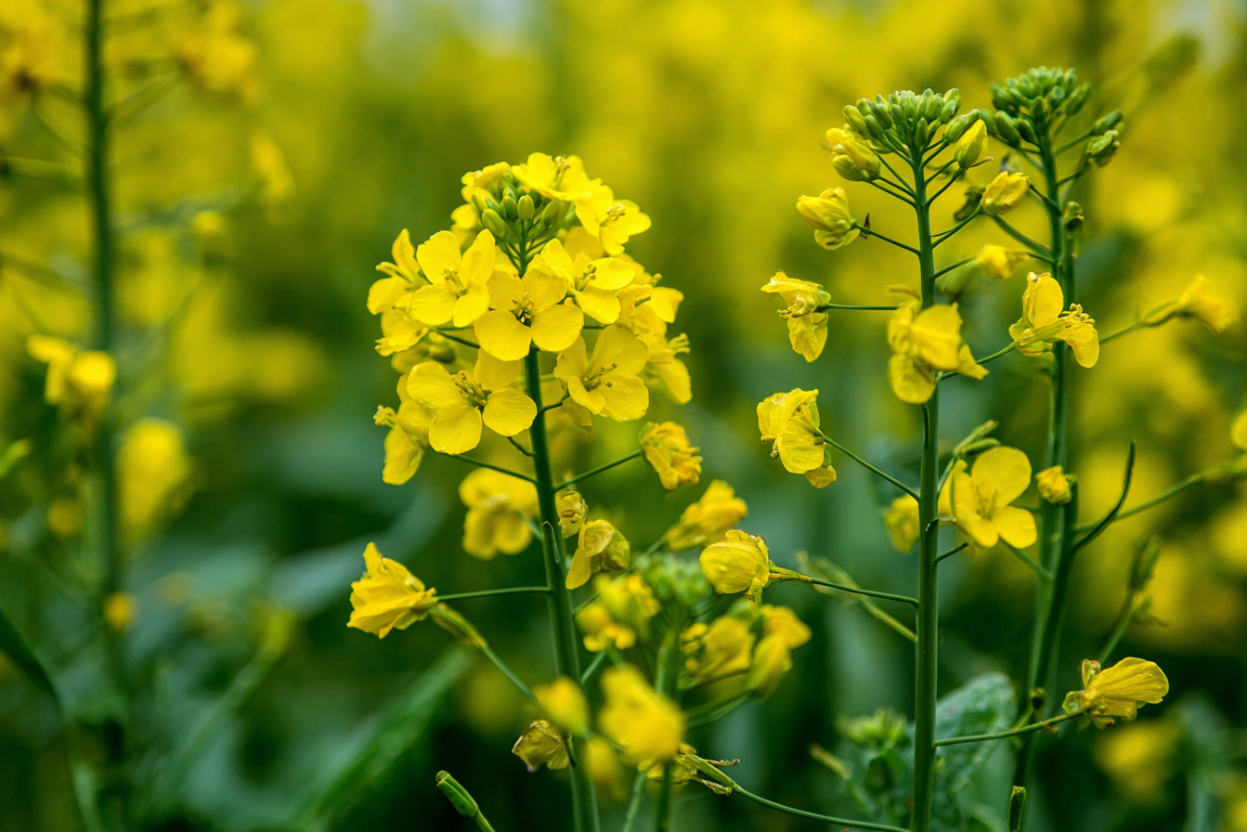
The leaves are broad, lobed, and deeply textured with a peppery bite when tasted raw. Young leaves are tender and bright green, while mature leaves become larger, darker, and more intensely flavored. The plant sends up clusters of small, bright yellow flowers with four petals arranged in a cross shape — the very feature that gives the family its name, Cruciferae, meaning “cross-bearing.” After flowering, slender seed pods (siliques) develop, each containing tiny round seeds ranging from yellow to dark brown or black depending on the variety.
Mustard seeds are remarkably small — typically 1 to 2 millimeters in diameter — yet they are packed with oils, proteins, and bioactive compounds. The seeds themselves have no pungent aroma until they are crushed and mixed with liquid, at which point the enzyme myrosinase breaks down glucosinolates (particularly sinigrin) to release allyl isothiocyanate, the compound responsible for mustard’s characteristic heat and sharp aroma.
Origin
Mustard is believed to have originated in the temperate regions of Central Asia, with the Indian subcontinent and the area surrounding the Himalayan foothills considered the primary center of origin for Brassica juncea. Black mustard (Brassica nigra) likely originated in the Mediterranean region and was the species most commonly known in the biblical world. White mustard (Sinapis alba) is native to the Mediterranean and Western Asia.
From these origins, mustard spread along ancient trade routes to China, Japan, Africa, Europe, and eventually the Americas. Today, mustard is cultivated on every continent except Antarctica. Major producers include Canada, Nepal, India, Russia, China, and the United States.
Brief History
Mustard is one of the oldest cultivated spices in human history, with documented use dating back over 5,000 years. Ancient Sumerians were among the first to grind mustard seeds into a paste. The plant was well known throughout the ancient Near East, Egypt, Greece, and Rome. Hippocrates used mustard in medicinal preparations. Roman soldiers carried mustard seeds on campaigns and are believed to have spread it across Europe. The Romans created one of the first prepared mustards by mixing ground seeds with unfermented grape juice (called mustum ardens — “burning must” — from which the English word “mustard” derives).
In the biblical world, mustard was a common garden and field plant. It was so well known that Jesus used it as His primary metaphor for faith and the Kingdom of Heaven. By the Middle Ages, mustard was being cultivated in monastery gardens across Europe. French monks in Dijon perfected mustard-making techniques that persist to this day. Mustard arrived in the Americas with European colonists and has been grown across North America since the 1600s.
Growing & Cultivation
Climate & Zones
Mustard thrives in USDA Hardiness Zones 2 through 11, making it one of the most adaptable plants you can grow. It is a cool-season crop that performs best when daytime temperatures range between 50°F and 75°F. In warmer climates (Zones 8–11, including Georgia), mustard is best planted as a fall or early spring crop. It will bolt quickly in summer heat. In cooler zones, spring and early summer planting works well. Mustard greens can tolerate light frost, which actually sweetens their flavor.
Soil Requirements
Mustard is remarkably adaptable to soil types. It prefers well-draining, loamy soil with a pH between 6.0 and 7.5. Sandy loam is ideal. Mustard tolerates clay soils better than many vegetables but will struggle in waterlogged conditions. Amend heavy clay with compost for better drainage. For container growing, any quality potting mix with good drainage will suffice.
Water & Sunlight
Mustard needs consistent moisture, approximately 1 inch of water per week. The soil should remain evenly moist but never soggy. Overwatering leads to root rot and fungal issues. Mulching around the base helps retain moisture and keeps roots cool. Mustard performs best in full sun (6+ hours) but tolerates partial shade, especially in warmer climates where afternoon shade prevents premature bolting.
Propagation
Seed: Mustard is grown almost exclusively from seed. Direct sow seeds ¼ to ½ inch deep, spacing them 1 inch apart in rows 12 to 18 inches apart. Seeds germinate quickly — often within 3 to 7 days at soil temperatures of 45°F to 85°F. Thin seedlings to 6 inches apart once they develop true leaves. For a continuous harvest, practice succession planting every 2 to 3 weeks.
Indoor Starting: Seeds can be started indoors 4 to 6 weeks before the last frost date. Transplant seedlings outdoors once they have 3 to 4 true leaves. Mustard transplants easily but prefers direct sowing.
Planting
In Zones 7–10, plant in early fall (September–October) for a fall/winter harvest, or in late winter (February–March) for a spring harvest. Companion plant mustard with beans, celery, dill, lettuce, onions, and chamomile. Avoid planting near strawberries or nightshades. Mustard is also an excellent cover crop and green manure — when tilled into the soil, its glucosinolate compounds naturally suppress soil-borne pathogens, a process called biofumigation.
Harvesting
Mustard greens can be harvested as baby greens in as few as 21 days, or at full maturity in 40 to 60 days. Harvest outer leaves first using the cut-and-come-again method, which encourages new growth from the center. Harvest in the morning when leaves are most crisp and flavorful. For seeds, allow the plant to flower and develop seed pods. Harvest pods when they turn brown and dry but before they split open and scatter. Cut entire seed stalks and hang upside down in a paper bag to catch falling seeds.
Drying & Storage
Mustard greens store fresh in the refrigerator for 3 to 5 days wrapped in a damp towel inside a bag. To dry, use a food dehydrator at 95–115°F or air-dry in a warm, well-ventilated area away from direct sunlight. Dried mustard greens retain flavor for 6 to 12 months stored in airtight containers in a cool, dark place. Mustard seeds, once fully dried, store exceptionally well — they can retain viability and flavor for 3 to 4 years in a sealed container. Whole seeds retain potency far longer than ground mustard, which should be used within 6 months for best flavor.
Pest & Disease Management
Common pests include flea beetles, aphids, cabbage loopers, and cabbage worms. Row covers provide the best organic prevention. Neem oil and insecticidal soap address infestations naturally. Companion planting with aromatic herbs helps deter pests. Common diseases include downy mildew, clubroot, and white rust. Ensure good air circulation, avoid overhead watering, and rotate crops to prevent disease. Interestingly, mustard’s own glucosinolate compounds make it more disease-resistant than many garden plants.
Companion Planting
Mustard is an excellent companion for many garden plants. It attracts beneficial insects with its flowers, serves as a trap crop for flea beetles (drawing them away from other brassicas), and its root exudates suppress certain soil-borne diseases. Plant with: beans, peas, dill, chamomile, celery, and lettuce. Avoid: strawberries and other brassicas (to prevent shared pest and disease issues).
The Healing of Growing
Growing mustard offers benefits beyond the harvest itself. The act of gardening — hands in soil, bare feet on earth, time spent outdoors — has been shown to reduce cortisol, improve mood, and support immune function. The soil contains beneficial bacteria (Mycobacterium vaccae) with documented antidepressant effects. Mustard grows quickly and abundantly, making it one of the most rewarding plants for beginner gardeners. When you grow your own mustard, you receive healing before you ever consume it.
Nutritional Profile
Macronutrients (Raw Mustard Greens, per 100g)
Calories: 27 | Protein: 2.9g | Carbohydrates: 4.7g | Fiber: 3.2g | Sugars: 1.3g | Fat: 0.4g (primarily polyunsaturated, including omega-3 alpha-linolenic acid)
Vitamins
Vitamin K: 593 µg (494% DV) — Essential for blood clotting, bone mineralization, and cardiovascular health. Vitamin K activates proteins that direct calcium into bones and away from arteries.
Vitamin A: 3,024 IU (101% DV, primarily as beta-carotene) — Supports healthy mucosa, skin integrity, immune defense, and vision. Beta-carotene also acts as a powerful antioxidant.
Vitamin C: 70 mg (78% DV) — Supports immune function, collagen production, iron absorption, and acts as a potent antioxidant that protects cells from oxidative damage.
Vitamin E: 1.8 mg (12% DV) — A fat-soluble antioxidant that protects cell membranes, supports skin health, and modulates immune function.
Folate (B9): 12 µg (3% DV) — Critical for DNA synthesis, cell division, and neural tube development during pregnancy.
Vitamin B6: 0.18 mg (9% DV) — Supports neurotransmitter synthesis (serotonin, dopamine, GABA), hemoglobin production, and immune function.
Minerals
Calcium: 115 mg (12% DV) — Essential for bone structure, muscle contraction, nerve transmission, and blood clotting. Mustard greens are a notable plant-based calcium source.
Potassium: 384 mg (8% DV) — Regulates fluid balance, blood pressure, and nerve signal transmission. Adequate potassium is associated with reduced stroke risk.
Iron: 1.6 mg (9% DV) — Necessary for oxygen transport in the blood and energy metabolism. The vitamin C in mustard greens enhances iron absorption.
Manganese: 0.48 mg (21% DV) — A cofactor for antioxidant enzymes (SOD), supports bone formation, blood clotting, and carbohydrate metabolism.
Copper: 0.17 mg (19% DV) — Supports iron metabolism, connective tissue formation, and acts as a cofactor for numerous enzymes.
Phytonutrients & Active Compounds
Glucosinolates (Sinigrin, Gluconapin, Progoitrin): Sulfur-containing compounds unique to the Brassicaceae family. When mustard tissue is broken (chewing, crushing), the enzyme myrosinase converts glucosinolates into isothiocyanates — particularly allyl isothiocyanate (AITC). Research suggests these compounds may support the body’s detoxification enzymes and have been studied for their potential role in cellular protection.
Isothiocyanates (Allyl Isothiocyanate, Phenethyl Isothiocyanate): The bioactive breakdown products of glucosinolates. Studies indicate AITC may support antimicrobial activity, antioxidant defense, and cellular health. AITC activates Phase II detoxification enzymes in the liver, which help neutralize potential carcinogens.
Carotenoids (Beta-Carotene, Lutein, Zeaxanthin): Fat-soluble pigments with antioxidant properties. Lutein and zeaxanthin concentrate in the macula of the eye and may support eye health and reduce age-related vision concerns.
Flavonoids (Quercetin, Kaempferol, Isorhamnetin): Polyphenolic compounds with documented antioxidant and anti-inflammatory activity. Quercetin in particular has been studied for its ability to modulate histamine response and support cardiovascular health.
Chlorophyll: The green pigment in mustard leaves, which has been studied for its potential to support detoxification and acts as an internal deodorant.
Nutrient Notes
Mustard greens contain more vitamin A than spinach and more vitamin C than oranges per 100g serving. Cooking mustard greens increases the bioavailability of certain nutrients (particularly vitamin K and beta-carotene) while reducing others (vitamin C). Pairing mustard greens with a small amount of healthy fat (olive oil, avocado) significantly improves absorption of fat-soluble vitamins A, E, and K. The calcium in mustard greens has good bioavailability compared to spinach, as mustard contains lower oxalate levels.
The B-vitamins in mustard support serotonin and dopamine production. The magnesium and potassium content may help regulate cortisol and support nervous system function. Glucosinolates have been shown to modulate inflammatory markers including NF-κB and various cytokines.
Culinary Uses
Edible Parts
Leaves: The most commonly consumed part. Young leaves are tender with a mild peppery bite, excellent raw in salads. Mature leaves are bolder, more pungent, and best when cooked — sautéed, braised, steamed, or added to soups. A staple of Southern American cuisine (“mess of greens”), Indian cooking (sarson ka saag), Chinese and Japanese cuisines (pickled, stir-fried), and Korean kimchi.
Seeds: Used whole or ground as a spice. Yellow/white seeds are milder. Brown and black seeds are more pungent. Seeds are the basis for prepared mustard condiments, curry powders, pickling spice blends, and the Indian tempering technique called tadka. Whole seeds pop when heated in oil, releasing a nutty, less pungent flavor.
Flowers: Edible, with a mild mustard flavor. Used as a garnish or added to salads.
Sprouts & Microgreens: Mustard sprouts are among the most nutrient-dense of all microgreens, with higher concentrations of glucosinolates and antioxidants than mature leaves.
Seed Oil: Mustard seed oil is widely used as a cooking oil in South Asian cuisine. It has a high smoke point (approximately 480°F for refined oil) and imparts a distinctive pungent flavor. Note: In the United States, pure mustard oil is sold “for external use only” due to FDA regulations regarding erucic acid content. Many Indian grocers sell it labeled accordingly. Low-erucic acid varieties exist and are used in food manufacturing.
Flavor Profile
Mustard greens are peppery, pungent, and slightly bitter with horseradish-like heat that mellows significantly when cooked. Young leaves are milder. Mustard seeds are sharp and biting when raw, becoming nutty and aromatic when toasted. The heat of mustard is unique — unlike chili peppers that activate TRPV1 receptors (felt in the mouth and throat), mustard’s allyl isothiocyanate activates TRPA1 receptors (felt in the sinuses and nasal passage). This is why mustard “goes to your nose.”
Preparation
Mustard greens benefit from thorough washing. For raw use, tear or chop into salad-sized pieces. For cooking, remove tough stems and chop leaves. Traditional Southern preparation involves slow-braising with smoked meat and vinegar. Quick sautéing in olive oil with garlic preserves more nutrients. In Indian cuisine, mustard greens (sarson) are slow-cooked with spinach and spices, then finished with butter (ghee). Blanching before cooking reduces bitterness.
To prepare mustard as a condiment from scratch, grind seeds and mix with liquid (water, vinegar, wine, or beer). The type of liquid and temperature dramatically affects flavor. Cold liquid produces the most pungent mustard. Hot liquid or vinegar tames the heat. Allow prepared mustard to rest for at least 24 hours for flavors to develop.
Culinary Pairings
Mustard greens pair beautifully with: smoked pork, garlic, onions, ginger, sesame oil, soy sauce, bacon, lemon, apple cider vinegar, olive oil, butter/ghee, cumin, turmeric, red pepper flakes, and cheese. Mustard seeds complement: fish, chicken, potatoes, lentils, rice, cabbage, and pickled vegetables.
Storage
Fresh greens: wrap in a damp paper towel, place in a bag, and refrigerate for 3 to 5 days. Whole seeds: store in an airtight container in a cool, dark place for up to 3 to 4 years. Ground mustard: use within 6 months for best potency. Prepared mustard: refrigerate after opening; keeps 1 to 2 years.
Ready to cook with mustard? View Recipes on Chefts →
Wellness & Therapeutic Uses
Traditional Uses
Mustard has been used medicinally for over 5,000 years across virtually every major healing tradition on earth. In Ayurvedic medicine, mustard has been documented since the earliest Sanskrit texts for supporting digestion, circulation, and respiratory function. Mustard oil massage (abhyanga) is a cornerstone of Ayurvedic bodywork, particularly for infants and postpartum mothers.
In Traditional Chinese Medicine, mustard seed was recorded in the Dictionary of Chinese Materia Medica for use in supporting conditions related to cold — precordial and abdominal discomfort with cold sensation, cough with abundant phlegm, and limb stiffness. In Greek medicine, Hippocrates (circa 400 BC) used mustard plasters for chest complaints and muscular discomfort. Dioscorides documented its warming and stimulating properties. Pliny the Elder wrote extensively about mustard’s beneficial properties in his Natural History (circa AD 78).
In European folk medicine, mustard plasters (poultices) were a standard home remedy applied to the chest for respiratory congestion, to the back for muscular tension, and to the feet to draw warmth. Native American tribes used various wild mustard species for similar warming and stimulating applications.
Modern Research
Anti-Inflammatory Support: Research suggests that mustard seed extract demonstrates anti-inflammatory properties comparable to conventional anti-inflammatory agents. A 2023 in vitro study found that mustard seed extract showed anti-inflammatory activity comparable to diclofenac sodium in egg albumin and bovine serum albumin assays (Cureus, 2023). Isothiocyanates from mustard have been shown to modulate NF-κB, a key inflammatory signaling pathway.
Antimicrobial Properties: Allyl isothiocyanate (AITC), the primary bioactive compound released from mustard seeds, demonstrates broad-spectrum antimicrobial activity against both Gram-positive and Gram-negative bacteria, as well as antifungal effects. Studies indicate effectiveness against Staphylococcus aureus, Streptococcus mutans, E. coli, and Candida albicans (Cureus, 2023).
Antioxidant Activity: Mustard greens and seeds contain significant antioxidant compounds including phenolics, flavonoids, carotenoids, and glucosinolates. Research demonstrates that mustard’s antioxidant profile may support the body’s defense against oxidative stress, which is implicated in aging and numerous chronic conditions (Scientific Reports, 2024).
Cellular Protection Research: Glucosinolates and their isothiocyanate derivatives have been extensively studied for their role in supporting the body’s detoxification systems. Research suggests that isothiocyanates inhibit Phase I activation enzymes (cytochrome P450) while inducing Phase II detoxification enzymes, which may help the body process and eliminate potential carcinogens (Molecules, 2022).
Skin Health Support: An animal study found that dietary mustard seed attenuated imiquimod-induced psoriasiform inflammation in mice, accompanied by reduced infiltration of T cells and inflammatory markers (Journal of Dermatological Science, 2013).
Mood Support: A study using Brassica juncea extract in diabetic animal models showed dose-dependent increases in serum serotonin, norepinephrine, and dopamine levels, suggesting potential antidepressant activity (CyTA – Journal of Food, 2020, citing Thakur et al., 2014).
Cardiovascular Support: Mustard seeds are rich in omega-3 fatty acids (alpha-linolenic acid) and monounsaturated fats, which research associates with reduced inflammation and lower risk of cardiovascular concerns. The high vitamin K content in mustard greens may help prevent arterial calcification.
Body Systems Supported
Digestive System: Mustard stimulates digestive secretions, supports healthy gut motility, and its fiber content promotes bowel regularity. Glucosinolates may support healthy gut microbiome diversity.
Immune System: Rich in vitamin C, vitamin A, and antimicrobial isothiocyanates, mustard supports multiple layers of immune defense.
Respiratory System: Traditionally used as a chest plaster for respiratory congestion. The warming, stimulating properties of mustard may support circulation to the chest and airways.
Musculoskeletal System: Mustard’s warming properties and anti-inflammatory compounds support comfort in joints and muscles when applied topically or consumed.
Cardiovascular System: Omega-3 fatty acids, potassium, and folate in mustard support heart health, blood pressure regulation, and vascular function.
Integumentary System (Skin): Antioxidants and sulfur compounds in mustard support skin health, while topical applications have traditionally been used for various skin concerns.
Nervous System: B-vitamins support neurotransmitter synthesis; omega-3 fatty acids support brain structure and function.
Body Compounds Affected
Research suggests that mustard and its compounds may influence: serotonin, dopamine, norepinephrine (via B-vitamin support and direct effects demonstrated in animal models); cortisol (via anti-inflammatory modulation); NF-κB, IL-6, TNF-alpha, and other inflammatory cytokines (via isothiocyanate activity); and glutathione and Phase II detoxification enzymes (via glucosinolate-isothiocyanate pathway).
Methods of Use
Tea/Infusion
Mustard seed tea is a traditional remedy. Use 1 teaspoon of lightly crushed mustard seeds per cup of hot water. Steep covered for 10 to 15 minutes. Strain and drink warm. Traditionally consumed 1 to 2 cups daily for digestive and respiratory support. Honey may be added to taste.
Mustard Plaster/Poultice
One of the oldest and most effective topical applications. Mix 1 part ground mustard seed with 4 parts flour. Add warm water to form a paste. Spread on a cloth (never directly on skin). Apply to the chest, back, or affected area for 15 to 20 minutes. The warming sensation indicates increased circulation. Remove immediately if skin becomes overly red or irritated. Always place a barrier cloth between the mustard paste and skin.
Mustard Foot Bath
Add 1 to 2 tablespoons of ground mustard to a basin of warm water. Soak feet for 15 to 20 minutes. This traditional remedy is used to promote circulation, relieve congestion, and warm the body from the extremities inward.
Dietary Consumption
The simplest and safest method — incorporate mustard greens and seeds into the regular diet. Eating mustard as food provides all the bioactive compounds in their natural matrix with synergistic cofactors.
Cosmetic & Beauty Uses
Skin Benefits
Mustard contains sulfur compounds, vitamin E, vitamin C, and omega-3 fatty acids that may support skin health. Traditionally, mustard seed oil has been used in South Asian cultures as a full-body moisturizer and massage oil. The warming properties may promote circulation to the skin’s surface. Antioxidant compounds in mustard may help protect against environmental oxidative damage. Mustard’s antimicrobial properties have been studied for potential benefits in supporting clear skin.
Suitable for: normal, oily, and combination skin types. Those with sensitive skin should patch test first, as mustard’s stimulating compounds can cause irritation in some individuals.
Hair Benefits
Mustard oil has been used for centuries in India and Bangladesh as a hair oil. The oil is rich in oleic acid, linoleic acid, and erucic acid, which may help coat and condition hair strands. Its stimulating properties may promote scalp circulation. Traditional use includes massaging warm mustard oil into the scalp to support hair vitality and manage dryness, dandruff, and dull hair.
Application Methods
Infused Oil: Steep crushed mustard seeds in a carrier oil (jojoba, coconut, or olive oil) for 2 to 4 weeks in a warm, dark place. Strain and use as a scalp massage oil or body oil. Face Mask: Mix a small amount of ground mustard with honey, yogurt, and a few drops of carrier oil. Apply to face for 5 to 10 minutes (not longer, as mustard can irritate). Rinse with cool water. Hair Treatment: Warm mustard oil slightly and massage into the scalp. Leave for 30 minutes to 1 hour. Wash thoroughly with a gentle shampoo. Bath Addition: Add 2 tablespoons of ground mustard to bathwater for a stimulating, warming soak.
DIY Formulation Notes
Use mustard at low concentrations in topical formulations (1–3% ground seed or mustard oil in a carrier) due to its stimulating nature. Never apply pure mustard essential oil directly to skin. Mustard pairs well with carrier oils like coconut, almond, and jojoba. Do not combine with other strongly stimulating ingredients. Shelf life of homemade mustard-infused oil: 3 to 6 months when stored in a cool, dark place.
Mustard is among the botanicals being explored for holistic cosmetic applications, where the wisdom of traditional beauty practices meets modern understanding of skin science.
Essential Oil Profile
Extraction
Mustard essential oil (volatile oil of mustard) is obtained through steam distillation of crushed mustard seeds that have been macerated in water. The enzyme myrosinase must first hydrolyze sinigrin to produce allyl isothiocyanate, which is then captured during distillation. The primary plant species used are Brassica nigra (black mustard) and Brassica juncea (brown mustard). White mustard (Sinapis alba) produces a different essential oil with lower AITC content. Yield is relatively low — approximately 0.5 to 1% of seed weight.
Important Distinction: “Mustard essential oil” (volatile oil, primarily AITC) is very different from “mustard seed oil” (the fatty, fixed oil pressed from seeds used in cooking and massage). They should never be confused.
Chemical Constituents
Allyl Isothiocyanate (AITC) — 90–99%: The dominant compound. Powerful antimicrobial, antifungal, insecticidal, and rubefacient (skin-warming) agent. Activates TRPA1 ion channels, creating the characteristic sharp, sinus-penetrating heat. GRAS status as a food flavoring agent (FEMA 2034).
Minor constituents include: 3-butenyl isothiocyanate, 2-phenylethyl isothiocyanate, and trace amounts of other sulfur-containing volatile compounds.
Aroma Profile
Mustard essential oil is classified as a top note. The scent is extremely sharp, pungent, and acrid — comparable to horseradish or wasabi. It is a potent lachrymator (tear-inducing agent) and should never be inhaled directly from the bottle or used in diffusion. The aroma is not typically used in perfumery or aromatherapy blending.
Therapeutic Properties
Using compliant language: rubefacient (warming when applied topically), potentially antimicrobial, potentially antifungal, stimulant (promotes circulation), counterirritant. Mustard essential oil has historically been used as a topical warming agent in liniments and plasters for muscular and joint discomfort.
How to Use
Topical Application (Extreme Caution Required)
Mustard essential oil is classified as a hazardous oil and should only be used with extreme care. Maximum recommended dilution is 0.5% (approximately 3 drops per ounce of carrier oil). It is a severe skin irritant and can cause chemical burns at higher concentrations. It is used primarily in professional liniment formulations and should not be used by the general public without professional guidance. Never use on broken skin, mucous membranes, or sensitive areas.
Diffusion
NOT recommended. Mustard essential oil is a powerful mucous membrane irritant and lachrymator. It should not be diffused in enclosed spaces.
Internal Use
NOT recommended for the essential oil. The whole food (greens, seeds) is the appropriate way to consume mustard’s beneficial compounds internally.
Quality & Sourcing
Ensure any mustard essential oil is properly labeled with the botanical name and includes a GC/MS report. Be cautious of synthetic AITC being sold as natural mustard essential oil. Quality natural mustard oil should list allyl isothiocyanate content at 90%+ on the GC/MS report. Store in a dark glass bottle, tightly sealed, in a cool location away from children and pets.
Blending
Due to its extreme potency and pungent aroma, mustard essential oil is rarely blended for aromatherapy purposes. In traditional liniment formulations, it has been combined with eucalyptus, wintergreen, and camphor oils in very small amounts by trained formulators.
Aromatherapy & Scent
The Aroma
Fresh Plant: The living mustard plant has a mild, green, slightly peppery scent. When leaves are crushed or torn, a more pungent, horseradish-like aroma is released. The flowers have a light, sweet, honey-like fragrance that attracts pollinators. Mustard’s fresh scent is strongest when the plant is touched, harvested, or after a warm rain releases volatile compounds from the leaves.
Dried Plant: Dried mustard greens have a subdued, hay-like aroma with residual peppery notes. Dried whole mustard seeds are virtually odorless until crushed and moistened, at which point the myrosinase enzyme activates and releases the familiar sharp mustard scent. Ground mustard powder retains a mild pungency that intensifies dramatically when water is added.
How Scent Affects Your Body
When you crush a mustard leaf or inhale the aroma of freshly prepared mustard, volatile molecules are released into the air. These are drawn into the nasal cavity through breathing, where they contact olfactory receptor neurons in the upper nasal passage. These receptors send signals directly to the limbic system (the emotional brain) and the hypothalamus (hormone control center), bypassing conscious thought. Mustard’s allyl isothiocyanate also activates the trigeminal nerve, producing the characteristic sharp, clearing sensation in the sinuses. This response occurs within seconds.
Emotional & Mood Effects
The sharp, clearing aroma of mustard is primarily stimulating and clarifying. The scent tends to: clear mental fog and sharpen focus, stimulate alertness and energy, open the sinuses and promote clear breathing, and create a sense of invigoration. Unlike calming herbs such as lavender, mustard’s scent is activating — it wakes up the senses and sharpens awareness.
Body Compounds Affected
Research on allyl isothiocyanate has demonstrated that it can induce adrenaline secretion through activation of TRPA1 channels. The stimulating scent may temporarily increase norepinephrine and alertness. The trigeminal nerve stimulation promotes reflexive deep breathing, which itself activates the parasympathetic nervous system. The combined effect is alertness without anxiety — clear-headed stimulation.
Ways to Experience the Scent
Growing mustard plants in your garden or on a windowsill provides gentle aromatic exposure when you brush against or harvest leaves. Crushing fresh mustard leaves and inhaling the aroma while gardening offers a natural, mild experience. Preparing fresh mustard from seeds (grinding and mixing with liquid) releases aromatic compounds into the kitchen. Simmering mustard greens during cooking provides a gentle, diffused aroma. A mustard foot bath releases aromatic steam. Fresh mustard sprouts on a kitchen counter provide a subtle, ongoing green fragrance.
Color Therapy
The Colors of Mustard
Flowers: Bright, vibrant yellow — one of the most cheerful and recognizable colors in the plant kingdom. Mustard fields in bloom create stunning landscapes of pure golden yellow.
Leaves: Rich, deep green in mature plants, lighter green in young growth. Some cultivars (Red Giant, Ruby Streaks, Osaka Purple) display burgundy, red, and purple coloration.
Seeds: Range from bright yellow (white mustard) through brown to nearly black (black mustard).
Color Wavelengths
Yellow (flowers): 570–590 nm wavelength. Green (leaves): 495–570 nm wavelength. Purple/Red (ornamental cultivars): 380–450 nm (violet) to 620–700 nm (red).
How Yellow Affects the Body
Yellow light falls in the 570–590 nm range and is associated with mental stimulation, optimism, clarity, and digestive support in color therapy principles. Yellow is the color most associated with the solar plexus chakra in Eastern traditions — the center of personal power, confidence, and digestive fire. Viewing yellow flowers has been associated with feelings of happiness, warmth, and mental energy. Research on color psychology consistently shows that yellow is the most attention-getting color and promotes feelings of cheerfulness and creativity.
How Green Affects the Body
Green light (495–570 nm) is the most abundant color in nature and is associated with balance, calm, and heart-centered healing. Exposure to green environments has been extensively studied and linked to reduced cortisol, lower heart rate, and improved mood. Green is the color of photosynthesis — the process by which plants convert light into energy — and viewing green spaces triggers the relaxation response in humans.
Body Compounds Affected
Exposure to yellow and green wavelengths has been associated with modulation of serotonin (mood regulation), cortisol (stress response), and melatonin (circadian rhythm regulation). Green environments have been specifically linked to reduced cortisol levels in multiple studies.
Using Mustard for Color Therapy
A pot of mustard greens on a windowsill brings vibrant green into indoor spaces. When mustard blooms, the yellow flowers add cheerful color to any room. Cut mustard flowers in a vase bring yellow light therapy into kitchens, dining areas, or workspaces. Growing mustard microgreens on a kitchen counter provides a concentrated burst of living green. Eating mustard greens and yellow mustard contributes to “eating the rainbow” — consuming the full spectrum of plant pigments for comprehensive nutritional benefit.
Frequency & Vibration
The Frequency of Mustard
While specific MHz measurements for the whole mustard plant have not been widely published in peer-reviewed literature, mustard belongs to the Brassicaceae family — a group of plants known for high levels of bioactive compounds. According to bio-frequency research, plants with high concentrations of volatile sulfur compounds and essential oils tend to register higher frequencies than those without. The volatile mustard oil (allyl isothiocyanate) is among the most energetically active plant compounds known, given its ability to rapidly stimulate nerve receptors and trigger immediate physiological responses.
For reference, a healthy human body typically measures between 62 and 78 MHz according to Bruce Tainio’s bio-frequency research. Fresh herbs generally measure higher than cooked or processed foods. Fresh mustard greens, with their high concentration of volatile compounds, carotenoids, and chlorophyll, would be expected to fall on the higher end of the vegetable frequency spectrum.
Human Frequency Interaction
According to the entrainment principle in vibrational medicine, a stronger frequency can influence a weaker one. Proponents of vibrational medicine believe that consuming fresh, living, high-frequency foods — such as raw mustard greens and sprouts — may help support and elevate the body’s own frequency. Processed and devitalized foods are believed to have lower frequencies that may not support optimal body function.
Vibrational Applications
Growing and consuming fresh mustard sprouts provides the highest frequency form of mustard. Eating raw, fresh mustard greens preserves volatile compounds that are lost during cooking. Being in a mustard garden — surrounded by living, growing plants — provides exposure to the plants’ living energy. Combining mustard consumption with other high-frequency practices (prayer, meditation, time in nature) aligns with a holistic approach to wellness.
Note: Frequency measurement of plants is an area where research is still emerging. The information above reflects the work of bio-frequency researchers, but precise measurements for specific plants continue to be studied.
The Living Plant
Benefits of Presence
Simply being around living mustard plants provides benefits that go beyond consuming or extracting their compounds. Research on biophilic design demonstrates that humans experience measurable physiological benefits from proximity to living plants — reduced cortisol, lower blood pressure, improved mood, and enhanced cognitive function. Mustard, with its rapid growth and vibrant green foliage, is particularly satisfying to observe and care for.
Air Purification
While mustard was not included in NASA’s original Clean Air Study (which focused on tropical houseplants), all green leafy plants participate in air purification through basic photosynthesis — absorbing carbon dioxide and releasing oxygen. Mustard’s large, broad leaves provide substantial surface area for gas exchange. The plant also releases volatile organic compounds (phytoncides) that may have antimicrobial properties in the surrounding air. Mustard microgreens grown indoors contribute to air quality improvement in the immediate growing area.
Phytoncides
Mustard plants release volatile sulfur-containing compounds — including trace amounts of isothiocyanates — into the surrounding air, particularly when leaves are brushed or the plant is disturbed. While these concentrations are far lower than what is achieved through direct consumption, research on forest bathing (shinrin-yoku) demonstrates that even low-level exposure to plant-released volatile compounds can increase Natural Killer (NK) cell activity and support immune function. Growing mustard in your kitchen or garden provides a low-level, ongoing exposure to its beneficial volatile compounds.
Visual & Psychological Benefits
Research consistently demonstrates that viewing plants reduces stress, improves attention, and promotes healing. Patients in hospital rooms with plant views have been shown to recover faster and require less pain medication than those without. Mustard’s bright green leaves and cheerful yellow flowers make it a particularly uplifting plant to have in view. The rapid growth rate of mustard — visible changes nearly every day — provides a satisfying sense of progress that can improve mood and motivation, particularly for those dealing with depression or low energy.
Growing Indoors vs Outdoors
Mustard greens can be grown indoors on a sunny windowsill or under grow lights. Indoor growing provides convenient access for fresh harvesting and brings living green into your home. Use a container at least 6 inches deep with drainage holes. Provide 6+ hours of light daily. Mustard microgreens and sprouts are among the easiest indoor growing projects — requiring only a shallow tray, seeds, water, and indirect light. Outdoors, mustard provides all the benefits of garden presence — soil contact, fresh air, sunlight exposure, and physical activity during tending and harvesting.
Touch & Physical Interaction
Gardening Therapy
Horticultural therapy — using plant care as a therapeutic intervention — is an established practice supported by decades of research. Mustard is an ideal plant for this purpose: it grows quickly, requires minimal expertise, and provides tangible results within weeks. The entire cycle from planting to harvesting can be completed in 30 to 60 days, making it deeply satisfying for those who need to see progress.
Soil Contact Benefits
When you garden with mustard, you are engaging in grounding — direct physical contact with the earth. Research on earthing demonstrates that electron transfer from the ground through bare skin contact can reduce inflammation, improve sleep, and modulate cortisol rhythms. Additionally, soil contains Mycobacterium vaccae, a bacteria that stimulates serotonin production in the brain. Studies have shown that exposure to this soil bacteria has antidepressant effects comparable to some medications. Growing mustard outdoors with your hands in the soil provides this benefit naturally.
The Tactile Experience
Mustard leaves have a distinctive texture — slightly crinkled, with prominent veins and a crisp, almost papery feel when fresh. Running your fingers along the leaf surface is a grounding sensory experience. The stems are firm and snap cleanly when harvested. Handling mustard seeds is its own tactile pleasure — thousands of tiny, smooth, round seeds sliding through the fingers like natural prayer beads. The act of crushing seeds between your fingers releases immediate aromatic compounds, engaging multiple senses simultaneously.
Harvesting & Processing
Harvesting mustard greens is meditative and rhythmic — reaching, selecting, cutting, and gathering. The repetitive motion creates a natural mindfulness practice. Processing seeds — threshing pods, winnowing chaff, sorting — connects you to an agricultural tradition that stretches back thousands of years. Grinding mustard seeds with a mortar and pestle is a deeply satisfying sensory experience: the physical effort, the cracking sound, the release of aroma, and the transformation from hard seed to pungent powder.
Water-Based Applications
Teas & Infusions
Mustard Seed Tea: Lightly crush 1 teaspoon of whole mustard seeds. Add to 8 ounces of water just off the boil (190–200°F). Steep covered for 10 to 15 minutes. Strain. Drink warm, 1 to 2 cups daily. Traditionally used for digestive support, respiratory congestion, and warming the body. Honey and lemon may be added to taste.
Mustard Green Tea: Use 1 to 2 tablespoons of fresh mustard leaves or 1 tablespoon dried. Steep in hot water for 5 to 10 minutes. This produces a mild, green, slightly peppery infusion with the nutritional benefits of the leaves.
Herbal Baths
Full Body Mustard Bath: Add 2 to 4 tablespoons of ground mustard seed to a full warm bath (not hot — 98–102°F). Stir well. Soak for 15 to 20 minutes. The warming properties promote circulation, may relieve muscular tension, and traditionally used for cold/flu support. Caution: Start with a smaller amount to assess skin tolerance. Do not exceed recommended amounts, as mustard can irritate skin at high concentrations.
Mustard Foot Bath: Add 1 to 2 tablespoons of ground mustard to a basin of warm water. Soak feet for 15 to 20 minutes. This is a gentler alternative to a full bath and a traditional remedy for promoting warmth and circulation, relieving sinus congestion, and soothing headaches.
Compresses
Hot Compress: Brew a strong mustard seed infusion. Soak a clean cloth in the warm liquid, wring partially, and apply to the chest, back, or joints for 15 to 20 minutes. Used traditionally for respiratory congestion, muscular discomfort, and joint stiffness. Cold Compress: A cooled mustard infusion can be applied for swelling or inflammation. Apply for 10 to 15 minutes.
Steam Inhalation
Add 1 teaspoon of crushed mustard seeds to a bowl of steaming water. Drape a towel over your head and the bowl. Inhale gently for 5 to 10 minutes. This method has been traditionally used for sinus congestion, head colds, and respiratory discomfort. Caution: The steam may be intensely pungent. Keep eyes closed. Start at a distance and move closer as tolerated.
Hair Rinses
Brew a strong mustard green infusion (2 tablespoons dried greens per cup of water). Cool to room temperature. After shampooing, pour through hair as a final rinse. May support scalp health and add shine. The sulfur compounds in mustard may help address dandruff and oily scalp conditions.
Historical, Cultural & Biblical Significance
Biblical References
Mustard holds a unique place in Scripture. It is one of the few plants that Jesus specifically named and used in His teaching. The mustard seed appears in five passages across the Gospels:
Matthew 13:31–32 (KJV): “Another parable put he forth unto them, saying, The kingdom of heaven is like to a grain of mustard seed, which a man took, and sowed in his field: Which indeed is the least of all seeds: but when it is grown, it is the greatest among herbs, and becometh a tree, so that the birds of the air come and lodge in the branches thereof.”
Mark 4:30–32 (KJV): “And he said, Whereunto shall we liken the kingdom of God? or with what comparison shall we compare it? It is like a grain of mustard seed, which, when it is sown in the earth, is less than all the seeds that be in the earth: But when it is sown, it groweth up, and becometh greater than all herbs, and shooteth out great branches; so that the fowls of the air may lodge under the shadow of it.”
Luke 13:18–19 (KJV): “Then said he, Unto what is the kingdom of God like? and whereunto shall I resemble it? It is like a grain of mustard seed, which a man took, and cast into his garden; and it grew, and waxed a great tree; and the fowls of the air lodged in the branches of it.”
Matthew 17:20 (KJV): “And Jesus said unto them, Because of your unbelief: for verily I say unto you, If ye have faith as a grain of mustard seed, ye shall say unto this mountain, Remove hence to yonder place; and it shall remove; and nothing shall be impossible unto you.”
Luke 17:6 (KJV): “And the Lord said, If ye had faith as a grain of mustard seed, ye might say unto this sycamine tree, Be thou plucked up by the root, and be thou planted in the sea; and it should obey you.”
The plant Jesus most likely referenced was black mustard (Brassica nigra), which grows wild throughout the Levant and can reach heights of 8 to 9 feet from a seed barely 1 to 2 millimeters in diameter. Jesus chose this plant deliberately — the smallest beginning producing the greatest outcome. It was a plant every listener would have known intimately.
Ancient Civilizations
Egyptian: Mustard seeds have been found in Egyptian tombs, suggesting both culinary and ceremonial importance. The Ebers Papyrus (circa 1550 BC) references mustard in medicinal preparations.
Greek: Hippocrates (460–370 BC) prescribed mustard plasters for respiratory and muscular complaints. Dioscorides documented mustard in De Materia Medica (circa AD 65) as a warming, stimulating remedy. Pythagoras reportedly believed mustard could sharpen the mind.
Roman: Pliny the Elder wrote extensively about mustard in his Natural History (circa AD 78), noting both its agricultural vigor and its health benefits. The Romans created the first prepared mustard condiment by mixing ground seeds with grape juice. Roman soldiers carried mustard seed as both food and medicine.
Hebrew/Jewish: Mustard was a common field and garden plant in ancient Israel, as evidenced by its prominence in Jesus’ parables. The Talmud references mustard cultivation. Rabbinical sources note that Jews grew mustard primarily in fields rather than enclosed gardens — consistent with Matthew’s account.
Eastern Traditions
Traditional Chinese Medicine: Mustard seed (Bai Jie Zi / 白芥子) has been used in TCM for centuries, classified as a warm, pungent herb. It was documented for supporting conditions related to cold and dampness in the body — chest congestion with phlegm, joint stiffness, and digestive sluggishness. TCM practitioners observed that mustard warms the lung and resolves phlegm, which aligns with modern understanding of its stimulant and expectorant properties.
Ayurveda: In the ancient Indian system of medicine, mustard (sarshapa/rajika) has been used for thousands of years. Charaka and Sushruta — the foundational Ayurvedic physicians — documented mustard for its warming, stimulating, and cleansing properties. Mustard oil massage is a deeply rooted Ayurvedic practice, particularly for newborn care, postpartum recovery, and joint support. Mustard is classified as heating (ushna virya) and is used to balance Kapha and Vata doshas.
Indigenous Knowledge
Various Native American tribes used wild mustard species (several Brassica and Sinapis species that naturalized after European contact) for food and as warming remedies. Mustard greens became an essential part of African American cuisine in the Southern United States, a tradition with deep roots in both West African cooking practices and the resourcefulness of enslaved people who transformed humble greens into nourishing, flavorful meals. This culinary tradition is a testament to resilience, knowledge, and the life-sustaining power of plants.
European Heritage
Mustard was cultivated in medieval monastery gardens across Europe — preserved and propagated by monks who understood its medicinal and culinary value. The mustard-making tradition in Dijon, France, dates to the 13th century. Nicholas Culpeper (1616–1654) documented mustard in his Complete Herbal for warming the body, clearing the head, and supporting digestion. Gerard’s Herball (1597) also cataloged mustard’s many uses.
Cultural Symbolism
In Christian tradition, the mustard seed symbolizes faith — something tiny that grows into something extraordinary. In many European cultures, mustard symbolizes indifference to difficulty (because the plant grows vigorously in nearly any condition). In Indian culture, mustard seeds are used in wedding ceremonies and are considered auspicious. The popping of mustard seeds in hot oil is one of the most recognizable sounds and aromas in Indian cooking — a daily reminder of the plant’s enduring importance in human life.
Safety & Precautions
Contraindications
Mustard is contraindicated for individuals with thyroid disorders, particularly hypothyroidism, as glucosinolates can interfere with iodine uptake (goitrogenic effect) when consumed in very large quantities. Cooking significantly reduces goitrogenic activity. Those with kidney disease should use mustard cautiously due to oxalate content. People with bleeding disorders should moderate intake due to vitamin K content.
Drug Interactions
Blood Thinners (Warfarin/Coumadin): The extremely high vitamin K content of mustard greens (494% DV per 100g raw) can significantly affect warfarin dosing. Patients on blood thinners should maintain consistent intake and inform their physician if adding or removing mustard greens from their diet.
Thyroid Medications: Glucosinolates may potentially interfere with thyroid medication. Consult your healthcare provider if you are on thyroid medication and consume large amounts of raw mustard.
Diabetes Medications: Mustard may have blood sugar-lowering effects. Those on diabetes medications should monitor blood sugar carefully when increasing mustard consumption.
Pregnancy & Nursing
Mustard greens consumed in normal dietary amounts are generally considered safe during pregnancy and provide excellent folate, iron, and calcium. However, concentrated mustard preparations (essential oil, large amounts of mustard seed), should be avoided during pregnancy, as mustard has traditionally been classified as an emmenagogue (a substance that may stimulate menstrual flow). Not recommended in therapeutic doses during pregnancy or breastfeeding without guidance from a qualified healthcare provider.
Children
Cooked mustard greens are appropriate for children over 6 months as part of a varied diet. The pungent flavor of mustard seed may be too intense for young children. Mustard essential oil should never be used on or near children. Prepared mustard condiment may be introduced in small amounts after age 2, though the strong flavor may not appeal to young palates.
Elderly
Mustard greens are excellent for elderly individuals, providing easily absorbed calcium, vitamin K for bone health, and antioxidants. However, those on blood thinners should discuss vitamin K intake with their physician. Start with cooked greens, which are easier to chew and digest than raw.
Pets
Dogs: CAUTION. Mustard seeds contain compounds that can cause gastroenteritis (inflammation of the stomach and intestinal lining) in dogs. Mustard greens in small amounts are not typically dangerous but may cause stomach upset. Mustard condiment should never be given to dogs. If a dog ingests a significant quantity of mustard seeds, contact your veterinarian.
Cats: CAUTION. Similar to dogs, mustard seeds contain toxic compounds for cats that can cause gastrointestinal distress. Keep mustard seeds, ground mustard, and mustard condiments away from cats.
Horses: Wild mustard species growing in pastures can be problematic if consumed in large quantities. The glucosinolates may cause digestive irritation. Most horses avoid mustard due to its pungent taste.
Allergies & Sensitivities
Mustard is recognized as a major allergen in the European Union and must be labeled on food products. Mustard allergy can cause reactions ranging from mild skin irritation to severe anaphylaxis. Those with allergies to other Brassicaceae plants (broccoli, cabbage, horseradish) may have cross-reactivity. Topical application of mustard (plasters, oils) can cause contact dermatitis, burns, and blistering if left on too long or used at too high a concentration. Always perform a patch test before topical use.
Dosing Guidelines
Dietary Use: 1 to 2 cups of cooked mustard greens per day is a generous, healthful serving. Seeds (dietary): 1 to 2 teaspoons per day as a spice or condiment. Tea: 1 to 2 cups of mustard seed tea daily. Topical plaster: Maximum 15 to 20 minutes; never directly on skin; always use a barrier cloth. Essential oil: Maximum 0.5% dilution — for trained practitioners only.
Quality & Sourcing
Purchase mustard seeds from reputable spice vendors. Organic is preferred to avoid pesticide residues. Mustard greens from farmers’ markets are ideal for freshness and nutrient density. For mustard seed oil (cooking), look for cold-pressed, expeller-pressed varieties. Be aware that the FDA restricts the sale of mustard oil for cooking in the United States due to erucic acid content — it is commonly sold labeled “for external use only.”
Signs of Adverse Reaction
Mild: Skin redness, warmth, or tingling from topical application. Mild GI discomfort from overconsumption. Moderate: Skin blistering from prolonged plaster application. Significant GI distress (nausea, vomiting, diarrhea) from ingesting large amounts of mustard seed. Severe (allergic reaction): Swelling of lips, tongue, or throat; difficulty breathing; hives; dizziness. Seek emergency medical attention immediately.
When to Seek Medical Care
Seek medical attention if you experience: any signs of allergic reaction (swelling, hives, difficulty breathing), skin burns or blistering from topical application, persistent GI symptoms after ingesting mustard, or any unexpected symptoms.
Disclaimer
This information is for educational purposes only. It is not intended to diagnose, treat, cure, or prevent any disease. Always consult with a qualified healthcare provider before using any herbal product, especially if you are pregnant, nursing, taking medications, or have a medical condition. If you experience any adverse reaction, discontinue use immediately and seek medical attention.
Want Personalized Guidance?
Every body is unique. What works for one person may not be right for another. If you’d like personalized support in incorporating mustard into your wellness journey, consider working with a qualified practitioner who can assess your individual needs.
Sources & References
Peer-Reviewed Studies
- Evaluation of Anti-inflammatory and Antimicrobial Properties of Mustard Seed Extract-Based Hydrogel: An In Vitro Study — Cureus, 2023, India
- Glucosinolates and Omega-3 Fatty Acids from Mustard Seeds: Phytochemistry and Pharmacology — Molecules, 2022, Philippines
- Mustard seed (Sinapis Alba Linn) attenuates imiquimod-induced psoriasiform inflammation of BALB/c mice — Journal of Dermatological Science, 2013, China
- Physico- and phytochemical properties of Brassica juncea as affected by agroclimatic conditions — Scientific Reports, 2024, Pakistan
- Phytochemistry and biological activity of mustard (Brassica juncea): a review — CyTA – Journal of Food, 2020, China
- Health-Promoting Phytochemicals from 11 Mustard Cultivars at Baby Leaf and Mature Stages — Nutrients (MDPI), 2017, USA
- Brassicaceae Mustards: Phytochemical Constituents, Pharmacological Effects, and Mechanisms of Action against Human Disease — Molecules, 2024, Australia
- Comprehensive advances in phytochemical components, bioactive functionality, and processing applications of mustard (Brassica juncea) — Frontiers in Nutrition, 2025, China
- Release of allyl isothiocyanate from mustard seed meal powder — Journal of Food Science, 2013, Canada
- Hypolipidemic effect of mustard oil enriched with medium chain fatty acid and polyunsaturated fatty acid — Nutrition, 2011, India
Traditional Medicine Sources
- Frontiers in Nutrition — Comprehensive Review of Mustard Phytochemical Components and Processing Applications — 2025, documenting traditional uses across cultures
- An Overview of Black Mustard (Brassica nigra L.): Important Facts, Constituents, Health Benefits, and Adverse Effects — Journal of Food Science, 2025, India
Institutional Sources
- USDA FoodData Central: Mustard Greens, Raw — U.S. Department of Agriculture
- ASPCA Toxic and Non-Toxic Plants: White/Black/Yellow Indian Mustard — ASPCA Animal Poison Control
- PubChem: Allyl Isothiocyanate — National Library of Medicine
Historical References
- Parable of the Mustard Seed — Historical and theological context for Jesus’ use of mustard in teaching
- Bible Verses About the Mustard Seed — King James Version Scripture references