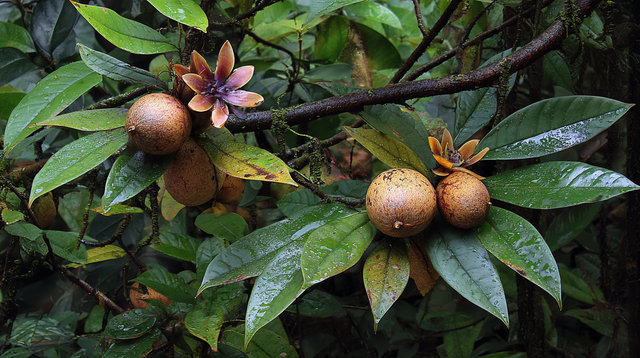
Nutmeg (Myristica fragrans)
If you have ever lain awake at night, your mind racing, your body tense, longing for rest that refuses to come — you are not alone. Millions of people struggle with sleep, stress, and the quiet ache of digestive discomfort that modern life seems to multiply. For thousands of years, long before pharmaceutical sleep aids existed, people turned to a single warm, aromatic seed for relief — nutmeg.
This remarkable spice is one of many gifts the Creator embedded into nature for our benefit. In a single seed, God placed compounds that may calm the nervous system, soothe the stomach, protect the brain, and warm the body from within. The more science reveals about nutmeg, the more we see the fingerprints of a Designer who anticipated every human need.
The Plant
Common Names: Nutmeg, Mace (from the aril), Jaiphal (Hindi), Muscade (French), Moscada (Spanish), Jouza at-Teeb (Arabic), Pala (Indonesian), Dou Kou Shu (Chinese), Moschokarido (Greek)
Botanical Name: Myristica fragrans Houtt.
Family: Myristicaceae — a family of approximately 400 species of tropical evergreen trees and shrubs
Description
Myristica fragrans is a large evergreen tropical tree that can reach 30 to 60 feet in height under ideal conditions. It develops a dense, tiered canopy of dark green, glossy, aromatic leaves that are oval to lance-shaped and arranged alternately along the branches. The leaves release a faint spicy fragrance when crushed. The tree produces small, pale yellow, waxy, bell-shaped flowers that are either male or female — the species is dioecious, meaning individual trees bear only one sex of flower.
The fruit resembles a small peach or apricot, roughly two inches long, with a fleshy yellow outer husk. When fully ripe, the fruit splits open along two seams to reveal a striking interior: a brilliant crimson, lace-like covering called the aril wrapped tightly around a hard, dark shell. This red aril is dried to become the spice known as mace. Inside the shell sits an egg-shaped, grayish-brown seed with a furrowed surface — this is the nutmeg itself. The tree is uniquely valuable because it yields two distinct, commercially important spices from a single fruit.
Nutmeg trees are slow growers. They typically begin producing fruit at around five to eight years of age, reach full production around fifteen to twenty years, and can continue bearing fruit for sixty years or more. A single mature tree may produce up to 1,000 to 2,000 fruits annually.
Origin
Nutmeg is native to the Banda Islands, a tiny cluster of volcanic islands in the Maluku Province (historically called the Spice Islands) of eastern Indonesia. These small, lush islands were the sole source of nutmeg for centuries. Archaeological evidence suggests the Bandanese people were using nutmeg as far back as 3,500 years ago — pottery from that era bears traces of the spice.
Today, nutmeg is cultivated across the tropics, including in India, Sri Lanka, Malaysia, Papua New Guinea, and throughout the Caribbean. Grenada, known as the “Island of Spice,” is the second-largest producer in the world and proudly features a nutmeg on its national flag. Indonesia remains the world’s leading producer.
Brief History
Arab traders introduced nutmeg to European markets around the sixth century. During the Middle Ages, nutmeg became one of the most sought-after commodities in the world — used to flavor food, preserve meat, and prescribed by physicians for digestive ailments and plague prevention. Its value rivaled that of gold. Emperor Henry VI had nutmeg spread through the streets of Rome before his coronation to perfume the air.
Control of the nutmeg trade drove colonial powers to war. The Dutch East India Company established a monopoly over the Banda Islands in the seventeenth century, and the spice was so coveted that the Dutch traded the island of Manhattan to the British as part of the 1667 Treaty of Breda in exchange for maintaining control over the nutmeg-producing island of Run. Eventually, the British transplanted nutmeg seedlings to territories under their control, breaking the monopoly and making the spice more widely accessible.
Growing & Cultivation
Climate & Zones
Nutmeg trees thrive in USDA hardiness zones 10 through 12. They require consistently warm temperatures between 75°F and 90°F (24°C to 32°C), high humidity (70% to 90%), and ample rainfall of 60 to 120 inches per year. They cannot tolerate frost — exposure below 30°F (-1°C) can kill the tree. In cooler climates, nutmeg can be grown as a container plant and brought indoors during cold months, though fruit production will be limited.
Soil Requirements
Nutmeg performs best in deep, well-drained, sandy loam rich in organic matter. The soil should be slightly acidic to neutral (pH 5.5 to 7.0). Heavy, waterlogged clay soils will cause root rot. For container growing, a quality tropical potting mix amended with perlite and compost provides adequate drainage and nutrition.
Water & Sunlight
Young nutmeg trees benefit from partial shade, particularly protection from intense afternoon sun. As the tree matures, it can handle full sun to partial shade. Watering should be regular and consistent — the soil should stay evenly moist but never saturated. Allow the top inch of soil to dry slightly between waterings. In dry climates, misting the foliage helps maintain the humidity the tree craves.
Propagation
Seed: Fresh nutmeg seeds are the most common propagation method. Seeds have a very short viability period and must be planted soon after harvest — within a few weeks at most. Plant seeds about half an inch deep in warm, moist soil and maintain temperatures above 75°F. Germination typically takes four to eight weeks.
Air Layering: This method allows you to select branches from known female trees (important since only female trees produce fruit). A section of bark is removed, wrapped in moist sphagnum moss, and covered with plastic until roots form — typically in several months.
Grafting: Used commercially to ensure desirable traits and to produce trees that fruit earlier than seed-grown specimens.
Planting
Space trees 25 to 30 feet apart in the landscape. Young trees should be protected from strong winds with a sheltering canopy or windbreak. For pollination and fruit production, plant at least one male tree for every ten female trees. Trees are dioecious, and the sex of a seedling cannot be determined until the tree flowers, usually after five to eight years.
Harvesting
Nutmeg is ready for harvest when the fleshy outer husk of the fruit cracks open, revealing the bright red mace and the hard-shelled seed inside. Harvesting can be done by picking the split fruit from the tree or gathering fallen fruit from the ground. The red mace is carefully removed and flattened for drying. The nutmeg seed is then dried gradually in the sun, turned twice daily, for six to eight weeks until the kernel rattles inside its shell. Once dried, the shell is cracked and the inner kernel — the nutmeg — is extracted.
Drying & Storage
Whole nutmegs retain their flavor and potency far longer than ground nutmeg. Stored in an airtight container in a cool, dark place, whole nutmegs can retain quality for several years. Ground nutmeg loses its volatile oils more quickly and should ideally be used within six months. For the strongest flavor, grate whole nutmeg fresh just before use.
Pest & Disease Management
Common pests include fruit borers, bark beetles, and scale insects. In humid conditions, fungal diseases such as fruit rot and dieback can occur. Good air circulation, proper spacing, and sanitation (removing fallen fruit and debris) are the best organic preventive measures. Neem oil can be applied for pest control.
Companion Planting
In tropical agroforestry systems, nutmeg grows well with coconut palms, clove trees, pepper vines, and banana plants, which provide the understory shade young nutmeg trees appreciate. Leguminous cover crops can be planted beneath to fix nitrogen and improve soil health.
The Healing of Growing
Growing nutmeg — or any plant — offers benefits beyond the harvest itself. The act of gardening connects you to the earth in a way modern life rarely permits. Research has shown that time spent with hands in soil reduces cortisol, improves mood, and supports immune function. The soil contains beneficial bacteria (Mycobacterium vaccae) with documented antidepressant effects. When you tend a living plant, you receive healing before you ever consume its fruit (Lowry et al., 2007, PNAS, USA).
Nutritional Profile
Nutmeg is used in small quantities as a spice, so its nutritional contribution per serving is modest. However, even in these small amounts, nutmeg provides notable concentrations of certain minerals and bioactive compounds. The following data is per 100 grams of ground nutmeg for reference, based on USDA FoodData Central.
Macronutrients
Per 100 grams of ground nutmeg: 525 calories, 36.3g fat (25.9g saturated, primarily myristic acid), 49.3g carbohydrates, 20.8g dietary fiber, 2.9g sugars, and 5.8g protein.
Vitamins
Thiamin (B1): 0.346 mg (29% DV) — Supports energy metabolism, nerve function, and the conversion of carbohydrates into fuel.
Niacin (B3): 1.3 mg (8% DV) — Supports cellular metabolism and DNA repair.
Vitamin B6: 0.16 mg (9% DV) — Plays a key role in neurotransmitter synthesis, including the production of serotonin and dopamine.
Folate (B9): 76 µg (19% DV) — Essential for DNA synthesis and cell division, and critical during pregnancy for neural tube development.
Vitamin C: 3 mg (3% DV) — Supports immune function and acts as an antioxidant.
Vitamin A: 5 µg RAE — Supports vision, immune function, and skin health.
Minerals
Manganese: 2.9 mg (126% DV) — A trace mineral essential for bone formation, blood clotting, and the activity of superoxide dismutase, one of the body’s most important antioxidant enzymes.
Copper: 1.03 mg (114% DV) — Required for iron metabolism, connective tissue formation, and the function of the nervous and immune systems.
Magnesium: 183 mg (44% DV) — Involved in over 300 enzymatic reactions, supports muscle and nerve function, blood sugar regulation, and bone health.
Phosphorus: 213 mg (17% DV) — Works with calcium to build bones and teeth, and plays a role in how the body uses carbohydrates and fats.
Iron: 3.04 mg (17% DV) — Essential for oxygen transport in the blood through hemoglobin and for energy metabolism.
Calcium: 184 mg (14% DV) — Critical for bone density, muscle contraction, and nerve signaling.
Potassium: 350 mg (7% DV) — Helps regulate fluid balance, muscle contractions, and nerve signals. A key mineral for heart health.
Zinc: 2.15 mg (20% DV) — Supports immune function, wound healing, and protein synthesis.
Phytonutrients & Active Compounds
Nutmeg’s therapeutic value lies primarily in its rich phytochemistry. Key bioactive compounds include:
Myristicin — A phenylpropanoid that is the most studied compound in nutmeg. Research suggests it possesses anti-inflammatory, antioxidant, and neuroprotective properties. It may inhibit pro-inflammatory mediators including TNF-α, IL-6, and COX-2.
Macelignan — A lignan unique to Myristica fragrans with documented anti-inflammatory, antibacterial, hepatoprotective, and neuroprotective activities. Studies indicate it may protect dopaminergic neurons and support cognitive function.
Elemicin — A phenylpropanoid with sedative and calming properties.
Eugenol — Found also in cloves, this compound demonstrates analgesic and anti-inflammatory activity.
Sabinene — A monoterpene that contributes to nutmeg’s distinctive aroma and exhibits antioxidant properties.
Trimyristin — A natural compound associated with sedative and muscle-relaxing effects.
Malabaricone C — A diarylnonanoid with strong antioxidant and chemopreventive potential.
Nutrient Notes
Because nutmeg is consumed in very small amounts (a typical serving is 1/4 to 1/2 teaspoon, or about 1-2 grams), its per-serving mineral contribution is modest. However, its phytonutrients — myristicin, macelignan, and the terpene compounds — are biologically active even at these low doses. The B-vitamins in nutmeg, particularly B6, support the production of serotonin and other neurotransmitters, which may partially explain its traditional use as a sleep aid. The high manganese content, even in small amounts, supports the body’s antioxidant defenses.
Culinary Uses
Edible Parts
The seed (nutmeg) and the aril (mace) are the primary edible parts. The fleshy outer husk of the fruit is also edible and is used in some Southeast Asian cuisines to make jams, candies, and pickles — though this is far less common outside of producing regions.
Flavor Profile
Nutmeg has a warm, sweet, slightly peppery flavor with undertones of clove and cinnamon. Freshly grated, it offers a complex, aromatic intensity that ground nutmeg from a jar cannot match. When cooked, the flavor mellows and blends harmoniously into both sweet and savory dishes. Mace is similar but more delicate and subtly citrusy.
Preparation
For best results, purchase whole nutmegs and grate them fresh using a fine grater or microplane just before use. A little goes a long way — typically 1/8 to 1/4 teaspoon per dish. Nutmeg pairs beautifully with cream sauces, custards, and cheese dishes. It is essential in béchamel sauce, eggnog, and pumpkin pie. In savory cooking, it enhances spinach, potatoes, sausages, and meat rubs.
Culinary Pairings
Proteins: Lamb, pork, chicken, eggs. Vegetables: Spinach, sweet potatoes, squash, carrots, cauliflower. Spices: Cinnamon, cloves, allspice, cardamom, ginger, black pepper. Dairy: Cream, butter, ricotta, Gruyère. Acids/Sweets: Lemon zest, honey, vanilla, maple syrup.
Storage
Whole nutmegs stored in an airtight container in a cool, dark place will retain their flavor for up to four years. Ground nutmeg should be used within six months for best potency. The volatile oils responsible for flavor and aroma degrade quickly once the seed is ground.
Ready to cook with nutmeg? View Recipes on Chefts →
Wellness & Therapeutic Uses
Traditional Uses
Nutmeg has been used medicinally across virtually every major healing tradition for centuries. In Ayurveda, nutmeg (known as Jaiphal) is classified as warm and pungent, prescribed for digestive complaints, insomnia, low libido, and nervous disorders. It is described as acting on the spleen, stomach, and large intestines — warming the middle energizer and calming the mind. A pinch of nutmeg in warm milk before bed has been an Ayurvedic remedy for sleeplessness for generations.
In Traditional Chinese Medicine (TCM), nutmeg (rou dou kou) is acrid in flavor and warm in nature. It is used to warm the middle burner, arrest diarrhea caused by spleen and kidney yang deficiency, promote the circulation of qi, and support digestion. It has been documented in Chinese materia medica for diarrhea, abdominal distention, reduced appetite, and vomiting.
In Unani medicine, nutmeg has been used to support sexual health and regulate reproductive function. Arab physicians, who were among the first to introduce nutmeg to the broader world, prescribed it for stomach ailments, nausea, and as a general tonic. In European folk medicine, nutmeg was carried as a pomander during plague outbreaks in the seventeenth century, and physicians prescribed it as a brain stimulant and digestive aid.
Modern Research
Anti-inflammatory activity: Multiple studies indicate that nutmeg extracts and their bioactive compounds, particularly myristicin and macelignan, may modulate inflammatory pathways. Research has demonstrated inhibition of pro-inflammatory mediators including TNF-α, IL-6, and COX-2 through modulation of the NF-κB signaling pathway (Comprehensive review, Food Science & Human Wellness, 2025, International).
Neuroprotective effects: Macelignan, a lignan found in nutmeg, has shown promise in protecting brain cells. Studies in animal models suggest it may protect dopaminergic neurons against degeneration through activation of PPAR-γ, implying potential relevance to neurodegenerative conditions. Macelignan has also demonstrated the ability to protect hippocampal cells against oxidative stress-induced damage (Muchtaridi et al., Phytochemistry Reviews, 2017, Indonesia/USA).
Antioxidant properties: Nutmeg and its essential oil demonstrate significant antioxidant capacity. The phenolic content of M. fragrans has been quantified at approximately 293 mg GAE/g, and compounds including myristicin and malabaricone C show strong free radical scavenging and lipid peroxidation inhibition (Ferrara et al., Plants, 2023, Italy).
Antimicrobial activity: Both nutmeg extracts and essential oil have demonstrated activity against a range of bacteria and fungi in laboratory studies, including Streptococcus pneumoniae, Bacillus cereus, and Micrococcus luteus.
Digestive support: Nutmeg has traditionally been classified as a carminative, meaning it may help relieve gas, bloating, and indigestion. Its warming properties are believed to stimulate digestive secretions and promote motility.
Sleep support: One of nutmeg’s most well-known traditional uses is as a sleep aid. The compound trimyristin is associated with sedative and muscle-relaxing effects, and myristicin may support the body’s production of serotonin — a precursor to melatonin, the hormone that regulates the sleep-wake cycle. The Ayurvedic tradition of a pinch of nutmeg in warm milk before bed combines the sedative properties of the spice with tryptophan from the milk to naturally support restful sleep.
Body Systems Supported
Digestive system — carminative, supports motility, may reduce bloating. Nervous system — sedative properties, neuroprotective compounds, traditional anxiolytic use. Immune system — antimicrobial activity, antioxidant defense. Musculoskeletal system — anti-inflammatory properties that may support joint comfort. Cardiovascular system — antioxidant protection, traditional circulation support. Integumentary system — topical anti-inflammatory and antimicrobial applications. Endocrine system — traditional use for hormonal and reproductive support.
Body Compounds Affected
Serotonin: Nutmeg may support serotonin production through its influence on tryptophan metabolism. Serotonin regulates mood, appetite, and sleep. Melatonin: By supporting serotonin synthesis, nutmeg may indirectly promote melatonin production, the body’s primary sleep hormone. Cortisol: The calming and sedative effects of nutmeg suggest a potential role in modulating cortisol — the body’s primary stress hormone. Prostaglandins: Myristicin has been shown to inhibit prostaglandin E2 (PGE2) production, one of the primary mediators of the inflammatory response. Cytokines: Nutmeg compounds have demonstrated the ability to reduce pro-inflammatory cytokines including TNF-α and IL-6. Dopamine: Macelignan’s protection of dopaminergic neurons suggests a role in supporting dopamine pathways.
Methods of Use
Tea/Infusion
Add 1/4 teaspoon of freshly ground nutmeg to one cup of hot water or warm milk. Steep for 5 to 10 minutes. Drink 30 minutes before bed for sleep support, or after meals for digestive comfort. Limit to one cup per day.
Powder
Freshly grated or pre-ground nutmeg can be added to food and beverages. A typical supplemental dose is 1/4 to 1/2 teaspoon (approximately 0.5 to 1 gram) per day. Do not exceed 1 teaspoon per day. Higher doses can cause adverse effects.
Poultice/Compress
A paste of nutmeg powder mixed with sesame oil or coconut oil can be applied to areas of joint discomfort or muscle aches. Apply to the affected area, cover with a warm cloth, and leave for 20 to 30 minutes.
Essential Oil
Nutmeg essential oil may be used in diluted topical applications or diffusion. See the Essential Oil Profile section below for detailed guidance.
Cosmetic & Beauty Uses
Skin Benefits
Nutmeg’s anti-inflammatory and antimicrobial properties make it a traditional ingredient in skincare. Its compounds may help address acne-causing bacteria, reduce redness and inflammation, and support a more even skin tone. Nutmeg acts as a gentle natural exfoliant when used in powder form, helping to slough away dead skin cells and reveal brighter skin underneath. Its antioxidant compounds may also protect skin cells from oxidative damage caused by environmental stressors.
Traditionally, nutmeg has been used in Indian and Southeast Asian beauty practices for reducing the appearance of dark spots, hyperpigmentation, and acne scars. Its astringent properties may help tighten pores and reduce the appearance of fine lines.
Hair Benefits
Nutmeg’s stimulating properties may promote blood circulation to the scalp, potentially supporting hair growth and follicle health. Its antimicrobial effects can help combat dandruff and maintain scalp hygiene. Nutmeg-infused oil has been used traditionally to add shine and strength to hair.
Application Methods
Face Mask: Mix 1/2 teaspoon of ground nutmeg with 1 tablespoon of raw honey. Apply to clean skin, leave for 15 to 20 minutes, and rinse with warm water. Suitable for oily and acne-prone skin types.
Exfoliating Scrub: Combine 1/2 teaspoon ground nutmeg with 1 tablespoon brown sugar and 1 tablespoon coconut oil. Gently massage onto damp skin in circular motions, then rinse.
Scalp Oil: Add 2 to 3 drops of nutmeg essential oil to 1 tablespoon of jojoba or coconut oil. Massage into the scalp, leave for 30 minutes or overnight, then shampoo out.
Bath Addition: Add 1 teaspoon of ground nutmeg to a warm bath along with Epsom salts for a warming, muscle-relaxing soak.
DIY Formulation Notes
When incorporating nutmeg into homemade skincare, use sparingly — a little goes a long way. Nutmeg powder can be irritating in high concentrations. Always perform a patch test on a small area of skin before full application, especially if you have sensitive skin. Carrier oils that pair well with nutmeg include sweet almond, jojoba, and coconut oil. Homemade preparations should be used within one to two weeks and stored in a cool place.
Nutmeg is among the botanicals being explored for holistic cosmetic applications, where the wisdom of traditional beauty practices meets modern understanding of skin science.
Essential Oil Profile
Extraction
Nutmeg essential oil is most commonly extracted by steam distillation of the dried, crushed seeds (kernels). The oil yield typically ranges from 5% to 15% of the seed weight, making it a relatively generous essential oil source compared to many other botanicals. CO2 supercritical fluid extraction is also used and tends to preserve more of the heat-sensitive compounds, including a higher proportion of sabinene. The resulting oil is a pale yellow to nearly colorless liquid with the characteristic warm, spicy scent of the whole seed.
Chemical Constituents
Nutmeg essential oil contains a complex mixture of compounds. The major constituents, based on GC-MS analysis, include:
Monoterpenes (60-80% of total oil): Sabinene (15-30%), α-pinene (12-20%), β-pinene (9-15%), limonene (3-6%), γ-terpinene (3-7%), and myrcene. These contribute to the oil’s fresh, uplifting top note and provide antioxidant properties.
Oxygenated Monoterpenes (5-15%): Terpinen-4-ol is the primary component in this class, possessing antimicrobial and anti-inflammatory properties.
Phenylpropanoids (10-25%): Myristicin (8-15%), elemicin, eugenol, methyl eugenol, and safrole. Myristicin is the most pharmacologically significant — responsible for much of the oil’s therapeutic activity as well as its toxicity at high doses.
Sesquiterpenes: Germacrene D and β-bergamotene are present in small amounts.
Aroma Profile
Nutmeg essential oil is classified as a middle note in perfumery. Its scent is warm, sweet, and spicy with woody undertones — rich and comforting. The aroma evolves over time from a fresh, slightly sharp initial impression to a deeper, balsamic warmth. It blends well with clove, cinnamon, orange, lavender, rosemary, geranium, and cedarwood oils.
Therapeutic Properties
Using compliant language, nutmeg essential oil has been traditionally associated with: analgesic support (may help ease muscle and joint discomfort), anti-inflammatory properties, antimicrobial activity, carminative effects (digestive comfort), warming and circulation-supporting qualities, and calming, sedative properties when diffused before bed.
How to Use
Diffusion
Add 3 to 5 drops to an ultrasonic diffuser. Diffuse for 30 to 60 minutes in a well-ventilated room. Particularly beneficial in the evening to promote relaxation and restful sleep. Blends well with lavender and sweet orange for a calming bedtime atmosphere.
Topical Application
Always dilute before applying to skin. Standard dilution guidelines:
Adults: 2-3% dilution (12-18 drops per ounce of carrier oil). Sensitive skin: 1% dilution (6 drops per ounce). Children over 6: 0.5-1% dilution (3-6 drops per ounce). Elderly: 1% dilution. Not recommended for children under 6.
Carrier oils that pair well include sweet almond, fractionated coconut, and jojoba oil. Apply to areas of muscle discomfort with gentle massage. Avoid mucous membranes, eyes, and ears.
Quality & Sourcing
Look for oils that are 100% pure, steam-distilled from Myristica fragrans seeds. A reputable supplier will provide GC/MS test results showing the chemical composition. Be wary of oils that are unusually inexpensive, as adulteration with synthetic myristicin or cheaper terpene fractions is possible. East Indian nutmeg oil (from Indonesian or Indian sources) is generally considered higher quality than West Indian varieties.
Blending
Nutmeg blends beautifully with other warm spice oils (clove, cinnamon bark, ginger), citrus oils (sweet orange, bergamot, mandarin), floral oils (lavender, geranium, ylang ylang), and woody oils (cedarwood, sandalwood, frankincense). For a warming winter diffuser blend, try 3 drops nutmeg, 3 drops sweet orange, and 2 drops cinnamon bark.
Aromatherapy & Scent
The Aroma
Fresh, whole nutmeg has a surprisingly mild scent until the surface is broken. Scratch or grate the hard seed and a wave of warm, sweet, slightly woody fragrance emerges — instantly recognizable and deeply comforting. The scent intensifies when the seed is freshly grated, releasing volatile oils that dissipate within minutes when left exposed. Dried and ground nutmeg retains a softer, more muted version of this aroma. Whole nutmegs stored properly will retain their fragrance for years, while ground nutmeg loses aromatic intensity within months.
How Scent Affects Your Body
When you grate nutmeg, volatile molecules are released into the air. As you inhale, these molecules travel through the nose and contact olfactory receptors at the top of the nasal cavity. These receptors send signals directly to the limbic system — the brain’s emotional processing center — and the hypothalamus, which governs hormone release. This pathway bypasses the conscious, thinking brain entirely. Your body responds to scent before your mind decides how to react. This is why a familiar aroma can instantly shift your mood or trigger a vivid memory.
Emotional & Mood Effects
The scent of nutmeg is generally associated with warmth, comfort, and groundedness. It is calming without being sedating in normal ambient amounts — creating a sense of security and domestic peace. Many people associate it with holiday baking and family gatherings, which adds a layer of emotional comfort through memory association. In aromatherapy practice, nutmeg is used for grounding, centering, and easing mental fatigue. It is considered warming to the spirit — helpful during cold months or periods of emotional heaviness.
Body Compounds Affected
Inhalation of nutmeg’s volatile compounds may influence several body compounds. Research on aromatic compounds in nutmeg suggests potential modulation of serotonin pathways, which could contribute to its mood-elevating and calming effects. The sedative properties of trimyristin and myristicin, when inhaled in small quantities, may support relaxation and reduce cortisol levels. The eugenol content contributes analgesic effects through inhalation.
Ways to Experience the Scent
Beyond essential oil diffusion, there are many simple ways to enjoy nutmeg’s aroma: grate fresh nutmeg onto warm beverages and inhale the steam before drinking; simmer a whole nutmeg with cinnamon sticks and orange peel on the stove as a natural room fragrance; add ground nutmeg to homemade potpourri with cloves and dried citrus; tuck a whole nutmeg into a sachet and place in a drawer or under a pillow; add freshly grated nutmeg to a warm bath and breathe deeply as the steam rises.
Color Therapy
The Colors of Nutmeg
The nutmeg tree presents a rich palette of colors. The leaves are a deep, glossy dark green. The flowers are a soft pale yellow. The fruit, when ripe, splits to reveal the most striking display — a brilliant scarlet or crimson aril (mace) wrapped around the dark brown seed. The nutmeg seed itself, when dried, is a warm grayish-brown with a furrowed, textured surface. The inner flesh of the seed, visible when cut open, shows a marbled pattern of darker and lighter brown.
Color Wavelengths
The dominant visual color of the nutmeg fruit’s aril is red, falling in the 620-700nm wavelength range. The dark green of the leaves falls in the 495-570nm range. The warm brown of the dried seed is a mixture of wavelengths that the eye perceives as earthy and grounding.
How These Colors Affect the Body
Red wavelengths (from the mace) are associated with energizing, stimulating, and warming effects. They may promote circulation and vitality. The deep green of the leaves falls in the wavelength range associated with balance, calm, and heart-centered healing — the most prevalent color in nature, and the one most associated with stress reduction. The warm brown of the seed, while not a single spectral color, is psychologically associated with earthiness, stability, and comfort — the visual equivalent of the spice’s grounding aroma.
Body Compounds Affected
Exposure to green wavelengths from the living plant’s foliage is associated with reduced cortisol and enhanced parasympathetic nervous system activity. Red wavelengths may stimulate circulation and energy. While color therapy research is still developing, the visual experience of living plants — particularly the combination of green foliage and colorful fruit — supports the body’s stress-reduction and restorative responses.
Using Nutmeg for Color Therapy
If growing a nutmeg tree indoors, the lush dark green foliage provides a constant source of calming green-wavelength visual stimulation. Placing the tree where you can see it from a workspace or relaxation area maximizes the visual therapy benefit. The striking red of fresh mace, if accessible, can be used in visual displays to add an energizing, warming element to a space.
Frequency & Vibration
The Frequency of Nutmeg
According to bio-frequency research pioneered by Bruce Tainio, essential oils and living plants emit measurable electromagnetic frequencies. While specific MHz measurements for nutmeg essential oil are less commonly published than for oils such as rose or frankincense, nutmeg is generally classified as a moderate-to-high frequency oil due to its complex chemical composition and potent aromatic properties. A healthy human body operates in the range of 62-78 MHz. When the body’s frequency drops below 58 MHz, susceptibility to illness increases.
Human Frequency Interaction
Frequency measurements suggest that being in the presence of high-frequency substances — including essential oils and living plants — may support the body’s own frequency. The principle of entrainment, drawn from physics, proposes that a stronger frequency can influence a weaker one, gradually bringing it into alignment. Proponents of vibrational medicine believe that using high-frequency essential oils such as nutmeg, or simply being near healthy living plants, may support the body’s electromagnetic balance.
Essential Oil Frequency
Nutmeg essential oil, with its complex mixture of terpenes and phenylpropanoids, is considered a warming, grounding oil in vibrational terms. It is often recommended for raising personal frequency during times of physical fatigue, emotional heaviness, or seasonal transitions. Diffusing nutmeg oil or applying it topically (properly diluted) is one way to incorporate its vibrational properties.
Vibrational Applications
To use nutmeg for frequency support, consider diffusing the essential oil during meditation or prayer, adding a drop of diluted oil to the wrists or chest, or simply spending time near a living nutmeg tree. Combining nutmeg with other high-frequency practices — quiet time, gratitude, prayer, time in nature — may amplify its effects.
Note: Frequency measurement of essential oils is an area where research is still emerging. The information above reflects the work of vibrational medicine proponents and should be understood within that developing framework.
The Living Plant
Benefits of Presence
Research on indoor plants and nature exposure demonstrates that simply being near living plants provides measurable benefits — beyond any consumption or extraction. The visual presence of greenery reduces stress, lowers blood pressure, and promotes a sense of calm. A nutmeg tree, with its glossy dark green foliage and pleasant aromatic presence, offers these benefits whenever it is in your living or working space.
Air Purification
While nutmeg is not among the plants specifically studied in the NASA Clean Air Study, all living plants contribute to indoor air quality through basic photosynthesis — absorbing carbon dioxide and releasing oxygen. The large, dense leaf canopy of a nutmeg tree, even when kept as a smaller container specimen, provides meaningful oxygen production. The aromatic compounds released by the leaves and wood may also contribute antimicrobial volatile compounds to the surrounding air.
Phytoncides
Trees, including tropical evergreens like nutmeg, release phytoncides — volatile organic compounds with antimicrobial properties. Forest bathing research (shinrin-yoku) has demonstrated that exposure to phytoncides increases the activity of Natural Killer (NK) cells, a key component of the immune system. While most shinrin-yoku research has focused on coniferous forests, the principle extends to aromatic tropical trees. Having an aromatic tree like nutmeg in your home provides a small-scale version of this exposure.
Visual & Psychological Benefits
Studies in healthcare settings have shown that patients with views of plants and greenery heal faster, require less pain medication, and report better mood. The presence of plants in work environments has been associated with improved productivity, reduced absenteeism, and enhanced creativity. A nutmeg tree, with its attractive form and glossy foliage, serves both aesthetic and therapeutic purposes in any indoor space.
Growing Indoors vs Outdoors
In zones 10 through 12, nutmeg can be grown outdoors year-round. In cooler climates, it makes an attractive indoor container plant, though it will likely remain small and may not fruit. Place in a bright location with indirect or filtered sunlight, maintain humidity through misting, and keep temperatures consistently above 55°F. Even without fruit production, the living tree provides the presence, air quality, and visual benefits described above.
Touch & Physical Interaction
Gardening Therapy
The practice of tending plants — watering, pruning, repotting — is a form of horticultural therapy with documented benefits for mental health. Caring for a nutmeg tree offers a meditative routine: monitoring moisture, misting the foliage, turning the pot for even light exposure. These small, repetitive acts of attention create opportunities for mindfulness and a sense of responsibility that grounds the caretaker in the present moment.
Soil Contact Benefits
When gardening with bare hands or bare feet on the earth, you receive benefits from direct soil contact. The soil contains Mycobacterium vaccae, a beneficial bacterium that research has shown stimulates serotonin production and may function as a natural antidepressant. Grounding — direct physical contact with the earth — allows the transfer of electrons from the earth’s surface into the body, which some research associates with reduced inflammation and improved sleep. Repotting a nutmeg tree with bare hands provides an opportunity for this direct soil connection.
The Tactile Experience
The nutmeg tree offers a range of textures for the hands. The leaves are smooth, leathery, and slightly waxy on top — cool and satisfying to the touch. The bark is rough and fibrous. If you are fortunate enough to harvest fresh nutmeg, the experience is uniquely sensory: splitting the soft, fleshy fruit to reveal the vivid red lace of mace over the dark hard shell is a moment of genuine wonder. The act of peeling away the mace, cracking the shell, and holding the smooth, marbled kernel is a tactile experience that connects you directly to the plant’s gift.
Harvesting & Processing
Processing nutmeg is a meditative, multi-step act. Removing the mace, drying the seeds in the sun, turning them daily — this patient work follows the rhythm of the season and cannot be rushed. Grating a whole nutmeg on a microplane is itself a small daily ritual: the resistance of the hard seed against the metal, the cascade of fine powder, the immediate bloom of warm fragrance. These sensory details make nutmeg preparation a small moment of mindfulness in an otherwise hurried day.
Water-Based Applications
Teas & Infusions
The simplest water-based preparation is nutmeg tea. Add 1/4 teaspoon of freshly grated nutmeg to one cup of just-boiled water. Steep for 5 to 10 minutes, strain if desired, and sweeten with honey. For the traditional Ayurvedic sleep preparation, add 1/4 teaspoon of grated nutmeg to one cup of warm milk (dairy or plant-based), along with a pinch of cardamom and a small spoonful of honey. Drink 30 minutes before bed. The combination of nutmeg’s sedative compounds with milk’s tryptophan content creates a synergistic sleep-support formula.
Herbal Baths
For a warming, muscle-relaxing bath, add 1 to 2 teaspoons of ground nutmeg to a warm bath along with 1 cup of Epsom salts and a few drops of nutmeg essential oil (optional). Soak for 20 to 30 minutes. This is particularly beneficial for muscle aches, joint stiffness, and general stress relief. A nutmeg foot bath can be prepared similarly on a smaller scale — add 1/2 teaspoon of ground nutmeg and 1/4 cup of Epsom salts to a basin of warm water and soak the feet for 15 to 20 minutes.
Compresses
Warm compress: Add 1/2 teaspoon of ground nutmeg to a bowl of warm water. Soak a cloth, wring gently, and apply to areas of joint or muscle discomfort. The warmth combined with nutmeg’s anti-inflammatory compounds may help ease stiffness and promote circulation to the area.
Steam Inhalation
Add 1/4 teaspoon of ground nutmeg or 2 to 3 drops of nutmeg essential oil to a bowl of steaming water. Drape a towel over your head and the bowl, close your eyes, and inhale the steam gently for 5 to 10 minutes. This method delivers volatile compounds directly to the respiratory passages and can help with congestion, headache, and mental fatigue. Keep the eyes closed, as the steam may irritate them.
Hair Rinses
Brew a strong nutmeg tea (1/2 teaspoon per cup of boiling water, steeped for 20 minutes and cooled). After shampooing, pour the tea over the hair as a final rinse. The antimicrobial properties may support scalp health, and the trace minerals can contribute to hair shine.
Historical, Cultural & Biblical Significance
Biblical References
Nutmeg is not directly mentioned by name in Scripture. The nutmeg tree is native to the remote Banda Islands of Indonesia, and the spice did not reach the biblical lands of the Near East until well into the medieval period. However, the Bible speaks broadly and reverentially of spices. In 2 Chronicles 9:9, the Queen of Sheba brought King Solomon “an hundred and twenty talents of gold, and of spices great abundance, and precious stones: neither was there any such spice as the queen of Sheba gave king Solomon” (KJV). Spices are woven throughout Scripture as gifts of honor, as elements of sacred anointing oils, and as expressions of provision. While nutmeg was not among the spices known in the ancient Near East, its later discovery fits within the broader biblical truth that God’s provision is continuous and global — revealed in His time.
Ancient Civilizations
The earliest known use of nutmeg dates to approximately 3,500 years ago on the Banda Islands, where pottery fragments bearing traces of nutmeg have been identified. The Bandanese people traded nutmeg and mace through interisland networks for centuries before the spice reached the wider world. Arab traders were the first to introduce nutmeg to markets beyond Southeast Asia, bringing it to the Middle East and eventually to Europe by the sixth century AD. They kept the true source of the spice a closely guarded secret.
The ancient Romans were likely aware of nutmeg through trade networks, though it was rare and expensive. The Roman author Pliny the Elder may have been referencing a form of nutmeg or mace when describing certain aromatic imports from the East. By the time of the Byzantine Empire, nutmeg was established as a luxury item in Mediterranean trade.
Eastern Traditions
In Ayurveda, nutmeg has been documented in Sanskrit texts for centuries as a remedy for digestive disorders, insomnia, and nervous conditions. It is classified as having a warming energy and is used to balance Vata and Kapha doshas. In Traditional Chinese Medicine, nutmeg (rou dou kou) has been included in the materia medica as a warming herb that supports the spleen and stomach, arrests diarrhea, and promotes the flow of qi. Unani physicians in the Islamic world used nutmeg for its aphrodisiac and digestive properties, and it was considered a tonic for overall vitality.
Indigenous Knowledge
The Bandanese people — the original custodians of the nutmeg tree — understood its value long before outsiders arrived. Their knowledge of harvesting, drying, and using both nutmeg and mace was refined over millennia. Tragically, Dutch colonialism in the seventeenth century devastated the indigenous Bandanese population through violence and forced labor in pursuit of monopoly over the spice trade. The practical knowledge of nutmeg cultivation survived because it was transplanted — along with seedlings — to other tropical regions.
European Heritage
In medieval Europe, nutmeg was considered almost miraculous. Physicians prescribed it for plague prevention, digestive ailments, and as a brain stimulant. It was so valuable that a small bag of nutmegs could purchase a house. The spice trade — and nutmeg in particular — was a primary driver of the Age of Exploration. The Dutch and Portuguese competed violently for control of the Banda Islands, and the eventual Treaty of Breda (1667) saw the Dutch trade the island of Manhattan to Britain in exchange for the nutmeg-producing island of Run — a transaction that reveals just how precious this seed once was. Emperor Henry VI had nutmeg strewn through the streets of Rome before his coronation.
Cultural Symbolism
Nutmeg has symbolized prosperity, warmth, and hospitality across many cultures. In Grenada, the world’s second-largest producer, nutmeg is so central to national identity that it appears on the country’s flag. In European folk tradition, carrying a whole nutmeg in the pocket was believed to bring good luck and protect health. In culinary traditions from India to the Netherlands to the Caribbean, nutmeg represents the warmth of home cooking and the comfort of shared meals.
These cultures observed that nutmeg provided warmth, comfort, and digestive ease. They documented this use across continents and centuries. While they may not have known the Creator by name, they were observing His design — and their observations align with what modern research confirms about nutmeg’s properties.
Safety & Precautions
Contraindications
This section is critical. Nutmeg is safe and beneficial in the small amounts typically used in cooking (1/4 to 1/2 teaspoon per day). However, nutmeg consumed in large amounts (more than 1 to 2 whole nutmegs, or roughly 5 grams or more of ground nutmeg at once) is toxic and can cause serious adverse effects, including hallucinations, nausea, vomiting, rapid heartbeat, high blood pressure, dry mouth, abdominal pain, disorientation, and in severe cases, seizures and organ failure. These effects are primarily attributed to myristicin toxicity. Deaths, though rare, have been reported from massive nutmeg ingestion.
Individuals with psychiatric conditions should exercise caution and consult a healthcare provider before using nutmeg in supplemental (beyond culinary) amounts.
Drug Interactions
Anticholinergic drugs: Nutmeg may increase levels of certain neurotransmitters including acetylcholine, and could potentially interact with anticholinergic medications. Sedatives and CNS depressants: Because of nutmeg’s own sedative properties, combining it in supplemental amounts with prescription sedatives, sleep medications, or anti-anxiety drugs could amplify effects. CYP450 enzymes: Some compounds in nutmeg may affect cytochrome P450 enzyme activity, which could theoretically alter the metabolism of various medications. Anyone taking prescription medications should consult a healthcare provider before using nutmeg in amounts exceeding normal culinary use.
Pregnancy & Nursing
Nutmeg in normal culinary amounts (a pinch to 1/4 teaspoon in a recipe) is generally considered safe during pregnancy. However, nutmeg in larger, supplemental doses is not recommended during pregnancy. Myristicin may have abortifacient (uterine-stimulating) effects at high doses. The safety of supplemental nutmeg during breastfeeding has not been adequately studied. The conservative guidance is: enjoy nutmeg as a spice in your food, but avoid it as a supplement during pregnancy and nursing without guidance from a qualified healthcare provider.
Children
Small amounts of nutmeg in food are generally safe for children over 2. Nutmeg should not be given to children in supplemental doses. Keep whole nutmegs and ground nutmeg out of reach of young children. Essential oil of nutmeg should not be used on children under 6, and should be used in reduced dilution (0.5% or less) for children ages 6 to 12.
Elderly
Older adults may be more sensitive to nutmeg’s sedative effects and should use conservatively. Those taking multiple medications should be particularly mindful of potential interactions, especially with blood pressure medications, sedatives, and blood thinners.
Pets
Dogs: TOXIC. Nutmeg contains myristicin, which is toxic to dogs. Even moderate amounts can cause hallucinations, disorientation, increased heart rate, high blood pressure, abdominal pain, and seizures. If your dog ingests nutmeg, contact your veterinarian or the ASPCA Animal Poison Control Center at (888) 426-4435 immediately.
Cats: TOXIC. Cats are also susceptible to myristicin toxicity. Symptoms and response protocol are similar to dogs. Keep all forms of nutmeg away from cats.
Horses: Limited data available; caution advised.
Birds: Unknown; avoid exposure.
Symptoms of pet toxicity can appear within 3 to 8 hours and may take several days for full recovery.
Allergies & Sensitivities
Contact dermatitis has been reported from handling nutmeg or nutmeg oil. Individuals with allergies to other spices in the Myristicaceae family should exercise caution. Always perform a patch test before applying nutmeg or nutmeg oil to the skin. Asthma-like reactions have been reported in rare cases.
Dosing Guidelines
Culinary use: 1/8 to 1/4 teaspoon per dish — safe for daily use. Supplemental/therapeutic use: 1/4 to 1/2 teaspoon (0.5 to 1 gram) per day in tea or warm milk. Maximum safe daily amount: Do not exceed 1 teaspoon (approximately 2 grams) per day. Toxic dose threshold: Adverse effects may begin at 1 to 2 tablespoons (5+ grams). This is a spice that should always be used sparingly — its potency is part of its design.
Signs of Adverse Reaction
Mild: Nausea, dry mouth, dizziness, stomach discomfort. Moderate: Rapid heartbeat, anxiety, flushing, confusion. Severe (seek immediate medical attention): Hallucinations, seizures, loss of consciousness, extreme agitation, difficulty breathing. If you or anyone experiences symptoms beyond mild stomach discomfort after consuming nutmeg, discontinue use and seek medical attention.
Disclaimer
This information is for educational purposes only. It is not intended to diagnose, treat, cure, or prevent any disease. Always consult with a qualified healthcare provider before using any herbal product, especially if you are pregnant, nursing, taking medications, or have a medical condition. If you experience any adverse reaction, discontinue use immediately and seek medical attention.
Want Personalized Guidance?
Every body is unique. What works for one person may not be right for another. If you’d like personalized support in incorporating nutmeg into your wellness journey, consider working with a qualified practitioner who can assess your individual needs.
Sources & References
Peer-Reviewed Studies
- Nutmeg Beyond Spice: A Review on Its Therapeutic Potential, Safety and Industrial Promise – Food Science & Human Wellness, 2025, International
- Pharmacological and Therapeutic Potential of Myristicin: A Literature Review – Molecules, 2021, Brazil
- Chemical Diversity and Pharmacological Significance of the Secondary Metabolites of Nutmeg (Myristica fragrans Houtt.) – Phytochemistry Reviews, 2017, Indonesia/USA
- Essential Oils and Sustainability: In Vitro Bioactivity Screening of Myristica fragrans Houtt. Post-Distillation By-Products – Plants, 2023, Italy
- Antioxidant and Anti-inflammatory Compounds in Nutmeg (Myristica fragrans) Pericarp – Natural Product Communications, 2015, USA/India
- Nutritional and Therapeutic Potential of Nutmeg (Myristica fragrans): A Concurrent Review – Cogent Food & Agriculture, 2023, Pakistan
- Macelignan Rescues Mitochondrial Homeostasis and Prevents Cognitive Decline in Vascular Dementia – Journal of Ethnopharmacology, 2026, China
- Nutmeg (Myristica fragrans Houtt.) Essential Oil: A Review on Its Composition, Biological, and Pharmacological Activities – Phytotherapy Research, 2022, India
- Therapeutic and Pharmacological Prospects of Nutmeg Seed: A Comprehensive Review – Saudi Pharmaceutical Journal, 2024, Pakistan/Saudi Arabia
- Comparison of Essential Oils Obtained from Different Extraction Techniques as an Aid in Identifying Aroma Significant Compounds of Nutmeg – Natural Product Communications, 2015, India
- Multiple Biological Properties of Macelignan and Its Pharmacological Implications – Archives of Pharmacal Research, 2013, Korea
- Identification of an Immune-Responsive Mesolimbocortical Serotonergic System: Potential Role in Regulation of Emotional Behavior (Mycobacterium vaccae) – PNAS, 2007, USA/UK
Traditional Medicine Sources
- Nutmeg Monograph – McCormick Science Institute
- Nutmeg Uses, Benefits & Dosage – Drugs.com Natural Products Professional Database
Institutional Sources
- Spices, Nutmeg, Ground — Nutritional Data – USDA FoodData Central
- Nutmeg and Cinnamon Toxicity – Pet Poison Helpline
Historical References
- The Early History of Clove, Nutmeg, & Mace – World History Encyclopedia, 2021