Goji Berry (Lycium barbarum)
If your eyes feel strained after long days in front of screens, if your energy fades by mid-afternoon, or if you worry about how time is wearing on your body — you are not alone. Millions of people search for real, lasting support for their vision, their immune system, and the slow march of aging. For over two thousand years, one small red berry has been at the center of that search.
The goji berry is one of the Creator’s most generous gifts — a tiny fruit packed with compounds so specific to human need that it reads like a love letter written in chemistry. Zeaxanthin for the eyes He designed to see. Polysaccharides for the immune system He built to protect. Antioxidants for the cells He fearfully and wonderfully made.
The Plant
Common Names: Goji berry, wolfberry, Chinese wolfberry, Himalayan goji, Tibetan goji, Gou Qi Zi (枸杞子), matrimony vine
Botanical Name: Lycium barbarum L.
Family: Solanaceae (nightshade family — related to tomatoes, peppers, and eggplant)
Description
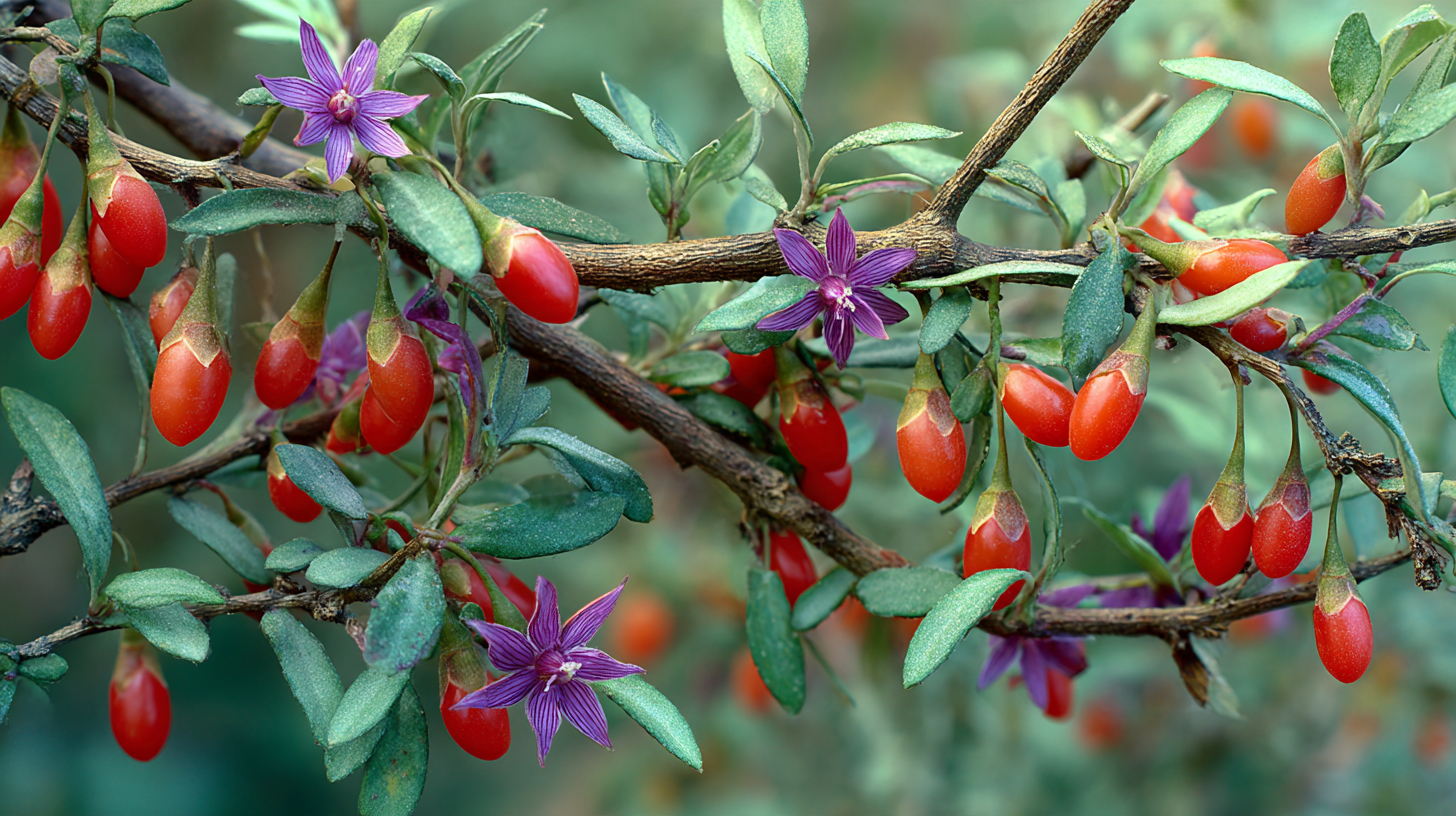
The goji berry plant is a deciduous, semi-woody shrub with long, arching branches that can reach five to seven feet tall and equally wide when left unpruned. The branches are slender, somewhat thorny, and covered in small, narrow, grey-green leaves arranged alternately along the stems. From late spring through summer, the plant produces delicate purple to lavender funnel-shaped flowers along the length of its canes — small but striking against the muted foliage.
The flowers give way to the berries themselves: bright red to orange-red, oblong fruits about the size and shape of a small raisin when dried. Fresh goji berries are plump, slightly translucent, and have a flavor that blends sweet with a mild tartness and faint licorice undertones. The root system is vigorous and suckering — the plant spreads by underground runners, making it both productive and persistent once established.
Origin
Goji berries are native to the arid and semi-arid regions of northwestern China, particularly the Ningxia Hui Autonomous Region, where cultivation along the floodplains of the Yellow River extends back at least 600 years in documented agricultural practice — and likely much further in wild harvesting. The species also grows natively across parts of Mongolia, Tibet, and other regions of Central Asia. Today, goji berries are cultivated commercially in China, Mongolia, and increasingly in Europe (Italy, Spain, Greece), the United States, and other temperate regions around the world.
Brief History
The goji berry’s documented use as both food and wellness support stretches back over two thousand years. Its first recorded mention appears around 200 BCE in the Shen Nong Ben Cao Jing (The Divine Farmer’s Materia Medica), one of the oldest reference texts on Chinese medicinal herbs, where it was classified among the top-grade herbs for safety and broad benefit. Centuries later, it was documented again in Li Shizhen’s monumental 16th-century Bencao Gangmu (Compendium of Materia Medica). From at least the 7th century CE, both the fruit and the root bark were used across Chinese medical traditions. The berry traveled westward through trade routes and by the early 21st century had become one of the most widely recognized functional foods in Western markets.
Growing & Cultivation
Climate & Zones
Goji berries are remarkably hardy and adaptable, thriving across USDA Zones 3 through 10. This is one of the widest ranges of any fruiting shrub. Lycium barbarum is the cold-hardy commercial standard, reliable down to Zone 3. The plant is also highly heat-tolerant, performing well in hot, dry climates — though temperatures above 85°F (29.4°C) during bloom may reduce fruit set. In very hot regions, afternoon shade helps. Goji berries can also be grown indoors or in containers (at least 10–15 gallons) on patios and balconies where garden space is limited.
Soil Requirements
The goji berry strongly prefers well-drained soil and will not tolerate waterlogged or soggy conditions. It thrives in sandy loam to loamy soils and tolerates clay and sandy soils provided drainage is adequate. The ideal soil pH is 6.8 to 8.1 — this plant actually prefers slightly alkaline conditions where many other fruits struggle. Amend acidic soils with lime if needed. For container growing, use a quality potting mix with added perlite or sand for drainage and some lime to raise pH.
Water & Sunlight
Full sun (six to eight or more hours daily) produces the best flowering and fruiting. The plant tolerates partial shade but yields less. For water, goji berries are drought-tolerant once established. Young plants need approximately one inch of water per week. Mature plants need far less — water only when the soil is dry two inches below the surface. Overwatering is the most common mistake and can lead to root rot and poor flowering. High-nitrogen fertilizers should be avoided as they promote foliage at the expense of fruit.
Propagation
Seed: Goji can be grown from seed, though germination is slow and variable. Start seeds indoors 6–8 weeks before last frost, sowing on the surface of moist soil. Germination takes 2–4 weeks at around 68–77°F. Seedlings are slow-growing in the first year.
Cutting: Softwood cuttings taken in late spring or early summer root readily, especially with rooting hormone. This is the fastest method to produce fruiting plants true to the parent variety.
Division/Suckers: Established plants produce root suckers freely. These can be separated and transplanted in early spring or fall — an easy and reliable propagation method.
Planting
Plant goji berries in spring after the last frost. Space plants 4–5 feet apart in rows 6–8 feet apart. Dig a hole twice the width of the root ball and the same depth. Water deeply after planting. Goji berries benefit from a trellis or stake system, as the arching branches become heavy with fruit and can sprawl along the ground without support. Companion plants that work well include comfrey, clover, and forage radish, which help improve soil biology around the root zone.
Harvesting
Expect a light first crop in year two (about half a pound per plant) with full production by year three, when established plants may yield 4–8 pounds per season. Berries ripen from midsummer through the first frost. Harvest when they are fully red and slightly soft — the berries bruise easily, so handle gently. The best time to harvest is in the morning after dew has dried. Pick by gently pulling or shaking berries onto a sheet spread below the plant. Green or unripe berries should never be eaten, as they may contain alkaloids.
Drying & Storage
Goji berries dry beautifully and are most commonly consumed in dried form. Spread fresh berries in a single layer on drying racks in a well-ventilated area out of direct sunlight. A food dehydrator set to 105–115°F works well, typically taking 24–48 hours. Oven drying at the lowest setting with the door cracked is another option. Properly dried berries should be chewy, not brittle. Store in airtight containers in a cool, dark place for up to one year. Freezing fresh berries is also effective — spread in a single layer on a sheet pan, freeze, then transfer to bags.
Pest & Disease Management
Goji berries are generally disease-resistant and low-maintenance. The most common challenges are bird predation (use netting during fruiting), aphids (spray with a strong stream of water or apply neem oil), and powdery mildew in humid climates (ensure good air circulation through pruning). Deer and rabbits may browse on young shoots — fencing can help. Companion planting with aromatic herbs may deter some pests naturally.
Companion Planting
Goji berries grow well alongside comfrey (nutrient accumulator), clover (nitrogen fixer), and yarrow (pollinator attractor). Avoid planting near other nightshade family members (tomatoes, peppers, eggplant) to reduce shared pest and disease pressure.
The Healing of Growing
Growing goji berries offers benefits long before you ever eat the fruit. The act of gardening — hands in soil, bare feet on earth, time spent outdoors — has been shown to reduce cortisol, improve mood, and support immune function. The soil itself contains beneficial bacteria (Mycobacterium vaccae) with documented antidepressant effects. Research on horticultural therapy demonstrates that regular plant care reduces anxiety and improves overall wellbeing. When you grow your own goji berries, you receive healing before you ever consume them.
Nutritional Profile
Macronutrients
Per 100g of dried goji berries (USDA data): approximately 349 calories, 14.3g protein, 77.1g carbohydrates (including 45.6g sugars), 13g dietary fiber, and 0.4g fat. The protein content is notable for a fruit — significantly higher than most berries — and includes all essential amino acids, making goji one of the few plant-based complete protein sources in the fruit category.
Vitamins
Vitamin C: 48mg per 100g fresh (54% DV) — supports immune function, collagen production, and acts as a powerful antioxidant protecting cells from oxidative damage. Dried berries contain a unique vitamin C analog called 2-O-β-D-glucopyranosyl-L-ascorbic acid (AA-2βG), which is more stable than standard ascorbic acid.
Vitamin A / Beta-Carotene: Goji berries are exceptionally rich in beta-carotene and other carotenoids, which the body converts to vitamin A. Vitamin A is essential for vision, immune function, and skin health.
Riboflavin (Vitamin B2): Supports energy metabolism and cellular function. Goji berries are a notable plant source of this vitamin, along with thiamine (B1) and nicotinic acid (B3).
Minerals
Iron: 6.8mg per 100g (85% DV) — essential for oxygen transport in the blood, energy production, and immune function. The iron content in goji berries is remarkably high for a fruit.
Calcium: 190mg per 100g (19% DV) — critical for bone health, muscle contraction, and nerve signaling.
Selenium: Present in meaningful amounts — functions as a cofactor for antioxidant enzymes (glutathione peroxidase), supports thyroid function, and may protect against oxidative DNA damage.
Other minerals present include potassium, copper, manganese, magnesium, zinc, and phosphorus.
Phytonutrients & Active Compounds
Lycium barbarum polysaccharides (LBPs): These are the signature bioactive compounds in goji berries — complex sugar molecules that research suggests may support immune function, antioxidant capacity, and blood sugar regulation. LBPs are considered the primary driver of many of goji berry’s traditional uses and have been the subject of extensive research, including clinical trials.
Zeaxanthin: Goji berries contain the highest known concentration of zeaxanthin of any food source. Zeaxanthin is a carotenoid that accumulates in the macula of the eye, where it filters harmful blue light and protects retinal cells from oxidative damage. Research suggests this compound may support healthy vision as we age.
Betaine: A compound that supports liver function, cellular reproduction, and the methylation cycle. Betaine also serves as an osmolyte, protecting cells under stress.
Flavonoids and Phenolic Compounds: Including catechin, epicatechin, quercetin, rutin, kaempferol, and chlorogenic acid — all with documented antioxidant and anti-inflammatory properties. These phenolic compounds may also support gut health by promoting beneficial bacteria like Bifidobacterium and Lactobacillus.
Carotenoids: Beyond zeaxanthin, goji berries contain lutein, beta-cryptoxanthin, and beta-carotene — a broad spectrum of carotenoids that work synergistically as antioxidants.
Nutrient Notes
The vitamin C analog (AA-2βG) found in goji berries is more stable during drying and storage than standard ascorbic acid, meaning dried goji berries retain more of their antioxidant value than many other dried fruits. The iron in goji berries is better absorbed when consumed alongside vitamin C-rich foods. The carotenoids (especially zeaxanthin) are fat-soluble and are more bioavailable when consumed with a small amount of healthy fat — adding goji berries to yogurt, trail mix with nuts, or stir-fries with oil enhances absorption.
Connection to Body Compounds
The B-vitamins and iron in goji berries support the production of neurotransmitters including serotonin and dopamine. The antioxidant profile may help protect BDNF (brain-derived neurotrophic factor) from oxidative degradation. The polysaccharides have been shown in research to influence cytokine activity and may modulate inflammatory markers including IL-6 and TNF-alpha. The betaine content supports healthy cortisol metabolism through liver function.
Culinary Uses
Edible Parts
The ripe berries are the primary edible part, consumed fresh or (most commonly) dried. The young leaves are also edible and are used in salads and brewed as tea, particularly the leaves of Lycium chinense. Only fully ripe fruit should be eaten — unripe green berries should be avoided due to potential alkaloid content.
Flavor Profile
Fresh goji berries have a mild sweetness with a slightly tart, somewhat tomato-like quality and faint licorice undertones. Dried goji berries become chewier and sweeter, with the tartness mellowing into something closer to a cross between a cranberry and a cherry, with that subtle licorice note lingering. The flavor is moderate in intensity — pleasant enough to eat by the handful as a snack, and mild enough to blend into a wide range of dishes without overwhelming other ingredients.
Preparation
Dried goji berries can be eaten straight from the bag as a snack. They can be rehydrated by soaking in warm water for 10–15 minutes to plump them up for use in cooked dishes. Common uses include adding to oatmeal, granola, trail mix, smoothies, soups, congee, stir-fries, baked goods, and rice dishes. In Chinese cuisine, they are traditionally simmered in soups, stews, and tonic broths — often added in the final minutes of cooking to preserve nutrients. They make an excellent tea when steeped in hot water for 5–10 minutes, either alone or blended with other herbs like chrysanthemum or jujube dates. Fresh berries can be used in salads, eaten with yogurt, or juiced.
Culinary Pairings
Goji berries pair beautifully with chicken, pork, and lamb in savory dishes. They complement dark chocolate, nuts (especially almonds and walnuts), honey, ginger, cinnamon, cardamom, dates, and other dried fruits. In savory applications, they work well with garlic, green onion, star anise, and sesame. The mild flavor blends easily into smoothies with banana, mango, or blueberries.
Storage
Fresh goji berries are highly perishable and should be refrigerated, where they last only a few days. Dried goji berries store for up to one year in an airtight container in a cool, dark place. For longer storage, keep them in the freezer. Dried berries can also be infused into oils, vinegars, or spirits — goji berry wine has been made in China for centuries.
Ready to cook with goji berry? View Recipes on Chefts →
Wellness & Therapeutic Uses
Traditional Uses
Goji berry has one of the longest documented histories of wellness use of any fruit. In Traditional Chinese Medicine (TCM), it has been used for over 2,000 years to tonify the yin of the liver and kidneys, brighten the eyes, and moisten the lungs. The earliest record appears in the Shen Nong Ben Cao Jing (c. 200 BCE), where it was placed among the top-grade herbs — those considered safe enough for long-term daily use. TCM practitioners have traditionally prescribed goji berries for impaired vision, knee pain, tinnitus, anemia, diabetes, and as a general anti-aging tonic. The root bark, known as Di Gu Pi, was used separately for conditions involving heat and bleeding.
In Ayurvedic tradition, the berry has been recognized for its rejuvenating (rasayana) properties, supporting vitality and longevity. Tibetan medicine also incorporated goji berries as a foundational tonic for overall health. European folk herbalism encountered the plant through trade and recognized it as “matrimony vine” — though it did not achieve the same prominence as it held in the East.
Modern Research
Eye Health: Research strongly supports goji berry’s traditional use for vision. A randomized, placebo-controlled clinical trial in elderly subjects found that daily goji berry supplementation for 90 days significantly increased plasma zeaxanthin levels by 26% and total antioxidant capacity by 57%, while protecting the macula from age-related pigmentation loss and soft drusen accumulation (Bucheli et al., 2011, Optometry and Vision Science, USA). A pilot study at UC Davis found that eating 28g of goji berries five times per week for three months increased macular pigment optical density — a protective factor against age-related macular degeneration.
Immune Function: Lycium barbarum polysaccharides (LBPs) have demonstrated significant immunomodulatory effects in both animal and human studies. Research indicates LBPs may enhance immune function by activating macrophages, promoting T cell and B cell proliferation, enhancing natural killer (NK) cell activity, and modulating cytokine secretion (Cheng et al., 2015, Drug Design Development and Therapy, China). Clinical studies in healthy subjects have shown that consumption of standardized goji berry preparations improved general wellbeing and immune markers.
Blood Sugar & Lipid Support: A meta-analysis of randomized controlled trials found that LBP supplementation may have significant effects on regulating serum triglycerides, fasting blood glucose, LDL cholesterol, and HDL cholesterol levels. A clinical trial in 67 patients with type 2 diabetes found that 300mg/day of LBP for three months produced measurable improvements in blood glucose markers (Cai et al., 2015, Current Medicinal Chemistry, China).
Antioxidant Activity: A human clinical trial found that consuming goji berry juice for 30 days significantly increased serum antioxidant biomarkers, including superoxide dismutase (SOD) and glutathione peroxidase, while reducing malondialdehyde (a marker of oxidative damage) compared to placebo.
Neuroprotection: Emerging research suggests LBPs may support nervous system health. Studies indicate potential neuroprotective effects relevant to cognitive decline, with in vitro and animal studies demonstrating protection against oxidative stress in neural tissue.
Liver Support: Research suggests goji berry’s antioxidant compounds may support hepatoprotective activity, with studies demonstrating reduced liver enzyme markers and improved liver function parameters in animal models of liver injury.
Body Systems Supported
Research and traditional use indicate goji berry may support the following systems: immune system (polysaccharide-driven immunomodulation), nervous system (neuroprotective compounds, vision support through the optic system), cardiovascular system (lipid profile improvement, antioxidant protection), endocrine system (blood sugar regulation, potential hormone support), integumentary system (skin protection from UV and oxidative damage), and digestive system (prebiotic effects on gut microbiota).
Body Compounds Affected
LBPs have been shown in research to modulate inflammatory cytokines including IL-6, IL-1, and TNF-alpha. The berry’s rich nutrient profile supports serotonin and dopamine production through B-vitamin and iron cofactors. Antioxidant compounds may help protect BDNF and support nitric oxide production for cardiovascular function. The betaine content supports methylation pathways that influence cortisol metabolism. Blood sugar-regulating effects may involve insulin sensitivity pathways.
Methods of Use
Tea/Infusion
Use 1–2 tablespoons of dried goji berries per cup. Pour hot (not boiling) water over the berries and steep for 5–10 minutes. The berries will plump and become edible — eat them along with the tea. May be enjoyed 1–3 times daily. Pairs well with chrysanthemum flowers, jujube dates, or a thin slice of ginger.
Whole Berry Consumption
Eat 15–30 grams (about a small handful) of dried berries daily as a snack, added to food, or rehydrated in soups and dishes. This is the most common method in traditional practice and aligns with dosages used in clinical research.
Juice/Smoothie
Blend rehydrated goji berries into smoothies or consume commercially available goji juice (30mL four times daily has been used in some research protocols). Juice concentrates the sugars, so whole berries are generally preferred.
Tincture
Goji berry tinctures are available commercially. Traditional dosing of goji berry in decoctions is 5–15 grams of dried berries (equivalent to 25–120 grams of fresh berries). Tincture dosing varies by preparation — follow manufacturer guidance or consult a qualified herbalist.
This information is for educational purposes only and is not intended to diagnose, treat, cure, or prevent any disease. Always consult with a qualified healthcare provider before making changes to your health regimen.
Cosmetic & Beauty Uses
Skin Benefits
Goji berry is increasingly valued in cosmetic science for its potent antioxidant profile. The high concentrations of zeaxanthin, beta-carotene, vitamin C, and polyphenols provide broad-spectrum free radical protection. Research suggests goji berry extract may support skin health by enhancing collagen production, protecting against UV-induced photodamage, and reducing oxidative stress markers in skin cells. A study on zeaxanthin-rich goji berry extract demonstrated selective cytoprotective effects on normal human fibroblasts while influencing tumor-derived melanoma cells differently (Hempel et al., 2020, Molecules, Romania). The berry benefits all skin types, with particular relevance for mature skin, sun-damaged skin, and skin showing signs of dullness or uneven tone.
Hair Benefits
The iron, zinc, and B-vitamin content of goji berries support healthy hair growth from the inside out. Topically, goji berry-infused oil may help nourish the scalp and improve hair shine. The antioxidant compounds may protect the scalp from oxidative damage that can contribute to premature greying and hair thinning.
Application Methods
Infused Oil: Steep dried goji berries in a carrier oil (jojoba, sweet almond, or rosehip) for 4–6 weeks, strain, and use as a facial oil or body oil. The carotenoids will tint the oil a warm golden-red color.
Face Mask: Soak dried goji berries in warm water until soft, blend into a paste, and mix with honey and yogurt. Apply to clean skin for 15–20 minutes. The antioxidants and natural sugars provide gentle exfoliation and nourishment.
Hair Rinse: Brew a strong goji berry tea (3–4 tablespoons per cup, steeped until cool), strain, and use as a final rinse after shampooing to add shine and nourish the scalp.
Bath Addition: Add a handful of dried goji berries to warm bath water for a skin-nourishing soak. The compounds release slowly into the water, providing gentle antioxidant contact with the skin.
DIY Formulation Notes
Goji berry extract or infused oil can be incorporated into homemade creams and serums at 1–5% concentration. It pairs well with carrier oils like rosehip (complementary carotenoid profiles) and argan oil. Avoid combining with strongly acidic ingredients like glycolic acid, which may degrade the carotenoids. Homemade goji preparations (infused oils) should be stored in dark glass containers and used within 3–6 months.
Goji berry is among the botanicals being explored for holistic cosmetic applications, where the wisdom of traditional beauty practices meets modern understanding of skin science.
Aromatherapy & Scent
The Aroma
The fresh goji berry plant has a subtle, green, herbaceous scent from its foliage — mild and not strongly aromatic. The flowers emit a faint, sweet fragrance that attracts pollinators. The fresh berries themselves have a mild, fruity, slightly tomato-like aroma consistent with their nightshade family membership. Dried goji berries develop a sweeter, more concentrated scent — warm, slightly tangy, and reminiscent of dried cranberries with a faint earthiness. The aroma of dried berries persists for many months when stored properly.
How Scent Affects Your Body
When you smell any plant, volatile molecules are released and inhaled through the nose. These molecules contact olfactory receptors, which send signals directly to the limbic system (the brain’s emotional center) and the hypothalamus (which regulates hormones). This pathway bypasses conscious thought — your body responds to scent before you decide how to react. While goji berry is not strongly aromatic compared to herbs like lavender or rosemary, the gentle fruity scent of the berries may provide subtle comforting and grounding effects when handled, brewed as tea, or simmered in soups.
Emotional & Mood Effects
The warm, fruity scent of goji berries in tea or cooking is generally experienced as comforting and gently grounding. The act of preparing goji berry tea — watching the berries plump and release their color into the water — combines visual, olfactory, and tactile elements into a calming ritual that may support stress reduction through mindfulness.
Ways to Experience the Scent
Brewing goji berry tea is the most accessible way to experience the aroma. Simmering berries in soups or congee fills the kitchen with a warm, nourishing scent. Growing the plant indoors or near a window brings the subtle green fragrance of the living plant into your space.
Color Therapy
The Colors of Goji Berry
The goji berry plant presents a progression of colors through the seasons. The foliage is a soft grey-green. The flowers are a striking lavender to purple — delicate and jewel-toned against the muted leaves. The berries ripen from green through orange to their signature bright scarlet red. Dried berries darken to a deep crimson.
Color Wavelengths
The dominant color of the berry — red — falls in the 620–700nm wavelength range of the visible light spectrum. The purple flowers occupy the violet end of the spectrum, approximately 380–450nm. The green foliage sits in the 495–570nm range.
How Red Affects the Body
In color therapy principles, red wavelengths are associated with energizing, stimulating, and warming effects. Red is linked to increased circulation, heightened alertness, and activation of the root chakra in energy-based healing traditions. The presence of red goji berries in your kitchen or on your plate provides a visual warmth and vibrancy that color therapy practitioners associate with vitality and life force.
The purple of the flowers is associated with calming the nervous system, promoting meditative states, and supporting spiritual connection — the opposite pole of red’s stimulating energy. Together, the plant offers a visual spectrum from calm to energized.
Using Goji Berry for Color Therapy
Adding dried goji berries to dishes brings a pop of warm red color to the plate — a visual invitation to nourish. Growing the plant provides green foliage for visual calming and purple blooms for meditative beauty. A bowl of dried goji berries on a kitchen counter serves as a simple, daily reminder of nature’s provision — warm red tones that invite connection with food, health, and the Creator’s design.
Frequency & Vibration
The Frequency of Goji Berry
While specific MHz frequency measurements for goji berry are not widely documented in the published literature, proponents of vibrational medicine consider fruits with high antioxidant content and dense nutritional profiles — like goji berry — to be among the higher-frequency foods. According to bio-frequency research (including the foundational work of Bruce Tainio), fresh foods generally vibrate at higher frequencies than processed or cooked foods, and foods with intense color pigmentation (indicating concentrated phytonutrient content) tend to register higher on frequency measurements.
For reference, a healthy human body is reported to vibrate at 62–78 MHz. Fresh herbs have been measured at 20–27 MHz, while essential oils range from 52 MHz to 320 MHz depending on the oil. Fresh, raw goji berries — with their extraordinary density of living compounds — would be expected to fall on the higher end of the food frequency range.
Human Frequency Interaction
The principle of entrainment suggests that a stronger, higher frequency can influence and elevate a weaker one. According to this framework, consuming high-frequency foods may help support and maintain the body’s own vibrational state. Being around living goji berry plants — in the garden, on a patio — provides ongoing frequency interaction through proximity to a vibrant, living organism.
Vibrational Applications
Consuming goji berries raw or minimally processed preserves their living compounds and whatever vibrational qualities they carry. Growing the plant provides presence-based frequency interaction. Combining goji berry consumption with other high-frequency practices — time in nature, deep breathing, prayer, and meditation — may amplify the overall effect.
Note: Frequency measurement of foods and plants is an emerging area of research. While the principles are grounded in physics — all matter vibrates at the molecular level — specific measurements and their health implications continue to be studied.
The Living Plant
Benefits of Presence
Having a living goji berry plant in your home or garden provides healing benefits beyond the fruit it produces. Research on biophilic design consistently demonstrates that the presence of living plants reduces stress, improves mood, enhances attention, and promotes a sense of wellbeing. Patients in healthcare settings with views of greenery recover faster. Office workers surrounded by plants report improved productivity and job satisfaction. A goji berry plant — with its graceful arching branches, jewel-toned flowers, and bright berries — provides visual interest across multiple seasons.
Air Purification
While goji berry has not been specifically included in the NASA Clean Air Study, all green plants contribute to air quality through photosynthesis — absorbing carbon dioxide and releasing oxygen. The goji berry’s vigorous growth habit means substantial leaf surface area for gas exchange. Like all living plants, it also contributes to humidity regulation in indoor spaces.
Phytoncides
Many plants release phytoncides — antimicrobial volatile organic compounds that serve as part of the plant’s defense system. Research on forest bathing (shinrin-yoku) has demonstrated that exposure to phytoncides increases human Natural Killer (NK) cell activity, supporting immune surveillance. While goji berry’s specific phytoncide profile has not been extensively studied, the foliage does emit subtle volatile compounds, particularly when leaves are brushed or disturbed.
Visual & Psychological Benefits
Research on attention restoration theory suggests that natural environments and plant presence help restore mental fatigue and improve focused attention. The goji berry plant offers multi-season visual interest: fresh green growth in spring, purple blooms in early summer, bright red berries from midsummer through fall, and a striking branching structure in winter. This seasonal progression connects the grower to natural rhythms — a grounding practice in a world of artificial constancy.
Growing Indoors vs Outdoors
Goji berries can be grown indoors in containers with sufficient light (a bright south-facing window or supplemental grow lights). Indoor plants may be smaller and produce less fruit than outdoor specimens, but they still provide the presence, visual, and air quality benefits of a living plant. Outdoors, goji berries thrive in garden beds, along fences, or as informal hedges. The outdoor setting provides the additional benefits of fresh air, sunlight, and connection to the broader ecosystem.
Touch & Physical Interaction
Gardening Therapy
Working with goji berry plants engages the body in purposeful, rhythmic activity. Pruning the arching branches, training them onto a trellis, and harvesting the small berries require focus, fine motor coordination, and patience — all qualities that horticultural therapy research has shown to reduce anxiety and promote mindfulness. The plant’s semi-thorny stems demand gentle attention, encouraging present-moment awareness.
Soil Contact Benefits
Gardening with goji berries puts your hands — and ideally your bare feet — in contact with the earth. Grounding (earthing) research suggests that direct contact with the ground allows electron transfer that may reduce inflammation and normalize cortisol rhythms. The soil itself contains Mycobacterium vaccae, a beneficial bacterium that research has shown triggers serotonin production in the brain, producing antidepressant-like effects. Microbiome research increasingly recognizes that regular soil contact supports immune diversity and resilience.
The Tactile Experience
Goji berry leaves are small, smooth, and slightly waxy — cool to the touch. The stems are slender and flexible with small thorns that require careful handling. The fresh berries are soft, slightly sticky, and delicate — they demand a gentle touch during harvest, which naturally slows the picker down and encourages mindfulness. Dried goji berries are chewy with a slight give — a pleasant texture that makes snacking on them a sensory experience.
Harvesting & Processing
Harvesting goji berries is meditative work. The berries are small and numerous, requiring patient, repetitive motion to collect. Many growers spread a cloth beneath the branches and gently shake — watching the tiny red jewels rain down. Spreading the berries on drying racks, turning them, checking their progress — these are rhythmic, seasonal rituals that connect the grower to time, weather, and the patient unfolding of nature. There is a quiet satisfaction in filling a jar with home-dried goji berries — a tangible provision for the months ahead.
Water-Based Applications
Teas & Infusions
The simplest and most traditional water-based preparation. Use 1–2 tablespoons of dried goji berries per 8 oz cup. Pour water heated to just below boiling (about 190–200°F) over the berries. Steep for 5–10 minutes. The berries will plump, soften, and release their color and nutrients into the water, turning it a warm amber-rose. Eat the berries after drinking the tea — they retain significant nutrients. This can be enjoyed 1–3 times daily. For a cold infusion, steep berries in room temperature water for several hours or overnight in the refrigerator — this produces a milder, sweeter preparation.
Herbal Baths
Add 1/4 to 1/2 cup of dried goji berries to a warm bath. The antioxidant compounds, particularly the carotenoids and polyphenols, will release into the water and make contact with the skin. Soak for 20–30 minutes. This is a traditional practice in Chinese wellness culture, believed to support skin health and overall vitality. A foot bath using the same proportions in a basin of warm water is a practical alternative — the feet are highly absorptive, and the reflexology connection to the whole body makes this an efficient delivery method.
Compresses
Brew a strong goji berry tea (3–4 tablespoons per cup), allow to cool to a comfortable temperature, and soak a clean cloth in the liquid. Apply as a warm compress to tired eyes for 10–15 minutes. This traditional practice aligns with goji berry’s documented affinity for eye health. The gentle warmth combined with the zeaxanthin and antioxidant content of the liquid makes this a soothing home application.
Hair Rinses
Brew a strong goji berry tea, strain, and allow to cool completely. After shampooing and conditioning, pour the goji rinse through the hair and massage into the scalp. Leave on for 2–3 minutes, then rinse with cool water. The iron, zinc, and antioxidant content may help nourish the scalp and add shine to the hair. Can be used 1–2 times per week.
Connection to Hydrotherapy Principles
Water is the universal solvent — it extracts and carries plant compounds efficiently and has been used as a medicine delivery vehicle across all cultures throughout history. The polysaccharides in goji berries are water-soluble, meaning that tea and infusion are among the most effective methods for accessing these key bioactive compounds. Combining the healing properties of water itself (temperature therapy, hydration, relaxation) with the plant compounds it carries creates a synergistic therapeutic experience.
Historical, Cultural & Biblical Significance
Biblical References
Goji berry (Lycium barbarum) is not directly mentioned in Scripture. The plant is native to Central and East Asia and was not part of the flora of the biblical Near East. However, the nightshade family to which it belongs includes plants that were known in the ancient Mediterranean world, and the broader principle of God’s provision through plants is woven throughout the Bible — from the garden of Eden to the tree whose leaves are “for the healing of the nations” (Revelation 22:2, KJV).
Ancient Civilizations
The earliest documented use of goji berry dates to approximately 200 BCE in the Shen Nong Ben Cao Jing, where it was classified among the highest-grade herbs for safety and daily use. Chinese civilization observed that this small red berry supported vision, vitality, and longevity — observations they documented across millennia. By the Tang Dynasty (618–907 CE), goji berry was firmly established in both food and wellness traditions. The great 16th-century pharmacist Li Shizhen documented it extensively in his Bencao Gangmu, one of the most comprehensive medical texts ever compiled.
While they may not have known the Creator by name, Chinese physicians were observing His design — and their observations align with what modern research confirms about goji berry’s properties.
Eastern Traditions
In Traditional Chinese Medicine, goji berry (Gou Qi Zi) is prescribed to tonify liver and kidney yin, brighten the eyes, and nourish the blood. It is used in formulations for vision problems, lower back weakness, dizziness, and as a daily longevity tonic. The root bark (Di Gu Pi) is used separately for conditions involving internal heat. In Tibetan medicine, goji berries have been used as a foundational tonic for centuries. Cultivation in the Ningxia region of China — where the Yellow River’s mineral-rich floodplain produces berries of exceptional quality — extends back at least 600 documented years.
Indigenous Knowledge
The use of goji berries was primarily centered in Central and East Asian traditions. In Mongolia, the berries were consumed as food and as a wellness support during harsh winters. As the plant naturalized in other regions, local populations began incorporating it into their own food and wellness practices. The plant’s extreme hardiness and adaptability — thriving from Zone 3 through Zone 10, in poor soil and drought — reflects a design that seems intended for wide distribution and accessibility.
European Heritage
The goji berry plant arrived in Europe through trade routes and botanical collections, becoming known as “matrimony vine” or “Duke of Argyll’s tea tree” in Britain by the 18th century. It was cultivated primarily as an ornamental and hedge plant rather than for its fruit. Italian, Greek, and Spanish farmers began cultivating goji for commercial berry production in the 21st century, and Italy has become one of Europe’s primary producers.
Cultural Symbolism
In Chinese culture, goji berries symbolize longevity, vitality, and prosperity. They are a traditional gift during celebrations and are woven into poetry and art as emblems of health and endurance. The famous Chinese legend of villagers living past 100 near a well overgrown with goji vines — their longevity attributed to the berry-infused water — speaks to the deep cultural reverence for this plant. Whether the legend is literally true matters less than what it reveals: these cultures observed that something about this berry supported long life, and they honored it accordingly.
Safety & Precautions
Contraindications
Individuals with known allergies to nightshade family plants (tomatoes, peppers, eggplant, potatoes) should exercise caution, as cross-reactivity is possible. Cases of anaphylaxis and varying degrees of hypersensitivity reactions to goji berries have been reported in the medical literature, though they are rare. Only fully ripe berries should be consumed — unripe green goji berries may contain alkaloids that could cause digestive distress.
Drug Interactions
Warfarin and blood thinners: This is the most well-documented interaction. Multiple case reports have documented significantly elevated INR values (a measure of blood clotting time) in patients taking warfarin who also consumed goji berry juice or tea. One published case involved a 71-year-old woman who developed epistaxis, bruising, and rectal bleeding after four days of goji juice consumption while on warfarin therapy (Rivera et al., 2012, Pharmacotherapy, USA). Patients on warfarin, aspirin, clopidogrel, or any anticoagulant should avoid goji berries or consult their healthcare provider before use.
Diabetes medications: Goji berries may lower blood sugar. Combining them with insulin or oral hypoglycemic drugs could potentially cause blood sugar to drop too low. Monitor blood sugar closely if using both.
Blood pressure medications: Goji berries may have mild blood pressure-lowering effects. Combining with antihypertensive medications could theoretically cause excessive blood pressure reduction in sensitive individuals.
Immunosuppressants: Given the documented immunomodulatory effects of LBPs, individuals on immunosuppressive medications (organ transplant recipients, autoimmune disease patients) should exercise caution.
Flecainide and CYP450-metabolized drugs: A case report documented flecainide toxicity associated with goji berry tea consumption, suggesting potential inhibition of drug metabolism enzymes.
Pregnancy & Nursing
Information regarding safety and efficacy in pregnancy and lactation is lacking. Goji berries contain betaines, compounds that may influence uterine muscle tone. While there is limited direct evidence of harm, many practitioners advise avoiding goji berries during pregnancy as a precaution. Not recommended during pregnancy or breastfeeding without guidance from a qualified healthcare provider.
Children
Goji berries are generally considered a food, and small amounts of dried berries are consumed by children in Asian cultures as part of a normal diet. However, concentrated extracts, juices, and supplements should be used with caution in children. Introduce gradually and watch for any allergic reaction, especially in children with nightshade sensitivities. Appropriate for children over age 2 in food quantities (a few berries), with caution regarding concentrated forms.
Elderly
The elderly may benefit significantly from goji berry’s vision and immune support properties, and much of the clinical research has been conducted in older populations. However, elderly individuals are more likely to be taking warfarin, blood sugar medications, and blood pressure drugs — making the drug interaction considerations particularly important. Start with small amounts and monitor for any adverse effects.
Pets
Dogs: Caution. Ripe goji berries in very small amounts are generally not considered toxic to dogs. However, dried goji berries are high in sugar and can cause gastrointestinal upset. The goji plant belongs to the nightshade family, and leaves, stems, and unripe berries contain solanine-like alkaloids that could be problematic. Keep dogs away from the plant itself.
Cats: Caution. Similar to dogs — small amounts of ripe berry are unlikely to be acutely toxic, but the nightshade family association warrants caution. Cats are more sensitive to many plant compounds than dogs. Consult a veterinarian before intentionally feeding goji berries to cats.
Horses: Unknown. Limited data. Given the nightshade family membership, exercise caution.
If a pet consumes a significant quantity of goji berries or any part of the plant and shows signs of vomiting, diarrhea, lethargy, or loss of appetite, contact a veterinarian or the ASPCA Animal Poison Control Center at (888) 426-4435.
Allergies & Sensitivities
Allergic reactions to goji berries, while uncommon, have been documented and can range from mild oral allergy syndrome to severe anaphylaxis. Individuals with known allergies to other nightshade family fruits, or to lipid transfer proteins (LTPs — a common pan-allergen in fruits), may be at higher risk. A skin patch test is advisable before topical application of goji berry preparations. The berries also contain relatively high levels of sodium for a fruit (298mg/100g dried), which may be relevant for individuals on sodium-restricted diets.
Dosing Guidelines
Traditional dosing in Chinese medicine is 5–15 grams of dried berries daily (equivalent to about 1–3 tablespoons). Clinical trials have used 15–30 grams of dried berries or 120mL of standardized juice daily. Most practitioners and researchers consider 15–30 grams (about a small handful) of dried berries daily to be a reasonable amount for general wellness support. As a food, goji berries have a long history of safe daily consumption in these quantities. Higher doses or concentrated extracts should be approached more cautiously.
Quality & Sourcing
Goji berries from the Ningxia region of China are generally considered the highest quality. When purchasing, look for bright red color without excessive darkening (which indicates age or poor storage), minimal sulfite treatment, and organic certification when possible. Some commercially available goji berries have been found to contain pesticide residues — organic sourcing reduces this concern. Heavy metal contamination is a consideration for berries grown in polluted soils; reputable suppliers test for contaminants.
Signs of Adverse Reaction
Mild reactions may include digestive upset (nausea, bloating, diarrhea), especially when consuming large quantities for the first time. Allergic reactions may present as itching, hives, throat tightness, or swelling. Individuals on warfarin should watch for easy bruising, nosebleeds, blood in stool, or unusual bleeding of any kind. If any of these serious symptoms occur, discontinue use immediately and seek medical attention.
Disclaimer
This information is for educational purposes only. It is not intended to diagnose, treat, cure, or prevent any disease. Always consult with a qualified healthcare provider before using any herbal product, especially if you are pregnant, nursing, taking medications, or have a medical condition. If you experience any adverse reaction, discontinue use immediately and seek medical attention.
Want Personalized Guidance?
Every body is unique. What works for one person may not be right for another. If you’d like personalized support in incorporating goji berry into your wellness journey, consider working with a qualified practitioner who can assess your individual needs.
Sources & References
Peer-Reviewed Studies
- Goji berry effects on macular characteristics and plasma antioxidant levels — Optometry and Vision Science, 2011, USA
- An evidence-based update on the pharmacological activities and possible molecular targets of Lycium barbarum polysaccharides — Drug Design, Development and Therapy, 2015, China
- Practical Application of Antidiabetic Efficacy of Lycium barbarum Polysaccharide in Patients with Type 2 Diabetes — Current Medicinal Chemistry, 2015, China
- Probable Interaction Between Lycium barbarum (Goji) and Warfarin — Pharmacotherapy, 2012, USA
- Zeaxanthin-Rich Extract from Superfood Lycium barbarum Selectively Modulates Cellular Adhesion and MAPK Signaling in Melanoma versus Normal Skin Cells — Molecules, 2020, Romania
- Goji Berries as a Potential Natural Antioxidant Medicine: An Insight into Their Molecular Mechanisms of Action — Oxidative Medicine and Cellular Longevity, 2019, Multiple countries
- Lycium barbarum: A comprehensive review of chemical composition, bioactive compounds, health-promoting activities — Food Chemistry, 2025, Multiple countries
- Regulatory effects of Lycium Barbarum polysaccharides on immune function and their application prospects — Frontiers in Immunology, 2025, China
- L. barbarum Supplementation for Lipid Profiles in Adults: A Systematic Review and Meta-Analysis — Medicine, 2023, China
- Potential roles of dietary zeaxanthin and lutein in macular health and function — Nutrition Reviews, 2022, USA
Traditional Medicine Sources
- Health benefits of wolfberry on the basis of ancient Chinese herbalism and Western modern medicine — Pharmacognosy Reviews, 2021, Multiple countries
- From botany to bedside: a review of the health benefits of Lycium barbarum as a functional food — Exploration of Foods and Foodomics, 2025, Multiple countries
Institutional Sources
- Goji Berry Uses, Benefits & Dosage — Drugs.com Natural Products Database, 2026
- Goji berry — Encyclopaedia Britannica, 2026
- Goji — Herbal Safety Fact Sheet — University of Texas at El Paso