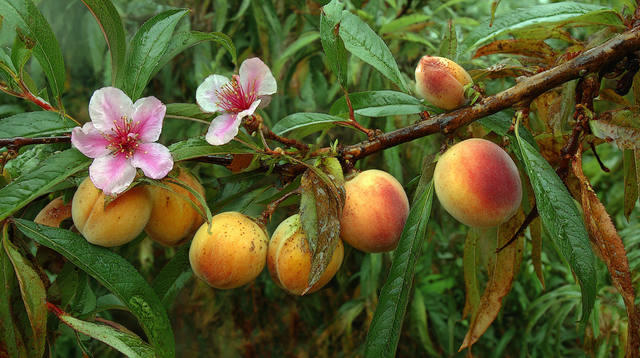
Peach (Prunus persica)
If you have ever struggled with sluggish digestion, restless sleep, or skin that just does not seem to glow the way it used to, you are not alone. Millions of people search for answers to these everyday challenges, often overlooking one of the most beloved fruits on earth — the peach. For thousands of years, cultures across the globe have turned to this fragrant stone fruit not only for its sweetness but for the remarkable ways it supports the body from the inside out.
This extraordinary fruit is one of many gifts the Creator embedded into nature for our benefit. Long before laboratories existed, the peach tree was already flourishing in the valleys of ancient China — provided by a Designer who knew we would need it. Every bite of a ripe peach carries the fingerprint of that intentional design.
The Plant
Common Names: Peach, nectarine (smooth-skinned variety), Persian apple (historical)
Botanical Name: Prunus persica (L.) Batsch
Family: Rosaceae (the rose family, which also includes almonds, cherries, plums, apricots, apples, and strawberries)
Description
The peach is a small to medium-sized deciduous tree, typically growing 10 to 25 feet tall with an open, spreading canopy. Its branches are slender and often reddish on the sun-exposed side. The leaves are lance-shaped, glossy green on top and paler beneath, measuring three to six inches long with finely serrated edges. In spring, fragrant pink to white blossoms appear before the leaves fully emerge, creating one of the most beautiful displays in the orchard world.
The fruit itself is a drupe — a fleshy exterior surrounding a hard stone (pit) that encloses a single seed. Peach skin is characteristically velvety with soft fuzz, though smooth-skinned variants are classified as nectarines. The flesh ranges from white to deep golden yellow-orange, surrounding a deeply ridged, hard pit. Varieties are classified as freestone (flesh separates easily from the pit) or clingstone (flesh adheres to the pit), with semi-freestone types in between.
Origin
Despite its botanical name suggesting Persian origins, the peach is native to northwest China, in the region between the Tarim Basin and the northern slopes of the Kunlun Mountains. Fossil evidence from Yunnan province, southwestern China, reveals that peach endocarps (pits) existed in the late Pliocene period — meaning peaches preceded humans by millions of years. Archaeological records document Chinese cultivation stretching back at least 4,000 years, and the fruit appears in Chinese literature as early as the Shi-Jing (1,100–600 BC).
Brief History
From China, the peach traveled westward along the Silk Road during the Han Dynasty, arriving in Persia (modern Iran). Alexander the Great and silk traders introduced the fruit to the Mediterranean world in the final centuries BC, and Roman armies spread it throughout Europe. The Romans called it malum persicum — the Persian apple — giving rise to the botanical name persica. Spanish and Portuguese explorers carried peach seeds to the Americas in the sixteenth century, where the fruit thrived in the warmer climates of the New World. Today, peaches are cultivated in more than 80 countries, with China remaining the world’s largest producer by a significant margin, at approximately 25 million tons annually.
Growing & Cultivation
Climate & Zones
Peach trees thrive in USDA Hardiness Zones 4 through 10, though they perform best in Zones 5 through 8. The key to successful peach cultivation is not just minimum winter temperature but also chill hours — the number of hours below 45°F (7°C) during winter dormancy. Most standard peach varieties require 600 to 1,000 chill hours, while low-chill varieties developed for southern climates need only 150 to 400 hours. Gardeners in warmer zones (9–10) should select low-chill cultivars such as ‘Tropic Beauty’ or ‘Florida Prince.’ Those in cold climates (Zone 4–5) should seek extra-hardy varieties like ‘Reliance’ or ‘Intrepid.’
Soil Requirements
Peach trees demand well-drained soil above all else. A deep, sandy loam is ideal, with at least 18 to 24 inches of workable depth. The root system is highly intolerant of waterlogged conditions — “wet feet” quickly leads to root rot caused by Phytophthora and rapid tree decline. Soil pH should be slightly acidic to neutral, between 6.0 and 7.0. Amending heavy clay soil with organic matter or planting on raised mounds can improve drainage in less-than-ideal conditions. Container growing is possible with dwarf rootstocks in pots of at least 25 gallons.
Water & Sunlight
Full sun is non-negotiable — peach trees need a minimum of eight hours of direct sunlight daily, with ten or more hours being ideal. Insufficient light leads to weak growth, poor fruit coloring, and dramatically increased fungal disease. Morning sun is especially important because it dries dew from the fruit, helping prevent rot.
For water, aim for approximately one inch per week over the root zone, particularly during fruit development. During dry spells, deep watering is essential — inconsistent moisture during the stone-hardening and fruit-swelling stages can cause premature fruit drop and splitting. Drip irrigation is an excellent method to maintain consistent soil moisture without wetting the foliage.
Propagation
Grafting is the standard commercial method, using selected rootstocks (such as Lovell or Guardian) that provide disease resistance, size control, and soil adaptability. Seed propagation is possible but trees grown from seed will not produce fruit true to the parent variety — this method is primarily used in breeding programs. Seeds require 90 to 120 days of cold stratification before germination. Budding (a form of grafting) in late summer is the most common nursery method for propagating named varieties.
Planting
Plant bare-root peach trees during dormancy in late winter to early spring. Space standard trees 15 to 20 feet apart and dwarf varieties 8 to 12 feet apart. Dig a hole wide enough to spread roots naturally, keep the graft union above the soil line, backfill with native soil, water deeply, and apply mulch around the base without covering the trunk. Most peach varieties are self-fertile, meaning a single tree can produce fruit, though cross-pollination with another variety can improve yields.
Companion planting: Peach trees benefit from companions like garlic, chives, and nasturtiums, which may help deter pests. Marigolds planted nearby can discourage nematodes. Avoid planting near other stone fruits that share disease susceptibility, and keep grass cleared at least four feet from the trunk to reduce competition for water and nutrients.
Harvesting
Peaches ripen from late May through October depending on variety and location. Harvest when the background color of the fruit changes from green to yellow or cream (for yellow-fleshed varieties) and the fruit yields slightly to gentle pressure. Peaches do not sweeten after picking — they only soften — so harvesting at peak ripeness is essential. Pick in the morning after dew has dried. Gently twist and lift to separate the fruit from the branch without bruising.
Drying & Storage
Fresh peaches are highly perishable, lasting only two to four days at room temperature and up to a week refrigerated. For preservation, peaches may be sliced and dried in a dehydrator at 135°F for 8 to 12 hours, frozen (blanch briefly, peel, slice, and freeze on trays before transferring to bags), or canned in light syrup or water. Dried peaches retain most nutrients in concentrated form — iron content, for example, increases roughly sixteenfold per 100 grams when dried compared to fresh.
Pest & Disease Management
The most common peach challenges include peach leaf curl (caused by the fungus Taphrina deformans), brown rot (Monilinia species), bacterial spot, and peach tree borers. Organic prevention strategies include applying copper-based dormant sprays in fall after leaf drop and again in early spring before buds swell, pruning to improve airflow, removing infected fruit and mummified fruit from the ground promptly, and using pheromone traps for oriental fruit moth. Beneficial nematodes (Steinernema carpocapsae) applied to soil around the tree base can help control overwintering borer larvae.
Companion Planting
Garlic and chives planted near peach trees may help repel borers and aphids. Geraniums attract Japanese beetles away from the tree, as chemicals in the geranium plant cause the beetles to fall to the ground. Comfrey makes an excellent companion as a dynamic accumulator, drawing minerals from deep soil to the surface. Avoid planting nightshades (tomatoes, peppers) nearby, as they can harbor diseases that affect stone fruits.
The Healing of Growing
Growing a peach tree offers benefits beyond the harvest itself. The act of gardening — hands in soil, bare feet on earth, time spent outdoors — has been shown to reduce cortisol, improve mood, and support immune function. The soil contains beneficial bacteria (Mycobacterium vaccae) with documented antidepressant effects. When you tend your own peach tree, you receive healing before you ever taste the fruit.
Nutritional Profile
Macronutrients
Per 100 grams of fresh peach (raw): Calories: 39 kcal | Protein: 0.9g | Carbohydrates: 9.5g | Dietary Fiber: 1.5g | Sugars: 8.4g | Fat: 0.3g (trace saturated, trace monounsaturated, trace polyunsaturated). Peaches are approximately 89% water, making them an excellent hydrating food with very low caloric density. (Source: USDA FoodData Central, FDC #169928)
Vitamins
Vitamin C: 6.6 mg (7% DV) — Supports immune function, acts as a powerful antioxidant that protects cells from oxidative damage, and is required for collagen synthesis in connective tissue throughout the body.
Vitamin A (as RAE): 16 mcg (2% DV), primarily from beta-carotene (162 mcg) and beta-cryptoxanthin (67 mcg) — A pro-vitamin that supports night vision, healthy mucous membranes, and skin integrity. Yellow-fleshed peaches contain significantly more carotenoids than white-fleshed varieties.
Vitamin E: 0.73 mg (5% DV) — A fat-soluble antioxidant that protects cell membranes from lipid peroxidation. Works synergistically with vitamin C, which helps regenerate vitamin E after it has neutralized a free radical.
Vitamin K: 2.6 mcg (2% DV) — Essential for blood clotting and bone metabolism.
Niacin (B3): 0.81 mg (5% DV) — Supports energy metabolism, nervous system function, and skin health.
Minerals
Potassium: 190 mg (4% DV) — An essential electrolyte that helps regulate heart rate, blood pressure, and fluid balance. Critical for proper muscle and nerve function.
Copper: 0.07 mg (8% DV) — Supports iron metabolism, connective tissue formation, and antioxidant defense through its role in superoxide dismutase.
Manganese: 0.07 mg (3% DV) — Involved in bone formation, blood clotting, and carbohydrate metabolism.
Phosphorus: 20 mg (3% DV) — Works alongside calcium for bone and tooth health, and plays a role in energy production through ATP.
Magnesium: 9 mg (2% DV) — Essential for over 300 enzymatic reactions, supports muscle and nerve function, blood sugar regulation, and bone health.
Iron: 0.25 mg (3% DV) — Required for red blood cell formation and oxygen transport. Notably, dried peaches concentrate this to 4.06 mg per 100g (23% DV).
Phytonutrients & Active Compounds
Peaches are rich in bioactive plant compounds that extend their value well beyond basic nutrition. Chlorogenic acid is the dominant polyphenol in peach fruit, a potent antioxidant that research suggests may support healthy blood sugar levels and offer anti-inflammatory effects. Catechins and epicatechins (the same compounds found in green tea) contribute additional antioxidant activity. Flavonoids including quercetin support cardiovascular health and may help modulate inflammatory pathways. Carotenoids — including beta-carotene, lutein, and zeaxanthin — are particularly abundant in yellow-fleshed varieties and are associated with eye health and skin protection. Anthocyanins, present in the red-skinned portions of the fruit, provide further antioxidant benefits. The total measured antioxidant strength (ORAC value) of 100g of fresh peach fruit is approximately 1,814 Trolox Equivalents.
Nutrient Notes
The vitamin C in peaches enhances iron absorption when consumed in the same meal, making peaches a smart pairing with iron-rich foods. The fiber content, while moderate, contributes to satiety and digestive regularity. Because peaches are mostly water, they provide nutrient density at remarkably low caloric cost — making them an excellent choice for anyone managing weight while still seeking nutrient-rich whole foods.
Culinary Uses
Edible Parts
Fruit flesh is the primary edible part, consumed fresh, cooked, or dried. The skin is edible and contains a high concentration of antioxidants, though some people prefer to remove the fuzzy skin. Leaves have been used historically to make tea (a cold infusion for digestive calming), though they must be used carefully as they contain trace amounts of cyanogenic compounds when wilted. The pit and seed (kernel) should not be eaten raw — they contain amygdalin, which can release hydrogen cyanide. In Traditional Chinese Medicine, processed peach kernels (Tao Ren) are used medicinally under practitioner supervision only.
Flavor Profile
Ripe peach flesh is sweet, juicy, and aromatic with subtle floral and honey notes. Yellow-fleshed varieties tend to be slightly more acidic and tangy compared to white-fleshed varieties, which are sweeter and more delicate. When cooked, the sweetness deepens and caramelizes beautifully. Dried peaches concentrate the sweetness and develop a chewy, almost candy-like quality.
Preparation
Peaches may be eaten raw out of hand, sliced into salads, or blended into smoothies. For cooking, they may be grilled (halved, brushed with oil), roasted, sautéed, poached in wine or syrup, or baked into pies, cobblers, and crisps. Blanching for 30 seconds then plunging into ice water makes peeling simple. Peaches pair beautifully with both savory and sweet applications — grilled peach on a summer salad with arugula and goat cheese, or folded into homemade ice cream.
Culinary Pairings
Peaches complement a wide range of flavors: cinnamon, ginger, nutmeg, cardamom, vanilla, honey, brown sugar, balsamic vinegar, lemon, basil, thyme, prosciutto, goat cheese, pork, chicken, almonds, pecans, bourbon, and dark chocolate. Their natural acidity makes them excellent in chutneys, salsas, and barbecue glazes.
Storage
Store unripe peaches at room temperature, stem-side down, until they yield gently to pressure. Once ripe, refrigerate and use within three to five days. Freezing is excellent — blanch, peel, slice, toss with a splash of lemon juice to prevent browning, and freeze flat on baking sheets before transferring to freezer bags. Properly frozen peaches retain quality for 10 to 12 months.
Ready to cook with peach? View Recipes on Chefts →
Wellness & Therapeutic Uses
Traditional Uses
The peach has an extensive history as a therapeutic plant across multiple traditions. In Traditional Chinese Medicine (TCM), peach kernels (Tao Ren / 桃仁) have been used for centuries to invigorate blood circulation, dispel blood stasis, moisten the intestines for constipation, and help relieve coughs. Peach flowers were used as a purgative and diuretic and in traditional cosmetic applications. Peach leaves were used to support gastrointestinal health and calm nausea.
In Ayurveda, peach kernels appear in medieval texts such as the Sarngadhara Samhita (14th century), listed as a rejuvenative (rasayana). Practitioners valued them for improving complexion, supporting healthy circulation, and calming Pitta imbalances that manifest as skin irritation.
In Western herbalism — particularly Appalachian and Southern folk traditions — peach leaf tea (cold infusion) has been a longstanding remedy for soothing stomach upset, easing nausea, and calming restlessness. The leaf and twig bark are described as having anti-inflammatory, antiemetic, antispasmodic, and gently sedative nervine properties.
European herbalists including Nicholas Culpeper and John Gerard documented the use of peach leaves and flowers for digestive complaints, worms, and topical skin applications.
Modern Research
Modern scientific investigation has begun to validate many traditional uses of the peach. Pharmacological studies have revealed that various parts of Prunus persica exhibit antioxidant, anti-inflammatory, antidiabetic, antimicrobial, analgesic, and cytotoxic properties. Key bioactive compounds responsible for these activities include chlorogenic acid, catechins, quercetin, hydroxycinnamic acids, and amygdalin (in the kernels).
Research suggests that chlorogenic acid — the most abundant polyphenol in peach fruit — may help support healthy blood sugar management by inhibiting alpha-glucosidase and dipeptidyl peptidase-IV (DPP-IV), enzymes involved in carbohydrate digestion and blood glucose regulation. Polyphenols from peach fruit have also demonstrated the ability to inhibit tumor growth and metastasis in breast cancer cell lines in animal models.
A 2025 study on Prunus persica leaf extracts identified 21 secondary metabolites and demonstrated significant antioxidant, anti-inflammatory, and antimicrobial properties. The study found that extracts effectively reduced inflammation and inhibited bacterial and fungal growth in laboratory settings.
Peach kernel extracts have been shown to inhibit activation of hepatic stellate cells, suggesting potential anti-fibrotic effects relevant to liver health. The peach flower extract has demonstrated prokinetic activity in animal studies, supporting gastrointestinal motility.
Body Systems Supported
Digestive system: Fiber content supports regularity; traditional leaf preparations have been used to soothe the GI tract and ease nausea. Peach flower extracts may support healthy gastrointestinal motility.
Immune system: Vitamin C and antioxidant polyphenols support immune defense and help protect cells from oxidative damage.
Cardiovascular system: Potassium supports healthy blood pressure; polyphenols and flavonoids may support cardiovascular health through antioxidant and anti-inflammatory mechanisms.
Integumentary system (skin): Carotenoids and vitamin E support skin health; peach extracts have demonstrated UV-protective properties in research models.
Nervous system: Traditional use of peach leaf as a gentle nervine for anxiety, restlessness, and burnout is well-documented in Western herbalism.
Endocrine system: Research suggests chlorogenic acid may support healthy blood sugar metabolism and insulin sensitivity.
Body Compounds Affected
The B-vitamins and magnesium in peach may support serotonin production. The antioxidant compounds, particularly chlorogenic acid and catechins, may help modulate inflammatory markers including cytokines and C-reactive protein. The gentle nervine action of peach leaf suggests possible effects on GABA pathways, consistent with its traditional use as a calming preparation. The potassium content supports electrolyte balance involved in cortisol regulation and stress response.
Methods of Use
Fresh Fruit Consumption
The simplest and safest way to receive the nutritional and antioxidant benefits of peach. Eat ripe, in season, with the skin on for maximum polyphenol intake.
Peach Leaf Tea (Cold Infusion)
Traditional preparation: Soak approximately one ounce of fresh leaves and twigs, slightly bruised, in one pint of room temperature water for 24 hours. Strain and take one-quarter ounce as a dose, two to three times daily. The cold infusion method is preferred by herbalists because it minimizes extraction of cyanogenic compounds while preserving the demulcent and nervine qualities.
Dried Peach
Concentrated source of nutrients, particularly iron, potassium, and fiber. Consume in moderation due to higher sugar concentration per serving.
Cosmetic & Beauty Uses
Skin Benefits
Peach fruit extract (Prunus persica fruit extract) is valued in cosmetics for its moisturizing, softening, antioxidant, and skin-conditioning properties. It naturally contains plant sugars, organic acids, vitamins A, C, and E, polyphenols, and other botanical compounds that help support a smoother, more radiant-looking complexion. Research has shown that unripe peach extract may help improve collagen XVIII expression in skin models, suggesting protective properties against skin aging from UV irradiation. Peach resin extract has also demonstrated instant skin-firming and anti-wrinkle effects in clinical studies.
Peach is particularly well-suited for sensitive skin due to its gentle nature. The antioxidants in peach extract help neutralize free radicals that can damage skin structure, while the natural fruit acids provide mild, non-irritating exfoliation.
Hair Benefits
Peach leaf and fruit extracts may support scalp health through their anti-inflammatory and antimicrobial properties. A peach leaf infusion used as a final hair rinse may help add shine and condition the scalp. The vitamins and minerals in peach — particularly biotin, vitamin C, and iron — support the body’s ability to maintain healthy hair growth when consumed as part of a balanced diet.
Application Methods
Fresh peach flesh can be mashed and applied as a simple face mask — leave on for 15 to 20 minutes before rinsing. Peach kernel oil (from cold-pressed seeds, commercially prepared) is a lightweight carrier oil similar to sweet almond oil, excellent for moisturizing dry skin and as a massage oil base. Peach leaf infusion can be used as a facial toner or scalp rinse. Commercial peach extract is incorporated into creams, serums, lotions, masks, and toners.
DIY Formulation Notes
For homemade preparations, peach kernel oil blends well with jojoba, rosehip, and sweet almond oils. Fresh peach pulp masks are best used immediately and should not be stored. Peach kernel oil has a shelf life of approximately 6 to 12 months when stored in a cool, dark place. Always perform a patch test before applying any new topical preparation, especially for those with stone fruit allergies.
Peach is among the botanicals being explored for holistic cosmetic applications, where the wisdom of traditional beauty practices meets modern understanding of skin science.
Essential Oil Profile
The peach tree does not produce a commercially available steam-distilled essential oil in the traditional sense. Unlike lavender, peppermint, or eucalyptus, the peach fruit and leaves do not yield sufficient volatile compounds through steam distillation to make essential oil production viable.
However, peach kernel oil (also called peach seed oil) is obtained by cold-pressing the seeds found inside the peach pit. This is a fixed, carrier oil — not an essential oil — but it is widely used in aromatherapy and cosmetic applications. Peach kernel oil is light, non-greasy, and readily absorbed by the skin. It is rich in oleic acid, linoleic acid, and vitamins A and E. It makes an excellent carrier oil for diluting essential oils for topical application, and it is gentle enough for use on sensitive and mature skin.
The fragrance industry does create synthetic “peach” scent profiles using compounds like gamma-decalactone (the molecule responsible for the characteristic peach aroma), but these are synthetic reproductions, not plant-derived essential oils.
Aromatherapy & Scent
The Aroma
A perfectly ripe peach is one of nature’s most intoxicating fragrances — sweet, fruity, floral, and slightly musky, with honeyed warmth. The scent is strongest when the fruit is at peak ripeness and warmed by sun. The aromatic compound primarily responsible is gamma-decalactone, a lactone that creates that distinctive creamy-sweet peach character. Fresh peach blossoms carry a delicate, light floral scent with almond undertones. Peach leaves, when crushed, release a faintly bitter-almond aroma due to trace amounts of benzaldehyde.
Dried peach retains a sweeter, more concentrated version of the fresh aroma, though the volatile top notes dissipate. Dried peach slices maintain their scent for several months when stored in sealed containers.
How Scent Affects Your Body
When you inhale the fragrance of a ripe peach, volatile aromatic molecules enter the nasal passages and bind to olfactory receptors. These receptors send signals directly to the limbic system — the emotional center of the brain — and the hypothalamus, which controls hormone release. This pathway bypasses conscious thought, meaning the scent affects your body before you decide how to react. This is why certain aromas can instantly trigger memories, shift mood, or produce physiological changes like relaxation or increased alertness.
Emotional & Mood Effects
The aroma of peach is generally associated with comfort, warmth, and gentle uplift. It is neither overly stimulating nor deeply sedating — rather, it falls into the comforting and nurturing category. The sweet, rounded scent profile may help ease tension, evoke feelings of summer warmth and abundance, and promote a sense of contentment and well-being.
Body Compounds Affected
While specific research on peach aroma’s neurochemical effects is limited, sweet, fruity aromas in the lactone family are generally associated with promoting a sense of well-being and may support healthy serotonin and dopamine activity. The almond-like notes from peach blossoms and leaves carry benzaldehyde, which has been studied for its calming properties.
Ways to Experience the Scent
Beyond any commercial fragrance product, you can experience peach’s natural aroma by growing a peach tree and enjoying the fragrance of blossoms in spring and ripe fruit in summer. Bring fresh peaches indoors and place them in a warm spot to fill a room with their scent. Simmer peach slices with cinnamon sticks on the stove for a natural home fragrance. Place dried peach slices in sachets for drawers and closets. Add fresh peach slices to a warm bath for both aromatic and skin-softening benefits.
Color Therapy
The Colors of Peach
The peach tree offers a beautiful progression of colors through the seasons. In spring, pink to soft rose blossoms emerge before the leaves. Throughout summer, leaves are a vibrant green. The fruit itself displays a remarkable range — golden yellow to deep orange flesh, often blushed with red on the sun-exposed skin, covered in soft cream-colored fuzz. In autumn, the leaves turn shades of yellow and gold before dropping.
Color Wavelengths
The dominant colors of peach fruit fall in the orange-yellow range (570–620 nm) with red accents (620–700 nm). Pink blossoms fall in the red-shifted range of the visible spectrum. Green foliage occupies the 495–570 nm range.
How These Colors Affect the Body
Orange wavelengths (590–620 nm) are associated with uplifting, creative energy and digestive support. Yellow wavelengths (570–590 nm) are linked to mental clarity, optimism, and stimulation of the solar plexus area. The pink of peach blossoms carries nurturing, gentle, heart-opening energy — a combination of red’s vitality and white’s purity. Green foliage provides the balancing, calming, heart-centered effect that is central to nature’s healing influence.
Body Compounds Affected
Exposure to warm colors in the orange-yellow spectrum has been associated in light therapy research with supporting healthy serotonin levels and promoting feelings of optimism. Green environments are well-documented for their cortisol-lowering effects.
Using Peach for Color Therapy
Place a peach tree where you can see it regularly — the seasonal color progression provides year-round visual therapy. Bring fresh peaches or cut branches of pink blossoms indoors for intentional color exposure. The warm tones of peach fruit make them a beautiful addition to a table centerpiece, providing both visual nourishment and a reminder of nature’s abundance. And of course, eating the vibrant orange-yellow flesh is the most direct way to “eat the rainbow.”
Frequency & Vibration
The Frequency of Peach
All matter vibrates at a molecular level — this is established physics. Living plants emit measurable electromagnetic frequencies. While specific MHz measurements for fresh peach fruit or the peach tree have not been widely published in peer-reviewed literature, fruit trees are generally categorized among moderate-frequency living plants. Fresh, raw, unprocessed foods are understood to carry higher vibrational frequencies than processed or cooked foods.
For reference, a healthy human body is reported to vibrate in the range of 62–78 MHz according to bio-frequency research. Fresh herbs and produce are reported to vibrate at higher frequencies than the human body, while processed foods measure significantly lower.
Human Frequency Interaction
According to proponents of vibrational medicine, the principle of entrainment suggests that a stronger frequency can influence a weaker one. Being around living plants — including a peach tree — and consuming fresh, whole foods may support the body’s natural frequency. While peer-reviewed research in this area is still emerging, the basic physics of molecular vibration is well established.
Vibrational Applications
Those interested in frequency-based wellness may choose to consume peaches fresh and raw to preserve their natural vibrational state, spend time near living peach trees especially during blooming season, and combine peach consumption with other high-frequency practices such as time in nature, prayer, and grounding.
The Living Plant
Benefits of Presence
Simply being around a living peach tree provides health benefits that go beyond any harvest. Research on biophilic design demonstrates that humans are hardwired to respond positively to living plants. Viewing greenery reduces stress, improves attention, and promotes a sense of well-being. A peach tree in your yard or garden provides seasonal beauty — from fragrant spring blossoms to lush summer foliage to golden autumn color — creating a living, changing focal point that connects you to the rhythm of the seasons.
Air Purification
While the peach tree was not included in NASA’s original Clean Air Study (which focused on common indoor houseplants), all trees contribute to air quality through photosynthesis — absorbing carbon dioxide and releasing oxygen. Outdoor peach trees also filter particulate matter from the air through their leaf surfaces. Like all living plants, peach trees help regulate humidity in their immediate environment.
Phytoncides
Trees, including fruit trees, release volatile organic compounds called phytoncides — antimicrobial substances that protect the tree from pests and pathogens. Forest bathing (shinrin-yoku) research has demonstrated that exposure to phytoncides increases Natural Killer (NK) cell activity in the human immune system. While specific phytoncide research on peach trees is limited, spending time in orchards and among fruit trees provides exposure to these beneficial compounds.
Visual & Psychological Benefits
Research consistently shows that patients with views of greenery and nature heal faster, report less pain, and use fewer pain medications. Viewing plants improves attention according to Attention Restoration Theory, and the presence of plants in workspaces is associated with improved productivity and reduced stress. A peach tree in bloom is among the most visually stunning sights in the plant world, providing a concentrated dose of natural beauty therapy every spring.
Growing Indoors vs Outdoors
Peach trees are not well-suited to permanent indoor growing due to their size, sunlight requirements, and need for winter dormancy with adequate chill hours. However, dwarf varieties in large containers can be placed on sunny patios or balconies. For indoor growing, a greenhouse or sunroom with full sun and adequate winter chilling (or artificial cold storage during dormancy) may work in some situations. The greatest presence benefits come from a tree planted outdoors where you can interact with it daily through the seasons.
Touch & Physical Interaction
Gardening Therapy
Horticultural therapy is an established therapeutic practice, and tending a peach tree engages nearly every aspect of it. Pruning in winter, training young branches, thinning fruit in early summer, and harvesting ripe peaches all involve purposeful, repetitive physical activity that promotes mindfulness and a sense of accomplishment. The seasonal rhythm of a peach tree — dormancy, bloom, fruit set, harvest, leaf drop — provides structure and anticipation that many people find deeply grounding.
Soil Contact Benefits
Working the soil around a peach tree provides direct contact with earth — an opportunity for grounding and earthing, the practice of electron transfer through barefoot contact with the ground. Soil also contains Mycobacterium vaccae, a bacteria with documented antidepressant-like effects, stimulating serotonin production. Simply digging, weeding, and mulching around a peach tree exposes you to beneficial soil organisms that support immune and mood health.
The Tactile Experience
The peach offers a uniquely rich tactile experience. The soft, velvety fuzz on the skin of a ripe peach is unlike any other fruit — warm, downy, and almost cloth-like. The leaves are smooth and glossy on top, slightly matte beneath. The bark of the trunk is smooth when young, becoming slightly rough and scaly with age. Harvesting peaches involves that satisfying gentle twist and lift as the ripe fruit releases from the branch. And of course, biting into a perfectly ripe peach — the slight resistance of the skin giving way to the flood of warm juice — is one of the most profoundly sensory food experiences available.
Harvesting & Processing
The meditative quality of peach harvest cannot be overstated. Moving carefully through the tree, testing each fruit for ripeness by feel, selecting only the ready ones, and placing them gently into a basket is a practice in patience and presence. Processing peaches — peeling, slicing, arranging on dehydrator trays or layering into canning jars — engages the hands in repetitive, rhythmic work that many people find deeply calming. The sweet aroma that fills the kitchen during processing adds an additional layer of sensory therapy.
Water-Based Applications
Teas & Infusions
Peach leaf cold infusion is the most traditional water-based preparation. Soak approximately one ounce of fresh, slightly bruised peach leaves and tender twigs in one pint of room temperature water for 24 hours. Strain and take small doses (one-quarter ounce), two to three times daily. This cold infusion method is preferred because it extracts the demulcent, soothing compounds while minimizing the release of cyanogenic glycosides that are present in trace amounts in the leaves. Hot water infusions of dried peach leaves are also used but are considered slightly less effective by traditional herbalists.
Peach fruit tea: Dried peach slices can be steeped in hot water (just below boiling) for 5 to 10 minutes for a naturally sweet, fruity tea rich in antioxidants.
Herbal Baths
A bath with fresh or dried peach leaves is traditionally used to soothe irritated skin. Add a strong infusion of peach leaves (steep a large handful in a quart of hot water for 30 minutes, strain) to warm bathwater. Soak for 20 to 30 minutes. This application may help calm rashes, eczema, and general skin irritation. Alternatively, a foot bath using the same preparation may benefit tired, sore feet.
Compresses
A warm compress soaked in peach leaf infusion may be applied to areas of skin irritation or minor inflammation. Soak a clean cloth in the warm (not hot) infusion, wring lightly, and apply to the affected area for 15 to 20 minutes.
Steam Inhalation
While peach is not a primary herb for steam inhalation, adding dried peach leaves or fresh peach blossoms to a bowl of steaming water and inhaling gently may provide a subtle calming effect and soothe mild respiratory irritation. Cover the head with a towel and breathe the steam for 5 to 10 minutes.
Hair Rinses
A cooled infusion of peach leaves can be used as a final rinse after shampooing. Pour the strained, cooled infusion over the hair and scalp, massaging gently, and leave in or rinse out as desired. This application may help add shine and soothe the scalp.
Historical, Cultural & Biblical Significance
Biblical References
The peach is not directly mentioned by name in the King James Version of Scripture. However, there is scholarly discussion about whether the Hebrew word tappuach — translated as “apple” in the KJV — may have referred to the apricot or peach rather than the modern apple, which was not widely cultivated in the ancient Near East at the time. Some Bible scholars have suggested the peach as a candidate for the fragrant, sweet fruit described in Song of Solomon 2:3: “As the apple tree among the trees of the wood, so is my beloved among the sons. I sat down under his shadow with great delight, and his fruit was sweet to my taste.” (KJV) The peach tree was known in Persia and the broader Near East by the time of later Old Testament writings, and certainly by the period of the Silk Road trade that connected China to the Mediterranean world.
Whether or not the peach is the specific fruit referenced, the broader scriptural principle is clear: God provided an extraordinary diversity of fruiting plants for the nourishment and delight of His creation.
Ancient Civilizations
Chinese civilization has the longest documented relationship with the peach. The fruit has been cultivated in China for over 4,000 years and holds deep symbolic significance — the peach tree is considered the tree of life, and peaches are symbols of immortality and longevity. Ancient Chinese texts, poetry, and art prominently feature peaches and peach blossoms. Illustrations frequently show elders or Buddha holding a peach.
When peaches reached Persia through the Silk Road, they became integrated into Persian culture and cuisine. The Greeks encountered the fruit through Alexander the Great’s conquests and adopted it rapidly. Theophrastus (c. 371–287 BC) wrote about the Persian apple. Roman naturalists including Pliny the Elder documented peach cultivation and described multiple varieties. Columella, the Roman agricultural writer, provided detailed instructions for peach cultivation in the first century AD.
Eastern Traditions
In Traditional Chinese Medicine, peach kernels (Tao Ren) have been used since at least the Han Dynasty (202 BC–220 AD) to invigorate blood, dispel stasis, and moisten the intestines. The formula Gui Zhi Fu Ling Wan, which contains Tao Ren, remains one of the most studied traditional formulas for gynecological applications. In Tibetan medicine, a related wild species (Prunus mira) has been used for hair and beard loss, as well as for amenorrhea, bruises, and constipation.
In Ayurveda, peach kernels are classified as a rasayana (rejuvenative) in texts dating to the 14th century. They were valued for supporting healthy complexion, circulation, and calming Pitta dosha imbalances.
Indigenous Knowledge
After Spanish explorers introduced peach trees to the Americas in the sixteenth century, Native American peoples rapidly adopted the tree. The Cherokee, Creek, and other southeastern tribes cultivated peach orchards extensively. By the time European settlers arrived in many areas, peach trees were already well-established in Native American gardens, leading some early colonists to mistakenly believe the peach was native to the Americas. Indigenous peoples used peach in food preparation, and the wood was used for various practical purposes.
European Heritage
Peaches were cultivated in European monastery gardens throughout the medieval period, where monks preserved horticultural knowledge and selected improved varieties. Renaissance herbalists documented peach extensively — Nicholas Culpeper described peach leaves and flowers as useful for settling the stomach, purging the bowels gently, and soothing coughs. The great herbals of Gerard (1597) and Parkinson (1629) both include entries on the peach with practical medicinal applications.
Cultural Symbolism
In Chinese culture, the peach symbolizes immortality, longevity, and the springtime of life. Peach blossoms are associated with romance and marriage. In Western culture, the peach came to symbolize virtue, beauty, and sincerity — Georgia adopted the peach as its state fruit, and the phrase “a peach” remains colloquial praise for someone wonderful. In Japanese culture (momo), the peach has protective symbolism, associated with warding off misfortune. These cultures observed the design — they may not have known the Creator by name, but they were recognizing what He provided, and their observations align with what modern research confirms about the peach’s remarkable properties.
Safety & Precautions
Contraindications
The flesh of the peach fruit is considered safe for general consumption by healthy individuals. However, the pit, kernel (seed), stems, and wilted leaves contain amygdalin, a cyanogenic glycoside that can release hydrogen cyanide when metabolized. Raw peach kernels should never be consumed without professional guidance. In Traditional Chinese Medicine, processed peach kernels (Tao Ren) are used in controlled doses under practitioner supervision.
Drug Interactions
Peach fruit, consumed as food in normal dietary amounts, has no widely documented significant drug interactions. However, peach kernel (Tao Ren) has mild anticoagulant and blood-invigorating properties. Individuals taking warfarin (Coumadin), antiplatelet medications, or other blood thinners should inform their healthcare provider before using any peach kernel preparation. The vitamin K content of peach fruit is minimal (2.6 mcg per 100g) and is unlikely to significantly affect anticoagulation therapy at normal dietary intake levels.
Pregnancy & Nursing
Peach fruit is generally considered safe to eat during pregnancy and breastfeeding as a food. However, peach kernel (Tao Ren) is contraindicated during pregnancy due to its blood-moving and potentially uterotonic actions. Peach leaf preparations should also be avoided during pregnancy as a precaution due to trace cyanogenic content. Not recommended during pregnancy or breastfeeding without guidance from a qualified healthcare provider.
Children
Peach fruit is a common and well-tolerated food for children, typically introduced as a pureed food for infants over six months of age. Ensure all pits and stems are removed completely. Peach kernel preparations should never be given to children. Peach leaf tea should be used with extreme caution, if at all, for children, and only under the guidance of a qualified herbalist.
Elderly
Peach fruit is an excellent food for older adults — soft texture, easy to chew when ripe, hydrating, and nutrient-dense. The gentle fiber content supports digestive regularity. No specific dosage adjustments are needed for consuming peach fruit. Those on blood-thinning medications should exercise standard food-drug interaction awareness but peach fruit in normal dietary amounts is generally not a concern.
Pets
Dogs: Toxic (stems, leaves, seeds, and pits). The ASPCA classifies Prunus persica as toxic to dogs due to cyanogenic glycosides in stems, leaves, and seeds. Wilted leaves are particularly dangerous. The pit also poses a choking and intestinal obstruction hazard. The ripe fruit flesh itself, in small amounts with pit removed, is not toxic — but given the risks associated with other plant parts, exercise extreme caution. Keep fallen fruit picked up promptly.
Cats: Toxic (stems, leaves, seeds, and pits). Same cyanogenic glycoside concerns as for dogs. The ASPCA lists peach as toxic to cats.
Horses: Toxic (stems, leaves, seeds, and pits). Wilted peach tree leaves are a well-documented source of cyanide poisoning in horses. Never allow horses access to peach trees or pruned branches.
Symptoms of pet toxicity: brick red mucous membranes, dilated pupils, difficulty breathing, panting, and shock. If you suspect your pet has ingested peach pits, leaves, or stems, contact your veterinarian or the ASPCA Poison Control Center at (888) 426-4435 immediately.
Allergies & Sensitivities
Peach is a recognized allergen. Peach allergy is particularly common in Mediterranean countries and is one of the most frequent fruit allergies in southern Europe. Cross-reactivity exists with birch pollen (oral allergy syndrome), other Rosaceae fruits (apple, cherry, plum, apricot, almond), and latex. The primary peach allergens include Pru p 1 (PR-10 protein, related to birch pollen allergy) and Pru p 3 (lipid transfer protein, more common in Mediterranean populations and associated with more severe reactions). Some individuals are sensitive to the fuzz on the skin and may tolerate nectarines (smooth-skinned peaches) without issue. Always introduce peach cautiously if fruit allergies are known or suspected.
Dosing Guidelines
As a food, peach has no established maximum intake for healthy individuals — eat according to appetite and tolerance. For peach leaf preparations, traditional dosing is conservative: one-quarter ounce of the cold infusion, two to three times daily. Peach kernel (Tao Ren) should only be used under the guidance of a trained TCM practitioner, typically at 5–10 grams per day in decoction form.
Quality & Sourcing
Peaches consistently appear on the Environmental Working Group’s “Dirty Dozen” list of fruits and vegetables with the highest pesticide residue. Choosing organic peaches whenever possible significantly reduces pesticide exposure. Wash all peaches thoroughly before eating, even organic ones. When purchasing dried peaches, look for products without added sulfites, which can trigger reactions in sensitive individuals.
Signs of Adverse Reaction
Mild reactions to peach allergy may include itching or tingling in the mouth, lips, or throat (oral allergy syndrome). More serious reactions may include hives, swelling, difficulty breathing, or anaphylaxis. If any allergic symptoms occur, discontinue consumption immediately. Seek emergency medical attention for any signs of breathing difficulty, severe swelling, or anaphylaxis.
Disclaimer
This information is for educational purposes only. It is not intended to diagnose, treat, cure, or prevent any disease. Always consult with a qualified healthcare provider before using any herbal product, especially if you are pregnant, nursing, taking medications, or have a medical condition. If you experience any adverse reaction, discontinue use immediately and seek medical attention.
Want Personalized Guidance?
Every body is unique. What works for one person may not be right for another. If you’d like personalized support in incorporating peach into your wellness journey, consider working with a qualified practitioner who can assess your individual needs.
Sources & References
Peer-Reviewed Studies
- Peaches Preceded Humans: Fossil Evidence from SW China – Scientific Reports, 2015, China
- Archaeological Evidence for Peach (Prunus persica) Cultivation and Domestication in China – PLoS ONE, 2014, China/Canada
- Genome re-sequencing reveals the evolutionary history of peach fruit edibility – Nature Communications, 2018, China
- Antioxidant potential of peels and fleshes of peaches from different cultivars – Journal of Medicinal Food, 2009, Brazil
- Integrative analysis of the metabolome and transcriptome reveals the molecular mechanism of chlorogenic acid synthesis in peach fruit – Frontiers in Plant Science, 2022, China
- Lab Scale Extracted Conditions of Polyphenols from Thinned Peach Fruit Have Antioxidant, Hypoglycemic, and Hypolipidemic Properties – Molecules, 2021, China
- The profiles of free, esterified and insoluble-bound phenolics in peach juice and evaluation of their antioxidant capacities, cytoprotective effect, and inhibitory effects on α-glucosidase and DPP-IV – Food Chemistry, 2024, China
- Prunus persica (L.) Batsch leaves as a source of anti-inflammatory, antioxidant, and antimicrobial agents – European Food Research and Technology, 2025, Italy
- Prokinetic Activity of Prunus persica (L.) Batsch Flowers Extract and Its Possible Mechanism of Action in Rats – BioMed Research International, 2015, China
- Peach Kernel Extracts Inhibit Lipopolysaccharide-Induced Activation of HSC-T6 Hepatic Stellate Cells – Evidence-Based Complementary and Alternative Medicine, 2022, Taiwan
- Unripe peach (Prunus persica) extract ameliorates damage from UV irradiation and improved collagen XVIII expression in 3D skin model – Journal of Cosmetic Dermatology, 2019, Japan
- The potential effects of chlorogenic acid, the main phenolic components in coffee, on health: a comprehensive review – European Journal of Nutrition, 2018, Iran
Traditional Medicine Sources
- Prunus mira Koehne in Sichuan, China: Recorded History as a Medicine and Food, Modern Applications, Distribution, and Ethnobotanical Investigations – Frontiers in Pharmacology, 2022, China
- Tao Ren (Peach Kernel) – Chinese Herb Materia Medica – Sacred Lotus, Traditional Chinese Medicine reference
Institutional Sources
- Peach (Prunus persica) – Toxic and Non-Toxic Plants – ASPCA Animal Poison Control Center
- Health Benefits of Peaches – Rutgers New Jersey Agricultural Experiment Station, 2026
Historical References
- Origins and Genetic Characteristics of Egyptian Peach – Agriculture, 2024, Egypt/China