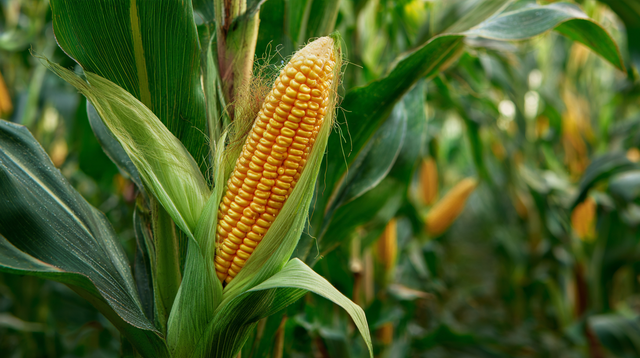
Corn (Zea mays)
If you’ve ever struggled with water retention, urinary discomfort, or blood sugar concerns, you’re not alone — and one of the most familiar plants on earth may hold support you’ve overlooked. Most people think of corn as nothing more than a summer side dish, but this ancient grain is far more than food. From the golden kernels to the silky threads most people throw away, corn offers a remarkable range of nutritional, therapeutic, and cosmetic benefits that modern science is only beginning to confirm.
This extraordinary plant is one of the Creator’s most generous gifts to humanity — a single crop that feeds billions, supports dozens of body systems, and has sustained civilizations for nearly ten thousand years. Like everything in creation, corn reflects the wisdom of a Designer who provided abundantly for every human need.
This information is for educational purposes only and is not intended to diagnose, treat, cure, or prevent any disease. Always consult with a qualified healthcare provider before making changes to your health regimen.
The Plant
Common Names: Corn, Maize, Indian Corn, Sweet Corn, Field Corn, Mealie (South Africa), Elote (Mexico)
Botanical Name: Zea mays L.
Family: Poaceae (Grass family — the same family that includes wheat, rice, barley, and bamboo)
Description
Corn is a tall, annual cereal grass that typically grows between 7 and 10 feet in height, though some varieties can reach 15 feet or more. The stalk is solid, erect, and segmented with nodes, from which broad, lance-shaped leaves emerge in an alternating pattern. The leaves are long and arching, typically 2 to 4 feet in length, with a prominent central midrib and slightly wavy margins. They are bright green during active growth, turning tawny brown as the plant matures.
Corn is monoecious, meaning each plant produces both male and female flowers separately. The male flower cluster — the tassel — appears at the very top of the stalk, releasing pollen into the wind. The female flowers are enclosed within the husk lower on the stalk, with long silky threads (corn silk) extending outward to catch airborne pollen. Each silk connects to a single potential kernel. When pollination is successful, the kernels develop along a central woody cob, arranged in even rows — typically 8 to 22 rows per ear.
Kernel colors vary by variety and include yellow, white, red, blue, purple, and multicolored. The root system is fibrous and includes both primary roots and brace roots — prop-like aerial roots that emerge from the lower stalk nodes and anchor the tall plant against wind.
Origin
Corn originated in what is now southern Mexico, in the Balsas River Valley region. It was domesticated from a wild grass called teosinte (Zea mays ssp. parviglumis) approximately 9,000 years ago by indigenous peoples of Mesoamerica. Through thousands of years of careful selection, these early farmers transformed a grass with tiny, hard seeds into the large-eared, kernel-rich crop we know today — one of the most remarkable feats of plant breeding in human history.
From its center of origin, corn spread throughout the Americas. The Maya, Aztec, and Inca civilizations all built their cultures around corn cultivation. It reached what is now the southwestern United States by about 4,000 years ago and was being grown across much of North America by the time European explorers arrived. After Columbus brought corn to Europe in the late 1400s, it spread rapidly through Africa, Asia, and the rest of the world. Today, corn is the most widely produced cereal crop on earth.
Brief History
For the indigenous peoples of the Americas, corn was far more than food — it was the foundation of civilization. The “Three Sisters” planting method, in which corn, beans, and squash were grown together, represents one of the earliest and most elegant companion planting systems ever developed. Corn stalks provided structure for climbing beans, beans fixed nitrogen to feed the corn, and squash shaded the soil to retain moisture. This triad sustained entire nations for thousands of years.
When European colonists arrived in North America, Native Americans shared their corn-growing knowledge — a gift that literally saved settlements from starvation. Corn quickly became a staple of colonial agriculture and was carried back to Europe, Africa, and Asia through trade routes. By the 1700s, it was a global crop. Today, the United States is the world’s largest producer, and corn appears in thousands of products — from food and animal feed to biofuels, plastics, and pharmaceuticals.
Growing & Cultivation
Climate & Zones
Corn is remarkably adaptable and can be grown in USDA hardiness zones 3 through 11. It is a warm-season crop that thrives in heat and cannot tolerate frost. Seeds should not be planted until soil temperatures consistently reach at least 60°F (65–70°F is ideal for fast germination). In most regions, this means planting from mid-spring through early summer — typically May through June in zones 5–7, earlier in warmer zones, and later in cooler ones. Corn requires 60 to 100 days to reach maturity depending on variety.
Soil Requirements
Corn is a heavy feeder that performs best in rich, fertile, well-drained soil with a pH between 6.0 and 6.8. Loamy soil is ideal. Before planting, amend the soil generously with aged compost or well-rotted manure to boost nitrogen levels, which corn demands in large quantities. In container growing, use a deep pot (at least 12 inches) with nutrient-rich potting mix, though yields will be limited compared to ground planting.
Water & Sunlight
Corn requires full sun — a minimum of 6 to 8 hours of direct sunlight daily. Anything less produces weak, leggy plants with poor ear development. Water needs are moderate to high; corn is somewhat drought tolerant once established but produces its best ears with consistent, steady moisture, especially during tasseling and silking. Drip irrigation or deep hand watering is preferred over overhead sprinklers. Signs of water stress include curling leaves during midday heat.
Propagation
Corn is grown exclusively from seed and is best direct-seeded into the garden, as it has sensitive roots that resist transplanting. Plant seeds 1 to 2 inches deep, spaced 12 to 15 inches apart within the row, with rows 30 to 36 inches apart. Because corn is wind-pollinated, it must be planted in blocks of at least four rows rather than single long rows — this ensures pollen from the tassels falls on the silks below. For continuous harvest, make successive plantings every 10 to 14 days through early summer.
Planting
The best time to plant is two to three weeks after your region’s last frost date, when soil temperatures have stabilized above 60°F. Practice crop rotation — planting corn where peas or beans grew the previous season takes advantage of nitrogen those legumes fixed into the soil. Plant two to three seeds per hole and thin to the strongest seedling after germination. Corn germinates in 7 to 14 days depending on soil warmth.
Harvesting
Sweet corn ears are ready approximately three weeks after the first silks appear. Signs of readiness include dry, brown silks and plump ears that feel full to the tip. Peel back the husk slightly and pierce a kernel with your fingernail — if it releases a milky white juice, it is ready. Clear juice means the ear is not yet ripe; a paste-like consistency means it is past peak. Harvest in the morning when sugars are highest, and eat or preserve as soon as possible — sweet corn begins converting sugars to starch within hours of picking.
Corn silk should be harvested when it is still fresh and slightly sticky, before it turns fully brown. Collect the silk when you shuck the ears, and either use it fresh or dry it promptly for later use.
Drying & Storage
Corn silk can be dried by spreading it in a single layer on a screen or tray in a warm, well-ventilated area away from direct sunlight. It typically dries in 3 to 5 days. Alternatively, use a food dehydrator at 95–105°F. Store dried corn silk in an airtight glass jar in a cool, dark place; it retains potency for up to one year. Dried corn kernels (for flour or popcorn) should be dried on the cob in a warm, dry space and then stored in airtight containers. Frozen sweet corn retains quality for 8 to 12 months.
Pest & Disease Management
Common pests include corn earworm, fall armyworm, European corn borer, and flea beetles. Organic strategies include applying Bt (Bacillus thuringiensis) for caterpillar control, mineral oil applied to silks after pollination to deter earworm, handpicking, and encouraging beneficial predators such as parasitic wasps and ladybugs. Common diseases include corn smut (a fungal infection that produces gray-black galls), rust, and leaf blight. Practice crop rotation, ensure good air circulation through proper spacing, and remove infected plant material promptly.
Companion Planting
The classic “Three Sisters” system pairs corn with climbing beans and squash. Beans fix nitrogen for the corn, corn provides a trellis for the beans, and squash shades the soil to conserve moisture and deter weeds. Other beneficial companions include cucumbers, melons, peas, sunflowers, and herbs like dill and borage. Avoid planting corn near tomatoes (shared pest pressure from corn earworm/tomato fruitworm) or brassicas.
The Healing of Growing
Growing corn offers benefits beyond the harvest itself. The act of gardening — hands in soil, bare feet on earth, time spent outdoors — has been shown to reduce cortisol, improve mood, and support immune function. The soil contains beneficial bacteria (Mycobacterium vaccae) with documented antidepressant effects. When you grow your own corn, tending the tall stalks through the warm months, watching the silk emerge and the ears fill, you receive healing before you ever consume it. The rhythm of planting, tending, and harvesting connects you to the earth and to the ancient tradition of those who first cultivated this remarkable grain.
Nutritional Profile
Macronutrients
Per 100 grams of raw sweet corn kernels (USDA data): approximately 86 calories, 3.3g protein, 19g carbohydrates, 2g dietary fiber, 6.3g sugars, and 1.2g fat (primarily polyunsaturated). Corn is naturally gluten-free, making it suitable for individuals with celiac disease or gluten sensitivity.
Vitamins
Vitamin B5 (Pantothenic Acid): approximately 0.76mg (15% DV) — Essential for energy metabolism, supporting the synthesis of coenzyme A, which plays a central role in fatty acid metabolism and cellular energy production.
Vitamin B1 (Thiamine): approximately 0.2mg (17% DV) — Critical for carbohydrate metabolism and nerve function. Thiamine deficiency can lead to fatigue, irritability, and nerve damage.
Vitamin B3 (Niacin): approximately 1.7mg (11% DV) — Supports energy metabolism, DNA repair, and healthy skin. Also involved in the production of serotonin and other neurotransmitters.
Vitamin B9 (Folate): approximately 42mcg (11% DV) — Essential for DNA synthesis and cell division, particularly critical during pregnancy for fetal neural tube development.
Vitamin C: approximately 6.8mg (8% DV) — Supports immune function, collagen production, and acts as a powerful antioxidant that protects cells from oxidative damage.
Vitamin A: approximately 187 IU (6% DV, primarily from beta-carotene in yellow varieties) — Supports vision, immune function, and healthy skin and mucous membranes.
Minerals
Phosphorus: approximately 89mg (13% DV) — Works with calcium to build strong bones and teeth, and is essential for energy storage and transfer as part of ATP.
Magnesium: approximately 37mg (9% DV) — Essential for over 300 enzymatic reactions, supports muscle and nerve function, blood sugar regulation, and bone health.
Potassium: approximately 270mg (6% DV) — Helps regulate fluid balance, nerve signals, and muscle contractions, including maintaining a healthy heartbeat.
Zinc: approximately 0.45mg (4% DV) — Supports immune function, wound healing, and DNA synthesis.
Iron: approximately 0.52mg (3% DV) — Essential for oxygen transport in the blood and energy production at the cellular level.
Phytonutrients & Active Compounds
Corn is notably rich in carotenoids, particularly lutein and zeaxanthin in yellow varieties — powerful antioxidants concentrated in the retina that support eye health and may reduce the risk of age-related macular degeneration. Corn also contains significant levels of ferulic acid, a phenolic compound with potent antioxidant and anti-inflammatory properties. Research suggests ferulic acid may play a role in protecting against oxidative stress and supporting cardiovascular health.
Additional bioactive compounds include anthocyanins (particularly abundant in blue, purple, and red corn varieties), beta-cryptoxanthin (a provitamin A carotenoid), and phytosterols (which may support healthy cholesterol levels). Corn silk contains its own distinct phytochemical profile, including flavonoids such as maysin, luteolin, and apigenin, along with polysaccharides, saponins, and alkaloids.
Nutrient Notes
Corn’s niacin is largely bound in a form (niacytin) that the body cannot easily absorb. Traditional nixtamalization — soaking or cooking corn in an alkaline solution such as lime water — releases this bound niacin, dramatically improving its bioavailability. This practice, developed by Mesoamerican peoples thousands of years ago, prevented pellagra (niacin deficiency disease) and represents remarkable nutritional wisdom. Pairing corn with beans, as in the Three Sisters tradition, creates a complete protein by combining corn’s methionine with beans’ lysine. The vitamin C in corn enhances the absorption of its non-heme iron content.
The B-vitamins in corn support serotonin production through their role in tryptophan metabolism. The magnesium content may help regulate cortisol levels, supporting the body’s stress response system.
Ready to cook with corn? View Recipes on Chefts →
Culinary Uses
Edible Parts
Kernels are the primary edible portion, consumed fresh, dried, ground, or processed. Corn silk is edible and commonly brewed as tea. Baby corn (immature ears harvested before pollination) is eaten whole, cob and all. Corn smut (huitlacoche) — the fungal galls that sometimes form on ears — is considered a delicacy in Mexican cuisine, prized for its earthy, mushroom-like flavor. Corn pollen has been used by some indigenous groups as a nutritious flour supplement.
Flavor Profile
Fresh sweet corn has a primary flavor that is sweet, milky, and slightly grassy, with secondary notes of butter and starch. When roasted or grilled, corn develops deep caramelized, nutty, and smoky notes through the Maillard reaction. Dried and ground corn (cornmeal) has a mild, earthy, slightly sweet taste. Flavor intensity is mild to moderate. Corn’s sweetness diminishes significantly after harvest as sugars convert to starch, which is why fresh-picked corn tastes dramatically different from store-bought.
Preparation
Corn is extraordinarily versatile. It can be eaten raw (fresh sweet corn straight from the garden), boiled, steamed, grilled, roasted, sautéed, creamed, or dried and ground into meal or flour. Nixtamalized corn (treated with lime water) becomes masa, the foundation for tortillas, tamales, and pupusas. Dried kernels can be popped (popcorn), ground into grits, polenta, or cornmeal, or processed into corn starch, corn syrup, and corn oil. Corn silk can be steeped fresh or dried as an herbal tea.
Culinary Pairings
Corn pairs beautifully with butter, lime, cilantro, chili peppers, garlic, tomatoes, beans, squash, bacon, cheese (particularly cotija and cheddar), avocado, and fresh herbs like basil and thyme. It complements proteins including chicken, pork, shrimp, and fish. Fats like olive oil, coconut oil, and bacon drippings enhance corn’s natural sweetness. Acids such as lime juice and vinegar brighten its flavor.
Storage
Fresh corn is best consumed the day it is picked. If storage is necessary, keep unhusked ears in the refrigerator and use within 2 to 3 days. For longer preservation, blanch kernels for 4 minutes, cool immediately in ice water, cut from the cob, and freeze in airtight bags for up to 12 months. Dried cornmeal and corn flour should be stored in airtight containers in a cool, dark location; whole-grain varieties are best refrigerated and used within 3 to 6 months due to their oil content. Corn silk should be dried thoroughly and stored in glass jars away from light.
Ready to cook with corn? View Recipes on Chefts →
Wellness & Therapeutic Uses
Traditional Uses
The therapeutic use of corn — particularly corn silk — spans multiple cultures and thousands of years. In Traditional Chinese Medicine, corn silk (known as yu mi xu) first appeared in the ancient text Southern Yunnan Materia Medica in 1476 and was later included in the Chinese Pharmacopoeia. TCM practitioners have traditionally used corn silk tea to promote urination, reduce edema, support liver and gallbladder function, and calm the liver to address hypertension.
Native American peoples used corn silk as a diuretic tea and for urinary tract support. Various tribes employed it for kidney and bladder complaints, and some used corn silk poultices for skin irritations. In European folk medicine, corn silk became valued as a urinary tract remedy after corn was introduced from the Americas, and it was included in the French, Turkish, and American pharmacopeias. In Ayurvedic traditions, corn silk has been incorporated as a cooling, diuretic herb.
Modern Research
Modern pharmacological research has confirmed many of corn silk’s traditional applications and revealed additional potential benefits:
Diuretic activity: Multiple animal studies have demonstrated that corn silk extract produces significant diuretic effects, increasing urine output through enhanced kidney filtration. A 2004 study confirmed acute diuresis with peak urine output within the first 24 hours of administration. Research suggests the diuretic mechanism operates by increasing glomerular filtration rate rather than through electrolyte manipulation (Maksimovic et al., Journal of Ethnopharmacology, 2004, Serbia).
Blood sugar support: Research suggests corn silk flavonoids may help regulate blood glucose levels by inhibiting alpha-amylase and alpha-glucosidase enzymes, which slow carbohydrate digestion. A 2018 study demonstrated anti-diabetic effects in STZ-induced diabetic mice, showing reduced blood glucose, improved insulin sensitivity, and decreased oxidative stress (Zhang et al., Molecules, 2018, China). A 2025 randomized crossover human trial found that a combination of mulberry leaf and corn silk extracts reduced postprandial glucose excursions in overweight prediabetic individuals (Li et al., Nutrients, 2025, China).
Anti-inflammatory activity: Corn silk extracts have demonstrated anti-inflammatory properties in multiple studies, with research indicating reductions in inflammatory markers including IL-6, TNF-alpha, and other cytokines (Hasanudin et al., Molecules, 2012, Malaysia).
Kidney and urinary support: Studies suggest corn silk may help protect against kidney stone formation by increasing urinary pH, boosting diuresis, and protecting kidney tissue. Research has shown corn silk polysaccharides may inhibit calcium oxalate crystal adhesion and aggregation on kidney cells. Corn silk has also demonstrated protective effects against drug-induced nephrotoxicity in animal models.
Antioxidant capacity: Corn silk contains significant levels of flavonoids and polyphenols that exhibit strong antioxidant activity, which may contribute to its protective effects against oxidative stress-related conditions (Bai et al., Food Chemistry, 2020, China).
Blood pressure support: Traditional use and emerging research suggest corn silk may support healthy blood pressure levels, potentially through its diuretic activity and effects on fluid balance. A clinical study found corn silk aqueous extracts influenced intraocular pressure in hypertensive subjects (George & Idu, Clinical and Experimental Optometry, 2015, Nigeria).
Hepatoprotective effects: Research indicates corn silk extracts may support liver health, with studies showing protective effects against toxin-induced liver damage and potential benefits for managing liver fibrosis through antioxidant mechanisms.
Body Systems Supported
Corn and its by-products, particularly corn silk, may support multiple body systems: the urinary system (diuretic and kidney-protective effects), digestive system (dietary fiber for regularity, enzyme-inhibiting effects on carbohydrate digestion), cardiovascular system (blood pressure support, antioxidant protection), endocrine system (blood sugar regulation), immune system (antioxidant and anti-inflammatory activity), nervous system (B-vitamins supporting neurotransmitter production), integumentary system (anti-inflammatory and antioxidant skin support), and the musculoskeletal system (phosphorus and magnesium for bone health).
Body Compounds Affected
Research suggests corn and corn silk may influence several body compounds. The B-vitamins in corn support serotonin production through tryptophan metabolism. Magnesium content may help regulate cortisol and support GABA activity. Corn silk’s anti-inflammatory properties suggest modulation of cytokines (particularly IL-6 and TNF-alpha), prostaglandins, and C-reactive protein. Its effects on blood sugar may involve insulin regulation. The antioxidant compounds may support nitric oxide production for vascular health.
Methods of Use
Tea/Infusion (Corn Silk)
Use 1 to 2 tablespoons of dried corn silk (or a small handful of fresh silk) per cup of boiling water. Steep for 10 to 15 minutes, covered. Strain and drink. May be consumed 2 to 3 times daily. The tea has a mild, slightly sweet, pleasant flavor. Fresh corn silk produces a more delicate infusion than dried.
Decoction (Corn Silk)
For a stronger preparation, simmer 2 tablespoons of dried corn silk in 2 cups of water for 10 to 15 minutes. Strain and drink warm or cool. This method may extract more of the water-soluble compounds.
Tincture
Corn silk tinctures are available commercially. Typical dosage ranges from 1 to 4 mL (approximately 20 to 80 drops) taken 2 to 3 times daily in water. As with all preparations, start with a lower dose and observe your body’s response.
Capsule/Powder
Dried corn silk is available in capsule form, typically in 400 to 500mg dosages. Follow manufacturer’s recommended dosing, typically 1 to 2 capsules taken 2 to 3 times daily with water.
Cosmetic & Beauty Uses
Skin Benefits
Corn silk has demonstrated anti-tyrosinase activity in research, suggesting potential benefits for addressing hyperpigmentation and uneven skin tone. A study found that corn silk extract significantly reduced skin pigmentation in human subjects with hyperpigmentation without adverse reactions (Ha et al., Nutrients, 2018, South Korea). The antioxidant and anti-inflammatory properties of corn silk flavonoids may help soothe irritated skin and protect against oxidative damage from environmental stressors.
Corn oil (pressed from the germ) is rich in linoleic acid, an essential fatty acid that supports the skin’s lipid barrier. It is lightweight, non-comedogenic, and suitable for most skin types including sensitive and acne-prone skin. The vitamin E (tocopherol) content provides additional antioxidant protection. Corn oil may benefit dry, irritated, or aging skin by replenishing moisture and supporting cellular repair.
Corn silk powder is valued in cosmetic formulations for its silky texture and gentle skin-softening properties. It has been used in DIY facial masks, body powders, and soap recipes for smooth, soft skin.
Hair Benefits
Corn silk tea used as a hair rinse may help strengthen and add shine to hair. The vitamins, minerals, and antioxidants in corn silk — particularly potassium, vitamins C and K — support scalp health. Corn oil can be used as a deep conditioning treatment, penetrating the hair shaft to moisturize from within, reduce frizz, improve manageability, and add a natural luster. It may be particularly beneficial for dry, damaged, or color-treated hair.
Application Methods
Corn silk can be used topically as an infusion (brew strong tea and use as a toner or hair rinse once cooled), as a dried powder added to face masks and body powders, or infused into carrier oils for topical application. Corn oil can be applied directly to skin and hair as an emollient or used as a carrier oil in homemade cosmetic preparations. For a simple face mask, combine equal parts corn silk powder with plain yogurt, apply for 15 to 20 minutes, and rinse.
DIY Formulation Notes
When incorporating corn silk or corn oil into homemade products, use corn oil at 5 to 30% of oil-phase formulations. It pairs well with carrier oils such as jojoba, sweet almond, and grapeseed. Do not combine corn silk preparations with products containing retinoids or strong chemical exfoliants without patch testing, as the combination may increase sensitivity. Homemade corn silk infusions should be refrigerated and used within 3 to 5 days. Corn oil has a shelf life of approximately 6 to 12 months when stored properly in a cool, dark location.
Corn is among the botanicals being explored for holistic cosmetic applications, where the wisdom of traditional beauty practices meets modern understanding of skin science.
Aromatherapy & Scent
The Aroma
The living corn plant has a distinctive, fresh, green, grassy scent that is most noticeable when leaves are touched or brushed against, releasing volatile compounds from the leaf surface. During tasseling, a subtle pollen-sweet scent fills the air around corn patches. Fresh corn silk has a mild, slightly sweet, hay-like aroma. Freshly husked ears of sweet corn emit a characteristic clean, milky-sweet scent that many people associate with summer.
Dried corn silk retains a subtle, sweet, hay-like aroma that is milder than the fresh material. Dried cornhusks have a warm, papery, slightly sweet scent. Dried corn silk retains its scent for several months when stored properly in sealed containers.
How Scent Affects Your Body
When you smell the green freshness of a corn plant or the sweet warmth of dried corn silk, volatile molecules enter your nose, where olfactory receptors detect them and send signals directly to the limbic system (your emotional brain) and hypothalamus (hormone control center). This pathway bypasses conscious thought entirely — your body begins responding to scent before you make any decision about how to react. Emotional and hormonal responses can begin within seconds of inhaling plant aromas.
Emotional & Mood Effects
The green, fresh scent of corn plants is generally grounding and calming, connecting the body to the experience of being in nature. The warm, sweet, hay-like scent of dried corn silk and husks tends to be comforting and nostalgic — many people associate corn’s aroma with warm-weather gatherings, home cooking, and connection to the land. These associations can trigger positive emotional responses and a sense of wellbeing. While corn has not been extensively studied specifically for aromatherapeutic effects, the broader category of green, grassy plant scents has been associated with stress reduction and mental clarity.
Body Compounds Affected
The grounding, nature-connected experience of being around living corn plants may support cortisol reduction (consistent with forest bathing and nature-exposure research), and the comforting associations of corn’s scent may promote oxytocin and serotonin activity through positive emotional memory activation. However, corn has not been individually studied for specific neurochemical effects via the olfactory pathway.
Ways to Experience the Scent
Growing corn in a home garden provides daily exposure to the plant’s fresh, green scent. Fresh corn silk can be steeped in hot water for an aromatic tea experience. Dried corn silk and husks can be used in sachets or placed in warm areas for gentle scent release. Simmering dried corn silk on the stove releases its sweet, hay-like fragrance into the home. Cornhusk crafts (traditional wreath-making, cornhusk dolls) provide a tactile and aromatic experience.
Color Therapy
The Colors of Corn
Corn is one of the most vibrantly colorful plants in any garden. Sweet corn kernels are typically brilliant yellow or creamy white, while ornamental and heritage varieties display an extraordinary spectrum including red, orange, blue, purple, near-black, and multicolored patterns. Corn silk ranges from pale green to golden yellow to reddish-brown. The leaves and stalks are a rich, vibrant green during active growth. Tassels display subtle tones of cream, gold, and sometimes burgundy or purple.
Color Wavelengths
The dominant yellow of sweet corn falls in the 570–590nm wavelength range. The green of the living plant spans 495–570nm. The reds and purples of heritage varieties cover 620–700nm (red) and 380–450nm (violet/purple) respectively.
How Corn’s Colors Affect the Body
The yellow of ripe corn kernels falls in the wavelength range associated with mental stimulation, clarity, optimism, and digestive support. Yellow is traditionally considered a solar color — warming, energizing, and confidence-building. The green of the growing plant provides the balancing, calming, heart-centered energy that characterizes all green spaces and contributes to the well-documented stress-reducing effects of time spent in gardens and nature. The purple and blue of heritage corn varieties carry cooling, meditative, calming energies associated with nervous system support.
Body Compounds Affected
Exposure to green environments has been associated with reduced cortisol levels and improved mood (serotonin support). Yellow wavelengths are traditionally linked to stimulation of the solar plexus area and digestive function. The full spectrum of colors available in multicolored corn varieties provides a broad range of light wavelengths for visual engagement.
Using Corn for Color Therapy
Growing corn in your garden provides daily exposure to vibrant green foliage through the growing season. Displaying ornamental corn varieties — particularly multicolored heritage types — in your living or working space introduces a full spectrum of color wavelengths. Eating “the rainbow” by incorporating yellow, white, blue, red, and purple corn into your diet provides the phytonutrients associated with each color. Cut corn stalks with ears attached make dramatic, colorful seasonal arrangements.
Frequency & Vibration
The Frequency of Corn
Specific MHz frequency measurements for the corn plant have not been widely published in bio-frequency literature. Corn does not yield a steam-distilled essential oil, so it does not appear in the essential oil frequency databases that reference Bruce Tainio’s research. However, as a living organism, corn — like all plants — vibrates at a molecular level. Living plants emit measurable bioelectric signals and contribute to the electromagnetic environment of any space they occupy.
For reference, a healthy human body is reported to vibrate between 62 and 78 MHz. Fresh herbs are generally measured in the 20–27 MHz range, while fresh produce is reported around 15 MHz. Dried herbs may measure 12–22 MHz.
Human Frequency Interaction
Proponents of vibrational medicine suggest that being around living plants may help support human frequency through the principle of entrainment, where the stronger or more stable frequency influences the weaker or less stable one. While specific frequency data for corn is limited, the broader research on nature exposure — which consistently shows reduced stress markers, improved immune function, and enhanced mood from time spent around living plants — may reflect, at least in part, this vibrational interaction.
Vibrational Applications
Spending time in or near a corn garden during the growing season provides exposure to the living plant’s vibration. Consuming fresh, minimally processed corn — particularly corn harvested moments before eating — may provide the highest vibrational food benefit compared to highly processed corn products. Using fresh corn silk in tea shortly after harvest is another way to engage with the plant’s energetic properties at their peak.
The Living Plant
Benefits of Presence
While corn is primarily an outdoor garden plant rather than a typical houseplant, its presence in a home garden or community garden provides significant benefits simply through proximity. Research on nature exposure demonstrates that viewing green, growing plants reduces stress hormones, improves mood, and enhances attention and focus. The tall, dramatic architecture of corn plants — reaching 7 to 10 feet or more — creates a living wall of greenery that transforms a garden space into a sheltered, nature-immersed environment.
Air Purification
Corn is not included in the NASA Clean Air Study (which focused on indoor houseplants), as it is primarily an outdoor crop. However, like all green plants, corn produces oxygen through photosynthesis and absorbs carbon dioxide. A small patch of corn can contribute meaningfully to the oxygen content and air quality of an outdoor living space. Corn’s large, broad leaves provide substantial leaf surface area for gas exchange relative to many garden plants.
Phytoncides
Corn has not been specifically studied for phytoncide production in the same way that forest trees (particularly conifers and broadleaf trees) have been. However, the volatile organic compounds released by corn plants — including green leaf volatiles and terpenoids — contribute to the overall “green space” effect that research links to improved immune function, particularly through increased Natural Killer (NK) cell activity observed in forest bathing studies.
Visual & Psychological Benefits
The experience of watching corn grow — from tiny seedlings to towering stalks, through tasseling and silking to the satisfying harvest — provides a season-long engagement with the rhythms of nature. Research on attention restoration theory suggests that natural scenes restore mental fatigue and improve focus. Corn’s rapid, visible growth (it can grow several inches per day during peak season) provides a uniquely rewarding visual experience for gardeners. Healthcare settings research shows patients with views of green, growing plants experience faster recovery and reduced pain perception.
Growing Indoors vs Outdoors
Corn is not suited to indoor growing due to its size (7–10+ feet tall), need for wind pollination, full sun requirements, and heavy nutrient demands. It is exclusively an outdoor garden or farm plant. For the presence benefits of living plants indoors, other species are more appropriate. Corn’s therapeutic presence is best experienced through outdoor gardens, community plots, or visits to corn-growing areas.
Touch & Physical Interaction
Gardening Therapy
Growing corn is deeply therapeutic. The process engages the gardener through an entire season — preparing soil, planting seeds, watching daily growth, tending through warm months, and harvesting by hand. Horticultural therapy research demonstrates that gardening activities reduce stress, improve mood, decrease anxiety and depression symptoms, and provide a sense of purpose and accomplishment. Corn, with its dramatic growth and tangible, rewarding harvest, amplifies these benefits.
Soil Contact Benefits
Planting and tending corn brings your hands into direct contact with soil. Grounding (earthing) research suggests that direct skin contact with the earth allows electron transfer that may reduce inflammation and improve sleep. The soil bacterium Mycobacterium vaccae, commonly encountered when gardening, has demonstrated antidepressant-like effects in research, stimulating serotonin production. These benefits occur automatically during the normal activities of planting, weeding, and harvesting corn.
The Tactile Experience
Corn offers a rich variety of textures. The leaves are smooth on the upper surface with a slightly rough underside and prominent veins. The stalk is firm, ridged, and cool to the touch. Corn silk is extraordinarily soft — fine, silky threads that feel like the smoothest natural fiber. The husk is layered, flexible, and slightly papery. Peeling back the husk to reveal rows of plump, tightly packed kernels is a deeply satisfying tactile experience. Shelling dried corn — pressing or twisting kernels free from the cob — is meditative, repetitive hand work that engages fine motor skills and provides a grounding sensory experience.
Harvesting & Processing
Harvesting corn by hand — feeling the weight of the ear, snapping it from the stalk, pulling back the husk and silk — connects the gardener to thousands of years of human agricultural tradition. Processing corn (shucking, cutting kernels from the cob, drying ears, grinding dried kernels into meal) provides repetitive, rhythmic activity that many people find meditative. The sensory richness of the process — the smell of fresh corn, the feel of silk between fingers, the sound of kernels releasing from the cob — engages multiple senses simultaneously, promoting mindful presence.
Water-Based Applications
Teas & Infusions
Corn Silk Tea: The most important water-based preparation from corn. Use 1 to 2 tablespoons of dried corn silk (or a generous handful of fresh silk) per cup. Pour boiling water over the silk, cover, and steep for 10 to 15 minutes. Strain and drink warm or cool. Fresh silk produces a more delicate, slightly sweeter infusion. Dried silk yields a stronger, more golden tea. May be consumed 2 to 3 times daily as desired. Corn silk tea has a mild, pleasant, slightly sweet flavor that most people find enjoyable.
Cold infusion: Place a handful of fresh or dried corn silk in a jar of cool water and refrigerate overnight. This produces a milder, gentler extraction that some herbalists prefer for sensitive individuals.
Herbal Baths
Add a strong corn silk infusion (4 to 6 tablespoons steeped in 1 quart of boiling water for 20 minutes, then strained) to warm bathwater. The anti-inflammatory and skin-soothing properties of corn silk may benefit irritated or inflamed skin. A corn silk foot bath, using the same preparation in a basin of warm water, provides a concentrated experience for tired, swollen feet. Soak for 15 to 20 minutes.
Compresses
A warm corn silk compress may be applied to areas of discomfort or skin irritation. Soak a clean cloth in warm, strong corn silk tea, wring slightly, and apply to the area for 15 to 20 minutes. A cool compress using chilled corn silk tea may be used for puffiness or heat-related skin concerns.
Steam Inhalation
While corn silk is not primarily used for respiratory steam inhalation, adding fresh or dried corn silk to a bowl of hot water and inhaling the gentle steam can provide a mild, soothing experience for general relaxation. This is a gentle practice best suited for calming rather than decongestant purposes.
Hair Rinses
Brew a strong corn silk tea (2 to 3 tablespoons per cup, steeped 15 minutes), cool completely, and use as a final hair rinse after shampooing. The vitamins, minerals, and silica-related compounds in corn silk may support hair shine and scalp health. Pour through hair, massage into scalp, and leave in or rinse with cool water after 5 minutes.
Historical, Cultural & Biblical Significance
Biblical References
Corn (maize, Zea mays) is not mentioned in Scripture. The word “corn” appears over a hundred times in the King James Version, but in the language of the KJV translators, “corn” referred to grain of any kind — primarily wheat, barley, millet, and spelt. Maize was unknown in the biblical world, as it is a New World plant not introduced to the Eastern Hemisphere until after 1492. When Scripture speaks of “a corn of wheat” (John 12:24, KJV) or “ears of corn” (Matthew 12:1, KJV), it refers to kernels and heads of wheat or barley, not maize.
However, the principles God established regarding grain, harvest, provision, and the relationship between humans and the plants He created apply fully to corn. The Creator who provided wheat and barley for the Old World provided corn for the peoples of the Americas — an equally sustaining, equally purposeful gift of provision.
Ancient Civilizations
Corn is the foundation of Mesoamerican civilization. The ancient Maya built their entire culture around maize cultivation beginning around 7,000 to 9,000 years ago. Corn was central to the Aztec and Inca empires as well, providing the caloric foundation for populations of millions. Archaeological evidence from the Tehuacan Valley in Mexico shows the gradual domestication of teosinte into recognizable corn over thousands of years — one of the greatest achievements in the history of agriculture.
These ancient peoples observed that corn, combined with beans and squash, provided complete nutrition — an insight that modern nutritional science confirms as the complementary amino acid profiles of corn and legumes together form a complete protein. They developed nixtamalization (alkaline processing) to unlock niacin and improve nutritional value, preventing the deficiency diseases that later plagued populations elsewhere who adopted corn without this critical processing knowledge.
Eastern Traditions
After corn reached China in the 16th century, Traditional Chinese Medicine practitioners quickly identified corn silk as a valuable medicinal material. It was first documented in the Southern Yunnan Materia Medica in 1476 (likely referring to corn that arrived via overland trade routes shortly before the commonly cited Columbian exchange). The Chinese Pharmacopoeia (1997 edition) officially recognized corn silk as a therapeutic herb. TCM classifies corn silk as sweet in taste and neutral in nature, acting on the kidney and bladder meridians, and uses it primarily for urinary support, edema, and liver-gallbladder conditions.
Indigenous Knowledge
For Native American peoples across the Americas, corn was — and remains — the most sacred and important cultivated plant. The Haudenosaunee (Iroquois) Confederacy referred to corn as one of the “Three Sisters” alongside beans and squash. The Cherokee, Navajo, Hopi, Pueblo, and countless other nations developed distinct varieties suited to their local climates and soils, creating an extraordinary diversity of corn types — from the drought-resistant corn of the Hopi mesas to the cold-tolerant flint corn of the Northern nations.
Native American peoples generously shared their corn-growing knowledge with European settlers, who would not have survived without it. The tradition of corn silk as medicine for urinary and kidney support passed from indigenous healers to colonial practitioners and eventually into the formal pharmacopeias of multiple nations.
European Heritage
After Columbus brought corn to Spain in the 1490s, it spread rapidly through Europe, Africa, and Asia. In some regions, corn became a dietary staple but was adopted without the traditional nixtamalization process, leading to widespread pellagra (niacin deficiency) in populations that relied too heavily on unprocessed corn — a tragic illustration of what happens when a food is separated from the traditional knowledge that accompanies it. European herbalists adopted corn silk as a medicinal remedy by the 1800s, and it appeared in the pharmacopeias of France, Germany, and other nations as a diuretic and urinary remedy.
Cultural Symbolism
Corn symbolizes abundance, sustenance, and provision across numerous cultures. In many Native American traditions, corn represents the sustaining gift of the earth and the interconnectedness of human communities with the natural world. Corn dollies and cornhusk crafts have been made for centuries as seasonal decorations and cultural artifacts. In American culture broadly, corn is symbolic of agriculture, harvest, and the bounty of the land. The annual harvest of corn remains a celebrated tradition in communities throughout the Americas and beyond.
Safety & Precautions
Contraindications
Individuals with known corn allergy should avoid all corn products, including corn silk. Corn allergy can cause reactions ranging from mild (hives, digestive upset) to severe (anaphylaxis). Cross-reactivity with corn pollen may affect individuals with grass pollen allergies. Those scheduled for surgery should discontinue therapeutic use of corn silk at least two weeks prior, as its diuretic properties may affect fluid balance and electrolyte levels.
Drug Interactions
Corn silk may interact with the following medication categories: Diabetes medications — corn silk may lower blood sugar, creating a risk of hypoglycemia when combined with insulin or oral hypoglycemics. Diuretic medications — corn silk has diuretic properties and may compound the effects of pharmaceutical diuretics, potentially leading to excessive fluid loss or electrolyte imbalance. Blood pressure medications — the diuretic and potential hypotensive effects of corn silk may enhance the effects of antihypertensive drugs. Blood-thinning medications (anticoagulants/antiplatelets) — corn silk contains vitamin K; significant intake may affect coagulation when combined with warfarin or similar medications. Anyone taking prescription medications should consult their healthcare provider before using corn silk therapeutically.
Pregnancy & Nursing
Corn as food is safe during pregnancy and breastfeeding. However, therapeutic doses of corn silk (concentrated teas, tinctures, capsules) lack sufficient safety data for pregnant and breastfeeding women. The diuretic effects may affect fluid balance. Not recommended during pregnancy or breastfeeding in medicinal amounts without guidance from a qualified healthcare provider. Corn as part of the normal diet poses no known concern.
Children
Corn as food is appropriate for children over 12 months of age (kernel pieces should be cut to prevent choking in toddlers). For therapeutic use of corn silk tea, children over 6 may use half the adult dosage under the guidance of a qualified practitioner. Corn silk tea in mild concentrations is generally considered gentle enough for older children. Concentrated tinctures and capsules should be avoided in children without professional guidance.
Elderly
Corn as food is suitable for elderly individuals. When using corn silk therapeutically, older adults should be mindful of its diuretic effects, particularly those already taking diuretics or blood pressure medications, as the combination may lead to excessive potassium loss or dehydration. Start with lower doses and monitor response. Adequate fluid intake should be maintained when using diuretic herbs.
Pets
Dogs: Corn kernels are generally safe for dogs in moderate amounts, though some dogs have corn sensitivities. Corn cobs are a serious choking and intestinal blockage hazard and should NEVER be given to dogs. The “corn plant” houseplant (Dracaena fragrans) — an entirely different species that shares only the common name — IS toxic to dogs.
Cats: Corn kernels in small amounts are generally safe for cats, though cats are obligate carnivores and gain little nutritional benefit from corn. Corn cobs should be kept away from cats. Again, the Dracaena fragrans “corn plant” is toxic to cats (containing saponins that cause vomiting and other symptoms). This is a completely different plant from Zea mays corn.
Horses: Corn is commonly fed to horses as a high-energy feed supplement, though excessive amounts can cause digestive upset and laminitis. Moderate quantities as part of a balanced diet are generally safe.
Allergies & Sensitivities
Corn is one of the more common food allergens. Symptoms of corn allergy may include hives, digestive upset, nasal congestion, asthma, and in rare cases, anaphylaxis. Individuals with grass pollen allergies may experience cross-reactivity with corn pollen and should use caution with corn silk products. Corn-derived ingredients are ubiquitous in processed foods (corn starch, corn syrup, maltodextrin, dextrose), making avoidance challenging for allergic individuals. Patch test corn oil or corn silk preparations on a small area of skin before topical use.
Dosing Guidelines
For corn silk tea: 1 to 2 tablespoons dried silk per cup, 2 to 3 cups daily, is a commonly cited range. For tinctures: 1 to 4 mL, 2 to 3 times daily. For capsules: follow manufacturer’s recommendations, typically 400–500mg, 2 to 3 times daily. Long-term daily therapeutic use should be discussed with a healthcare provider. Corn silk may lower potassium levels with extended use — signs of low potassium include muscle weakness, cramps, and fatigue. Take breaks from extended therapeutic use.
Quality & Sourcing
When sourcing corn silk, choose organic when possible to avoid pesticide residue, as conventionally grown corn is among the most heavily sprayed crops. If harvesting from your own garden, use corn grown without synthetic pesticides or herbicides. Commercially available dried corn silk should be bright in color, free of mold, and have a pleasant, sweet scent. Avoid products with added fillers or artificial ingredients.
Signs of Adverse Reaction
Mild reactions may include skin rash, itching, or mild digestive upset. More serious reactions — difficulty breathing, swelling of face or throat, rapid heartbeat, or significant drop in blood sugar — require immediate medical attention. Discontinue use at the first sign of any adverse reaction. Excessive diuretic effect (frequent urination, dizziness, dry mouth) indicates the dose should be reduced.
Disclaimer
This information is for educational purposes only. It is not intended to diagnose, treat, cure, or prevent any disease. Always consult with a qualified healthcare provider before using any herbal product, especially if you are pregnant, nursing, taking medications, or have a medical condition. If you experience any adverse reaction, discontinue use immediately and seek medical attention.
Want Personalized Guidance?
Every body is unique. What works for one person may not be right for another. If you’d like personalized support in incorporating corn and corn silk into your wellness journey, consider working with a qualified practitioner who can assess your individual needs.
Sources & References
Peer-Reviewed Studies
- Corn silk (Zea mays L.), a source of natural antioxidants with α-amylase, α-glucosidase, advanced glycation and diabetic nephropathy inhibitory activities – Biomedicine & Pharmacotherapy, 2019, China
- Corn Silk (Stigma Maydis) in Healthcare: A Phytochemical and Pharmacological Review – Molecules, 2012, Malaysia
- An Umbrella Insight into the Phytochemistry Features and Biological Activities of Corn Silk: A Narrative Review – Molecules, 2024, China
- Anti-Diabetic, Anti-Oxidant and Anti-Hyperlipidemic Activities of Flavonoids from Corn Silk on STZ-Induced Diabetic Mice – Molecules, 2018, China
- The ethyl acetate fraction of corn silk exhibits dual antioxidant and anti-glycation activities and protects insulin-secreting cells from glucotoxicity – BMC Complementary and Alternative Medicine, 2017, China
- Research on the Mechanism and Material Basis of Corn (Zea mays L.) Waste Regulating Dyslipidemia – Pharmaceuticals, 2024, China
- By-Products of Zea mays L.: A Promising Source of Medicinal Properties with Phytochemistry and Pharmacological Activities – Chemistry & Biodiversity, 2023, International Review
- Unlocking Corn Silk’s Potential: Bioactive Compounds Targeting Age-Related Diseases – Molecular Nutrition & Food Research, 2025, China
- Inhibitory Effect of Corn Silk on Skin Pigmentation – Molecules, 2018, South Korea
- Nutritional composition of Zea mays L: A comprehensive Review of Macronutrients, Micronutrients, and Bioactive Compounds – Frontiers in Nutrition, 2026, International Review
- Effects of Mulberry Leaf and Corn Silk Extracts Against α-Amylase and α-Glucosidase In Vitro and on Postprandial Glucose in Prediabetic Individuals – Nutrients, 2025, China
Traditional Medicine Sources
- Cornsilk Monograph – Medscape Drug Reference
- Corn Silk: Health Benefits, Side Effects, Uses, Dose & Precautions – RxList/WebMD
Institutional Sources
- Seasonal Plant Safety – ASPCA (confirms corn is non-toxic to dogs and cats)
- Corn: History, Cultivation, Uses & Description – Encyclopaedia Britannica
- A Brief History of Corn — From Domestication to 1995 – Pioneer Seeds/Corteva
Historical References
- Native American History of Corn – NativeTech
- Teosinte: The Ancestor of Corn – Native Seeds/SEARCH
- What is “Corn” in the King James Bible? – ChristianAnswers.net