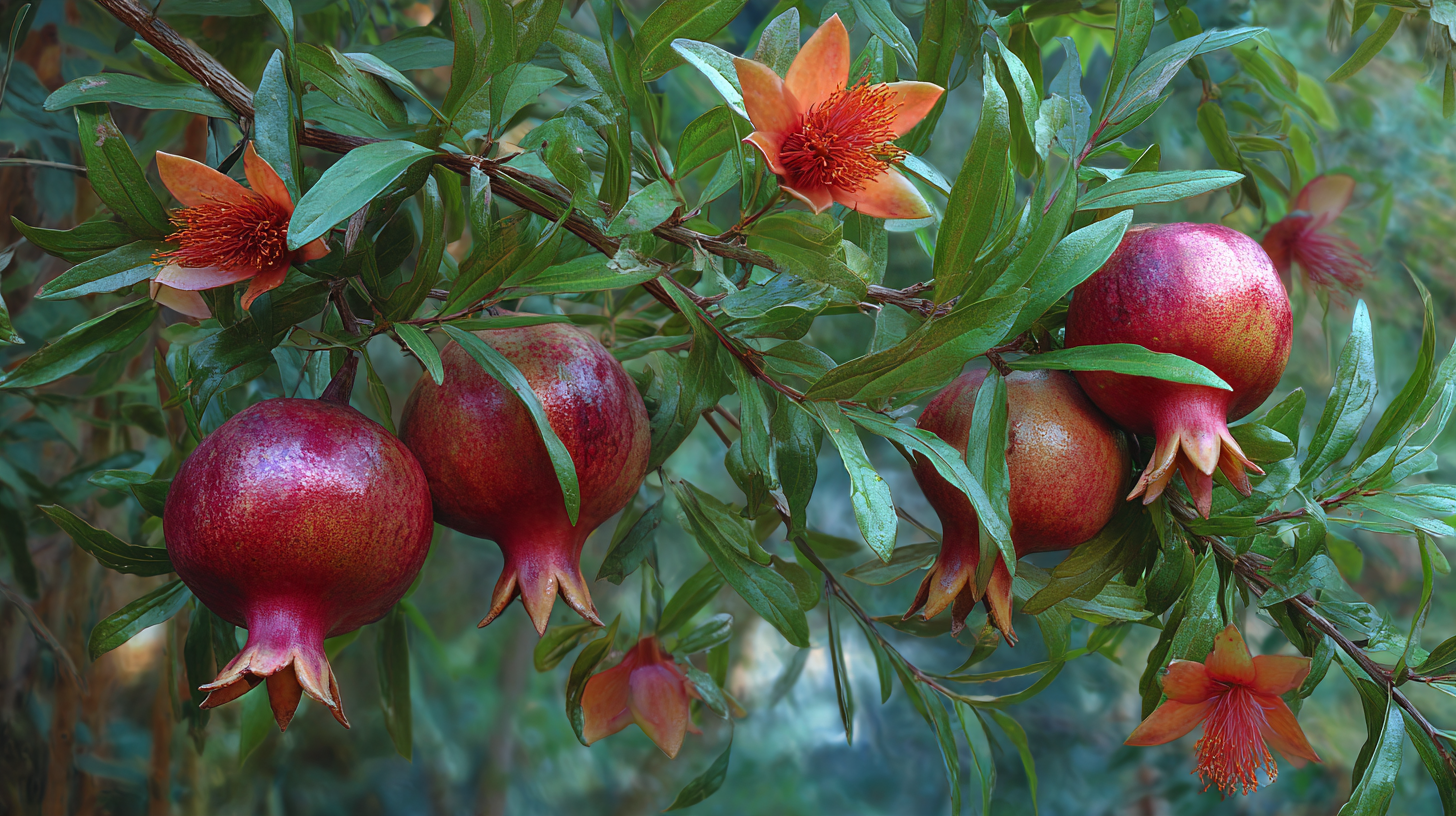
Pomegranate
If you have been struggling with blood pressure that creeps higher every year, or inflammation that never quite seems to settle, you are far from alone. Cardiovascular concerns are among the leading health challenges worldwide, and millions of people search for ways to support their hearts, their arteries, and their overall vitality. One of the most researched fruits on the planet may already be sitting in your grocery store, waiting to be rediscovered.
The pomegranate is one of the most ancient gifts embedded into creation for our benefit. Long before any laboratory existed, this fruit was already here — provided by a Creator who knew we would need it. Its ruby-red arils have nourished civilizations for over five thousand years, and modern science is only now beginning to confirm what history already knew.
The Plant
Common Names: Pomegranate, Granada, Grenade, Anar, Rimmon (Hebrew), Anār (Persian), Shiliu (Chinese)
Botanical Name: Punica granatum L.
Family: Lythraceae (formerly Punicaceae) — a family that includes crape myrtle and henna
Description
The pomegranate grows as a deciduous shrub or small tree, typically reaching 5 to 8 meters (16 to 26 feet) in height when mature. Left unpruned, it forms a multi-stemmed, rounded shape with a dense canopy. The bark is reddish-brown and becomes increasingly gnarled and attractive with age. Some specimens in the Mediterranean region have lived for over two hundred years and continue to bear fruit.
Leaves are narrow, glossy, and lance-shaped, emerging as a bronze-red in spring before maturing to a deep, lustrous green. In autumn, they turn a warm yellow before dropping. The flowers are striking — brilliant orange-red, tubular, and waxy, appearing from late spring into summer. Each flower has a thick, fleshy calyx that persists as the distinctive crown on the mature fruit.
The fruit itself is roughly the size of a large apple, with a tough, leathery rind that ranges from deep crimson to yellowish-pink depending on variety. Inside, hundreds of jewel-like arils — each containing a small seed surrounded by a translucent, juice-filled sac — are packed into chambers separated by bitter white pith. A single fruit may contain 200 to 1,400 arils. The juice is sweet-tart, intensely flavored, and stains everything it touches a deep magenta.
Origin
The pomegranate is native to a region stretching from modern-day Iran through the Himalayas of northern India. It is one of the oldest cultivated fruits in the world, with archaeological evidence of its use dating back to at least 3000 BCE in the ancient Near East. From its origin, the pomegranate traveled westward along trade routes to the Mediterranean, where it was cultivated by Egyptians, Greeks, and Romans. The Phoenicians carried it across North Africa and into Spain. Spanish missionaries later brought it to the Americas in the 16th century. Today it is cultivated commercially across the Middle East, India, China, the Mediterranean basin, California, Arizona, and the American Southeast.
Brief History
Few fruits carry the weight of history that the pomegranate does. Carbonized remains of pomegranate have been found in Bronze Age archaeological sites in Jericho and ancient Egypt. The fruit was depicted in Egyptian tomb paintings and was placed in the sarcophagi of pharaohs. Greek physicians including Hippocrates and Dioscorides documented its medicinal applications. The Romans called it Punicum malum — the “Carthaginian apple” — because they received it through trade with Carthage. In Ayurvedic tradition, the pomegranate has been described as a “pharmacy unto itself.” Traditional Chinese Medicine has used the fruit, peel, and bark for centuries. The city of Granada in Spain is literally named after this fruit.
Growing & Cultivation
Climate & Zones
Pomegranates thrive in USDA Hardiness Zones 7b through 10b. The most productive and reliable fruit set occurs in Zones 8 through 10, where warm summers and mild winters provide optimal conditions. Standard cultivars such as ‘Wonderful’ perform best in Zones 8 and above. For gardeners in Zones 6 and 7, cold-hardy Russian and Central Asian cultivars — including ‘Salavatski,’ ‘Parfyanka,’ and ‘Kazake’ — can survive temperatures as low as 5 to 10°F with winter protection. Pomegranates require hot, dry summers and are naturally adapted to semi-arid and subtropical climates. High humidity during fruit development can promote fungal issues and fruit splitting.
Soil Requirements
Pomegranates are remarkably tolerant of a range of soil types, from sandy to loamy to heavy clay, provided drainage is adequate. They prefer a soil pH of 5.5 to 7.5 and show unusual tolerance for alkaline and saline soils — a trait that sets them apart from most fruit trees. Well-drained sandy loam is ideal. Amending heavy clay with compost improves drainage. Container growing is very successful; use a quality potting mix with added perlite.
Water & Sunlight
Full sun is essential — a minimum of six to eight hours of direct sunlight daily. Pomegranates are drought-tolerant once established, but consistent watering during fruit development prevents the most common home-garden frustration: splitting fruit. Water deeply but infrequently, allowing the top two inches of soil to dry between waterings. Reduce watering as fruit ripens. Overwatering promotes root rot and poor fruit quality.
Propagation
Cuttings are the most reliable and common method. Take hardwood cuttings 8 to 10 inches long from dormant one-year-old wood in late winter. Dip in rooting hormone, plant in well-drained mix, and keep moist until rooted (typically 6 to 8 weeks). Seeds germinate readily but produce variable offspring that may not resemble the parent plant. Soak seeds for 24 hours before planting 1/4 inch deep in warm, moist soil. Germination occurs in 2 to 6 weeks. Air layering and grafting are also used commercially.
Planting
Plant in spring after all danger of frost has passed. Dig a hole twice as wide and just as deep as the root ball. Space trees 10 to 16 feet apart for orchard-style planting, 6 to 9 feet for hedgerows. Water deeply at planting and apply 2 to 3 inches of organic mulch, keeping it away from the trunk. Prune at planting to 2 to 2.5 feet tall and select 3 to 5 well-spaced scaffold branches. Companion plants include lavender, rosemary, thyme, and other Mediterranean herbs.
Harvesting
Pomegranates ripen on the tree and do not continue to ripen after picking. Harvest when the fruit develops deep color, feels heavy, and makes a metallic sound when tapped. Mature fruit will have slightly flattened or angular sides rather than perfectly round ones. Cut the stem rather than pulling. Fruit is typically ready September through November in the Northern Hemisphere. A healthy mature tree can yield 50 to 200 pounds of fruit annually.
Drying & Storage
Whole pomegranates store well for 1 to 2 months in a cool, dry place, and up to 3 months refrigerated. Arils can be frozen in a single layer on a baking sheet, then transferred to airtight containers for up to 12 months. Pomegranate juice freezes well. The rind can be dried and ground into a powder used in traditional medicine and cooking — spread pieces on a drying rack in a warm, dry area for 5 to 7 days, or use a dehydrator at 135°F.
Pest & Disease Management
Pomegranates have few serious pest or disease problems. The most common issues include pomegranate butterfly (Virachola isocrates), aphids, whiteflies, and leaf-footed bugs. Fungal issues including Alternaria fruit rot and Cercospora leaf spot can occur in humid climates. Organic management includes neem oil sprays, kaolin clay barriers, and good air circulation through pruning. Fruit bags can protect developing fruit from insects and birds.
Companion Planting
Pomegranates pair well with Mediterranean herbs such as lavender, rosemary, sage, and thyme, which share similar soil and water preferences. Nitrogen-fixing cover crops like clover benefit the soil. Avoid planting near heavy feeders or plants requiring frequent watering.
The Healing of Growing
Growing pomegranate offers benefits beyond the harvest itself. The act of gardening — hands in soil, bare feet on earth, time spent outdoors — has been shown to reduce cortisol, improve mood, and support immune function. The soil contains beneficial bacteria (Mycobacterium vaccae) with documented antidepressant effects. When you grow your own pomegranate, you receive healing before you ever taste the fruit.
Nutritional Profile
Macronutrients (per 100g raw arils)
Calories: 83 kcal | Protein: 1.7g | Carbohydrates: 18.7g | Dietary Fiber: 4g (16% DV) | Sugars: 14g | Total Fat: 1.2g | Saturated Fat: 0.12g | Water: 77.9g
Source: USDA FoodData Central, SR Legacy #169134
Vitamins
Vitamin K: 16.4µg (14% DV) — Essential for blood clotting and bone metabolism. Supports calcium regulation and may help protect against arterial calcification.
Vitamin C: 10.2mg (11% DV) — Supports immune function, collagen production, and acts as a powerful antioxidant protecting cells from oxidative damage. Enhances iron absorption from plant foods.
Folate (B9): 38µg (10% DV) — Critical for DNA synthesis and cell division. Essential during pregnancy for neural tube development. Supports red blood cell production and cardiovascular health through homocysteine metabolism.
Vitamin B5 (Pantothenic Acid): 0.38mg (8% DV) — Required for energy metabolism and the synthesis of coenzyme A, which is involved in hundreds of metabolic pathways.
Vitamin E: 0.6mg (4% DV) — Fat-soluble antioxidant that protects cell membranes from oxidative damage.
Minerals
Copper: 0.16mg (18% DV) — Essential for iron metabolism, connective tissue formation, and the function of antioxidant enzymes including superoxide dismutase.
Potassium: 236mg (7% DV) — Supports healthy blood pressure, fluid balance, and proper muscle and nerve function. Critical for cardiovascular health.
Phosphorus: 36mg (5% DV) — Required for bone and tooth formation and energy metabolism through ATP production.
Manganese: 0.12mg (5% DV) — Cofactor for enzymes involved in bone formation, blood clotting, and metabolism of amino acids and carbohydrates.
Phytonutrients & Active Compounds
The pomegranate’s true nutritional power lies not in its basic vitamin and mineral profile, but in its extraordinary concentration of bioactive polyphenols.
Punicalagins are the pomegranate’s signature compounds — the largest molecular weight ellagitannins found in any food. They are responsible for approximately half of the fruit’s total antioxidant activity. Research suggests punicalagins may support cardiovascular health, reduce oxidative stress, and modulate inflammatory pathways.
Ellagic acid is released from punicalagins during digestion and further metabolized by gut bacteria into urolithins. Studies indicate ellagic acid may support cellular integrity, promote healthy inflammatory responses, and exhibit antioxidant effects.
Anthocyanins — specifically delphinidin, cyanidin, and pelargonidin glycosides — give the arils their deep red color. These flavonoid pigments have documented antioxidant and anti-inflammatory properties.
Punicic acid (omega-5 fatty acid) is a conjugated linolenic acid found primarily in the seed oil. It is a rare fatty acid with potent anti-inflammatory and antioxidant properties being studied for skin health, metabolic support, and cellular protection.
Gallic acid, catechins, and quercetin are additional polyphenols present in smaller but meaningful amounts, contributing to the fruit’s broad-spectrum antioxidant activity.
Nutrient Notes
The pomegranate’s antioxidant capacity is notably higher than that of most other fruits. Studies have shown that pomegranate juice demonstrates greater antioxidant activity than red wine or green tea. The bioavailability of pomegranate polyphenols is enhanced by the gut microbiome, which converts ellagitannins into bioactive urolithins. Consuming pomegranate with healthy fats may improve absorption of fat-soluble compounds from the seeds. The vitamin C content enhances iron absorption from the fruit and from other foods consumed at the same meal.
Culinary Uses
Edible Parts
The arils (the juicy seed sacs) are the primary edible portion, eaten fresh or juiced. The seeds within the arils are edible and provide fiber and punicic acid. The juice is consumed as a beverage, reduced into pomegranate molasses, or used in cooking. The dried rind (peel) is used as a spice and in traditional preparations, particularly in Indian and Middle Eastern cooking. The flowers are edible and can be used as a garnish.
Flavor Profile
Pomegranate arils offer a unique combination of bright sweetness and tart acidity, with fruity undertones and a slight astringency from the tannins. The intensity varies by cultivar — ‘Wonderful’ is robustly sweet-tart, while ‘Sweet’ varieties lean distinctly sugary. The juice is intensely flavored and deeply colored. Pomegranate molasses concentrates the flavor into a thick, dark, tangy-sweet syrup with a complex depth that balances savory dishes beautifully.
Preparation
To open a pomegranate, score the skin around the equator without cutting into the arils. Submerge in a bowl of water and break apart — the arils sink while the white pith floats, making separation easy. Alternatively, cut the fruit in half and hold it cut-side down over a bowl, tapping the back firmly with a wooden spoon to release the arils. Fresh arils are used as garnishes on salads, grain bowls, yogurt, desserts, and cocktails. Juice can be extracted by pressing arils through a fine-mesh strainer or using a citrus press.
Culinary Pairings
Pomegranate pairs beautifully with walnuts, pistachios, and almonds. It complements lamb, duck, and chicken in Middle Eastern and Persian cooking. Cheese pairings include feta, goat cheese, and blue cheese. Herbs like mint, parsley, and cilantro enhance the fruit’s brightness. Complementary spices include cumin, cinnamon, sumac, and cardamom. The acidity and sweetness pair well with olive oil in dressings and with balsamic vinegar in reductions.
Storage
Whole fruits keep at room temperature for about one week, refrigerated for up to two months. Arils stay fresh in the refrigerator for 5 to 7 days in an airtight container. Freeze arils in a single layer before transferring to freezer bags for up to 12 months. Pomegranate juice refrigerates for 5 to 7 days, or freeze in ice cube trays for convenient portions. Pomegranate molasses keeps for over a year in a cool, dark place.
Ready to cook with pomegranate? View Recipes on Chefts →
Wellness & Therapeutic Uses
Traditional Uses
The pomegranate’s medicinal history spans virtually every major healing tradition on earth. In Ayurvedic medicine, all parts of the plant — fruit, rind, bark, flowers, and roots — have been used for thousands of years. The fruit was classified as a digestive aid and blood purifier. The rind was used for diarrhea and intestinal parasites. Ayurvedic texts describe pomegranate as beneficial for all three doshas, making it one of the few fruits considered universally supportive.
In Traditional Chinese Medicine, the pomegranate peel (shi liu pi) has been used for centuries to address chronic diarrhea, dysentery, and intestinal parasites. The fruit was considered warming and was used to support digestive health and nourish the blood.
Ancient Egyptian medical papyri document pomegranate’s use for intestinal parasites. Greek physicians including Hippocrates prescribed pomegranate for digestive complaints and inflammation. Dioscorides documented its use in his De Materia Medica. The Unani medical tradition of the Middle East classified pomegranate among its most valued remedies for heart, liver, and stomach conditions.
Modern Research
Cardiovascular Support: A 2023 systematic review and meta-analysis of 14 clinical trials (573 participants) found that pomegranate juice consumption was associated with a significant reduction in systolic blood pressure (an average of approximately 5 mmHg) and diastolic blood pressure. A 2026 meta-analysis of 33 clinical trials confirmed these findings, reporting significant reductions in both systolic and diastolic blood pressure along with reductions in inflammatory markers IL-6 and ICAM-1. Studies suggest these effects may be mediated through inhibition of angiotensin-converting enzyme (ACE) activity and reduction of oxidative stress in arterial walls.
Antioxidant & Anti-Inflammatory Activity: Pomegranate juice has demonstrated antioxidant activity exceeding that of red wine and green tea in comparative studies. The punicalagins and ellagic acid in pomegranate modulate key inflammatory pathways including NF-κB and MAPK, which are central to chronic inflammatory conditions. A comprehensive 2026 review in the journal Nutrients summarized evidence for pomegranate’s effects across inflammation, metabolic disorders, cardiovascular disease, neurodegeneration, and microbial infections.
Antimicrobial Properties: Research published in the journal Evidence-Based Complementary and Alternative Medicine documented pomegranate’s activity against a range of bacteria and viruses. The ellagic acid and punicalagins showed the highest antimicrobial activity. Clinical results showing suppression of oral bacteria are particularly notable and supported by multiple studies.
Mood & Neuroprotective Support: An animal study published in Frontiers in Pharmacology (2022, Mexico) found that pomegranate extract and its constituent compounds punicalagin and ellagic acid promoted antidepressant-like effects and antioxidant activity in the brain tissue of ovariectomized rats, suggesting potential neuroprotective benefits. A 2026 review examined evidence for pomegranate’s bioactive compounds — particularly ellagic acid and gallic acid — in supporting neurological performance, memory, and reducing brain injury in ischemic stroke models.
Digestive Support: A 2023 review published in the International Journal of Molecular Sciences compiled evidence for pomegranate’s rich ellagitannins in modulating ulcerative colitis through anti-inflammatory and antioxidant mechanisms in both preclinical and clinical settings.
Body Systems Supported
Cardiovascular system — blood pressure, arterial health, cholesterol metabolism. Immune system — antimicrobial and antiviral support. Digestive system — gut integrity, inflammatory bowel support. Nervous system — neuroprotection, mood support. Integumentary system — skin repair and protection. Musculoskeletal system — joint inflammation. Endocrine system — blood sugar regulation, hormonal balance. Reproductive system — emerging research on fertility and menopausal support.
Body Compounds Affected
Research suggests pomegranate may influence several key body compounds. Its polyphenols may help reduce cortisol through antioxidant-mediated stress reduction. Studies in animal models suggest effects on serotonin pathways through antidepressant-like activity. Pomegranate’s cardiovascular effects involve modulation of nitric oxide production, supporting healthy blood vessel dilation. Its anti-inflammatory activity involves reduction of cytokines including IL-6 and TNF-alpha, as well as C-reactive protein. Pomegranate seed oil contains phytoestrogens that may mildly influence estrogen pathways. The fruit’s effects on blood sugar suggest modulation of insulin sensitivity.
Methods of Use
Fresh Fruit & Juice
The most accessible and enjoyable method of consumption. Eat fresh arils daily or drink 4 to 8 ounces of pure pomegranate juice. Look for 100% juice with no added sugars. Most clinical studies used approximately 240ml (8 oz) of juice daily.
Tea/Infusion (Rind)
Dried pomegranate rind makes a tannic, astringent tea traditionally used for digestive support. Use 1 to 2 teaspoons of dried, crushed rind per cup of boiling water. Steep 10 to 15 minutes, covered. Strain and drink up to twice daily. The taste is strongly astringent — honey may be added.
Capsule/Powder
Standardized pomegranate extract supplements are available, typically standardized to punicalagin or ellagic acid content. Typical doses in clinical studies range from 500mg to 1,000mg of extract daily.
Pomegranate Molasses
While primarily culinary, pomegranate molasses retains a concentrated form of the fruit’s polyphenols. Used in Middle Eastern and Mediterranean cooking as both a flavoring and a traditional wellness tonic.
Cosmetic & Beauty Uses
Skin Benefits
Pomegranate is one of the most studied botanical ingredients in modern cosmetic science. A 2026 systematic review in the journal Antioxidants evaluated 54 original studies and confirmed that pomegranate extracts exhibit antioxidant, anti-inflammatory, antibacterial, wound-healing, moisturizing, photoprotective, and collagen-preserving properties relevant to dermocosmetic applications.
A double-blind clinical trial published in the Journal of Cosmetic Dermatology (2022, Taiwan) found that fermented pomegranate extract consumed as a daily drink improved skin moisture, brightness, elasticity, and collagen density over 8 weeks. A fermented pomegranate serum applied topically showed improvements in moisture, brightness, UV spots, and collagen density in 4 weeks. A 2025 clinical trial found that oral pomegranate extract supplementation reduced crow’s feet wrinkles by 48% compared to placebo over 60 days.
Pomegranate benefits all skin types but is particularly supportive for mature, dry, and sun-damaged skin. Its ellagic acid may help reduce melanin production, supporting a more even skin tone. The anti-inflammatory properties make it suitable for sensitive and acne-prone skin as well.
Hair Benefits
Pomegranate seed oil is rich in punicic acid, which nourishes the scalp, strengthens hair, and promotes shine. Its high antioxidant content increases blood flow and circulation in the scalp, helping reduce flakiness and itchiness. Pomegranate oil is supportive for dandruff, dull hair, dry hair, and thinning hair. The oil stimulates keratinocyte proliferation, which may support healthier hair follicle function and stronger hair growth.
Application Methods
Pomegranate seed oil is a cold-pressed carrier oil (not an essential oil) with a golden-yellow to reddish color and a mild, fruity aroma. It contains approximately 60 to 80% punicic acid. It can be applied directly to the face and body as a serum, mixed into moisturizers and lotions, or used as a scalp treatment. Pomegranate juice or tea can be used as a face wash or toner. Crushed arils can be blended into fresh face masks. Dried rind powder can be mixed with honey or yogurt for an astringent, exfoliating mask.
DIY Formulation Notes
Pomegranate seed oil is potent — use at 3 to 10% of total formulation in facial serums. It blends well with jojoba oil, rosehip seed oil, and argan oil as carrier oils. For hair treatments, warm a small amount and massage into the scalp, leaving on for 30 minutes to overnight before washing. Store pomegranate seed oil in dark glass bottles away from heat and light; shelf life is approximately 12 months when properly stored.
Pomegranate is among the botanicals being explored for holistic cosmetic applications, where the wisdom of traditional beauty practices meets modern understanding of skin science.
Essential Oil Profile
Pomegranate does not yield a traditional essential oil in the way lavender or peppermint does. There is no widely available, steam-distilled pomegranate essential oil on the commercial market. What is commonly sold and used is pomegranate seed oil, a cold-pressed carrier oil extracted from the seeds within the arils. This oil is rich in fatty acids — particularly punicic acid (omega-5) — rather than volatile aromatic compounds. Supercritical CO₂ extraction can yield aromatic volatile compounds from pomegranate peel, and these extracts are used in some perfumery and food applications, but they are not widely available as consumer essential oils.
Pomegranate seed oil’s primary value is as a carrier oil in aromatherapy blends — it dilutes essential oils while adding its own therapeutic fatty acid profile. It blends well with floral essential oils like rose, geranium, and ylang ylang, and with skin-supportive oils like frankincense and helichrysum.
The oil is typically pale yellow to golden, with a mild, slightly fruity aroma. It absorbs readily into the skin without a heavy, greasy feel. Standard dilution ratios for essential oils blended into pomegranate seed oil are 2 to 3% for adults (approximately 12 to 18 drops of essential oil per ounce of carrier oil).
Aromatherapy & Scent
The Aroma
The fresh pomegranate fruit has a subtle, mildly fruity aroma. Unlike aromatic herbs, the scent is gentle and not immediately apparent until the fruit is opened. When the skin is scored and the arils are exposed, a clean, bright, berry-like sweetness is released. The juice carries the strongest scent — tart, fruity, and wine-like. Fresh pomegranate blossoms have a faintly sweet, citrus-tinged fragrance. Dried pomegranate rind develops a warm, tannic, slightly earthy aroma. Pomegranate flowers release more noticeable scent in warm afternoon sunlight.
How Scent Affects Your Body
Volatile molecules released by any plant — including the subtle aroma of pomegranate — enter the body through the nose, where olfactory receptor neurons detect the molecules and send signals directly to the limbic system and hypothalamus. The limbic system governs emotion and memory, while the hypothalamus influences hormone regulation. This means scent can affect mood and physiology within seconds, bypassing conscious thought. While pomegranate is not a strongly aromatic plant, the act of opening, preparing, and eating the fresh fruit engages the olfactory system in a gentle, pleasurable way that promotes mindfulness and positive sensory experience.
Emotional & Mood Effects
The aroma of fresh pomegranate is generally described as uplifting and refreshing. The process of eating pomegranate — the visual beauty, the tactile engagement, the burst of flavor — activates multiple sensory pathways simultaneously, promoting presence and enjoyment. The sweet-tart scent profile is associated with gentle mood elevation without overstimulation.
Ways to Experience the Scent
Since pomegranate is not a strongly aromatic plant, the best ways to experience its scent are through direct interaction: opening fresh fruit, juicing arils, simmering pomegranate juice or rind on the stove, or adding dried rind to herbal tea blends. Pomegranate seed oil has a mild, pleasant aroma that can be experienced during facial or body application. Growing a pomegranate tree or shrub brings the subtle fragrance of its blossoms into your garden or home.
Color Therapy
The Colors of Pomegranate
The pomegranate is a celebration of color. The outer rind ranges from deep crimson to golden-pink. The arils are a vivid ruby red — translucent and jewel-like when held to light. The juice is a deep, saturated magenta-red. The flowers are a brilliant orange-red. The leaves provide lush green in spring and summer, turning warm yellow in autumn. Even the white pith and the pale seeds within the arils add contrast to the visual experience.
Color Wavelengths
The dominant red color of pomegranate arils falls in the wavelength range of approximately 620 to 700nm. The orange-red of the flowers extends into 590 to 620nm. These are among the longest visible light wavelengths and carry the most warming, energizing properties in color therapy.
How Red Affects the Body
In color therapy, red wavelengths are associated with stimulation, warmth, increased circulation, and vitality. Exposure to red light has been studied for its effects on energy, alertness, and cardiovascular function. The deep reds of pomegranate may promote feelings of warmth, groundedness, and vitality. The green of the leaves provides a balancing, calming counterpoint — associated with the heart center, harmony, and connection to nature.
Using Pomegranate for Color Therapy
Place a bowl of whole pomegranates in your living space for their striking visual presence. Cut flowers from pomegranate trees make vivid, warm-toned arrangements. Include pomegranate arils on plates — the deep red color is part of “eating the rainbow,” providing visual as well as nutritional nourishment. The intense red juice can be used in clear glass containers as a visual focal point.
Frequency & Vibration
The Frequency of Pomegranate
While specific MHz frequency measurements for fresh pomegranate fruit are not widely documented in peer-reviewed literature, the pomegranate is generally considered a high-frequency fruit due to its dense concentration of antioxidants and bioactive compounds. According to bio-frequency research, fresh produce generally measures significantly higher than processed foods. The living pomegranate tree, like all living plants, emits measurable bioelectromagnetic energy at a molecular level.
Human Frequency Interaction
Proponents of vibrational medicine suggest that consuming high-frequency foods may support the body’s own electrical balance. A healthy human body is reported to operate in the range of 62 to 78 MHz, according to bio-frequency research. Consuming nutrient-dense, unprocessed plant foods like pomegranate — particularly fresh and raw — is believed by vibrational medicine practitioners to support the body’s frequency. The principle of entrainment suggests that stronger frequencies may influence weaker ones, and that surrounding yourself with living plants and fresh, vibrant foods may support overall energetic well-being.
It is important to note that frequency measurement of foods is an area where research is still emerging. These concepts should be understood within the broader context of eating whole, unprocessed foods and spending time in nature.
The Living Plant
Benefits of Presence
The pomegranate tree or shrub is a beautiful, manageable addition to any garden or even a large patio container. Its glossy foliage, striking flowers, colorful fruit, and attractive bark provide year-round visual interest. Research consistently demonstrates that the presence of plants reduces stress, improves mood, enhances cognitive function, and promotes faster recovery from illness. Simply viewing green, living plants activates parasympathetic nervous system responses associated with relaxation.
Air Purification
While the pomegranate tree was not included in the original NASA Clean Air Study, all living plants contribute to air quality through photosynthesis — absorbing carbon dioxide and releasing oxygen. Outdoor pomegranate trees contribute to the general air-purifying benefits of green spaces. The tree produces oxygen during daylight hours and, like most deciduous plants, reduces its metabolic activity at night.
Phytoncides
Like many trees and shrubs, pomegranate releases volatile organic compounds — including terpenes — that function as phytoncides, the antimicrobial volatile compounds studied extensively in forest bathing (shinrin-yoku) research. Japanese studies have documented that exposure to phytoncides increases Natural Killer (NK) cell activity, supporting immune function. While specific phytoncide data for pomegranate is limited, its documented antimicrobial volatile profile suggests it contributes to the air-purifying, immune-supporting environment of a garden.
Visual & Psychological Benefits
The pomegranate’s dramatic seasonal cycle — spring leaves, summer flowers, autumn fruit, winter architecture — provides ongoing engagement and visual stimulation. Healthcare research has documented that patients with views of plants and greenery recover faster and require less pain medication. The pomegranate, with its ancient symbolism of abundance and its striking beauty, adds a layer of meaning and connection that enhances its psychological benefits.
Growing Indoors vs Outdoors
Dwarf pomegranate varieties — particularly Punica granatum ‘Nana’ — thrive as container plants and houseplants. They reach only 2 to 4 feet tall and produce small, ornamental fruit. Provide at least 6 hours of bright light (a sunny south-facing window or supplemental grow light). Standard varieties are best grown outdoors in appropriate zones, where they benefit from full sun and natural dormancy.
Touch & Physical Interaction
Gardening Therapy
Pomegranate trees are ideal candidates for horticultural therapy. They are forgiving, drought-tolerant, and respond well to pruning — providing ongoing opportunities for hands-on care without the anxiety of a finicky plant. The seasonal cycle of pruning, feeding, watering, harvesting, and processing the fruit offers structured therapeutic engagement across the entire year.
Soil Contact Benefits
Working with pomegranate trees puts your hands in soil — an activity with documented health benefits. The bacterium Mycobacterium vaccae, naturally present in soil, has been shown in research to stimulate serotonin production and reduce anxiety. Gardening barefoot or with bare hands allows electron transfer from the earth (grounding or earthing), which may reduce inflammation and improve sleep. The microbiome benefits of soil exposure support immune resilience.
The Tactile Experience
The pomegranate offers a uniquely rich tactile journey. The leathery, smooth rind yields with satisfying resistance when scored. Breaking it open reveals a surprising interior — chambers of glistening arils nestled in white pith. Separating the arils is a meditative, almost contemplative act. The arils themselves are smooth, firm, and slightly slippery, each one bursting with juice at the slightest pressure. The seeds within provide a gentle crunch. Even the pith has a spongy, springy texture. This multi-textured experience engages the hands and mind simultaneously, creating a powerful mindfulness practice.
Harvesting & Processing
Harvesting pomegranates involves assessing color, weight, and sound — tapping the fruit, feeling its heft, cutting the stem carefully. Processing the arils can be a family activity or a solitary meditation. The repetitive motions of opening, separating, and collecting engage the hands in purposeful, rhythmic work. Drying the rind involves spreading, turning, and monitoring over days — connecting you to the rhythm of preservation that sustained people for millennia.
Water-Based Applications
Teas & Infusions
Pomegranate tea can be made from the dried rind (peel), the arils, or the flowers. For a rind tea, use 1 to 2 teaspoons of dried, crushed rind per cup of boiling water. Steep for 10 to 15 minutes, covered. This produces a strongly astringent, tannic tea traditionally used for digestive support. Sweeten with raw honey if desired. For a fruit tea, lightly crush fresh arils and steep in hot (not boiling) water for 5 to 10 minutes. This creates a gently fruity, mildly tart infusion. Pomegranate flowers steeped in hot water produce a mild, subtly floral tea. Drink 1 to 2 cups daily.
Herbal Baths
Pomegranate rind has been used in bath preparations for its astringent and skin-toning properties. Add a strong decoction of pomegranate rind (simmer a handful of dried peel in 4 cups of water for 20 minutes, strain) to a warm bath. This traditional application was used for skin irritation, minor wounds, and overall skin health. Soak for 20 to 30 minutes. A pomegranate foot bath using the same decoction may support circulation and skin health in the feet. Water temperature should be warm but comfortable — approximately 98 to 102°F.
Compresses
A warm compress soaked in strong pomegranate rind tea may be applied to areas of minor skin irritation, bruising, or inflammation. Soak a clean cloth in warm pomegranate rind decoction, wring slightly, and apply for 15 to 20 minutes. A cool compress made the same way may soothe puffy, tired eyes and minor sunburn.
Hair Rinses
Pomegranate rind tea makes an excellent conditioning hair rinse. Prepare a strong infusion (2 tablespoons dried rind per 2 cups water, steeped 30 minutes). After shampooing, pour the cooled tea through the hair as a final rinse. The tannins help seal the hair cuticle, adding shine and reducing frizz. Regular use may help with dandruff and scalp irritation. The antioxidant content supports overall scalp health.
Steam Inhalation
While pomegranate is not a strongly aromatic plant, adding fresh or dried pomegranate rind to a bowl of steaming water creates a mildly tannin-rich steam. This is a gentle treatment that may benefit facial pores. Drape a towel over your head and the bowl, keeping your face about 12 inches from the water. Steam for 5 to 10 minutes.
Historical, Cultural & Biblical Significance
Biblical References
The pomegranate holds a prominent place in Scripture, appearing by name in multiple books of the Bible. In Hebrew, it is called rimmon. It is one of the seven species of fruits and grains specifically listed as special products of the Promised Land:
“A land of wheat, and barley, and vines, and fig trees, and pomegranates; a land of oil olive, and honey.” — Deuteronomy 8:8 (KJV)
God Himself commanded that pomegranate designs adorn the hem of the high priest’s robe:
“A golden bell and a pomegranate, a golden bell and a pomegranate, upon the hem of the robe round about.” — Exodus 28:34 (KJV)
The pillars of Solomon’s temple were decorated with hundreds of carved pomegranates:
“And the chapiters upon the two pillars had pomegranates also above, over against the belly which was by the network: and the pomegranates were two hundred in rows round about upon the other chapiter.” — 1 Kings 7:20 (KJV)
In the Song of Solomon, the pomegranate symbolizes beauty, love, and fruitfulness:
“Thy lips are like a thread of scarlet, and thy speech is comely: thy temples are like a piece of a pomegranate within thy locks.” — Song of Solomon 4:3 (KJV)
The pomegranate also appears in Numbers 13:23, where the spies returned from the Promised Land carrying grapes, figs, and pomegranates as evidence of the land’s abundance. In Joel 1:12 and Haggai 2:19, the withering or flourishing of the pomegranate tree symbolizes God’s judgment or blessing upon the land. King Saul sat under a pomegranate tree (1 Samuel 14:2). In total, the pomegranate is referenced in eight books of the Bible.
Ancient Civilizations
Egyptian healers documented the pomegranate in the Ebers Papyrus (circa 1550 BCE), one of the oldest known medical texts, prescribing it primarily for intestinal parasites — a use confirmed by modern research on the alkaloid compounds in the root bark. Carbonized pomegranates have been found in Egyptian tombs dating to around 1600 BCE. Greek physician Dioscorides included pomegranate in his De Materia Medica, the foundational pharmacological text used for over 1,500 years. Hippocrates prescribed pomegranate for fever and digestive complaints. Pliny the Elder documented numerous uses in his Natural History.
Eastern Traditions
In Ayurveda, pomegranate (dadima) is described in the Charaka Samhita and Sushruta Samhita as one of the most versatile medicinal fruits, used to balance digestion, purify blood, and support heart health. Traditional Chinese Medicine documents pomegranate peel as shi liu pi, used for chronic diarrhea, dysentery, and parasites. The fruit traveled along the Silk Road, and its Sanskrit, Arabic, and Chinese names all point to independent recognition of its medicinal value across these traditions.
These cultures observed that pomegranate provided digestive, cardiovascular, and anti-parasitic support. They documented these uses in some of the earliest known medical texts. While they may not have known the Creator by name, they were observing His design — and their observations align remarkably well with what modern research confirms about pomegranate’s properties.
Indigenous & Folk Knowledge
Native American tribes in the Southwest adopted pomegranate cultivation after its introduction by Spanish missionaries in the 16th century. African traditional medicine systems have long used pomegranate for dysentery and intestinal complaints where the tree grows. Persian and Middle Eastern folk traditions consider pomegranate a symbol of prosperity, health, and abundance, with the fruit featured prominently in New Year celebrations (Nowruz) and wedding ceremonies.
European Heritage
The city of Granada, Spain, takes its name from the pomegranate. The fruit appears on the city’s coat of arms. Medieval monastery gardens cultivated pomegranates where climate permitted. Nicholas Culpeper’s 17th-century herbal documented pomegranate bark for intestinal worms and the rind for digestive complaints. The fruit remained a luxury import in northern Europe for centuries and has only become widely available in supermarkets since the late 20th century.
Cultural Symbolism
Across cultures, the pomegranate has symbolized fertility, abundance, prosperity, and eternal life. Its many seeds represent abundance and the interconnectedness of life. In wedding traditions from Turkey to India, the pomegranate symbolizes prosperity and many children. Some Jewish traditions hold that the pomegranate contains 613 seeds, corresponding to the 613 commandments of the Torah. The fruit’s crown-shaped calyx has been seen as a symbol of royalty in multiple cultures.
Safety & Precautions
Contraindications
Pomegranate fruit and juice are generally recognized as safe for most adults when consumed in normal dietary amounts. People with known allergies to pomegranate should avoid all forms. Those with low blood pressure should consume pomegranate cautiously, as it may lower blood pressure further. Discontinue pomegranate supplementation at least two weeks before scheduled surgery due to potential effects on blood pressure and blood clotting.
Drug Interactions
Warfarin (blood thinners): Case reports and laboratory studies have documented a potential interaction between pomegranate juice and warfarin. Pomegranate contains compounds that may inhibit cytochrome P450 enzymes (CYP3A4 and CYP2C9) involved in warfarin metabolism, potentially increasing bleeding risk. Patients taking warfarin should consult their healthcare provider before consuming pomegranate juice regularly.
Blood pressure medications (ACE inhibitors): Pomegranate may lower blood pressure independently, potentially adding to the effects of antihypertensive medications. Monitor blood pressure and consult your provider.
Statins: A single case report linked pomegranate juice consumption with rhabdomyolysis (muscle breakdown) in a patient taking rosuvastatin, though a causal relationship was not established.
General CYP450 interactions: Pomegranate juice may modestly inhibit CYP3A4 and CYP2C9 liver enzymes, which are involved in metabolizing many medications. While the effect appears to be less potent than grapefruit juice, caution is warranted with any medication metabolized through these pathways.
Pregnancy & Nursing
Pomegranate fruit and juice consumed in normal dietary amounts are generally considered safe during pregnancy. In fact, some preliminary research has explored pomegranate’s potential benefits for placental health. However, concentrated pomegranate extracts, pomegranate root bark, and pomegranate stem bark should be avoided during pregnancy, as these parts contain alkaloids with potential uterine-stimulating effects. Not enough is known about the safety of pomegranate supplements during breastfeeding. Consult a qualified healthcare provider before using pomegranate supplements if pregnant or nursing.
Children
Pomegranate fruit and juice are generally safe for children over 2 years of age. Introduce in small amounts and watch for any allergic reaction. The arils pose a low choking risk for very young children — supervision is appropriate. Dilute pomegranate juice with water for young children to reduce sugar and acid exposure. Concentrated extracts and supplements are not recommended for children without professional guidance.
Elderly
Pomegranate is generally well-tolerated by older adults and may offer particular benefits for cardiovascular and cognitive health. Special attention should be paid to drug interactions, as elderly individuals are more likely to be taking multiple medications. Blood pressure should be monitored, particularly in those already taking antihypertensive medications, as the additive effect could cause hypotension.
Pets
Dogs: Caution. Pomegranate is not classified as toxic to dogs by the ASPCA in the same category as grapes or macadamia nuts. However, the rind, pith, and large quantities of seeds can cause significant gastrointestinal upset including vomiting, diarrhea, and abdominal pain. The leaves and bark contain alkaloids that may be harmful. A few arils as an occasional treat are unlikely to cause problems, but the rind and peel should be kept away from dogs.
Cats: Caution. Similar to dogs, the fruit arils are not considered toxic, but the tannins in the peel, pith, and plant material can cause digestive upset. Cats are generally less likely to eat pomegranate than dogs. Keep the plant and fruit debris out of reach.
Horses: Unknown — limited data available. Consult an equine veterinarian.
If a pet ingests a significant amount of pomegranate rind, leaves, or bark, contact your veterinarian or the ASPCA Animal Poison Control Center at (888) 426-4435.
Allergies & Sensitivities
Pomegranate allergy is rare but documented. Cross-reactivity with other members of the Lythraceae family is theoretically possible. At least one case of pomegranate-dependent exercise-induced anaphylaxis has been reported in the medical literature. Skin sensitivity to pomegranate is uncommon but a patch test is recommended before applying pomegranate seed oil or pomegranate-based products to the face for the first time.
Dosing Guidelines
There is no established official dosage for pomegranate. Most clinical studies have used 240ml (8 oz) of pomegranate juice daily or 500 to 1,000mg of standardized extract. Pomegranate fruit can be consumed daily as part of a balanced diet. Pomegranate rind tea is typically consumed 1 to 2 cups daily for short periods. Extended use of pomegranate root bark preparations is not recommended due to alkaloid content.
Signs of Adverse Reaction
Mild reactions may include digestive upset, nausea, or loose stools, particularly with large amounts of juice or rind preparations. More serious reactions — hives, swelling, difficulty breathing — indicate a potential allergic response and require immediate medical attention.
Disclaimer
This information is for educational purposes only. It is not intended to diagnose, treat, cure, or prevent any disease. Always consult with a qualified healthcare provider before using any herbal product, especially if you are pregnant, nursing, taking medications, or have a medical condition. If you experience any adverse reaction, discontinue use immediately and seek medical attention.
Want Personalized Guidance?
Every body is unique. What works for one person may not be right for another. If you’d like personalized support in incorporating pomegranate into your wellness journey, consider working with a qualified practitioner who can assess your individual needs.
Sources & References
Peer-Reviewed Studies
- Impact of pomegranate juice on blood pressure: A systematic review and meta-analysis — Phytotherapy Research, 2023, International
- Effect of pomegranate extract on blood pressure and anthropometry in adults: a double-blind placebo-controlled randomised clinical trial — British Journal of Nutrition, 2017, UK
- Nutritional and Pharmacological Significance of Pomegranate (Punica granatum L): A Comprehensive Narrative Review — Nutrients, 2026, International
- The Pomegranate: Effects on Bacteria and Viruses That Influence Human Health — Evidence-Based Complementary and Alternative Medicine, 2013, USA
- Pomegranate and Its Components Promote Antidepressant, Antioxidant, and Free Radical-Scavenging Activity in Ovariectomized Rats — Frontiers in Pharmacology, 2022, Mexico
- In vitro antiproliferative, apoptotic and antioxidant activities of punicalagin, ellagic acid and a total pomegranate tannin extract — Journal of Medicinal Food, 2005, USA
- Pomegranate (Punica granatum L.) and Its Rich Ellagitannins as Potential Inhibitors in Ulcerative Colitis — International Journal of Molecular Sciences, 2023, China
- Fermented pomegranate extracts protect against oxidative stress and aging of skin — Journal of Cosmetic Dermatology, 2022, Taiwan
- Dermocosmetic Potential of Punica granatum: A Systematic Review of Bioactive Compounds and Skincare Applications — Antioxidants, 2026, International
- Potential interaction between pomegranate juice and warfarin — Pharmacotherapy, 2009, USA
- Critical pharmacokinetic and pharmacodynamic drug-herb interactions in rats between warfarin and pomegranate peel or guava leaves extracts — BMC Complementary and Alternative Medicine, 2019, Egypt
- Pomegranate and Its Bioactive Compounds Ellagic Acid and Gallic Acid in Ischemic Stroke: A Review — Current Topics in Medicinal Chemistry, 2026, International
- An Overview of the Health Benefits, Extraction Methods and Improving the Properties of Pomegranate — Molecules, 2023, International
- Pomegranate (Punica granatum L.) Extract Effects on Inflammaging — International Journal of Molecular Sciences, 2024, Italy
- Effects of Pomegranate Extract on Inflammatory Markers and Cardiometabolic Risk Factors in Adults Aged 55–70 Years — Nutrients, 2025, UK
Nutritional Data
Traditional Medicine Sources
- Pomegranate (Punica granatum L.) in Veterinary Medicine: A Comprehensive Review (includes extensive traditional medicine documentation) — Veterinary Sciences, 2025, International
Historical & Biblical References
- Pomegranate references in the King James Bible — KJV Bible Online