Saffron (Crocus sativus)
If you have ever struggled with a low mood that just won’t lift, or wondered why your body feels sluggish and inflamed despite your best efforts, you are not alone. Millions of people are searching for answers — and one of the most powerful answers has been growing quietly in gardens and fields for over three thousand years. Saffron, the world’s most precious spice, has been used across centuries and cultures to support emotional wellness, digestive health, and so much more.
This extraordinary plant is one of the most vivid examples of the Creator’s generosity. In a single, small crocus flower, God placed three crimson threads so potent in their chemistry that modern science is still uncovering what ancient healers already knew. Every compound, every color, every fragrance in this plant reflects a design so intentional that it demands our gratitude and wonder.
The Plant
Common Names: Saffron, Saffron Crocus, Autumn Crocus, Kesar (Hindi), Za’faran (Arabic), Kumkuma (Sanskrit), Azafrán (Spanish), Safran (French/German)
Botanical Name: Crocus sativus L.
Family: Iridaceae (the iris family)
Description
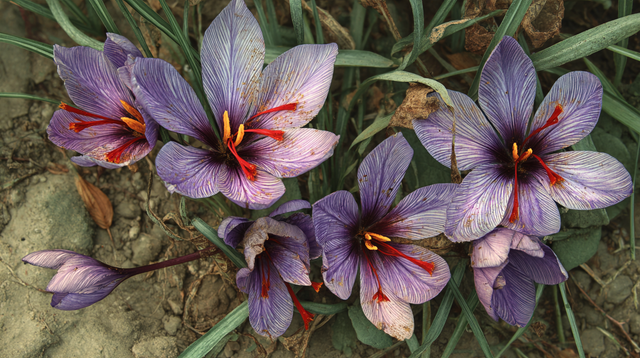
Crocus sativus is a small, perennial, corm-producing plant that grows to only about 15 to 20 centimeters in height. It blooms in autumn rather than spring, which sets it apart from most other crocus species. Each plant produces one to three flowers — delicate, cup-shaped blooms of pale lilac to deep violet with darker purple veining. The six petals (technically tepals, since sepals and petals are indistinguishable) surround three golden-yellow stamens and a single white style that divides into three vivid crimson stigmas. These stigmas are saffron — the most expensive spice in the world by weight.
The leaves are narrow, grass-like, and deep green with a pale central stripe. They emerge either with or just after the flowers and persist through winter and into spring before dying back as the plant enters summer dormancy. The corm is a rounded, compressed bulb-like structure about 3 to 5 centimeters in diameter, wrapped in a fibrous, netted tunic. Each corm produces daughter corms (cormlets) that can be separated for propagation.
Origin
Saffron is believed to have originated in the eastern Mediterranean, possibly in Crete or the region of modern-day Iran. Wild ancestors, particularly Crocus cartwrightianus, still grow in Greece. The cultivated saffron crocus is a sterile triploid — it cannot produce viable seed and must be propagated entirely through corm division. This means every saffron plant alive today descends from human cultivation going back millennia. Saffron has been cultivated for at least 3,500 years, making it one of the oldest spices known to humanity.
Today, Iran produces approximately 90% of the world’s saffron supply. Other significant producers include India (particularly Kashmir), Spain, Greece, Morocco, Italy, and Afghanistan. In recent years, saffron cultivation has expanded to parts of the United States, Australia, and northern Europe.
Brief History
Saffron’s documented history stretches back to the Bronze Age. Frescoes from the Minoan civilization on Santorini (c. 1600 BCE) depict women gathering saffron flowers. The Ebers Papyrus of ancient Egypt (c. 1550 BCE) references saffron for medicinal applications. From Greece and Egypt, saffron traveled the Silk Road and ancient trade routes, reaching China, India, and eventually the New World. It was valued not just as a spice but as a medicine, a dye, a perfume, and even a sacred offering. Its extraordinary labor requirements — roughly 150,000 flowers to yield a single kilogram of dried saffron — have made it worth more than gold by weight throughout much of human history.
Growing & Cultivation
Climate & Zones
Saffron crocus thrives in USDA hardiness zones 6 through 9, though it can be grown in zones 4 and 5 with extra winter protection (deep mulching or lifting corms) and in zone 10 with careful summer heat management. It prefers a Mediterranean-type climate with hot, dry summers and cool to cold winters. The corm requires a period of cold dormancy to trigger proper flowering in autumn. In very warm zones (8b–10), gardeners may need to refrigerate corms for 6 to 8 weeks before planting to simulate winter chill.
Soil Requirements
Well-drained soil is the single most important requirement for saffron cultivation. Corms rot quickly in waterlogged conditions. A sandy loam or loamy soil with a pH between 6.0 and 8.0 is ideal. Heavy clay soils should be amended with coarse sand and compost to improve drainage. Raised beds are an excellent choice, particularly in areas with wet winters. Container growing is also very successful — use a well-draining potting mix with added perlite.
Water & Sunlight
Saffron requires full sun — at least six hours of direct sunlight daily. After planting in late summer or early fall, water moderately to encourage root development. Once flowers have been harvested and foliage is growing through winter, provide moderate water. During summer dormancy, keep the corms dry. Overwatering is the most common cause of failure. This is a drought-tolerant plant once established, though it should not be neglected during its active growing season (fall through spring).
Propagation
Since Crocus sativus is a sterile triploid, it cannot be grown from seed. Propagation is done exclusively through corm division. Each mother corm produces several daughter cormlets each year. After the foliage dies back in late spring, dig up the corms, separate the daughters, and replant them in late summer (August to September in the Northern Hemisphere). Select corms that are at least 2.5 centimeters in diameter for the best flower production. Smaller cormlets may take a year to reach flowering size.
Planting
Plant corms 10 to 15 centimeters deep and 10 to 15 centimeters apart, with the pointed end facing up. In colder zones, deeper planting provides better insulation. Plant in late August through September for autumn bloom. Flowers typically appear 6 to 8 weeks after planting, though newly planted corms may occasionally wait until the following autumn. Companion planting with low-growing thyme or other ground covers can help suppress weeds without competing for resources.
Harvesting
Harvest is the defining act of saffron cultivation, and it is entirely done by hand. Pick flowers early in the morning, before they fully open, to protect the delicate stigmas. Gently pluck the three crimson stigmas from each flower using your fingers or small tweezers. Each flower yields only about 7 milligrams of fresh stigmas, which dry down to roughly 2 milligrams. This is why saffron is so precious — and why growing your own, even in a small raised bed, can yield a meaningful supply of the world’s most expensive spice.
Drying & Storage
Lay freshly harvested stigmas on a paper towel or parchment-lined tray and dry them at room temperature in a warm, well-ventilated area away from direct sunlight for 24 to 48 hours. Alternatively, use a food dehydrator at the lowest setting (around 35–40°C / 95–105°F). Properly dried saffron threads will be brittle and deep red. Store in an airtight, light-proof container in a cool, dark place. Dried saffron maintains potency for up to two years, though it is best used within one year.
Pest & Disease Management
Saffron is relatively pest-free. The greatest threats are rodents (voles, mice, gophers) that eat the corms underground — hardware cloth liners in raised beds can prevent this. Corm rot from Fusarium and Rhizoctonia fungi is the most serious disease concern and is prevented primarily by ensuring excellent drainage. Rabbits and deer generally leave saffron alone. Nematodes can occasionally affect corms in heavily used garden soil; rotate planting sites every 4 to 5 years.
Companion Planting
Saffron grows well alongside low herbs like thyme, oregano, and creeping rosemary, which provide weed suppression without shading the crocus. Avoid planting near heavy feeders or tall plants that would block sunlight. Lavender makes an excellent companion — both prefer similar soil conditions and drainage.
The Healing of Growing
Growing saffron offers benefits beyond the harvest itself. The act of gardening — hands in soil, bare feet on earth, time spent outdoors — has been shown to reduce cortisol, improve mood, and support immune function. The soil contains beneficial bacteria (Mycobacterium vaccae) with documented antidepressant effects. The delicate, meditative process of hand-harvesting saffron stigmas in the cool autumn morning is itself a form of mindfulness practice. When you grow your own saffron, you receive healing before you ever consume it.
Nutritional Profile
Saffron is consumed in very small quantities — typically a pinch or a few threads — so its macronutrient contribution to the diet is minimal. However, per 100 grams of dried saffron, the nutritional density is remarkable.
Macronutrients
Per 100 grams of dried saffron (USDA FoodData Central, FDC ID 170934): 310 calories, 11.4 g protein, 65.4 g carbohydrates, 3.9 g dietary fiber, 5.8 g fat (1.6 g saturated, 0.43 g monounsaturated, 2.1 g polyunsaturated). Because a typical serving is less than 1 gram, these macronutrients are not a meaningful dietary source. The true nutritional power of saffron lies in its micronutrients and bioactive compounds.
Vitamins
Vitamin C: 80.8 mg (90% DV per 100g) — supports immune function, collagen production, and serves as a powerful antioxidant that protects cells from oxidative damage.
Vitamin B6 (Pyridoxine): 1.01 mg (78% DV per 100g) — essential for neurotransmitter synthesis, including serotonin and dopamine production. Supports brain health and mood regulation.
Vitamin A: 530 IU (approximately 59% DV per 100g as RAE) — supports vision, immune function, and skin health. Present in saffron primarily as carotenoid compounds.
Riboflavin (B2): 0.27 mg (20% DV per 100g) — plays a key role in energy production and cellular function. Supports metabolism and maintains healthy skin and eyes.
Folate (B9): 93 mcg (23% DV per 100g) — critical for DNA synthesis, cell division, and neural tube development. Supports cardiovascular health through homocysteine metabolism.
Minerals
Manganese: 28.4 mg (1,235% DV per 100g) — essential for bone formation, blood clotting, and metabolism. Acts as a cofactor for the antioxidant enzyme superoxide dismutase (SOD).
Iron: 11.1 mg (139% DV per 100g) — necessary for oxygen transport via hemoglobin, energy production, and immune function.
Magnesium: 264 mg (66% DV per 100g) — essential for over 300 enzymatic reactions, supports muscle and nerve function, blood sugar regulation, and bone health.
Potassium: 1,724 mg (51% DV per 100g) — vital for fluid balance, nerve signaling, and muscle contraction, including the heartbeat.
Phosphorus: 252 mg (36% DV per 100g) — works with calcium for bone and tooth formation and is involved in energy storage and transfer.
Phytonutrients & Active Compounds
The true power of saffron lies not in standard vitamins and minerals but in its unique bioactive compounds. These are the reason saffron has commanded such reverence across millennia.
Crocin — a water-soluble carotenoid responsible for saffron’s vivid golden-yellow color. Research suggests crocin possesses potent antioxidant, neuroprotective, and anti-inflammatory properties. Studies indicate it may support mood, protect retinal cells, and inhibit tumor cell growth in vitro.
Crocetin — the aglycone of crocin (the compound that remains when sugars are removed). Crocetin crosses the blood-brain barrier more efficiently than crocin and has been studied for cardiovascular protection, improved oxygen diffusion in tissues, and anti-inflammatory activity.
Safranal — a monoterpene aldehyde that accounts for 60–70% of saffron’s volatile oil and is responsible for its distinctive aroma. Research suggests safranal has antidepressant, antioxidant, anxiolytic, and neuroprotective properties. It appears to interact with GABA receptors in the brain.
Picrocrocin — responsible for saffron’s characteristic bitter taste. A precursor to safranal, it has been studied for potential memory-enhancing and antidepressant effects.
Kaempferol — a flavonoid with documented anti-inflammatory and potential anticancer properties. Present in both the stigmas and petals of the saffron flower.
Nutrient Notes
Because saffron is used in such tiny amounts (typically 0.1 to 1 gram per dish or serving), the vitamin and mineral contribution from culinary use is modest. However, the bioactive compounds — crocin, safranal, crocetin, and picrocrocin — are pharmacologically active at very small doses. Clinical studies have used doses as low as 15 to 30 mg of saffron extract daily (equivalent to roughly 30–90 mg of whole saffron) with measurable therapeutic effects. Saffron’s bioactive compounds are water-soluble (crocin) and fat-soluble (safranal, crocetin), meaning both tea preparations and oil-based preparations extract different beneficial compounds.
Culinary Uses
Edible Parts
The stigmas (threads) are the primary edible and culinary product — this is saffron as a spice. However, the petals (tepals) of Crocus sativus are also edible and are increasingly used in gourmet cooking. The petals have a milder, slightly floral flavor and contain some of the same bioactive compounds as the stigmas, albeit in lower concentrations. The stamens are occasionally used for color. The corms are not typically consumed.
Flavor Profile
Saffron’s flavor is complex, earthy, and unlike any other spice. The primary taste is a warm, honey-like sweetness underscored by a distinct bitterness. Secondary notes include hay, metallic, and slightly floral. The aroma is intensely aromatic — musky, earthy, and golden. When steeped in warm liquid, saffron releases both its color and its fragrance gradually. Too much saffron produces an overwhelmingly medicinal, bitter taste — less is more. Dried saffron is more concentrated than fresh, and powdered saffron releases flavor more quickly (but is also more prone to adulteration).
Preparation
To use saffron threads, soak them in a few tablespoons of warm (not boiling) water, broth, or milk for at least 10 to 20 minutes — longer soaking (up to several hours) produces deeper color and flavor extraction. Add both the soaking liquid and the threads to your dish. Alternatively, lightly toast threads in a dry pan for 30 seconds to intensify aroma before crumbling and adding to liquid. A generous pinch (15–20 threads) flavors a dish serving 4 to 6 people.
Culinary Pairings
Saffron pairs beautifully with rice (paella, biryani, risotto, Persian tahdig), seafood (bouillabaisse, shrimp), chicken, lamb, cream-based sauces, cardamom, cinnamon, cumin, rosewater, pistachios, almonds, citrus (especially lemon and orange), honey, vanilla, and white wine. It is used in both savory and sweet applications — from French bouillabaisse to Indian kheer, Swedish saffransbullar to Moroccan tagines.
Storage
Store whole saffron threads in an airtight, opaque container in a cool, dark place. Properly stored threads retain potency for up to two years. Avoid purchasing pre-ground saffron unless from a trusted source — adulteration with turmeric, safflower, or artificial dyes is common. Authentic saffron threads have a uniform deep red color with slight orange tips and release a golden-yellow color (never bright red or orange) when steeped.
Ready to cook with saffron? View Recipes on Chefts →
Wellness & Therapeutic Uses
Traditional Uses
Saffron’s healing history spans more than 3,500 years and crosses virtually every major medical tradition on earth. In Ayurveda, saffron (Kesar or Kumkuma) is classified as a Rasayana — a rejuvenating tonic of the highest order. It is considered tridoshic, meaning it has the rare ability to balance all three doshas (Vata, Pitta, and Kapha). Ayurvedic practitioners have traditionally used saffron to support digestion, purify the blood, brighten the complexion, ease menstrual discomfort, and lift the spirits. It is commonly prepared in warm milk with a few threads before sleep.
In Traditional Chinese Medicine (TCM), saffron is known as Xi Hong Hua and is used to invigorate the blood, dissolve stasis, and relieve depression. TCM practitioners have employed it for menstrual irregularities, pain, and emotional stagnation. The Chinese Pharmacopoeia documents its use for cardiovascular support.
Greek and Roman physicians including Hippocrates, Dioscorides, and Galen documented saffron’s uses for digestive complaints, wound healing, respiratory ailments, and as an aphrodisiac. Dioscorides included saffron in his De Materia Medica. Ancient Egyptian healers described its properties in the Ebers Papyrus (c. 1550 BCE) for gastrointestinal and gynecological applications.
Modern Research
Mood and Emotional Wellness: This is the most extensively researched therapeutic area for saffron. A 2013 meta-analysis of randomized controlled trials found that saffron supplementation significantly reduced depression symptoms compared to placebo, with a large effect size (ES = 1.62, P < 0.001). Remarkably, when compared head-to-head with standard antidepressants (fluoxetine, imipramine), saffron showed comparable efficacy with fewer side effects (Hausenblas et al., 2013, USA — PubMed). A 2014 systematic review confirmed these findings and identified saffron’s antidepressant mechanisms as serotonergic, antioxidant, anti-inflammatory, neuro-endocrine, and neuroprotective in nature (Lopresti & Drummond, 2014, Australia — PubMed). Typical clinical doses range from 15 mg of standardized extract twice daily (30 mg/day total).
Eye Health: A growing body of clinical evidence supports saffron’s role in eye health. A 2026 systematic review of ten clinical trials found that saffron supplementation (20–50 mg/day) demonstrated consistent efficacy and safety across age-related macular degeneration (AMD), primary open-angle glaucoma, and diabetic macular edema (Ferrara & Schloss, 2026 — PubMed). The neuroprotective properties of crocin and crocetin appear to protect retinal cells from oxidative damage.
Anti-Inflammatory and Antioxidant Effects: A comprehensive 2023 review of human and animal studies confirmed that saffron and its constituents (crocin, crocetin, safranal) exert their therapeutic effects primarily through inhibiting inflammatory reactions and scavenging free radicals. Saffron upregulates the Nrf2/HO-1 pathway (a key cellular defense pathway) and downregulates NF-κB signaling (a primary inflammatory pathway) (Anaeigoudari et al., 2023, Iran — PMC).
Cognitive Support: Saffron has shown promise in supporting cognitive function in both healthy adults and those with neurodegenerative conditions. Research suggests that crocin may suppress amyloid-β aggregation, a hallmark of Alzheimer’s disease, and improve memory and learning in animal models. The neuroprotective effects appear related to both antioxidant activity and modulation of neurotransmitter systems.
Cardiovascular Support: Animal and in vitro studies suggest that crocetin may improve oxygen diffusion in tissues, support healthy cholesterol levels, and promote cardiovascular function. Saffron’s antiplatelet properties may support healthy circulation, though this also creates the potential for interaction with blood-thinning medications.
Body Systems Supported
Research suggests saffron may support multiple body systems: the nervous system (mood, cognition, neuroprotection), the cardiovascular system (circulation, blood pressure, cholesterol), the digestive system (appetite regulation, stomach soothing), the endocrine system (hormone balance, menstrual support), the immune system (antioxidant defense, anti-inflammatory), the integumentary system (skin health), and the reproductive system (libido, fertility support).
Body Compounds Affected
Saffron’s bioactive compounds interact with several key body compounds. Serotonin — research suggests saffron inhibits serotonin reuptake in the synapse, similar to SSRI medications, which may account for its mood-supporting effects. Dopamine and norepinephrine — crocin appears to act as a monoamine oxidase (MAO) inhibitor, potentially preserving dopamine and norepinephrine levels. GABA — safranal has demonstrated binding affinity for GABA-A receptors, which may explain its anxiolytic and sleep-supporting properties. Cortisol — saffron’s adaptogenic-like properties may help modulate the stress response. Inflammatory markers (NF-κB, TNF-alpha, IL-6) — saffron downregulates key inflammatory pathways. BDNF (Brain-Derived Neurotrophic Factor) — saffron may improve BDNF signaling, which supports neuroplasticity and brain health.
Methods of Use
Tea/Infusion
Steep 5 to 10 saffron threads in one cup of hot (not boiling) water for 10 to 15 minutes. The tea will turn golden yellow. May be consumed 1 to 2 times daily. Can be enhanced with a small amount of honey, cardamom, or a squeeze of lemon. Saffron milk (warm milk with 5–6 threads steeped for 10 minutes) is a traditional Ayurvedic preparation.
Tincture
Saffron tincture is less common than extract or tea but can be prepared by macerating threads in alcohol. Due to the high cost of saffron, standardized extracts in capsule form are the more common supplement delivery method.
Capsule/Powder (Supplement)
Standardized saffron extracts are available in capsule form, typically providing 15 mg per capsule taken twice daily (30 mg/day total). Clinical studies have used this dosage range with positive results for mood support. Look for products standardized to specific crocin and safranal content. Whole saffron powder in capsules is also available.
Cosmetic & Beauty Uses
Skin Benefits
Saffron has been used in beauty practices for thousands of years — Cleopatra reportedly bathed in saffron-infused water for its complexion-enhancing properties. Modern research is confirming what ancient wisdom knew. Crocin provides potent antioxidant protection against UV-induced oxidative stress, which is a primary driver of premature skin aging. Saffron’s anti-inflammatory properties may help soothe conditions like acne, rosacea, and general redness. Its natural compounds have been shown to inhibit tyrosinase, the enzyme responsible for melanin production, making it a natural brightening agent that may help reduce hyperpigmentation and dark spots.
Suitable skin types: All skin types, with particular benefit for dull, uneven, aging, or hyperpigmented skin. Those with sensitive or acne-prone skin may also benefit from its anti-inflammatory properties.
Hair Benefits
Saffron has been traditionally used in hair care across Middle Eastern and South Asian cultures. A saffron-infused rinse may add shine and warmth to hair color. Its antioxidant compounds may support scalp health by reducing oxidative stress at the hair follicle. Combined with a carrier oil, saffron may help condition and nourish the scalp.
Application Methods
Infuse 10 to 15 saffron threads in 2 tablespoons of warm milk or rosewater for 2 hours. Apply as a face mask (mix with raw honey for added benefit). Leave for 15 to 20 minutes and rinse. For a brightening toner, steep saffron in rosewater overnight and apply with a cotton pad. For hair, add a saffron infusion to your final rinse water after shampooing. For oil infusion, steep saffron threads in jojoba or sweet almond oil for one to two weeks, shaking daily.
DIY Formulation Notes
Saffron is highly potent — a little goes a long way. For facial applications, 5 to 10 threads per treatment is sufficient. Saffron pairs well with honey, yogurt, milk, rosewater, turmeric (use sparingly), aloe vera, and oils like jojoba, argan, and sweet almond. Avoid combining with highly acidic ingredients like undiluted lemon juice, which may irritate skin. Homemade saffron-infused preparations should be used within one week when water-based, or within one month when oil-based.
Saffron is among the botanicals being explored for holistic cosmetic applications, where the wisdom of traditional beauty practices meets modern understanding of skin science.
Essential Oil Profile
Extraction
Saffron essential oil is obtained through steam distillation of the dried stigmas (threads) of Crocus sativus. Given the extremely high cost of saffron raw material and the low yield of essential oil, saffron essential oil is one of the rarest and most expensive essential oils in the world. CO2 extraction methods are also used to preserve heat-sensitive compounds like crocin. The yield is very small — roughly 0.5 to 1% by weight of the dried stigma — making this an extraordinarily precious oil.
Chemical Constituents
The dominant compound in saffron essential oil is safranal, accounting for 60 to 70% of the volatile fraction. Other significant constituents include isophorone, 4-ketoisophorone, and various monoterpene aldehydes and ketones. The non-volatile carotenoid compounds (crocin, crocetin) are not present in the essential oil in significant amounts, as they are water-soluble and remain in the plant material or hydrosol after distillation. Safranal is classified as a monoterpene aldehyde and is responsible for saffron’s characteristic aroma.
Aroma Profile
Saffron essential oil is a middle to base note with a warm, rich, earthy, slightly sweet, hay-like aroma. It is intensely aromatic — a single drop carries enormous presence. The scent has leathery, honeyed, and slightly metallic undertones. It blends well with sandalwood, rose, frankincense, neroli, bergamot, cinnamon, cardamom, and vanilla.
Therapeutic Properties
Using compliant language, saffron essential oil is traditionally associated with calming and relaxing properties, mood support, and aromatic enhancement. Safranal, its primary constituent, has been studied for antioxidant, anxiolytic, and neuroprotective properties. The essential oil may be used to promote a sense of calm and emotional balance when diffused.
How to Use
Diffusion
Add 1 to 2 drops to a diffuser (saffron oil is extremely potent and concentrated). Diffuse for 15 to 30 minutes at a time. The aroma promotes relaxation and emotional grounding.
Topical Application
Always dilute saffron essential oil before skin application. Standard adult dilution is 1 to 2% (approximately 1 to 2 drops per teaspoon of carrier oil). Suitable carrier oils include jojoba, sweet almond, and argan. Perform a patch test before broader use. This oil is not recommended for internal use.
Quality & Sourcing
Due to the extreme cost of genuine saffron essential oil, adulteration is very common. Look for oils from reputable suppliers that provide GC/MS testing results. True saffron essential oil should show safranal as the dominant compound (50–70%). Be skeptical of saffron oils sold at unusually low prices. Store in a dark glass bottle in a cool location. Saffron absolute (solvent-extracted) is also available and retains a richer, more complete scent profile than steam-distilled oil.
Blending
Saffron essential oil blends beautifully with rose, sandalwood, frankincense, bergamot, neroli, ylang ylang, cardamom, cinnamon leaf, vanilla, and vetiver. For a calming evening blend, try 1 drop saffron with 2 drops sandalwood and 2 drops lavender. For an uplifting blend, combine 1 drop saffron with 2 drops bergamot and 1 drop cardamom.
Aromatherapy & Scent
The Aroma
Fresh saffron stigmas, just plucked from the flower, have a subtle, sweet, slightly grassy scent. The iconic saffron aroma develops primarily during drying and storage, as picrocrocin enzymatically converts to safranal. Dried saffron threads emit a rich, warm, earthy, honey-like fragrance with notes of hay, leather, and a faint metallic sweetness. This aroma is highly persistent — dried saffron retains its scent for months to years when properly stored. Even a small quantity of threads can scent a room when gently warmed or steeped.
How Scent Affects Your Body
When you smell saffron, volatile molecules (primarily safranal) are released into the air. These molecules are inhaled through the nose, where olfactory receptor neurons in the nasal cavity detect them. The olfactory nerve sends signals directly to the limbic system — the brain’s emotional center — and to the hypothalamus, which governs hormone release. This pathway bypasses conscious thought, which is why scent can shift your mood within seconds, before you even consciously register what you are smelling.
Emotional & Mood Effects
Saffron’s aroma is traditionally associated with calming, grounding, and mood-lifting effects. The warm, complex scent may promote feelings of comfort, emotional warmth, and relaxation. Many cultures have used saffron aroma to ease anxiety, support sleep, and create a sense of luxury and well-being. The aromatic experience pairs well with meditative or reflective practices.
Body Compounds Affected
Research suggests that inhaling safranal may influence GABA receptors, potentially promoting relaxation and reducing anxiety. The aroma may also influence serotonin pathways, contributing to mood elevation. Studies on saffron aroma exposure have shown reductions in cortisol levels in some contexts, suggesting the scent itself may help moderate the stress response.
Ways to Experience the Scent
Beyond essential oil diffusion, there are many accessible ways to experience saffron’s aroma: steep a few threads in warm milk or water and inhale the steam before drinking. Simmer saffron threads in a small pot of water with cardamom and cinnamon for a natural room fragrance. Place dried threads in a small sachet near your pillow. Add threads to a warm bath. Crush a thread between your fingers and inhale. Grow saffron crocus in your garden or containers — the flowers themselves have a delicate, sweet fragrance during autumn bloom.
Color Therapy
The Colors of Saffron
Saffron presents a remarkable spectrum of colors. The flowers are pale lilac to deep violet-purple with darker veining. The stamens are a bright golden yellow. The stigmas — saffron itself — are a deep, vivid crimson red when fresh, darkening to a rich burgundy-red when dried. When dissolved in water, saffron releases a luminous golden-yellow hue. The foliage is deep green. This single plant encompasses purple, red, gold, and green — a full palette of therapeutic color.
Color Wavelengths
The violet-purple of saffron flowers falls in the 380–450 nm wavelength range. The crimson-red of the stigmas falls in the 620–700 nm range. The golden-yellow of the stamen and dissolved saffron falls in the 570–590 nm range. Each of these colors carries distinct physiological associations in color therapy traditions.
How Saffron’s Colors Affect the Body
The violet-purple of saffron flowers is associated with spiritual calm, meditation, and nervous system support. The red of the stigmas is associated with energizing, stimulating circulation, and warming the body. The golden-yellow released in saffron tea and cooking is associated with mental clarity, optimism, digestive support, and solar plexus activation. Having saffron flowers in your autumn garden provides exposure to these calming purple wavelengths during a season often associated with declining mood and energy.
Body Compounds Affected
Exposure to warm golden-yellow light wavelengths has been associated in research with serotonin production and mood elevation. Purple and violet wavelengths are associated with calming effects on the nervous system and may support melatonin cycles. The visual richness of saffron’s color palette may contribute to its traditional association with luxury, warmth, and emotional comfort.
Using Saffron for Color Therapy
Grow saffron crocus in areas where you will see them during their autumn bloom — near walkways, kitchen windows, or meditation spaces. The violet flowers provide a calming visual during the transition to shorter days. Use saffron to color foods a rich golden hue — “eating the rainbow” with intention. The warm gold of saffron rice, saffron milk, or saffron-infused water brings the golden-yellow wavelength into your diet as a visual and nutritional experience.
Frequency & Vibration
The Frequency of Saffron
While specific MHz measurements for saffron are not as widely documented as some other essential oils, saffron is generally classified among the higher-frequency plant materials. According to bio-frequency research (Bruce Tainio), essential oils from aromatic plants tend to vibrate at frequencies significantly higher than the human body. The healthy human body is believed to resonate at 62 to 78 MHz. When the body’s frequency drops, it becomes more susceptible to illness. High-frequency plants and their essential oils may help support the body’s energetic state.
Human Frequency Interaction
Proponents of vibrational medicine suggest that being in proximity to high-frequency plant materials — whether through growing, touching, inhaling, or consuming them — may positively influence the body’s own frequency through the principle of entrainment, where a stronger, more coherent frequency can influence a weaker one. Saffron, as a highly aromatic and biochemically potent plant, is considered to carry significant energetic presence.
Essential Oil Frequency
Frequency measurements suggest that aromatic plant essential oils can range from approximately 52 MHz (basil) to 320 MHz (rose). While a specific published MHz value for saffron essential oil is not consistently documented in the Tainio frequency literature, its extreme biochemical potency and aromatic intensity place it among the higher-frequency materials. As research in this area continues to develop, more precise measurements may become available.
Vibrational Applications
To use saffron for frequency support, consider incorporating it through multiple pathways: diffuse the essential oil, drink saffron-infused water or milk, grow the plant in your living space, and use saffron as a mindful, intentional ingredient in cooking. Combining saffron with other high-frequency practices — prayer, meditation, time in nature, gratitude — may amplify the experience.
The Living Plant
Benefits of Presence
Simply being around living saffron crocus plants offers benefits beyond anything extracted from the stigmas. The sight of purple flowers emerging from the earth in autumn — when most of the garden is going dormant — has a psychological impact. It provides visual richness during a season often associated with mood decline, shorter days, and seasonal affective concerns. The act of tending saffron connects the grower to an ancient, almost sacred agricultural tradition.
Air Purification
Saffron crocus has not been specifically included in the NASA Clean Air Study, and as a small, seasonally dormant bulb plant, it is not a significant indoor air purifier compared to leafy houseplants. However, during its active growth phase (autumn through spring), its foliage does contribute to oxygen production and contributes to the green plant presence that research consistently links to improved air quality and psychological well-being in indoor spaces.
Phytoncides
While saffron crocus is not a major phytoncide-producing plant (unlike conifers or eucalyptus), its aromatic flowers do release volatile organic compounds during bloom. These compounds contribute to the subtle, sweet fragrance experienced when near flowering saffron. The broader principle applies: time spent around living plants exposes you to beneficial airborne compounds that may support immune function, a key finding of forest bathing (shinrin-yoku) research.
Visual & Psychological Benefits
Research on plant presence consistently shows that viewing plants reduces stress, improves attention, and accelerates healing. A landmark study found that hospital patients with views of nature recovered faster than those without. Having flowering saffron crocus in your autumn garden provides these benefits during a time when many people are most in need of visual warmth and natural beauty. The striking contrast of violet flowers against bare autumn soil creates a powerful visual affirmation of life and renewal.
Growing Indoors vs Outdoors
Saffron crocus can be grown indoors in containers, making it accessible to apartment dwellers and those outside its ideal growing zones. Place containers in the sunniest available window (south-facing in the Northern Hemisphere). Indoor growing provides the dual benefit of flowering beauty and a small saffron harvest. Outdoors, saffron naturalizes and multiplies over the years, creating expanding patches of autumn color with increasing harvests each season.
Touch & Physical Interaction
Gardening Therapy
Working with saffron crocus engages you in one of the oldest forms of horticultural therapy. The annual cycle of planting, tending, harvesting, and drying connects you to seasonal rhythms that ground the body and mind. Saffron is a particularly rewarding plant for therapeutic gardening because the harvest is tangible, valuable, and deeply sensory — the visual beauty of the flowers, the delicate feel of the stigmas, the rich aroma of the threads.
Soil Contact Benefits
Planting and digging saffron corms brings your hands into direct contact with the soil. This provides grounding (earthing) benefits — the transfer of electrons from the earth through skin contact, which research suggests may reduce inflammation and normalize cortisol rhythms. Soil exposure also introduces beneficial microorganisms, particularly Mycobacterium vaccae, a naturally occurring soil bacterium that has been shown to stimulate serotonin production and produce antidepressant-like effects in animal studies.
The Tactile Experience
Saffron’s tactile qualities are distinctive. The crocus petals are silky smooth with a papery delicacy. The stigmas are feather-light and slightly sticky when fresh, with a thread-like texture that requires gentle handling. Dried threads are brittle and crisp, releasing their color and aroma when crushed between fingertips. The corms have a firm, fibrous exterior with a smooth, dense interior. The narrow leaves are cool and smooth, like delicate green ribbons. Every stage of interacting with saffron is a sensory experience that draws you into the present moment.
Harvesting & Processing
The harvest of saffron is inherently meditative. Picking individual flowers in the early morning, then sitting to carefully separate three tiny stigmas from each bloom, demands focused, gentle, repetitive motion. This is not a task that can be rushed or mechanized. The ancient rhythm of saffron harvest — performed exactly the same way today as it was three thousand years ago — connects the harvester to generations of hands that did the same careful work. Laying the threads to dry, turning them gently, storing them in small jars — each step is a tactile ritual of provision and gratitude.
Water-Based Applications
Teas & Infusions
Saffron tea is the simplest and most traditional water-based preparation. Steep 5 to 10 threads in one cup of hot water (approximately 80°C / 175°F — below boiling) for 10 to 15 minutes. The tea turns a beautiful golden-yellow. Strain or leave threads in the cup. May be consumed 1 to 2 times daily. Cold infusion is also effective — soak threads in room-temperature water for 1 to 2 hours for a milder preparation. Saffron milk (Kesar doodh) is a beloved Ayurvedic preparation: warm one cup of milk (dairy or plant-based), add 5 to 6 threads, let steep for 10 minutes, and sweeten with a small amount of honey. Consume at night before sleep.
Herbal Baths
While saffron’s cost makes full-body baths a luxury, even a modest quantity of threads (15–20) steeped in warm bath water releases both color and aroma. A saffron bath has been used traditionally for skin softening, relaxation, and aromatic benefit. Saffron foot baths are a more economical alternative — steep 5 to 10 threads in a basin of warm water and soak feet for 20 minutes. The warmth and color create a calming, sensory-rich experience.
Hydrosols
Saffron hydrosol — the water co-product of steam distillation — is occasionally available from specialty aromatherapy suppliers. It contains water-soluble compounds including traces of crocin and is far more affordable than saffron essential oil. Saffron hydrosol can be used as a facial mist, toner, or linen spray. It has a subtle, warm, golden aroma and may provide mild antioxidant and soothing benefits for the skin.
Compresses
A warm saffron compress can be made by steeping 5 to 10 threads in a cup of hot water, soaking a clean cloth in the infusion, and applying to the desired area. Warm compresses have been used traditionally for tired eyes, temples (for headache), and over the abdomen for menstrual comfort. A cool saffron compress may soothe puffy or tired skin.
Steam Inhalation
Add 3 to 5 saffron threads to a bowl of just-boiled water. Drape a towel over your head and the bowl and inhale the warm, aromatic steam gently for 5 to 10 minutes. This delivers safranal’s volatile compounds directly to the olfactory system and respiratory passages. Traditionally used for respiratory comfort, sinus congestion, and aromatic mood support.
Hair Rinses
Steep 10 to 15 saffron threads in 2 cups of warm water for 30 minutes. After shampooing, pour the infusion over hair as a final rinse. This may add warm golden highlights to lighter hair, enhance shine, and deliver antioxidant compounds to the scalp. The practice has roots in Persian and Indian beauty traditions.
Historical, Cultural & Biblical Significance
Biblical References
Saffron is mentioned by name in the Bible in the Song of Solomon (Song of Songs) 4:14 (KJV):
“Spikenard and saffron; calamus and cinnamon, with all trees of frankincense; myrrh and aloes, with all the chief spices.”
The Hebrew word is karkom, corresponding to the Arabic za’faran, meaning “yellow.” In this passage, saffron is listed among the most precious and fragrant plants in the beloved’s garden — a garden that represents abundance, beauty, and the Creator’s generous provision. Saffron was cultivated in Palestine during biblical times, and multiple wild crocus species still grow in the region. The fact that God included saffron among the “chief spices” in this poetic celebration of His creation tells us something about how He values what He has made.
Ancient Civilizations
The earliest known depictions of saffron appear in Bronze Age frescoes from the Minoan civilization on the island of Santorini (c. 1600 BCE), where women are shown gathering saffron flowers. In ancient Egypt, saffron was documented in the Ebers Papyrus (c. 1550 BCE) as a medicinal plant. It was used for gastrointestinal complaints, gynecological applications, eye treatments, and in the embalming process. Cleopatra reportedly used saffron in her baths for its complexion-enhancing and fragrance properties.
In ancient Greece, saffron was revered as both spice and medicine. Hippocrates recommended it for colds, coughs, stomach ailments, insomnia, and uterine bleeding. Dioscorides included saffron in his De Materia Medica, documenting its medicinal properties. The Greeks used saffron extensively as a dye for textiles and as a perfume for public spaces. Roman physicians Pliny and Galen further documented saffron’s applications, and it was used lavishly in Roman baths and banquet halls for its color and aroma.
Eastern Traditions
Traditional Chinese Medicine has used saffron (Xi Hong Hua) for centuries to invigorate the blood, dissolve stasis, relieve pain, and treat depression. It appears in classical Chinese formulae for cardiovascular and emotional conditions. In Ayurveda, saffron (Kesar/Kumkuma) holds the exalted status of a Rasayana — a life-extending rejuvenating tonic. Ayurvedic texts classify it as tridoshic and prescribe it for digestion, blood purification, complexion enhancement, reproductive health, and emotional balance. The Charaka Samhita and Sushruta Samhita both reference saffron’s therapeutic applications.
Indigenous Knowledge
While saffron is not native to the Americas, it has been part of Middle Eastern traditional medicine for millennia, where it was used for digestive ailments, respiratory conditions, and as a tonic for overall vitality. Persian medicine (Unani tradition) regarded saffron as one of the most important medicinal substances, using it for heart strengthening, mood elevation, and pain relief. Iran remains the world’s dominant saffron producer, and the Persian tradition of saffron cultivation represents perhaps the longest unbroken agricultural heritage for this plant.
European Heritage
During the medieval period, saffron was cultivated in monastery gardens across Europe and was a staple of European apothecary medicine. European herbalists Nicholas Culpeper and John Gerard both documented saffron’s medicinal properties. The town of Saffron Walden in England took its name from the saffron trade. During the 14th century, the demand for saffron was so great that the “Saffron War” broke out when a shipment was stolen by noblemen. The spice was used as a treatment during the Black Death, though its efficacy against plague was limited.
Cultural Symbolism
Across cultures, saffron has symbolized wealth, purity, and divine blessing. Buddhist monks dye their robes saffron-colored in a tradition that continues to this day. In Hindu weddings, saffron represents purity and auspiciousness. In Persian culture, saffron is a symbol of joy, hospitality, and vitality — saffron rice is served at celebrations and gatherings. These various cultures observed that saffron provided beauty, nourishment, and healing. While they may not have all known the Creator by name, they were observing His design — and their observations align with what modern research confirms about saffron’s remarkable properties.
Safety & Precautions
Contraindications
Saffron in culinary amounts (up to approximately 1.5 grams per day) is generally recognized as safe for most healthy adults. However, high doses (5 grams or more) can be toxic, with reported symptoms including nausea, vomiting, diarrhea, bleeding, numbness, and potentially fatal outcomes at very high doses. Saffron is contraindicated in individuals with known bleeding disorders due to its antiplatelet properties.
Drug Interactions
Saffron may interact with several medication categories. Anticoagulant and antiplatelet drugs (warfarin, rivaroxaban, aspirin, clopidogrel): Saffron has demonstrated antiplatelet effects and may inhibit CYP3A4, potentially increasing bleeding risk. Antidepressant medications (SSRIs, SNRIs, MAOIs): Because saffron may influence serotonin and monoamine pathways, combining it with antidepressant medications may produce additive effects and should be monitored by a healthcare provider. Antihypertensive drugs: Saffron may lower blood pressure and could enhance the effects of blood pressure medications. CNS depressants (benzodiazepines, sedatives): Safranal’s GABA receptor activity may potentiate sedative effects. Patients taking any prescription medications should consult their healthcare provider before using saffron in therapeutic (supplement) doses.
Pregnancy & Nursing
Saffron in amounts exceeding normal culinary use should be avoided during pregnancy. High doses (5 grams or more) have been documented to have uterine stimulant and abortifacient effects. Small culinary amounts (a few threads in cooking) are generally considered safe during pregnancy, but supplemental doses should be avoided. Information regarding safety during breastfeeding is limited — caution is advised. Always consult a qualified healthcare provider before using saffron as a supplement during pregnancy or nursing.
Children
Saffron in small culinary amounts is generally considered safe for children. However, therapeutic or supplemental doses have not been extensively studied in pediatric populations. Children’s dosages, if used at all, should be significantly lower than adult doses. Saffron essential oil should be used with extra caution around children — higher dilution rates (0.5% or less) and only under the guidance of a knowledgeable practitioner.
Elderly
Older adults may be more sensitive to saffron’s blood pressure-lowering and antiplatelet effects. Those taking multiple medications — particularly blood thinners, blood pressure medications, or sedatives — should exercise caution and consult their healthcare provider before adding saffron supplements. Smaller doses may be appropriate. Culinary use is generally safe.
Pets
Dogs: Caution. Small amounts of culinary saffron (Crocus sativus) are unlikely to cause serious harm but may produce gastrointestinal upset. Larger quantities can be problematic, with some evidence suggesting significant doses may cause kidney and liver stress. Do not share saffron-seasoned foods that contain other pet-toxic ingredients like garlic, onion, or excessive salt.
Cats: Caution. Limited specific toxicology data exists for true saffron (Crocus sativus) in cats. Cats are generally more sensitive to spices and herbs than dogs. Avoid intentional saffron exposure in cats.
CRITICAL DISTINCTION: Do NOT confuse saffron crocus (Crocus sativus) with meadow saffron or autumn crocus (Colchicum autumnale). Meadow saffron is highly toxic to dogs, cats, and horses due to the presence of colchicine. Despite sharing a common name, these are completely different plants from different families. Meadow saffron (Colchicum) is NOT safe for any animal or human and is NOT the saffron discussed in this article.
Allergies & Sensitivities
Allergic reactions to saffron are rare but have been reported, including skin rashes and respiratory symptoms. Individuals with known allergies to plants in the Iridaceae family should exercise caution. When using saffron topically for the first time, perform a patch test on the inner forearm and wait 24 hours before broader application.
Dosing Guidelines
Culinary use: up to 1.5 grams per day is generally recognized as safe. Supplemental/therapeutic use: most clinical studies have used 30 mg per day of standardized saffron extract (typically 15 mg twice daily). Doses above 5 grams per day may be toxic. Duration of supplemental use in studies has typically been 6 to 12 weeks. Signs of excessive intake may include dizziness, nausea, dry mouth, drowsiness, or yellowing of the skin.
Quality & Sourcing
Saffron is one of the most frequently adulterated spices in the world. Common adulterants include safflower petals, turmeric powder, artificial dyes, and various plant fibers dyed to mimic saffron’s color. Purchase from reputable, transparent suppliers. Look for ISO 3632 quality certification. Authentic threads have a uniform crimson color with slight orange-yellow tips and produce a golden-yellow (not orange or red) infusion in water. The taste should be slightly bitter and aromatic, never sweet.
Signs of Adverse Reaction
Mild reactions may include nausea, dry mouth, headache, dizziness, or drowsiness. More serious reactions — bleeding, severe vomiting, numbness, or yellowing of skin and mucous membranes — require immediate medical attention and discontinuation of use.
Disclaimer
This information is for educational purposes only and is not intended to diagnose, treat, cure, or prevent any disease. Always consult with a qualified healthcare provider before using any herbal product, especially if you are pregnant, nursing, taking medications, or have a medical condition. If you experience any adverse reaction, discontinue use immediately and seek medical attention.
Want Personalized Guidance?
Every body is unique. What works for one person may not be right for another. If you’d like personalized support in incorporating saffron into your wellness journey, consider working with a qualified practitioner who can assess your individual needs.
Sources & References
Peer-Reviewed Studies
- Saffron (Crocus sativus L.) and major depressive disorder: a meta-analysis of randomized clinical trials – Journal of Integrative Medicine, 2013, USA
- Saffron (Crocus sativus) for depression: a systematic review of clinical studies and examination of underlying antidepressant mechanisms of action – Human Psychopharmacology, 2014, Australia
- A Systematic Review of Randomized Controlled Trials Examining the Effectiveness of Saffron on Psychological and Behavioral Outcomes – Journal of Integrative Medicine, 2017, USA
- A placebo controlled randomized clinical trial of Crocus sativus on depression and food craving among overweight women – Journal of Clinical Pharmacy and Therapeutics, 2019, Iran
- Amelioration of anxiety, depression, and chemotherapy related toxicity after crocin administration during chemotherapy of breast cancer – Phytotherapy Research, 2021, Iran
- A review of therapeutic impacts of saffron (Crocus sativus L.) and its constituents – Physiological Reports, 2023, Iran
- Does Crocus sativus (Saffron) Have an Influence or Effect on Ocular Health: A Systematic Literature Review – Journal of Herbal Medicine, 2026, Australia
- Saffron (Crocus sativus L.) in Ocular Diseases: A Narrative Review from Clinical Studies – Nutrients, 2019, Australia/Ireland
- Crocus sativus (saffron) and age-related macular degeneration – PubMed, 2024
- Safranal: From an Aromatic Natural Product to a Rewarding Pharmacological Agent – Iranian Journal of Basic Medical Sciences, 2013, Iran
- Anti-Depressant Properties of Crocin Molecules in Saffron – Molecules, 2022, International
- Neuroprotective Potency of Saffron Against Neuropsychiatric Diseases and Other Brain Disorders – Frontiers in Pharmacology, 2020, China
Traditional Medicine & Ethnobotanical Sources
- Saffron Uses, Benefits & Dosage – Drugs.com Natural Products Database
- Saffron (Kesar): Benefits, Precautions and Dosage – 1mg Ayurvedic Reference
Institutional & Government Sources
- Saffron — Nutritional data from USDA FoodData Central (FDC ID 170934)
- ASPCA: Meadow Saffron (Colchicum autumnale) — Toxic to Dogs, Cats, Horses
Historical References
- Saffron’s Historical Review — Sudhir Ahluwalia
- The Luxurious Archaeology of Saffron — Dr. Smiti Nathan