Goldenseal (Hydrastis canadensis)
Introduction
If you have ever struggled with digestive discomfort, recurring infections, or sluggish immune function, you are far from alone — and nature may have provided support you have not yet explored. Goldenseal is one of North America’s most treasured medicinal plants, a quiet woodland herb whose bright yellow root has supported human wellness for centuries before modern laboratories ever confirmed what indigenous healers already knew.
This remarkable plant is one of many gifts the Creator embedded into nature for our benefit. Long before microscopes revealed the antimicrobial power of alkaloids, long before clinical trials measured cholesterol-lowering effects, goldenseal was already here — provided by a Designer who knew we would need it.
The Plant
Common Names: Goldenseal, yellow root, orange root, yellow puccoon, Indian dye, ground raspberry, Indian turmeric, eye root, eye balm, jaundice root
Botanical Name: Hydrastis canadensis L.
Family: Ranunculaceae (buttercup family)
Description
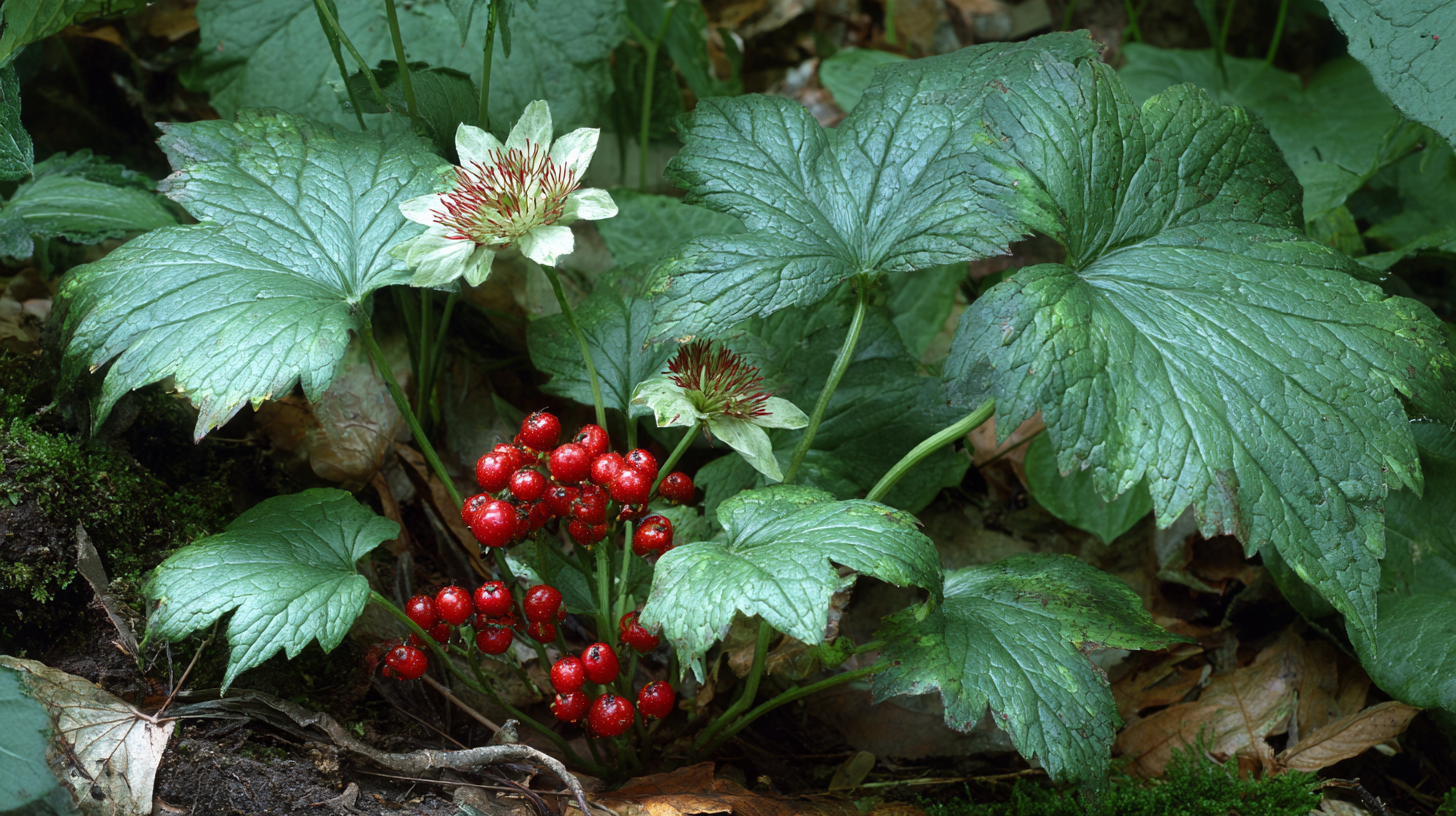
Goldenseal is a slow-growing herbaceous perennial that reaches 6 to 14 inches in height. It produces a single erect stem that divides near the top into two large, palmately lobed leaves with five to seven deeply cut segments, giving the foliage a distinctive, wrinkled appearance. The leaves are dark green, hairy on their undersides, and can span 5 to 8 inches across.
In late spring, a single small, inconspicuous flower appears — white to greenish-white with no true petals, composed instead of petal-like stamens. This modest bloom gives way in midsummer to a small cluster of bright red berries that resemble a raspberry, earning the plant one of its folk names, “ground raspberry.” The berries each contain one or two hard black seeds.
The most distinctive feature lies underground. The rhizome — the part used medicinally — is thick, knotted, and brilliant yellow-orange inside, owing to high concentrations of the alkaloid berberine. When cut fresh, the root reveals a vivid golden color that stains everything it touches. Annual scars left on the rhizome by the flowering stem resemble the impression of an old-fashioned wax letter seal, which is how the name “goldenseal” originated.
Origin
Goldenseal is native to the rich, moist hardwood forests of eastern North America. Its historical range stretches from southern Ontario, Canada, southward through the Appalachian region to Georgia and Mississippi, and westward through Ohio, Indiana, and into Arkansas and Minnesota. It grows naturally in the understory of deciduous forests — particularly in association with sugar maple, basswood, tulip poplar, and oak-hickory communities.
The species does not occur naturally outside North America, though it has been experimentally cultivated in New Zealand and parts of Europe. Today, wild populations have declined significantly across most of its native range due to over-harvesting and habitat loss. Goldenseal is listed under CITES Appendix II and is classified as “vulnerable” on the IUCN Red List of Threatened Species. Multiple U.S. states — including Georgia, Connecticut, Massachusetts, Minnesota, New Jersey, and North Carolina — list it as endangered or threatened.
Brief History
Goldenseal has been used by indigenous peoples of eastern North America for centuries. The Cherokee used the root as a wash for skin inflammation, in decoctions for digestive weakness, and as a dye. The Iroquois prepared infusions for whooping cough, diarrhea, liver ailments, fever, and stomach complaints. The Catawba and other southeastern tribes also valued the plant medicinally.
European settlers learned of the plant’s properties from indigenous communities in the 1700s. Benjamin Smith Barton, an early American botanist, was among the first to document goldenseal’s medicinal use by the Cherokee in his 1798 work on American materia medica. By the nineteenth century, goldenseal had become a cornerstone of Eclectic medicine — a school of American botanical physicians — and was included in the United States Pharmacopeia. It was a popular ingredient in patent medicines after the Civil War and remained among the most widely sold herbs in the United States through the late twentieth century.
Growing & Cultivation
Climate & Zones
Goldenseal thrives in USDA hardiness zones 3 through 8, performing best in zones 5 through 7 where conditions closely match its native woodland habitat. It requires cool, shaded conditions with moderate humidity and will not tolerate hot, exposed, or arid environments. It will not grow under coniferous trees. In warmer zones, deep shade and consistent moisture are essential.
Soil Requirements
Rich, humus-heavy, well-draining soil is essential. Goldenseal prefers slightly acidic to neutral pH (5.5 to 6.5), similar to the soil found on the floor of mature deciduous forests. Heavy clay soils should be amended generously with compost and leaf mold. The plant thrives in loamy soils rich in organic matter. Raised beds two to six inches tall can improve drainage and warm the soil in spring. For container growing, use a woodland-type mix of compost, leaf mold, and perlite.
Water & Sunlight
Goldenseal requires consistent moisture but cannot tolerate waterlogged conditions. Water regularly during dry periods, keeping soil evenly moist but never saturated. Mulch with leaf litter to retain moisture and mimic the forest floor.
This is a shade-loving plant. In the wild it grows under a dense deciduous canopy receiving roughly 20 to 25 percent of full sunlight. In cultivation, plant beneath deciduous trees or construct shade structures providing 70 to 80 percent shade. Direct sunlight will scorch the leaves and can kill the plant.
Propagation
Rhizome Division (Most Common): Goldenseal is most commonly propagated by dividing mature rhizomes into half-inch to one-inch pieces, each containing healthy fibrous roots and at least one dormant bud. Divide in autumn after foliage dies back. Plant divisions half an inch to one inch deep, spaced six to eight inches apart, and cover with one to two inches of leaf litter.
Seed: Seed propagation is possible but slow and challenging. Seeds require a period of warm stratification followed by cold stratification — typically achieved by planting seeds in autumn and allowing them to overwinter naturally. Germination may take 18 months or more. Plant seeds half to three-quarters of an inch deep and cover with leaf litter. Seedlings are very small and delicate in their first two years.
Planting
Plant rhizome divisions in autumn (September through November) or early spring before growth begins. Space plants six to eight inches apart in rows twelve inches apart. In wild-simulated plantings, scatter rhizome pieces or seeds across prepared forest floor and cover with natural leaf litter. Goldenseal grows well as a companion to ginseng, black cohosh, and other shade-loving woodland species. Avoid planting near aggressive ground covers or in areas with heavy foot traffic.
Harvesting
Rhizomes and roots are the primary harvest. Wait at least three to five years after planting before harvesting to allow the colony to establish. Harvest in autumn after the aerial parts have died back, when alkaloid concentrations are highest. Carefully dig rhizomes, shake off excess soil, and replant small rootlets to sustain the colony. Leaves can also be harvested and contain berberine, though at lower concentrations than the root.
Drying & Storage
Wash harvested rhizomes thoroughly and slice into small pieces. Dry in a well-ventilated, shaded area or use a dehydrator set to 95 to 100°F. Drying can take one to three weeks depending on humidity. The root is fully dry when it snaps cleanly rather than bending. Store dried root in airtight containers in a cool, dark place. Properly dried goldenseal root can retain potency for one to two years.
Pest & Disease Management
Goldenseal is relatively hardy but susceptible to botrytis leaf blight, fusarium wilt, root rot, and root knot nematodes. Slugs, moles, and voles can also damage plantings — particularly in cultivated beds with loose, tilled soil. Maintain good airflow by pruning competitive vegetation. Avoid overwatering. Regular inspection and organic pest management (trapping, barriers) are the best preventive strategies.
Companion Planting
Goldenseal grows well alongside other woodland medicinals including American ginseng, black cohosh, blue cohosh, bloodroot, and trillium. It benefits from the same deciduous canopy species — sugar maple, tulip poplar, basswood, and white oak. Avoid planting near aggressive ground covers, coniferous trees, or in areas prone to standing water.
Conservation Note
Because goldenseal is listed as vulnerable globally and endangered or threatened in many states, cultivation is strongly encouraged as an alternative to wild harvesting. The United Plant Savers organization has placed goldenseal on its “At Risk” list and actively promotes cultivation. If you choose to grow goldenseal, you are contributing to the conservation of one of North America’s most important medicinal plants.
The Healing of Growing
Growing goldenseal offers benefits beyond the harvest itself. The act of tending a shade garden — hands in soil, the quiet patience of waiting for a slow-growing plant — has been shown to reduce cortisol, improve mood, and support immune function. The soil contains beneficial bacteria (Mycobacterium vaccae) with documented antidepressant effects. When you grow goldenseal, you receive healing before you ever use the root.
Nutritional Profile
Goldenseal is not consumed as a food and is not typically evaluated for macronutrient or micronutrient content in the way edible plants are. Its value lies not in calories, vitamins, or minerals, but in its concentrated bioactive alkaloids — primarily berberine, hydrastine, and canadine — which are discussed in detail in the Wellness & Therapeutic Uses and Essential Oil sections of this entry. These alkaloids are the compounds responsible for goldenseal’s wide-ranging biological activity.
Culinary Uses
Goldenseal is not used as a culinary ingredient. The root has an intensely bitter taste that makes it unsuitable for food preparation. It is consumed strictly as a supplement or herbal preparation — in teas, tinctures, capsules, or powders — for its bioactive properties rather than for nutrition or flavor. For this reason, goldenseal does not have culinary pairings, cooking methods, or recipes associated with it.
Wellness & Therapeutic Uses
Traditional Uses
Goldenseal has a deep history of traditional use spanning centuries and cultures across North America. The Cherokee used the root as a wash for local skin inflammation, in decoctions for general debility and poor appetite, and as a preparation believed to support cancer treatment — one of the earliest recorded indigenous references to plant-based cancer support. The Iroquois used root decoctions for whooping cough, diarrhea, liver complaints, fever, stomach disorders, flatulence, and pneumonia. Both nations used goldenseal preparations as eyewashes for inflamed or infected eyes.
By the nineteenth century, Eclectic physicians in the United States had adopted goldenseal as one of their most valued botanicals, using it for mucosal inflammation of the mouth, throat, digestive system, and urinary tract. It was listed in the United States Pharmacopeia and remained there until the mid-twentieth century. Goldenseal eyewashes were a standard preparation well into the 1900s.
Modern Research
Berberine, the primary active alkaloid in goldenseal, has been the subject of extensive modern research. A comprehensive 2020 review published in Pharmacological Research documented berberine’s demonstrated antimicrobial, anti-inflammatory, cholesterol-lowering, blood-sugar-lowering, antioxidant, neuroprotective, and cardioprotective properties across numerous in vitro, animal, and human studies (Mandal et al., 2020, India/International).
Antimicrobial Activity: Research suggests goldenseal and its alkaloids have significant activity against a range of pathogens. Studies have demonstrated effectiveness against Staphylococcus aureus (including MRSA), Streptococcus species, Escherichia coli, Helicobacter pylori, and Candida species. Notably, a 2011 study identified flavonoid compounds in goldenseal that synergistically enhance berberine’s antimicrobial activity by inhibiting bacterial drug-resistance pumps — making the whole plant extract more effective than isolated berberine alone (Junio et al., 2011, USA).
Antiviral Activity: A 2011 study found that berberine inhibited the growth of H1N1 influenza A virus and simultaneously reduced production of inflammatory mediators TNF-α and PGE₂. Ethanol extracts of goldenseal showed similar effectiveness (Cecil et al., 2011, USA).
Cholesterol Support: Goldenseal root extract has been shown to upregulate liver LDL receptor expression and reduce plasma cholesterol and LDL cholesterol in animal models, with greater activity than purified berberine alone. The researchers identified canadine and other goldenseal constituents as additional LDL-lowering compounds (Abidi et al., 2006, USA). A meta-analysis of 16 clinical trials involving over 2,400 subjects found that berberine significantly reduced total cholesterol, LDL cholesterol, and triglycerides while increasing HDL cholesterol.
Blood Sugar Support: Studies indicate that berberine may support healthy blood sugar levels. Research has shown effects on fasting glucose, postprandial glucose, and hemoglobin A1C in people with type 2 diabetes. However, the National Center for Complementary and Integrative Health (NCCIH) notes that goldenseal taken orally may deliver less absorbable berberine than purified berberine supplements, so results from berberine studies may not fully translate to goldenseal preparations (NCCIH, Goldenseal Fact Sheet).
Anti-inflammatory Activity: Berberine has demonstrated anti-inflammatory effects through reduction of pro-inflammatory cytokines including IL-1β, IL-6, and TNF-α. A randomized clinical trial examining berberine in chronic schizophrenia found significant improvement in negative symptoms and cognitive function, attributed to its anti-inflammatory mechanism (Yang et al., 2023, China).
Body Systems Supported
Research and traditional use suggest goldenseal may support multiple body systems:
Digestive System: One of goldenseal’s oldest and most documented uses. Berberine has shown activity against H. pylori, may support healthy gut flora, and has traditionally been used for diarrhea, dyspepsia, bloating, and gastric inflammation.
Immune System: Traditionally paired with echinacea as an immune support combination. Goldenseal’s antimicrobial alkaloids may support the body’s natural defense mechanisms against bacterial, viral, and fungal challenges.
Cardiovascular System: Research suggests berberine may support healthy cholesterol levels, blood pressure regulation, and overall cardiovascular function.
Endocrine System: Studies indicate potential support for blood sugar regulation and insulin sensitivity.
Integumentary System (Skin): Long history of topical use for skin infections, wounds, inflammation, and eye conditions.
Respiratory System: Traditional use for upper respiratory infections, sinus congestion, and sore throat. Goldenseal has an affinity for mucous membranes throughout the body.
Body Compounds Affected
Research suggests goldenseal and its alkaloids may influence several body compounds. Berberine has been shown to modulate inflammatory cytokines (reducing IL-1β, IL-6, and TNF-α), support insulin function and sensitivity, and influence LDL receptor expression in the liver. Animal research suggests potential effects on serotonin and other neurotransmitter pathways, though human data specific to goldenseal (rather than isolated berberine) remains limited.
Methods of Use
Tea/Infusion
Use 1 to 2 teaspoons of dried, cut root per cup of boiling water. Steep for 10 to 15 minutes, covered. The resulting tea is intensely bitter. May be taken up to three times daily for short periods. Some practitioners recommend adding honey or combining with other herbs to improve palatability.
Tincture
Goldenseal tincture (typically 1:5 ratio in 60% alcohol) is one of the most common preparations. Typical dosage ranges from 2 to 4 mL (approximately 40 to 80 drops) taken two to three times daily. Tinctures deliver alkaloids efficiently and allow precise dosing.
Capsule/Powder
Dried root powder in capsules is widely available. Typical dosage ranges from 500 mg to 1,000 mg, taken two to three times daily. Total daily intake of goldenseal root should generally not exceed 6 grams. Short-term use (two to three weeks at a time) is typically recommended.
Topical (Poultice/Wash)
A strong decoction of the root can be used as a wash for skin irritations, minor wounds, or eye conditions. Powdered root can be made into a paste or poultice for localized application. Goldenseal salves combining the root with carrier oils or beeswax are traditional preparations for skin support.
Cosmetic & Beauty Uses
Skin Benefits
Goldenseal has a long history of topical use for skin health. The antimicrobial, anti-inflammatory, and astringent properties of its alkaloids — particularly berberine — make it relevant for several skin concerns. Traditional preparations were used to address acne, eczema, dermatitis, psoriasis, minor wounds, fungal infections, rashes, and cold sores. Berberine’s natural antibacterial properties may help discourage acne-causing bacteria while calming associated redness and inflammation.
Goldenseal is best suited for oily, acne-prone, blemish-prone, and irritated skin types. Its astringent quality can help tighten pores and reduce excess oil production. For sensitive skin, goldenseal leaf extract (which contains lower alkaloid concentrations than the root) may be a gentler option.
Hair Benefits
Goldenseal’s purifying and anti-inflammatory properties make it useful in scalp care. Infusions of the root or leaf can be used as scalp rinses to calm itching, reduce dandruff, manage excess oil, and support a healthier scalp environment. The antimicrobial action may help address fungal or bacterial contributors to scalp irritation.
Application Methods
Goldenseal can be incorporated into topical skincare preparations in several ways. Infused oils are made by steeping dried root in a carrier oil (such as jojoba or olive oil) for four to six weeks. The strained oil can be used directly or added to creams, lotions, and salves. Goldenseal tea or decoction can be used as a facial toner, applied with a cotton pad after cleansing. For hair, a cooled strong infusion makes an effective rinse after shampooing.
DIY Formulation Notes
When incorporating goldenseal into homemade skincare, use root extract or infused oil at 3 to 5 percent of the total formulation. Pair with gentle carrier oils such as jojoba, sweet almond, or grapeseed. Be aware that goldenseal will impart a yellow tint to preparations and to skin — this is temporary but can stain fabric. Homemade preparations should be used within one to two weeks if water-based, or within three to six months if oil-based. Store in dark glass containers away from heat and light.
Important Caution: Research has shown that berberine in combination with UVA light can cause phototoxic reactions in skin cells. Avoid sun exposure after applying goldenseal topically, or use it only in evening skincare routines.
Goldenseal is among the botanicals being explored for holistic cosmetic applications, where the wisdom of traditional beauty practices meets modern understanding of skin science.
Essential Oil Profile
Goldenseal does not yield a commercially available essential oil in the traditional sense. Unlike aromatic herbs such as lavender or peppermint, goldenseal’s therapeutic compounds are primarily alkaloids (berberine, hydrastine, canadine) rather than volatile aromatic terpenes. These alkaloids are best extracted through water-based or alcohol-based methods (decoctions, tinctures) rather than steam distillation.
While the root does contain some volatile compounds that contribute to its distinctive earthy, bitter scent, these are not produced or marketed as an essential oil. For aromatherapy and scent-based applications, working with the fresh or dried plant material directly is the most appropriate approach. The root’s alkaloid-rich extracts are used in tinctures, capsules, and topical preparations as detailed in the Wellness and Cosmetic sections of this entry.
Aromatherapy & Scent
The Aroma
The fresh goldenseal plant has a mild, green, slightly herbaceous scent from its leaves — not strongly aromatic in the way that mints or lavender are. The real aromatic character lies in the root. Fresh goldenseal root, when cut or broken, releases a distinctive earthy, bitter, and slightly musty aroma. Dried root retains this earthy, root-like scent, though it becomes milder and more woody over time. The dried root can retain its characteristic smell for a year or more when stored properly.
How Scent Affects Your Body
When you smell any plant, volatile molecules released by the plant material enter your nose and contact olfactory receptors. These receptors send signals directly to the limbic system (your emotional brain) and the hypothalamus (your hormone control center), bypassing conscious thought. This means scent can affect your emotional state and hormonal balance within seconds — before you consciously process what you are smelling.
Emotional & Mood Effects
Goldenseal’s earthy, grounding aroma is not strongly mood-altering in the way that floral or citrus scents are. However, its root-like, forest-floor quality can promote a sense of grounding, centering, and connection to the earth. Many herbalists report that working with goldenseal root — breaking it, grinding it, preparing tinctures — creates a meditative, focused state. The bitterness of its scent can also stimulate alertness and digestive awareness (bitter aromas traditionally stimulate digestive secretions).
Ways to Experience the Scent
Because goldenseal does not produce an essential oil, the best ways to experience its scent are through direct plant interaction: handling fresh or dried root material, preparing tinctures or decoctions, growing the plant in a shade garden and touching the leaves, or simmering root pieces in water on the stove. These activities provide both the aromatic experience and the therapeutic benefits of hands-on engagement with the plant.
Color Therapy
The Colors of Goldenseal
Goldenseal presents a range of colors across its parts. The leaves are deep green — the color of the forest understory. The small spring flower is greenish-white. The summer fruit is a vivid red berry cluster. But the most striking color belongs to the root: a brilliant golden-yellow to orange, so vivid it was historically used as a textile dye by Native American communities. This is the color of berberine — the alkaloid that gives goldenseal both its name and its healing power.
Color Wavelengths
The dominant color of goldenseal’s root falls in the yellow to orange range of the visible spectrum (approximately 570 to 620 nm). The green of the leaves falls in the 495 to 570 nm range. The red of the berries falls in the 620 to 700 nm range.
How These Colors Affect the Body
Yellow (570–590 nm): Associated with mental clarity, optimism, and stimulation of the solar plexus area. Yellow wavelengths are traditionally linked to digestive function, confidence, and mental focus — fitting, given goldenseal’s historical connection to digestive support.
Green (495–570 nm): The dominant color of the living plant. Green wavelengths are associated with balance, calm, heart-centered energy, and connection to nature. Being around the green foliage of growing goldenseal provides the well-documented psychological benefits of exposure to greenery.
Red (620–700 nm): The berry color. Red wavelengths are energizing, stimulating, and warming. They are associated with increased circulation and vitality.
Using Goldenseal for Color Therapy
Growing goldenseal in a shade garden provides exposure to the calming green of its foliage. Working with the harvested root — handling, slicing, and preparing it — provides exposure to its vibrant golden-yellow color. Even observing the striking contrast between the modest green plant and its brilliantly colored root can serve as a reminder of the hidden gifts that lie beneath the surface of quiet things.
Frequency & Vibration
The Frequency of Goldenseal
Specific MHz frequency measurements for goldenseal have not been widely published in the same way that some essential oils (rose, frankincense, lavender) have been measured in bio-frequency research. Because goldenseal does not yield a commercial essential oil, the frequency data commonly cited for aromatic plants does not directly apply.
However, goldenseal’s high concentration of bioactive alkaloids — compounds with demonstrated antimicrobial and health-supporting properties — places it among plants that vibrational medicine proponents consider to have strong energetic activity. For reference, a healthy human body is believed to vibrate in the range of 62 to 78 MHz, while the onset of illness is associated with frequencies below 58 MHz.
Human Frequency Interaction
According to bio-frequency research, the principle of entrainment suggests that stronger frequencies can influence weaker ones. Proponents of vibrational medicine believe that being around living plants or consuming plant preparations with strong bioactive profiles may support the body’s own frequency. While peer-reviewed research in this area is still emerging, the concept aligns with the well-documented observation that time spent around living plants supports overall wellbeing.
Vibrational Applications
Growing goldenseal, spending time in its presence, and preparing its root for use are all ways to engage with the plant’s energetic qualities. Combining these practices with other frequency-supporting activities — time in nature, grounding, meditation, deep breathing — may enhance the overall benefit.
The Living Plant
Benefits of Presence
Simply being around living plants provides measurable health benefits — reduced stress, improved mood, better cognitive function, and enhanced immune activity. Goldenseal, as a woodland understory plant, offers these benefits in the context of a shade garden or naturalized woodland setting. Its broad, textured leaves contribute to the biophilic design principle that human beings thrive in the presence of green, living things.
Air Purification
Goldenseal has not been specifically studied in the NASA Clean Air Study or similar indoor air quality research. As a small woodland perennial that requires very specific growing conditions (deep shade, high humidity, rich soil), it is not an ideal candidate for typical indoor air purification. Its contributions to air quality are best experienced outdoors, in a garden setting, where all living plants contribute to oxygen production and air quality improvement.
Phytoncides
While goldenseal has not been specifically studied for phytoncide release, its documented antimicrobial properties suggest that the living plant likely releases some volatile antimicrobial compounds into its immediate environment — consistent with the broader forest bathing research showing that woodland plants release phytoncides that increase human Natural Killer (NK) cell activity and support immune function.
Visual & Psychological Benefits
Research consistently shows that viewing plants reduces cortisol, improves mood, restores mental attention, and supports healing. Patients with views of greenery recover faster from surgery. Workers with plants in their environment report higher productivity and satisfaction. Growing goldenseal in a shade garden — especially one designed to mimic a natural woodland — provides all of these documented benefits while also producing a valuable medicinal harvest.
Growing Indoors vs Outdoors
Goldenseal is primarily an outdoor plant. It requires the specific conditions of a deciduous woodland understory and does not adapt well to typical indoor environments. However, dedicated growers with a cool, humid indoor space (such as a basement grow room with appropriate lighting) have succeeded. For most people, an outdoor shade garden beneath deciduous trees is the best approach for growing goldenseal and receiving the presence-based benefits of the living plant.
Touch & Physical Interaction
Gardening Therapy
Working with goldenseal is an exercise in patience and attentiveness — qualities that are themselves therapeutic. Because the plant is slow-growing, requires careful site selection, and takes years to reach maturity, tending a goldenseal garden cultivates mindfulness and a deep connection to natural rhythms. Horticultural therapy research demonstrates that structured gardening activities reduce anxiety, improve mood, and provide a sense of purpose and accomplishment.
Soil Contact Benefits
Gardening barefoot or with bare hands in the rich, humus-heavy soil that goldenseal requires provides grounding (earthing) benefits — the transfer of electrons from the earth’s surface into the body, which research suggests may reduce inflammation and improve sleep. The soil itself contains Mycobacterium vaccae, a beneficial bacterium with documented antidepressant effects. Exposure to diverse soil microorganisms also supports a healthy microbiome.
The Tactile Experience
Goldenseal’s leaves are slightly rough and hairy on their undersides — a distinctive texture that identifies the plant by touch. The rhizome is knotted and firm, with a satisfying weight in the hand. When cut, the root reveals its brilliant yellow interior and releases its characteristic earthy scent. The act of slicing, drying, and grinding goldenseal root is a multisensory experience — visual (the vivid color), tactile (the firm texture), and olfactory (the bitter, earthy aroma) — that engages the mind and body simultaneously.
Harvesting & Processing
The autumn harvest of goldenseal root is a meditative process. Carefully digging around the plant, lifting the rhizome from dark forest soil, shaking loose the earth, and replanting the small rootlets for future growth connects the gardener to the cycles of provision and renewal. Processing the root — washing, slicing, drying — provides the repetitive, focused activity that occupational therapists recognize as calming and centering.
Water-Based Applications
Teas & Infusions
A standard goldenseal infusion is made by pouring boiling water over 1 to 2 teaspoons of dried, cut root and steeping for 10 to 15 minutes, covered. Strain before drinking. The tea is intensely bitter — this bitterness is part of its traditional therapeutic effect, as bitter compounds stimulate digestive secretions. Hot infusions extract alkaloids effectively. Cold infusions (steeping in room-temperature water overnight) produce a milder, less bitter preparation. May be taken up to three times daily for short periods.
Decoctions
For the tough rhizome material, a decoction may extract compounds more efficiently than a simple infusion. Add 1 to 2 teaspoons of dried root to 2 cups of cold water, bring to a gentle simmer, and maintain for 15 to 20 minutes. Strain and cool before use. Decoctions produce a stronger preparation than infusions and are the traditional method for making goldenseal root tea.
Herbal Baths
A strong goldenseal decoction can be added to bath water for skin support. Use 2 to 4 tablespoons of dried root simmered in a quart of water for 20 minutes, strained, and added to warm (not hot) bath water. Soak for 15 to 20 minutes. This method is traditionally used for widespread skin irritation, rashes, or fungal concerns. Note: Goldenseal will impart a yellow tint to bath water and may temporarily stain skin and tub surfaces. Foot baths using the same preparation are an alternative for localized concerns.
Compresses
Soak a clean cloth in a warm goldenseal decoction and apply to the affected area for 15 to 20 minutes. Warm compresses are traditionally used for localized infections, boils, and inflamed skin. Cool compresses (using a refrigerated decoction) are used for eye inflammation, swelling, and itching. This is one of goldenseal’s oldest applications — the traditional eyewash used by the Cherokee and Iroquois was essentially a cool goldenseal compress.
Steam Inhalation
Adding goldenseal root to hot water for steam inhalation is a traditional approach for sinus congestion, upper respiratory discomfort, and sore throat. Add 1 to 2 teaspoons of dried root to a bowl of just-boiled water, drape a towel over your head, and inhale the steam for 5 to 10 minutes. The antimicrobial volatile compounds and the moisture work together to support respiratory mucous membranes.
Hair Rinses
A cooled goldenseal decoction or strong infusion can be used as a final rinse after shampooing. Pour the preparation through hair and over the scalp, gently massage, and leave on for 2 to 3 minutes before rinsing with cool water. This may help calm an itchy or irritated scalp, reduce dandruff, and leave hair with a cleaner feel. Be aware that goldenseal may impart a slight yellow tint to light-colored hair.
Historical, Cultural & Biblical Significance
Biblical References
Goldenseal is not mentioned in Scripture. As a plant native exclusively to eastern North America, it would not have been known in the biblical world. However, the Ranunculaceae family to which goldenseal belongs is widespread, and the principle of plants bearing healing properties is affirmed throughout the Bible — from the “leaves of the tree for the healing of the nations” (Revelation 22:2, KJV) to the balms, herbs, and spices used throughout the Old and New Testaments. Goldenseal is part of the same Creator’s design, placed in a different corner of His creation for a different people to discover.
Indigenous Knowledge
The Cherokee were among the earliest documented users of goldenseal, employing the root as a wash for skin inflammation, in decoctions for digestive weakness, and reportedly for cancer support — one of the first recorded indigenous references to plant-based approaches to cancer. They also used the brilliant yellow root as a dye for textiles and body paint. The Iroquois developed an extensive range of preparations from goldenseal root, using decoctions for whooping cough, diarrhea, liver trouble, fever, stomach complaints, flatulence, and pneumonia. Both nations valued goldenseal as an eyewash for inflamed or infected eyes.
The Catawba and other southeastern tribes also utilized the plant, and multiple indigenous communities valued the root as a source of yellow dye. While these cultures may not have known the Creator by name, they were observing His design — and their careful observations of goldenseal’s properties align remarkably with what modern research confirms about berberine’s antimicrobial, anti-inflammatory, and digestive-supportive activity.
European and American History
Benjamin Smith Barton first documented goldenseal’s medicinal use by the Cherokee in 1798. European settlers in Appalachia quickly adopted the plant, keeping dried “yellow root” alongside boneset, slippery elm, and other household remedies. By the mid-1800s, goldenseal had become one of the most important botanicals in Eclectic medicine — an American school of physician-herbalists who relied heavily on indigenous plant knowledge. It was listed in the United States Pharmacopeia and remained a standard preparation for decades.
After the Dietary Supplement Health and Education Act of 1994 increased consumer access to herbal products, demand for goldenseal surged, making it one of the top-selling herbs in natural food outlets by the late 1990s. This demand, combined with habitat loss, led to the serious population declines that resulted in CITES protection in 1997.
Cultural Symbolism
Goldenseal’s common names tell its cultural story. “Yellow root” and “Indian dye” reference its practical role as a coloring agent. “Ground raspberry” describes its red fruit. “Eye root” and “eye balm” speak to one of its oldest medicinal applications. The name “goldenseal” itself — referring to the golden, seal-like scars on the rhizome — became the plant’s primary identity as it moved from indigenous knowledge into wider American usage. Today, goldenseal symbolizes both the value and the fragility of wild medicinal plants, and the urgent need for sustainable cultivation.
Safety & Precautions
Contraindications
Goldenseal should not be used by individuals with jaundice or elevated bilirubin levels, as berberine can displace bilirubin from serum albumin. It should be avoided by individuals with seizure disorders, as very high doses may lower the seizure threshold. People with bleeding disorders should use goldenseal with caution, as it may interact with blood clotting mechanisms. Discontinue use at least two weeks before scheduled surgery.
Drug Interactions
Goldenseal has clinically significant drug interactions due to its inhibition of cytochrome P450 enzymes, particularly CYP3A4 and CYP2D6, and likely CYP2C9. This means goldenseal can increase blood levels of many medications metabolized by these enzymes, potentially increasing the risk of side effects.
Known or suspected interactions include:
Metformin: Goldenseal may alter intestinal absorption of metformin, potentially hindering glucose control in people with type 2 diabetes. Warfarin and anticoagulants: Goldenseal may interact with warfarin; berberine may enhance the anticoagulant effect of heparin. Cyclosporine: Goldenseal may increase cyclosporine levels. CYP3A4 substrates: Including midazolam, tacrolimus, many statins, calcium channel blockers, and numerous other medications. CYP2D6 substrates: Including some antiarrhythmics, antipsychotics, beta-blockers, codeine, and tamoxifen. Because CYP2D6 is required to activate prodrugs like codeine and tamoxifen, goldenseal could theoretically reduce their effectiveness (Memorial Sloan Kettering, Goldenseal).
Anyone taking prescription medications should consult with a qualified healthcare provider before using goldenseal.
Pregnancy & Nursing
Goldenseal should be avoided during pregnancy. Berberine may cause uterine contractions and has been classified as an emmenagogue (a substance that stimulates menstrual flow). Animal and in vitro studies suggest berberine can displace bilirubin from albumin, raising concern about neonatal jaundice if used during pregnancy or while nursing. The safety of goldenseal in pregnancy has not been established. Not recommended during breastfeeding — berberine may pass into breast milk and could be harmful to infants.
Children
Goldenseal is generally not recommended for children, particularly infants and young children, due to the bilirubin displacement concern and the lack of pediatric safety data. Older children (over 12) may use goldenseal under the guidance of a qualified healthcare practitioner, at reduced dosages. Avoid giving goldenseal tinctures (which contain alcohol) to children without practitioner supervision.
Elderly
Older adults should use goldenseal with particular caution due to the higher likelihood of taking medications metabolized by CYP450 enzymes. Lower doses may be appropriate. Monitor for any changes in medication effects when beginning goldenseal supplementation, and consult a healthcare provider before use.
Pets
Dogs: Caution. While small amounts of berberine may be used in some veterinary herbal preparations, goldenseal is not generally recommended for dogs without veterinary guidance. The alkaloids can cause gastrointestinal upset, and safety data is limited.
Cats: Caution. Cats are more sensitive to alkaloid compounds than dogs. Do not give goldenseal to cats without explicit veterinary direction.
Horses: Unknown. Limited data available. Consult an equine veterinarian before use.
Goldenseal is not specifically listed on the ASPCA toxic plant database, but the presence of potent alkaloids warrants caution with all animals. If a pet ingests goldenseal plant material, contact your veterinarian or the ASPCA Animal Poison Control Center at (888) 426-4435.
Allergies & Sensitivities
Individuals with allergies to plants in the Ranunculaceae (buttercup) family should use caution. Topical use of goldenseal may cause photosensitivity — research has demonstrated that berberine in combination with UVA light can cause DNA damage in skin cells. Avoid sun exposure when using goldenseal topically. Perform a patch test before applying to large areas of skin.
Dosing Guidelines
Typical adult dosage ranges for goldenseal root: dried root powder, 500 mg to 1,000 mg two to three times daily; tincture (1:5), 2 to 4 mL two to three times daily; tea/decoction, 1 to 2 teaspoons per cup, up to three times daily. Total daily intake should generally not exceed 6 grams of root powder. Goldenseal is best used short-term — typically two to three weeks at a time — rather than continuously. Long-term use has not been well studied, and some animal research suggests potential liver concerns with prolonged high-dose use.
Quality & Sourcing
Due to goldenseal’s endangered status, adulteration is a significant concern. Some commercial products have been found to contain other berberine-containing plants (such as Oregon grape or coptis) instead of or in addition to goldenseal. Look for products from companies that provide third-party testing, GC/MS analysis, or USP verification. Choose cultivated goldenseal over wild-harvested whenever possible to support conservation. Organic certification is an additional quality indicator.
Signs of Adverse Reaction
Mild: Nausea, stomach upset, diarrhea, constipation, bitter taste. Moderate: Anxiety, irritability, skin sensitivity to sunlight. Serious (seek medical attention): Seizures, breathing difficulty, irregular heartbeat, severe nausea or vomiting, signs of jaundice (yellowing of skin or eyes). Discontinue use immediately if any adverse reaction occurs.
Disclaimer
This information is for educational purposes only. It is not intended to diagnose, treat, cure, or prevent any disease. Always consult with a qualified healthcare provider before using any herbal product, especially if you are pregnant, nursing, taking medications, or have a medical condition. If you experience any adverse reaction, discontinue use immediately and seek medical attention.
Want Personalized Guidance?
Every body is unique. What works for one person may not be right for another. If you’d like personalized support in incorporating goldenseal into your wellness journey, consider working with a qualified practitioner who can assess your individual needs.
Sources & References
Peer-Reviewed Studies
- Goldenseal (Hydrastis canadensis L.) and its active constituents: A critical review of their efficacy and toxicological issues — Pharmacological Research, 2020, India/International
- Synergy-directed fractionation of botanical medicines: a case study with goldenseal (Hydrastis canadensis) — Journal of Natural Products, 2011, USA
- Inhibition of H1N1 influenza A virus growth and induction of inflammatory mediators by berberine and extracts of goldenseal — Planta Medica, 2011, USA
- The medicinal plant goldenseal is a natural LDL-lowering agent with multiple bioactive components and new action mechanisms — Journal of Lipid Research, 2006, USA
- Berberine improves negative symptoms and cognitive function in patients with chronic schizophrenia via anti-inflammatory effect: a randomized clinical trial — Frontiers in Psychiatry, 2023, China
- Photochemistry and photocytotoxicity of alkaloids from Goldenseal (Hydrastis canadensis L.). 2. Palmatine, hydrastine, canadine, and hydrastinine — Chemical Research in Toxicology, 2006, USA
- Photochemistry and photocytotoxicity of alkaloids from Goldenseal (Hydrastis canadensis L.) 1. Berberine — Chemical Research in Toxicology, 2001, USA
- Effects of Dietary Inclusion of Dry Hydrastis canadensis on Laying Performance, Egg Quality, Serum Biochemical Parameters and Cecal Microbiota in Laying Hens — Animals, 2021, South Korea
- Identification of Goldenseal (Hydrastis canadensis L.) Habitat and Indicators in Pennsylvania, USA — Ecology and Evolution, 2025, USA
- Effect of Berberine on promoting the excretion of cholesterol in high-fat diet-induced hyperlipidemic hamsters — Journal of Translational Medicine, 2015, China
Institutional Sources
- Goldenseal: Usefulness and Safety — National Center for Complementary and Integrative Health (NCCIH), NIH, USA
- Goldenseal — Memorial Sloan Kettering Cancer Center, Integrative Medicine, USA
- Goldenseal — Merck Manual Professional Edition, USA
- Goldenseal Exposure Data — IARC Monographs, Some Drugs and Herbal Products, NCBI Bookshelf
- Goldenseal Plant Guide — USDA Natural Resources Conservation Service, USA
Conservation & Cultivation Sources
- Goldenseal (Hydrastis canadensis): An Annotated Bibliography — USDA Forest Service, Gen. Tech. Rep. SRS-88, 2005, USA
- Goldenseal Cultivation & Growing Guide — United Plant Savers, USA
- Forest Production of Goldenseal — USDA National Agroforestry Center, Agroforestry Notes, USA