Ginseng (Panax ginseng)
If you have been dragging through your days weighed down by fatigue, brain fog, or a body that just does not seem to recover the way it used to, you are not alone. Millions of people search for answers to these struggles every day. For over five thousand years, one root has stood at the center of traditional healing across Asia — and modern science is finally catching up to what ancient healers already knew.
Ginseng is one of the most remarkable gifts the Creator placed into the earth. Its very name — Panax — comes from the Greek word meaning “all-healing,” a testimony to the breadth of support this single root provides. Like every plant that grows from the soil, ginseng reflects the wisdom of a Designer who knew exactly what the human body would need.
The Plant
Common Names: Ginseng, Asian ginseng, Korean ginseng, Chinese ginseng, True ginseng, Ren Shen (人参), Insam (인삼)
Botanical Name: Panax ginseng C.A. Meyer
Family: Araliaceae (the ivy family, which also includes devil’s club and American spikenard)
Description
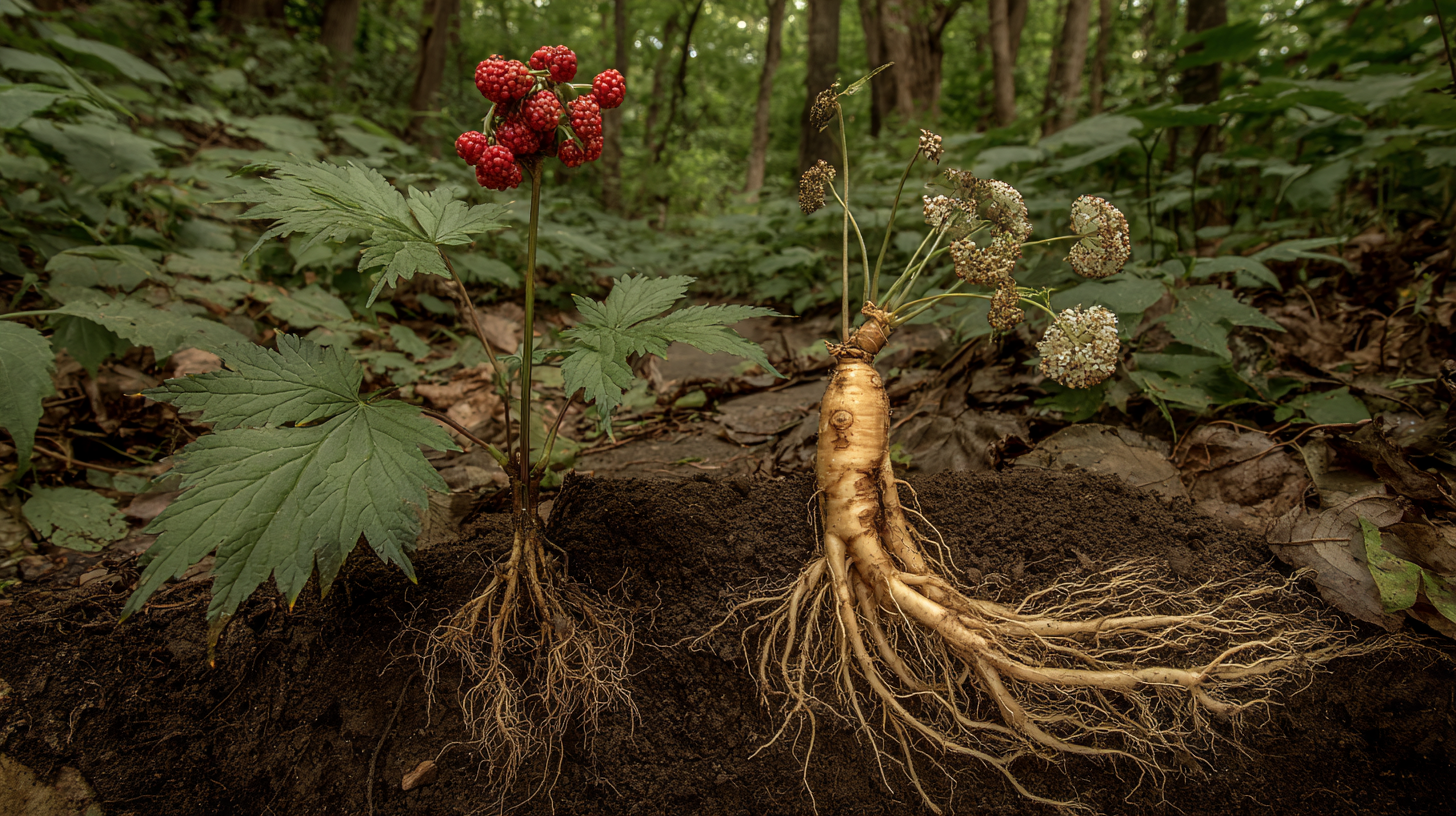
Ginseng is a slow-growing perennial herb that reaches about 1 to 2.5 feet in height. It grows from a fleshy, aromatic taproot that is pale yellowish-white and often forks or branches in ways that resemble the human form — hence its Chinese name “ren shen,” meaning “man root.” The stem is simple and erect, bearing a single whorl of compound palmate leaves, each divided into five finely toothed, oval leaflets. Small, inconspicuous greenish-white flowers appear in an umbel cluster during summer, followed by bright red berry clusters in late summer and early fall. The plant develops very slowly, adding one leaf prong each year, and the root does not reach full medicinal potency for at least four to six years.
Origin
Panax ginseng is native to the cool, shaded mountain forests of northeastern China, Korea, and far-eastern Russia (Manchuria and Primorsky Krai). It once grew wild throughout these regions but has been so heavily harvested over thousands of years that truly wild Panax ginseng is now extremely rare and listed as endangered. Today, the vast majority of ginseng on the global market is cultivated, primarily in South Korea, China, and to a lesser extent in Japan and Russia. Its close relative, American ginseng (Panax quinquefolius), grows wild in the deciduous forests of eastern North America.
Brief History
Ginseng is one of the most documented plants in human history. The earliest written records of its use appear in Chinese texts dating back over 2,000 years, though oral traditions suggest its use extends back nearly 5,000 years. The Shennong Ben Cao Jing, one of the oldest known herbal texts, lists ginseng as a superior herb — one that could be taken continuously without harm. By the time of the Tang Dynasty (618–907 AD), ginseng had become so valuable it was worth more than gold by weight. Korean cultivation began around the 11th century, and Korea eventually became the world’s premier source for high-quality cultivated ginseng. Arabian traders carried ginseng westward by the 9th century, and by the 1700s, Jesuit missionaries in North America discovered that Native Americans were already using the closely related American ginseng for similar purposes — a remarkable example of parallel observation of the Creator’s design across continents.
Growing & Cultivation
Climate & Zones
Panax ginseng thrives in USDA Hardiness Zones 4 through 8. It requires a cold winter dormancy period and does not perform well in tropical or subtropical climates. It is well suited to temperate forests with distinct seasons. The plant demands cool summers and will struggle where summer temperatures regularly exceed 90°F. In warmer zones, it must be planted on north-facing slopes or under heavy canopy shade to stay cool enough.
Soil Requirements
Ginseng demands rich, humusy, well-draining soil with a pH between 5.0 and 6.5. It thrives in loamy soil with high organic matter — the type of soil found naturally on deciduous forest floors. Heavy clay must be amended heavily with leaf mold, compost, and sand. Good drainage is absolutely critical; ginseng roots will rot in waterlogged soil. Raised beds with amended forest soil are ideal for garden cultivation. Calcium and phosphorus should be present in adequate amounts, and many growers add ground limestone or bone meal to beds before planting.
Water & Sunlight
Ginseng requires 70 to 80 percent shade — it is a true woodland understory plant. Direct sunlight, especially afternoon sun, will scorch the leaves and severely stress the plant. In natural settings, it grows beneath hardwood canopies of oak, maple, basswood, and poplar. For garden cultivation, shade cloth or a north-facing slope under tree cover works well. Water needs are moderate; the soil should remain consistently moist but never soggy. Water every five to seven days during dry periods, and mulch heavily with leaf litter to retain moisture and mimic the forest floor.
Propagation
Seed propagation is the primary method for ginseng. Seeds require stratification — a period of warm followed by cold temperatures — before they will germinate, which typically takes 18 to 22 months from harvest to sprouting. Stratified seed is available from specialty suppliers. Sow seeds half to three-quarters of an inch deep, spaced about 3 inches apart, in fall. Cover with 3 to 4 inches of leaf mulch. Seedlings will emerge the following spring as small, delicate shoots with three tiny leaflets. Division of mature plants is possible but risky and not commonly practiced, as disturbing the roots can cause damage or disease.
Planting
Plant stratified seeds or small rootlets in early fall. Space plants 6 to 8 inches apart in rows 8 to 10 inches apart. Raised beds 4 to 6 inches high improve drainage. Companion plant with native woodland plants such as goldenseal, bloodroot, black cohosh, and trillium, which share similar growing requirements and help create a natural forest understory ecosystem. Avoid planting near walnut trees, which produce juglone and can inhibit ginseng growth.
Harvesting
This is a plant that teaches patience. Ginseng roots should not be harvested until at least the fourth year, and many experienced growers wait until the fifth or sixth year, when ginsenoside content peaks. Harvest in early fall (late August through September) after the tops have yellowed and begun to die back and the berries have ripened. Use a garden fork to carefully lift roots, working from at least 6 inches away from the stem to avoid damaging the root. Wash gently and dry slowly in a well-ventilated area at 70 to 90°F for several weeks until roots snap cleanly when bent.
Drying & Storage
Fresh ginseng roots should be washed gently and dried whole in a warm, dry, well-ventilated space out of direct sunlight. Ideal drying temperature is 70 to 90°F. Small roots may dry in one to two weeks; larger roots can take three to four weeks. Roots are properly dried when they snap cleanly rather than bending. Store dried roots whole in airtight containers in a cool, dark place. Properly dried ginseng can retain potency for several years. White ginseng is simply dried, while red ginseng (hong shen) is produced by steaming fresh roots for two to three hours before drying, which changes the chemical profile and color.
Pest & Disease Management
Ginseng is susceptible to several fungal diseases including Alternaria blight, Phytophthora root rot, and Cylindrocarpon destructans (rusty root). Good air circulation, proper spacing, and excellent drainage are the best preventive measures. Avoid overhead watering. Slugs, voles, and deer can also damage plantings. Mulching with leaves helps suppress weeds while mimicking natural habitat. Companion planting with other woodland species creates biodiversity that naturally reduces pest pressure.
Companion Planting
Ginseng grows well alongside other shade-loving woodland plants including goldenseal, black cohosh, bloodroot, wild ginger, and trillium. These plants share similar soil and light requirements and create a diverse understory that supports beneficial soil organisms. Avoid planting near walnuts (juglone toxicity) or in areas previously used for ginseng cultivation, as the soil develops “replant disease” that can persist for decades.
The Healing of Growing
Growing ginseng offers benefits beyond the harvest itself. The act of tending a woodland garden — hands in humus-rich soil, the quiet of a shaded forest setting, the patience of waiting years for a harvest — has been shown to reduce cortisol, improve mood, and support immune function. The soil contains beneficial bacteria (Mycobacterium vaccae) with documented antidepressant effects. Studies published in Neuroscience have demonstrated that exposure to this soil organism stimulates serotonin production in the brain. When you grow your own ginseng, you receive healing long before you ever consume the root.
Nutritional Profile
Macronutrients
Per 100 grams of fresh ginseng root, the approximate nutritional breakdown is: Calories: 80–90 kcal, Protein: 2.0g, Carbohydrates: 18g, Dietary Fiber: 3g, Sugars: 3–4g, Fat: 0.6g. Ginseng root is predominantly composed of complex carbohydrates, including starch and polysaccharides, with modest protein and very little fat. While the macronutrient profile is not exceptional, ginseng’s value lies overwhelmingly in its unique bioactive compounds rather than its caloric contribution.
Phytonutrients & Active Compounds
The true nutritional power of ginseng lies in its extraordinary array of bioactive phytonutrients. Ginsenosides are the signature compounds — triterpene saponins unique to the Panax genus. At least 289 distinct ginsenosides have been identified across Panax species, with Rb1, Rb2, Rc, Rd, Re, Rf, Rg1, Rg2, and Rg3 being the most studied. These compounds are categorized into two main groups: protopanaxadiol (PPD) types, which tend toward calming and anti-inflammatory effects, and protopanaxatriol (PPT) types, which tend toward stimulating and energizing effects. This balance of opposing actions is what gives ginseng its adaptogenic nature — the ability to help the body normalize function in either direction depending on what is needed.
Beyond ginsenosides, ginseng root contains polysaccharides (including ginsenans) with documented immune-modulating properties, polyacetylenes (panaxynol, panaxydol, and panaxytriol) with anti-tumor and anti-inflammatory activity, peptides with antioxidant capacity, and various phenolic compounds including maltol and salicylic acid. The root also contains small amounts of B vitamins, vitamin C, and minerals including iron, zinc, manganese, and germanium.
Nutrient Notes
Ginseng is not consumed in large enough quantities to serve as a primary nutritional source. Its value is pharmacological rather than caloric. The ginsenoside content varies significantly depending on age of root (older roots contain more), growing conditions, species, and whether the root has been processed into white or red ginseng. Red ginseng (steamed) contains different ginsenoside profiles than white ginseng (dried), with some unique compounds like ginsenoside Rg3, Rh2, and compound K formed during the steaming process. Bioavailability of ginsenosides is enhanced by gut microbiota, which metabolize them into more active forms.
Culinary Uses
Edible Parts
The root is the primary edible portion, used both fresh and dried. Young ginseng leaves can also be eaten in salads or brewed as tea, though they contain lower concentrations of ginsenosides than the root. The red berries are technically edible and have been studied for their own bioactive compounds, though they are not commonly consumed.
Flavor Profile
Fresh ginseng root has a distinctive earthy, slightly sweet, and mildly bitter flavor with a warm, almost radish-like pungency when first chewed. The bitterness is more pronounced in older roots and in red (steamed) ginseng. Dried ginseng has a more concentrated, woody, and sweet-bitter taste. When cooked in soups or broth, ginseng imparts a subtle earthy sweetness. The flavor is mild when sliced thin and intense when used whole or in concentrated preparations.
Preparation
In Korean cuisine, ginseng is simmered whole in samgyetang (ginseng chicken soup), one of the most iconic preparations — a whole young chicken stuffed with glutinous rice, garlic, jujubes, and a whole ginseng root, then slow-simmered for hours. Fresh ginseng slices are stir-fried with honey or added to porridges. Dried ginseng is sliced thin and steeped as tea, or ground into powder and added to soups, rice dishes, and tonic beverages. In Chinese cuisine, ginseng is added to herbal soups and double-boiled tonics. It pairs well with chicken, pork, and mild-flavored grains. It can also be steeped in honey or spirits to create tonic preparations.
Culinary Pairings
Ginseng pairs beautifully with chicken, jujube dates, goji berries, astragalus root, garlic, ginger, glutinous rice, honey, and sesame. It complements mild, nourishing foods and is typically used in warming, restorative dishes rather than heavily spiced preparations.
Storage
Fresh ginseng root should be wrapped in a damp paper towel, placed in a sealed bag, and stored in the refrigerator, where it will keep for two to three weeks. For longer storage, fresh roots can be packed in slightly damp sand in a cool cellar. Dried ginseng roots, stored whole in airtight containers in a cool, dark place, can maintain quality for several years. Ginseng powder should be kept sealed and away from moisture, used within one year for best potency.
Ready to cook with ginseng? View Recipes on Chefts →
Wellness & Therapeutic Uses
Traditional Uses
Ginseng may be the most thoroughly documented plant in the history of traditional medicine. In Traditional Chinese Medicine, it has been used for over 2,000 years as a premier qi tonic — believed to replenish vital energy, strengthen the spleen and lungs, generate fluids, and calm the spirit. The Shennong Ben Cao Jing classified it as a “superior” herb, meaning it was considered safe for long-term use and capable of promoting longevity. In Korean traditional medicine, ginseng holds an even more central position, considered the king of herbs, and Korean cultivation techniques have been refined over nearly a millennium. Ayurvedic traditions recognize ashwagandha as their native adaptogen, but have also incorporated ginseng where trade routes made it available. Native American tribes including the Cherokee, Creek, and Iroquois used American ginseng (P. quinquefolius) as a tonic, for digestive complaints, and for fatigue — arriving independently at strikingly similar applications.
Modern Research
Adaptogenic Effects: Ginseng is classified as an adaptogen — a substance that helps the body resist physical, chemical, and biological stressors while normalizing physiological functions. Multiple human clinical trials have demonstrated that standardized ginseng extracts may support the body’s stress response. A systematic review of 65 randomized controlled trials found promising results for glucose metabolism modulation and immune response support (Shergis et al., 2013, Australia).
Cognitive Function: Research suggests that ginsenosides may support memory, attention, and mental processing speed. Studies indicate neuroprotective effects through multiple mechanisms including reducing oxidative stress, modulating neurotransmitter levels, and supporting mitochondrial function. A 2018 review published in the Journal of Ginseng Research detailed how ginsenosides may help protect against neurodegenerative processes associated with Alzheimer’s and Parkinson’s diseases (Kim et al., 2018, South Korea).
Immune Support: Clinical studies suggest that ginseng may enhance natural killer cell activity, support T-cell function, and modulate cytokine production. Research indicates that ginseng polysaccharides and ginsenosides both contribute to immune-modulating effects through different pathways.
Blood Sugar Support: A meta-analysis of 20 randomized controlled trials found that ginseng supplementation was associated with significant improvements in fasting plasma glucose, total cholesterol, IL-6, and HOMA-IR values in individuals with prediabetes and type 2 diabetes (Gou et al., 2022, multiple countries).
Fatigue: A systematic review of 10 studies found modest evidence for ginseng’s efficacy in addressing fatigue, with low risk of adverse events, concluding that ginseng is a promising support for fatigue in people with chronic illness (Arring et al., 2018, USA).
Liver Support: Preclinical meta-analyses suggest that Panax ginseng may help reduce markers of hepatic injury, with significant reductions in liver enzymes ALT and AST demonstrated across multiple animal models (2023, multiple countries).
Body Systems Supported
Ginseng is remarkably broad-spectrum in the body systems it may support: nervous system (cognitive function, neuroprotection, stress adaptation), immune system (NK cell activity, T-cell modulation, cytokine balance), endocrine system (adrenal support, blood sugar regulation, hormone modulation), cardiovascular system (lipid metabolism, vascular function, blood pressure modulation), digestive system (gut microbiome support, gastric protection), and reproductive system (libido support, reproductive health in both sexes).
Body Compounds Affected
Research suggests ginseng may influence a wide range of body compounds. Ginsenosides have been shown to modulate cortisol levels by supporting the hypothalamic-pituitary-adrenal (HPA) axis, helping the body maintain appropriate cortisol rhythms rather than remaining in chronically elevated states. Studies indicate effects on dopamine and serotonin pathways, which may contribute to mood support and cognitive enhancement. Ginseng has been shown to modulate GABA receptor activity, which may contribute to its calming effects at certain doses. Research also demonstrates effects on nitric oxide production (supporting vascular function), inflammatory cytokines including TNF-alpha and IL-6 (anti-inflammatory activity), insulin signaling, and BDNF (brain-derived neurotrophic factor, supporting neuroplasticity).
Methods of Use
Tea/Infusion
Slice 3 to 5 thin pieces of dried ginseng root (about 1 to 2 grams) and steep in near-boiling water (200°F) for 5 to 10 minutes. Because ginseng root is dense, a longer steep or light simmer extracts more ginsenosides. Can be re-steeped two to three times. Drink one to two cups daily. Many practitioners recommend cycling — using ginseng for two to three weeks, then taking one week off.
Tincture
Ginseng tincture is prepared by macerating dried root in alcohol (typically 40–60% ethanol) for four to six weeks. Typical dosage ranges from 1 to 2 milliliters (about 20 to 40 drops), taken two to three times daily. Tinctures offer more concentrated extraction of ginsenosides than tea alone.
Capsule/Powder
Standardized ginseng extracts (typically standardized to 1.5–7% ginsenosides) are commonly available in capsule form. Typical dosages range from 200 to 400 mg of standardized extract daily, or 0.5 to 2 grams of dried root powder daily. Quality varies significantly between products; look for GMP-certified manufacturers and third-party testing.
Cosmetic & Beauty Uses
Skin Benefits
Ginseng has been used in Asian skincare for centuries, and modern dermatological research is confirming many of these traditional applications. Ginsenosides and ginseng polysaccharides have demonstrated antioxidant, anti-inflammatory, and collagen-stimulating properties in skin studies. A 2026 review in the Journal of Ethnopharmacology systematically documented ginseng’s active components in maintaining skin homeostasis, noting that ginsenosides act as natural prodrugs that are biotransformed into active metabolites like Compound K and Rh2, which activate the Nrf2/ARE antioxidant pathway in skin cells (Wang et al., 2026, China). A randomized, double-blind, placebo-controlled study found that enzyme-modified ginseng extract significantly reduced eye wrinkle formation and improved skin roughness measures compared to placebo, with no adverse reactions reported (Kim et al., 2015, South Korea).
Ginseng may benefit mature skin (anti-aging support), dull skin (brightening and revitalizing), acne-prone skin (anti-inflammatory and antimicrobial properties), and sun-damaged skin (photoprotective activity).
Hair Benefits
Ginseng has traditionally been used to support scalp health and hair growth. Ginsenosides may help stimulate dermal papilla cells and promote hair follicle proliferation. Ginseng-infused hair rinses and scalp treatments are common in Korean beauty traditions. Ginseng extract may support scalp circulation, which in turn supports a healthy environment for hair growth.
Application Methods
Ginseng can be incorporated into skincare through infused oils (steep dried ginseng slices in jojoba or sweet almond oil for 4 to 6 weeks), added to face masks (mix ginseng powder with honey and apply for 15 to 20 minutes), used as a toner (diluted ginseng tea applied with cotton pad), or added to bath water. Korean red ginseng extract is a popular active ingredient in commercial serums, essences, and sheet masks.
DIY Formulation Notes
For homemade preparations, use dried ginseng root powder at 1 to 5 percent concentration in creams or oils. Ginseng pairs well with carrier oils such as jojoba, rosehip seed, and camellia (tsubaki) oil. Avoid combining with strong acids (glycolic, salicylic) in the same application, as this may degrade the active compounds. Homemade ginseng-infused oils should be stored in dark glass containers and used within three months.
Ginseng is among the botanicals being explored for holistic cosmetic applications, where the wisdom of traditional beauty practices meets modern understanding of skin science.
Essential Oil Profile
Extraction
Ginseng essential oil is extracted from the root through steam distillation or, less commonly, CO2 extraction. The oil yield is very low — ginseng is not a major essential oil crop, and the oil is a specialty product rather than a mainstream aromatherapy staple. The high cost of ginseng root and the low oil yield make pure ginseng essential oil quite expensive.
Chemical Constituents
The volatile oil of Panax ginseng root contains a complex mixture of compounds. Primary constituents include sesquiterpenes such as α-humulene (approximately 14%), bicyclogermacrene (approximately 14%), β-caryophyllene (approximately 8%), α-neoclovene (approximately 8%), and the unique α- and β-panasinsenes (5–8%) — compounds specific to the Panax genus. Spathulenol (approximately 11.5%) has also been identified as a major constituent. The oil also contains various pyrazines, which contribute to ginseng’s distinctive earthy aroma, along with smaller amounts of alcohols, aldehydes, and phenolic acids.
Aroma Profile
Ginseng essential oil is classified as a base note. The scent is warm, earthy, woody, and slightly sweet with herbal undertones and a subtle bitterness. It is complex and grounding rather than floral or bright. It blends well with cedarwood, sandalwood, vetiver, frankincense, bergamot, and lavender.
Therapeutic Properties
Ginseng essential oil is studied for adaptogenic, anti-inflammatory, antioxidant, and grounding properties. The sesquiterpene content (particularly β-caryophyllene, which is known to interact with the endocannabinoid system via CB2 receptors) may contribute to anti-inflammatory and calming effects.
How to Use
Diffusion
Add 3 to 5 drops to an ultrasonic diffuser. Diffuse for 30 to 60 minutes in a well-ventilated room. The earthy, grounding scent may support focus and mental clarity.
Topical Application
Dilute to 2 to 3 percent in a carrier oil (approximately 12 to 18 drops per ounce of carrier). Apply to pulse points, behind ears, or on the soles of feet. For sensitive skin, start at 1 percent dilution. Perform a patch test before widespread use. This oil is not commonly used undiluted and should never be applied to broken skin, eyes, or mucous membranes.
Quality & Sourcing
True Panax ginseng essential oil is rare and expensive. Look for oils that are GC/MS tested and that specify the species (Panax ginseng, not Siberian “ginseng” or other unrelated plants). Be wary of synthetic reproductions or highly diluted products. The best-quality oils come from Korean or Chinese sources with transparent testing documentation.
Blending
Ginseng essential oil blends beautifully with other grounding base notes like vetiver, sandalwood, and frankincense for meditative blends. For energy and focus, combine with rosemary or peppermint. For stress relief, blend with lavender and bergamot.
Aromatherapy & Scent
The Aroma
Fresh ginseng root has a subtle, earthy, slightly sweet aroma with warm, woody undertones and a hint of bitterness. The scent is most noticeable when the root is freshly sliced or grated, releasing volatile compounds from the broken cells. When the root is intact, the aroma is mild and must be detected at close proximity. Dried ginseng root has a deeper, more concentrated earthy-sweet fragrance that is immediately recognizable — warm, slightly musty, and grounding. Dried ginseng retains its characteristic aroma for months to years when properly stored, though the intensity gradually diminishes over time.
How Scent Affects Your Body
When you inhale ginseng’s aromatic volatile compounds, these molecules travel through your nasal passages and bind to olfactory receptors high in the nasal cavity. These receptors send electrical signals directly to the olfactory bulb, which connects immediately to the limbic system — the emotional center of your brain — and to the hypothalamus, which controls hormone release. This pathway bypasses conscious thought, meaning the aromatic compounds in ginseng begin influencing your emotional state and biochemistry within seconds of inhalation, before you have time to think about what you are smelling.
Emotional & Mood Effects
The earthy, grounding scent of ginseng is associated with centering and focusing effects. It may promote a sense of calm alertness — present and focused without agitation. Traditional aromatherapy classifies ginseng’s aroma as grounding and stabilizing, supporting mental clarity while reducing feelings of overwhelm. The warm, earthy quality may also evoke a sense of comfort and connection to the natural world.
Body Compounds Affected
While most research on ginseng’s effects on body compounds has focused on oral consumption rather than inhalation alone, the volatile compounds in ginseng — particularly sesquiterpenes like β-caryophyllene and α-humulene — have documented biological activity. β-caryophyllene has been shown to interact with the endocannabinoid system, and inhaled terpenes are known to cross the blood-brain barrier. Research suggests that aromatic exposure to plant terpenes may help modulate cortisol levels and support parasympathetic nervous system activity.
Ways to Experience the Scent
Beyond essential oil diffusion, there are many simple ways to experience ginseng’s aroma: keeping a fresh root in a small dish on your desk, simmering dried ginseng slices gently on the stove, adding sliced fresh root to a pot of tea, placing dried root pieces in a sachet near your pillow, or simply holding and smelling the root during a moment of quiet reflection. In Korean homes, simmering ginseng chicken soup (samgyetang) fills the house with a subtle, nourishing aroma that is itself considered part of the restorative experience.
Color Therapy
The Colors of Ginseng
Ginseng presents a range of colors throughout its life cycle. The leaves are a rich, deep green that lightens in new growth. The small flowers are pale greenish-white. The berries mature to a vivid, bright red — a striking contrast against the green foliage. The fresh root is pale cream to yellowish-white. When steamed to create red ginseng, the root transforms to a deep reddish-brown. The dried white root becomes a warm tan-to-beige color.
Color Wavelengths
The dominant colors of the ginseng plant carry different wavelength information. The green foliage falls in the 495 to 570 nm range, associated with balancing and calming effects on the body. The red berries fall in the 620 to 700 nm range, associated with energizing, stimulating, and circulation-supporting effects. The white/cream root corresponds to full-spectrum light — associated with purifying and clarifying energy.
How Ginseng’s Colors Affect the Body
The green of ginseng’s leaves — the color most prominent when growing the plant — falls at the center of the visible spectrum. Color therapy principles associate green with balance, heart-centered calm, and a sense of being grounded in nature. This may be one reason spending time with green plants (biophilic exposure) has been repeatedly shown to reduce stress and lower blood pressure. The red of ginseng’s berries carries the longest visible wavelength and is associated with vitality, warmth, and stimulated circulation — a visual echo of ginseng’s traditional reputation as an energy tonic.
Body Compounds Affected
Research on light therapy and color exposure suggests that viewing green environments may help lower cortisol and support parasympathetic nervous system activation. Exposure to natural red hues has been associated with increased alertness and arousal. While these effects are subtle, they contribute to the holistic experience of being around the living plant.
Using Ginseng for Color Therapy
Place a potted ginseng plant in a space where you regularly sit and work — the deep green foliage provides a calming visual anchor. If you grow ginseng outdoors, spending time in the garden during the fall berry season provides exposure to both green and red wavelengths. When consuming ginseng, consider that “eating the rainbow” includes these colors — the red berries and pale root each carry their own visual medicine.
Frequency & Vibration
The Frequency of Ginseng
Everything in creation vibrates at a molecular level — this is fundamental physics. Plants emit measurable electromagnetic frequencies. While specific frequency measurements for whole Panax ginseng root have not been as extensively documented as some other plants, ginseng is widely regarded in bio-frequency research as a high-frequency plant. According to proponents of vibrational medicine, high-frequency plants and their essential oils may help support and elevate the human body’s own frequency. For reference, a healthy human body is believed to vibrate between 62 and 78 MHz, while illness is associated with lower frequencies.
Human Frequency Interaction
The principle of entrainment suggests that when two oscillating systems are in proximity, the stronger or more stable frequency tends to influence the weaker one. Frequency measurements suggest that being around high-frequency plants and consuming them may support the body in maintaining its optimal frequency range. Proponents of vibrational medicine believe that ginseng’s renowned ability to support vitality and resistance to illness may be partly explained through this frequency-based interaction — the plant helping to raise or stabilize the body’s own vibrational state.
Essential Oil Frequency
While ginseng essential oil has not been as widely measured as oils like rose (reported at 320 MHz by Tainio technology) or frankincense, it falls within the category of therapeutic-grade essential oils that have measurable frequencies. The complex sesquiterpene profile of ginseng oil is consistent with the higher-frequency ranges typically associated with therapeutic plant oils.
Vibrational Applications
To use ginseng for frequency support, consider growing the plant in your living space (ongoing exposure to the living plant’s frequency), consuming ginseng tea mindfully (combining ingestion with intentional presence), diffusing ginseng essential oil during prayer or meditation, and carrying a small piece of dried ginseng root in a pocket or pouch — a practice with deep roots in Korean and Chinese tradition.
Note: Bio-frequency research is an emerging field. While the concepts presented here are grounded in measurable physics and are supported by a growing body of researchers, this area of study continues to develop. The information above reflects current understanding within vibrational medicine.
The Living Plant
Benefits of Presence
Simply being around a living ginseng plant offers benefits that go beyond any preparation or extraction. Research on biophilic design and nature exposure consistently demonstrates that living plants in indoor and outdoor environments reduce stress, improve mood, enhance attention and productivity, and support recovery from illness. A ginseng plant, with its elegant whorl of deep green leaves, provides a quiet, living presence that connects you to the forest ecosystem from which it comes.
Air Purification
While ginseng is not among the plants specifically tested in the NASA Clean Air Study (those were primarily common houseplants like pothos, spider plant, and peace lily), all green plants contribute to indoor air quality through photosynthesis — absorbing carbon dioxide and releasing oxygen. Ginseng’s modest size means its air-purifying contribution is small but present. Like all plants, it also contributes to humidity regulation in indoor spaces, which can benefit respiratory comfort.
Phytoncides
Living plants release phytoncides — antimicrobial volatile organic compounds that serve as the plant’s natural defense system. Forest bathing research (shinrin-yoku) from Japan has demonstrated that exposure to phytoncides from living trees and plants increases natural killer (NK) cell activity in humans, enhances immune function, reduces cortisol, and lowers blood pressure and heart rate. While ginseng is an understory herb rather than a tree, it grows within the phytoncide-rich environment of the deciduous forest and contributes its own volatile compounds to the surrounding air. Growing ginseng within a woodland garden setting amplifies the phytoncide exposure you receive during garden visits.
Visual & Psychological Benefits
Research consistently demonstrates that viewing green plants reduces psychological stress, improves attention (attention restoration theory), and accelerates healing. A landmark study by Roger Ulrich found that hospital patients with views of trees recovered faster, required less pain medication, and had fewer complications than patients facing a brick wall. Having a ginseng plant in your living or working space provides a small but measurable contribution to these documented benefits.
Growing Indoors vs Outdoors
Ginseng can be grown indoors in containers, though it is challenging. It requires a cool winter dormancy period (some growers refrigerate potted plants for 3 to 4 months), consistently moist but not waterlogged soil, and very low light — making it suitable for north-facing windows or rooms with minimal direct sunlight. Outdoors, it thrives in woodland garden settings under deciduous tree canopy. The outdoor setting provides the full spectrum of nature-exposure benefits — soil contact, phytoncides from surrounding trees, sounds of birds and wind, and the grounding effect of being physically in a natural environment.
Touch & Physical Interaction
Gardening Therapy
Horticultural therapy — the use of gardening as a therapeutic intervention — is a well-established practice supported by decades of research. Growing ginseng, with its woodland setting, patient timeline (years from seed to harvest), and the careful attention it demands, is an especially meditative form of garden work. The slow pace of ginseng cultivation naturally encourages mindfulness and teaches presence — you cannot rush this plant, and learning to work within its timeline can be profoundly grounding.
Soil Contact Benefits
When you work in a ginseng garden with bare hands (or bare feet on the forest floor), you engage multiple healing mechanisms simultaneously. Mycobacterium vaccae, a beneficial soil bacterium, has been shown in research published in Neuroscience to stimulate serotonin-producing neurons in the brain, producing effects comparable to some antidepressant medications. Grounding (earthing) — direct skin contact with the earth — allows the transfer of electrons from the earth’s surface into your body, which research suggests may reduce inflammation, improve sleep, and normalize cortisol rhythms. The rich forest soil in which ginseng grows is alive with beneficial microorganisms that support the diversity of your skin and gut microbiome when you interact with them.
The Tactile Experience
Ginseng offers a unique tactile journey through its different parts. The leaves are smooth, thin, and slightly waxy — cool to the touch with delicate serrated edges. The stem is slender and herbaceous. But the root is where the real tactile experience lies. Fresh ginseng root is firm yet slightly yielding, smooth-skinned with a faintly waxy exterior, and surprisingly heavy for its size. The root often has human-like branching — “arms” and “legs” — that make each root feel unique in the hand. Slicing fresh ginseng produces a crisp, clean cut that releases a wave of earthy fragrance. Dried ginseng root is hard, dense, and woody, with a texture that invites handling and holding.
Harvesting & Processing
Harvesting ginseng is a deeply tactile and contemplative experience. After years of patient waiting, the act of carefully forking the root from its forest bed requires gentle, focused attention — rushing or carelessness can snap the delicate root prongs. Washing the soil from the freshly lifted root, feeling the shape of what the earth has produced over half a decade, is a profoundly satisfying sensory experience. Processing — slicing, sorting, and laying roots to dry — involves repetitive, meditative handwork that quiets the mind and engages the senses. For those who steam roots to make red ginseng, the transformation of color and scent adds another layer of sensory engagement.
Water-Based Applications
Teas & Infusions
Ginseng tea is one of the oldest and most common preparations worldwide. For a standard infusion, use 1 to 2 grams of thinly sliced dried ginseng root per cup of near-boiling water (195–205°F). Steep for 5 to 10 minutes. Because ginseng root is dense and fibrous, it can be re-steeped two to three additional times with slightly longer steeping durations — a practice called “gong fu” style in Chinese tea culture. For a cold infusion, place slices in room-temperature water and steep overnight in the refrigerator; this produces a milder, slightly sweeter preparation. Drink one to three cups daily. Many traditional practitioners recommend consuming ginseng tea in the morning or early afternoon, as its energizing effects may interfere with sleep if taken late in the day.
Herbal Baths
Ginseng bath preparations are traditional in Korean wellness culture. Prepare a strong decoction by simmering 15 to 30 grams of dried ginseng root (or root slices) in 2 quarts of water for 30 to 45 minutes. Strain and add the liquid to a warm bath (98–102°F). Soak for 20 to 30 minutes. The warm water opens pores and facilitates absorption of ginseng compounds through the skin. Ginseng baths are traditionally used to support fatigue recovery, muscle soreness, and general revitalization. For a foot bath alternative, use half the amount of plant material and soak feet for 20 to 30 minutes — the soles of the feet have large pores and numerous reflexology points, making foot soaks surprisingly effective.
Hydrosols
Ginseng hydrosol (the water portion left after steam distillation of the essential oil) is not widely commercially available due to the limited essential oil production from ginseng. When available, it can be used as a gentle facial toner, a body mist, or added to baths and compresses. It carries a milder scent and lower concentration of active compounds than the essential oil.
Compresses
For a warm ginseng compress, prepare a strong tea or decoction and soak a clean cloth in the warm liquid. Apply to areas of muscle tension, fatigue, or discomfort for 15 to 20 minutes. Warm compresses may support circulation and comfort in the applied area. For a cold compress, use refrigerated ginseng tea on a cloth and apply to areas of swelling, inflammation, or puffiness — including around the eyes, where it draws on ginseng’s traditional use in Korean skincare for reducing puffiness.
Steam Inhalation
Add several slices of fresh or dried ginseng root to a bowl of just-boiled water. Drape a towel over your head and lean over the bowl, breathing deeply for 5 to 10 minutes. This delivers volatile compounds directly to the respiratory system and may support respiratory comfort during congestion. The warm, earthy steam is grounding and can help promote a sense of focused calm.
Hair Rinses
Prepare a strong ginseng tea (2 to 3 grams of dried root per cup, steeped for 15 to 20 minutes) and allow it to cool. After shampooing, pour the ginseng rinse over hair and scalp, massaging gently into the scalp for 2 to 3 minutes. This can be left in as a leave-on treatment or rinsed out after 5 minutes. Traditional Korean hair care uses ginseng rinses to support scalp health, circulation, and hair strength.
Historical, Cultural & Biblical Significance
Biblical References
Ginseng is not directly named in Scripture by its modern common name. However, some scholars have proposed a connection to the Hebrew word pannag (פַּנַּג) found in Ezekiel 27:17 (KJV): “Judah, and the land of Israel, they were thy merchants: they traded in thy market wheat of Minnith, and Pannag, and honey, and oil, and balm.” The meaning of pannag has been debated for centuries — some scholars believe it refers to a type of confection or grain, while others have noted that the word bears resemblance to Panax (the Greek “all-healing”) and may refer to a valuable traded root. This connection remains scholarly speculation rather than established consensus. What is certain is that the trade routes connecting East and West were carrying precious plant materials between Asia and the Middle East long before the common era, and ginseng was among the most valued substances in Asian commerce by the time of Ezekiel (6th century BC). Whether or not the specific word pannag refers to ginseng, the broader truth holds — God provided healing plants across every continent, and trade carried that knowledge between civilizations.
Ancient Civilizations
The earliest documented use of ginseng appears in Chinese texts dating to roughly 196 AD (the Shennong Ben Cao Jing, compiled from older oral traditions), though archaeological and textual evidence suggests use dating back three to five millennia. The ancient Chinese classified ginseng as a “superior” herb — safe for long-term use and capable of promoting longevity. By the 3rd century, Ge Hong’s Baopuzi described ginseng as “the essence of the earth.” During the Tang Dynasty (618–907 AD), ginseng was more valuable than gold and was reserved for emperors and the elite. Greek and Roman physicians did not document ginseng directly, though they were aware of valuable medicinal roots traded through Central Asian routes. The Greek-derived name Panax (from “pan” meaning all and “akos” meaning cure) was applied to the plant by Carl Linnaeus in 1753, acknowledging its reputation as a universal remedy.
Eastern Traditions
In Traditional Chinese Medicine, ginseng is categorized as sweet and slightly warm, entering the Lung, Spleen, and Heart meridians. It is used to powerfully tonify Yuan (original) Qi, strengthen the spleen, nourish the lung, generate fluids, and support the heart and calm the spirit. The Bencao Gangmu (Compendium of Materia Medica, 1578) by Li Shizhen devoted extensive coverage to ginseng, documenting dozens of preparations and applications. In Korean traditional medicine, ginseng holds an unparalleled position — Korea developed sophisticated cultivation methods beginning around the 11th century, and ginseng remains a cornerstone of Korean identity, cuisine, and medicine. The Korean government established the Korea Ginseng Corporation to maintain quality standards. While these cultures observed the design — the Creator who embedded these properties into this root — their detailed documentation has provided invaluable knowledge that modern science continues to verify.
Indigenous Knowledge
When Jesuit missionaries arrived in North America in the early 1700s, they discovered that Native American tribes were already using the closely related American ginseng (Panax quinquefolius) for remarkably similar purposes. The Cherokee used it as a tonic for fatigue and colic. The Iroquois employed it for fertility and general strengthening. The Creek used it for breathing difficulties and fever. This parallel discovery — separated by an ocean and thousands of years — is a powerful testimony to the consistency of God’s design. The same Creator embedded similar healing properties in both species, and peoples on different continents independently recognized and documented them.
European Heritage
Ginseng became known in Europe through the writings of travelers and missionaries in Asia. The Dutch East India Company began importing ginseng to Europe in the 17th century. In 1714, Jesuit priest Father Pierre Jartoux published a letter from China describing ginseng’s properties, which inspired Father Joseph-François Lafitau to search for (and find) American ginseng growing near Montreal in 1718. This triggered the American ginseng trade, which by the late 18th century was one of the most valuable exports from colonial America to China — second only to furs. John Jacob Astor made part of his early fortune trading American ginseng. European herbalists incorporated ginseng into their materia medica primarily in the 19th and 20th centuries.
Cultural Symbolism
Across East Asian cultures, ginseng symbolizes longevity, strength, vitality, and wisdom. In Korean culture, the root is considered a national treasure. Its human-like shape inspired its Chinese name “ren shen” (man root) and has been associated with the doctrine of signatures — the ancient belief that plants resemble the body parts they are meant to heal. Ginseng has been featured in East Asian art, poetry, and ceremony for centuries. It is given as a prestigious gift and is central to traditional celebrations of health and longevity. None of these cultural uses involve occult practices — they are expressions of gratitude for and recognition of a remarkable creation.
Safety & Precautions
Contraindications
Ginseng should be used with caution or avoided by individuals with uncontrolled high blood pressure, as it may have stimulating effects on cardiovascular function in some users. It should be avoided during acute infections or high fevers, as it may intensify the body’s inflammatory response. Those with hormone-sensitive conditions (certain breast, uterine, or ovarian cancers; endometriosis; uterine fibroids) should consult their healthcare provider before use, as ginseng may have mild estrogenic activity. Discontinue use at least one to two weeks before scheduled surgery, as ginseng may affect blood clotting and blood sugar regulation during and after surgical procedures.
Drug Interactions
Ginseng has documented and suspected interactions with several categories of medications. Blood thinners (warfarin/Coumadin): Research has demonstrated that ginsenosides can affect warfarin metabolism through CYP3A4 and CYP2C9 enzyme induction, potentially reducing warfarin’s effectiveness. Anyone on warfarin therapy should not start or stop ginseng without notifying the clinic managing their INR. Diabetes medications: Ginseng may lower blood sugar levels, and combining it with diabetes medications could potentially cause hypoglycemia. Blood glucose should be monitored more closely if ginseng is added. MAO inhibitors (phenelzine/Nardil): Concomitant use has been associated with manic-like symptoms in case reports. Immunosuppressants: Because ginseng may stimulate immune function, it could theoretically reduce the effectiveness of drugs designed to suppress the immune system. Stimulants and caffeine: Ginseng’s mildly stimulating effects may compound with caffeine or other stimulants, potentially causing nervousness, elevated heart rate, or insomnia. Imatinib (Gleevec): Case reports suggest ginseng may inhibit CYP3A4 metabolism of imatinib, potentially increasing side effects.
Pregnancy & Nursing
Not recommended during pregnancy or breastfeeding without guidance from a qualified healthcare provider. While ginseng has been used traditionally in some Asian cultures during the postpartum period, there is insufficient modern safety data to confirm safety during pregnancy. Ginsenosides have shown estrogenic activity in some studies, and the effects on fetal development have not been adequately studied. Some animal studies have raised concerns about potential teratogenic effects at very high doses.
Children
Ginseng is not generally recommended for children under 12 without practitioner guidance. For children over 12, dosages should be reduced to one-third to one-half of adult doses. Ginseng tea at very mild concentrations has been used in Asian cultures for older children, but concentrated extracts and supplements should be avoided in pediatric populations. Stimulating effects may be more pronounced in children.
Elderly
Ginseng is widely used by older adults in Asia and is generally well-tolerated. However, elderly individuals should start with lower doses (half the standard adult dose) and increase gradually. Special attention should be paid to interactions with blood pressure medications, blood thinners, and diabetes medications — all of which are commonly prescribed in older populations. Monitor for insomnia or restlessness, particularly when starting supplementation.
Pets
Dogs: Caution — Ginseng is not listed as toxic by the ASPCA, but concentrated root material or supplements can cause gastrointestinal disturbance, hypoglycemia, or nervous system effects in dogs if consumed in significant quantities. Keep supplements and concentrated preparations out of reach.
Cats: Caution — Similar considerations as dogs. Cats are generally more sensitive to herbal compounds. Concentrated ginseng products should be kept away from cats. Small incidental contact with the plant is unlikely to cause harm.
Horses: The EFSA Panel concluded that ginseng tincture is safe for horses at appropriate use levels. Ginseng has been used in equine supplements for performance support.
If any pet ingests a significant quantity of ginseng root or supplement, watch for vomiting, diarrhea, lethargy, or signs of low blood sugar. Contact your veterinarian or the ASPCA Animal Poison Control Center (1-888-426-4435) if you observe symptoms.
Allergies & Sensitivities
Ginseng allergy is uncommon but possible. Cross-reactivity with other Araliaceae family plants may occur. Some individuals experience headache, digestive upset, or insomnia — these are typically dose-related and resolve when the dose is reduced. Topical ginseng preparations may cause skin sensitivity in rare cases; perform a patch test before applying to large areas. Ginseng tincture should be considered a potential skin and respiratory sensitizer based on EFSA assessment.
Dosing Guidelines
General adult dosages based on traditional use and clinical research: Dried root: 0.5 to 2 grams per day. Standardized extract (containing 1.5–7% ginsenosides): 100 to 400 mg per day. Tincture: 1 to 2 mL (20 to 40 drops), two to three times daily. Many practitioners recommend a cycling schedule — two to three weeks on, one week off — rather than continuous daily use, to prevent tolerance and maintain efficacy. The maximum generally accepted safe dose for short-term use is 3 grams of dried root per day. Signs of excessive intake may include insomnia, nervousness, headache, elevated blood pressure, rapid heartbeat, or digestive upset.
Quality & Sourcing
Ginseng quality varies dramatically. Adulteration is a significant concern — products may contain less ginseng than labeled, different species of ginseng than claimed, or be mixed with other herbs. Look for products that are GMP (Good Manufacturing Practices) certified, third-party tested, and that provide a Certificate of Analysis (COA) with ginsenoside content verified by HPLC or UPLC testing. Reputable Korean ginseng products often carry the Korea Ginseng Corporation or CheongKwanJang seal. Avoid bargain-priced products from unverified sources, as these are most likely to be adulterated. Heavy metal contamination is also a concern for products grown in contaminated soil.
Signs of Adverse Reaction
Mild reactions that typically resolve with dose reduction: insomnia, headache, digestive upset, nervousness, or mild increases in blood pressure. More serious reactions that warrant discontinuation and medical attention: rapid or irregular heartbeat, significant blood pressure elevation, severe headache, allergic reaction (hives, swelling, difficulty breathing), or signs of hypoglycemia (shakiness, confusion, sweating) in individuals on diabetes medications.
Disclaimer
This information is for educational purposes only. It is not intended to diagnose, treat, cure, or prevent any disease. Always consult with a qualified healthcare provider before using any herbal product, especially if you are pregnant, nursing, taking medications, or have a medical condition. If you experience any adverse reaction, discontinue use immediately and seek medical attention.
Want Personalized Guidance?
Every body is unique. What works for one person may not be right for another. If you’d like personalized support in incorporating ginseng into your wellness journey, consider working with a qualified practitioner who can assess your individual needs.
Sources & References
Peer-Reviewed Studies
- Exploring the Therapeutic Potential of Panax Ginseng: A Comprehensive Review of Its Pharmacological Applications — Nutrients, 2025, International
- Panax ginseng and aging related disorders: A systematic review — Journal of Ginseng Research, 2022, Multiple Countries
- Panax ginseng in randomised controlled trials: A systematic review — BMC Complementary and Alternative Medicine, 2013, Australia
- Beneficial effects of Panax ginseng for the treatment and prevention of neurodegenerative diseases — Journal of Ginseng Research, 2018, South Korea
- Ginseng as a Treatment for Fatigue: A Systematic Review — Journal of Alternative and Complementary Medicine, 2018, USA
- The Efficacy of Ginseng (Panax) on Human Prediabetes and Type 2 Diabetes Mellitus: A Systematic Review and Meta-Analysis — Nutrients, 2022, Multiple Countries
- The Efficacy of Panax ginseng for the Treatment and Prevention of NAFLD: A Systematic Review and Meta-Analysis — Nutrients, 2023, Multiple Countries
- Panax ginseng: a systematic review of adverse effects and drug interactions — Drug Safety, 2002, United Kingdom
- Research progress on the mechanisms of Panax ginseng and its active components in maintaining skin homeostasis — Journal of Ethnopharmacology, 2026, China
- Efficacy and Safety of Enzyme-Modified Panax ginseng for Anti-Wrinkle Therapy — Evidence-Based Complementary and Alternative Medicine, 2015, South Korea
- Global deregulation of ginseng products may be a safety hazard to warfarin takers: solid evidence of ginseng-warfarin interaction — Scientific Reports, 2017, Multiple Countries
- American Ginseng Extract Is Safe in Long-Term Use in Type 2 Diabetic Patients — Evidence-Based Complementary and Alternative Medicine, 2014, Canada
Traditional Medicine Sources
- Analysis of the essential oil composition of fresh Panax ginseng root — Korean Journal of Food Preservation, 2023, South Korea
- Safety and efficacy of ginseng tincture for horses, dogs and cats (EFSA) — EFSA Journal, 2024, European Union
Institutional Sources
- Panax Ginseng: A Clinical Review — American Family Physician, 2003, USA
- A Review of the Mechanisms and Risks of Panax ginseng in the Treatment of Alcohol Use Disorder — Nutrients, 2025, Multiple Countries